This topic has been brewing in my mind for quite some time. I’ve touched on it in many of my past articles about my ancestors and how faith was a steadfast pillar in their lives.
So, where does one begin in the quest to understand what faith and religion are all about? I certainly don’t intend to dive into a lengthy historical account—that could take forever. There’s too many questions that remain unanswered.
One of the main questions that intrigues me most is this: why and how do people cling so fervently to faith? The Earth’s position in the universe is like a single grain of sand on an endless beach. Why would a mythical being, God, choose this insignificant speck to “set up shop”? Surely, if such a being exists, there must have been countless better options. And if this being does exist, He must be bitterly disappointed with how things have turned out. Why does belief sometimes take on an almost maniacal intensity, even when it seems, to some, to be one of the greatest illusions ever perpetuated?
It’s obvious by now that I’m a non-believer.
Perhaps the best place to start is with the question: why do believers feel the need to convert others to Christianity? Since time immemorial—or at least since religious evangelism became a major force—there’s been this persistent effort to bring others into the fold. It’s something that continues to this day. Who hasn’t had a knock at their door from Jehovah’s Witnesses, Mormons, or some other enthusiastic evangelists? Some find these visits annoying, with literature like The Watchtower often handed out. Personally, I just thank them politely, say I’m not interested, and move on.
How can people who don’t for one minute believe in Santa Claus, the Easter Bunny, or the Tooth Fairy hold such strong belief in the story of a virgin birth in a barn, the miracles Jesus supposedly performed, his death, resurrection, and the ongoing questionable narratives from the Bible and other holy books? Even historians and theologians from many faiths have, for centuries, openly stated that these events couldn’t possibly have taken place. They can’t even agree on Jesus’s actual birth date or year. Why, then, was December 25th chosen?
Most historians view the Bible and other holy books as texts compiled by “communities of scribes”. In fact, we have a name for such communities today: we call them journalists.
Forgive my skepticism, but how much trust do we place in journalistic integrity these days? It makes me wonder: why should these “communities of scribes” be considered more credible in piecing together a fantastical story about a man who performed miracles and rose from the dead than, say, a group of modern-day journalists reporting for the Murdoch media group or London’s Fleet Street press?
My father was an Irish Catholic, and my mother came from a strict German Methodist upbringing. That union was unusual for the Australia of the late 1940s, even as more open-minded beliefs were starting to emerge.
As a child, my parents sent us to Sunday school and church, but there was no heavy-handed indoctrination at home. If anything, my father was far from a staunch advocate of any faith. He grew up in a strong Irish Catholic family but was also divorced, which alienated him from both the church and parts of his family. From my research into our family history, I’ve learned that some of his relatives held almost cult-like religious beliefs.
On my mother’s side, the German Protestants were staunch Methodists. While not as intense as the Catholics, they were deeply religious. My mother attended her local Methodist church throughout her life.
Even as a child, I noticed differences between the two faiths. I didn’t fully understand them, but I was aware that they interpreted and practiced their beliefs differently. That early observation planted a seed of curiosity in me: how could two groups, worshipping the same God and embracing the story of Jesus, hold such animosity toward one another?
As I grew older and learned more about the distinctions between Catholicism and Protestantism, one thing continued to puzzle me—why? They share so much in common, so why the hostility over differences that often seem petty or ignorant? For me, it seemed to boil down to cultural and racial divides. Across history, Catholic-Protestant conflicts have sparked wars and perpetuated division, even though the core belief systems are remarkably similar.
Religious strife has caused untold suffering—wars, invasions, and countless lives lost. All because one group insists, “My God is better than yours.”
If there is indeed a God watching over us, I imagine them shaking their head in disbelief at the chaos humanity has wrought in their name.
Many religions and faiths have been involved in wars throughout history, including Christianity, Islam, Judaism, Hinduism, Buddhism, and Sikhism. Historical events such as the Crusades, the Thirty Years’ War, the Protestant Reformation, and the persecution of Jews stand out as examples of conflicts driven or influenced by religious ideologies.
Add to this the dark legacy of abuse and corruption within religious institutions—not just the Catholic Church, although it often seems like the primary offender. From aligning with oppressive regimes like the Nazis during World War II to perpetuating harm within their communities, the Church has left a troubling legacy. The Church of England and other denominations have also had their fair share of complicity in societal wrongs.
And it’s not just Christianity—other religions have contributed to conflicts across the globe. Most wars, it seems, can trace their roots to religious differences that later escalate into territorial or political disputes. Religion, for all its promises of peace and salvation, has often been at the heart of humanity’s greatest tragedies.
Given this, it’s no surprise that church attendance has been in steady decline. Which brings me back to my question: why do people continue to cling to these institutions, despite their long history of harm and corruption?
Religious organizations have raped, pillaged, and murdered throughout history. Yet their followers remain loyal, often turning a blind eye to these transgressions.
One particularly strange societal custom is the practice of swearing on the Bible when taking an oath—in court, in parliament, or elsewhere. It’s ironic, given how often these very institutions are populated by liars, criminals, and hypocrites. How does a book of mythology and fairy tales come to symbolize truth and integrity? That’s a mystery I’d genuinely like someone to explain to me one day.
Religion is undeniably a touchy subject—one that has the potential to provoke strong, often angry reactions. I suppose that’s stating the obvious. For instance, if I were to stand outside a Christian church, a Muslim mosque, a Hindu temple, a Sikh gurdwara, or a Jewish synagogue, and openly criticize their faiths or prophets, there’s a good chance I’d face serious backlash—possibly even violence. Yet, it seems perfectly acceptable for followers of these religions to tell me I’m wrong about my beliefs and attempt to convert me at every opportunity.
I’ve always struggled with the blatant hypocrisy of this dynamic. How can faiths and their supposed gods preach messages of peace and harmony while their followers are so eager to clash over differing interpretations of what are essentially fictional stories?
At the time of writing, we’re approaching Christmas—a season that’s supposed to emphasize the Christian message of “Peace on Earth and goodwill toward all men” (Luke 2:14).
“Glory to God in the highest, and on earth peace, goodwill toward men!”
So, how’s that working out for us in the grand scheme of current world politics?
You may have noticed that I haven’t delved into the Science vs. Religion topic beyond the banner at the top of the article. There’s a reason for that. While I have limited knowledge of religion—gained from attending Sunday school and church, which might lend me some credibility😀—I certainly can’t claim to have any formal credentials in science. My sister is a science graduate, if that counts for anything 😂, but my formal understanding of science doesn’t extend far beyond what I learned in high school.
That said, I consider myself a good listener and, as I’ve grown older, a better learner. I’ve been able to grasp the basics of scientific facts, methodology, and experimentation, which are key to solving scientific riddles and unsolved problems. Even so, this isn’t the time or place to dive into the Science vs. Religion debate. It’s a subject I’ll save for another blog post in the future. Stay tuned for that one!
My wife, who is an incredibly smart person, once asked me some rhetorical questions that have stuck with me:
“Why do people rely on the crutch of religion throughout their lives—whether it’s for making decisions, justifying actions that hurt others, committing what they believe are minor crimes, or simply asking for guidance from their almighty god? Can’t they just be adults, think for themselves & do what is generally accepted as the right thing? And when things inevitably go wrong, why do they return to God and church to confess their failings, only to repeat the same cycle on this endless quest for answers?”
They are poignant questions, ones that cut to the heart of why so many seem to outsource accountability for their actions or the responsibility of critical thinking to their faith.
Me…… I would put it slightly differently…………….Grow the fuck up people, take responsibility for your actions & be accountable for them.
I recently found myself in a conversation with someone that I wish I had avoided. Once again, they reacted angrily when I questioned their belief system. I made it clear that I genuinely didn’t care about their beliefs, but my comments seemed to provoke an irrational response. It’s frustrating how people often lose all sense of reason when trying to justify their convictions.
Ultimately, I don’t care whether someone believes in Santa Claus, a so-called god, or anything else. My only issue is when people overreact to innocent questions. You can’t expect others to take your claims seriously if you don’t have any facts to support them. Believe in whatever you like—just don’t overwhelm me with your outlandish views or expect me to blindly agree with you.
To be completely fair and transparent—and to acknowledge the opposing side of the argument—many churches do valuable work. They foster community spirit, educate children, and engage in charitable efforts that no other institution, governmental or otherwise, is willing or able to take on. Churches, particularly the Catholic Church, provide support and guidance to the poor and less fortunate, who might otherwise be left behind. In this way, certain religious faiths step in to help where no one else is willing to do so.
Is it possible to separate the two aspects of religious institutions—the ones who genuinely help others in God’s name and those who engage in harmful, unchristian-like behavior?
I have often reflected on the faith of our ancestors, particularly the Catholics, and admired how it united the communities and provided strength during life’s challenges. In many ways, religion and faith helped them navigate difficult times. Without the support and guidance of their families and church communities, they may not have survived the hardships of the early pioneer days.
These questions don’t keep me awake at night. They simply remain unanswered.
As the great philosopher, Ricky Gervais once said – “Believing in something doesn’t make it true. Hoping that something is true doesn’t make it true. The existence of God is not subjective. He either exists or he doesn’t. It’s not a matter of opinion. You can have your own opinions. But you can’t have them as your own facts.“
Thank you & goodnight & may your God (whichever one he is) bless you all.😆
At its core, this may seem like a simple question, but it elicits a variety of answers.
To be honest, I don’t believe the vast majority of Australians care much about most issues—at least, not until those issues start affecting them directly. It’s one of those things people stay largely ignorant of until it becomes personal. Think about topics like the housing crisis, environmental concerns, power costs, or immigration. Most people keep their distance from politics, and honestly, it’s not hard to see why. Politics is often perceived as dull, politicians as uninspiring, and Canberra itself as a bland, uninspiring place.
For the average Australian, political interest only sparks when the consequences hit home. For example, when our kids can’t afford to buy or rent a house, or when power bills skyrocket, suddenly we want answers. Similarly, changing weather patterns, with more frequent bushfires and floods, bring environmental issues to the forefront during our summers. Let’s not forget the classic fallback topics: immigration and youth crime. These are the “go-to” issues for opposition parties, trotted out during slow news weeks or to help an otherwise obscure politician grab some fleeting attention.
For most people, the daily political happenings in Canberra barely register. They may skim a headline or two, but unless something drastic, such as a nuclear event, occurs, they remain largely ignorant of the political maneuvering that unfolds each day.
–There is also a group, often comprised of males in the 25 to 50 age demographic, who adopt a “she’ll be right, mate” attitude, laughing off the erratic behavior of some of our more eccentric politicians. They may claim indifference to who runs the country or how it is governed, yet suddenly develop a partial understanding when a policy or decision directly affects them. Suddenly, “Tradie Bill,” “Barber Bob,” or “Landscaper Larry” becomes the self-proclaimed expert, analyzing policies and forming opinions to impress their like-minded mates.
These newfound pundits often campaign among each other for the latest local right-wing conspiracy theorist candidate. They fail to grasp the serious implications when such individuals secure a seat in federal parliament. These seemingly apathetic voters only recognize the importance of their vote when an incompetent politician unexpectedly wins office. When that happens, they often resort to the “I didn’t know” defense, laughing it off as if it absolves them of responsibility.
Bob Katter, Pauline Hansen, Clive PalmerBarnaby Joyce, Michaelia Cash, Tony Abbott & then you can throw in Craig Kelly, Peter Dutton, Mark Latham, Bridgit McKenzie…………the list is never ending of unhinged ratbags that Australians have voted into our parliament to supposedly govern our country
– Then there’s the far right group that meticulously tracks every political move, analyzing every nuance in a constant quest to stay ahead. These individuals often form opinions that stray far from reality & are generally fans of Sky News & Alan Jones. Every family or friend group seems to have at least one such person—the one who dominates conversations with a presumed superior grasp of politics, mistakenly believing they’re more informed than everyone else, while delivering lengthy diatribes on the state of the nation.
An overzealous media fuels this frenzy. Competing outlets race to dissect every gesture and every word, hoping to land the next big scoop. The Canberra press gallery resembles a cutthroat pack, each journalist striving to pose that elusive question that might provoke a reaction and secure a spot on the evening news. Their competitive antics make a state-of-origin game look like a casual Sunday picnic.
The vast majority of these journalists (and I use the term loosely) are employed by media organizations with definite political agendas. Toeing the line and adhering to the boss’s political directives are prerequisites for the job. No journalist hack will dare to report the news truthfully when their employer demands coverage skewed toward a regimented, ultra-conservative political stance.
I have often thought that the more we see of our politicians, the less we like them. To be fair, most media outlets primarily show edited clips from press conferences or highlight “gotcha” moments when a misstep or mistake is made. Even if the politician corrects the error, the media rarely shows the correction. Instead, they focus on the mistake, often exaggerating it to suit their editorial agendas. After all, the media frequently prioritize sensationalized stories over truthful reporting, regardless of their accuracy.
You may have guessed that I don’t have much faith in Australian media outlets—and you’d be right. These days, even the supposedly independent ABC has been drawn into the ratings game, now led by former employees of organizations like Murdoch, Fairfax, and Seven West Media. Once a truly independent institution, the ABC has succumbed to the same industry trends, prioritizing sensationalized stories that cater to outrage rather than delivering factual, in-depth journalism.
The standard of quality journalism at the ABC, commercial TV networks & major print media outlets has declined significantly. Many experienced journalists have left, replaced by fresh university graduates eager to please their editorial bosses. Most of these young journo’s also have mortgages and debts to pay, making job security their top priority. They operate under strict editorial guidelines rather than reporting the facts. Given this environment, it’s no surprise that sensationalizing politicians often generates better news coverage than producing balanced, fact-based reporting.
Most people, however, simply want a stable, sensible government—one that effectively manages the country, balances the books, and allocates taxpayer money wisely. Budget priorities should address the nation’s real needs. Yet, if you were to ask ten people where taxes should be spent, you would likely receive ten different answers. Everyone’s priorities differ.
A person with a disability may want more funding for disability support.
Those in low socioeconomic or regional areas might prioritize job creation, often in industries that are no longer viable.
Residents in remote locations likely advocate for better communication infrastructure, improved healthcare, and strategies to curb population migration to cities.
People in the larger cities & regional towns want better roads, cheaper public transport & access to health care & associated services.
The unemployed often seek only one thing: a job.
The elderly need a government committed to their care.
Self-employed people seek support and tax breaks that promote business expansion.
Indigenous groups living in remote outposts seek help to address rampant crime, alcohol & drug abuse, inadequate education, poor healthcare, and the absence of support networks that city dwellers take for granted.
For everyone, a robust education system is crucial—one that is equitable, accessible regardless of location or socioeconomic status, and provides opportunities from early childhood through higher education.
We also need a strong social justice framework to support those struggling with mental health or other hardships, providing clear pathways to recovery. Similarly, a fair criminal justice system is essential, with an uncorrupted police force and a rehabilitation-focused prison system that not only delivers punishment, but offers genuine chances for reform.
Are we expecting too much? Sure, these are the standards we expect in Australia, and while we don’t always get it right, we do have some of the best safety nets in the world, comparable to those of any other country.
Yet, government resources are finite. Tough choices must be made, and often, deserving groups face funding cuts. Meanwhile, “pork-barreling” persists, as politicians prioritize votes over fairness, funneling resources into key electorates.
Despite these challenges, Australia remains a desirable place to live. Most people can access education, aspire to own a home (though the housing market is strained), and raise families. Australians are generally fair-minded, enjoy a great climate, and come together during crises like floods and bushfires. Still, questions about where the money comes from—and who misses out—persist.
One significant concern is government waste on think tanks, committees, and endless “talk fests.” Perhaps the most troubling aspect of parliamentary operations is lobbying. Lobbyists are well-compensated by their clients to influence lawmakers and secure favorable legislation. Their outsized influence often turns the democratic process into a system where only a select few have the ear of parliamentary leaders.
It’s difficult to compare Australia to geographically smaller Northern Hemisphere nations that don’t face the same vast distances or harsh climate of our Australian outback.
Then there’s the aid we provide to struggling countries, even while serious issues persist at home—such as homelessness, rampant domestic violence, substance abuse, the treatment of our Indigenous people, and war veterans left to cope with mental health challenges on their own.
But what defines a struggling country? While aid shouldn’t be treated as a quid pro quo, should we ensure more checks and balances on where our taxpayer money goes and what it achieves? Would those countries be as generous if the roles were reversed? I often wonder.
Still, Australians willingly help those in need—both at home and abroad.
I sometimes get the distinct impression that we are a nation of complainers, never satisfied with what our politicians do, keeping in mind that many people have predisposed party political views that they often carry for their entire lives. As to why people hold strong unchanging views or opinions on a party bewilders me, sure, some of the core values strike a chord with many voters, but the difference between the main two parties in Australia these days is negligible. I sometimes think that many voters are akin to sheep & will follow a political party for reasons even they themselves don’t fully understand. Many people still follow a party because their parents did. They often don’t understand or choose to understand why voting for someone else may be more benificial to themselves & the country.
I’ll give you an example: In the recent Queensland State Government elections, the incumbent Labor Government was convincingly thrown out. That’s okay—that’s democracy in action. But the reasoning behind it baffled me. Putting party politics aside, one side had a track record of being more generous, with policies already in place that benefited voters: affordable public transport fares, a fair and inclusive healthcare system, record infrastructure expenditure, free kindergarten for two days a week, free lunches for schoolchildren, and many other socially beneficial programs. All done with a balanced budget derived from higher taxing of our mega-wealthy mining companies. I have yet to see Gina Rinehart, Mike Henry or Jakob Stausholm handing around the begging bowl. Mining companies in Queensland & across the country are still making record profits, but are now paying their share of taxes & mining royalties into the state coffers.
The other side focused solely on solving the youth crime problem but offered no clear solutions when pressed. Instead, they repeated the same narrative over and over, seemingly relying on repetition to persuade the electorate, even without providing details. No prizes for guessing who won.
There is a long-held belief among political parties that voters grow tired of hearing the same, repetitive messages from incumbent leaders. Even when these leaders truthfully convey their party’s policies in response to journalists’ questions, those messages are often spun to fit the agenda of the news outlet. Regardless of how efficiently they have governed during their term, there is a prevailing theory that politicians have a use-by date & if the media want to get rid of you, they will.
What amazes me even more is that many voters seem unwilling to thoroughly research before casting their ballots. Candidates can wave these flashy but empty policy platforms in front of voters, appealing to the lowest common denominator, and still manage to sway them.
Politicians often project an air of infallibility when in opposition, but things become far more complicated once they take office. Their go-to excuse, almost miraculously, is often: “I wasn’t informed.”
It’s almost predictable what policies the major parties will campaign on before each election. Right-wing parties consistently focus on issues like law and order or immigration, often targeting Australia’s ultra-conservative, aging population.
Meanwhile, housing market concerns are often used to appeal to younger voters, despite the fact that the housing crisis is largely driven by global financial forces—factors far beyond the control of any Australian political party. Additionally, the influence of extremely powerful real estate and development lobby groups further complicates the issue.
Yet, these parties continue to push empty promises, ignoring the reality that they cannot deliver the solutions they claim to offer. Once in power, they rely on party spin doctors to craft narratives that are relentlessly promoted—without letting facts get in the way.
Setting up a spin team to deliver the newly appointed government’s stance on policy is nothing new. However, one must question why it is necessary if the legislation is solid and well-justified.
Brisbane Sunday Mail 1st December 2024, the spin team is being assembled.
On the other hand, the left-wing parties in Australia aim to govern with fair policies that benefit everyone. However, they are frequently stifled by a right-leaning media that obstructs their efforts at every turn.
Politicians who have worked hard and achieved significant progress in their electorates are often ousted by newcomers making absurd, vote-winning promises. Conversely, complacent incumbents sometimes resort to making equally ridiculous promises during election season to secure votes. These promises—such as funding a new clubhouse for a sports club—frequently come at the expense of essential infrastructure projects that would benefit the broader community rather than just a select few.
There’s an old political tactic, which relies on repeating a lie until people believe it. Sadly, this strategy still seems to work. Sometimes, I wonder if voters should be required to pass an intelligence test before being allowed to vote. Recent US election results suggest that a lack of critical thinking may be contributing to problematic outcomes.
In Australia, our media does a poor job of holding lying politicians accountable and rarely presses them for definitive answers when they are caught in blatant falsehoods. Worse still, many media organizations contribute to the problem by promoting non-factual reporting. Fact-checking seems almost nonexistent.
Ultimately, when election time comes, it boils down to the simple things for me, in what I want from my government: Which party and leader will best address the issues that matter? Is the leader a decent person, and can their party govern fairly for everyone—whether you’re a generational Australian or a newly arrived immigrant?
Am I a socially conscious person who believes in a fair go for every Australian, regardless of political affiliation, religion, class, or geographic location? Guilty as charged!
We only need to look at other countries to realize that, although our government and parliamentary system has flaws, we are far ahead of many others. Each day, we wake up knowing that, while it isn’t perfect, we are still miles ahead—and we retain the right to publicly disagree with how things are run. In many other so-called democracies, those rights are being eroded.
Should we simply accept that politicians can be corrupted and become mouthpieces for business groups, unions, or other organizations with agendas? No, absolutely not. However, to maintain a functioning government, we must acknowledge that compromise is sometimes unavoidable. When people govern together, they will rarely agree on everything. But does this justify the lengths to which individual politicians and parties go to cover up unscrupulous activities as a means to an end? Should we, as constituents, accept that a completely clean system free of dishonesty is unattainable? Is it naïve to expect a government free of corruption?
While representatives from both incumbent and opposition parties form the government of Australia, it is difficult to envision a system entirely free of misconduct. Unfortunately, we often have to settle for the next best thing: striving to minimize corruption as much as possible. While some may interpret this as capitulating to the forces of corruption and inefficient governance, I have come to believe that humans, by nature, are not capable of creating a corruption-free system. Therefore, I think we must accept the next best option: to try and keep the bastards in check.
We need an opposition willing to ask tough questions, and we must have a media capable of investigating beyond the usual spin to uncover the truth.
Politicians are human, and corruption can sometimes occur unintentionally when they are forced to negotiate policies they may not personally support but that serve a larger purpose. Occasionally, accepting less-than-ideal policies is necessary to achieve outcomes that benefit the majority. No group of people will ever agree on everything without conditions or compromises.
Ultimately, we wake up each day in a free country, without fear of bombs or bullets. Our imperfect group of politicians is far from ideal, but by any measure, I would choose them over the massively corrupt dictators governing some countries overseas. Sometimes, we must accept the good, the not-so-good, and even the downright terrible and hope we achieve a somewhat reasonable result.
Australia is a relatively small country population-wise, with only twenty-seven million people, yet it covers an enormous geographical area. The vast majority of the land is uninhabited, with most of the population concentrated along the coastal regions of the three eastern states: Queensland, New South Wales, and Victoria. Despite regional Australia being highly decentralized, many larger towns and cities still require significant infrastructure and services. So, where does the money come from to maintain this infrastructure for a population spread so widely across such a vast country?
Everyone wants access to quality health care, schools, roads, and transport. Yet, unsurprisingly, no one wants increased taxes. Political parties often claim Australia is heavily taxed, but in truth, it’s one of the lowest-taxing nations in the developed world. So, who actually foots the bill to keep the country running?
During every election cycle, we hear the same tired promises from all political parties—pledges of tax cuts and improved services. In reality, the country needs a balanced, pragmatic budget to function efficiently—setting aside government waste. Unfortunately, most political rhetoric revolves around appealing to the electorate and appeasing minority groups. But after all is said and done, the money has to come from somewhere, and inevitably, some people miss out. It all comes down to setting priorities.
The practice of “pork-barrelling”—allocating government funds to win votes in marginal electorates—is a harmful one. It undermines fair governance and contradicts post-election promises of equality and efficiency.
In conclusion, while our elections & compulsory voting systems ensure that everyone has the opportunity to have their say, it does not guarantee truth and honesty from our politicians. They are still free to lie and manipulate their way into power. As I mentioned, our system is far from perfect, but it is still miles ahead of places like the USA, where figures like Trump, Musk, and Vance now hold power—a truly frightening prospect.
When reflecting on recent history, it is worth examining Germany’s post-World War I era leading up to World War II and recognizing the similarities to what is currently unfolding in the United States.
The whole basis of Nazi propaganda was to repeat the same lies over & over. As Joseph Goebbels said “If you tell a lie big enough and keep repeating it, people will eventually come to believe it.”
After all is said and done, I sometimes wonder if people actually believe half of what the media reports and half of what circulates on social media. Yes, our country faces challenges, but I think those who constantly complain should consider moving to this so-called “perfect” place they imagine exists.
Despite its flaws, I’m grateful for what we have in Australia. If these critics truly believe there’s somewhere better, then perhaps they should go there. Sadly, many of these constant complainers are people who have grown up here yet have had little real-life exposure to the wider world.
Australia is a great country. In fact, it’s so good that people are willing to risk everything just to come here. While I don’t claim to be deeply knowledgeable about every nation, I have seen enough of other countries—their economies and their ways of life—to confidently say that Australia offers us something truly special.
We recently took the plunge and purchased an electric vehicle (EV), specifically the BYD Atto 3. There’s currently much debate surrounding EVs, with many eager to share their opinions on the pros and cons of this emerging technology.
There are numerous misconceptions about the initial costs of purchasing an electric vehicle (EV). While it’s true that EVs generally cost more upfront than most internal combustion engine (ICE) cars, the long-term financial benefits can be significant. We are not wealthy and never have been, but investing in an EV made practical financial sense for us. It’s only the second brand-new car we’ve ever owned, yet it has allowed us to drastically reduce our vehicle operating costs. These savings more than offset the running costs of our previous ICE cars, one of which we still own. For instance, compared to the $150-plus we used to spend on weekly fuel expenses, the EV has proven far more economical, even with the slight increase in electricity usage.
EV enthusiasts are excited about the innovative features that often enhance the driving experience. These individuals are drawn to the cutting-edge technology and the overall novelty of EVs.
On the other hand, there’s the group that views cars as simple tools for getting from point A to point B—commuters who prioritize functionality and cost-effectiveness. Here in Brisbane, Queensland’s capital, the combination of capped $0.50 public transport network fares and the low operating costs of EVs complement each other perfectly, offering locals the best of both worlds. EV drivers who also use public transport enjoy exceptional commuting deals, including free parking at rail stations and the cheap fares on trains, buses, and CityCats (river ferries). This has led to significantly fewer vehicles on the road, resulting in much less pollution and reduced congestion.
Another notable group includes those who are fed up with skyrocketing fuel prices imposed by oil companies. Many people simply want a car that’s affordable to run, easy to maintain, and doesn’t require constant upkeep like regular oil changes and other expensive maintenance associated with internal combustion engine (ICE) vehicles.
Since before buying the new car, we’ve been keen to learn as much as possible about EVs. Prior to purchasing, we researched extensively about running costs, available charging locations for travel, and strategies for minimizing charging expenses at home.
While EVs aren’t entirely free from environmental concerns—such as the carbon footprint associated with battery production and manufacturing processes—they produce significantly fewer pollutants during operation. EVs also face the familiar criticism of electricity generation: much of it still originates from coal, which produces substantial pollutants and is often cited as negating the environmental benefits of electric vehicles.
However, with a growing portion of electricity now being generated from renewable sources, the reliance on coal is gradually decreasing. This shift is steadily transforming electricity production into a more sustainable process, reducing its environmental impact. Although EVs are not a perfect solution, they represent a meaningful step forward in reducing carbon emissions, which is critical for addressing climate change.
It is interesting to note that when we first became interested in buying an EV about two years ago, we noticed that many car dealer networks showed little enthusiasm for promoting even their own range of electric vehicles. At the time, post Covid, these EVs were available only in strictly limited quantities in Australia.
Since those early days of considering an EV, we’ve observed a significant shift. Dealers now demonstrate a much higher level of interest and knowledge about their EV offerings.
One thing that has bothered me for years about the Australian new vehicle industry is the attitude of dealers and manufacturers. They often seem more focused on selling the cars they want to sell rather than helping customers find the cars they actually want to buy. Initially, when we inquired about EVs, we were told in no uncertain terms that the dealers weren’t particularly interested in discussing them. Even though EVs were listed in their product range, they kept steering us back toward ICE vehicles.
More recently, when we were ready to place an order, I spoke with a young car salesman about this trend among the older sales staff. He pointed out that many of the older salespeople lacked knowledge about the new EV models. When offered training on these vehicles, many were simply uninterested, reflecting an old-school mentality of selling what they were accustomed to rather than embracing the shift toward EVs & Hybrids.
CHARGING YOUR EV
We’ve equipped our home with solar panels, and while we feed all the power we generate back into the grid, the feed-in tariff allows us to charge our EV at no cost. If you’re up for a challenge, you could spend an hour talking to a representative from any power supplier, though they might leave you feeling bewildered with their jargon and convoluted explanations.
When it comes to choosing a power provider, I strongly recommend reviewing the information on their websites to determine which one offers the best deal for your needs. Most providers advertise specific discounts or power arrangements, but in reality, there’s often little difference between them. What one provider offers in savings, another compensates for elsewhere—and vice versa.
The availability of multiple electricity providers has created an environment ripe for legal yet ethically questionable practices. Providers often seem to modify offers and arrangements at will, frequently shifting the goalposts to suit their interests. This has turned the electricity supply market into a competitive comparison game or a form of tacit collusion between providers. Given that electricity is an essential service, consumers are often left choosing the provider with the most persuasive pitch at the time.
We installed a 15-amp charger that adequately meets our needs. The setup included having a 15-amp power point installed by an electrician for $300. 15 amp power points have a slightly bigger earth point than a 10 amp & can safely support appliances that require more power without overloading the circuit. We also purchased a 15-amp portable charger for $400. Various charging systems are available, ranging from the basic 10-amp “granny” charger—which typically comes with the car and costs around $200 if purchased separately—to advanced three-phase fast chargers, which can exceed $2,000.
Ten amp pp on the left……………………………Fifteen amp pp on the right
Our 15-amp system can charge the car from half to full capacity overnight. Fully charging the battery from 10% to 100% would cost approximately $16 in electricity without any solar power rebates. However, since we’ve had solar power with a favorable tariff rebate from the start, we currently pay nothing for electricity. In fact, we are well into credit.
I don’t mean to come across as arrogant or self-satisfied in saying this. We were simply fortunate to benefit from the solar rebate system when it was introduced. For us, this makes charging significantly more cost-effective compared to spending $120 per week on fuel for a similar distance range.
We initially chose to install a 15-amp power point to enable slightly faster vehicle charging. However, we’ve since found that the standard 10-amp “granny” charger supplied with the car would have been sufficient for our needs.
As a general guideline, charging for approximately eight hours provides around 80 km of range with the 10-amp charger, and roughly 160 km with the 15-amp charger.
For renters paying full electricity rates, EVs still offer a more economical operating option, especially if you can charge at or near your workplace. However, it’s crucial to conduct thorough research. If owning an EV and having reliable access to charging facilities doesn’t suit your circumstances, that’s perfectly fine—there’s always the option of returning to an internal combustion engine (ICE) vehicle.
Even using one of the most expensive and fastest public superchargers to fully charge your EV would cost about $30, reinforcing that home charging is the most economical and convenient option.
The reality is that most cars sit idle for 23 out of 24 hours in a day, so how and when you charge your EV typically depends on personal convenience—often overnight. In Queensland, where off-peak electricity isn’t available (to us), it’s convenient to plug in and charge at any time of the day.
There’s even a popular phrase emerging with the rise of EVs: “ABC—Always Be Charging.” This highlights the flexibility and convenience of keeping your EV ready to go whenever needed.
We have only used a public charger once since purchasing the car and found it to be a straightforward and easy experience. We primarily did this to familiarize ourselves with the process and to try out a fast charger. This took place at a BP Servo at Caboolture during a trip to the Sunshine Coast to visit a friend.
The entire process took just 20 minutes to fully charge the car from about half capacity. During this time, we went inside, had a coffee and a bite to eat, and received both an email and a text notification as soon as the car was fully charged. This allowed us to promptly remove the car from the charging bay and park in the regular car park.
As a tip, download as many charger apps as possible to avoid getting caught out. While you can set them up quickly on the go during a trip, being prepared in advance makes the process smoother.
THE VERDICT
As new EV owners, we’re still forming our opinions on the advantages and drawbacks of this transition. So far, the car has met our expectations. It’s a pleasure to drive—comfortable & efficient…………… & it’s quiet.
Unfortunately, Australia’s public charging infrastructure continues to lag behind EV uptake. Governments at all levels—local, state, and federal—still have work to do in improving the availability of public charging stations, particularly in rural and regional areas. However, progress is evident, with more stations being installed outside major cities and towns. While “charging anxiety” remains a valid concern for regional travel, the situation is steadily improving.
EDIT 3 Jan 2025 – We are taking a trip today to a location approximately 190 kilometers from home, where we own a small block of land near Killarney, Queensland. The journey takes us through one of the black spots in South East Queensland that still lacks public charging stations. For this reason, we are using our ICE (internal combustion engine) vehicle. So yes, range anxiety remains an issue for us.
As previously mentioned, electric vehicles (EVs) are not the ultimate solution for efficient transportation. However, they represent a highly viable and cost-efficient alternative to gas-guzzling vehicles with heavy carbon footprints. Undoubtedly, as technology continues to advance, cleaner, greener, and more cost-effective transportation options will emerge, offering consumers even greater choices in the future.
New technologies are developing at a remarkable pace. Hydrogen-powered cars, increased battery range EVs, and other innovations often render this year’s models nearly obsolete before they even leave the showroom floor. This rapid advancement benefits consumers by providing more options. The more choices available, the better it is for the market, and it’s refreshing to see the auto industry finally catching up.
American and European auto manufacturers were initially unprepared for the rise of EVs and other innovative car technologies, particularly as Chinese manufacturers surged ahead. In response, the U.S. and European governments have threatened high import tariffs to curb the influx of Chinese vehicles. A suggestion for U.S. and European car makers: instead of attempting to stifle competition, focus on improving your offerings. Produce vehicles that consumers actually want to buy rather than relying on outdated technologies that have dominated for decades.
Even the historically slow-moving oil companies are beginning to adapt. Many are investing in the development of fast chargers, which are becoming increasingly available at service stations—a welcome change for consumers and the broader industry.
Finally, as previously mentioned, do thorough research if you are considering purchasing an EV or hybrid vehicle. Like any specialized topic, there are experts available, particularly on social media, where dedicated groups can provide valuable insights. Most members of these groups are ordinary individuals who have gone through the same process and are happy to share helpful information. While social media platforms have their drawbacks, they can be a great resource for getting real-world answers to your questions, as opposed to the jargon and corporate language often used by car salesmen.
Edit/Update -15 Oct 2025
We’re now twelve months down the track since purchasing our BYD Atto 3, and so far, we’ve had nothing but praise for the vehicle. As someone who has always enjoyed the mechanical side of car ownership—particularly the servicing and maintenance aspect—I’ve noticed how little there is to do. Aside from a few minor checks, such as visually inspecting fluid levels (brake fluid, battery acid, and windscreen washer fluid), there’s almost no routine maintenance required. Even tyre pressures can be checked through the BYD app on your phone. Everything seems to be taken care of for you, which makes me wonder what the BYD service team actually does during scheduled servicing.
That said, we’re completely satisfied with the car. It’s an excellent vehicle to drive—smooth, easy to operate, and very intuitive.
Additionally, with more charging stations becoming available, the initial range anxiety that many EV owners have felt in the past is easing. There is, however, still a black spot along the Cunningham Highway west of Brisbane that hasn’t been resolved yet—but here’s hoping that will change soon.
Overall, we’re extremely happy with the Atto 3 and would wholeheartedly recommend it to anyone considering an electric vehicle.
As a reader more than a poster, I love how it connects people. Through my various hobbies, I’ve met many like-minded individuals who share my interests. Numerous Facebook groups bring together people who are passionate about gardening, motorsports, cricket, and football, offering a space for sharing information and connecting over shared pastimes. My other passion, ancestry tracking, has also been enriched through social media; it has allowed me to connect with distant relatives and uncover new details about our family history—our ancestors, their origins, and their lifestyles. Social media has even helped family members reconnect after years apart due to career moves and family commitments.
However, this article isn’t about the positive side of social media. It’s about the unfortunate individuals who seem intent on spreading negativity on platforms like Facebook. These people hide behind their keyboards and seem to spend their time denigrating others. So, I’m left with a question that genuinely intrigues me: why do they do it?
For all the good that social media has brought, it has also exposed a less admirable side of human nature. Why do people lose their composure on social media platforms? Why do strangers, who often don’t know each other, respond so quickly with anger, rudeness, or even outright hostility? Often, someone simply asks a question or offers advice in good faith, yet the response is hostile and wildly disproportionate. The time between a comment being posted and a hostile reaction seems almost instantaneous.
You can almost picture these “keyboard warriors” becoming red-faced, ready to burst with anger at people they’ve never met, all over a simple question or comment. Their posts often include numerous grammatical and spelling errors, as if their rage leaves no time for editing. As they type, it’s as if veins are popping as they rush to hurl insults at a stranger who may simply have asked for help or shared a suggestion. And when others try to keep the conversation civil, these angry respondents often seem unwilling to accept that someone else might have a different perspective. To them, only their opinion matters, and they feel personally slighted if anyone dares to disagree. They rarely yield or consider an alternative viewpoint, even when their perspective appears flawed. Heaven forbid anyone else should have an opinion. But in some cases, it does make for entertaining reading. While I feel sorry for the folk who are just trying to helpfully answer a question, offer advice or give direction, watching the story unfold as these phychotic people lose their minds over something relatively minor is like watching a reality TV show unfold.
It’s almost certain that most of these online aggressors would never dare to act this way face-to-face. So, what is it about online social media networks that bring out this behavior?
Social media platforms have existed in one form or another for about 20 years. During that time, they have evolved far beyond their original purpose. It seems we’ve always had loudmouth individuals who demand to be heard above everyone else in a room—often the loud, opinionated drunks in a pub or other public spaces who believe their opinions hold more weight than others. With the rise of social media, these platforms have become the new stage for the overly opinionated to broadcast their lack of knowledge to the world, frequently hiding behind pseudonyms to shield their ignorance and avoid accountability.
The topic of free speech is often raised by individuals who, through rudeness or lack of understanding, seem to believe they are entitled to voice their opinions regardless of accuracy. In this view, fact-checking appears unnecessary; any opinion is treated as sufficient, even when it is incorrect. As a result, personal commentary is presented as an answer, rather than a reasoned or accurate one.
Another interesting observation I’ve made is that some people seem incapable of answering a question without adding a snide remark or quoting a ridiculous line from an old movie in a misguided attempt at humour. This is often done to ridicule the person asking the question and frequently escalates into online arguments between individuals who hijack the forum to showcase their own hostility and ignorance. What baffles me most is that this behaviour takes place in a public space, often under their real names. I don’t understand it—it’s an exercise in futility.
I don’t have an answer to my initial question. Perhaps the simplest explanation is that the world is full of diverse people, each with unique temperaments and personalities. I’ve often thought that wars may have been sparked by something that was said—or believed to have been said. People have lost their lives, and nations have been overrun, all due to words, actions, or even minor implications that seemed inconsequential at the time. Political views, religious beliefs, or even something as trivial as musical preferences can escalate into hostility. It’s often the little things that snowball into larger conflicts.
I’ll start by saying I grew up in Rocklea. While I don’t wish any harm or tragedy on the current residents, I think it’s important to share some observations based on my time there. I’m not aiming to turn this into a history lesson, but history offers valuable insights—especially regarding what has happened in Rocklea over the years.
Our family home was completely submerged in the 1974 floods, so I understand the trauma that people go through when disaster strikes. When the waters finally recede, the process of cleaning up is painful and exhausting. It’s truly devastating. Everything you own ends up covered in sticky chemical-laden mud, and no matter how much you wash, the stench seems to linger indefinitely. You live in dread with every approaching summer and wet season, fearing it could happen again.
I’m writing this to encourage people to make decisions that might at least reduce the impact of floods, so others don’t have to endure this trauma. I understand that residents are tired of being lectured on what they should or shouldn’t have done when choosing to live in the suburb of Rocklea. When your home is just beginning to recover from a devastating flood, the last thing you want is so-called experts offering unsolicited advice.
However, having been through it myself—and at the risk of facing criticism—I believe some hard truths need to be addressed. It’s clear that many people are becoming flood-weary, especially those whose homes have gone underwater multiple times. Trust me, I know the heartbreak and the toll it takes on families. The million-dollar question remains: will it happen again, and if so, when? Unfortunately, we all know the painfully obvious answer.
My own father never recovered from the stress of watching our home flood, and I firmly believe the trauma of the 1974 flood contributed to the dementia he later developed, ultimately leading to his death.
So, where do we go from here? This issue extends beyond Rocklea to other suburbs across Brisbane. Let’s be honest: if we know another flood is inevitable—whether this summer or sometime soon—what’s the long-term plan?
We can debate the role of climate change, write letters, and secure media coverage, but here we are, still worrying as the wet season approaches. The same issues resurface year after year. While some homes have been sold and replaced with parkland, creeks remain clogged and desperately need cleaning. Yet, nothing significant seems to change, and these problems will persist this year, next year, and the year after that.
Meanwhile, real estate agents continue selling properties at outrageous prices for homes that could be submerged during the next flood. While the situation isn’t the fault of real estate agents—they are merely intermediaries—it is exacerbated by the dire state of the housing market. This market forces buyers to take whatever they can get, especially in a suburb like Rocklea, which is so close to Brisbane’s CBD. If not for its precarious position on a floodplain, Rocklea would be considered premium real estate, given its proximity to the city, excellent public transport links via bus & rail corridors, and future Olympic venues.
Rocklea has a lot to offer. But then you’re reminded of its location on a floodplain and the devastation heavy rain can bring.
For me, as a kid growing up, life in Rocklea was wonderful—until the 1974 Australia Day floods.
Before the Brisbane Markets arrived, Rocklea had a quiet little village vibe. The Brisbane Golf Course was there, but we were surrounded by farmland and grazing areas, with Rocky Water Holes Creek, Stable Swamp Creek, and Oxley Creek flowing through and around the suburb. The Ipswich Highway, then a modest two-lane road, divided residential Rocklea in half.
Back then, kids and families enjoyed a unique blend of suburban life with almost endless open space. We had access to sprawling lands that few in Brisbane could imagine, offering a safe, semi-rural environment to explore, all within 12 klms from the Brisbane CBD. This was the Rocklea we knew as kids growing up there.
Looking south from Sherwood Road Rocklea towards Oxley C1960.Looking north across the open paddocks from Sherwood Rd Rocklea, with Mt Cootha in the distant background. C1959. No TV towers on Mt Cootha. The Oxley Creek winds its way towards the Brisbane River at the distant treeline.
When the Brisbane Markets were relocated from Roma Street to Rocklea in 1964, it marked the beginning of significant change. Heavy trucks began moving up Sherwood Road, and the increased pollution and noise levels started driving people away. The Markets weren’t as large then, so we still had plenty of access to the sprawling paddocks and farmland. The heavy transport industry across Rocklea soon followed the fruit and vegetable markets, causing a dramatic increase in industrial traffic and pollution. As the traffic intensified, we had to adapt. That’s progress; nothing stays the same forever.
By 1974, I was 19, and Rocklea experienced a devastating flood, part of a widespread disaster that hit South East Queensland.
The flood opened my eyes to the impact of concentrated rainfall. Since then, with more floods hitting Rocklea, I’ve thought a lot about the changes that have increased the likelihood of future devastation in the suburb, issues that affect other low-lying areas around Southeast Queensland as well.
Looking down Melbourne Street Rocklea on Saturday 26 January 1974. Our family home closest in the photograph & all the others completely disappeared under the rising floodwaters
In the area where I grew up, Rocklea’s elevation was about 10 meters above sea level. The entire suburb was effectively built on a floodplain. The area shaded blue is all floodplain.
What amazes me is that, even after the 1974 flood, development along the creeks and waterways continued without restraint.
Many factors contribute to flooding: rainfall in the immediate area, the capacity for localized flooding to dissipate quickly, the condition of creeks and waterways (whether they are free of rubbish and overgrown vegetation), rain in distant catchments, the ability of dams to manage inflows, the influence of tides downstream during flooding, and the authorities’ responses to sudden weather events.
Weather patterns can change drastically from one event to the next. Sometimes catchment rainfall concentrated even a mere forty kilometers away from where the last major downpour occurred can drastically alter the flooding outcome for localities further downstream.
One of the most troubling issues is the continued building & infrastructure development along creeks and waterways in densely populated areas downstream. These developments obstruct natural drainage, making it harder for floodwaters to recede quickly.
Imagine Rocklea over a century ago: a floodplain with few buildings and only minimal farm structures. Heavy rains would come, the flat, low-lying plains would flood, and people would temporarily evacuate to higher ground before returning to clean up. It was an expected risk of living on a floodplain near waterways. Farmers accepted it as inevitable. This was long before dams like Somerset and Wivenhoe were constructed to mitigate flooding.
Today, when heavy rains hit Rocklea, nearby buildings and roads restrict local waterways, making it nearly impossible for floodwaters to dissipate quickly. Poor urban planning allows developers to construct buildings without follow-up assessments to monitor upstream and downstream flood risks. This issue affects other low-lying Brisbane suburbs as well, reducing the capacity of creeks and waterways to manage heavy rainfall, especially during intense storms. Sadly, these issues have been occurring since South Queensland was first settled, possibly due to prioritizing development over long-term planning. It’s hard to turn back time and make different choices now. But perhaps if planners had reserved more low-lying areas of Rocklea as parkland or nature reserves, the impact of flooding could have been reduced.
Sherwood Road Rocklea in foreground running past Brisbane Markets & crossing Oxley Creek. Everything below red line goes under floodwater in extreme weather/flood event. Brisbane River flowing towards CBD in background of photo.
Add a major rain event in the upper Brisbane River catchments, and you have a double threat: massive inflows from upstream combined with slow-draining local waterways. Dam management is often mentioned as a potential solution to flooding, but it’s complicated. Imagine a bathtub filling with a tap that won’t shut off and a drain too small to keep up. Eventually, it will overflow—a scenario that played out in 2011 when Wivenhoe Dam reached capacity.
Looking above Rocklea Industrial area towards Brisbane CBD in background. Stable Swamp Creek in treeline running across centre of photo. Everything below red line goes under floodwater in extreme weather/flood event.
Following the 2011 flood, numerous cases were taken to court in which residents of heavily flooded areas sought compensation for damages and losses, alleging negligence by dam operators. However, the primary beneficiaries of these cases were the lawyers. Those who did receive compensation found it insufficient to fully restore their lives and homes.
Wivenhoe Dam at capacity
Another issue arises as residents who have endured flood damage often decide to move to higher ground, vowing never to go through it again. Unfortunately, new residents unaware of the flood risks often take their place, leading to a cycle of repeated hardship. It’s easy for people to forget floods and other major weather events over time, and while some real estate agents offer honest information, others may not fully inform prospective buyers. I can’t stress this enough: anyone considering buying in Rocklea should thoroughly research the area’s flood history before making a decision. Do your due diligence. Ultimately, you are responsible for the decisions you make.
If you choose to elevate your house by six, eight, or more meters, be prepared: your property may still be vulnerable to future floods. You’ll face the ongoing challenge of transporting everything—groceries, sleeping children, furniture, and appliances—up to your raised living area. During floods, you’ll also need to manage isolation, power outages, and limited access to essential supplies. The area beneath your home, which now provides ample storage space, will inevitably accumulate belongings. However, when flooding strikes again, these possessions will need to be cleared out, or they risk being submerged and destroyed.
Remember, elevating your home does not guarantee that floodwaters will never reach your living space again.
During sudden floods, people frequently lose their vehicles to rising waters, forgetting to move them in the rush of the moment. News reports often show scenes of cars overtaken by floodwaters during heavy rains.
Insurance often provides people with a sense of security, a safety net for potential damage if another flood strikes their suburb. Unfortunately, insurance companies are now raising premiums to such high levels that some home & car owners can no longer afford coverage in flood-prone areas. Additionally, some insurers are outright refusing to cover properties in certain locations due to the high risk of flooding.
As a former resident who grew up on Sherwood Road, it’s great to see that some of the homes that went underwater in 1974 & following floods, have now been taken over in a buy back scheme and turned into parkland.
Former sites of flooded homes ( in red circle) now removed to make parkland. Yellow directional arrow is Rocky Waterholes Creek showing built up areas beside waterway restricting flow of floodwaters during periods of severe rain events
In the early days of Brisbane, when the town was founded in 1824, the Brisbane River served as the main transportation route. Later, when Ipswich was established, the river remained the primary method of transporting people, produce, and goods. Consequently, as the river became the transportation hub, nearly everyone settled along its banks.
1893 flood BrisbaneIn some ways we never learn from our mistakes
The early floods took a terrible toll on the population. The original Indigenous people warned the new settlers to build on higher ground, but their advice was ignored. As a result, much of Brisbane is built close to the river, situated on the Brisbane River floodplain.
Hindsight is a marvelous thing! If you’ve ever lived in a flood-prone area, you’ll likely never buy property in a suburb susceptible to flooding again. Similarly, if you’ve lived near a motorway, an airport, or a busy rail corridor, you’ll avoid settling near one again, given the choice.
At the time of writing this article in November 2024, with another summer wet season quickly approaching, the usual stories and media reports are starting to surface, as they do every year, about local and state governments beginning efforts to clean up creeks and waterways to improve drainage. While this is helpful, the issue of flooding is far more complex than simply clearing creek banks.
The larger problem lies in the development that has taken place over the last century. To address the ongoing flooding issues—made worse by climate change, which is increasing the frequency and intensity of these events—major political changes will be required. Is it acceptable to allow these catastrophic events to continue wreaking havoc and heartache across the suburb on a now fairly regular basis? It’s not just families and homes that suffer; these floods also devastate local industries.
Is there a magic solution to this ongoing conundrum? Bulldozing the entire residential area of Rocklea and turning it into a nature reserve to mitigate flood risks could be one answer, but it would likely cost billions of dollars. While this solution may sound idealistic, I’ll be the first to admit that it’s unlikely to happen anytime soon. So, we are left in the Groundhog Day scenario we currently face.
Another idea worth considering is my proposal to transform the residential area of Rocklea into a central venue for the 2032 Brisbane Olympics. Repurposing the suburb’s existing residential sections into sporting facilities that can serve as long-term venues post-Olympics presents a practical and innovative solution.
Rocklea’s proximity to public transport makes it an ideal location. The area, spanning from Rocky Water Holes Creek in the north to Archerfield Airport in the south, and from Beaudesert Road in the east to Oxley Creek in the west, holds substantial potential. With some creative planning, the waterways in the region could even be adapted for Olympic water sports events.
While only eight years remain until the Brisbane Olympics, careful planning could address three significant challenges simultaneously: mitigating the long-standing flood risks, providing world-class Olympic venues, and creating beautiful recreational reserves and parklands on Brisbane’s Southside—still conveniently close to the CBD. Although venues in flood-prone areas might seem less than ideal, appropriately designed sporting facilities can often be cleaned and restored quickly and affordably after flooding.
This strategy is far preferable to allowing residents to continue enduring the devastation of repeated floods. With thoughtful design and execution, Brisbane could acquire outstanding sporting venues that are well-connected to transport, logistics, and accommodation—all while significantly reducing future flood damage.
Could this scenario happen? Not while my arse points to the ground. Too many politicians, minority interest groups, environmental organizations, and anyone else looking to throw a spanner in the works would undoubtedly slow the process to a crawl. With only eight years until the 2032 Brisbane Olympics, the already short timeframe leaves little room for prolonged debates or bureaucratic delays.
And where would the existing residents go? That question alone would spark significant debate. If my proposal were to be adopted, there wouldn’t be much time to waste. Action would need to start immediately to have any chance of success.
I’ll admit, this last proposal is so far out of left field that it could never get past the decision-makers, who—let’s face it—do everything at a snail’s pace. In some ways, it feels like admitting defeat, offering no real solutions for the residents facing the relentless cycle of flooding. Compounding this is the legacy of 200 years of development since Brisbane was first settled, which only adds to the complexity of the problem.
In closing, I want to emphasize that there are countless opinions on why and how flooding occurs in Brisbane’s low-lying, flood-prone suburbs. This article reflects only my personal perspective, having lived in one such suburb, endured a flood, and faced the painful aftermath once the waters receded.
The loss of family records, photographs, and cherished possessions is perhaps the hardest part to bear after a flood. Beyond our own family home being inundated, my wife’s family home and my sister-in-law’s home were also affected. This has made us all too familiar with the ongoing impact of floods. Tragically, my father-in-law passed away the day after moving back into the family home following the 2011 flood.
Through our experiences, I can confidently say that the damage goes far beyond physical structures. It profoundly affects mental health and the overall well-being of flood victims. The scars—emotional and psychological—remain to this day; it is not something one quickly overcomes.
After years of repeated flooding and endless annual discussions about the issue in Rocklea, we seem no closer to a solution. The rains have started again, and this time they’ve arrived earlier than usual. It’s not even the wet season yet! Frankly, I’m exhausted by the constant complaints and lack of progress—and I don’t even live there anymore.
Some may wonder why I’m still interested, but I hold a deep affection for the place, the time, and the era where I grew up. I had many friends there, and both my wife’s family and mine lived just twelve houses apart. Like any suburb, Rocklea had its unique characters, whose names still come up when old friends gather. It was a place where reputations were forged and friendships cemented.
However, in my view, Rocklea should no longer be considered a residential area. While this may seem like a harsh and difficult decision, it is necessary for the well-being of everyone and for the area’s future viability, given its location on a floodplain.
Although this blog article is based on my experiences in Rocklea, it could apply to many other flood-prone areas around Brisbane. Every year, as the wet season approaches, I find myself tuning out from the endless flood discussions in the public arena. The place floods regularly, yet people seem blind to the reality.
Local residents continue lobbying politicians, calling radio and TV stations, trying to raise awareness among a flood-weary Brisbane population that has grown tired of the same conversations. Politicians aren’t gods—they can’t stop the floods, no matter how desperate or unrealistic some of the suggestions may seem. Media outlets, once again, are riding the wave of predictable flood coverage.
When the floods inevitably come, the same questions will be asked, and the same frustration will resurface: “Why wasn’t something done to prevent this?”
Tell me when you’ve found an answer to that question!
In some ways, a reasonable comparison could be made to a person arriving with a gun, pointing it at the local residents, ready to shoot. Do they just stand there and wait for it to happen, or do they duck for cover? I swear, some of them seem almost eager to take the inevitable bullet, adopting a victim mentality and demanding answers that don’t exist instead of getting out of the way.
It’s time to cut your losses, even if it means taking a financial hit. Your mental health will thank you.
November 2024 Marshall Road Rocklea
I urge others to consider the broader, long-term impacts of floods, which do not disappear as the water does.
Rocklea & many other Brisbane creek & riverside suburbs lie on a floodplain, making flooding inevitable. It’s not a question of if, but when.
When my great-grandfather, Nicholas Corcoran, was born on January 12, 1842, in Danesfort, Kilkenny, Ireland, his father, Michael, was 32, and his mother, Mary (née Walsh), was 33. He was the first of eight children:
Nicholas (1842–1924)
Ellen (1843–1876)
Matthew (1844–1899)
Patrick (1847– )
Bridget (1849–1940)
James (1850–1921)
Margaret (1854–1924)
Kate (1866–1928)
Michael and Mary Corcoran were tenant farmers. Until about 1900, approximately 97% of Irish land was owned by landlords and rented out to tenant farmers, who were required to pay rent to landlords as well as taxes to the Anglican-affiliated Church of Ireland and the ruling UK government. Most of the population had no access to land ownership. The exploitation of tenant farmers led to widespread emigration to the United States, Canada, South Africa, and Australia.
Google street view of property 2023A house similar to the type that Michael & Mary Corcoran would have raised their family in Danesfort Kilkenny Ireland in the 19th century Nicholas’s parents Mary (Walsh) & Michael Corcoran – Ireland circa 1860 AI enhanced
Nicholas would have been a young child growing up during the Great Famine in Ireland (1845–1849). As an Irish Catholic, he would have faced significant prejudice and discrimination under British rule. This likely intensified his desire—along with that of many others—to escape the persecution that the Irish had endured for centuries.
Nicholas’s sister Ellen CorcoranNicholas’s sisters Bridget & Kate CorcoranNicholas’s brother Patrick Corcoran
His sisters Bridget and Ellen also came to Australia, with a brother Patrick heading to America, where he became a policeman.
While researching my family’s history, I came to realize how much denial still exists regarding British persecution of the Irish, even in modern times. The Church of England, the British royal family, governments, and private institutions have all attempted to rewrite history, presenting their own version of events to downplay the harsh realities of British actions. This period of immense suffering in Irish history has, in many ways, left lasting scars that continue to the present day.
In 1649, during his invasion of Ireland, Oliver Cromwell carried out ethnic cleansing on a massive scale, with estimates of over 600,000 deaths. At the time, Ireland’s total population was approximately 1.5 million, meaning the country lost over one-third of its people to genocide. To make matters worse, famine and plague claimed even more lives.
In the mid-1800s, approximately one million people perished during the Great Irish Famine. Following this tragedy, two million more emigrated to the United States, Canada, Australia, and other parts of the world in search of a better life. Even today, I believe that many non-Irish Australians remain largely unaware of the extent of the mistreatment the Irish endured in their homeland. The scale of suffering over the centuries of Irish history is comparable to the Nazi Holocaust in its magnitude over the centuries of Irish history.
The British had prior form for this type of brutality, in other parts of the world with their colonization of countries across America, Africa and Asia. India was another country that the British raped & pillaged. The ruthless treatment that the British East India Company (under the auspices of the ruling British Government) carried out on the Indian population is one of the most shameful chapters of world history.
Looking back into the archives & records of the world, it’s plain to see many countries suffered at the hands of the ruling classes of the time. Ireland suffered terribly for centuries at the hands of the British government. The protestant, Church of England’s British Government, never really made any secret of the fact, that their intentions at the time of the potato famine, were to lower the Catholic population of Ireland by letting the Famine take its natural course of people starving to death. There were alternate food supplies available in Ireland, at the time. The Irish Catholic population just wasn’t given access to any of it.
While researching these unfortunate times in Ireland’s history, I often considered, from a modern perspective, what circumstances would be severe enough to make someone leave their home, family, and friends to travel to the other side of the world with almost nothing—relying only on the uncertain promises of a new country that may or may not welcome them upon arrival.
It was, in many ways, the equivalent of traveling to another planet today—setting out with little knowledge or confidence that you would even reach your destination safely. Perhaps the answer to that question lies in sheer desperation and the unwavering faith that life had to be far better than the misery left behind.
That being said, there seem to be no real attempts to make amends for the past atrocities committed against the Irish. The British government, the ruling classes, and the royal family were also guilty of terrible persecution against their own citizens.
I can completely understand why Northern Ireland’s Catholic population continues to feel uneasy about remaining part of the UK. Centuries of persecution do not simply fade away. Even today, the UK government refuses to grant Northern Ireland independence, despite Sinn Féin holding the most seats in the Northern Ireland Assembly.
I recognize that we cannot dwell endlessly on the wrongdoings of past generations. Governments of bygone eras ruled with an iron fist—whether in the UK, Germany, or colonial Australia. We have seen how history was shaped in Australia by the ruling classes of the time, and only now is the true history of the mistreatment of First Nations people becoming more widely acknowledged.
Even so, far too many Australians either refuse to believe that these atrocities took place or are too ignorant to accept the truth. The racist beliefs of past generations still persist in modern-day Australia.
Sidenote observation – As a descendant of Irish ancestors, I do not hold any deep-seated animosity toward the British people today. However, I would be more than happy to see Australia sever ties with the British royal family as our head of state. I view them as an antiquated, pompous institution that has long outlived its relevance.
Australia, as a nation, is long overdue for maturity—we must finally grow up and become a republic. It is time to shake off the shackles of this outdated monarchy, which contributes nothing to our trade, cultural identity, or national security.
………………………………
Nicholas Corcoran emigrated from Ireland on the Hannemore out of Liverpool 12th November 1864, with 335 fellow government sponsored immigrants on board.The ship arrived in Moreton Bay on the 9th March 1865. Coming from Kilkenny, he would have been fairly knowledgeable about horse breeding, as that part of Ireland had always been, and still is a major equine breeding area.
Brisbane Courier 17th March 1865Brisbane Courier 31 March 1865AI interpretation of Nicholas Corcoran on arrival in Brisbane from Ireland, 12 November 1864.
After arriving in Brisbane from Ireland, twenty-three-year-old Nicholas pursued various occupations across the Ipswich, West Moreton, and Darling Downs regions. From 1869 to 1885, he worked for the Wienholt Brothers, who held significant land across Queensland and were pioneers in cattle grazing and horse breeding during the early settlement and farming period of Southern Queensland.
Johanna Corcoran (nee Bradbury), the photograph was probably taken around the time of her wedding day 16-5-1872. She was 17 years old.
When my Great Grandmother Johanna Bradbury was born in Laidley, Queensland on 31 August 1854, her father Robert Bradbury was 42, and her mother Catherine (Ryan) was 23. She was the first of three children, with a brother, Robert (Jnr) & a sister, Mary Ann. The Bradbury family lived around the Ipswich and Lockyer Valley districts. They moved on a regular basis, due to Robert’s work as a shepherd/farm labourer.
St Mary’s Catholic Church, Ipswich. A very early drawing done in 1872, the year Nicholas & Johanna Corcoran were married.
Nicholas Corcoran married Johanna Bradbury at St Mary’s Roman Catholic Church in Ipswich, on 16th May 1872, when he was 30 years old. They had 11 children in 19 years – Michael Patrick born 11-12-1873, Catherine Mary 20-11-1876, Mary(died at birth), Robert 14-2-1879, Ellen 15-1-1881, Johanna 14-2-1883 (died 1885), Mary Ann 8-6-1884, Nicholas James 16-7-1886, Margaret May 15-5-1889, Patrick Joseph 29-3-1891 & Johanna Mary 21-3-1893. A nephew, Charles Patrick Gilday, son of Nicholas’ sister Ellen, & her husband Cornelius Gilday, was also raised by the family. Charles’s parents both died when he was young.
1875 electoral roll1875 Qld Govt Gazzette. Nicholas was getting ready to commence farming & grazing by obtaining a registered cattle brand
Having worked for the Wienholt Bros for about 16 years on their Fassifern Station, in May1885 Nicholas shifted Johanna & the family (at that stage – 6 kids) to Moogerah, where he had selected land for farming & grazing. This section of land would have been originally part of Wienholt’s enormous “Fassifern Station”, which was then subdivided into land for selection by farming families. I’m guessing, that as Nicholas had worked for the Wienholts for many years and would have known how rich and fertile this land was, he probably would have had his eye on it for some time. It was located up behind (South West) the present-day Moogerah Dam, with permanent water for grazing & crop irrigation off Reynolds Creek & Nine Mile Creek. Nicholas’ original selection of land at Croftby was 160 acres.
In the 1890’s Nicholas also had a contract to deliver the mail, once a week, in the Croftby area.
This land was part of Nicholas & Johanna Corcoran’s Rockmount property near Croftby. The rich soil of the Fassifern Valley made beautiful grazing land for cattle & horses. Reynolds Creek that flows into Moogerah Dam is in the far background, with Nine Mile Creek in the closer treeline around mid shot of the pictureA local artist did a painting of the Corcoran grazing property”Rockmount” over a hundred years ago. The original artwork is still in the O’Brien family.Google street view 2023 “Rockmount”
All the following photographs of the farm – “Rockmount” were taken 1920-1933.
Mustering cattle at Rockmount Rockmount homestead CroftbyRockmount homestead CroftbyLittle May Madigan riding her horse at RockmountLittle May (Mary Rita) Madigan. There were many “Mays” in the family. Besides Little May, there was her Mum Margaret May, my Auntie Johanna Mary who was also known as May or Molly, May Hoey plus a few more cousins named MayMartin & Margaret May Madigan on their wedding day 24th October 1922Daughters Mary Anne (Minnie) lived to 100, Margaret May (died aged 34, two days after giving birth to her daughter Mary Rita at 34), Johannah Mary (Hannah) died at 88Son – Robert Corcoran 1879-1957Daughter – Catherine Mary (Kate) Corcoran – my Grandmother 1876-1965 c1900 approx age 24Son – Patrick Joseph Corcoran 1891-1941Nicholas & Johanna’s farm “Rockmount” near CroftbyLand grants dated 12th June 1886 160 acres to Nicholas Corcoran & 160 acres to mother in law Catherine Bradbury Red marker – Location of Nicholas & Johanna Corcoran’s grazing property “Rockmount” on current day Google maps. Some of the richest grazing land in South East Queensland
Johanna’s mother Catherine Bradbury also acquired land in 1886, which later become part of the Corcoran land holding at Croftby. She would have been residing in Toowoomba at the time. Her husband Robert Bradbury had died 24 years earlier. The Corcorans ultimately had just under a thousand acres of prime farming and grazing land in the Fassifern Valley, at Croftby.
Nicholas was a champion breeder of Clydesdale horses & won many awards around South East Qld & also at the RNA show in Brisbane. He became one of the best authorities in Queensland on draught horses, which were the main farming implement before they were replaced by farm tractors. He was a foundation member of the Fassifern Agriculture & Pastoral Association, & later became a life member for his services.
These photo’s were not taken at “Rockmount”, but at other Fassifern farming properties well before the advent of farm tractors. It shows the work that the heavy horses had to perform on farms at the time & how much of an integral part of farming they were.Brisbane exhibition 1889Brisbane Telegraph Wed 10 August 1892 Brisbane Show resultsRoyal National Show Brisbane early 1900s. No doubt Nicholas Corcoran would have had his champion Clydesdale horses down in the throng of the “Grand Parade” of all the winning exhibitors that day.400 Guinees in todays (2023) money would be somewhere in the vicinity of $80,000.00 Nicholas Corcoran with “Master Lyon” 1902 Champion Draught Stallion Brisbane Show.Australian Town & Country Journal 17 August 1904Fassifern Guardian Sat 19 January 1907
In researching ancestors, I always attempt to gain a perception of their lifestyles, political views, religious beliefs (if any), hobbies, sports, interests & just a general understanding of what their lives were like in those bygone eras. Most of the time, I have found that they were that busy just running a farm & raising a family, that there wasn’t that much spare time available, to engage in too many additional pastimes. We tend to take for granted these days, that we have time available for enjoyment of additional pursuits to enrich our lives. One hundred plus years ago, that was certainly not the case. Farmers & their families lives were full, in just running the farm, feeding, raising & educating the children & remaining fit & healthy. Another part of the lives of the Corcoran family that I found out, was their intense family values. Although having a full house at times, with nine children of their own to feed & raise, Nicholas & Johanna took in other kids who had lost their parents. Grandaughter, little May Madigan lost her mother at birth. Nephew Charlie Gilday also lost both his parents as a child & was raised on the farm. Another grandaughter, May Hoey who lost both parents at a young age grew up at Rockmount. My eldest brother John Francis Leslie Bermingham, was also raised by his grandparents & Uncles & Aunties on the farm at periods during his childhood. Handicapped grandsons – Kevin, Peter & Michael also spent time on the farm, under their care. Grandson, Edward Joseph Bermingham sadly died on the farm in 1922, aged 18 after being kicked by a horse. Many members of the extended family of that generation spent time at Rockmount during their childhood years. The Corcorans would never turn anyone away in their time of need & there was always a roof over their heads if they needed it.
Johanna Corcoran loved nothing more than to be surrounded by family, especially after Nicholas died. There was always extended family & a tribe of kids either living at the farm or visiting.Unidentified family group of kids on their horses at Rockmount.Nicholas was involved in a program to assist in the erradication of rabbits that were a major introduced pest in Australia, at the time.Nicholas also had an interest in dog breeding. Kangaroo dogs were the forerunners of the current day Greyhounds- Brisbane ekka The Queenslander Sat 22 Aug 1891Goolman Appeal Court Queensland Times, Ipswich Herald and General Advertiser Thu 4 Jun 1903. Appealing against a rate increase.1900 electoral roll
The early settlers, most of whom came from hard times in their countries of origin (in my case Ireland & Germany), were never going to take any injustices they encountered, lying down. If they felt that they were being ripped off by councils & governments with increasing rates & taxes, they were not backward in coming forward, to appeal against a decision.
I noticed when researching the family history, the strong religious beliefs that most of the early settlers adhered to. Religion & churches were the pillars of most levels of society in Queensland at the time. The various religions and church factions didn’t always get along with each other. Some friction took place, mainly along the lines of faith & church administration. Nothing too serious! Whatever differences the local Churches had, certainly didn’t end up leading to fights, or wars breaking out. Some occasionally led to new congregations starting up. The reality was that they were not only meeting the spiritual needs of communities but also the social needs (which continue to this day). Farming, & life, in general, was pretty tough, so getting together the many farming families served more than one purpose. Sunday, traditionally the day of rest, was generally the only day people had off work, so the weekly church service gathered them all together to worship and catch up with what was happening in the community & around the district. It was certainly interesting to note that Catholics usually married Catholics and Protestants married Protestants. There were a few exceptions to the rule. The Churches and Religions had fairly strict codes of conduct.
Nicholas & Johanna Corcoran were devout Catholics, & brought their family up, to be the same. In the early days when Boonah and the Fassifern Valley were part of the Beaudesert Catholic parish, mass was often held at the Corcoran home at Rockmount. It may be worth acknowledging here, that as the writer of this article, I do not hold any religious beliefs whatsoever, but I do have the utmost respect for the people of these times & places, who did uphold the strict beliefs & teachings of their Catholic Church. It’s just a shame that the church that they held in such high esteam has slipped considerbly in its level of faith & moral structure, to the degree that in my opinion, I consider it to be a blight on modern society. The majority of the current day Catholic Church leadership should be behind bars.
Opening day St Andrew’s RC church Croftby 1907. Somewhere in the crowd of worshippers were my Great Grandparents Nicholas & Johanna Corcoran with their familyFather Patrick Finnerty (the local Catholic priest) & a young May MadiganQueensland Times Wed 5 Nov 19131922 electoral roll. Nicholas would have been about 78 & had well & truly slowed down on the horse beeding at that stage. He would have just concentrated on cattle grazing Newspaper notice for golden wedding anniversary of Nicholas & Johanna Corcoran in 1922Queensland PO directory (Wise) 1923Johanna & Nicholas c1922 on the farm at CroftbyOutside of Croftby Catholic Church, sometime after 1924 when Nicholas had died. Johanna Corcoran – black dress, black hat with handbag over her arm towards the right side of shot.Johanna Corcoran (seated). Niece May Hoey is on the left (daughter of Johanna’s sister, Ellen Corcoran). Mary Anne Corcoran (known as Auntie Min, the taller woman at the back) is Johanna’s daughter. Niece Little May Madigan is on the right (daughter of Johanna’s sister, Margaret May), standing on the right beside Johanna. Minnie Corcoran (wearing glasses at the back) lived to just over 100, passing away in 1984. Ellen and Margaret May were Johanna’s sisters and Min’s aunts. Both Ellen and Margaret May died within six months of each other—Ellen in childbirth along with her baby son, and Margaret May from the flu three days after Little May’s birth.My older brother – John Francis Leslie Bermingham also spent time growing up at Rockmount, here seen with May Madigan on the left. Lady on the right ?Fassifern Guardian 20 June 1928 – wedding of Nicholas & Johanna’s daughter, Hannah, to Owen O’DonohueLand holding by Nicholas Corcoran at the time of his death. “Rockmount” ultimately totalled nearly 1000 acres of prime grazing land.Photo on left C1960 Moogerah Dam prior to completion. Aproximate location of Nicholas & Johanna Corcoran’s grazing property “Rockmount” arrowed in the distance. Reynolds Creek can be seen winding its way up into the Fassifern Valley towards Croftby. Photo on right is modern day view of Moogerah Dam with Reynolds Creek totally submerged into the dam. My Grandmother-Catherine Mary Bermingham nee Corcoran (age 56), my brother-John Bermingham (age 2), my Dad-Jack Bermingham (age 26), my great Grandmother-Johanna Corcoran nee Bradbury (age 78) Photo C1932There may be a discrepency about his actual age. I have him at 82
Nicholas Corcoran died on 20th January 1924 at the age of 82 and was buried in Boonah Cemetery, Queensland.
Johanna Corcoran died on her 80th birthday, the 31st August 1934, at home on the farm “Rockmount” at Moogerah, near Croftby. She was buried beside her husband, Nicholas in Boonah cemetery.
The Corcorans were still grazing 188 cattle at “Rockmount” in the mid 1930’sLand owned by Nicholas Corcoran when he died in 1924
Above shot of Mary Ann (Minnie) & Johanna Corcoran was probably taken shortly before Johanna’s death in 1934.
Uncle Bob Corcoran taken at the farm c1934. Rockmount was sold to Robert (Uncle Bob) & Mary Ann (Aunty Min) Corcoran who were the children of Nicholas and Johanna on the 4th Nov 1935 and it was valued at £960. Valuation on the “Rockmount” property in today’s (2024) currency would be somewhere in the vicinity of $15 million.
Mary Ann Corcoran (Auntie Min) on her horse at “Rockmount”. Minnie was an accomplished horsewoman & held her own when mustering stock.Fassifern Guardian 19 Sept 19341934-1938 rates book
In 1948 Robert & his sister Minnie, Corcoran sold the property & moved to New Farm in Brisbane.
Fassifern Guardian 25 Feb 19481955 aerial shot of the Corcoran house. It was still standing, but had been sold out of the family at that stage.Catherine Mary (Kate) Corcoran married Edward (Ned) Bermingham
Nicholas & Johanna Corcoran’s oldest daughter – Catherine Mary, born 1876, grew up on the family farm at Moogerah in the Fassifern Valley & later married a local tradesman, carpenter/cabinet maker Edward Bermingham from Boonah. They lived at Dugandan, just on the southern outskirts of Boonah township. Edward & Catherine had six kids, one of whom was my father – John Francis (Jack) Bermingham.
With so many children (as did many of the original settler families), the Corcoran family desendancy trail branched out to all parts of the state of Queensland. They lived and raised families of their own in Brisbane, Gympie, Bundaberg, Rockhampton, Mackay, Townsville & many of the inland regional districts. So, from the 1800’s, into the 1900’s & onwards to the 21st century those ongoing families & descendants have spread further afield & moved interstate, to live & have families who have now spread across Australia. The original Corcoran’s were a true Australian pioneer family, in every sense of the word.
Nicholas Corcoran’s identity didn’t stop with his passing. Current living descendents of Nicholas Corcoran who traveled over from Ireland in 1864 to start a new life here in Australia, would number well into the hundreds. Our own delightful little grandaughter, Samara is also a descendant of Nicholas & Johanna Corcoran, making her their Great/Great/Great Grandaughter.
AI image of Nicholas & Johanna on their wedding day, 16 May 1872, & c1924 shortly before Nicholas’ death.
With thanks to my cousin Mary who helped me with many of the photos & records of the Corcoran family history. Also, a special mention for the assistance from Sharon Racine who is a local historian from the Fassifern Valley area. Sharon found many old records from the Corcoran family. Greatly appreciated.
Geoff Bermingham – great-grandson of Nicholas & Johanna.
Out of all my ancestors who came to Australia from Germany and Ireland or in this instance, England, Robert Bradbury would have been the very first to have arrived. Robert was a convict who had been charged with desertion from the British Army.
I’ve mentioned in previous posts on my Irish ancestors about the unbearable control the British government exerted over everything they did in their daily lives. Practicing their religion, the ability to own land in their own country and literally starving them to death through famines & epidemics were just touching the surface of the oppressive rule, the British employed over the population of Ireland.
However, the British were just as heavy-handed in the treatment of their own citizens in England, as well as in the way they treated the people of Ireland, Scotland & Wales.
This is the story of Robert Bradbury. We often interpret lives like his through a modern lens, revealing the history, background, and living conditions of the time. By these standards, we might view the events in Robert’s story as part of an adventurous life. But in reality, it was quite the opposite. During Robert’s young adulthood, Britain was undergoing massive transformations. The Victorian era brought sweeping engineering innovations, along with a harsh approach to crime and punishment by the government. This period marked some of England’s most brutal home rule under the British government.
When my Great Great Grandfather Robert BRADBURY was born in1806 in Manchester Lancashire England, his father William Bradbury was 25 and his mother, Margaret Bridge was 21.
In the early eighteenth century when Robert was born, Manchester was booming, particularly on the back of the cotton industry. The story you will usually hear about Manchester is about the successful trade and commerce that made it the world’s leading industrial centre. Manchester experienced a population explosion, growing from a town of 60,000 inhabitants in 1800 to 142,000 by 1842. The working conditions in the mills were terrible. The air in the cotton mills had to be kept hot and humid (20 to 30 degrees Celcius) to prevent the thread breaking. Most millhands went to work early in the day and labored for twelve hours straight, amid deafening noise, choking dust and lint, and overwhelming heat and humidity. In such conditions it is not surprising that workers suffered from many illnesses. Manchester’s unplanned, unchecked growth led environmental conditions to rapidly degrade. Robert would not have had much of an education in early 19th century England & any chance to advance himself. So, one of his only opportunities as a teenager, other than working in the cotton mills, would have been to join the armed forces. Keep in mind, that back in the 1800’s, service life gave them a job, a wage (surprisingly good at one shilling/day), free clothing, three meals a day, a roof over their heads & a chance to see the world, albeit from behind a gun in a warzone or wherever Britain was trying to invade & conquer with its military might. But it also did teach them some skills, if they survived. Alongside his combat training in the army, Robert Bradbury also learned the trade of baking. Many young men chose to leave Manchester & the other industrial towns & cities of England since they had no chance to get ahead if they stayed. A career in the armed forces gave them a pathway, of sorts. The downside was that many older soldiers were debilitated after serving for years in harsh climates or disease-ridden areas. Many barracks were unsanitary and more overcrowded than prisons and the death rate among men in their prime in barracks in Britain was much higher than that among the general population of Britain. Long-term over-indulgence in alcohol also affected the health of many soldiers though this was rarely admitted in official records. It also was the cause of most disciplinary infractions. In Robert’s case, we’ll get to that subject shortly.
Since Britain had lost the American colonies in 1781, the British government had decided to prioritize interests in the Caribbean, maritime Europe, Canada, Africa and the Indian & Pacific Oceans.
Robert Bradbury as he would have appeared as a young 20 year old soldier serving in the British Army c1826 (AI image)
Robert became a soldier, serving in the British Army around the early 1820s. The 96th Foot Regiment was formed in Manchester in early 1824 from the remnants of the officers & enlisted men of the earlier 94th & 95th regiments. Records show that the 96th regiment served at the French intervention in Spain- mid 1824, Nova Scotia -1824, Bermuda -1825, & then back to Nova Scotia in 1828. I’m not sure exactly where Robert would have served, but in any case, he was back in England by sometime around 1831 at age 24.
Things were about to change drastically in Robert’s life. On February 27, 1832, at age 25, Robert was convicted at a Court Martial in Chatham, Kent, England, on charges of mutiny and desertion. I have no details on the crime he supposedly committed, but such a serious charge would typically result in execution in the military of that time. However, he was instead sentenced to 14 years of transportation to the colony of New South Wales. I speculate that his sentence was downgraded—if one can call a 14-year transportation sentence a downgrade 😀—perhaps because he had simply left his barracks for a night on the drink, got into a fight, or committed a minor offense. The fact that it was a mutiny charge on British soil, rather than in a war zone, may have also influenced the lesser sentence. This is all supposition on my part, as more detailed records may eventually surface.
Many of the convicts sent to Australia would be considered very low-level offenders by today’s standards. These convicts were often sentenced for minor crimes that might not even result in a conviction today, such as stealing a letter or a loaf of bread. The British government saw this as a convenient way to establish a labor force in the colony of New South Wales during the early 1800s—a labor force they didn’t need to pay. Nearly all the early convicts sent to New South Wales were from poor, working-class backgrounds and could not afford legal representation. Appeals were not an option in those days.
In any case, the military, whose jurisdiction Robert Bradbury fell under, was a law unto themselves.
On April 27, 1832, at age 25, Robert Bradbury was transported from Portsmouth, England, along with 201 other convicts aboard the convict transportation ship Clyde (Master: Daniel N. Munro; Surgeon: George Fairfowl). The journey on a convict ship to Australia was one of the most grueling experiences of the 18th and 19th centuries. Given that Robert had previously traveled aboard ships as a soldier, he likely handled the voyage better than many of his fellow convicts. Records from this period show that conditions for soldiers and convicts on such ships were similarly harsh. The ships were crowded, with prisoners chained together amid the pungent stench of unwashed bodies, illness, and despair.
Cells on an 1800s convict ship. Multiple convicts were crammed into each cell below decks & only brought up on deck for an hour or two each day
Life on board was regimented, with convicts forced to exercise on deck when the weather allowed, and meals were sparse and monotonous—usually consisting of hardtack biscuits, salted meat, peas, and oatmeal. Punishments for misconduct were severe, including flogging, solitary confinement, or ration reductions.
The mental toll was equally severe. Many convicts, disoriented by the rolling waves and sickened by the conditions, succumbed to melancholy and despair. Cramped quarters below deck offered little relief during wild storms as the ship was tossed like a cork in the Southern Ocean en route to the Great Southern Land. Food supplies dwindled, and by the time they neared their destination, fresh drinking water was rationed and often low. Many convicts didn’t survive the journey. Authorities viewed them as expendable, so those who perished simply meant fewer mouths to feed. The voyage lasted 122 days, and Roberts’s ship – Clyde arrived at Port Jackson in the colony of New South Wales on August 27, 1832.
Robert was 26 years old. His religion was shown as being protestant Church of England, his complexion – fair & pockmarked, his trade was listed as a baker & soldier, his general description was 5ft 7 &3/4 inches tall, hair colour – was sandy brown, & he had lost a front tooth upper jaw, scar under the chin, a mole inside right elbow and he had neither the ability to read or write.
It is worth noting that during this period, the standard record-keeping procedure for convicts included documenting the ship they were transported on, their age, the date of arrival in the colony, and their personal descriptive details—such as height, hair and eye color, and any other distinguishing features. The rationale was to provide a thorough description in case of escape.
Convict punishments included the dreaded treadmill or the cat-o-nine tails
Records show that Robert Bradbury also had previous convictions getting him 300 lashes. Robert was, by no means a saint, having gotten into trouble & received punishment on many previous occasions.
Assignment ~ September 1832 ~ Robert was assigned to work for John Bates at Sydney, Colony of N.S.W.
Residence ~ September 1832 ~ Robert lived in Sydney, Colony of N.S.W.
Occupation ~ September 1832 ~ Robert worked as a baker.
Sydney, around the time Robert would have arrived on the “Clyde” in 1832
Upon arrival, as a convict he was assigned to many different free settlers around Sydney and north to around Newcastle and Maitland in NSW. He worked as a baker for publican John Bates at his Coaches & Horses Inn at Parramatta. Interestingly, he also worked as a soldier. It wasn’t uncommon for convicts to also be soldiers, working under strict supervision. As he’d already been in the Army, prior to his court martial & transportation, his military experience would have probably got him the job. Being a convict transported to Australia, in the 1800’s was no picnic. They had practically zero rights. They were sent to the colonies as punishment & that punishment was generally the harshest of hard labour. Robert Bradbury, alongside the other convicts, were moved about as needed, into the custody of a master, who controlled every aspect of their lives. If convicts dared to complain or stir up trouble, it was usually a case of going straight back into a prison. So, convicts who went to work for a master, generally tried to keep out of trouble & stay below the radar. If you kept your nose clean, there was a higher likelihood of getting a “Ticket of Leave”/Freedom. The options were then open for a former convict to get access to run a business of his own and purchase land. The backbone of our country was built on many ex-convicts who gained their freedom, and went on to run prosperous businesses, or become successful farmers.
31 December 1837 ~ Robert was recorded as working under a master, being assigned to Edward Biddulph, Maitland, Colony of N.S.W. Biddulph ran an Inn, the Crooked Billet in Newcastle, and also had land for pasture in the district, where Robert may also have worked as a shepherd.
Residence ~ 31 December 1837 ~ Robert lived in Maitland, Colony of N.S.W.
Residence ~ 11 January 1839 ~ Robert lived in Newcastle, Colony of N.S.W.
Occupation ~ 11 January 1839 ~ Robert worked as a baker and soldier.
Even at this stage of his life, in his thirties, Robert was not very good at staying out of trouble. It appears that he, like many other uneducated crooks/criminals was destined to stay in the criminal justice system.
11 January 1839 ~ Robert absconded from his assigned master, William Croasdill, Newcastle, Colony of N.S.W.
The New South Wales Government Gazette of Wed 30 Jan 1839 had an article from the Principal Superintendent of Convicts’ Office, January 29, 1839 – THE undermentioned Prisoners having absconded from the individuals and employments set against their respective names, and some of them being at large with stolen Certificates and Tickets of Leave, all Contables and others are hereby required and commanded to use their utmost exertion in apprehending and lodging them in safe custody. Any person harbouring or employing any of the said Absentees, will be prosecuted as the law directs. J. M’LEAN, Principal Superintendent of Convicts. Bradbury Robert, Clyde (I), 33, Lancashire, baker and soldier, 5 feet 7 3/4 inches, fair and pockpitted comp., sandy brown hair, grey to blue eyes, lost a front tooth of upper jaw, scar under chin, mole inside right elbow, from William Croasdill, Newcastle, since January 11th 1639. THOMAS RYAN, Chief Clerk.
The New South Wales Government Gazette Wed 6 Feb 1839 Notices show – LIST OF RUNAWAYS APPREHENDED DURING THE LAST WEEK. Bradbury Robert, Clyde (1), William Croasdill, Newcastle. THOMAS RYAN, Chief Clerk.
February 1839 ~ Robert was apprehended during the first week of February. So, Robert’s time of freedom, was limited to only about a month before he was caught again
Robert Bradbury was eventually sentenced to an additional 4 years in custody. By the looks of things, it was to be served concurrently with his existing incarceration, so it looks like he may have dodged a bullet with his sentencing.
SIDE NOTEWith a touch of irony that Robert would probably have been totally unaware of, in December 1839 his old regiment prior to his court marshall & transportation in 1832, the 96th, had moved to Salford Barracks in England, and later in the year to Chatham where on 4th July the first detachments for New South Wales had commenced their journey escorting convicts. This continued until 15 August 1841. My wife & I were holidaying recently on Norfolk Island, and we noticed that the 96th Regiment was also assigned to guard convicts during their deployment there. Some members of the regiment died on the island from natural causes.
The regiment was stationed on Norfolk Island to perform garrison duties, maintain order, guard the convicts, and protect the island’s interests—particularly its valuable timber resources.
The 96th Foot Regiment played a vital role in maintaining the convict system and ensuring the colony’s security during the period of transportation.
Meanwhile, back in New South Wales, entirely oblivious to the happenings of his former regiment, by 9 May 1843 ~ Robert was granted a Ticket of Leave at Maitland, Colony of N.S.W.
From 1811 convicts had to serve a minimum sentence before a ticket of leave would be granted. Once a convict had his or her ticket of leave they were allowed to work for themselves, marry, or to bring their families to Australia. However, tickets of leave did have conditions attached. They had to be renewed yearly, carried at all times and Ticket-of-Leave men, as they were known, were also expected to regularly attend religious services. They were not allowed to carry firearms or leave the colony. Once the sentence was completed, or in the case of a life sentence when a sufficient length had been served, the convict would be granted a pardon, either conditional or absolute. Ticket-of-leave men were cheap labour and convenient targets. They worked harder, complained less, and knew that refusing unfair wages or excessive work might be called “misconduct.” Although they were well on their way to freedom, conditions were attached & those conditions were strict & had severe repercussions if broken.
Maitland Mercury 20th May 1843
Unfortunately, Robert just couldn’t seem to stay out of trouble—or perhaps it’s more accurate to say that trouble had a way of finding him.
Arrested ~ 12 June 1843 ~ Robert was arrested at Maitland, Colony of N.S.W., for house breaking, he was in Newcastle Gaol awaiting trial.
Court Appearance ~ 13 July 1843 ~ Robert appeared at the Court of Quarter Sessions, Maitland, Colony of N.S.W., on a charge of assault upon James Barry, at Maitland, on the 6th June last. The jury returned a verdict of not guilty, and the prisoner was discharged.
Police enquiry ~ March 1845 ~ Robert was questioned on suspicion of murder, but none of the parties have been able to identify him at Buchanan, Colony of N.S.W.
Commercial Journal & General Advertiser Sydney 5th April 1845
By this stage, I’m guessing the patience of the powers that be had been severely tested with Robert. He was likely quite fortunate not to have ended up on Norfolk Island, Moreton Bay, or Port Arthur, which were notorious as some of the strictest and harshest penal settlements in the British Empire at the time. Only the worst and most troublesome offenders were sent there, and Robert had accumulated a fairly lengthy rap sheet. He had been in and out of trouble on multiple occasions, facing charges of housebreaking, assault, and even a possible murder charge. These cases were eventually dropped due to lack of evidence before they went to trial.
It seems the convict administrators decided to send him far enough away in an attempt to keep him out of further trouble. Ten years earlier, Robert Bradbury would likely have been sent straight back to jail. However, by this time, the colonial government was more focused on keeping convicts out of prison and placing them in gainful employment. The colony was in need of workers—men who would earn wages and contribute to the burgeoning economy of early Australia.
On November 11, 1845, Robert was once again granted a Ticket of Leave Passport, this time allowing him to remain in the service of W. F. Gordon for six months at Darling Downs in the Colony of New South Wales.
Diagram of 1840’s land route to Queensland showing direction that Robert Bradbury would have followed to Koreelah Station from Maitland
Unlike a Certificate of Freedom, the ticket did not end a sentence. Unlike a Conditional Pardon, it did not release a lifer from the colony’s grip. Unlike an Absolute Pardon, it offered no return home. It was parole in everything but name, earned slowly, lost instantly, lived cautiously. The colony called it mercy. The men who carried it knew better. They lived between punishment and hope, watched by everyone, protected by no one, surviving on a single piece of paper folded into their coat, proof that they were trusted today, and could be untrusted tomorrow.
Being granted a Ticket of Leave Passport meant that he was basically delivered an ultimatum. He was sent to work as a shepherd at Koreelah Station, approx 650 klms north to the Darling Downs. That area would have had very few white settlers living there at the time. I think that the administrators were dangling the carrot of potential freedom in front of him if he could behave himself.
No.: 45/989 – 11 November 1845 – Name: Robert Bradbury – Ship: Clyde – Year of Arrival: 1832 – Where Tried: Chatham Ct. Martial – When Tried: 27 Febry 1832 – Sentence: 14 Years – Ticket of Leave No.: 42/1338 Maitland – Allowed to: Remain at Darling Downs in the service of Mr. W. F. Gordon J.P. for six months – on the recommendation of: Maitland – Bench, dated: 21 Octr. 1843 – 2000: Regd. 43/9886.
Copied from thesis on “G K E Fairholme-Gentleman, Scholar, Squatter” by W R F Love BA(Hons) L.Th.,AFAIM. Fairholme was one of the early pioneers on the Darling Downs
SIDE NOTE…..Some history of that particular area- The Leslie Brothers (Partrick, Walter & George), who were early settlers on the Darling Downs, found one way to help alleviate a problem, that they found himself embroiled in. Late-comer-squatters had started to trespass on to his stock runs . The Leslie’s sold some of the run, or rather the goodwill of it, for it was all Government land. They disposed of land towards the lower end past Killarney, retaining Canning Downs. The land past Killarney (Koreelah) came into the possession of William Francis Gordonwho paid the Leslies £250 for the use of it. The purchase included the improvements, a few huts and a woodshed along with ten miles of run. Along with the original run owners there was also those who served as labourers, first a few convicts, then ticket-of-leave men, then the free settler labourers.
One of those “ticket of leave” men was my great/great grandfather Robert Bradbury.
Notice of Robert Bradbury’s Certificate of Freedom published in The Australian newspaper (Sydney) Tuesday 28th December 1847Advertisement for the sale of Koreelah Station June 1847.
Living and working in solitude, as a shepherd on a station property, or even with a few local aboriginal laborers/shepherds usually meant that there was no opportunity to get into any strife. Robert Bradbury was finally issued his Certificate of Freedom on 16th September 1846 while working at Koreelah Station on the Southern Darling Downs close to where the border between Queensland & New South Wales is now located.
This area, on the western side of the Great Dividing Range, is where the headwaters of the Condamine River originate. The Condamine is a tributary whose waters flow into the Darling River that flows for 2800 km down the inland region of Australia, across four states – Queensland, New South Wales,Victoria, South Australia, forming the mighty Murray/Darling river system, which irrigates 40% of crops currently (2023) grown in Australia. One mountain ridge apart, on the Eastern side of the Great Divide, is the headwaters of Teviot Brook, that flows downstream into the Logan River & into the Pacific Ocean south of Brisbane. For that reason, the district adjacent to where Koreelah is located is called The Head. From this area, on the lofty heights of the main range, where he would have been mustering sheep & cattle on the station run, Robert Bradbury would have had no trouble seeing the rich flat grazing plains below the range, east to Innisplains & the small town of Beaudesert.
He would have no doubt yearned for ditching his convict existance of the last decade and a half, & returning to a normal lifestyle. Keep in mind, Robert had been a convict since he had been transported to Australia, which eventually worked out to be a quarter of his lifetime. The wheels in motion for publishing convicts new found freedom turned very slowly, as can be seen from the newspaper story above, published over a year after his certificate was issued. Needless to say, I am thinking Robert would have just wanted to get back to civilisation as soon as possible, to have a normal life, to have gainful employment, to have friends, maybe get married & to have a roof over his head that wasn’t a jail. Back then, this part of the country was still included in the colony of New South Wales. Queensland didn’t become a colony or state in its own right until 1859. Koreelah Station was eventually sold off in an estate auction to George Fairholme & the Leith-Hay brothers (William & James), but the name “Koreelah” is still kept as the district & national park name. On the 3rd of July 1847, Robert’s occupation was still listed as a shepherd at “Koreelah Station”, south of Killarney (W F Gordon’s stock run), on the southern Darling Downs. Well before its sale Robert had left Koreelah, and made his way over the Great Dividing Range on a rough track adjacent to “The Head” (used by local indiginous people), where he found employment at Henry Wilks Telemon station, Innisplain near Beaudesert, which as the crow flies, is only about 40 klms from Koreelah. The rough track he followed would much later, become “The Head Road” linking Killarney on the Southern Darling Downs, to the Fassifern Valley on the eastern side of the Great Dividing Range. Robert Bradbury would not have known it at the time, but he was crossing the Main Range where the future border between New South Wales & Queensland states is located. He was now a free man & about to become a QUEENSLANDER.
For the next few years, from about 1847, Robert lived and worked at Telemon Station Innisplain, near Beaudesert, after gaining his freedom. For the first time in a couple of decades, since his convict transportation, he was now earning money & was no doubt enjoying life as a free man. I figure that with his recent freedom, and being able to travel with the restrictions of being a convict now being lifted, he would have relished the idea of getting to meet and interact with more people, and of course, the ability to now get into a relationship, without all his movements being monitored.
Brisbane had only recently (in 1842) been opened to free settlers, but for someone like Robert, it didn’t offer many employment prospects. However as a shepherd/stockman, newer outlying towns like Ipswich, which was developing as a regional center supporting the growing agricultural and grazing industries, suited Robert Bradbury’s needs perfectly.
How Robert met his future wife, 18-year-old Irish immigrant Catherine Ryan, who arrived in Australia as an assisted immigrant, remains somewhat of a mystery. Catherine may have been part of the domestic staff at Telemon Station, where Robert was working, or they may have met during one of Robert’s occasional trips to Ipswich. Throughout his earlier life as a soldier, low-level criminal, and convict, Robert had never exhibited any Christian values. However, by the time he married Catherine, he had seemingly abandoned his Protestant Church of England background and converted to Catholicism, likely for the sake of the marriage. The Catholic Church generally did not welcome Protestant outsiders into its fold.
Robert Bradbury (46) and Catherine Ryan (19) were married at St. Mary’s Roman Catholic Church in Ipswich on November 8, 1853. There was a considerable age difference between the couple. Was Catherine with child at the time of their marriage? Their first child, a daughter, Johanna (my great grandmother) was born in August of the following year. In modern times, this might seem irrelevant, but in the historical context of the period, it was a serious issue given the strong Catholic beliefs Catherine held.
As a 46-year-old ex-soldier and convict, Robert probably didn’t care much about societal expectations, but as a recently freed man, he wasn’t about to let this opportunity slip past him. I’m not suggesting for a moment that there was anything untoward or sinister in Robert’s motives. However, as a recently freed convict—who, let’s face it, had likely not experienced any meaningful relationships for quite some time—he certainly wouldn’t have let a young woman with whom he had recently formed a relationship, however informal, slip from his grasp. As a ticket-of-leave man, with not much going for him, a man in his position wasn’t going to let that happen.
There was also the reality of how society viewed convicts who had been freed into Queensland at the time. Catherine, as an Irish workhouse immigrant orphan, belonged to a demographic that, like the ex-convicts, was treated poorly and held in low regard. Consequently, both ex-convicts and orphan girls found solace in each other’s company.
This is an AI-interpreted version of what Catherine would have looked like at the time of her marriage to Robert Bradbury, taken from a shot of her, later in life.Marriage record for Robert Bradbury & Catherine Ryan 8 Nov 1853. The couple were married by Father William McGinty who was one of the foundation figures in establishing the Catholic Church in Queensland
Sidenote….As far as I know, the Bride – Catherine Ryan & the witness – Margaret Ryan weren’t related.
By early 1854, the newlyweds were living at Laidley, in the Lockyer Valley with Robert working as a shepherd/farm labourer around the district. From the 1850s, the Laidley area was being cleared for sheep grazing.
They had their first child, a girl –Johanna (my great grandmother) who was born 31st August 1854 at Laidley, west of Ipswich. They eventually had three children – Johanna, Robert & Mary Ann, during their marriage, but also lost a couple of babies at birth.
Birth & death of unnamed Bradbury baby (1856) Moreton Bay, colony of New South Wales.
By December 1857, Robert had moved back to the Ipswich area & his occupation was listed as a shepherd/farm laborer. This move may have been partly due to the upcoming arrival of a new member of the family.
Birth of son Robert Bradbury jnr (14th December 1857 – 1934) Ipswich, colony of New South Wales.
Queensland was the name given to the new colony on the 6th June 1859
On 22nd July 1859, Robert & Catherine Bradbury lived in Ipswich Queensland. His occupation was again listed as a shepherd.
Birth of daughter Mary Ann Bradbury (22nd July1859 – 1893), colony of Queensland.
In October, 1859 Robert donated £2 2s. 6d (approx $250.00 in todays money) to a collection for the construction of St Mary’s Catholic Church in Ipswich, so he was certainly making an attempt towards a more law abiding & charitable way of life.
Robert appears to have obtained work wherever he could as a farm labourer or shepherd around the West Moreton district throughout his married life.
Birthand death of unamed Bradbury(1861–1861) Ipswich region, colony of Queensland
Sadly, Robert Bradbury died on9 October 1862 at Bigge’s Camp (Grandchester). He had lived roughly 16 years after gaining his freedom. His death was apparently from a severe cold lasting six days (more than likely, influenza), and he was buried at Ipswich cemetery in the Catholic section. The death certificate shows his age as 50, although I have him at age 55. His wife Catherine Bradbury, with their three kids, Johanna(8), Robert(5) & Mary Ann(3) continued to live in a house at Clay Street Ipswich, for at least another ten years. She then moved to Toowoomba where she lived for approximately 30 years. Due to failing health, she then moved in with her daughter & son in law, Johanna & Nicholas Corcoran, at their farm at Moogerah in the Fassifern Valley.
Will/Estate ~ 4 October 1881 ~ Robert’s will was granted probate; Goods, Chattels, Credits and Effects to Catherine BRADBURY.
Queensland Times Ipswich Sat 8 Oct 1881
As with any ancestry research, times, dates and ages can easily become muddled. It usually comes down to cracking the code and finding one simple record of a time and a place that has been recorded, and trying to match it up with whatever other details are available. Many of our very early pioneers were illiterate. They didn’t keep any of their own records. Photography was pretty much nonexistent until the mid to late 1800s. The only details on them were usually immigration arrivals, and any local records of land purchases, rate notices, births, deaths & marriages. If they broke any laws and were recorded going through the justice system at the time, they may have made it into the newspapers of the day. If you were a law-abiding citizen, you went through life with very little record of your existence other than birth, marriage, and death records being kept. It shouldn’t come as any surprise that the convicts probably had more records kept on them than any of the free settlers. Hence, the records about Robert Bradbury were quite detailed up to the point, of him gaining his freedom.
What happened to Robert & Catherine Bradbury’s children?
Son, Robert Jnr married Matilda Christina Albertine Discher. & lived in Mackay.
Daughter, Mary Ann, married Charles Thomas Regan. They also lived in Mackay.
Their oldest child, daughter Johanna Bradbury (my great Grandmother) married a farmer & grazier, Nicholas Corcoran (my great Grandfather). They had eleven kids and lived at Fassifern Valley. Johanna & Nicholas’s daughter, Catherine Mary Corcoran (my grandmother) married Edward Bermingham (my grandfather).
These photographs are of Robert Bradbury jnr – Robert & Catherine’s son, taken at different stages of his life. Brother to my great grandmother Johanna Bradbury. There are no original photos in existence of his father, Robert Bradbury Sr., our convict ancestor.I’ve done an AI image of Robert Bradbury, our convict ancestor, based on the photos we have of his son & using his detailed description from his convict records.
So, according to what I have found on Robert Bradbury’s life, he appeared to have settled down from his earlier turbulant existence, after he was married & had a family to support. In saying that, Robert Bradbury born 1806 St Helens Lancashire England, grew up in England & served in the British armed forces, charged with desertion, convicted & transported to Sydney Australia in 1832 aged 25, gained his freedom in 1846 aged 39, married 1853 aged 46, sadly died in 1862 Bigges Camp (Grandchester Qld) at the relatively young age of 55 leaving his wife Catherine with three young kids. He finally got his freedom but didn’t live long enough into his later years to enjoy it.
In closing this story on my great great grandfather Robert Bradbury, it is worth noting the situation relating to how our convict ancestors were treated, not only from the brutal masters, but also from their families & descendants.
I have sighted many documents & records showing that there was a considerable amount of shame held by family members, back in the day. Apparently, some but not all, didn’t want it to become public knowledge that their father or mother was a convict.
However, in modern times, having a convict ancestor is a much cherished part of many peoples family history. We appreciate it & wear it like a badge of honour. How times have changed!
Robert Bradbury’s life journey – Born 1806 Manchester England,c1822 Enlisted as a soldier, Manchester – Spain – Nova Scotia – Bermuda – Nova Scotia -Chatham England. 1832 Court Marshalled & Transported to New South Wales as a convict. 1847 Freedom.Died 1862 Bigges Camp (Grandchester) Queensland.
Comparisons between sports by diehard fans, always without fail degenerate into a battle of whose sport or code is the better. To me, it seems to be an exercise in futility & a total & utter waste of time. Most of it is media driven rubbish by second rate sports journalists (generally from the murdoch press) looking to create a story out of nothing on a slow news day.
I’m certain that most diehard motorsport fans have had discussion or arguments about the relative skills of motor racing drivers compared to the skills of athletes from other sports thrust upon them, whether they like it or not. It’s a discussion that generally includes comments such as “Yeah but they’re a bunch of blokes only driving around in circles” or ” They’re not athlete’s they just drive a car fast” or “Anyone could do that” etc. It’s almost like some are itching for an argument. As a fan of many different sports, it does make me wonder why people endeavor to put someone else’s sport of choice down. For the life of me, why can’t fans just enjoy what they follow without having to belittle athletes & fans of other sports or pastimes? In Australia, the fans of each of the football codes seem to always be in a pissing contest with each other. The attitudes & comments by the leaders of the Football codes – Australian Rules, Rugby League & Rugby Union, make me sometimes wonder if they’re actually being run by the grown-ups or they have a group of kindergarten kids running the show. It was pathetic watching these people carrying on about the recent Womens Soccer World Cup.
It really was quite the wonderful journey the girls in The Matilda’s took us on, with them in making the Women’s World Cup finals that were held in Australia. There didn’t appear, from an outsider, that there were massive ego’s in that team. They were just a bunch of young women who were passionate & enjoyed playing for their country on the world stage. It was fantastic to see how well they played here in Australia. But you wouldn’t think so, by seeing these old fat white guys from other sporting codes trying to belittle the round ball game & denigrate womens sport, at every opportunity.
Although I respect the abilities of participants involved in many other sports, the skill of race car drivers absolutely amazes and enthralls me. But, it doesn’t mean that I feel as though I have to justify it. It is at this stage that I just back away from these discussions. I really couldn’t be bothered wasting my breath.
So, the following is not meant to be me, making a point about motorsport being better than any other sporting pastime. It’s simply me, defining why I love following motor racing. Take it on board or not.
Henry Ford is generally acknowledged for one of the most famous & oldest quotes about the origins of motor racing & the competitiveness among automobile drivers: “Auto racing began 5 minutes after the second car was built.”
Motor sport is a vast umbrella of many different individual groups & categories. Most of them operate completely independently from each other & have differing regulations & governance. The overall sport has a myriad of different classes of cars, trucks, motorcycles & basically anything that runs off an engine as its power source. Motor sport has categories that race on asphalt road circuits, dirt tracks (speedway), drag racing strips, rallying & many other places where the participants can safely compete against each other.
Coming from a fans perspective, if you try to explain the differences to a person who has no idea of the sport, simply put…..you are wasting your time! The complexities, wide varieties of differing rules & completely differing power sources make the task almost impossible to anyone who doesn’t have a basic understanding of cars.
For example, try to descibe the various classes (just in car racing) to a newbie. In open wheelers alone, there’s upwards of twenty different classes or formula’s, that immediately come to mind.
Then there are touring cars, stock cars, off road racing, drifting, speedway, one make manufacturer racing, rallying, hill climbing, Sports Car racing & on it goes. All of these individual racing series have a multitude of separate classes operating in each of them. So, good luck in explaining all that to a newbie & holding their interest long enough for them to gain an understanding of the sport.
My passion is a particular form of motorsport called Endurance Sports Car Racing that competes on sealed bitumen race & street circuits. Race distances are usually 6, 12 or 24 hours in duration, although some races are allocated a distance, eg 1000 klms. As the description name suggests, the makes of vehicles competing are made up from manufacturers who mass produce & sell high performance sports cars like Ferrari, Porsche, Lamborghini, Audi, Bentley, McLaren, Jaguar, Renault Alpine, Aston Martin, Corvette (GM), Maserati. However, many of the mainstream passenger car manufacturers such as Toyota, Ford, General Motors, Peugeot, Mazda, Mercedes Benz, BMW, Nissan, Honda are also competing.
The Prototype (or Hypercar) class is the top level of sports car racing, creating some of the coolest cars in the history of the sport. These bespoke cars are designed & built wholly & solely for racing at the 24 hours of Le Mans & in the associated WEC (World Endureance Championship) & IMSA (US sports car series). Many iconic race cars have contributed to the well recorded history of Le Mans & sports car racing. A good example is the Porsche 917 of the 1970s, below left. On the right is the winning Ferrari prototype 499P at Le Mans 24 hour race, 2024.
The very first winner at Le Mans was the Chenard-Walcker Type U3 15CV Sport in 1923
Grand Touring Cars commonly referred to as simply GT3, is a set of regulations maintained by the Fédération Internationale de l’Automobile (FIA) for grand tourer racing cars designed for use in various auto racing series throughout the world. As the name of the class implies, the exterior of the car closely resembles that of the production vehicle, while the internal fittings & performance may differ greatly from the street version.
In Sports Car Racing, multiple classes of cars (prototypes & GT) can compete simultaneously on the same track. Some classes are exclusive to professional drivers, while others include a mix of both professional & amateurs.
There are also many GT3 only series around the world. Many of the professional drivers compete in prototype series, GT series & races combining both classes.
Performance Balancing……. In essence, GT3 & Sports Car racing in general, allows for the various manufacturers cars to have different positive (and negative) attributes while using a system of measures to ensure that, ultimately, all brands can produce similar levels of performance in terms of lap times. It is commonly referred to as BoP – balance of performance. The intended result is that cars with different engine capacities or with a V8, V12, straight 6 or a turbo 4 cylinder engine etc plus many other drive train & vehicle specifications can all compete on a level playing field. Many circuits require a different BoP ruleset than others. Needless to say, BoP is always going to be a contentious part of the sport, with factories (& fans) often calling foul on the levels of BoP used against them. Sandbagging (deliberately qualifying slower than what the car can actually perform) is another form of bending the rules that appears from time to time. The governing bodies of the sport & race control all have access to every team & cars performance data. If teams can be proven to have been sandbagging, there are serious implications & consequences.
Are you still with me?😃 Because, if you are, you’re doing well.😃
The most popular endurance sports car race in the world is the Le Mans 24 Hour held in June, every year in France. 325,000 people attended the 2023 centenary race at the 13.626 klm Circuit de la Sarthe. It had a world wide TV & live streaming audience of 113 million viewers.
The starting field for the 2023 Le Mans 24 hour race
Although Le Mans is the most popular event on the racing calendar, it is only one race for endurance sports car racing. The sport has hundreds of races each year, in most countries across the world.
Race teams compete at a different venue almost every time they race during a season. The tracks can change, with weather conditions, track modifications and configurations. Car set-ups can be quite dramatically different from the previous time drivers & teams were there. Even racing in a different season of the year can change a circuit’s characteristics. Drivers can change teams, and subsequently be driving a totally different make and type of car from when they were last there and pretty much have to start from scratch to get the car sorted out for that circuit.
Different circuits require a totally different car set-up. Tracks like Le Mans have flat, long straights & ultra fast corners, so cars need a low drag, high speed setup. Whereas, Bathurst in Australia & the Nordschliefe in Germany with undulating corners, many elevation changes plus long high speed sections require a completely different car specification. There are also plenty of shorter tracks like Brands Hatch in the UK that require a specific car set up too.
In endurance racing, what works for one driver doesn’t necessarily work for his team mate who hops straight into a car to take over, in a following stint. Team mechanics and engineers have to get a car sorted to work for multiple drivers and their individual driving styles. Then of course there is the tyres. Different race circuits have different characteristics on tyre wear, with different surfaces. What works on one particular track can become vastly different on another track. Racing series can change a brand of tyre (Michelin, Dunlop, Pirelli, Goodyear, Firestone etc) from one year to the next. Different tyres with different compounds, & grip & wear characteristics complicate things even more. A car can run on one brand but perform differently on another.
The days of hopping into a car and simply driving the wheels off the thing are long gone. These days the cars are a hell of a lot more reliable, but there are many more variables that have to happen to give you a good result on race day. In modern day race cars the drive trains are practically bulletproof, but the skills of the drivers have to be more in tune with the car. Being fast in qualifying doesn’t necessarily win you the race. Being consistently fast and reliable with the ability to read the car over the period of the race with all the different, inconsistent, condition changes, will get you over the line onto a podium position. Having mechanical sympathy for a car is nothing new, but being able to read it and sometimes nurse a car & tyres to the finish line is a talent and a skill that is very important in modern racing. Can a team double stint tyres? Can a driver get a lap extra out of a tank of fuel? In doing so, a car can be handed over for its final run to the flag hopefully with enough left in the tyres, & the fuel capacity to make a sprint race out of it. During races, drivers are continuously fed information through onboard technology & are in constant touch with the team race strategist at all times.
For a team arriving at an annual event like the Bathurst 12 Hour endurance race in Australia, it goes something like this:- They arrive at the track, some having travelled from overseas & some being Australian teams coming from all parts of the country, early in the week prior to the race. The team get settled with accomadation. Many people imagine all forms of elite motor sport are much like what they see with Formula One – Rediculous amounts of money being thrown around, luxurious accomadation, mixing with celebrities & partying with Hollywood stars at the casino in Monte Carlo etc. The reality for most race teams is that their accomadation & food arrangements are usually budget hotels & takeaways. Some teams camp at the track. Some of the factory race teams, Porsche & Audi are a bit more upmarket but still not quite in the F1 league.
Race transporters have to be unpacked. The race cars & pit garages have to be sorted out. This involves tons of equipment being set up. Modern day motor sport requires lots of telemetry & data analysis, so it’s not just tools & spares. There’s lots of information & data collected from the car, which is meant to help drivers and engineers understand the behavior of the machine in the dynamic environment of racing conditions. The amount of electronic equipment & computers required to keep track of the performance of the car on track can be just as much, if not more, than the spares, these days.
Motor sport race transporters of the 1980sOne of Melbourne Performance Centre’s Audi Sport team transporters 2023
The drivers arrive, practice and qualifying starts. If the team has been there before, they have a pretty good idea of what needs to happen, to get them into a position to be in contention on Sunday afternoon. If, like the Bathurst 12H, it’s an early season event, the teams may be slightly rusty, after the Summer/Southern hemisphere & Winter/Northern hemisphere break. They may strike some issues early in the week that may require lots of additional work to get the car on track, and that’s before the event is even under way.
There are fan/media commitments & sponsor & promotional activities that drivers & teams have to attend. The drivers are like any other bunch of athletes. They are dedicated sportsmen & women. They live to race & compete against each other at the highest level. However, sponsors keep the sport alive, which means that many of the drivers have to attend most of the pre-race functions etc & answer all the same questions over & over again. To many of them, this is the only part of their chosen sport that they dislike. Like footy & cricket players, they just want to play the game they love. However the drivers are the face of the team that the public & media want to see. I’m no different when it comes to seeing my favorite drivers & teams performing at their optimum performance at various races that I attend, but I’m not a fan of all the pre-race stuff that goes on.
Porsche Factory driver Patrick Long & a random fan at the Bathurst 12 hour
As an interesting side note – These days, at the Bathurst 12 hour race, we arrive in town on the Friday night, go to the circuit Saturday & Sunday & head home on Monday. In years gone by, we used to drive down on Wednesday. Because the vast majority of the crowds didn’t arrive until Saturday, it was possible to wander around the pit paddock & garages on Thursday & regularly bump into many drivers & team members. The year the above photo was taken, Porsche Factory driver Pat Long saw us wandering past & came over, said hello & had a chat as he had noticed I was wearing a Flying Lizards T shirt, the team he drove with back in the old American Le Mans Series days.
Random fan with former Audi, now Porsche factory driver Laurens VanthoorRandom fan with 2014 Bathurst 12-hour winner (Ferrari), Finnish driver Mika Salo
Arriving earlier certainly has its benefits. Most of the guys are happy to have a break from all the other setup stuff they have to do & are generally up for a chat or a photo. You literally run into Le Mans, Nurburgring, Spa, Daytona & Sebring race winners at every turn.
Random fan with Porsche works driver Earl Bamber, 2 x time Le Mans 24 Hour winner & Nurburgring 24 hour winnerRandom fan with fellow Queenslander, Porsche factory driver, Matt Campbell – 2 time winner Bathurst 12 hour race, 2019, 2024. Daytona 24 hour race winner 2024. IMSA (USA) sports car championship winner in the USA in 2025.
Like other sports, they are in demand to be interviewed with their thoughts & opinions on the upcoming race, their personal lives & anything else that media interviewers apparently need to know.
Scrutineering (car legality check) takes place. The on track action starts on Friday for Free Practice when the cars are out on the circuit for the first time. This is usually the first time that teams get to see how their car is going to actually perform at any given circuit. Things start to really get real serious on Saturday for Qualifying. They may think they have a fast car, but then the opposition blows past them like they are standing still, and they have to get better times out of the car if they are to be competitive in the race. It’s a fine balance between a quick car on the fast long straights of Mt Panorama, but losing time over the top of the mountain & down the tight twisty sections coming down the mountain circuit.
Endurance sports car racing is a little different from other types of motorsport. Many races have classes for only fully professional drivers who are generally fighting for the outright win & other races also have a mix of pro & amateur drivers, some in the same race car, driving together. There are so many areas that can end a weekends racing for a team. Endurance racing relies on many amateur rich guys to often get cars onto the grid. These guys are quite often handy steerers who can turn in some pretty quick times, in favorable conditions. They’re not pro-drivers who do this for a living, but are guys who love racing and have the finance behind them to buy a drive (or sometimes a whole team) and usually perform quite well. The car may be fast, with a pro driver in it, but the guy who is paying the bills may not be able to get his head around it quite as well. On the other hand, if the weather turns sour, drivers who can perform ok in dry conditions, many times find themselves way out of their comfort zone.
So, qualifying day arrives. Teams prepare their cars for getting the fastest time possible in the conditions, to set the starting grid for the following days race. Usually the quickest guy gets the job to qualify the car in the highest possible grid position for the beginning of the race.
There are a few different schools of thought for qualifying. The race is an endurance event with hours of racing, many pit stops for fuel, tyres & driver changes taking place, so it isn’t the end of the world if the car is not on the front row of the starting grid on race day. But keep in mind, drivers like other athletes have that super competitive streak in them. They all want to be the fastest in qualifying, to start the race up front. There is no doubt that being in front at the start definately has its advantages. You control the pace, you have free air in front of you. Oh, & I forgot to mention, this race being twelve hours duration, starts in the dark at 5.45am in the morning. So the first half hour or so has yet another element of danger & skill to it. Circulating with speeds of up to 300 kmp down Conrod straight in the dark with the blinding lights of 40 cars behind you certainly makes you aware that you are alive, & want to stay that way.
Motor racing being what it is, usually means that most tracks around the world, are well away from the larger cities & densely populated areas. With that being the case in Australia, our native wildlife can sometimes makes their way onto some of the circuits. This can & often does happen during a race weekend. Phillip Island in Victoria has an ongoing problem with Cape Barren geese venturing on to the track occasionally. Mt Panorama at Bathurst has yet another skill requirement that many of the overseas teams & drivers have to learn about & contend with.
So, the race is underway. Many teams further back on the starting grid use their amateur drivers to start, with the strict instructions of – Keep the thing in one piece & stay off the walls. The Am guys have a minimum drive time in the cars, so teams cannot just put the pro guys in to gain an advantage. The ams have to do their fair share of driving.
Many people view endurance racing as a long drawn out affair, but with modern day cars, they are built to last the distance easily. That is not to say that they are totally bullet proof. Do anything stupid with them & your day can be over very early into the race.
The initial plan is to get to the first programmed pit stop & see how well things are going then. The aim of everyone in the race, is to get the car & team into a top ten position heading into the last few hours to give yourself a decent run to the checkered flag. By about half way through the event, most teams start to work back from the finish time (in the B12Hr-5.45pm) & backplan their pit stops, at planned lap count intervals. This is why the team strategist, working in combination with the engineer/controller is so much an important member of a team. With cars usually doing exact lap counts per full fuel load, teams know exactly how far they can go, without the car running out of fuel somewhere out on the track. Tyres only last a set duration too. Flog them too early in the driving stint & they have a point where the tyre wears out prematuraly & litterally drops of the cliff & your lap times plummet. The team strategist/controller is one of the most important members of a race team, particularly as the end of the race draws closer. His or her decisions can make or break a good result. These are the people who are usually found up the back of the team garage with their heads buried in computer screens analyzing the real time data. Late race cautions, caused by an accident, can throw plans up in the air. Nobody usually remembers the behind the scenes team members, but they are are vital part of all race teams.
Motor racing being what it is, also means that accidents can happen. Cars tangle with each other. Drivers make mistakes. Rain can hit the circuit turning your high grip, dry weather, slick tyres into ice skates. Weather radar plays an important roll in the team strategists list of things to keep an eye on during a race. Being fully aware of when impending bad weather is to hit the race circuit & knowing exactly when to pit the car to change to wet tyres is vital. Run a car that is on wets when the rain hasn’t yet hit the track can be disastrous. Your car could turn into a mobile chicane with everyone passing you, if you go too early. Anything can happen. If an accident takes place blocking the track, a full course yellow caution usually bunches up the field. Designed to give Race Control another tool to aid recoveries and safely manage on-track incidents during the race, the Full Course Yellow (FCY) system will see all cars required to slow to 80 km/hr in single file on the instruction of Race Control, potentially reducing the use of the Safety Car. Anyone breaking the FCY cops a penalty, which often can take them out of contention for a podium position. Everyone wants to see an incident free race to the checkered flag, but accidents take place for many different reasons, & problems usually crop up towards the end of a race when the adrenylin is pumping at a high rate. There is no such thing as a patient race driver when the end of a race in imminent. These guys are all professional enough to not stupidly end their own races or anyone else’s with a crazy or dangerous manouver. But what they are all paid to do, is take the opportunities when they present themselves. If there is a gap created, a professional driver will take it in a nanosecond. Being patient & waiting for another one won’t win you the race. That is why they are so good at what they do. Porsche factory driver Matt Campbell’s winning move within the final minutes of the 2019 race finish shows that well. There was absolutely nothing between the Aston Martin & binning that Porsche into the wall that day.
As all teams have access to exact timing & electronic information on their cars, it really becomes a total team effort to get the car into a winning position in the final hours of a race. One slipup from the driver, the pit mechanics, the refuelers or the race engineer/strategist can lose a race for a team that has battled so hard to get into contention. Everyone has to be at the peak of their game for the winner to cross the line first. There are very rarely any second chances.
Sidenote – That particular day in 2019, I wasn’t actually at the race (2019 Bathurst 12 Hour). I was at the base of the Himalayas with our family, in Northern India, not far away from the tallest mountain in the world- Mt Everest. We were in India for our sons wedding. I think the Nepalese locals thought that this Aussie in their midst had gone stark raving mad. I was watching the final stages of the race on a live stream at the time, when Matty Campbell made that incredible pass to go on & win the 2019 Bathurst 12 Hour race for the Porsche Works/Earl Bamber Motorsport team.
Aside from the actual racing, I follow all the team gossip, comings & goings of team members, as other sports fans do with their sports & teams. As I’ve already mentioned, the drivers are only one part of a race team. The owners, managers, strategists & many other team members have become well known to motor racing fans as well, for the vital work they do in making these teams function as well as they do. If you watch the excellant Netflix series, F1 Drive to Survive, it details how the inner workings of a race team works.
There are plenty of racing doco’s & movies out there, but very few manage to explain in detail how teams have to perform & operate as a unit to get success. One of the very best documentaries ever made about motor sport & in particular, endurance sports car racing, is a film commissioned by the German car manufacturer, Audi, detailing their success at the Le Mans 24 Hour race in 2008, called “Truth in24″. It is available free of charge to watch on YouTube. Well worth a watch, even if you only having a passing interest in motorsport.
Sidenote – Sport of all persuations should be a subject that Film Producers should be able to recreate into movies without adding over the top scenes detailing non-factual events, for dramatic effect, that generally don’t happen in the real event. Motor racing (& sport in general) has all the completely natural drama taking place. The preparation, the lead up, the start, the background pitlane drama’s, some serious crashes & then the big exciting finish. So why do movie producers feel the need to add romance, a sex scene, a fight scene, rediculous music scores & crazy AI extras that don’t even look real, to bolster up a generally pathetic script for a sport movie? Production companies apparently deem it necessary to completely overdramatize their films with extra bullshit scenes detailing non-factual events to add something to a sports movie. It never works & consequently, most sports movies are box office failures.
But, I digress……Truth in 24 is a documentary/movie that does work, because all of it actually took place. There’s no actors, or made up dramatic scenes. The drivers, team members & other personalities are the real deal. The footage was all taken at the actual race in 2008, & leading up to it.
So, that is why I love this sport. But I also get why others are so passionate about their sport or interest of choice too. I really believe we all need a passion or hobby to follow. Life would be pretty dull without it.
EDIT – Feb 2024 — My son & I recently arrived home from the 2024 edition of the Bathurst 12 Hour endurance race. It is still only February, but I can honestly say that this race will be my 2024 sporting highlight. Whatever other events in the sporting world take place will have to be something quite extraordinary to beat this one. Having my favourite Porsche factory team – Manthey Racing win the thing was icing on the cake. The winning car was driven by Queenslander Matt Campbell (who also won the race in 2019), Belgium driver Laurens Vanthoor & Turkish driver Ayhancan Güven.
The fifth of ten children born to Johannes (John) and Louisa Rosina (Kubler) Muller, was my grandfather, Adolf Gustav Muller.
Within the family, his own generation referred to him by his initials – A.G. As his grandchildren, we affectionately called him Papa Muller. We, too, occasionally referred to him as A.G—but never to his face. We wouldn’t have dared! He was what the current generation might jokingly call a “tough old geezer.” And when I say tough, I don’t mean the rough-and-tumble, fighting kind. He was a man who knew how to assert his authority without violence—or in our case, as grandkids, without any form of corporal punishment.
He faced problems head-on, working through each one with a blend of thoughtful negotiation and his own unique brand of verbal reasoning. Whether it was dealing with an unruly grandchild or navigating a maze of bureaucracy to resolve a constituent’s issue with the hierarchy, he always found a way to get to the bottom of things—and get results.
To his many friends, parliamentary colleagues, and acquaintances over the years, he was simply known as Alf Muller. He was born on May 1, 1889, in the Fassifern Valley and attended Kalbar and Templin State Schools. His father, Johannes (John) Muller, a dairy farmer, passed away at the relatively young age of 52 in 1905.
At just 16 years old, Alf faced the loss of his father and, alongside his siblings, took on the responsibility of maintaining the family farm. Over time, Alf followed in his father’s footsteps, becoming a dairy farmer and grazier in the Boonah district, where he lived for the rest of his life.
Alf & Annie (Lobegieger) Muller marriage on 12 January 1910The above changes of land ownership from A G Muller to father-in-law, John Lobegeiger were done c1919.
On the 12th of January 1910, 21 year old Alf Muller married Annie Lobegeiger (19), a local girl from Roadvale, whose parents John and Emilie Lobegeiger, were also one of the early farming families in the district. Alf and Annie had three daughters -Phyllis (1910), Vera (my Mum 1914), Mavis (1919) and a son Selwyn (1917). The family continued the tradition of Alf’s father Johannes (John) Muller & ran dairy & beef cattle on their grazing property in the Fassifern Valley.
Alf’s parents John & Louisa Rosina (Kubler) Muller
Alf’s father John Muller had decided on serving his community & becoming a local councillor, but sadly died shortly after winning a seat on the local Goolman Shire Council. Alf also had a sense of civic duty, which eventually led him into a life of serving his local community as its local member of state parliament. He also served on many farming regulatory authorities throughout Queensland over his lifetime.
Phyllis, Vera, Selwyn & Mavis in frontState Library photo of a group with Alf 4th from left checking out future Cunningham’s Gap route
Following in his father’s footsteps, 29-year-old Alf became a councillor and later served as chairman on both the Goolman and Boonah Shire Councils before entering Queensland state politics.
Brisbane Courier Wed 12 February 1919Alf Muller, front row centreStock holding list 1937 on cattle numbers run on each property
Alf was a very busy man, who wore a lot of different hats in his lifetime. He was a member of many agricultural boards including the State Butter Board, the Australian Dairy Producers’ Export Board 1933 to 1953, the Commonwealth Dairy Equalisation Committee, Member and Chairman of the State Butter Marketing Board, Chairman of Directors – Queensland Farmers Cooperative Association and Queensland Cooperative Dairy Companies Association; Director, Producers Cooperative Distributive Society; President, Queensland Branch, Clydesdale Horse Society; Patron: Fassifern Agricultural and Pastoral Society, Beenleigh Agricultural and Pastoral Society, Rosewood Show Society. In amongst all of that, he still found time to be a farmer in the Fassifern Valley.
Fassifern Guardian 21 June 1933
With Alf being a public figure, as the local state parliamentary member for Fassifern & also being a cabinet minister, he was often quoted on a wide variety of topics.
Beaudesert Times 28 April 1950
Alf Muller represented the electorate of Fassifern (now known as Scenic Rim) in the Queensland State Legislative Assembly from 1935 until 1969, when he was eighty years old. He served as Deputy Leader when the Country Party were in Opposition from 1949 to 1957 and as Minister for Public Lands and Irrigation from 1957 to 1960. A popular politician, Alf earned considerable respect from both sides of the political divide in Queensland during his time in office. He was widely known as a humble man whose main focus was to secure a better deal for his local district, where he served as their parliamentary representative for 34 years.
In 1935, after winning the Fassifern seat in the Queensland State Legislative Assembly, Alf decided to build a family home in Boonah. With his political career gaining momentum and his son Selwyn increasingly taking responsibility for managing the Fassifern Valley farm, Alf chose to relocate to Boonah. The following year, in 1936, a home was constructed for him at 14 Macquarie Street.
In a remarkable coincidence—and a reflection of how closely connected life in small country towns like Boonah can be—Alf engaged builder – Norm Vincent, the grandson of one of Boonah’s earliest tradesmen, Charlie Vincent, to build his family home on Macquarie Street. Unbeknownst to Alf at the time, Charlie Vincent had once mentored Ned Bermingham—Alf’s daughter Vera’s future father-in-law—during Ned’s apprenticeship in Boonah many years earlier.
Charlie Vincent played a pivotal role in shaping early Boonah, constructing many of the town’s original homes and buildings leading up to the 20th century. Decades later, his grandson Norm continued the legacy by building the Muller family home, which still stands proudly on Macquarie Street today.
A G Muller had this house built at 14 Macquarie Street, Boonah in 1936
Alf had a falling out with his own party, the Queensland Country Party, ostensibly over a taxation incident and his steadfast refusal to be pressured into supporting the government and its vested interests. He opposed their efforts to not protect the Crown Estate from private developers—many of whom were Country & Liberal Party donors with a financial stake in developing the land for personal gain.
His refusal to fall into line with members of his own party who held vested interests with the developers saw him sit as an independent for a number of years.
A quote from the Labor Party opposition leader in the Queensland Parliament at the time, Jack Duggan on Alf Muller – “He was game enough to stand up to people who were endeavouring to gain some advantage for themselves, particularly large land owners and party supporters. He does not have the sartorial elegance of the Liberals, he does not come in here dressed in suits made by the best tailors of the State, he does not have the vocal eloquence of the Treasurer and some of his other Liberal colleagues who occupy the Ministerial bench, but he was always a fearless and hard-hitting debater. Whatever else he may not have possessed, he certainly had the attributes of being a hard worker, having a sincerity of purpose and a high degree of common sense. We on this side differed with him very much on the Government’s handling of their land policy…but I know that the Liberal people who had access to the entrepreneurs and real estate agencies, and the big graziers who threw their money at the Government, thought it would be better to deal with someone who had a less strong view on the cutting up of big estates.”
Duggan challenged the Liberal/Country Party government to ‘deny that they forced out their hardest and best-working Minister by using this tax matter.
As an illustration of Alf Muller’s depth of feeling against his colleagues, on the Hansard record, he told the Parliament: “To my constituents and to the people of Queensland in general, let me say that I can be of greater service as an Independent than by sticking to a party led by Mr Nicklin and Mr Morris. I do not want to say the whole thing, of course, has weakened my confidence in Mr Nicklin, as far as Mr Morris is concerned, I never had any.”
Although Fassifern was considered one of the safest Country Party seats in the state, Alf never took it for granted. He took as much satisfaction from helping constituents with individual problems as he did from securing approvals for major projects such as dams, schools, and infrastructure. When he fought for a particular cause, he was tenacious and determined, never willing to give up. When Alf retired as the member for Fassifern, his son Selwyn took over the seat and later became the Speaker of the Queensland State Legislative Assembly.
A G Muller MLA
During Alf’s tenure in the Queensland State Parliament, the Country Party-led government was known for its ultra-conservative and extremely right-wing policies. This staunch conservatism persisted for another three decades. Many ideas that the South African government introduced during the oppressive Apartheid era were reportedly influenced by Queensland Government policies of the time, which, in turn, took directives from the Federal Government’s White Australia policy.
However, A.G. Muller was one of the few Country Party members with a strong sense of social justice. In the Queensland Country Party of the 1930s, progressives were a rare minority. For that pre-WWII era, he held commendable views on Indigenous welfare that were not shared by many of his peers. He made numerous speeches, recorded in Hansard, advocating for better living conditions and access to education for First Nations people. Unfortunately, Alf’s ideas often fell on deaf ears. On many occasions, he found himself swimming against the tide of his own party’s policies. While one could never suggest that Alf Muller sympathized with Labor Party values, he certainly upheld some admirable standards that occasionally aligned more with the opposition than with his own party. He adhered to a strict moral code throughout his life, always committed to his policy of giving everyone a fair go. In doing so, he often clashed with his own party on certain issues.
Media reporting on statements by A G Muller in the Legislative Assembly September 1939Kalbar phone directory 1943
When reading these newspaper reports, it’s important to remember that the general tones, descriptions, and attitudes expressed by the community, politicians, and journalists regarding our First Nations people were very different from how we speak today. Even when there was good intent, the language often came across as racially intolerant in the newspaper reporting of the time. What we now consider bigoted racial descriptions in modern language, though harsh, were more commonplace. People were blunt and direct in their speech.
A G Muller – Minister for Lands & irrigation opening the David Low Bridge on the Queensland Sunshine Coast 15-8-1959A G Muller’s last day as Minister for Lands & Irrigation 1969
He started out as a member of the Country Party but in 1961 he resigned from the party due to differences he had with the rest of the Cabinet. It was stated at the time that these differences related to transactions A G Muller had with the Income Tax Department, which, in part is true. He sat as an Independant Country member until October 1965 when he rejoined the party.
In his younger days, Alf Muller had also represented his district in both cricket & football. On February 28, 1911, Alf top-scored for Fassifern with 17 runs. Unfortunately, the Dugandan team put the cleaners through them that day. My other grandfather, Ned Bermingham, was a talented all-rounder who played for Dugandan. On that day, Alf could hardly have imagined that his future daughter, Vera—who would be born three years later in 1914—would eventually marry the son of one of the opposition team’s bowling attack, Ned Bermingham’s son, Jack Bermingham, in 1948.
Alf founded Surradene Clydesdale Stud at his grazing property in the Fassifern Valley near Kalbar. The Fassifern district, where he lived, required a significant number of horses for land cultivation. Farmers specifically chose the Clydesdale breed due to its size and stamina, making it well-suited for the task.
During this period, A.G. Muller owned several stallions and was actively breeding horses on his property. In 1931, he was elected Queensland Branch President and Federal Delegate of the Commonwealth Clydesdale Horse Society (CCHS)—positions he held for 17 years until the Queensland Branch was disbanded in 1948. To date, he remains the longest-serving president of the Queensland Branch.
Additionally, records indicate that from 1938 to 1948, Alf Muller served as a federal Clydesdale judge, officiating at the RNA Brisbane Show on four occasions.
I have touched on the topic of religion in several of my other blog articles about our family ancestors, particularly how the strong faith of the original settlers guided them through the difficult early years in the Fassifern Valley.
In my research, I noticed that different races and religions tended to remain within their own communities, often due to language barriers. Protestant Germans typically married other Germans, while Irish Catholics tended to marry within their own group. These unions were shaped not only by cultural familiarity but also by deeply held religious beliefs, which often took precedence over denominational differences.
Given this background, it must have been difficult for Alf and Annie when three of their children chose to marry outside the Methodist faith. Daughters Mavis and Vera, as well as son Selwyn, all married Irish Catholics. While I never witnessed any open racial or sectarian tension—and certainly none that I noticed as a child—the fact that three out of four of their children married outside their church likely caused some consternation.
That said, Alf and Annie were, in many ways, progressive for their time, so this may not have been an issue they couldn’t overcome. Still, as I have noted in other family blog articles, I do not recall any joint family gatherings with the Catholic relatives. It must be considered that the era was a different time & place for the local populations of the time.
Conservatism ruled, and many people didn’t want to appear radical, even if they privately considered themselves progressive. As a politician, Alf was always aware that you had to consider and respect the electors’ opinions, even when you believed they were wrong. You don’t keep anyone’s vote by constantly and openly contradicting them.
I remember him telling my dad on more than one occasion that the best thing you can do is listen to what people have to say. Even back then—indeed, likely since time immemorial—many politicians assumed their own views were unquestionably correct instead of listening to their constituents. Even when he disagreed with the racist attitudes or the occasional crackpot theories that some people held, he believed you still had to listen and take those points into consideration.
Throughout his life of serving his constituants in state parliament & having his voice heard on the many agricultural boards, Alf Muller always saw himself as just a humble farmer but in doing so, he was always at the forefront of trying new farming practices & trialling different stock breeds from all over the country & around the world. I have no idea how he fitted all of this into one lifetime.
Australian Pastoral Holdings 1954
_
Alf’s wife, my grandmother Annie, was a quiet and private person with little interest in the public life of a politician’s wife, yet she diligently performed her duties. She was content at home in Boonah, cooking, tending her garden, and participating in church and community activities. In fact, their daughter, my mother Vera, often stood in for Annie when Alf was fulfilling his role as a local politician, first as a councilor and later as a state government representative for Fassifern.
Boonah Methodist Ladies Guild. Annie Muller is fifth from the right, back row.
Did I mention cooking? Annie was a top-notch, quintessential bush cook! Whenever we visited, we were greeted by the aroma of a baked dinner on the wood stove or a fresh batch of scones or cakes laid out on the kitchen table as we walked up the back stairs.
My memories of my grandparents—just plain Papa and Nana to the twelve grandkids—are of typical, hardworking country people. Even as he grew older, Alf enjoyed nothing more than returning to Boonah, meeting and chatting with the locals, or working on the farm, far removed from the rough and tumble of state politics. As a kid, it seemed to me that he knew just about everyone in Boonah and throughout the Fassifern Valley. I remember walking down Church Street and onto the main street, High Street, with him on Saturday mornings; it took forever to get anywhere, as he stopped to chat with nearly everyone we passed.
As his grandson visiting Boonah, even at a relatively young age, I often wondered why my grandfather always bought locally, especially when it came to cars, farm machinery, white goods, furniture, and other major purchases. I had noticed that prices in Boonah were generally higher, even though the town is only about two hours southwest of Brisbane.
When I asked him about it, Papa told me he always bought locally. He had grown up with the people in the town and around the valley—they weren’t just acquaintances; they were friends, and in many cases, family. And I remember thinking at the time, perhaps rather cynically for a ten-year-old, that they were also voters😀. However, as far as he was concerned, if he could get the same product in Boonah, he would never consider buying it elsewhere.
He believed in supporting the local economy. Just as he was a farmer, so were many of his friends and neighbors, and they all shared the same philosophy: support each other by keeping business within the community. “This is how it all works,” he would say.
We often travel to Boonah these days, either visiting or passing through on our way to the Southern Darling Downs, where my wife’s family is from. The town has changed over time, as expected, but it still retains the charming, old-style country feel it has always had. As kids, we enjoyed visiting regularly, knowing that life would slow down to a relaxed country pace.
Alf’s words of advice to his son Selwyn when he took over the State Parliamentary seat of Fassifern were – “Use your common sense. If you have anything worthwhile to say, have the courage to say it; if you wish to comment but are not aware of all the facts, remain silent”
Alf Muller died on the 1st of August 1970 at eighty one years old & was accorded a State Funeral upon his death. He was buried in the Kalbar Cemetery. My Grandmother Annie died five months later and is buried beside him at Kalbar.
He was a great man and a wonderful husband, father, and grandfather. But he was also one of many who helped develop this part of our state into the thriving, successful farming community it is today.
A G Muller’s Great Great Granddaughter Samara Bermingham, with Mum Pankaj at Moogerah Dam 2023Moogerah Dam……looking south of the dam wall………………looking north of the spillway showing Reynolds Creek
There are still many descendants living around Boonah, the Fassifern Valley, and Southeast Queensland, as well as throughout Australia, continuing the family tradition that Alf Muller’s father, Johannes Muller, began when he arrived from Germany nearly 150 years ago, in 1879.
Vera Isabel Bermingham was my Mum. She was the second of four children to Adolf Gustav & Annie Emilie Muller (Lobegieger). Vera was born in Boonah on 24th March, 1914, just a few months before the start of World War One.
The Muller children – Phyllis, Vera, Selwyn & Mavis in front
The rural countryside of the Fassifern Valley was then, as it is today – a rich and diverse farming and grazing district. Most of the Muller family had been farmers, ever since Johannes Muller had arrived in Australia from Germany in 1878. Alf and Annie’s farm ran beef and dairy cattle, had the customary pig & chook pens and grew market garden crops in the rich black soil country, now known as the Scenic Rim. The four Muller children, Phyllis, Vera, Selwyn, and Mavis enjoyed a typical bush childhood. They rode their horses to the nearby one-teacher school.
From the Queensland Times, written by 10 year old Vera in 1924 Local artists impression of the family home with Mt French in the background2023 view off the top of Mt French.
The 1920s were a vastly different world from today, especially in the conservative bush. Men worked the farms, ran the businesses, and had access to further education, while most girls and women were sent off to learn typing, shorthand, and what was quaintly referred to as “domestic science.” It was generally expected that a young woman was preparing herself for marriage and family. I should note that this wasn’t the case in all families, but it was for Vera’s. Her father, Alf Muller, was a tough yet fair old-school farmer with ultra-conservative values, shaped by a strict German Primitive Methodist Church upbringing.
By her teenage years, Vera was developing a tough and forthright character. She yearned for further education and was eager to make her mark in whatever field she chose. However, despite her protests, her learning was limited to the Commercial High School in Ipswich. After completing her studies, Vera worked at Humphreys and Tow, the local department store in Boonah, from 1929 to 1937. Although she often clashed with her father over his restrictions on her further education, she loved her job and enjoyed life in and around Boonah. She played tennis, rode her horse, bushwalked, climbed local mountains, and went on picnics around the beautiful Fassifern Valley with her friends from various church and social groups. She often recounted stories of climbing Mt. French behind the family home, taking trips to Cunningham’s Gap, and exploring the district with her brother Selwyn, her sisters Phyllis and Mavis, and friends—riding horses, motorbikes, and traveling by car.
Vera’s mother, Annie, was a shy and private woman with a quiet disposition. Though she dutifully supported her husband as a local politician’s wife, she preferred spending time with her church, community, garden, and family.
As Vera’s father, A.G. Muller, pursued his political career, Annie often opted out of the endless meetings, official openings, and party functions. Vera frequently accompanied him instead, serving as his assistant. She was a young woman with a confident, outgoing personality, and she would later recall how her outspokenness often exasperated him.
Fassifern Guardian Wed 26 May 1937
In early 1939, Vera cut her ties with Boonah and, against her father’s wishes, moved to Brisbane, where she took a secretarial position with the Vacuum Oil Company (now ExxonMobil). At 24, leaving Boonah for “the big smoke” was a significant step, and though it was only a few hours away, it marked the beginning of a new chapter.
The Plume Oil (brand name of Vacuum Oil) sign on the Victoria Bridge Brisbane c1938Vacuum Oil depot Teneriffe, Brisbane c1939Queen Street Brisbane 1939 around when Vera Muller first arrived from Boonah. WW2 would have just commenced.
Vera embraced the social life in Brisbane with enthusiasm. Living and working in the bustling city was a stark contrast to the quiet, conservative town of Boonah. Her father was disappointed by her decision to leave, as he would have preferred she marry a local farmer and remain in the Fassifern Valley to raise a family. But he was to face more disappointments as Vera pursued her own path.
Courier Mail Saturday 19th August 1939
By 1939, World War II had begun. Defying her father’s wishes once again, 25-year-old Vera applied to join the women’s naval and air force units. She also applied for nursing training, as many fully trained doctors and nurses were being deployed to front-line medical units. Accepted into training at the Brisbane General Hospital, now known as the Royal Brisbane and Women’s Hospital, Vera pursued nursing with great passion. The war years provided a fast-track education in the skills modern nurses required, as Brisbane received a steady influx of severely injured and wounded troops returning from the Pacific theaters of war.
Royal Brisbane Womens Hospital at time of opening, 1938
For a more detailed view and a great video on what nursing training was like in Vera’s day, visit The Museum of Nursing History. The video in this link is fascinating —it describes exactly what my mum experienced during her nursing training at Brisbane General Hospital during the war years. It’s incredible to think that she was one of the thousands of nurses who lived at the hospital and trained as a registered nurse (RN) at the Royal Brisbane during that time, 1939-1945. It’s also deeply gratifying to know that the heritage-listed Nurses’ Quarters have been restored to their former glory and are still being used to train and educate new generations of nurses.
Lectures for nurses at Brisbane General & Womens Hospital when Nurse Vera Muller was doing her training
Despite their rigorous schedules, the young wartime trainee nurses found plenty of ways to go out on the town and evade the 10 p.m. curfew at the Nurses’ Quarters. When they managed to get time off, they posted a lookout so they could sneak back in during the early hours. My mum often spoke about the Matron in charge of the Nurses’ Quarters and the various matrons at the hospitals where she served. They all had reputations as strict disciplinarians, and the Matron’s word was law—there were no ifs, buts, or maybes.
Nurses quarters at Royal Brisbane Hospital. The heritage listed building has been fully restored & is now part of a campus for the latest trainee nurses
Nurse Vera Muller
From her father A.G. Muller’s perspective, life wasn’t unfolding entirely according to his plans for all of his children. Most followed the path he envisioned—but not all. His second daughter, in particular, was becoming something of a thorn in his side.
In 1934, his eldest daughter, Phyllis, had married a local farmer’s son, James Alexander Yarrow of Roadvale, a World War I veteran. A.G. couldn’t have been happier: his daughter had married a returning war hero.
In 1940, his son, Selwyn, married Patricia Margaret O’Callaghan and took over the farm. With the start of World War II, Selwyn joined the army, serving with distinction in the Middle East and New Guinea campaigns. He returned after the war to resume running the farm, allowing his father to focus on his growing political career. What more could he ask for? A son who was a war hero, ready to continue the Muller family farming tradition.
By late 1941, his youngest daughter, Mavis, was engaged to Boonah solicitor James Patrick Finney, who ran a successful legal practice. Mavis and Jim had purchased a home on McQuarie Street, just 200 meters from her parents, where they planned to start a family.
However, by 1942, his second daughter, Vera, was a problem.
There is little doubt that, had A.G. Muller known what was happening in Vera’s life in Brisbane during the war, he would have been mortified. Despite the war, she was enjoying her life, working hard in a challenging career, and making new friends.
This was a time when Australian and American service men and women were passing through Brisbane on their way to the Pacific front. Most young adults weren’t sure if Australia would be invaded, with the Japanese coming within about 300 kilometers in New Guinea. There was a sense of urgency to live life to the fullest, as things could change quickly if the war took a turn for the worse. By 1942, with the Americans’ arrival, Commander General Douglas MacArthur had implemented the Brisbane Line—a plan to temporarily abandon Northern Australia if a Japanese invasion occurred.
Vera was an independent young woman, unwilling to follow the script her father had set for her. A.G. had likely been vocal and firm about his desire for his last daughter to marry a local farmer from the Fassifern Valley. But she was determined to carve her own path. While their differences didn’t harm their relationship, her choices clashed with A.G.’s deeply held values. Vera, however, would not budge.
During the war years, the dedicated nurses and doctors worked incredibly long hours for poor pay, enduring tough conditions. But she loved it, forming lifelong friendships along the way. Vera completed her nursing training and earned multiple promotions, eventually overseeing the nursing team at the elite Medical Research Ward at Brisbane General Hospital. Here, she handled the most challenging cases daily, which she described as the most interesting work of her life. She also earned her midwifery certificate and assisted in delivering many new Queenslanders into the world. Her true passion, though, was acute nursing, caring for the most seriously ill on their road to recovery.
Vera’s life took another decisive turn in early 1948 on the Ipswich to Boonah railmotor. Today, that journey takes only half an hour by car, but back then, the trip stretched to nearly three hours, stopping at every small station to chat with locals and deliver mail and milk. It was the perfect setting for a lifelong partnership to begin between Nurse Vera Muller and PMG (now Telstra) Telephone Linesman John Francis (Jack) Bermingham. It’s fair to say they had plenty of time to get acquainted on that epic 1948 train trip home to Boonah, to see their respective families.
Boonah Railmotor C1948
Vera came from a strict German Methodist family, while Jack was from a devout Irish Catholic background—a notable cultural mix in ultra-conservative Boonah in 1948. Jack was also a divorcee, which, at that time, placed him firmly on the fringes of the Catholic Church. He had a son, John Francis Leslie Bermingham, from his previous marriage. Although Jack may not have held strong religious beliefs, he was deeply hurt by his ex-communication from the church—and by the rejection he felt from certain family members. This offense ran so deep that, as far as I know, he never set foot in a Catholic church again.
Vera and Jack Bermingham were married at Brisbane’s Albert Street Methodist Church on February 9, 1949. They honeymooned briefly in Townsville, after which Jack returned to work, installing new automatic telephone exchanges across North Queensland.
The couple lived in Townsville, Bowen, Ayr, and various other towns in North Queensland, with Vera working in different hospitals throughout the region. However, after the fast-paced environment of the Royal Brisbane Hospital, where she had handled acute care during and after the war, she wasn’t particularly enthusiastic about the slower pace of regional hospitals.
The first of their three children, Robert, was born in Ayr, North Queensland. Jack was then transferred to the southwestern regions of Queensland, working in areas like Texas, St George, Wallangarra, Dirranbandi, and Goondiwindi. Vera and baby Robert stayed in Boonah, living in a rental house on Church Street. In 1951, Jennifer was born at the Ipswich Maternity Hospital, so Vera and her two young children were now based in Boonah, with both sides of the family nearby.
In 1953, the year before I (Geoffrey) was born, Vera put her foot down about Jack’s nomadic work life, and he retrained as a PMG draftsman. He now drew up the new plans for telecommunications systems, that he had previously been installing in country areas, but was now working in Brisbane’s CBD.
As an interesting observational side note when I was a child visiting Boonah, I never once saw the two families—the Mullers and the Berminghams—together, despite living only a few hundred meters apart on Macquarie Street. Whenever we visited Boonah, we saw one family or the other. I can’t definitively say what kept them apart—whether it was religion, social class, or ancestry—but even as a kid, I sensed a gap between them, one much wider than the physical distance between their homes. As I got older, I began to understand the cultural and religious divisions that shaped these relationships, dating back to when Queensland’s pioneer settlers arrived in the mid-1800s. Many senior Boonah residents still clung to outdated values and principles through the 1950s and 1960s. Both sets of grandparents held to their strong religious (Protestant versus Catholic) and cultural beliefs, reflecting the eras in which they had been raised. It’s possible that some differences felt too difficult to reconcile. Still, these didn’t stop Vera, who held strong Methodist beliefs from her German heritage, from marrying Jack, raised in a devout Irish Catholic family. Their union clearly didn’t sit well with either set of in-laws.
Queenslanders have long been the target of ridicule from those in the southern states, often described as being “ten years culturally behind” the rest of Australia. Although Boonah lies just a couple of hours southwest of Brisbane, in the 1950s & 60s it still reflected a cultural mindset more akin to the early 1900s. In fact, I believe most small provincial towns across Australia, but perhaps more so in Queensland, shared this characteristic. That likely makes sense, considering many of the towns’ civic leaders & senior citizens were born around the turn of the century.
You could sense Boonah’s conservative atmosphere the moment you arrived in town—and I say that with respect. I loved visiting as a child and still do. But during those years around the mid-20th century, Boonah stood as a bastion of conservative values and lifestyle.
Even today, some towns still seem to hold onto the same racial, religious, cultural, and environmental views—caught in a kind of time warp. That may sound derogatory, but it really depends on which side of those fences you stand. Far from being critical, we loved going there as kids to experience the relaxed country lifestyle and slower pace of life.
In many ways, Queenslanders continue to think and vote differently, live and work differently. Hell, we even operate on a different time zone in summer than the rest of the country.
Vera, coming from a traditional farming family, naturally held conservative political beliefs. However, she was a critical thinker who valued rational thought over rigid ideology. She didn’t always align with her father’s Country Party (later the National Party) views, nor with her husband Jack’s strong allegiance to the Liberal Party.
Consequently, Vera had a pragmatic, common-sense approach to life. She was a realist, and one of her favorite sayings was, “Just get on with it”—meaning that dwelling on problems is pointless; instead, make the best of what you have.
She maintained the strong religious values her parents instilled in her during her childhood in Boonah. Raised as a Methodist, Vera remained active in her local Methodist congregation and later the Uniting Church after moving to suburban Brisbane. As kids, we were christened, baptized, and attended Sunday School.
The family had bought a home in suburban southside Brisbane. Vera had wanted a more stable life, instead of the migratory lifestyle they’d had, since being married. Vera and Jack raised the three kids in the post-war baby boom period in Australia and we all attended local primary and high schools.
The modern extensions to the Princess Alexandra Hospital located in Brisbane’s inner suburban southside, hadn’t yet been built in the 1960’s. Acutely ill & post op rehab patients requiring around the clock attention were housed in ward S8, where Vera & the many other rehab nurses & doctors cared for them on their road to full recovery
Vera was always going to be drawn back to her beloved nursing. Now with a more balanced lifestyle, she and Jack decided she could return to work, taking on daytime shifts at the Princess Alexandra Hospital in Acute Nursing Care and Rehab (today’s ICU). She also picked up night shifts at various hospitals around Brisbane—all while raising three young children. Besides, the extra income would be helpful, as they had started their family later in life. At the time of their marriage, Jack was 43 and Vera 35, so they were also late starters in the housing market and had only just begun paying off a mortgage.
Vera’s nursing career was long and filled with distinction. Over the years, she worked in emergency departments, hospital research wards, ICU, surgical, rehab, general care and recovery, maternity, and aged care. I believe her passion for nursing and healthcare would have kept her working until her last days if she hadn’t had a family. Nursing is a noble profession, driven by an instinct to care, and it requires unwavering dedication, compassion, and a commitment to patients’ well-being. Nurses are not only responsible for medical care but also play a critical role in offering emotional and mental support to patients and their families. Vera retired in 1978, at age 64, after 38 years of service. She spent the following years caring for Jack until he passed away in 1984, ultimately succumbing to Alzheimer’s disease.
After Jack’s death, Vera wasn’t one to sit idle. She traveled widely, visiting Hong Kong, China, across Australia and reconnecting with old friends. She remained active and embraced her role as a grandmother to an ever-growing family, eventually having thirteen grandchildren.
Geoff, Robert, John & Jen with Vera on her 90th birthday
Vera Isabel Bermingham (née Muller) lived a long and fulfilling life, passing away on October 11, 2008, at the age of 94. She outlived all her siblings.
I have no idea whether guts & stubborn determination are genetic traits that get passed down to future generations. However, it is interesting to note that all of Vera’s female descendants – her daughter, the five grandaughters & the five great grandaughters, have all been the recipients of those characteristics.
I am Vera and Jack Bermingham’s son – A G (Geoff) Bermingham. My wife and I have three children – Andrew, Jarryd & Kathryn.
I think Vera would have been very proud to know that our son, her Grandson – Andrew Bermingham recently graduated as a Registered Nurse and is now following in her footsteps and working in the health care sector.
Andrew & Pankaj have blessed us with a beautiful grandaughter – Samara Isabel Bermingham – Vera Isabel Bermingham’s Great Grandaughter.






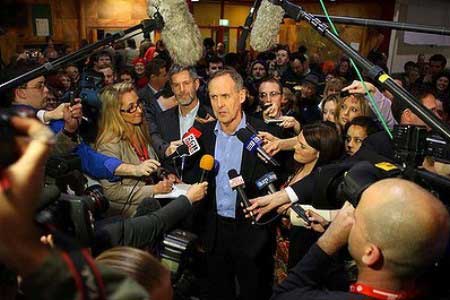



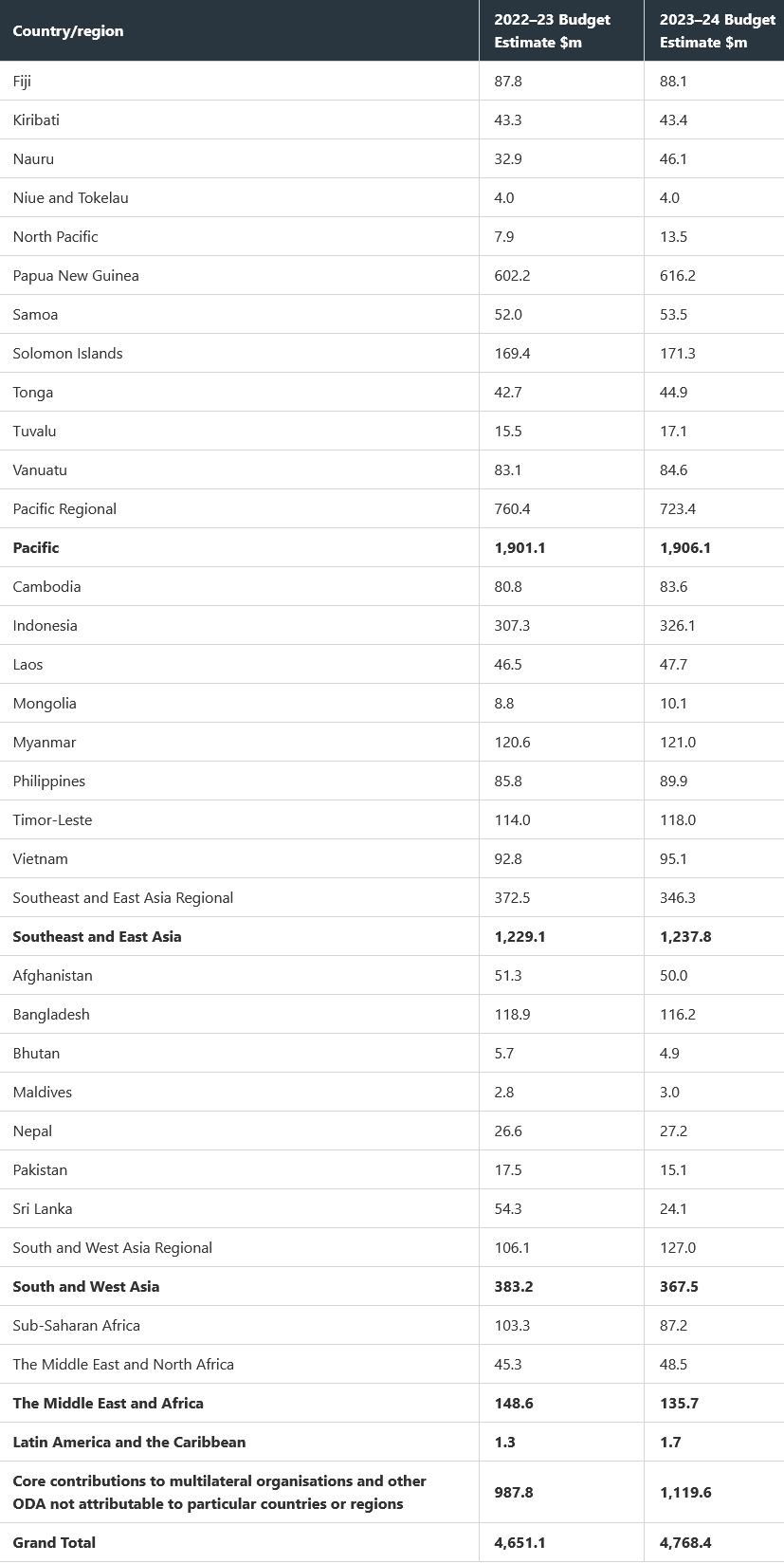

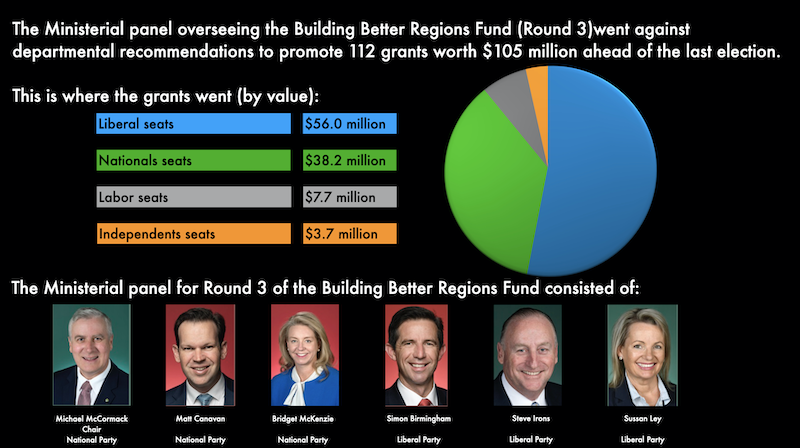
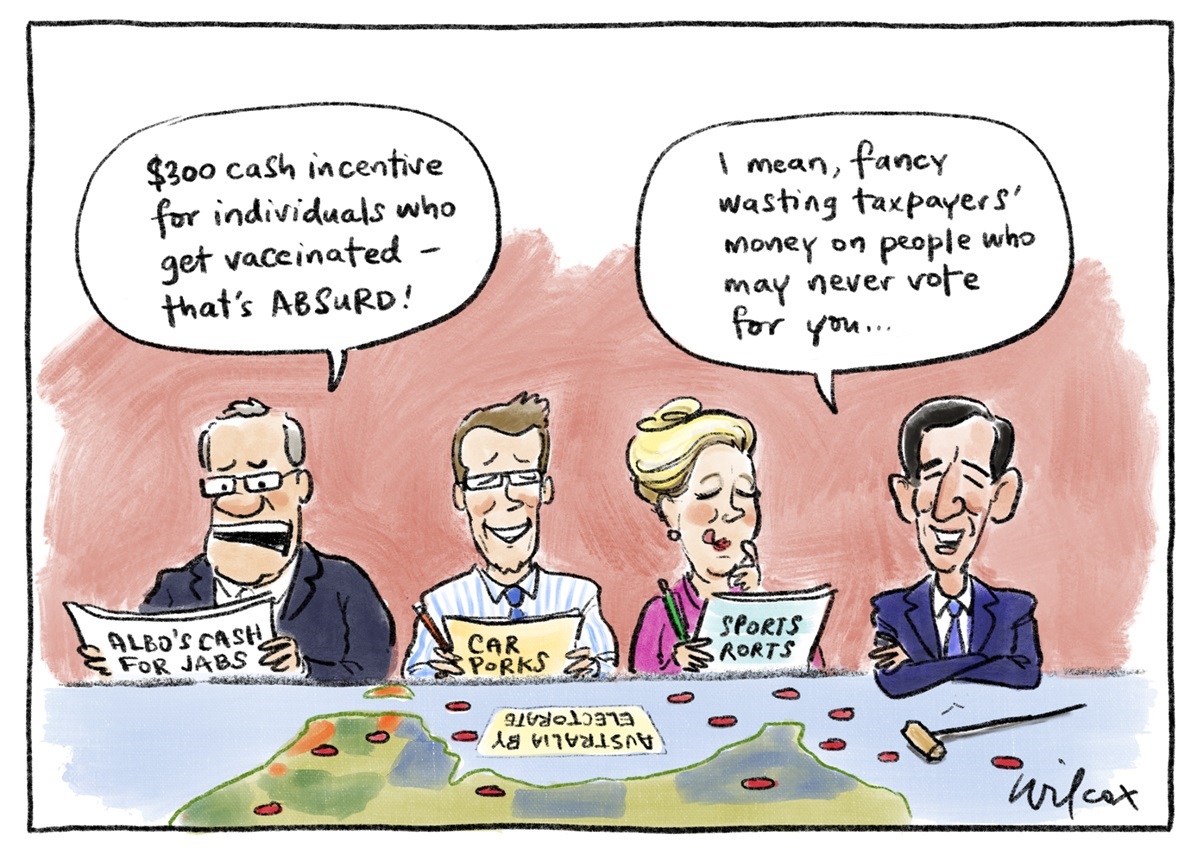

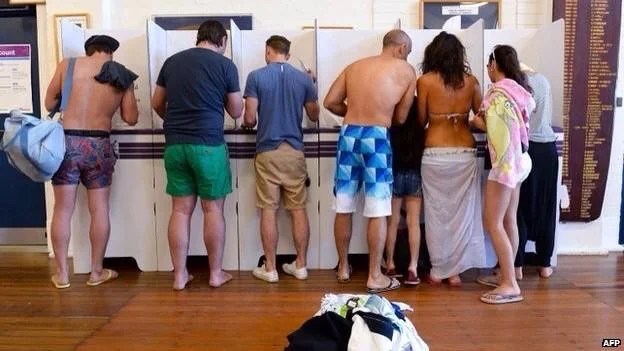




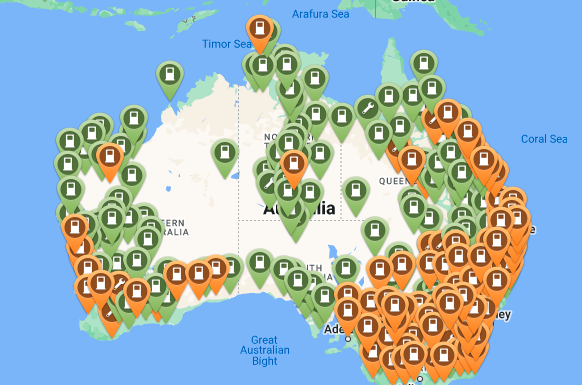


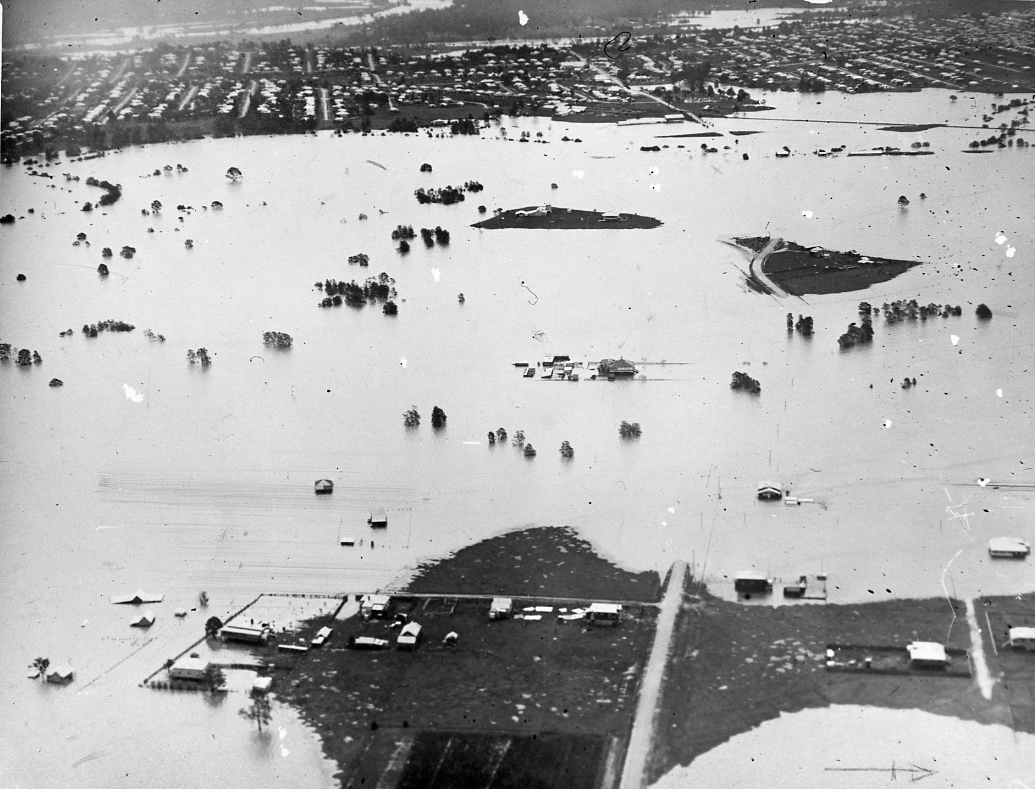
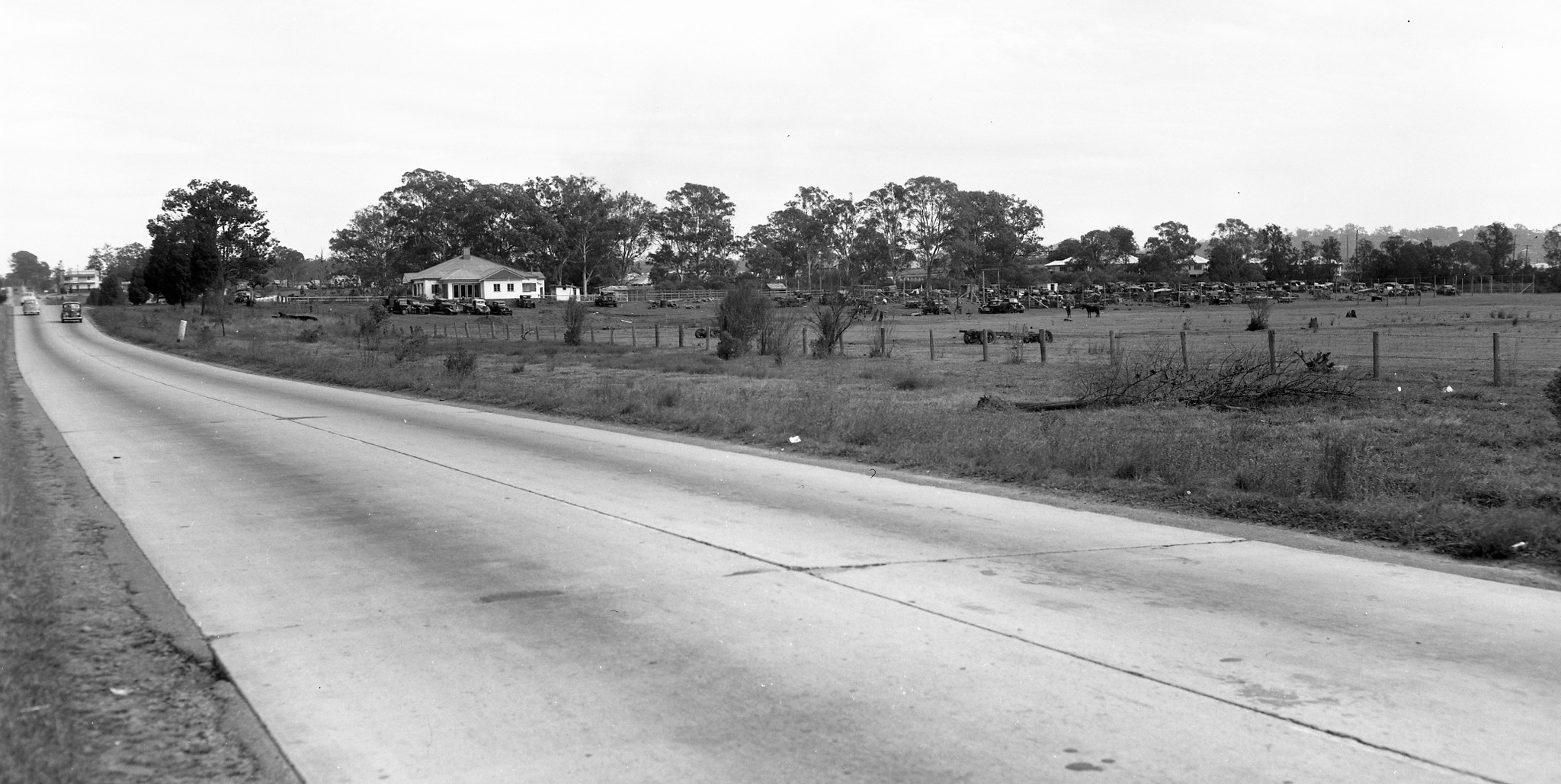
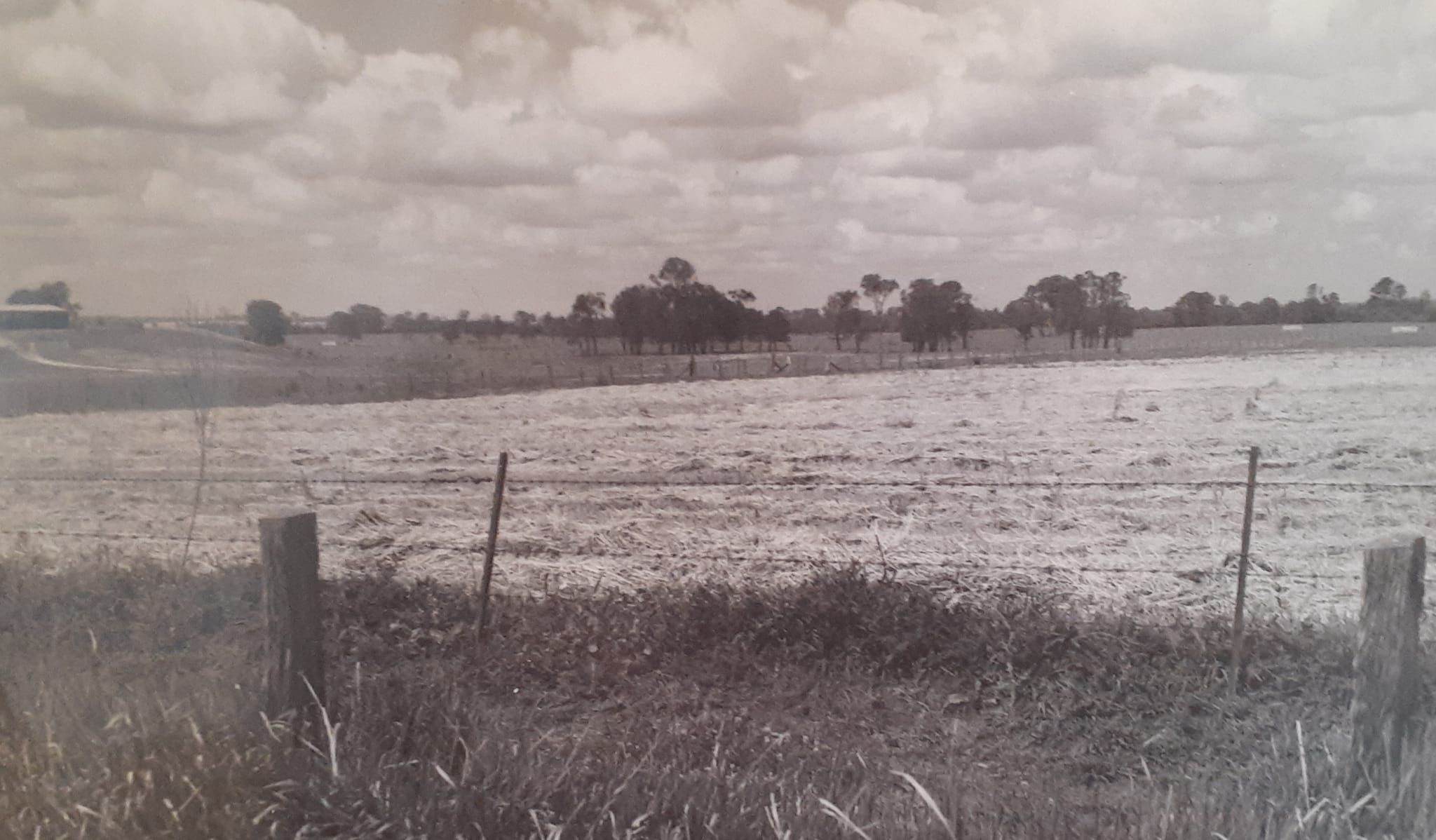

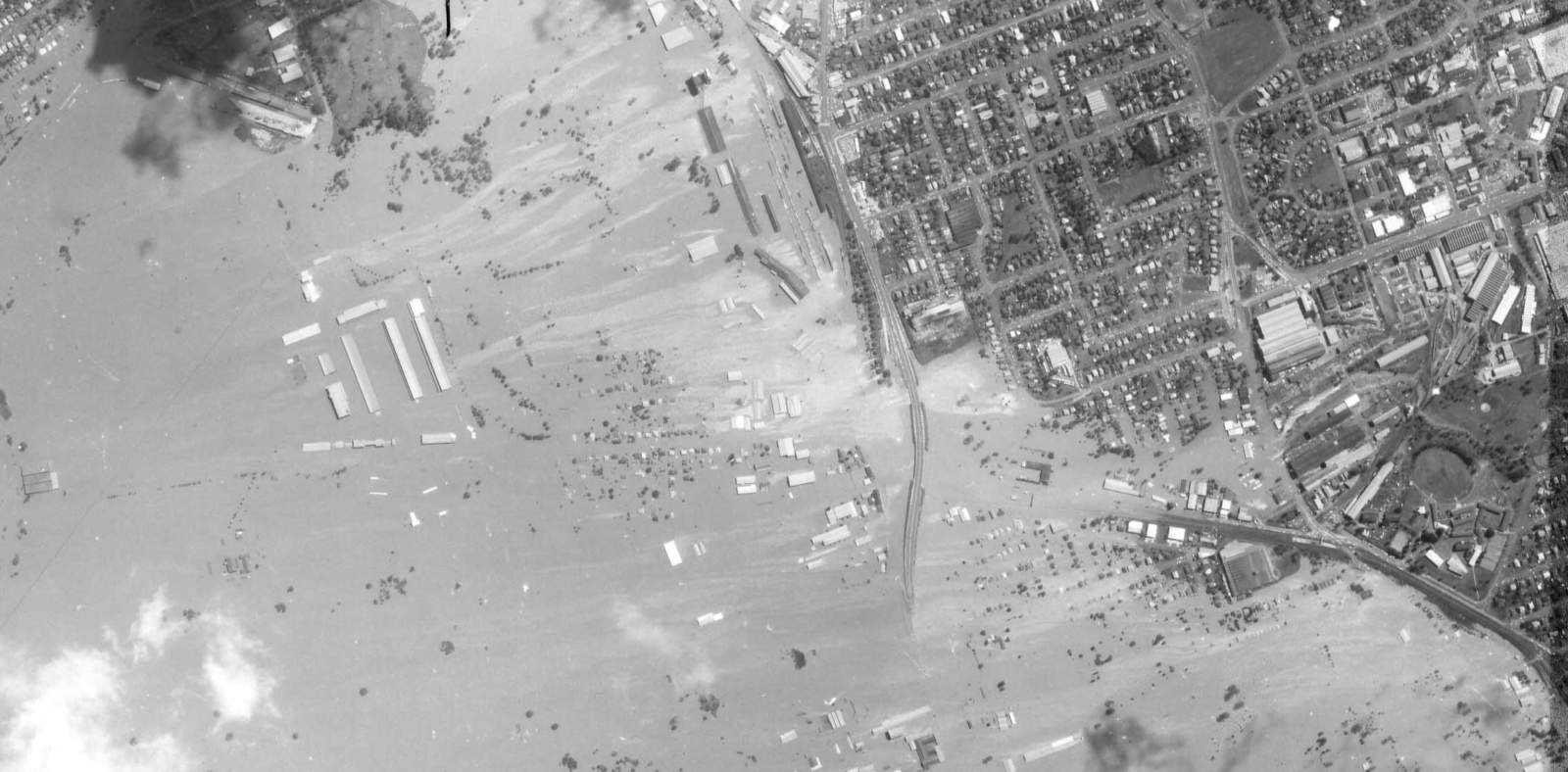
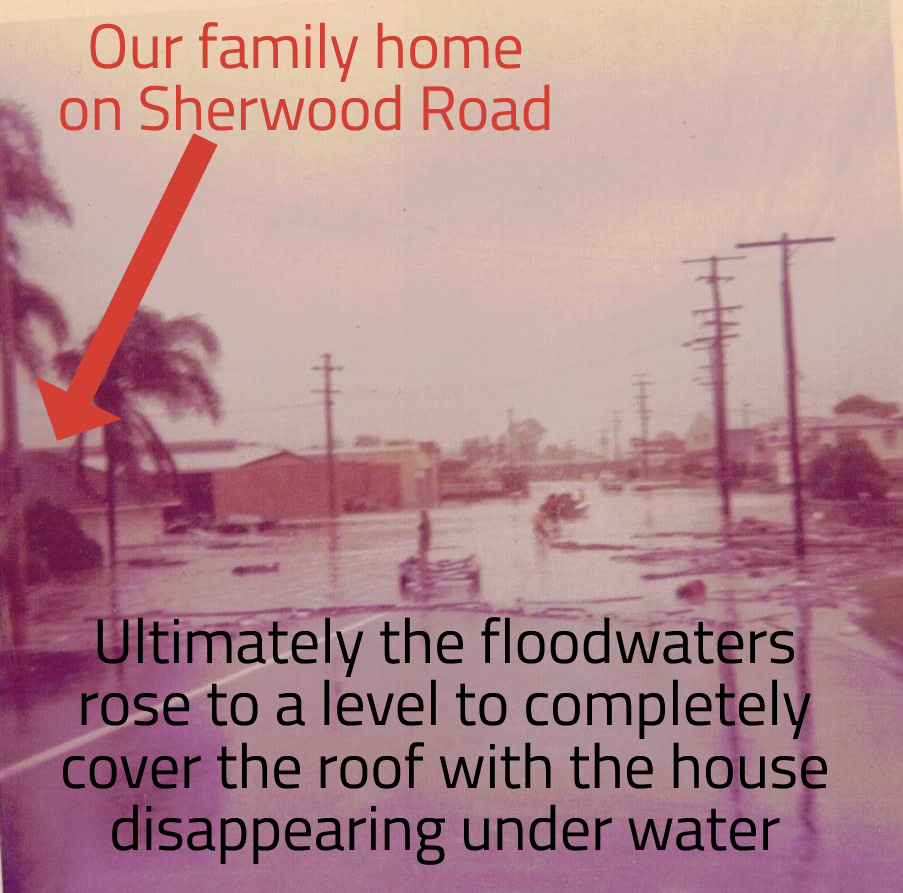

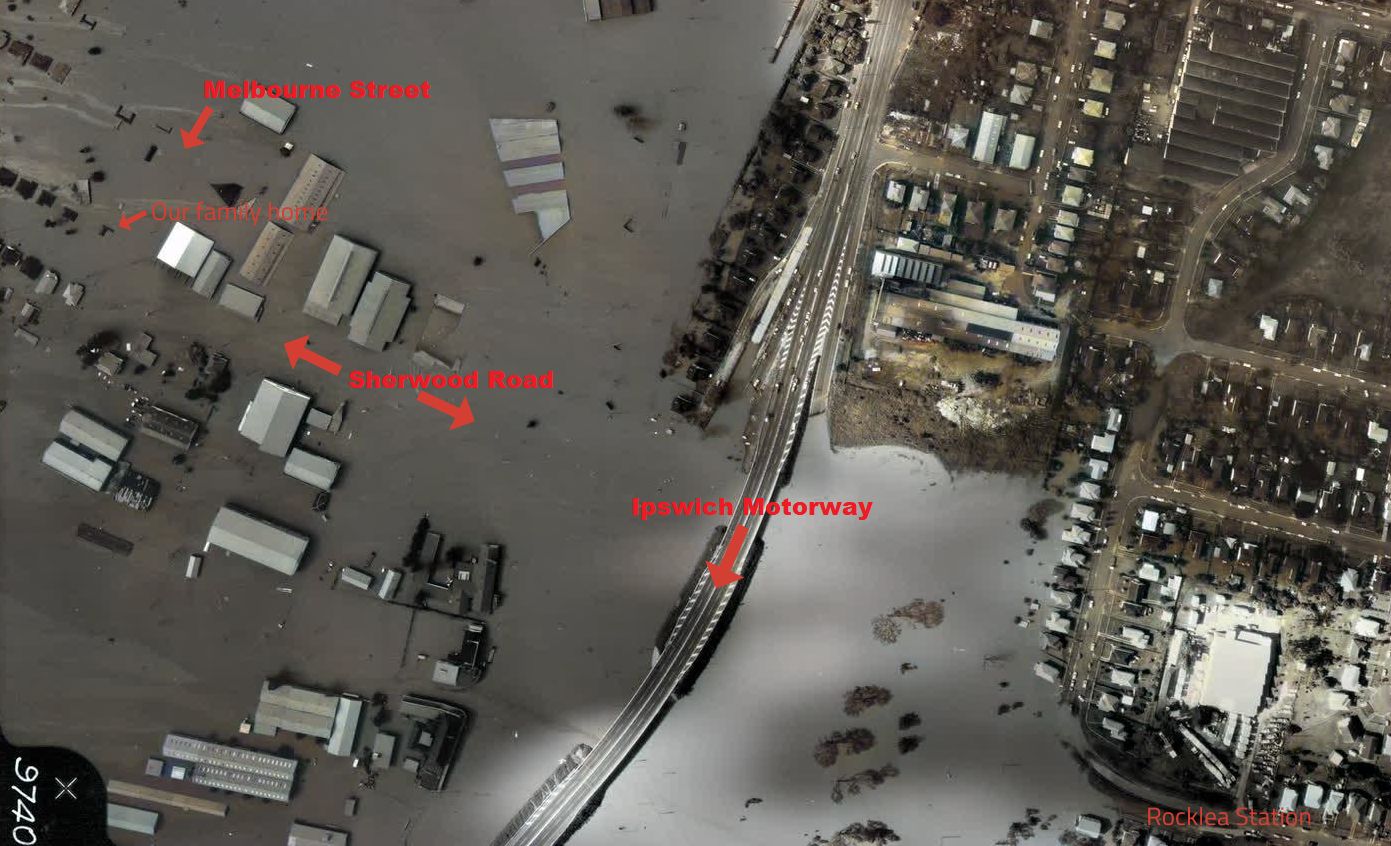
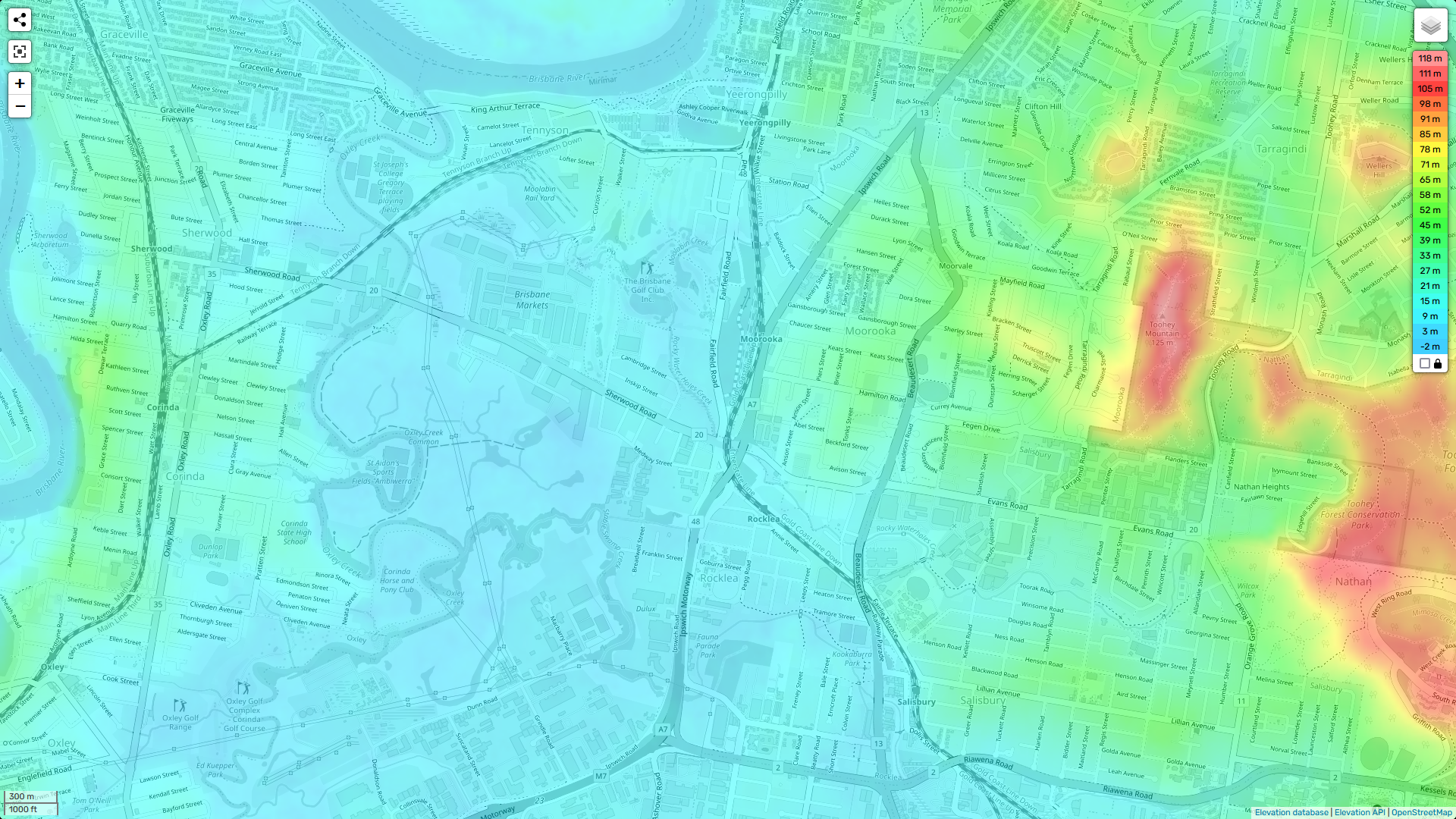
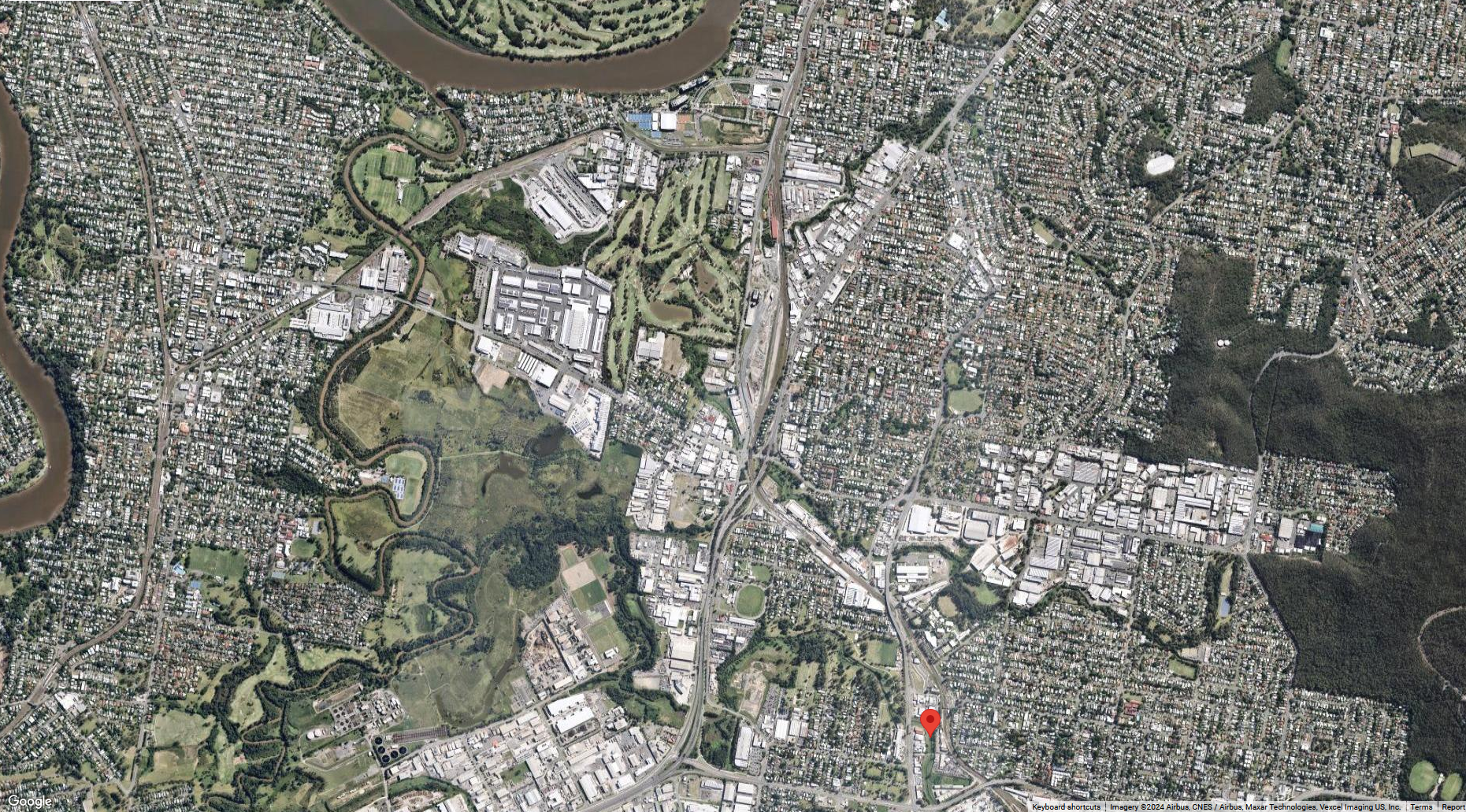
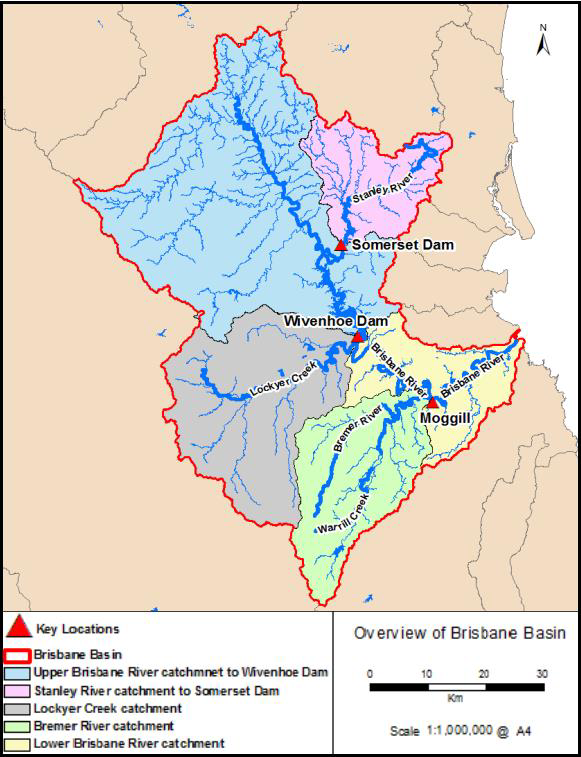


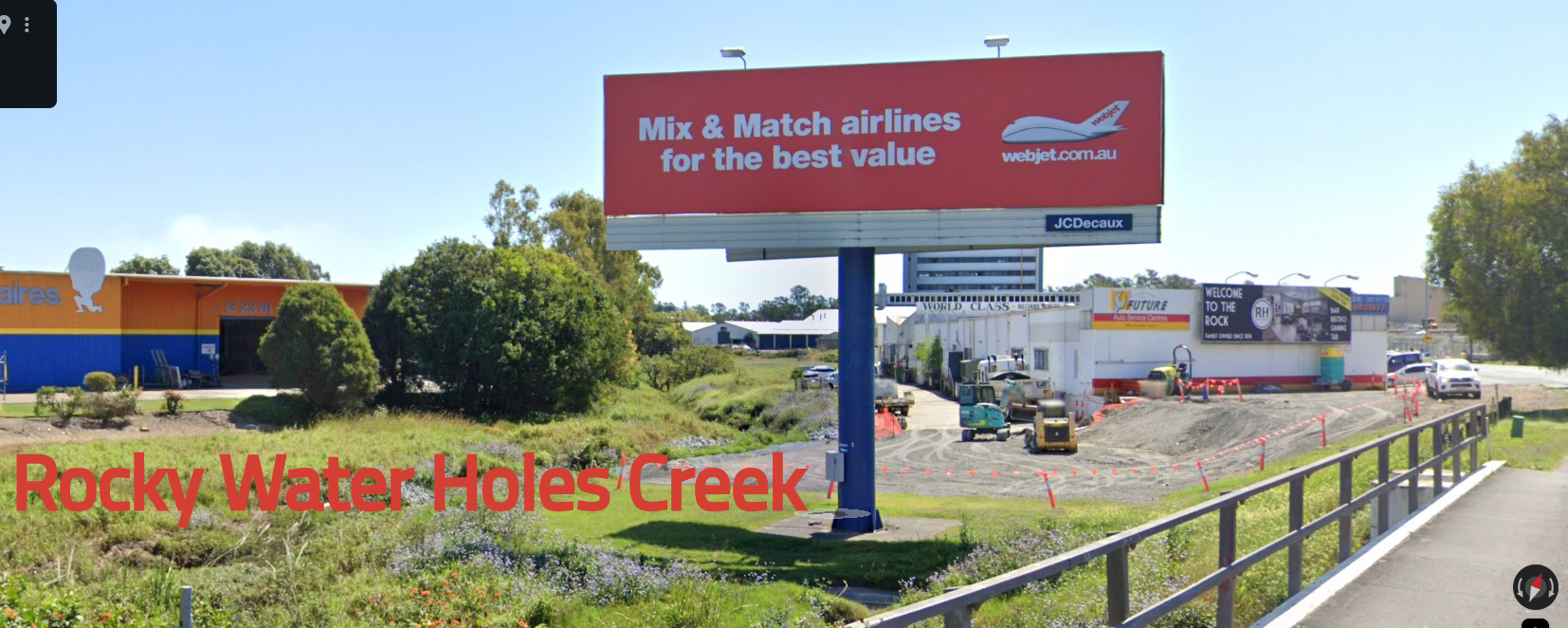
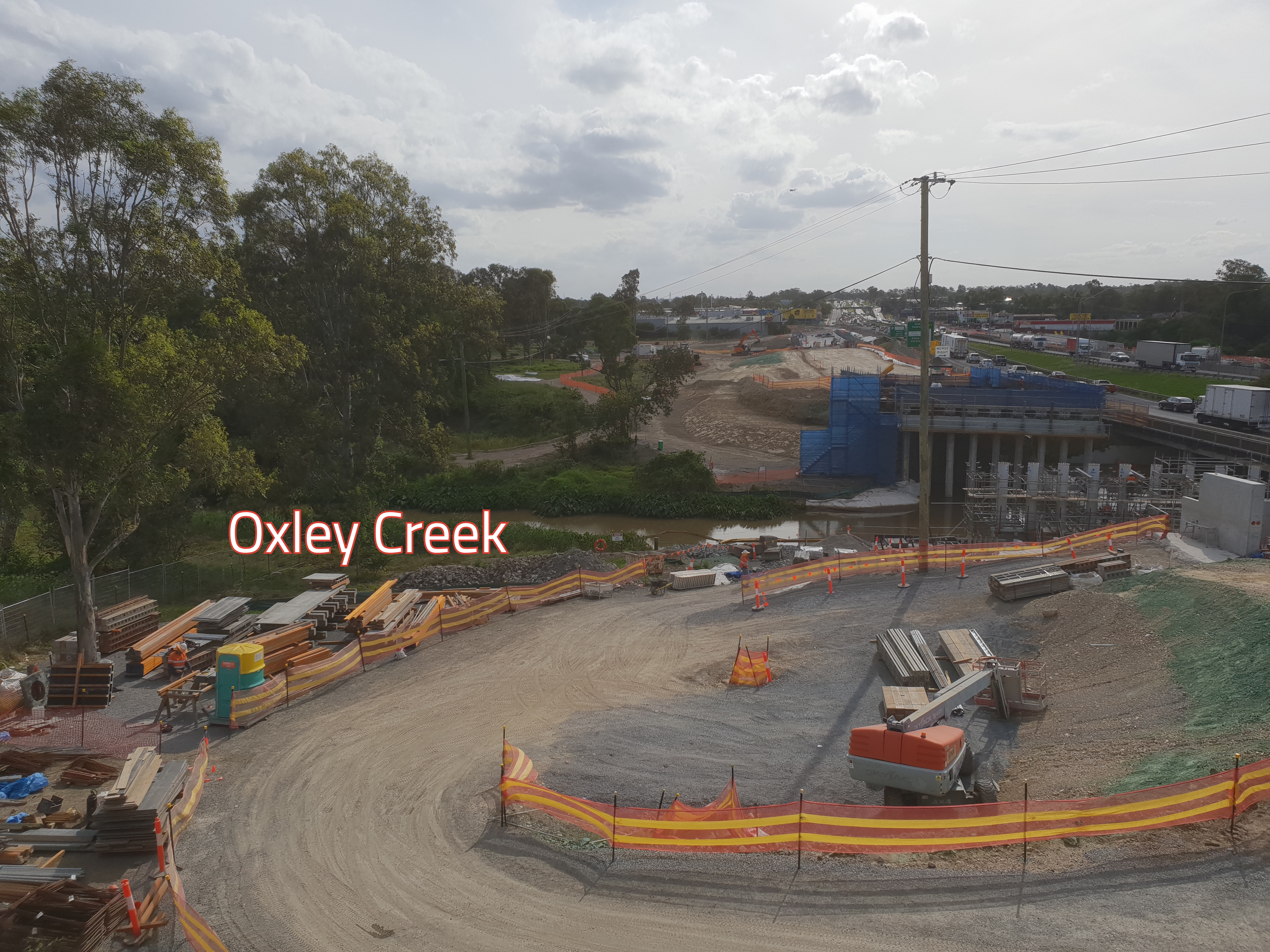

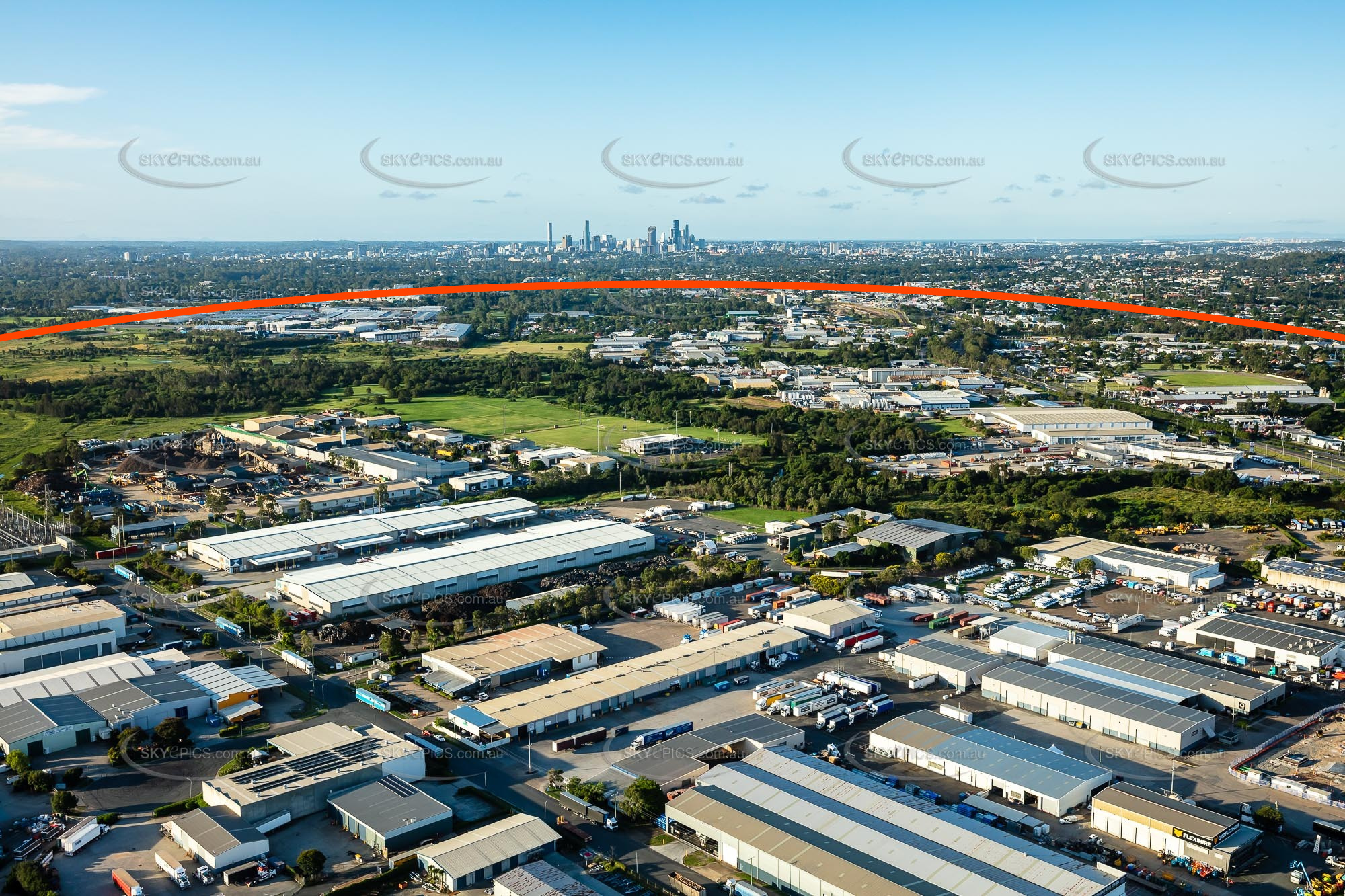

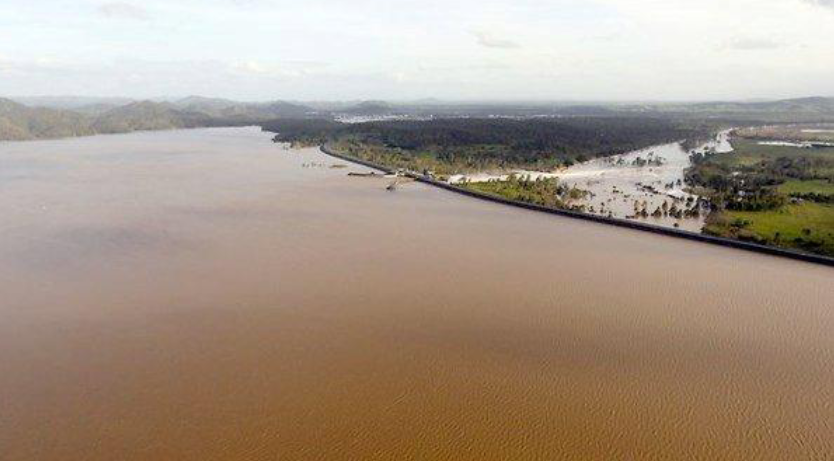
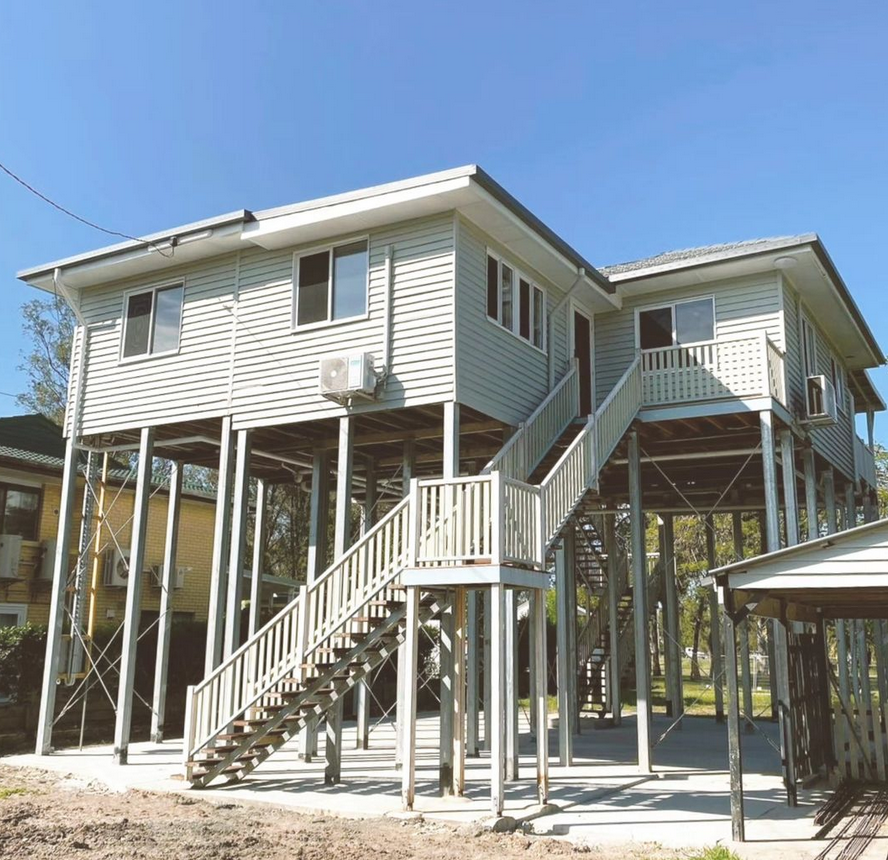


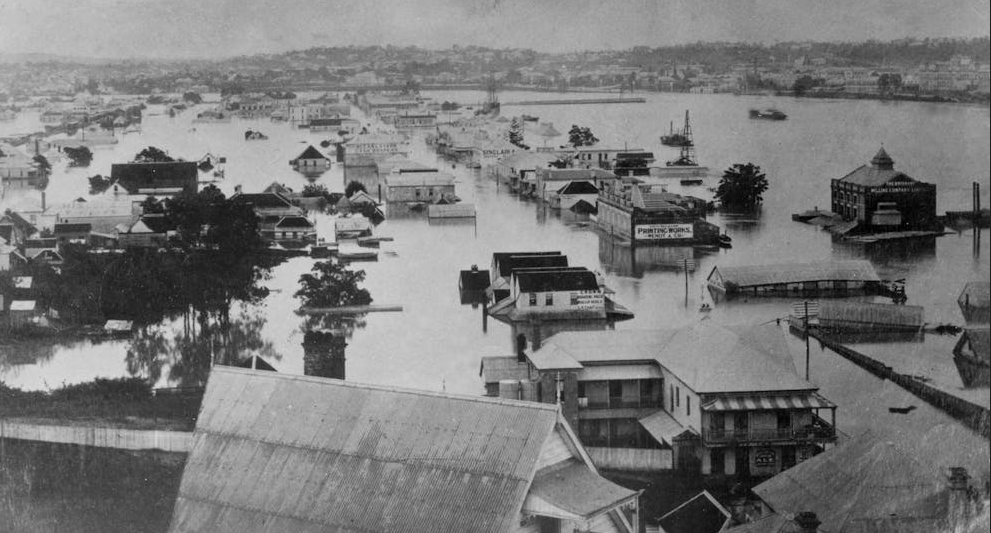


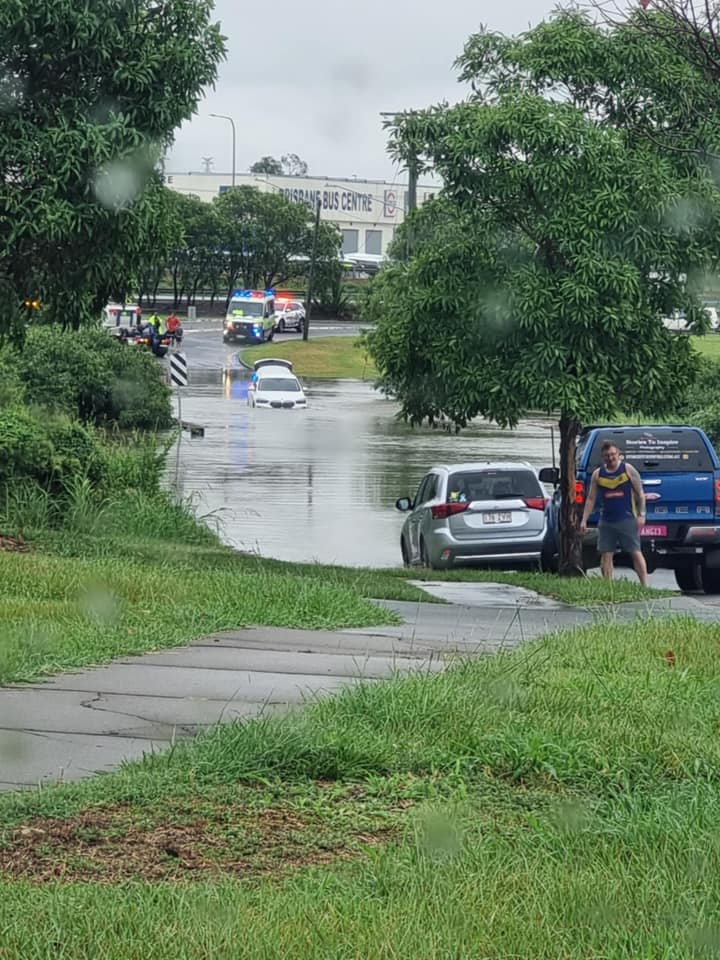

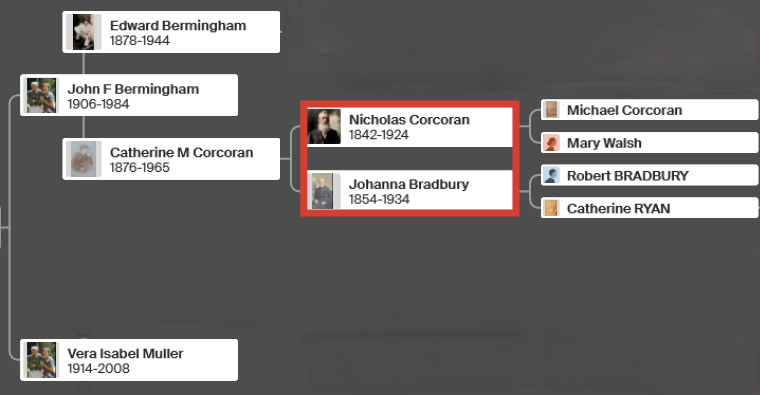
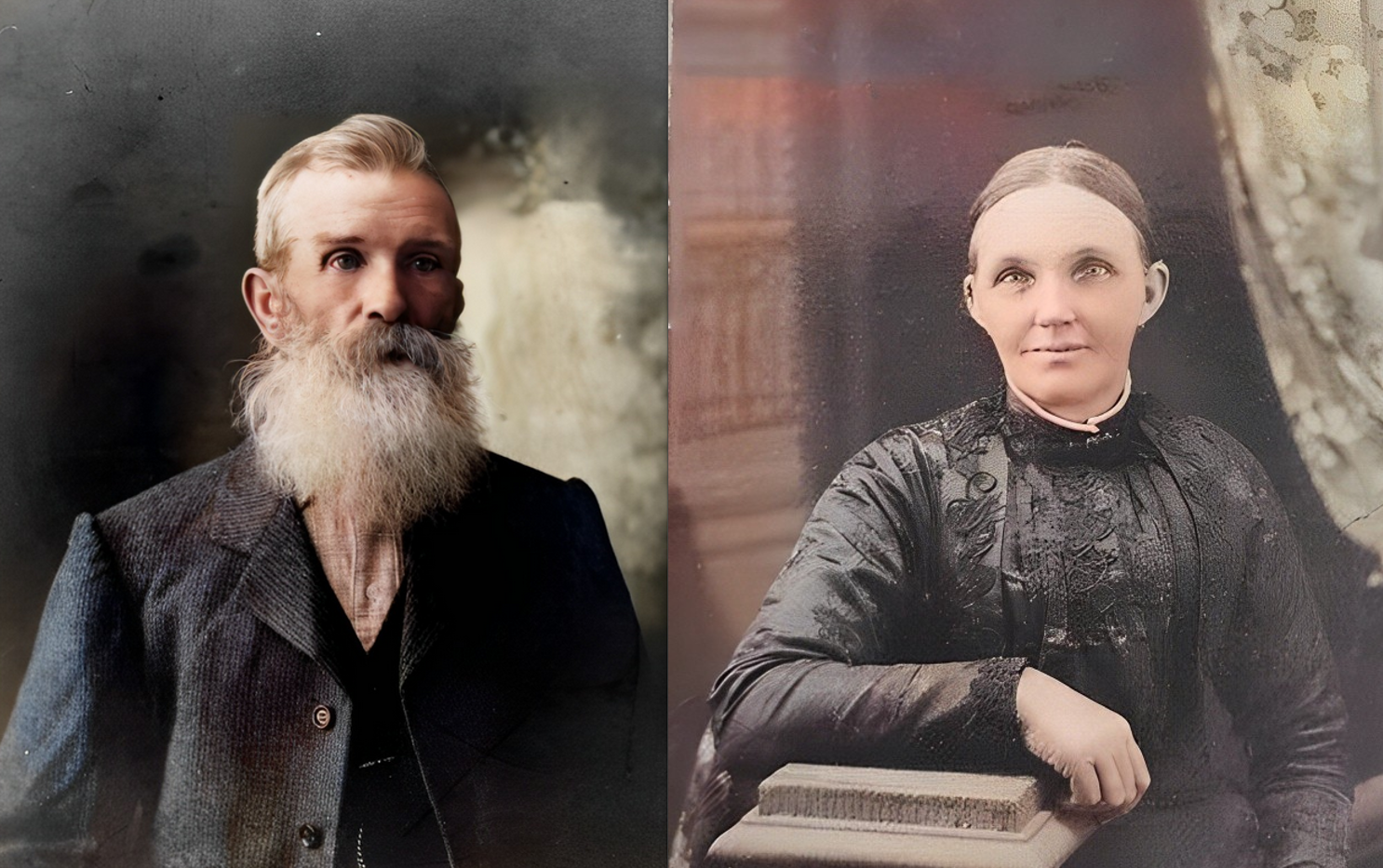

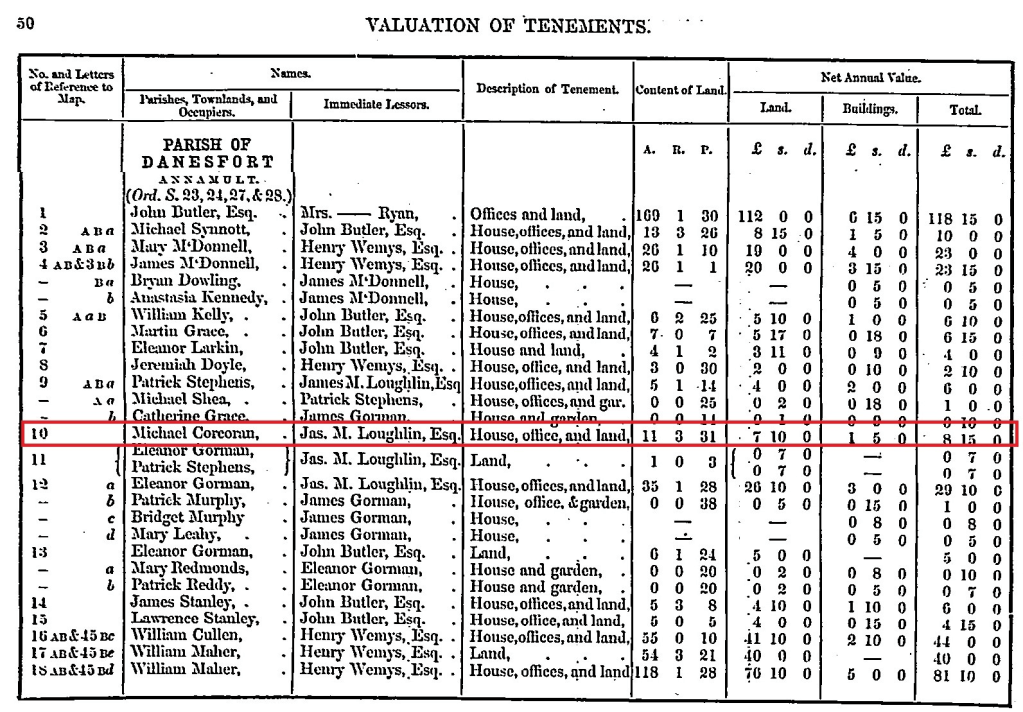


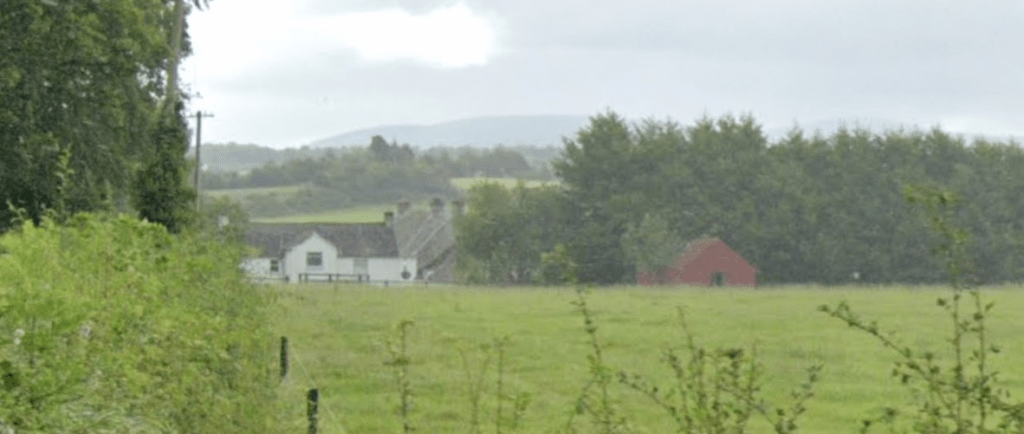
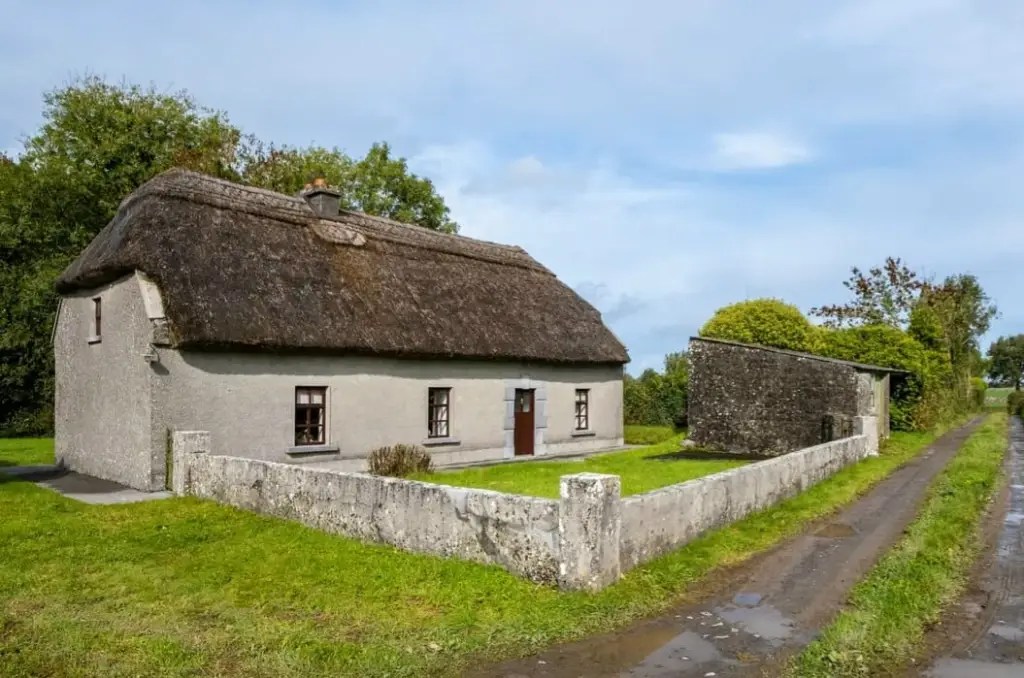


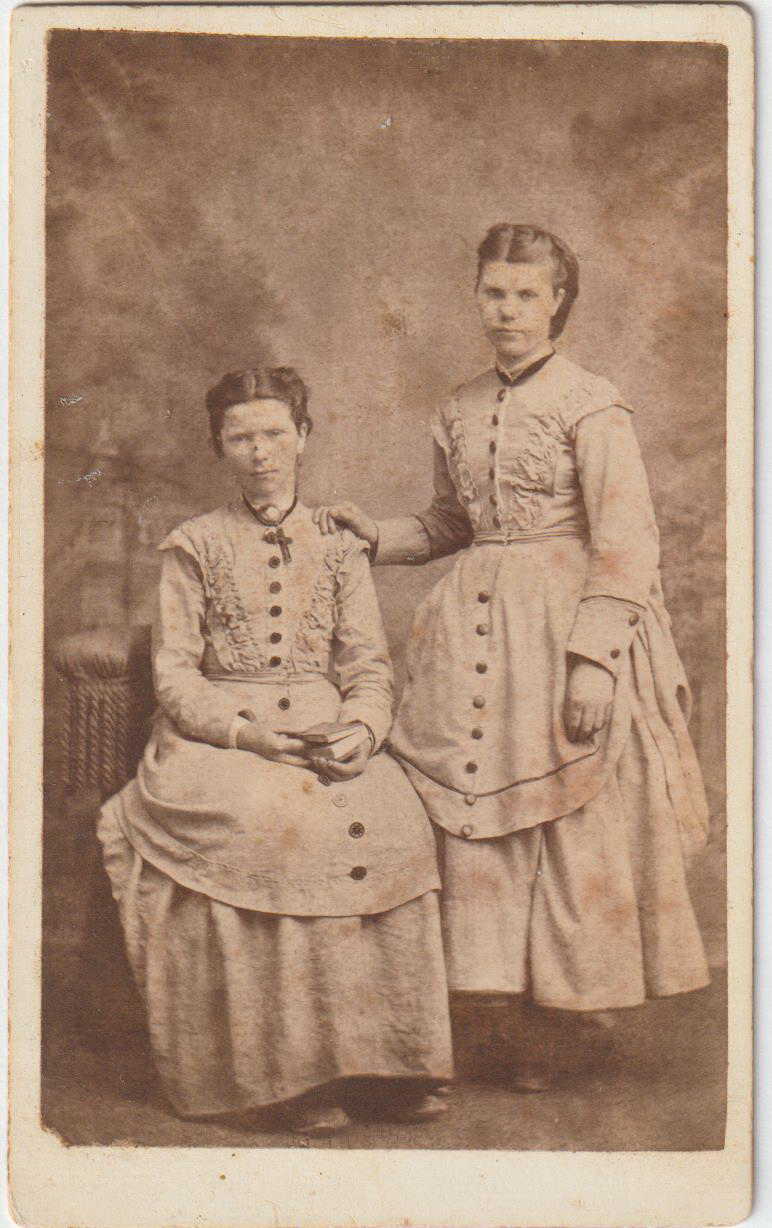
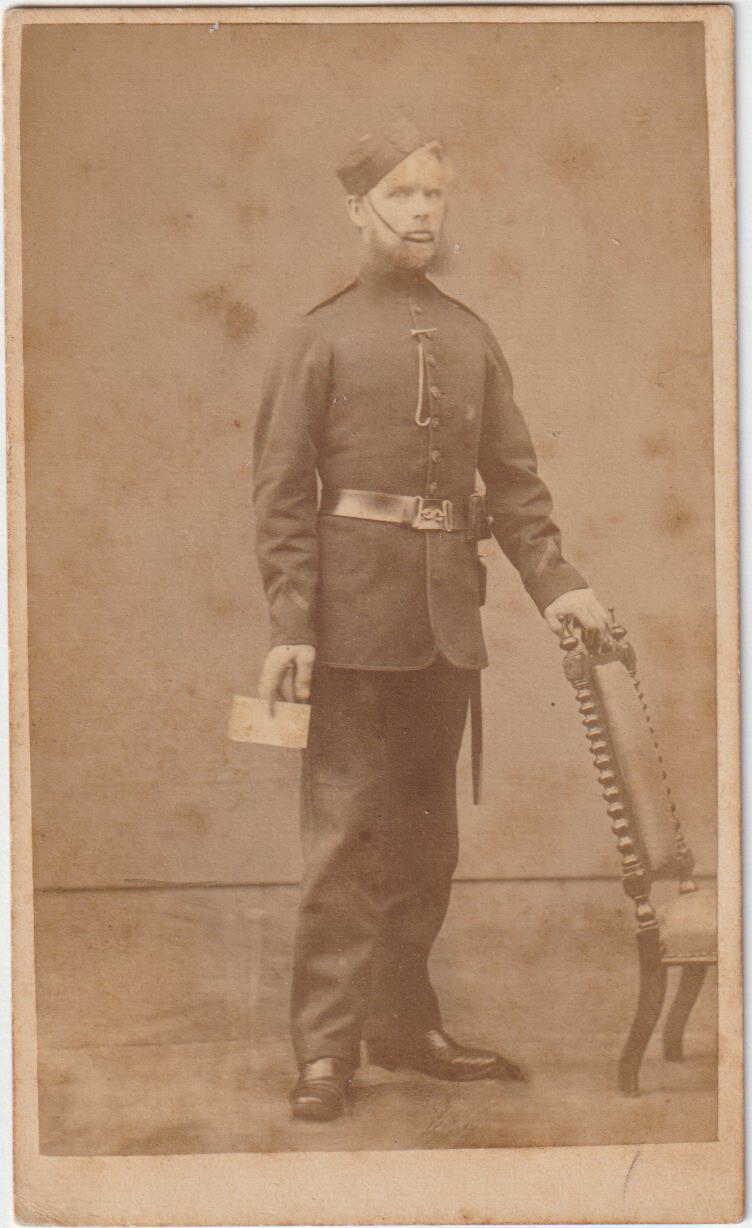
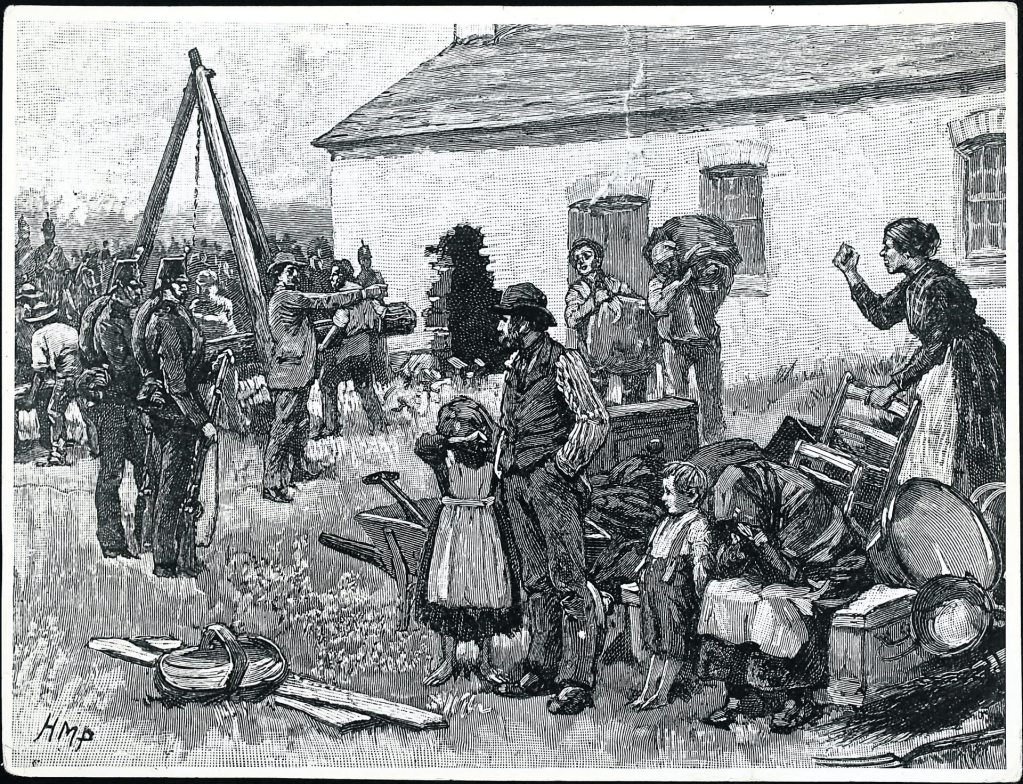

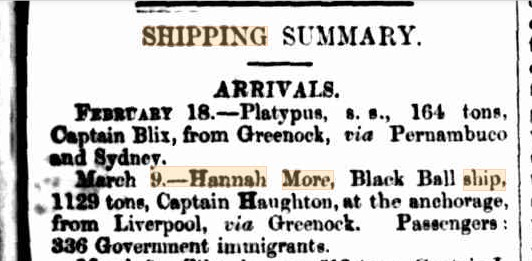
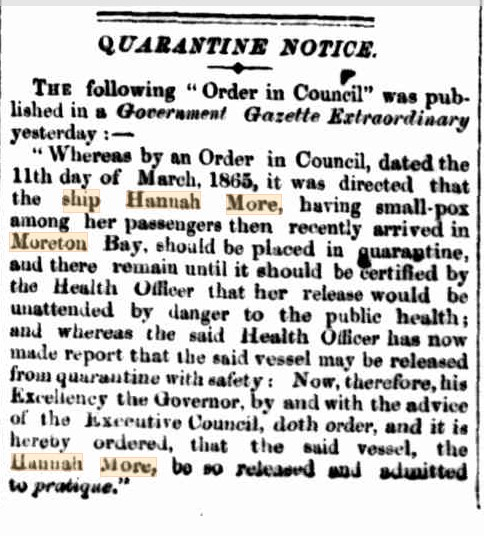
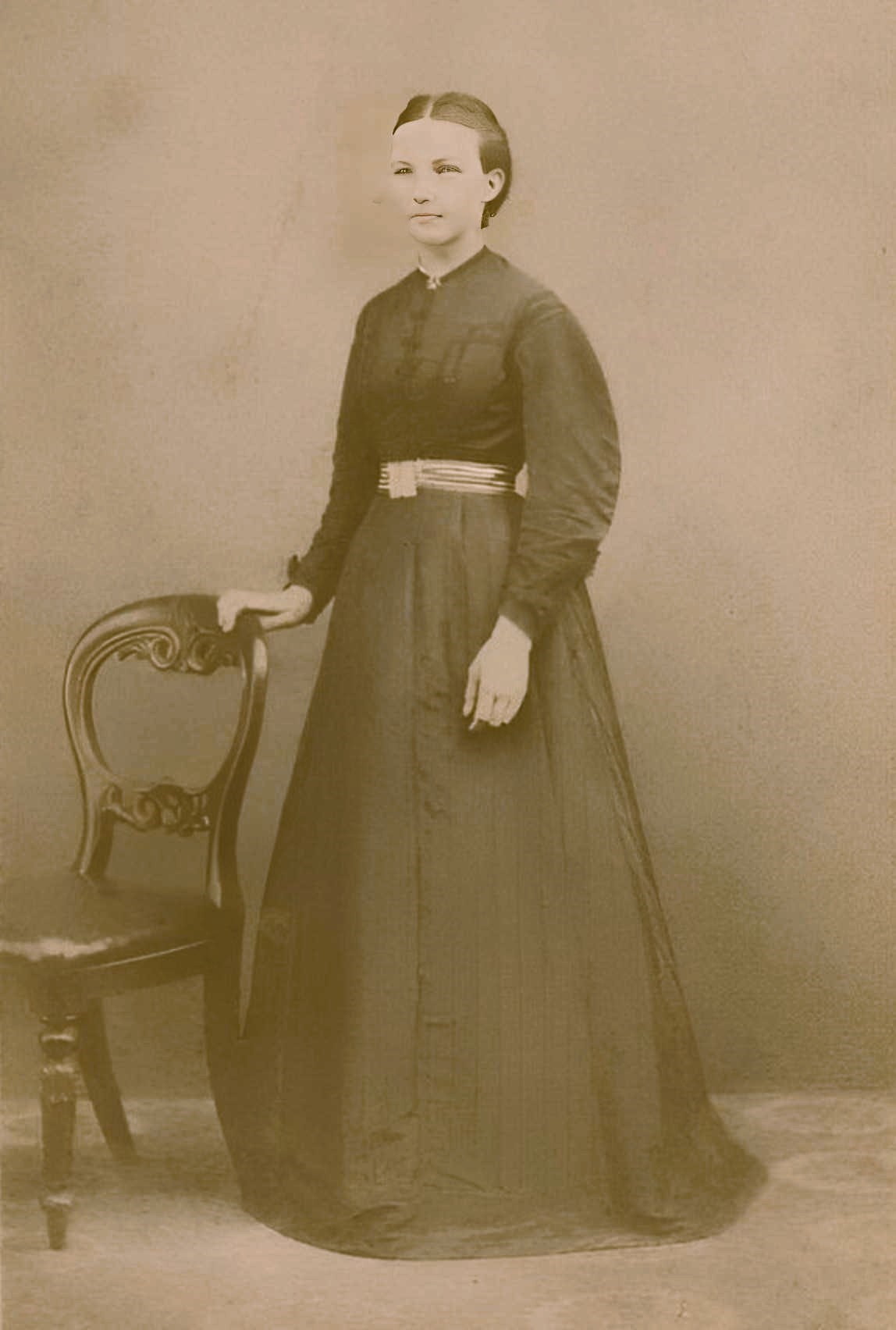
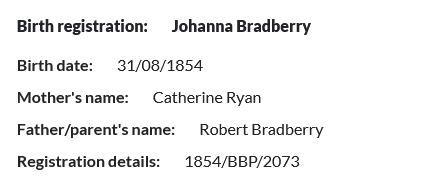
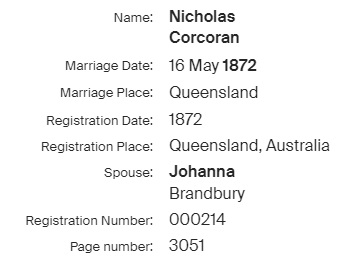

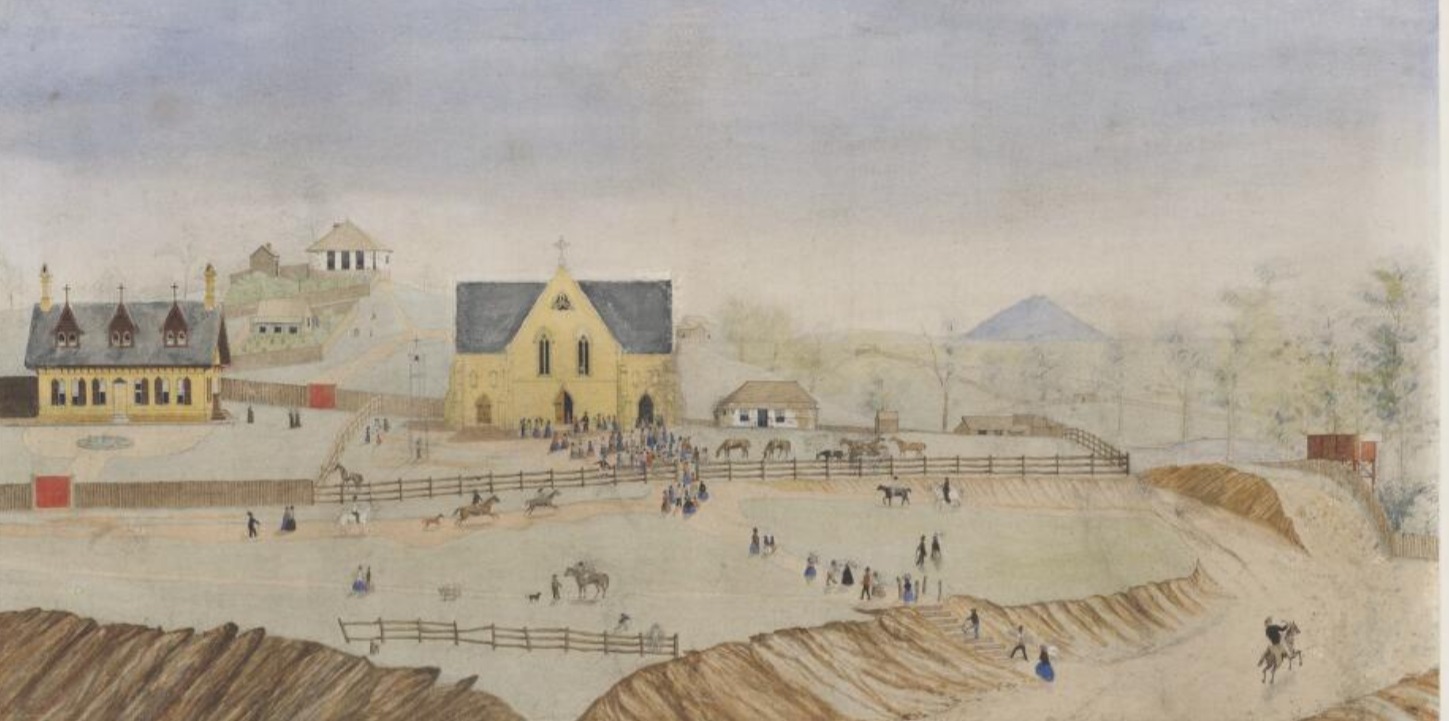
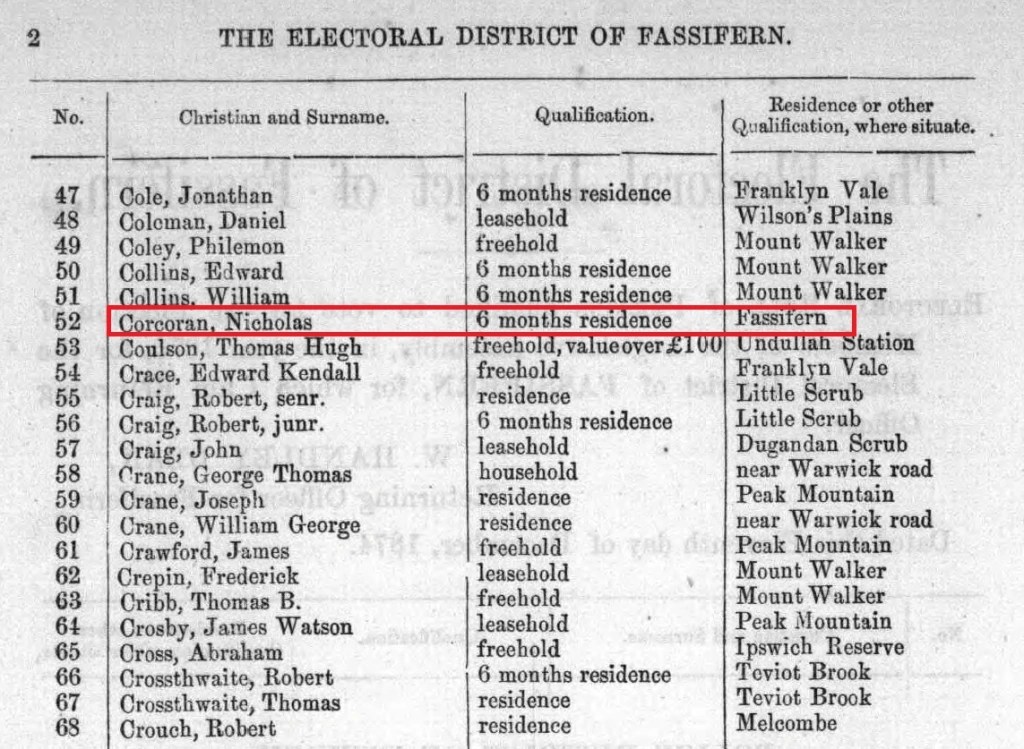
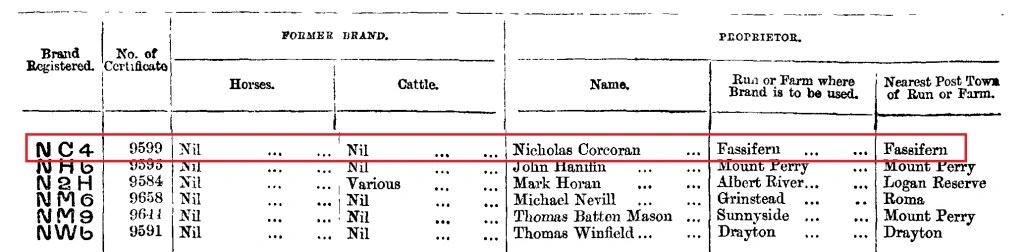
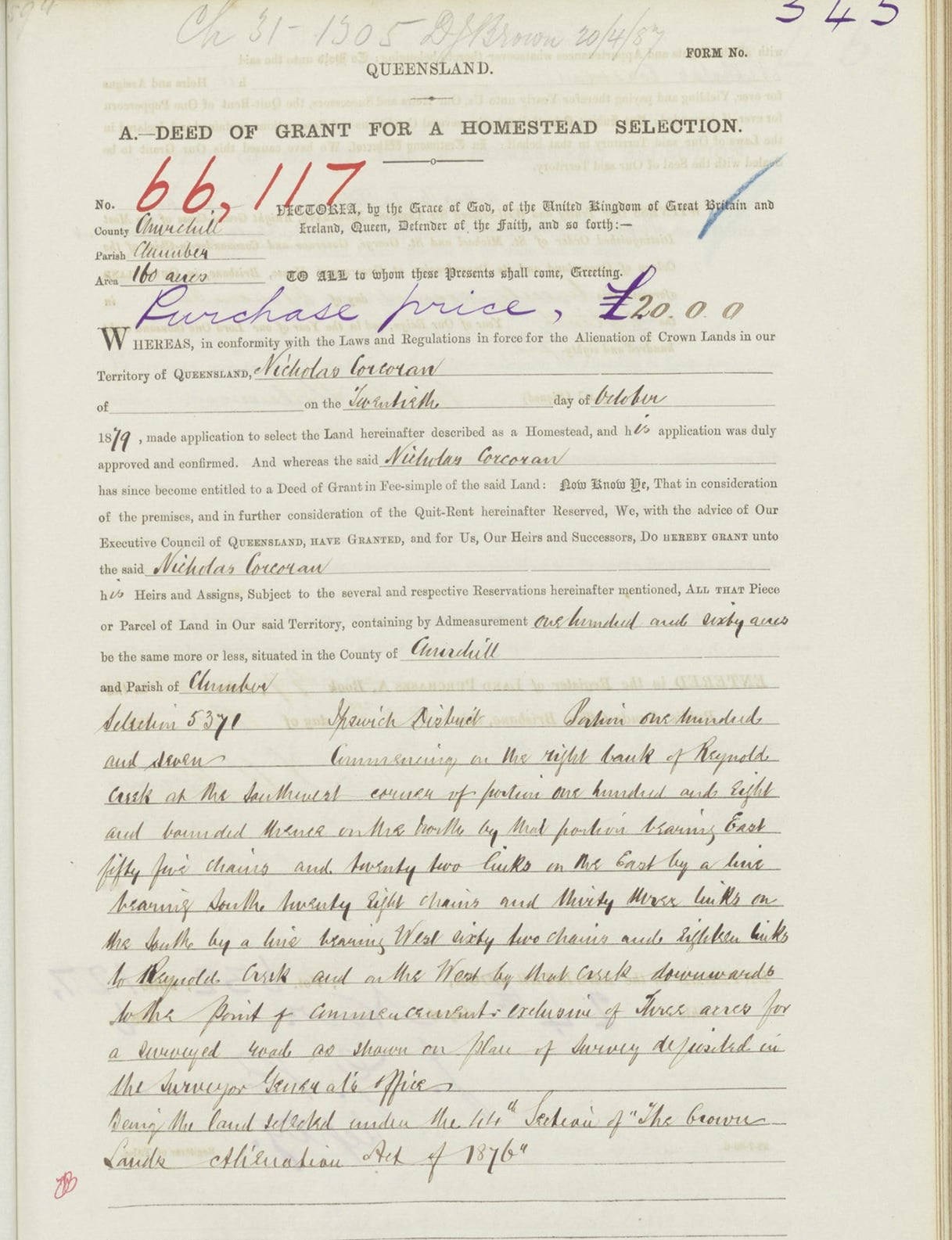
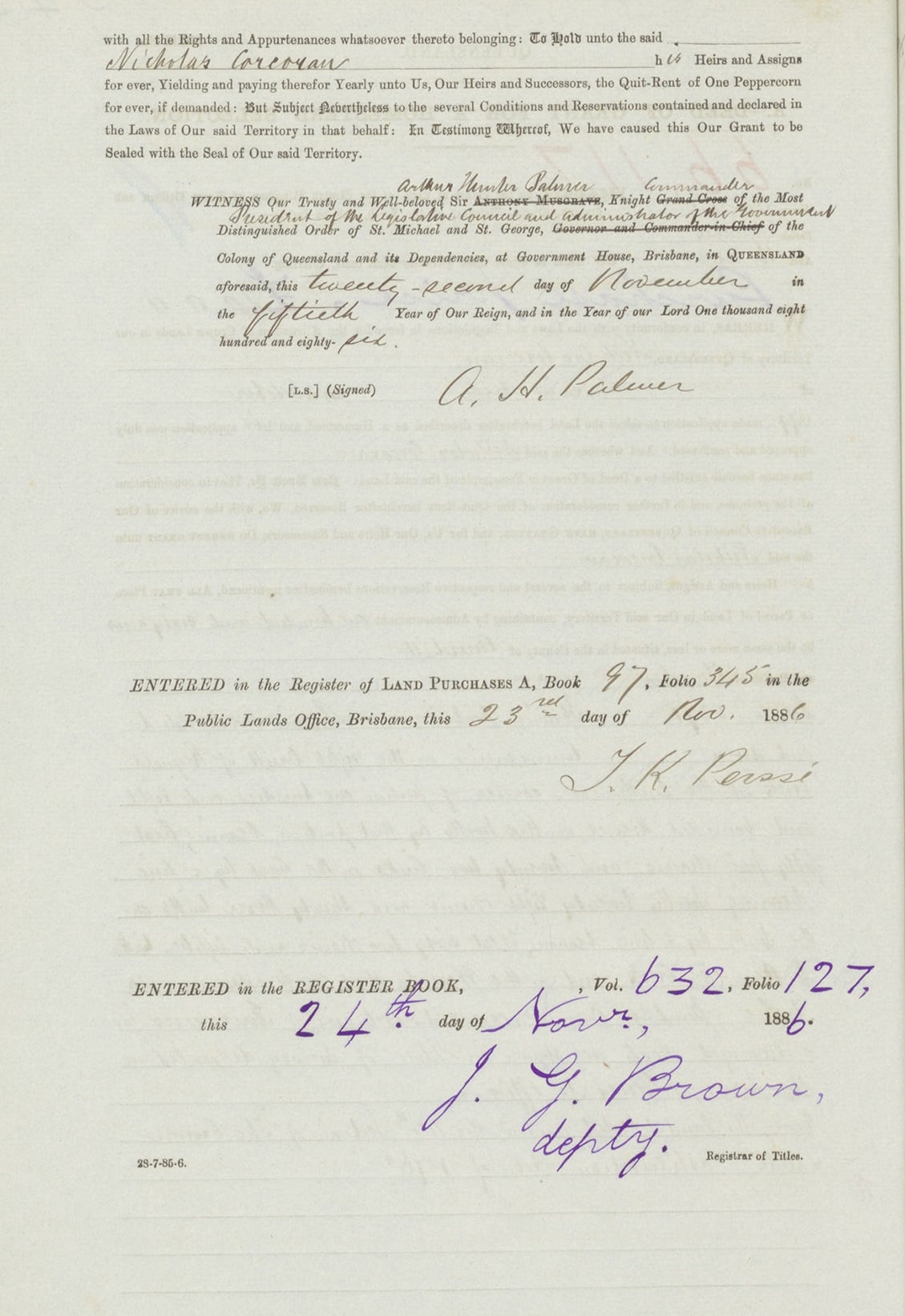


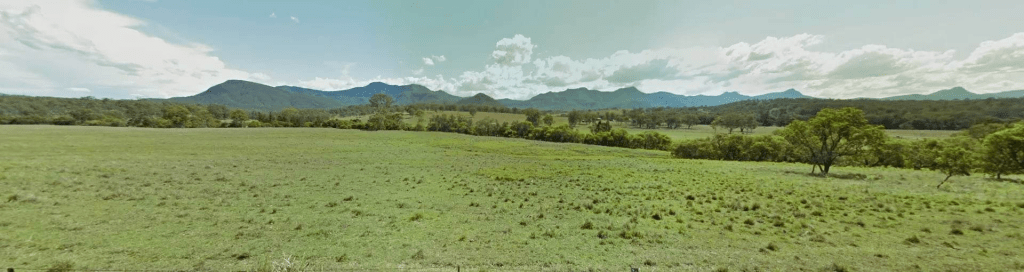

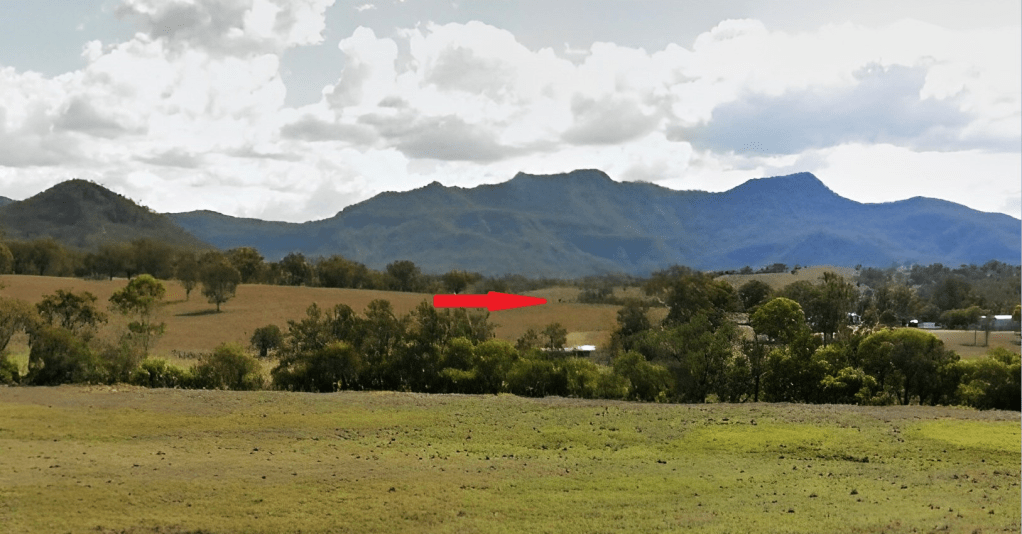
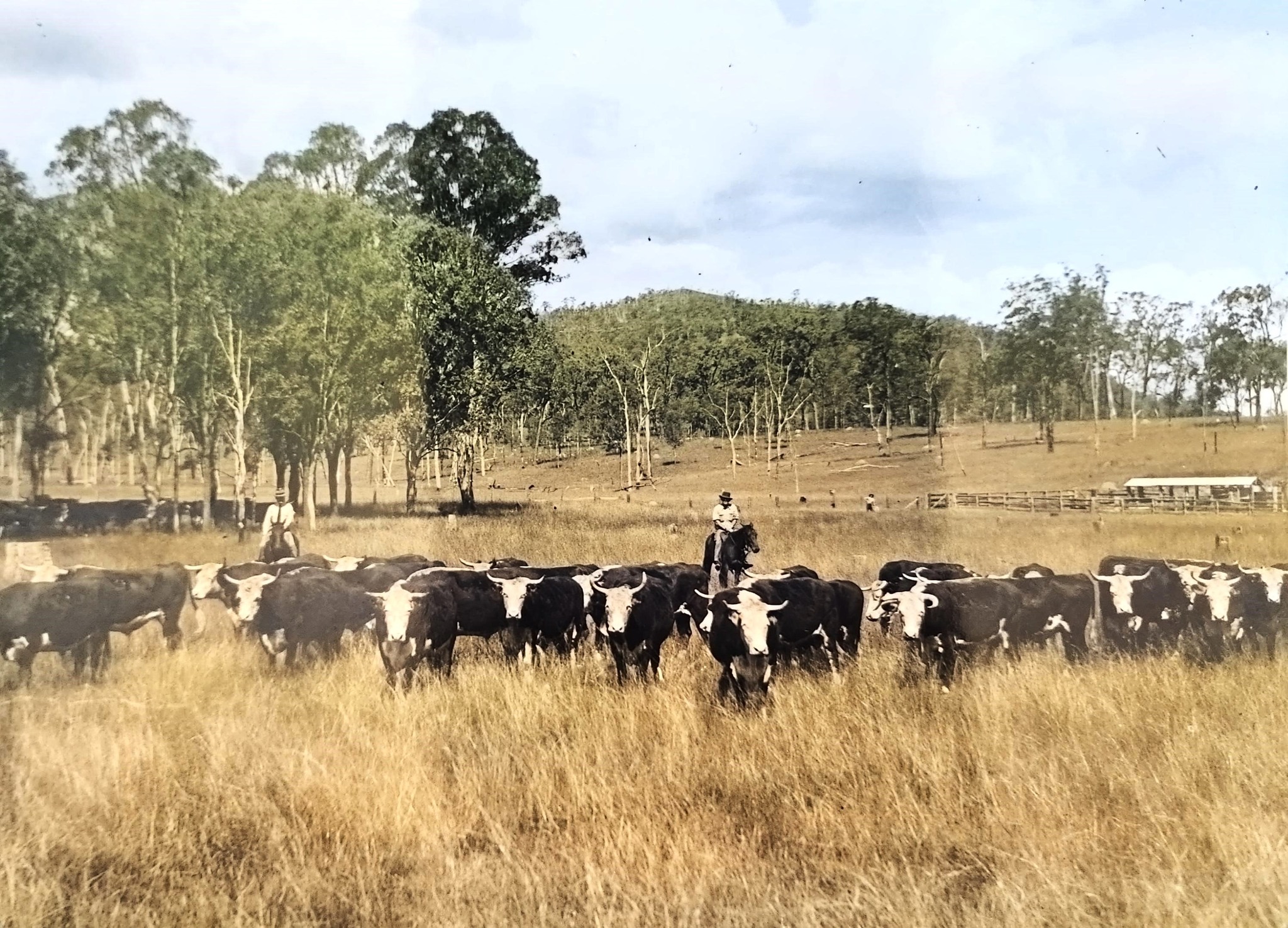
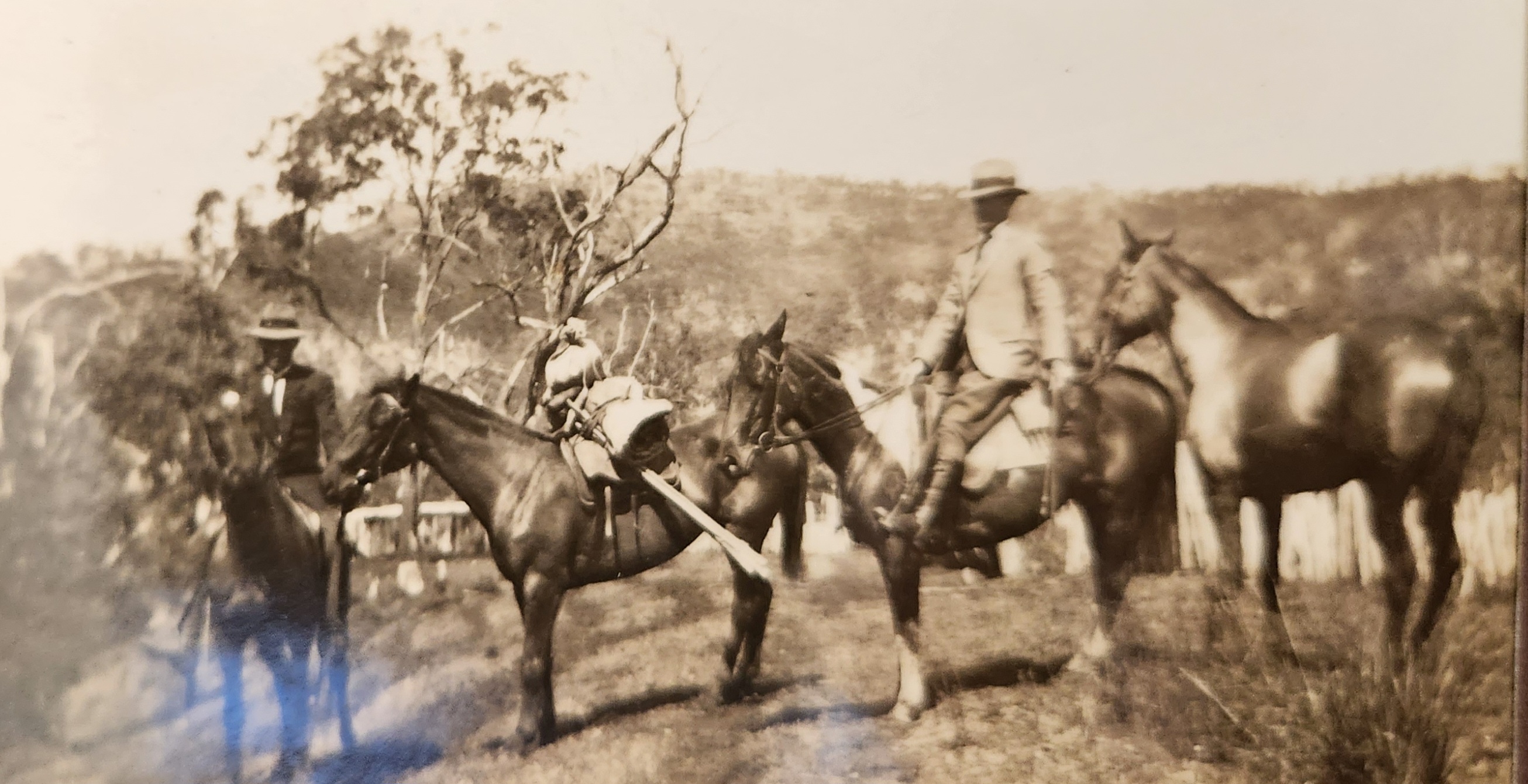


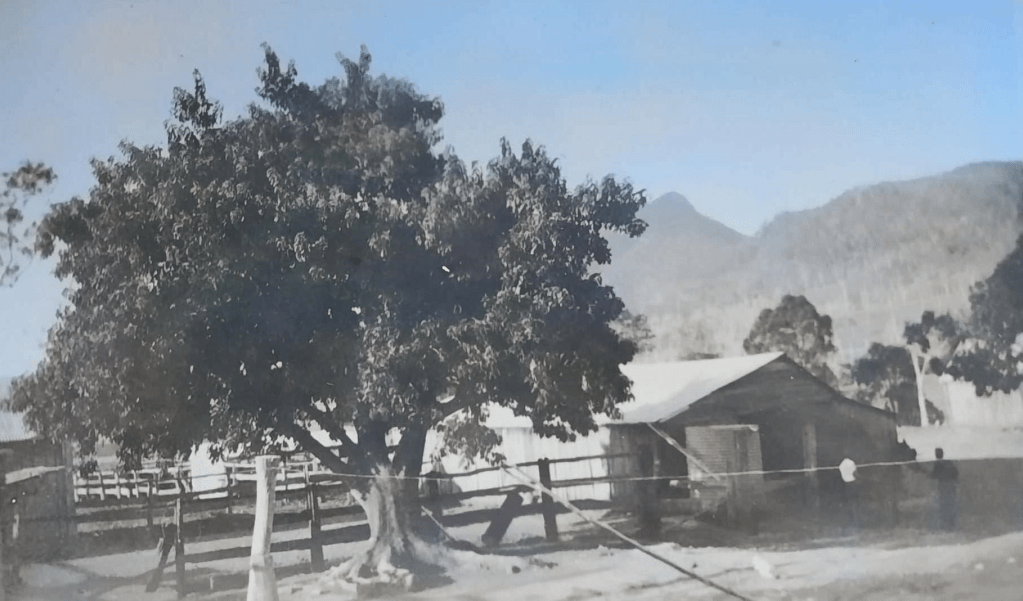


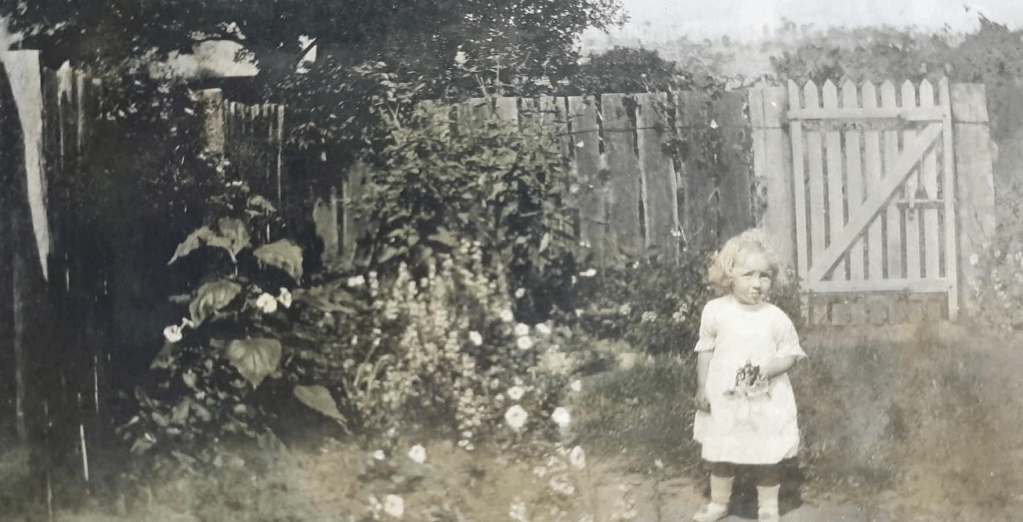

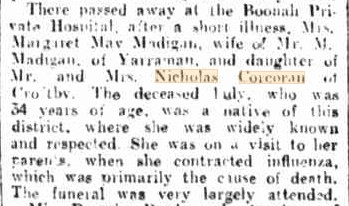
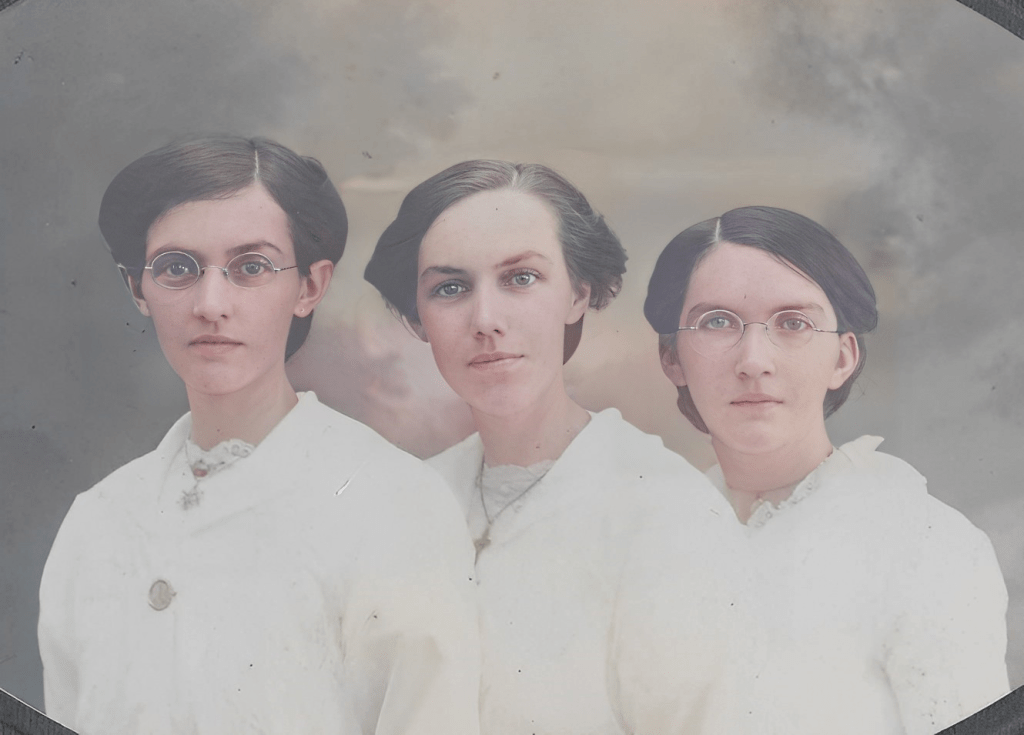
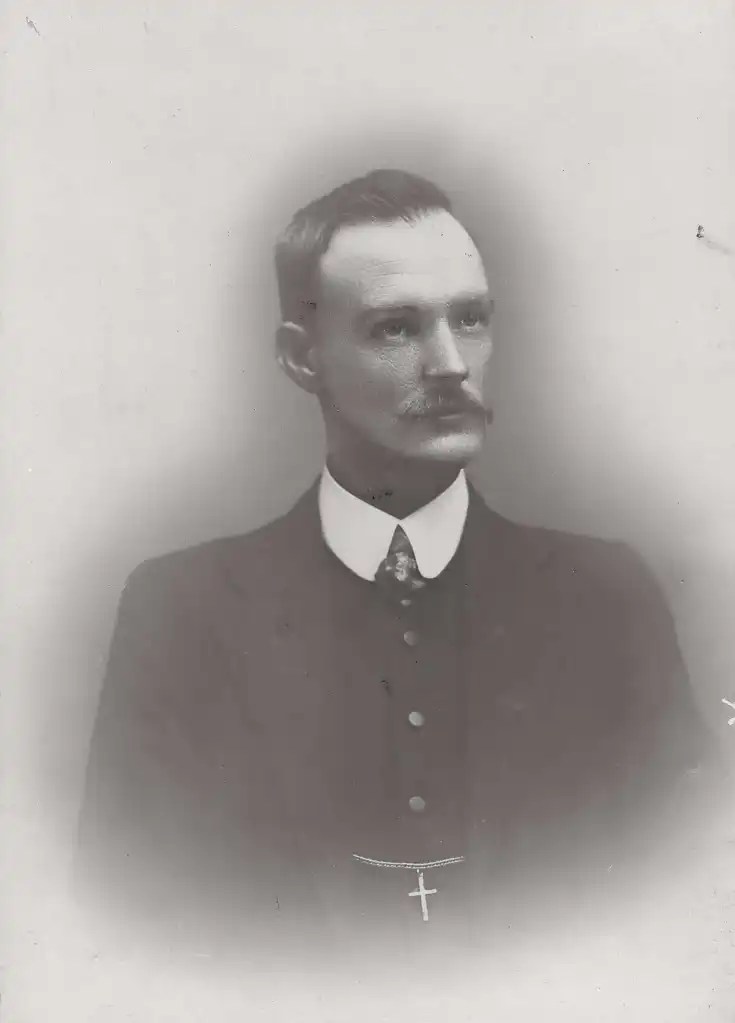
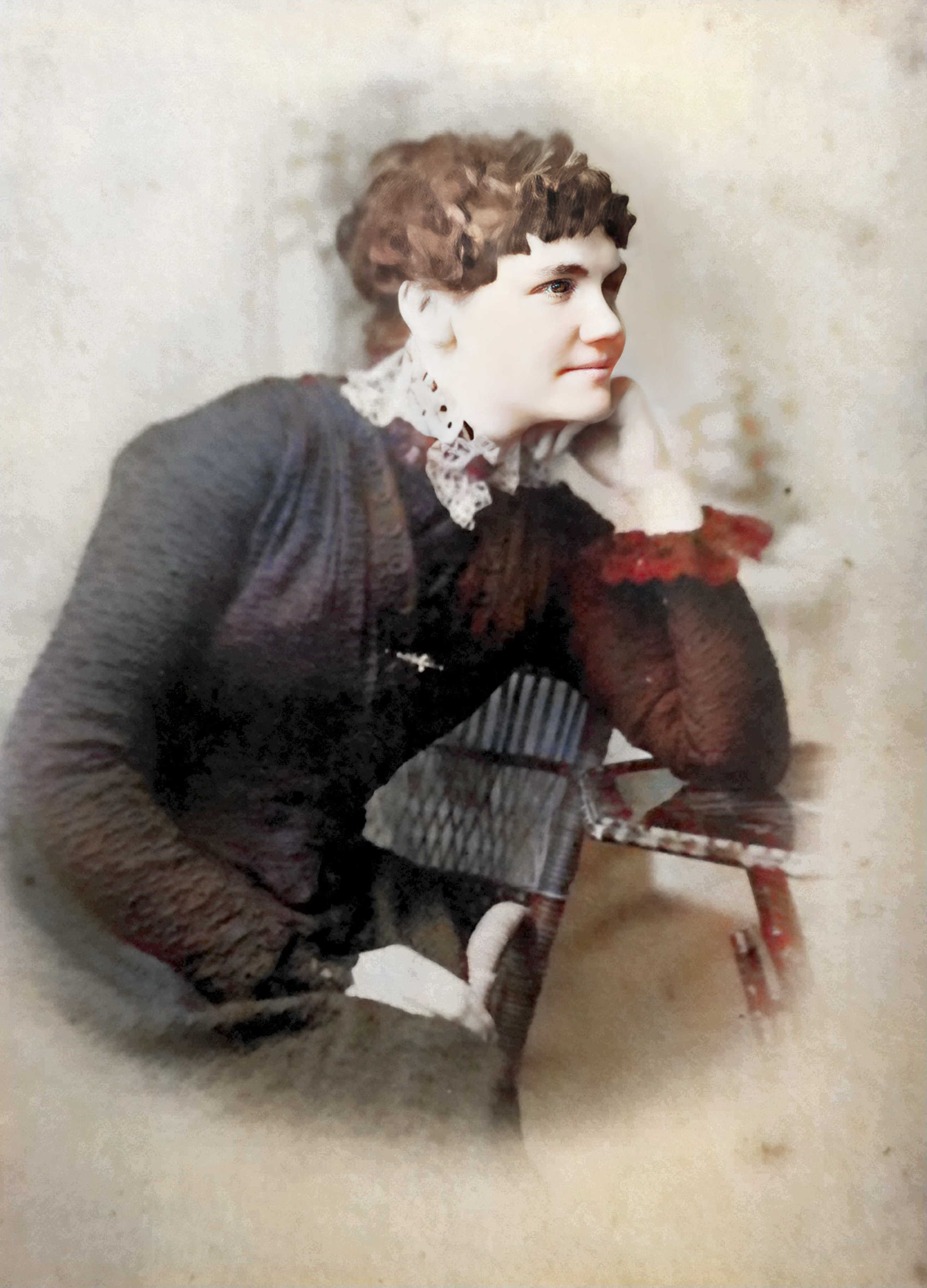
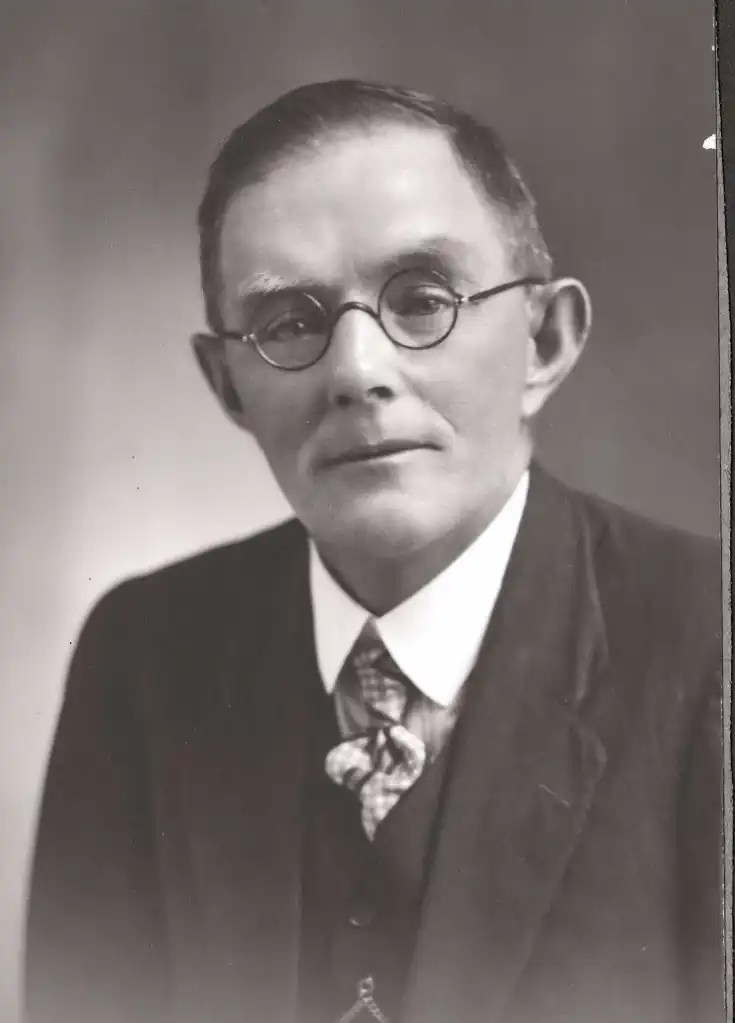
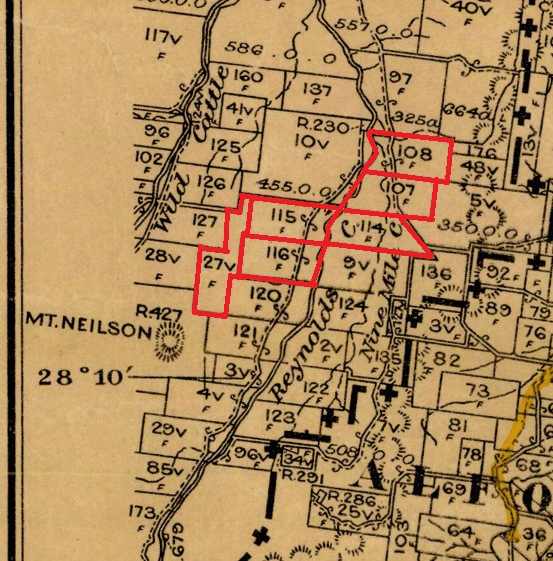
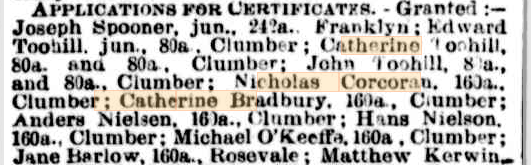
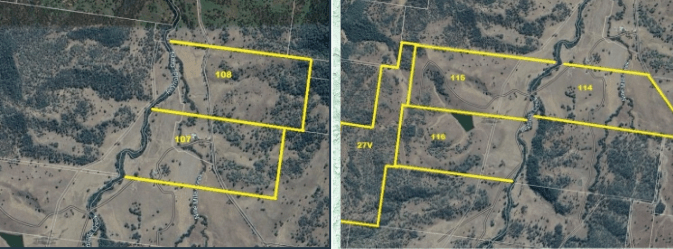
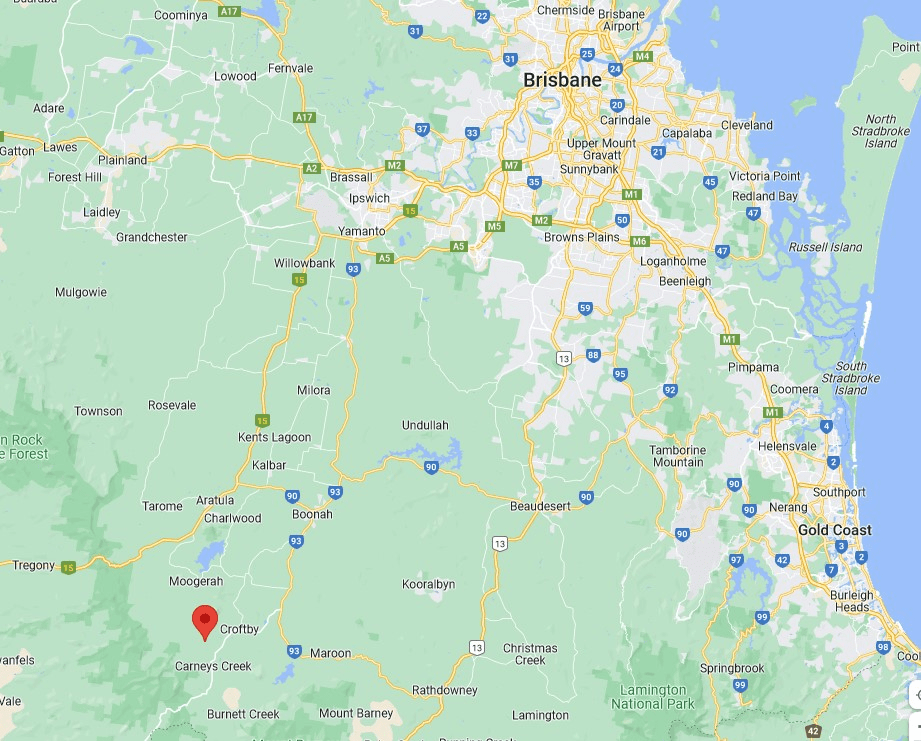
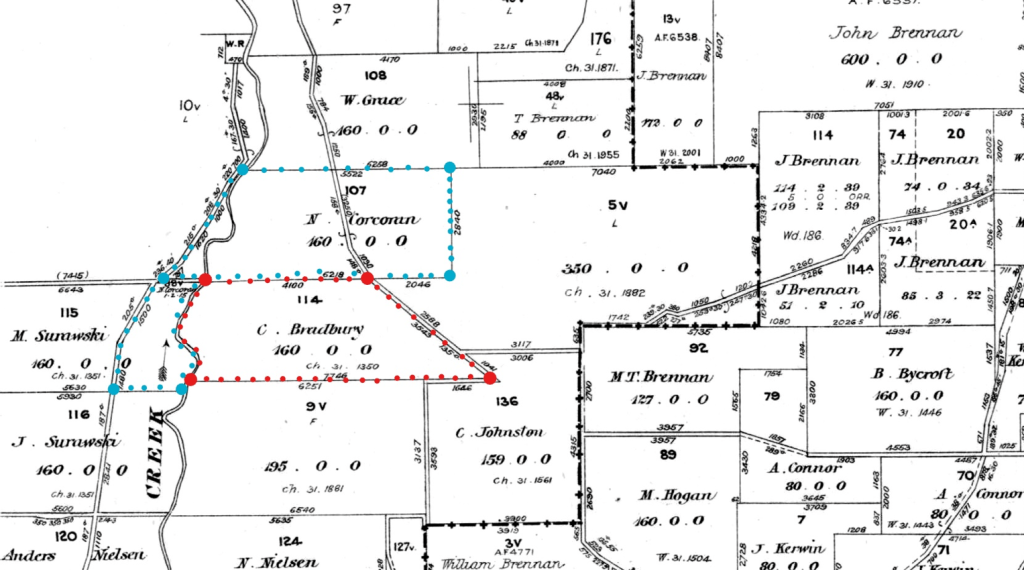
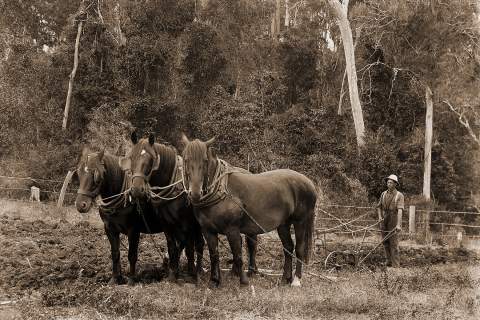
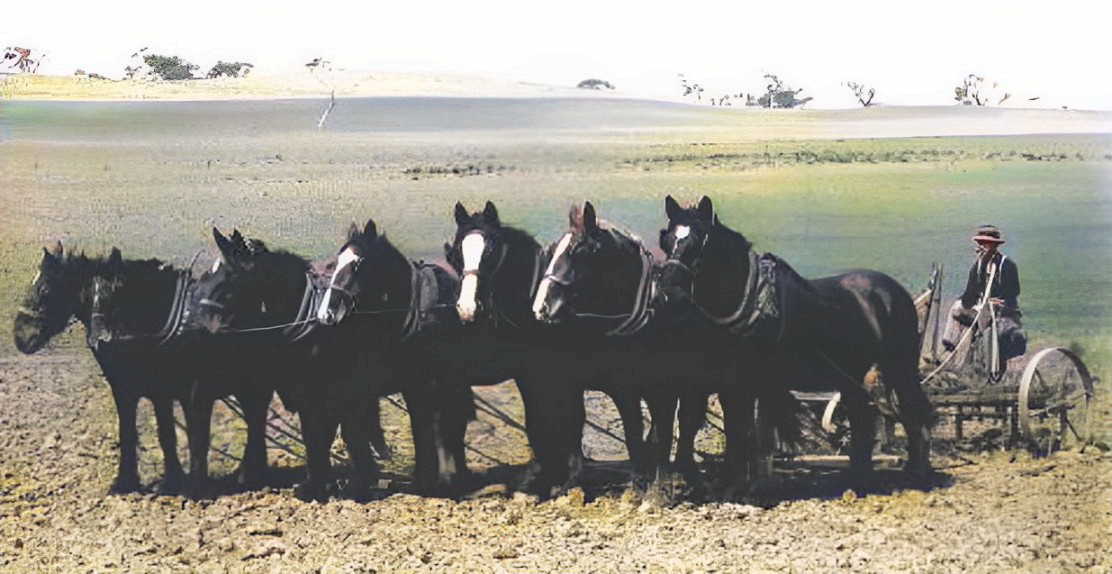
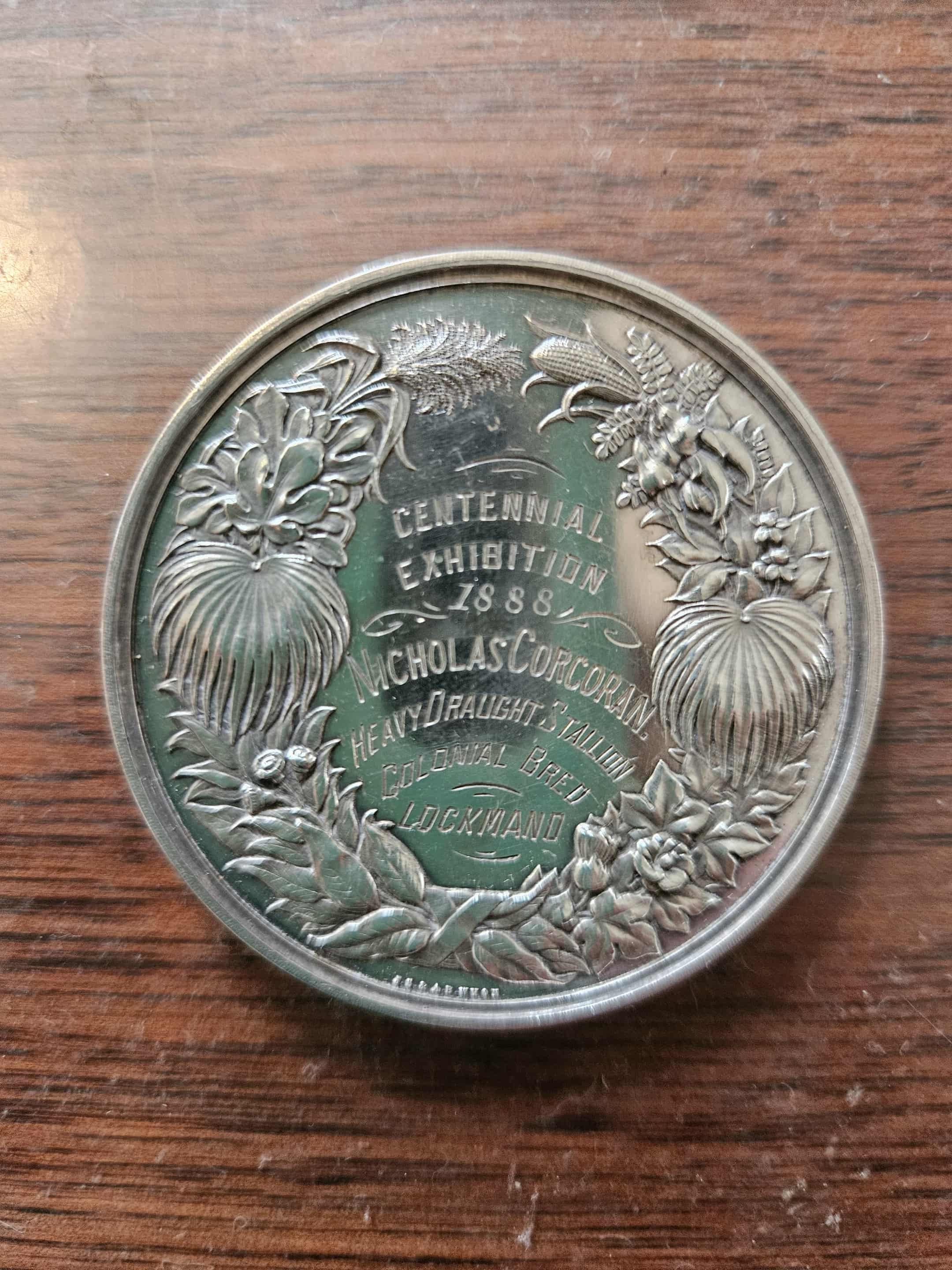
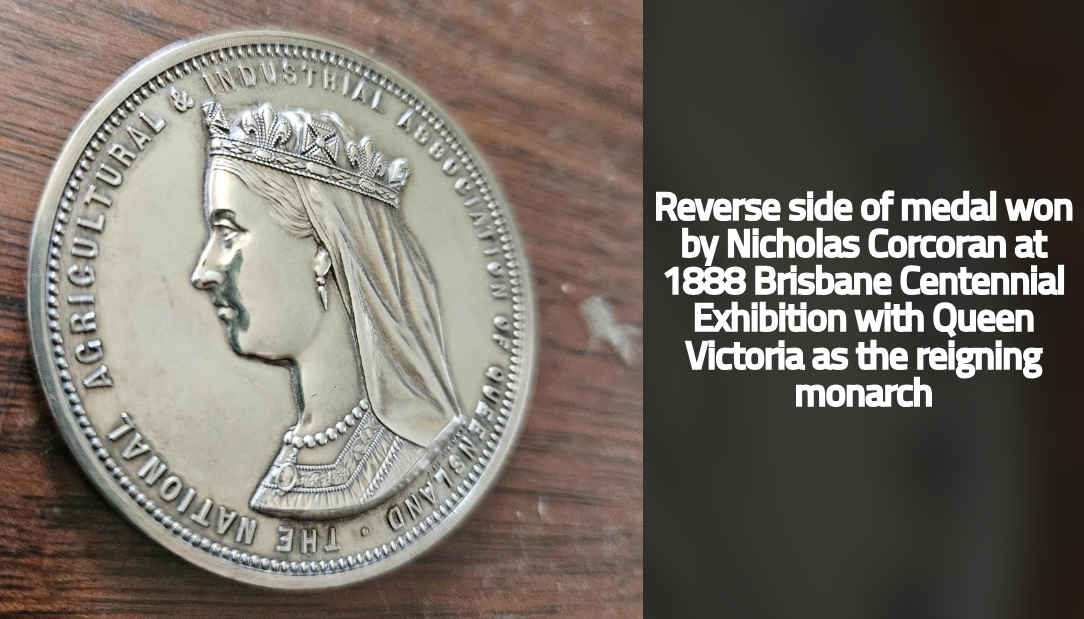
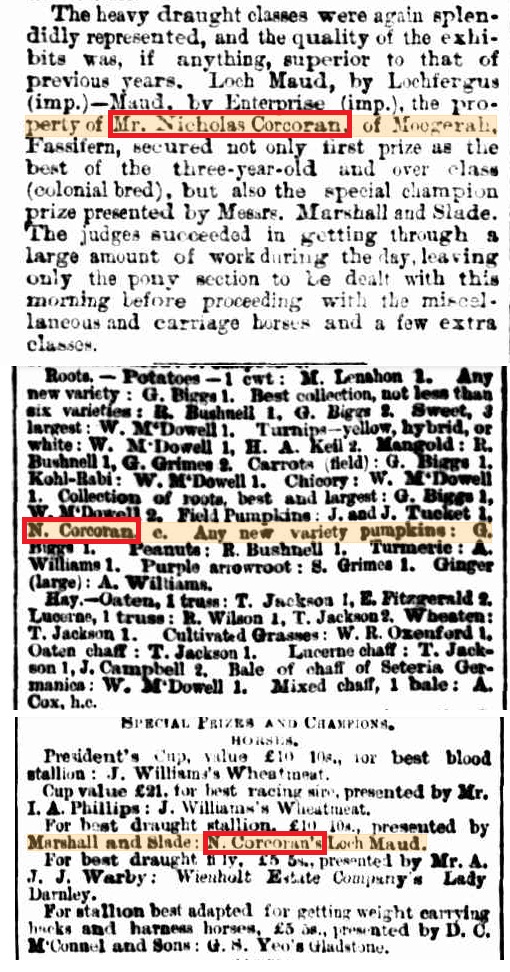
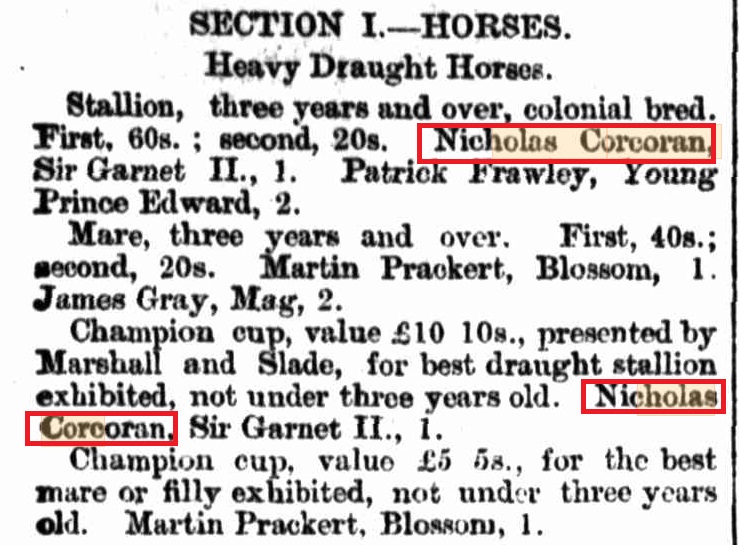
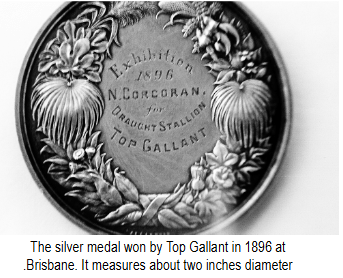
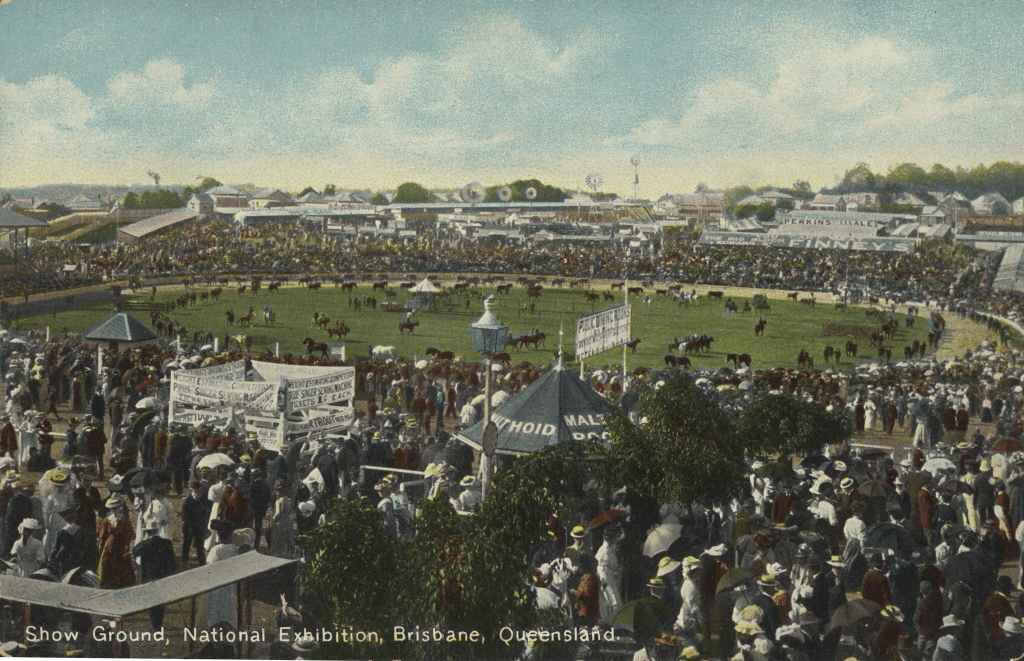

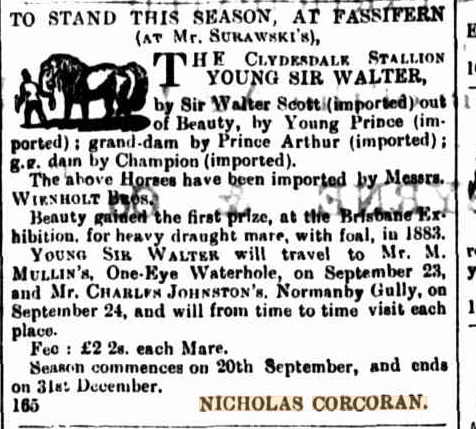
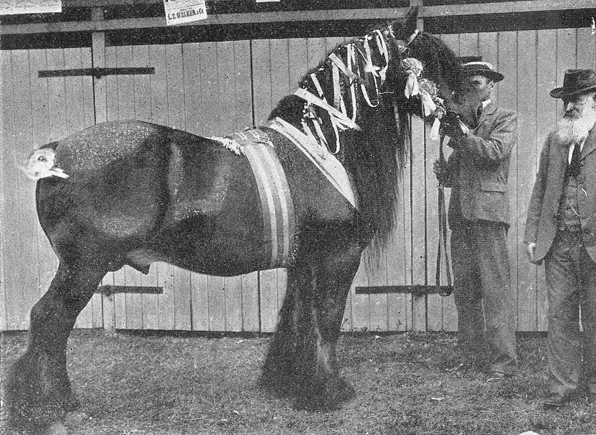
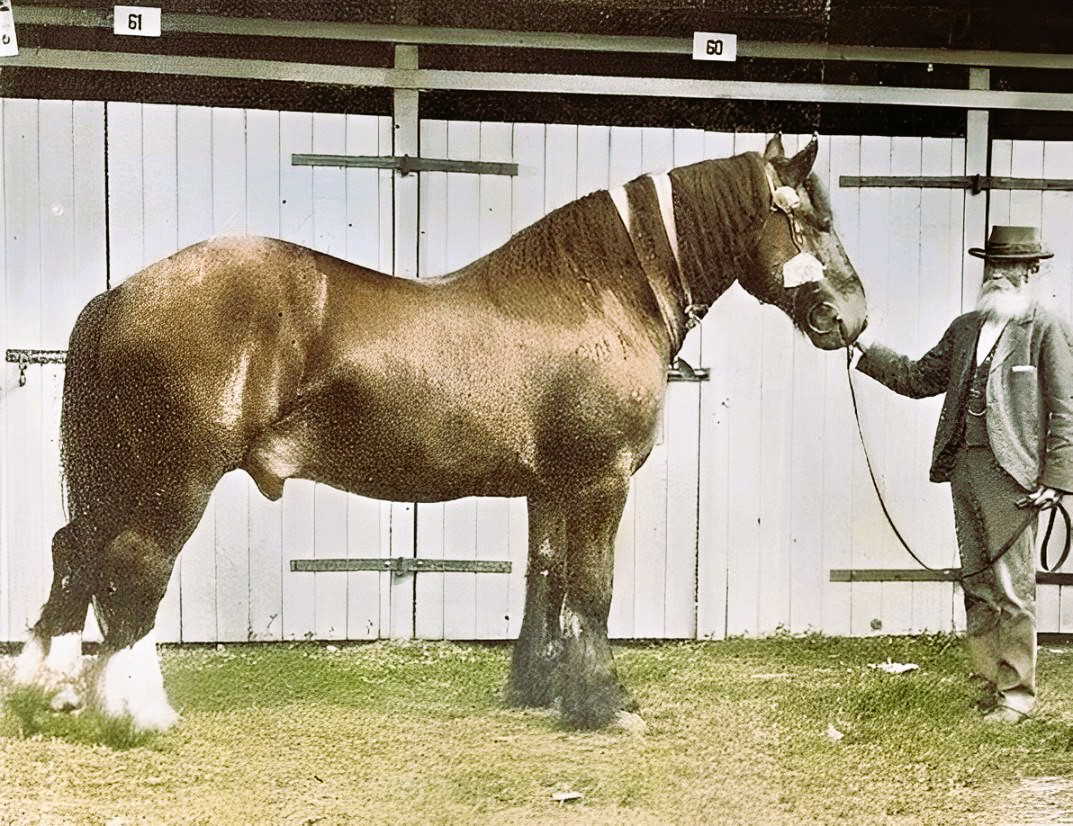
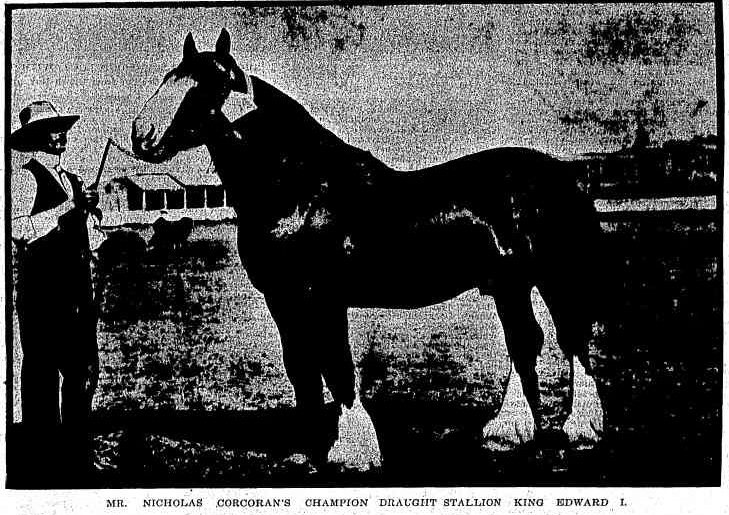

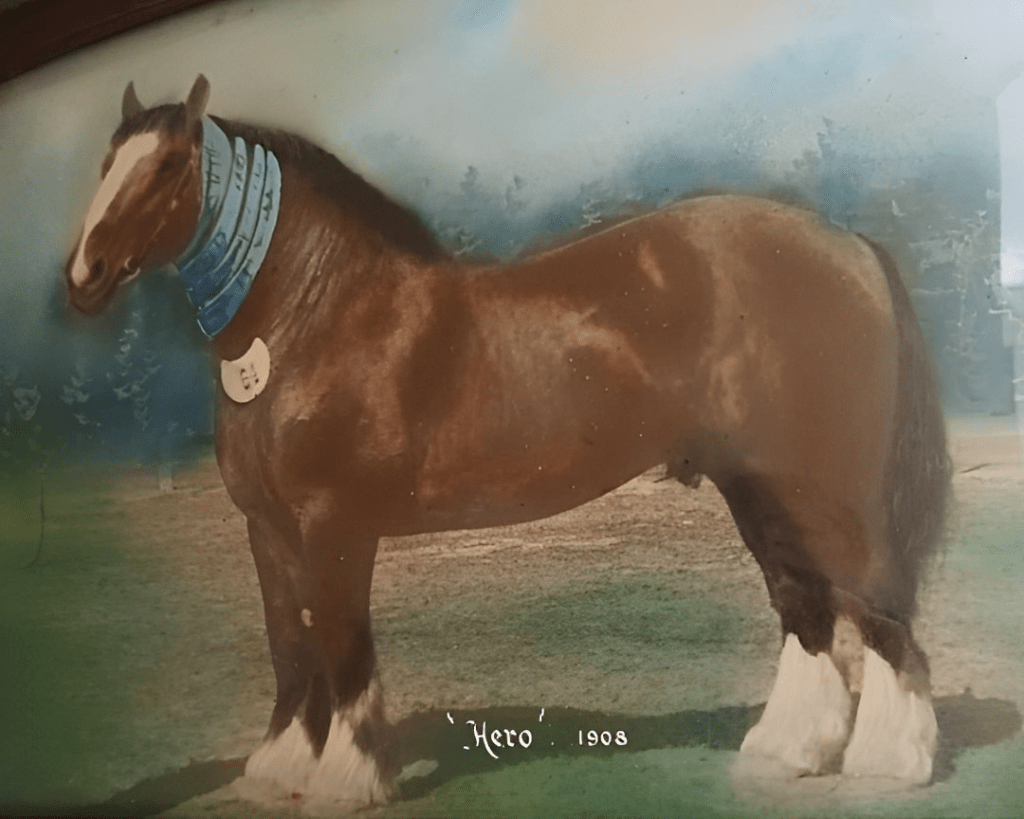


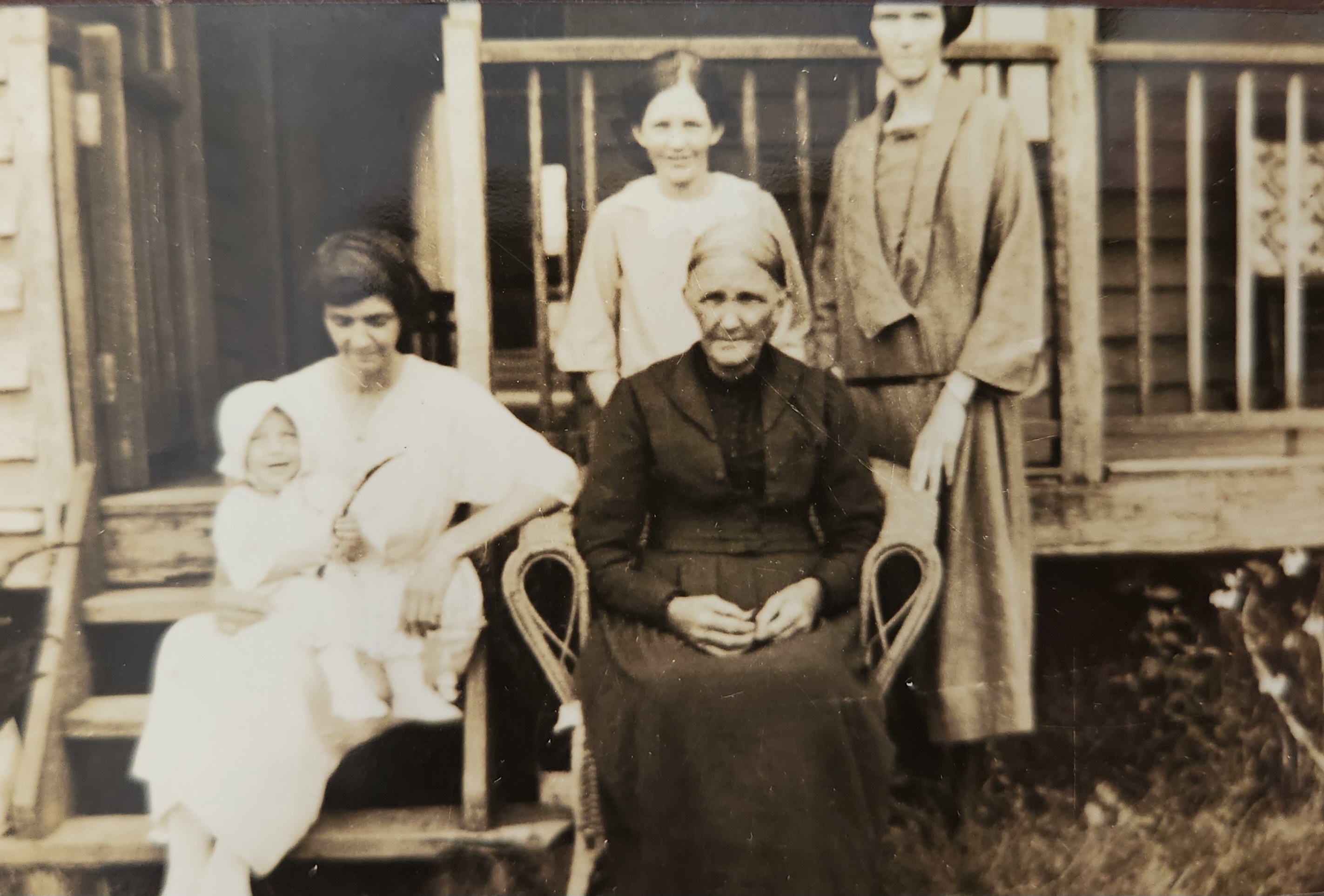
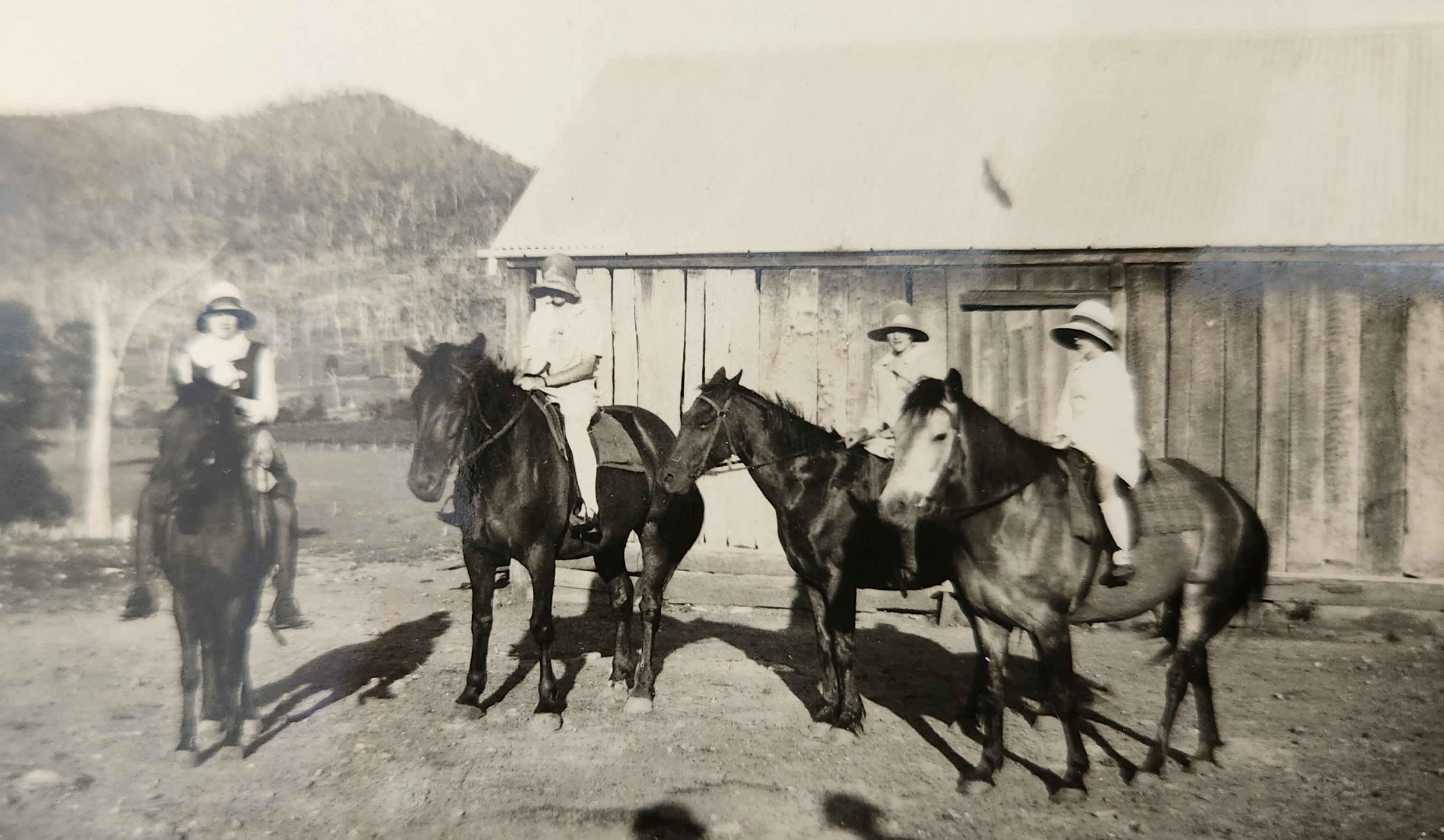


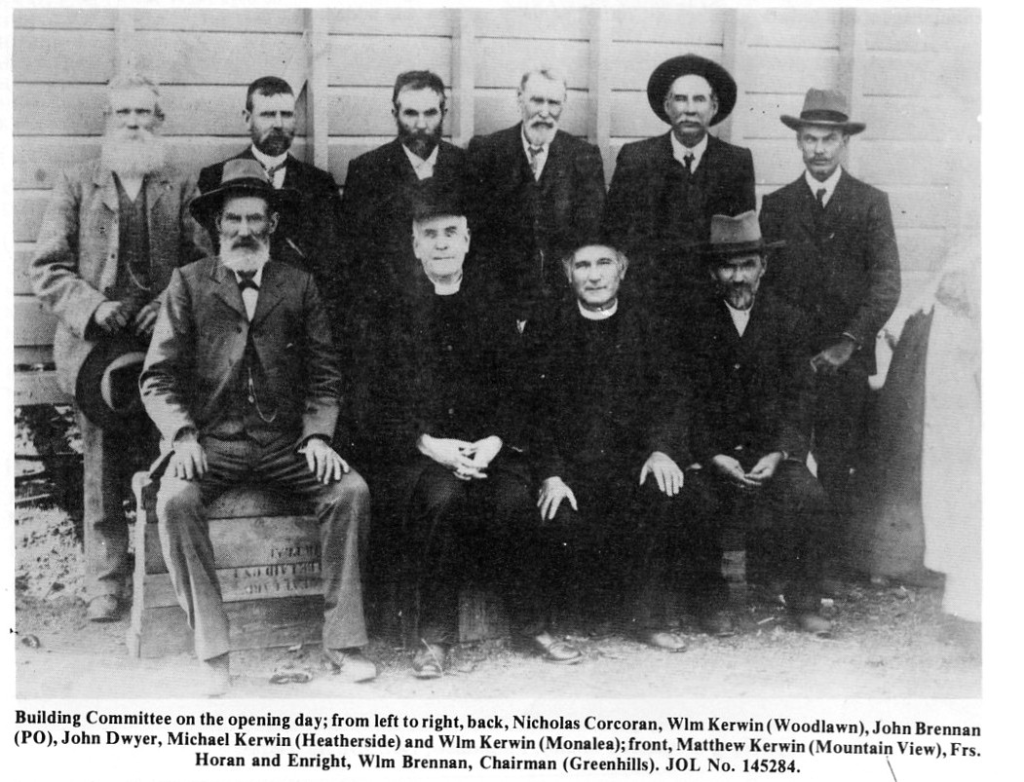
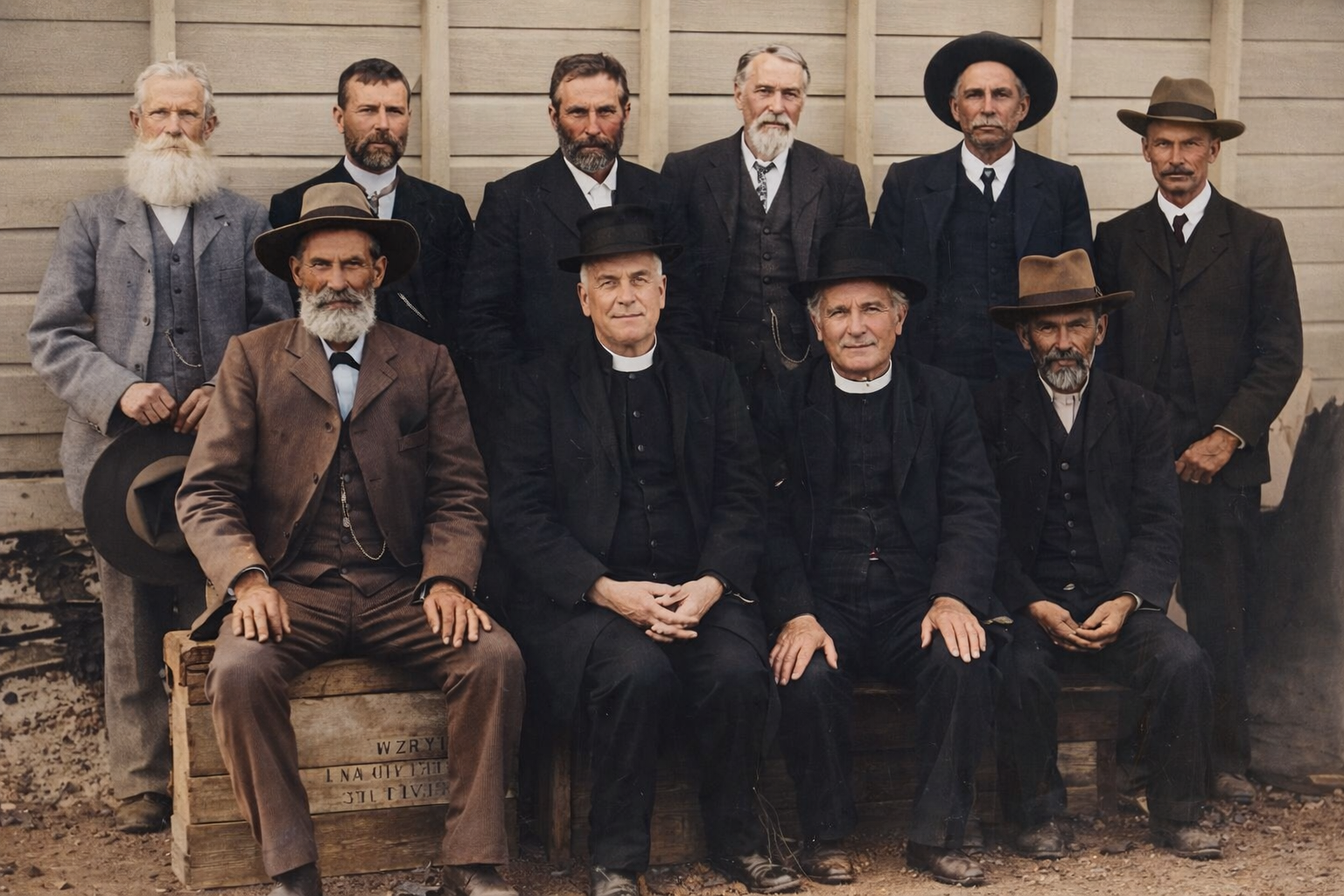
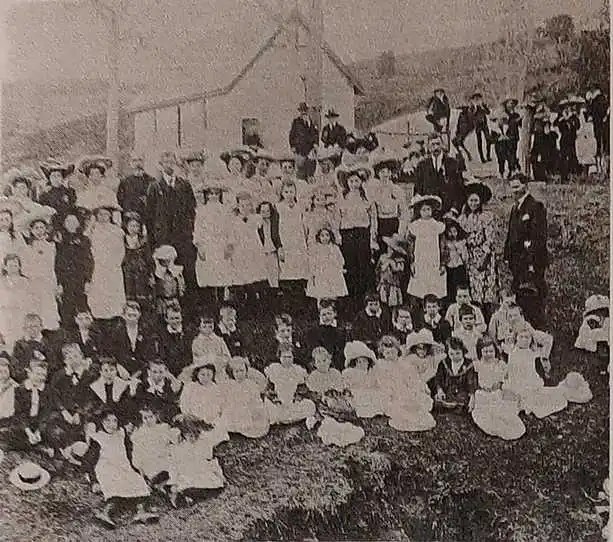
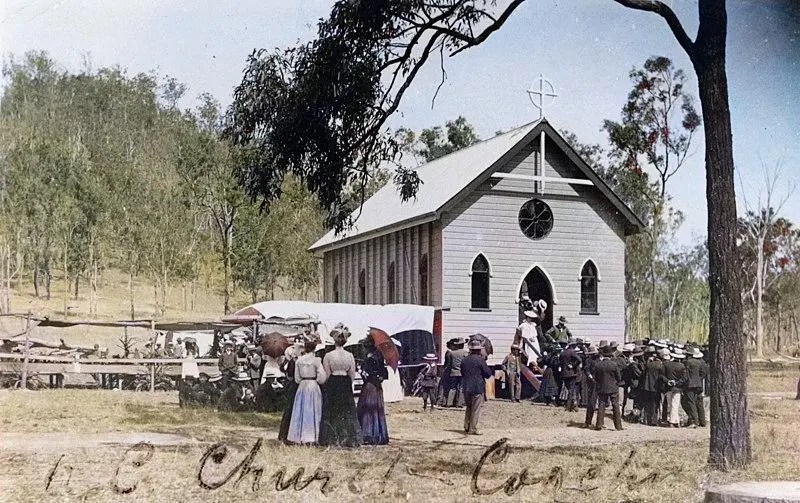


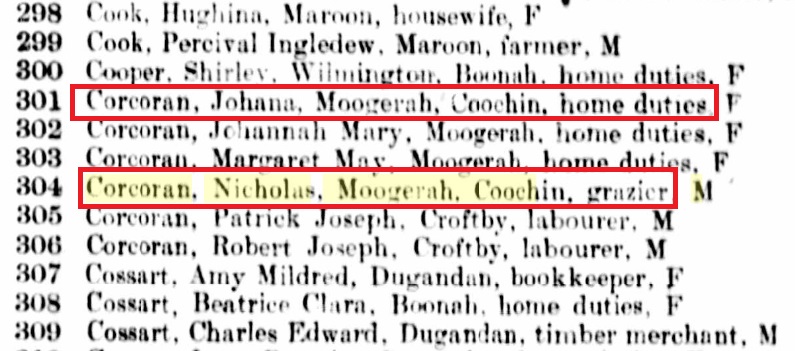

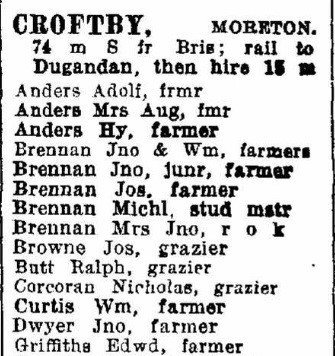
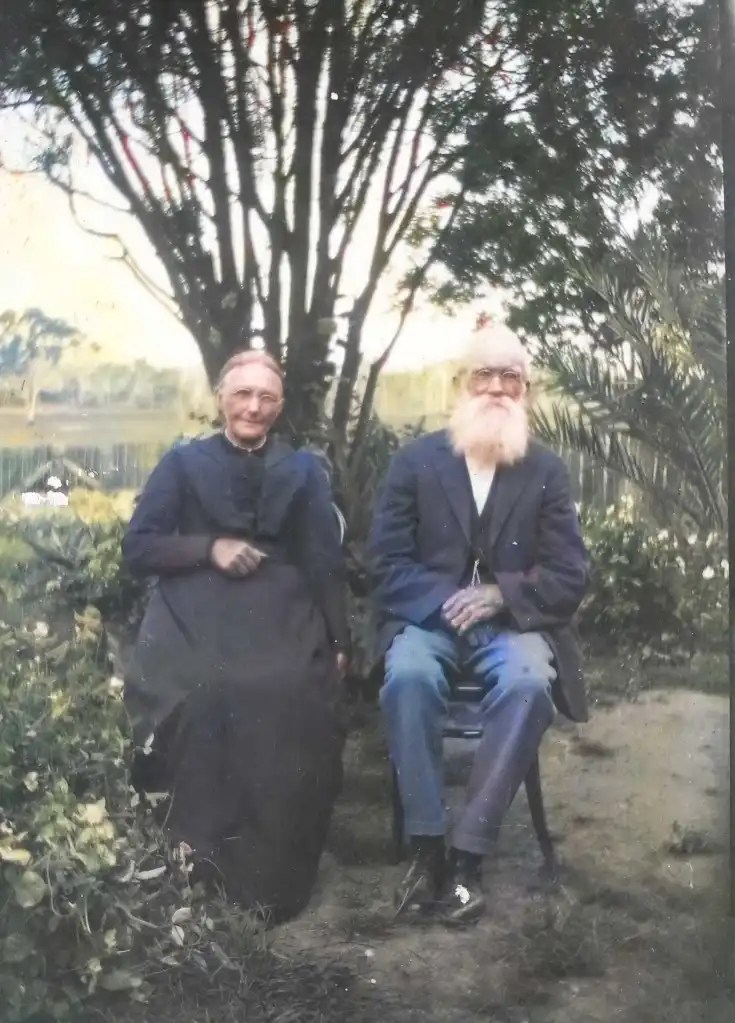
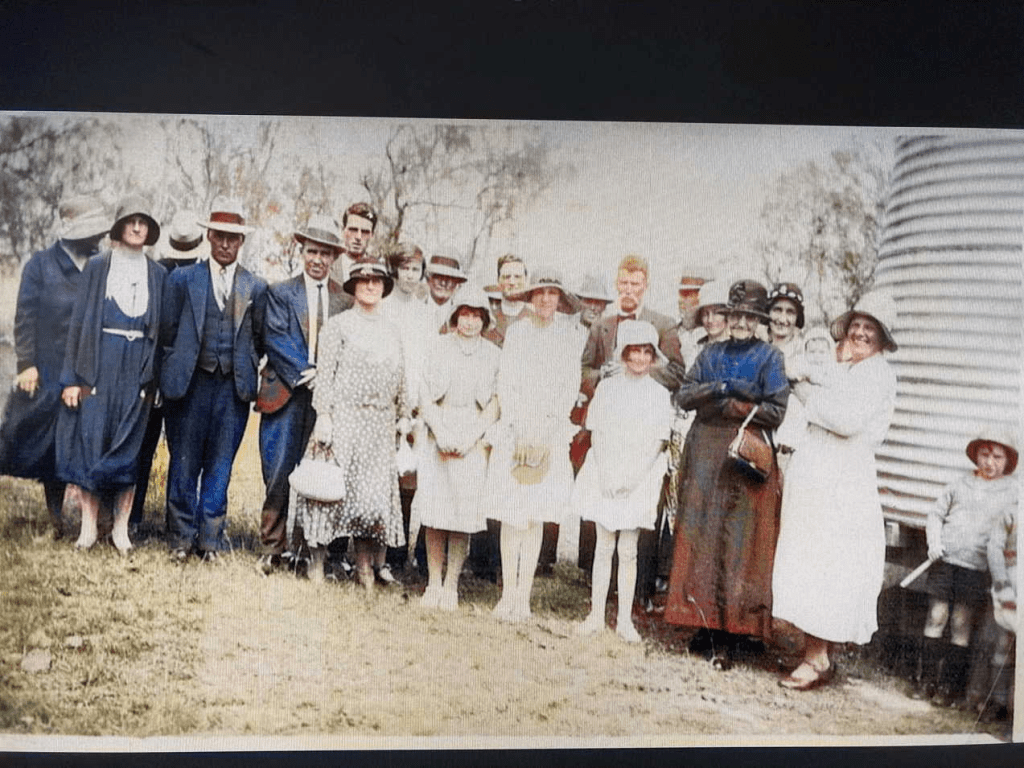
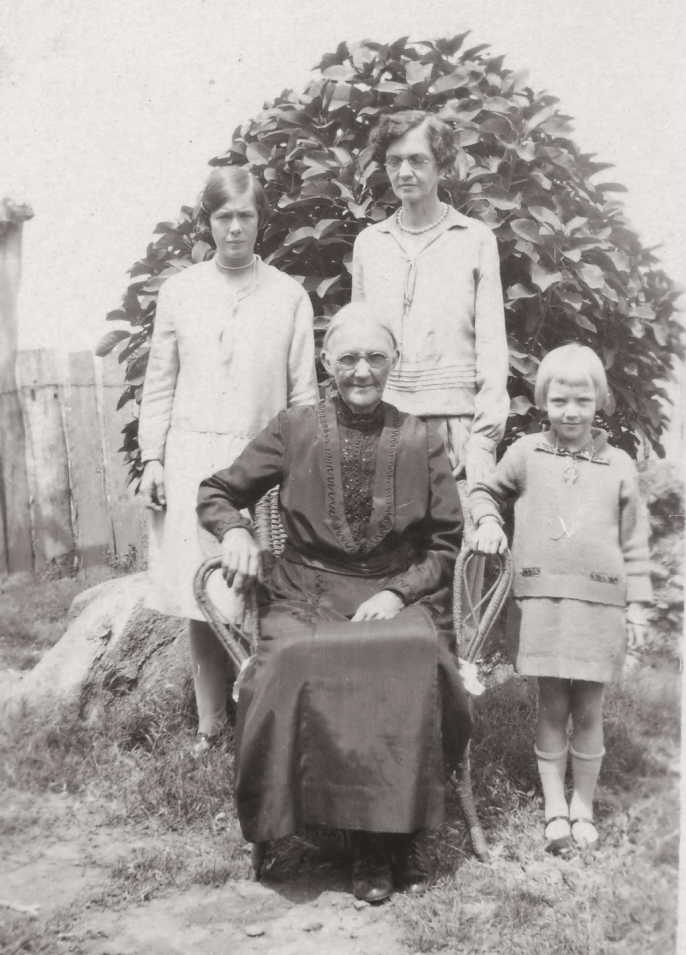


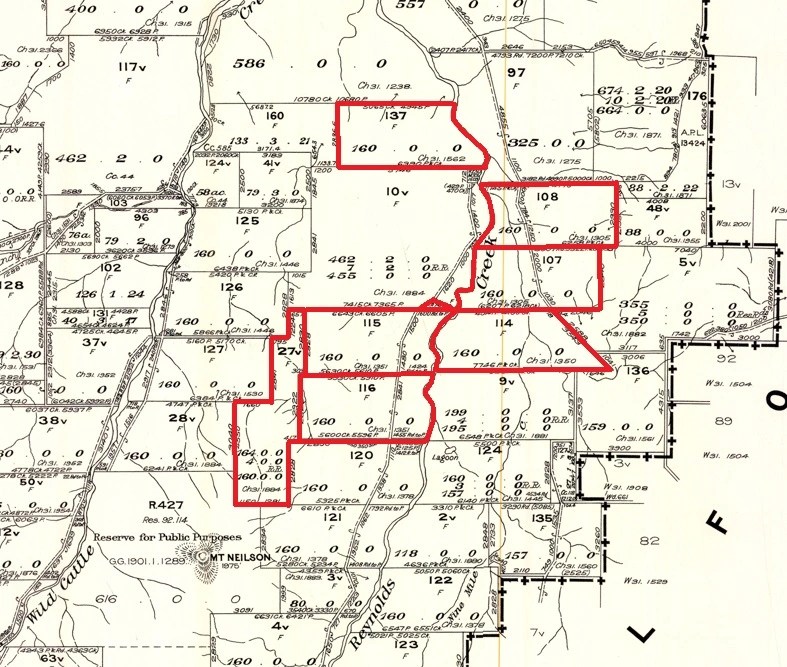
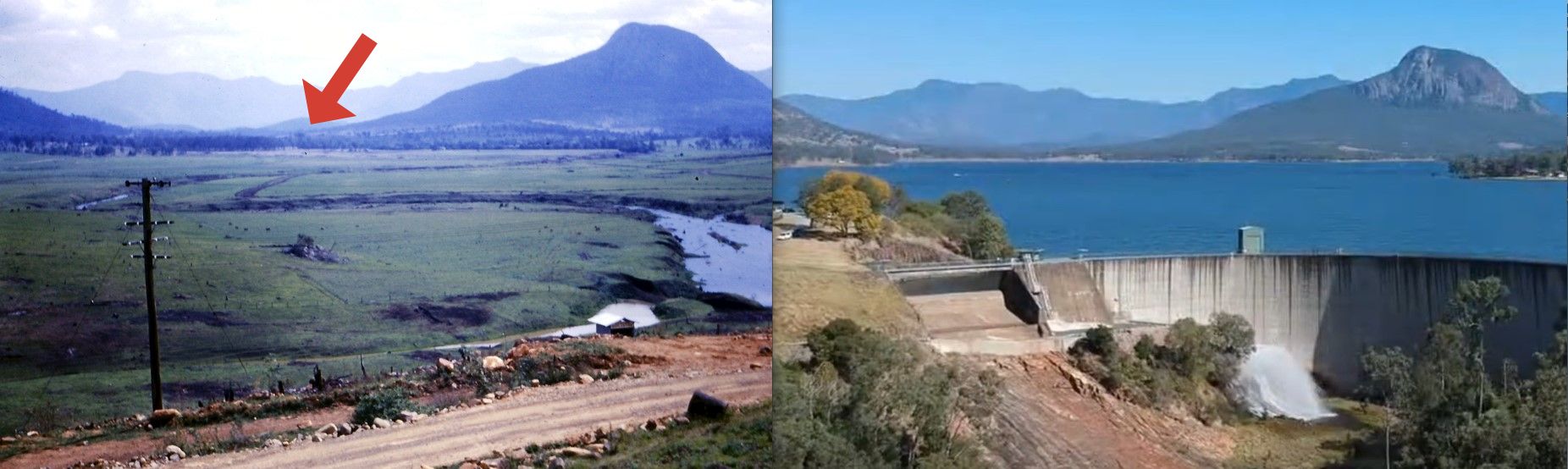
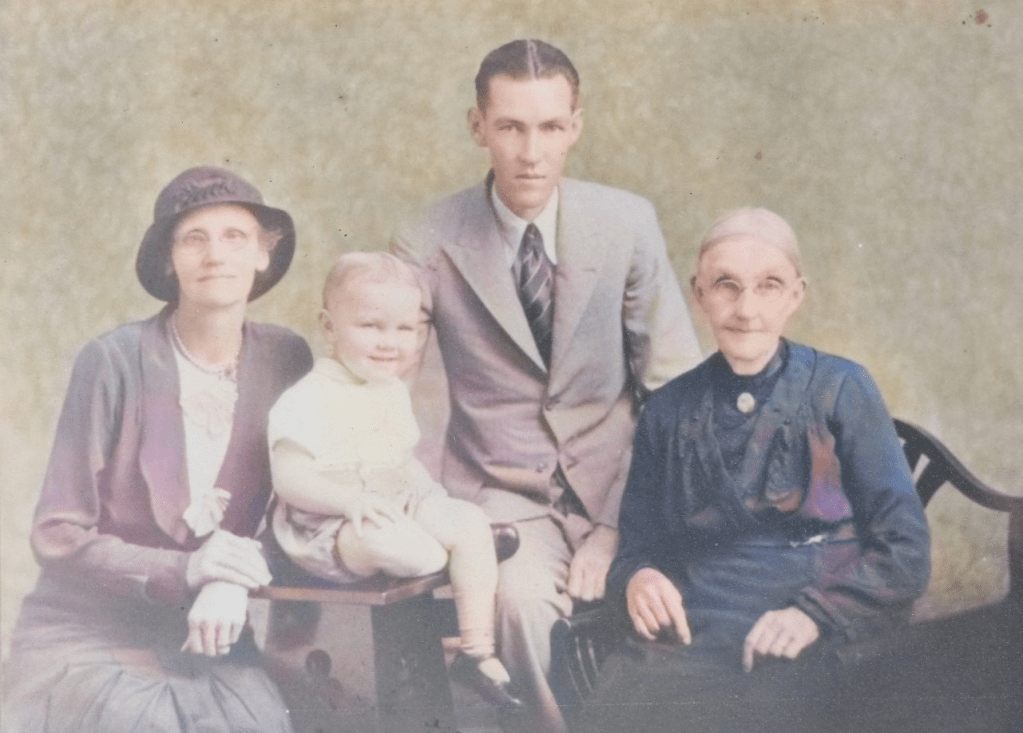
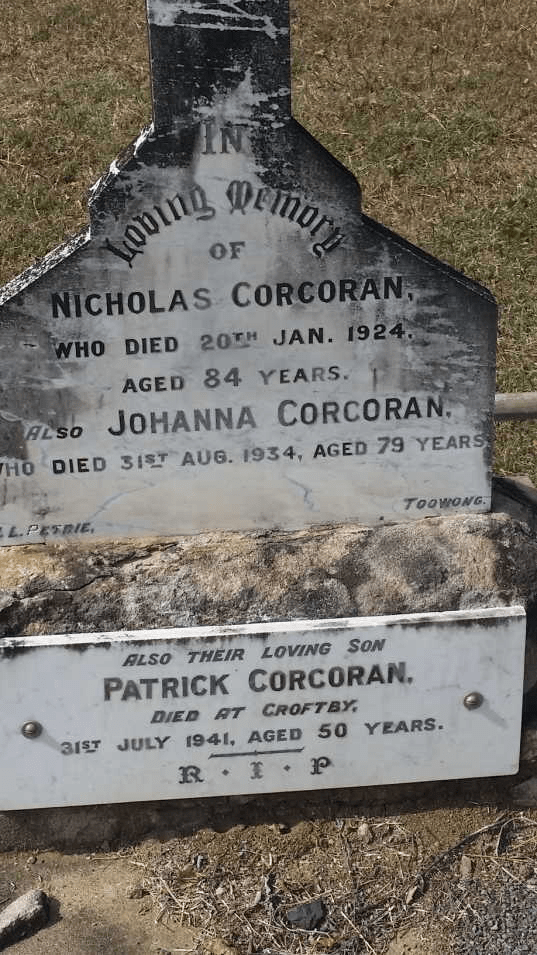

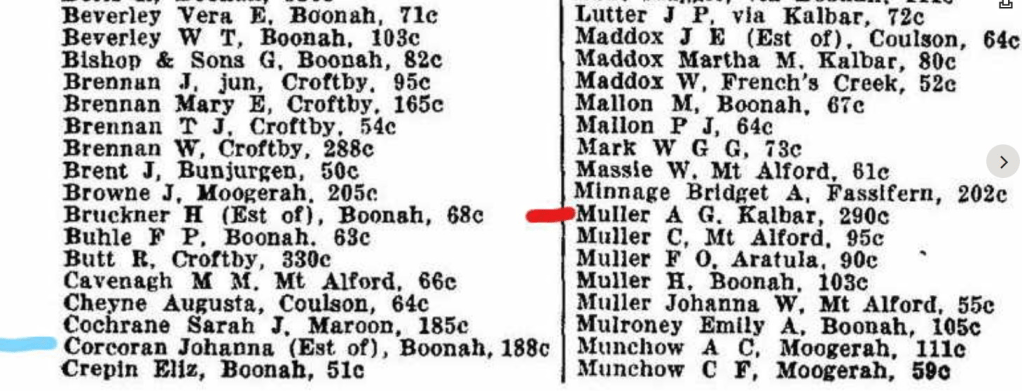
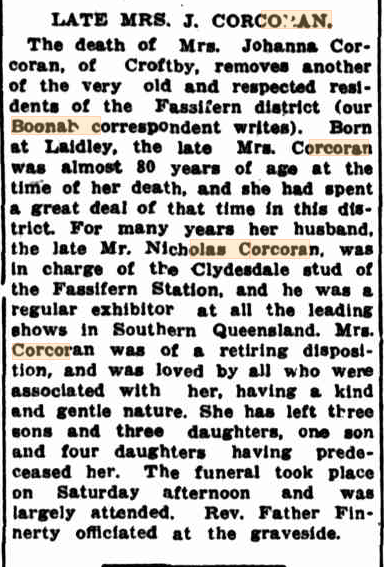
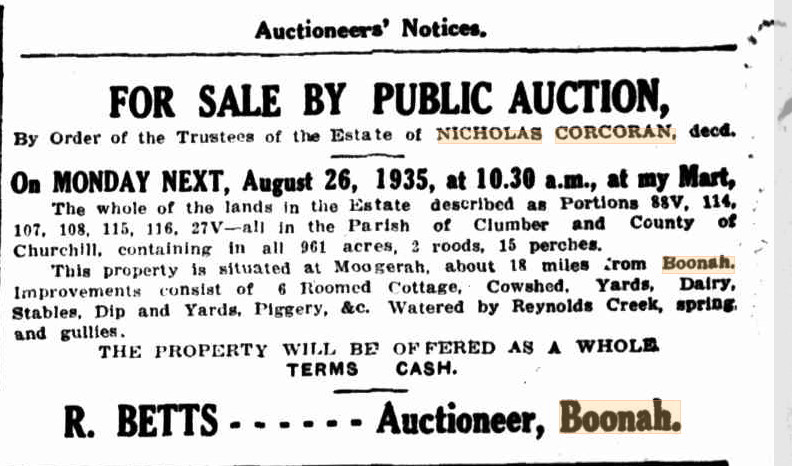

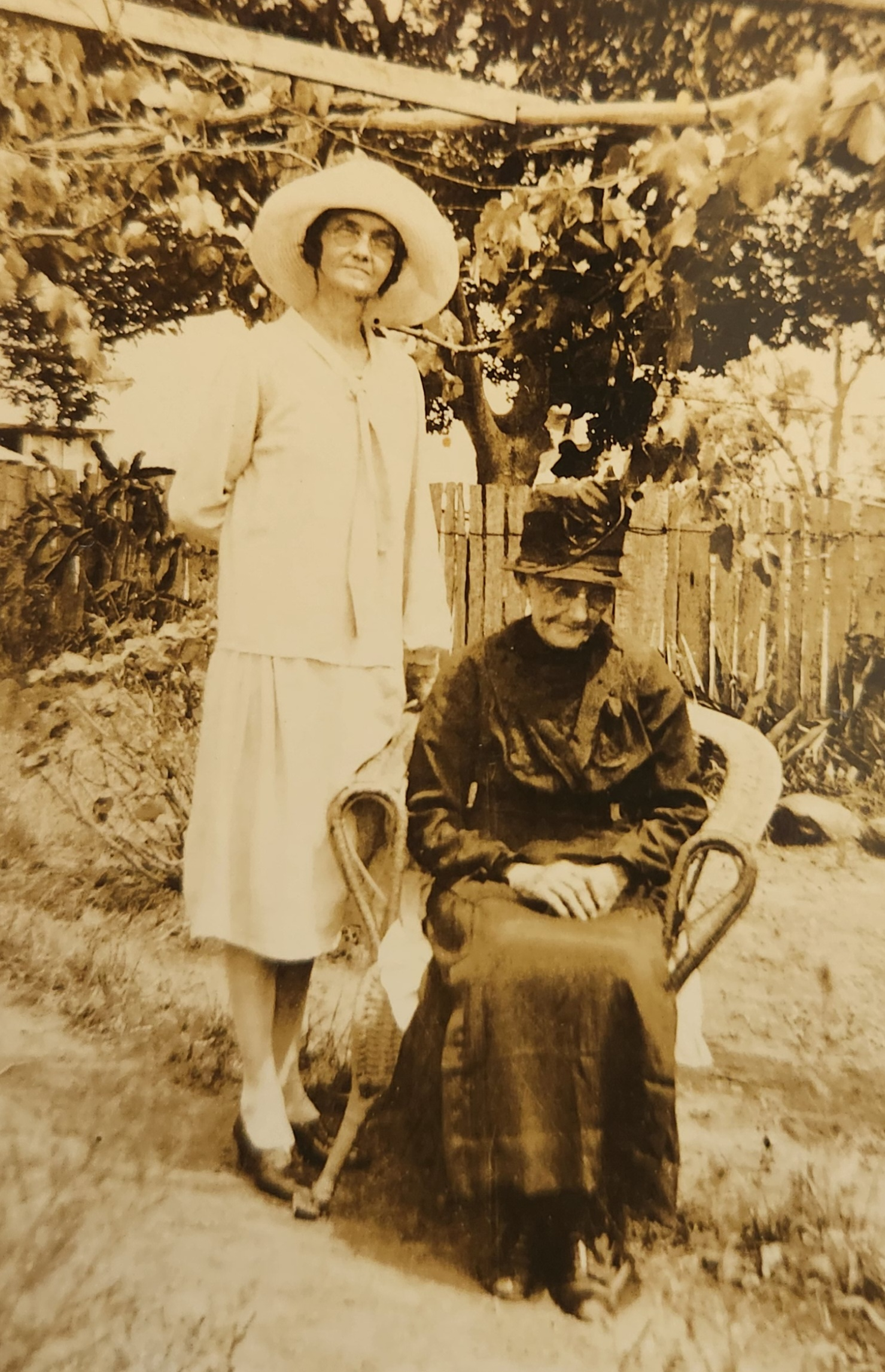

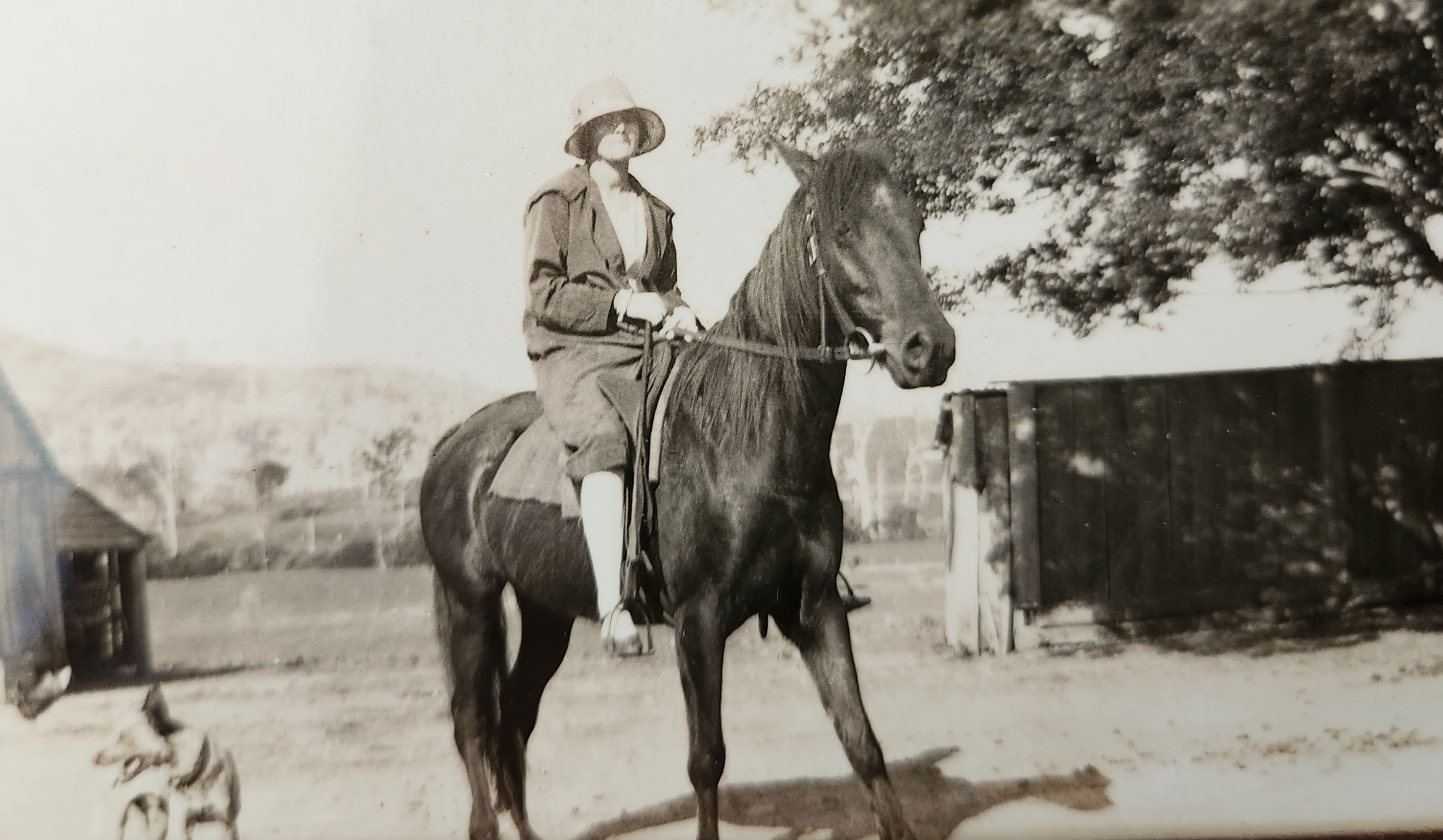
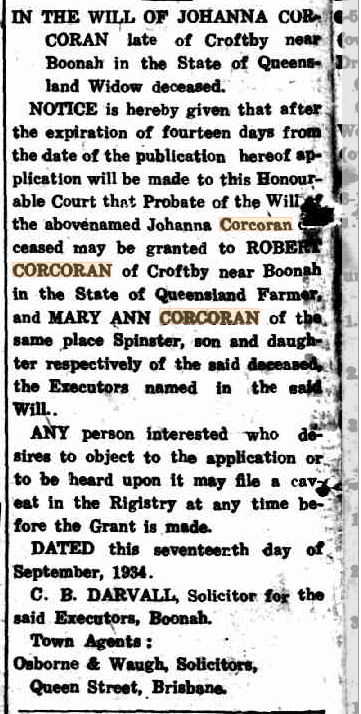
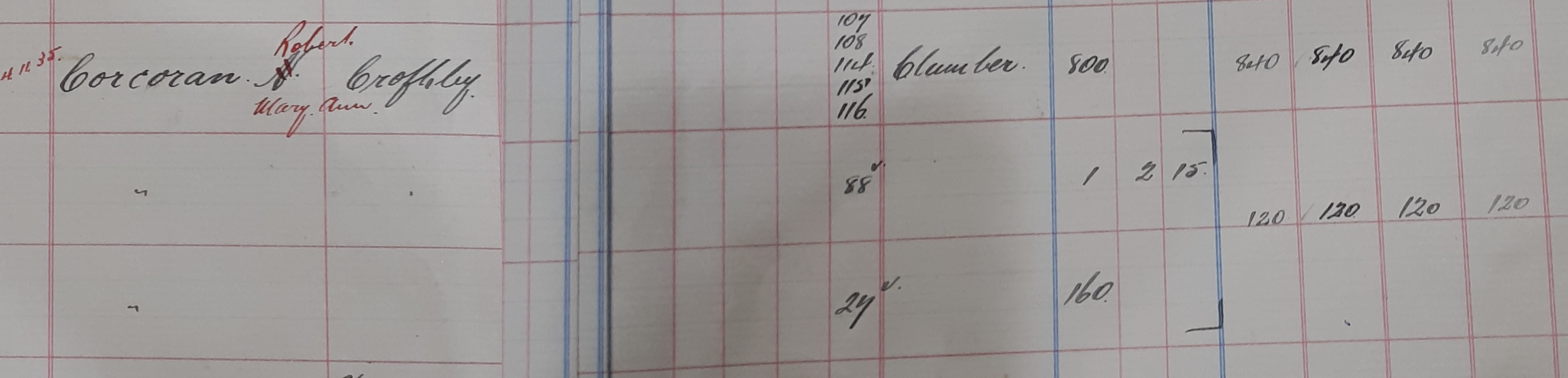
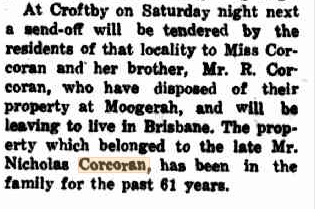
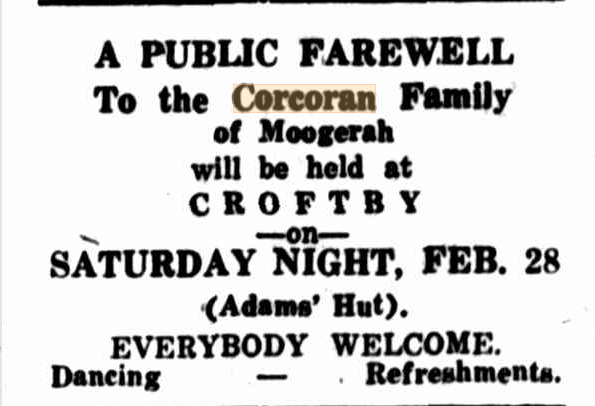
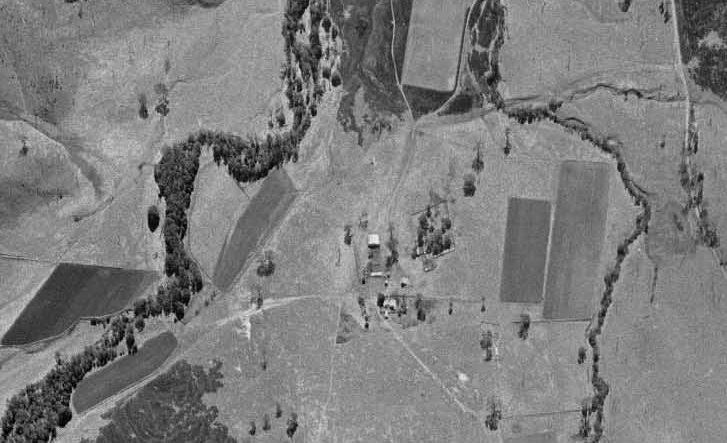

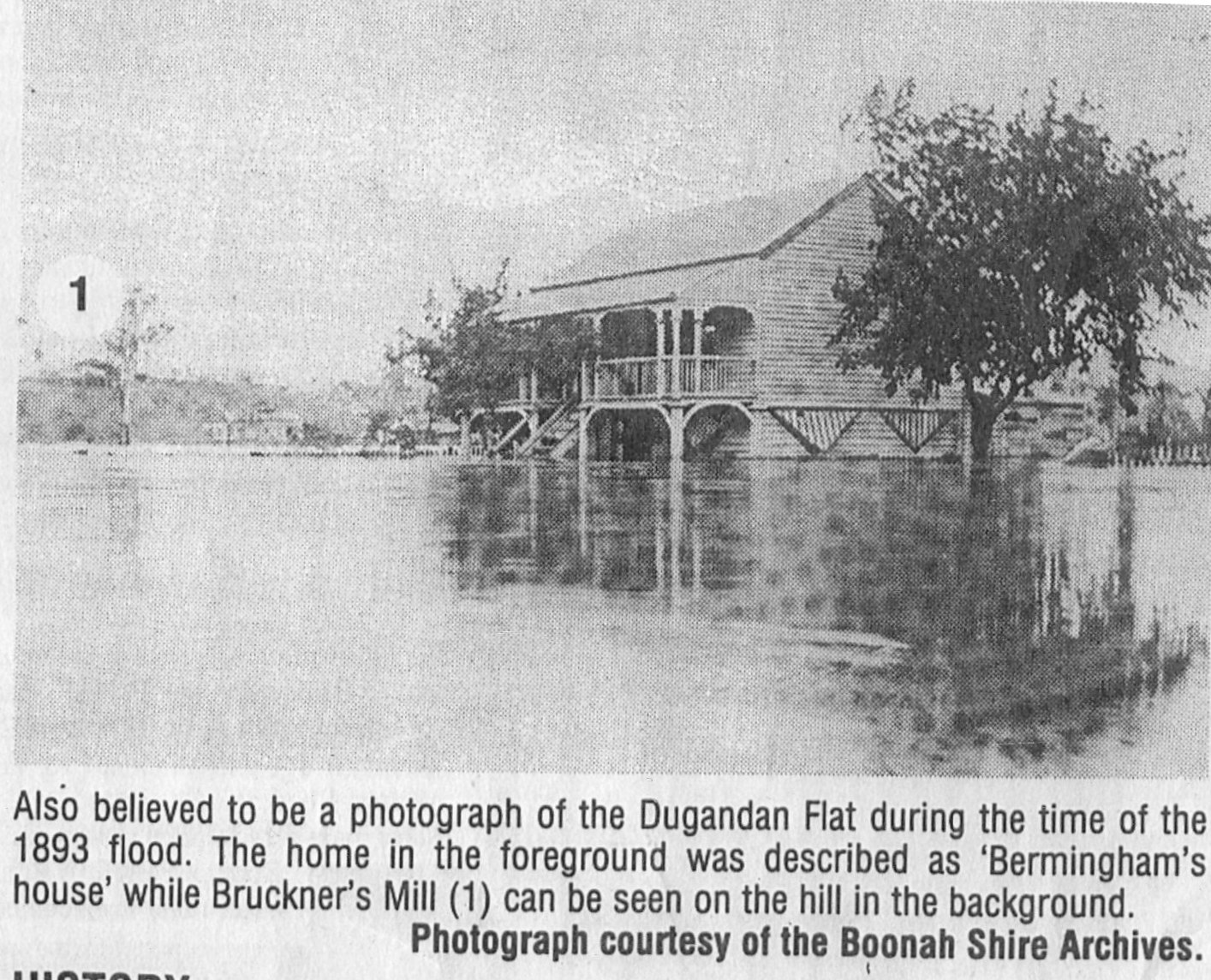
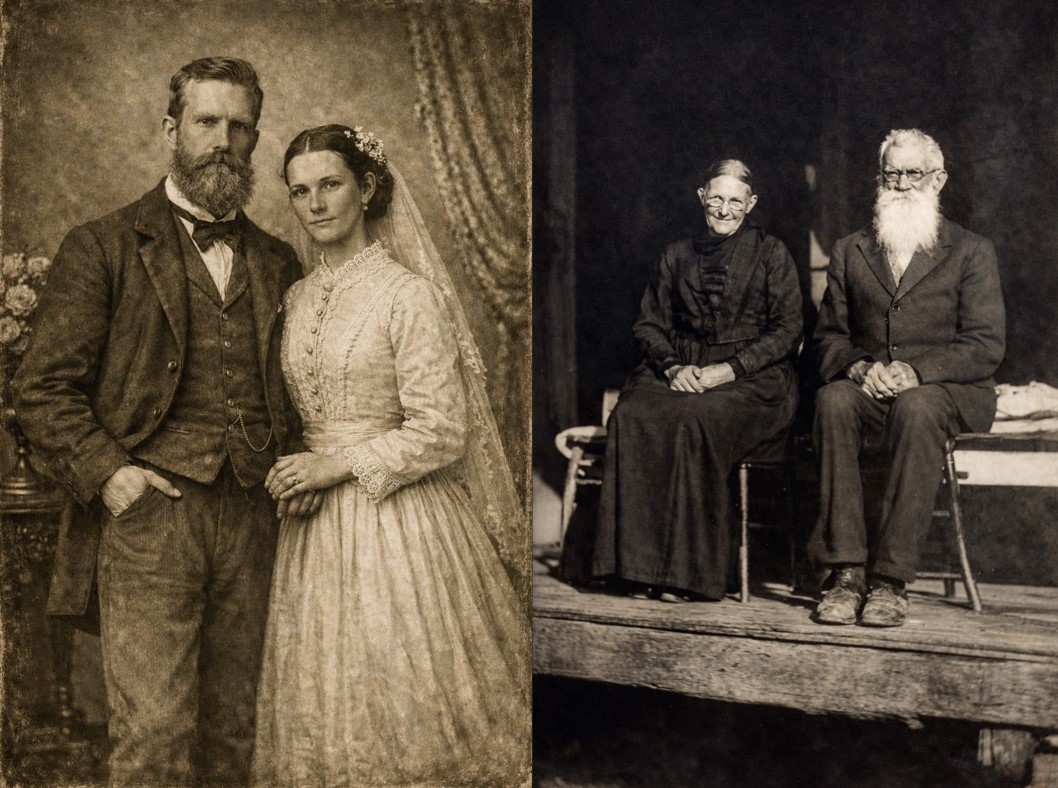
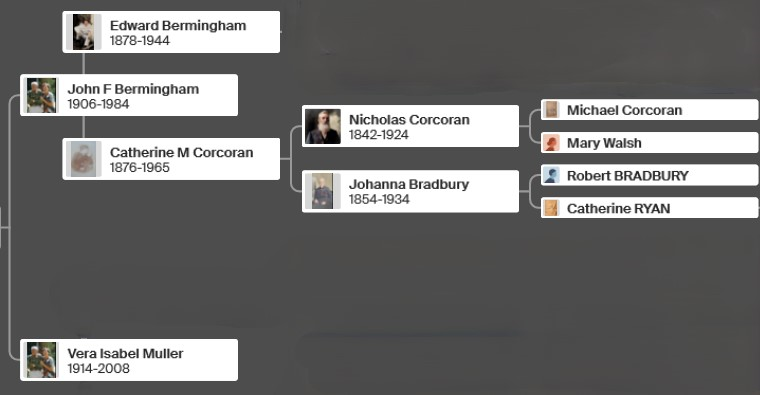
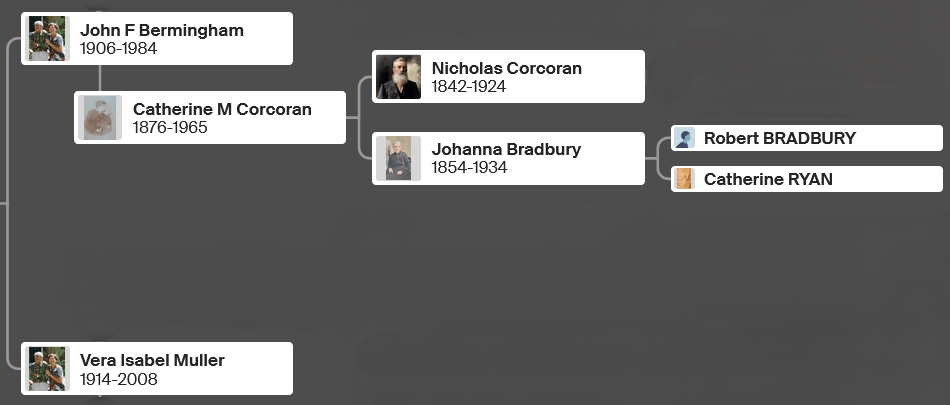

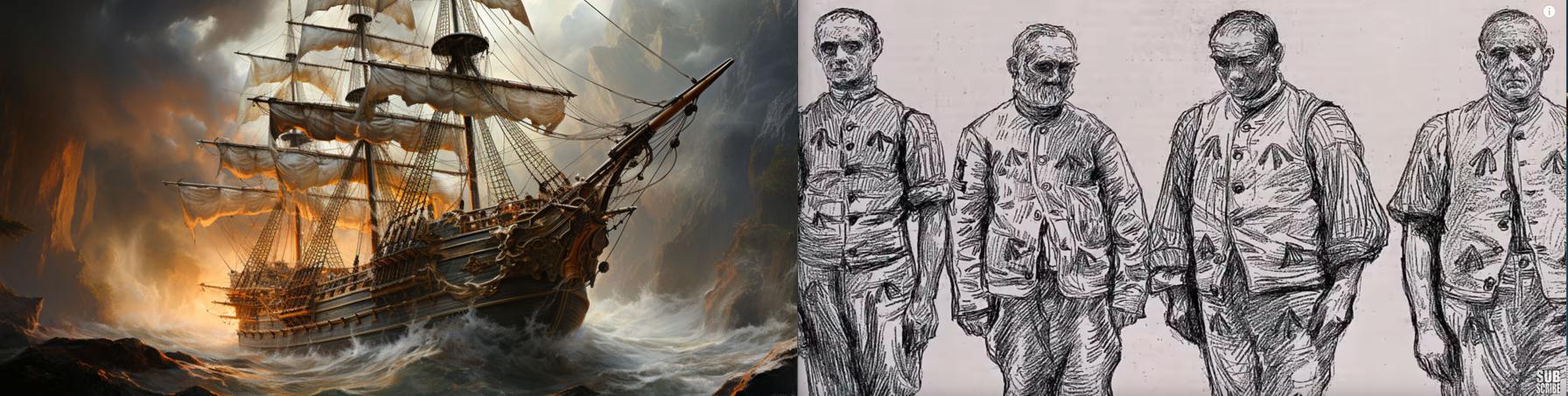





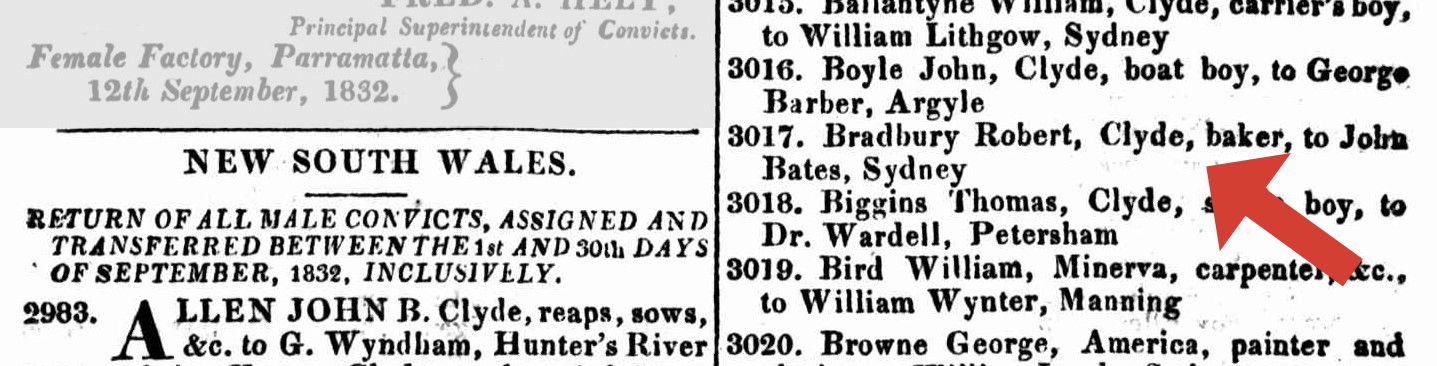


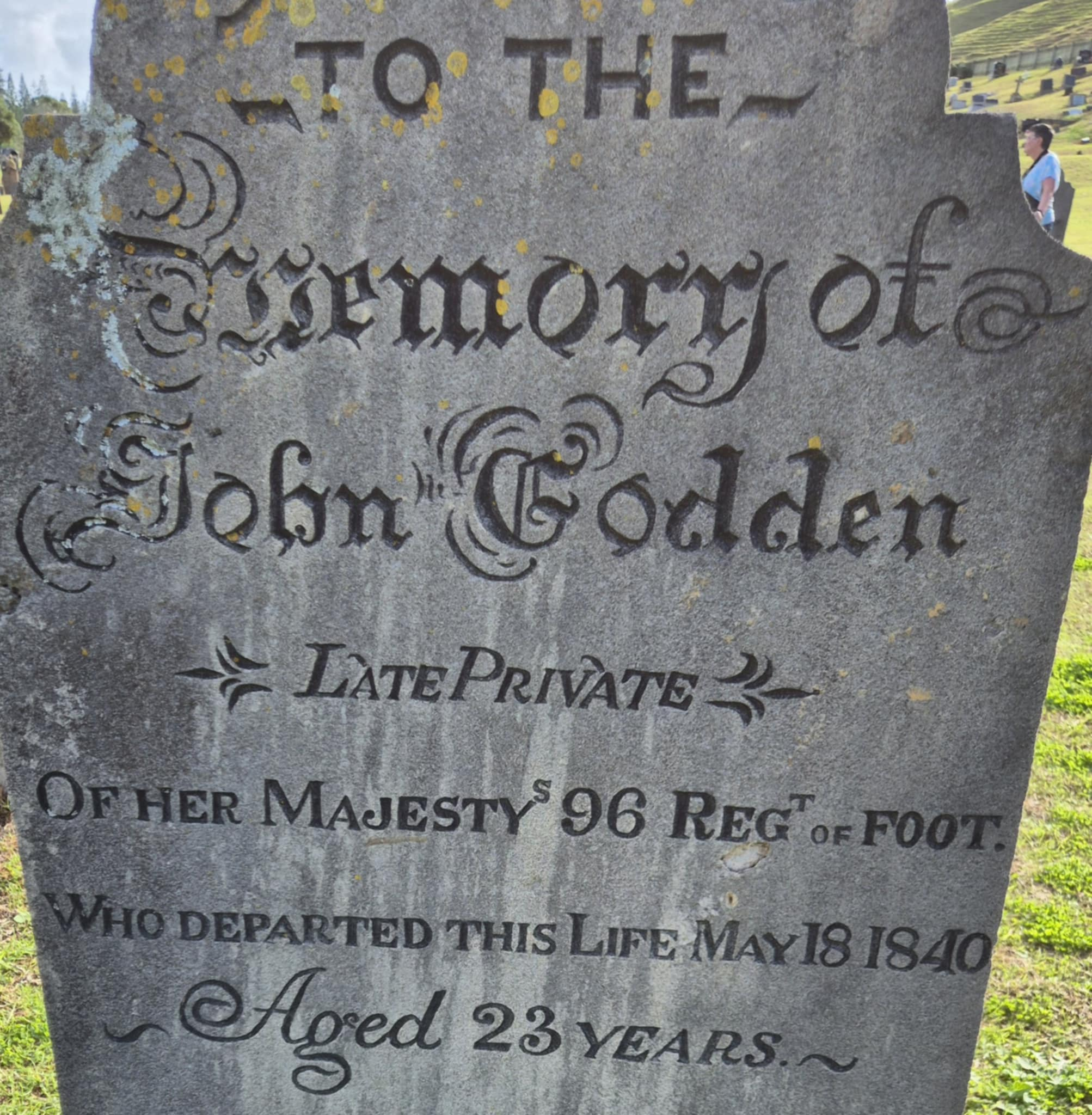
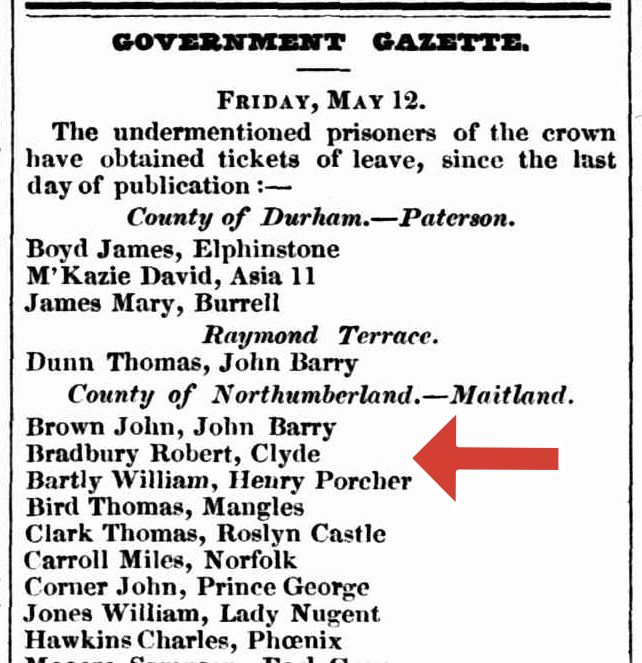
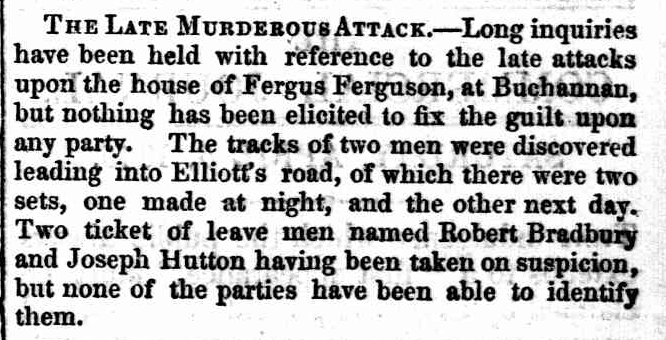


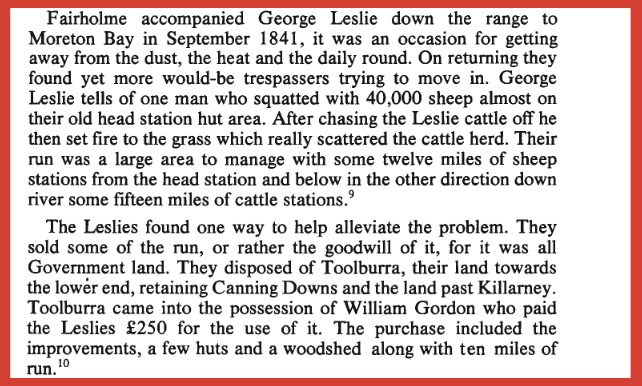


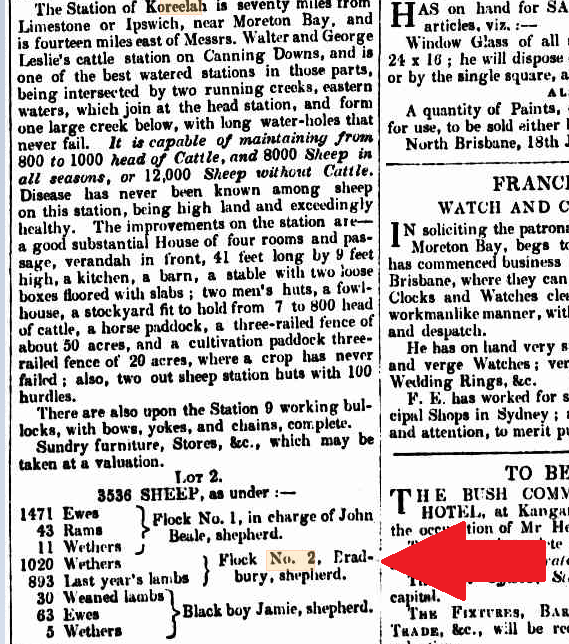

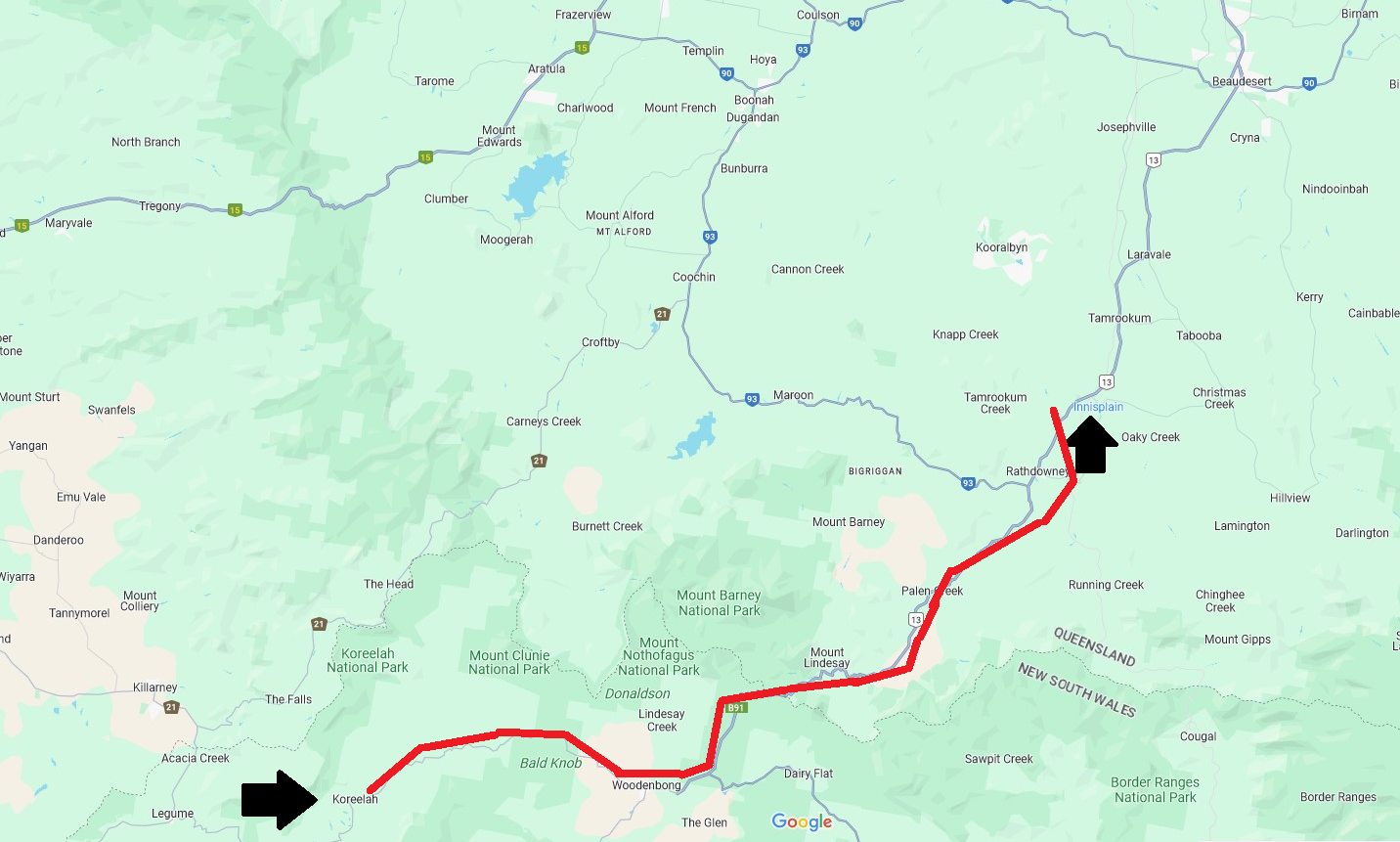


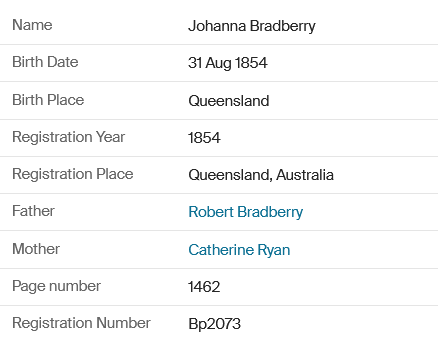
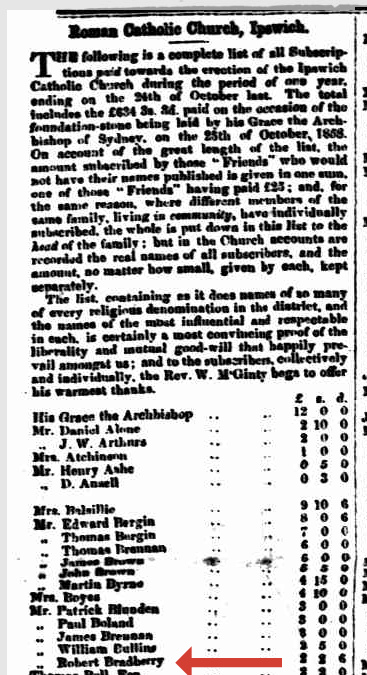


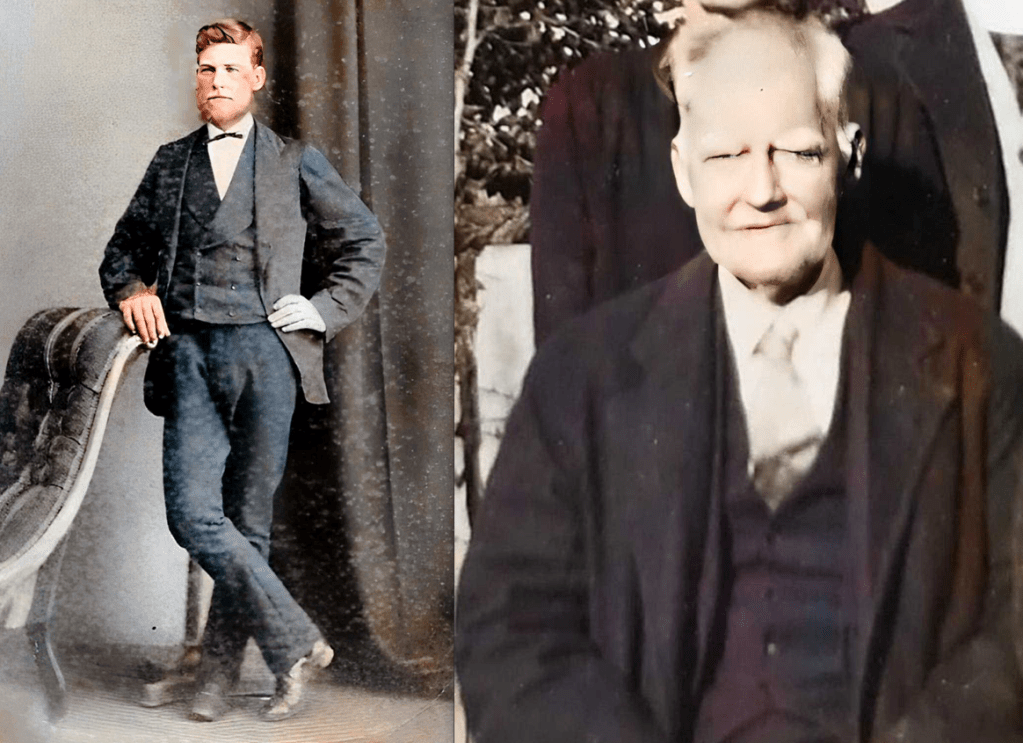









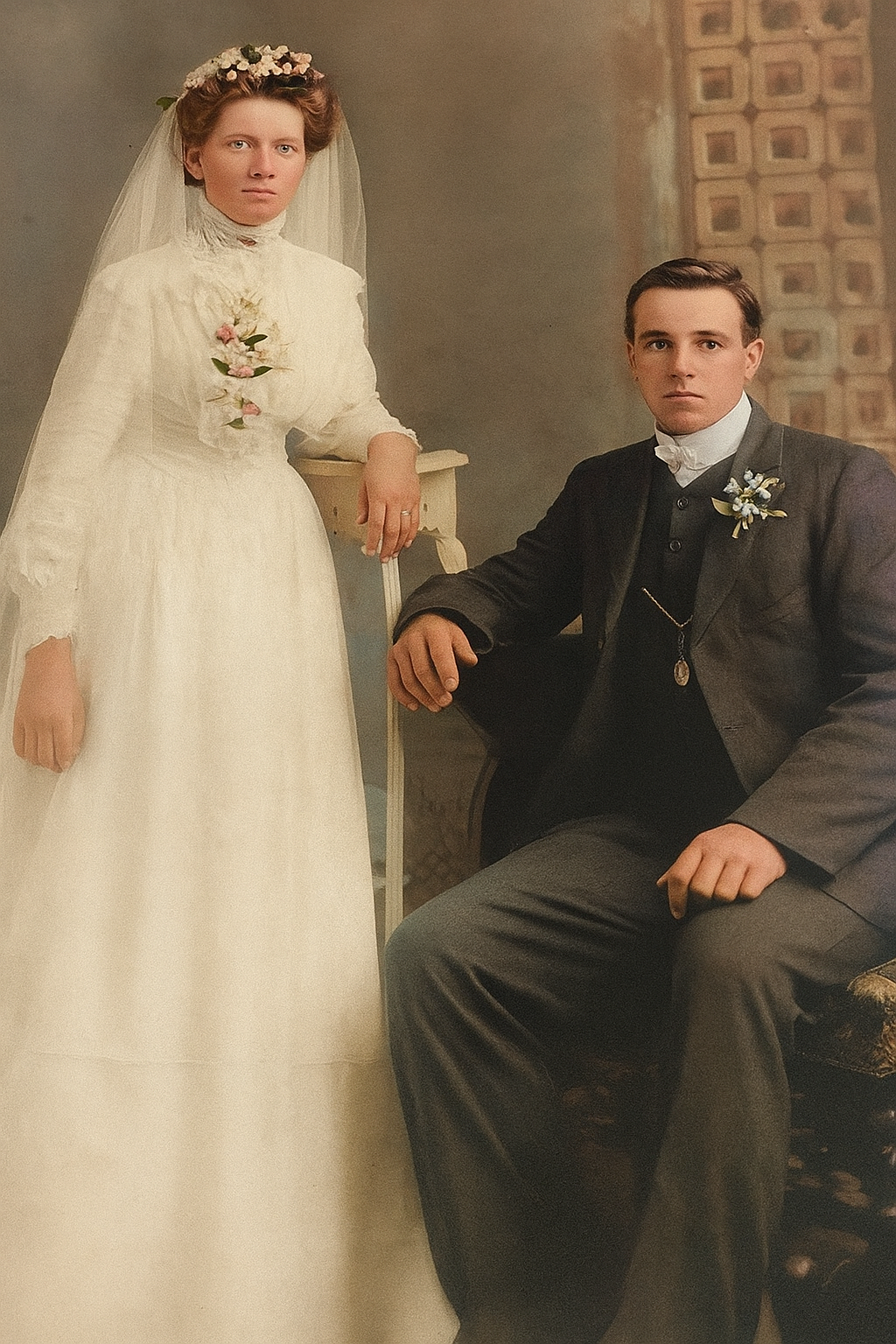
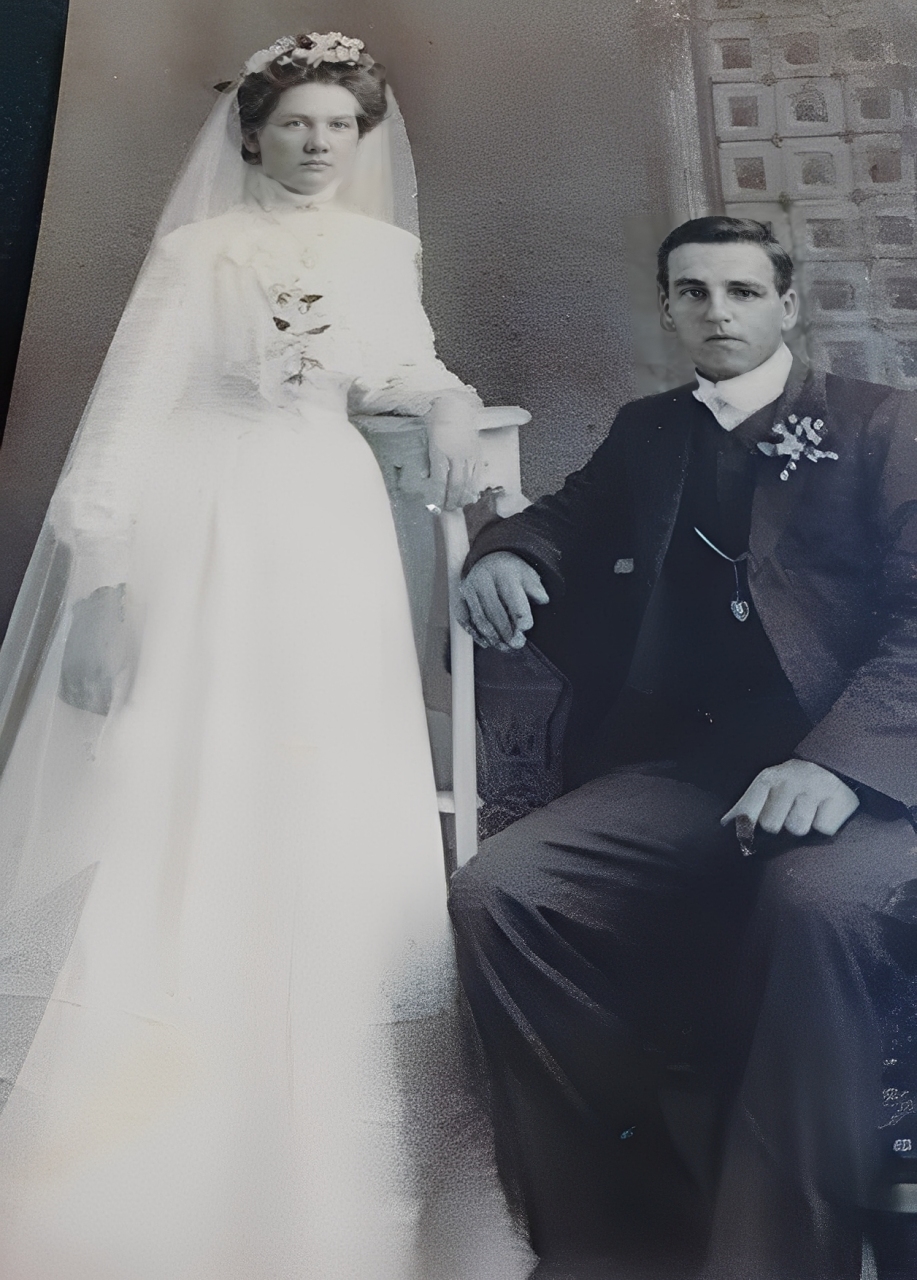

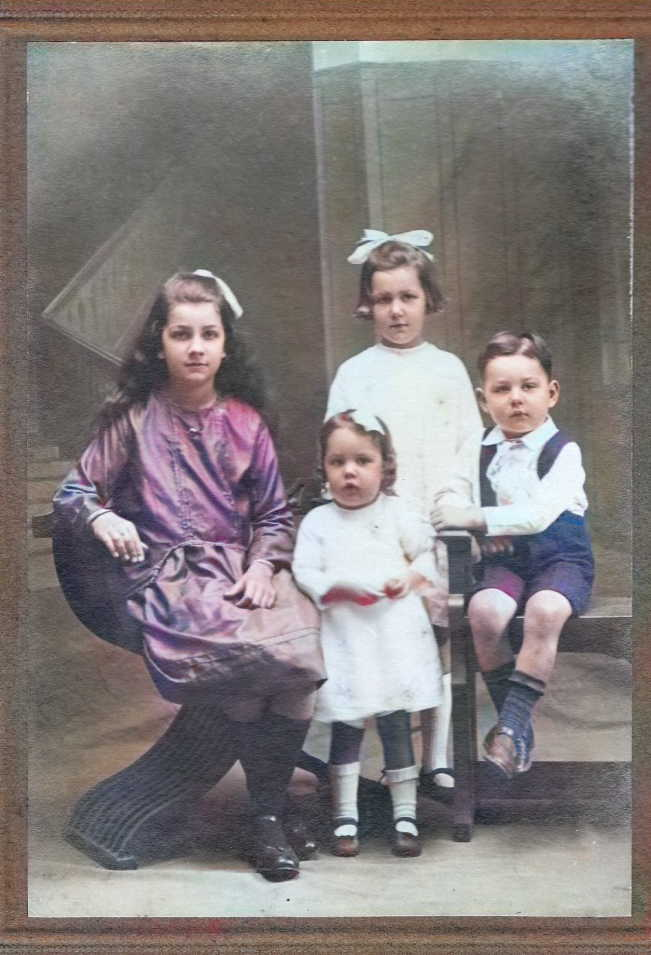

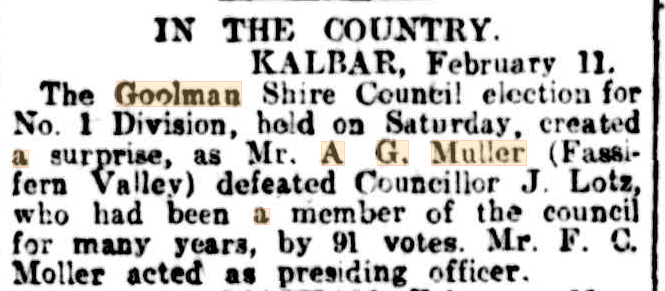
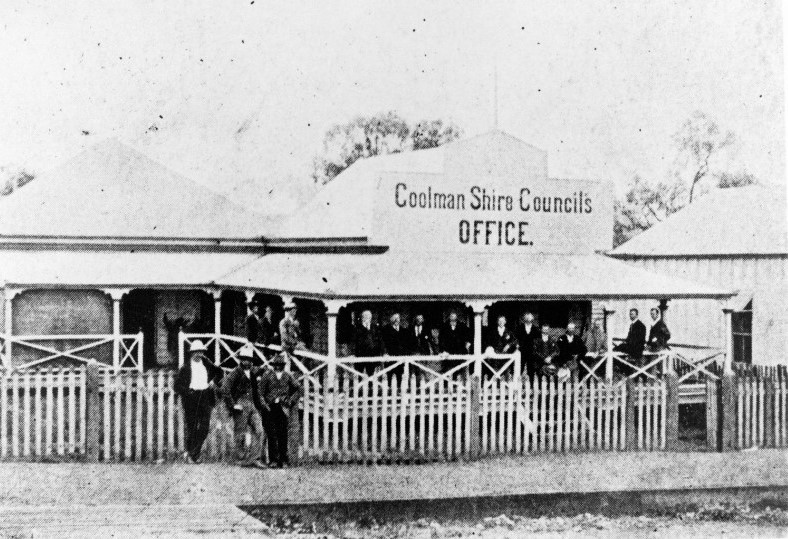
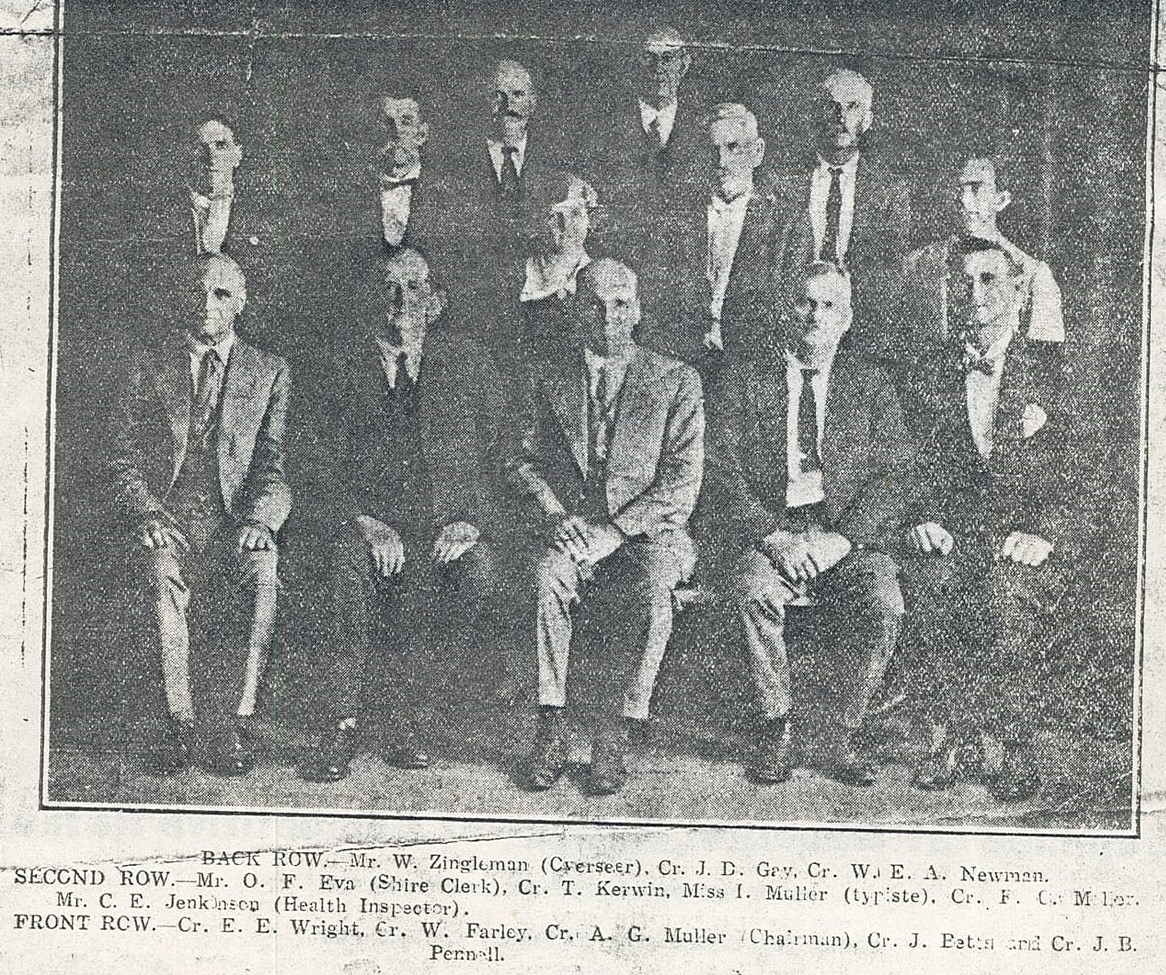
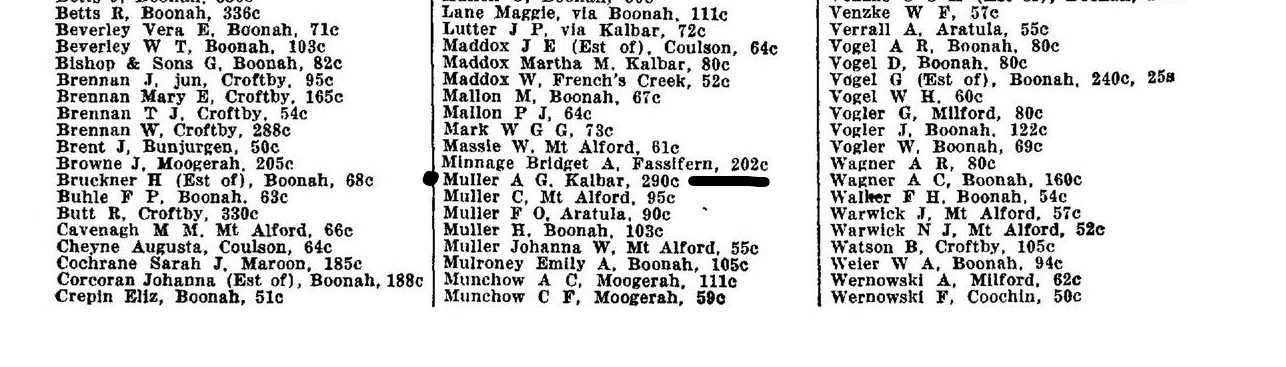

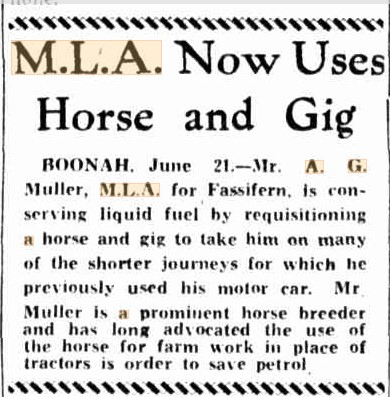


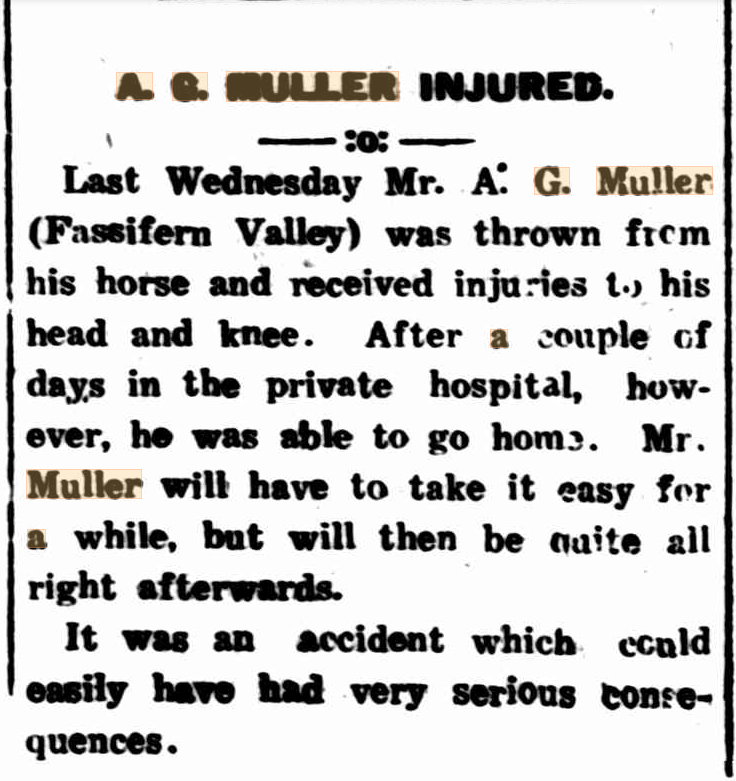

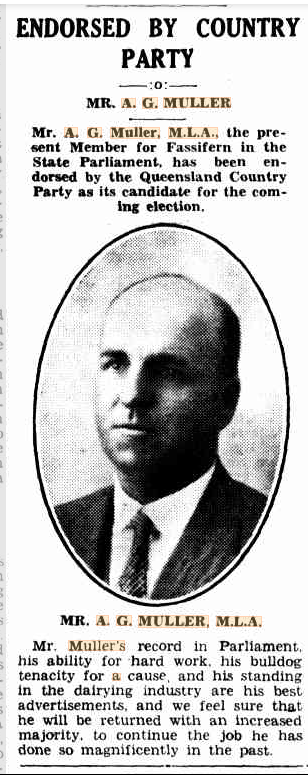
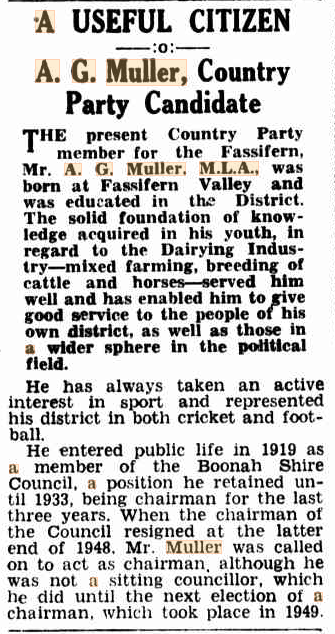

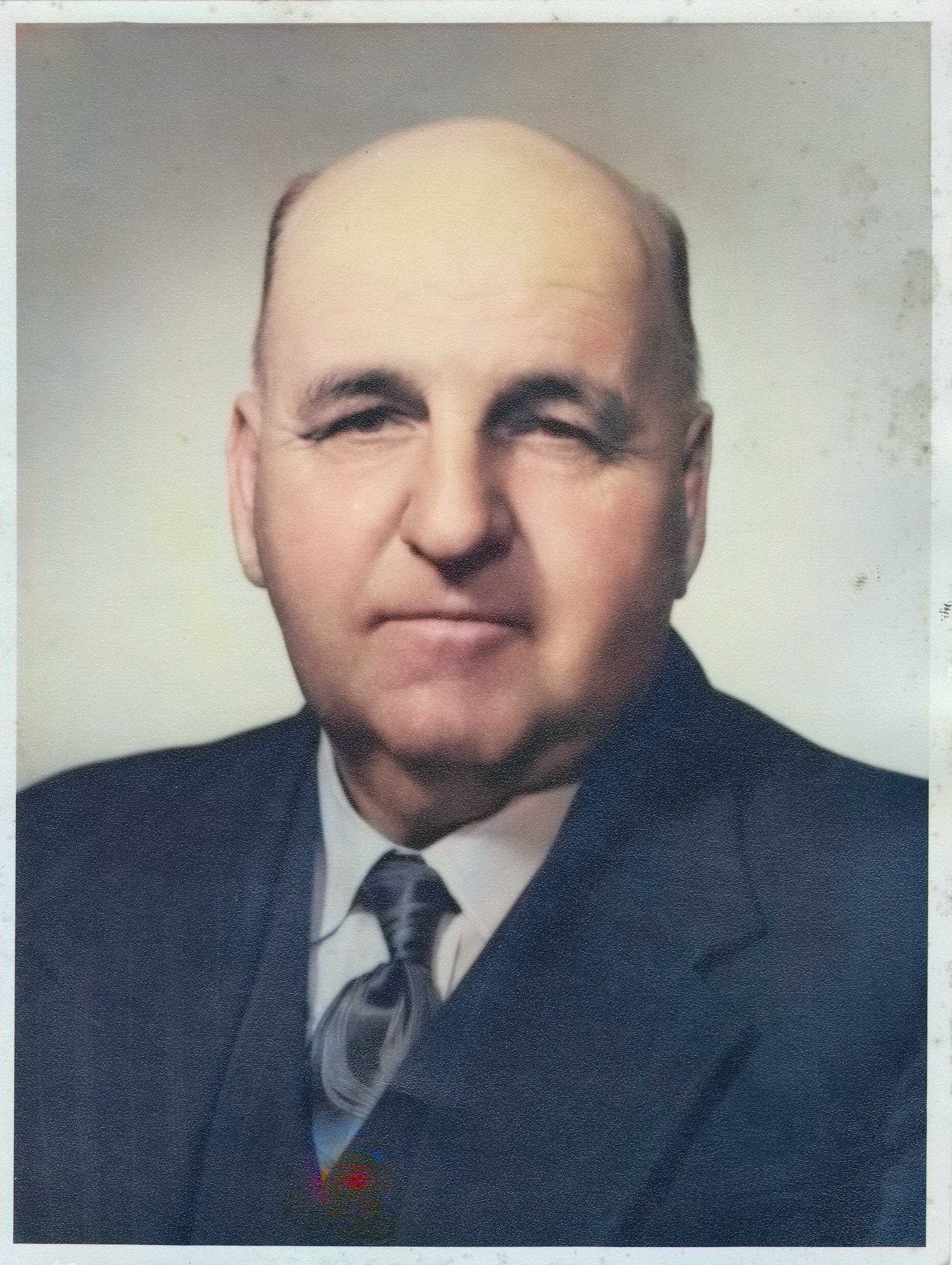

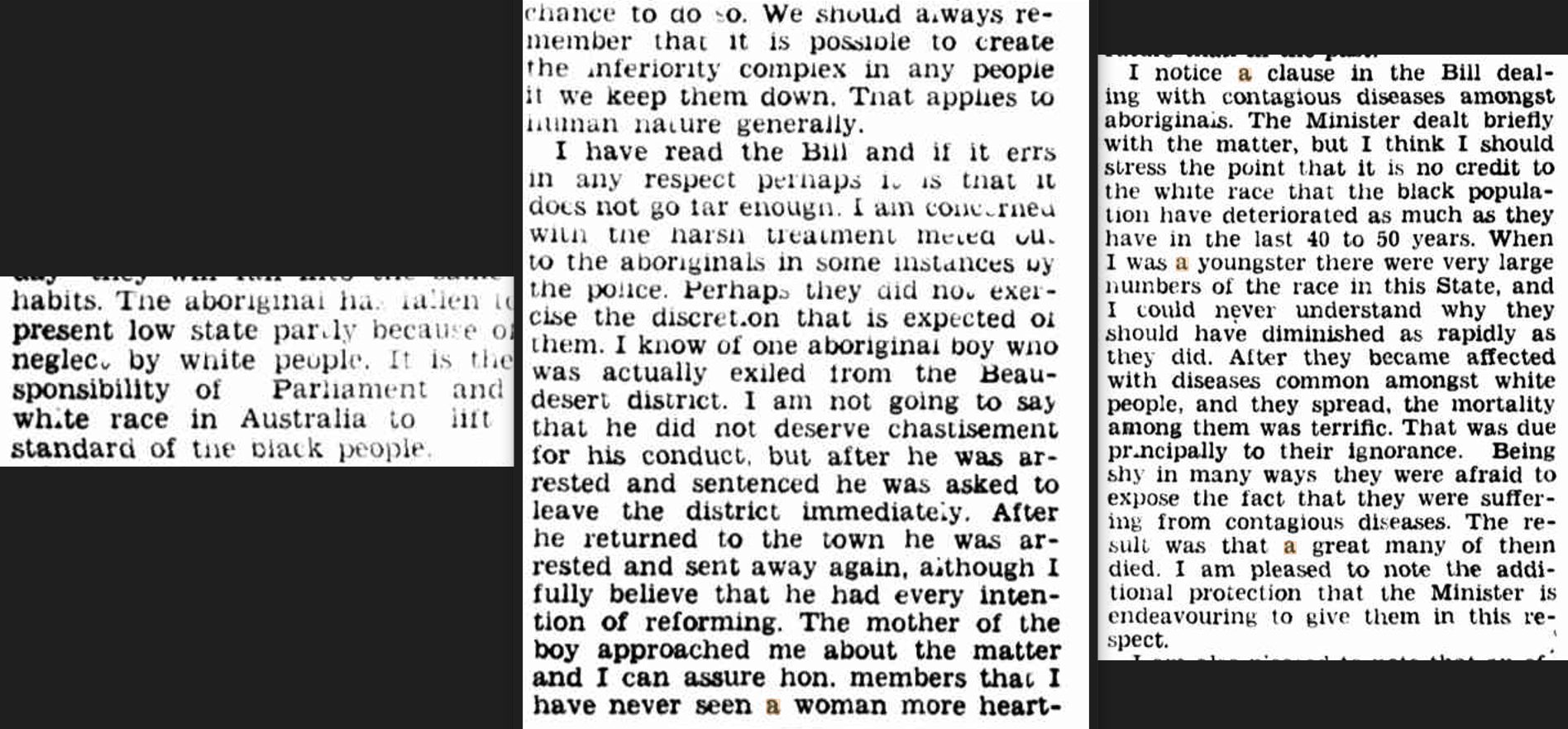
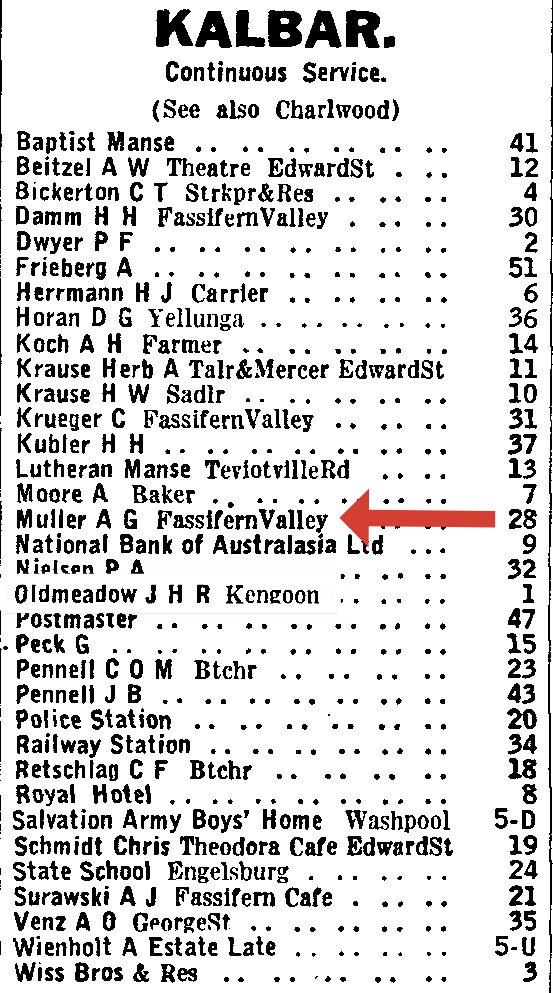
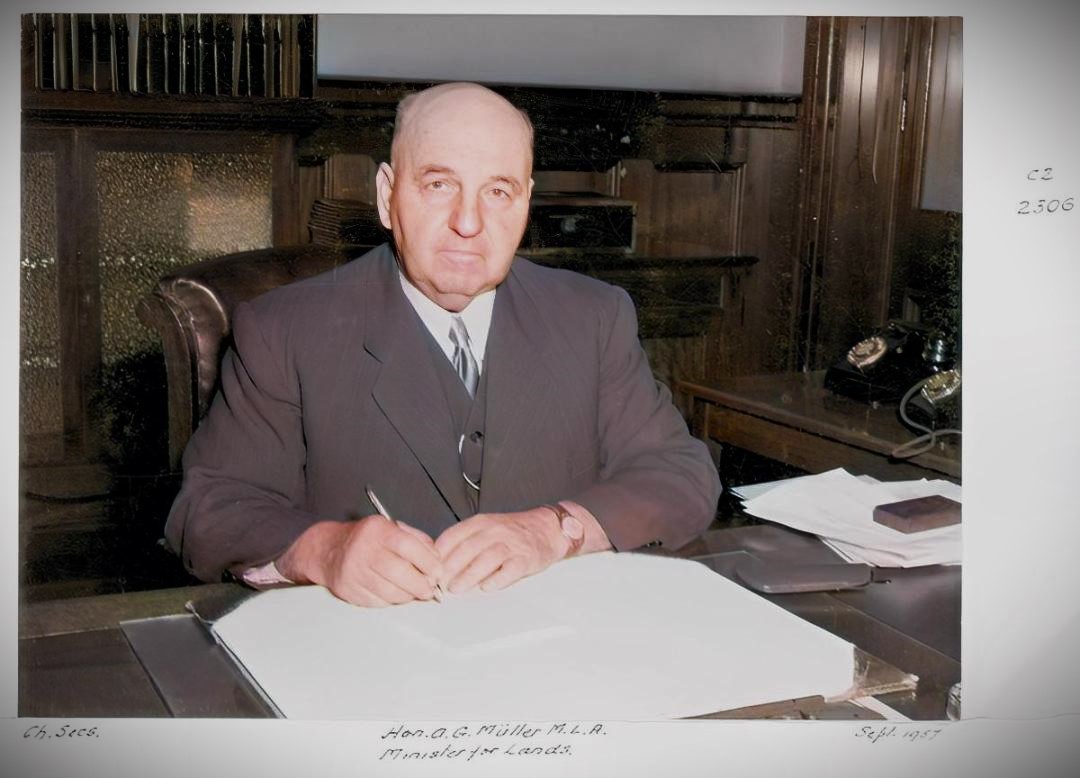
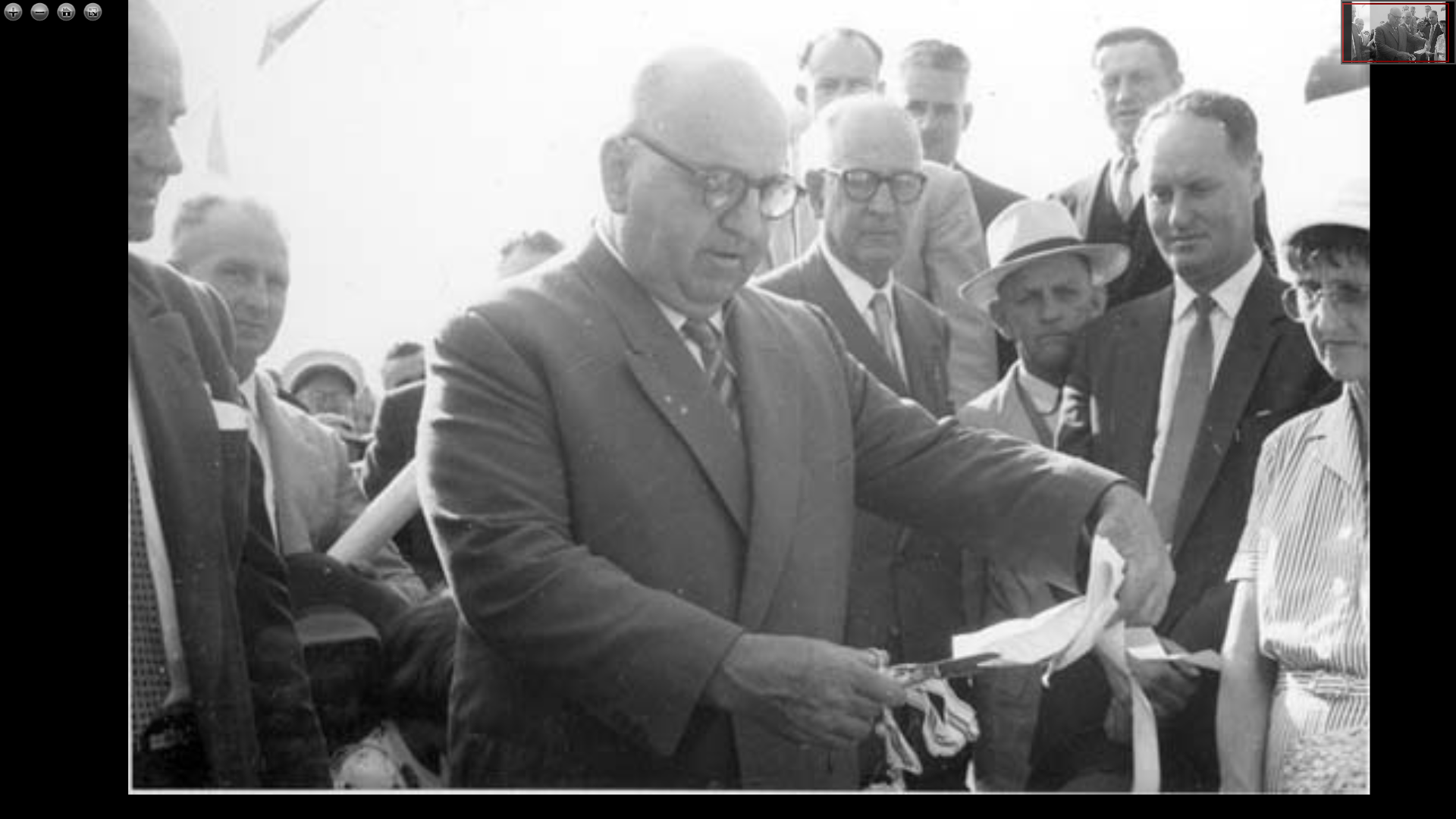
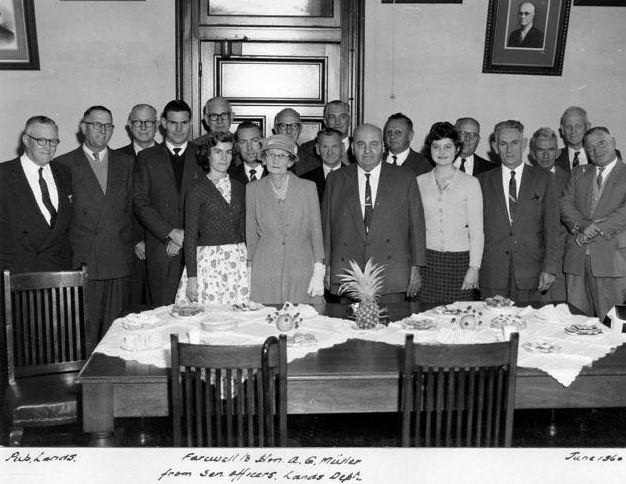
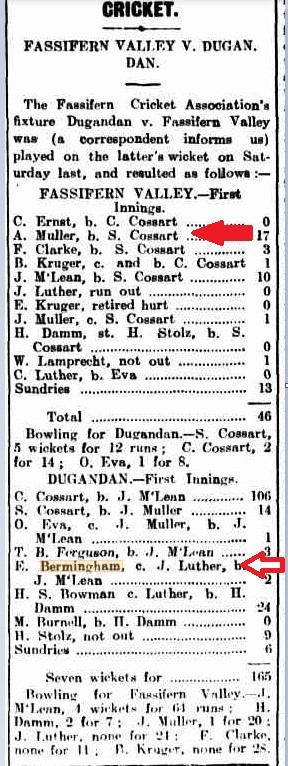
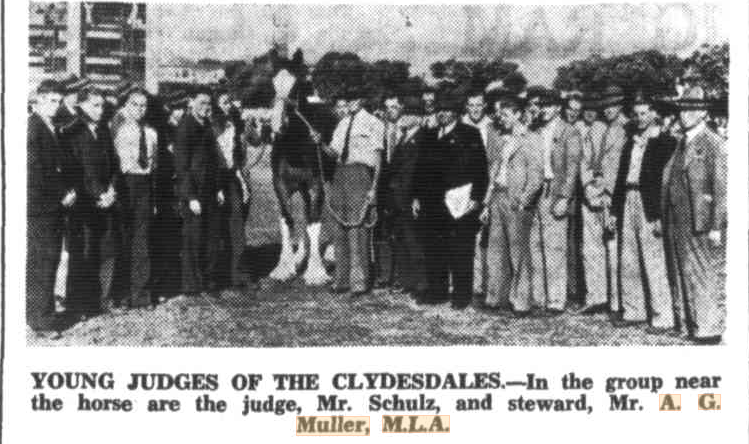

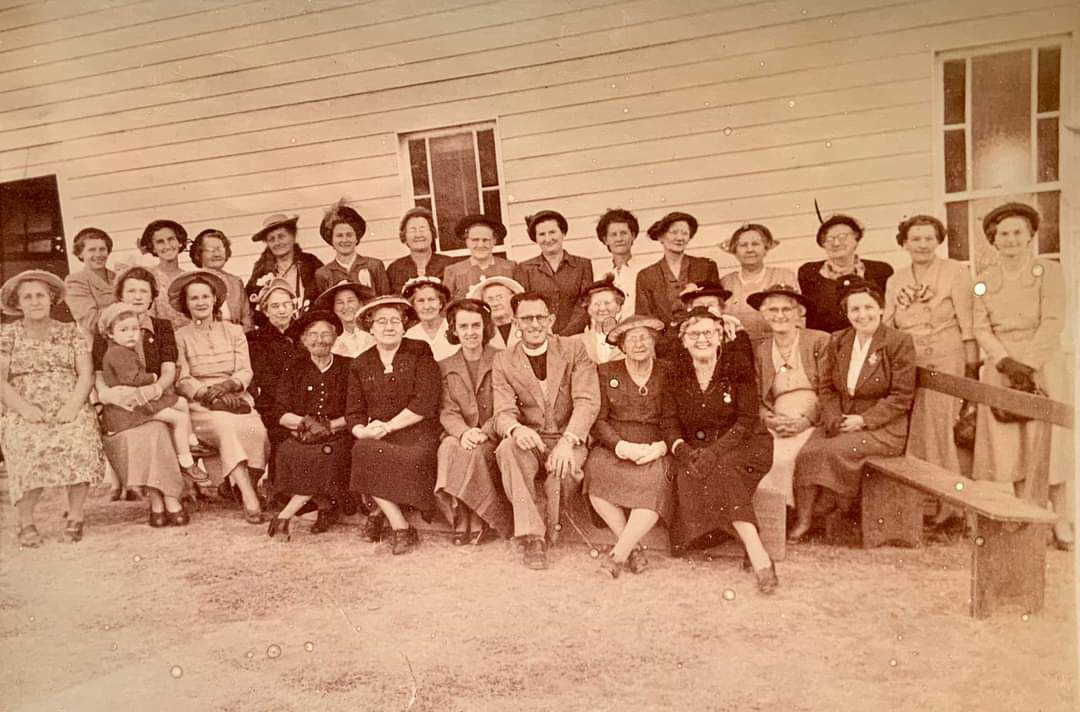
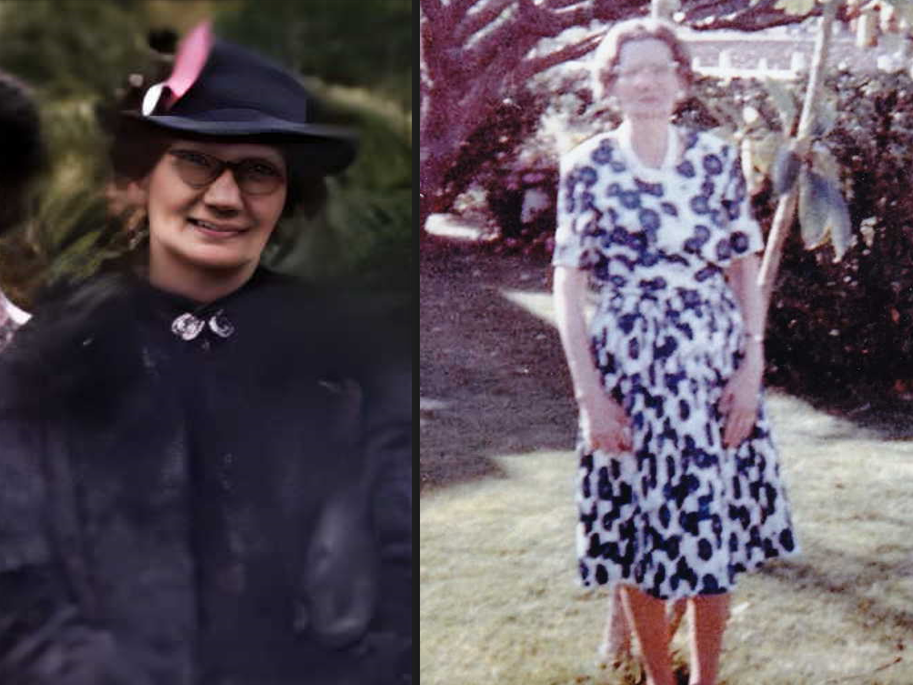
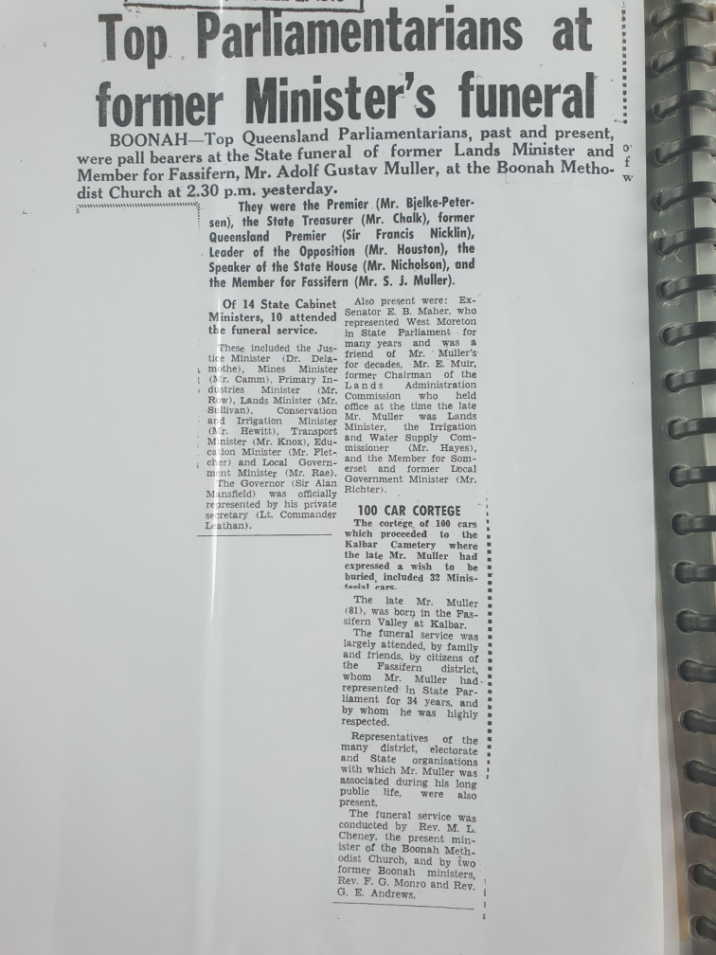
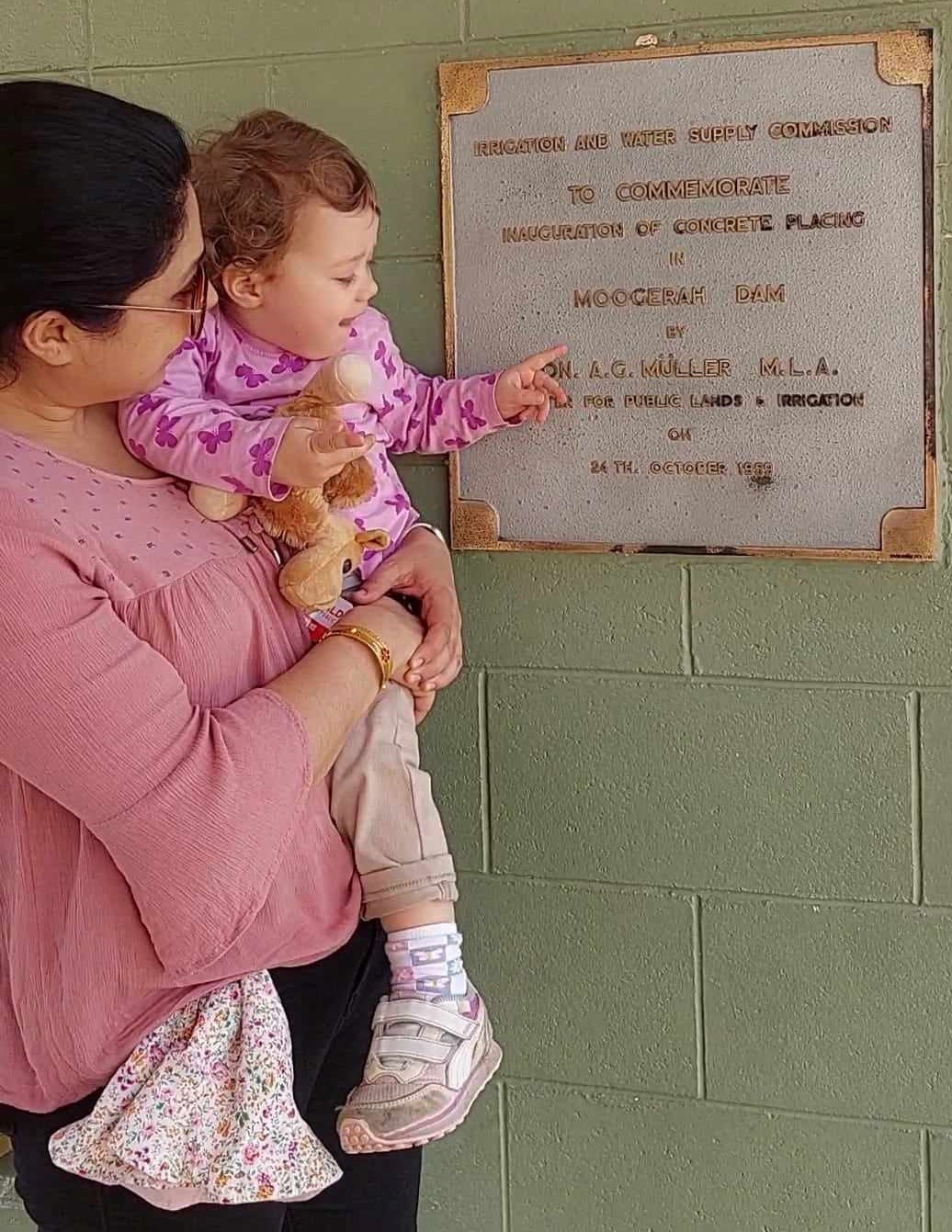
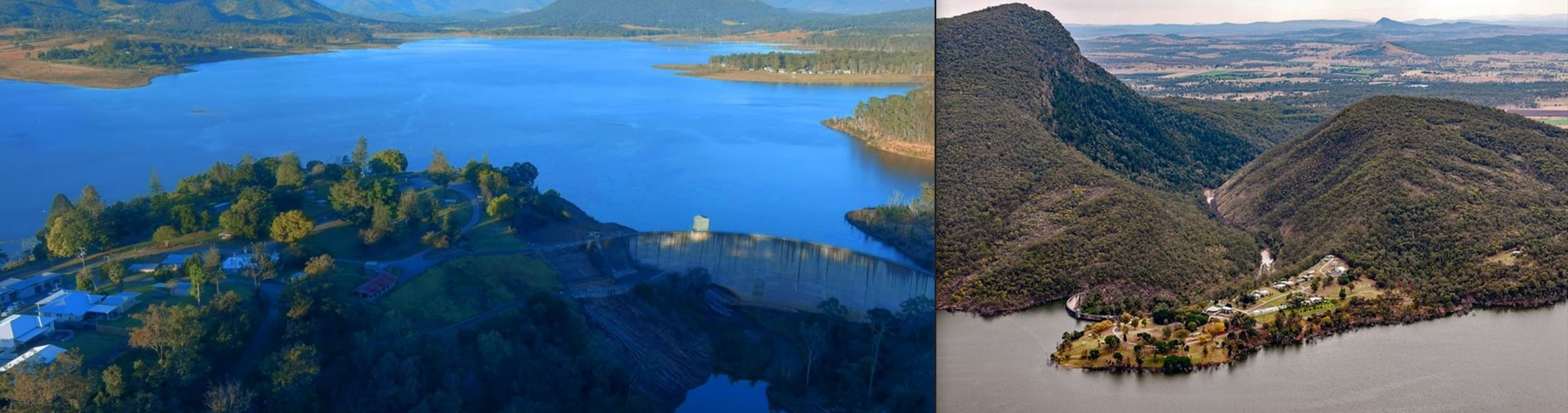
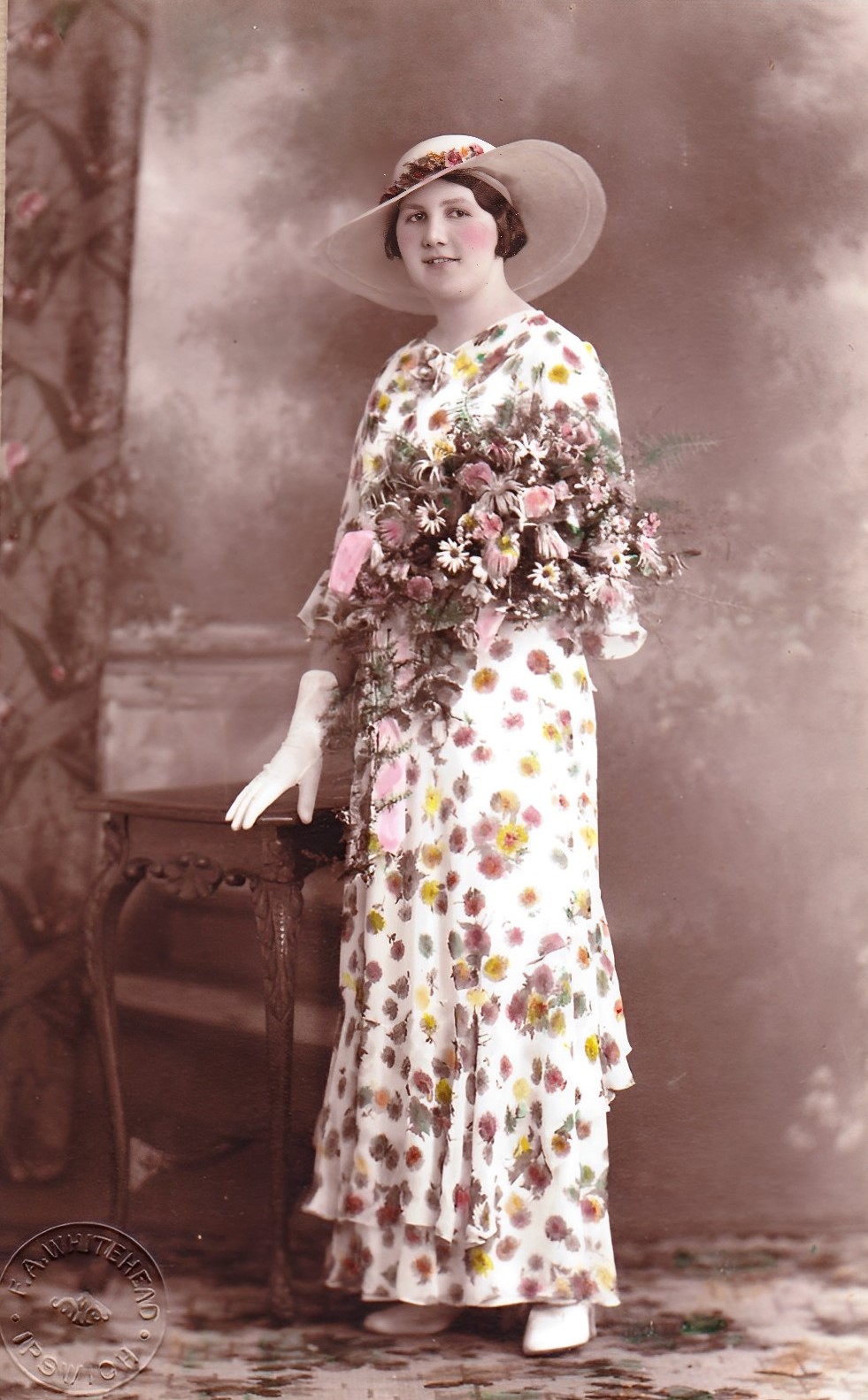
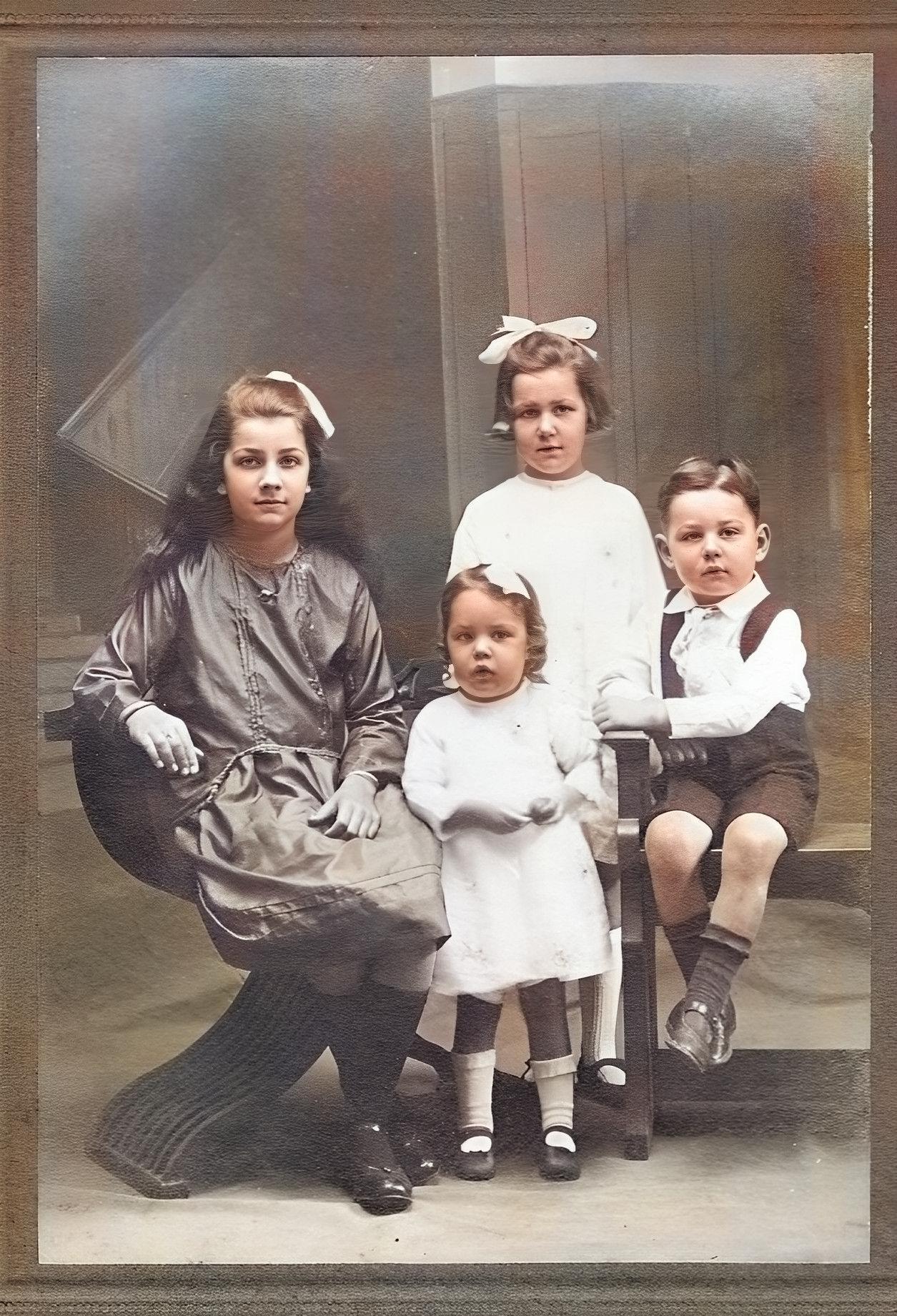
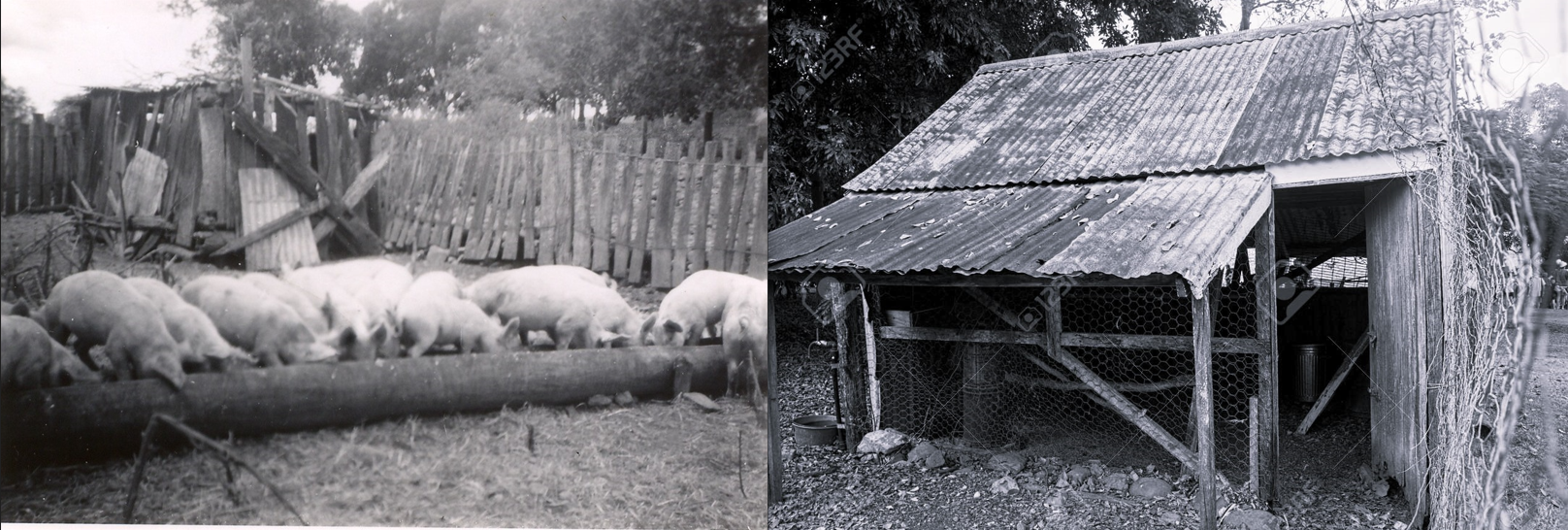

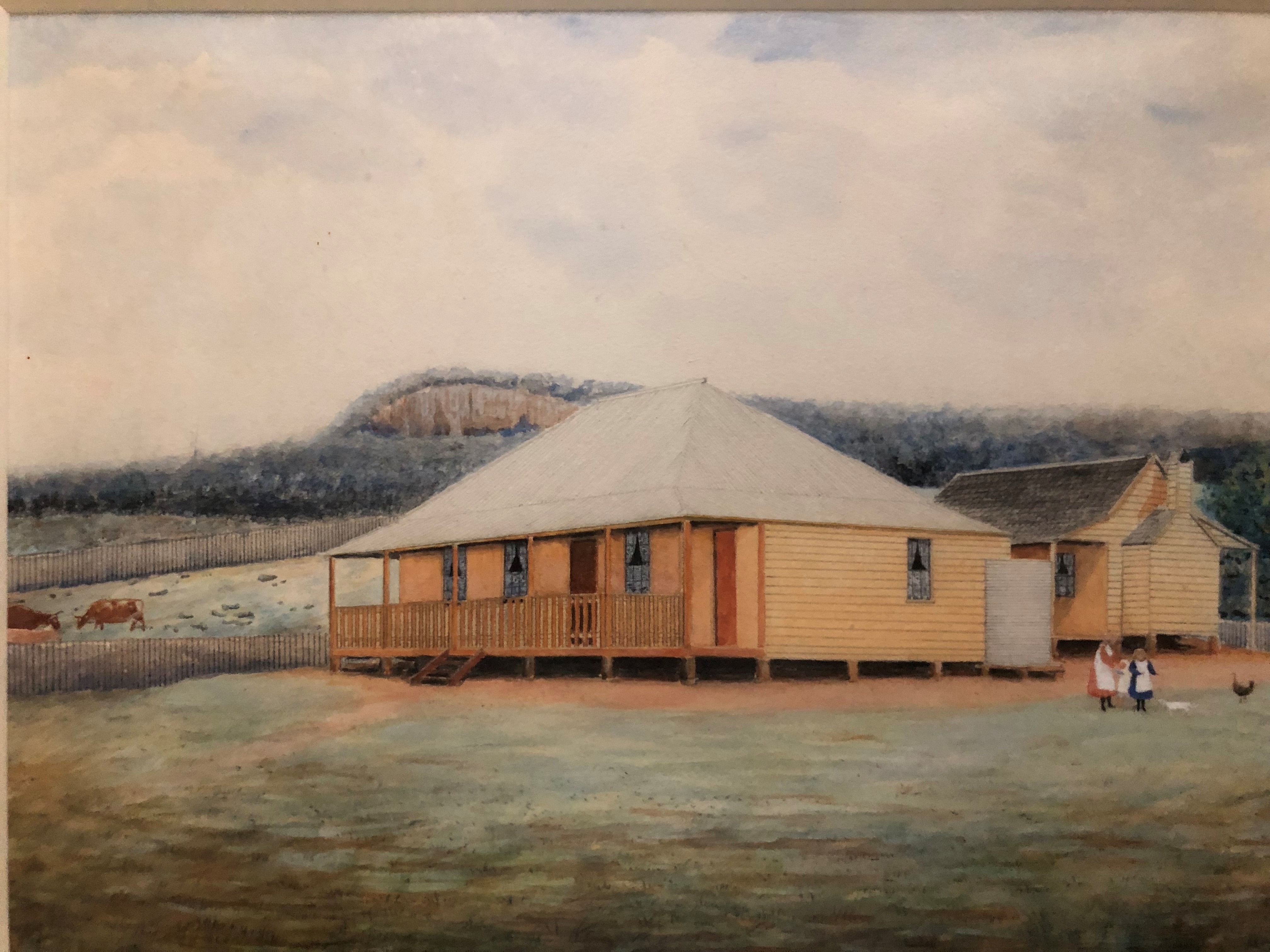
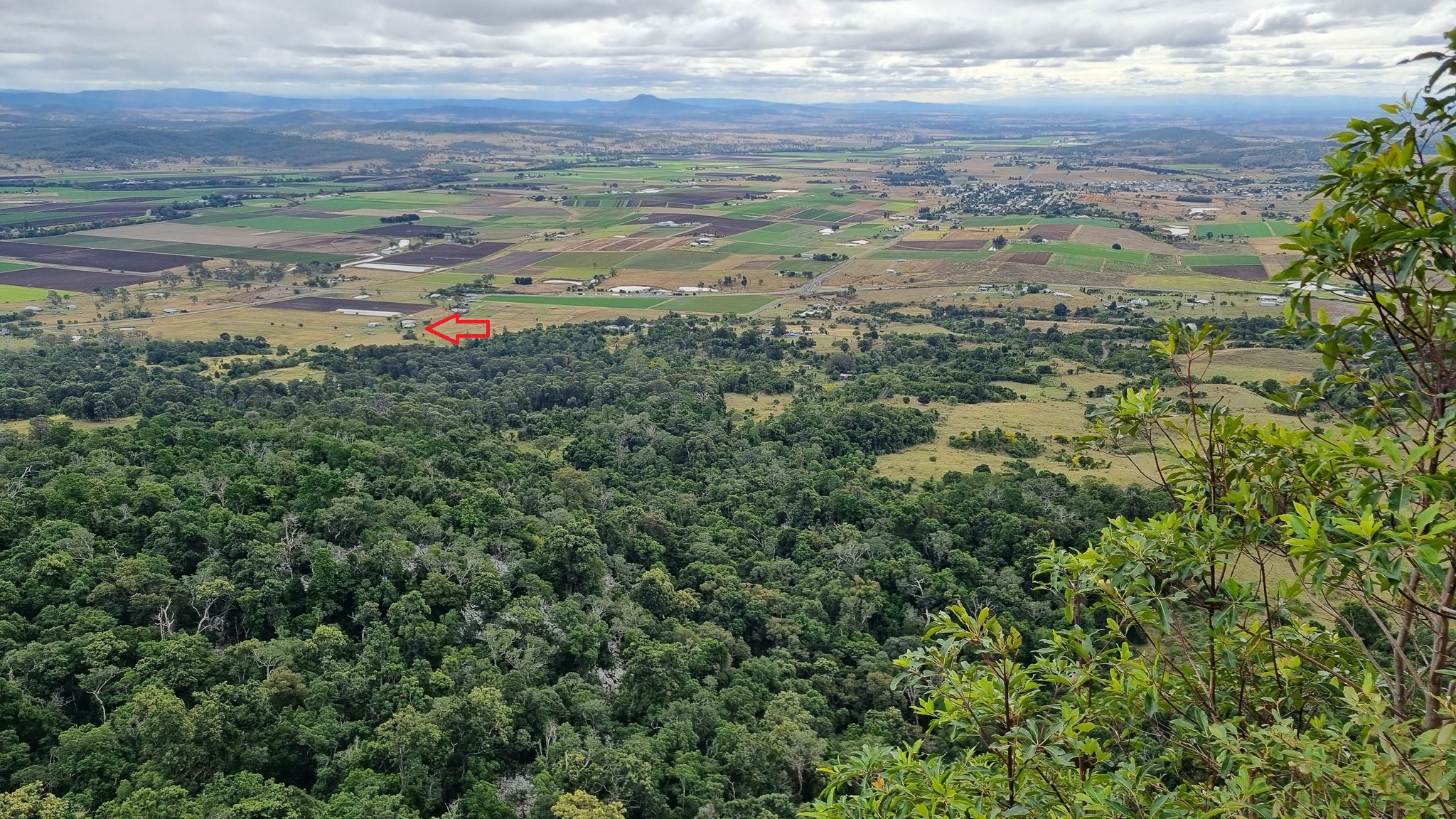

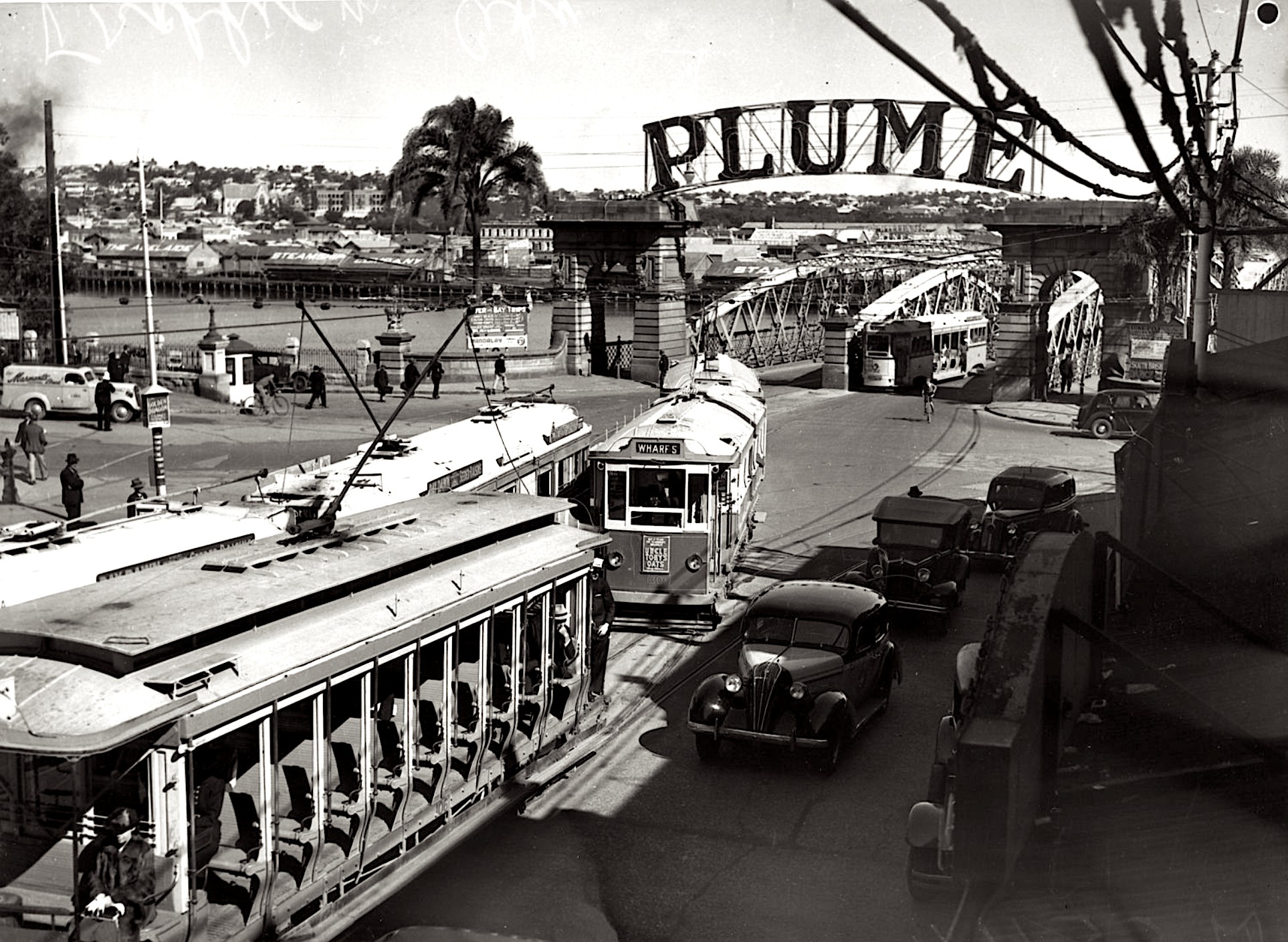

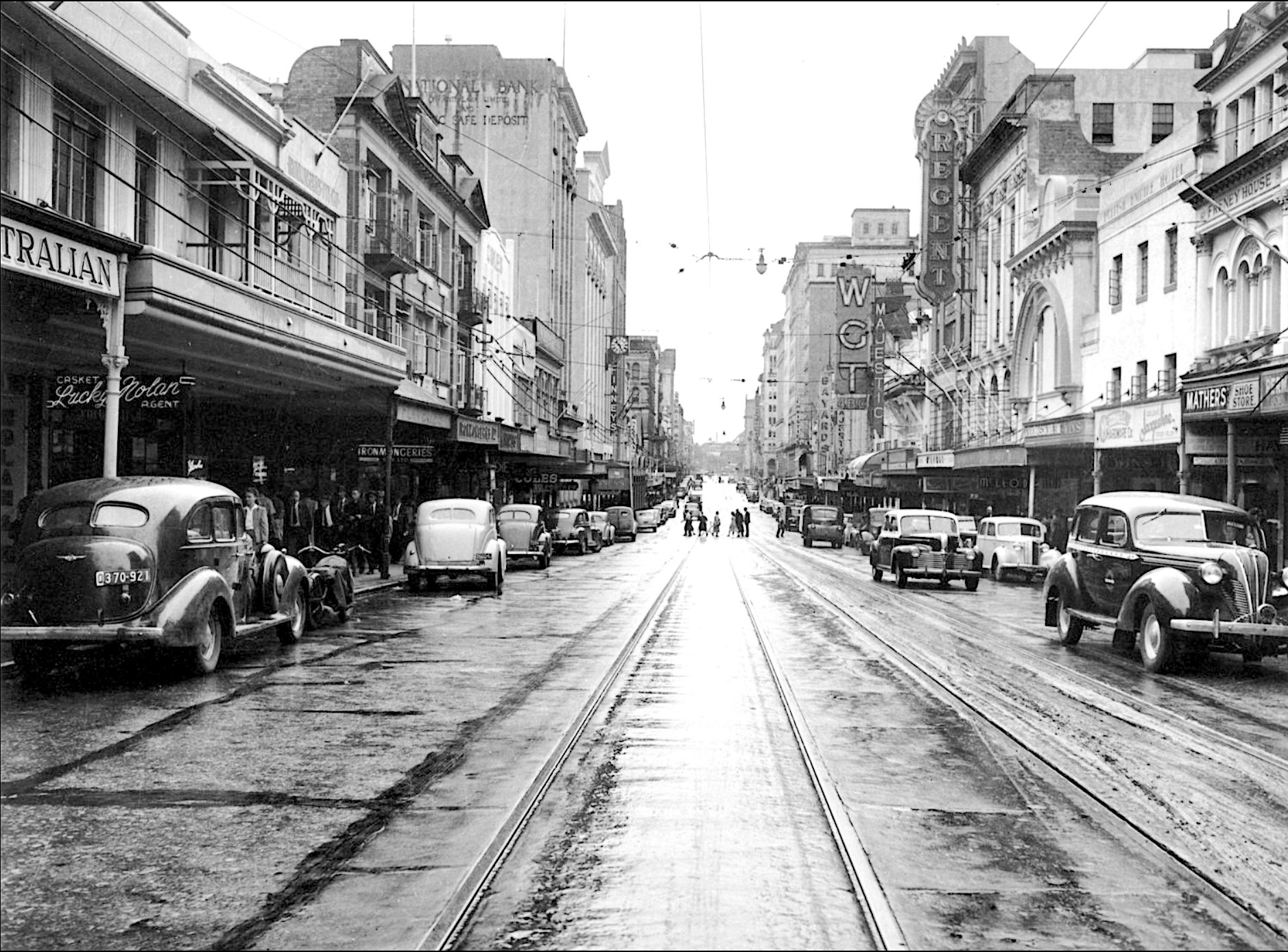
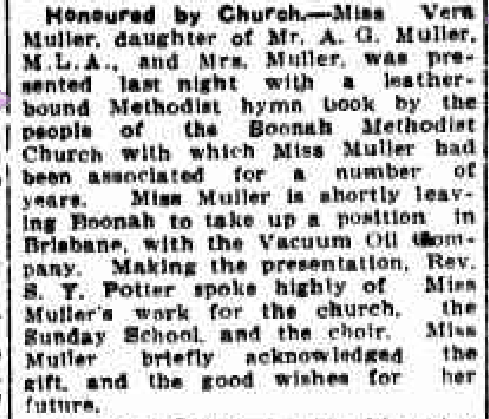


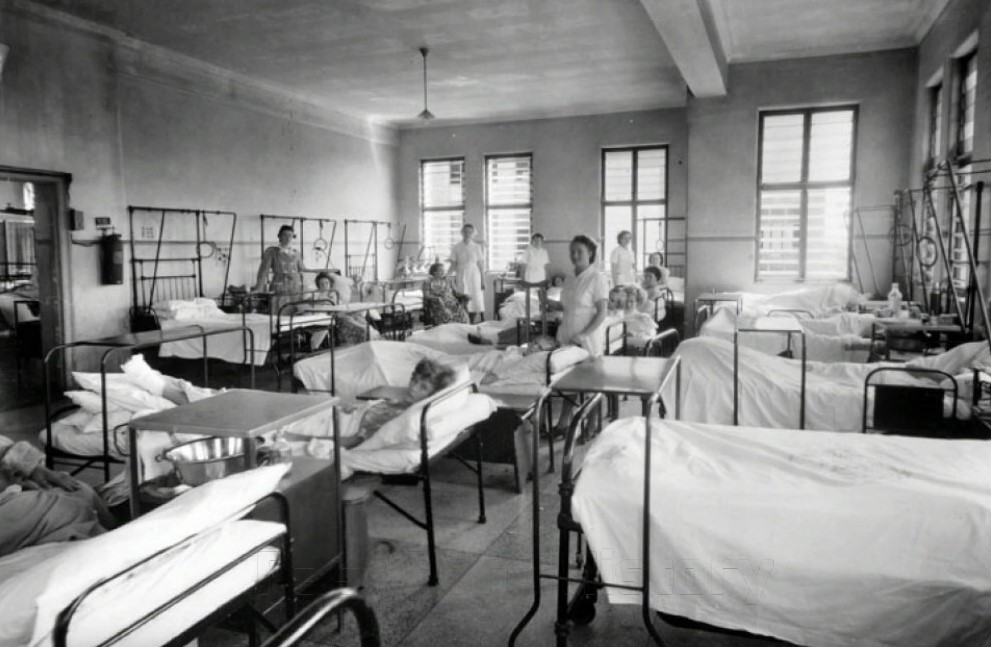

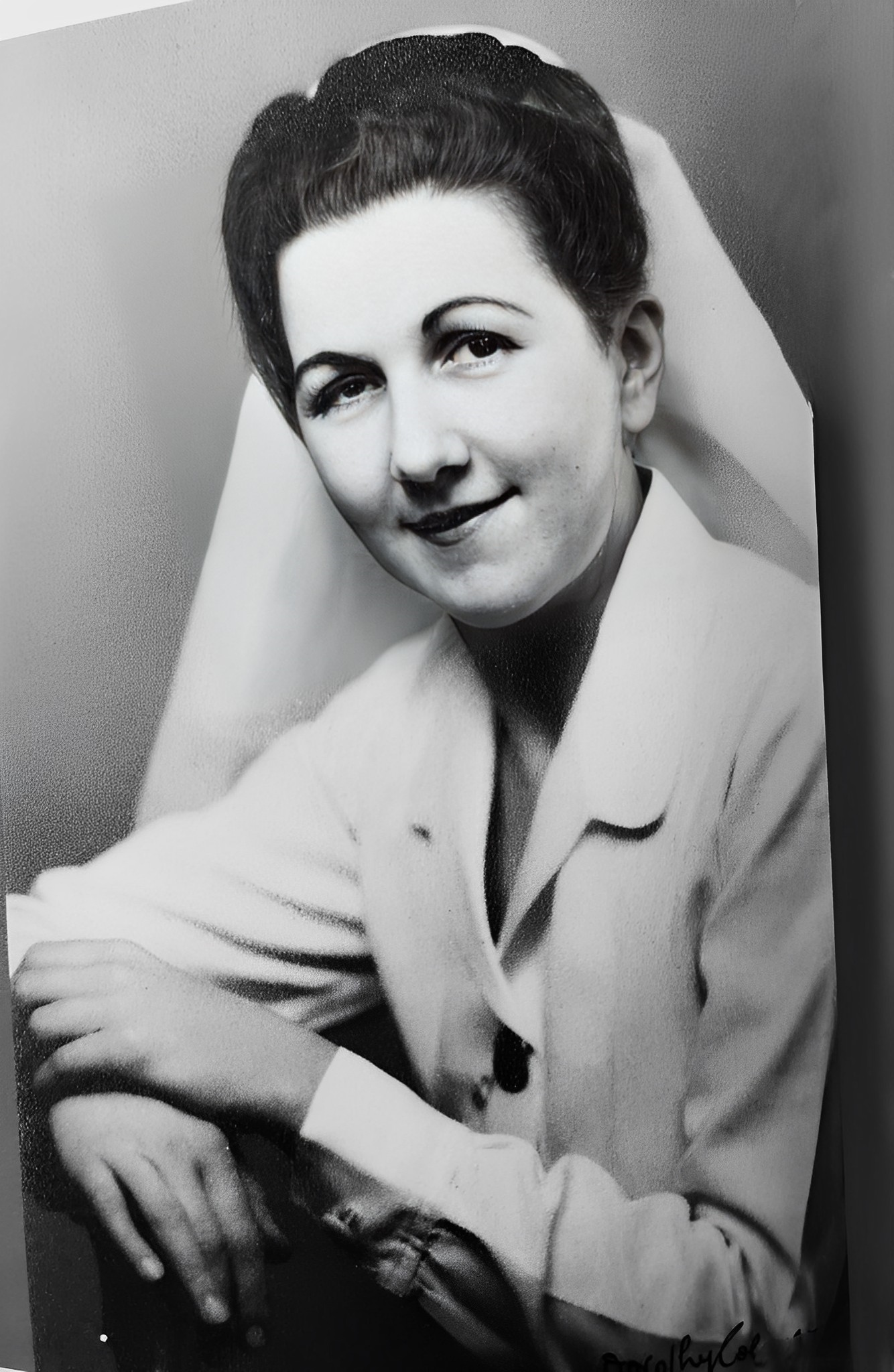
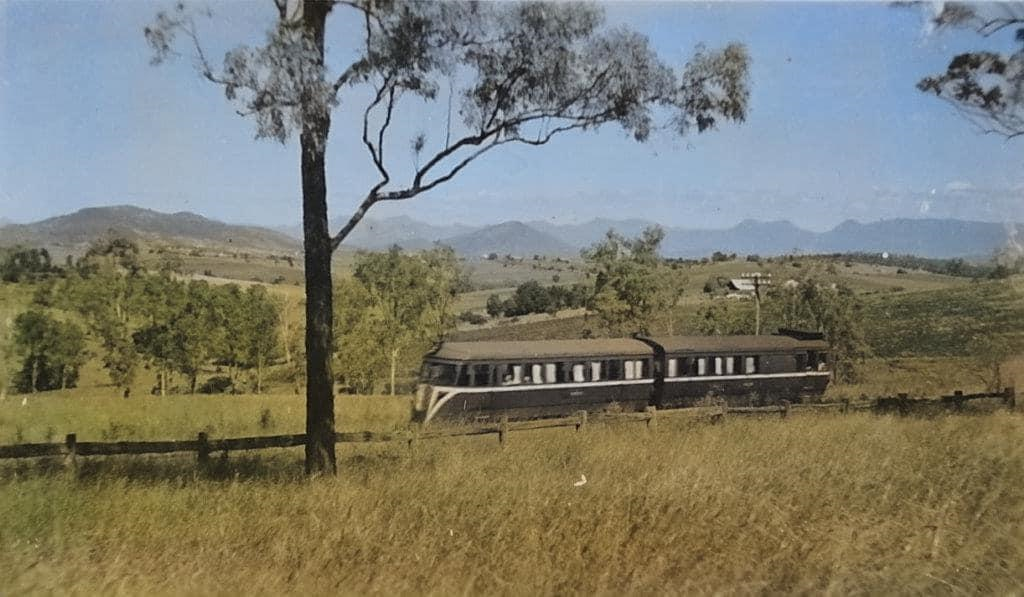


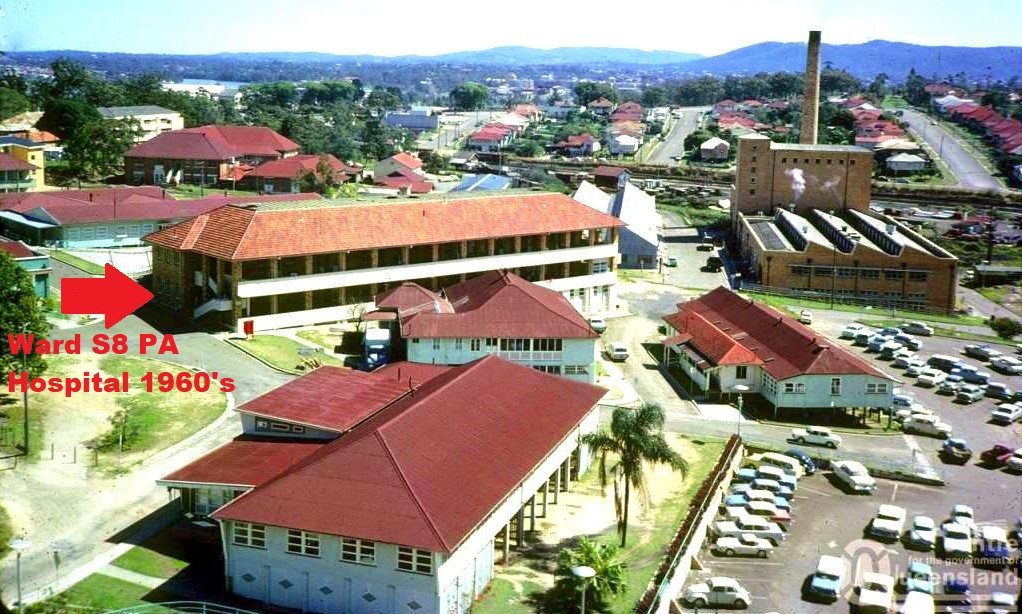

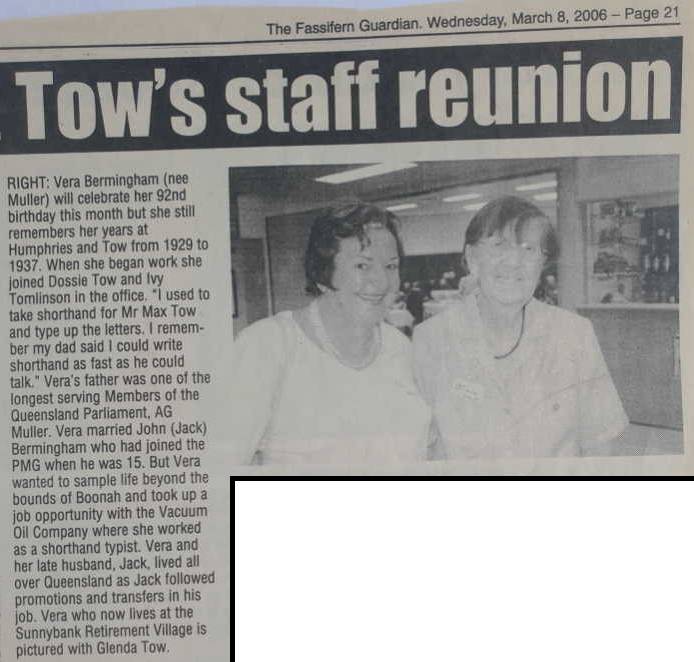


 porsche91722