I decided to write this blog installment about my family ancestors to clarify a few points, share the trials and tribulations of their story—as well as mine, in trying to trace their journey—and offer advice to help others get started. Although I’ve got to admit tracking all of them & making many mistakes along the way is one of the most enthralling parts of the whole exercise. Beginning the journey into ancestry research is often the hardest part. As genealogy enthusiasts, we’ve all faced that initial challenge: Who do I choose to start with & where do I begin?
As a novice, I felt overwhelmed. Should I start by tracking down long-lost living relatives I hadn’t seen in years? Would they be willing to talk to me or share any records they had? The whole process seemed daunting at first. After a lot of aimless searching without a clear direction, I finally took the plunge and joined an ancestry group. In my case, it was Ancestry.com—but more on ancestry groups later.
Joining the group was a great decision. Before long, people started reaching out to me, and I realized that we are all in this together. For most, genealogy begins as a simple mission to build a family tree. But as I delved deeper, I uncovered fascinating details about my ancestors’ lifestyles, environmental circumstances, political views, religious beliefs, and other aspects of their personal lives.
While the genealogy part of the process was relatively straightforward, I soon moved beyond just names and dates. I became completely absorbed in understanding the lives they led and the world they inhabited.
Initially, I thought it would be nearly impossible to understand their personalities, since I had only known three of my four grandparents. Yet, when you start digging, it’s incredible what you can discover. It reaches a point where you can even discern their personal traits and quirky characteristics, gaining insight into what they were like.
As I began uncovering more information, I realized that I wanted to see my ancestors as they truly were. Some had difficult or flawed personalities; some were simply hard to get along with. Yet, most seemed to be kind and genuine people who came to Australia seeking a better life for themselves and their families.
Along the way, I discovered both the sorrowful and joyful chapters of their lives—the hardships they endured as well as the successes and happiness they found. The stories told in eulogies often don’t present a complete or accurate picture of a person’s life. I wanted to capture their stories honestly—warts and all.
While collecting and organizing my family’s ancestry, I noticed how a small number of people present themselves as if they single-handedly uncovered every detail. They project an image of being the ultimate authority on family records. Too often, they attach their names to an ancestor’s story and claim some sort of ownership of the records, as though they were the original discoverers. Thankfully, this doesn’t happen very often, but there are certainly a few who insist on portraying themselves as the definitive source of knowledge.
In reality, almost everyone—including myself—is simply casting a net and gathering information from websites and family sources, which themselves draw from libraries and archives preserved for centuries. I have never claimed, nor do I intend to claim, that my work is original. The truth is that the internet has made research dramatically easier for all of us.
So, please don’t take credit for research that was done long before you. Like me, you have simply copied, compiled, and arranged details, records, and photographs to build your family’s story.
Here in Australia, we are fortunate to have access to some incredible resources for researching our ancestors. At this point, I’ll mention just one of them. In addition to the many dedicated ancestry websites, the National Library of Australia operates Trove—a free online resource and digital library. Trove serves as a central access point to a wide range of digital collections from across Australia, including those from libraries, museums, galleries, and other institutions.
One of Trove’s most valuable features is its expansive archive of historical newspapers, which continues to grow. These archives provide invaluable insights into the past and can be instrumental in genealogy research.
Beyond the local websites in Australia, internet access has opened doors to a vast number of archives and genealogy websites across the world. Personally, I’ve been able to explore old Irish birth, death, marriage & famine records, as well as historical archives from both Germany and Ireland.
There are now thousands of archives and museums worldwide, available online, significantly simplifying the research process for amateur historians like us.
In tracing our family’s ancestry, I realized that I was, in one sense, extremely fortunate. Nearly all of our ancestors came from Ireland and Germany, with only one originating elsewhere—England.
Early in my research, I discovered that Ireland had very little recorded information from before the potato famine of the mid-1800s. For reasons I will explain shortly, historical records from earlier periods are scarce for much of the Catholic population of that era. Germany, on the other hand, proved to be the opposite—offering a relative treasure trove of well-preserved records spanning centuries.
With these pieces of the puzzle as a starting point in the Australian context of our ancestors’ story, where do we begin?
The East Coast of Australia was mapped in detail by Captain James Cook in 1770, and the first British settlement began in 1788 with the arrival of the First Fleet. To keep the story focused, we’ll set aside earlier visits by the Dutch, French, Portuguese, and Spanish explorers.
My Ancestry DNA results indicate that I am 46% Irish and 44% German, with the remaining 10% tracing back – to England -6%, Scotland -3%, and the Baltic region -1%. Based on my research into historical DNA patterns, these smaller percentages may reflect ancestral migration across Europe that occurred centuries ago & eventually ended up in either Ireland or Germany.
Why Australia? My Ancestors’ Decision to Leave Home
The reasons they chose to travel across the world almost always came back to the same point. Their countries and regions were caught between warfare, poverty, famine, and political turmoil. At the time, deciding to leave their homeland was much like us today choosing to live on another planet. They had no idea what awaited them, or even whether they would arrive safely. When considering Australia as a destination, both the Irish and the Germans were influenced by delegations from Queensland that visited their countries to promote migration. These delegations offered conditional free land to farmers, which was an irresistible opportunity. Many people in Ireland and Germany had nothing, so the chance to own freehold land in a new country provided a solution to their hardships. Beyond material prospects, the promise of religious and political freedom, along with the opportunity to start anew, made Australia’s offer highly appealing.
The first of my ancestors to arrive in Australia were my great-great-grandfather Robert Bradbury (born in England in 1806), a convict who landed in Sydney in 1832, and my great-great-grandmother Catherine Ryan (born c1834), who arrived in Brisbane in 1852 as an assisted immigrant from Ireland. Although they arrived in Australia two decades apart, their paths eventually crossed, and they married in 1853 in Ipswich, Queensland. The rest of my ancestors, all Irish and German, arrived in Queensland in the second half of the 19th century. I have included a link to each of our family’s immigrant ancestors below.
Family pathways our ancestors made on arrival in Australia. Robert Bradbury a convict transported to Australia for desertion was the first to arrive in 1832, coming up from Sydney. His future wife, Catherine Ryan arrived in Brisbane in 1852. Ellen Dunn/Bowen 1856, George & Louisa Kubler 1863, Gottleib & Wilhelmine Lobegeiger 1864, Nicholas Corcoran1864, Carl & Johanna Krueger 1865, Peter Bermingham 1874, Johannes Muller 1879.
I’ve now written articles on most of my ancestors. When I began this ancestry journey, I hoped to discover where I came from and, perhaps, whether we had any high achievers in our family history. Many say that ancestry research is a journey of discovery, and I can certainly agree. Beyond realigning my priorities, I also learned more about myself along the way.
All of our Irish ancestors were farmers, while our German forebears were farmers or artisans. Our English lineage includes laborers and military members, though we do have a trace of nobility as early as the 15th century. Many people get excited when they discover a hint of an upper-class connection, but these ancestors were people, just like everyone else, and they didn’t contribute anything to the gene pool beyond what any other ancestors did. My wife’s family tree has a distant, tenuous connection to William Shakespeare, yet even this doesn’t feel exclusive. Over 500 years, descendants of these famous individuals could easily number in the millions, so it’s not a unique club. I haven’t completely abandoned tracing our roots back to the home countries, but I prefer to focus on the details after our ancestors arrived in Australia.
From the start, I had doubts about the accuracy of many centuries-old records from our ancestral home countries. The world has endured two World Wars and numerous other conflicts just since 1900. Prior to that, both Ireland and Germany—where my ancestors originated—suffered through wars, famines, and civil unrest over the past thousand years. Many original archives, museums, and historic records were destroyed by invasions, fires, and civil strife during these tumultuous periods, as well as during internal disputes. Consequently, the likelihood of finding detailed and accurate information about our ancestors before they arrived in Australia is significantly reduced.
The Irish records were unreliable, to say the least. Roman Catholic record-keeping was banned until the relaxation of the Penal Laws in the late 18th century. While some Catholic marriage records from the late 1700s can be found in larger towns and cities, most rural Catholic parishes in Ireland only began keeping records in the 19th century.
In ancestry circles, the term “brick wall” refers to the point in genealogical research where no further records seem to exist. Occasionally, another document surfaces, but in truth, most Irish brick walls date back to the mid-1800s—when the Irish Penal Laws were still in effect and the country remained in the grip of the Great Famine.
Remarkably, I’ve had better success tracing records on the German side of my family. Germans are known for their meticulous record-keeping, and I’ve uncovered many well-documented ancestral details. I was genuinely surprised by how many records survived, especially given that German cities and towns were heavily bombed during World War II, which destroyed countless archives and museums. Major cultural centers such as Berlin, Dresden, Cologne, Leipzig, and Munich experienced significant archival losses during the war.
On my mother’s German side, I have traced our lineage back over 500 years to Johann and Catharina Haysel, my 12th great-grandparents, who lived in the late 1400s in Baden-Württemberg, Germany. They are part of the Kubler family line.
I have also discovered a connection to Alessandro Farnese (Pope Paul III), born on February 29, 1468, in Canino, Latium, in the Papal States, Italy, and who died on November 10, 1549, in Rome, Lazio. He and his mistress, Silvia Ruffini, are my 15th great-grandparents. Between approximately 1500 and 1510, they had at least four children, one of whom was Constanza Farnese. Three generations later, her descendants found their way to Germany, eventually connecting to the Dold family. Rosina Catharina Dold, my great-great-grandmother, is among their descendants.
With a touch of irony, despite earlier skepticism about claims of famous family connections, I’ve uncovered a connection to a Pope—a church leader, no less. And here I am, someone without a trace of religious belief, who holds no faith in any divine being or religious institution. You might wonder how a Catholic Pope could have had a mistress and children. In fact, several Popes were known to have had affairs, either before joining the clergy or even during their time in office. A few continued these relationships while serving as Pope. This highlights that even 550 years ago, the Catholic Church was not immune to hypocrisy—something that, given its long and complex history, may not be entirely surprising.
Commercial autosomal DNA tests are generally effective for identifying relatives within 6 to 8 generations (about 150-200 years). Beyond that, the shared segments are often too small to be reliably detected or assigned to a specific ancestor
Without overemphasizing the point, it’s worth noting that this man’s descendants & family connections now number around 250,000 (depending on how you do the Maths). He is also only one of my 65536, 15 x great-grandparents, so we aren’t getting too carried away at this discovery. So, being one of the descendants doesn’t necessarily make you closely connected to anyone of celebrity status. In fact, it has been estimated that one in four people in the UK has some form of ancestral lineage to William the Conqueror.
One person with a distant connection to William the Conqueror is my wife. As I’ve mentioned before, it’s hardly an exclusive club, but it remains fascinating nonetheless. Tracing her lineage beyond William the Conqueror led me to his own predecessors, whose records date back to around 808 AD—approximately 1,200 years ago.
It was at this point that I began to wonder how accurate these records truly were. Like millions of others around the world, we join the dots from historic documents to build our family trees—but how reliable are they?
Every date and detail has been recorded, copied, and transferred over the years by humans, and humans are prone to mistakes. Even decades or centuries ago, errors could creep in—whether accidental or intentional. We strive to be thorough and preserve our history accurately, but information, whether from its original source or passed down through others, can easily alter the truth and turn family stories upside down.
My takeaway from all this is that no one can offer an ironclad guarantee that their genealogy is entirely accurate. Whether you’re an amateur historian like myself or a professional who has dedicated a lifetime to the work, mistakes still happen. Computers can help distinguish fact from error, but I still maintain a healthy degree of doubt about any records—official or unofficial—that date back more than a couple of hundred years.
As technology continues to improve, I have no doubt that we will one day be able to trace our family trees with much greater accuracy. At present, however, I believe that most family connections can be reliably traced back only about four or five generations. By that stage, we are already dealing with approximately thirty-two great-great-great-grandparents.
Beyond that point, the number of ancestors increases dramatically, while records often become more difficult to find, incomplete, or open to interpretation. Although some family lines may be traced much further back, particularly where strong documentary evidence exists, I become increasingly cautious about accepting every connection as completely accurate.
For me, tracing our family history is not simply about extending the family tree as far back as possible. It is about finding reliable evidence and building a story that can be supported by records. Beyond four or five generations, the research can become a little more speculative, and I find it difficult to have the same level of confidence in the accuracy of those earlier connections.
My father’s Irish lineage lacks reliable records before the Great Famine of the 1840s. The oldest records on my father’s side come from a connection to England: my 15th great-grandparents, Sir Matthew Browne, MP of Betchworth (1469–1557), and Lady Fredeswith Guildford (1478–1525). These ancestors link to our only English relative, my great-great-grandfather and convict, Robert Bradbury.
Clearly, our family’s standards had slipped considerably by the time Robert arrived in Australia. 😃
That said, I’ve managed to trace our German lineage back about 500 years. Anyone who has researched a few generations knows that the ancestral lines can become a confusing maze that often fades away.
Imagine wandering through an old city or town that you’ve never been to before, with no clear sense of direction, as you attempt to find a particular location. You navigate cobbled streets and narrow laneways, climbing steep stairways in search of a clue to confirm you’re on the right path. Sometimes, you find an address, only to discover there’s nobody home. A single wrong turn can lead you completely off course, forcing you down the wrong pathway. Often, you end up at dead ends, retracing your steps and seeking a new route. Along the way, there are many clues, but not all of them can be trusted.
As previously mentioned, another lesson I learned early on is that many ancestry site members often copy and paste information from others. While copying records is integral to ancestry research, I can’t overstate the importance of fact-checking! If several people copy an incorrect detail, it can quickly be considered factual. A photo you find that you believe depicts Great Aunt Edna or Uncle Bob could actually be a completely unrelated person. Unfortunately, many old photographs were either unlabeled or mislabeled, creating a modern version of Chinese whispers. Although it’s a fascinating journey, it can also be a frustrating exercise in the search for facts.
Since the arrival of white colonization, Australia has not faced invasion by an external power—unless one considers the First Fleet’s landing in 1788 as such. Views on colonization vary widely, yet it is vital to acknowledge the acts of genocide inflicted on First Nations peoples by colonial forces. Even the word invader provokes anger and denial among many white Australians. Still, no other term adequately describes what occurred after 1788.
Modern historians are increasingly confronting these difficult truths about Australia’s early colonial history. The frontier wars in Queensland—my home state—were the bloodiest and most brutal of all, with at least 65,000 Aboriginal people killed, a figure regarded as conservative.
As I have grown older, I have come to fully grasp the horrors endured by Indigenous Australians, who saw their lands seized and their lives shattered by relentless colonial aggression. Disease, genocide, the Stolen Generations, deliberate poisoning of food and water, and sustained violence against an entire people expose how distorted the version of history I was taught in the 1960s truly was. In truth, Australia’s colonial governments proved no less ruthless than the very English and German regimes from which many of our ancestors once fled.
Up until the 1960s, Australia maintained a “White Australia” policy enshrined in federal and state legislation.
Sadly, racism continues to permeate parts of Australian society. Most of us know people who hold racist views—some even occupy positions in government, public institutions, and workplaces. Many also have relatives whose opinions are tolerated for the sake of family harmony. These are often the people who dominate conversations at family gatherings, convinced that their prejudices and regressive political beliefs provide the answer to Australia’s problems.
What is striking is that evidence—historical records, photographs, academic research, and documented facts—often makes little difference. Instead, racists frequently construct or embrace a distorted version of history that reinforces their existing beliefs and justifies their worldview. They tend to surround themselves with like-minded people, creating an echo chamber in which misinformation is repeated until it feels like fact.
There are also what might be described as “soft racists.” Unlike the openly outspoken bigots, they are generally more guarded. They may remain silent in public, yet privately share many of the same prejudices. Rather than openly expressing racist views, they quietly nod along with others or lend support through their voting choices while avoiding public association with those beliefs.
This creates an interesting moral paradox. Many appear reluctant to reveal their views unless they feel they are among people who share them. That hesitation suggests an awareness that such beliefs are socially or morally unacceptable, yet deeply ingrained prejudices can be extraordinarily difficult to abandon. Once these judgments become entrenched, they often become resistant to evidence.
Meaningful discussion rarely changes their minds. Presenting historical facts or reliable evidence often has the opposite effect, causing them to become more defensive or simply to disengage from the conversation altogether. Calm, evidence-based debate gives way to silence or repeated assertions unsupported by credible sources.
It is also remarkable how often these beliefs are reinforced through an ecosystem of ideologically aligned websites, social media pages, and online personalities that cite one another rather than engaging with established historical scholarship. These sources frequently recycle long-debunked claims while dismissing the work of professional historians and researchers whose conclusions are grounded in documentary evidence. Within these closed information networks, ideology takes precedence over facts, making genuine dialogue increasingly difficult.
Sorry to branch off onto the topic of racism in Australia, but my reason for going down this pathway is that, unfortunately, these bigoted opinions also cloud the judgment of many people when trying to trace their ancestral pathways. It often results in incorrect details being recorded.
Thankfully, Australia has retained most of its historic migration records since the First Fleet’s arrival. The British colonizers were meticulous record-keepers, and newspapers began recording information from the early days of settlement. By the 1850s, photography was becoming more common, so images of people, places, and events in Australia’s history were preserved.
As a fifth-generation Queenslander, my earliest ancestral arrival was a convict, Robert Bradbury, transported in 1832 for desertion from the British Army.
As a side note, my wife’s earliest recorded ancestors to arrive in Australia had all-expenses-paid trips of a different kind: James Beckett, a convict who arrived with the Second Fleet in 1790, just 17 months after the First Fleet, and Ann Calcut, another convict from the same fleet. This makes my wife an eighth-generation Australian, descended from some of the earliest “Aussies.” James Beckett and Ann Calcut, who later married, did not choose to come to Australia; they were convicted and sentenced to transportation for life. Eventually, both were later granted their freedom, and James Beckett became a brickmaker in Parramatta. All up, in my wife’s family tree, there are records for eight convict ancestors.
Queensland’s first census was conducted on April 7, 1861, with a population of 30,059, comprising 18,121 males and 11,938 females.
My thoughts on ancestry tracing are not intended as a definitive guide. It’s just how I’ve chosen to explore my roots, having started after retiring a few years ago. While it is a time-consuming endeavor, it’s also deeply addictive. Some people have been doing this for decades. I must admit that, as kids, we used to roll our eyes when our parents, grandparents, and relatives reminisced about family history. Now that I’ve caught the genealogy bug later in life, I wish I had paid more attention back then.
Uncovering details and stories about one’s ancestors only fuels the desire to learn more. It’s an incredible educational experience that offers insights not just into my ancestors but also into their worldviews. I’ve learned about their daily tasks, generational thinking on politics and environmental issues, and how religion influenced their lives. I’ve discovered that my family’s ancestors learned early on to live within their means.
We tend to think of our ancestors as old-fashioned and set in their ways, but they, too, were young once, full of hope and enthusiasm for the future. We’ve all seen documentaries and old photos of historical figures, but when the images are of your own grandparents, great-grandparents, and other relatives, they hold a special significance. Their lives—what they saw, how they lived, and how they raised families—become deeply personal. Starting from scratch, they built farms, cleared land, and worked with basic tools. They didn’t have access to health care, reliable water, or even modern sanitation. They were incredibly resourceful, creating inventions and tools to make life on the farm more manageable. Without the hindsight we have now, they did the best they could with what they had.
Some current attitudes reflect poorly on past generations, particularly regarding racism and environmental concerns. However, people are products of their time. During the Victorian era, the British Empire, of which Australia was a part, still endorsed slavery, and colonialism brought with it brutal and unethical practices. It’s easy to criticize now, but the early settlers were merely trying to survive. Australia was called “the lucky country,” but the settlers’ success was due to hard work and persistence, not mere luck.
The map of Prussia (Germany) from 1807 to 1871 highlights the country’s disunity and turmoil during that period, a time when many of our ancestors emigrated in search of a better life. My family’s ancestors were among those who left to escape the instability. The various states and provinces of Prussia were in constant conflict with one another. It is no surprise that our ancestors decided to leave and make their way to a more peaceful country like Australia to start new lives.
Although colonial Australia treated First Nations and Pacific Islander people appallingly, the people of that time were shaped by their circumstances. The environment was seen as something to be exploited rather than protected. It’s only in the past 20 years that we’ve begun addressing issues like global warming seriously. Early settlers learned that by caring for the land, the land would care for them, and they embraced many environmental practices & soil preservation long before it became a global concern.
AI enhanced image. Click onto the photo to see the original B&W version.
Religious beliefs also played a significant role in their lives. In colonial Australia, community ties were strong, often formed around church congregations that could be obsessive and cult-like by today’s standards. The Irish married the Irish, the Germans married the Germans, and communities were often insular, reflecting their languages and religious affiliations. The area where my family settled in Queensland—the Fassifern Valley—was divided along these lines. English settlers took the creek flats, while the Scots and Irish chose timbered country, and the Germans selected the rich soil of the Fassifern Scrub. Severe drought greeted these pioneers in the 1870s, but not one abandoned their land. They were driven by a fierce sense of ownership, pride, and resilience.
Education standards improved over time, and with greater access to newspapers and, later, radio, people became more informed about their communities and the world.
As I’ve traced my family’s history, I’ve followed leads that looked interesting but often led nowhere. I’ve come to realize that tracing ancestry isn’t only about finding captivating stories—it’s also about understanding where you come from. Discovering family history can feel like time travel, offering a fascinating look at what life was like centuries ago. How amazing it would be to meet these people from our past, to hear their reasons for coming to Australia, and to ask about life in the old country!
The average voyage duration from the UK or Germany to Australia was four months.
Our ancestors embarked on arduous journeys across the world under extremely challenging conditions. They left their homes and crossed oceans, enduring horrific hardships and risking their lives to reach Australia. Many did not survive, succumbing to disease or perishing in shipwrecks. So, next time you’re seated on an airplane—enjoying an in-flight movie, a meal, and a few relaxing beverages, or perhaps complaining about the length of the flight to your overseas destination—remember the sacrifices and resilience of those who came before.
To put that into perspective…Some of our ancestors had never traveled more than 20 kilometers from their homes during their lives to that point. Some had never seen the ocean. In our family’s case, they were all farmers who were used to the Northern Hemisphere agricultural practices & climate conditions, so they would have had no idea what conditions were going to be like in Australia. I wonder, how many knew that Australia was, & still is the driest continent in the world. I’d be willing to bet that the Queensland Government delegations to Germany & the UK back in the 1800s, drumming up prospective immigration, weren’t passing on that information. Our ancestors all made an incredible leap of faith in what was awaiting them on the other side of the world.
Ancestry research is always a work in progress. It’s rarely possible to create a complete account of lives from over a century ago due to limited recorded information. Unlike today, when nearly everything is documented—often down to photographs of last nights dinner and the smallest details of daily life—records from the past are far more fragmented.
While I don’t believe in using assumptions to fill in the gaps, it’s often necessary to help connect the dots. Unless your relative led a very public life, records are limited to shipping logs, birth and death notices, cemetery markers, and sometimes a rare photograph or two.
Studying the conditions in Germany and Ireland from where our ancestors came provides context. Some records I’ve found don’t align perfectly with others; I attribute this to the day’s inconsistent record-keeping. However, sometimes it’s a mistake to dismiss details due to minor discrepancies.
Take my great-great-grandmother Catherine Ryan, for example. She arrived in Brisbane in 1852, to a town that was barely more than a village. The free settler population was small, and Queensland only started recording immigration in 1848, a decade before statehood. With relatively few Catherines of her age group arriving in the early 1850s, tracking her wasn’t impossible, just challenging. By categorizing records and eliminating obvious errors, I’ve narrowed her arrival time to a point shortly before her marriage on November 8, 1853.
Catherine Bradbury (nee Ryan) taken in Toowoomba c1876. Catherine would have been approximately 42 years old.
In the official Queensland Assisted Immigration records, there were only four female Ryans listed in the 18–25 age group who arrived by 1853, and only one named “Catherine Ryan.” Some assisted migrants, particularly single young women, would adopt a family for the journey. This was common on migrant voyages to the US, Canada, South Africa, and Australia, as having a family on board provided young women with a sense of protection in an environment where security was often non-existent.
In some rare cases, a few traveled under a false name. People back then were not so different from today: some lied about their age or activities for various reasons, and over the years, some records disappeared or were accidentally destroyed. Anyone researching ancestry can attest that not all official records are reliable. Dates, spellings, and shipping records were often haphazardly recorded. When researching my great-great-grandmother Catherine Ryan, it’s been an exercise in connecting dates, places, records, and media reports. I always ask myself, “Does this person’s location and timeline match my ancestor’s?”
However, using Catherine Ryan’s case as an example, she travelled to Australia as an assisted migrant in the years following the initiation of the Irish Workhouse Orphans scheme.
In many ways, I’m grateful that our Catherine Ryan came to Australia from Ireland as a free assisted migrant, even though she was a workhouse orphan. While reviewing lists of Irish female convicts transported to various parts of Australia during the famine period, I found no fewer than seventeen women named Catherine Ryan. This gives you a sense of how challenging it can be to accurately trace an ancestor.
A quick way to start a debate with other ancestry researchers is to hold rigid opinions without rock-solid evidence. Entering genealogy research, you need the humility to accept that you might make mistakes and the respect to acknowledge that others may have it right. No one gets it right the first time. I’ve learned that talking to and listening to as many people as possible is invaluable. Older relatives, in particular, are an incredible source of information. Many are eager to share their stories with someone who will listen. If no one records their memories, significant historical details or family stories may vanish.
There are, of course, many myths and exaggerated stories passed down through generations. Just as today, people a century ago made up tales to discredit someone they disliked. They didn’t have digital social media but relied on word-of-mouth and, later, newspapers. Sorting fact from fiction is crucial for creating an accurate family history.
It’s also essential to understand the business model of genealogy sites like Ancestry.com, MyHeritage, and FindMyPast. They are not benevolent organizations. They trickle information to keep you engaged, encouraging you to maintain memberships. However, their vast records are worth the cost—just don’t rely solely on them. Many free archives and local libraries hold original records. Some of the best resources are small, volunteer-run local archives. I highly recommend visiting these places in the areas your ancestors came from. Many families donate photos and records from estates, so new information arrives regularly. Even a brief mention in another family’s records can reveal new insights into your own family history.
Regional history social media groups are another excellent resource. Descendants of pioneer families still living in these areas often post historical records, old photos, and landmarks from their family collections, especially after an elderly relative has passed away. These groups are also a great way to connect with distant family members.
I continually update my ancestry articles as I uncover more accurate information. With only about 3% of Queensland State Government Archive records online as of 2023, there’s always more to find. It would be helpful if our State Archives took a more proactive approach to digitizing these old records. Compared to other Australian states, Queensland’s online access is disappointing.
Recently, at a family reunion, a distant relative remarked that our family “had no shady dealings” in the past. Since starting this journey, I’ve held the view that whatever happened in the past remains a part of history—good or bad. We shouldn’t hide any nefarious activities; they’re part of our family’s story, and I’d want them included in any records. Luckily, our family doesn’t appear to have any infamous characters. 😃
During that same reunion, a few cousins and I discussed whether we felt a particular affinity with certain branches of the family. Some identified with a family line because of farming heritage, religious connections, or common interests. Personally, I feel connected to all my ancestors. While I don’t share their conservatism or religious values, I’m proud of what they achieved after arriving in this foreign land. Each of them, in their own separate ways brought something to the table, either their individual life skills, the raising of their families or just their moral compass throughout their lives.
GENERATIONAL DIFFERENCES :-
In tracing the trail of past relatives, I’ve found that most families have a few skeletons in the closet. It seems our early Australian ancestors often viewed certain issues as potential sources of disgrace, going to great lengths to ensure these details didn’t reach the outside world. My research suggests that sometime in the early to late 1800s, Victorian-era Australia—and likely other countries—experienced a moral shift toward ultra-conservative views. This change impacted everything from political and religious perspectives to daily life and personal conduct.
In Australia, during this conservative period, most people held strong religious beliefs and a fervent loyalty to King/Queen and country. They viewed the world—and their place in it—through a very different moral and cultural lens. With no internet or television and only newspapers as the primary media, people generally trusted what they read. In rural & regional areas, traditionalists were often resistant to groups that challenged the local social and religious norms. I can imagine how horrified Australians from the mid-1800s to the 1960s would be by today’s moral standards. Conformity was expected, and nonconformity was often punishable. Crimes like cattle & stock stealing, burglary, forgery, treason, and even homosexuality could carry the death penalty. Acceptance of minority groups, including the LGBTQIA+ community, was virtually nonexistent. Being openly gay could lead to brutal violence, often resulting in expulsion from the community. If arrested, there was little hope for leniency or protection from the police, who would sometimes participate in or even initiate violent abuse in custody, inflicting their own form of punishment.
How times have changed! Today, we’ve nearly reversed that conservative stance. However, mainstream TV and print media now often manipulate news to align with editorial standards and political biases. Many people attempt—though not always successfully—to find unbiased news through internet sources. By 2024, fact-checking has sadly become essential for anyone seeking accurate news and current affairs. The Fourth Estate sometimes appears to wield the power to dictate national governance rather than report impartially. There is a fine line between the hard-won ideals of freedom of speech and the press and the current state of sensationalized editorial content. News outlets, such as the Murdoch Media Group in Australia and many other organizations worldwide, operate under the guise of providing news to the public while advancing their own political and editorial agendas.
We also live in a world where oversharing personal lives on social media has become the norm. With the rise of mobile phones equipped with cameras and recording features, privacy and modesty are less of a priority. While our ancestors could trust a photograph as factual evidence, today’s technology has made it difficult to know what’s real. Fake news is everywhere.
AI INFLUENCE – While I have embraced many newer technologies that make ancestry research easier—and have even used AI myself to restore old photographs to clearer, more modern standards—the rampant use of AI to modify images and alter records to fit particular narratives deeply concerns me. In some cases, history is being rewritten to validate certain agendas, with vested interests—sometimes political or even extremist—attempting to distort historical facts to promote their own views.
Some may consider my stance on AI somewhat hypocritical, but I believe there is a vast difference between enhancing an old, damaged sepia-toned photograph and grossly altering an image to serve propaganda purposes. That’s just my opinion—you don’t have to agree with me. I also make it a point to label any photographs I have modified, so others are aware of the improvements I’ve made. From my perspective, it’s important to remain cautious and always check records for authenticity.
EMOTIONS – SHAME & HUMILIATION – Regarding the notion of shame, many of our past relatives felt embarrassment over their convict ancestry from the 1700s and 1800s. Shame is an interesting emotion, as it’s often tied to what others might think of us, rather than a direct reaction to something we’ve experienced ourselves. Practically all the convicts transported to Australia were punished for relatively minor crimes—many simply had the misfortune of being in the wrong place at the wrong time. Most were poor and lacked access to legal support, so they were sent to the ends of the earth with little chance to prove their innocence. Many were treated poorly after gaining their freedom, with their employment prospects severely limited. However, many modern descendants now wear their convict heritage as a badge of honor.
The issue of shame was significant in early Australia, which was highly structured. The military governors, soldiers, police, courts, and jails formed the only governing system in place. At the bottom of the social hierarchy were the convicts, transported to Australia as a solution to Britain’s severe prison overcrowding. British prisons were so full that convicts were held in old shipping hulks on the Thames River.
With Australia discovered by Captain James Cook in 1770 and America no longer an option for Britain’s unwanted criminals, transporting convicts to the new colony became a logical solution. By 1788, this strategy served a dual purpose: alleviating Britain’s prison crisis and providing a labor force for Australia.
The shame factor emerged later as Australian society became more structured. The governors, military, legal system, and later the squatters and landed gentry, who arrived seeking wealth, wanted a cheap and compliant workforce. Additionally, Britain saw Australia as a convenient place to send its suppressed Irish population. In the aftermath of the Great Famine of the late 1840s, large numbers of desperate Irish immigrants were shipped to Australia, further meeting the colony’s labor demands.
The landed gentry, who viewed themselves as the aristocracy of the emerging colony, were content to reinforce the stigma surrounding convict origins and Irish ancestry, ensuring a steady supply of low-paid workers. Despite their significant contributions to Australia’s history and development, both ex-convicts and Irish immigrants were often compelled to hide their backgrounds in the early days of free settlement. However, this was not easily done. The strong Irish brogue of the immigrants and the widespread lack of literacy among both ex-convicts and Irish settlers made it difficult to conceal their origins. While this ensured a subordinate labor force for the colony, it also fueled a persistent political debate that echoed the tensions in the United Kingdom.
–
As a personal observation, many modern-day Australians continue to focus on the perceived wrongdoings of the nation’s early leaders. It is undeniable that Australia has been home to a diverse range of nationalities since the early days of settlement. In addition to convicts and the Irish, large numbers of mainland Europeans fled war-torn Europe in the 1800s. Chinese, Greek, and Italian immigrants also arrived well before World War I, all seeking a new life. Even in its early years, Australia was one of the most multicultural countries in the world. While acknowledging the mistakes and injustices of past administrators is important, they should not overshadow the nation’s progress and identity.
FAMILYMYSTERIES
We still have a couple of family mysteries to solve.
One is about my great-grandfather, Peter Bermingham. As mentioned in my blog article about him, I know he arrived in Australia in 1874 at Maryborough and likely died around 1908. He married my great-grandmother, the recently widowed Ellen Dunn, in 1877, and they had a child—my grandfather, Edward Bermingham. They farmed at South Pine. But that’s where the information ends. There are no citizenship records, no voting details, no census data, no death notice, no official date or place of death, no funeral, no grave—nothing. Who was he? Did he leave the country, commit a crime, or end up in jail or an asylum? Was he murdered or did he take his own life? There are so many unanswered questions about Peter Bermingham’s life and disappearance. Most of my other ancestors left clues along their lifelines, but Peter left almost nothing about his life in Australia after his arrival from Ireland. What did he do, and why did he disappear without a trace?
The second mystery is about my great-great-grandmother, Johanna Elizabeth Grambauer. I know she was born in Germany in 1828 and died in Kalbar, Queensland, in 1902. Her husband was Carl Kruger, with whom she had six children. They farmed in the Fassifern Valley, but aside from these few details, she remains a mystery, much like Peter. She appears to have been a stay-at-home wife and mother, yet I believe there’s more to her story. However, despite my efforts, she remains another unresolved piece of our family history.
Closing Comments & Observations on Ancestry Tracking
Ancestry tracking is a truly captivating hobby that attracts a wide variety of people. Some, like me, want the whole story—warts and all. I don’t care if my ancestors were criminals, paupers, or wealthy individuals; I just want the complete, unvarnished truth. Others prefer to bask in the highlights or the “good parts”, selectively including connections to wealthy individuals or celebrities while omitting any embarrassing details, such as criminal records, mental health issues, or adoptions. Then there are those who, despite uncovering a wealth of family information, seem reluctant to share it. They almost guard it as if they alone should preserve their family’s history.
I understand that many people are private individuals who may not have the communication skills to appreciate the importance of this ancestry work, but for goodness’ sake, step over your embarrassment and share what you’ve found. If you don’t, it will all disappear. Our family history is just that—it’s our collective past, and we are merely custodians, responsible for passing it down to future generations.
Even now, I still uncover information that can completely overturn previous research I once believed to be accurate. Sometimes, the true story turns out to be more mundane or less captivating—but it’s still the truth. And that matters.
So yes, there are times when entire sections of an ancestry story must be removed and replaced with historically accurate facts. The key is to prioritize accuracy and eliminate any embellishments or misinformation.
What’s truly surprising is how some family members continue to cling to inaccurate details, unwilling to admit they’re mistaken—even when presented with clear evidence.
It’s disappointing to have to remove entire chapters once you discover they’re wrong, but I see it differently: I want to get it right. That’s all that matters.
When reaching out to relatives and others for information, it’s a fine line to walk. Some people clam up completely, while others are simply too shy to share. But the more people involved, the larger the pool of knowledge, records, and photographs. I became interested in our family’s history when my daughter-in-law asked about it, and I realized I didn’t have many answers. That set me on this quest for facts.
Photographs & historic records. Initially, I didn’t find many records from my immediate family. My parents, for one reason or another, had very little documentation. However, a couple of distant cousins, Mary (on my Dad’s side) and Trevor (on my Mum’s side), had treasure troves of old photos and records passed down to them. Both had already put significant time into researching each side of our family, which saved me a lot of time. Fortunately, they were happy to share everything they had. My sister Jen has also found valuable information, and our extended family has generally been cooperative.
It’s unfortunate when families refuse to share their history, sometimes taking it to the grave. Once lost, it can’t be retrieved. For those uninterested in preserving family records, I urge them to donate these valuable pieces of history to local historical societies or museums—please don’t just throw them away. I’ve heard shocking and tragic stories of relatives discarding or burning old photo albums and records simply because they lacked personal interest. Such actions are shameful. Once these priceless records are gone, they’re lost forever, often due to someone’s careless neglect.
However, there is a downside to donating to museums: photos and records are often unlabeled, so they may lose their identifying details and end up buried in archives. Family records generally hold true meaning only to descendants, for whom they are priceless treasures with immense historical significance.
Discovering a rare photo of an ancestor is one of the most exciting parts of ancestry tracking. The saying “a picture is worth a thousand words” is absolutely true. Even a faded or damaged photograph adds a new dimension to a person’s story. Often, you can see traces of their struggles and experiences in their facial expressions. However, a word of caution—make sure the photograph is correctly attributed. I’ve seen people mistakenly associate photos with the wrong individual, sometimes attaching incorrect images because they didn’t bother to verify.
One day, a family member will ask, “Who are we, and where did we come from?” It’s good to be able to provide a factual answer instead of a fabricated story that some families prefer to spread.
We have a responsibility to record our ancestors’ stories before they fade away. Whether gathered through conversations with elderly relatives, family records, photographs, library archives, or online sources, someone else has likely done the initial legwork. Genealogy research often builds upon copying and pasting from earlier records.
Since beginning this journey, I’ve observed people cherry-pick historical records to fit their own narratives. Some make tenuous connections to well-known figures—like the infamous Australian outlaw, Ned Kelly. Kelly was a murderer, thief, and bank robber, yet he has become something of a folk hero in modern Australia, with a significant cult following. Many compare him to a Robin Hood figure, when in reality he was a cold-blooded killer.
It’s essential to ensure your findings are accurate and to correct any mistakes. Some ancestry researchers become defensive when their conclusions are questioned. Online discussions can often turn heated, with individuals clinging firmly to inaccuracies. In contrast, in-person conversations tend to be more productive.
I’ve had coffee and shared meals with many genealogy enthusiasts, and most are eager to both share their knowledge and learn from others. Early on in my journey, I realized the importance of keeping an open mind when analyzing ancestry records—whether they’re official documents or family stories passed down through generations.
Some people have a tendency to stubbornly hold onto incorrect information, even when presented with verified facts. It’s not about belittling anyone; as someone who values accuracy, I simply strive to get the story right. Occasionally, you’ll encounter individuals who are more interested in having the last word than in uncovering the truth.
That’s why it’s vital to check, check, and recheck your research. Be prepared to let go of long-held beliefs if new, credible evidence comes to light. It’s not about saving face—it’s about honoring your ancestors by telling their true story.
One of the most valuable tools for ancestry tracking has been DNA testing. Though it has existed for about 40 years, DNA testing has only recently become widely accessible, providing a more precise way to link ancestors to descendants. It confirms family relationships, assuming that some family members also participate. Of course, DNA testing can open a Pandora’s box. You might discover unexpected connections, like non-biological parents or a criminal relative. On the other hand, you could find out you’re related to someone famous. DNA tests have also reopened cold cases, as genetic links have allowed police to identify suspects through relatives. If you decide to take a DNA test, be aware that it could have far-reaching implications. We all like to think we have no secrets, but a simple ancestry test can reveal much more than you anticipated.
I was fortunate to have relatives who had already done extensive research before I got involved. This journey has also reconnected me with people I hadn’t seen in years and introduced me to family I had never met. I know many people start this process and soon give up. My family history was easier to trace since nearly all our ancestors came from just two countries—Ireland and Germany. They arrived in Brisbane and settled in the Fassifern Valley. Starting from scratch with multiple ethnic backgrounds would be far more challenging. My DNA is roughly 50/50 Irish and German, but I’m now exploring my granddaughter’s Indian ancestry on her mother’s side so that she may have her own paths to follow someday.
I’ve also encountered people who rely on century-old newspaper articles as factual evidence. With all due respect, historical newspapers were not always accurate. Back then, as now, sensationalized human-interest stories were common, sometimes prioritizing circulation over facts. Just because it’s in print doesn’t make it gospel truth.
In Australia, we have Trove which is a free, online resource maintained by the National Library of Australia that connects users to digital collections from hundreds of Australian libraries, museums, galleries, media outlets, government, and community organizations, offering access to a vast trove of cultural material and stories. It includes digitized newspapers, books, journals, images, maps, websites, and more. It is possible to access multiple different sources to verify media facts of the day. Unfortunately, there are still some copyright issues with Trove, not allowing them access to some newspapers, surprise, surprise, that are affiliated with outlets like the Murdoch press, but in saying this, it is a valuable tool in tracking down old articles about relatives & times from Australia’s past.
I believe ancestry research should be available to all who are interested. I welcome critiques and fact-based responses, and I’m not concerned with people copying my records—they’re historical facts, not my personal property. I’d rather see the whole story shared as widely as possible.
Our family history includes farmers, laborers, teachers, medical professionals, and servicemen who fought and died in wars. They worked hard to make a living, often under difficult conditions. Many lost children in infancy, and our family members have served as soldiers, Anzacs, and in numerous professions. These lives, though not sensational, are a testament to resilience and tenacity.
One of the great things about ancestry research is the opportunity to reconnect with long-lost relatives or meet family members for the first time. A distant cousin I recently met asked about my knowledge of farming practices. I explained that although nearly all my ancestors were farmers in the Fassifern Valley—growing various crops, raising dairy and beef cattle, sheep, and pigs, and breeding stud cattle and Clydesdale horses—my siblings and I were born and raised in Brisbane. As a result, we grew up as city kids, and my knowledge of farming could fit on the back of a postage stamp.
Despite your efforts, sometimes you hit a brick wall in your research. I encourage anyone who faces this to keep going. Ancestry tracking is a marathon with no finish line. Fresh discoveries are constantly emerging, often revealing things you may have missed the first time. I regularly find new information about our ancestors, which I then add to the story. You can track back to distant ancestors only to come to a dead end or suddenly find that your research may be faulty. The whole exercise can do your head in sometimes. It’s a hobby that you can park at any time & later pick up from where you left off. It’s definitely an exercise in perseverance.
My sister, along with a few others, has suggested more than once that I put all of my records into book form. I have resisted this for several reasons. One of them is that, as I am the first to admit, I have made mistakes in recording my family history and research for my family tree and blog articles.
The beauty of writing a blog about each ancestor is that it remains fluid. You can revise it as you discover errors or uncover new information to add to their individual stories.
One surprising discovery I made during this ancestry-tracking journey was an awareness of my own reflections on the process. Following various historical groups on social media, I noticed that some people develop an almost obsessive, overly enthusiastic admiration for their ancestors. Over time, I’ve come to believe that our ancestors were just ordinary people, much like us, simply living and working in the times they were born into. From a modern-day perspective, some view them as people who achieved miracles, but in reality, they were shaped by the limitations of their conditions and the moral and environmental understanding of their era. They were products of their time and place. Some we may feel an affinity for, while others may have been difficult or even unpleasant, yet we must accept them for who they were—our ancestors. We may disagree with their politics, beliefs, or morals, but they are who they are.
A crucial detail that many family genealogists sometimes overlook is how easy it is to get caught up in the excitement of uncovering facts and details about ancestors we could never have known personally, given that they lived over a hundred years before us. In this enthusiasm, we may inadvertently draw conclusions that never actually happened. It’s an easy mistake to make.
As a researcher, you might come across a trove of information and start forming opinions about your ancestors’ lifestyles and attitudes. This often happens in the excitement of discovery—I’ve seen it in many researchers’ stories, and I’ve been guilty of it myself. It’s important to develop the ability to stay objective and grounded in facts. I make a habit of going back through my records and files to recheck information.
Many people tend to get carried away with the more heroic aspects of their ancestors’ lives. They often focus on the adventurous parts of their stories while overlooking less dramatic but equally life-changing events. Staying true to the complete picture of an ancestor’s life is essential for an accurate and meaningful genealogical record.
Your ancestor may not have been a renowned figure like Captain James Cook—one of history’s most accomplished navigators and explorers, celebrated for charting Australia—but perhaps he was a crew member aboard Cook’s ship. Though he wasn’t famous, he still played a vital role as part of the crew on the Endeavour. It’s important to focus on the facts.
All of our ancestors traveled vast distances from across the world to reach Australia. However, once they arrived, most of the original settlers remained close to their homes and towns.
Over time, many of their descendants ventured farther afield. Initially, their career paths took them to various parts of Queensland, and in more modern times, career opportunities and marriages led our family members to settle in different parts of Australia & the world.
Below is a list of locations where our ancestors and their descendants lived, raised families, and eventually settled. These places span Queensland and other parts of Australia:
Other Australian Locations: Grafton NSW, Koreelah NSW, Launceston TAS, Maitland NSW, Melbourne VIC, Newcastle NSW, Parramatta NSW, Perth WA, Point Cook VIC, Sydney NSW.
No doubt, I have missed some, so please bring it to my attention & I will rectify.
In closing, I began this journey seeking to understand who my ancestors were and to gain insight into their lives. I’ve come to the conclusion that they were all achievers in their own ways, some reaching higher than others.
The story is about them - My ancestors!
IF YOU COULD SEE YOUR ANCESTORS, ALL STANDING IN A ROW,
WOULD YOU BE PROUD OF THEM OR NOT, OR DON’T YOU REALLY KNOW?
SOME STRANGE DISCOVERIES ARE MADE, IN CLIMBING FAMILY TREES,
AND SOME OF THEM, YOU KNOW, DO NOT PARTICULARLY PLEASE.
IF YOU COULD SEE YOUR ANCESTORS, ALL STANDING IN A ROW,
THERE MIGHT BE SOME OF THEM PERHAPS, YOU WOULDN’T CARE TO KNOW.
BUT HERE’S ANOTHER QUESTION, WHICH REQUIRES A DIFFERENT VIEW –
IF YOU COULD MEET YOUR ANCESTORS, WOULD THEY BE PROUD OF YOU?
This is our only photo of Catherine Ryan, taken in approximately 1876 in Toowoomba. She would have been around 41 years old.AI improved image of Catherine at age 41
I love a good story—one with a compelling plot, a hero, villains, diverse settings, dramatic content, and a well-structured beginning, middle, and end. When the story is factual and evokes emotional resonance, it becomes even more powerful.
This is the true story of Catherine Ryan, my great-great-grandmother. Like many great tales, it started as a simple quest to answer basic questions: Where was she from? Why and how did she come to Australia? What kind of life did she have in her new country?
As I delved deeper into Catherine’s life, I had no idea what I would uncover. There were many shocks and surprises.
Anyone who commences to research an ancestor’s history soon realizes that you’re trying to unearth details about someone who has been dead for over a century. How accurate will any of it be?
I think that at some point during this journey of discovery, most of us reach a moment where we think, “OK, stop now. Go with what you’ve got.”
But in Catherine’s case, I found there was much more to her than just the basic dates and places. She was a woman of real substance. And like many of our recent ancestors, she lived through a period of great technological, industrial and social change.
My intent was to uncover the hidden aspects of her life that are difficult to unearth: What was the generational mindset of the Irish in their homeland, and later, when they arrived in Australia? What attitudes did colonial Australians have on politics, religion, and education? How did she—and her contemporaries—react to issues like sexism, racism, the environment, and crime and punishment? Did she have a hobbie or pastime?
In researching Catherine’s life, I wanted to portray her as more than just a two-dimensional character, which often happens when writing about ancestors. While it’s important to stick to the facts, there are instances where I’ve connected a few dots. I’m not advocating for propping up a story with inaccurate guesswork, but by analyzing the subject’s living conditions, their status in the community and the economic state of their town and country at a given time, it is plausible to link the person to that time and place with a high degree of accuracy.
Much of this information is now more accessible thanks to old newspapers from Ireland and colonial Australia. Reading the actual print media of the mid-19th century, which detailed the stories of the day, provides incredible insight into the attitudes of the general population during that time. The wording and tone of news articles, advertisements, and letters to the editor give us a fairly accurate idea of the thinking of that period.
Before you dismiss this theory, consider it in comparison to modern-day social media. Both outlets provide a reasonable reflection of the attitudes of a cross-section of their respective communities. Some opinions, often with political overtones, are extreme. Some come across as aggressive and negative, while others are calm, logical, and sensible. Somewhere in the middle lies the consensus, where you typically find the majority.
So, although this is primarily Catherine’s story, it is also a story about the era she was born into & the timeline throughout her life. It is a saga of survival and dogged determination.
The first thing I realized was that, like many of our ancestors, she was a product of her time. The events and experiences she encountered in her first two decades shaped the rest of her life. Although Catherine came to Australia as an assisted migrant, her early years in Ireland share many similarities with the treatment of convicts sent to Australia during the colonial period. Unlike the convicts, she may have been considered free, but the harsh reality of life in Ireland during Catherine’s formative years was that it had been turned into a virtual prison by the ruling British government.
Catherine Ryan was our family’s earliest female ancestor to arrive in Australia, in 1852. Her future husband, Robert Bradbury, was our earliest male ancestor to arrive, in 1832. To learn more about my great-great-grandfather Robert Bradbury, the link to his story is here https://porsche91722.wordpress.com/2023/11/08/robert-bradbury-2/
DEFINING PERIODS IN IRISH HISTORY LEADING UP TO CATHERINE RYAN’S BIRTH
Ireland had reluctantly been officially part of the United Kingdom since 1801, although English control had been in place since the Norman invasion in 1169. This conquest marked the beginning of over 800 years of English political and military involvement in Ireland. In the early 1800s, the British government ordered the Royal Irish Constabulary to suppress the unrest, the root cause of which was the government’s relentless harassment and persecution of the predominantly Catholic population.
When Catherine Ryan was born, the county of Tipperary had a larger-than-average Catholic population, leading to heightened tensions between the minority Protestant establishment and prominent Catholic families. The region was a significant grazing area with a simple social structure: one was either a Protestant landowner or a Catholic herdsman at the bottom of the social hierarchy. There were few intermediate categories of tenants. This part of Ireland witnessed the sharpest and most direct conflicts between these factions. From the early 1800s onward, and especially as the famine began, open gang warfare occurred between Catholic and Protestant groups in Tipperary. The Catholic agrarian movement in County Tipperary operated under various names during this period, but their principles remained consistent: they sought a united Ireland, free from British aggression, with the right to self-determination.
To fully understand these events, it is necessary to look further back in time.
The British government had waged a prolonged campaign in Ireland for centuries, with the tacit support of successive royal families and the Protestant ruling classes in England. Modern-day stories, television, and films often depict the royal family, government, and ruling elite of the time as compassionate and committed to alleviating the devastation and tragic consequences of the famine. However, the reality for much of the population in Ireland was starkly different—marked by starvation, widespread suffering, and immense loss of life. Many experienced the grim truth that aid was insufficient, while significant quantities of food continued to be exported from Ireland to Britain.
Despite coercion and pressure from the Protestant-led government in London, the majority of the Irish population remained firmly Roman Catholic. Historically, British governance in Ireland has often been associated with fostering religious divisions, contributing to tension and mistrust among communities as a means of maintaining control.
In 1695, the British government introduced repressive laws intended to persecute Catholics. The Irish Penal Laws of 1695 intensified the injustice inflicted by the Protestant English, stripping Catholics of religious freedoms and nearly all of their holdings, including land. Under British rule in previous centuries, the Irish were treated as non-persons, stripped of legal personhood. Since murder requires identity, the Irish were legally killable by any English person at will.
Catholics were forbidden to keep birth, marriage, and death records, obtain an education, hold a commission in the army, enter a profession, run a business, or own a horse worth more than five pounds. They were also barred from owning weaponry, studying law or medicine, speaking or reading Gaelic, or playing Irish music. While the enforcement of the Penal Laws resulted in widespread poverty across Ireland and consequently led to emigration, it also fostered a sense of unity among those who remained and introduced the concept of nationalism. Catholic priests were banished, Catholic schools were banned, and Catholics were forced to pay a tax to support the Anglican Church. The most impactful laws for the Irish were those surrounding land ownership. The Property Act of 1703, passed by the British Parliament, forbade Catholics from passing down their land.
Catholics finally reinstated the keeping of records in the mid-1800s. There was a gap of about 150 years during which very few official records were kept, aside from individual parish churches recording basic details.
Enforcement – Ok, so how did the British authorities impose these laws?
From a modern perspective, it is worth considering why many Irish Catholics have harbored deep resentment toward Britain. The roots of this feeling are often traced to centuries of conflict, hardship, and perceived injustice—stretching back more than 500 years. Over time, these experiences contributed to a lasting sense of grievance that became embedded in collective memory and identity.
Sectarian tensions persisted into the modern era, escalating into violence as different groups sought to assert their positions, sometimes through armed struggle. While such violence is hard to justify, it should be examined within the broader historical context from which it emerged – more than 500 years of persecution.
This raises a difficult question: if Ireland had been granted greater self-determination earlier, might some of this suffering and loss of life have been avoided?
The Royal Irish Constabulary (RIC) operated under the authority of the British administration in Ireland as a quasi-military police force. Unlike police in other parts of the United Kingdom, RIC constables were routinely armed (often with carbines), billeted in barracks, and organized with a militaristic structure. The RIC was responsible for policing Ireland during periods of agrarian unrest and nationalist freedom fighting, often quelling civil disturbances.
For most of its history, the ethnic and religious composition of the RIC generally reflected that of the Irish population, although Anglo-Irish Protestants were disproportionately represented among its senior officers. This Anglo-Protestant dominance led many Catholic rank-and-file members to leave the RIC and pursue police careers abroad. The sectarian and nationalist violence, land clearances, evictions, and protection of landowners during these years fell under the RIC’s responsibility. Many RIC officers resented these duties and subsequently left the service. For example, numerous former RIC members who emigrated from Ireland later joined the Queensland Police Service in the late 1800s, where they became notably overrepresented.
Education
Education standards across Ireland in the 1800s were practically non-existent, with most young people unable to read or write. Although learning standards across the UK were only marginally better, they were beginning to improve. In contrast, Ireland was largely neglected and received little to no assistance from the British government to organize improved schooling for its children.
CATHERINE’S LIFE IN IRELANDC1834 – 1852
Contrasting lifestyles between the wealthy English based aristocracy of Ireland in the mid 1800’s & the majority of the population
Catherine Ryan was born into a turbulent period in Ireland, likely in the early 1830s in County Tipperary. Although the exact location is unknown, it was probably near Cashel. Her name, Catherine Ryan, was among the most common for girls in Ireland at the time, making it extremely difficult to trace her origins—like searching for a needle in a haystack. In fact, hundreds of baby girls named Catherine Ryan, with parents named John Ryan and Johanna Buckley (or variations of these names), were born across Tipperary during the early 1830s. To my knowledge, Catherine was an only child, and pinpointing her exact date and place of birth may be virtually impossible, as will soon become apparent. Based on details recorded at the time of her death, she was born sometime between 1830 and 1835. Several family ancestry researchers suggest 1830 as her birth year, but I have not been able to verify this conclusively. I am leaning more toward 1833 to 1835. Population of Ireland in 1834 – 7.95 million.
As if tracing her origins weren’t difficult enough, Catherine came of age during one of the most devastating periods in Irish history. Between 1845 and 1852, the country endured An Gorta Mór, the Great Famine—a catastrophic era of mass starvation and disease, ranking among the deadliest famines in world history. The disaster began in 1845 when the potato crop, the cornerstone of the Irish diet, failed repeatedly year after year. Hunger and disease swept relentlessly across the land. The surge in people seeking aid quickly overwhelmed the system, and the workhouses were pushed far beyond their limits. The population of Ireland in 1847 was 8.5 million. However, by 1850, the population level had dropped to 6.5 million.
The Irish Famine
By 1850 Ireland was essentially, entirely owned by English landlords, many of them Lords temporal or spiritual, in estates typically of tens of thousands of acres. Their land titles were conquest-based. On these estates the Irish were tenants-at-will on holdings of typically three to eight acres the rent of which they paid by, typically, 250-260 days of unpaid work annually on the landlord’s estate.
In 1843, the British Government recognized that the land management system in Ireland was the foundational cause of disaffection in the country. The Prime Minister established a Royal Commission, chaired by the Earl of Devon (Devon Commission) to enquire into the laws regarding the occupation of land. Irish politician Daniel O’Connell described this commission as “perfectly one-sided”, being composed of landlords with no tenant representation.
In February 1845, Devon reported:
It would be impossible adequately to describe the privations which they [the Irish labourer and his family] habitually and silently endure … in many districts their only food is the potato, their only beverage water … their cabins are seldom a protection against the weather … a bed or a blanket is a rare luxury … and nearly in all their pig and a manure heap constitute their only property.
The period of the Great Famine was indeed a time of profound suffering and hardship for the Irish people, exacerbated by a series of decisions—or lack thereof—by the British government. The Devon Commission’s conclusions about the patient endurance of the laboring classes underscore the deep-seated injustices they faced. The scathing descriptions of landlords as “land sharks” and “bloodsuckers” reflect the widespread resentment towards those who profited from the exploitation and misery of their tenants.
The failure of the British government to prevent the export of food from Ireland, despite the starvation of millions, further fueled the growing anti-British sentiment. This was a time when many Irish people felt utterly abandoned by those in power, who seemed indifferent to their suffering. The mass evictions, often carried out with brutal force, compounded the misery of the Famine, as entire families were left homeless and destitute.
Given this context, it’s easy to understand how Catherine Ryan and her community in Tipperary would have been deeply affected by these events. Even if Catherine was not directly involved in the militant movements around Ballingary, the atmosphere of resistance and the constant harassment by the British-led Irish Constabulary would have been a significant influence on her worldview. The suspicion that the British government was not only neglectful but perhaps complicit in the direction the Famine took adds a dark layer to the historical narrative, suggesting that the suffering of the Irish may have been seen as a means to an end by those in power.
The RIC carried out evictions in Tipperary during the Famine. The Royal Irish Constabulary was operating under the authority of the protestant British administration
The aftermath of the famine left an indelible mark on Ireland, with the death of a million people and the mass emigration of another million, including Catherine Ryan. The struggle to survive amidst such overwhelming devastation would have shaped Catherine’s experiences and decisions profoundly. Her journey, like that of so many others, was likely driven by a desperate need to escape the horrors of famine and find a place where she could rebuild her life.
The Workhouses
The loss of records and the immense scale of the tragedy during the famine make it challenging to trace individual histories like that of Catherine Ryan‘s parents. Many of the dead were buried in mass graves & went unrecorded. Complete family’s who succumbed to starvation & disease were among those lost without trace. The overcrowding and harsh conditions of the workhouses, where many sought refuge, further complicate the search. The fact that there were multiple teenage girls named Catherine Ryan in the Cashel workhouse registers reflects the widespread suffering and displacement of that time.
Catherine’s story, with its roots in the famine’s devastation, represents the experiences of many Irish families who faced unimaginable hardship during that period. The loss of her parents, her time in a workhouse, and her eventual emigration to Australia encapsulate the broader narrative of survival, displacement, and resilience that defined the Irish experience during and after the famine.
In the above case arrowed of a young girl named Catherine Ryan, it reads as follows……. Name- Cath Ryan,……….age- 14, single,……….employment- none, religion- Roman Catholic,……not disabled,……….no husband or parents,…………observation on condition of pauper when admitted-destitute,……..townland resident-Cashel,…….date of admission-8th April 1848.
Is this record truly for our Catherine Ryan? I cannot say with certainty. It certainly fits her timeline. What I can say is that the workhouse registers provide a sobering window into the heartbreaking realities faced by those who ended up there, particularly during the famine.
Reading the entry for a young girl named Catherine Ryan—with its stark details of her situation: no parents, no employment, and described simply as “destitute”—stirs a deep sense of empathy and sorrow. These brief notations reduce entire lives to a few lines, yet they speak volumes about suffering, endurance, and the resilience of countless individuals.
The emotions that arise from reading these entries are understandable, as they represent real lives, real hardships, and often, the final chapter for many who had nowhere else to turn. The workhouse was often the last resort, and the cold, factual nature of these records can be jarring when contrasted with the immense human tragedy they represent.
This glimpse into Catherine Ryan’s life at the time adds depth to her story, making her more than just a name on a page. It transforms her into a symbol of survival, a young girl who, despite being marked by destitution and loss, managed to endure. Her experience, as recorded in those few lines, is a poignant reminder of the countless untold stories of the famine and of those who survived it.
The higher survival rate of girls compared to boys in workhouses highlights another tragic dimension of famine. Physiological differences enabled girls to withstand extreme conditions more effectively than boys, leading to greater female survival. This resilience in the face of deprivation underscores the harsh realities of human survival during periods of severe scarcity. Historical evidence consistently shows that, on average, women have demonstrated higher survival rates than men during famines, epidemics, and other extreme hardships.
This detail illustrates not only the personal hardship she faced but also the broader biological and social factors that influenced who survived and who did not during the famine. It’s a powerful reminder of the resilience of those who lived through such times, particularly the young girls who, like Catherine, managed to survive against overwhelming odds.
The Cashel Workhouse buildings are still intact. To the rear were kitchens & wash-houses then a single story connecting spine containing a dining hall & chapel. To the rear was an infirmary & “idiots wards”. Most of the original workhouse buildings survive in the shape of the present day St Patricks geriatric hospital.
The workhouses built throughout Ireland during the famine were indeed grim and oppressive institutions. Designed with the barest of necessities, these buildings reflected the harsh policies of the time, where the goal was to provide minimal aid while deterring reliance on public assistance. The decision to exclude decorations and enhancements, and to construct the buildings with a rigid economy in mind, further emphasizes the lack of compassion in their design. With the terrible living conditions, hopelessly inadequate food, lack of sanitation & overcrowding problems within the Famine Workhouses, a reasonable comparison could be made with that of the Concentration Camps of World War Two in Nazi Germany.
The workhouses, already grim and oppressive, became even more harrowing during the famine years as mortality rates soared. With approximately 250,000 people dying within these institutions, they were aptly termed “death houses.” The fear and despair experienced by children who lost their parents, leaving them to face these brutal conditions alone, is heart-wrenching. Many of these children, already weakened by starvation and disease, did not survive, adding to the immense human toll of the famine.
The plight of the Irish Catholic population during the famine, especially the young women like Catherine Ryan, underscores the harsh realities they faced under British rule. With no means of survival, many were forced into workhouses, which became symbols of the oppressive system that broke up families and severed long-standing connections to the land.
The British government’s willingness to exploit the Irish as cheap labor, while showing indifference to their suffering, adds a layer of historical injustice that continues to resonate with people of Irish descent. The conditions in the workhouses, where inmates were subjected to grueling and often meaningless labor, further exemplify the cruelty of the system. For young women, tasks like picking oakum were not just laborious but also punitive, reflecting the broader societal attitudes towards the poor and vulnerable.
This harsh treatment, coupled with the devastating impact of the famine, paints a grim picture of the challenges faced by the Irish during this period. It also highlights the resilience of those who, like Catherine, managed to survive these trials, often carrying the scars of their experiences for the rest of their lives.
Between 1848 & 1853, more than 4500 young Irish women were resettled as assisted migrants in the Australian colonies. For many of the young girls across Ireland, they were prime candidates to be shipped to Australia, as domestic help and wives for a population that had a large male majority. The selection process was simple. The girls had to be “hearty, humble & fertile women” & were to be young, single, obedient, healthy and free of smallpox. But without supportive networks or family, the girls remained vulnerable and powerless to control their fate.
The first orphan migrant scheme was devised by Earl, Henry George Grey, Secretary of State for the Colonies, to relieve overcrowding in the workhouses and to meet the demand for domestic labourers and single young women in the colonies.Some of the orphan girls died very young; some had extremely harsh lives and others flourished in their new country. The vast majority of them would never see the shores of Ireland again.
Australia had already started to escalate its intake of migrants by the mid 1840s. As a developing country, the population didn’t want any more convicts sent here. Australian farmers needed laborers to clear the land, plant crops, and take care of animals. More infrastructure was being planned to fill the needs of the growing population & a workforce was needed to build it. Although in its infancy, industry in Australia was also starting to generate a need for a much larger pool of skilled workers & tradesmen. While more convicts were gaining their freedom & joining the workforce, those numbers weren’t enough. Each of the colonies within the country was crying out for workers. With Irelands woes, the migration of poor Irish Catholics wanting to escape, was running at a high level.
Sidenote – As a personal observation, I have come to a conclusion that, in later life Catherine would have purposefully decided to put the horrors of her past aside, & distanced herself from what she had endured in her formative years in Ireland. The Irish Catholics, over centuries of persecution, have remained remarkably resilient, & for the vast majority, have adopted an attitude of getting on with life. None will ever forget what they have had to contend with, over the long history of brutal rule under the British. But, the overiding fact is that the Irish are survivers.
CATHERINE’S MOVE TO AUSTRALIA– 1852
By 1851, seventeen year old Catherine Ryan, like many of her peers, was faced with limited choices. Emigration was more of an imposed solution than a voluntary decision. The administrators of the workhouses, in collaboration with the Colonial Land and Emigration Commission in London, organized the mass departure of impoverished Irish female orphans and laborers to destinations like the United States, Canada, and Australia. This was part of a broader strategy to alleviate the overcrowding in workhouses while also fulfilling the labor needs of British colonies.
For many young Irish women, including Catherine, the idea of going to England offered little hope. The industrial changes in England had already led to deteriorating living conditions for both rural and urban workers. Additionally, Irish Catholic women faced significant discrimination, physical abuse, and religious persecution in Protestant England. Moving across the Irish Sea often resulted in continuing poverty and hardship. The options, therefore, were stark: emigration, starvation, or enduring the oppressive conditions of the workhouses. In truth, there was no real choice; these young women went where they were directed.
Despite the dire circumstances, it seems that some of the girls had some awareness of what awaited them in Australia, perhaps through word-of-mouth or other sources outside the workhouse. However, the journey itself was grueling. The young emigrants were taken from the workhouses to the Dublin wharf, where they would board a steamer bound for Plymouth Harbour in England, the port of departure for Australia. The conditions of their transport were far from comfortable—26 girls and young men crammed into a horse-drawn carriage designed for 16, highlighting the discomfort and indignity they endured even before embarking on their long voyage to an uncertain future.
List of clothing supplied to each of the orphans supplied by the Board of Guardians for the trips to the colonies.
The development of Moreton Bay after it had become a free settlement in 1842 was much retarded in its early years by the lack of suitable labour. Manual workers, shepherds, tradesmen, and domestics were sorely needed by the pastoralists and by those living within the town boundaries. This demand led to the sending out of the first immigrant ship under Government auspices towards the end of 1848.
Before 1850, Moreton Bay in New South Wales (now Queensland) was identified as a region with significant potential for agricultural and economic development, prompting interest in increasing its population through migration. Captain John Wickham, the Police Magistrate at Moreton Bay, recognized the region’s capacity to support an influx of migrants, estimating that three shiploads of immigrants per year would meet the area’s labor demands.
However, by early 1852, local landowners & pastoralists, George Leslie and Louis Hope, saw the need for even greater numbers of settlers to drive the region’s growth. They traveled to London to lobby the British Land and Emigration Commissioners, urging them to increase the frequency of emigrant ships to Moreton Bay to one per month. Their efforts were successful, and the Colonial Land and Emigration Office was directed to expedite the dispatch of settlers and assisted migrants to the area.
In response, a series of ships were sent to Moreton Bay within a short period. The MariaSoames, Argyle, Meridian, and Rajahgopaul were all dispatched between March 5 and May 5, 1852, marking a significant escalation in the migration efforts to this burgeoning region. This influx of migrants was crucial in meeting the labor needs of the district, particularly in agriculture, and played a key role in the development of Moreton Bay as a thriving settlement.
The Maria Soames was the first of four ships to arrive in Brisbane in 1852. Many of the new immigrants aboard demanded unusually high wages, believing that, as the first newcomers, they were well positioned to take advantage of the colony’s labour shortage. However, their demands for above-average pay did little to help those who arrived later. By the time the other three immigrant ships arrived, wage levels had already begun to fall. This shift was driven by angry squatters who sought cheaper labour and resented being held to ransom by the newcomers’ wage demands.
But, in Australia at the same time, there were many people who campaigned against bringing more poor Irish labourers, into the country. One of them was the outspoken Rev Dr John Dunmore Lang. His fear was that the colony would be swamped by such persons and that Protestant and British liberties would be lost. He also strongly opposed Caroline Chisolm’s campaign to sponsor the immigration of single Irish Catholic women to Australia. But, by the late 1840s, even the Revd Lang realized that he had to soften his views & be a little bit more pragmatic, particularly if the aim was to get single women to travel to Australia in numbers, to fill the many domestic jobs that were vacant in the expanding colony of New South Wales & into the area around Moreton Bay, where the transportation of convicts had now ceased.
The Rev Lang wasn’t alone in his criticism of the Irish immigration schemes. There were many others in Australia who weren’t enamoured with the idea of bringing poor Irish girls to the colony. Upon arrival in Australia, the girls often found that their Irish working-class moralities and values clashed with the English, Victorian middle-class society of the time. Antipathy towards the orphans centred on their youth, incompetence, lowly workhouse origins and, most of all, their Irishness.
Some of the media comments across Australia, that were recorded from newspapers of the day-
………..barefooted little country beggars, swept from the streets into the workhouse, and thence to New South Wales……..
…….notoriously bad in every senseof the word, thirty-four (34) of them were sent straight to Moreton Bay………
…….Many of these orphan flibbertigibbets are marrying former convicts which is hardly surprising given the history of the Moreton Bay settlement.……….Side note – Our very own orphan flibbertigibbet – Catherine Ryan, married a ticket of leave convict, Robert Bradbury.
…….Irish female immigrants weremost unsuitable to the requirements of the Colony, and at the same time distasteful to the majority of the people
……..Their disinclination to learn, their dirty and idle habits, low-class, licentious and unruly
…….In some, ‘a morose and ungovernable temper’
………..Irish orphans were ‘useless trollops’ who did little for ‘their’ colony. Ignorant, dirty, wretched creatures
…….Even worse, as future mothers, the girls threaten to imperil the supposedly vigorous colonial physique, with ‘their squat, stunted figures, thick waists and clumsy ankles’.
…….Another shipload of female immigrants from Ireland has reached our shores & yetthough everybody is crying out against the monstrous infliction, and the palpable waste of the immigration fund, furnished by the colonists in bringing out these worthless characters …”.
………perhapsprejudging the young women is harsh but it had led to the condemnation of them all, not just a few, as prostitutes, ill-disciplined and promiscuous during the voyage, and ill-suited for work in the colonies.
………..for the reception of the female orphans landed upon our shores, where the most disgusting scenes are nightly enacted. I will not try to portray the Bacchanalian orgies to be witnessed there every night…
……….We venture to say, every vessel that brings an increase of this kind to our female population, brings a melancholy increase to the vice and lewdness that is now to seem rampant in every part of our town. From this class we have received no good servants for the wealthier classes in the towns, no efficient farm servants for the rural population, no virtuous, and industrious young women, fit wives for the labouring part of the community; and by the introduction of whom a strong barrier would be erected against the floods of iniquity that are now sweeping every trace of morality from the most public thoroughfares of our city.”
………….The most stupid, useless, unmanageable set of beings that ever cursed a country by their presence… whose knowledge of household duty barely reaches to distinguish the inside from the outside of a potato.’
By mid 1849, opposition in the colonial press had mounted & the cry soon went up…..SEND NO MORE YOUNG WOMEN FROM THE IRISH WORKHOUSES! 4500 people (10% of the total population) turned out & protested against the Irish immigrants, in Sydney streets. These actions highlighted the shifting dynamics of Irish immigration to Australia.
Although Sydney and Melbourne had effectively stopped the influx of Irish girls from workhouses, smaller numbers of both male and female Irish workers continued to arrive, often mixed with other assisted migrants from England, Scotland, and Wales. Adelaide and Brisbane remained destinations for these migrants although by that stage, the good citizens of Adelaide were also starting to make rumblings of discontent about the numbers of Irish girls being sent there.
Brisbane, however, presented a completely different scenario. The town’s skewed male-to-female ratio and its chaotic environment—marked by newly released convicts, insufficient policing, excessive alcohol consumption, and tensions with Indigenous populations—created a strong demand for women. In such a context, Irish girls were seen as vital to balancing the population and supporting the community’s growth. The town administrators were not about to send any women away, recognizing the essential role they played in the social and economic fabric of the colony.
Brisbane’s “wild west” reputation underscores the challenging conditions these women faced upon arrival. Despite the town’s rough nature, the practical need for women, especially in agricultural regions, ensured that these Irish migrants would be integrated into the community, contributing to its expansion and development.
Whether or not the Earl Grey or other assisted migrant schemes were a success is a matter for other historians to debate. Grey had his own high-minded attitude to colonials. His principal means of meeting colonial demands for labour was the renewal of large-scale government-assisted emigration. And of this, the female orphan scheme was but a part.
From the perspective of the Colonial Administration, the Earl Grey assisted migration scheme initially appeared successful, addressing labor shortages in the colonies by bringing in young Irish women to work as domestic servants and potential wives. However, over time, the scheme was perceived as a means of offloading the “flotsam” of the UK population, a term that reflected the growing dissatisfaction with the quality and origins of the migrants being sent. This sentiment contributed to the eventual mothballing of the scheme by 1855. Yet, the practice of relocating impoverished Irish men and women to Australia, particularly to Queensland, continued well into the late 19th century and into the 20th century.
The Earl Grey girls were pioneers in this wave of migration, setting a precedent for the thousands of single young women who would follow them to Australia. These girls, drawn from the poorest and most vulnerable segments of Irish society, were expected to fill critical roles in the colonies, particularly as domestic workers and, eventually, as mothers of the next generation. Their employers were tasked with ensuring their physical and spiritual welfare, but this expectation was not always met. Some employers exploited the girls, taking advantage of their isolation and lack of support.
On average, it took these young women about two years to find husbands, after which many went on to have large families, contributing significantly to the population growth in Australia. Despite the hardships they faced, these women laid the foundation for future Irish immigrants and played a crucial role in shaping the social fabric of their new homeland.
Amid these challenges, the Irish girls found support from the Catholic nuns of the Sisters of Charity. These nuns provided much-needed guidance, spiritual support, and advocacy, often intervening with the colonial authorities to secure better treatment for the girls. Their efforts helped ensure that these young women, despite their difficult circumstances, could find a measure of stability and protection in their new environment.
On May 1st 1852, the 579 ton “Meridian” departed Plymouth England bound for Australia, with Catherine Ryan on board, as an assisted immigrant.
Traveling alone as a young single female during the 19th century would have been an intimidating experience, especially given the treacherous conditions often faced by migrant ships. Some ships carried a trustworthy matron who, under the supervision of the ship’s surgeon, oversaw the girls’ welfare during the voyage. Many of these ships encountered severe weather, making the journey both physically and emotionally taxing. However, the Meridian stood out as an exception. Passengers on this vessel spoke highly of the conditions on board, which was not always the case with other ships of the time. The Meridian managed to complete its journey from Plymouth to Moreton Bay in just 100 days—a notable achievement for the era.
Voyages in the 1800s were often prolonged due to periods of calm weather, known as the doldrums, where ships could be left stranded without wind. This made the timely arrival of the Meridian even more remarkable. For the women on board, a smoother, quicker voyage would have provided some relief amid the uncertainty and challenges of emigrating to a distant land.
The main cargo of the Meridian was the 243 immigrants, but she also carried a consignment of goods on the trip to Moreton BayFrom the Moreton Bay Courier Brisbane Sat 14th August 1852
The assisted immigration schemes from the UK had strict qualifying conditions, requiring all migrants to be healthy, able-bodied, and of good character. Men were generally expected to be from laboring backgrounds, particularly in agriculture, while women were typically destined for domestic or farm service. The emphasis was on immediate employability and a willingness to work for wages. Migrants had to be honest, sober, and industrious, with restrictions placed on young children and those over forty.
Each migrant received basic provisions like blankets, cutlery, plates, and mugs, which they kept upon arrival. This provision hints at the general economic state of the migrants and possibly the conditions on the ships. The Meridian, carrying 243 migrants, was primarily used for passenger transport but had previously shifted convicts to Australia. The ship was small, with cramped accommodations that offered little privacy.
For many workhouse migrants, this journey was their first sea voyage, and it came after years of hardship, including poor diet and the loss of family members. The stress and trauma they endured made the prospect of starting anew in a distant land both daunting and hopeful.
The layout of a typical migrant ship in the 1850s was carefully designed to maintain order and propriety, with single males housed at the back, single women at the front, and married couples and families positioned in between. This separation was an attempt to keep the sexes apart during the long voyage.
However, with everyone living in such close quarters, it was challenging to enforce these boundaries strictly. The presence of many single young girls and women on board did not go unnoticed by the male passengers and crew. The Captain, senior officers, and the ship’s Doctor had to be vigilant to prevent any inappropriate interactions, often needing to keep a close watch to ensure the girls’ safety.
Despite these precautions, life on board had its moments of respite. In the evenings, when the lanterns were lit around the deck, the atmosphere would often become more relaxed. The girls, if they had behaved during the day, would gather to enjoy a brief escape from the monotony of ship life. They would engage in laughter, singing, dancing, and playing games, creating a sense of camaraderie among themselves. These moments of light-heartedness allowed them to reminisce about their families and friends left behind in the workhouse, providing some comfort during their daunting journey to a new life.
ARRIVAL IN QUEENSLAND– 1852
Pencil sketch of Brisbane from Kangaroo Point 1852The Brisbane skyline has changed just a little bit in the 170 years since that pencil sketch above this shot which was taken in the same vicinity
The Meridian anchored in Moreton Bay, New South Wales, on Tuesday, 10th August 1852. Upon arrival, the ship was boarded by the Immigration Agent and Medical Officer, who meticulously recorded the particulars of each immigrant from the Shipping or Immigration Board Lists and checked their health status. This process often took a couple of days, with private passengers disembarking first. It wasn’t until Friday, 13th August 1852, that the young women from the ship finally set foot in Brisbane.
To reach Brisbane, smaller, shallow-draught schooners transported the migrant passengers up the Brisbane River. They disembarked at Queens Wharf, adjacent to the Commissariat Store, below the present-day Star Casino.
In a twist of fate, the Meridian met a tragic end just a year later, in 1853, on another voyage to Australia. The ship sank near the remote Island of Amsterdam, located in the middle of the Indian Ocean. Remarkably, despite the perilous location, most of the crew and passengers survived the ordeal and were rescued by the crew of an American whaling vessel.
There were plenty of challenges faced by the young colony during the early days of free settler immigration, particularly in the context of the slow communication between the colony and London. The administrators had a tough time balancing the need for labor with the timing of immigrant arrivals due to the slow communication methods of the time. Letters took months or even years to arrive, making it nearly impossible to adjust the flow of immigrants in real time. The influx of immigrants in 1853 posed a logistical problem, as the colony’s ability to provide employment for all new arrivals was limited by the unpredictable timing of these migrations.
The new migrants, housed in the old Military Barracks on North Quay, were not given a warm welcome. Their treatment was reminiscent of how convicts were treated, albeit with the key difference that they had freedom of movement.
The old Military Barracks, where Catherine Ryan spent her first night on Australian soil (AI colorized)
After a three-month journey, being able to walk freely around what is now Queen Street in Brisbane would have been a significant relief, even if the overall reception was less than hospitable.
One of the very earliest old maps of Brisbane shows the river at the bottom of the image, with Queen Street running up the centre. The military barracks are where the Treasury Building now stands. The Commissariat Store is one of Brisbane’s earliest remaining structures, still standing from the convict eraBrisbane CBD 2026
Eighteen-year-old Catherine Ryan spent her first night on Australian soil in the old military barracks on North Quay, which was a relic of the earlier convict transportation period. The building faced the Brisbane River & was partly situated on the ground now occupied by the Treasury Building. It was being temporarily used as an immigration depot due to the arrival in quick succession of the four migrant ships. Catherine Ryan’s arrival in Brisbane and her first night in the old Barracks must have been a significant transition from her life in Ireland. The experience of moving from a ship, where she was surrounded by familiar faces and fellow migrants, to being separated and starting work with new employers in an unfamiliar environment would indeed have been challenging.
Catherine Ryan was one of the earliest free settlers to arrive in Brisbane following the implementation of assisted migration to boost the colony’s population, which began after the convict era ended in 1842.
The contrast between Ireland and early Queensland was stark. The tropical climate, unfamiliar flora and fauna, and the presence of wildlife like kangaroos, snakes & other reptiles, and even crocodiles would have been overwhelming. The early settlers, especially those like Catherine, faced numerous hardships, from adjusting to the climate to dealing with the dangers of the Australian wilderness, which were very different from what they had known in Ireland.
The sense of isolation must have been compounded by the lack of detailed information about the Australian environment and the hazards that came with it. The fact that crocodiles were present in the rivers and coastal areas adds another layer of difficulty to their adaptation process. The early migrants had to navigate not only a new land but also the potential dangers it presented.
This photo shows a croc in the Logan River which is the next river to the south from the Brisbane River. Both rivers flow into Moreton Bay which was also known to have a population of crocodiles in the early days.
The early colonial period in Brisbane during the 1850s was indeed a turbulent time. The rapid increase in the settler population from just a few hundred in 1846 to a thriving community by 1852 brought with it a range of social and legal challenges. The influx of immigrants, combined with the existing population of convicts, ticket-of-leavers, and military personnel, created a complex and often volatile environment.
Newstead House, located on the banks of Breakfast Creek and the Brisbane River, was built in 1846 by pastoralist Patrick Leslie. Patrick was the brother of George Leslie, who travelled to England in 1852 to advocate for increased immigration to Queensland. This photograph, taken in the 1850s, shows the house on the banks of Breakfast Creek around the time Catherine Ryan arrived in Brisbane on 13 August 1852. At that time, an important Aboriginal camping ground occupied the Breakfast Creek and Hamilton area, but it was disrupted by police raids during the 1850s. This camp was a key site from which Aboriginal people supplied the Moreton Bay colony with fish. The period was marked by instability, heightened by violent conflicts between settlers and Aboriginal people. As European settlement expanded, disputes over land and resources became frequent and often brutal. The areas surrounding Brisbane, including Breakfast Creek, were not exempt. The settlers’ encroachment on traditional lands, along with the imposition of foreign systems and structures, fostered strained and violent relations with the Aboriginal population.A very early photo of Breakfast CreekNewstead House, where Breakfast Creek joins the Brisbane River 2025.
There were several Boundary Roads, actual road names, all around Brisbane well into the 1870s. Many of these roads still exist today. While some marked the boundaries of properties or councils, many served as boundary lines that Indigenous Australians were not allowed to cross after 4 p.m. on weekdays and Saturdays, and not at all on Sundays.
Even in the late 1870’s mounted troopers would ride about Brisbane after 4pm cracking stockwhips as a signal for Aborigines to leave town.
This environment shaped the early history of the city and influenced the experiences of people like Catherine Ryan as they navigated their new lives in Australia.
Early Brisbane was marked by frequent flooding, which compounded the challenges faced by its inhabitants. The lack of a bridge over the Brisbane River until 1874 meant the town was divided, making transportation and communication between the two sides difficult. This geographical split added to the town’s hardships.
The social atmosphere in Brisbane was rough, with high levels of drunkenness and brawling. Law and order were enforced in a very public manner, with floggings being carried out on Queen Street and public hangings taking place until 1855. The sites for these public executions and punishments included the Queen Street Gaol (now the Queen Street Post Office), the Convict Barracks on Queen Street, and the Old Windmill on Wickham Terrace. These measures reflected the harsh and often brutal methods used to maintain order in the rapidly growing and turbulent settlement.
The old windmill (Tower Mill) on Wickham TerraceThe convict barracks bordered by Queen, George, Adelaide & Albert Streets in Brisbane, where the current Queen St mall is located
Strolling down Queen Street today, among the polished buildings, tourists, shoppers, balloon benders and buskers, it’s hard to imagine the scene around the time that Catherine Ryan arrived in Brisbane. A dusty dirt road flanked by the brooding barracks. The crack of the cat on naked skin, screams for mercy, and the monotonous counting of the Chief Constable reverberating from the dark cavern under the tower of the barracks. But it all happened, right here on the mall. Next time you walk past with your shopping bags and a gelato in hand, spare a thought for the convicts that paid with the sweat, blood and lives to found our city.
This AI-generated image shows the convict jail that stood on Queen Street between George and Albert Streets in early colonial Brisbane. Originally built during the convict era, it remained a notable landmark when Catherine Ryan arrived from Ireland in 1852. The imposing structure served as a reminder of Brisbane’s origins as a penal settlement and formed part of the streetscape of the growing town she encountered upon her arrival.The Convict Barracks where the Queen Street Mall is currently situatedMacca’s now occupies the corner of Queen & Albert streets in the Brisbane CBD where in the images above this shot would have been at the far right of the Convict Barracks buildings.The convict-built Windmill, one of the very few structures remaining from Brisbane’s convict era, still stands today hidden behind the treeline to the left of the photograph. The image immediately above this one shows the view looking south across the river towards the site where the present-day South Bank Parklands are now located.South Bank ParklandsReverse view looking back across the river from South Bank Parklands towards the Windmill Observatory, now hidden deep behind the city CBD high-rise where the earlier photo was takenA later shot of the river end of Queen Street, Brisbane, ca. 1873, looking south, about ten years before construction of the Treasury Building commenced. You can see the first permanent Victoria Bridge under construction at the end of Queen Street.This pic of the Victoria Bridge was taken soon after its completion in 1874. It was destroyed by the 1893 floods.Queen Street, Brisbane, circa 1859, looking south from Edward Street, shortly after Catherine’s arrival, with the convict barracks visible in the distance -the large, higher building with the dark roof at the top of Queen Street, on the right, (where the retail women’s outlet, Sportsgirl, is currently located in the Queen Street Mall). This pic is one of the earliest photographs of colonial Brisbane, perhaps even predating Queensland’s separation from New South Wales. The first permanent Victoria Bridge would be built much later (c. 1874) across the Brisbane River, over the brow of the hill at the top of the photo. (AI-enhanced)Looking up (South) on the Queen Street Mall 2024 from roughly the same location as the 1859 photograph.AI-enhanced image depicting what Catherine may have looked like upon her arrival in Brisbane in 1852 as a young 18-year-old woman. After leaving Ireland, the Australian landscape would have felt utterly alien to her.
The harsh treatment of convicts during this period underscores the severity of colonial justice. Convicts who absconded faced brutal punishments, and if not executed, were given a severe flogging (300-500 lashes), which was meant to deter others from similar actions.
The early naming process for the northern outpost reflects a blend of colonial aspirations and practical considerations. The initial name “Moreton Bay Penal Settlement” aptly described its function as a penal colony. The proposed name “Edenglassie” might have seemed idealistic, but “Brisbane” was a more fitting choice, honoring Sir Thomas Brisbane, the former governor of New South Wales. His name became synonymous with the burgeoning township and helped to establish a distinct identity for the settlement.
Brisbane 1852. Looking across from Kangaroo Point
The 1846 census for Brisbane provides a detailed snapshot of the early colonial population. With a total of 1,599 people counted:
Men: 1,123
Women: 476
Married persons: 489
Born in the colony: 1,156 (primarily children)
Free persons: 213
Among the free persons:
Tickets-of-leave: 129 (including one woman)
Private assignment: 8
Government employ: 81
This distribution reflects the early demographic and social structure of Brisbane, showcasing a predominance of children born in the colony, a substantial number of men, and a smaller but significant proportion of free individuals, many of whom were in various stages of reintegration or employment within the colony.
The period following Catherine’s arrival saw a significant influx of migrants to Queensland. State Government delegations were actively recruiting people from Ireland, England, Scotland, Wales, and Germany to meet the growing needs for farmers, tradesmen, and laborers in the new colony. This effort aimed to support the expanding population and development of Queensland.
Immigration depots were established at major ports of arrival such as Thursday Island, Cooktown, Cairns, Townsville, Bowen, Mackay, Rockhampton, Bundaberg, Maryborough, and Brisbane. These depots helped manage the influx of single migrants and families arriving along the Queensland coast.
By the time of Federation in 1901, over a quarter of a million new Australians had arrived, contributing significantly to the growth and development of the colony and shaping the future of Queensland.
QUEENSLAND POPULATION COUNT 1852 – 9000
Brisbane & outskirts – area pop 4000
I’ve included a few modern-day views of Brisbane for comparison with how the city would have appeared when Catherine first arrived in 1852. Like virtually every city around the world, Brisbane has undergone enormous changes to its landscape over the years. Sadly, along the journey from past to present, many of the city’s beautiful original buildings have been lost through redevelopment and demolition. Once these historic structures are gone, they can never truly be replaced, leaving future generations without an important part of Brisbane’s architectural heritage.
Brisbane’s role as an immigration outlet was primarily to serve the needs of the bush, rather than to expand its own population. New arrivals were sent to work on squatters’ properties and farms rather than settle in the city. This was due to the city’s lack of demand for labor, especially for women, and the focus on supporting the agricultural and pastoral industries in the surrounding areas.
Catherine Ryan’s move to Ipswich in early 1853 reflects the broader trend of migration from Brisbane to more promising locations. By that time, Queensland was still part of New South Wales, and Brisbane was a relatively small port town with a population of about 2,000. It was still grappling with its origins as a penal settlement and the legacy of convict transportation, which continued until 1849 despite the official cessation in 1842.
Ipswich, in contrast, was being planned with a more orderly layout and had strategic advantages. It was well-positioned to support the Darling Downs wool producers and Lockyer Valley farmers. The area had begun coal mining in 1848 and was set to become a hub for intensive farming. The early planning for the first railway line from Ipswich to Grandchester highlighted its importance in the region’s development. Ipswich was emerging as a significant center, and its potential to become the capital of the future colony was recognized by many.
An interesting observation was recorded in 1852 by a contemporary author in Ipswich, who remarked: “We must observe that the Australians have a patois of their own, particularly idiomatic among the old hands—a mixture of slang, Saxon, and Aboriginal languages. There will soon be an Australian dialect, just as there is already a Yankee dialect.”
This comment, made in Queensland’s earliest colonial days, noted that the foundations of an Australian vernacular were already emerging. The author attributed this development to a blend of influences: the refined speech of high society, the strong presence of Irish English, the rougher convict dialects, and the incorporation of numerous Indigenous terms.
Even in 1852, the earliest signs of the Aussie accent were starting to appear.
CATHERINE MOVES TOIPSWICH– 1853
IPSWICH HAD A POPULATION IN 1853 OF APPROX 1000 PEOPLE
AI version of Catherine Ryan as she would have arrived in Ipswich in 1852
Catherine Ryan’s move to Ipswich was a strategic decision that likely offered her better employment opportunities, given the growing demand for domestic help and labor on grazing stations. The emerging class structure in Queensland, with a mix of convicts, assisted migrants, and free settlers, shaped the social and economic landscape of the colony.
Catherine likely traveled to Ipswich by a shallow-draught steamer, such as The Swallow depicted below. The journey typically took between six and ten hours, traveling up the Brisbane and Bremer rivers, depending on the river and weather conditions.
A very early map of the Brisbane to Ipswich region, showing Catherine’s journey up the Brisbane & Bremer Rivers arriving at Ipswich, formerly called LimestoneBremer River landing spot in Ipswich, for the steamers from Brisbane, 1852
Catherine’s relationship with Robert Bradbury is a compelling story. Robert, who had been transported for desertion from the British Army in 1832, had a turbulent history before gaining his Ticket of Leave. After being sent to Northern NSW and working at Koreelah Station, he eventually found work as a farm laborer and shepherd at Telemon Station, south of Beaudesert. His experiences as a soldier and baker before his transportation added to his diverse background.
Their meeting and subsequent marriage on November 8, 1853, at St. Mary’s Catholic Church in Ipswich—a modest slab hut at the time—marked a significant milestone. Catherine may have been pregnant with their firstborn child, Johanna, my great-grandmother, who was born in August of the following year. Interestingly, baby Johanna shared her name with Catherine’s mother, emphasizing the family’s strong ties to tradition. There may have been some urgency to marry, as Catherine, a devout Catholic, likely wished to avoid bringing a child into the world without the blessing of her faith. From what I understand, Robert was well into his forties, while Catherine was 19 at the time of their marriage, highlighting a considerable age difference. Many of the Irish workhouse girls married men who were a lot older, their unions forged from necessity as much as hope. Their union brought together Robert, who had faced significant adversity, and Catherine, a young migrant seeking new opportunities in a growing colony. Their story stands as a testament to the complexity and evolution of relationships and social mobility in early colonial Queensland. These young women were survivors. They arrived without family or friends, lacking any support network, even from each other, once dispersed across the continent. Yet despite the absence of the patriarchal structures of church and kin that had sustained them in Ireland, many of the Irish girls flourished, if not immediately, then in the lives of their children and grandchildren. These were girls who became women in Australia: children of famine who came of age in a new world.
This is an AI-generated image of the couple on their wedding day in 1853. The image was created using data from colonial convict records, listing a surprisingly detailed description of Robert (in case of escape), Catherine’s only known photograph, and a photograph of the couple’s son, Robert Bradbury Jr., as a reference for what his father may have looked like in 1853 at the time of Robert & Catherine’s marriage.
St Mary’s Catholic Church in Ipswich was originally a slab-hut timber structure, where Catherine and Robert were married in 1853 by Father William McGinty. The illustrations and photographs below depict the church’s transformation over time: first as it appeared in 1853, then a few years later in 1857, followed by the stone church built in 1859, and finally the cathedral completed in 1904.
Original photograph of St Mary’sAI enhancement of St Mary’s Catholic Church in Ipswich as it would have appeared in 1853 at the time of Catherine & Robert’s marriage. This original slab hut church was demolished in the late 1860s to build the St Mary’s Gothic-style cathedral that is shown belowCatherine Ryan & Robert Bradbury were married on Tuesday 8th November 1853 by Father William McGinty. As far as I know, Margaret Ryan (the witness) was not related to Catherine.
Sidenote – Father William McGinty was a foundational & controversial figure in establishing the Catholic Church in Queensland. He played a key role in securing funding for several churches, the most prominent being the grand Gothic St. Mary’s Cathedral in Ipswich. McGinty often engaged in public disputes with parishioners, superiors, and newspaper editors.
Robert and Catherine Bradbury’s life in the Ipswich–Laidley area was marked by hard work and family growth. Robert’s employment as a shepherd and laborer on local farms provided stability for the family, and they welcomed three children during this period. Johanna Bradbury, born in Laidley in 1854, was followed by Robert Bradbury Jr. in 1857, and Mary Ann Bradbury in 1859, both born in Ipswich. The couple had also lost two male babies in childbirth in 1856 & 1861.
Their story is a reflection of the experiences of many early settlers in Queensland, who moved frequently within the district to find work and build a life in the colony. Robert’s role in the agricultural and pastoral industries was typical of the labor required to support the growing economy, and the family’s movement around the Ipswich area highlights the transient nature of work and life during this time.
Several noteworthy coincidences occurred during this period of Catherine’s life. Around 1855, after the birth of their first child, the family moved to a house on Clay Street, West Ipswich. I believe it may have been the first dwelling built on the block, which stood on land then owned by Patrick O’Sullivan—an established local businessman, philanthropist, landowner, respected Irish Catholic, and Member of Parliament—widely known for his deep commitment to the Ipswich community. A devout Catholic of Irish descent who had originally arrived in Australia as a convict, O’Sullivan rose to prominence as a generous benefactor, actively supporting many of his constituents. I believe that Patrick O’Sullivan may have assisted Robert and Catherine Bradbury in purchasing the Clay Street property.
QUEENSLAND POPULATION COUNT 1859 – 25000 (estimate at time of colony of Queensland being declared)
QUEENSLAND POPULATION COUNT 1862 – 45000 (Ipswich pop 3287)
Ipswich 1862Ipswich & General Advertiser Fri 25 April 1862 – Court details. As to what this is all about, I have no idea. This was only a few months before husband Robert died
Robert Bradbury’s death in 1862 at Bigges Camp (Grandchester) marked a difficult moment for Catherine and her family. The cause of death, described as a “severe cold lasting six days,” suggests that he may have succumbed to a respiratory illness, possibly worsened by his likely habit of smoking, a common issue among former soldiers and convicts of that era. His burial in the Ipswich General Cemetery ties him permanently to the region where he spent his final years working and raising a family.
At just 28 years old, Catherine faced immense challenges—illiteracy, low wages, and the overwhelming responsibility of raising three young children alone after Robert’s death. However, Queensland did offer her better employment opportunities and a sense of security that was hard to come by in her homeland.
When considering the broader context of Catherine’s life, it’s striking to realize that Robert was part of it for only a relatively short period—around ten years. They married in 1853, and he passed away in 1862.
Catherine’s deep religious faith and the support of her local Ipswich Catholic parish likely played a crucial role in helping her navigate this difficult period. Her resilience, faith, and the sense of community provided by the church would have been invaluable in providing the strength and support needed to raise her children in the absence of their father. Despite the hardships, Catherine’s life in Queensland offered a chance at a new beginning, and she would have drawn on every available resource to provide for her family and build a future for them.
As an observation, I believe Catherine was likely a strict disciplinarian with her children. This view is informed by the likelihood that she spent long periods managing the household alone while her husband worked across the district.
The image above shows the admission of Robert and Catherine’s son (Robert jnr) to Ipswich West State School. It records him as being ten years old. I haven’t been able to find admission records for his sisters, Johanna and Mary Ann. Below is a photograph of pupils and teachers at Ipswich West State School, which is believed to date from around the 1870s. The photograph is held by the State Library of Queensland and is described as a group of pupils and teachers in front of West Ipswich State School, circa 1870. So, at a guess, it’s quite possible that one — or perhaps all — of Robert and Catherine’s kids could be somewhere in this group.
Unfortunately, the photograph doesn’t have a year or the names of the children attached to it. The Ipswich City Archives only gives an approximate date, which makes identifying individual pupils almost impossible.
After his death in 1862, the full responsibility of raising the family fell to her. At just twenty-eight years old, Catherine was left to raise three young children on her own, a circumstance that may have reinforced a firm approach to parenting.
Given her difficult life in Ireland and the anti-Irish prejudice she likely encountered in Australia, it seems plausible that Catherine adopted a no-nonsense, pragmatic approach to raising her family without their father—doing whatever was necessary to secure the best possible outcomes for her children. With no one to rely on, she had to fight her own battles, a reality that mirrored the broader hardships of the era.
This may also partly explain why, apart from Johanna—who married locally to Nicholas Corcoran, a farmer from the nearby Fassifern Valley—her other two children chose to move further away. Around 1876, Robert Bradbury jnr, aged approximately twenty, and Mary Ann Bradbury, aged approximately seventeen, both relocated more than a thousand kilometres from home. While this does not necessarily suggest any deep animosity between Catherine and her younger children, it does indicate a strong determination on their part to seek opportunities elsewhere. It was also around this time that Catherine severed her ties to Ipswich & moved to Toowoomba.
Catherine’s younger daughter, Mary Ann Bradbury, married Charles Thomas Regan in Mackay in 1877 and remained there until her death in 1893. Mary Ann & Charles Regan had eight kids. Mary Ann’s brother, Robert Bradbury Jr., had also moved to Mackay and worked for his brother-in-law, Charles Regan, in his transport business. He married Matilda Christina Albertine Discher & they had two sons. He died in 1934. Both Robert jnr, his sister Mary Ann & their families lived in Mackay, where they eventually died & are buried in Mackay Cemetery.
Back to our benefactor, Patrick O’Sullivan. He also played a pivotal role in establishing the original Ipswich Hospital in 1861. As a prominent figure in the early Ipswich community, I believe that he helped Catherine secure a nursing position at the hospital, which was only a 10 minute walk from her home in Clay Street. Catherine & her kids were still living at the Clay Street address at the time, in a cottage now owned by her after her husband Robert’s death, but located on a small corner block of land that was part of a larger block, that was originally owned by O’Sullivan. He was widely recognized for remembering his Irish convict roots and was known to assist many members of the local Catholic parish—Catherine was one of them. Interestingly, on many of the early Ipswich maps where the land owners are actually listed on the maps, both Patrick O’Sullivan & Charles Watkins names can be seen, as both men had purchased multiple land blocks in the town in its early days.
Catherine had worked in domestic service since her arrival in the colony in 1852. Such work was abundant, as one of the original purposes of the Irish workhouse immigration scheme was to provide young women to fill the colony’s many domestic positions. However, after the untimely death of her husband, Robert Bradbury, in 1862, Catherine found herself a widow with three young children to raise. She now needed a more stable income and better qualifications to support her family. Her decision to train as a nurse demonstrates both her determination and her resilience. This choice may also have been influenced by personal tragedy, as she had previously lost two infants during childbirth.
The hospital’s proximity to her home on Clay Street offered her a practical opportunity to pursue nursing.
This profession not only enabled her to provide for her children but also aligned with the nurturing role she naturally embodied. Still, hospital work during this period was extremely demanding. Wages were meagre, shifts were long, and there was little protection for workers. If a nurse failed to report for duty, the previous shift often had to continue, sometimes extending into double or even triple shifts. Being Irish and widowed offered no leniency. Irish women in particular were expected to endure these harsh conditions without complaint, as any protest could result in instant dismissal. Prejudice against Irish immigrants was common, and employers could easily replace one Irish girl with another, given their lowly position in society.
The first hospital that was built in Ipswich opened on 10 December 1859
Interestingly, when applying for nursing positions, Catherine often used her maiden name. This most likely occurred because she realised that being a widow, combined with the fact that her late husband had been a former convict and ticket-of-leave man, may have made it difficult to obtain employment. In colonial society, the combined prejudices attached to being Irish, having been married to an ex-convict, and being a widow could easily have worked against her.
Her earlier employment experience working in Ipswich, including her time as a domestic servant at the hospital, likely eased her transition into nursing.
In mid-19th-century Queensland, women who wished to pursue nursing (& teaching) were required to remain single. Marriage meant automatic resignation, while widows with children were considered unreliable and were often overlooked. For Irish Catholic widows, discrimination was particularly severe, leaving them among the last to be considered for employment in many professions.
Catherine’s early life, marked by the trauma of the Irish famine, had instilled in her both resilience and a profound capacity for care—qualities that shaped her path into nursing. This career change became a turning point in her life, allowing her not only to contribute meaningfully to her community but also to secure a more stable future for her family.
By the time her daughter Johanna married Nicholas Corcoran in 1872, Catherine Bradbury was still living on Clay Street in Ipswich, maintaining her strong ties to the community while continuing her roles as both mother and nurse. At 38, she had overcome many challenges and was witnessing her daughter embark on a new chapter, all while remaining rooted in the place where she had built a life for her family.
The exact location of the cottage where they resided in Ipswich, as shown on the above map, is on the left side of allotment 105. It is listed as subdivision 3.
This photo from a real estate advertisement from 2024, shows a house that was built c1900, on original subdivision 3 of allotment 105, Clay Street, West Ipswich, long after Catherine left Ipswich for Toowoomba in 1876. Catherine & Robert Bradbury’s cottage was most likely on the same part of the land. The current address for 2024 is 14 Clay Street West, Ipswich.
The image above is a Google Street View photograph of the present-day house at 14 Clay Street, West Ipswich. The house standing on the block today was built around 1900, well after Catherine and Robert Bradbury had lived there.
The image below is my AI depiction of the original cottage that I believe stood on this block during the period when Catherine, Robert and their family lived at Clay Street. It is an interpretation of what their home may have looked like, based on the style of early Ipswich cottages of the period and the historical information I have been able to piece together.
The original cottage itself has long since disappeared, so we can never know exactly what it looked like. But it is fascinating to be able to put a visual representation of the likely cottage onto the actual block of land where the Bradbury family once lived.
The current property is on the original subdivision 3 of allotment 105, and the block covers approximately 809 m² today.
Ipswich Hospital 1872
Occasionally, when hunting down details on ancestors, you come across some peculiar or amusing anecdotes & records. The following details are taken from the minutes of 1865 meetings of the Ipswich Hospital & Benevolent Asylum.
2nd February 1865 – The Secretary reported that Nurse Mrs Farrell had been guilty of misconduct and had left the Institution on Sunday 29th ult. in consequence – and further that he had employed the Mrs Tomlins to replace Mrs Farrell at same wages. Appointment confirmed.
Somebody on the hospital board must have felt sorry for Mrs Farrell, because shortly after being given her marching orders, she got her job back at the hospital. There was also talk, just rumours that had come to the board’s attention, that Mrs Farrell may have been stealing hospital property. However, nothing was proven in those instances.
21 September 1865 – Two Nurses, Mrs Farrell & Bridget Murray were reported by the Matron as having been found intoxicated and incapable, in consequence of attending to their duties. Resolved that Mrs Farrell’s case be reserved for consideration at the end of the Month.It was resolved that an Advertisement be inserted twice in the “Courier” and the “Queensland Times” for a competent nurse.”…
Queensland Times ad 20th & 27th Sept 1865
28 September 1865 – Mrs Farrell’s case having been considered, it was resolved that her services be discontinued and that Catherine Ryan be engaged as Nurse in her place, on trial for a fortnight. The Salary being at the rate of £35.0.0 per Annum.
12th October 1865 – Resolved that the engagement of Catherine Ryan as Nurse, at a Salary of £35.0.0 per annum be confirmed to be paid Monthly. An agreement to be drawn up by the Secretary.
However, by 16th November 1865, the situation had changed.
16th November 1865 – Resolved that nurse Catherine Ryan be discharged, according to the terms of agreement & then resolved that she be re-engaged to serve as a General Servant to perform work required in the Hospital.
Catherine had effectively been demoted, but kept on the same pay.
16th November 1865 – and here’s the kicker – Resolved that Mrs. Farrell be re-engaged as nurse.
26th November 1865 – The nurse Catherine Ryan received a cheque for £8.0.6, being for services rendered in the Hospital to this date and one Month’s pay in lieu of a Month’s Noticeplus retaining her job at the Ipswich Hospital.
The decision was ultimately charitable for poor old Mrs Farrell, who was also a lady of Irish descent. At a rough guess, it’s possible that Mr Patrick O’Sullivan (remember our Irish, ex-convict philanthropist who was also a board member at the hospital) may have intervened to help both Mrs Farrell & Catherine keep their jobs.
Another interesting connection I discovered is that Mr. Charles Watkins, a hospital board member, also served as a witness at the 1853 wedding of Robert and Catherine Bradbury at St. Mary’s in Ipswich. It’s clear that members of the Irish & Catholic communities in Ipswich closely supported one another.
Records also show that in the period that Catherine was employed at Ipswich Hospital, Ipswich Hospital had three matrons of Irish descent in charge of the nurses at the hospital, which is another link as to how the Irish Catholics supported each other in Ipswich.
Catherine, however, found employment at the hospital through a series of different positions, which likely suited her circumstances as a widow with three young children. Evidence also suggests that she worked in a freelance capacity, taking on nursing/caring roles in various parts of Ipswich during this period. This same evidence also suggests that Catherine Bradbury worked as a nurse on Mortimer Street near the Ipswich CBD during the 1870s, likely in the years before her eventual move to Toowoomba.
So, the story had a happy ending for all the parties involved. Catherine was probably aware of the backstory of Mrs Farrell’s antics but the end result was that she got to retain her position at the hospital & hopefully, Mrs Farrell learned the error of her ways 😀.
Nurses uniform as Catherine would have appeared while working at Ipswich HospitalCatherine lived at Clay St, Ipswich, which was a short walk from the hospital at the end of her shift
QUEENSLAND POPULATION COUNT 1872 – 134000 (Ipswich pop 5200)
Ipswich 1871
Another interesting item of note in Ipswich at the time Catherine was there, showing that the sectarian religious violence between Catholic & Protestant Irishmen was still a current issue, even in Australia – “The Queensland Times reported on 19 November 1874 that there had been a riot at the Ipswich School of Arts the week before, with many of the protagonists hospitalized. The article noted that Brisbane papers referred to the “provocation given by the Orangemen (Protestants) of Ipswich and its vicinity”. The Queensland Times stated this was incorrect and that in fact “the brutal violence recorded was at all events commenced by illiterate Irish settlers from the country’, at the instigation of their more polished but equally culpable co-religionists in town.”
More than likely, Catherine would have seen to the injuries while working at Ipswich Hospital during her time there.
Another noteworthy discovery was that in 1865, when the earlier issues with Mrs. Farrell arose, Catherine and the other nurses at Ipswich Hospital earned £35 per annum. By 1876, however, wages had actually declined, with nurses receiving the modest sum of £31/4/0—a rate that remained unchanged regardless of whether they worked days, nights, or weekends. Interestingly, the position of Gentlemen’s Servant received the wage of £52/0/0 per annum and was not a medical role but rather a male domestic or attendant position within the institution. It is little wonder that nurses, who traditionally have been less inclined to protest or engage in industrial action, endured such poor treatment during that period.
To give an idea of wages in Queensland in 1876 – Unskilled labourers could earn – £50/0/0 per annum, Skilled tradesmen – £100/0/0 per annum & Steam locomotive drivers on the railways – £130/0/0 per annum. Nurses, who worked long hours received low pay rates – £31/4/00 per annum.
IPSWICH – 1876
The freehold house/land was in Catherine’s name after her husband Robert Bradbury had died in 1862. Try as I might, I hadn’t been able to find any electoral roll details on Catherine in any of my research into her time in Ipswich. I’d actually spent a considerable amount of time searching electoral rolls in Ipswich & later Toowoomba, with no success, before it dawned on me that women in Australia weren’t given the right to vote until 1905. There was however a listing for Robert in the 1876 electoral roll for Ipswich. Interestingly, it appears that there was no hurry to remove a person from the rolls with Robert Bradbury having died in 1862.
Ipswich electoral roll 1876. With females not given the right to vote until 1905, not a woman’s name to be seen.
TOOWOOMBA – 1876
Catherine Bradbury arrived in Toowoomba in 1876, ready to begin a new chapter in her life. Her husband had died fourteen years earlier, in 1862, and her children had grown up and established lives of their own. Just as she had done when she left Ireland in 1852, Catherine once again made the courageous decision to reshape her future and seek new opportunities elsewhere.
While Ipswich had once been widely promoted as the likely capital of the newly separated colony of Queensland, Toowoomba was rapidly emerging as the principal town and transport hub of the rich agricultural and grazing districts of the Darling Downs. Catherine recognised the opportunities offered by this growing and prosperous community and believed she could build a more successful future there by establishing her own lying-in hospital and nursing venture.
Her move to the thriving Darling Downs town marked a significant turning point. A number of factors likely influenced her decision, including the independence of her children and the devastating floods that affected Ipswich and surrounding districts during the 1870s. Whatever the reasons, Catherine was once again demonstrating the determination and independence that had characterised her life from an early age.
Like many of the young Irish workhouse orphans who emigrated in search of better opportunities, Catherine belonged to a generation shaped by hardship. Rather than remain in Ireland amid the poverty and uncertainty that followed the Great Famine, they chose to seek new lives abroad. The challenges they endured fostered resilience, self-reliance, and an unwavering determination to improve their circumstances. Catherine embodied those qualities throughout her life, repeatedly embracing change and opportunity rather than allowing herself to be constrained by the limitations of her past.
Before making the move permanent, Catherine may have undertaken several reconnaissance trips to Toowoomba, most likely travelling on the recently opened railway line. Upon settling in the town, she initially worked as a nurse at Toowoomba Hospital, then located at the corner of James and Ruthven Streets, where she was associated with local medical practitioner and hospital administrator Dr Edwin Roberts.
In time, Catherine established her own enterprise further along James Street, opening Roselein Cottage as a lying-in hospice to provide care and support for women during childbirth, as well as for those seeking safe accommodation in Toowoomba. Roselein Cottage was located in what was then the central business district of Toowoomba, with the Hospital, Town Hall, railway & police stations being close by. The move not only gave her a renewed sense of purpose but also enabled her to make a lasting contribution to the Toowoomba community, where she would serve local families for the next three decades.
Darling Downs Gazette Wed 31 May 1876Darling Downs Gazette Wed 23 July 1879 Catherine made a donation to the Toowoomba Hospital of five Shillings (about $40.00 in todays money. She regularly made donations.Darling Downs Gazette 30 May 1885
The above image is of Toowoomba’s first Town Hall built in 1862. This structure would still have been in use when Catherine Bradbury arrived in 1876. The photograph below shows the second Toowoomba Town Hall, built to replace the first building & completed in 1881.
Catherine’s home & hospice, Roselein Cottage, in red below, was diagonally opposite both the first & second town halls in James Street Toowoomba. The Police Magistrates residence marked blue was opposite Roselein Cottage.
QUEENSLAND POPULATION COUNT 1882 – 240000 (Toowoomba pop 7734)
Catherine Bradbury’s daily attendance at Mass at St Patrick’s Cathedral underscores her deep religious commitment and how central her faith was to her life in Toowoomba. Being so close to her residence/hospice at Roselein Cottage would have made it convenient for her to integrate her spiritual practice with her daily responsibilities.
St Patricks RC church Toowoomba 1894. It was located a few hundred metres further up James Street from Catherines home.
Understanding Catherine Bradbury’s life and mindset during her 30 years in Toowoomba involves piecing together various aspects of her daily existence, interests, and the broader context of her times. Here’s a glimpse into what her life might have been like:
Community Engagement: Given her role in operating Roselein Cottage and her daily attendance at St Patrick’s Cathedral, Catherine was likely deeply involved in her local community and church life. Engaging with parish activities, participating in church events, and contributing to community welfare would have been significant aspects of her life.
Personal Fulfillment: Running a Lying-in Hospital and providing care for women in need would have been fulfilling work. Her dedication to this role suggests a strong sense of purpose and commitment to service, which could be seen as a personal interest or passion.
Reading and Education: While specific details about her hobbies are not documented, many women of her era who were involved in community and religious activities often engaged in reading and education. She might have read religious texts, newspapers, or other materials relevant to her work.
Resilience and Adaptability: Catherine’s move from Ipswich to Toowoomba and her successful operation of Roselein Cottage reflect her resilience and adaptability. Managing a hospice for over 30 years in a new town shows her ability to overcome challenges and adapt to new environments.
Faith and Spirituality: Her daily attendance at Mass and the close proximity of her hospice to St Patrick’s Cathedral suggest that faith was a central element of her life. Her spirituality would have provided her with strength and guidance, influencing her outlook on life and her approach to her work.
Commitment to Service: Catherine’s decision to operate a hospice and advertise for accommodation indicates a strong commitment to helping others. Her role as a caregiver and her active participation in community life demonstrate a mindset oriented towards service and support.
Practicality and Resourcefulness: Living through the 1870s to early 1900s, a period of significant social and economic change, Catherine would have had to be practical and resourceful. The need to maintain and manage her hospice, handle the demands of her work, and navigate life’s challenges would have shaped her practical mindset.
Social and Economic Conditions: The late 19th century in Queensland was marked by both growth and hardship. Catherine would have felt the impact of economic changes, evolving social expectations, and the development of infrastructure and services in Toowoomba. Toowoomba was viewed as the gateway to the rich and expanding Darling Downs farming and grazing region. In the 19th century, the Darling Downs was also a place where empires and reputations were being built by the landed gentry of the new colony of Queensland. It was a city on the rise—a hub of opportunity. Although Catherine likely never saw Toowoomba as a place to seek wealth, as she considered herself a humble nurse devoted to her faith and service to God, she was certainly in the right town at the right time. Toowoomba was rapidly growing, attracting new residents and industries, and she was quietly part of that transformative era.
Health and Hygiene: Operating a Lying-in Hospital during this time meant dealing with the health and hygiene standards of the era. Her work would have involved managing these conditions and providing care in a setting that was evolving with medical advancements.
Catherine’s life in Toowoomba was marked by dedication to her work, strong faith, and a commitment to community service. Her interests and mindset were likely shaped by her experiences, her role in the community, and the broader social and economic conditions of the time.
Fast forward to my own lifetime. When I was a child & into my teenage years, I knew Catherine Bradbury’s Grandaughters – my 2 x Great Aunts -Aunty Min (Mary Anne Corcoran – lived to 100) & Aunty Hannah (Johannah Mary O’Donohue – 88) & my own Grandmother – Nana Kate Bermingham (88). All three sisters were strict Catholics, & when I say strict Catholics, I mean, almost fanatically bigoted. As a young kid visiting their homes, it was quite the traumatic experience. The houses were filled with religious paintings & artifacts throughout all the rooms & hallways.
The local Catholic Priest in Boonah visited Nana Bermingham’s home weekly to do a full Catholic mass with her. I don’t say any of this to denigrate them, but just to show the level of their religious fervour. Trust me, they took their spiritual fanaticism to another level. The homes were always in darkness. I think they all had an aversion to turning on the lights or opening the curtains. In saying that, we cared for them deeply. These three old ladies were the family matriarchs & had unfailingly carried their pious values for their entire lives. I always sensed that there was an overriding fear factor with their fervent devotion. But…then again, this was standard operating procedure for the Catholic Church. Their deep religious beliefs had been heavily instilled in them, at an early age, from their parents & grandmother.
For Catherine Bradbury, operating a hospice and managing the needs of those in her care would have been a full-time commitment, leaving her little opportunity for personal leisure or relaxation. Her church, as a place of spiritual solace, likely provided her with a sense of peace and connection amidst the demands of her daily life. The devotion she carried from her earlier life in Ipswich, combined with her rigorous work in Toowoomba, paints a picture of a life centered around service, faith, and resilience.
It’s fascinating to think about what Roselein Cottage might have looked like during Catherine Bradbury’s time there. A local Toowoomba historian told me that these were the homes (above) in James Street Toowoomba, prior to demolition. The fact that they were in a dilapidated condition by 1986 suggests that they had seen many changes over the years, yet they also hold a glimpse into the past. The top house in this photo group is likely Roselein Cottage. The hospice would have provided an important service to the community, offering care and accommodation for women in need. The historical context of these homes helps paint a picture of the kind of environment she worked in and the living conditions of the time.
Catherine Bradbury’s residence, Roselein Cottage, was located on James Street, Toowoomba, between Hume and Phillip Streets, at No. 149, as shown on the map above.
The location of Roselein Cottage is particularly interesting. In the late 1800s, Toowoomba Town Hall was situated approximately 200 metres diagonally westbound of Roselein Cottage on James Street. Even more significantly, the residence of the Toowoomba Police Magistrate was located directly across the street from Catherine’s home.
These prominent neighbours would have provided Catherine and the women who stayed at Roselein Cottage with a considerable sense of security. Catherine’s advertisements in the local newspapers often gave directions to Roselein Cottage by referring to these well-known landmarks, making the premises easy to locate while also highlighting the respectable and secure surroundings in which the women were staying.
For women coming to Roselein Cottage to give birth, the presence of the Town Hall and, particularly, the Police Magistrate’s residence directly opposite would have been reassuring. It placed Catherine’s establishment within a prominent and well-known part of Toowoomba, surrounded by important civic and official buildings.
The page below from Wise’s directory 1903 for Toowoomba shows her home/hospice location on the right side of James Street coming from the range end & heading west.
Roselein Cottage location in James Street Toowoomba at Lot 4 on the map below.
Modern-day Google Street View looking west along James Street, Toowoomba, at 149 James Street—specifically at the Mercedes-Benz dealership, on the site where Roselein Cottage once stood before the area was redeveloped.
The modern day city of Toowoomba has drastically changed since Catherine lived there, with much redevelopment done. Time has transformed James Street beyond recognition. During Catherine Bradbury’s years at Roselein Cottage, the neighbourhood was lined with modest timber homes set behind picket fences, their corrugated-iron roofs overlooking dusty roads travelled by horses and drays. Today, the site is occupied by a modern Mercedes-Benz dealership, and few visual clues remain to suggest that Catherine’s hospice once stood there.
Looking up & down James Street from outside the car yard, one is standing on the very ground where Catherine welcomed needy women into her care & mothers with newborn children into the world over a century ago.
AI depiction of Roselein Cottage in the 1880’s superimposed into a modern day view of James Street Toowoomba.AI depiction of Catherine’s home/lying in hospice, Roselein Cottage, superimposed onto its present-day location in James Street, Toowoomba. During Catherine’s time, James Street was a predominantly residential thoroughfare, situated just a short distance from Toowoomba’s main central business district & close to the nearby Toowoomba Hospital.Location in James Street Toowoomba of Roselein Cottage from Google Earth 2025
In 1881 probate on Roberts’s will was granted to Catherine.
By 1882, Catherine Bradbury, living in Toowoomba, was in the process of selling her house & land in Ipswich after Robert’s will had been probated.Lot 114 (160 acres in red) Catherine Bradbury purchased. Blue boundary land is owned by Nicholas Corcoran Lots 107 & 88V.Queensland Times Tues 8 June 1886
In 1886, Catherine Bradbury purchased 160 acres of land with the proceeds of her husband Robert’s estate. She bought lot # 114 marked in Red on the above land map, directly beside Johanna (her daughter) & Nicholas Corcoran’s property, “Rockmount”at Croftby, in the Fassifern Valley. It’s possible there was a falling out between Catherine & her two younger children – son, Robert jnr & daughter, Mary Anne.
It seems that Catherine’s purchase of land near Nicholas & Johanna Corcoran’s property and the distance between her and her younger children might indicate a complex family dynamic. While Catherine’s decision to invest in land near Johanna could reflect a desire to stay close to her daughter and her family, the absence of communication or records with Robert Jr. and Mary Anne suggests there might have been some estrangement or unresolved issues.
Family relationships can be intricate, especially with the added pressures and challenges of life in a developing colony. The reasons behind Robert Jr. and sister Mary Anne’s distance from their mother Catherine Bradbury might never be fully known, but the available evidence points to a significant shift in family connections during this period. Robert Bradbury (Jnr) did keep in contact with his sister, Johanna, in later life, as can be seen in photos of him with her on a visit to Rockmount.
Robert Bradbury (jnr), front row centre, sitting beside his sister Johanna Corcoran on a visit to Rockmount.
QUEENSLAND POPULATION COUNT 1892 – 410000 (Toowoomba pop 13500)
By 1906 it appears that with her failing health & loss of eyesight she had stopped running Roslein Cottage as a nursing home & reverted back to being domestic
QUEENSLAND POPULATION COUNT 1902 – 511000 (Toowoomba pop 14900)
Catherine’s strong Irish brogue and her move to her daughter Johanna’s farm in the Fassifern Valley in her later years, at age 72, add a poignant touch to her story. It’s remarkable how certain aspects of one’s identity, like an accent, can persist even through significant changes and challenges in life. Her transition to living with her daughter’s family in the Fassifern Valley after losing her sight highlights the importance of family support and the deep connections that remained strong despite the physical and emotional distances.
“Rockmount”, Moogerah, Fassifern Valley, Queensland.
Catherine Bradbury died on 8th February 1915 aged 81, at her daughter and son-in-law’s grazing property, “Rockmount,” located at Moogerah near Croftby in the Fassifern Valley, Queensland, Australia. I have no way of knowing what her quality of life was like at the time of her passing. According to her death certificate, she succumbed to senile decay, heart failure, and exhaustion—a common description on death certificates for elderly people at the time. However, upon reading the listed causes of her death, I have no doubt she was utterly exhausted after living an extraordinary life.
As the author of this article, it may be wishful thinking, but I like to believe that Catherine Bradbury (née Ryan) passed peacefully after enduring an eventful and remarkable life. She is buried in the Catholic section of the Ipswich General Cemetery, near her husband Robert.
Ok – Lets go to birthdates & names. This is where it gets really complicated.
My thoughts on her actual birth date point to her being born sometime around 1834 in Tipperary, Ireland. There is a discrepancy of about four years in her age, at various points along the lifespan between her birth & death. I cannot substantiate my theory, other than just gut feeling, pertaining to the details that fit into the other historical aspects of her life. Gut feeling is not a good indicator or piece of evidence that I would normally recommend for ancestry tracking. However, another reason for this hunch, is that there is also the fact that many of the Irish immigrant girls jacked on a few extra years to their ages when they first came to Australia, in the hope of obtaining a higher wage. Practically all of the workhouse survivors were stunted in their growth due to poor food & disease control, so it is not beyond doubt that many looked a lot younger than their claimed ages when they hopped off the boats. There were many of the young adult migrants who had originally been admitted into the workhouses as infants or children & genuinely didn’t have a clue about their actual date of birth. None of them had a birth certificate. As life went on in their new country, it probably came down to the simple reasoning that it was logical to just accept a slightly higher age for the rest of their lives. After all, for each & every one of the famine survivors, something like a minor discrepancy about their age was the least of their concerns. As the years went by, although they never forgot about the appalling hardships of their past with most suffering in silence, many of the dates & places from the earlier days in the old country disappeared into the haze of time. Most wanted to forget about their past.
In the case of my great-great-grandmother, Catherine Ryan, the birth record most commonly cited in various family records states that she was born on 5 December 1830 in Newport, Tipperary, Ireland, to parents John Ryan and “Catherine” Buckley.
However, her official Queensland death certificate, dated 8 February 1915, lists her parents as John Buckley and Johanna Ryan.
Queensland Government archive record extract of Catherine Bradbury’s death certificate.
Due to the reasons previously outlined, I have doubts about the accuracy of both records. Regarding the Irish birth record, I am not inclined to accept it as definitive. As for the Queensland death certificate, despite being a local document from 1915, I do not currently consider it totally reliable in terms of identifying her mother and father.
It is important to acknowledge the inconsistencies often found in Irish records from the famine era, when documentation was frequently incomplete, inaccurate, or never recorded at all. The prevalence of variations in the spelling and forms of her parents’ possible given names—such as John, Jon, Jno, Jonathan, Johanna, Johannah, Catherine, Catherina, Cath, Katherine, and Kathryn—along with the commonality of the surnames Buckley and Ryan, further complicates the matter. This, combined with the possibility that her parents’ surnames were either reversed or entirely incorrect, and the uncertainty over whether her mother’s name was Catherine or Johanna, contributes significantly to the confusion and increases the margin for error.
Approaching nearly 200 years after Catherine’s birth, it has become exceptionally difficult to determine her exact birth date with certainty. If you can grasp the complexity of that, you’re doing well.
At this stage of my research, I lean toward the possibility that her mother was Johanna Buckley and her father was John Ryan. My reasoning is twofold. First, as strict Catholics, her parents would not have given their baby girl the mother’s maiden name; in the eyes of the Roman Catholic Church at the time, that would have been unacceptable. The newborn would have taken the father’s surname, and if the parents were unmarried a marriage would likely have taken place. Second, it is probable that Catherine Ryan would have given her own firstborn daughter her mother’s Christian name, Johanna. This theory is speculative, and I am happy to be corrected with fact-based proof. I remain open to revision if someone can provide verifiable, well-substantiated evidence.
This is from the original burial book from the Ipswich General Cemetery. TRANSCRIPTION – Grave burial number 147a. Name-Catherine Bradbury. Age 85 years. Religion Roman Catholic. Death date 8-2-1915. Depth 6 ft. Selected near to (probably her husband Robert Bradbury’s grave. He died in 1862) Robert Bradbury was buried in the RC/C section and Catherine Bradbury is buried in R/C 1A . Neither have headstones and exact burial location not known. The cemetery used only burial numbers which were recorded on the pegs which are now lost.
QUEENSLAND POPULATION COUNT 1915 – 677000
AUSTRALIA POPULATION 1915 – 4 MILLION
RACIAL & RELIGIOUS ISSUES THAT THE IRISH FACED IN COLONIAL AUSTRALIA
Of the thousands of orphan girls who came to Australia in the wake of the Great Famine, most disappeared into colonial life, leaving little trace of their ordeals and conveniently burying their stories. In more modern times, historians have started to unearth the connections across the generations, bringing to light fascinating tales of young women making new lives in the colonies and establishing, sometimes, vast family networks.
The Irish population of colonial Australia, encountered multiple levels of prejudice, with the anti-Catholic version being the most common. In racial discourse, the Irish were in a liminal position: they were European and white, but not white enough. Between the 1860s and 1880s, for example, Melbourne Punch targeted Bryan O’Loghlen, one of Victoria’s most prominent Irish Catholic politicians, labelling him subversive, corrupt, and akin to “the Negro”. Visiting British politicians made statements which were later taken up & promoted through the press of – a vision of a “Greater Britain”, in which white settler colonies would be included but the Chinese, Indians and Irish excluded.
From the earliest days of convict transportation, the British colonial community responded to the Irish with a mixture of fear and loathing, giving rise to, and sustaining, racial stereotypes, some of them more alarming than others. In newspaper advertisements & on signs outside businesses looking for workers, they faced the “no Irish need apply” , “Protestants preferred” & “No Irish, no blacks, no dogs”.
The depths that colonial leaders, administrators & commentators descended too, & levelled at the Irish migrants, & girls in particular, was quite horrific. Direct quotes ……. “These Irish trollops commit whoredom, hold no wedlock, ravish, steal and commit all abomination without scruple of conscience”……”Have bestial, ape-like or demonic features”. These statements & the earlier mentioned media articles are barely scratching the surface of what these women had to deal with. The hostility and malevolence from British administrative commissioners towards Irish immigrants in colonial Australia can be perplexing, especially given that these immigrants were seeking new opportunities and contributing to the development of the colonies. For the Brits however, it was business as usual, in their treatment of the Irish & any of the races from their colonial conquests. Nothing had changed!
The legacy of British colonialism and its impact on various nations and peoples is indeed a profound and complex issue. The historical grievances held by many nations and communities, including the Irish, Indians, Africans, Caribbean peoples, and Indigenous Australians, stem from centuries of exploitation, violence, and cultural suppression inflicted during the height of the British Empire. It shouldn’t come as any great surprise as to why the current day people of Ireland, & descendants of Irish ancestors who have moved to all parts of the globe, still hold a great deal of animosity & distrust of the British & their institutions. There has never been any apologies or willingness to accept responsibility for the attrocities that were committed in the past. Sadly, in modern day England, there is still a great deal of nationalistic pride in what they see as the glory days of the British Empire, when successive Governments, Royal Family, aristocrats & their institutionalised organizations ran rampant over entire countries & anyone who got in their way.
In Australia, by the time of federation in 1901, a quarter of the population was Irish or of Irish descent. The result was that Australia was more Irish than any other country on Earth, except Ireland itself.
There was a stark reality faced by Irish immigrant girls arriving in colonial Australia & particularly in Queensland. The treatment of these women upon arrival was often marked by discrimination and cultural suppression, reflecting broader tensions between the Anglo-Protestant colonial authorities and the predominantly Catholic Irish immigrants. The deliberate separation of these girls from other Irish immigrants in an attempt to strip them of their heritage and religion is a harsh reminder of the challenges they faced.
The effort to culturally cleanse these young women of their Irish roots, especially their Catholic faith, underscores the deep-seated prejudices of the time. Despite these attempts, the Irish community were determined to maintain their identity. They found ways to support each other, preserving their cultural ties and religious practices in the face of adversity. The shared experiences of loss, displacement, and discrimination likely forged strong bonds among them, and their solidarity became a form of quiet resistance against the cultural erasure they were subjected to.
The case of the Belfast Girls who arrived in 1848 is particularly telling. Their mistreatment serves as an early example of the kind of hostility these immigrants encountered. The colonial authorities’ efforts to suppress the Irish identity of these girls were not just acts of cultural erasure but also reflected broader fears of Irish political activism and Catholicism, which were seen as threats to the established colonial order.
We tend to look at Australia today as a bastion of religious and political freedom, but it wasn’t always so. Australia’s history is complex, with episodes of intolerance, discrimination and attempts at forced assimilation that stand in stark contrast to the values we generally associate with the country today.
But have things really changed as much as we like to believe?
From my perspective, having lived through much of the post-war period, I have witnessed racism and prejudice directed towards many of the immigrants who came to Australia after the Second World War. Italians, Greeks and other European immigrants arrived seeking a new life, having escaped the devastation and hardship of post-war Europe. Yet many encountered suspicion, discrimination and racial taunts from sections of the Australian population.
Ironically, even immigrants from England were not immune. During the 1950s, 1960s and 1970s, so-called “Ten Pound Poms” and other British migrants could themselves be subjected to anti-immigrant abuse and told to “go home”. It is a reminder that the hostility directed towards newcomers was not always based simply on nationality or skin colour. At times, it was enough to be regarded as an outsider.
And this history is not confined to the past.
Even today, many immigrants arriving from overseas can face prejudice and discrimination. Some encounter intolerance when attempting to establish places of worship or practise their religion openly. Hostility and bigotry can be amplified by sections of the media and, at times, by local opposition within communities. Australia has undoubtedly changed enormously during my lifetime, and many forms of overt discrimination that were once tolerated are no longer socially acceptable. But prejudice has not disappeared. It has sometimes simply changed its language, its targets or the way in which it is expressed.
For me, this is one of the uncomfortable contradictions of Australian history. We can rightly be proud of the freedoms and opportunities that Australia offers, while still acknowledging that those freedoms have not always been extended equally to everyone who came here.
Having witnessed some of this prejudice during my own lifetime, I find it difficult to accept the idea that racism in Australia belongs solely to the past. In my view, Australia’s history—and my own experiences of watching successive waves of immigrants being treated as outsiders—suggests that intolerance has been a persistent part of the Australian story.
Perhaps the real measure of a tolerant society is not whether prejudice exists, but how willing that society is to recognise it, confront it and learn from its past.
The figure of about 500 Irish girls sent to Brisbane until the temporary halting of the migration schemes in 1855 speaks to the significant impact these women had on the colony. Despite the challenges they faced, their contributions to the growth and development of Queensland were substantial, and their legacy is an important part of Australia’s multicultural history.
An account of one group of Irish girls who arrived in Brisbane in 1850 – “Their hair had been cut short and the black fellow when he saw them for the first time in Brisbane called them “short grass” consequently they were afterwards called “short grasses”. Their dress consisted of a plain blue cotton gown with white spots which hung loose from the neck to the feet. These were covered with heavy hobnail shoes”.
A couple of early photographs C1850s of some of the Irish girls who came to Australia
In the early days of Queensland, the shared experience of ostracism by local colonial free settlers brought together two marginalized groups: the male convicts and the Irish immigrant girls. Both demographics faced significant prejudice and isolation, with the free settlers viewing them as inferior or undesirable. As a result, these two groups turned to each other for support, where they could find some measure of acceptance and belonging.
This alliance between former convicts and Irish immigrant girls not only helped them survive in a hostile environment but also laid the groundwork for future waves of Irish free settlers. Their resilience and mutual support forged a pathway that allowed more Irish immigrants to come to Queensland, establishing a strong Irish presence in the region.
Despite initial resistance from Anglo administrators and Church of England settlers, the Irish community grew and became an integral part of Queensland’s social fabric. By 1886, 31.6% of Queenslanders born in the British Isles were from Ireland, many of whom were pioneers in the developing colony. Their perseverance ensured that the Irish not only remained but also contributed significantly to the colony’s development and culture. However, sectarianism persisted. Even today, numerous instances of Catholic and Protestant differences and prejudices surface in education, employment, and public service.
I mentioned Catherine as a person of substance at the beginning of this piece. However, I believe she would have seen herself quite differently. After all her trials and tribulations, I think she was content to blend into the background of society throughout her life.
In our family’s history, there were three other Irish immigrants who came to Queensland to start a new life, during the mass migration period of 1850 to 1900 – Ellen Dunn 1856, Nicholas Corcoran 1864 & Peter Bermingham 1874.
QUEENSLAND POPULATION COUNT 2024 – 5.6 MILLION
Modern day decendants of Robert & Catherine (Ryan) Bradbury are now spread across Australia.
Their son Robert Bradbury Jnr lived in Mackay Queensland (1857-1934)
Their daughter Mary Anne Regan lived in Mackay Queensland (1859-1893)
Their first child, daughter Johanna Bradbury(1854-1934)married Nicholas Corcoran – my Great Grandparents. They raised a family & farmed in the Fassifern Valley. Johanna & Nicholas Corcoran’s daughter Catherine Mary Corcoranmarried Edward Bermingham – my Grandparents. They lived in the township of Boonah, Fassifern Valley, Queensland. They had six children, one of whom was my Dad – John Francis Bermingham.
My Great Great Grandmother – Catherine Ryan, came to Australia in 1852 as an almost destitute young woman, escaping the horrors of the Irish Famine & hoping to get a fresh start. My Great Great Grandfather – Robert Bradbury, her husband, came on a convict transportion ship in 1832. They were our family’s earliest ancestral arrivals in Australia. Like the hundreds of thousands of immigrants in the 19th century who followed, they helped develop Queensland.
Unlike our other ancestors, they didn’t arrive here qualifying for a land grant. They started their lives in Australia with barely anything except the clothes on their backs. Catherine & Robert were just ordinary people from poor working class backgrounds, who raised a family & worked hard to get ahead. After Roberts death, she would have had to work in lowly paid domestic & nursing jobs to keep a roof over their heads & get her kids an education.
Who was this woman & what was her motivation?
As I mentioned early in this chapter on Catherine, I wanted to find out about the person behind the stories. I wanted to get an idea of who she was & search for her personality. I wanted to see the sights & issues that she saw & experienced on her arrival in Brisbane as a young woman, on her own in 1852.
I have discussed in other articles on my ancestors, that it is virtually impossible to gain accurate insights on their personalities, because they have all long gone. We can only acquire as much as possible, that has been passed down through the generations. In doing so, we can gain some sort of understanding of their values, habits, lifestyles & maybe, just a glimmer of their personalities. One of the talents I have picked up since starting ancestry tracking, is identifying personality traits from faded old photographs. Some may consider it as drawing a long bow.
Even from the single surviving photograph of Catherine Ryan in our family’s possession, she appears to be a woman hardened by all that life had thrown her way. She lost her parents at a young age, endured the harshness of the workhouse, and survived famine, cruelty, and brutality. She was sent to the other side of the world in search of reprieve, arriving in colonial Brisbane with little more than the clothes on her back.
There, she faced yet more anti-Irish prejudice before suffering the untimely death of her husband, Robert, which left her to raise three young children alone. Despite these challenges, she ensured her children received an education and the chance of a better future. Later, she moved to Toowoomba to begin a new chapter, establishing and running her own hospice venture.
Catherine’s strong Catholic beliefs likely played a crucial role in her resilience. Her faith would have provided her with a sense of purpose, offering a framework to make sense of the hardships she faced. In a time when she was isolated and likely surrounded by a society that didn’t always welcome her, her Catholic community and beliefs might have been a significant source of strength and comfort.
In moments of doubt, her faith could have served as a guiding light, reminding her of the bigger picture and giving her the endurance to keep going. Being part of a religious community might have also helped her feel less alone, offering her a network of like-minded people who shared her values and beliefs, making life more bearable.
This connection between faith and resilience, especially in the face of adversity, is a powerful testament to how deeply belief systems can influence one’s ability to cope with life’s challenges. With that in mind, as an atheist, I’ve often questioned why religious people hold such strong views—sometimes to the point where fights break out or even wars are waged over the belief that one God is superior to another’s. It can be challenging to find answers that truly address questions about faith, especially when approaching them from a non-believer’s perspective.
People’s reactions can sometimes be more about defending their identity than engaging in thoughtful discussion, and even at that level, they can become openly hostile. Adding to this complexity is the terrible historical and ongoing record of the Catholic Church—and other denominations—regarding pedophile priests, cover-ups, and their unwillingness to fully take ownership or rectify these divisive acts.
I always try not to approach these discussions in an antagonistic way, but I’ve yet to receive a fact-based, convincing response. Generally, when asked, many religious individuals tend to become defensive while trying to justify their beliefs, which, ironically, often contradict the core logic of their faith. Religion and faith appear to be deeply personal, and for many, they are more about lived experience than logical argumentation.
Based on my observations of both early and modern Catholics, I’ve come to believe that the vast majority are drawn to the faith primarily for the sense of community, support, and companionship it offers—essentially, a form of group therapy and social connection. Many, both historically and in the present, appear willing to overlook serious controversies within the Church, including clerical abuse & celibacy scandals, cover-ups by the Vatican, historical connections to regimes such as the Nazis and the Mafia, as well as questionable behavior among some clergy, such as predatory violence, gambling and excessive drinking. That said, if the faith brings meaning or stability to their lives, then that’s great.
The answer to the depth of Catherine’s faith may have been less about intellectual justification and more about the comfort, community, and purpose it provided her in the face of overwhelming challenges. But, whatever it was, it certainly worked for her.
Herein lies one of the key reasons many people continue to follow religion. For some, it is rooted in a deeply held belief system; however, for the vast majority, it is the sense of community spirit, rather than the Holy Spirit—that churches bring into their lives. For that reason alone, churches (more than religion itself) provide a sense of calm and a structured pathway through life.
It’s powerful to see how historical contexts reveal the stark contrasts in societal attitudes and the resilience of those who lived through such times. The struggles that Catherine and her contemporaries faced, compounded by the prejudices and lack of support, make their perseverance all the more remarkable. It’s a humbling reminder of the progress we’ve made, especially in terms of mental health awareness and support, and a call to continue valuing and understanding the experiences of those who came before us.
I’m absolutely sure that, as an adult, she would have been a no-nonsense type of person who dealt with any issues that came her way. Catherine was a determined person, but she also had a soft side to her, by way of caring for her patients at her hospice in Toowoomba. Even the wording of her advertisements in the local Toowoomba classsifieds suggests that.
Access to the vast records now available across the internet has made it possible to learn more about the lives people like Catherine left behind in Ireland. When I began this journey of discovering my ancestors, I had no idea—aside from knowing we had some Irish roots—of the unbelievable hardships they endured throughout their lives.
Our ancestor, Catherine Ryan is but one of them.
Between 1840 and 1914, 300,000 Irish settlers migrated to Australia, with the vast majority enduring the same hardships & issues as Catherine. So, she was by no means alone in her struggles against all the adversity that she encountered.
This AI-enhanced photograph of Catherine Bradbury (Ryan) was created from the original taken in Toowoomba, circa 1876. It is a restored version of the image featured at the beginning of the article. The instructions I put into the AI chatbot were basic, just simple clearing of the image. No more than that. I wanted to see her as she was, with no contemporary enhancement. The original was the only surviving photograph of this remarkable woman. Nearly one hundred and fifty years later, I find it extraordinary to look through the lens of that moment and see my great-great-grandmother as she once sat in a Toowoomba photographer’s studio, around 1876, when she would have been about 42 years old. What an extraordinary life she lived! Catherine was among the many young Irish women from impoverished backgrounds who came to Australia as workhouse orphans, famine survivors, or convicts. These women built an enduring legacy that profoundly shaped the lives of future generations of Australian girls.
From the very beginning of my journey to uncover the life of my great-great-grandmother Catherine Ryan, one question kept nagging at me: What’s the deal with these feisty Catholic girls from Tipperary? 😃 What drove them?
Our family had not one, but two courageous young girls from poor backgrounds, born several years and about 20 kilometers apart in the southern region of Ireland—Catherine Ryan near Cashel and Ellen Bowen at Nenagh. Sadly, I don’t have a photo of Ellen. Although they were unrelated, they grew up in similar circumstances and arrived in Australia within a few years of each other.
So…..The answer to that nagging question is, that I think I now have an understanding of how & why Catherine Bradbury & Ellen Bermingham had developed into tough as nails, uncomprimising adults.
Both were fiercely independant women who didn’t take a backward step, after many setbacks.
Ellen’s son – Edward Bermingham & Catherine’s Grandaughter – Catherine Mary Corcoran, became husband & wife.
The images above are AI-enhanced depictions of my great-great-grandmother, Catherine Ryan, at two close pivotal moments in her young life: aged 16 in 1850 as she left an Irish workhouse, and aged 18 upon her arrival in Brisbane in 1852 after her voyage to Australia. Although years spent in the workhouse had left her undernourished, many young female emigrants were deliberately well-fed during the four-month journey. Immigration authorities recognised that healthy arrivals had far better employment prospects, as employers preferred strong, capable young women who could be placed immediately into domestic service.
Whether Catherine retained any conventional beauty after enduring the hardships of an Irish workhouse, the trauma of the Great Famine, and a lengthy sea voyage is impossible to know. However, historical evidence suggests that the orphan girls aboard migrant ships to Australia in the mid-nineteenth century generally received adequate nourishment during the journey. This policy reflected the immigration authorities’ desire for the girls to arrive healthy, employable, and attractive as potential marriage partners, thereby contributing to the growth and development of the young colony.
Some of the images shown in this article, featured earlier in this piece, are AI-generated, & I have taken the liberty of enhancing them. For full transparency, it is important to understand that these images are intended only as a visual guide—an interpretation of what Catherine & her husband, Robert may have looked like, rather than a definitive representation.
Part of what I discovered through this ancestry-tracking exercise is that, as you delve deeper, you begin to move backward in time—seeing places as your ancestors once saw them. They had no way of knowing or imagining what the future held, or what their town and country would eventually become. They experienced everything purely in the here and now of their own era.
So my justification—if one is even needed—for creating some of these AI images is simple: to take us back and allow us to see the world as they did.
In creating the image of Robert, I relied on detailed colonial government convict descriptions, which were originally recorded to aid identification in the event of escape and recapture. I also used photographs of his son, Robert Bradbury Jnr, as a possible reference for his appearance. For Catherine, I worked from the only known photograph of her in existence, taken when she was approximately 42 years old. As such, the accuracy of these AI-generated images remains entirely open to interpretation. Make of them what you will.
Our family collective proudly wears a badge of honour, rejoicing in the fact that we had survivers of the Irish Famine & one of the Workhouse Orphan girls as an ancestor. I mentioned earlier in this story about the similar ways that the Irish girls were treated in comparison with the ticket of leave convicts. It appeared at the time, that if you were from either of those two categories, you could expect to be the recipient of ridicule & discrimination in your lifetime. Both the ex-convicts & the Irish orphans worked hard to keep their past under wraps, which is a shame considering both had such a rich, troubled & sensational story to tell. It’s interesting to note how, in modern-day Australia, we now take great pride in discovering an ancestor who was a workhouse orphan or a colonial convict. We are proud and grateful for their resilience and survival and, of course, for the families that followed, leading to us. How times and attitudes have changed!
There’s some interesting common traits from both Catherine Bradbury (Ryan) & Ellen Bermingham (Dunn/Bowen), shared to present-day descendants……. I can definately see many recurring similarities all the way down to this current generation of girls in our family, who all have a touch of both ladies in their genetic make-up. The current crop of girls who are cousins across the extended Bradbury, Bermingham & Corcoran lineage, plus all the later extended newer family names, who are now all linked together, are two, three & four x great granddaughters of Catherine & Ellen. From children, they all grew to become educated, confident young women. As adults, they are all high achievers in the various career paths they chose to follow. None of them are backward in coming forward, to tell you exactly what they think about anything that gets under their skin & they all hold strong social values. They, in turn are now raising families of their own that will carry the legacies of the two girls, who arrived in Brisbane from the Emerald Isle, over 170 years ago.
As always, if anyone has verifiable facts that would correct or alter any part of my stories where I may have got the details wrong, please let me know. I genuinely welcome constructive criticism and am always happy to correct an error when the evidence shows that I have done so.
I’m not interested in rumour, speculation, hearsay, or innuendo. I’m interested in the truth — the absolute, verifiable truth supported by reliable evidence.
Geoff Bermingham – great great grandson of CatherineRyan.
My Great Great Grandfather George Michael Kubler was born on 3 February 1840 Biberach, Baden-Württemberg, Germany. His father, George Michael Kubler (Snr), was 34 and his mother, Christina Barbara Schonau, was 34.
My Great Great Grandmother Louisa Johanna Streiner was born 9 Feb 1838 Sindringen Olnhausen, Heilbronn, Baden-Württemberg, Germany. Her father, Philipp Christian Streiner, was 32, and her mother, Eva Zentler, was 42.
It would be fair to say that Germany was in a total state of disarray at that point in their history. Perhaps, the more accurate statement or better still, a rhetorical question, would be – When was Germany/Prussia not in turmoil, in the last 1000 years? The country was in a never ending state of conflict! By the 1850’s, millions had left or had made plans to get out, at the earliest possible opportunity.
Many of the ultra conservative governments of the fragmented states that made up Germany, were in the process of introducing laws disallowing couples out of wedlock to be together. This, then led to legislation restricting marriage to those considered by the community authorities as morally and financially capable of rearing a family. Women who had become pregnant out of wedlock were ostracized & removed from their communities. Even for many of the far right, ultra conservative German population of the day, a lot of these policies were considered to be steps taken too far. These issues, together with the dismal state of the German economy, were forcing many young people to flee the country in droves. In the early stages, the main emmigration was from South Western Germany and consisted of small farmers, independent village shopkeepers and artisans. Germany’s young working class demographic, was being severely depleted.
In Baden Wurttemberg there was also no inheritance system in place. Land among large families couldn’t be passed down to descendants. This led to the ever decreasing sizes of farms that were being bought out by wealthy landowners. Germany was freefalling into an economy in recession.
By 1859, on the other side of the world in Australia, the Government of Queensland was crying out for laborers, tradesmen & farmers to come to the newly declared colony. It planned to achieve this goal by recruiting industrious settlers to populate, build & farm the new territory. Generous work contracts lured whole villages of peasants and tradesmen to Queensland. Each participant in the scheme was obliged to labor as a shepherd or boundary rider in the first instance. Wages were high and paved the way for land purchases, often to the annoyance of the ‘squattocracy’. There were great incentives to make the move – assisted passage, land grants, religious freedom & minimal government interference with family inheritances. Land orders lay at the heart of Queenslands immigration policies. Queensland was a highly competitive player in the immigrant market. Each full-paying adult was entitled to receive an £18 warrant for a land order. A further £12 land order was awarded after two years of residence in Queensland. The underlying principle in issuing the warrants was that they would be used to purchase as much land as possible & have experienced immigrant farmers growing crops and feeding the colony. Immigrants had an unfettered choice of land offered by the Queensland government anywhere in the colony.
In April 1863, George Kubler & Louisa Streiner were in a relationship, but were struggling to find a reason to stay, in the dystopian state that Germany was in. Louisa was pregnant, so life would have been made even more difficult for her, if she were to stay in Germany. In consultation with their families, the couple made the decision to go to Australia. I am also sure, that financial assistance would have been given by the families in Germany. This would explain why, in the future years, after they were hopefully operating a successful farming venture, many Australian/German families sent money back home to the old country to help those, who had helped them, get started. It wouldn’t have been an easy call for the two young people, George 23 & Louisa 25, to make. I’m sure the promises by the Queensland government representives would have sounded to good to be true. They could have made the twenty seven thousand klm trip, & found out they’d been sold a load of bullshit promises. In any case, they decided on taking the gamble by making a life changing decision. They both made the necessary migration applications & booked their trips.
The journey was no luxury cruise by any standards. Personal hygiene wasn’t great & disease was a big problem on board the ships. Most people did not have room to change their clothing and often wore the same garments or clothing for the entire voyage. One can only imagine the smells of sea sickness, soiled nappies, dysentery, grubby clothes, and unwashed bodies in a crowded environment! The ships were all built from wood. Consequently, they all leaked badly. During storms, below decks were awash, where the passengers were locked down, with water continuously flooding through the compartmental areas. Keeping warm was a problem with no fires allowed. I won’t go into the toilet facilities on board the immigrant ships of the late 1800’s, but you can draw your own conclusions. Deaths at sea were common. Many didn’t make it to their destinations.
If that wasn’t bad enough, the sea conditions were treacherous. Some of the world’s most dangerous stretches of water, had to be navigated on the journey to Australia. In the North East Atlantic Ocean, adjacent to France & Spain, the Bay of Biscay is home to some of the Atlantic Ocean’s worst weather. In the South Atlantic, rounding the Cape of Good Hope at the southernmost tip of Africa, many ships were lost without trace, will all hands going down. So…. you can imagine what it would have been like for George & a very pregnant Louisa making the trip to Australia across the attrocious weather of the South Atlantic & Indian oceans.
The Beausite was a 932 tonne passenger & cargo ship under the command of Captain C.I.S. Bruhn, owned & operated by the Cesar J Goddefroy Line out of Hamburg Germany. It was mainly used to carry immigrants. After leaving Hamburg on May 26, with 508 passengers on board, the Beausite arrived in Moreton Bay, 102 days later, on September 5 1863.
Michael Kubler arrival on the Beausite 5th Sept 1863Louisa Johanna Streiner arrival on the Beausite 5th Sept 1863
There were ten deaths onboard due to illness. Five were caused by “various inflammatory affections of the lungs” and the other five were caused by “other complaints, but chiefly from diarrhoea.” On board there were also nine births, six boys and three girls.
The Beausite reached the roadstead at Moreton Bay on September 5 1863but had to wait to complete a health inspection. Two days later on Monday, September 7, the Beausite was visited by Dr. Hobbs the health officer. Dr. Hobbs found the Beausite’s passengers to be of satisfactory health and gave them the all-clear to disembark.
Three days later, the steamer “Settler” left Raff’s wharf (located at present-day Eagle Street, Brisbane CBD) to retrieve passengers on the Beausite out in Moreton Bay. It took the Settler two hours to travel from the wharf to the ship. All 508 passengers disembarked the ship and arrived in Brisbane on the steamer at 5pm.
Brisbane 1863. Raff’s Wharf left of shot on river bank where Eagle St Pier is now located.
After stepping ashore on to Australian soil, on Thursday September 10 1863, George Kubler & Louisa Streiner were taken straight to accomadation at Nundah, on Brisbane’s northside. Missionaries from the Lutheran Church had set up the German Station at Nundah in 1844 with the primary aim of converting the local indigenous people to christianity, but also to assist German immigrants in finding accomodation & employment after their arrival in Brisbane. The latter was more successful than the former.
George Kubler & Louisa Streiner became husband & wife when they were married four days later, at Nundah in Brisbane, on 14 September 1863. Pastor C. F. A. Schirmeister, who is acknowledged as the father of the Lutheran Church in Queensland, performed the ceremony at Zion’s Hill (German Station) at the North Brisbane Lutheran Church.
As George & Louisa paid for their own passage to Australia they were eligible for Queensland Land Grants of £18 land grant each, which they claimed in 1863.
In Aug 1869 George applied for a 74 acre selection at Walloon on what is now known as Caledonian Road. His selection was portion 319 in the parish of Walloon (not far from the present day RAAF base at Amberley). He was issued with the deed of grant for this land in 1875.
Queensland Times, Ipswich Herald and General Advertiser Sat 7 Aug 1869
In 1874 George had been issued with the livestock brand of G8K.
Their first baby, Louisa Rosina Kubler (my Great Grandmother) was born on the 11th December 1863 at Walloon Ipswich.
Brisbane Courier Land Grant 9th August 1869 Walloon
In August 1869, George’s land grant for Walloon was finalised & approved. The Germans were certainly industrious. They didn’t mess around. In five years, George had made his farm into a profitable operation, starting from scratch. In the 1860’s, the Walloon /Rosewood area, surprisingly was growing successful quantities of sugar cane & cotton. Cane would have done well, as the whole of the decade were heavy rainfall years. The American Civil War had stopped the supply of cotton to the British spinning mills. Queensland grown cotton was in demand.
By the early 1870’s, there were still plenty of German, Irish, English & Scottish migrants regularly arriving in Queensland & many of them were heading west of Brisbane to the newly opened Ipswich Reserve to take up their land grants.
Brisbane Courier 12 June 1876
Although the soil quality at Walloon was passable for growing cane & cotton, it wasn’t great for growing many food crops. They’d had good rain in the 1860’s, but the weather patterns were changing. Maybe an earlier version of what we now know as El Nino. Rainfall had significantly dropped off by the early 1870’s. By around 1874, George needed more land & better access to water for irrigation.
1875 electoral roll
On the 13th Nov 1875 George Michael Kubler became a naturalized citizen of Australia swearing his allegiance at Ipswich , his occupation is listed as a farmer and his age was 35 years old.
1876 electoral roll, shortly after the move to Fassifern Valley
The Fassifern Valley was the next area to be opened up for selection. The Fassifern Station run had been part of the enormous Wienholt Brothers cattle grazing empire. Much of it was resumed and publicly offered up for crop farming selection on 19 April 1877. George Kubler actually worked for the Wienholt’s at Fassifern Station for a time, as Chief Horseman (stockman). I don’t know whether George had “inside” information, but as can be seen from the above Brisbane Courier newspaper ad for 12 June 1876, he was able to purchase 120 acres of prime farming real estate much earlier than others may have been able to do so. George & Louisa Kubler sold the Walloon property after farming there for just over a decade & in 1878, they moved further southwest (approx 50 klms), where they had selected their land not far from the base of the Great Dividing Range & close to a good reliable water source in Reynolds Creek, that flowed off the ranges. The rich & fertile soil of the Fassifern would deliver much better crop yields & superior grazing land than Walloon.
George selected 119 acres of land in the parish of Fassifern in 1878 being portion 204a in the Fassifern Valley on Boonah Fassifern Road , The family departed Walloon heading for their new land in the Fassifern Valley on the only conveyance they had which was a dray with two horses. On this dray were George & Louisa Kubler , their seven children and their bedding and chattels.
Crossing a gully near Harrisville the road was so bad that the dray capsized and the family were deposited on the ground , but fortunately no one was hurt.
George again loaded the dray and got to the journeys end without any further mishap.
Their new home consisted of a selection of standing scrub. George Kubler got to work and soon put up a slab house.
A Kubler family record, referring to one of the sons – Charles John Kubler, states – “Born at Walloon, near Ipswich (in 1870), he came to the Fassifern district at the age of seven (1877) with his parents, the late Mr and Mrs George Kubler. The journey took three days to complete as the family had to walk beside their only dray which was used to carry their utensils. He lived with his parents at Fassifern for some years”.
The Kubler’s land selection was near Engelsburg (Kalbar). Take a moment to think about how you’d go shifting a family, George, Louisa & seven kids (aged 2-14) by horse & cart up to the Valley through an area of thick scrub, with no roads, crossing creeks & only a hardly visable rough track. On arrival, they would have had to clear the thick heavy bushland, & then erect a house. Water sources needed to be found for stock & human consumption. Fences had to be built & crops planted. All the pioneer farmers had to be self sufficient & hit the ground running, immediately from day one on their land.
Unknown family groups Fassifern Valley C1890s. The thick scrub that had to be cleared, all by hand, can be seen in the backgroundTypical slab house of German immigrant farmers in the West Moreton area c1880Queensland Government Gazette 1882
George was paying an annual rent of £5 on his land and was issued with the deed of grant in 1886.
Very early photograph of Engelsburg c1898 Approx location of George & Louisa Kublers farm arrowedEnglesburg (Kalbar) c1907. AI colorized photo. George & Louise’s farm would have been at centre of shot at the foot of the mountains
In those early images, you can see how dense the “Fassifern Scrub” was during the settlers’ early days. The trees stood 20 to 30 meters high and were almost impenetrable. Land clearing, with only hand tools available, would have been an arduous, backbreaking task. To clear the land for farming, settlers resorted to ringbarking many of the trees.
The difference between the top two photos, taken ten years apart, highlights the transformation—showing how much dense scrub had to be cleared. A modern-day photo below, taken recently from roughly the same spot, offers a stark contrast, looking toward the range in the background.
Our other ancestral families—Johannes and Louisa Muller (daughter of George and Louisa Kubler) and Carl and Johanna Krueger—were nearby neighbors of the Kublers, with their farms located in the same vicinity.
The town of Kalbar 2024 George & Louisa Kublers farm (arrowed) was at the base of the range near Mt French with its distinctive sheer cliff face to the left
By 1896 George had purchased the neighbouring 120 acres of land being portion 202a giving him a total of 239 acres.
The earliest actual official record of them living at Fassifern Valley is an 1880 rates book, showing a dwelling on 119 acres.
All of the early pioneer families were prodigious breeders. Their first child, Louisa Rosina (my Great Grandmother) was born in 1863 at Ipswich.
Siblings – Phillip George-1865, Catherine Elizabeth -1866, Caroline Mary-1868, Charles John-1870, Helena Christina *- 1871, Helena Eleanor Christina -1872, Christina Sophie* – 1873, & Minnie Margaret -1875 were born while they were residing at Walloon Ipswich.
Siblings – Emma Ernstine* – 1877, Johan Ludwig-1878, Bertha Johanna-1880, Michael-1882 & Alfred Edwin-1886 were born at Fassifern.
*Sadly, three of their babies (all girls) died under one year old. Access to doctors & health care for farmers & their families was non existent. Boonah didn’t get a hospital until 1900. Fassifern to Ipswich was a full day trip in a horse & sulky. There was no proper ambulance service operating in Queensland until 1892 & then it was done on foot with stretchers. Most births took place in the home at the farm. Many families lost babies at birth or soon after.
Google maps location – Great Great Grandfather George Kubler 120 acres selection lot 204A(red) Great Grandfather Johannes Muller 160 acres lot 324(blue) Great Great Grandfather Carl Krueger 250 acres lot 273(green)
It appears that George Kubler grew maize, lucerne (hay) and dabbled with a little bit of sugar cane on the farm at the time. There were attempts to grow cane, cotton & tobacco in the Valley in the early days, but they were never really successful. Some crops needed more rain & irrigation than what the prevailing weather conditions of the time were delivering. This period was prior to any of the large dams being built. Moogerah Dam was still about another 80 years away. Water from Reynolds Creek irrigated the properties in the Fassifern Valley near Kalbar. Most of the farmers were relatively new to the area & were still learning the local elements, but they weren’t afraid to try many different types of crops. Most early farmers grew a mix – maize, potatoes, pumpkins, carrots, lucerne & also ran beef & dairy cattle. Most of the produce was sent into Boonah & Ipswich. Refrigerated transport wasn’t yet available. As with most of the Germans, the Kublers would have also had a vegetable garden & the customary pig sty & chook pen. The following is a newspaper article from the “Brisbane Courier” dated April 16, 1883.
Brisbane Courier article. Misspelling Kuebler & Mueller. Great Great Grandfather George Kubler & Great Grandfather John Muller Queensland Times Ipswich Tuesday 26 May 1885
The first settlers in the Fassifern district tended to select their land by way of their ancestral farming backgrounds. The English settled on creek flats around where the towns were situated. The Scots and Irish were attracted to the undulating timbered country. The Germans chose the rich soil of the Fassifern Scrub, heavily wooded and to the north of the other groups. In the 1870’s, the new arrivals were greeted by severe drought. Not an auspicious beginning. Surviving records show that not one of those first settlers abandoned his selection despite what must have appeared to be almost insurmountable problems. Their tenacity as a group has been attributed to Irish perversity, Scottish unwillingness to part with what they regarded as theirs, English reluctance to admit defeat and sheer dogged persistence on the part of the Germans. The over-riding factor was that, for the first time, the majority of the pioneers were working their own land, as opposed to life as a tenant farmer or an agricultural labourer in their country of origin. The goal of freehold tenure was not to be surrendered lightly.
The Kubler family home was located on the top of the hill on the right hand side of the Boonah – Kalbar turnoff at Fassifern Valley. In 1880 they were known to have a weatherboard house, slab house and barn. They returned to Germany two or three times to visit relatives”.
From Queensland Times Ipswich 12 Sept 1889. The local farmers were already starting to to have a Farmers Association formed in the Fassifern Valley1903 electoral roll
Johann Carl Streiner was the younger brother of Louisa Johanna Kubler, by two years. He also was part of the history of the Boonah & Fassifern district. In April 1905, J.C. Streiner opened his Commercial Hotel on the north-west corner of High Street and Park Street Boonah. It was a two-storey building with filigree lace balustrading on the upper verandah. Streiner had formerly operated the Royal Exchange Hotel (previously known as the Dugandan Hotel, not to be confused with the current hotel of that name in Dugandan). Carl Behncken leased and operated the new Commercial Hotel. Louisa Kubler’s brother, Johann Carl Streiner died in 1915 at Sandgate in Brisbane’s northern suburbs, aged 74.
Queensland PO Directory (Wise) 1894The Kubler house circled1903 electoral roll
Queensland Times Sat 15 Dec 1923
George & Louisa’s home in Boonah
In 1908 George & Louisa retired from farming and moved to a small suburban 1 acre 1 rood block in Athol Terrace at Boonah where they lived out the rest of their lives.
Recent photo’s of George & Louisa’s home in Boonah1912 Electoral roll showing they moved in 1908Queensland Times Sat 3 Oct 1914
George Michael Kubler died on 18 September 1914 in Boonah Queensland at the age of 74. His death certificate shows cause of death as heart failure & exhaustion. In the death of Mr Kubler the district loses a good resident , an honest man , one whose home was hospitably open to any who were in need , he is buried at the Boonah general cemetery.
His deceased estate was valued at £248 realty & £1260 personalty.
The Kubler home on Athol Terrace was put up for sale in 1923.
Queensland Times Thu 14 Jan 1915
Louise Johanna Kubler died 11th March 1930 at the residence of her son at Boonah in Queensland aged 92. Her death certificate shows cause of death as heart failure, exhaustion & senile decay.
Louisa Johanna Kubler was a skilled nurse and at all hours of the night and day she would go in all weathers to attend to the sick, she could boast of having attended to over 100 maternity cases.
Just one of the many Fassifern babies delivered into the world by my great great grandmother – Louisa Kubler, who was a midwife
She was of a very kind disposition and many are the sick and needy who have blessed her for hospitality. In the last few years her health failed and she passed peacefully away.
She was laid to rest with her husband at the Boonah general cemetery.
Queensland Times Sat 15 Mar 1930Queensland Times Fri 28 Mar 1930Queensland Times Sat 22 Mar 1930
The photo at the top of this article, courtesy of the Queensland State Library, shows Louisa wearing a bonnet & at the neck of her dress, a Salvation Army brooch. Religion played a large part in the early settlers’ lives. I’m assuming they were allied to the Lutheran Church when they first arrived in the country, 160 years ago. George & Louisa initially resided at the Lutheran Nundah Station & were married as Lutherans, while they were there. They came from a strong Lutheran area of Prussia/Germany. However, it appears that they may have diverted off that path, & joined the Salvo’s at some stage later in their lives. The Baptist, Methodist & Lutheran congregations all went through fazes when some members went their own ways & built their own churches when there were disagreements on faith & church administration. Some of the factions held more progressive belief values than the strict old German conservative parishioners. Others, like George & Louisa, probably had decided they’d had enough of the old ultra conservative religion, with its strict moral codes, that were forced upon them. The Salvation Army were a much more progressive church. I think that all of them, no matter what religion or faction they followed, understood & were happy that they were free to follow the religion of their choice, without resorting to fighting over it.
Having said all of that, they are both buried in the Methodist section at the Boonah cemetery. It will take a sharper mind than mine to work that one out😀.
Descendants of the Kublers are still living around Boonah & the Fassifern Valley, but have also branched out to many other parts of Queensland & across Australia.
Louisa Rosina Kubler (George & Louisa Johanna Kubler’s first child) married local farmer John Muller on 26 January 1881.
Adolf Gustav Muller (John & Louisa Rosina Muller’s son) married Annie Lobegieger (from Roadvale) on 12 January 1910.
See the following article I’ve also done on Johannes (John) Mullers life & his descendants.
Since the early days of the German farming families arriving, the Fassifern Valley has become known for its high-quality vegetable produce, the majority of which goes into the nearby Brisbane markets to feed the (still increasing) South East Queensland population. Produce from the Fassifern Valley is also sent throughout Australia & exported into South East Asian markets.
The original Kublers – George & Louisa (Streiner) – came to Australia, 160 years ago, to escape Germany & to make a new life for themselves. Hard work & a refusal to give up, was their recipe to succeed.
All of our Fassifern Valley, family ancestors (Kubler’s, Muller’s, Lobegeiger’s, Krueger’s & Corcoran’s) who originally settled the district would be proud of the legacies they left for the generations that followed.
As always, if anyone has verifiable facts that would correct or alter any part of my stories where I may have got the details wrong, please let me know. I genuinely welcome constructive criticism and am always happy to correct an error when the evidence shows that I have done so.
I’m not interested in rumour, speculation, hearsay, or innuendo. I’m interested in the truth — the absolute, verifiable truth supported by reliable evidence.
My great-great-grandfather, Gottlieb Friedrich Ferdinand Lobegeiger, was born in Templin, Brandenburg, Prussia, on November 3, 1826. His parents were Johann Friedrich & Friederike (nee Ihrke) Lobegeiger. My great-great-grandmother, Wilhelmine Fredericke Topp was born on December 28, 1827, also in Templin. Her parents were Carl Friedrich Topp & Sophia Friederika Weber.
Gottlieb & Wilhelmine were married on October 6, 1850, in Templin, Brandenburg, Prussia, Germany. In many old German records, the family name is spelled Lobegeyer. When the spelling changed is unclear, but as with many old German names, the pronunciation and spelling were often modified upon arrival in English-speaking Australia. Record keepers and immigration officials frequently misspelled German names, which contributed to these changes.
Blue Arrow – Charlottenhof Templin Germany in 1860 Location on Google maps 2023
I have mentioned in previous articles about my other German ancestors, on the reasons why they took the drastic action to leave their country and travel across the other side of the world. The Lobegeiger’s were no different. They got out of Germany because they had to. They wanted to give their kids a chance at a better life away from all insufferable conditions that German citizens were living under at the time. Life in Germany was pretty tough, with the Prussian government breathing down the necks of the citizens in every move they made in their day to day lives. Wars between the neighboring European nations was commonplace. Farm workers were being exploited & the situation showed no sign of improvement in the foreseeable future. So, a move by the Lobegeigers was urgently needed, to escape this dystopian existance.
When Queensland became a separate colony in 1859, the Herbert Ministry named a Select Committee to research the question of immigration, and J.D. Lang who was very much in favour of German Protestants, recommended the bringing out of a set number of them each year. To promote this, the Govemment appointed a Brisbane wine merchant, J.C. Heussler, as Immigrant Agent in Germany, and promised free passage and other advantages, with the result that by 1864 the number of Germans in Queensland had doubled. With what amounted to a pretty good list of options available to them, as immigrants to a new colony on the other side of the world, the family decided to get out of Germany & head to a country, that they knew very little about.
Gottlieb was aged 37 & Wilhelmine was 34 years old when they left Hamburg Germany on 21st September 1863 to travel to Australia on board the maiden voyage of the “Suzanne Goddefroy”. They had four daughters, Emilie (14), Willhelmine (9), Auguste (5) & Marie (2).
The ship struck some heavy weather on the way to Australia, which was fairly normal for most of the ships coming here. They sustained damages to the main mast that extended their time at sea, but still made it to Australia in 98 days. Its sister ship Wilhelmsburg had been lost on the journey with the loss of 282 lives, including 209 single men. After arriving at Cape Moreton the Susanne Goddefroy was boarded by Pilot Cooper, at 7.30pm, Sunday the 17th January 1864. She rounded the Cape and was brought up in the Roadstead off the bar the following day. The family arrived at Moreton Bay on the afternoon of the 18th January 1864. Of the 369 people on board, eleven children and one adult had died on the voyage from Germany.
Shipping log of the Suzzane Goddefroy
The following morning, a steamer named the Settler took them up the Brisbane river where they disembarked at the South Brisbane Immigration depot at about 7am. They stayed there for a short period before moving to Pastor Gottfried Haussmann’s Lutheran Chapel at South Brisbane.
Pastor Hausmann helped many of the new German immigrants get established after their arrival in Queensland. Johann Gottfried Haussmann came to Queensland in 1838 among the Gossner missionaries who established German Station at Nundah. The son of a farmer, he had been taught various trades in preparaton for his missionary work. Hausmann had set up a chapel to prepare for his missionary work on the south side of Brisbane in 1862. He had visited the area around Bethania in the Logan district on many occasions, with a view to establishing a community with new German immigrants. The next step in the beginning of the settlement of the latest arrivals on the Suzzanne Goddefroy, was to move from Brisbane to Bethania, those who had selected land, and also those who intended to acquire land. The Lobegeigers fell into the latter category. To help convey their families together with luggage and stores to the Logan, the settlers, with the help of Pastor Haussmann, chartered the Diamond, a 56 ton paddle steamer with a shallow draft, to convey them down the Brisbane River, along the Bay, and then up the Logan. There were brief mentions in the shipping notes of the Courier and the Guardian that the Diamond left Raffs wharf early on the morning of 17 February 1864 to go to the Logan River with a party of Germans for a station there. There were 22 families, with a total of 98 persons on board. The trip was for an expected duration of two nights.
German farm workers on the banks of the Logan River 1865
The settlers were landed on the bank at a bend of the river with deep water where Portion 26 can be seen on the map below. The approximate site is now marked by a memorial cairn erected in 1964.
Their first task was to erect shelter—a “greenhouse village” consisting of huts built from boughs and long grass. Gottlieb, Wilhelmine, and their four daughters—Emilie, Wilhelmine, Augusta, and Marie—faced many challenges in setting up shelter and adapting to the drastically different conditions they encountered. They quite literally stepped off the boat and were thrust into an alien environment upon arriving in Australia from Germany. At that time, there were still crocodiles in the Logan River, marking a stage of southeast Queensland’s history when the area was wild and untamed.
The new settlers would have been completely out of their comfort zone, struggling to adjust to the unfamiliar landscape. Various accounts describe heavy rain upon their landing. Although there were a few fine days, the rain soon commenced and continued. Flooding had occurred on February 10, and again on March 20. According to reports from The Brisbane Courier, heavy rain fell for three weeks, culminating in a gale that struck Brisbane on March 19, 1864. Both the Brisbane and Logan rivers flooded. On the Logan, punts were washed away, and crops planted by earlier settlers, including cotton, were destroyed.
Bethania was settled by the first 22 families, soon followed by another 14 families brought to the area by Pastor Haussmann. This group came to be known in the history of Bethania as “The Original Forty Families.” Problems arose due to poor land surveying, delaying the registration of land blocks. The Lobegeigers’ land was finally registered on October 10, 1866. Gottlieb’s portion was only about 8 acres, much smaller than he had hoped for. Pastor Haussmann, however, couldn’t be blamed for the small size of the portions, as he was merely trying to provide land for as many new German settlers as possible, allowing them to start farming and earn a living. Not all of the Forty Families stayed in Bethania; some remained for only a brief time.
On July 24, 1865, the Lobegeigers welcomed their only son (and Australian-born child), Johannes Lobegeiger, my great-grandfather, who was born at Bethania.
Shortly after Johannes’s birth, the family decided to leave Bethania. Eight acres were insufficient for Gottlieb to run a successful farm. Around August 1865, before their land in Bethania was even officially registered, they moved to the West Moreton area, between Ipswich and Peak Crossing. Like many European immigrants during that period, the Lobegeigers likely received land grants under the Crown Lands Alienation Act of 1860.
Check out this short video by Brisbane local historian Robert Braiden about the arrival of the Bethania Germans and the history of the suburb – https://www.youtube.com/watch?v=0LzrNObZBs8
An early map of the area when the Original Forty Families arrived is shown below, along with a current-day Google map of the location in the Logan City suburb of Bethania.
When the Ipswich Reserve was opened, many Germans from the Logan/Bethania area moved to farm on the larger blocks that were becoming available. This land had previously been part of thousands of hectares leased for station runs, controlled by families such as the Wienholts, Thorns and Kents, and was now being resumed by the government for farming selection. The rich black soil made it one of the most productive farming areas in southeast Queensland. By the end of the century, the number of farmers and their families who were German or of German descent living in the extended Ipswich Reserve, Fassifern Valley, and south of the Boonah districts was well into the thousands.
After building a dwelling, the next steps would have been clearing the land, erecting fences, and planting crops. The Lobegeigers likely grew a mix of market garden crops and grazed dairy and beef cattle on their property, beginning the process of becoming self-sufficient. Most farms in the area also had a chookpen &pigsty. The Lobegeigers even grew cotton for a short time during the American Civil War, when English mills were seeking alternative sources.
Just as things were beginning to improve for the Lobegeiger family, tragedy struck. They had been in Australia for a little over three years, and at Roadvale for less than two, when Gottlieb died of phthisis—a historical medical term commonly used to describe tuberculosis (TB), particularly when it affected the lungs. He passed away at the relatively young age of 42 on September 10, 1867.
At that time, TB immunization had not yet been introduced in Australia—it would not become available until the late 1940s—so without immediate medical intervention, the chances of survival were slim. Gottlieb was taken to Brisbane, where he died at Leichhardt Street in Spring Hill.
When researching the death and burial locations of my ancestors, I like to examine the funeral notices and associated documents in detail. I look beyond the basic information about the death itself, checking the names of witnesses, family members, the attending doctor, the undertaker, the minister conducting the service, and, where possible, the location where the person actually died — whether at home, in a hospital or elsewhere.
In most cases, these official records contain a number of names, and Gottlieb’s death document is no exception. Listed on the document are J. N. Waugh, William T. Blakeney, J. Ebenston, B. G. Wilson, Jas Swan, Edward McKenna and August Helfrich.
Some of these names can be readily explained. J. N. Waugh was a doctor practising in Brisbane in 1867. William T. Blakeney was the Registrar of Births, Deaths and Marriages, while J. Ebenston was the undertaker. My assumption is that B. G. Wilson and Jas Swan may have been his assistants or employees at the cemetery. Edward McKenna was the Baptist minister who conducted the funeral service.
But then there is August Helfrich.
Further research revealed that Helfrich was operating a tinsmithing and galvanising business in Leichhardt Street, Spring Hill, in 1867. This immediately raised a much bigger question.
Why was Gottlieb, who was gravely ill with tuberculosis, at the premises of a tinsmith in Spring Hill when he died?
Gottlieb had been living on the farm at Roadvale, and by this stage of his illness he was presumably extremely unwell. If he needed medical attention, there were other possibilities. He could have been taken to Ipswich Hospital, or to Brisbane General Hospital, which had recently opened at Herston. Yet the death record places him in Spring Hill, apparently at or associated with the premises of August Helfrich.
There was only one other hospital in the immediate vicinity on Leichhardt Street and it was a women’s-only facility, so that does not appear to account for Gottlieb’s presence there either.
What makes the mystery even more intriguing is that no family members appear among the people recorded in connection with his death and burial.
So who was August Helfrich, and why was Gottlieb with him during the final hours of his life?
At this stage, I have not been able to find a definitive answer. One possibility, however, keeps coming back to me. Gottlieb and August Helfrich were both German immigrants, and it is quite possible that they knew one another through Brisbane’s small but growing German community. Perhaps Gottlieb had a longstanding friendship with Helfrich and, when he became seriously ill, was taken to his home or business premises in Spring Hill.
It may even be that Gottlieb deliberately chose to go there because Helfrich was someone he trusted.
That would explain why Helfrich’s name appears among the people associated with Gottlieb’s death, despite having no obvious official role as a doctor, undertaker, registrar, minister or family member.
But for now, this remains only a theory.
The more I investigate Gottlieb’s final days, the more questions seem to emerge. Why was he in Spring Hill rather than at a hospital? How did he come to be with August Helfrich? And perhaps most importantly, where was Gottlieb actually staying immediately before his death, and who arranged for him to be taken there from the Roadvale farm?
Until another document, newspaper report, directory entry or personal record comes to light, August Helfrich remains an intriguing piece of the puzzle surrounding Gottlieb’s final hours.
Most of the documents and records I’ve found list him with the names Gottlieb, Friedrich, or Ferdinand (in no particular order) as his Christian names. The Lobegeigers came from an ultra-conservative, centuries-old part of Prussia (Germany) and maintained their strict religious practices both before and after arriving in Australia.
Gottlieb Lobegeiger was buried in the Baptist section of the Brisbane Cemetery, which at the time was located near where Lang Park stadium is now. By the early 1900s, the Brisbane General Cemetery had fallen into disrepair. The area had been flooded numerous times since it was established in 1844, and it was eventually proposed that the grounds be converted into a recreation reserve.
In 1911, the Queensland Parliament passed the Paddington Cemetery Act, authorizing the government to resume the cemetery and relocate the remains within 12 months. There was a token attempt to move the remains, with only 186 being shifted.
Another 700 headstones and memorials were supposed to be moved to other cemeteries around the Brisbane area. However, during the construction of the sporting reserve and park redevelopment in 1913, the majority of the 4,643 graves were simply covered over. The Baptist section, situated in the northern area where the current Paddington Kindergarten is located, adjacent to the stadium near Caxton Street, was left largely untouched. So, it is likely that the Baptists remain resting in peace where they were buried over a century and a half ago, now beneath the area where children at the C&K Child Care Centre play today.
Present day Paddington Kindergarten directly above the old Brisbane Central Baptist cemetery which was buried over in 1913 & where Gottlieb Lobegeiger’s remains are probably located
The image below shows the approximate location of the old Baptist cemetery in Paddington, compared with the present-day street layout. Although several of the streets have changed their names, alignments and formations over the years, the old Baptist burial ground was situated within the area now bounded approximately by Charlotte, Chrystal, Caroline and Moreton Streets.
1870 Brisbane cemetery three years after Gottlieb died & was buried there. Baptist section is in foreground above treeline.Modern day 2023 photo of Lang Park Stadium adjacent to Brisbane CBD. Just north of the stadium (red arrow) is where the old Baptist cemetery was located.
For Wilhelmine and her four daughters, along with her 2-year-old son Johannes, the death of her husband, father, and main farm laborer would have mirrored the circumstances faced by many other families of the time. Farming practices in those early days involved numerous dangerous tasks, and many chores could result in serious injury. Farmers constantly handled large animals like horses, cattle, and pigs, which could kick or bolt unexpectedly if startled. Most of the grueling labor was done manually. They also had to contend with a variety of local animal and insect pests that were unfamiliar to them as former northern hemisphere farmers. Australia’s dangerous snakes were a significant problem in the Fassifern Valley, especially with extensive land clearing causing native animals to lose their habitats.
Accessing a hospital was another major challenge. In modern times, we take for granted that we can call 000 and have an ambulance with trained paramedics arrive shortly afterward. Such a luxury wasn’t available back then, and many people died before reaching a hospital. These difficulties meant that many early settler families experienced the loss of a family member, typically the father or husband. Serious injuries and fatalities due to farming accidents were fairly common and happened more often than most people realize. Besides the personal grief of losing a beloved family member, it also meant the family had lost their main laborer on the farm.
Life would have been especially difficult for a widow with a young family, with the oldest daughter, Emilie, being just 17. These pioneer women must have been incredibly resilient.
Most of the early landholders selected their land in the mid-1860s, and the larger landholdings were often the result of buying up neighbors’ properties. It was not unusual for partners to make initial selections, with one or both moving on to select independently further south in the 1870s, when Fassifern and Dugandan were opened up. Others expanded by maintaining their initial selection while taking up another property further south. Many of the Ipswich Reserve selectors obtained additional land in the newly opened areas of Fassifern.
The earlier Crown Lands Alienation Act of 1860 was upgraded with some additions in the 1868 version. Lands in settled districts that were not under pastoral lease became available for selection as agricultural or pastoral land. Section 14 allowed pastoralists to make pre-emptive selections of land from the pastoral lease at the rate of one acre for every ten shillings of improvements. Selectors paid annual rent to pay off the government-set price of the land. Agricultural land could be freeholded in three years if the required conditions were met and the remaining rent paid. In short, if you nominated a new land selection, made the necessary improvements within the allotted time, and turned a profit, you could expand your holdings relatively quickly. The Germans were well-organized and generally more educated in farming practices than many immigrants from England, Scotland, and Ireland, who were primarily farm laborers. German public education had been formalized in 1763 when Frederick the Great of Prussia mandated regular school attendance from the ages of 5 to 13 or 14.
Most Germans were fully literate upon arrival, only lacking English-speaking skills. The Fassifern Valley must have felt like a small corner of Prussia, with so many Germans arriving and diving into farming at the same time in the post-1870s period. Many current-day localities and landmarks in the district are named after German towns or the pioneers who settled there—e.g., Templin, Engelsburg Park, Wienholt Street, Muller Road, Wiss Street, Podlich Road, Berlin Road, Lobegeiger Road, Krueger Road, and more.
It appears Wilhelmine had to give up their initial landholding & the lease shortly after Gottlieb’s death. The Government Gazette dated 30 November 1878 shows the land being forfeited.
Great-great-grandmother Wilhelmine remarried on August 21, 1869, to Johann Heinrich “Henry” Schneider, who was also a recent widower. Henry came from a German family of stonemasons. He, his father, and his brothers had provided stonework for the Ipswich-Grandchester-Toowoomba rail line. Henry owned land at Rosevale, between Kalbar and Laidley. Both Henry and his father, Johann George Schneider, were Baptist pastors in the district. Henry’s first wife, Rosina, had died on January 4, 1869, from complications following the birth of their daughter Minnie, born two weeks earlier (December 23, 1868). Henry brought his five young daughters into the extended family—Fredericke Christine (6), Rosina Sophie (4), Christina Sophia (3), Louisa Fredericke (2), and Wilhelmine Minna (8 months).
I imagine the reality for Willhelmine after Gottlieb had died, was that she needed a male partner to help run the farm. Henry would’ve urgently needed a mother for his five young girls under 6, but it would have been a union born out of necessity. There were now nine girls in the family, with the oldest being Emilie Lobergeiger aged 19 and little Johannes being the only boy, aged 4 years old. Johannes & Henry would have been the only blokes in the family with 10 females to contend with. Willhelmine & Henry ended up having three more kids together, John, Martha & Henry jnr.
Queensland was going through a migration and population boom in the mid to late 1800’s. There was an increase in residents of over half a million, since becoming a colony in 1859. Farmers were in a great position to sell their produce to feed the fast growing rate of Queensland’s population, & the farmers in the south east region around Brisbane – Southern Moreton Bay, Beaudesert, Lockyer Valley & Fassifern Valley, were in the best location of all. The railway line to Harrisville opened in 1882, & on to Boonah & Dugandan in 1887, giving the local farming community much better access to the Ipswich & Brisbane produce markets. Sometime after her marriage to Henry Schneider in 1869, the family moved into the Fassifern Valley near Kalbar/Boonah.
Henry Schneider died on the 10th June 1905 at Kalbar, aged 68.
Wilhelmine had outlasted two husbands. She moved to Biggenden Queensland (85 klms west of Maryborough) to live with her daughter, Augusta Bertha Stewart & her husband Sam. She died in a tragic accident, while travelling home on the 17th August 1915, aged 86, and is buried in Gayndah cemetery.
They were a tough breed, these Germans who came to Australia 150 years ago to start a new life in a new country. Practically everything was against them. Gottlieb and Wilhelmine arrived in the Logan/Bethania district during flood conditions. They brought their five children to the Fassifern Scrub, where they began clearing and developing a farm. Gottlieb died less than two years after their arrival, leaving his widow with four young daughters and a baby son. Wilhelmine then had to take over running the farm.
They endured floods and droughts, constantly facing the harsh conditions of the land. The only thing working in their favor were the government acts in place to help farmers get started with food production. Some may view these acts as charitable, but the leaders of Queensland in 1859 knew they urgently needed a locally produced food supply. To achieve this quickly, they had to bring in as many experienced farmers as possible to meet the state’s growing demands. German immigrants, along with other nationalities, were the fast solution to this problem.
The other members of the Lobegeiger family—the four girls—all married and lived in Warwick, Boonah, Beaudesert, and Biggenden, Queensland. Gottleib & Wilhelmine Lobegeiger’s only son, Johannes (my great-grandfather), eventually took up farming, marrying Emilie Albertine Louisa Krueger, raising a family, and moving several times across southeast Queensland—from Fassifern to the Sunshine Coast, to Brisbane’s bayside, before finally settling near Beaudesert. His daughter, Annie Lobegeiger, married Alf Muller, who, to no one’s great surprise 🙂, was also a farmer with a German background, living in the valley. Alf and Annie Muller were my grandparents, and they, too, raised their family in the Fassifern Valley.
As always, if anyone has verifiable facts that would correct or alter any part of my stories where I may have got the details wrong, please let me know. I genuinely welcome constructive criticism and am always happy to correct an error when the evidence shows that I have done so.
I’m not interested in rumour, speculation, hearsay, or innuendo. I’m interested in the truth — the absolute, verifiable truth supported by reliable evidence.
Great great grandparents Carl Friedrich Wilhelm & Johanna Elisabeth (nee Grambouer) Krueger c1880
To understand why people chose to leave the countries where they were born and raised, it is essential to consider the conditions they lived under at the time.
Life in Germany/Prussia in the early to mid-1800s
Germany, in particular, has a long history of war and civil unrest. Over the past thousand years, the country has been involved in or instigated approximately 100 wars. Germany didn’t just engage in conflicts with its European neighbors; it also participated in wars in Africa, North, Central, and South America, China, and other parts of Asia. Closer to Australia, Germany annexed part of Papua New Guinea in 1884, along with the islands of New Britain and New Ireland. However, an Australian expeditionary force expelled them in 1914.
In just the last 110 years, Germany was responsible for starting two World Wars. The decades before and after 1860 were similarly turbulent. Like many other parts of Europe, Germany saw ordinary citizens grow weary of ongoing battles and political, religious, and sectarian conflicts. Large numbers sought to escape the never-ending turmoil. For many, relocating to a neighboring European country was not an option, as those nations faced similar struggles.
At the time, readily available information—like we have today through the internet—was still 140 years away. People couldn’t simply visit an embassy to discuss migration options with a diplomat. There were no brochures, catalogs, or phones to facilitate communication between countries. Like much of Europe, Germany’s population had been conditioned to live in a state of continuous conflict, and this reality was beginning to take its toll.
Between 1845 and 1855, more than a million Germans fled to the U.S. to escape economic hardship and political unrest, exacerbated by riots, rebellions, and, ultimately, the revolution of 1848. The mid-1800s saw rising political unrest. The 1848 revolutions brought calls for democratic reforms, but most were suppressed by the Prussian monarchy & aristocracy.
Hard physical labour and long hours dominated life for the working classes. Disease outbreaks (cholera, typhus, tuberculosis) were common. Harsh winters could bring famine if harvests failed. The strict class system meant limited upward mobility— The upper elite classes held political and economic power well into the 19th century.
Industrialisation in Berlin and other towns was beginning to draw rural people into factories, leading to urban overcrowding and early working-class movements. Military service was compulsory for men, reflecting Prussia’s militaristic culture.
Food Staples: rye bread, potatoes, cabbage, pork, dairy products. Meals were simple: soups, stews, bread with lard or cheese. Beer was common (safer than untreated water), with schnapps for special occasions. Seasonal shortages meant some winters were lean, especially for the rural poor.
Making matters worse, in 1817, Frederick William III of Prussia forced the merger of the country’s largest Protestant churches (Lutheran and Reformed) into a single entity—the Prussian Union of Churches. This led to the persecution and suppression of the confessional beliefs of orthodox Lutherans.
By the 1860s, Prussia and the independent German states faced a growing population that had outstripped the available land. Industrialization failed to provide enough well-paying jobs, and political and religious freedoms were limited. Additionally, various German governments had begun imposing strict moral codes. With limited land, few opportunities, and increasing dissatisfaction, many Germans sought a way out. However, by this time, the U.S. had begun restricting European immigration.
On the other side of the world, Queensland, Australia, was offering land almost for free, along with incentives for farmers to emigrate to the new colony. When Queensland government representatives arrived in Germany promoting this “promised land”—where people could own property, live freely, practice their religion without fear of persecution, and avoid excessive government interference—it must have sounded like an opportunity too good to pass up.
Susanne Godeffroy dep. Hamburg 6 May 1865 arr. Moreton Bay 6 Sep 1865 Captain: H. Müller Agent: J. C. Heussler & Co.
Carl Friedrich Wilhelm Krueger was born on 22 August 1822 in Pinnow, Prignitz, Brandenburg, Germany, and Johanna Elisabeth Grambauer was born on 18 September 1828 in Siehausen, Brandenburg, Germany.
The couple were married on 17 August 1850 in Berlin.
The family’s departure for a new life in Australia
My great-great-grandparents, Carl and Johanna Krueger (née Grambauer), departed Hamburg, Germany, on May 6, 1865, aboard the ship Suzanne Godeffroy, bound for Australia. Carl was 42, and Johanna was 37. They traveled with their five children: Carl (15), Wilhelm (11), Ferdinand (9), August (5), and baby Emilie (1).
Originally, they had planned to settle in South Africa but decided against it due to overcrowded ships. At the time, voyages to Australia were notoriously treacherous. Ships frequently encountered violent storms, and some disappeared without a trace. Even surviving such perilous weather did not guarantee a safe arrival, as disease often spread through the cramped quarters, claiming many lives along the way. On the Suzanne Godeffroy alone, 33 passengers died, including infants born at sea.
By the time the ship reached Moreton Bay on September 6, 1865, food supplies were spoiling, and fresh water was running low. Upon arrival, passengers were ferried upriver to Brisbane on a steamer named Kate.
The Kruegers, along with other newcomers, disembarked at the old South Brisbane immigration depot, where conditions were far from welcoming. Many recent immigrants at the depot had been waiting for weeks, some cautioning that coming to Australia was a mistake. The Kruegers stayed at the depot for two weeks while Carl looked for work, though jobs were scarce and some unscrupulous locals exploited the immigrants’ desperation by offering meager wages. Crossing the world with such uncertainty was a significant gamble. Tales circulated of immigrants in the U.S., Canada, and South Africa who found that promises made by foreign governments were misleading, with some ending up destitute. The Kruegers must have questioned their decision to come to Australia. Eager to change their situation, the family moved to Ipswich and found work on a cotton farm in Redbank Plains, where Carl and the two eldest sons, Carl Jr. and William, worked for the next year.
Carl and Johanna had chosen Queensland with the hope of acquiring land through the “Alienation of Crown Lands Act of 1860.” In brief, the act allowed applicants to acquire agricultural land by identifying it on a map and paying 20 shillings per acre, provided they occupied and cultivated it within six months, at which time a Deed of Grant would be issued.
Fortunately, the Kruegers weren’t alone; many other German immigrants were arriving in Australia around the same time, although most spoke little or no English and were thus largely at the mercy of authorities. The Kruegers and other European settlers were directed to the West Moreton area, where large plots had been surveyed for farming under the Crown Lands Alienation Act. After spending time in Ipswich, Carl and Johanna eventually established a 120-acre farm in Rosevale in the West Moreton district, situated between Boonah and Ipswich.
Upon the arrival of the Suzanne Godeffroy, a local report announced her docking: “The Susanne Godeffroy, from Hamburg, arrived this morning. She reports all well.”
Telegrams from Cape Moreton revealed that two immigrant ships arrived in the bay on the previous day: the English ship Melberby from Liverpool with about 500 passengers, which also reported rough weather; and the German ship Susanne Godeffroy from Hamburg with 401 immigrants, who likewise reported that all were well. The steamer Emma passed the Suzanne Godeffroy, confirming she needed fresh provisions.
The Journey Up the Brisbane River – “Kate” and Other Vessels
The shallow draught river steamer “Kate” used to deliver new arrivals up the Brisbane River to the immigration depot at South Brisbane
Most migrant ships couldn’t navigate the shallow Brisbane River past the bay. Instead, passengers were transferred in Moreton Bay to vessels able to travel upstream. Passengers on the Suzanne Godeffroy completed their journey aboard the Kate, a 150-ton iron paddle-wheel steamer designed for Brisbane’s river trade and built in 1864 in Newcastle-on-Tyne. The Kate, fitted with cargo space and modest passenger accommodations, was acquired by the government in 1865 and used to transport officials to immigrant ships and to bring immigrants up the river to Brisbane.
Immigration Depots and Conditions in Brisbane
Upon reaching Brisbane, passengers experienced “all confusion and bustle,” as described by an observer in 1864. Excited passengers hauled luggage up to the wharf, reuniting with friends or mourning the loss of loved ones who hadn’t survived.
The South Brisbane immigration depot was described as more of a “large wooden barn” than suitable housing. In October 1863, The Brisbane Courier detailed the depots, describing them as miserable accommodations, calling the conditions “a most uncomfortable cell in the Brisbane gaol,” lacking ventilation and exposed to extreme summer heat. The largest shed, near Towns’ wharf, housed around 200 men, women, and children in cramped, unsanitary quarters that posed serious health risks, particularly to women and young children. Arrangements for cooking and washing were inadequate, and personal space was nonexistent, with belongings mixed haphazardly in crowded, undivided spaces.
South Brisbane Immigration Depot C1865-1868
An adjacent shed housed about 100 single women in equally poor conditions, though they were separated from men and families. A third building near Hope Street was better ventilated, though similarly lacking in proper space. Nearby, German immigrants arriving on the Beausite had erected tents, supplemented by native-style gunyahs, creating a healthier albeit exposed option. With immigration increasing, the depot’s inadequate accommodations raised concerns that without improvements, summer months would see increased mortality rates.
Carl & Johanna Kruegers first farming land (Lot 42) at Rosevale, southwest of Ipswich. NB- see near neighbour F Lobegeiger (74) & next door block (45) owned by William Krueger
There was no time to waste. There were conditions to be met & time frames in place to get access to land ownership. Clearing the scrub, building a dwelling, erecting fences, and planting crops had to be commenced immediately. The Land Ownership Act was legislated, to get farms up and running, as soon as possible. The Government wanted farmers to be growing food crops and producing dairy products and meat from the grazing of cattle, sheep, and pigs, to feed the rapidly growing population of Queensland. It must have been a daunting task for the new arrivals, familiar with Northern Hemisphere farming practices having to quickly get used to the local climate, animals, plants & insect pests, and to start producing a result within the time frames they were given, to qualify for the migrant land grants. The success of attracting migrant families to Queensland was also rapidly increasing the population of the new colony. Locally produced food supplies were crucial.
The pages shown below are taken from the Krueger Family Bible & compiled by Pastor Carl FWC Krueger (Carl & Johanna’s son).
In the first half of the 1860s, South East Queensland had suffered severe flooding, but by the back end of the decade, the state was then struggling under drought conditions. Most of the new arrivals, had the bare minimum of equipment to set themselves up, to build a roof over their heads and construct fences and commence land clearing. Practically all of the work was done with hand implements. Many of the new German immigrants banded together to help each other out to get the work completed. This no doubt, facilitated and cemented, the lifelong bonds, that the early pioneer farming families had with each other.
On 2nd September, 1867 the family welcomed their only Australian born child, a daughter, Anna Elizabeth.
Carl and Johanna Krueger must have been doing something right, as they were increasing their land holdings further up into the Fassifern Valley. They purchased lot 273 near the town of Engelsburg (Kalbar) where they then moved to, and built a home. Their sons, Carl jnr & August also purchased land nearby, where they too, commenced farming.
As seen on the old land map in the Fassifern Valley, nearby neighbours to the Kruegers -Mullers, Kublers.
Practically all the German new Australians held strong Christian beliefs which they had brought with them from the old country, belonging to either the Baptist, Lutheran, or Methodist churches. The various religions all built their own places of worship in the Fassifern Valley. Many Protestant & Catholic families from England, Scotland & Ireland also made the move to Australia during the back half of the 19th century. As I’ve mentioned in other posts on my ancestors, the many different races and religions were inclined to stick together. These days, in the 21st century, we’re quick to label it as racial and religious bigotry, however, I genuinely believe that all of the first settler families from all nationalities who arrived in Australia, and their following generation, were a product of their times. The Germany of the 19th century, that our ancestors had left behind was an ultra-conservative country with grim de-humanizing laws in place. They weren’t in a position to get a higher education & access to other opinions and ideas. The early settlers were living in a bubble of their close-knit community. Language difficulties also meant they tended to stay close to others they could communicate with. They spoke the German language at home, at church, and dealing with many of the local merchants who were also German immigrants. By the late 1800s, schools and proper education systems had started to be implemented across Queensland. Many of the original pioneer German Baptist churches were only converting to English language services by well into the 1900s.
Taking into consideration that their pioneering parents had moved from the other side of the world, the German settlers’ young adult sons and daughters who had come to Australia certainly didn’t travel too far to look for a future partner. As the old Fassifern land map shows, the Kruegers, Mullers, Lobegeigers & Kublers (all my relatives, some of whom were Great Great Grandparents) were practically next-door neighbors. These and other familiar German family names appear on many records and maps of the Fassifern district’s history.
By the beginning of WW1 in 1914, many families were starting to experience anti-German sentiments that developed at the beginning of the war in Europe. As ludicrous as it sounds, it became such a problem that some individuals were placed in internment camps. These Australians (of German heritage) were considered to be spies or sympathetic to the cause of the German Empire, supposedly feeding information back to the “homeland”. The authorities soon worked out that some of them were farmers and were needed to keep the food supply chains in place so that ridiculous notion was soon somewhat discarded. However, it didn’t stop over 4000 Australian people with a German background from being locked up during 1914-1918. There were also plenty of local Fassifern Valley young men with German ancestry who joined the Australian Armed Forces to serve overseas and fight against the Germans during the war. Carl & Johanna’s grandson, John (Jack) Lobegeiger was killed in action in WW1, fighting for the Australian Army at the battle of The Somme at Villers-Bretonneux in France. Unfortunately, some of the German town & district names around the Fassifern Valley and across Queensland were changed during the period of WW1 due to this prejudice. The town of Engelsburg was changed to Kalbar in 1916.
Carl Krueger Snr died on 14th August 1894 aged 72, at Roadvale, with his wife Johanna Krueger passing on 13th December 1902 aged 74. They are both buried in the Engelsburg (Kalbar) Baptist pioneer cemetery.
Carl and Johanna’s daughter Emilie Albertine Louise Krueger (my Great Grandmother) was born on 16th May 1864 in Steglitz Germany. Barely one year later, the family had left Germany to find a new life in Australia.
Emilie (or Amelia) Albertine Louise Krueger had arrived in Australia with her parents & four siblings in September of 1865. The family settled at Roadvale where they took up farming about 12 months after their arrival. Most of the German farming families arrived in Australia fully literate, but lacking in english speaking skills. The Fassifern Valley & surrounding district was heavily populated with many of their fellow countrymen arriving in Australia in the mid to late 1800s. Interestingly, many of the original families took their time to learn the english language. This comment is not meant to be derogertary, but an observation. Because of the large amount of German migrants living in the district, they only spoke the language of their homeland. Most of the people they dealt with, were Germans. They spoke German at home, at church, & even many of the local merchants were of German origin. The farming families were here to take up land ownership arrangements under Crown Lands Alienation act of 1868, that were made available to immigrants.
Johannes Lobegeiger had been born at Bethania eighteen months after his families arrival from Germany, where they had resided before moving up to Roadvale. His parents, Gottlieb Frederich Ferdinand & Wilhelmine Fredericke (Topp) Lobegeiger had arrived in Brisbane from Germany, on 17th January, 1864 on the”Susanne Godeffroy” with their four daughters, Emilie, Wilhelmine, Augusta & Marie. Johannes uncle, Friedrich Lobegeiger (Gottieb’s brother) was also a farmer who lived nearby at Fassifern Valley. Sadly, Johannes’ father Gottlieb had passed away aged forty, when Johannes was only two years old. His mother remarried a few years later to Henry Schneider.
Emilie Albertine LouiseKruegermarried Johannes Lobegeiger on the 31st of January, 1889.
She was 24 years old & Johannes was 23. Most of the Germans had arrived in Australia holding their strong religious beliefs that they had brought from the old country. The majority were Baptists, Lutherans & Methodists. It appears that Emilies family, the Kruegers, had arrived in Australia as Lutherans & then later became Baptists (Emilies brother Carl Krueger Jnr was a Baptist pastor). There was a strong Baptist presence among the many German families around the Roadvale district.
By 1889, twenty three year old Johannes Lobegeiger had moved to the Fassifern Scrub. He married 24 year old Emilie Albertine Louise Krueger on the 31st Jan 1889.
Subdivided portion 283Queensland Times, Friday 8 May 1891 – John Lobegeiger mentioned in the court case is my great-grandfather, who also happened to be Wilhelm Topp’s nephew? John Lobegeiger’s mother was Wilhelmine Topp, Wilhelm’s sister. It would have made for interesting—and perhaps slightly uncomfortable —family get-togethers.
Excerpt from Engelsburg Baptist Minutes-25/4/1891–
“Fourthly, it was reported that Wilhelm Topp had shot one of Lobegeiger’s cows. He acknowledged this and said that he did not want to shoot it only to scare it as it was always in his cornfield. He had shot it in the foot and in the shoulder. Brother Wilhelm Topp was asked to get reconciled with Johannes Lobegeiger by next members meeting”. Followed on 23/5/1891 by “Firstly Brother W. Topp was asked whether he had been reconciled with Brother Lobegeiger. He said that he had. They were then exhorted not to let such things happen again.”
Perhaps the attempted reconciliation hadn’t gone as well as could be expected.
I debated whether the next part was relevant to the story of Amelia and Johannes.
Amelia had a daughter, Agnes, born out of wedlock three and a half years before her marriage to Johannes. At that time in Australia’s history, society was ruled by ultra-conservative values. In truth, many children were born outside of marriage across the country, particularly among young Australian couples. With no birth control available, such situations were far from rare.
I share this detail not to destabilize the story or to cast Amelia in a negative light, but to provide historical context. Religion and conservatism dominated much of Australian society during that era. Strong Baptist values, deeply influential in places like the Fassifern Valley and across the nation, often made life extremely difficult for young women who became pregnant before marriage, as well as for their families.
Today, we take for granted how much moral values have shifted in a more compassionate and accepting direction. Back then, however, the attitudes toward girls in such circumstances were often harsh, with many facing ostracism from both their communities and families.
In Amelia’s case, Agnes was accepted into the family when Amelia and Johannes married, by which time Agnes was about three years old. This part of their story should be included, not to diminish the couple in any way, but because it remains an important part of their family history.
Soon after their marriage they moved to the 200 acre portion 283 in the parish of Fassifern at Kulgun which was originally selected by Johann Heinrich Schneider. In 1880 the property had a small slab house upon it. It appears that Johannes (John) Lobegeiger owned the larger (118 acres) part of portion 283 with the original selector Johann Heinrich (Henry) Schneider still owning at least 82 acres of portion 283.
1880 rates bookCadastral map of portion 283Google map of portion 283
He was issued with the livestock brand of UL9 in 1891.
Queensland government gazette 18911895 electoral rollQueensland PO Directory (Wise) 1896
By 1902 Johannes & Emilie had moved to Purga where they bred horses. Johannes had the prize winner trotter stallion Antrim-Rosemary also known as Antrim Junior, the stud fee was £2 2s.
Queensland Times, Ipswich Herald and General Advertiser Sat 22 Nov 1902Queensland Times, Ipswich Herald and General Advertiser Sat 10 Sep 1904Queensland Government Gazette showing John Lobegeiger farming at Roadvale 1908Queensland Times Sat 11 Dec 1909Queensland Times, Ipswich Herald and General Advertiser Sat 11 Jun 1904
He must have had quite a number of horses at Purga as he was placing ads looking for agistment for 50-70 horses in 1902.
Antrim-Rosemary placed 1st for the best trotting stallion at the 1903 Ipswich show , Antrim-Rosemary was described as a high quality dark bay , rather light in the legs but a real picture in appearance and shows fair action.
Ipswich show Queensland Times, Ipswich Herald and General Advertiser Thu 11 Jun 1903
In 1904 Johannes had purchased Draught stallion “Hero the second” from the Wienholt brothers.
Queensland PO Directory 1904 (Wise)
At the 1904 Queensland pastoral and agricultural society show Johannes took out best foal under 12 months for a foal bred by Antrim Junior , for the 1904 breeding season Johannes was advertising two stallions , one being the Draught stallion Druid II and the other Lord Antrim , terms £2 2s for each stallion.
1905 electoral roll
At the 1905 Ipswich show Johannes won 2nd place for a stallion (for getting weight carrying hacks) and 2nd place for stallion best adapted to sire useful farm horses.
Ipswich show The Queenslander Sat 24 Jun 1905
In 1906 Johann had moved to Obum Obum , in June of that year two of his daughters who were driving a spring cart to church when part of the harness came undone causing the animal to bolt , the vehicle hit a fence and the sisters were thrown onto the ground , the elder sister hit a post and was much bruised about the face resulting in a slight concussion.
Queensland Times, Ipswich Herald and General Advertiser Thu 28 Jun 1906
During the 1906 breeding season Johannes advertised the trotting stallion David Harum with a stud fee of £2 2s.
Queensland Times, Ipswich Herald and General Advertiser Sat 29 Sep 1906
Johannes advertised the Clydesdale stallion Hector McDonald during the 1908 breeding season which was described as being a handsome bay colt foaled 1st Nov 1904 , stands 18 ½ hands high with fine quality bone and hair and is a great mover.
Queensland Times, Ipswich Herald and General Advertiser Sat 12 Sep 1908
Johannes erected a windmill on his farm in 1915.
1915 electoral rollQueensland PO Directory (Wise) 1917
In 1918 Johannes had moved to Buderim on the Sunshine Coast. On the 8th of August 1918 Johannes & Emilie lost their 24 year old son John in World War One. He was killed in action in France.
Chronicle and North Coast Advertiser Fri 21 Jan 1921Chronicle and North Coast Advertiser Fri 30 Sep 1921
Johannes purchased at least two farms at Buderim , one of which was 150 acres where Johannes intended to grow Bananas and dairying , on the 1925 electoral roll he lists his occupation as a fruit grower.
The Daily Mail Sat 7 Jan 19221925 electoral roll
By 1928 Johannes have moved to Eaglesfield street Beaudesert.
1928 electoral roll
The Beaudesert Times Fri 27 Mar 1931
In 1931 Johannes purchased 467 acres in the parishes of Kerry & Sarabah at Cainbable Creek in the mountainous area near Beechmont.
Google map of the Land at Cainbable creek , purchased in 1931 & sold in 1943Land at Cainbable creek , purchased in 1931 & sold in 19431936 electoral rollThe Courier-Mail Thu 15 Mar 1934Beaudesert Pig sales , The Beaudesert Times Fri 11 Feb 1938Queensland Country Life Thu 1 Jun 1939The Beaudesert Times Fri 17 Nov 1939Queensland PO Directory (Wise) 1941 showing the amount of cattle owned
In 1941 Mrs Emilie Lobegeiger passed away suddenly at Beaudesert from a heart seizure and was buried at the Beaudesert Cemetery.
It appears Johannes was breeding cattle and pigs on this property , in 1941 he owned 100 cattle , he sold all his land there in 1943 and continued to live at Eagle Street Beaudesert until his death on the 3rd of June 1955 at the Beaudesert hospital , he was buried with his wife at the Beaudesert cemetery.
The Beaudesert Times Fri 22 Jul 1955
During their marriage Johannes & Emilie had at least 10 children of which seven were daughters and three were sons.
Emilie and Johannes Lobegeiger farmed in the Fassifern area at Roadvale (1889-1915), with a property also at Purga that they had obtained 1905. Many farmers increased their landholdings, as other farmers moved further up into the Fassifern Valley, with more land was being released & made available for farming. They weren’t afraid to try new & different forms of farming throughout their lives. Johannes & Emilie Lobegeiger moved to a farm at Buderim on the Sunshine Coast hinterland for a number of years (1918-1924), growing fruit. They then moved back to Obum Obum (near Roadvale), with a stint also farming at Manly on Brisbane’s bayside. Their last relocation was a move to Beaudesert in 1928, where they resided at Eaglefield Street in their retirement. Emilie and Johannes Lobegeiger had ten children – Agnes, Elizabeth, Annie (my Grandmother), Isabella, John (KIA WW1), Minnie, Violet, William Charles, Florence & Norman. Both William & Norman later had farms in the Beaudesert area.
Photo’s of Emilie when she was quite elderley, around 1940, probably taken in Beaudesert. Child in the background unknown (at a guess-one of her grandaughters)
Emilie Albertine Louise Lobegeiger (nee Krueger) died 26th February 1941 aged 76.
The Beaudesert Times Fri 17 Dec 19431954 electoral roll
Johannes Lobegeiger died on 3 June 1955 (14 years after Emilie) in Beaudesert, Queensland, at the age of 89. Johannes & Emilie Lobegeiger are buried together in the Beaudesert cemetery.
The Beaudesert Times Fri 1 Jul 1955
Queensland Times Fri 28 Feb 1941
Emilie Lobegeiger (died 26 February 1941 age 76) & Johannes Lobegeiger (died 1955 age 89) are buried together in the Beaudesert cemetery.
I must aknowledge the reseach done by local historian Sharon Racine in compiling this record.
Annie Lobegeiger was my Grandmother. She was one of ten children and was born on 27th February, 1891, to parents, Johannes and Emilie Lobegieger, who were farmers at Roadvale, near Peak Crossing, Queensland.
On the 12th January 1910 she married Adolf Gustav (Alf) Muller, a young man from another local farming family.
Annie and Alf Muller had four children – Phyllis, Vera, Mavis and Selwyn. The family lived in the Fassifern Valley, near Kalbar, and the four kids went to the local Templin school. The Muller family were dairy farmers in the Fassifern Valley, and also grew market garden crops.
Phyllis, Vera, Selwyn & Mavis in front
Annie was a very unpretentious lady with a modest, almost shy personality. She had strong religious faith and was more comfortable at home with raising the family and being a good typical Queensland country wife. My apologies to all the feminists in our family, but that was a very characteristic description for conservative country ladies of the time. Her husband Alf was a farmer and by the 1920s, also an aspiring politician. I don’t believe Annie was overly enthusiastic about being involved with all the requirements of being a politician’s wife. The never ending meetings, electioneering, official openings, the ongoing travelling around the Fassifern electorate and the public functions etc weren’t entirely her cup of tea. But, as a dutiful wife, she performed all her obligations without complaint. By the end of the 1930’s decade, Alf & Annie Muller had moved into Boonah to live at 14 Macquarie street. As the girls in the family grew up, their only son, Selwyn was increasingly looking after the farm.By 1934, oldest daughter Phyllis was married to WW1 veteran James Alexander Yarrow & living in Ipswich, Vera had relocated to Brisbane in 1938 to take up a career in nursing and by 1943 Mavis was about to be married to local solicitor Jim Finney in Boonah. Only son Selwyn, was designated to be the farmer, and had taken over the reins of running the farm as Alf’s political career was on the rise. However, WW2 put a damper on that plan, temporarily. Sel enlisted in the army & served in the Middle East and New Guinea. He had married Patricia Margaret O’Callaghan in 1940. Selwyn John Muller later took over the state parliamentary seat of Fassifern, after Alf’s death in 1970, later becoming the Speaker of the house, in the Queensland state government Legislative Assembly.
Annie was at her happiest living in Boonah near family, friends and her involvment with church and local community endeavours. She loved her garden and cooking for the family whenever they visited. With Annie and Alf both coming from strong German religious backgrounds, they were active members of the Boonah Methodist Church community, for all of their lives.
Annie Muller(nee Lobegeiger) photograph of the Boonah Methodist Ladies guild 1951
None of the family photo’s we have, captured her with a smile, however I will always remember her as being a happy, softly spoken, gentle lady who cared deeply for all her kids and grandchildren. To me, as a kid, she was your quintessential Grandma. She loved fussing over us and always took time to spoil us whenever she had the opportunity. We had many happy Christmas family celebrations & family visits at Nana & Papa Muller’s home in MacQuarie street Boonah.
Mavis Finney (Muller), Annie Muller & Vera Bermingham (Muller)
Annie Muller died on New Years Eve 1979, just five months after her husband A G (Alf) Muller had died. Annie & Alf are both buried at Kalbar cemetery. She and Alf had the four kids, who went on to produce twelve grandchildren, one of whom is the author of this article.
Thanks to Sharon Racine, a local historian who provided invaluable assistance in providing information.
As always, if anyone has verifiable facts that would correct or alter any part of my stories where I may have got the details wrong, please let me know. I genuinely welcome constructive criticism and am always happy to correct an error when the evidence shows that I have done so.
I’m not interested in rumour, speculation, hearsay, or innuendo. I’m interested in the truth — the absolute, verifiable truth supported by reliable evidence.
My Great Grandmother, Ellen Bermingham (Dunn / Bowen) was born in 1837 in Nenagh, Tipperary, Ireland to William and Mary (Mara) Bowen. Literacy was practically non-existent for the majority of the population in Ireland back then, so there are quite a few different spelling variations of my Great Great Grandmother Mary Mara’s maiden name. I’ve also seen the spelling of Mary’s name as Meara, Mera, O’Meara, O’Mara. It could be any of them. Ellen’s maiden name had many different misspellings over her life too, with Bohan, Bohen & Bohn being common. Ellen had a twin sister Julia and a younger brother Thomas.
Ireland was in a terrible mess in the 1840s. Life had always been an incredible struggle under the rule of the British, however the potato famine (1845- 1852) had taken the disastrous situation to another level. Nenagh and practically all of Ireland was hit hard by the famine, with the town and entire district descending into total poverty and starvation. English and Anglo-Irish families owned most of the land, and most Irish Catholics were relegated to work as tenant farmers & forced to pay rent to the landowners. Ireland was producing a surplus of food. However, between 1845 and 1852, more than 1.5 million Irish people starved to death, while massive quantities of food were being exported from their country to Britain. A half million people were evicted from their homes, often illegally and violently, during the potato blight.
The immediate cause of the Famine was the very large population, living in miserable conditions and depending largely on the potato crop. The first reported appearance of the potato blight in the Nenagh Union was in the Nenagh Guardian of 15 October 1845. The potato crop failure in north-west Tipperary followed the same pattern as elsewhere – partial failure in 1845, almost total destruction in 1846 and 1847 and a gradual improvement in the crop returns for 1848 and 1849. The resultant loss of a high percentage of each year’s crop’s, meant a scarcity of seed for the following year. The potato shortage led to exorbitant prices for other foodstuffs such as oatmeal and Indian meal. The problem for the poor then was the lack of money to buy food. Between the years 1815 to 1845, over a million people had already left Ireland to escape the oppressive rule of the British, the civil unrest, the ravages of disease and epidemics, and the simple need to find a better life for themselves.
In Australia at that time of our history, Queensland hadn’t yet been declared as a state. It was still part of the colony of New South Wales. Government delegations from Queensland were sent to Ireland, England, and Germany, to enlist farmers, laborers, and skilled trades to migrate to Australia. Queensland was crying out for farmers to feed the growing population of the colony. There were great incentives for farmers and their families to come to Queensland. They had the opportunity to own tracts of land they could only ever dream about in Ireland. Many people in Ireland grabbed the chance to leave the misery behind at the earliest opportunity they could get. At least one million people left Ireland between 1845 and 1851. The volume of immigration in the post Famine period intensified and in the two decades of the 1850s and 1860s, about two and a half million more, fled Ireland bound for either the US, Canada, or Australia.
Ellen’s parents, William & Mary, had already made the move from Ireland to England, at some time during or after the famine. A distant relative in the UK, linked to the Bowen side of the family, Mrs Sheila Walker contacted me with some details of the family history –
In her words …………….“There was a story that came down the generations that William Bowen with his family came to England from Ireland bare footed -no shoes. The first recorded I have of them in the U.K. is 1861 census in Bradford but Ellen was not with them at that time. I have been to Liverpool and tried to find out about their crossing but nothing was found. I did find out the Catholic Church. It was very much involved in helping the Irish when arriving in the U.K. It’s 67 miles from Liverpool to Bradford I wonder how they got Bradford?
I know that the industry in Bradford at that time was weaving. A lot of people were employed in their homes with their own looms but later on they were made much wider looms, so they had to go into the factories for this kind of work. I know they stayed in Bradford for a number of years, but then the whole family moved down to Colin where they took up the same tradition of weaving. This was known as the industrial revolution at that time.”
Ellen Bowen married Irishman John Dunn in St Patricks Church, Bradford, Yorkshire, England, on 5 February 1856, when she was 19 years old, not long after their arrival from Ireland. While this may be speculative, it seems the couple had long-standing plans to begin a new life together—far from the hardship and suffering that plagued both Ireland and England at the time. They made the decision to leave England almost immediately after marrying.
John and Ellen Dunn emigrated to Queensland, Australia on the “Lady McDonald” leaving the UK in June of 1856, & arriving in Moreton Bay on the 12th of October, 1856.
The couple’s first child, a daughter—Mary Ann Dunn—was born on 20 December 1856 in Brisbane, Queensland.
Ellen and John initially settled in the Brisbane area after their arrival from the UK. In 1857, they moved south to what is now the Gold Coast Hinterland, settling near Nerang Creek. At that time, the landscape of the Gold Coast was vastly different from today. While the golden sands of the coastal beaches would have been present, the modern glamour and high-rise apartments were still more than a century away. From approximately 100 metres inland to about 10 kilometres west of the coastline, the area consisted mostly of mosquito- and sandfly-infested swampland.
Ellen and John’s residence was likely near the base of the hinterland, roughly in the vicinity of present-day Nerang and Advancetown. After struggling to clear the dense scrubland, they likely decided to move to an area more hospitable and better suited to successful farming.
By the early 1850s, in response to increasing pressure from immigrants seeking land, the New South Wales Government began surveying and selling blocks of land for more intensive farming. By the mid-1850s, surveyors had reached the northern outskirts of Brisbane, identifying a district that became known as the Bald Hills Farms Subdivision. In 1857, while Ellen and John Dunn were still living at Nerang Creek, the first lots of agricultural land at Bald Hills were offered for sale. Many settlers claimed unallocated land and leased it, hoping to eventually secure permanent tenure.
Their son, John Bowen Dunn, was born on 20 September 1860 in Brisbane, Queensland.
After a losing battle against the harsh conditions at Nerang Creek—including difficult terrain, swarms of mosquitoes, adverse weather, and ongoing conflict with the local Indigenous people—the Dunn family undertook a 100-kilometre trek north in early 1863 to the Pine Rivers district, north of Brisbane. There, they took up farming under a lease arrangement at Bald Hills.
Their daughter, Ellen Catherine Dunn, was born in 1867 in Bald Hills, Queensland.
In 1868, a significant shift in settlement patterns began following the passage of the Crown Lands Alienation Act. This legislation mandated the resumption of at least half of the leased areas on large pastoral runs, making the land available for selection. The fertile regions in the southern part of the district began attracting renewed interest. Once the family had gained some financial stability at Bald Hills, they decided to relocate once more—this time with a longer-term plan in mind.
Their son, James Thomas Dunn, was born in 1868 at Bald Hills.
In 1869, Ellen and John leased a 40-acre selection of land along the South Pine River, where they began clearing the land and cultivating crops. Under the regulations for migrant families, they were required to make improvements to the property during the ten-year lease period, after which they would be eligible to purchase the land outright. This parcel is located in what is now the modern suburb of Eatons Hill.
Original lease document approval 10th August 1869 for 40 acres at South Pine River
Daughter – Julia Margaret Dunn born 30th August 1869 South Pine River Queensland.
Daughter – Margaret Jane Dunn born 30th August 1869 South Pine River Queensland.???? Got to check this- may be incorrect – No further records on a marriage, kids, death or burial. May have been a twin to Julia, died at birth.
There must have been some disputes going on between the neighbouring property owners, which came to a head on Saturday, March 25, 1871. Working the land and raising a family back in those days would have been tough enough, without having to contend with an ongoing disagreement with an aggressive neighbour. Being of Irish descent, Ellen would have had a fairly feisty temperament herself, and would not have taken a step back, when push came to shove. Keep in mind, Ellen certainly hadn’t forgotten about the life they had left behind in the old country. In Ireland, when existing to stay alive on a day-to-day basis was just the benchmark, a disagreement with an abusive and pushy neighbour was the least of her worries. Ellen may never have had much of a formal education, but she knew how to handle herself. Even though the government of the day, at that stage of Australia’s history, was still beholden to its British masters, there were more rights to a fair hearing when it came to illegal and violent attacks on citizens than what was previously available to her in Ireland. She took him to court and won.
Brisbane Courier Sat 1-4-1871 – Ellen wasn’t about to take any shit from anyone, including the neighbouring property owner
Son – William Dunn born 2nd November 1874 South Pine River – died 16th May 1875 South Pine River Queensland
1875 was a terrible year for Ellen and the family. Her husband John died on the 15th of May at the relatively young age of 43, and baby William passed away the following day aged 6 months. It’s possible that they were involved in an accident that claimed both of their lives.
Baby William died 16th May 1875. Death registration on 18-5-1875. Ellen’s name misspelt as “Helen”.
I haven’t been able to find any records detailing the cause of death for either of them. A mystery, still to be solved!
Following the double tragedy of losing both a husband and a baby, Ellen would have immediately realized that she urgently needed assistance to keep the farm going. She would have needed a capable farm hand, to help run the farm so it could remain functional. Prior to her husbands death, Ellen and John were still only about half way through the ten year lease on the property. There was a definite possibility that she could have lost everything and been totally destitute, with nowhere to live and five kids in her care. Even though she had been in Australia for nearly two decades, there was no family support network and probably only a few friends. The neighbour certainly wasn’t going to be of any help. Pioneer farmers were still just trying to get their heads above water and get their farms established. The shock loss of her husband, immediately followed by the tragic death of their youngest child would have been heartbreaking and life changing. Back, at that point in time, if a widowed woman was unable to provide for her family, the kids were often forcibly removed and placed into State care. If the family unit was to remain intact, Ellen needed help, quickly. Ellen’s children were aged 15, 8, 7, 6 & 5 years old.
During the second half of 1875, Peter Bermingham arrived on the farm at South Pine. He had immigrated from Carbury Kildare Ireland, arriving in Maryborough (250 km north of the South Pine River) in October 1874. Peter was an Irish Catholic farm laborer, who was looking for gainful employment. Ellen urgently required assistance to run the farm, so she would have jumped at the chance to get someone into the job as soon as possible. His primary roles on the farm would have been to look after crop farming, cattle grazing, transportation of produce & stock to the transport hub/markets, and general maintenance on the property.
Without stating the bleeding obvious, I have come to the distinct conclusion, that Peter the farm labourer, may have been romantically involved with his employer Ellen, at the time. She fell pregnant, and with both being devout Catholics, marriage was the one and only option.
Peter and Ellen Bermingham were married on 22nd May 1877, at St Stephens Cathedral in Brisbane.
St Stephens Cathedral, Brisbane built in 1850, where Ellen & Peter were married in 1877. Kangaroo Point can be seen in the background on the opposite side of the Brisbane River.The original, smaller St. Stephen’s Cathedral is still in use today in the middle of Brisbane’s CBD as a chapel, situated beside the newer Cathedral, partially completed in 1884 & finished in 1922. Both buildings front Elizabeth Street in the modern-day Brisbane CBD. Kangaroo Point can be seen through the gap in the skyscrapers in the background.
Son – Edward Bermingham born 17th January 1878 South Pine River.
Following her first husband John’s death, Ellen applied for transfer of the farm and finally received sole ownership in her name on 10th July 1879. Interestingly, following their marriage, Peter’s name was never included in the land deeds.
Ellen may have had second thoughts about the prospect of her new husband, Peter Bermingham—a farmhand—gaining access to her land ownership. At that point in Queensland’s history, while there were plenty of female landholders, the vast majority of land was still owned by men. Legal equality for women remained a distant goal. It was likely only due to her status as a widow that she was able to secure the land deeds in her own name without contest.
As mentioned, she may have become increasingly uneasy about the possibility of her new husband acquiring control of the property. Ellen, however, was undoubtedly astute and resourceful. She had the foresight to stay one step ahead, and it’s clear that no one was going to take advantage of her.
As you can see on the copies of the land ownership documents from Moreton Bay Regional Council, the land was never in Peter Bermingham’s name. The land was transferred to John Dunn jnr (Ellen & John’s son) 10-11-1904.Aerial photo taken in 1972 of where Ellen Bermingham’s land was located. Now part of the residential suburb of Eatons HillEllen & John Dunn took out a 10 year lease on portion #205 (40 acres) in 1869. Later, after marrying Peter, Ellen Bermingham bought #203 (18 acres) to add to her land holding. The slab house & shed would have been located near where Tributary Court Eaton’s Hill is now located. NB-Birmingham St (misspelt) is on the exact back property line of portion #205
There is a slight possibility that Peter Bermingham may have had a checkered past. By 1881, Ellen’s oldest son, John Dunn Jnr had become a police officer. His full name was JOHN BOWEN DUNN, with his middle name being Ellen’s original maiden name – Bowen.
John Bowen Dunn is my great uncle, from Ellen’s first marriage to John Dunn snr. He was particularly close to his younger brother Edward Bermingham. We still have memorabilia in the family from John Bowen Dunn’s police career.
By 1881, the Dunn children – Mary Ann(25), John Bowen(21), Ellen Catherine(14), James Thomas(13) & Julia Margaret(12) may have been protecting their mother by pushing Peter out of the family circle. Baby Edward, would still have been only three years old. It happens in a lot of cases where the mother remarries shortly after the death of her husband, and the children for one reason or another, take an instant dislike of the new guy. I believe this may have been the case here. As he got older, Edward didn’t even appear to be close to his biological father, Peter Bermingham, and remained in closer contact with his mother and his Dunn siblings. Sadly, my Great Grandfather Peter Bermingham, appears to have been shunted by the family, with few records of his existence after the marriage, other than a couple of notes on the land ownership documents. The man may have been completely legitimate; however, there are no media reports, no record of foul play, no death certificate, no documents of his place or date of death, or a burial record. There is just one short mention at the bottom of Ellen’s obituary notice from the Brisbane Courier Mail, 3rd January 1916, of his passing in approximately 1909. It seems that Peter Bermingham disappeared without a trace.
Ellen and Peter Bermingham’s nine-year-old son Edward followed his half-brother & his wife, Martha to Boonah, after Senior Constable John Bowen Dunn was posted as the town’s first police officer in 1887.
The original Boonah Police Station, on right side of photo was built in 1889, where young Edward Bermingham & his brother John Dunn + his wife Martha would have resided. Lock-up in the middle. Court house on left was built in 1906. The railway line heading left towards Dugandan was behind the white picket fence.
John & Martha Dunn never had any kids of their own. After leaving his parents’ farm at South Pine River in 1888, nine-year-old Edward (Ned) Bermingham lived with John & Martha Dunn at the Boonah Police Station & attended Boonah Primary & Rural schools. On completing his education, Ned went on to take up a trade, working as a cabinet maker/carpenter around the Boonah/Fassifern Valley area for the rest of his life. On 12-10-1903, Ned married a local girl from the Fassifern Valley, Catherine Mary Corcoran. They later had a son John Francis Bermingham (born 1906), who was my father. I believe my Dad was named John, as a sign of respect that Ned had for his older brother. Constable John Bowen Dunn was 18 years older than Ned & became more of a father figure to him than his own Dad – Peter Bermingham. John Bowen Dunn played a major role in Ned’s upbringing, particularly during his teenage years, growing up in Boonah. We still have memorabilia (service medals etc) in the family from Sub-Inspector 3rd class John Bowen Dunn’s police career. Remembering back to my own childhood, I can never recall my great-grandfather, Peter Bermingham’s name ever being mentioned. I didn’t even know that he existed until the interest in my ancestors began.
Edward (Ned) & Catherine (Kate) Bermingham. My grandparents.
Ellen Bermingham was listed on a 1905 Moreton electoral roll as still living at the South Pine River property, domestic duties. She lived at South Pine for the majority of her life in Australia, but in her final years, moved to the inner north Brisbane suburb of Albion, with her daughter, a few years before her death.
My Great Grandmother Ellen Bermingham died on 24 December 1915 at Bate Street Albion, Brisbane, Queensland, when she was 77 years old & was buried at Lutwyche cemetery in section RC1, with her first husband John Dunn Snr.
As a tribute to the original settlers and landowners of the district, Ellen Bermingham was among the many whose names were given to streets or landmarks in the modern-day Pine Rivers suburb of Eaton’s Hill.
Unfortunately, the authorities misspelled her name, designating it as Birmingham Street (with an “i”)—a common error made not only for Ellen and her husband Peter, but also for the author’s own family. Like many others, they too have experienced the frequent misspelling of family names.
There’s a touch of irony in this: over a century ago, such errors were often the result of limited education or poor record-keeping. Yet, even today—with far higher educational standards—these mistakes persist.
I’m sure Ellen Bermingham would be astonished by how much modern life along the South Pine River (Eaton’s Hill) has changed since her time there. Among the many generational differences since Ellen’s era, she would likely be fascinated by the population growth, the transformation of farmland into urban residential areas, the remarkable advances in agricultural practices, the increase in house sizes, the higher standards of education, and the expanded rights of women in modern Australia.
She would undoubtedly be amazed by today’s real estate prices in the area where she and her first husband, John Dunn, once leased land to begin crop farming and grazing in the late 1860s. In 1879, shortly after her marriage to Peter, Ellen Bermingham purchased the property outright for six pounds (approximately $12.00) per acre. By 2023, real estate prices on Bermingham Street, Eaton’s Hill, have risen to over one million dollars for a typical residential home on a quarter-acre block (about 1,000 square metres).
Like anyone who does research on their past ancestors, I think it would have been interesting to get to know some of them. For me, in particular, I would have loved to have met this amazing lady and heard her tell the stories of her incredible life, in person. She started life in a country that was deeply in a world of pain with wars, famines, ethnic and sectarian tensions, and epidemics and diseases carving a swathe through the population at the time. Ellen and her new husband immediately moved to the other side of the planet to make a new and better life for themselves. She suffered unbelievable tragedy in losing a husband and child simultaneously and nearly lost the farm at the same time. There were no obstacles in Ellen’s life that were going to stop her. She was a tough lady who took stock of the various problems that came her way and dealt with them. I think Ellen Bermingham (Dunn/Bowen), who was born in Nenagh, Tipperary, Ireland, 185 years ago, would have been very pleased to know that there are many of her feisty, strong-willed female descendants continuing her tradition and legacy in 2023, with one of them being my daughter Kathryn Bermingham (Ellen’s Great/Great Grandaughter), and the latest being my grandaughter, Samara Bermingham – Ellen Bermingham’s Great/Great/Great Grandaughter (edit – as of March 2026, another great/great/great grandaughter – Krisha Bermingham).
As always, if anyone has verifiable facts that would correct or alter any part of my stories where I may have got the details wrong, please let me know. I genuinely welcome constructive criticism and am always happy to correct an error when the evidence shows that I have done so.
I’m not interested in rumour, speculation, hearsay, or innuendo. I’m interested in the truth — the absolute, verifiable truth supported by reliable evidence.
Writing an article about someone with minimal information can be quite challenging. When beginning ancestry research, the goal is always to ensure accuracy and maintain detailed, precise records. However, while cross-referencing records across the numerous genealogy websites available today, it becomes evident that some people gravitate toward exciting, mysterious, or intriguing details about ancestors—details that, unfortunately, are often incorrect. This can lead you down the wrong path, connecting to unrelated individuals and steering further away from the truth as you delve deeper. This has happened to me more times than I can count. It’s essential to stay open-minded and be prepared to admit when you’ve made an error. The key lies in methodically and factually connecting the dots. For instance, it seems that half of Australia’s population today claims to be descended from the family of the infamous bushranger Ned Kelly. However, since Ned Kelly never had any children of his own, such claims of connection to him or his relatives are highly tenuous.
Records must be verified and cross-checked multiple times to confirm their relevance to the person being researched. Occasionally it feels as if the individual you’re trying to trace deliberately avoided leaving a paper trail or simply led a quiet, unremarkable life that left little evidence behind.
Many historical records have also been lost or destroyed by calamity. Ireland, for example, suffered substantial losses of family records through fires, famine, war, and civil unrest. Many people born or who died during the Irish Potato Famine (1845–1852), for instance, were never formally recorded.
That fact is both sad and tragic. Countless people were born, grew up, often married, raised children, and worked quietly for decades without becoming celebrities, war heroes, explorers, or otherwise notable — and yet their lives have largely vanished from the documented records. Records were not kept, were misrecorded, or were later misplaced, lost, or destroyed; for genealogists, this is why many family trees encounter what people in this hobby call a “brick wall.”
A brick wall happens when you cannot find any further records that push your research back beyond the last known relative on a particular lineage. It’s frustrating and common — an unavoidable reality of genealogy.
With that in mind, I can trace our family’s Bermingham line back only to the earliest verifiable ancestor—someone who can be reliably documented as having lived in the Carbury area and surrounding districts of County Kildare, Ireland, and who was born in 1850 & died in Australia in c1908.
Bermingham is the Gaelicized version of “de Bermingham”. The Irish form of the name, MacFeorais or MacPheorais, derives from Pierce de Bermingham (died 1307). The first recorded Bermingham in Ireland, Robert de Bermingham (son of William), accompanied Richard de Clare, or “Strongbow,” during Henry II’s conquest of Ireland in 1172. Upon arrival, Robert de Bermingham received “an ancient monument, valued at 200 pounds, on which was represented in brass the landing of the first ancestor of the family of Bermingham in Ireland.” The family initially settled in Galway in the west and later in Kildare in the east.
Myler de Bermingham founded the town and abbey of Athenry, Galway, in 1240. Pierce de Bermingham, mentioned earlier, held a castle at Carrick in County Kildare and is historically infamous for murdering more than twenty members of the O’Connor clan at a feast he hosted in 1305.
Our Bermingham family heritage appears to trace back to Carbury, County Kildare, suggesting that descendants of this branch may have remained in the region until the birth of my great-grandfather, Peter Bermingham, in Ireland in 1850. However, I cannot confirm this connection. Irish family records from the time of the Great Famine (1845–1852) are notoriously difficult to use for genealogical research, as many crucial documents, including census data, were destroyed. Apart from sharing the Bermingham surname and finding the family history fascinating, I have found no conclusive records linking us to these earlier Irish ancestors.
The first specific mention of Carbury Castle dates to 1234, when a mandate was issued to Hugh de Lacy, Earl of Ulster, instructing him to give seisin (legal possession) of the castle to the messenger of Gilbert, Earl of Pembroke. This action followed the war between the King and Richard, Earl of Pembroke. In 1249, the King instructed the Justiciary to grant Margaret, Countess of Lincoln and wife of Walter, the late Earl Marshall, seisin of the castles of Kildare and Carbury.
By the 14th century, Carbury Castle came under the control of the de Bermingham family, who remained prominent over the centuries. In 1319, John de Bermingham was created Earl of Louth but met a grim fate in 1329 when he was killed during a siege of his castle at Braganstown by local gentry. In 1368, a parley between Irish and English forces occurred in Carbury. The Berminghams exploited the situation by seizing Thomas Burley, Prior of Kilmainham and Chancellor of Ireland, along with John FitzRichard, Sheriff of Meath, and others. The Chancellor was later exchanged for James Bermingham, who had been held “in handcuffs and fetters” in Trim Castle.
Carrickoris Castle in Kildare, IrelandCarbury Castle in Kildare, Ireland
For his notorious act of murdering over twenty members of the O’Connor clan in 1305, Pierce de Bermingham earned the title “The Treacherous Baron.” Lord Richard de Bermingham achieved a significant military victory at the Second Battle of Athenry in 1316. Two years later, Richard’s cousin, John, Earl of Louth, defeated Edward Bruce at the Battle of Faughart in 1318, ending Bruce’s attempt to claim the High Kingship of Ireland. Tragically, John and over 150 of his relatives and guests were murdered in the Braganstown Massacre of 1329.
The peerage title of Baron of Athenry (also known as Lord Athenry), one of the oldest recorded noble titles in Ireland and Britain, was held by the Berminghams of Galway from their arrival in Ireland until 1799. Thomas Bermingham, the last Baron of Athenry and Earl of Louth, passed away in 1799 without a male heir, rendering the title extinct. Similarly, the title Earl of Louth, which was held by John (until 1329) and later Thomas Bermingham, became extinct upon Thomas’s death.
Between 1800 and 1830, descendants of the Bermingham family made several appeals to the House of Lords to re-establish the Baron of Athenry title. However, these appeals were unsuccessful, as no direct male lineage could be conclusively proven.
After learning about the Bermingham family’s medieval history, I can’t say I’m eager to claim definitive links to that lineage—they seem like a rather unsavory crowd. However, the fact remains that our Bermingham family heritage is rooted in Carbury, Kildare. I suspect that descendants of the family mentioned above may have remained in the Carbury area up until the time my great-grandfather Peter Bermingham was born in Ireland. That said, I cannot substantiate this connection. Aside from sharing the Bermingham surname and finding the history coincidentally intriguing, I’ve uncovered no firm records linking us to earlier relatives in Ireland.
What I do know is that my great-grandfather, Peter Bermingham, was born in Carbury, Kildare, Ireland, around 1850, during the Irish Potato Famine. His parents were Edward (or Edmond) Bermingham and Catherine Gorman.
Carbury itself had long-standing ties to the Bermingham family, whose presence in the area stretches back nearly a thousand years.
I have discovered a possible birth record for Peter, dated 14 April 1850, which links him to his parents, Ed Bermingham and Cath Gorman. The timing aligns with what I know about his birth, although the record contains some uncertainty: the Christian name listed does not appear to be Peter. The AI-generated writing translation lists the Christian name as Eliza, but upon closer examination, I’m not entirely sure that’s correct.
However, another consideration is that the Irish (or Gaelic) word for “son” is stocaigh—or possibly an abbreviation of it—it’s conceivable that a linguistic nuance may have contributed to this discrepancy. I have consulted a Gaelic writing expert, who has suggested that the recorded name could be a derivative of Peter, such as Peadar, Petrus, or, most likely, according to their analysis, Petr.
The experts also noted that the handwriting follows the old looped script commonly used by Irish parish priests in the 1840s and 1850s. The more I study it, the less certain I become. Another factor to consider is that, during this period, Ireland was in the depths of the Great Famine, and many births and deaths went unrecorded. Eventually, you reach a point where you’re grasping at straws. The matter remains unresolved; however, this record is the only one that closely matches Peter’s date of birth, which aligns with the limited later records found in the passenger shipping log and his marriage certificate.
So, I guess the big question is: Did our Peter Bermingham descend from the original medieval Bermingham family? Ok, so here’s what we know & can verify.
The Berminghams in County Kildare—bearing names such as Edward, Peter, John, and Francis—appear in parish and land records of local families throughout the 1800s.
The Kildare Berminghams were a cadet branch of the broader Anglo-Norman Bermingham family, originally associated with Athenry, Dunmore, and Carbury. A cadet branch refers to a junior line of a family, typically descended from a younger son of the main patriarch. This background suggests that Peter Bermingham more than likely descended from the tenant Bermingham line in Kildare rather than from the titled branch.
To offer a modern comparison, I will use the descendants of the late Queen Elizabeth II, whose family lineage provides a familiar example of a family line that is well known to most people. Queen Elizabeth II’s first child, Charles, became King; Princess Anne is a lesser-known royal; the third child, Andrew’s reputation speaks for itself; and then we reach Prince Edward, the youngest. Few people know much about Edward — he is, in many ways, the forgotten member of the royal family.
In five hundred years, Prince Edward’s descendants would be considered a cadet branch: still connected to Queen Elizabeth II, but only distantly, with the link reduced to a faint genealogical thread. Over the centuries, many descendants—most of whom either wouldn’t know or couldn’t care less about their royal lineage—would have lost all connection to it. They would have moved far beyond their aristocratic roots and simply become ordinary working-class members of their communities, with little awareness of their famous ancestors.
Likewise, our family appears to descend from a lower working-class line of the Berminghams rather than their aristocratic cousins.
Several of these junior branches survived into the 18th and 19th centuries in Kildare and Meath, long after the Athenry line had died out.
There were, of course, other Bermingham families living in different parts of Ireland by the time Peter Bermingham was born, so the surname alone cannot establish a connection between him and the historic Bermingham family of Carbury from the 13th century.
What makes Peter’s origins particularly intriguing, however, is that he came from the very area where the original Carbury Berminghams had been established for centuries. It is certainly possible that Peter’s family had moved to Carbury from another part of Ireland and were unrelated to the ancient Bermingham lineage. Equally, the fact that he was born in the Carbury district could be more than mere coincidence.
I therefore don’t think the possibility of a connection to the original Carbury Berminghams can simply be dismissed. There is not enough evidence at present to claim that Peter was descended from that medieval family, but his geographical connection to their historic homeland provides an intriguing clue that is worth pursuing.
For me, it remains a fascinating possibility: that somewhere between the arrival of the Berminghams in Ireland in the medieval period and Peter’s birth many generations later, a branch of that family may have continued in or around Carbury. Until documentary evidence proves otherwise, I think it is reasonable to keep that possibility open rather than completely rule it out.
Peter Bermingham was born in Ireland in 1850, during the final and most devastating years of the Great Famine. I have not been able to find any records explaining what happened to his parents, Ed and Cath (Gorman) Bermingham. They may have died during the famine, or Peter may have been placed in a workhouse as an infant — the truth is uncertain. What is known, however, is that he survived, reached adulthood, and eventually left Ireland for Australia in 1874.
Carbury, like the rest of Ireland, was deeply affected by the Great Famine through starvation, disease, and a sharp population decline. The Edenderry & Athy workhouses provide a stark example of these conditions: they became severely overcrowded. The famine also triggered increased emigration from the county, as well as significant hardship that sometimes resulted in food riots, although conditions were less extreme than in the western regions.
The population of the Edenderry & Athy workhouses fell by an estimated 2500 people during the famine years, with many of these losses likely due to disease or famine-related deaths. Between 1845 and 1850, both workhouses recorded thousands of deaths, and these individuals were buried in unmarked graves. It’s possible that Peter’s parents may be two of them, but unverifiable. As an infant, Peter, born in 1850, may have been a workhouse orphan, although I have no facts to back this up, as the workhouse records around 1850-1875 no longer exist. After the famine, Carbury itself saw rising emigration as younger people left in search of work and relief from worsening conditions.
Overall, the famine brought widespread poverty and desperation. The collapse of the potato crop and subsequent food shortages caused severe hunger and malnutrition, and despite local relief efforts, the available aid was nowhere near enough to meet the overwhelming needs of the starving population.
My great-grandfather, Peter Bermingham, arrived in Maryborough, Queensland, on October 9, 1874, as a free settler aboard the ship Great Queensland, which departed from London.
View of Mary River & Maryborough Wharves from Post Office tower in 1874 where Peter Bermingham would have disembarked from the ship “Great Queensland” on his arrival from Ireland.Sugar Mill on the upper Mary River, Maryborough, ca. 1874.
Upon his arrival in 1874 in the relatively new colony of Queensland—established in 1859—Peter Bermingham would have found abundant opportunities for work in farming or in various trades such as blacksmithing, carpentry, and sawmilling. Land clearing, timber-getting, and sugarcane farming formed the backbone of the local economy.
Apart from the basic horse-drawn plough, most farm work depended on gruelling manual labour. Sawmills, foundries and the railways were among many occupations that were physically demanding and often extremely dangerous. Steam-powered saws, belt-driven machinery, exposed belts and pulleys, and the absence of basic safety guards presented constant hazards to early workers. Serious injuries were common, and fatalities were an ever-present risk.
Working hours were long, and everyday life was physically demanding. Medical care was limited, while infectious diseases such as influenza, typhoid and measles posed constant threats. Poor sanitation and inadequate water supplies could quickly turn an isolated case of illness into a serious outbreak. For the early pioneers, hard work, injury and disease were simply part of the harsh realities of everyday life.
For a young Irish immigrant like Peter, life in Maryborough offered hope—certainly far more than famine-ravaged Ireland—but survival demanded resilience and relentless hard work.
Early forest clearing in the coastal areas north of Brisbane 1870s
Being a single man allowed Peter the freedom to move wherever he could find suitable work, primarily as a farm labourer. After arriving from Ireland & spending some time in the Maryborough region, he appears to have gradually made his way south to the Pine Rivers area, on Brisbane’s northern outskirts. In late 1875, he found employment on Ellen Dunn’s farm, working as a labourer after the death of her husband, John.
My great-grandmother Ellen’s farm was situated on a bend of the South Pine River, on the northern outskirts of Brisbane, where the modern-day suburb of Eatons Hill now stands.
Note – Birmingham Street (misspelled) top of 205 boundary in the current day suburb of Eatons Hill
Things must have worked out fairly well between Peter and his employer, because on 22nd May 1877 at age 27 (showing on his wedding certificate), he married the widow Ellen Dunn (aged 34), at St Stephens Cathedral in Brisbane. Ellen already had six children from her first husband, though one had died in infancy. I’ve done a separate story on Ellen’s life, which can be viewed here https://porsche91722.com/2023/03/04/ellen-bermingham-dunn-bowen/
The ages on his birth record & marriage certificate align.
After their marriage, Peter and Ellen settled back to life on the farm at Pine Rivers, north of Brisbane. Peter’s occupation was recorded as labourer, while Ellen was listed as a farmer; both were of the Roman Catholic faith. They welcomed one child, Edward, who was born almost exactly nine months later, on 17 January 1878.
Peter’s cattle brands were no longer in use, suggesting he was no longer on the scene by 1902
Beyond these few details, Peter’s life in Queensland remains elusive. I have found no trace of him in official records such as the Queensland electoral rolls, citizenship documents, death certificates, or burial records. The only reference comes from a newspaper notice reporting Ellen’s passing in 1915, which mentions that Peter had died approximately seven years earlier, approximately 1908.
The only official records I have for him are his arrival in Queensland, the marriage certificate, and a few references to his time at Pine Rivers on the farm. Ellen appears on the 1905 Moreton electoral roll as living at South Pine River, listed under “domestic duties.” There are no existing records for Peter, which could indicate that their relationship had broken down by that time, or perhaps that he lacked citizenship, voting rights, or had simply disappeared.
Ellen obviously still had close contact with her children from the Dunn side of the family. Her son from her previous marriage to John Dunn (who had died in 1875), John Dunn Jnr was a police officer. It is a possibility that Peter may have had a checkered past and associated with some people who were known to the authorities. The Dunn’s may have been protecting their mother by pushing Peter out of the family circle. It happens in a lot of cases where the mother remarries shortly after the death of her husband, and the children for one reason or another, take an instant dislike of the new guy. All of this is supposition on my part, but I believe that it may have been the case here. Edward wasn’t particularly close to his father and kept in closer contact with his mother and his Dunn siblings as he got older. There are many inconsistencies & gaps in Peter’s life that don’t add up. I found this newspaper article from the Brisbane Telegraph of 11th March 1878. This is around the time that Peter & Ellens’s son, Edward was born – 17 January 1878. Bunya State School was approximately 2 km from Ellen’s farm. The Dunn kids would have gone to this school. These committees were the forerunners of modern-day School P & C Associations. Peter had been making an attempt to be part of the family, by being involved with the kids & helping out at their local school.
Brisbane Telegraph 11-3-1878
Senior Constable John Dunn Jnr was assigned to be the first police officer stationed in Boonah in 1887. Edward followed his half-brother to Boonah shortly afterwards in early 1888.
As I have already stated, I have the impression that Peter may have had a few skeletons in the closet. As far as I know, he doesn’t appear to have ever gone to live at Boonah, & lived most of his life after arriving in Australia, in the Pine Rivers area, just north of Brisbane. Peter died in approximately 1908 at age 58 or thereabouts. Cause unknown, date unknown, place unknown. There’s a whole number of potential options that are up for debate, as to why Peter’s historic movements cannot be verified. Unusually, there’s no record of a death certificate, taking into consideration, that even by 1908 standards, more records were then being kept of the population, with Queensland becoming a state in 1859, and Australia becoming a nation in 1901. There are no media reports in the newspapers of the day, of criminal activity or foul play. He may have travelled down south or even left the country completely. Somehow though, word must have gotten through to Ellen of his passing. There’s no cemetery headstone. Back in those days, the Catholics were all buried, so again, slightly unusual that there was no funeral service or burial recorded. In 1915, when Ellen died, she was buried at Lutwyche cemetery in Brisbane (under the name of Ellen Bermingham) near to her first husband, John Dunn Snr. Due to not having any accurate records, most of the story of Peter’s life is all hypothesis. I have attempted to track his life, with the limited information that I have been able to obtain. The man may have been completely legitimate, but even taking into account that the records of the day were fairly sparse, it is somewhat odd that he doesn’t show up anywhere. As I mentioned at the beginning, ancestry tracking is all about joining the dots. Unfortunately, there are not too many of Peter’s dots to join.
There is always a risk of portraying people as indifferent or neglectful simply because of a lack of records or information. I certainly don’t want to do that here, given the limited documentation of Peter Bermingham’s life. His story remains a work in progress—one that will need to be revised as more factual records and information come to light.
Reflecting on my own childhood, I cannot recall ever hearing my great-grandfather Peter Bermingham’s name mentioned. I didn’t even know of his existence until my later interest in family history began.
Aside from the brief mention of his death eight years earlier in Ellen’s 1915 obituary, my great-grandfather, Peter Bermingham, seems to have vanished without a trace.
My Grandfather Ned Bermingham
Edward “Ned” Bermingham was born on 17 January 1878, the son of Peter and Ellen Bermingham (née Dunn/Bowen), who were living at South Pine, in the area where the present-day suburb of Eatons Hill now stands on Brisbane’s northern outskirts. Ellen had been widowed following the death of her first husband, John Dunn, before marrying Peter Bermingham in 1877.
Ned spent his early childhood on the family farm at South Pine and received his first education at nearby Bunya Primary School.
A Slight Diversion — John Bowen Dunn
Before continuing with Ned’s story, I’m going to take a slight detour from the Bermingham family story to tell the story of my great-uncle, John Bowen Dunn—a man whose influence on Ned’s formative years was far greater than I had originally realised.
I had originally intended to write a separate article about J B Dunn, but as I delved deeper into his life and, more importantly, his connection with my grandfather, Ned Bermingham, I decided that his story really belongs here. John Dunn became a significant figure in our family history, and the role he would eventually play in Ned’s life makes his story impossible to separate completely from that of the Bermingham’s.
And what a story it is.
John Dunn was the first ever policeman assigned to the Boonah/Fassifern district in 1887. He lived an incredible life. In many respects, his life could rival the tales of fictional characters with their adventure stories. He was a career lawman who worked in a remarkable variety of places and jurisdictions during his long career in the Queensland Police Service.
As the first cop in Boonah, Senior Constable John Dunn handled general police work to maintain the peace, as well as government administrative duties related to livestock and agriculture across the district. But his responsibilities went even further. For all jurisdictions across the state, in many respects, the local cop became the face of the Queensland Government for the people in the area that the local policeman covered. He was responsible for administering a wide range of government activities in the district and, importantly, helping local people negotiate their way through the bureaucratic red tape that inevitably came with dealing with government. A small country town like Boonah was generally a fairly quiet, law-abiding community. For most Queensland country police officers, they needed to maintain good relations with the locals if they were to succeed in keeping everyone on the right side of the law & being a trustworthy, participating member of the community themselves.
For a small and isolated community such as Boonah was at the time, having someone like Snr Constable John Dunn on the ground who understood both the workings of government and the needs of the local population would have been invaluable.
It also gives us a better understanding of just how much responsibility could fall upon the shoulders of a lone country police officer in Queensland during this period. Dunn’s uniform may have identified him as a policeman, but in practice the people of the Fassifern came to rely on him for considerably more than simply keeping the peace.
But the John Dunn story begins well before he put on a police uniform.
He was born only four years after his parents had arrived from Ireland, but as a young child, he left Brisbane with his parents, John Dunn Snr, mother Ellen, & older sister, Mary Ann, when the Dunn family moved to the Gold Coast hinterland, taking up farming country in the area behind Nerang and Advancetown.
The family remained there for about five years before making another move — this time north of Brisbane, where they took up a lease on farming land along the South Pine River, in the area where the modern-day suburb of Eaton’s Hill now stands.
At the time, Queensland was still a young and rapidly developing colony. Much of the country outside the major towns was still frontier territory, and the life John experienced as a boy was a far cry from the suburban Brisbane we know today.
Those early experiences would ultimately lead him into a career in the Queensland Police, where he would spend much of his adult life travelling through some of the state’s most isolated and sometimes lawless districts.
John Dunn’s life would intersect in many ways with that of my grandfather, Ned Bermingham.
J B Dunn was Ned’s much older half-brother, and they shared the same mother, Ellen.
Dunn was born in Brisbane on 29 September 1860, to John (Snr) and Ellen Dunn, who had migrated from Ireland to Queensland in 1856. His father, John Dunn Snr, died in 1875, when John Jnr was only fifteen.
Ellen subsequently married Peter Bermingham in 1877, and just a year later, on 17 January 1878, their son Edward — known as Ned — was born.
The paths of the two half-brothers would remain connected for the rest of their lives. In1887, nine-year-old Ned Bermingham left the South Pine farm and moved to Boonah where his older (by 18 years) half-brother Senior Constable John Bowen Dunn had been appointed as the first police officer stationed at Boonah. Senior Constable J. B. Dunn served in Boonah until 1895.
This photograph, circa 1898, shows the Friedrich August Schwarz store at the centre-left of the image. I believe the building in the centre of the photograph may be the site of the original (temporary) Boonah Police Station, which was rented from Mr Schwarz, from which Constable John Dunn operated during its early years. This arrangement remained in place until a dedicated police station was constructed further up the hill in the centre of Boonah township in 1889. John and Martha Dunn would have initially lived there with his younger, half-brother, 9-year-old Ned Bermingham, upon his arrival in Boonah, where he eventually spent the rest of his life.This photo taken c1910, shows the Boonah Police Station – centre foreground, which was built sometime around 1889. Constable John Dunn & his wife Martha, plus young Ned Bermingham would have been its first residents.
As to why young Ned left the family farm at South Pine River at such a young age, I can only speculate. My best guess is that, being considerably younger than his half-siblings—the other Dunn children, who had probably taken over the running of the South Pine property by then—Ellen sent him to Boonah to live with her eldest son, John Bowen Dunn. Perhaps she hoped John would take Ned under his wing and guide him toward further education or a possible career path.
Although Peter Bermingham was still present at South Pine, he appears to have had little or no influence on his son Ned’s future. John and Martha Dunn never had children of their own. Of all Ned’s parents and siblings, it was his half-brother, Constable John Bowen Dunn, with whom he developed the strongest lifelong bond. I believe my own father was named John as a mark of respect for the deep admiration that Ned held for his older brother.
Constable John Dunn played a major role in Ned’s upbringing, particularly during his teenage years in Boonah. Our family still holds memorabilia—including service medals—from Sub-Inspector (3rd Class) John Dunn’s distinguished police career that were passed down to Ned.
Queensland Times (Ipswich) 4 August 1896
J B Dunn served in the Queensland Police Force (Brisbane, Boonah, Cumberland, Georgetown, Burketown, Childers, South Brisbane) for the majority of his life before retiring to Redcliffe on Brisbane’s bayside. His time in the police force saw him excel at horsemanship, rifle marksmanship, wrestling, boxing & athletics. He was also exceptionally skilled at tracking. He was said to have been just as proficient at tracking in the desolate gulf country as the most accomplished Aboriginal trackers in the region. John Dunn retired to Redcliffe on Brisbane’s bayside in 1915, leaving the Queensland Police Force due to poor health. It is perhaps not surprising that the physical demands and hardships of his career eventually took their toll. Much of his service had been spent in the rough and isolated north-western Queensland gold-mining towns & districts during an era when policing these remote communities could be an exceptionally demanding and sometimes dangerous occupation.
Police in the remote gold fields were also required to guard the gold shipments, heading out of the towns such as Georgetown (above) c1890Croydon 1905
The massive goldfields area in North Western Queensland had large, predominantly male populations, considerable numbers of itinerant miners and prospectors, numerous hotels and drinking establishments, gambling and sly-grog activity, disputes over mining claims and money, theft and property offences, drunkenness and assaults, prostitution, fights and public disorder, & very long distances between police stations and settlements.
The vast distances across the desolate Northern Goldfields during the era of the gold rushes presented an enormous challenge for police. Maintaining law and order across such a remote and largely lawless region meant that small numbers of police were often responsible for vast areas of country, with settlements and mining camps separated by hundreds of kilometres of difficult terrain. For men such as J. B. Dunn, policing in these conditions required not only courage, but exceptional horsemanship, endurance and tracking skills.
Eventually, John Dunn was transferred back to Brisbane after diligently serving in the remote north-west of Queensland for nearly two decades. During the remainder of his police career, he was progressively promoted through the ranks, ultimately attaining the rank of Sub-Inspector, 3rd Class. He lived in South Brisbane and served as a senior officer in the South Brisbane Police District before retiring from the Queensland Police Force in 1915 to live on Brisbane’s northern bayside at Redcliffe.
This is a metal tag, measuring 65mm x 30mm which I believe may have been attached to a desk or cabinet gifted to John Bowen Dunn on his retirement from the Queensland Police.
However, not content with his early retirement, John Dunn contested & won a council seat c1921 on the Redcliffe Shire Council, & later served as mayor (1924-1927). He served as an alderman on the council until his retirement (again) in 1936. There is a street named after him – Dunns Terrace, in Scarborough.
Redcliffe Council chambers on the left 1925
During the years that J. B. Dunn served as Mayor of Redcliffe, from 1924 to 1927, one of the major issues occupying the council and local ratepayers was the long-proposed road connection between Redcliffe and Sandgate. The idea was not new. As early as 1926, Redcliffe Town Council had asked the Queensland Government’s Main Roads Board to consider constructing a road link across Hays Inlet and the mouth of the South Pine River. The proposed viaduct would be approximately 2.7 kilometres long and would connect the peninsula with the Sandgate–Brisbane road, eliminating the long journey through Petrie.
One of the many projects Mayor J B Dunn & the Redcliffe Council had implemented was the new Redcliffe jetty. A day at the beach prior to the Hornibrook Bridge being constructed entailed either a long drive from Brisbane via Petrie, or a trip (2-3 hrs) down the Brisbane River & across Moreton Bay, on one of the ferries that serviced Redcliffe daily.
Crowds flocked to the Redcliffe beaches in the 1920s & 30s
For the people of Redcliffe, this was far more than simply a bridge project. The peninsula was still relatively isolated from Brisbane, with access by road via Petrie or ferry, and improved road communication was regarded as essential to the future development of the district. John Dunn and his fellow councillors continued to lobby for the proposal during his years on the council, but the enormous cost of constructing such a viaduct proved a formidable obstacle.
The onset of the Great Depression after 1929 made the situation even more difficult. Government expenditure was falling and there was little prospect of the State being able to finance such an ambitious undertaking. The bridge proposal was consequently delayed and repeatedly shelved.
The bridge was finally built with private investment, a toll was implemented & the Hornibrook Highway was finally opened to traffic on 4 October 1935, providing the direct Brisbane–Redcliffe road connection that the long suffering local residents and the Redcliffe Council had been advocating for years.
Opening day for the Hornibrook Highway Bridge linking Redcliffe to Brisbane in 1935
The desire for a direct Sandgate–Redcliffe connection was already well established within the Redcliffe community and its council long before construction of the bridge became a reality. J. B. Dunn was one of the major drivers of that earlier campaign, particularly during his years as a Redcliffe councillor and Mayor.
For years, the council and local residents had argued for a direct road connection across Bramble Bay, which would dramatically shorten the journey between Redcliffe and Brisbane. But despite the obvious benefits to the peninsula and the wider region, the proposal became entangled in the bureaucratic machinery of both State and Federal Governments and the Brisbane City Council.
The Redcliffe Town Council found itself facing one roadblock after another, with government bureaucracy and funding obstacles repeatedly frustrating attempts to turn the long-discussed proposal into reality.
It would ultimately take the intervention of a private entrepreneur, Sir Manuel Hornibrook, to break through those seemingly endless bureaucratic barriers.
Hornibrook had the vision, determination and, importantly, the engineering and financial resources to take the project beyond the realm of council proposals and government debate. His involvement finally transformed what had been discussed for years into a practical engineering project.
The bridge that eventually emerged was therefore not simply the product of one man’s vision. It was the culmination of years of campaigning by the Redcliffe community and its council, in which J. B. Dunn had played an important part, followed by Hornibrook’s ability to overcome the obstacles that had prevented the project from progressing.
In many respects, Dunn helped keep the dream alive; Hornibrook found a way to make that dream a reality.
Brisbane Courier 20 Feb 1922
The campaign for a railway link to Redcliffe had been proposed in 1885 & was already well established & lobbied for, by the arrival of the 20th century. It would become one of the longest-running infrastructure campaigns in the district & the state’s history. By 1922, Alderman J. B. Dunn was vigorously advocating for the railway, more than 30 years after the earliest proposals had been raised. Yet the people of Redcliffe would have to wait almost another century before their dream was finally realised. The Redcliffe Peninsula railway line was eventually completed and opened in 2016 — approximately 130 years after the campaign for a direct railway connection had first begun.
Ned’s half brother – Sub Inspector 3C John Bowen Dunn………….standing on the right in shot of QPS senior personnel C1914J B Dunn Brisbane Courier 9 Dec 1930Brisbane Telegraph 18 Dec 1933Redcliffe Shire Council 1930. J B Dunn far left, front row
John Bowen Dunn died at Redcliffe on the 13th August 1939, aged 78. He is buried at Lutwyche cemetery.
When I was younger, I had heard John Dunn mentioned from time to time, but I never really thought of him as a direct part of our family story. To me, he was simply my grandfather Ned’s half-brother.
It was only as I grew older, and heard more about my great grand-uncle and the influence he had on Ned’s upbringing, that I began to appreciate just how important a figure he was in our family’s history. It also raised another question in my mind: why had Ned’s biological father, Peter Bermingham, seemingly chosen not to take on the role of father figure, instead fading into the background of Ned’s upbringing?
As I delved deeper into John Bowen Dunn’s life, I began to realise that there was far more to his story than simply being my grandfather’s half-brother. He was a remarkable man who lived through an extraordinary period of Queensland’s history, and his own life and experiences make a fascinating story in their own right.
For me, John Bowen Dunn has therefore become much more than just a name in the family tree. He was a great-granduncle whose life had a significant influence on my grandfather, and whose story deserves to be remembered as an important part of our family history. As mentioned earlier in this story of the Bermingham lineage, I’ve come to believe that John Dunn took on more of the role of father, instead of Peter Bermingham, due to his strong connection to Ned
Despite the distance and the passage of time, Ned never lost touch with his brother, John Bowen Dunn. The two remained close and maintained contact throughout their lives. Their relationship began during Ned Bermingham’s childhood on the family farm at South Pine, continued through his years growing up in Boonah under the care of John and Martha Dunn, and endured even after John’s police career took him away to North-West Queensland.
Their connection continued as John’s life took yet another direction, eventually leading him back to Brisbane, where he became a senior police officer & then a prominent figure in Redcliffe politics, serving as an alderman and later as Mayor of Redcliffe. Through all these changes in circumstance, distance and career, the bond between the two brothers remained strong — a family connection that endured for many decades.
My own father, Jack — John Bermingham — was named after John Bowen Dunn. Jack’s brother, Michael Bowen Bermingham, was also given the middle name Bowen, carrying John Bowen Dunn’s name into the next generation. This was more than simply a naming tradition; it reflected the respect and affection our family continued to hold for J. B. Dunn, and recognised the important role he had played in Ned’s formative years.
But, let’s get back to the Bermingham story.
The railway line to Boonah and on to Dugandan, was opened in 1887, so both Senior Constable John Dunn & young Ned Bermingham would have travelled to Boonah on the newly opened rail link, which also coincided with the opening of the Boonah Police station.
Boonah railway station taken around the turn of the century
Ned Bermingham attended school in Boonah & would have completed his primary education at the age of 12, which was fairly common for that era of education in Queensland. Young men in the country regions typically worked on their families’ farms or businesses, pursued higher education, or learned a trade.
After completing his schooling in Boonah in the early 1890s, Ned received assistance from Senior Constable John Dunn, who helped him secure an apprenticeship in cabinetmaking and carpentry. Dunn arranged for him to train under local master builder Charlie Vincent, owner of the Dugandan Joinery Works.
.
The original Goolman Shire Council office is one of the many structures & projects that Ned had a hand in building. At the time, Ned was working under the guidance of master tradesman Charles Vincent, with whom he served his apprenticeship and later completed his trade certificate. Ned worked with his mentor at the completion of his apprenticeship & after, right up until Charles Vincent’s death in 1910, when he took over the business of Dugandan Joinery Works. The historic building has since been relocated and is now preserved at the Templin Historical Museum, just outside of Boonah on the Boonah–Fassifern Road. It is particularly satisfying to see this important piece of local history still standing, especially knowing that Ned contributed to its construction during the early years of his career. The Goolman Shire Council later became Boonah Shire and later still, Scenic Rim Council. It is one of several historic buildings preserved at Templin.
Roadvale School of Arts
Records indicate that Vincent constructed numerous residences and contributed to various projects and renovations across the district, including Simon’s Hotel in Boonah, the Dugandan Hotel, Badke’s Hotel & the School of Arts in Roadvale.
Badke’s Hotel Roadvale, opened 8 February 1906 (Boonah – Ipswich Road, cnr Roadvale Rd). Unfortunately the beautiful old building burned down in 1912
He was particularly renowned for his ecclesiastical joinery, completing work for several churches throughout the district, including Christ Church, Boonah; the Catholic churches at Boonah and Kalbar; the Dugandan Lutheran Church; and the new Catholic Church at Croftby. Charles Vincent’s hallmark was his precise, meticulous carpentry and cabinet-making. These skills were passed on to his apprentice, my grandfather, Ned Bermingham, who worked alongside the master tradesman on each of these projects during his apprenticeship.
Under Charles Vincent’s guidance, Ned completed his carpentry apprenticeship and refined his craftsmanship while working on various projects throughout Boonah and the Fassifern Valley. In early 1910, Ned purchased the business, Dugandan Joinery Works, along with the house & workshop following Vincent’s death. Having worked closely with the master tradesman for many years, Ned was well prepared to uphold the business’s strong reputation for quality workmanship.
By September 1910, Ned was placing advertisements in the local newspaper—the Fassifern Guardian—as the proprietor of the Dugandan Joinery Works, marking the formal transition of ownership. This change ensured the continuity of skilled joinery in the district, with Ned maintaining the enterprise that had long served the Boonah and Dugandan communities. By this time, he had become a respected and well-established member of the Boonah community.
Ned was a deeply community-minded man. In 1899, he had completed the required number of drills to join the West Moreton Volunteer Regiment, based in Boonah. Throughout his life, he was an enthusiastic sportsman, taking part in cricket, shooting, and horse racing. He also contributed to the upkeep and running of the Catholic Church & grounds in Boonah.
Life in small country towns during the early twentieth century encouraged strong community involvement. In those days—long before the advent of electronic or digital devices such as television or the internet—people were more engaged with one another and deeply involved in local pastimes.
Queensland Govt Gazette 29 April 1899Photo shows four mounted constables and Boonah’s 1 Company who formed a guard of honour for the Governor Lord Lamington, Friday, 19 May 1899 on a visit to Boonah. Private E. Bermingham would have been somewhere in that guard of honour.The house & workshop, centre of shot behind the tree. Railway sheds & water tank for the steam trains can be seen behind the propertyIn the Fassifern Guardian on Saturday, 10 September 1910, it was noted that Charles Vincent’s name had been removed from the Electoral Roll for the Fassifern electorate, following his death earlier that year at the age of 73. On the opposite side of the same page was an advertisement for the recent new proprietor of the Dugandan Joinery Works – E. Bermingham.Ned & Kate Bermingham were living in the home at that stage with their names appearing in the 1911 Electoral Roll
Edward Bermingham married Catherine Mary Corcoran on November 12, 1903, at the Catholic Church in Coopers Plains, on the southern outskirts of Brisbane.
Their first child, Edward Joseph Bermingham, was born on June 24, 1904. The reason the wedding took place nearly 100 kilometers from the Fassifern Valley was likely because Catherine was in the early stages of pregnancy. At the time, the region—particularly the Catholic community in Boonah and the Fassifern Valley—was deeply conservative. To avoid local scrutiny and judgment, the couple and their families likely chose to marry away from the disapproving eyes of their home parish.
AI image of the couple on their wedding day. Ned aged 24, Kate aged 27.
It may seem absurd to imagine today that such a decision was necessary, but social attitudes and moral expectations at the time were far more conservative than those of the modern era.
AI version of the happy couple on their wedding day.
Ned Bermingham worked as a carpenter and cabinet maker throughout his entire adult life in the Fassifern Valley district. He and Catherine had six children, one of whom was my father, John Francis Bermingham.
By 1910, when Ned took over the Dugandan Joinery Works from Charles Vincent, he and Kate, had recently welcomed their fourth of six children, Johanna Mary (Molly) Bermingham—their only daughter. According to historical records, the house in Dugandan, built c1892 by Charles Vincent, on part of land portion 31, was a two-storey residence situated on 2.5 acres of land. The ground floor featured a lounge, dining room, kitchen, laundry, storage area, and billiard room. The upper level included another kitchen, dining room, lounge or hallway, two double bedrooms, and a verandah.
The roof was originally made of cedar shingles later overlaid with galvanized iron. The lower level was equipped with acetylene lighting. Behind the house, Charles had also constructed a two-storey workshop with a shingled roof and unlined interior. The upper floor served as a carpentry space, while the ground level housed a fully equipped wood-machining shop fitted with lathes, a guillotine, circular, band, and jigsaws, as well as a steam engine, pulleys, and drive shafts for full operation.
A photograph of the workshop located behind the house, taken from the railway side of the property. The exact year is unknown. The Dugandan Flats experienced numerous floods dating back to when Charles Vincent built the house around 1891. Based on the quality and style of the photograph, it is estimated to have been taken circa 1915. If this is correct, the image likely depicts the Bermingham family (unconfirmed), who by that time had five children between the ages of three and eleven. 1911 floods1928 flood reporting.The propensity for regular flooding makes me wonder why they stayed there.
In an interesting twist, I managed to uncover a newspaper advertisement placed by Ned in a Brisbane newspaper in 1912, offering the business for sale—just two years after he had taken it over from Charles Vincent in 1910. Could Ned have been getting cold feet about running the enterprise, especially following Vincent’s successful management of the joinery works he had established? It’s possible that Ned found himself in debt after purchasing the business and was testing the market in case he feared financial difficulties ahead. It is also notable that he chose to advertise the sale in the Brisbane press rather than in the local Boonah or Ipswich papers. In any case, the sale never went ahead.
Simon’s Hotel Boonah 1903. Ned was one of the tradesmen who built the hotel.Although searches of old council records show no definitive record of the total construction cost of Simons Hotel in the early 1900s, estimates based on similar hotels of comparable style and architecture suggest a figure of around £2,500 to build Simons Hotel in Boonah. The extensive joinery work, totalling £776, and photographs of the original building indicate that a significant portion of the overall cost was devoted to ornate craftsmanship, carried out by Charlie Vincent and his two young apprentices during construction. As the building aged, it developed multiple structural issues and was ultimately replaced in the mid-1980s.AI improved & colorized pic of Simons Hotel, year unknown – most likely 1930s.Later photo of Simons Hotel, c1940s. The hotel was destroyed by fire in the 1970s.
Both Ned Bermingham and Rudolph Podlich were employed by Charles Vincent as carpenter/cabinet makers in the early 1900s. By the time Simons Hotel was completed in 1902, Ned had finished his apprenticeship. Ned and Rudi Podlich were likely close friends, having completed their carpentry apprenticeships under Vincent’s guidance. After Ned’s death in 1944, the Bermingham and Podlich families lived next door to each other on Macquarie Street, Boonah. They had both worked as carpenter/joiners in Boonah all their lives. Rudi Podlich passed away in 1986, aged 92.
The opening of St Andrew’s Roman Catholic Church at Croftby marked a significant event for the community. Mr. C. Vincent of Dugandan is credited with constructing the church at a total cost of £226 4s. 3d. Ned Bermingham, who was employed by Charles Vincent at the time, would have worked on the building, where his parents-in-law, Nicholas and Johanna Corcoran, were parishioners.
As a young child visiting Boonah with my parents in the 1960s, I often met the Podlich family. Little did I know then that Rudi—who was still alive at the time (he died aged 92 in 1986)—had completed his apprenticeship alongside Ned under Charles Vincent’s supervision, all those years earlier.
AI image of Ned
As a child, I remember many old pieces of furniture and cabinets in my grandmother’s Boonah home. At the time, the quality of my grandparents’ furniture wasn’t something I paid much attention to. However, in retrospect, their precision and handcrafted detail suggest they were likely made by Ned himself. Being a skilled cabinetmaker, it’s unlikely he would have purchased mass-produced furniture.
Ned’s earliest listing in Qld Pughs Almanac 1911, cabinet maker
C Vincent – Dugandan Joinery had disappeared from the almanacs by that stage.
The photograph below shows the family home around the time of the 1893 flood, well before Ned purchased the house and business from Charlie Vincent, when Teviot Brook had broken its banks.
Ned was deeply involved in local sport, playing cricket for Boonah in the Fassifern Valley competition, and was also an avid horse racing enthusiast. He served as secretary of the Boonah Amateur Turf Club for many years. In addition, he was an accomplished marksman and was also a member of the Ancient Order of Foresters, Boonah Court, a lodge & benevolent society originally established for men working in industries connected to timber and forestry.
Ned Bermingham mention in Queensland Times Tuesday 10 Actober 1899. Twenty one year old Ned was already proving himself to be a handy allrounder, taking wickets with his bowling & scoring runs with the bat.AI image of NedMy Grandfather Ned Bermingham, Boonah cricket club, front row left side, Fassifern Valley premiers 1900/1901
Ned was partial to playing social cricket, too, in fact, any sort of cricket. He loved the game. The above sports item was from the Queensland Times 18 Oct 1902. T20 cricket didn’t exist back then, but Ned’s hard-hitting slogging agricultural style of batting would have seen him excel as a limited-overs cricketer these days. I think the fact that it was a social game was lost on the journalist.
AI image of NedQueensland Times 10 Feb 1903. Ned Bermingham made it into the QT for both his cricket & shooting results
Ned topped the bowling averages for his team. Pity they couldn’t spell his name correctly.
Ned was a cricket all-rounder who excelled with the bat as well as the ball, and won many awards with his cricketing abilityQT 27 Feb 1906. Allrounder Ned Bermingham was in the runs again, not out at the end of the Boonah innings.Ned Bermingham’s all-rounder cricket ability is shown here in this game, 18 February 1911, where he top-scored for Boonah in the first innings, scoring 29 runs (not out) & also took 6 wickets for 19 runs in the match with his fast bowling.Ned’s membership details of Boonah Rifle Club, joined 6 Nov 1909AI image of Ned
There’s no evidence to show that Ned had a very close relationship with his father – Peter Bermingham, who was still living north of Brisbane, around the Pine Rivers area, in the early 1900s. He appears to have leaned more toward his mother and the Dunn side of the family (his half-siblings) to remain in contact with.
Ned was a religious man, having been born into the faith by his Irish Catholic parents. However, I get the distinct impression that he wasn’t as quite a strictly observant Catholic as his wife, Catherine. It’s worth remembering that during that period in Australia’s history, society was deeply conservative. People, especially those in smaller rural towns, generally held strong religious convictions.
Many early settlers had come to Australia from countries where religious persecution was common. As a result, a kind of reverse persecution emerged—an unspoken expectation that everyone attended church, regardless of denomination. Australia was self-promoted as a beacon of religious freedom as long as you were a Christian. People were free to worship within any Christian faith they chose, yet social convention dictated that everyone was expected to take part.
This context may help explain why Ned was involved in so many community activities around Boonah, such as cricket, horse racing, shooting, and his local lodge. Based on his interests, it’s fair to assume he was a sociable man who enjoyed spending time with others—and probably shared more than a few cold beers with his mates.
Ned’s degree of religious faith may not be in question, however I think he may have been more of a “social” member than a staunch God bothering member of the local RC congregation.
Ned’s active involvement with local sporting pursuits also had him being the secretary of the Boonah Amateur Turf Club for many years. I’m sure there was no conflict of interests with the proceeds of the race meeting being donated to the local Catholic Church.😃
Queensland Times 6 March 1914AI image of Ned C1915Queensland Times 29 Dec 1915
Catherine’s upbringing was from a very devout Catholic family and she carried those strong beliefs throughout her entire life. Catherine Mary Corcoran was born 20th November 1876 at Fassifern Valley Queensland. As previously mentioned, Catherine or Kate as she was known, & husband Edward (Ned) had six children. Edward Joseph (1904-1922), John Francis (1906-1984), Kevin Patrick (1908-1996), Johanna Mary (1910-1967), Peter Nicholas (1912-1956), Michael Bowen (1915-1998).
Catherine Mary Corcoran (my Grandmother) c1900 which made her approx 24 years old in this photoAI image of Catherine Corcoran around the time of her wedding to Ned Bermingham, 12 November 19031903 electoral roll. Catherine Corcoran still living at her parents Crofty farm, just prior to her marriage to Ned Bermingham.Catherine Bermingham (Corcoran) aged approx seventy five
She passed away in 1965 at the age of 88. I can still remember the local Catholic priest visiting her home to conduct a full Mass in Latin. As a child, it was honestly a little frightening to see him arrive in his black Valiant sedan, draped in rosary beads and religious regalia, before heading upstairs to perform his rituals. I remember sneaking down the hallway to catch a glimpse of what was happening.
He conducted an entire Mass in Latin with her, which was quite intense to witness. Their house was always dimly lit and filled with religious paintings and images of Jesus on the cross, along with scenes depicting God summoning souls to heaven and the devil dragging others down to hell, complete with fire and brimstone. It’s no wonder I turned away from religion early on after those experiences. A few years later, when I saw The Exorcist, all those memories came flooding back.
Nana Catherine (Kate) Bermingham & daughter Molly, early 1960s. This is how I remember them. Kate shortly before she died in 1965, & Molly died in 1967.
My Aunt Molly (Johannah Mary, Catherine’s only daughter) cared for Nana Bermingham (Kate) during her final years.
Aside from my father, Molly was the only other child in the family I came to know. She never married and spent her younger years working as a nurse at Boonah Hospital. The oldest brother, Edward Joseph died at 18 years old in an accident on the Corcoran farm. The other three brothers, Kevin, Peter & Michael, all had varying degrees of mental health issues & were eventually institutionalized. I’ve written a separate story on these guys, which can be viewed here https://porsche91722.com/2025/01/13/the-story-of-kevin-peter-michael-our-family-missing-persons/
By the late 1940s, Nana Catherine Bermingham, aged well into her seventies, required home care, and Molly had become her caregiver. She looked after her mother until Kate’s passing in 1965.
My memories of Molly are fond ones. She was a warm, homespun, and kind woman who always showed us care—especially me, as I was the youngest kid in our family. I truly liked Molly; she was a wonderful aunt.
Molly grew up as the only daughter of a carpenter tradesman, alongside her five brothers. As a child, she spent time on her grandparents Nicholas and Johanna Corcoran’s farm, where she learned to ride horses, care for animals, and repair things. At eighteen, in 1928, she pursued a career in nursing. Following Ned’s passing in 1944, she took on the responsibility of caring for her aging mother.
Nurse May Bermingham (Molly) front left. c1928 Boonah Hospital staff photo.
I always remember Molly as a woman who handled everything with determination & confidence. She chopped firewood for the wood stove, looked after the chooks, took care of general home maintenance—including doing her own carpentry, plumbing, mowing the yard, and repairing fences, killed the odd snake that made its way into their yard, and even slaughtered the rooster that had been fattened for the annual Christmas dinner at their place.
C1946 Nana Catherine Bermingham(70), my dad Jack(40), brother John(15) & Aunt Molly(36). Ned had passed away two years previously in 1944.
My grandmother, Nana Catherine Bermingham, was always kind to us grandkids. To be fair, none of them pushed the whole Catholic fanaticism on us. I think my dad, Jack, may have had something to do with that. My older brother, John Francis Leslie Bermingham, was the only child in our family who knew our grandfather, Ned. John was the only child from Dad’s first marriage. He was only about a year or two old when his parents separated. I wouldn’t go so far as to say that John had a turbulent childhood, but he did experience the instability of being shifted around among his dad, aunts, grandparents, and great-grandparents during his upbringing. Dad’s job as a telephone linesman kept him working away a lot during John’s formative years.
John was more knowledgeable about our grandparents, Ned and Kate Bermingham, than the rest of us kids. Consequently, he was better equipped to have an opinion or pass judgment on them. He mentioned to me several times his love and respect for his grandfather Ned, whom he regarded as a great man and his best mate while growing up in Boonah and the Fassifern Valley. Conversely, John didn’t hold the same feelings toward his grandmother, Catherine (Kate) Bermingham. In his words, “She was a woman who had a lot to put up with. As a religious bigot, she ruined the lives of Dad, Molly, and nearly me with her religious fanaticism.”
In John’s description of her “having a lot to put up with,” I suspect he was referring to Ned’s extracurricular interests—cricket, horse racing, shooting, and the lodge, among others. The couple lost a son, Edward, at just eighteen, and had three other sons—Kevin, Peter, and Michael—who suffered from mental disabilities. When Kate grew too old to care for them, the boys were eventually committed to an asylum.
In 1949, John joined the RAAF at the age of eighteen. At the time, it seemed like an escape from his stagnant life in Boonah, where he felt he was going nowhere. He eventually worked all over Australia in the Air Force, & also across South East Asia.
As John put it, “Those boys were hard work.” It’s possible that Ned turned to his sporting activities as a way to escape the difficulties at home. Keep in mind that there was practically zero support for people with disabilities in those times. The situation was undoubtedly hard on Kate, who bore the burden of raising them largely on her own. Make of that what you will.
I can, to some extent, understand the anguish and suffering Kate must have endured. That said, there is no evidence to suggest the marriage was anything but normal, for the times—albeit perhaps slightly strained by Ned’s sporting activities outside the home, plus he was also running a business to support his family. In some ways, it’s not surprising that she turned to her faith and the church for comfort and support.
Years later, as I was growing up, I could see a woman nearing the end of her life. I was born in 1954, and she passed away in 1965, so during my childhood, I witnessed a woman utterly exhausted and perhaps ready to die. It seemed she had lost much of the vigor that once fueled her deep Catholic devotion. The spark remained, but in her declining years, I truly believe she no longer had the strength—or the will—to sustain it.
As an adult, I can look back & see why my Dad & his sister, my Aunt Molly, never mentioned anything about their Catholisism. I think they had well & truly gotten over it too.
Queensland Wise’s directory 1937. The two tradesmen, Ned Bermingham & Rudi Podlich, who had served their apprenticeships as young men under the supervision of the master tradesman Charles Vincent at the turn of the century, were still successfully plying their trade in Boonah in 1937.
Ned died on 22 July 1944, aged sixty-six — long before I was born — from what appeared to be a stroke. Like everyone, he had his weaknesses and faults; none of us is perfect. He sounded like a good all-round bloke with a bit of a larrikin streak.
My brother John once told a story that, when Ned was having the attack, the family wanted to call a priest before calling the doctor or an ambulance. They were all devout Catholics, so that wouldn’t surprise me.
There’s no doubt that the death of his grandfather left a deep void in my brother John’s life. He was fifteen at the time, and they had been very close. Left with his grandmother — with whom he struggled due to her constant religious bigotry — John soon felt the need to escape. It’s little wonder he left Boonah to join the Air Force shortly afterward.
Photograph circa 1936 of my dad, John Francis Bermingham, aged 30 (left), my grandfather Ned Bermingham, aged 59 (middle), and my brother John Francis Leslie Bermingham, aged 5 (right). I believe the location to be in the Reynolds Creek Gorge near the Corcoran family (my great grandparents) farm at CroftbyAIimage of Ned Bermingham c1940
Around the early 1940s, Ned retired, sold the business and house in Dugandan, and built a new home on Macquarie Street in Boonah.
Queensland Times 20 January 1945
The above advertisement appeared in the Ipswich, Queensland Times in April 1945. I am not sure as to why the property was offered for auction in 1945, as Catherine Bermingham lived there until her death, twenty years later, in 1965, whereupon it was then auctioned off in a home & contents auction. I attended that auction as a kid with my Dad – John Francis Bermingham – Ned’s son.
As I’ve always believed, when compiling any ancestry story, it’s essential to tell the complete truth—warts and all—without omitting anything. Jumping to conclusions can be tempting, especially when face-to-face discussions with those involved are no longer possible. I’m also acutely aware that some historical records may sometimes distort the facts.
My grandfather, Ned Bermingham, had a particularly compelling story. I believe he faced a few personal struggles throughout his life—challenges that most of us encounter from time to time. He appeared to be a laid-back, easygoing bloke who took life’s obstacles in his stride and enjoyed living to the fullest. Yet beneath that laid-back exterior, I suspect he grappled with the difficulties of raising three mentally impaired sons during a period when little help was available. His wife, Catherine, sought solace in her faith, which unfortunately led her to channel her frustrations toward other members of the family—her two other children, her husband, and her grandson.
As with Ned’s father, Peter Bermingham, there’s always a risk of judging people as indifferent or neglectful when viewed through a modern lens, without acknowledging the difficulties they themselves endured. Keeping the narrative truthful and balanced—highlighting both the admirable and the flawed aspects—is essential. To me, this is part of genuinely understanding and connecting with them, even long after they’re gone.
All that said, I believe Ned was a good father, a devoted family man, and a dependable provider. He may not have been perfect—but then again, who among us is?
When you strip Ned’s life back to the bare facts and records, he was simply an ordinary Aussie bloke — the son of farmers on Brisbane’s north side. He moved to the Fassifern Valley at nine years old with his older brother, learned a trade, worked hard all his life, raised a family, and faced many challenges with his sons, who had significant disabilities. Despite everything, he lived a normal, grounded life, much like the rest of us.
Yet his determination to become a talented sportsman, marry a local girl, raise a family, and ensure the success of his business, made him, in my view, something of a legend. Sometimes, we put overachievers on pedestals — but in Ned’s case, he simply worked hard throughout his life to get where he did. That, to me, makes him a true high achiever.
The second child of Ned and Catherine Bermingham’s family was my Dad, John Francis Bermingham, born 21st May 1906 (shown on registration as 23rd May 1906). The family were living in Dugandan, just south of Boonah. My Dad, Jack, as he was always known, went to school at Boonah State School and later at the Boonah Rural school. For some reason, the family sent him off to St Joseph’s College at Nudgee in Brisbane in between his schooling at Boonah. Perhaps a need for some good old fashioned brutal Catholic intervention by the Priests & Brothers at Nudgee. Dad was never impressed with his stint at St Josephs College at Nudgee. Jack was also an accomplished woodworker, adept at making tables, chairs, workbenches etc, which I guess, his father Edward would have passed onto him. I still have some items he made in my possession.
Boonah Post Office 1903 and 2023. When Jack first started work there the building would have been fairly similar to the earlier photograph. It hasn’t changed much in over a century.A talent I never knew my father had😃😃Queensland Times 9 Oct 1924
Leaving school in 1923, at age 17, Jack started work immediately with what was then known as the Postmaster Generals Department. He worked at the Boonah Post Office sweeping floors, but soon after trained to become a telephone linesman. Jack was travelling & installing phone lines right across South Western Queensland. The PMG much later became Telecom, and later again, Telstra. The PMG was the Federal Government run institution that was in charge of the postal service, and also what was becoming the national telephone and telegraph network. The telephone network was still in its infancy at that stage. He was sent to work across practically all of regional Queensland. He initially worked installing phone lines out into South Western Queensland, and then up into the Central Queensland and later again into the Northern parts of the state.
One of Jack’s lifelong interests was community activities and local pastimes, though more on that later. While stationed at Goondiwindi in the late 1920s, he became actively involved with the Hibernian Australian Catholic Benefit Society, an organisation established to provide charitable assistance to those in need within the local community. During his time with the society, Jack served as both vice-president and auditor.
Brisbane Courier Thursday 25 July 1929Goondiwindi Argus 23 October 1936
On 17 February 1931, Jack married Marion Joan Anderson McGill at St Stephens Cathedral in Brisbane, the same church his grandparents, Peter and Ellen Bermingham were married in 54 years earlier. Later that year, they had a son, John Francis Leslie Bermingham, born at Goondiwindi in western Queensland.
The electoral roll for 1931 shows their address as Albert Street Goondiwindi.
Sadly, the marriage didn’t last, with Joan disappearing & leaving Jack with his young son shortly after. As his mother had disappeared off the scene, young John was raised by his Aunties and Grandparents in the Fassifern Valley, while Jack was away working across the state.
Brisbane Telegraph 4th April 1941
With the breakdown of the marriage & subsequent divorce, Jack was kicked out of the Catholic Church. I’m not certain if Jack had ever held any strong religous beliefs, but I know that he was deeply offended by the excommunication from the church (& even some members of his own family), even to the degree, that I don’t think he ever set foot in a Catholic church again.
Jack got a small mention in the St George newspaper after an incident at Thallon, south west Queensland in 1932.
Balonne Beacon – St George 17-3-1932Nana Catherine Bermingham, Jack, Great Grandma Johanna Corcoran, with Jack’s son John from an earlier marriage.
At the time, Queensland was thriving as a major agricultural state, known for its vast crop production and extensive sheep and cattle grazing. Although mining was already well established, the real boom years for the industry were still ahead. Telecommunications played a vital role in supporting both civilian and industrial activity.
When World War II broke out in 1939, the communication network had to be capable of handling military traffic in addition to the everyday phone calls made across Queensland. If Jack had expected life to become less busy—or had entertained thoughts of joining the military—the outbreak of war quickly put an end to those ideas.
From a military standpoint, there existed a defensive plan known as the Brisbane Line, which was to be implemented if Japanese forces reached mainland Australia. The strategy aimed to make Brisbane the northernmost defensive line, from which the rest of the country would be protected against invasion.
To prepare for this, the outback telephone network was secretly reinforced with backup systems to ensure continued operation if the primary network were destroyed. There were also hidden caches of armaments stored in remote areas as an emergency supply. These locations, too, had to remain connected to the telecommunications network at all costs.
In 1939, Jack was drafted into the Army Citizen Military Forces—in conjunction with his PMG telephone linesman training—to help expand and maintain the outback communication systems. The northern communication network had to be kept operational twenty-four hours a day, three hundred sixty-five days a year.
After the end of WW2 in 1945, Jack went straight back to where he was pre-war with the PMG phone network installation across Queensland. But in late 1947, a life-changing event took place, on a trip back to Boonah to catch up with family. He met local lass, Vera Muller, a nurse, who was also on her way home to visit her family in Boonah. The couple met on the Boonah Railmotor.
Ipswich bound railmotor heading out of Boonah 1947Many a trip was made to Boonah & back to Ipswich in the old rattlers. What is now about a 40 minute drive took approx 3 hours
With Jack’s career in the Army/PMG during WWII, he was part of a large team responsible for keeping the state’s communications network fully operational. Meanwhile, Vera completed her training as a registered nurse at Brisbane General Hospital. Both led very busy lives during the war. When they met, they had plenty to talk about and quickly hit it off. Vera came from a German Methodist family, while Jack’s background was devoutly Irish Catholic—an interesting ethnic mix for the ultra-conservative town of Boonah in 1947. Due to Jack’s nomadic lifestyle moving around the various lines & phone network installations across the length and breadth of Queensland, He based himself at Auntie Min’s (Mary Ann Corcoran) home in New Farm, Brisbane. In early 1949, Jack Bermingham and Vera Muller were married at the Albert Street Methodist Church in Brisbane.
Albert Street Methodist Church c1949
They immediately boarded a train to North Queensland for a short honeymoon, after which Jack returned to work installing the new automatic telephone exchanges. These unmanned telephone exchanges replaced the old manual switchboards, which had been operated by telephonists who physically connected lines using cords. Each call relied on the operator plugging the cords into the correct slots on a central board that each town or locality had. These were all across the state.
Jack was playing golf at Ayr, North Queensland – The Ayr Advocate 2 May 1950
In 1951, Jack was transferred south to carry out similar work throughout South Western Queensland. The constant travel & relocation began to take its toll, and eventually, Vera insisted on a more stable family life. By this stage, my older brother Robert and my sister Jennifer had been born—Robert in Ayr, North Queensland 1949, and Jennifer two years later in Ipswich 1951. I (Geoffrey) arrived in 1954 at the Royal Brisbane Hospital, the same place where Vera had trained as a nurse and obtained her midwifery certificate.
Jack with baby Robert
Jack and Vera had purchased a home for the growing family in southside suburban Brisbane. He had also decided prior to that point, on Mums insistance, to a career change. I think they’d both had enough of Jack’s travelling around the state, leaving Mum to raise the children. Jack had worked and lived out of Goondiwindi, Dirranbandi, Mackay, Bowen, Ayr and Townsville. He’d travelled the length and breadth of Queensland, living a nomadic lifestyle while working as a linesman. In 1952, he trained to become a PMG draughtsman, where he was mainly involved in drawing up the plans for the telecommunications and phone network systems that he had previously been involved in installing across the state.
PMG draughting section. Jack Bermingham, seated front row on the right approx 1970
Now based in Brisbane and working in the CBD, the family gained more stability. All of us children attended local schools and eventually lived, studied, and worked around Brisbane. Robert returned to Jack’s old North Queensland stomping grounds for a career in radio broadcasting, which ultimately took him all over Australia. Jen completed a science degree, became a teacher, traveled and worked overseas, then returned to Australia, married, and raised a family in Taree, NSW, before settling back in Brisbane and eventually moving to Warwick on the southern Darling Downs. Geoff pursued a career in machinery sales and equipment hire around South Queensland, based in Brisbane.
Jack’s political leanings were consistently conservative—a preference likely shaped by his rural upbringing—but he remained a moderate Liberal Party voter throughout his life. He came from an era when social conservatism was the norm and admired the post-war Menzies Liberalism that once defined Australia. That said, I believe Jack would have been deeply disappointed by today’s Liberal Party—a disjointed mix of greed and corruption, whose members often seem to run around like headless chooks.
He had a lifelong interest in electronics, which likely stemmed from his career as an electrician and telephone technician. Though he worked long before computers became common, I have no doubt he would have embraced modern technology if he were still around. He would surely have become an IT enthusiast; it would have been right up his alley.
Another of Jack’s favorite pastimes was community service. He served on numerous committees, including the local Rocklea Progress Association, and volunteered at the Brisbane Markets Club, where he was a member. He also introduced the idea of a “buy a brick” fundraiser to help the Salisbury State High School P&C Association build an assembly hall. He also became a Justice of the Peace. Although, I suspect the social aspect of these organizations held a strong appeal for him as well. Jack was a member of the Brisbane Irish Club from the early 1950s, shortly after the family moved to Brisbane. Throughout his life, he stayed in close contact with his old PMG colleagues from across the state.
John Francis Bermingham retired in 1971 after working his entire career for one employer. Sadly, the family home was completely submerged in the devastating Brisbane flood of 1974. Dad never fully recovered from the stress of the massive cleanup that followed. I believe this experience initially triggered and accelerated the onset of Alzheimer’s, which ultimately claimed his life.
One thing I didn’t fully appreciate until later in life is that my father never spoke about his earlier life, experiences, or career. To be fair, I share some of the responsibility—I never thought to ask.
In any case, he rarely mentioned his upbringing or anything about his parents, grandparents, or great-grandparents. I didn’t even know his father’s or his grandfather’s christian names, his siblings (other than Aunt Molly), nor anything about our family’s Irish ancestry. Everything included in this family history has been uncovered through my own research.
It seems this was not uncommon for his generation, who often did not discuss or pass down family history or ancestral details. As children, we weren’t interested in those things, so some of the responsibility—if that’s the right word—rests with me.
John Francis Bermingham died on October 8, 1984, at the age of 78. Both Jack and Vera have memorial headstones in the family plot at Boonah Cemetery.
FULL DISCLOSURE – I have taken the liberty of including a few AI enhanced images of past relatives discussed in this article. At no stage can I suggest that these images are 100% accurate. The images were created with modern-day technology using the very few photos of the subjects that were available. AI can do some wonderful things, but sometimes it can over-enhance images of different eras.Make of them what you will.
As always, if anyone has verifiable facts that would correct or alter any part of my stories where I may have got the details wrong, please let me know. I genuinely welcome constructive criticism and am always happy to correct an error when the evidence shows that I have done so.
I’m not interested in rumour, speculation, hearsay, or innuendo. I’m interested in the truth — the absolute, verifiable truth supported by reliable evidence.
Johannes Muller was my great-grandfather. He was one of a family of eight boys, born on 15th October 1854 to Johann Caspar & Rosine (Dold) Muller in Tuttlingen, near the Black Forest in Germany. The Muller family ran a leather goods business. Caspar Muller was also a weaver. Back in the day, there were state government delegations sent overseas (mainly to the UK & Germany), to increase the population of the growing colony of Queensland. These delegations must have been very successful, as over a quarter of a million new settlers came to Queensland in the second half of the 19th century.
At age 24, Johannes left Hamburg on the Fritz Reuter on 5th October 1878. He kept a log of his voyage to Australia detailing the trip. He mentions some of the terrible weather they encountered on the trip. He talks about the “other Tuttlingeners” on board, so there must have been people from his hometown also making the journey to Australia. There was talk of songs & music but no beer, so they were obviously trying to remain in good spirits for the long sea voyage that lay ahead. Sea sickness was a big problem. Many of the Germans had never been to sea or even seen the ocean before. He talks about some of the violent storms that they encountered & the light winds that also slowed down the progress of the sailing ship. The heat as they crossed the Equator became a problem. They had the first deaths on the trip, from typhus. They must have traveled quite a distance further south to round the Cape of Good Hope at the southernmost tip of Africa as he talks about snow & sleet. I was lucky enough to obtain a copy from a distant cousin, who gave me permission to use it here in my story of Johannes Muller’s life.
SIDE NOTE – The ships progress up the east coast of Australia
7th January 1879 South of Tasmania
11th January 1879 in the Tasman Sea east of Victoria
14th January 1879 East of Port Macquarie NSW, Pacific Ocean
16th January 1879 East of Yamba Northern NSW, Pacific Ocean
17th January 1879 Arrived Moreton Bay Queensland Australia
So finally, after three & a half months at sea, the Fritz Reuter arrived in Brisbane, Queensland, Australia on17th January 1879.
After leaving Germany on 5th October 1878, the route the Fritz Reuter took Johannes Muller & the German immigrants down the west coast of Africa around the Cape of Good Hope, across the Southern Indian Ocean & into the freezing Southern Ocean, halfway towards the Antarctic, then heading across to round Tasmania & finally up the East Cast of Australia to Brisbane 17-1-1879.
Upon arrival, the majority of these new immigrants headed out of Brisbane to populate & develop Queensland. Many went into South Eastern regions – Logan, Bethania, Beenleigh, Southern Moreton Bay, Beaudesert, Lockyer Valley, Darling Downs and the Fassifern Valley.
I can only speculate as to why Johannes Muller was drawn to the Fassifern Valley. Perhaps it may have been that many of his fellow German arrivals were heading in that direction. More likely, the immigration authorities directed them to the Fassifern to increase development in that district at the time. Land had recently become available when the valley had been opened up for farming. They were each allocated an amount to obtain land after a period of residence. To get this government subsidy, there were strict rules that had to be adhered to. Clearing of the land had to be done, fencing had to be set up around properties, a dwelling had to be erected, and farming had to be started as soon as possible. Queensland needed farmers to feed the population of the growing state.
In any case, he selected a block of land near Kalbar, in the Fassifern Valley, immediately commenced clearing, and constructed a small slab hut.
Subdivided portion 324Queensland government gazette 1881Typical slab hut of the type built by the early settlers in the Fassifern Valley (Templin museum)
Typical interior of a slab hut built by the German immigrants upon their arrival to start farming & raise their families. This hut is on display at the Templin Museum in the Fassifern Valley
I’m guessing that he would have had his hands full just with getting the farm up and running. However, he certainly didn’t waste any time on the romance side of things, because on the 26th of January 1881, when he was 27 years old, Johannes married a local girl, Louisa Rosina Kubler, the eldest child of George & Louisa Kubler, from a nearby farm. Louisa’s parents were also German immigrants having arrived in Queensland in May of 1863. Louisa was born on 11th May 1864 at Walloon Ipswich. The Kubler family had farmed at Walloon, prior to shifting to Fassifern in 1877.
The old Engelsburg Primitive Methodist Church from 1881 – 1898, was then known as the Engelsburg Methodist Church. The Engelsburg site of one acre was given by Elijah Horton on the site of where the Engelsburg Methodist Pioneer Cemetery is now. Johannes Muller (father of A.G.Muller M.L.A) became a Steward at the church.
1880 rates book
Johannes became a naturalized citizen on the 17th June 1899 when he swore an oath of allegiance to Australia.
Electoral roll 1880s1882 Register of aliens to whom oaths of allegiance were administered
He applied for a certificate of fulfillment of conditions for his homestead selection in Oct 1884 and was issued the deed of grant for his land in 1885.
Queensland Times, Ipswich Herald and General Advertiser Tue 30 Sep 1884
You can see just how close Louisa’s family lived to Johannes Muller on the map below. Louisa’s mother & father must have been keen to marry her off, because she was a few months under 17 years old when she was married. The couples first child, John Gottlieb Muller was born just over 12 months later on 10th February 1882.
Johannes Muller lot 324 (blue) in the heart of the Fassifern Valley. Louisa’s parents – George & Louisa Kublers farm was 204A (red)A local artist painted a picture of John & Louisa’s home. Mt French is in the background.2023 photo taken from Mt French looking towards where the house (red arrow) would have approximately been located. Kalbar township is towards the upper right in shot.
They eventually had ten children – John Gottlieb (b1882), Alfred Willhelm (b1883), Eliza (b1885 d1885), Rosina Louisa (b1886), Adolf Gustav (my Grandfather b1889), Sophia Agnes (b1891), Catherina Elizabeth (b1893 d1893), Wilhelm Caspar (b1897), Harold George (b1902), and Elena (b1905). Sadly, as was the case with many families at the time, they also lost babies at birth or as infants.
Throughout their lives, Johannes and Louisa managed to send £1000 back to the family in Germany. In today’s money, that would be somewhere in the vicinity of $150,000. It was a fairly common practice, for that custom to happen, to assist families back in the old country. They had never forgotten the hardship and the struggle, of the families that they had left behind & who had assisted them to leave Germany & come to Australia.
Queensland Times, Ipswich Herald and General Advertiser Sat 15 Oct 1887
In 1887 the railway line was extended to Boonah/Dugandan & later to Mt Edwards in 1922. If the opening up of the Fassifern Valley to farming, in the 1870s was a major historical period in the development of the district, the rail connection to Ipswich & Brisbane was an even bigger deal for the locals. It meant faster connection to markets for all the local farmers, like Johannes Muller, with their produce. Beef cattle & pigs then became more important to the district as farmers could get their stock to the meatworks at Churchill outside of Ipswich, easier, and quicker & with less trauma to the animals during transit. Dairy products were sent to the Ipswich & Brisbane milk processing plants & butter factories overnight or the following day. It wasn’t until 1916 that Boonah eventually got its own butter factory. The Boonah/Fassifern district was also deriving large revenue from their timber resources – splendid ironbark, blackbutt, mahogany, tallow-wood, gum, and other hardwoods. Logs & milled products from the local sawmills were also shifted by the railways.
1895 Electoral rollQueensland PO Directory (Wise) 1903
It would most likely have been around the late 1800s when Johannes anglicized his Christian name to John. It seemed to be a fairly common practice among the German settlers. The family name was even pronounced as Miller for a time, by some members of the family. This would have been decided upon, to distance themselves from their German heritage. Germany had been having battles with other European nations & internal uprisings for centuries & was considered to be a country of warring aggressive people. Nothing could be further from the truth for our German ancestors. They travelled to the other side of the planet to get away from all of the agression, they had left behind in their country of origin. By 1914 & the beginning of WW1, many German locality names across Australia, were even being replaced. It seemed like it was almost embarrassing to be identified as German. Which was pretty crazy, considering that areas like the Fassifern Valley were built by a majority of German pioneering families. It was a different time & a different world back then (although, sadly even in modern day 2023, racial discrimination is still alive & well). John & Louisa’s own son Wilhelm Caspar Muller was KIA in Palestine in WW1 fighting for the AIF against the Germans. When he enlisted, he felt the need to change his name to William Casper Miller on his Army Enlistment papers.
In 1903 Johannes was issued a hawker’s licence. He travelled around in his wagon selling drapery, bed linen, clothing, musical instruments, clocks, watches etc.
Queensland Times, Ipswich Herald and General Advertiser Thu 7 May 1903
In 1905 Johannes donated a small block of land on the northern edge of his portion 324 for the Fassifern Valley School which was built in late 1905 to early 1906..
The Fassifern State School operated from 1906 to 1958.
1906 electoral roll
Sometime prior to 1906 Johannes had purchased the 160 acre portion 70V and the adjoining 624 acre portion 89V in the parish of Clumber which is located near Lake Moogerah Road.
Johannes (John) Muller died on 25th February 1906 and was laid to rest at the Englesburg (Kalbar) Methodist Pioneer Cemetery where the original Engelsburg Primitive Methodist Church was located. He had suffered a severe stroke at age 53, while taking farm produce to Boonah, and died at the home of a friend at Kent’s Pocket. Johannes Muller had only recently won a seat on the Goolman Shire Council, just before his death. was elected to the Goolman shire council as a councillor in early 1906 having been nominated by H.Welge , C.Dusting , J.L.Kilroy , M.G.Kilroy and three others.
Queensland Times, Ipswich Herald and General Advertiser Thu 1 Feb 1906Queensland Times, Ipswich Herald and General Advertiser Tue 27 Feb 1906Queensland Times, Ipswich Herald and General Advertiser Thu 1 Mar 1906The Brisbane Courier Thu 23 Aug 1906The Telegraph Sat 15 Dec 19062023 Google maps view of portion 324 Fassifern Valley
Johannes Muller had donated a couple of acres on his farm to establish the Fassifern Valley Provisional School (Red arrow above). Sadly he died a few weeks before the school opened on 13th March 1906.
Louisa was left to raise the family. Although three of their children were young adults, there were still two teenagers and three under 10 years old. Her life without a husband, raising a family, plus running the farm, would have been very challenging.
His estate was left to his widow Rosina Louisa Muller with his realty & personal estate valued at £4795. On the 4th of Aug 1906 Mrs Muller held a clearing out sale at Boonah of her late husbands goods/drapery etc.
However Louisa did remarry, on 6th July 1910. She married Englishman, William Chapman who was a worker on the farm. They never had any children of their own but William was a devoted father figure to the kids, particularly little Elena who was born (1905) only a year before her father John had died. After their marriage, William & Louisa Chapman lived in Ipswich.
927 Topographical map , Muller house circled1944 aerial photo1959 Aerial photo1974 Aerial photoCadastral map of land at Moogerah
The Muller farm in the Fassifern valley was then taken over by her son Adolf Gustav Muller who in Aug 1910 held a deceased estate sale along with his brother John Gottlieb Muller for their fathers 784 acres of land near Moogerah Dam , included in the sale was 125 head of cattle , horses and a hooded buggy.
Queensland Times Sat 6 Aug 1910Queensland Times Sat 27 Aug 1910
Family sources say that she was grief stricken after her & Johannes’s son – Wilhelm Caspar Muller, died on the battlefield, in Palestine during WW1 in 1918. She never got over it & suffered loss of memory in her later years, which eventually led to dementia. Louisa Rosina Chapman (Muller – Kubler) died 31st January 1940. Her second husband William Chapman died the following year.
Land at Moogerah on modern maps1925 electoral rollLouisa Rosina Chapman (Muller) (Kubler) shortly before she died on 31 January 1940 at Ipswich.
Queensland Times Thu 1 Feb 1940
This era was the pioneering stage of most Queensland farming communities. Almost all families struggled to survive and had to live with a lot of adversity. For the Fassifern pioneer families, turning what was thick scrub, into arable farming land must have been a daunting task, with next to no machinery. Most of it was done with hand or horse-drawn implements. In the early days, it would have been mainly subsistence farming. They also had to cope with severe droughts and floods. I’ve read many similar stories, about other families with ancestors in the Fassifern and other parts of regional Queensland. Practically, all of the early settlers had come from countries on the other side of the world, that had suffered through wars and famine’s. They were great risk takers, and quite prepared to do whatever it took, to make their new lives better than what they had left behind.
Credits – I must acknowledge Sharon Racine, who is a local historian for unearthing a lot of this information on Johannes Muller.
A G (Alf) Muller
The fifth born of those ten children, was my Grandfather, Adolf Gustav Muller. Alf was born on the 1st May,1889 in the Fassifern Valley and attended Kalbar and Templin State Schools. Having lost his father at age 16, young Alf would have had to step up, along with his siblings to keep the farm going. He eventually became a dairy farmer himself, in the Boonah district, where he lived all his life.
On the 12th of January 1910, Alf Muller married Annie Lobegeiger, a local girl from Roadvale, whose parents Johannes and Emilie Lobegeiger, were also one of the early farming families in the district. Alf and Annie had three daughters -Phyllis, Vera (my Mum), Mavis and a son Selwyn. The family continued the tradition of Alf’s father Johannes (John) Muller, & ran dairy & beef cattle on their grazing property in the Fassifern Valley.
Phyllis, Vera, Selwyn & Mavis in frontA G Muller MLA.
Alf was a very busy man, who wore a lot of different hats in his lifetime. He was a member of many agricultural boards including the State Butter Board, the Australian Dairy Producers’ Export Board 1933 to 1953, the Commonwealth Dairy Equalisation Committee, Member and Chairman of the Butter Marketing Board, Chairman of Directors – Queensland Farmers Cooperative Association and Queensland Cooperative Dairy Companies Association; Director, Producers Cooperative Distributive Society; President, Queensland Branch, Clydesdale Horse Society; Patron: Fassifern Agricultural and Pastoral Society, Beenleigh Agricultural and Pastoral Society, Rosewood Show Society. In amongst all of that, he still found time to be a farmer in the Fassifern Valley.
State Library photo of a group with Alf (4th from the left) checking out future Cunninghams Gap route
Alf was a councilor and chairman on both the Boonah and Goolman Shire Councils before he entered state politics.
Alf (front row centre), niece Ivy Warwick (Muller) in the middle (typist)A G Muller number of cattle on property, 1937
With Alf being a public figure, as the local state parliamentary member for Fassifern & also being a cabinet minister, he was often quoted on a wide variety of topics.
Alf Muller represented the electorate of Fassifern in the Queensland State Legislative Assembly from 1935 until 1969 when he was eighty years old. He was Deputy Leader of the State Opposition from 1949 until 1957 and the Minister for Public Lands and Irrigation from 1957 until 1960. He was a very popular politician, who had earned a huge amount of respect from both sides of the political divide in Queensland during his time in office. Alf was known far and wide as a pretty humble bloke who’s main focus was to just get a better deal for his local district where he served as their parliamentary representative for 34 years. Although Fassifern was considered one of the safest Country Party seats in the state, Alf never took it for granted. He got just as much satisfaction in getting a win for a constituent on an individual problem that affected them, as he did in getting major issues such as dams & infrastucture approvals passed. When he fought for a particular cause, he was like a dog with a bone. He was never going to give up on it. When he retired as the member for Fassifern, his son Selwyn took over the seat. Later Selwyn became The Speaker of the Queensland State Legislative Assembly.
During Alf’s time serving in the Queensland State Parliament, the Country Party led Government was known for being ultra conservative & extremely right wing in its policies. That conservatism continued on for another three decades. A G Muller, however was one of the very few Country Party members who had a good sense of social justice, at the time. Trust me, in the Queensland Country Party of the 1930’s, those progressives were an extreme minority. He had, for that period, of pre-WW2, some admirable ideas on the welfare of our indigenous people that weren’t shared by many of his peers. Although, one could never suggest that Alf Muller was even close to being a fan of Labor Party values, he certainly had some admirable standards that were sometimes more in line with the opposition, than that of his own party. His main personal platform policy was that of giving everyone a fair go. In doing so, he often got into conflict with his own party over certain issues.
Alf (A G) Muller – Minister for Lands & Irrigation, officially opening the David Low Bridge at Bli Bli on the Queensland Sunshine coast 15-8-1959
A G Muller’s last day as Minister for Lands & Irrigation 1969.
Alf Muller also represented his district in both cricket & football. Alf started Surradene Clydesdale Stud at his Fassifern Valley grazing property near Kalbar. The Fassifern district where he resided required a considerable number of horses to cultivate the land and the Clydesdale horse was chosen by the farmers for they had the size and stamina to cope with the task. During this period A.G.Muller owned several stallions and was breeding horses on his property. In 1931 he was elected as Queensland Branch President and Federal Delegate of the Commonwealth Clydesdale Horse Society. These positions he was to hold for 17 years until 1948 when the Queensland Branch of CCHS was disbanded. He was the longest standing President that the Queensland Branch has had to date. It is also recorded that he was a federal Clydesdale Judge from 1938 – 1948 officiating at the R.N.A. four times. (Thanks to – Ian Stewart-Koster for his research on this part of A G Muller’s life. My knowledge of horses, & Clydesdales in particular, is strictly limited)
–
–
–
Alf’s wife, my Grandmother Annie was a quiet private person who wasn’t into the public life of being a politician’s wife and was happy at home in Boonah, cooking, spending time in her garden and being involved with church and community. In fact, my Mum Vera, used to deputise for Annie on many occasions when Alf was out doing the local politician thing, as a councillor and then as a state government local representative for Fassifern.
Did I mention cooking? Annie was your top-shelf, quintessential bush cook! Whenever we visited, we immediately noticed the aroma of either a baked dinner cooking on the wood stove or a batch of scones or cakes laid out on the kitchen table, as we walked up the back stairs on arrival.
My memories of my Grandparents, who were just plain Papa & Nana to the 12 grandkids, are of your typical hardworking country people. Even as he got older, Alf liked nothing more than getting back to Boonah, meeting & chatting with the locals, or out working on the farm, well away from all the rough and tumble of state politics. As a kid, it seemed to me, that he knew just about everyone in Boonah and around the Fassifern Valley. I can remember heading down to High Street on a Saturday morning with him. It took forever to walk down the street, as he stopped to chat with just about everyone we bumped into.
Alf Muller died on the 1st of August 1970 at eighty one years old & was accorded a State Funeral upon his death. He was buried in the Kalbar Cemetery. My Grandmother Annie died five months later and is buried beside him at Kalbar.
He was a great man and a great Husband, Father, and Grandfather. But he was also just one of many people who helped develop this part of our state into the thriving and successful farming community, that it is today.
Alf Mullers Great Great Grandaughter Samara Bermingham with Mum Pankaj at Moogerah Dam 2023
There are still many descendants living around Boonah, the Fassifern Valley, South East Queensland, and further, across Australia, continuing the family tradition that Johannes Muller started, when he arrived in Australia from Germany nearly 150 years ago, in 1879.
As always, if anyone has verifiable facts that would correct or alter any part of my stories where I may have got the details wrong, please let me know. I genuinely welcome constructive criticism and am always happy to correct an error when the evidence shows that I have done so.
I’m not interested in rumour, speculation, hearsay, or innuendo. I’m interested in the truth — the absolute, verifiable truth supported by reliable evidence.
One of the great things about this race is the access to just about everywhere on the circuit that matters. There is pedestrian access down at the bottom of the circuit from the chase, round to turn one, on both sides of the track. There is access in the paddock, up behind all the pit garages, and on top of the pit area along the front straight. Up at the top of the mountain, you can get down to just above the cutting (T4) and from there, back up across the top, all the way down to Forrest Elbow (T18). I’m guessing that if you were to walk non-stop from the cutting all the way around the top and down to T18 it would be approx 45 minutes at a brisk pace, taking into account the climb back up from T5 and the climb down to T18. There’s a roadway down to to T18, but the preferred trek down is via the track adjacent to the fence line, which offers some truly brilliant photo ops. It’s mountain goat country on some parts of the walking track, but well worth it. Over the last few years the powers that be, have installed the dreaded catch fencing along a lot of the parts of the circuit across the top, but that doesn’t necessarily stop the more inventive types among us, in relation to picture taking. I’ve said it before, but I don’t think it is possible to take a bad photo at this place. You can’t get access to the inside of the track across the top of the mountain, but when you get there you’ll see why, and I don’t think there would be any great benefit in getting there anyway IMO.
The only no go areas for the great unwashed are Conrod straight from T18 down to the chase, and mountain straight up to the cutting.
We tend to move about during the race, so having your own car (I assume you’ll be having a rental) is pretty important. There is a bus going up and down all day, I’ve never used it so I can’t comment. Some stay in one spot for the whole day. I’ve never seen the point in that, but even with the increasing crowd size over the last few years, there’s still great accessibility to just about anywhere.
You won’t be walking up from the bottom. You actually have to leave the circuit and drive up to the top, but it’s no big deal, and is only a few minutes drive to get up there. They’ve started charging a one off access fee of about $5.00 (from memory) per car, which upset a few people, but again, it’s no big deal. It gets fairly warm in February in Australia, bring plenty of water, and a stash of food. The food they are selling all over the circuit is rubbish. The Bathurst CBD is about 5 minutes from the circuit, so food and drink is easily available.
Dud photo spots– None.
Best photo locations- Just about anywhere on the track, although my favorites are, just around the exit of turn 1, all the spots coming down the hill and Forrest Elbow.
Sorry for being a bit long winded, hope this helps.
Without wanting to sound like a broken record, it makes no sense to me why anyone would waste their time attempting to follow the Virgin Australia Supercars series at present. Seriously….. I’ve tried, but it just ain’t happening.
Normally, with any sporting code, there is an attempt to keep the existing fanbase happy and to develop and win over new fans to increase the popularity of the series to stave off competitors. Not with this mob!
Take this current weekend. I’m watching the Suzuka 12Hr race live at the moment, on a free YouTube stream from the SRO, GTWorld platform. The top 13 or so cars are on the same lap, after nearly seven hours of ridiculously competitive, close racing, and with another five hours to go, it’s looks like another nail biting classic GT3 enduro is unfolding towards an exciting completion.
Earlier today, I watched the riveting Grand Final game of the Suncorp Super Netball season via the free to air telecast on Channel Nine, here in Australia, with our local North Coast team, the Sunshine Coast Lightning taking out an exciting three point victory (62-59), with a scoreline that see-sawed throughout the entire game, that gave to them back to back premiership wins. This is the highest quality netball competition in the world, with athletes competing from all the top netball playing countries on the planet.
On top of that, the National Rugby League season is drawing to a close, with one more round of games to be played next weekend. This weekends penultimate round had a game on each night (Thursday, Friday, Saturday) and today’s blockbuster, this afternoon, between the St George Dragons and the Canterbury Bulldogs.
Apparently, there was a round of the Virgin Australia Supercars championship, at the new Tailem Bend circuit in South Australia. One of the commentator journalists covering the event was crowing on his Twitter account of a 41000 crowd attendance, over the 3 days of the event. Now… it surely must be stated that, of those 41000 people, most of them would have been there for the majority of the 3 days. With this mob, it is apparently OK to count everyone on multiple occasions. He did however, go on to clarify a crowd of 16000 for Saturday and 17000 for Sunday. To quote him and his highly dodgy figures-“Righto then”.
Would I have watched this event if given the opportunity? Maybe! Maybe not! There was too much quality sport on this weekend to have probably watched it anyway. However, I would have liked to have had the option. As I have said on numerous occasions, this crowd who are in charge, are hellbent on taking Australian motorsport away from their once healthy fanbase. For me, it’s already to late, I can’t be bothered. I do however, feel sorry for the once, quite considerable, quantity of motor-racing fans who passionately followed the sport, here in Australia. As I have stated on many occasions, their fans have moved on. Perhaps….to a certain degree, some may tune in, later on in the year, to attempt to pick up where the series is and perhaps watch some of the endurance races when they re-surface on free to air TV.
This same aforementioned commentator was trying to tell me that the NRL would be probably heading down the same pathway that Supercars have gone, and going with an all payTV telecast platform for their games. Fair dinkum, these clowns are in a state of denial. I suppose, to be fair, they are only pushing the barrow for the organisation that pays their wages. But really guys…..At least try and make your bullshit stories, somewhat believable? I wrote a piece a few weeks ago, about their fairy tale attendance numbers at their previous race at Sydney’s Eastern Creek raceway. It appears they are still trying to pull the wool over their fans eyes. It ain’t working fella’s! If and when this weekends racing does appear at a later date where it can be watched, I can just about guarantee that you could pretty much count the fans who turned up.


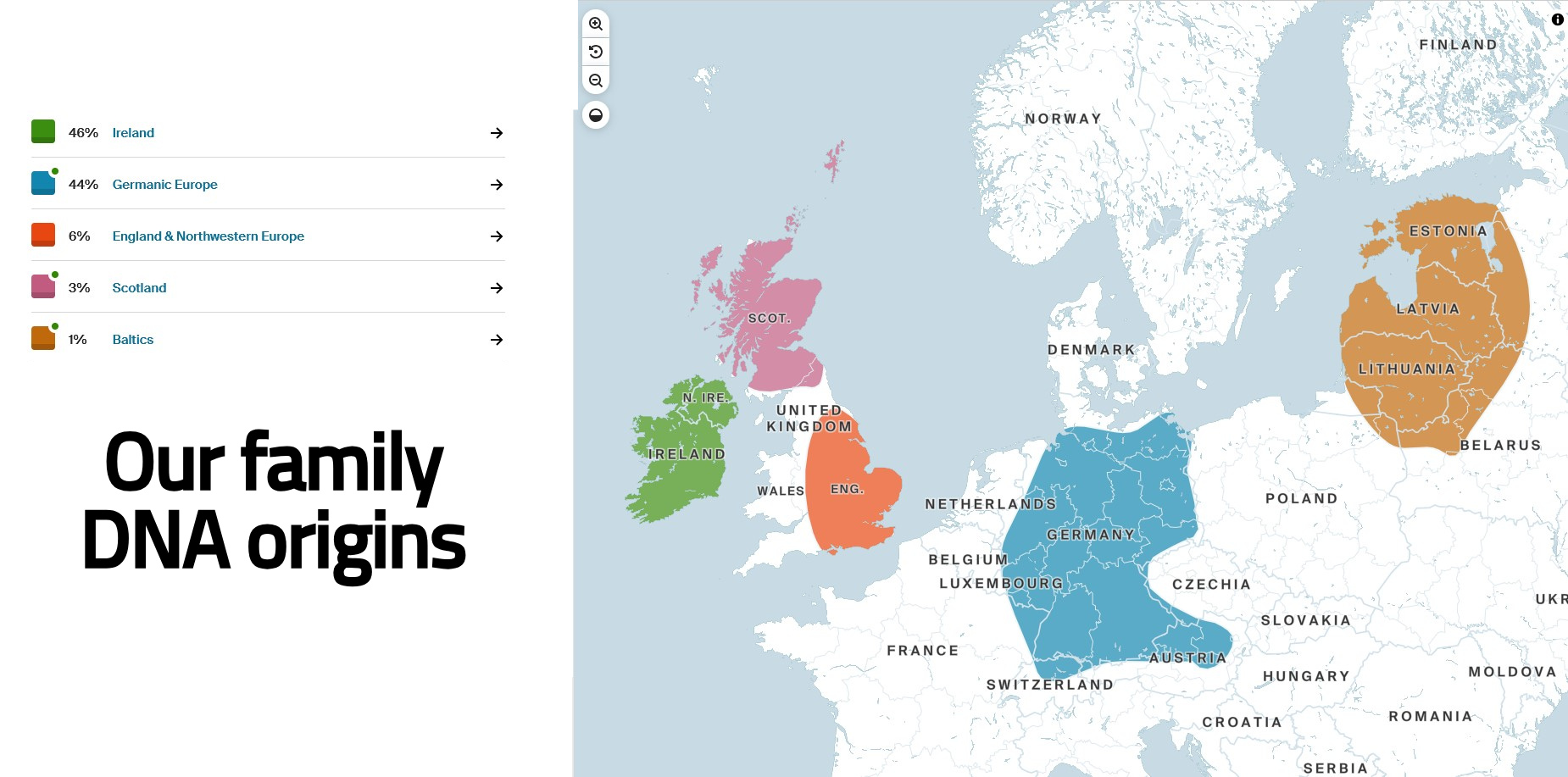
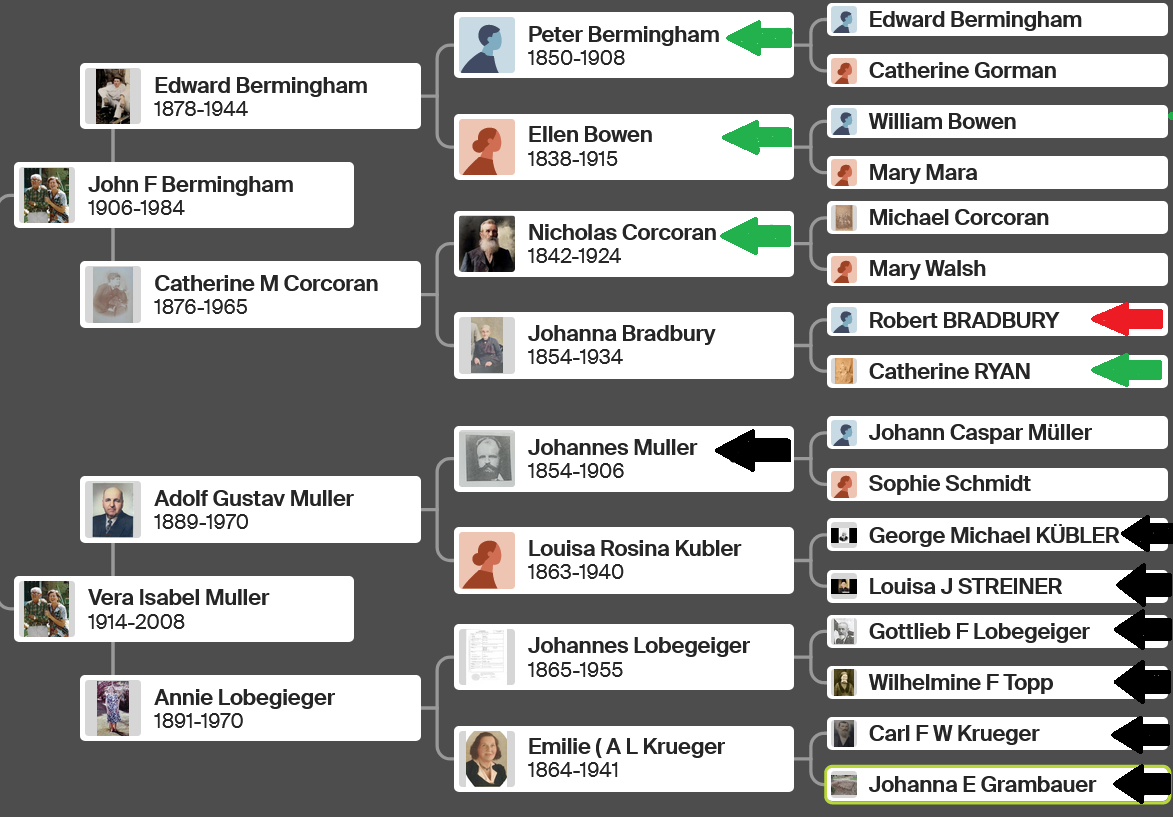
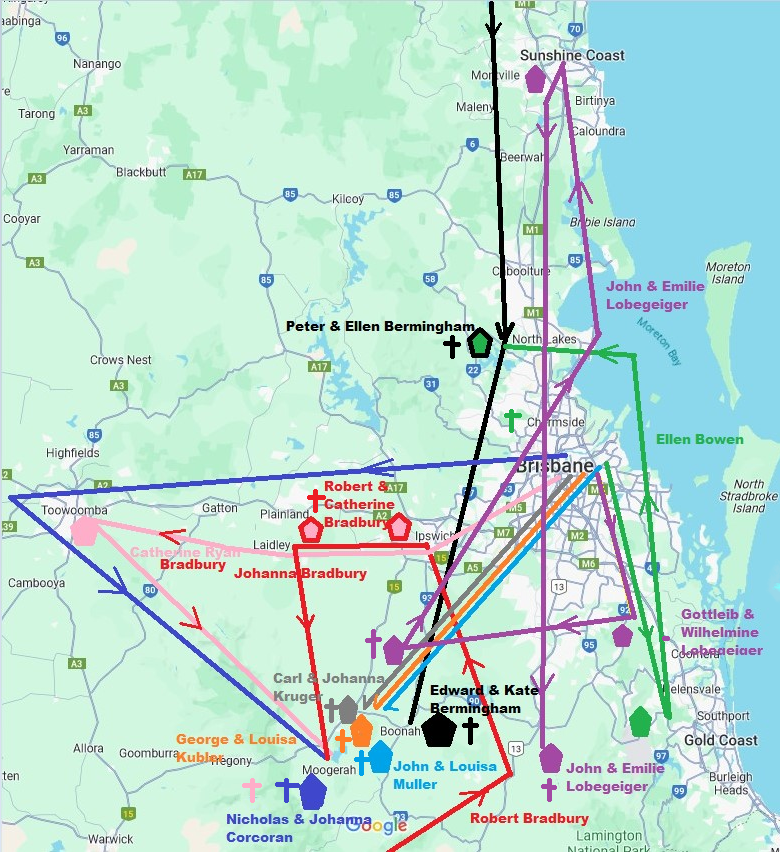

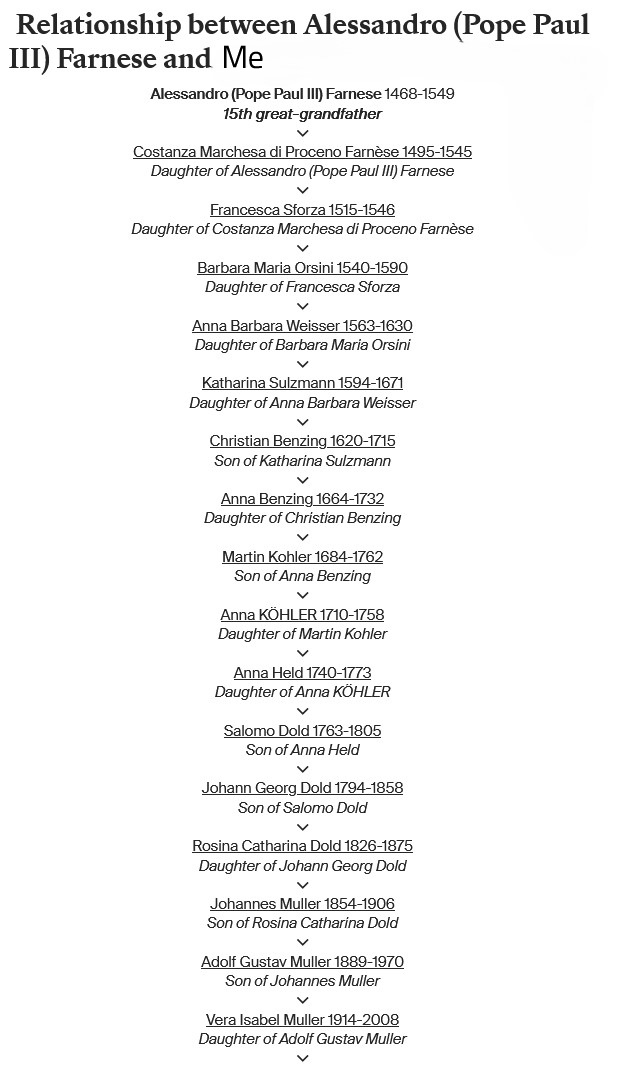
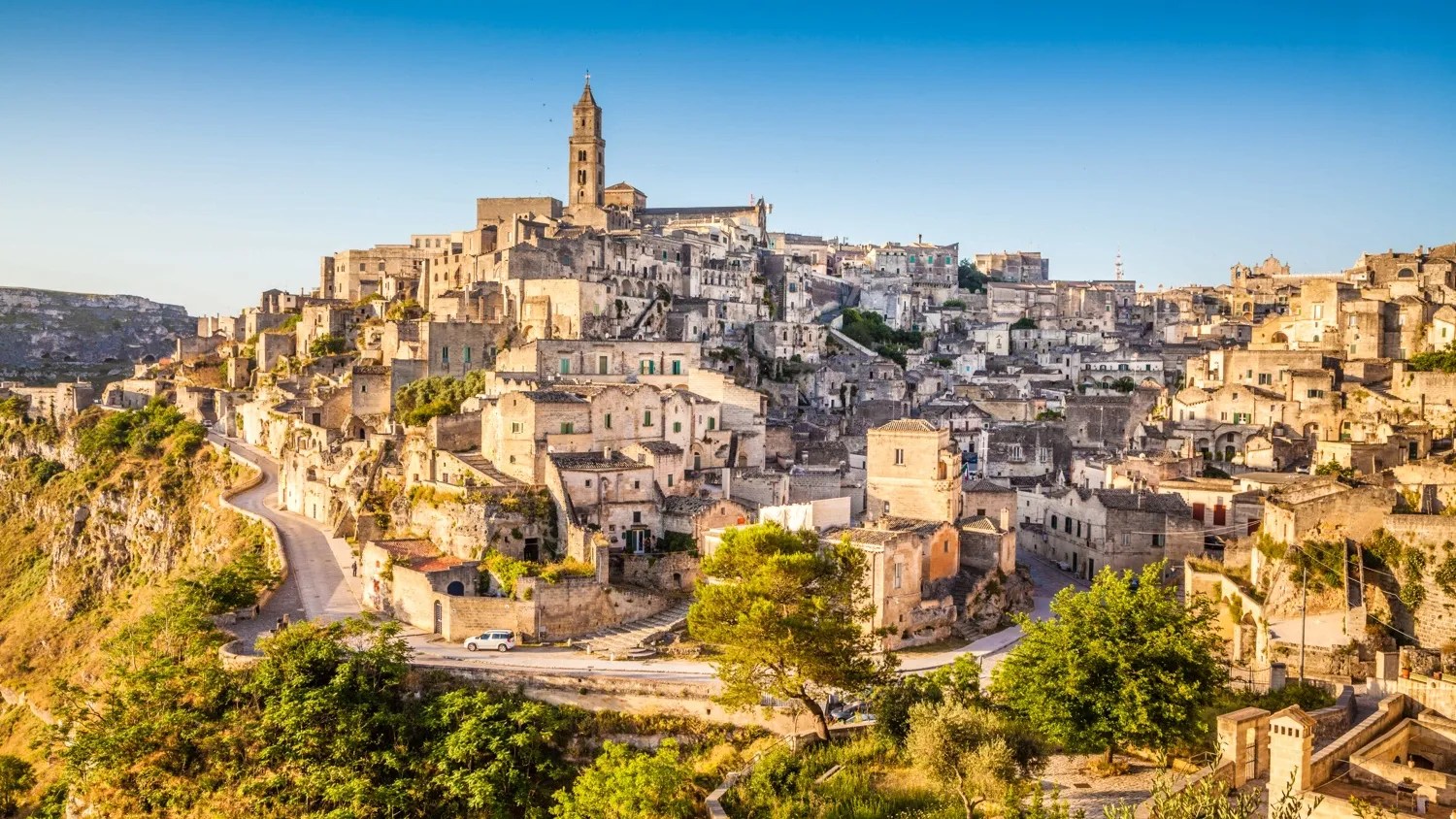
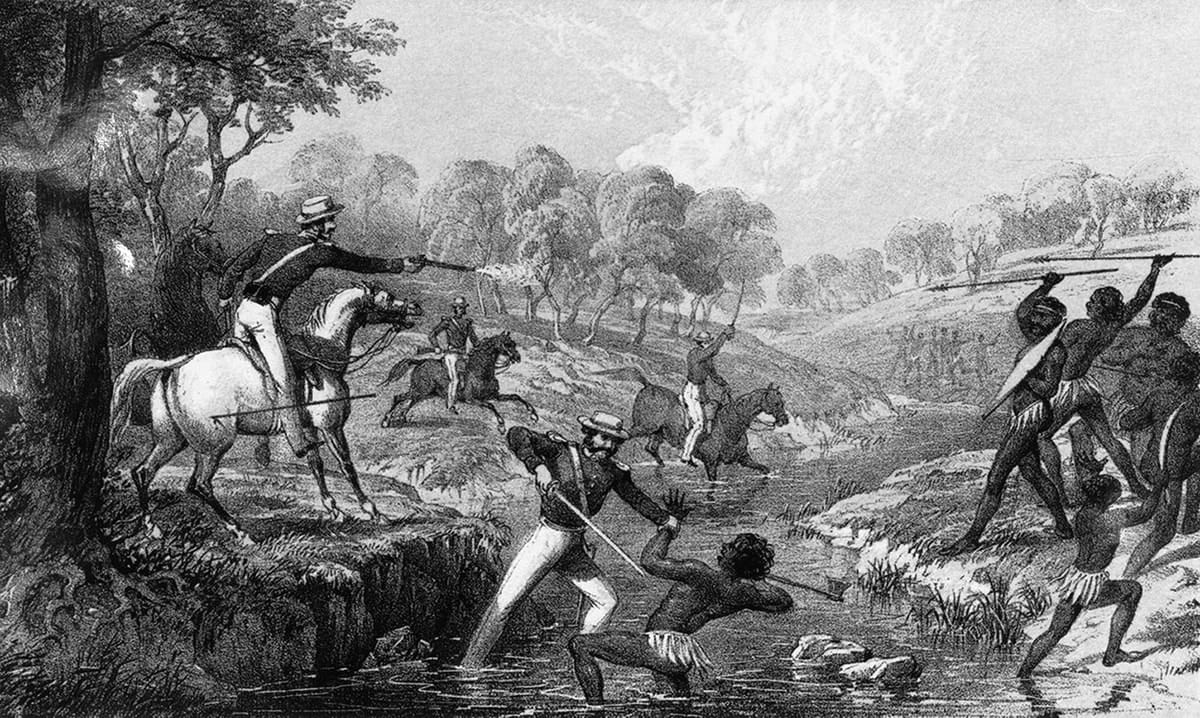
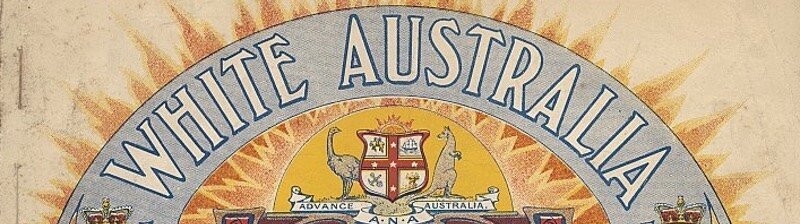



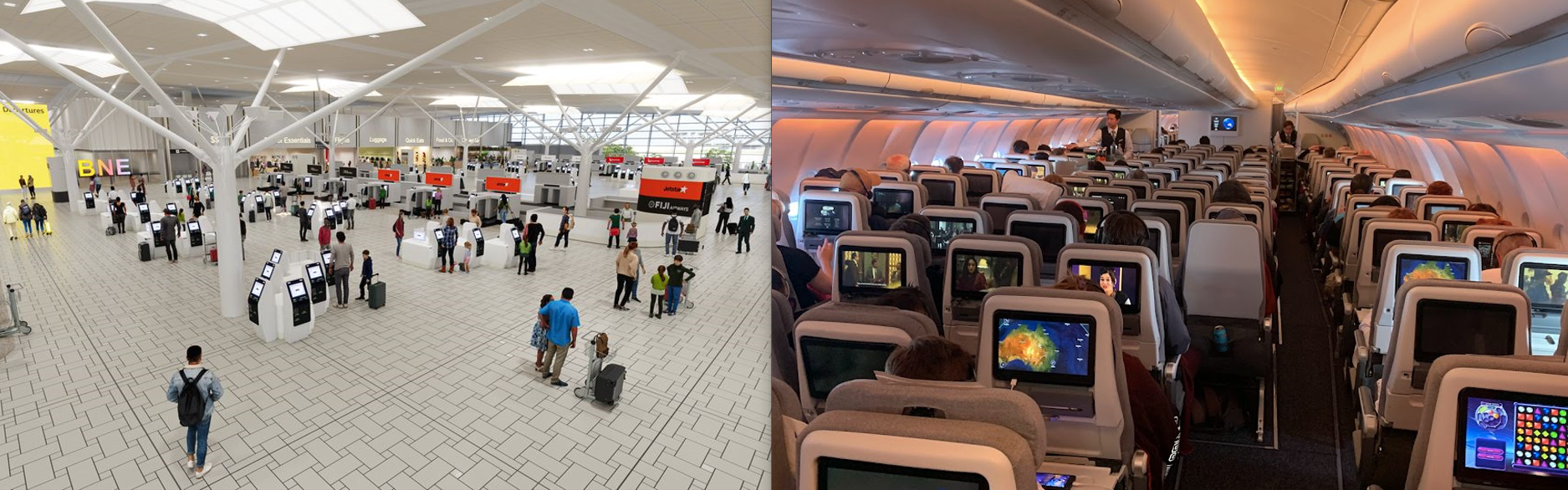
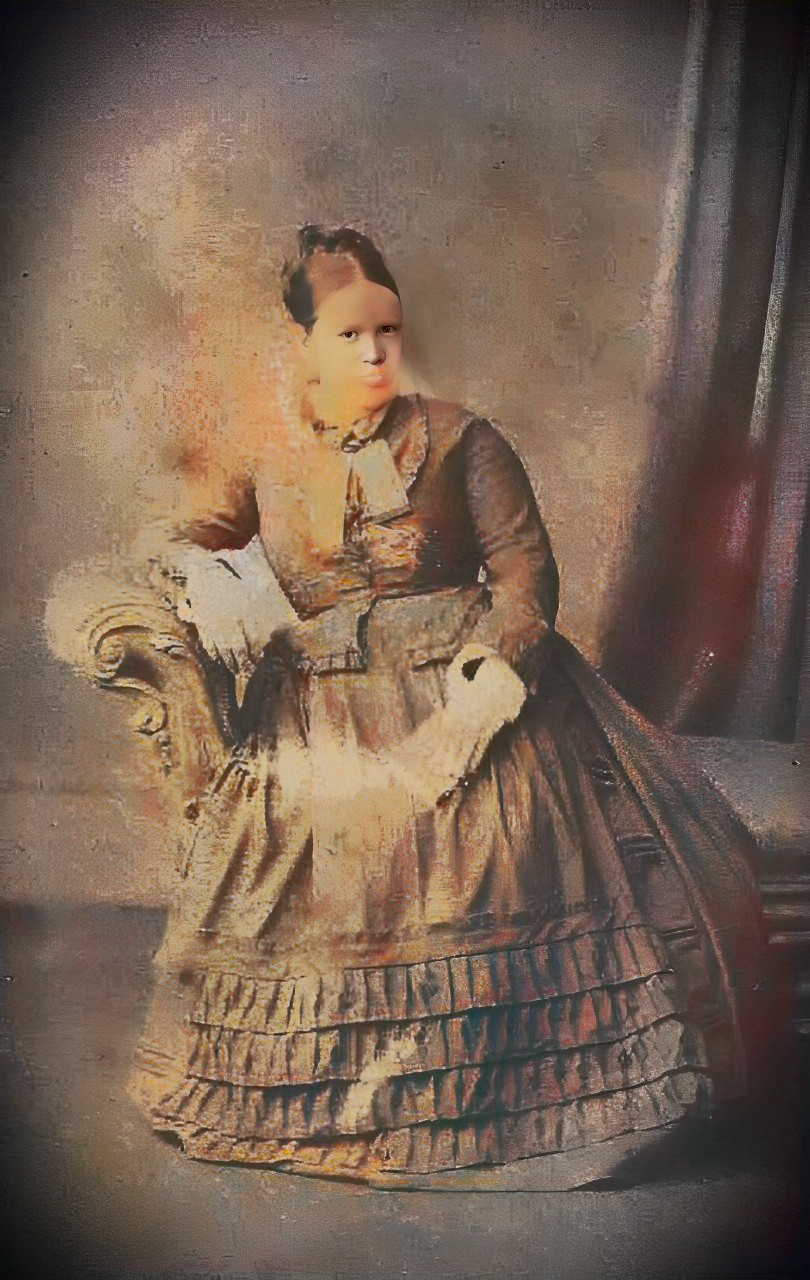
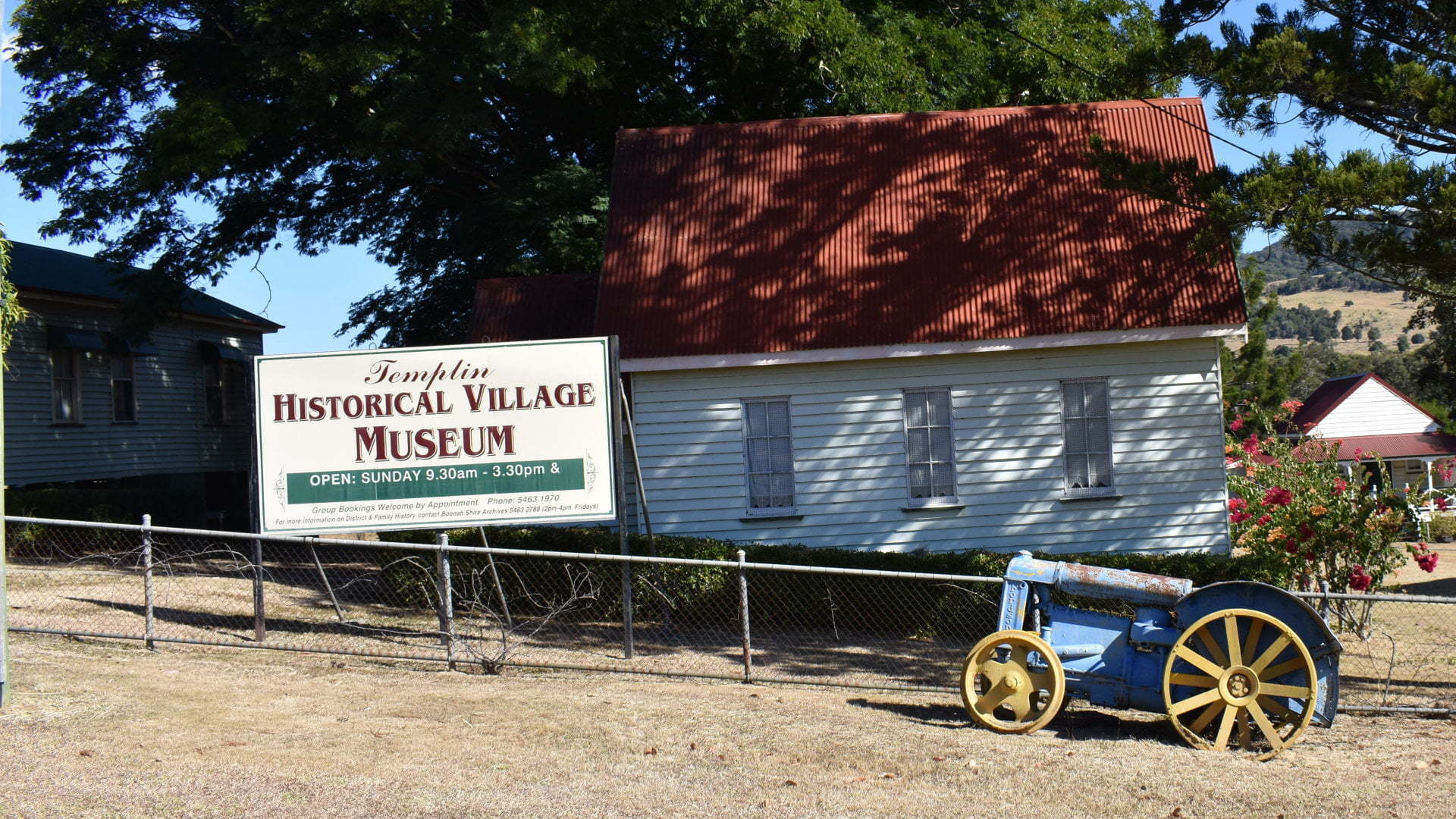
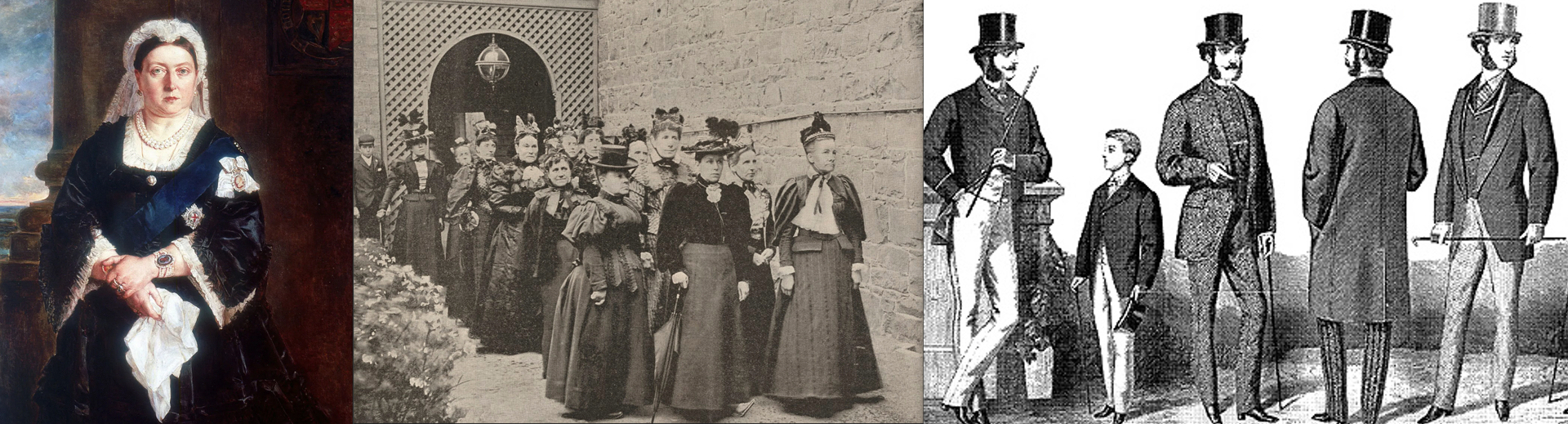
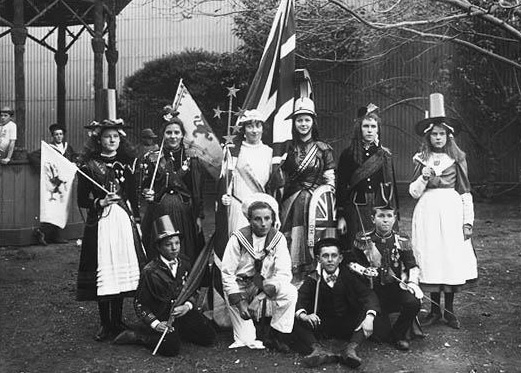


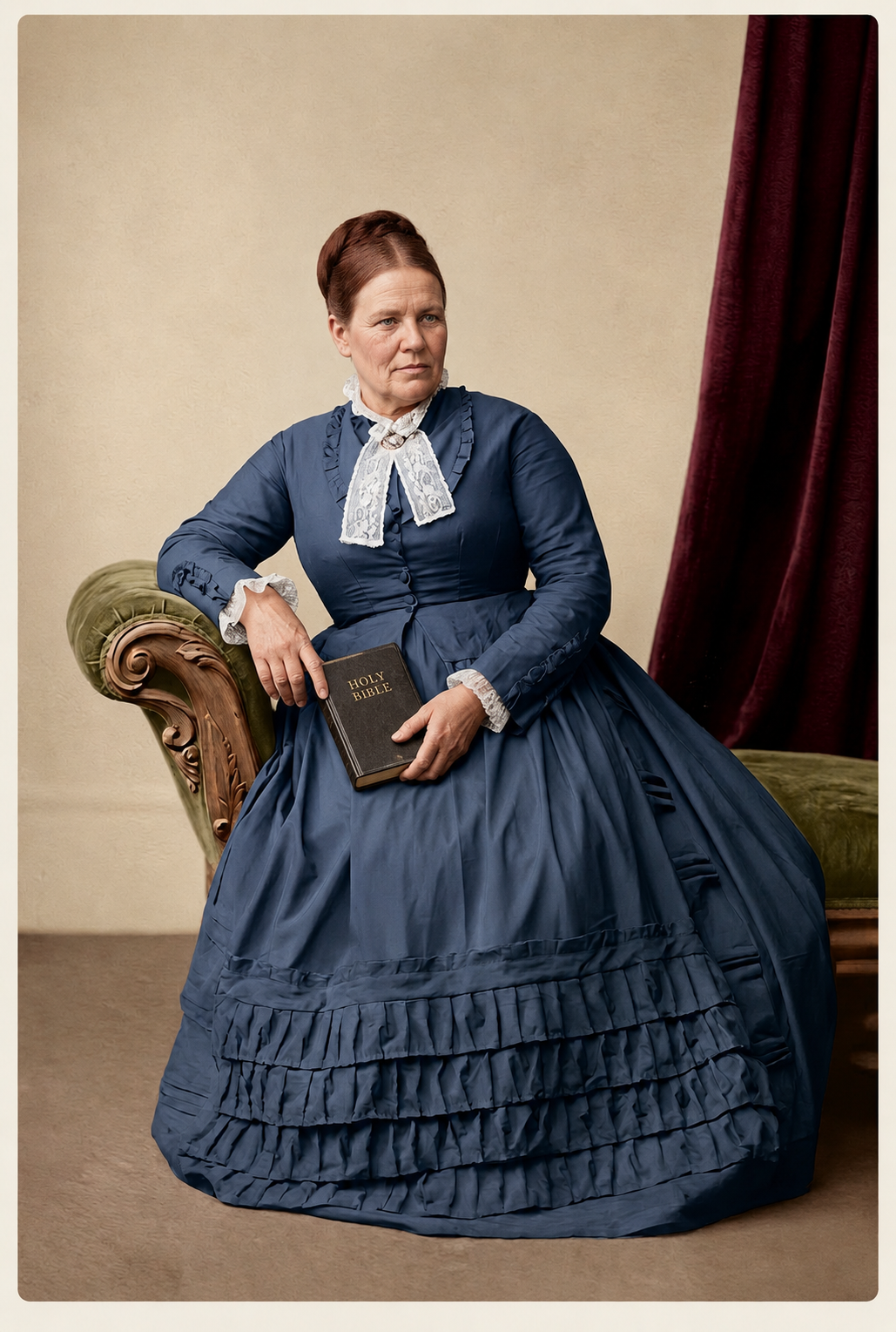
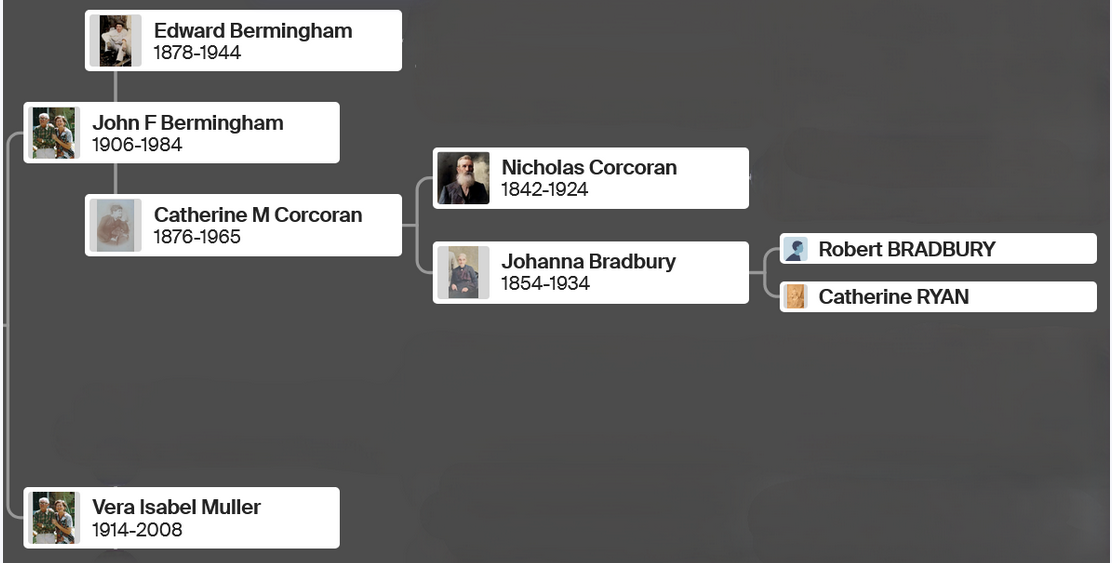



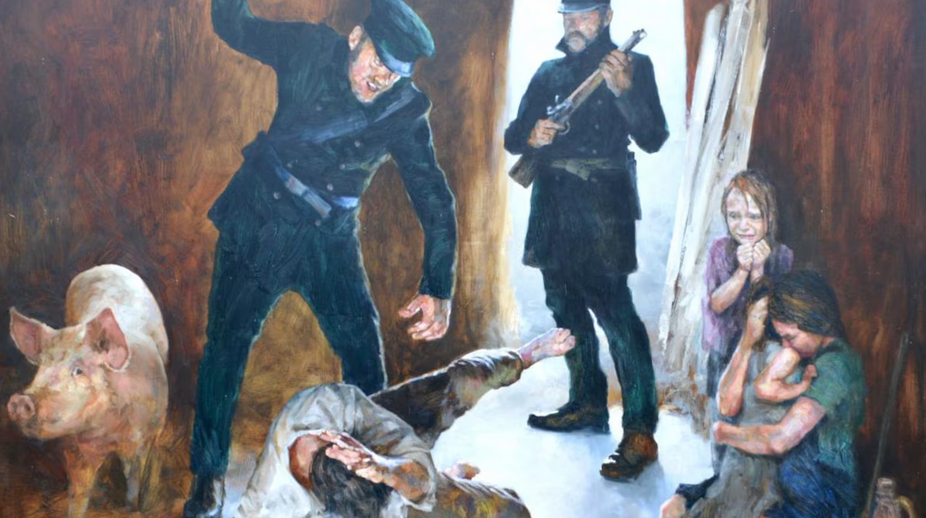
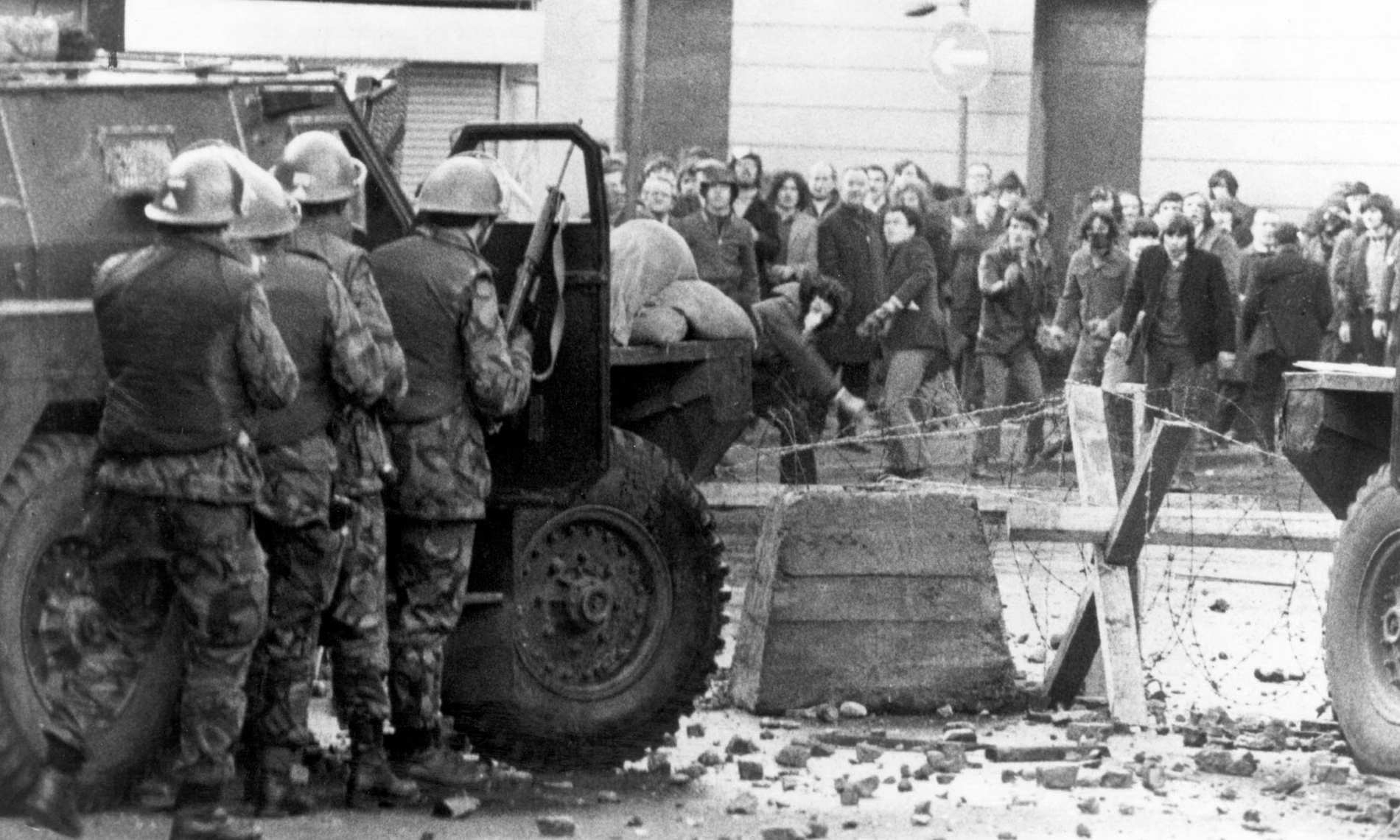

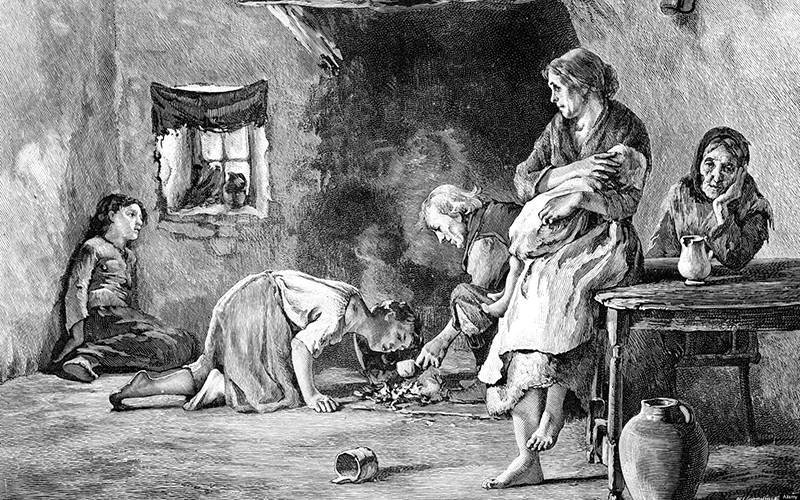
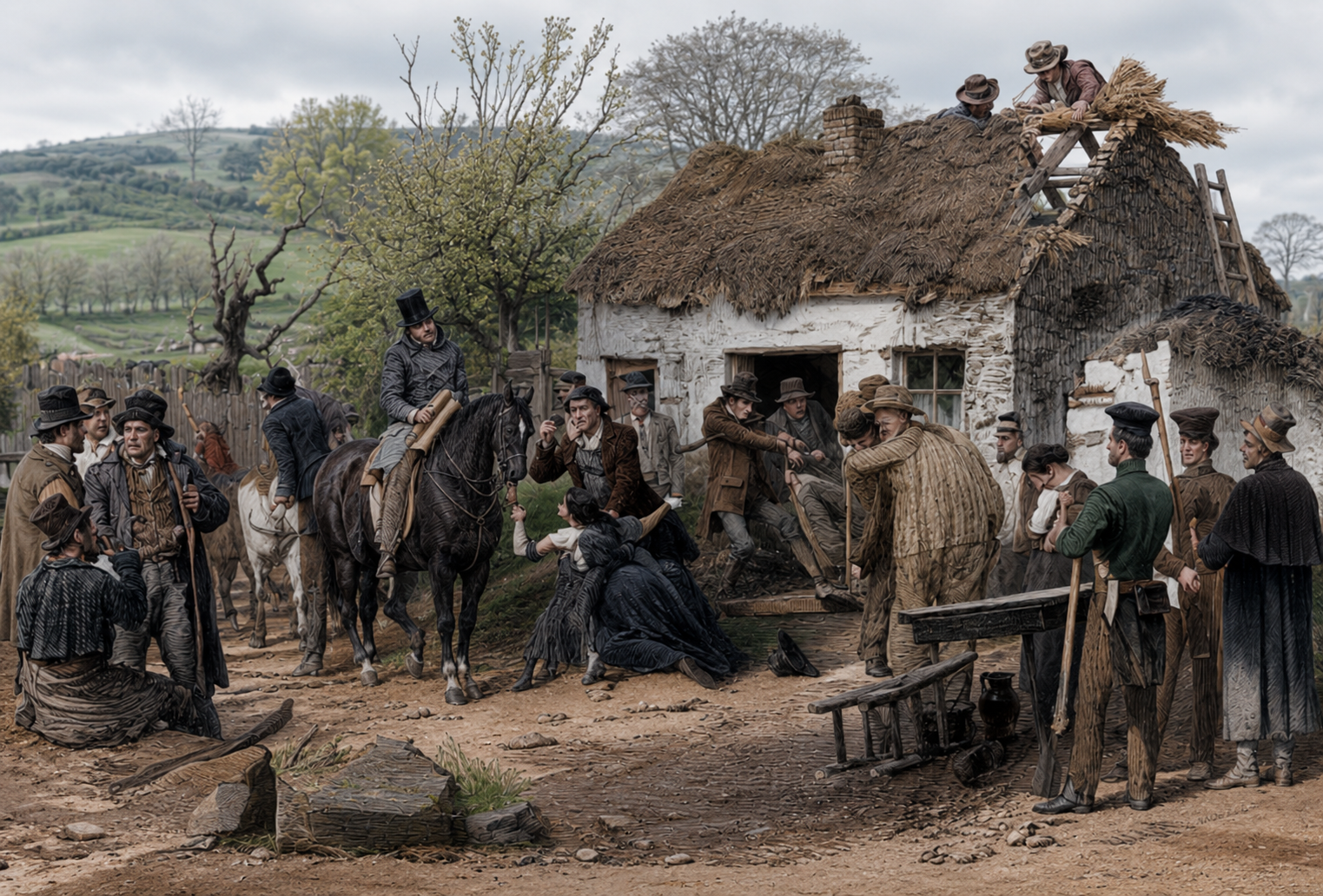
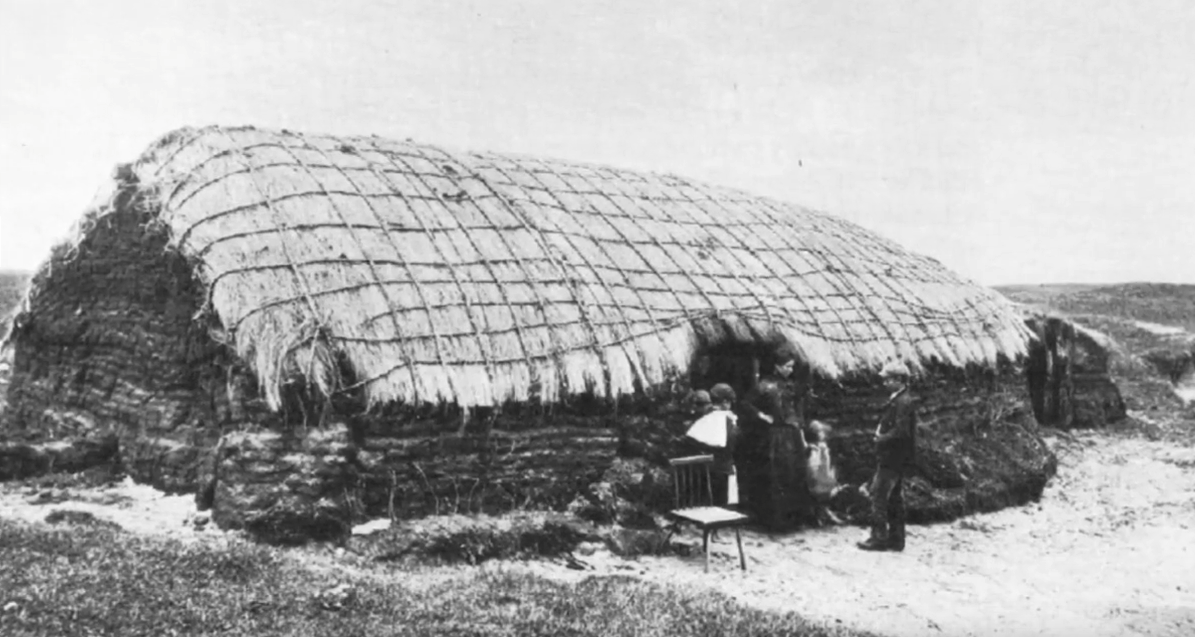


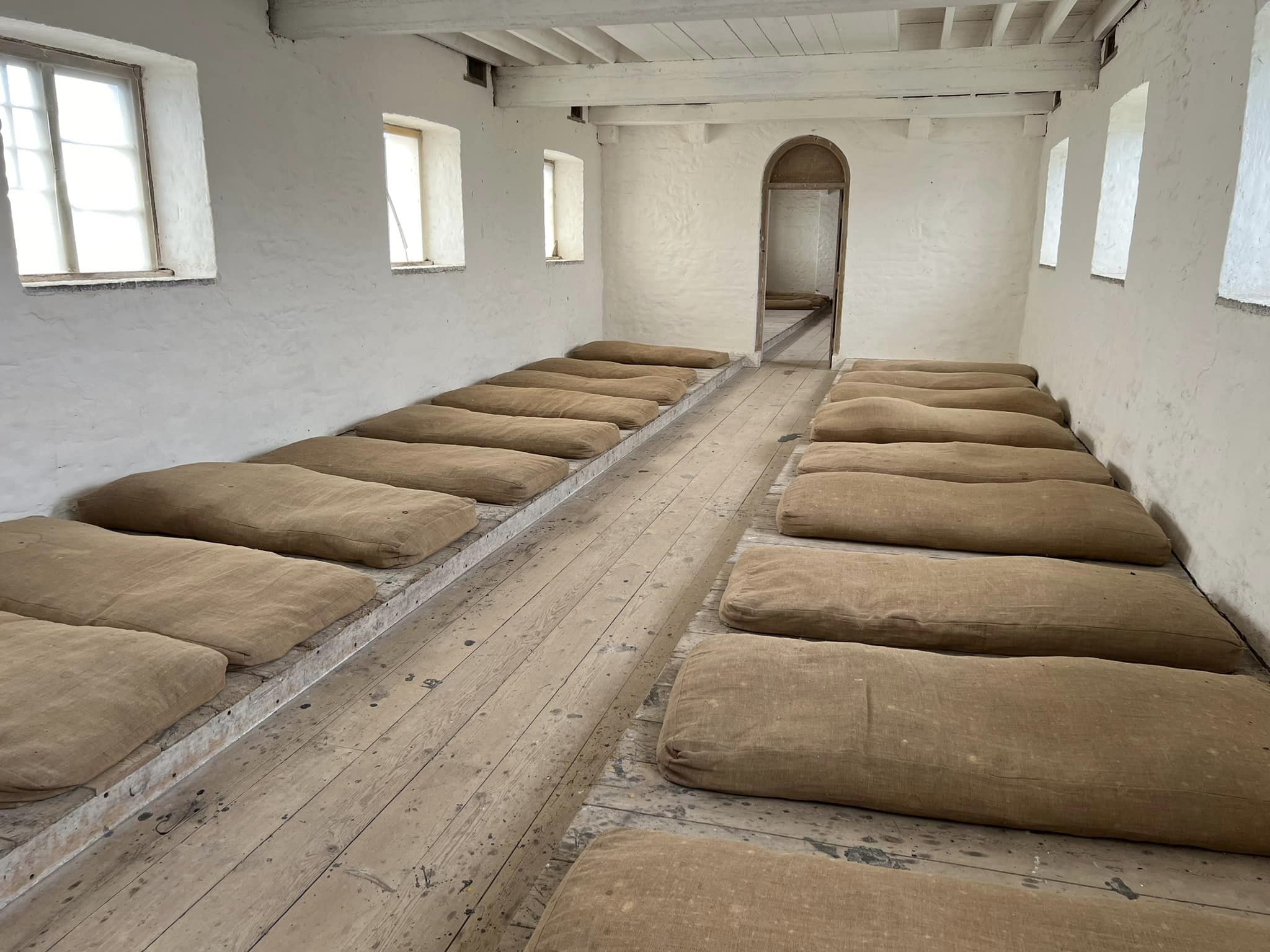

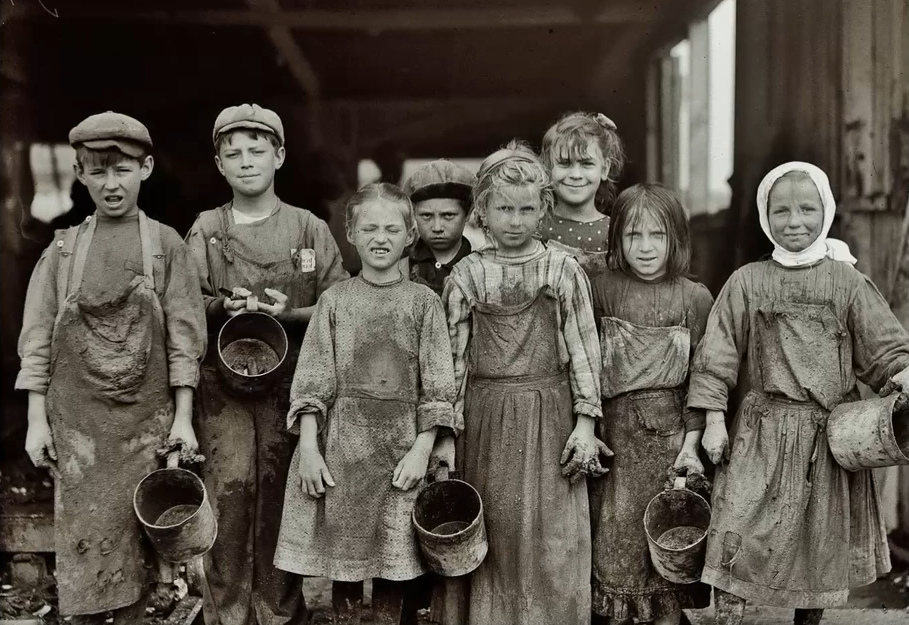
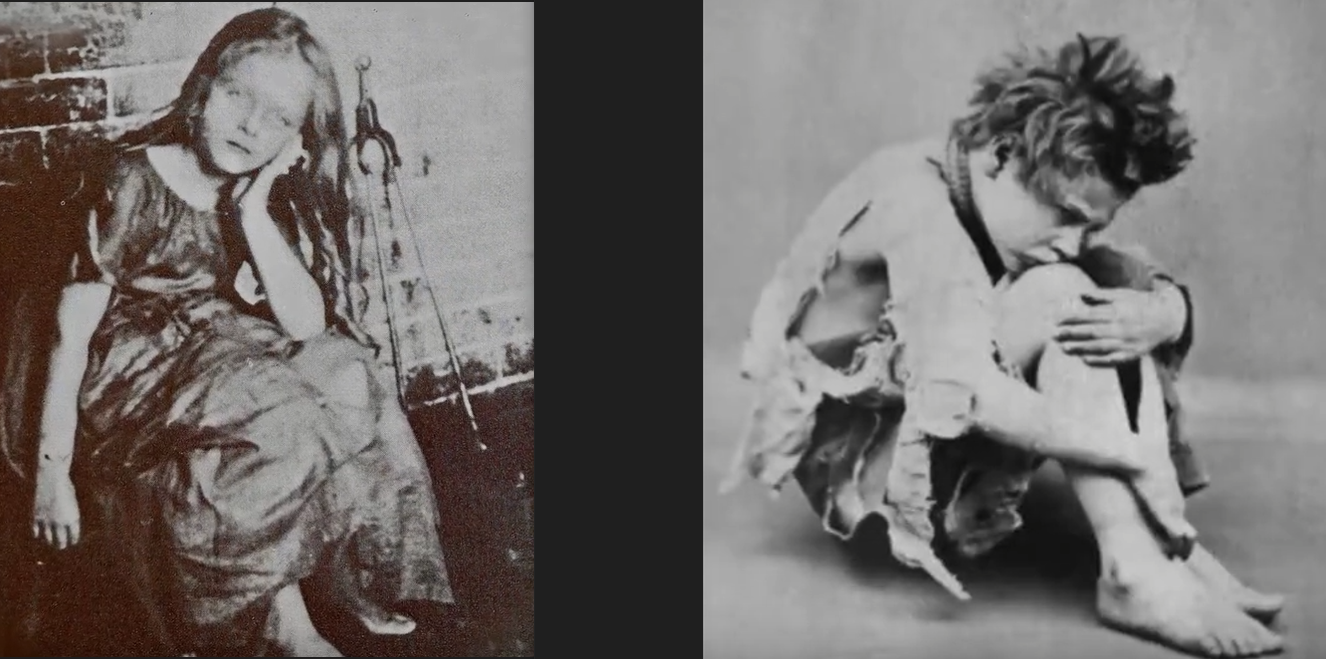
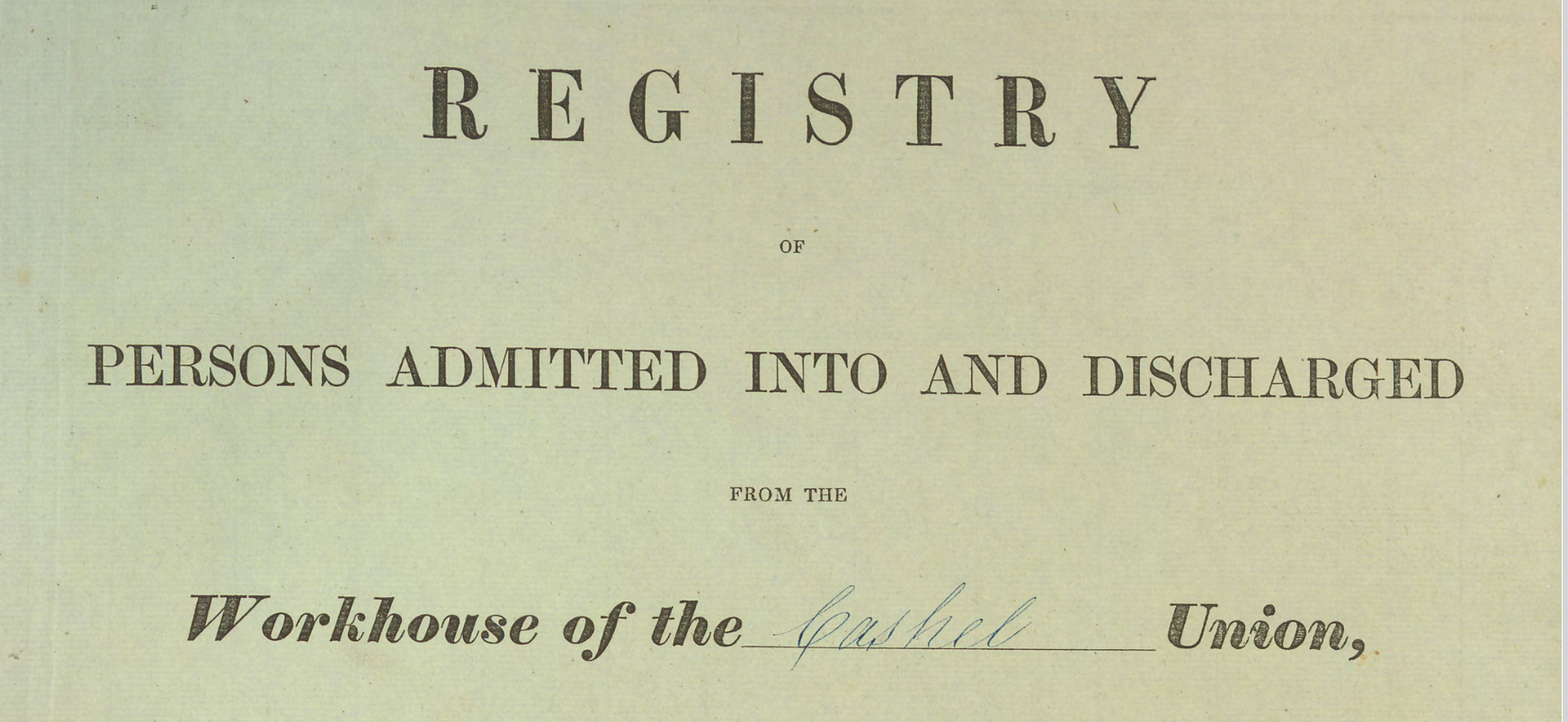

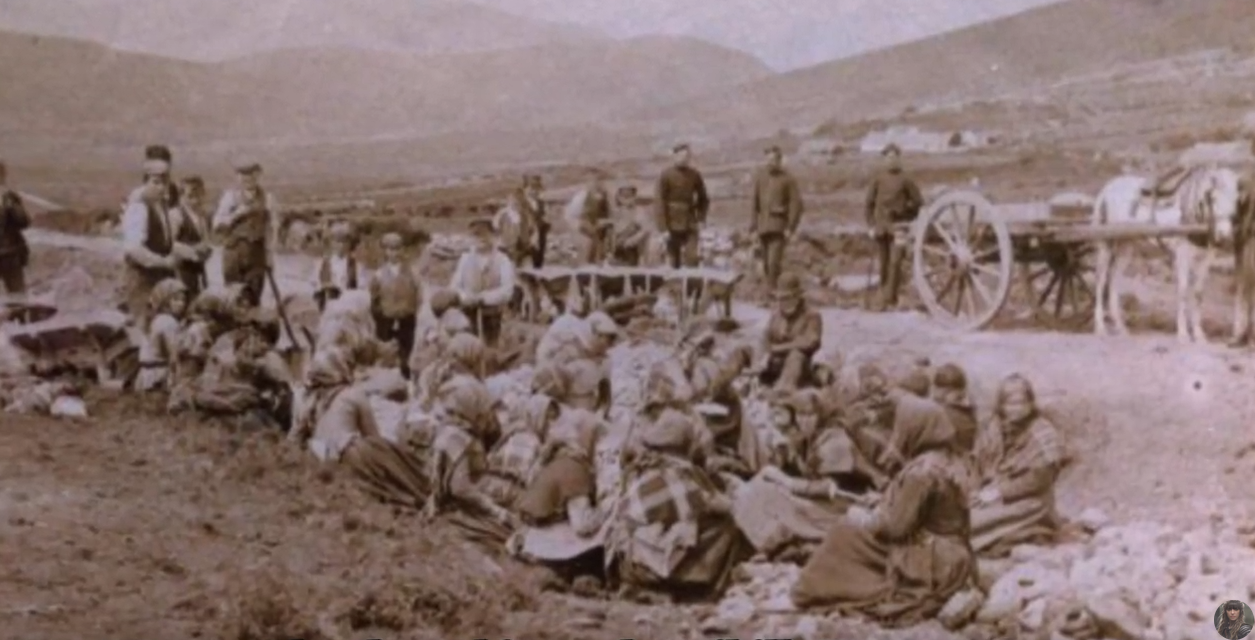
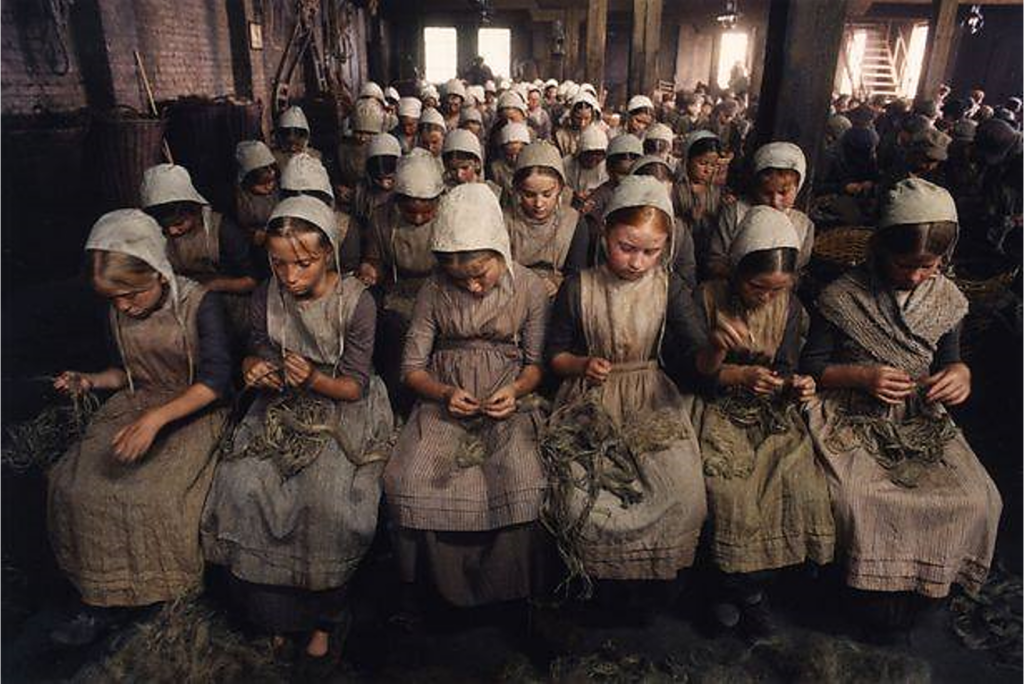
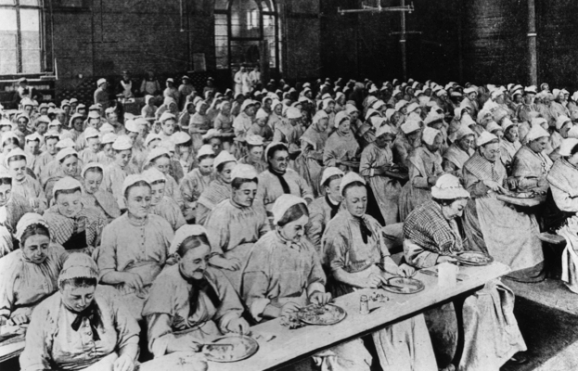

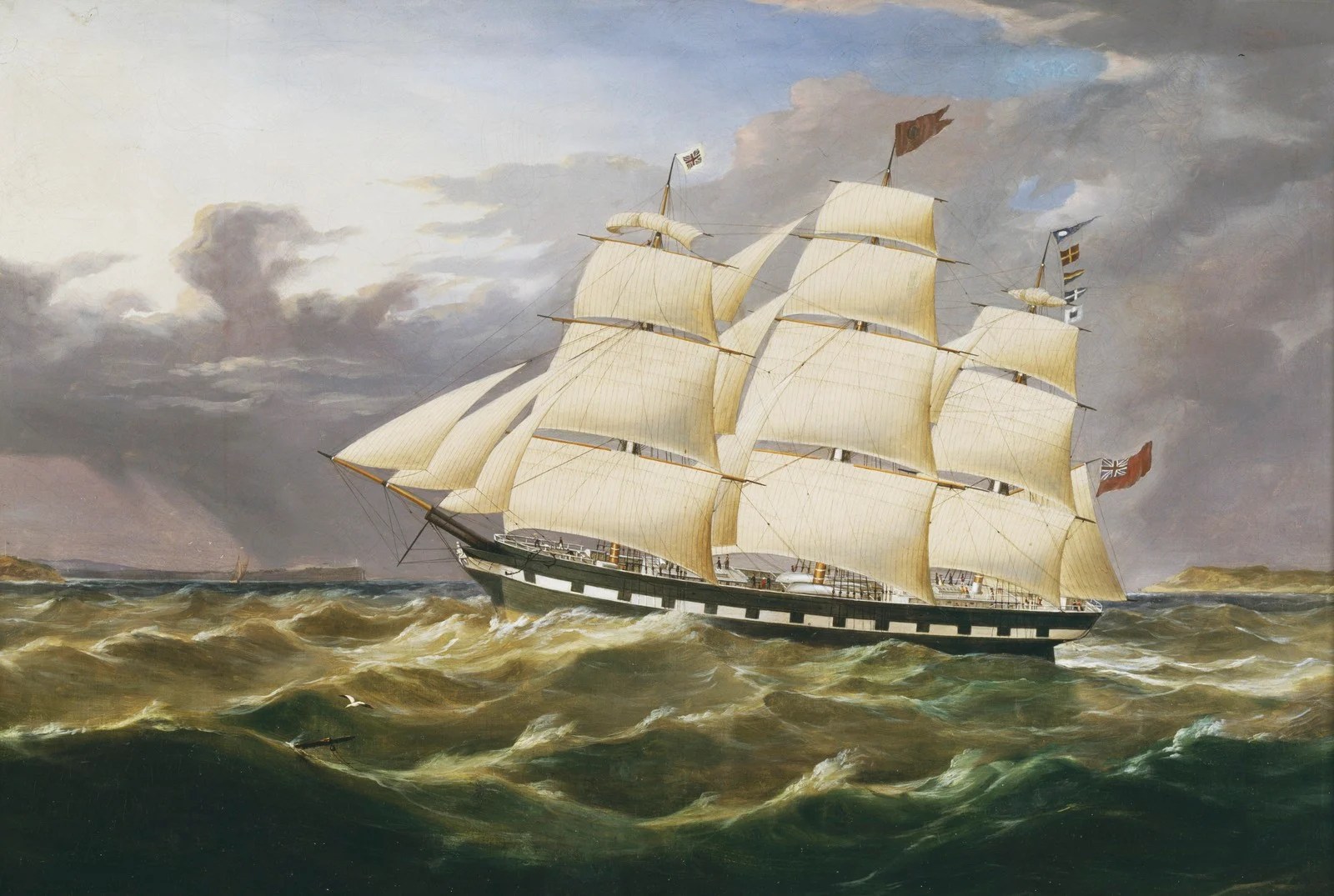
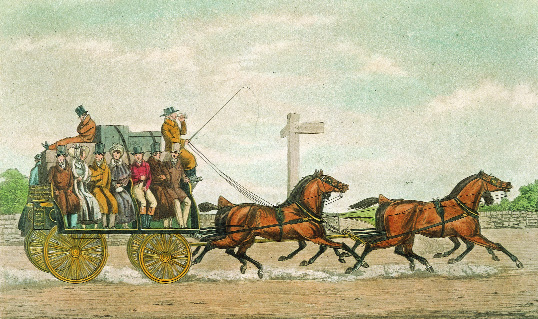


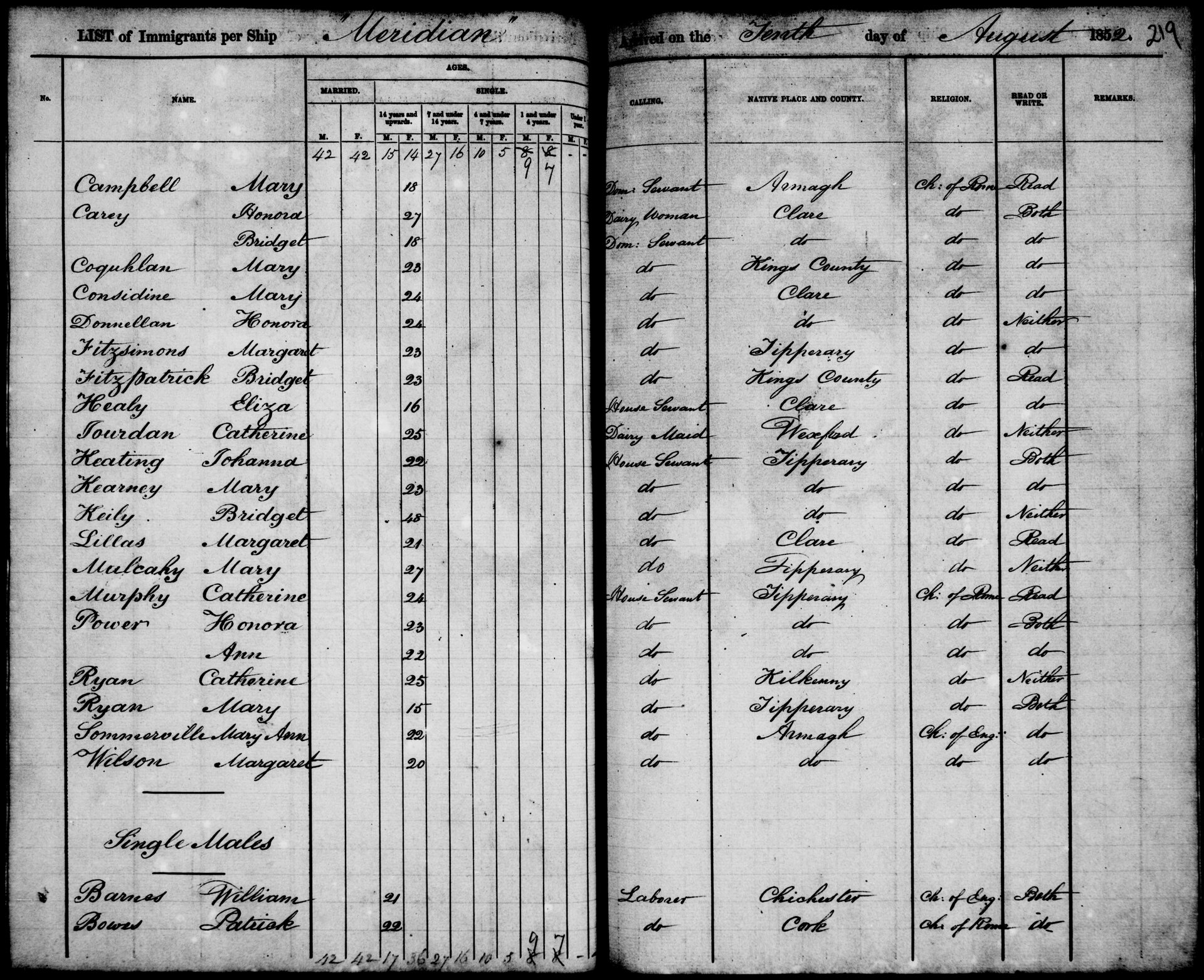
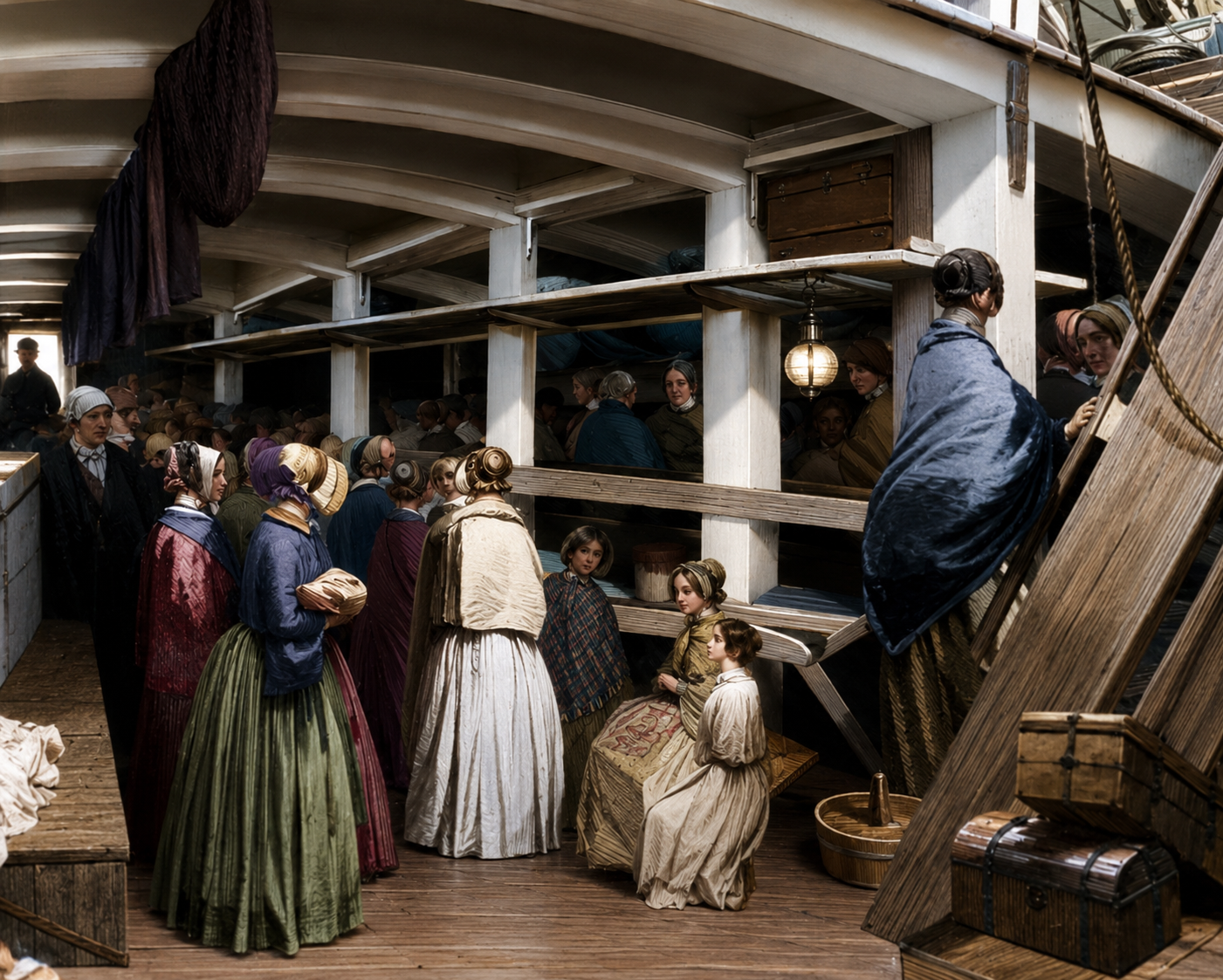
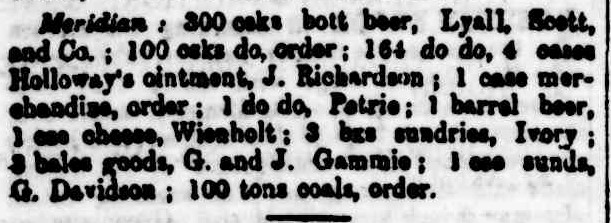
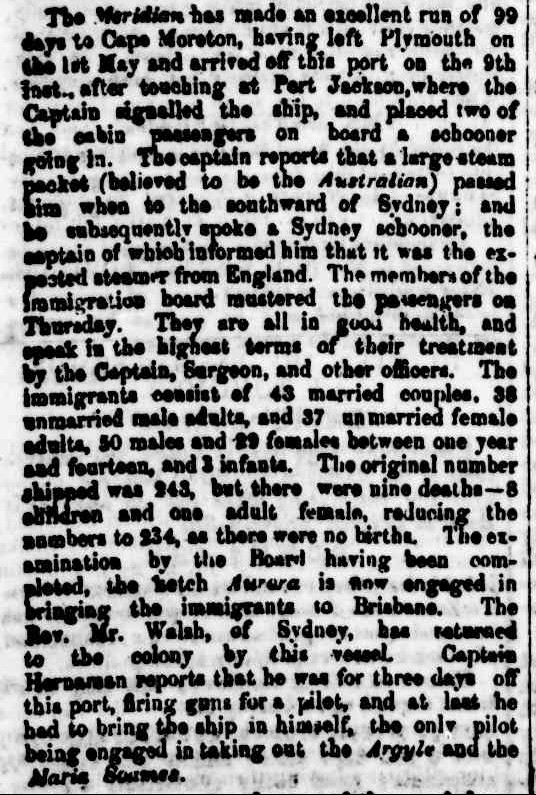
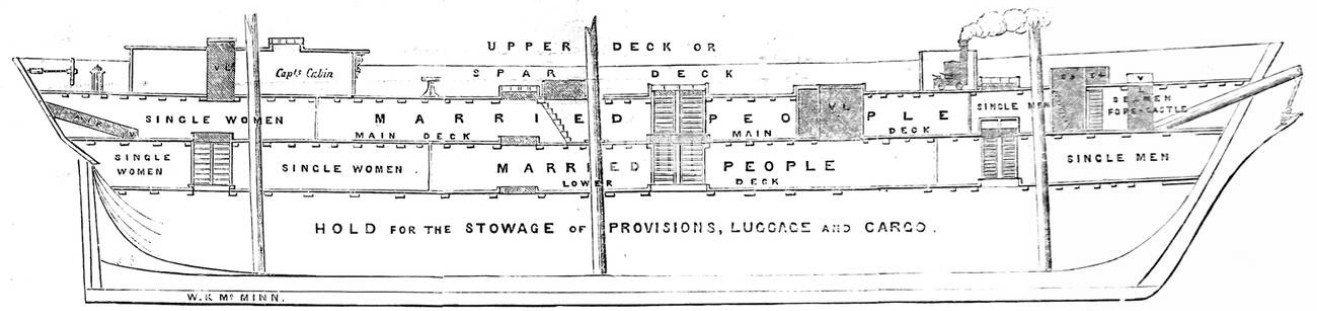

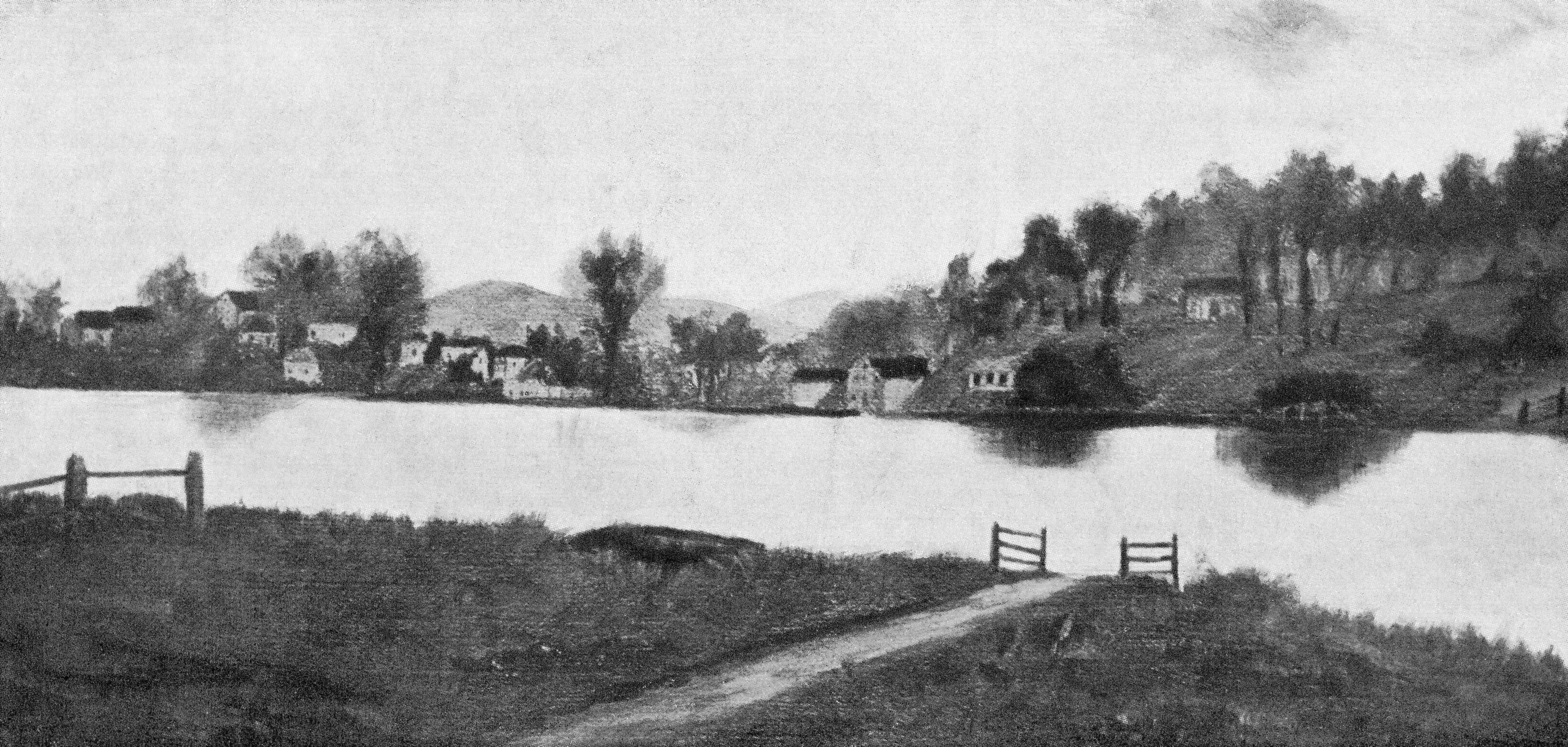

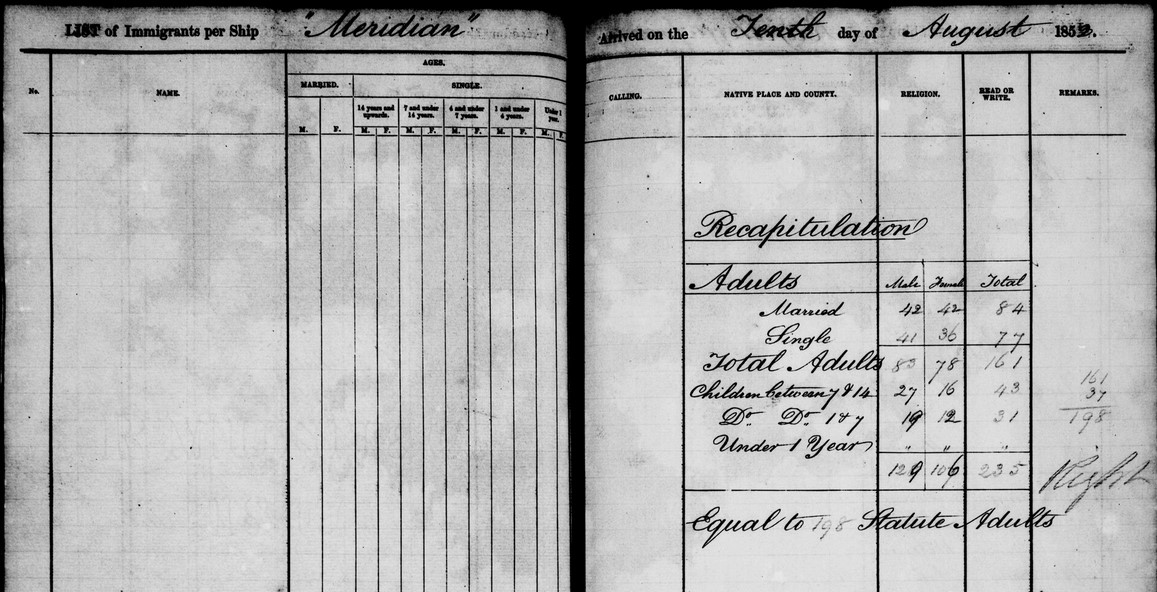
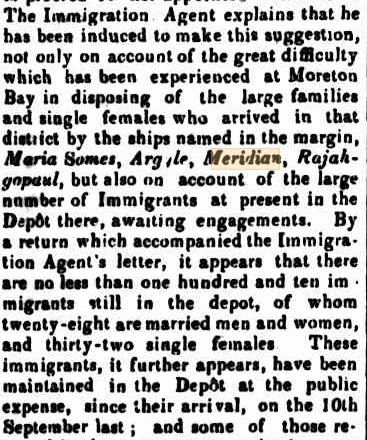
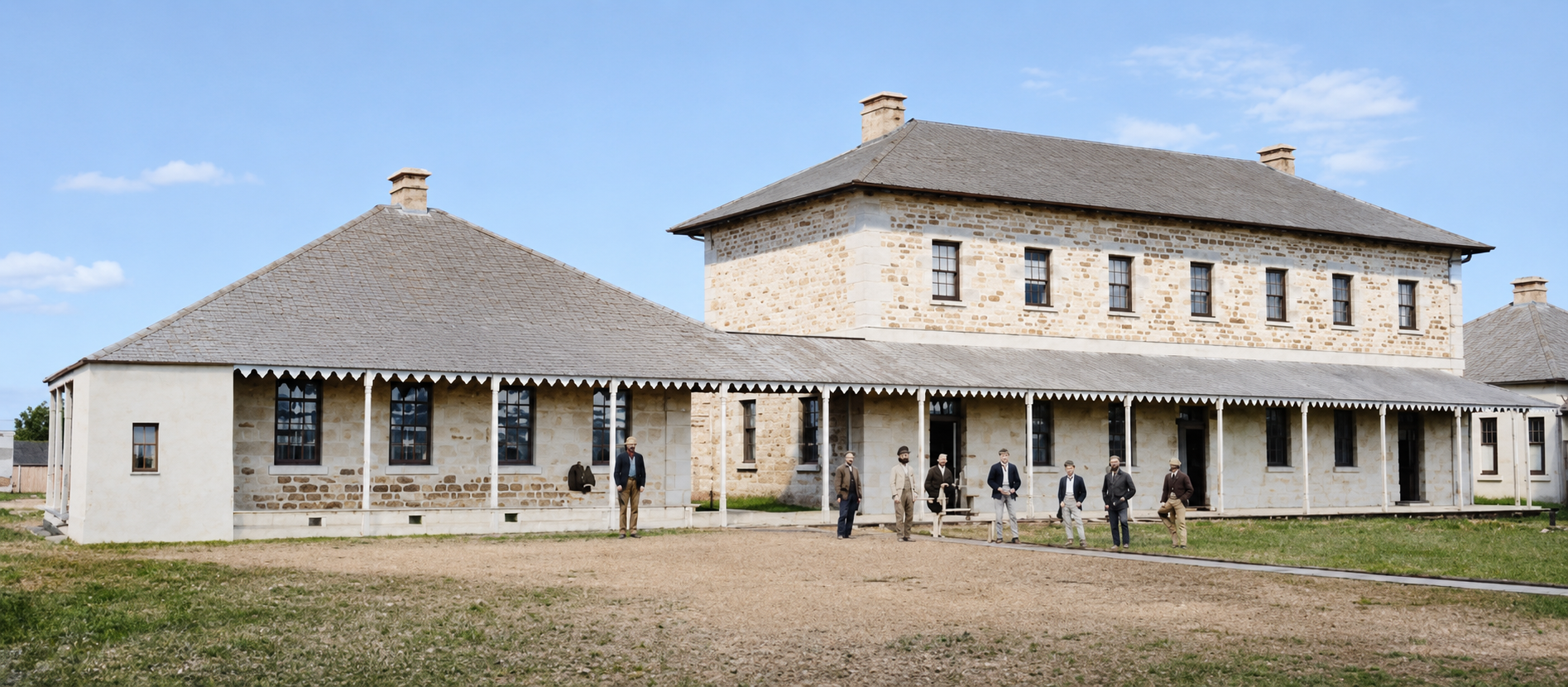


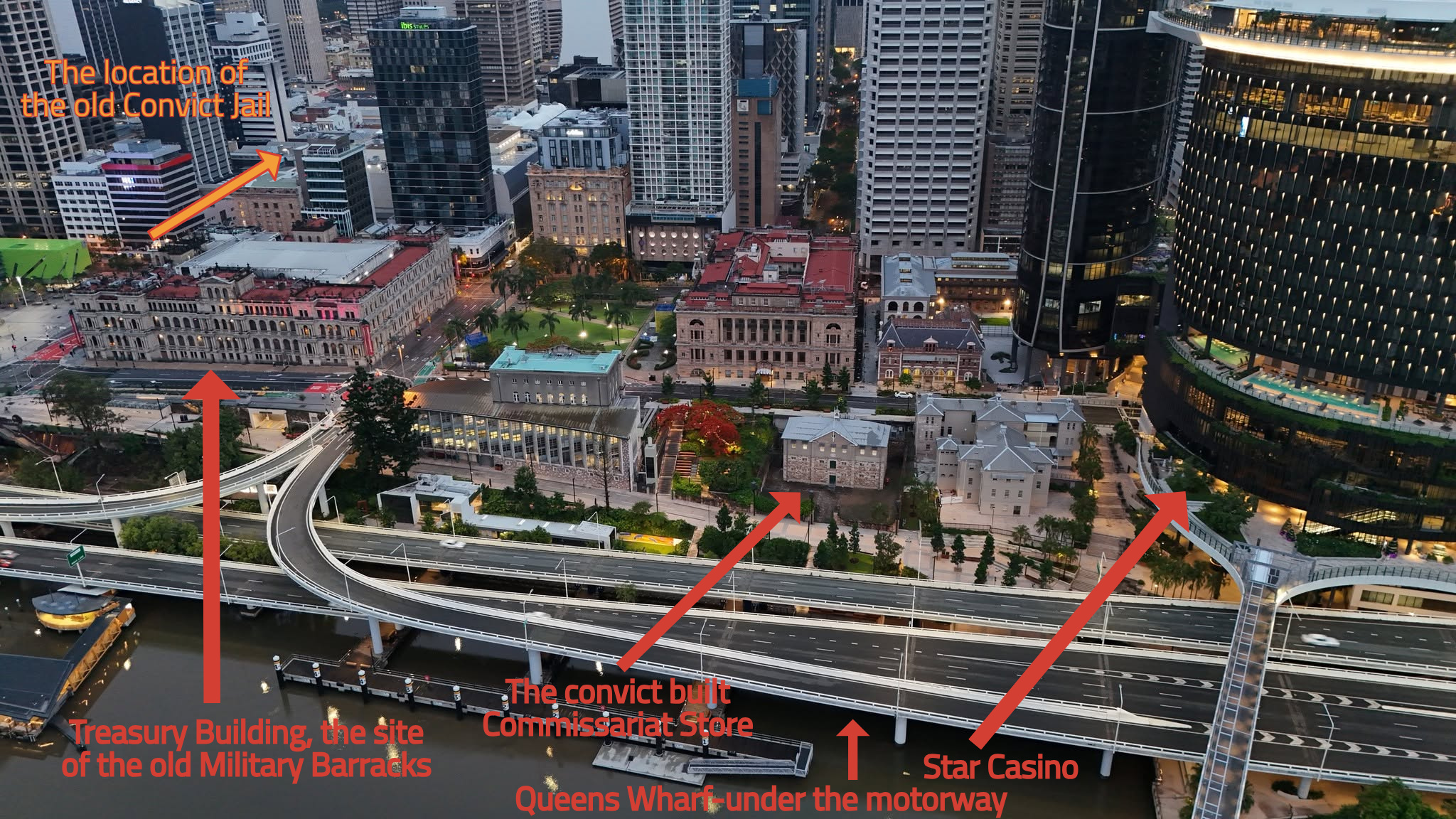
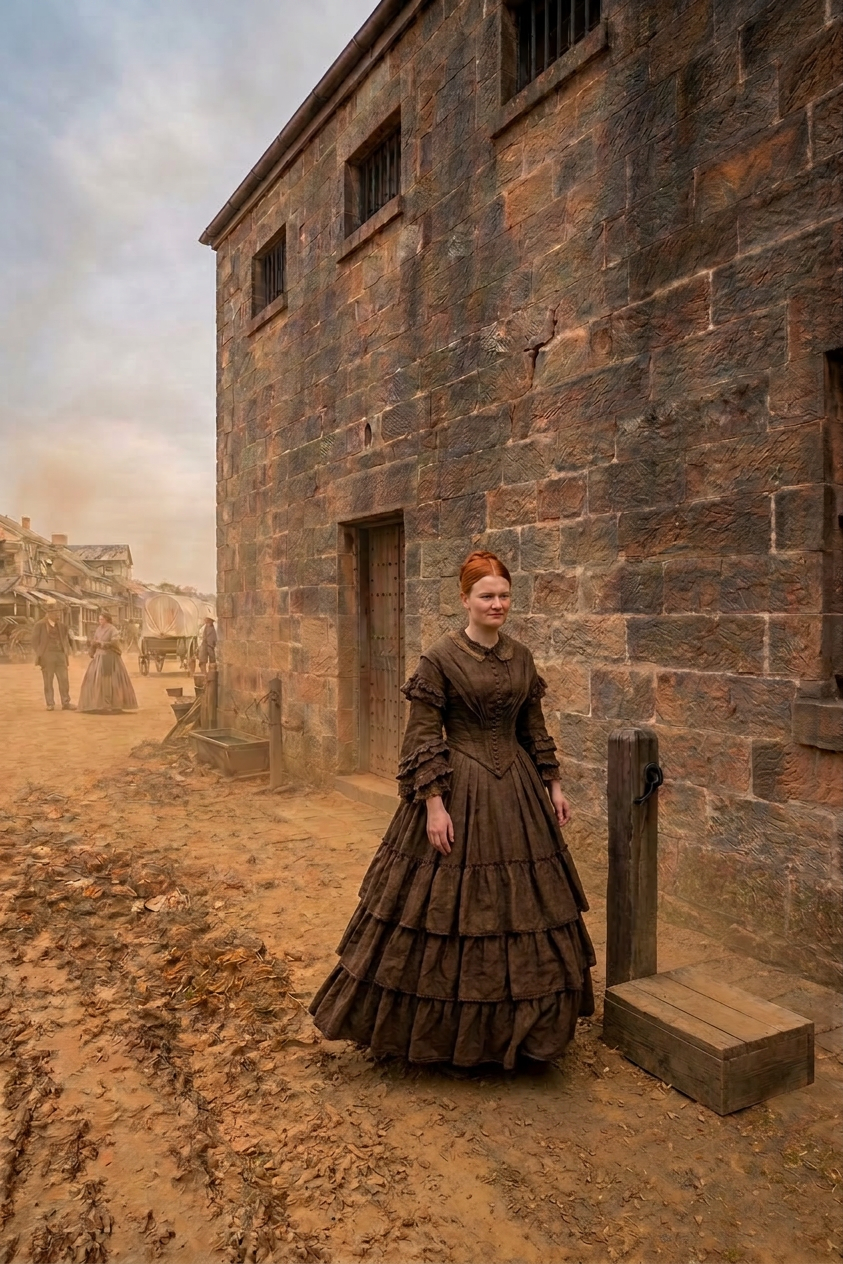
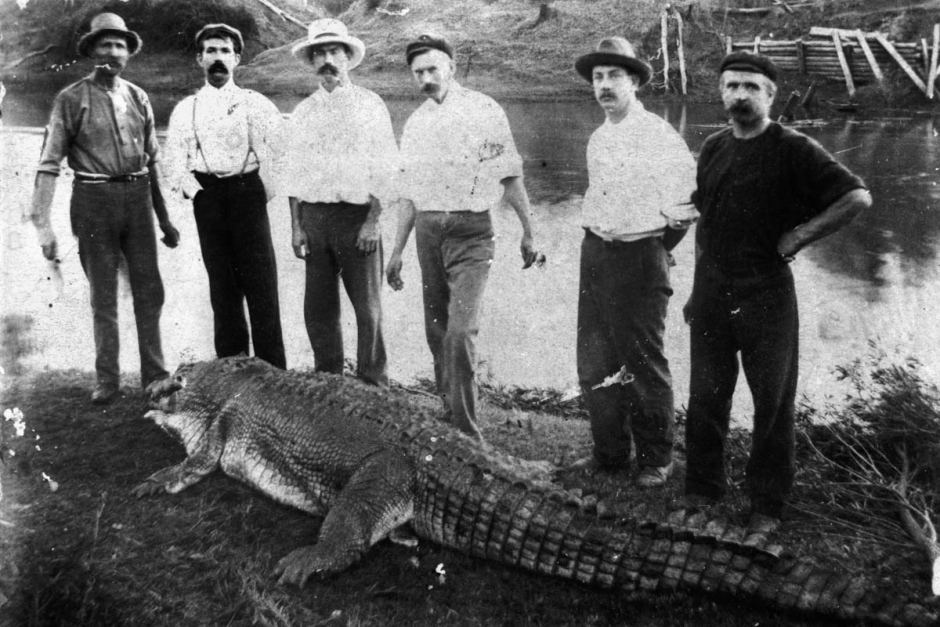
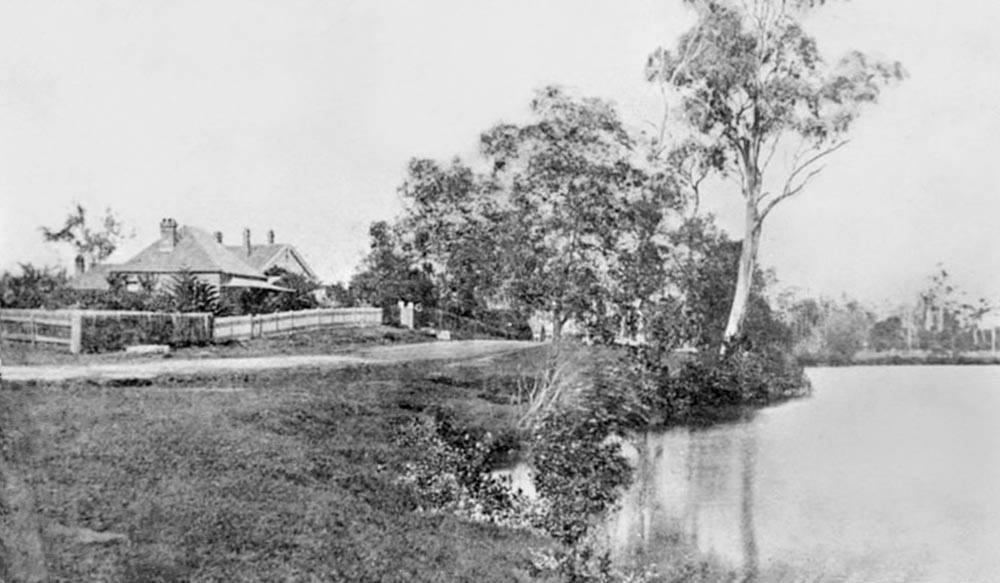
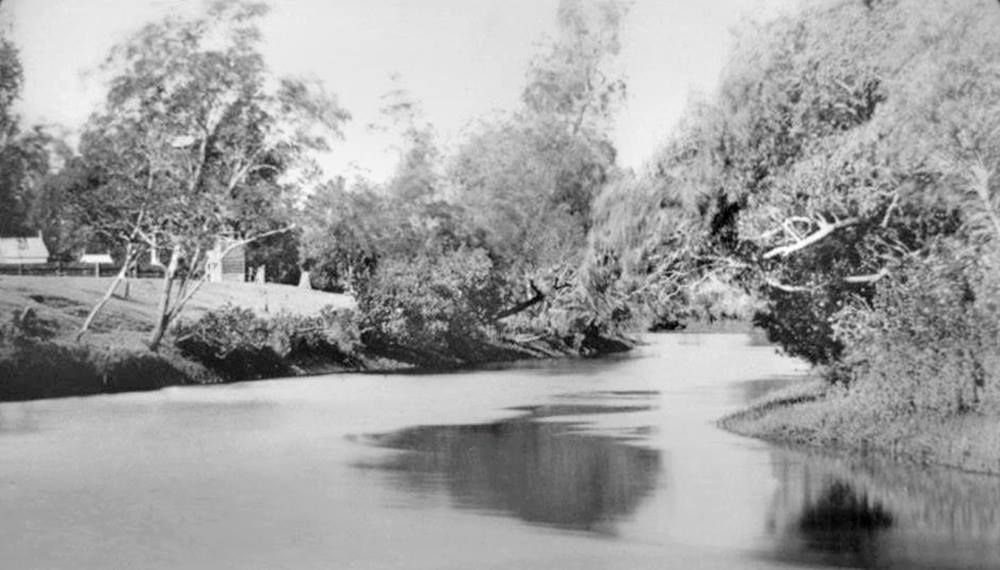
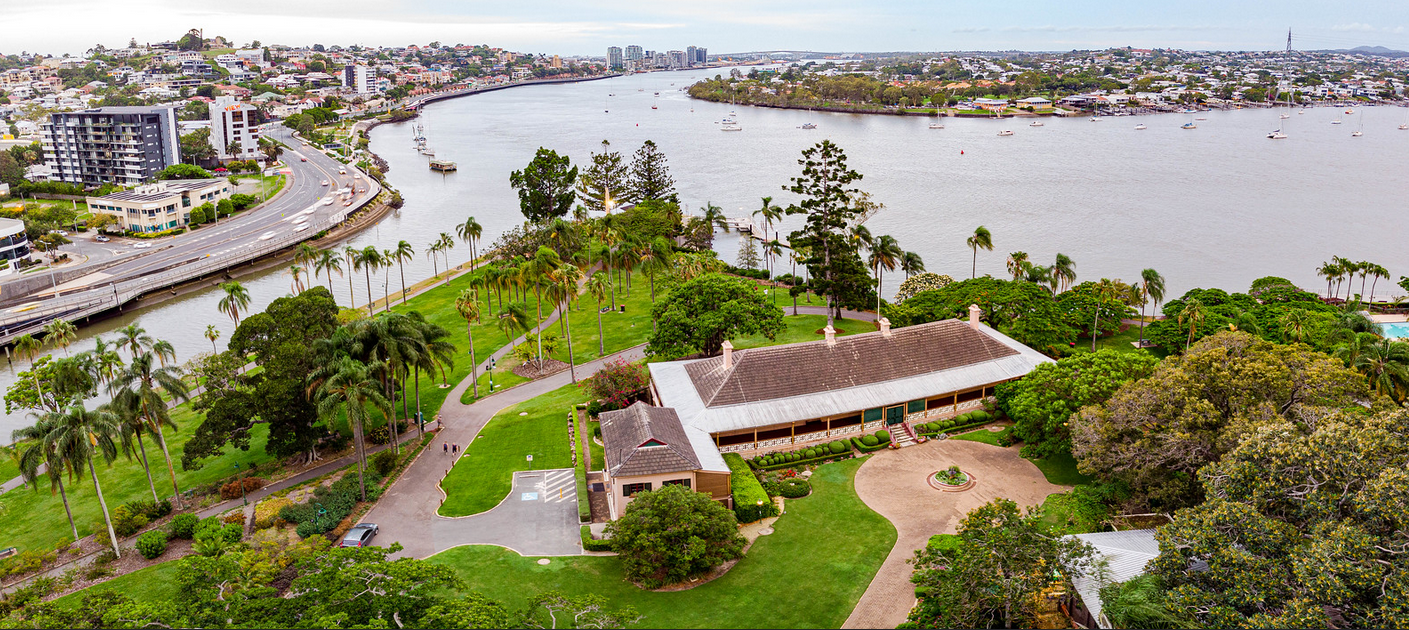
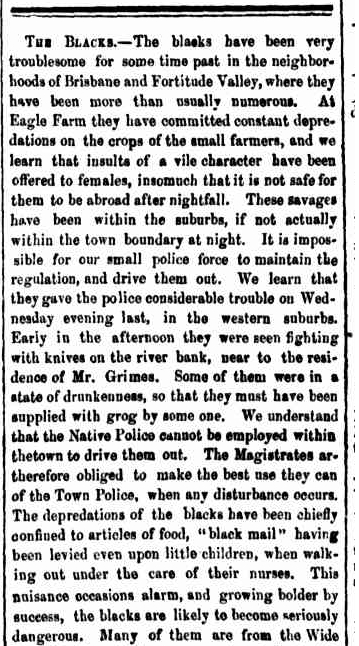

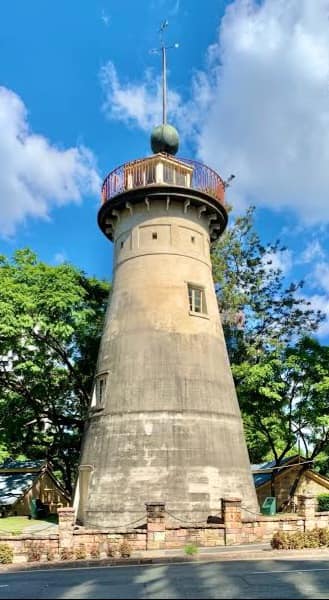

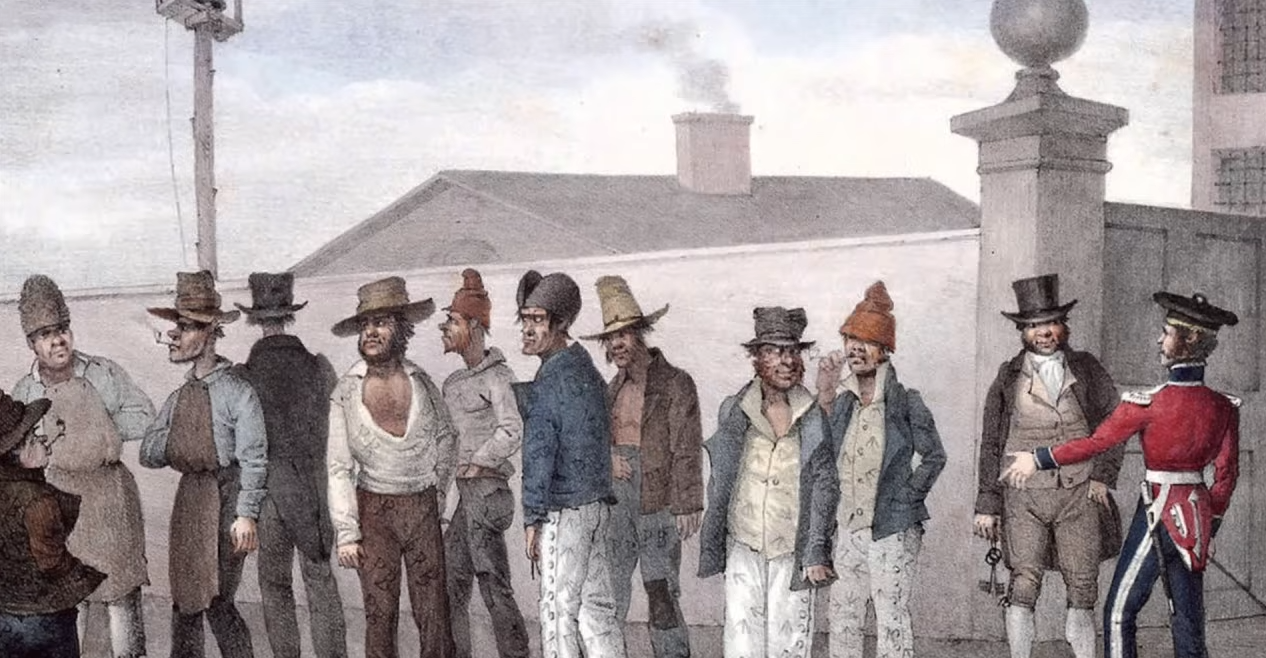
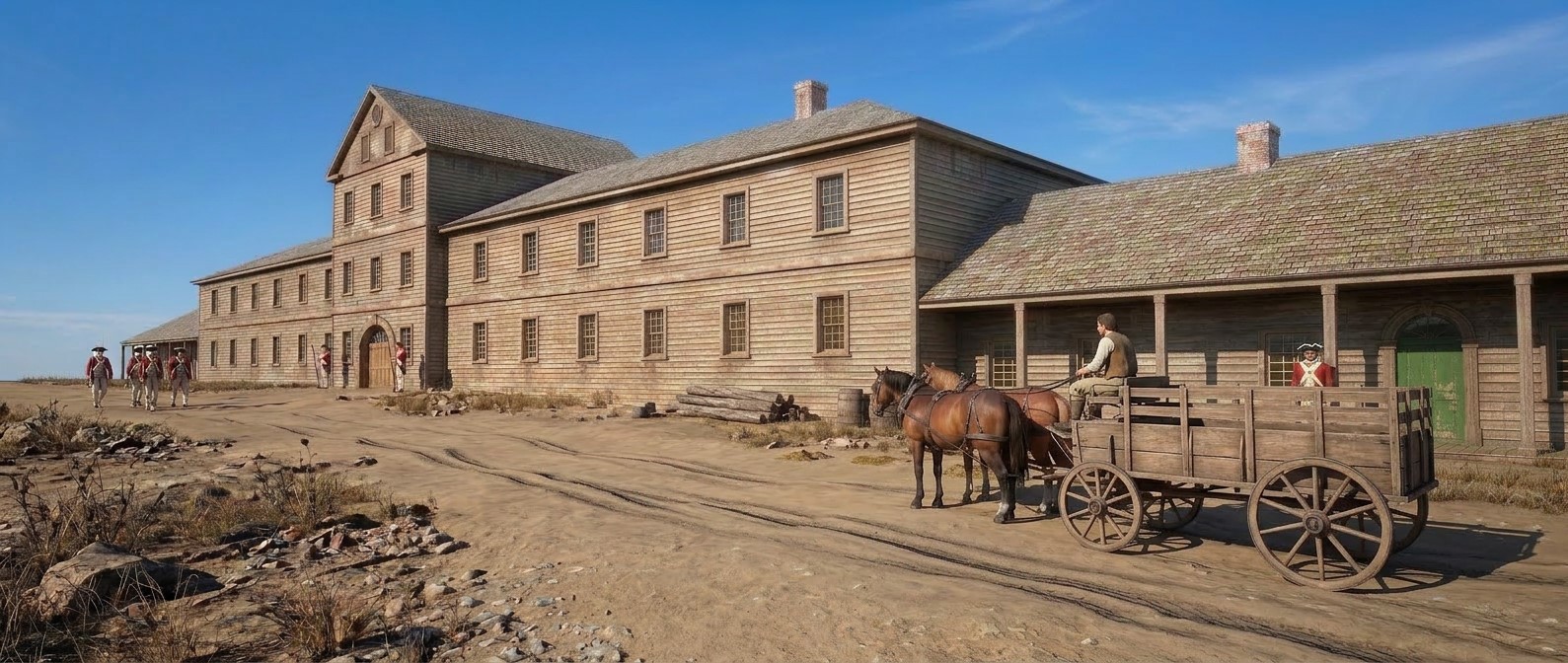
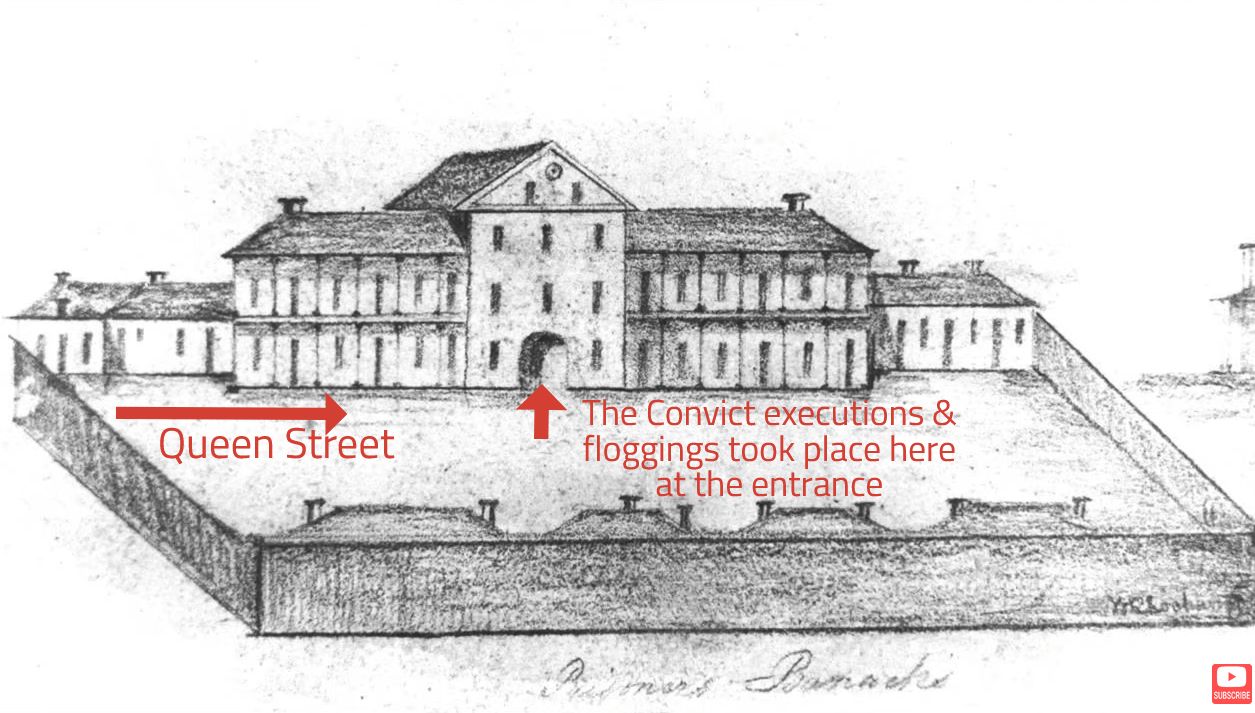
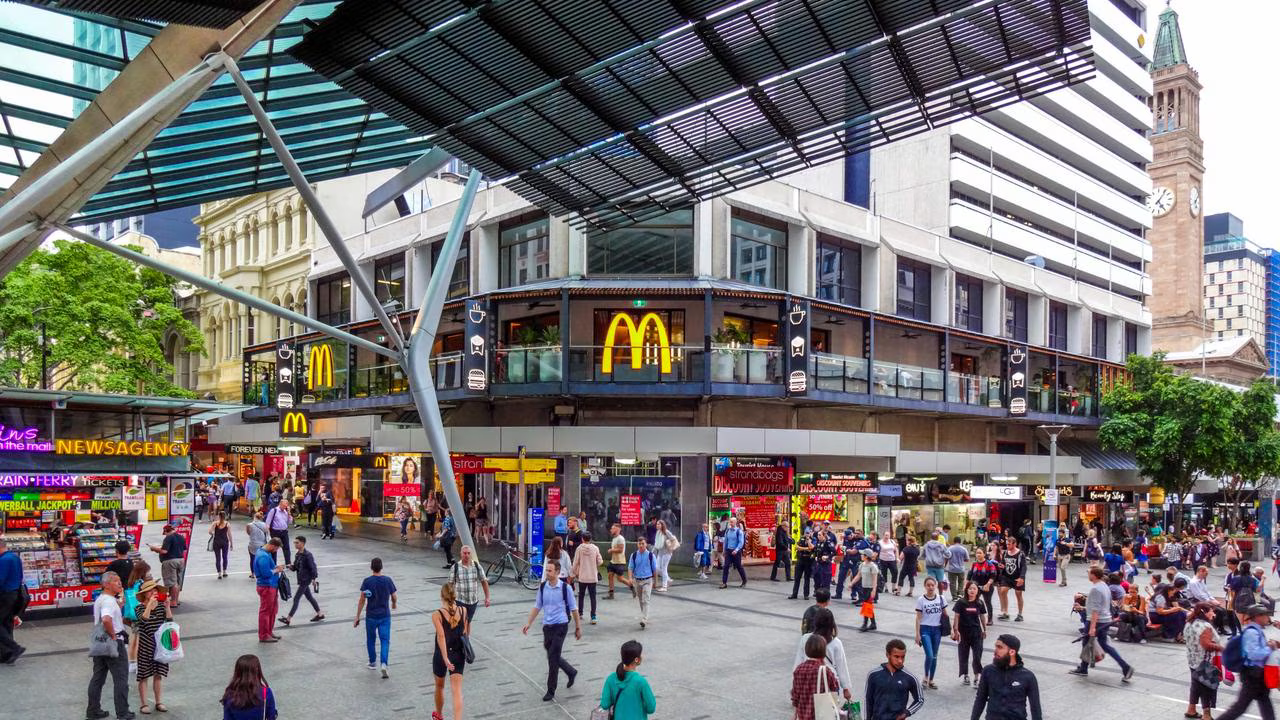
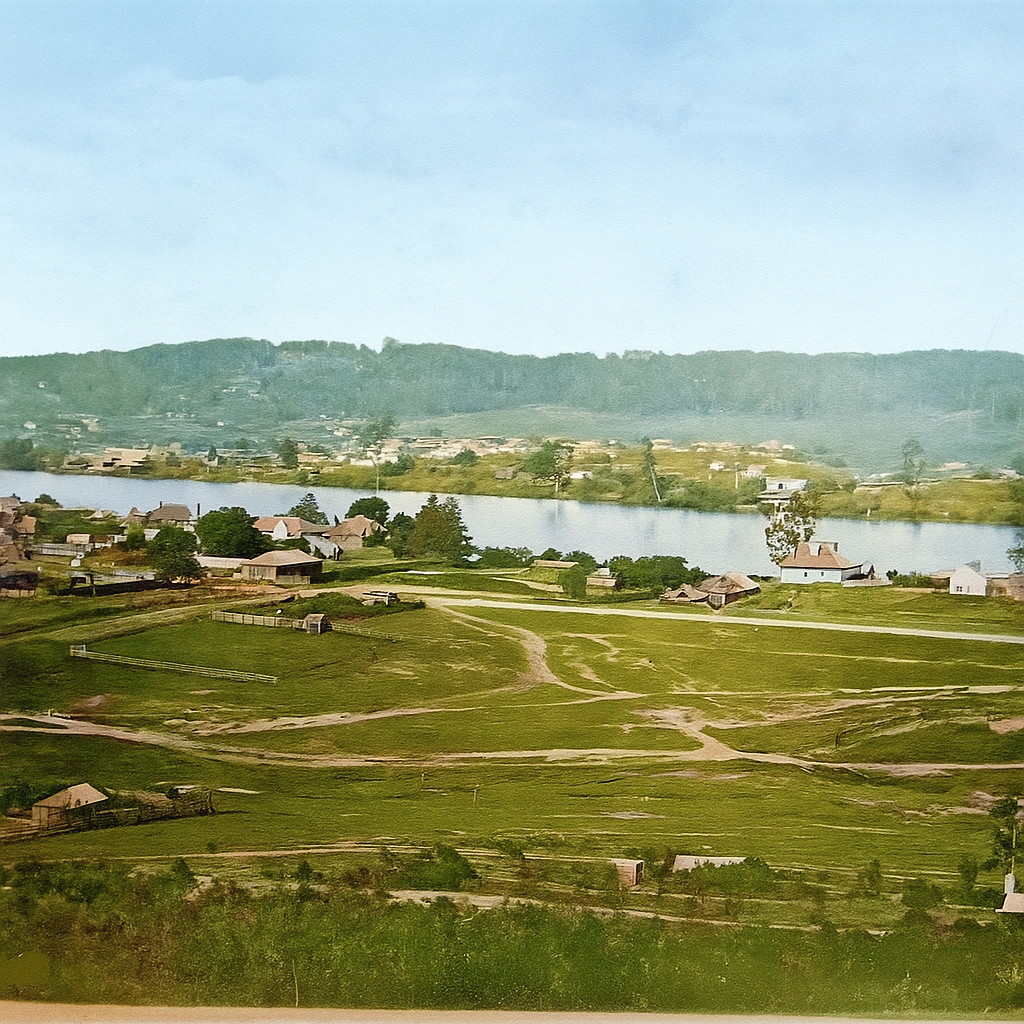

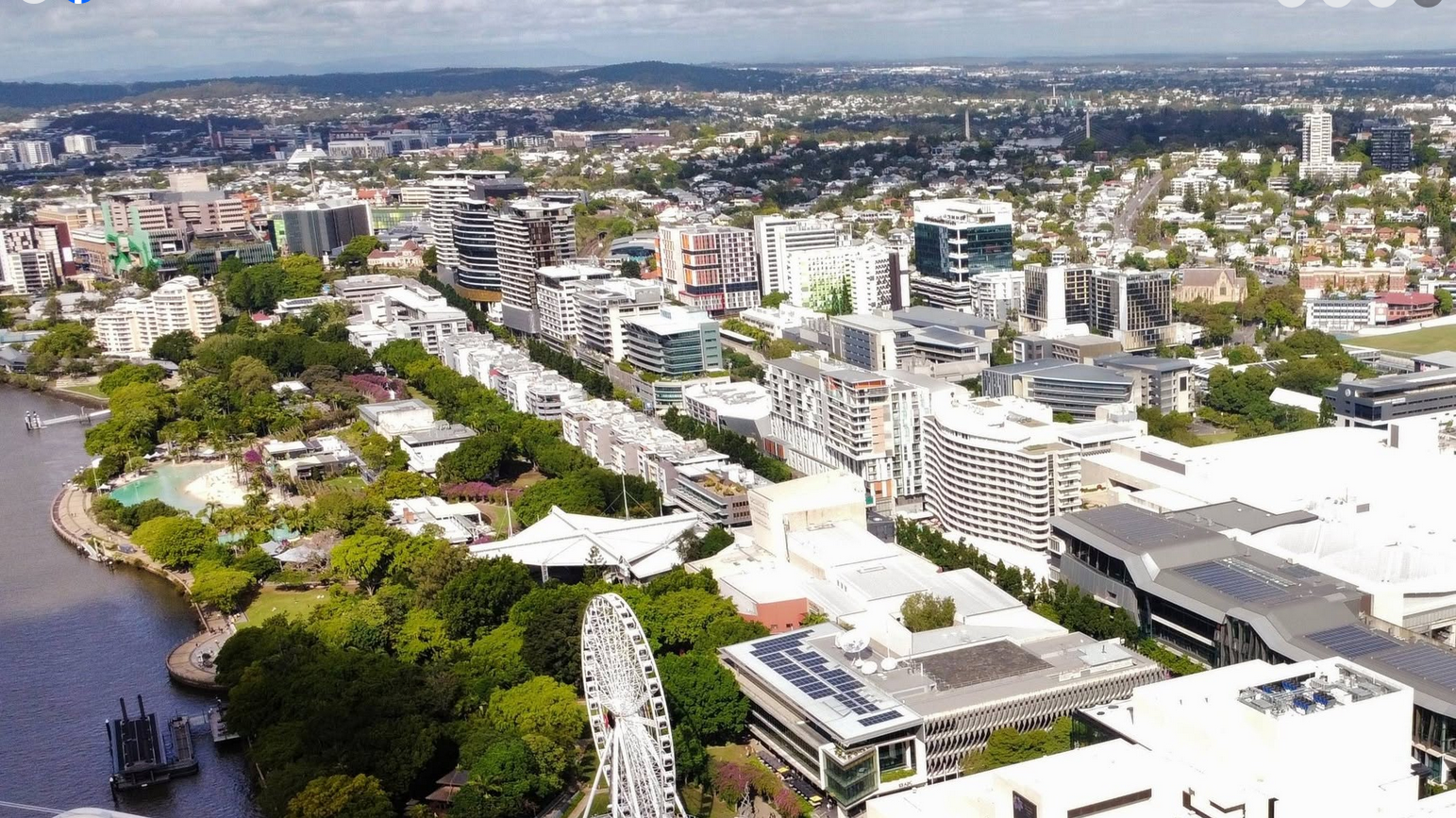

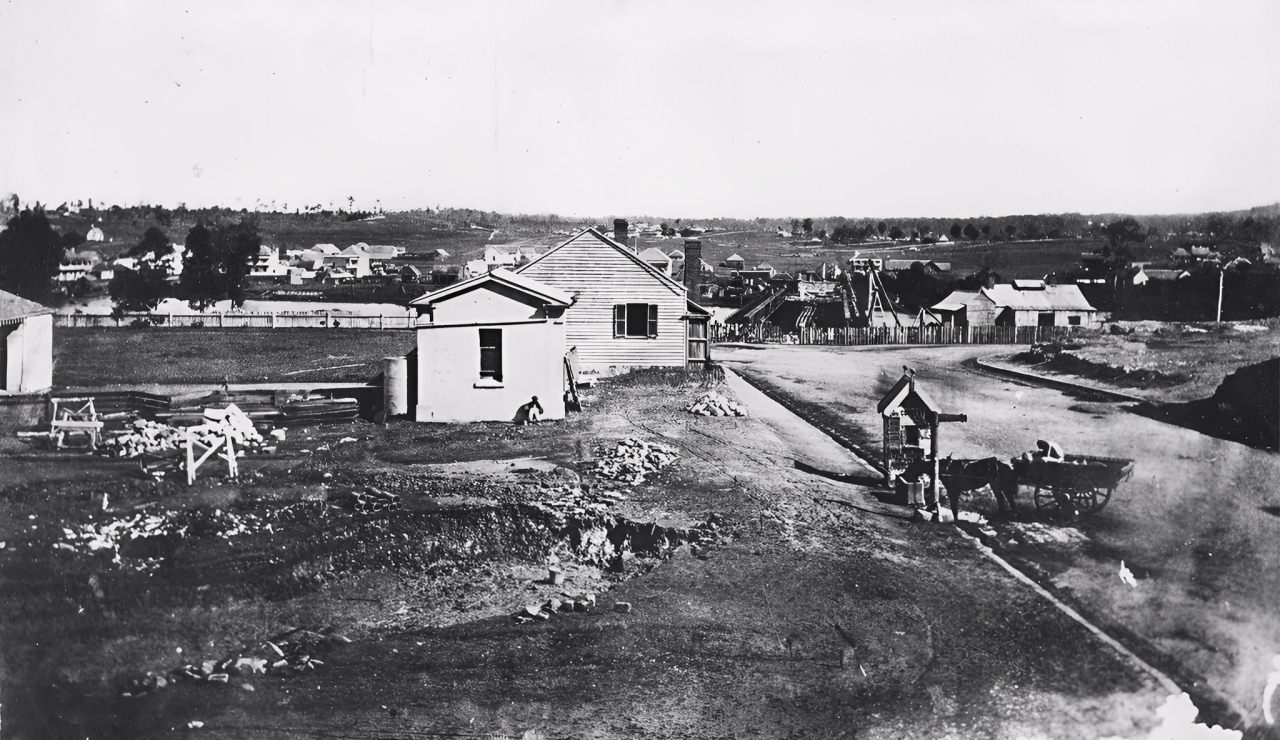
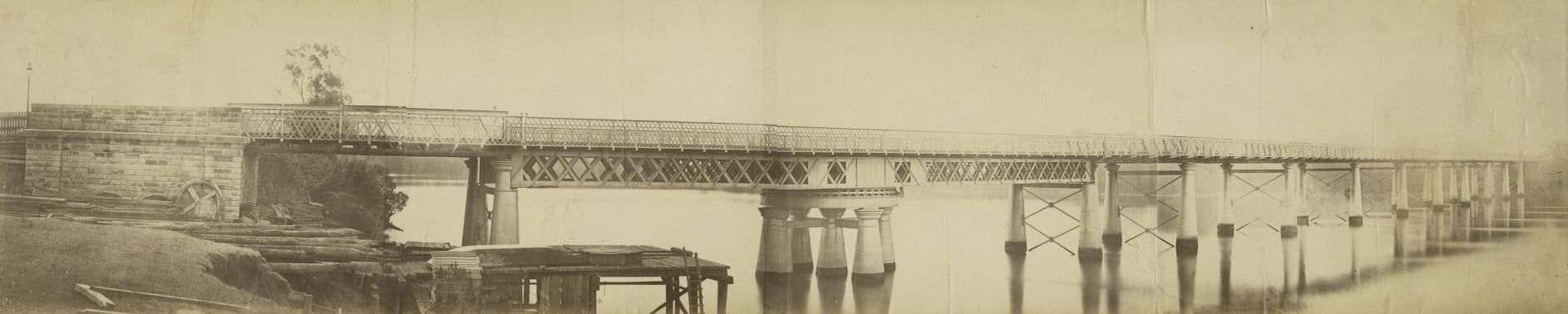
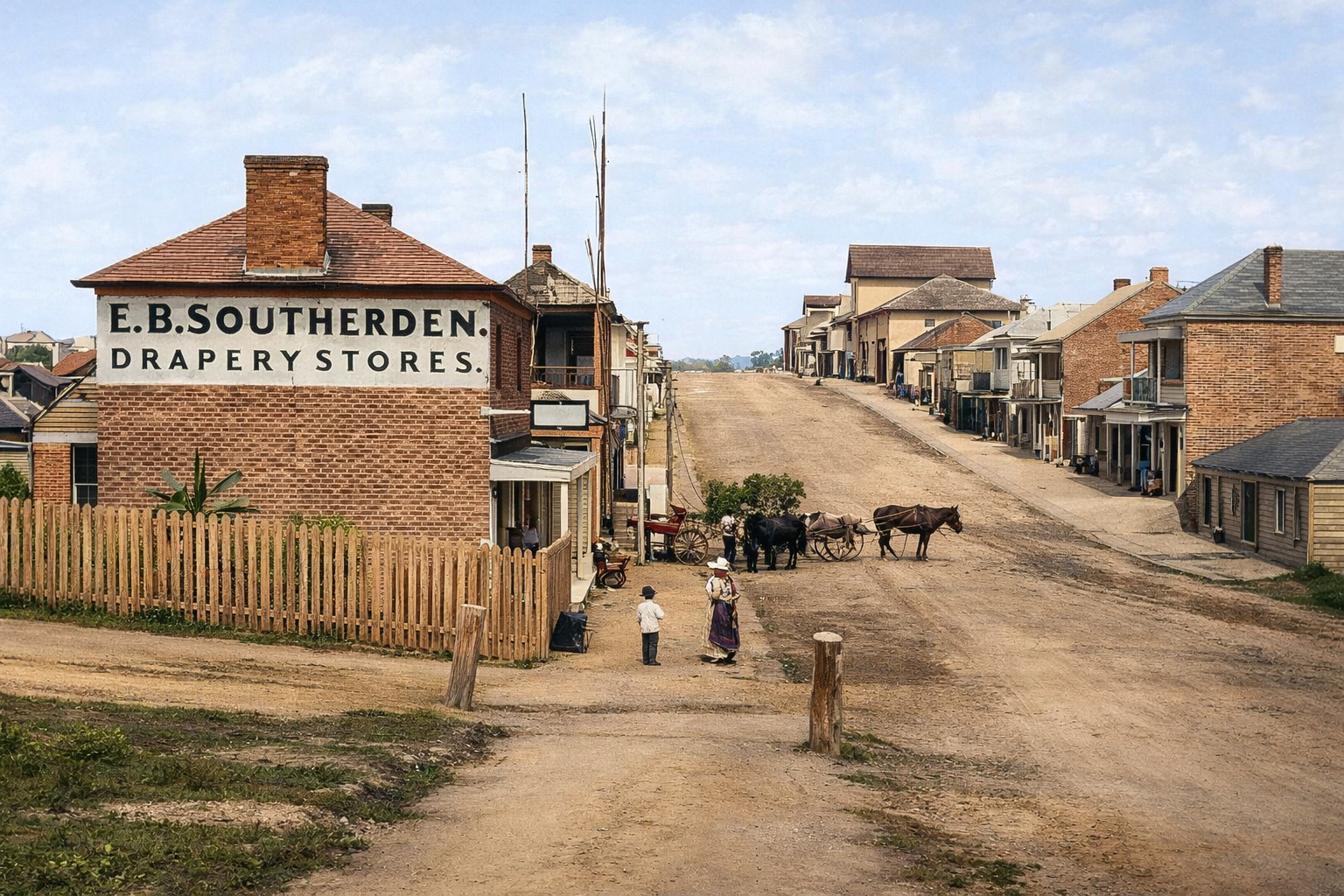

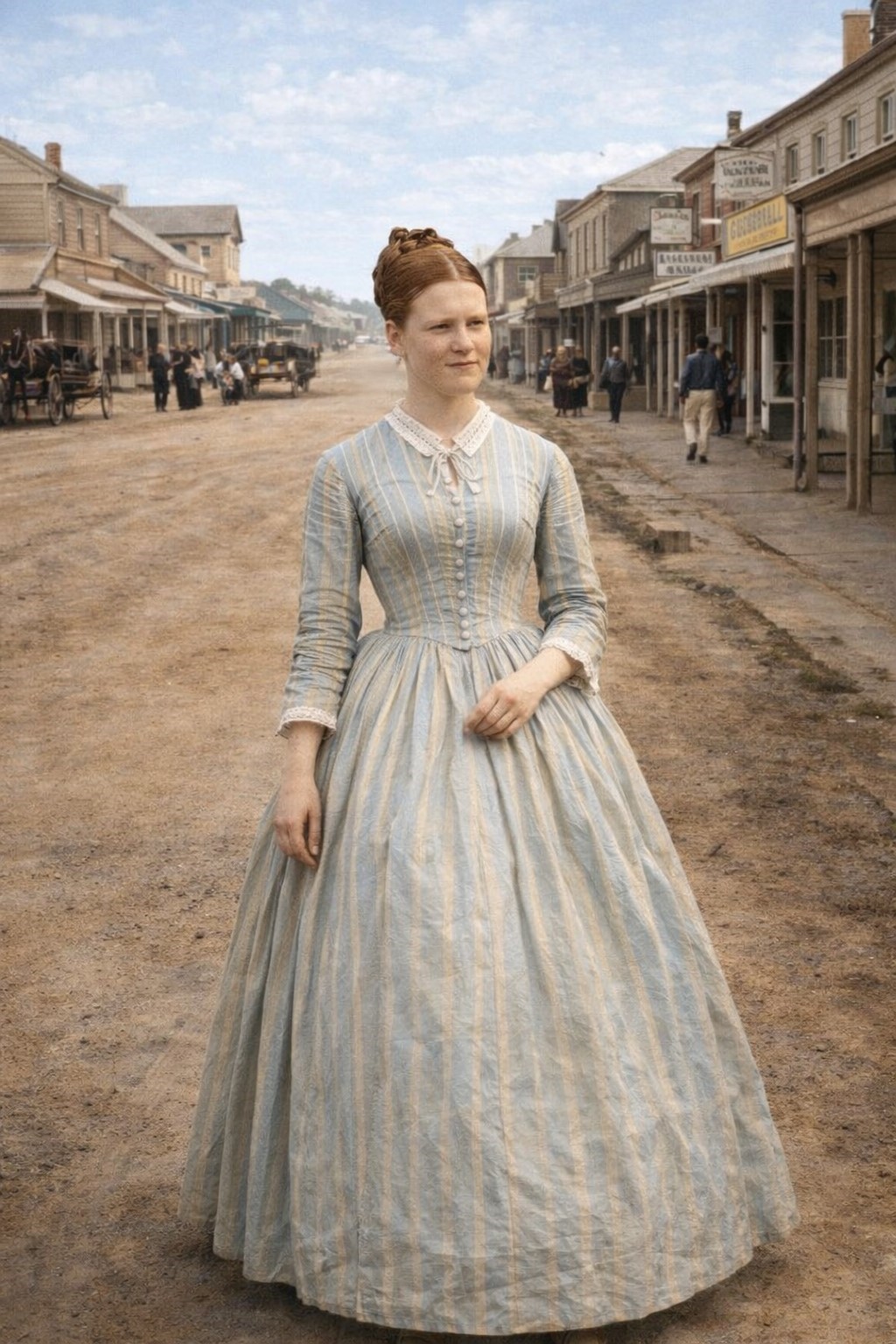

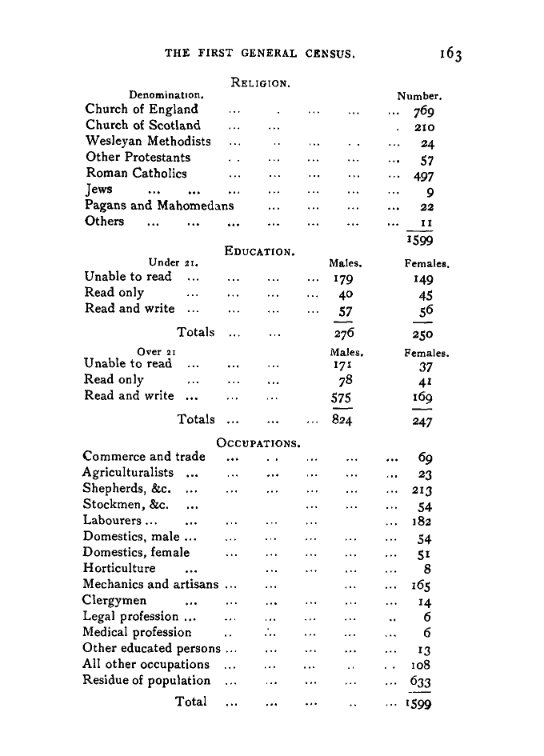
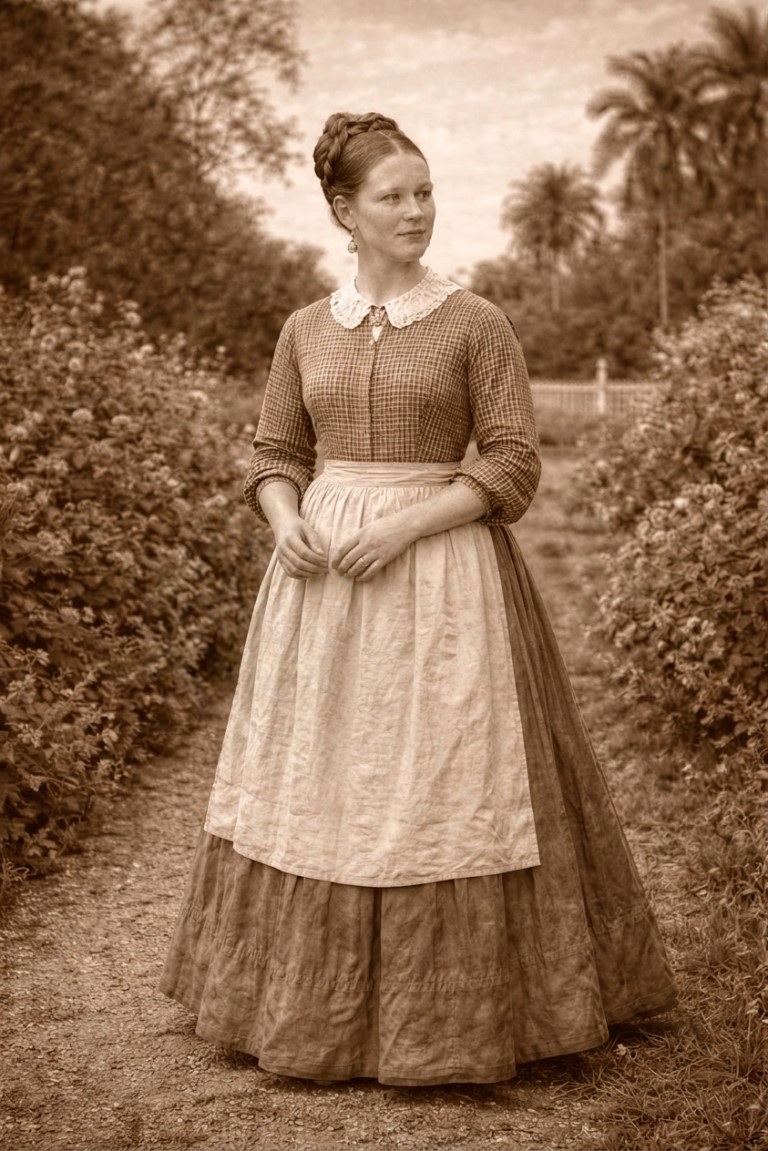


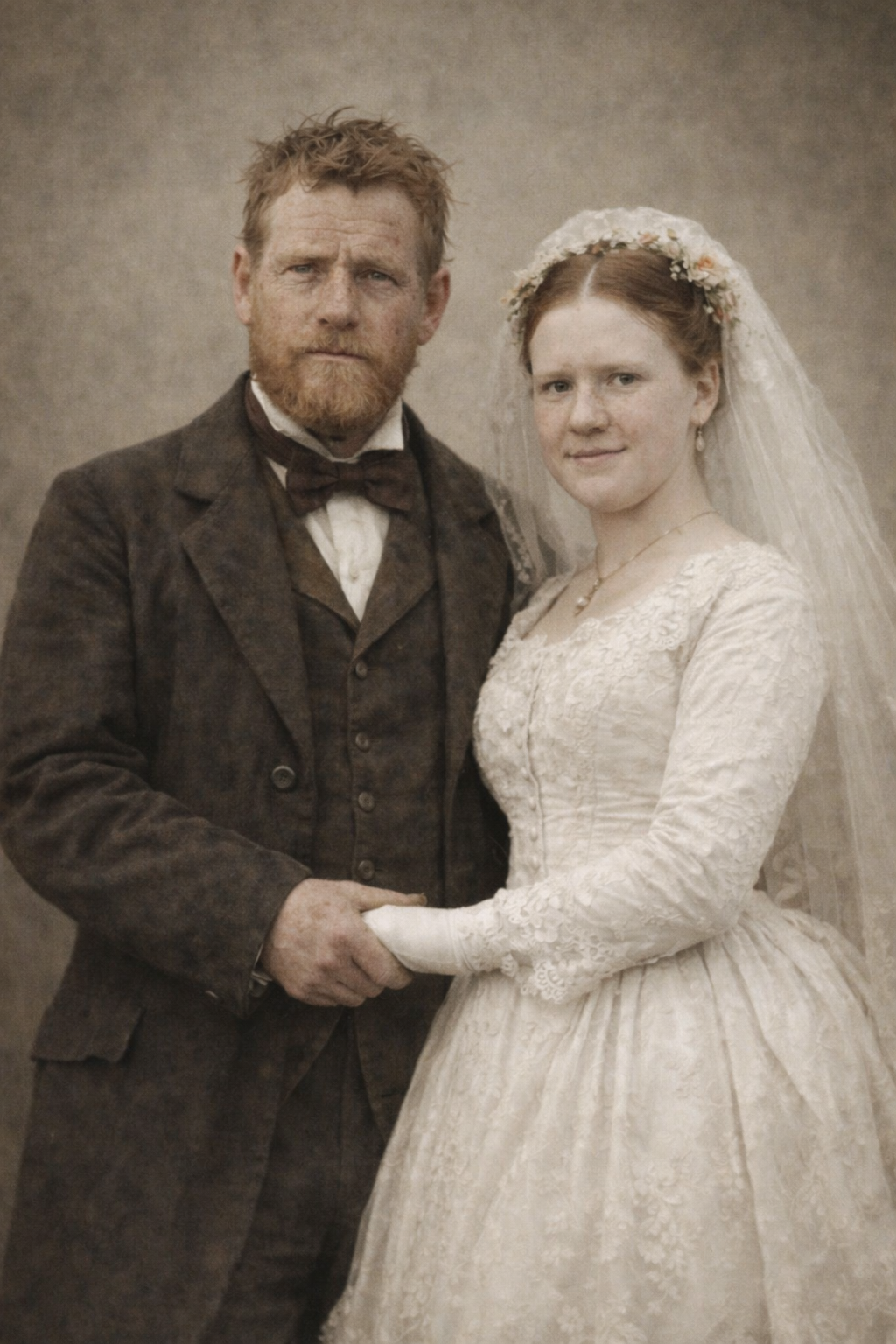
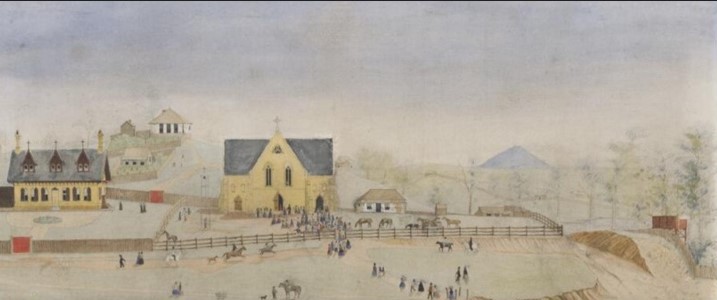


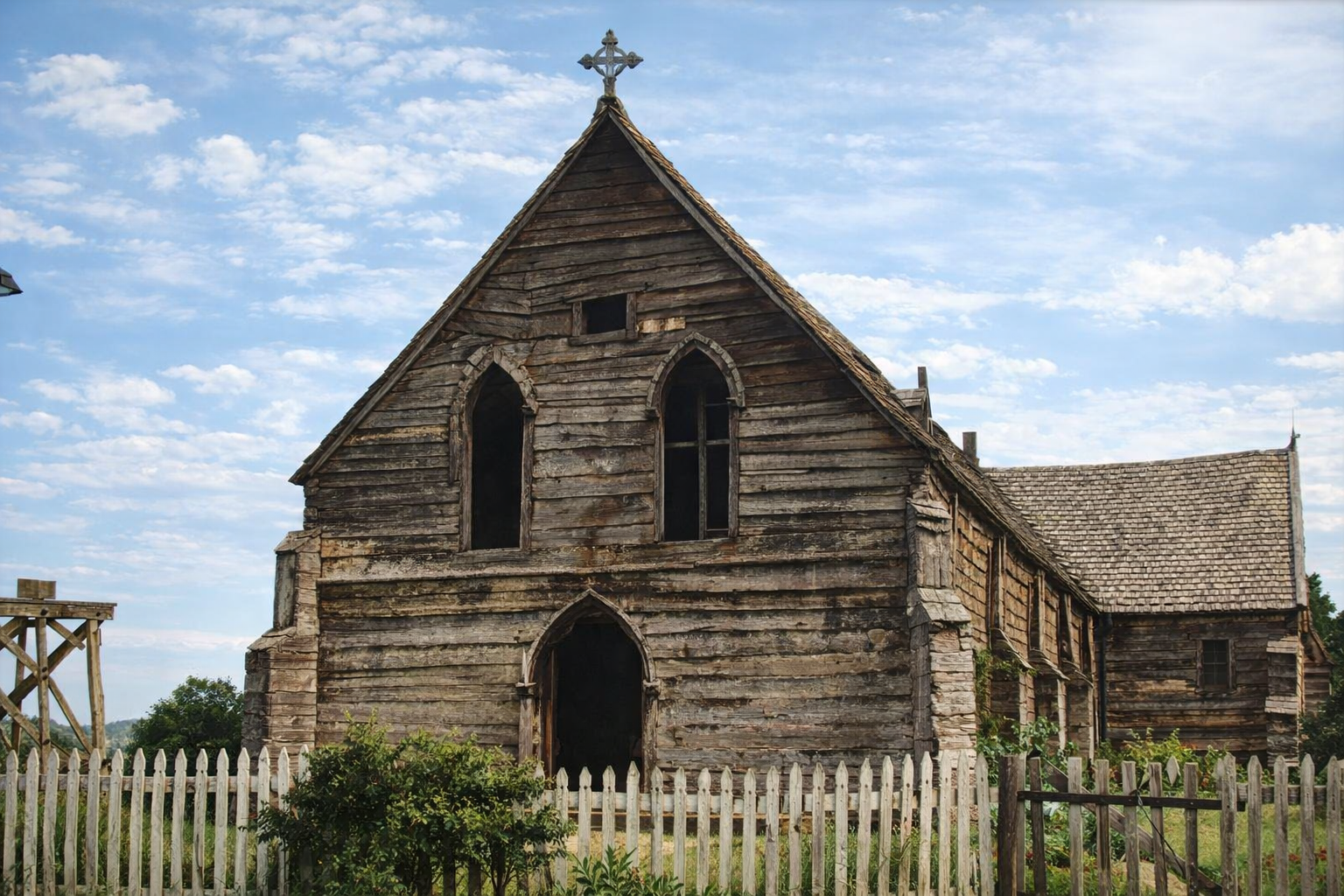

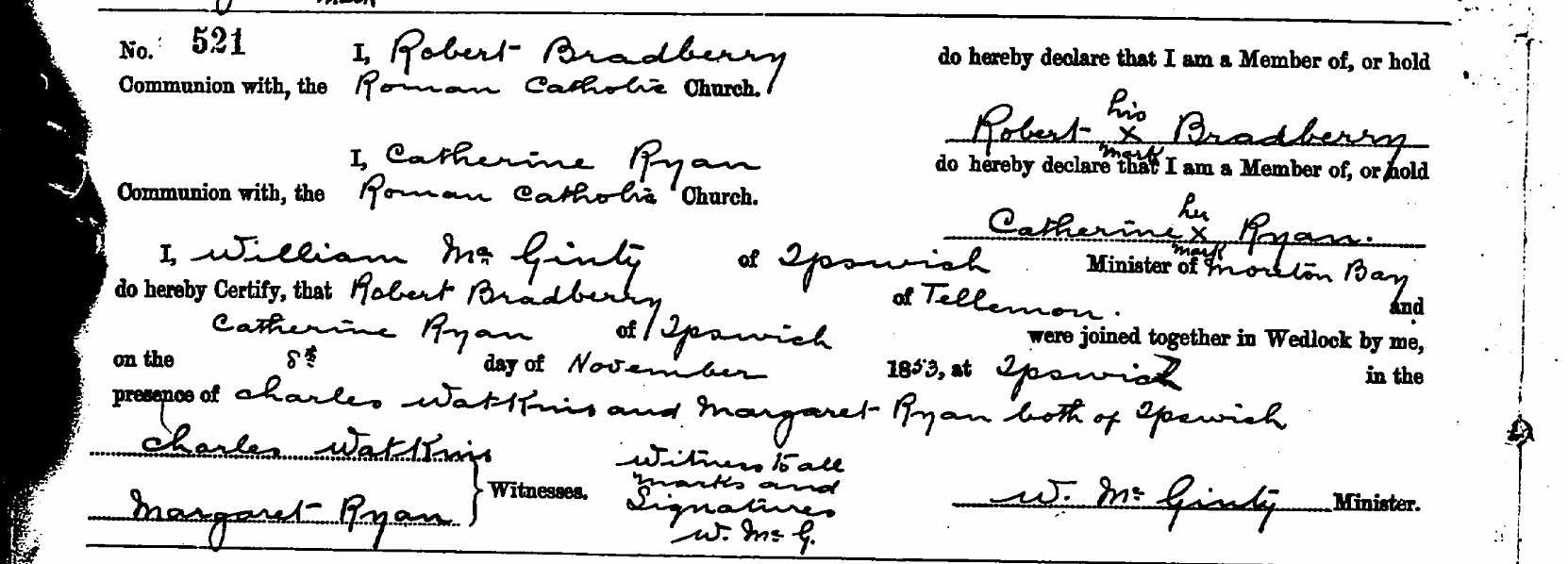



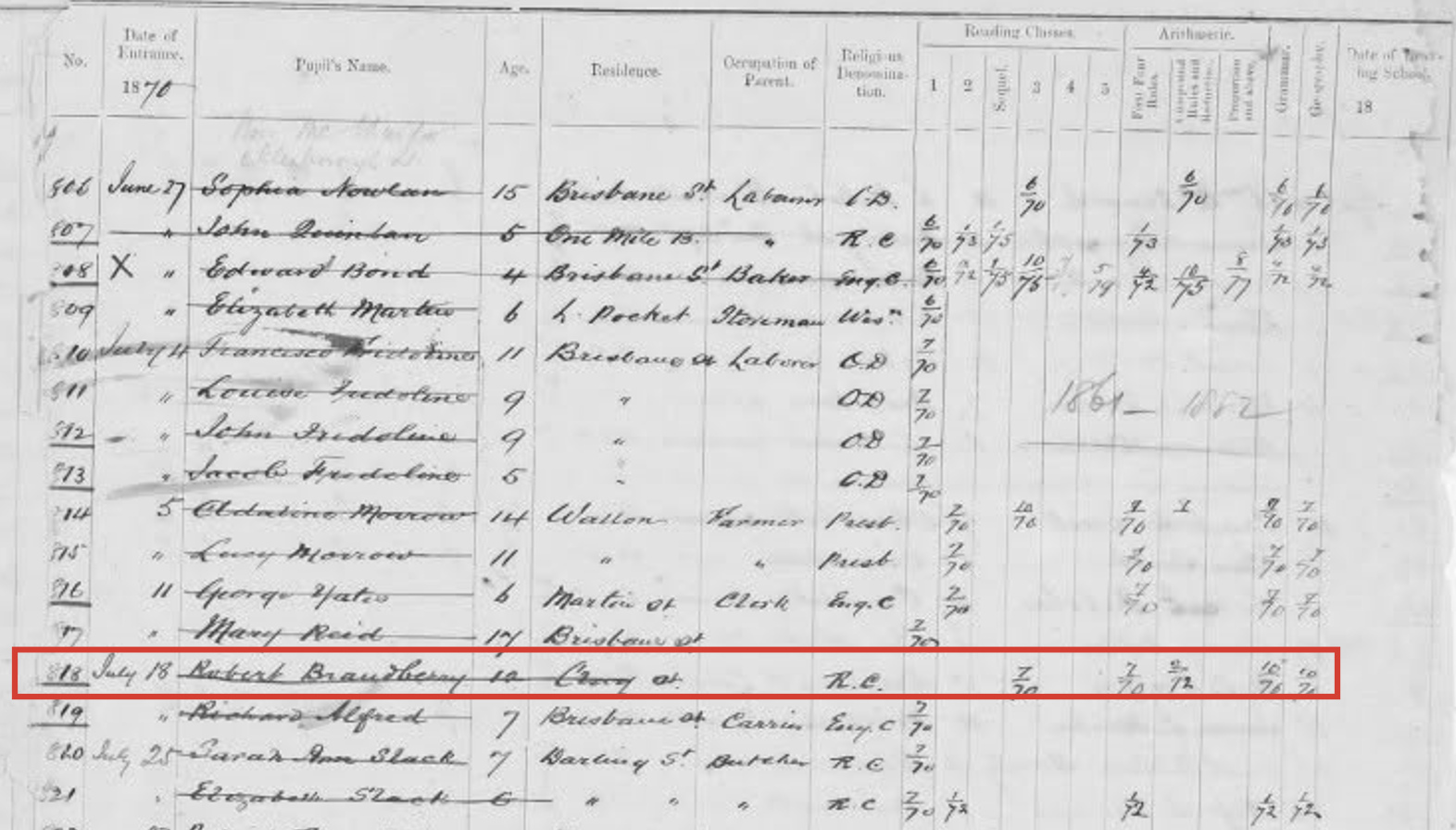
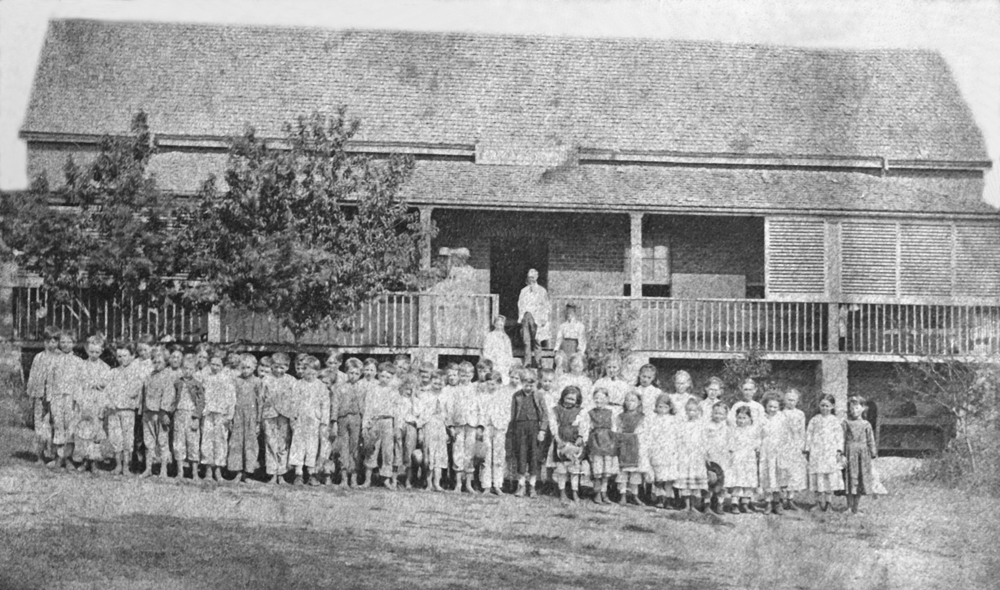
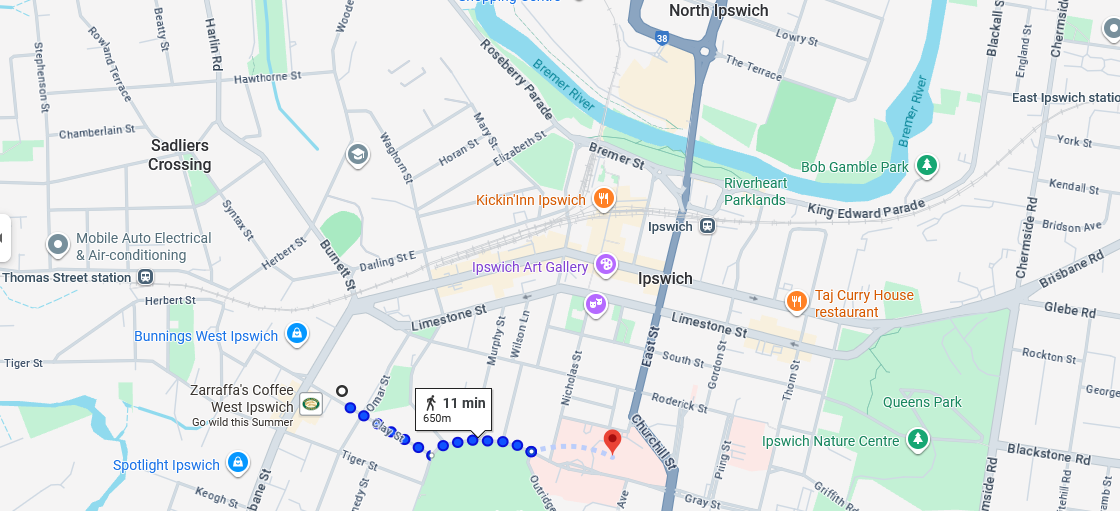
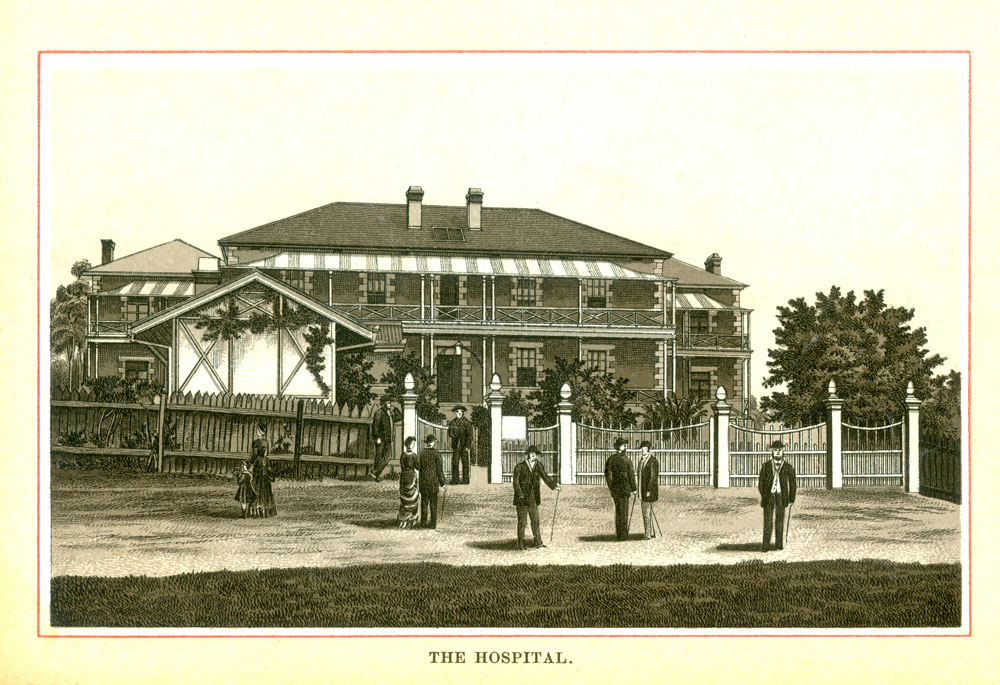
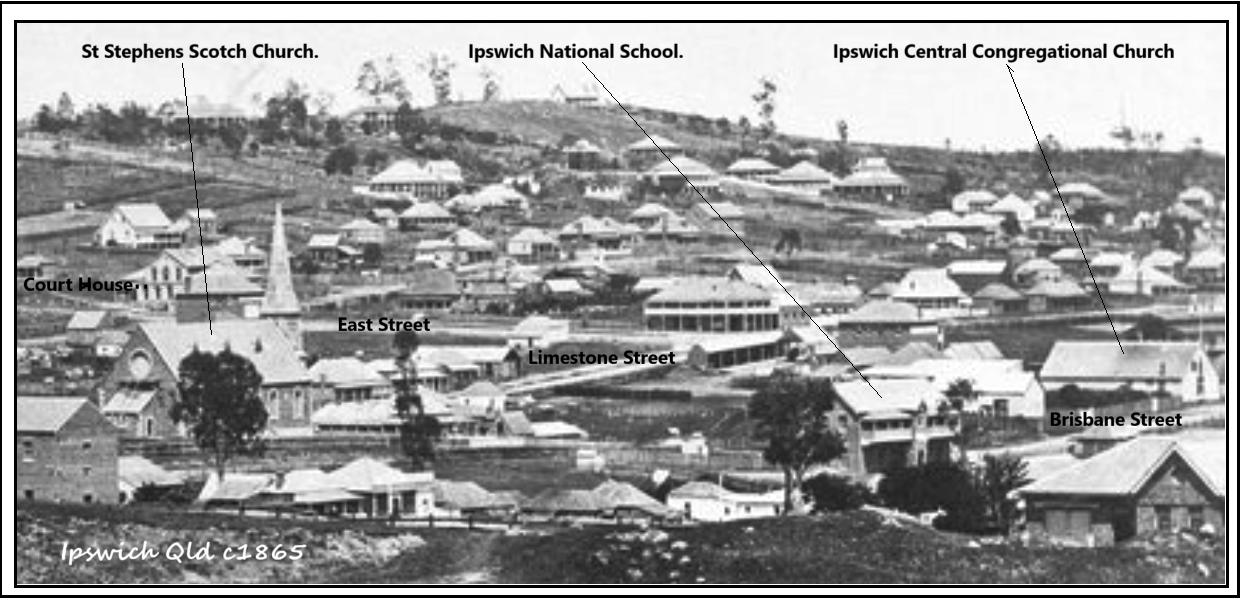
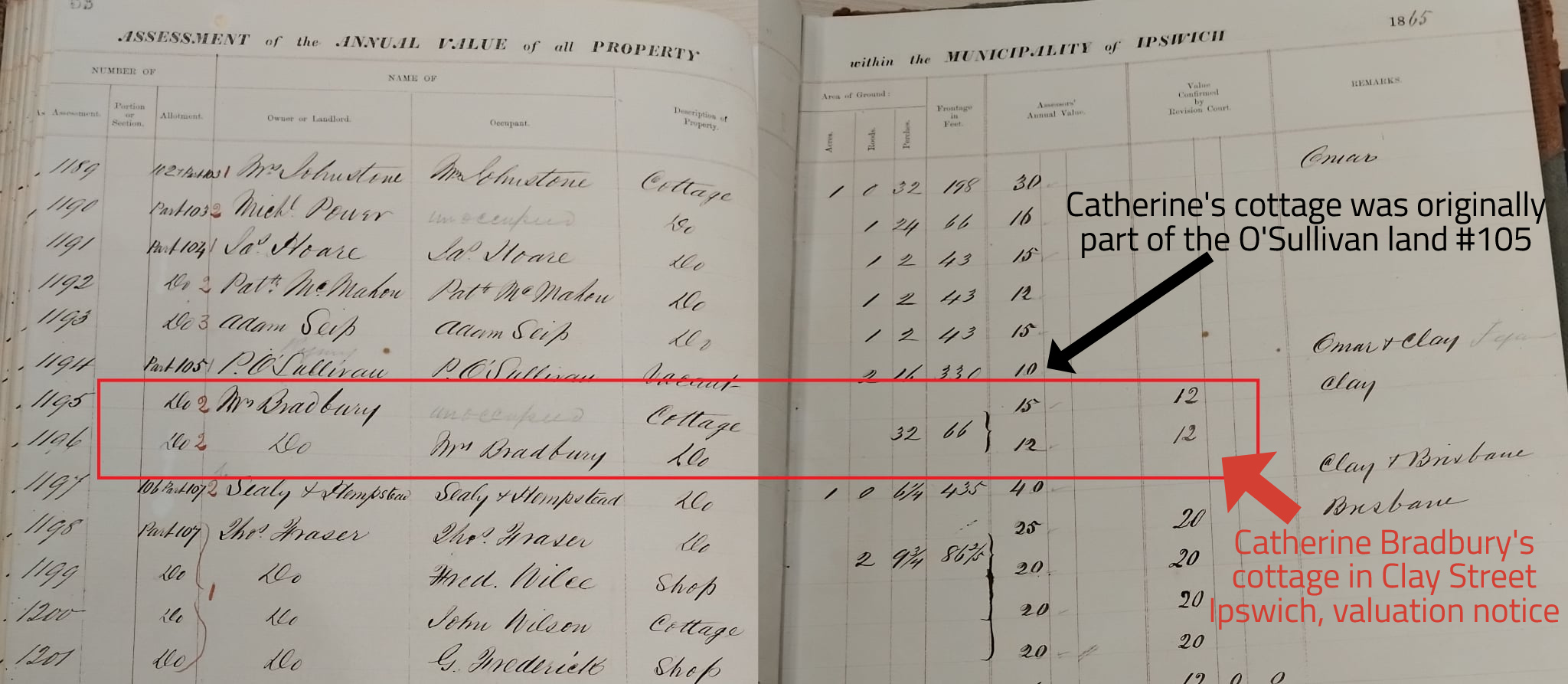
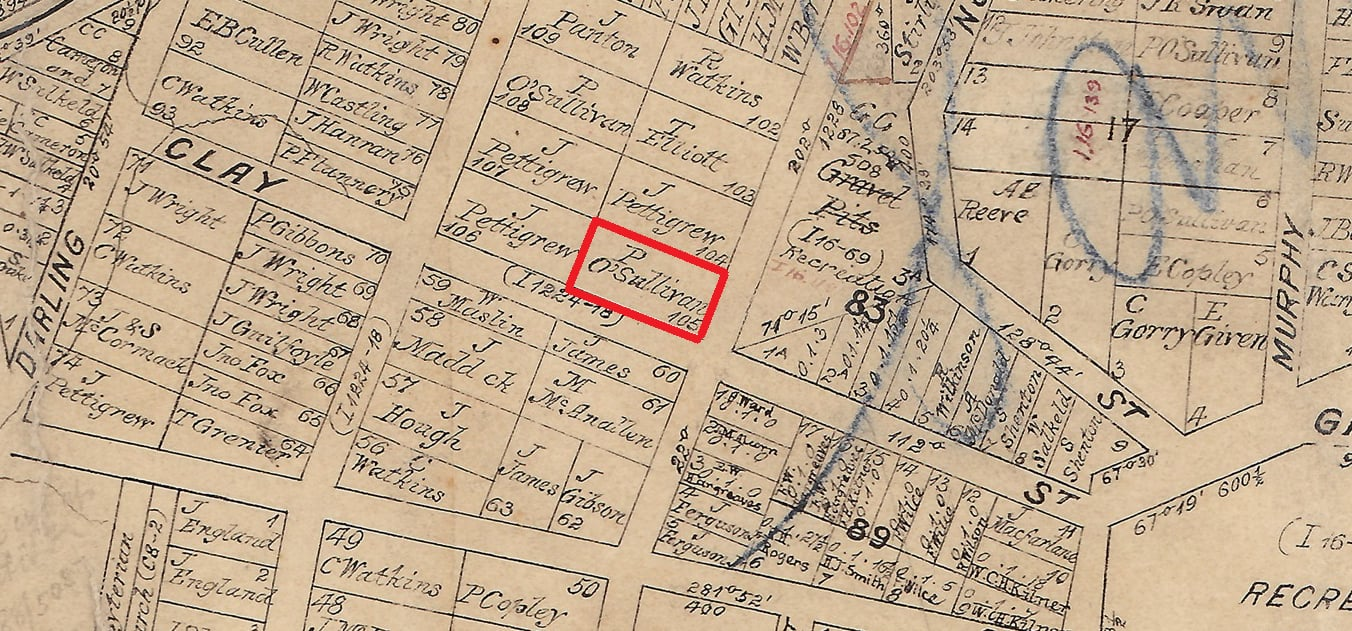

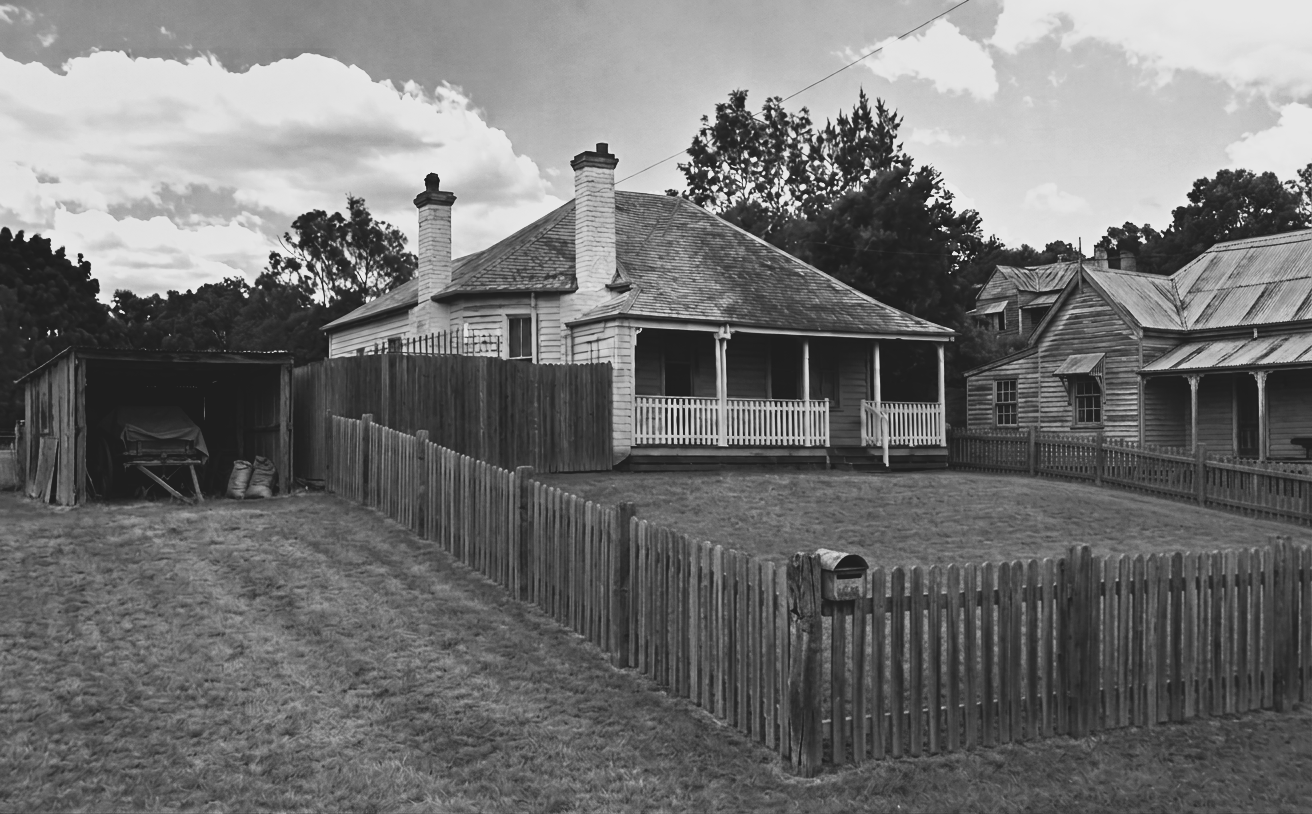


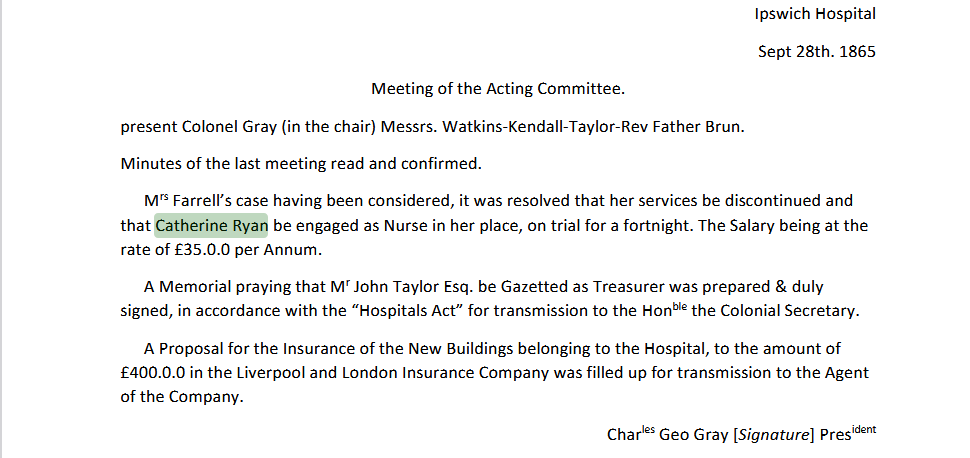
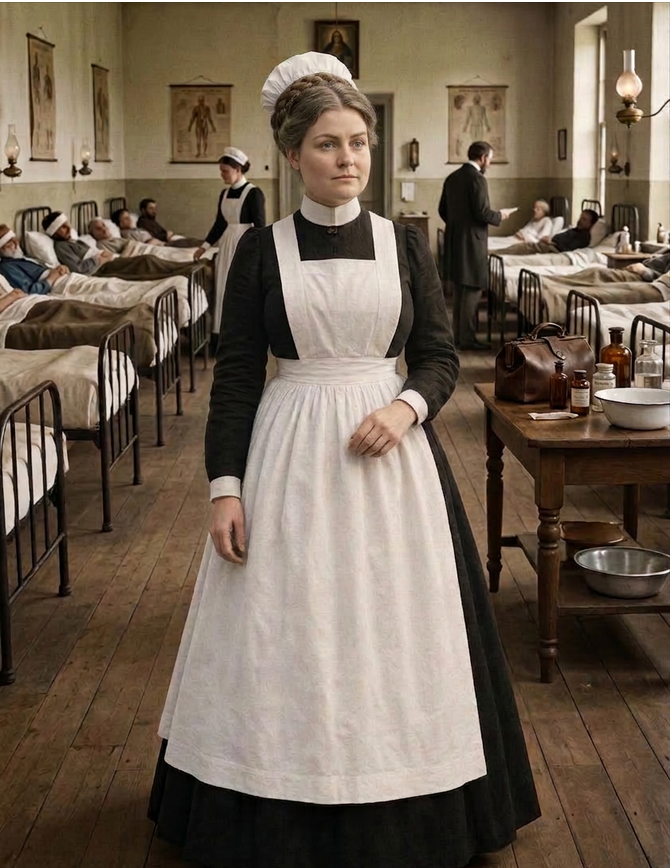
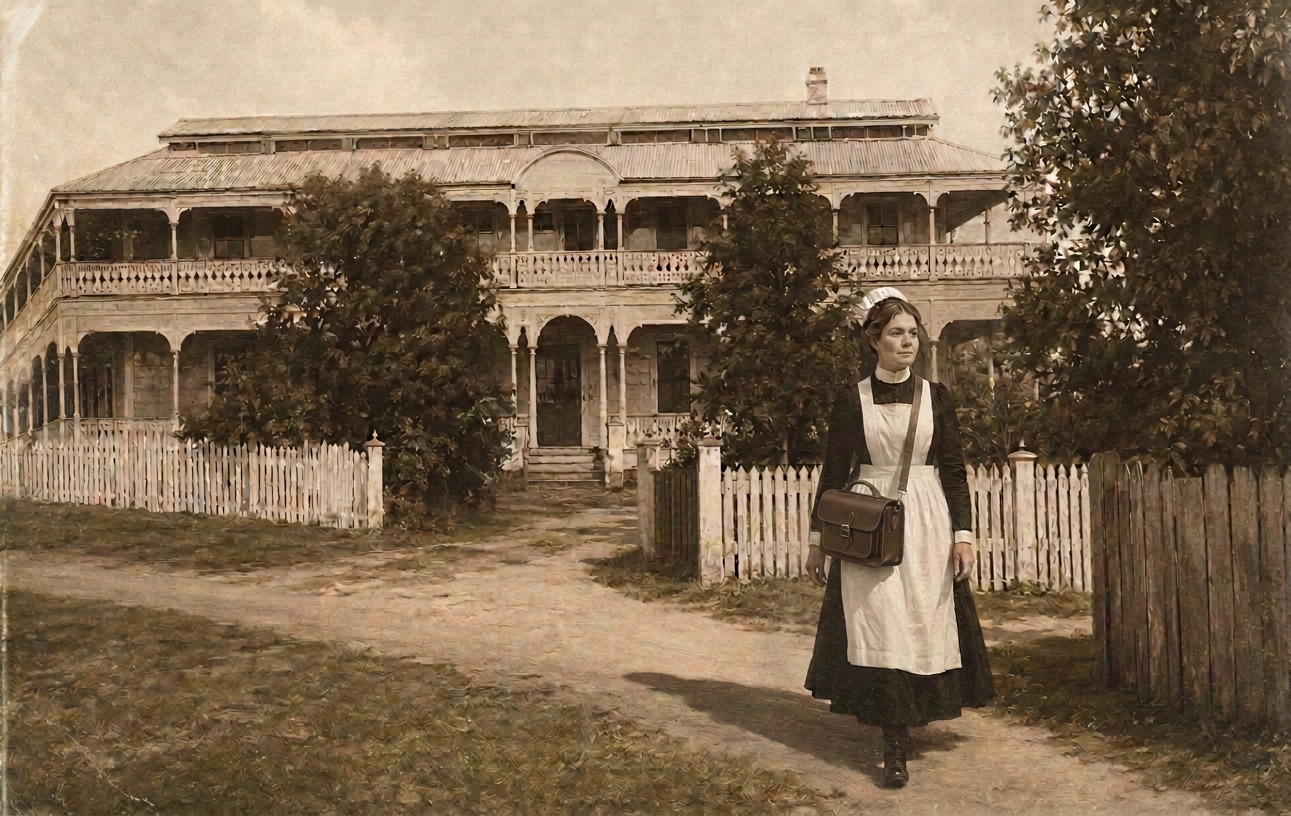
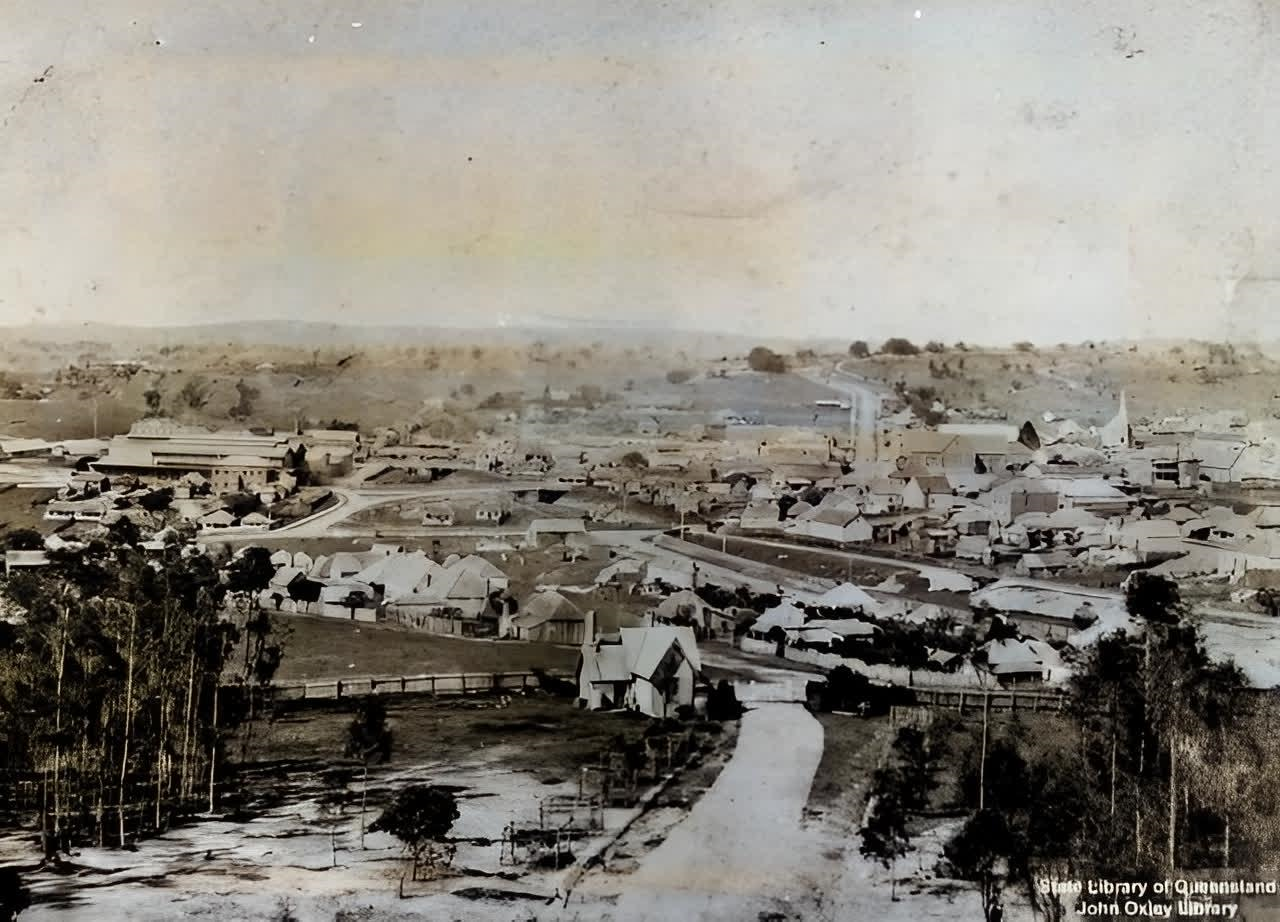
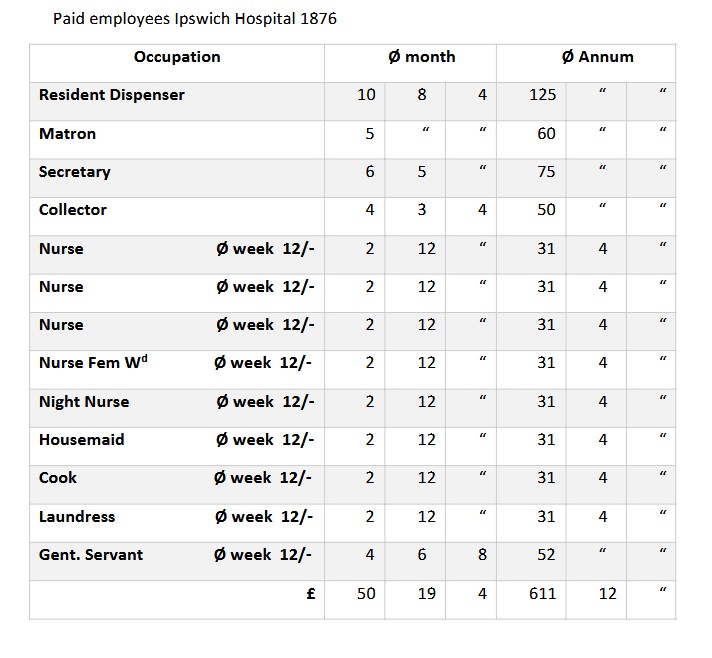
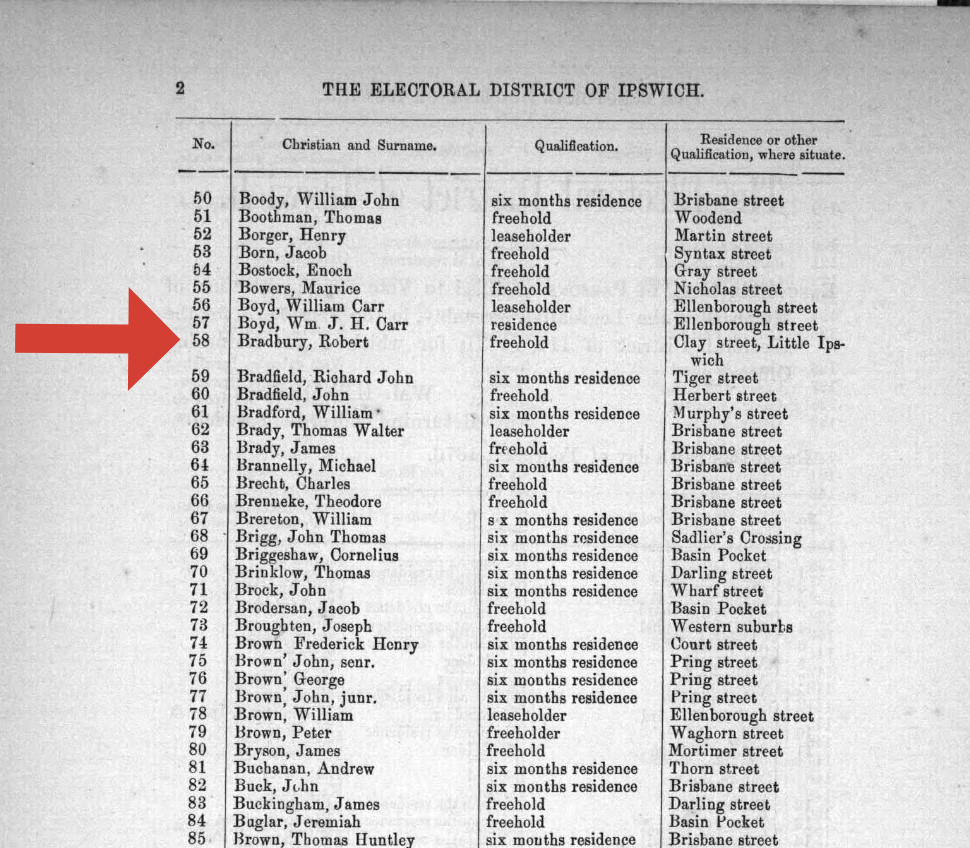
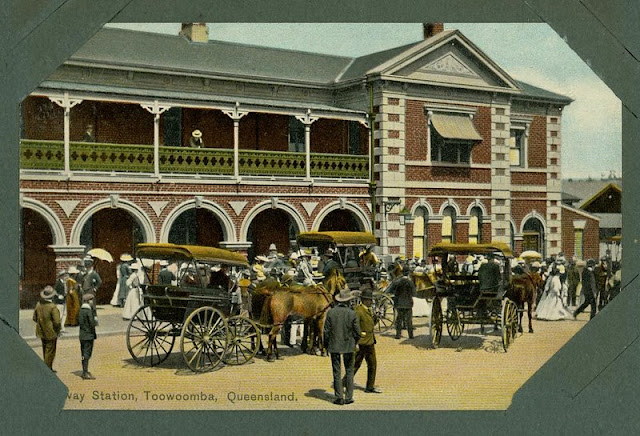
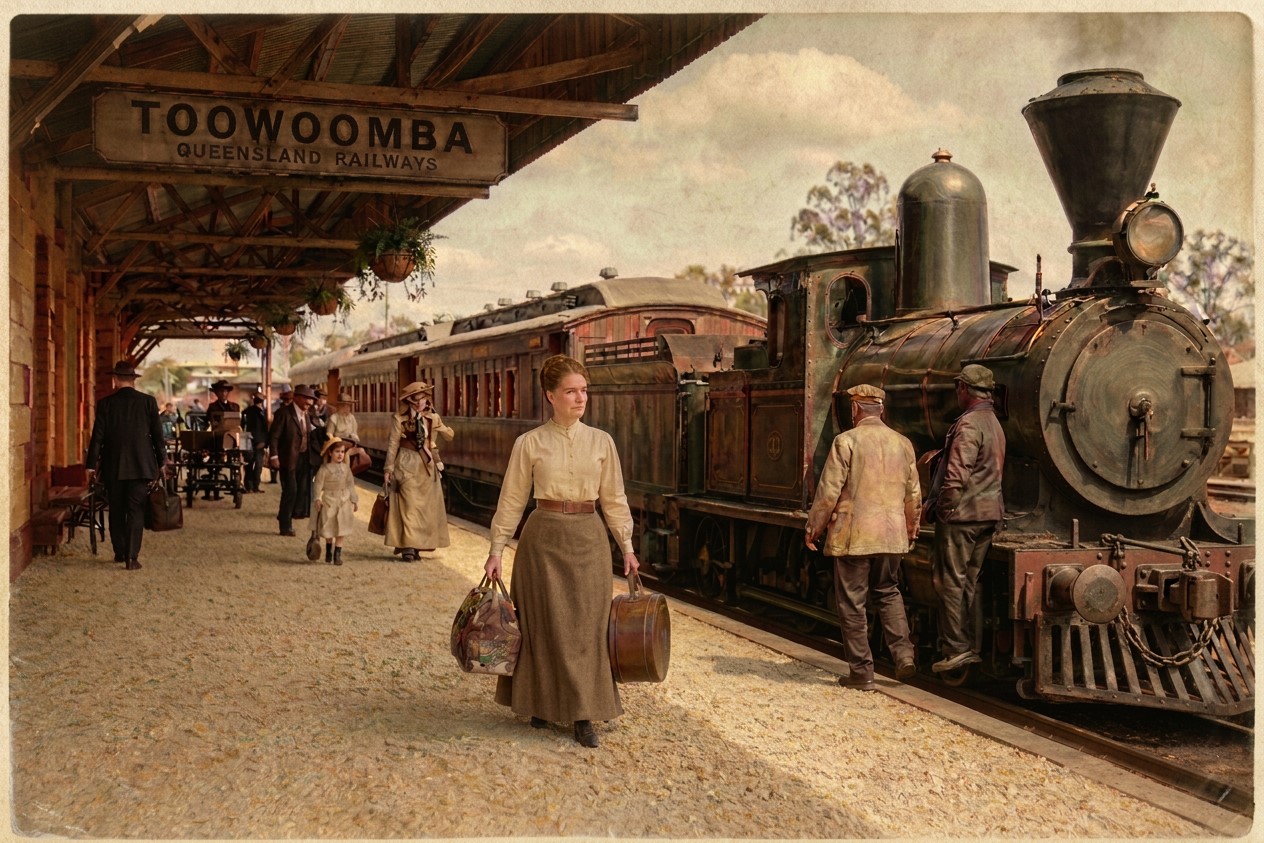


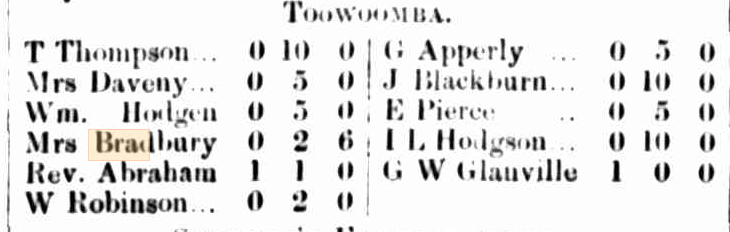
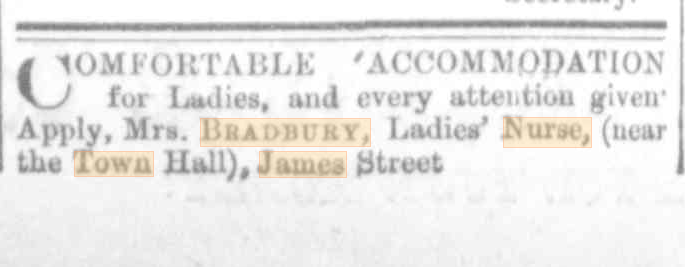
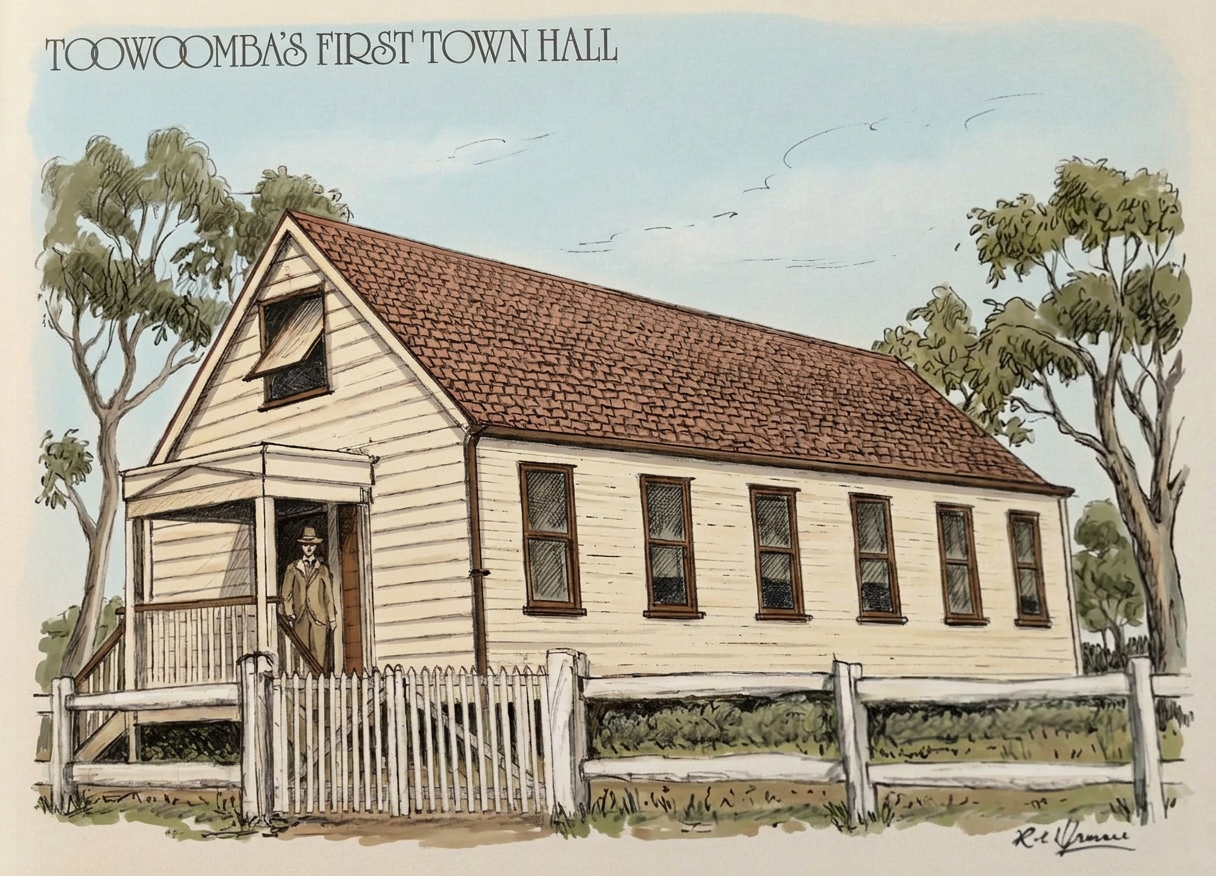
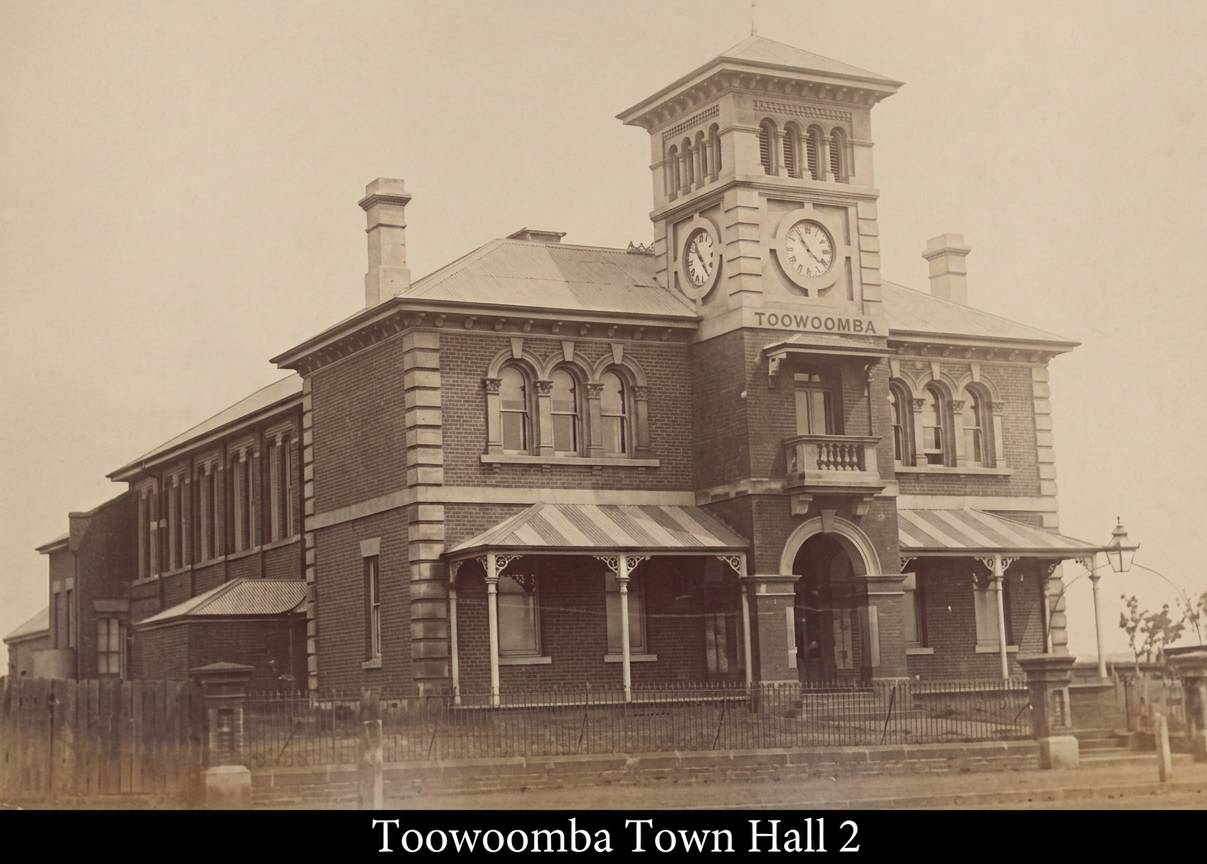
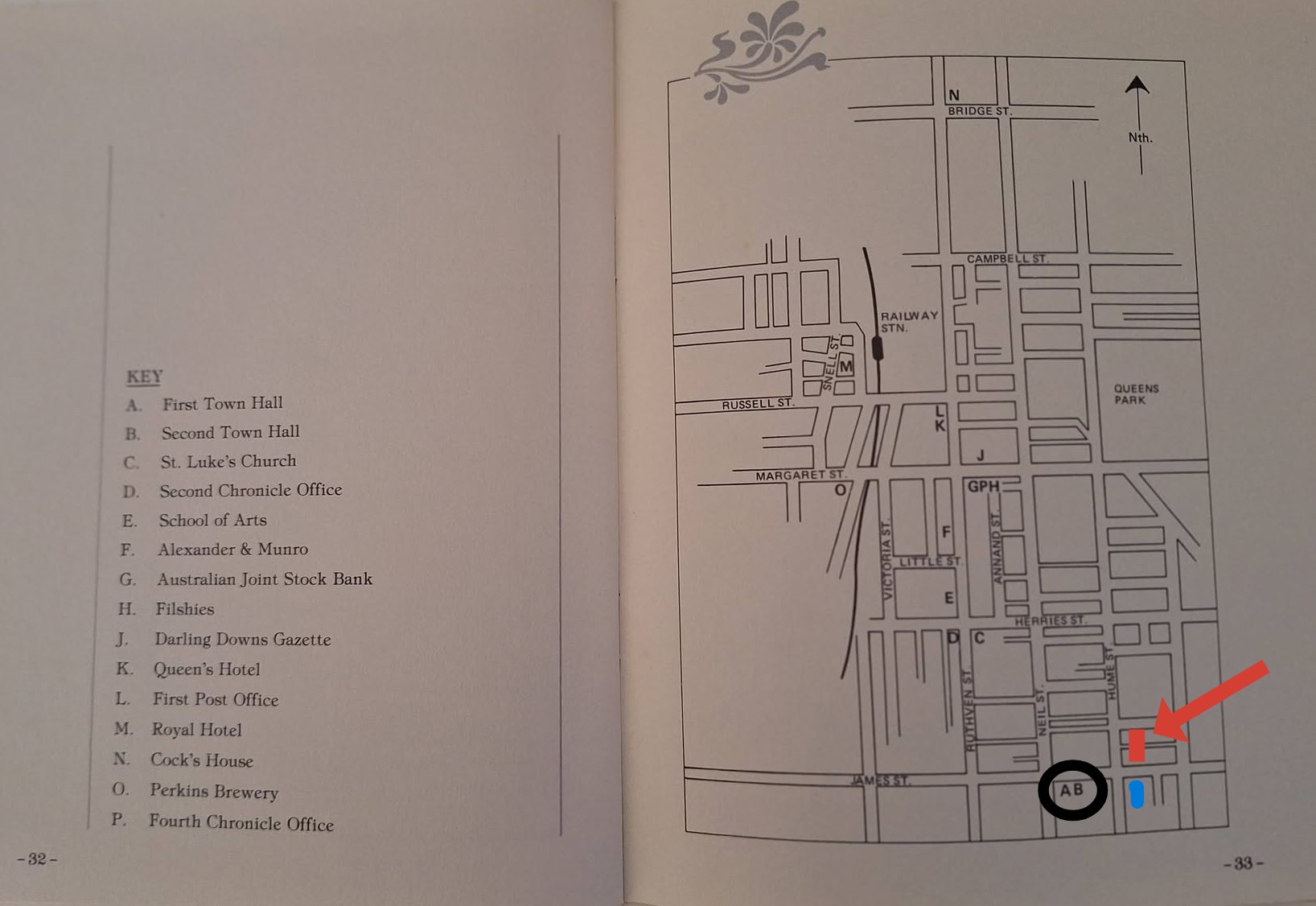
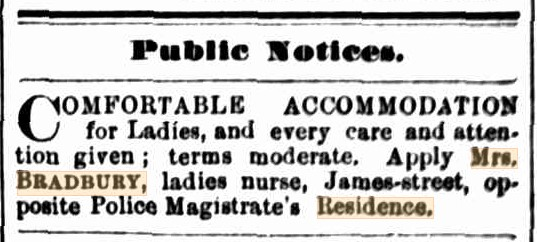
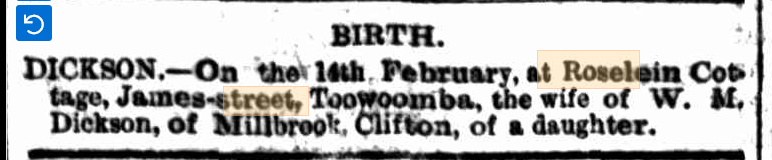
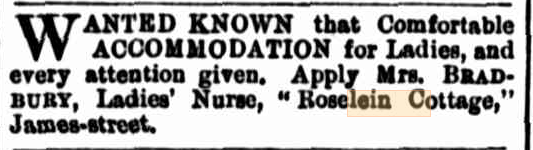
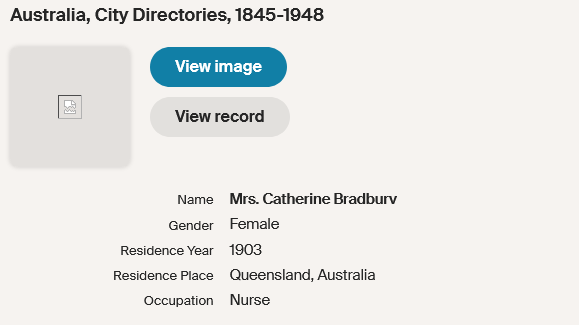
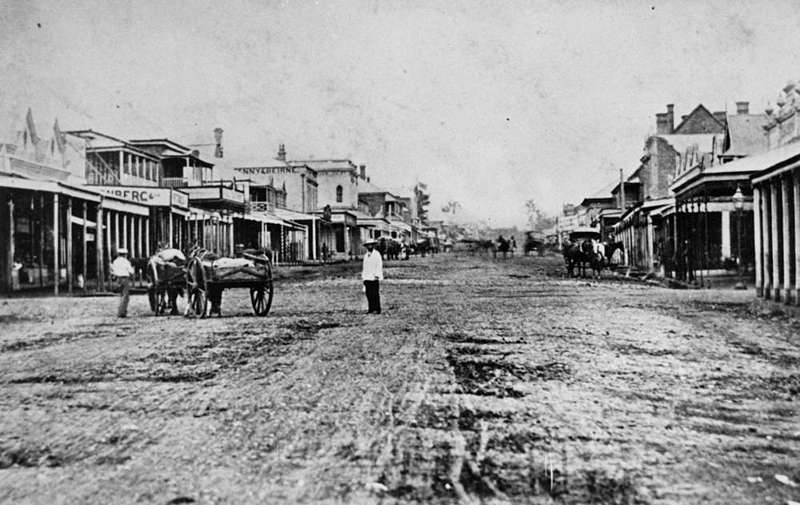
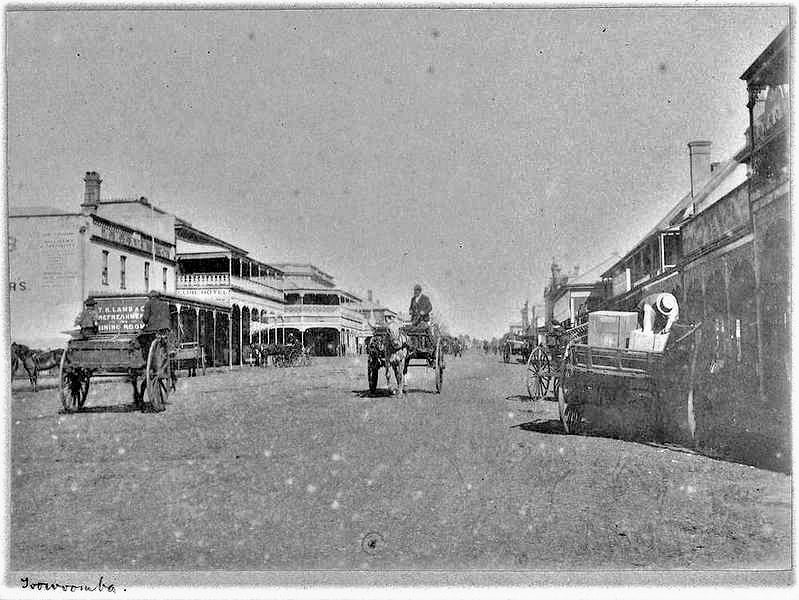
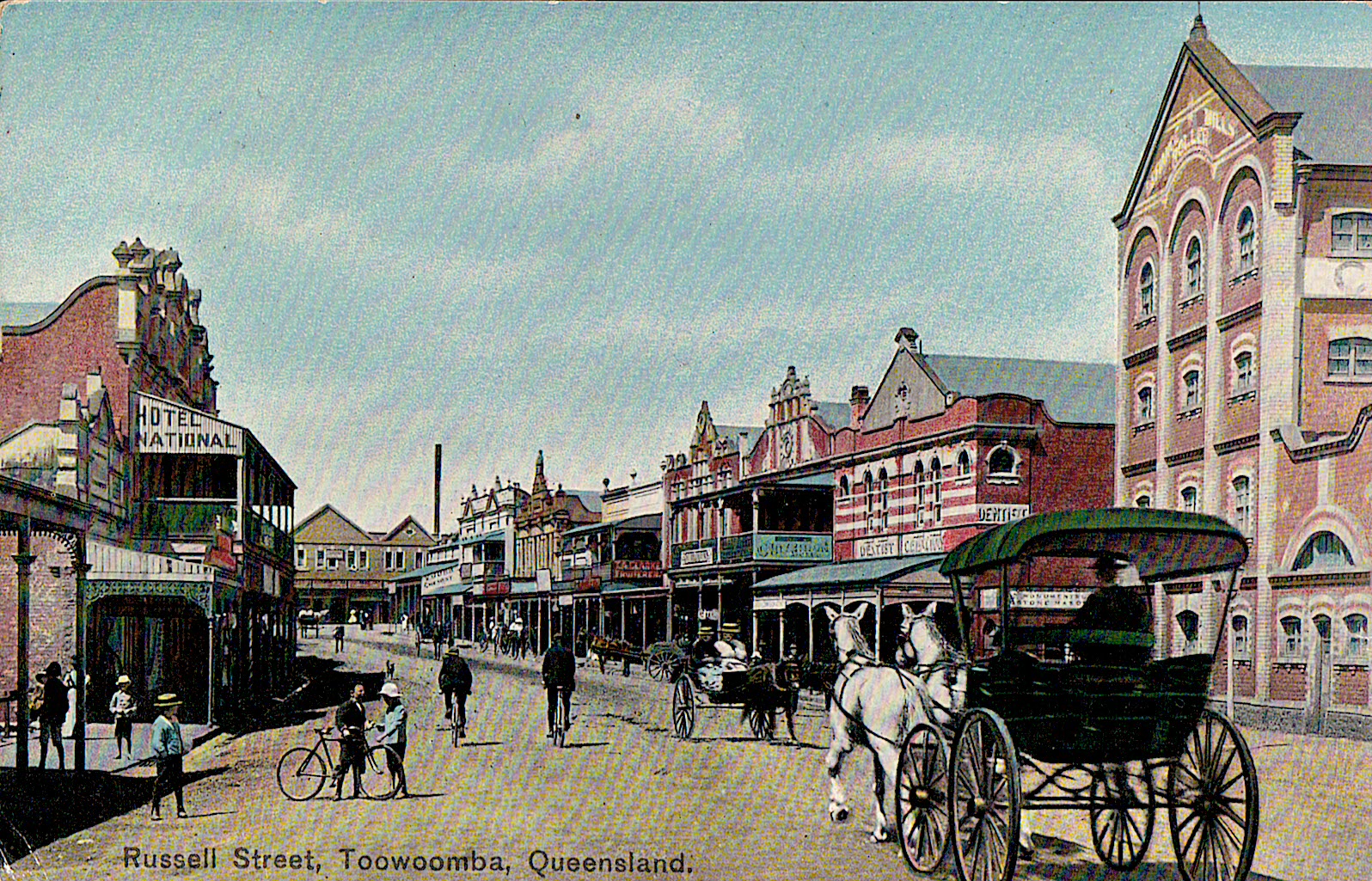
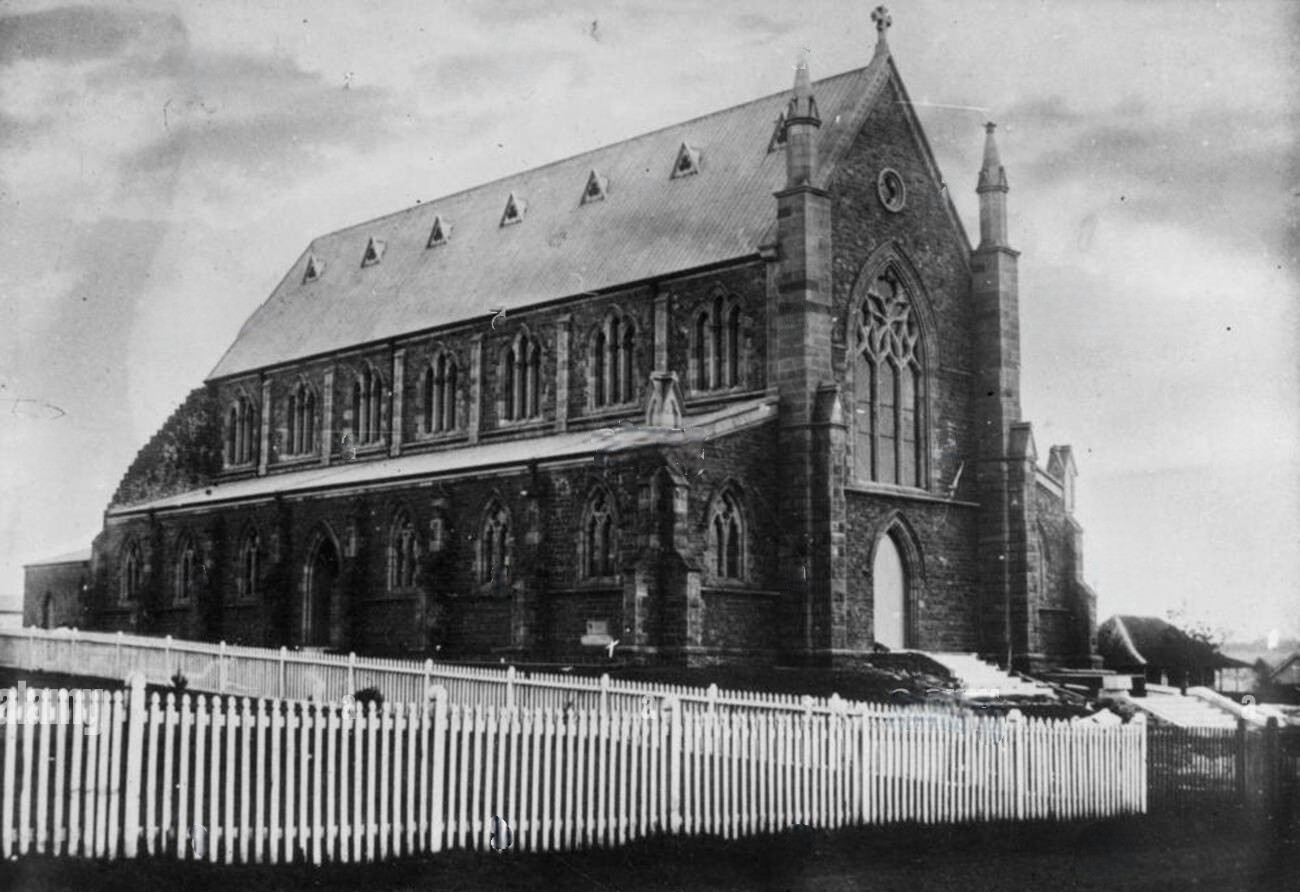
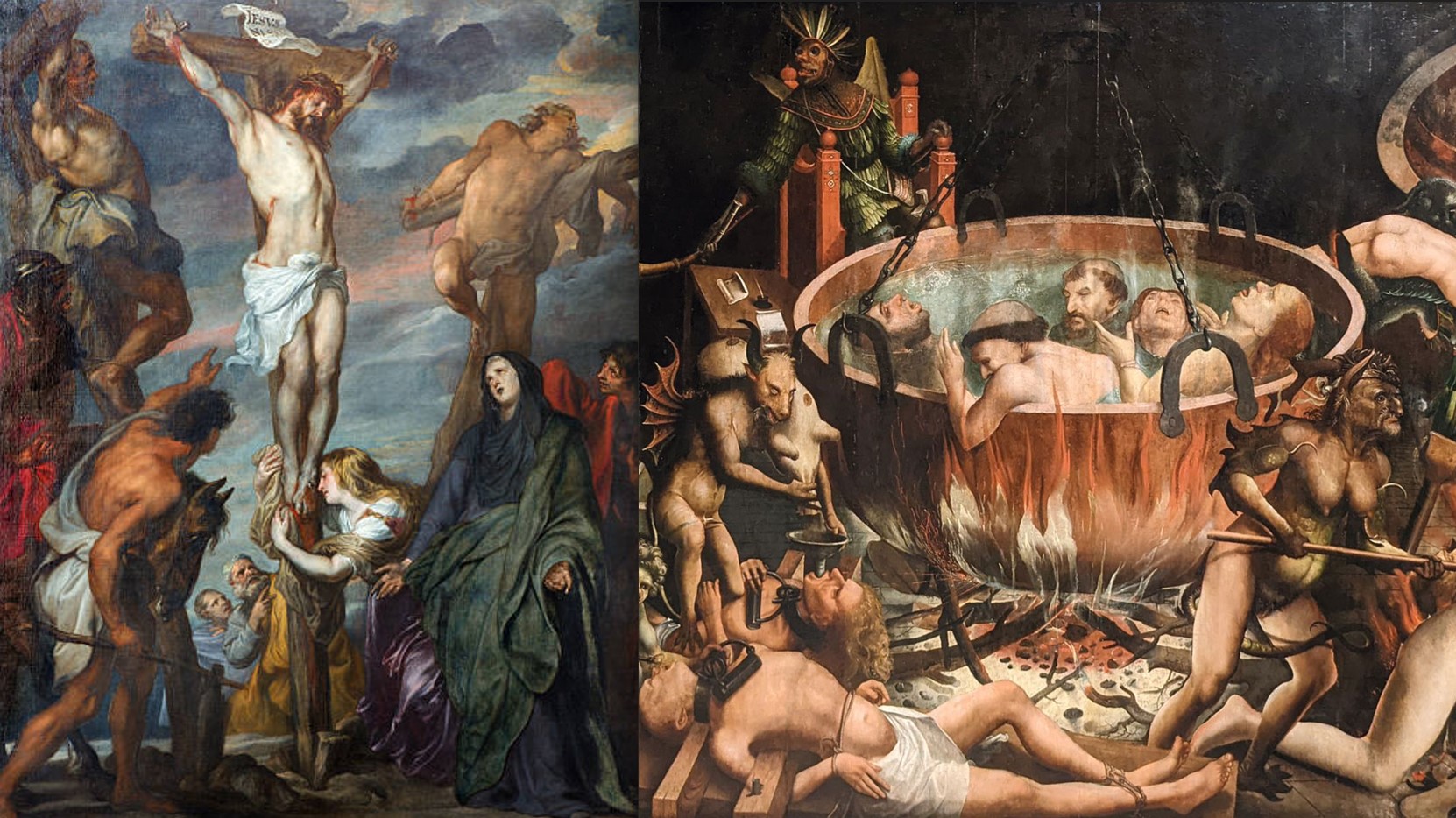
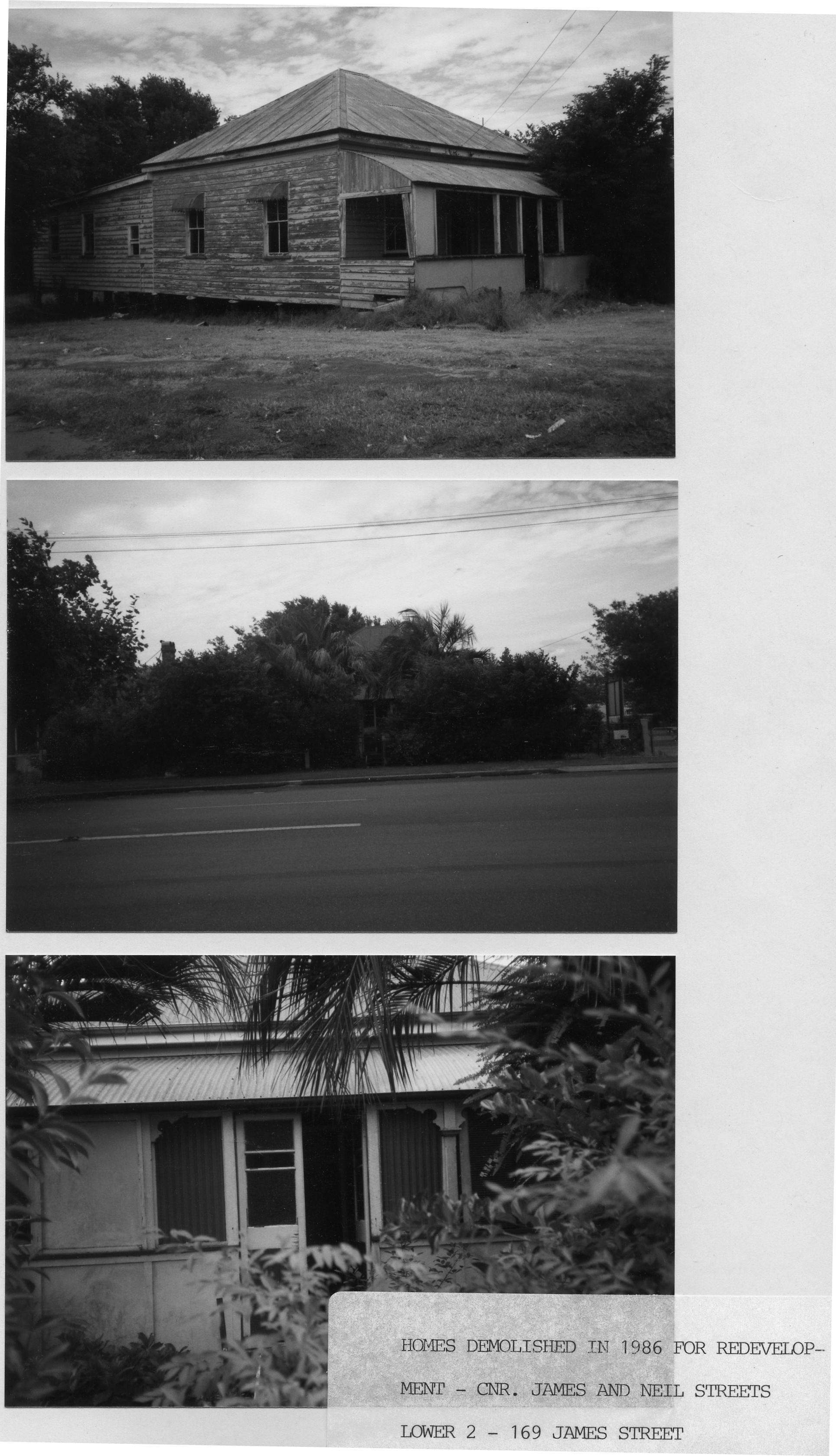
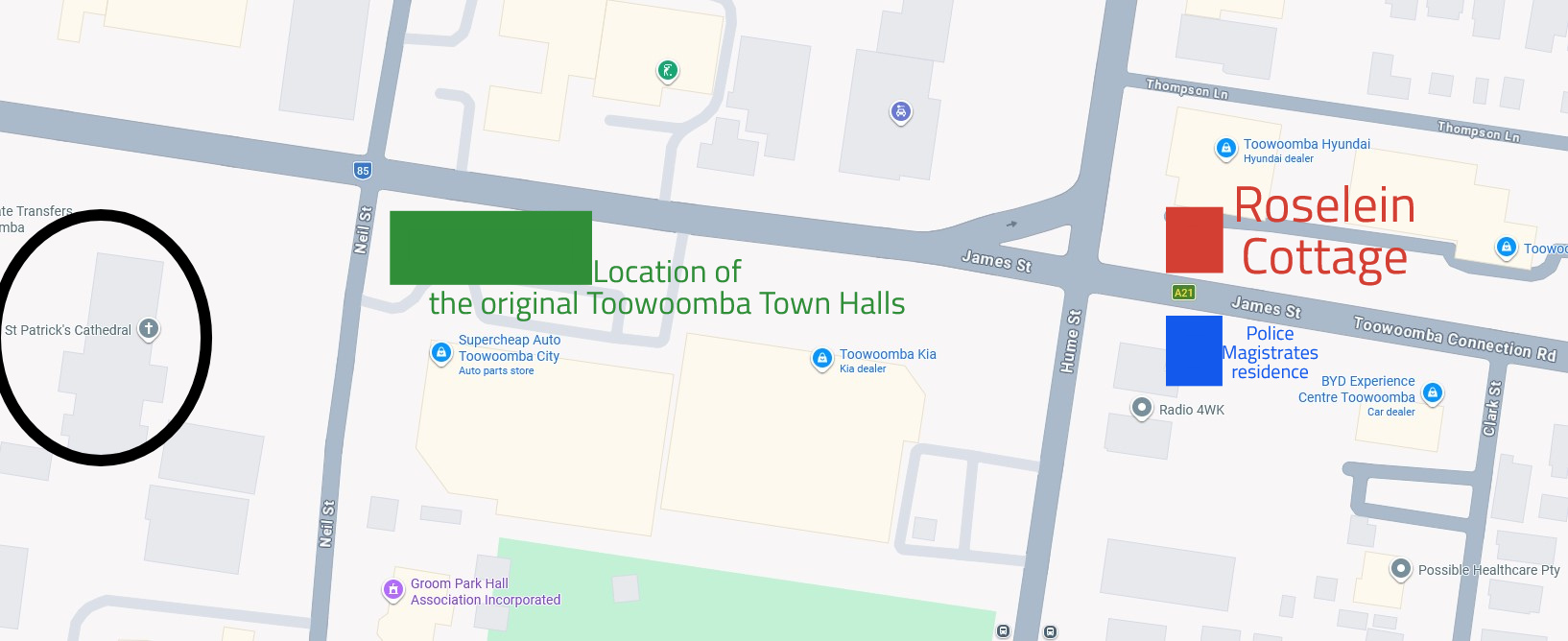
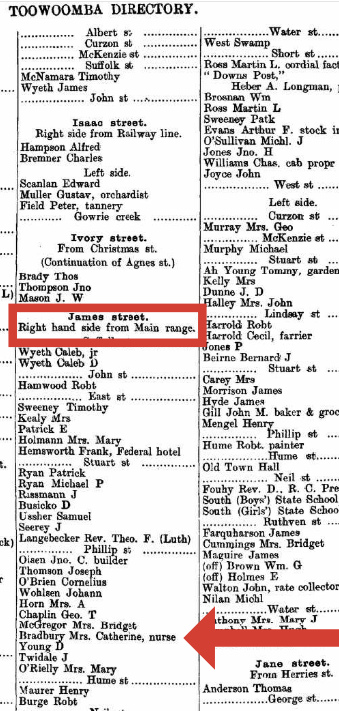
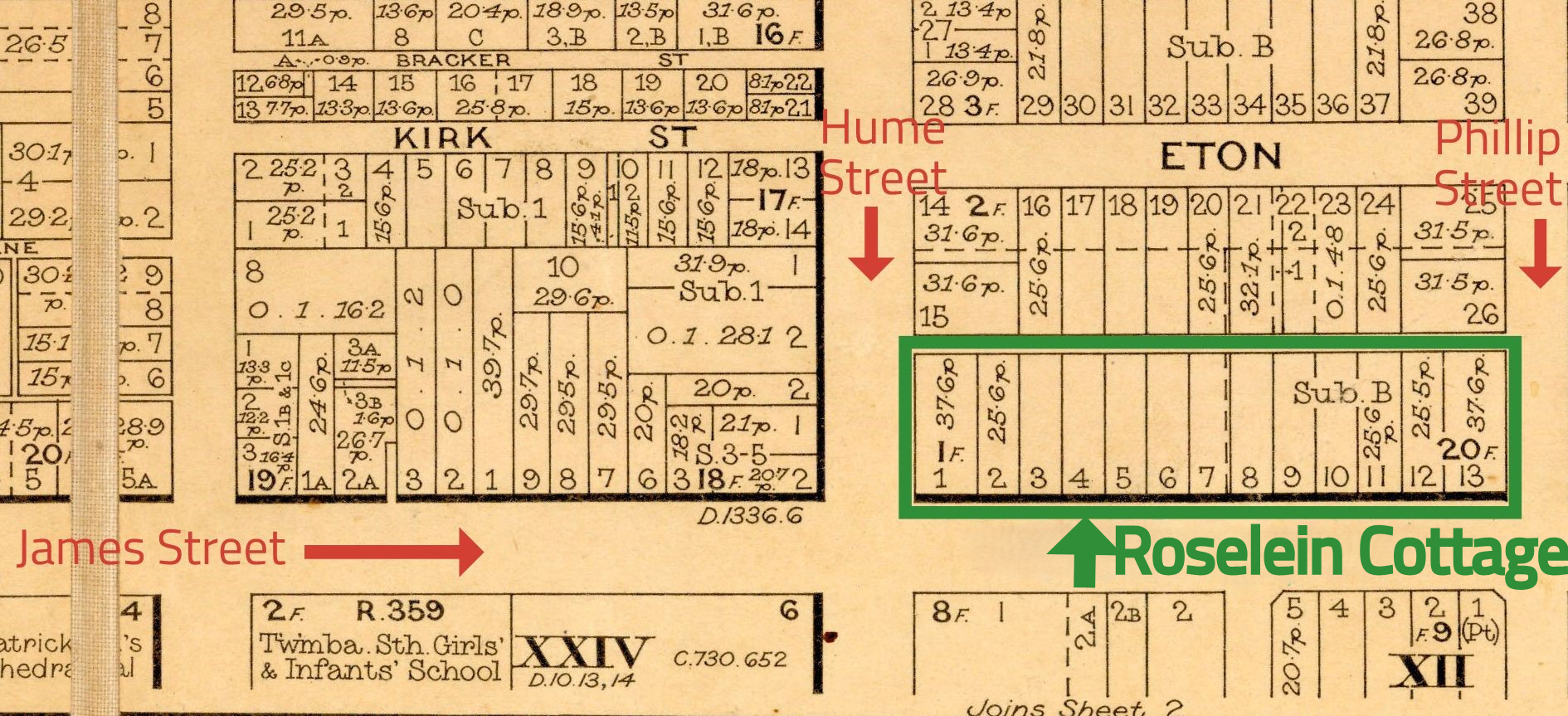
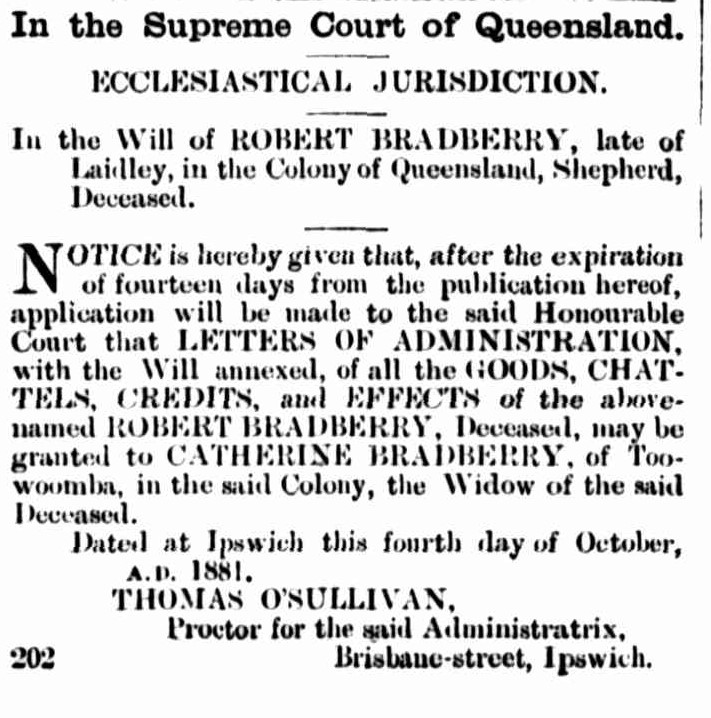
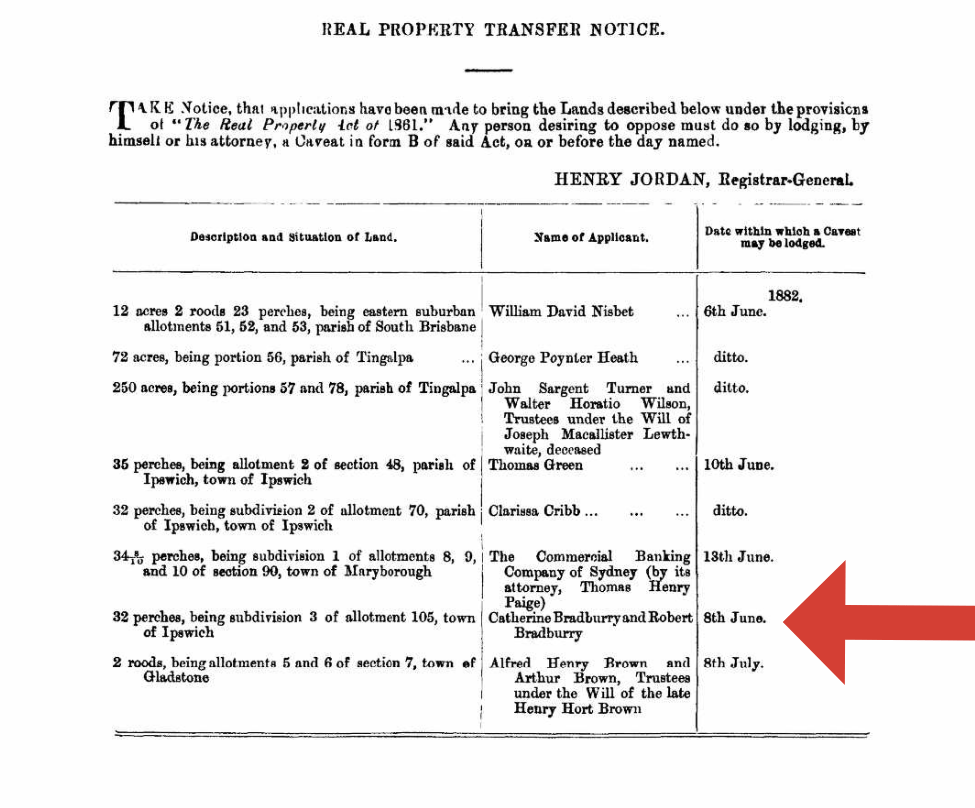
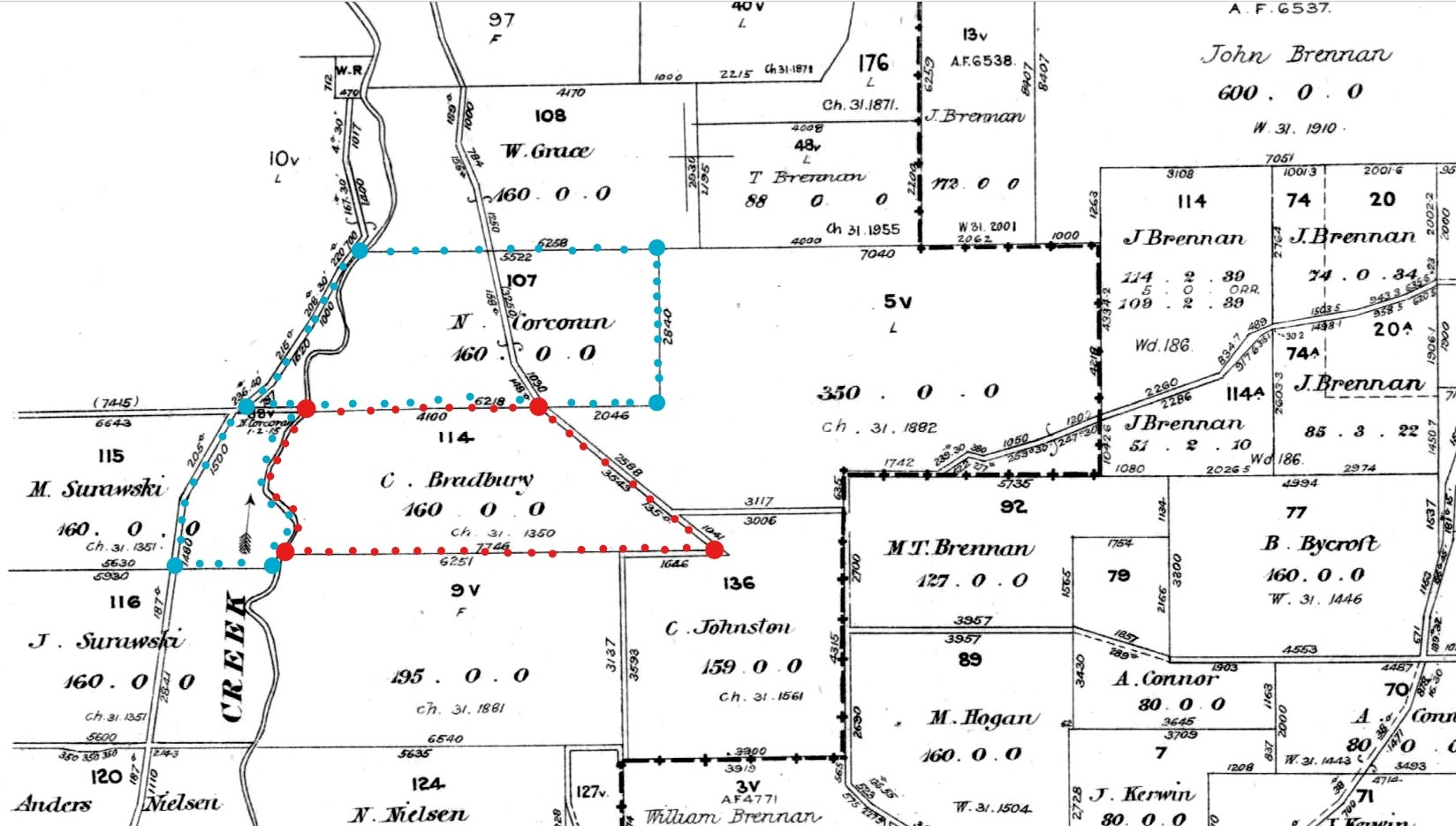
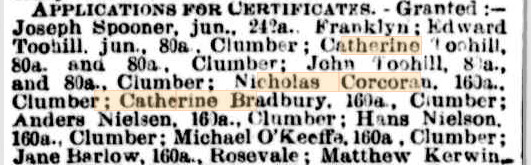

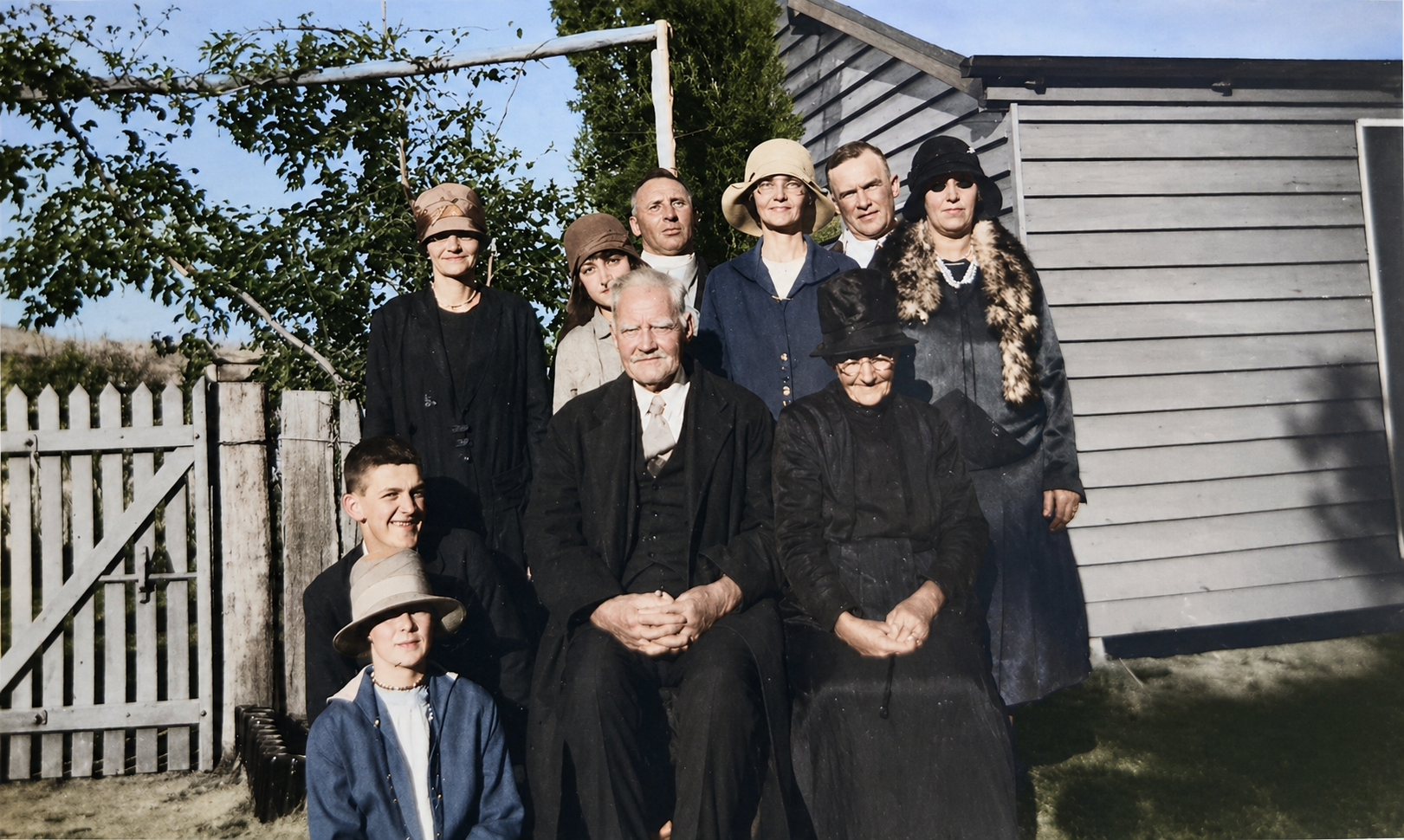
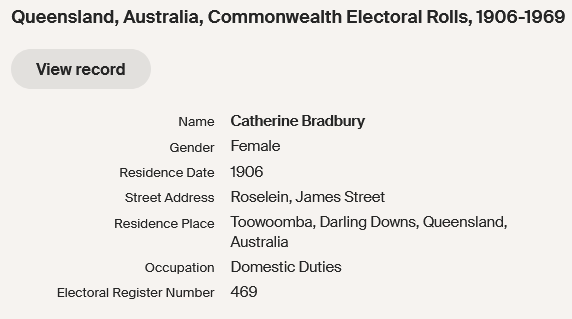
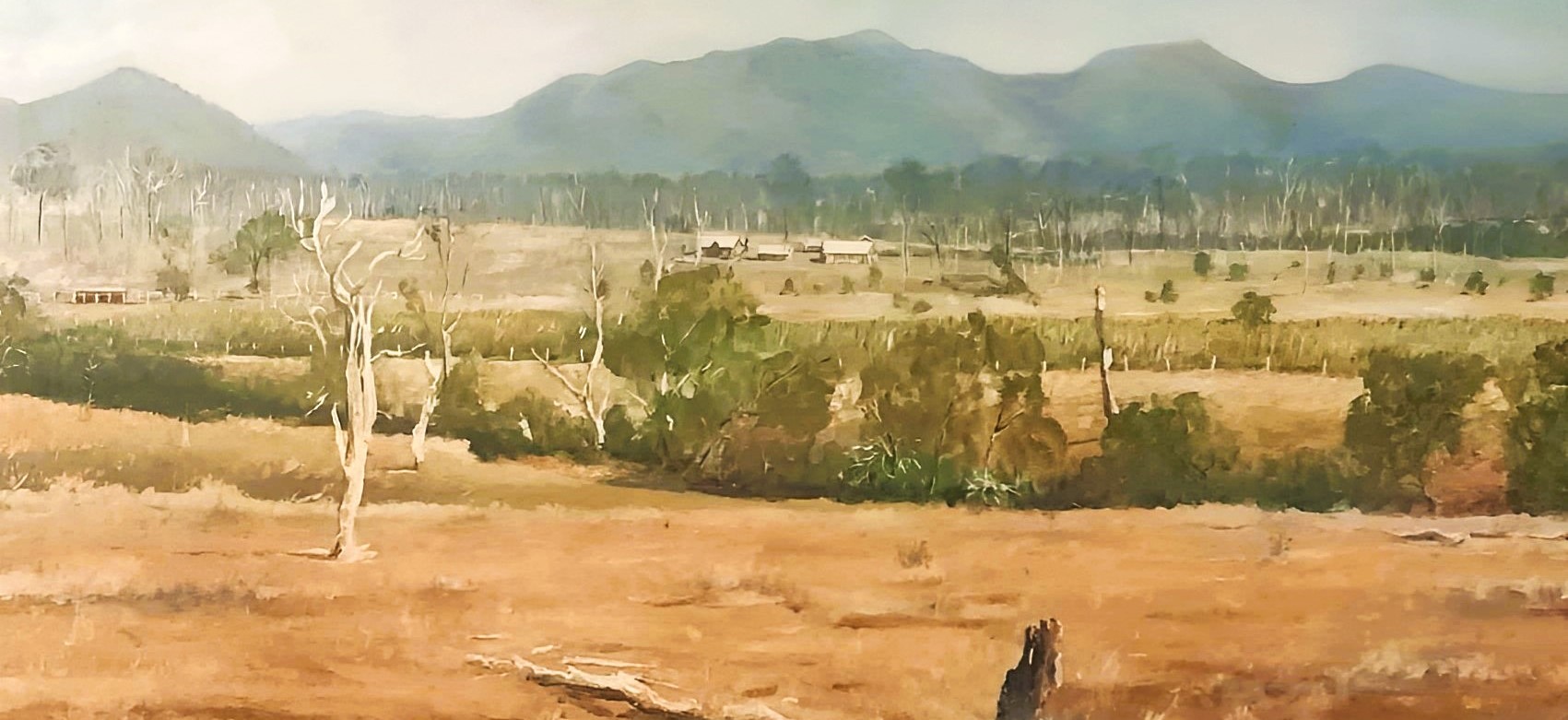
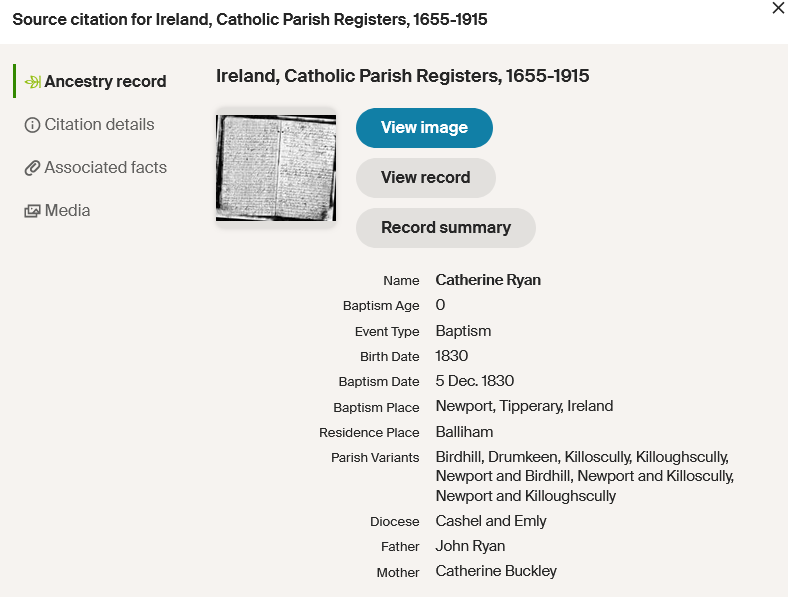
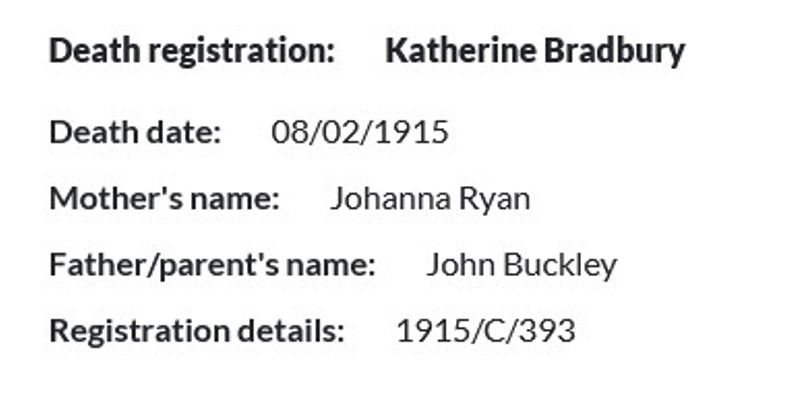


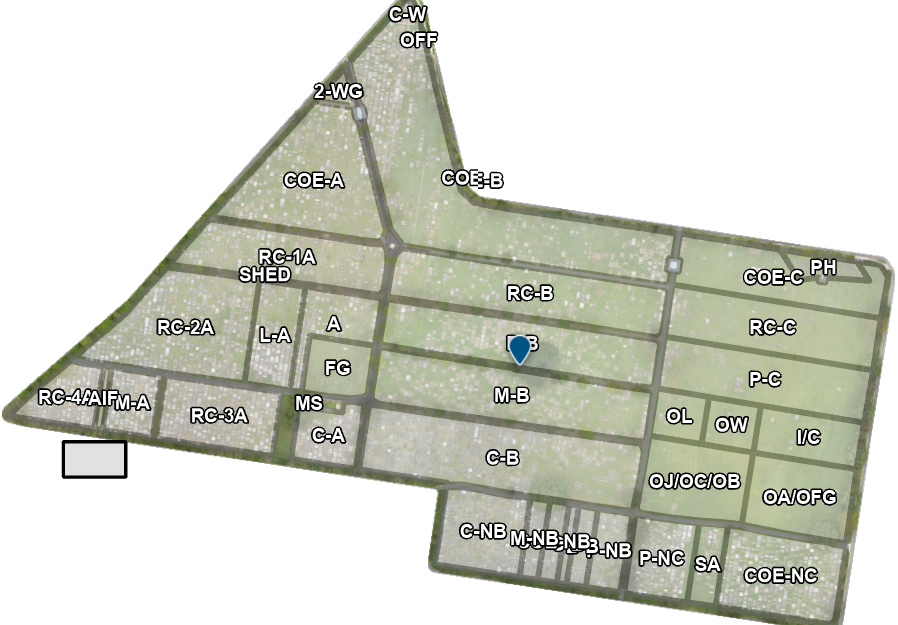
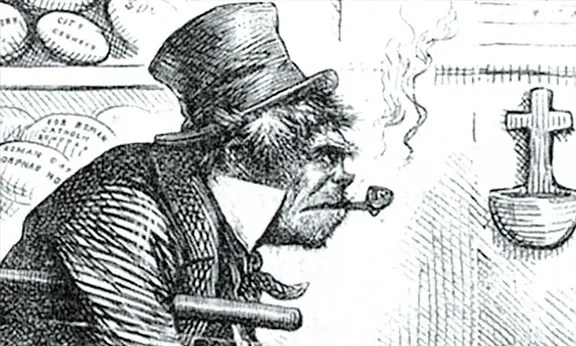
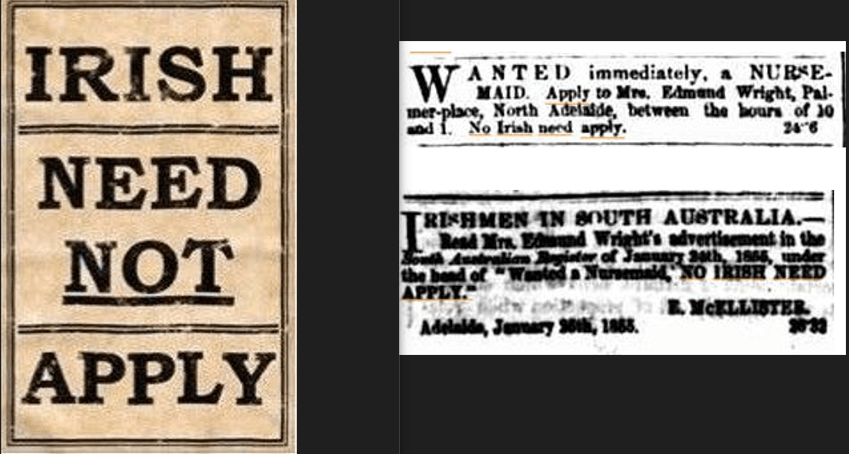
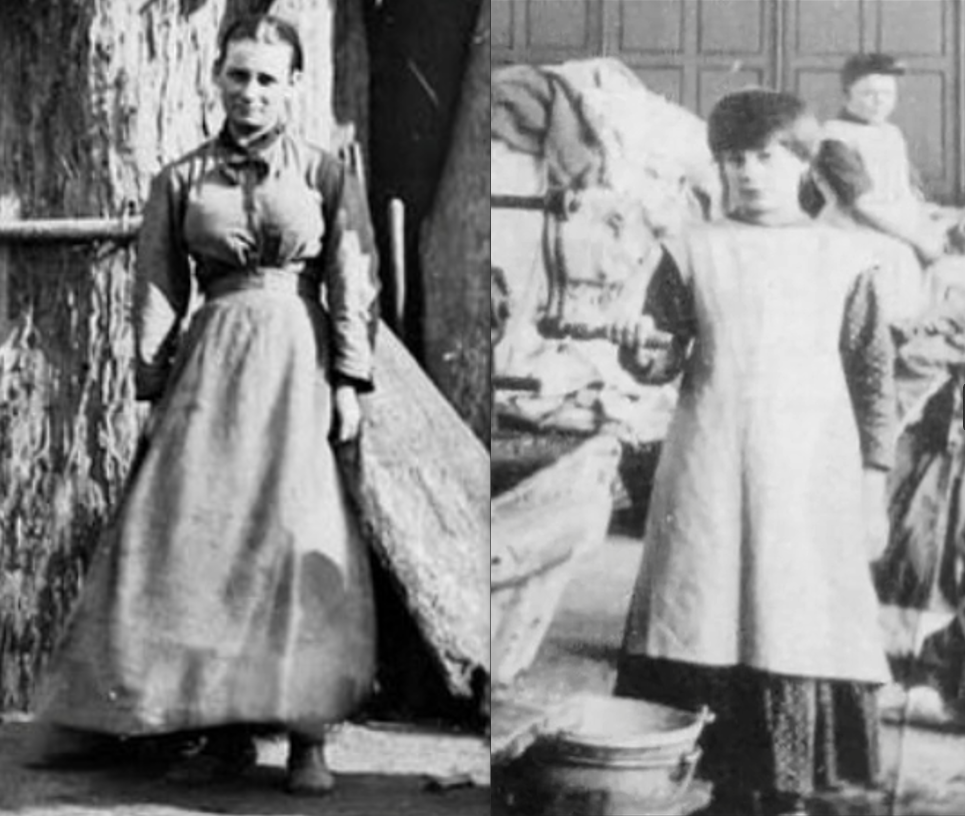


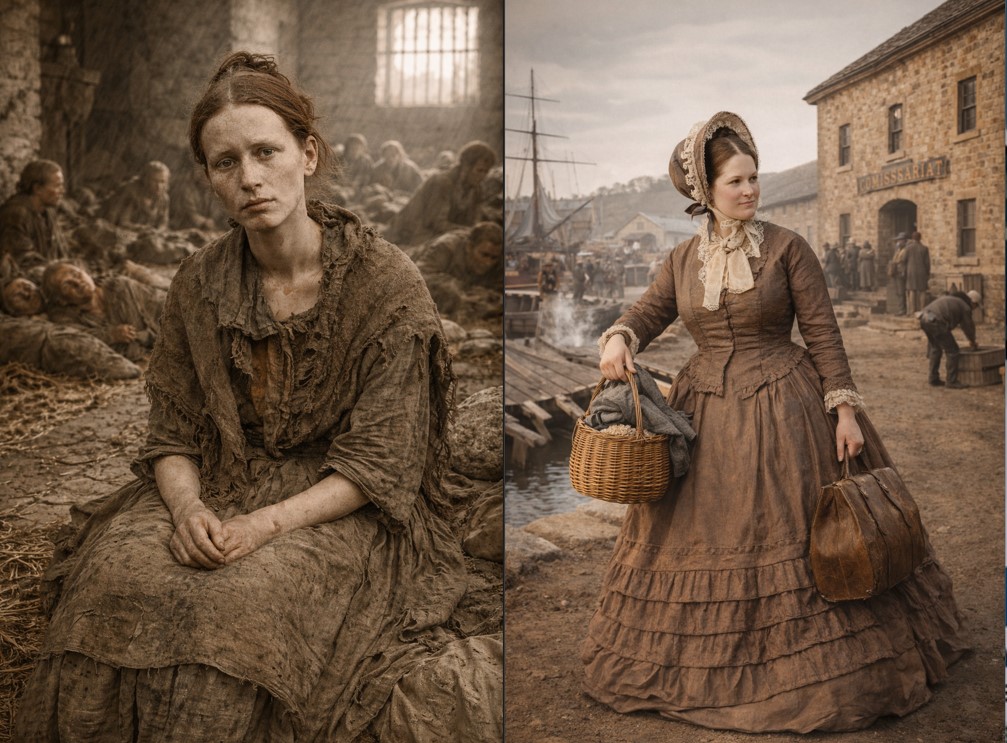
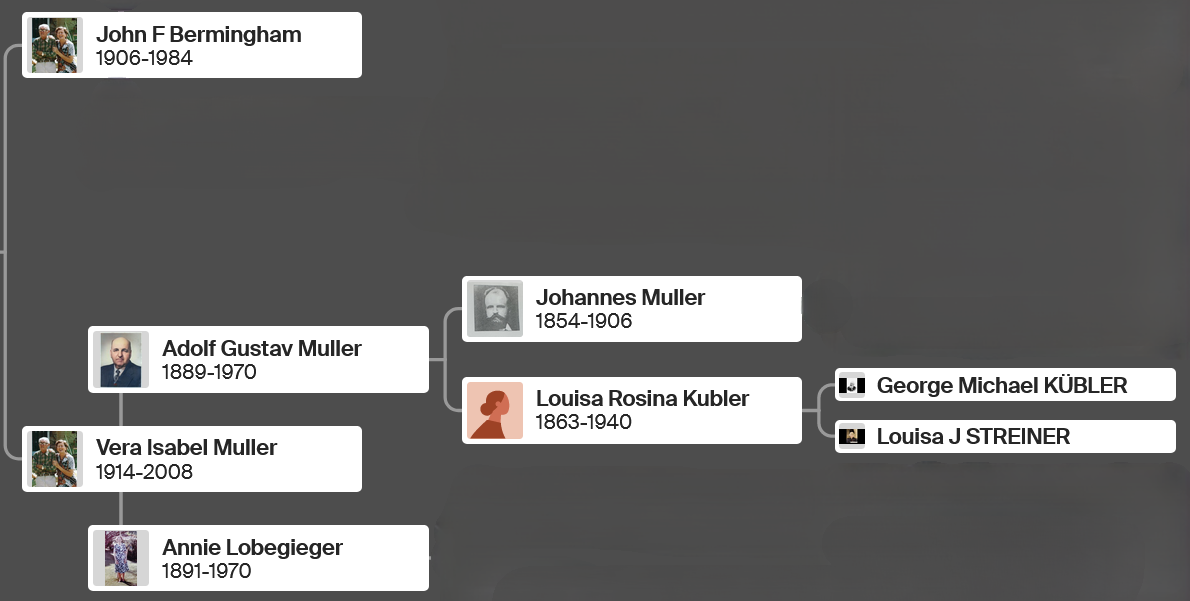
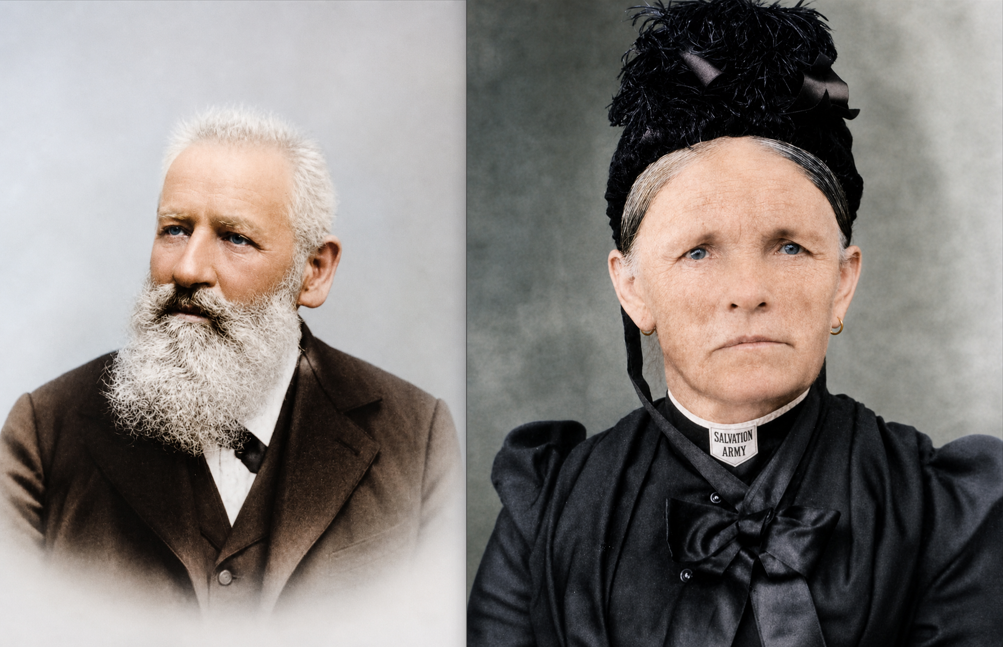
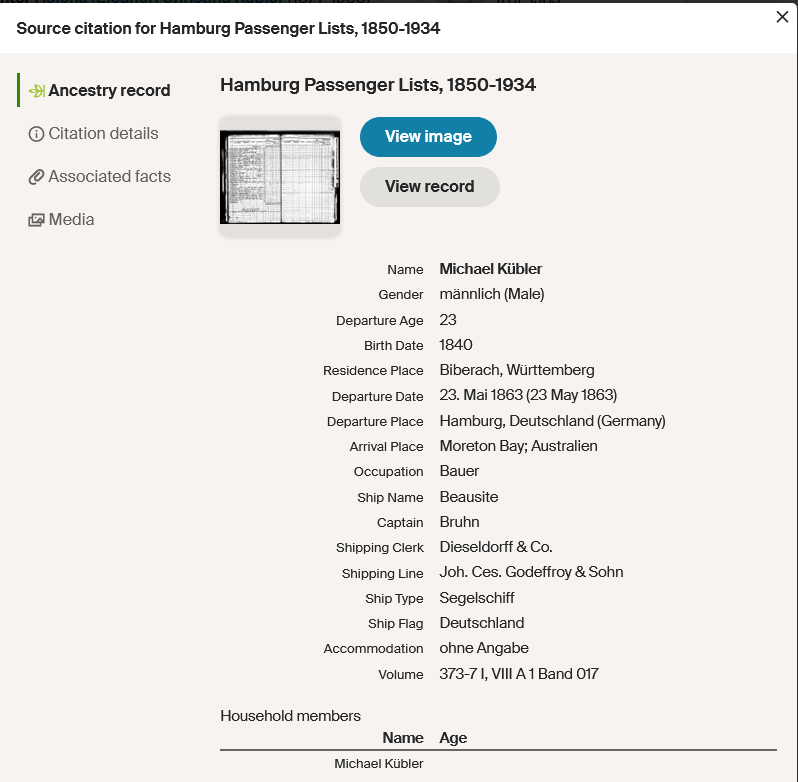
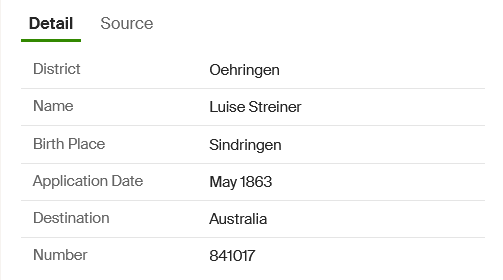


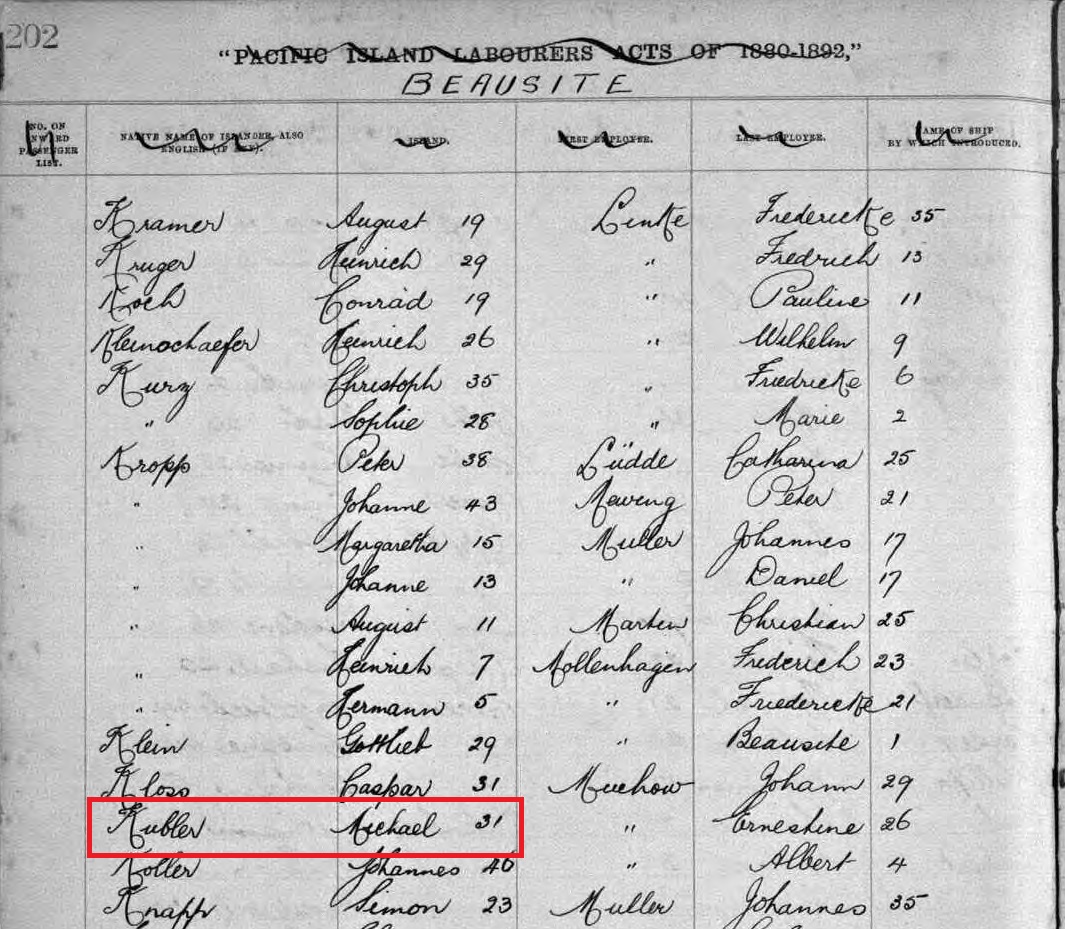
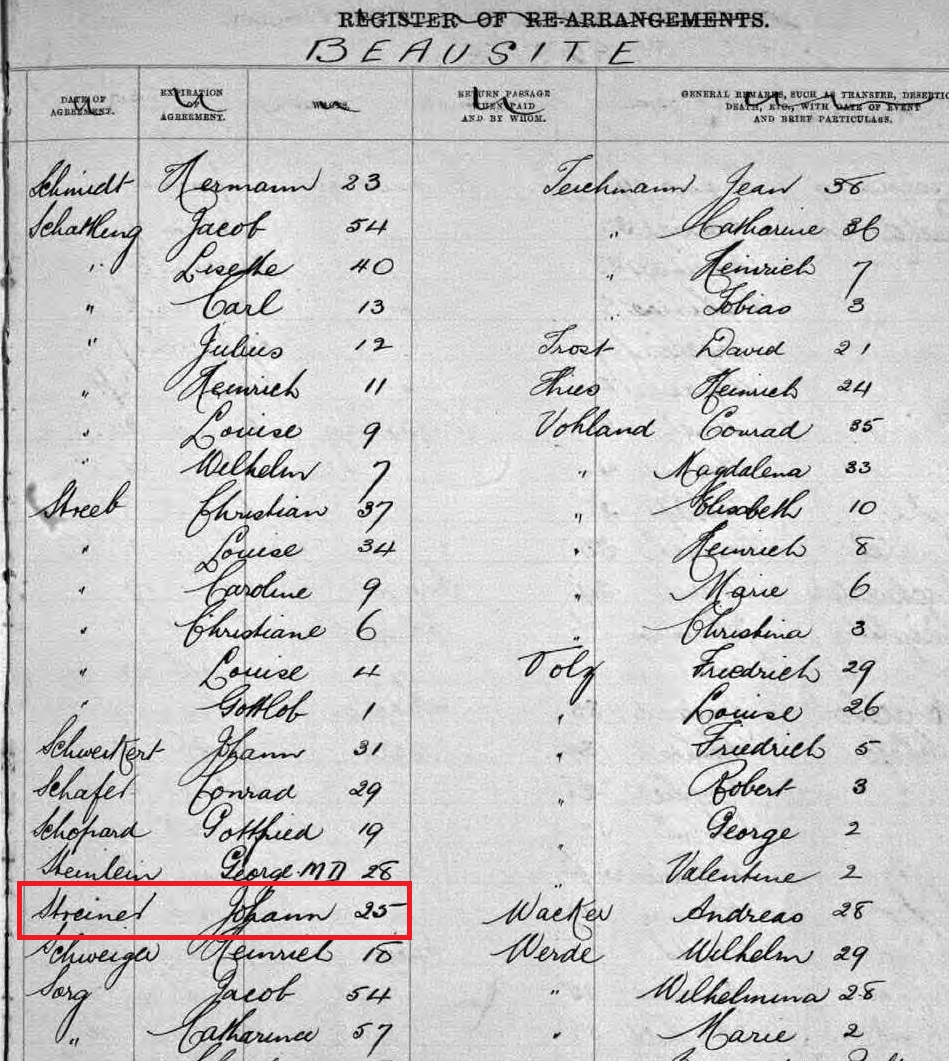
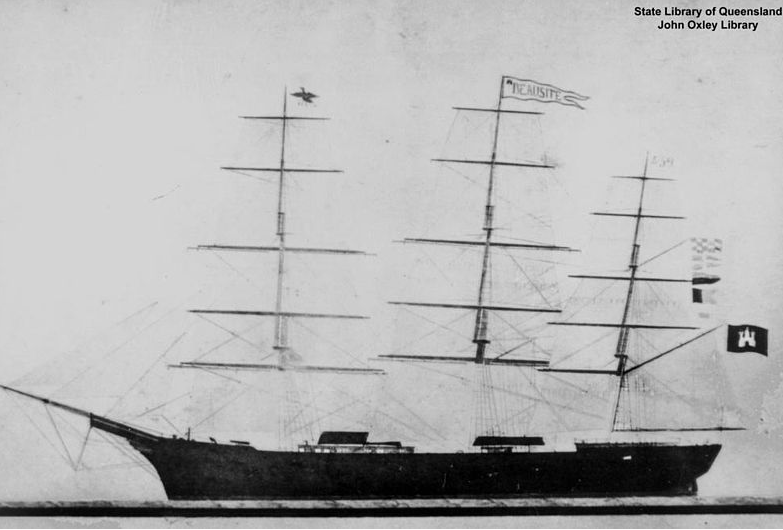
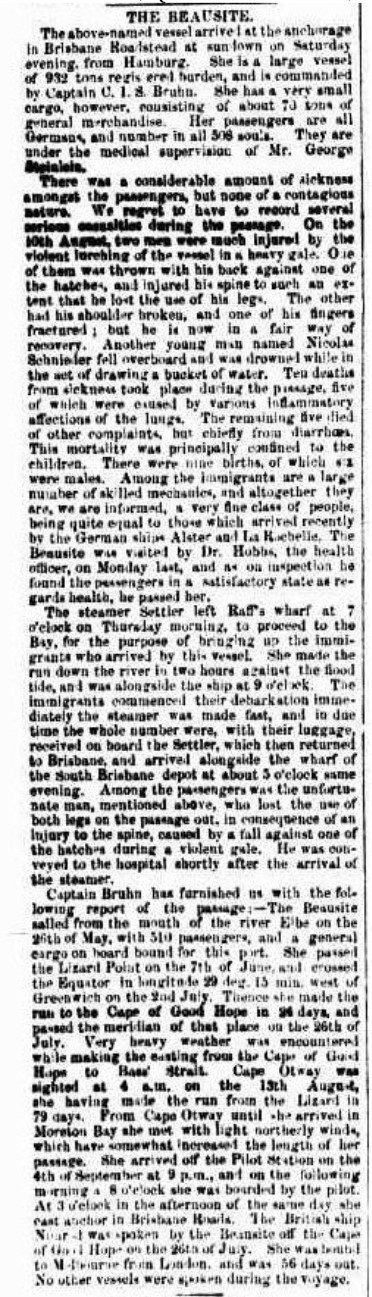

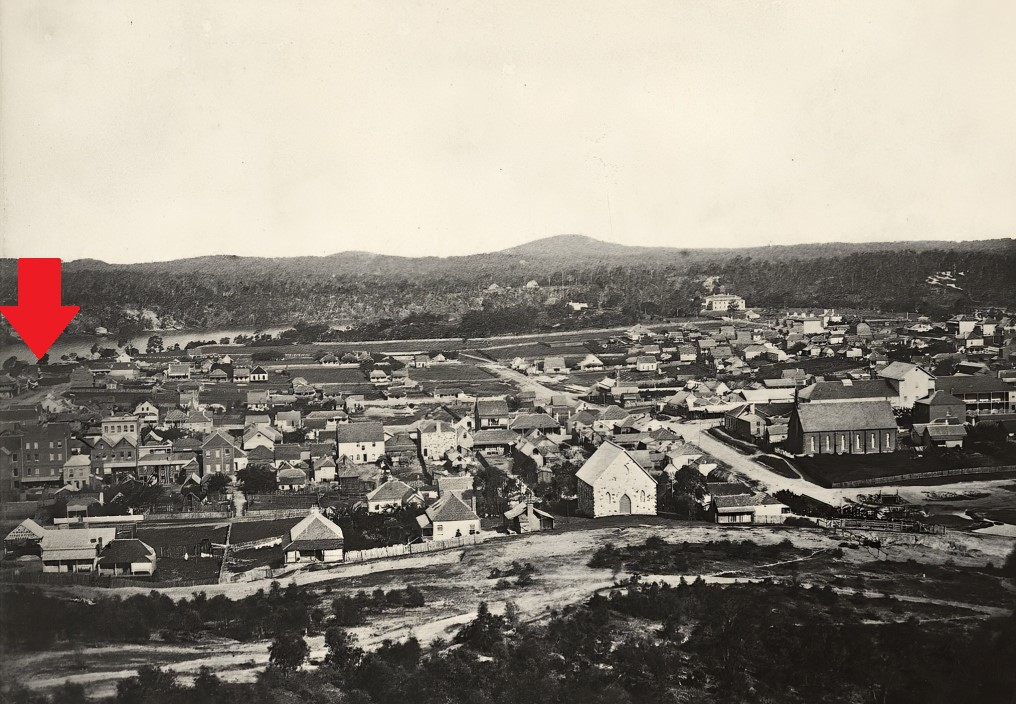

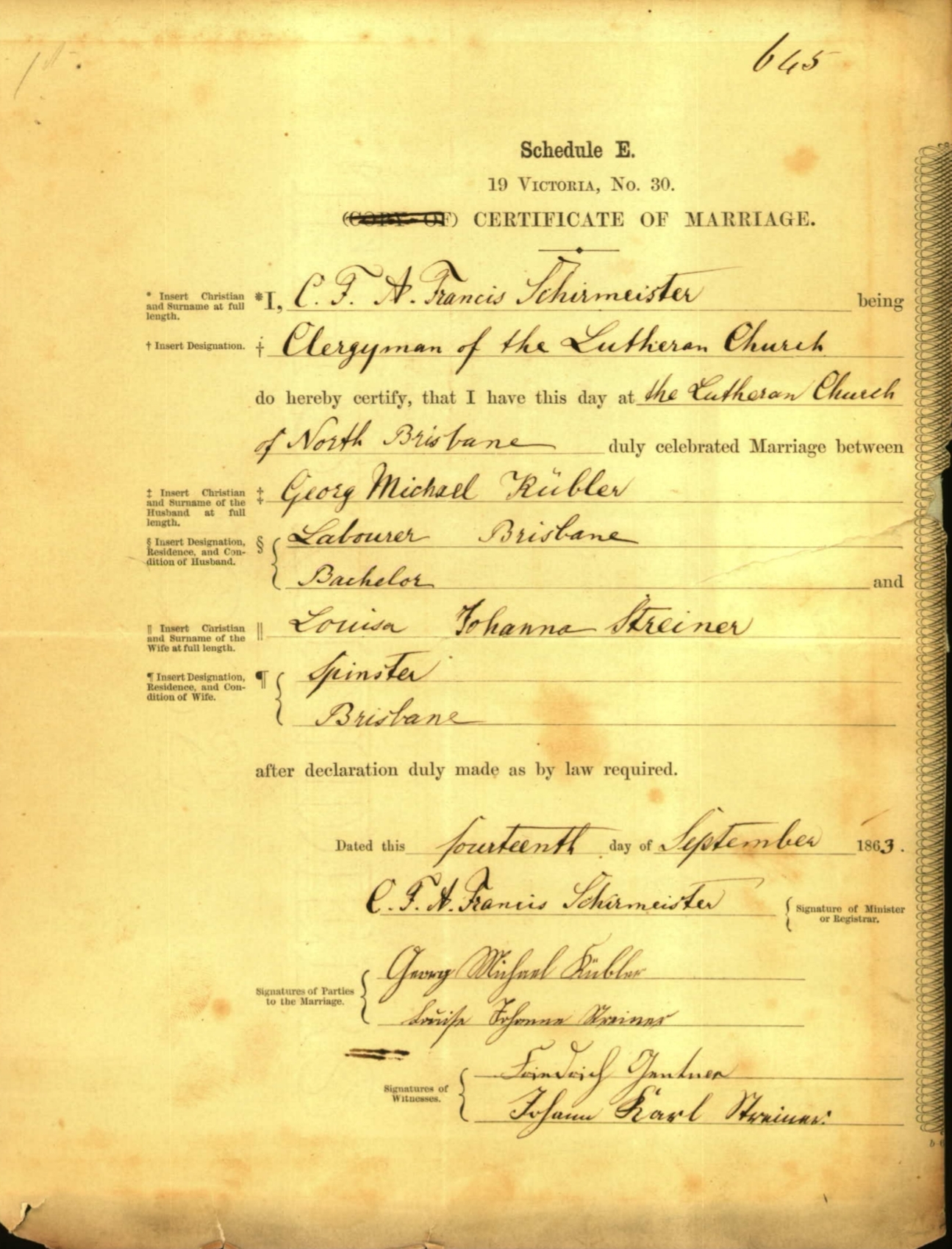

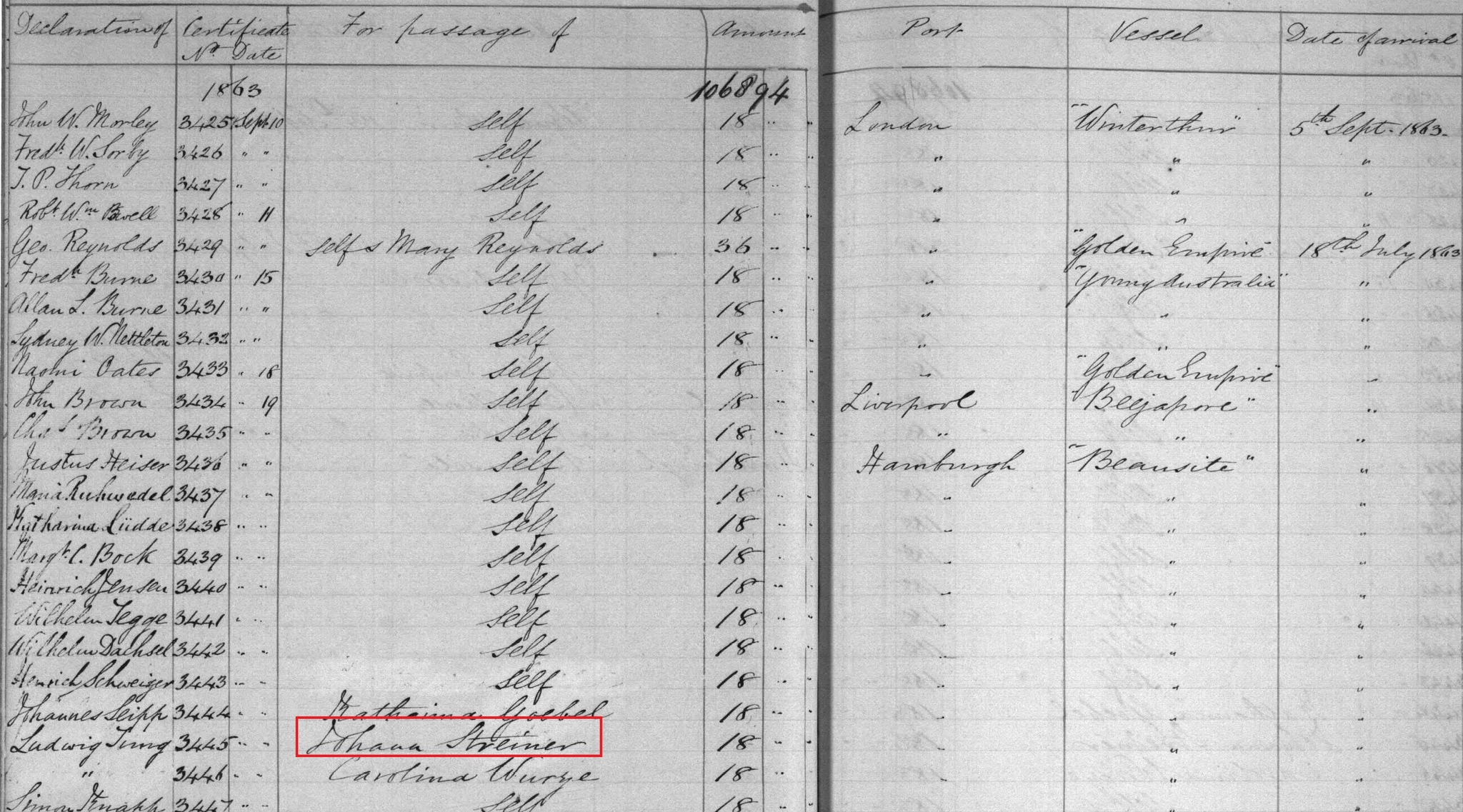
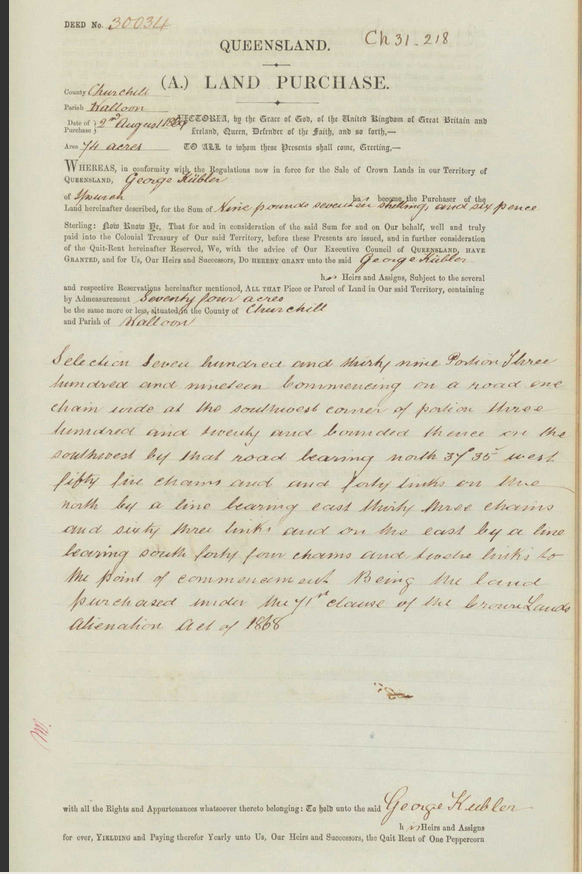
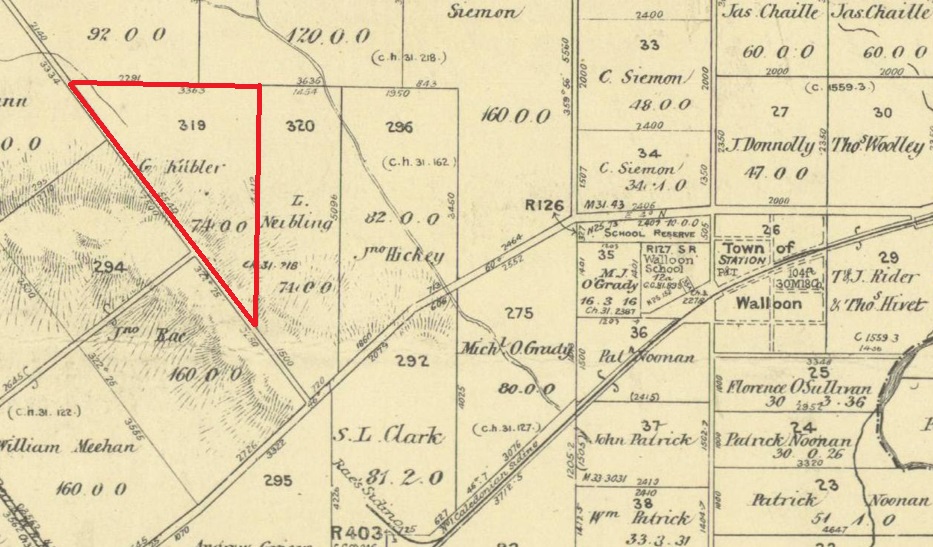
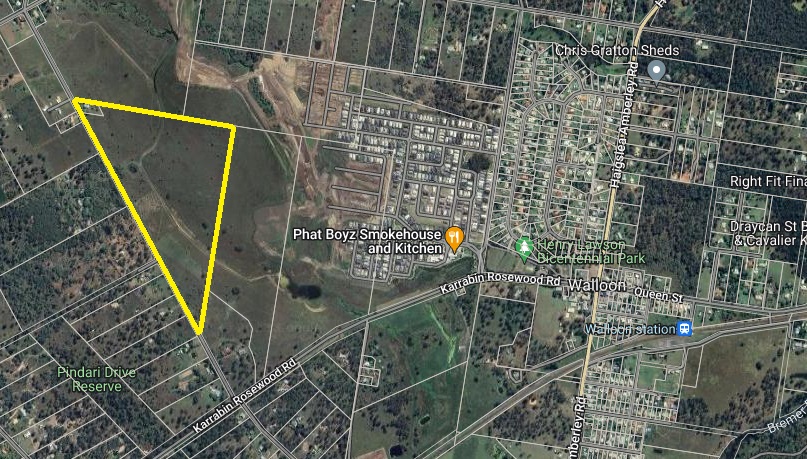
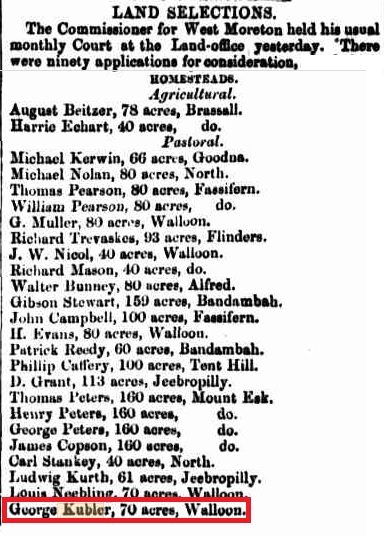

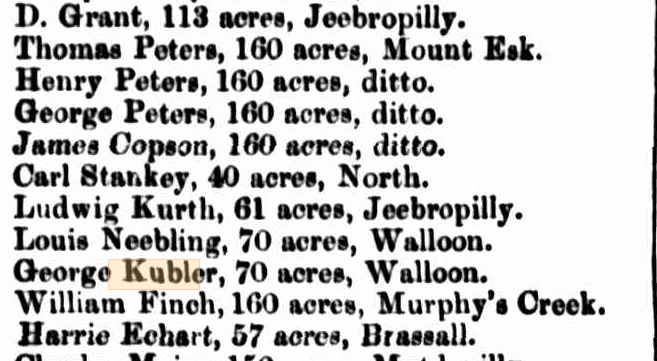
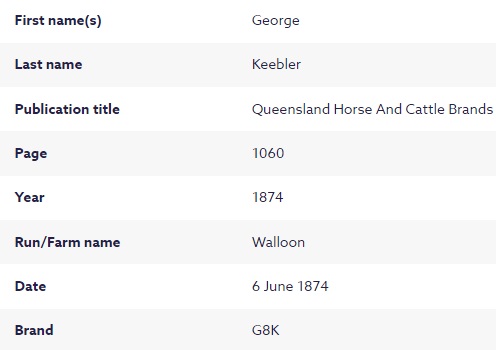
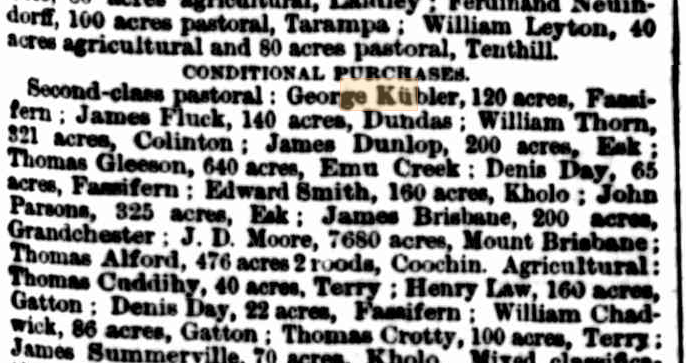

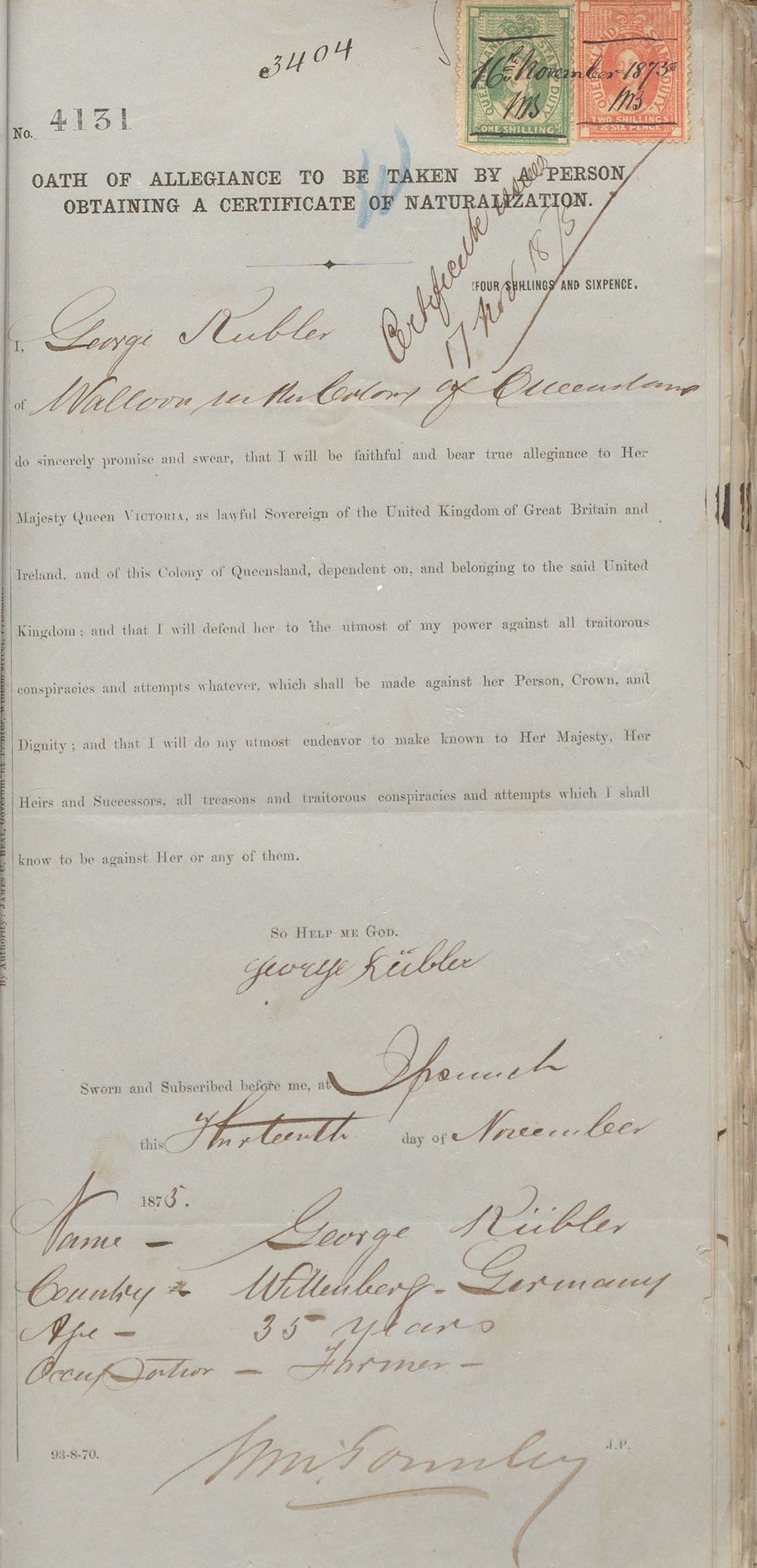
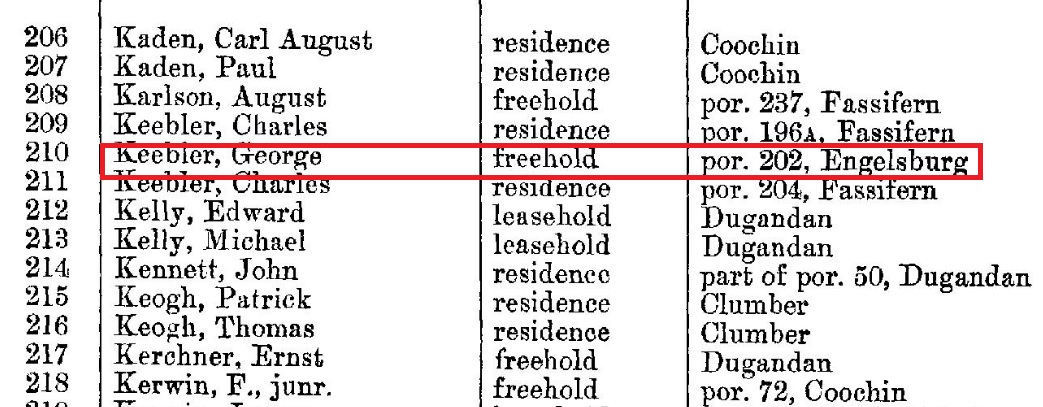
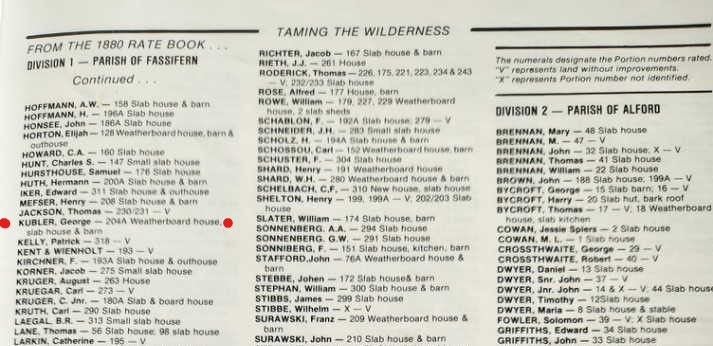

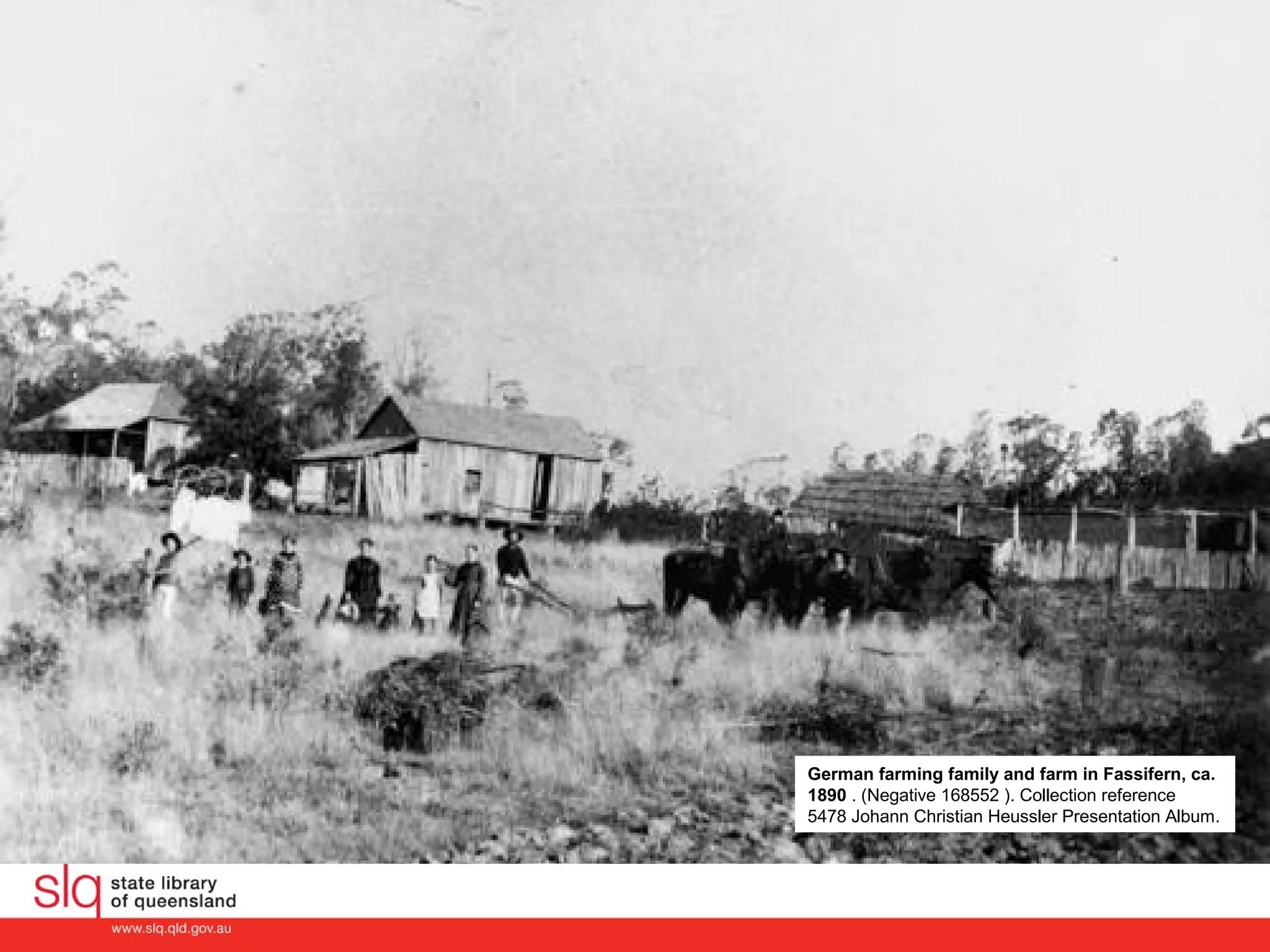
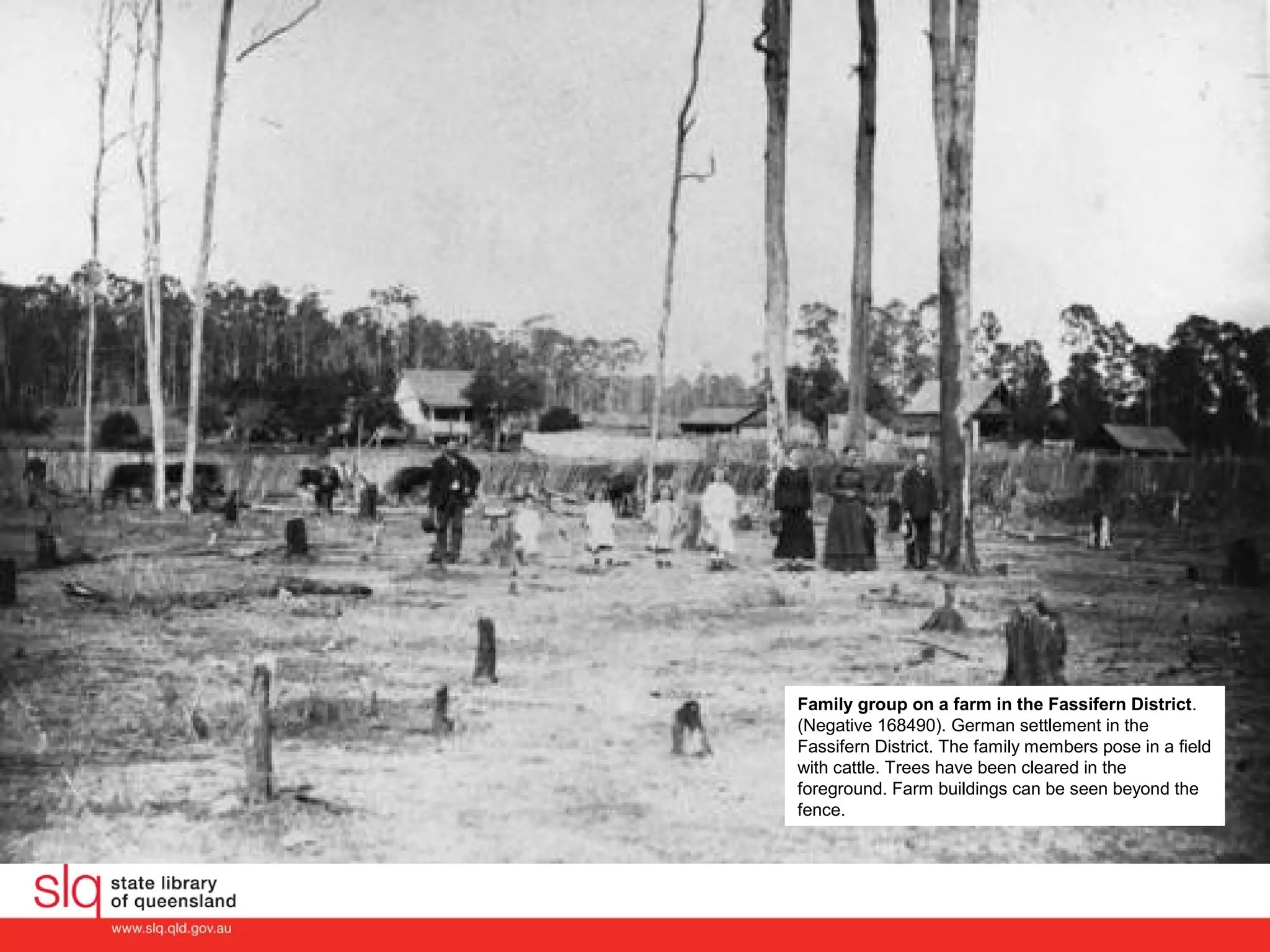

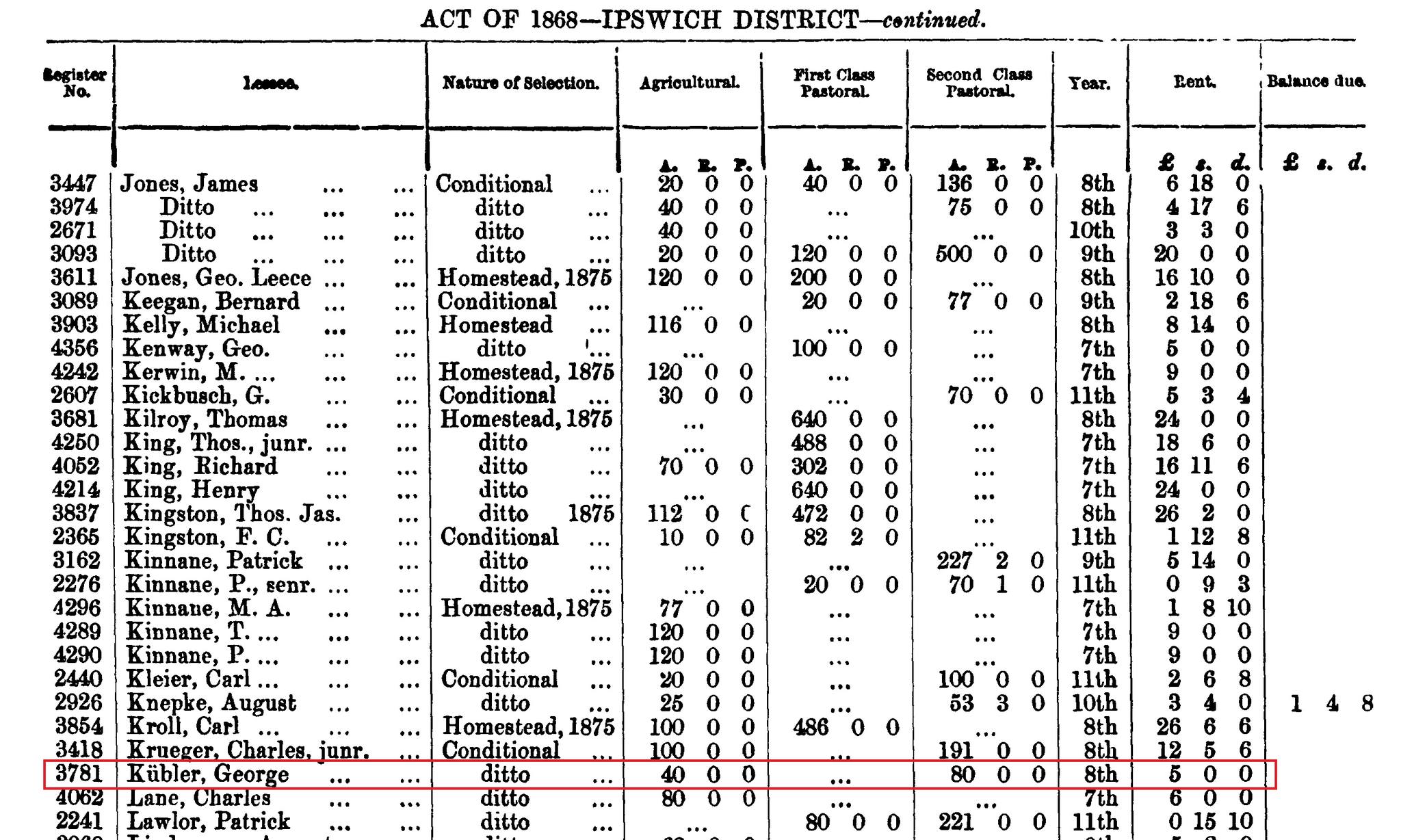

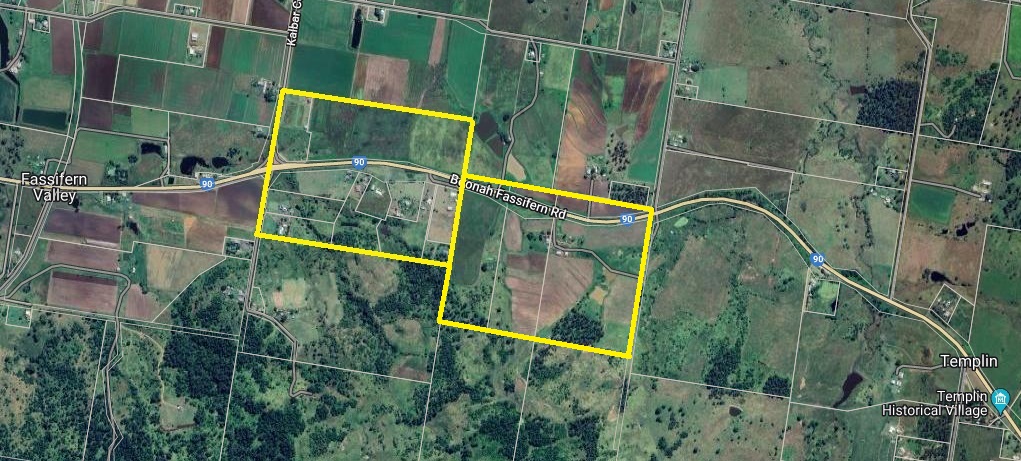
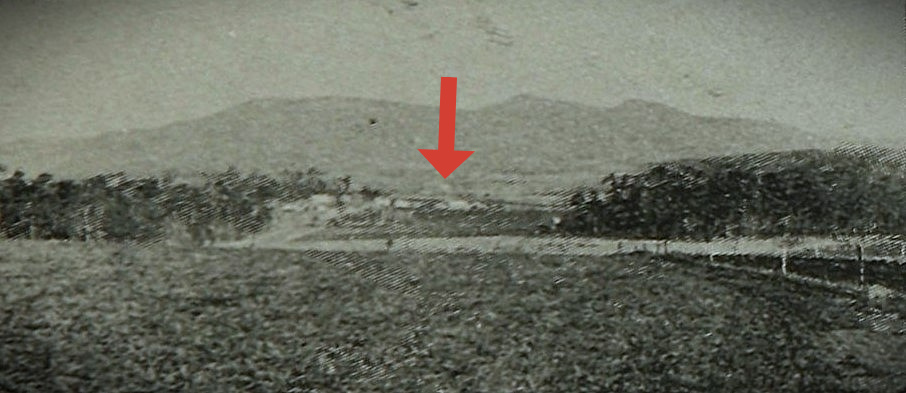
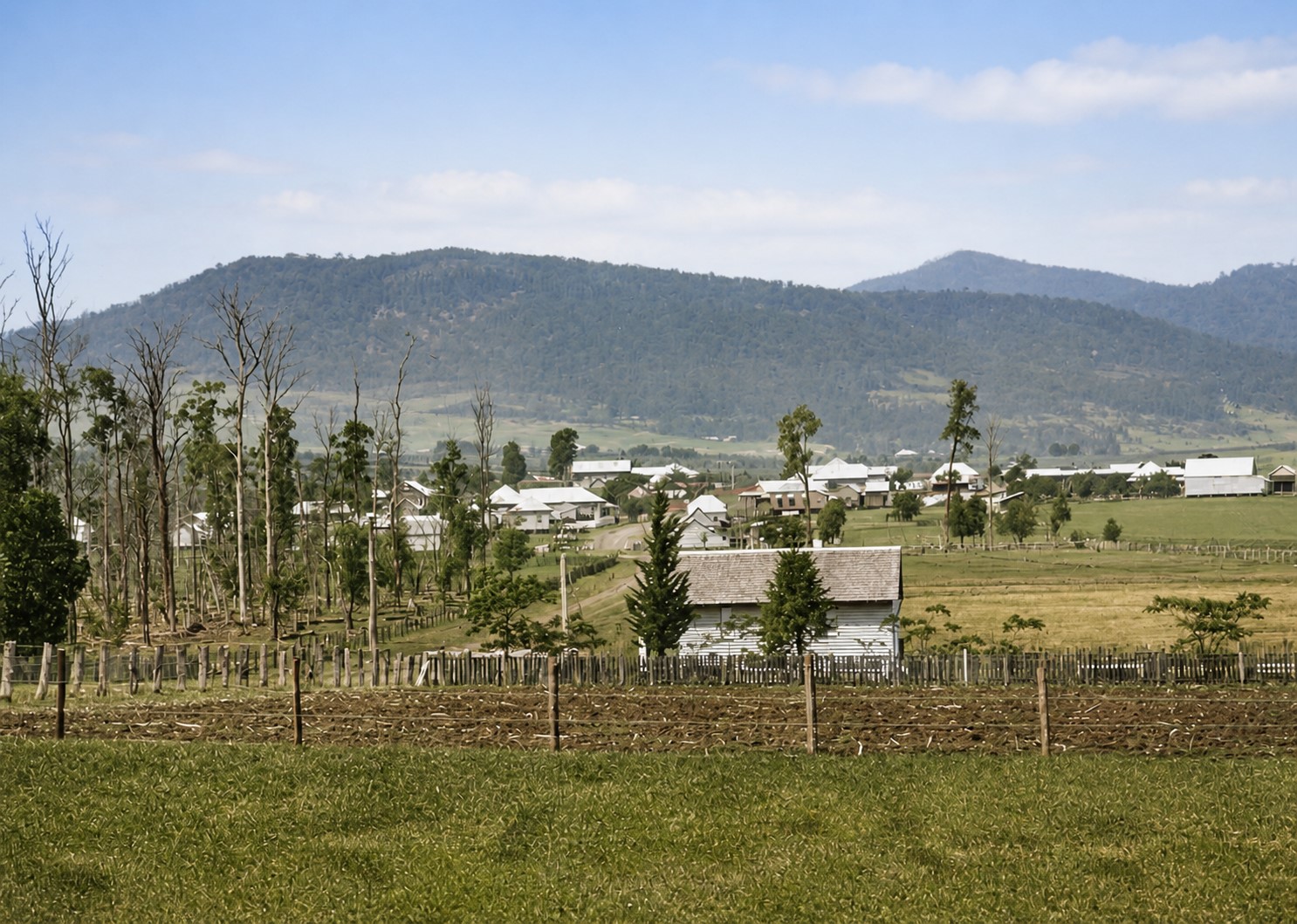
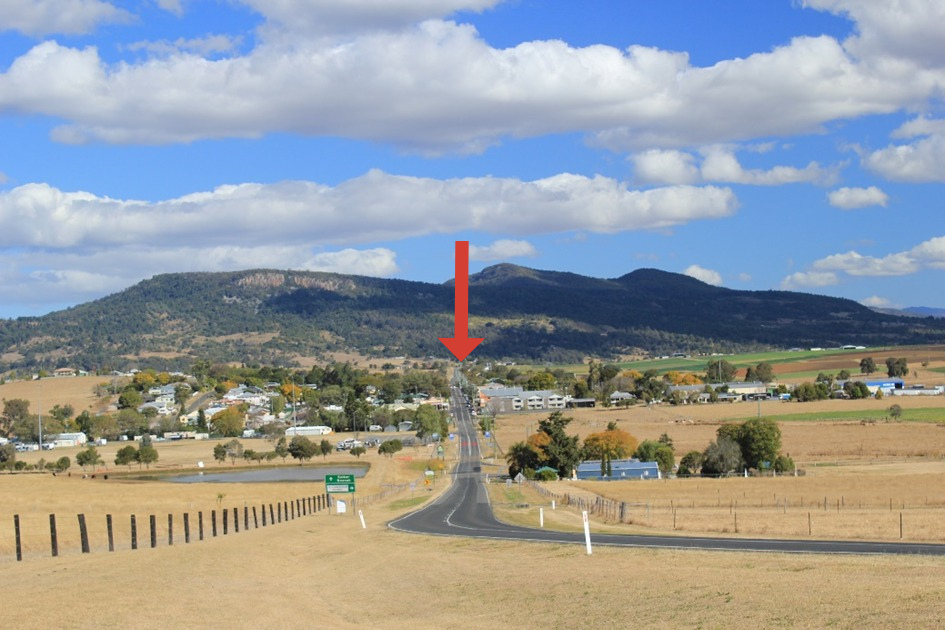
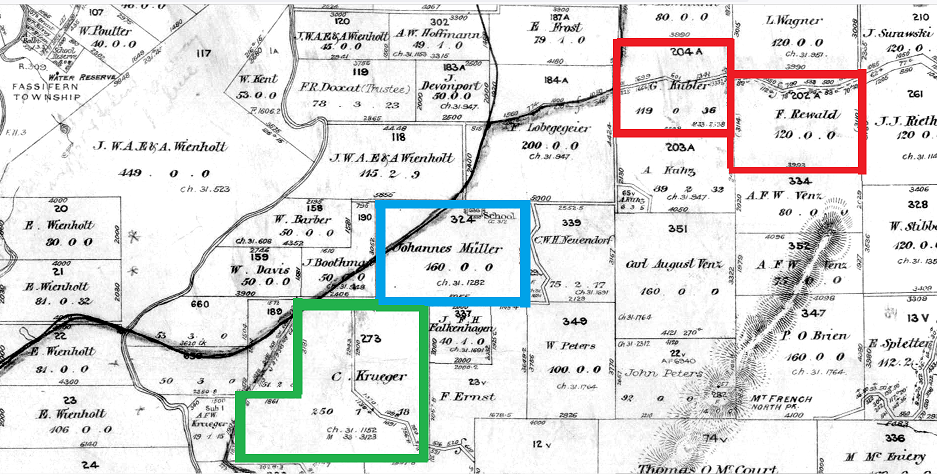

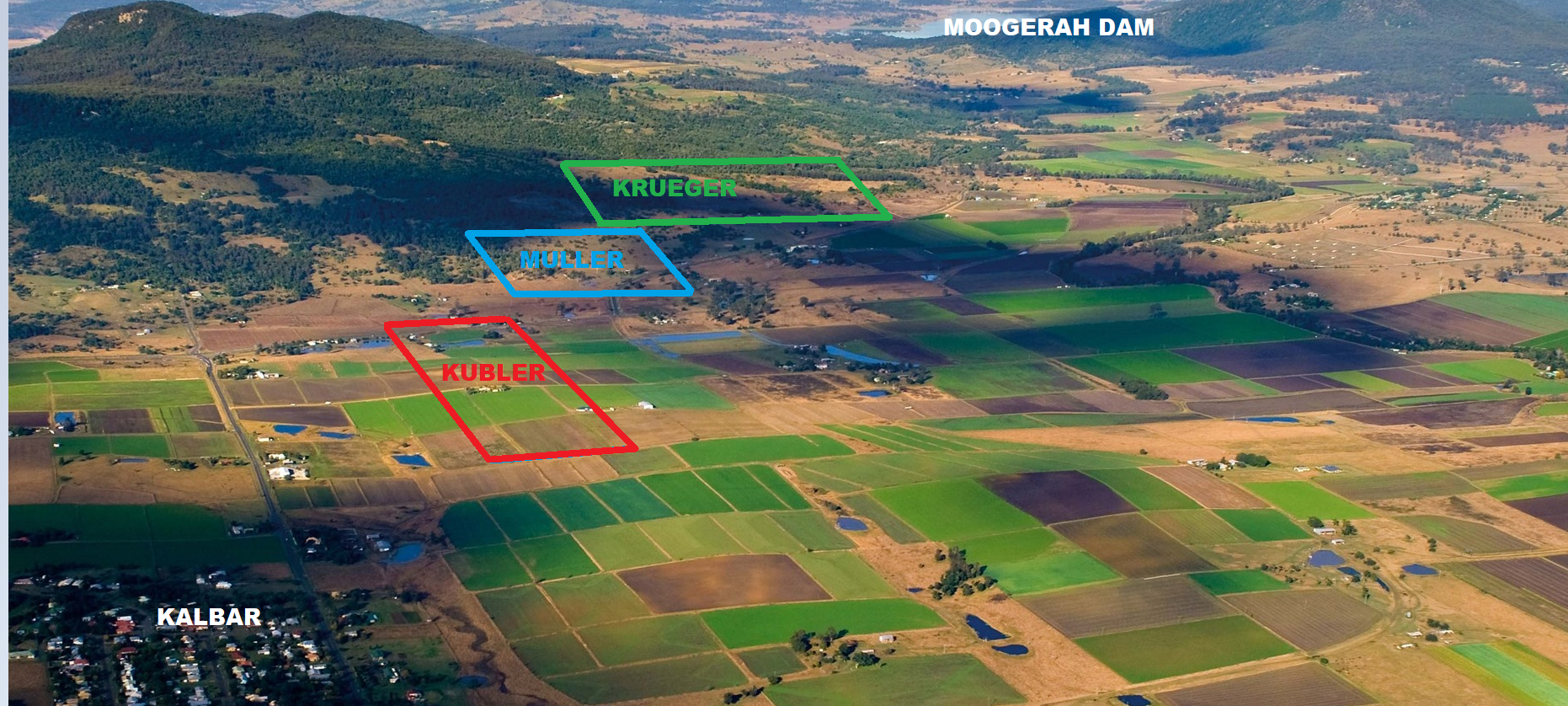
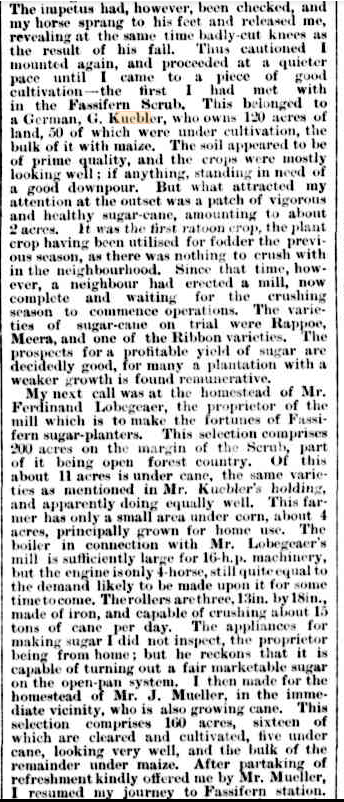
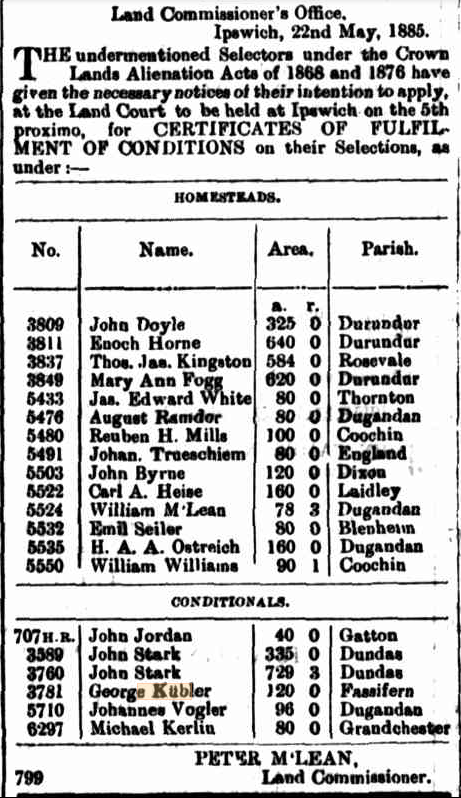
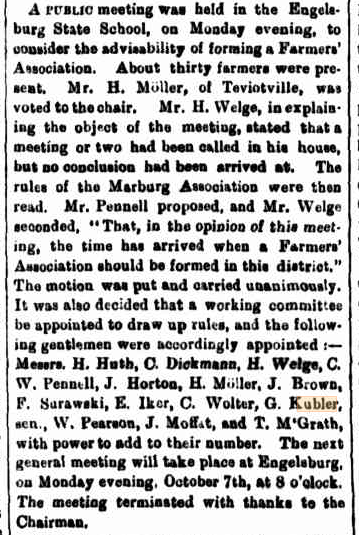

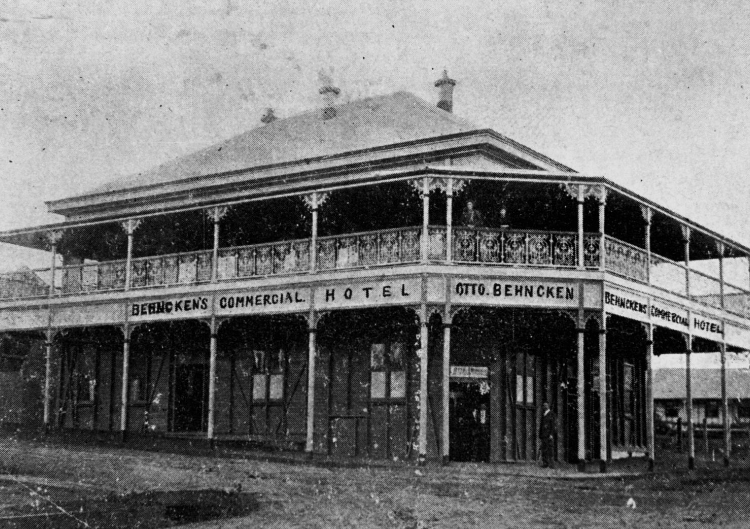
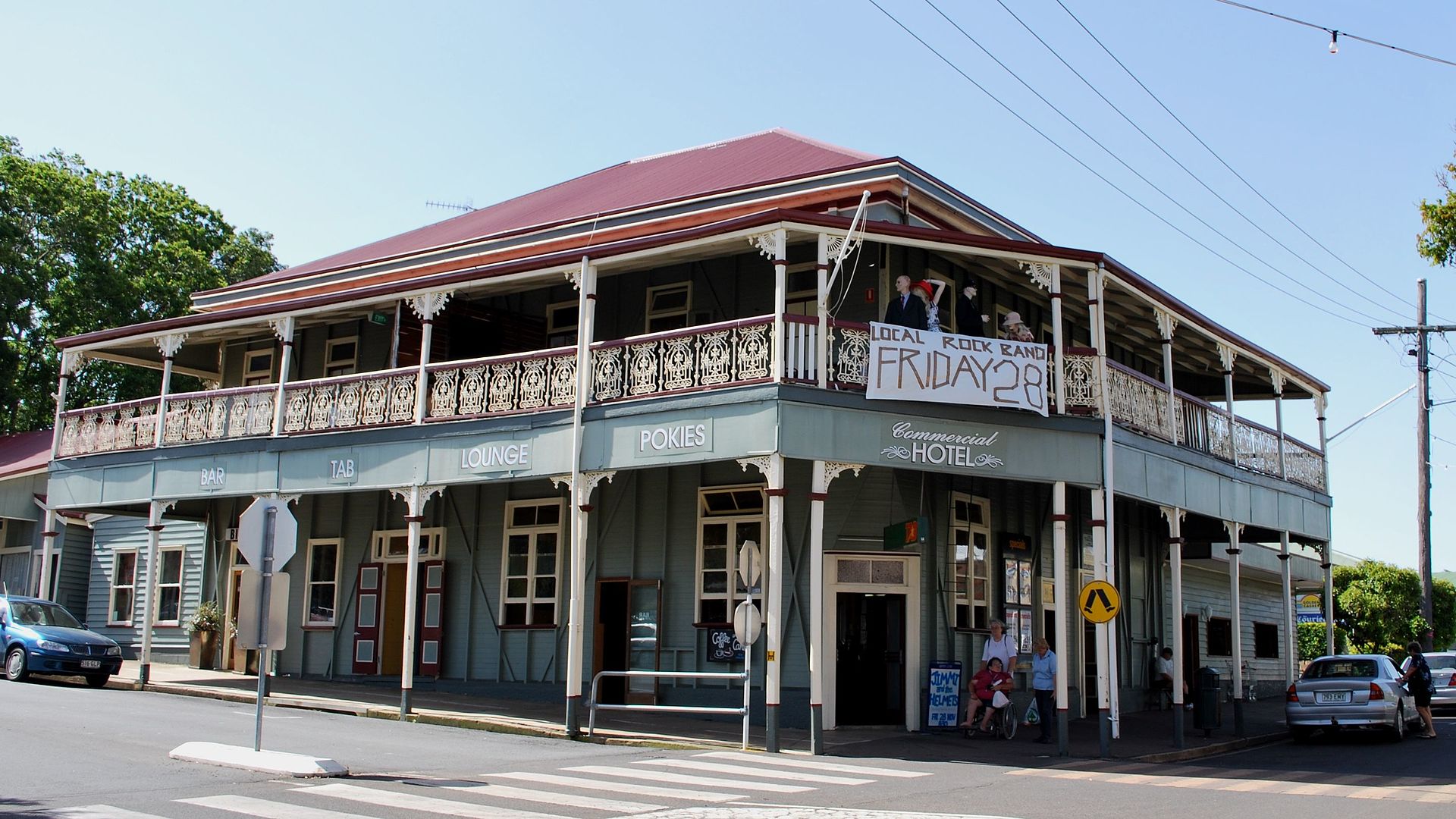
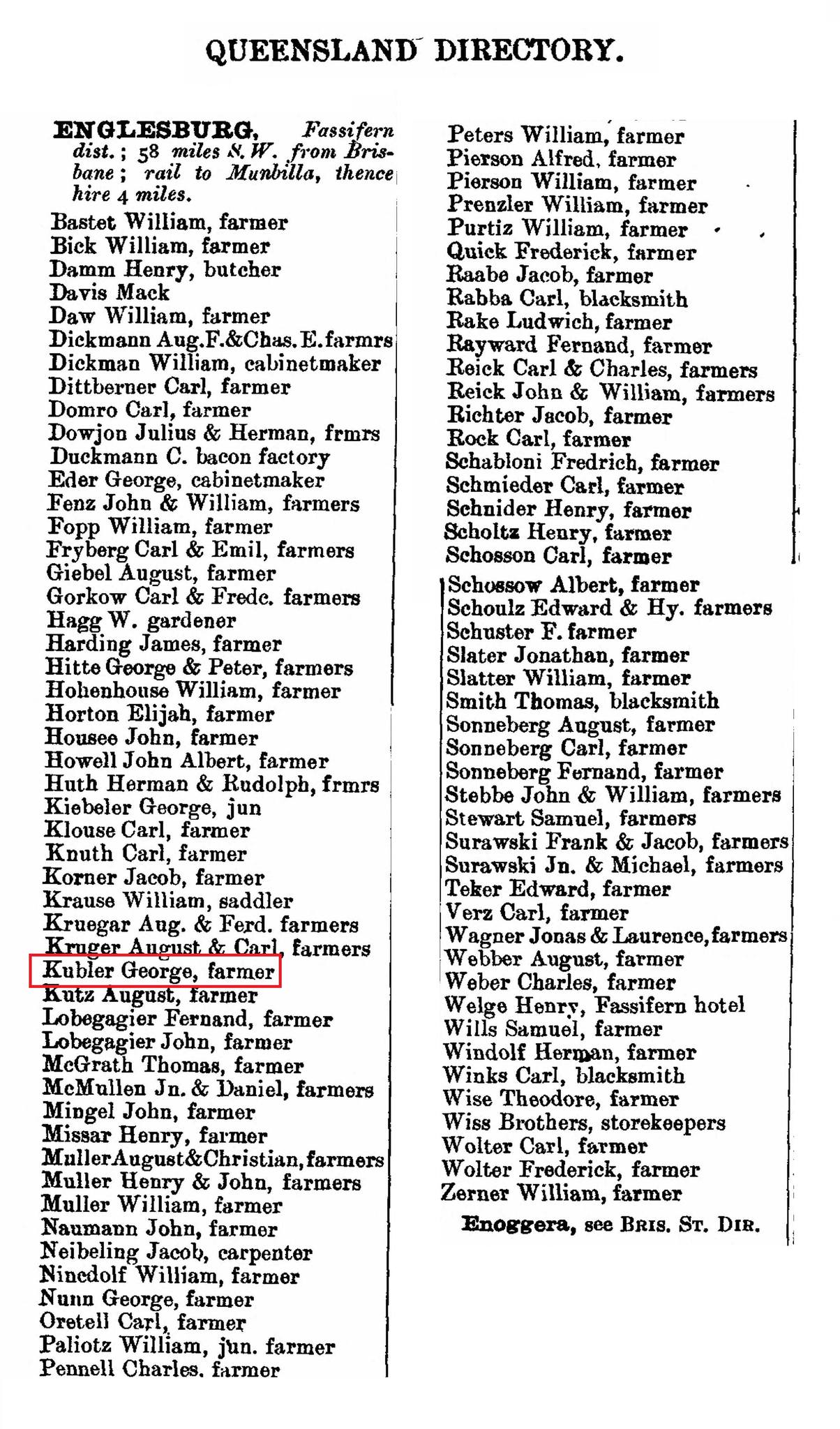
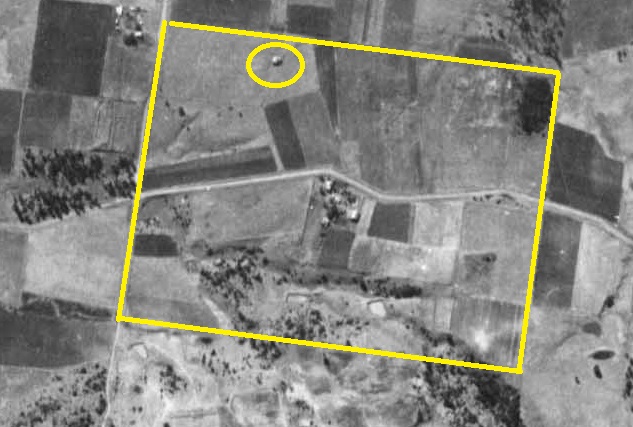
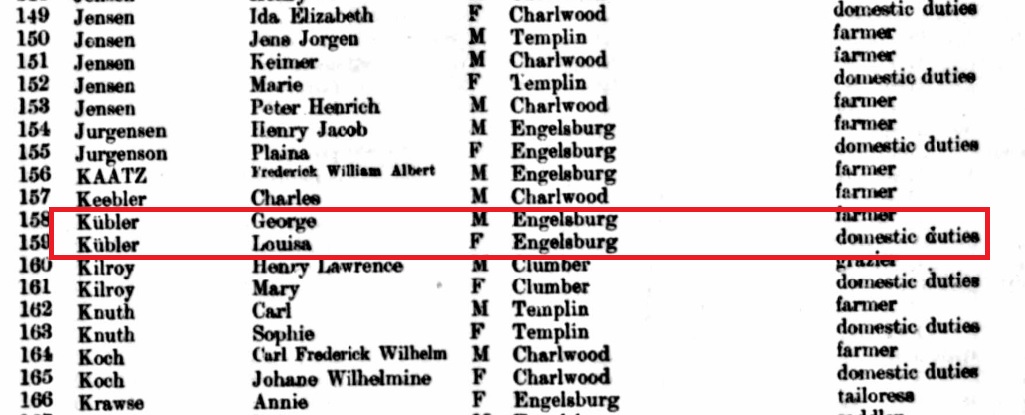

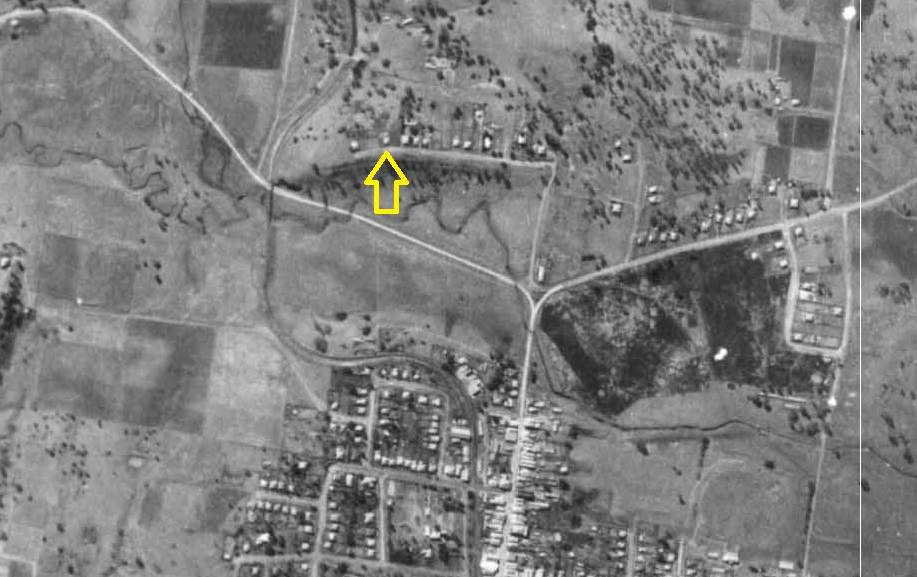
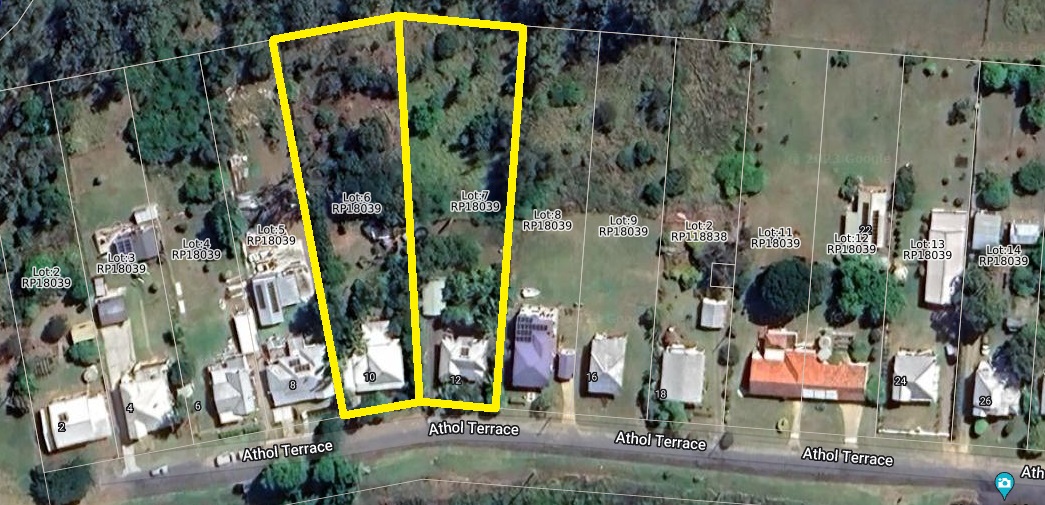
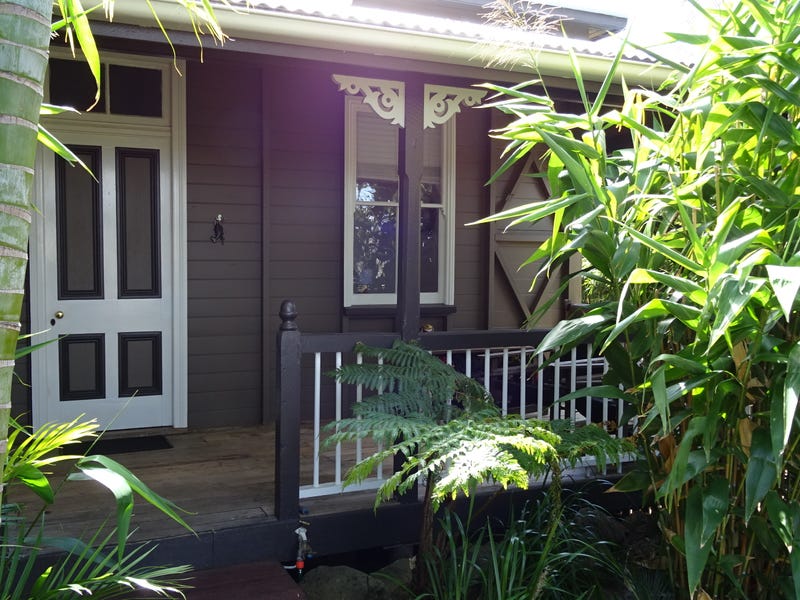

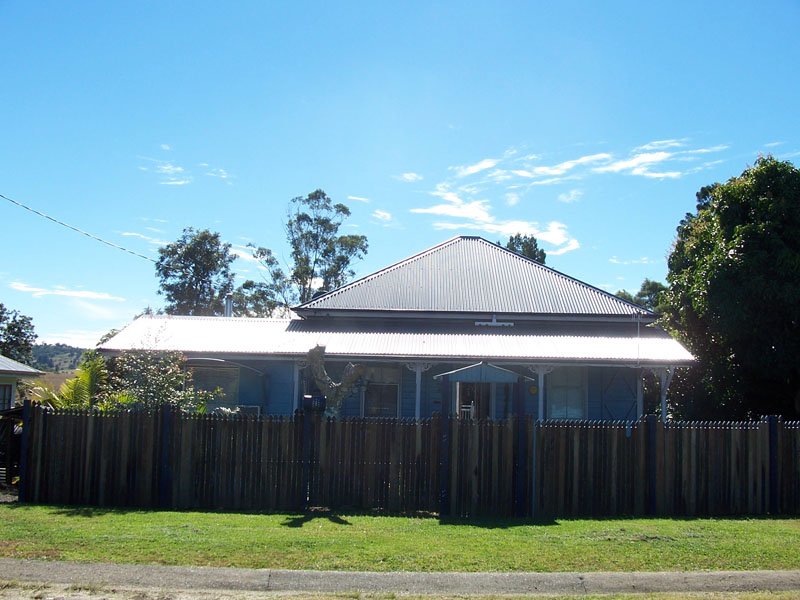
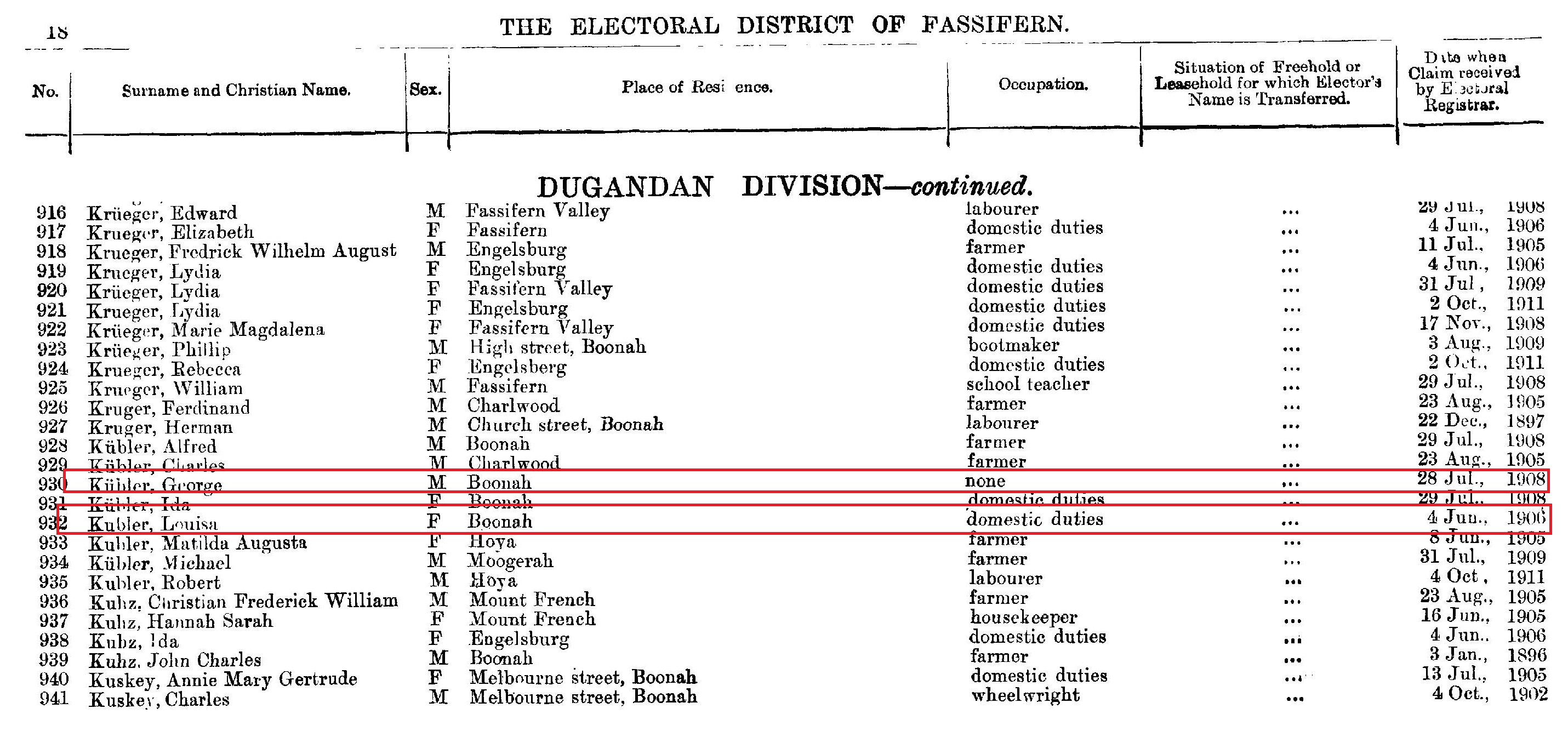
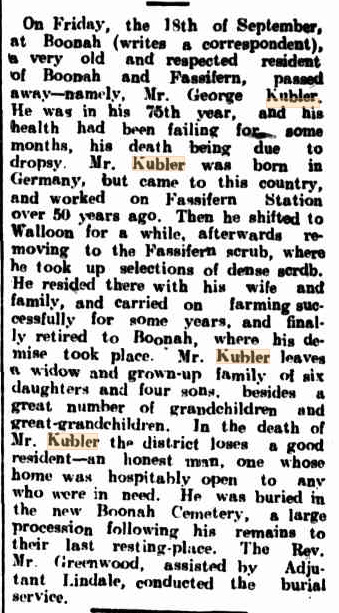

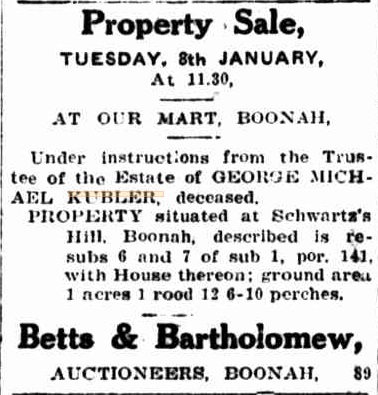


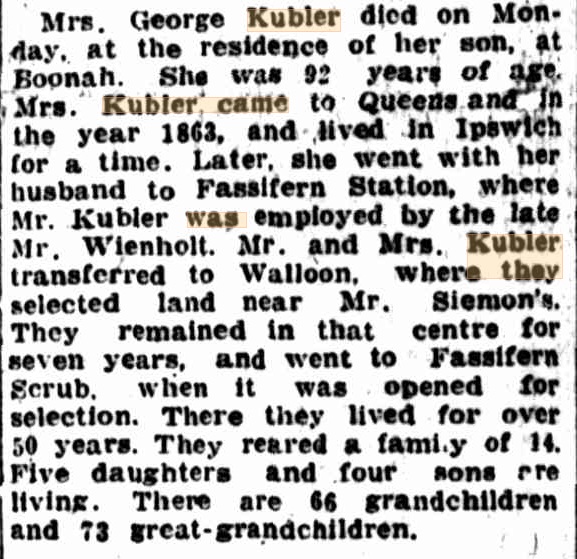
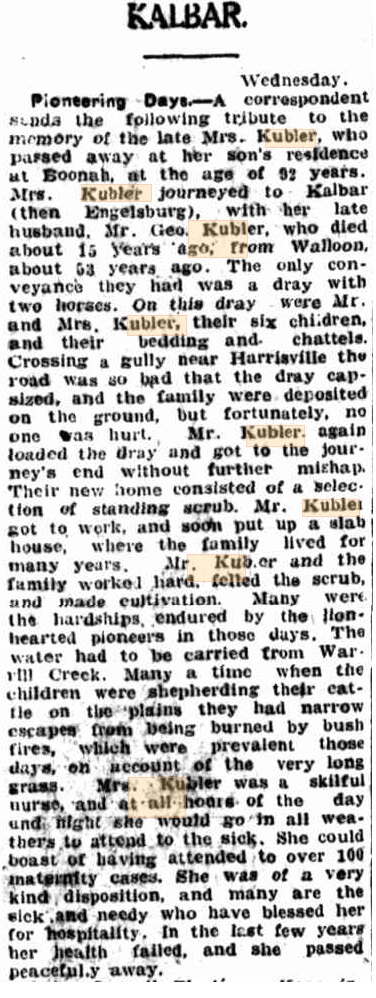

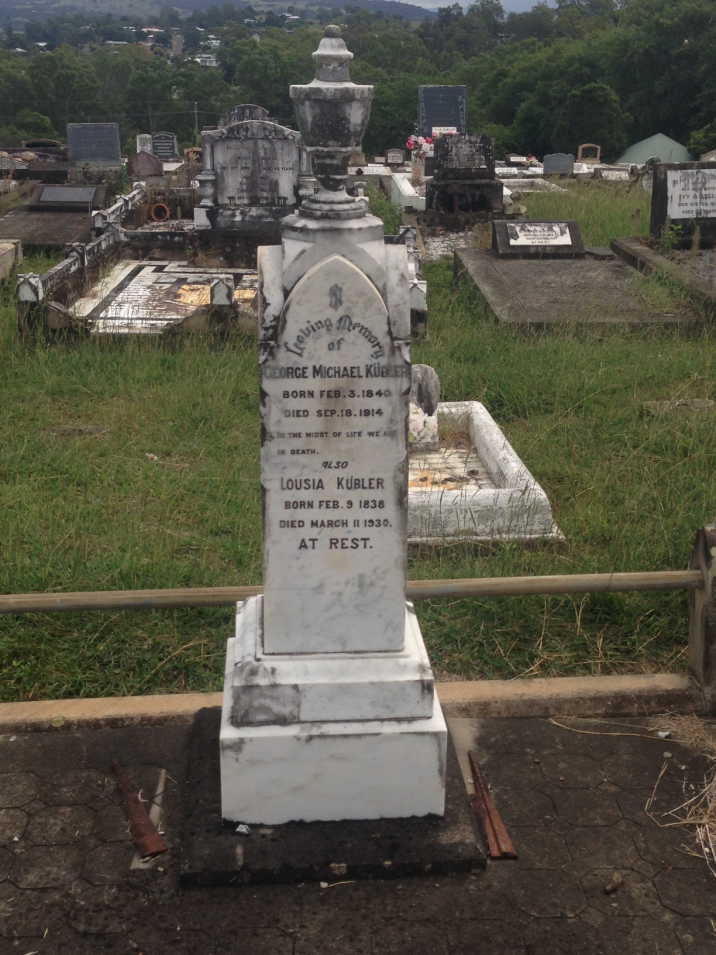
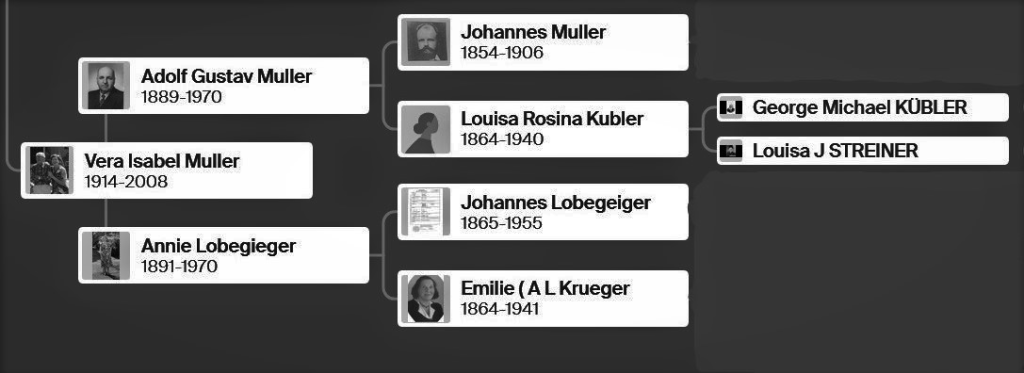
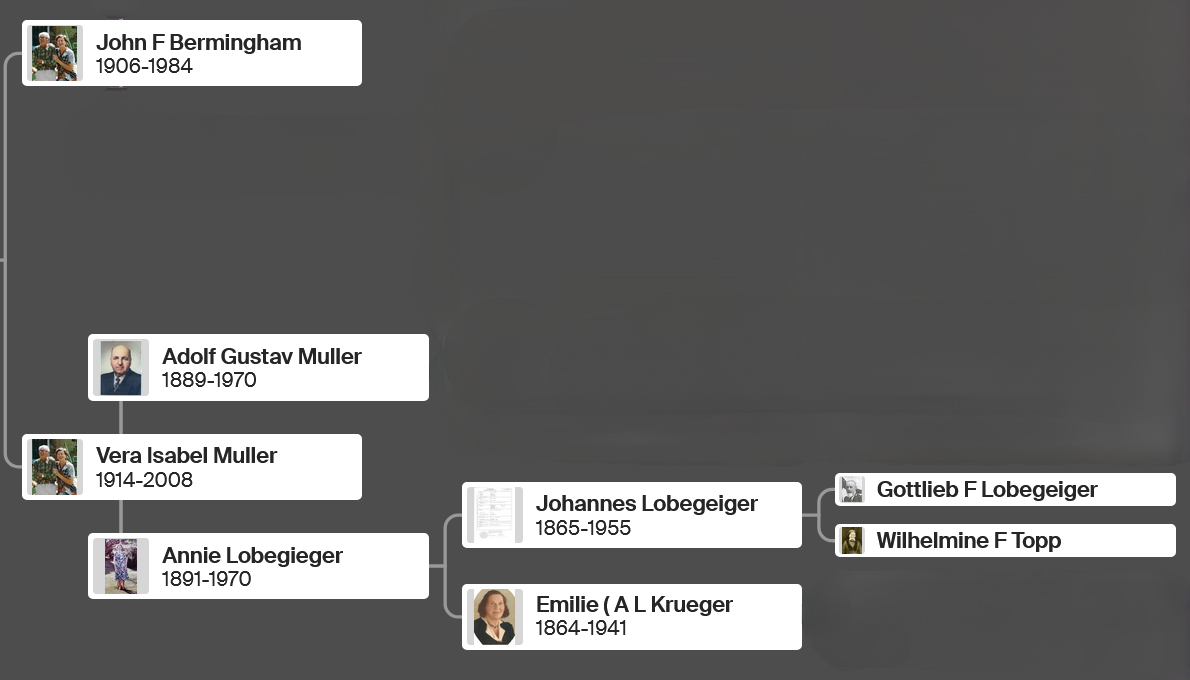
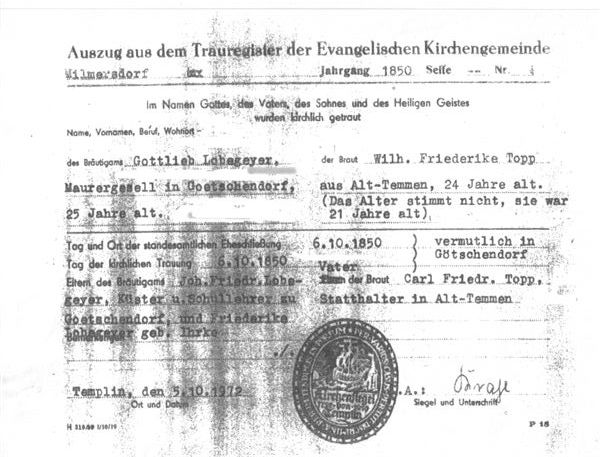
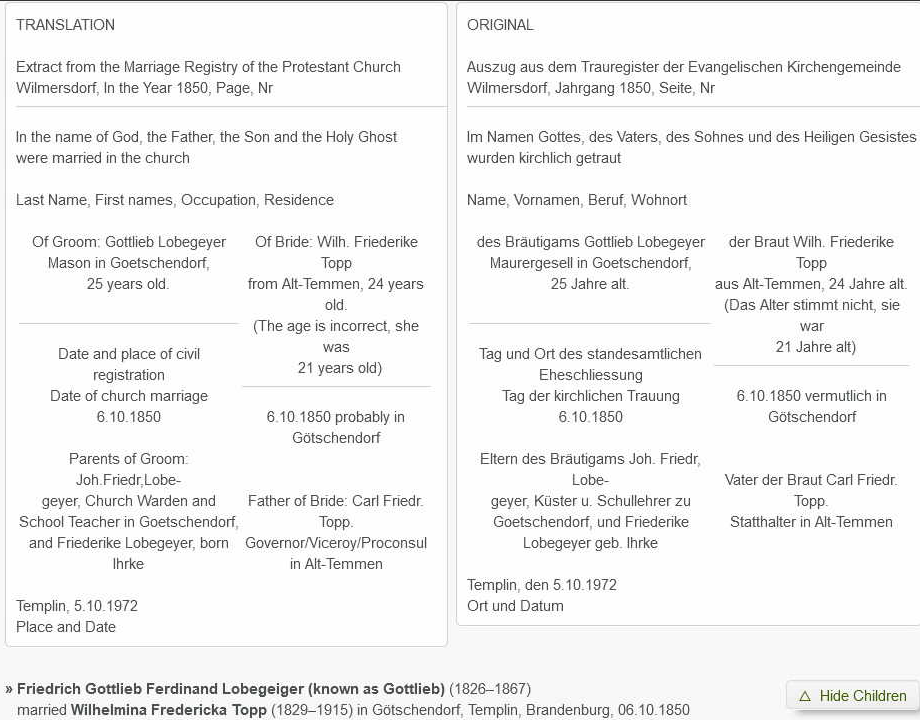
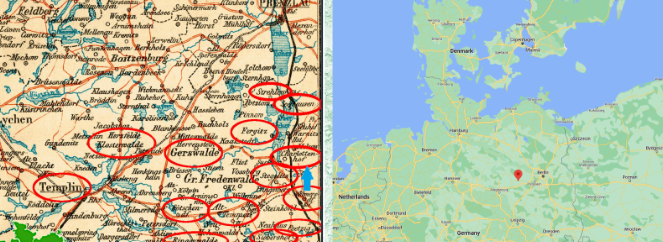
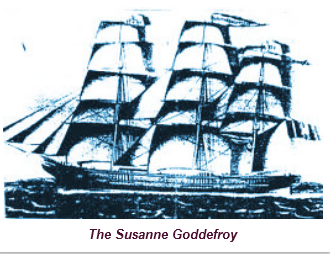


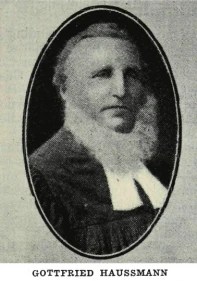


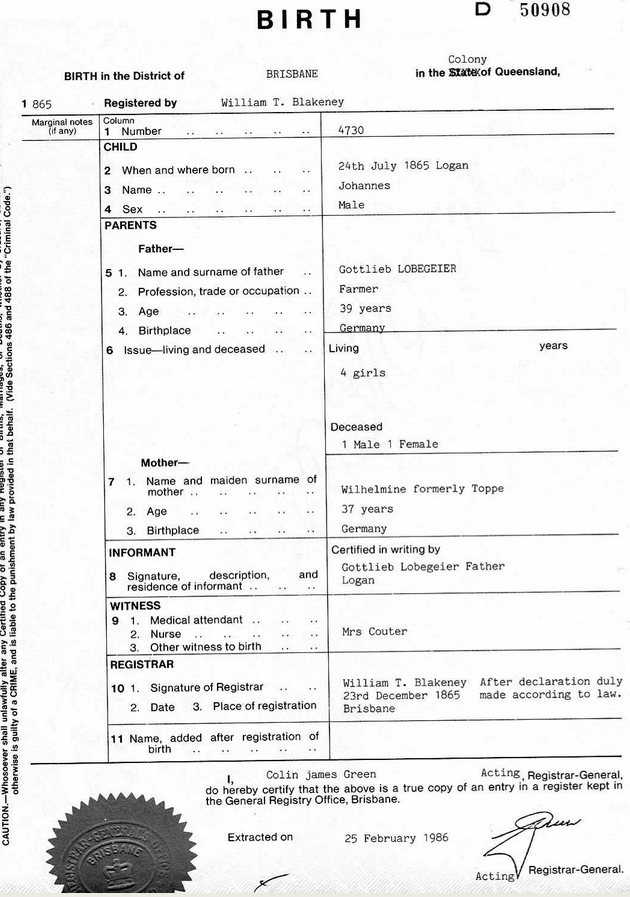

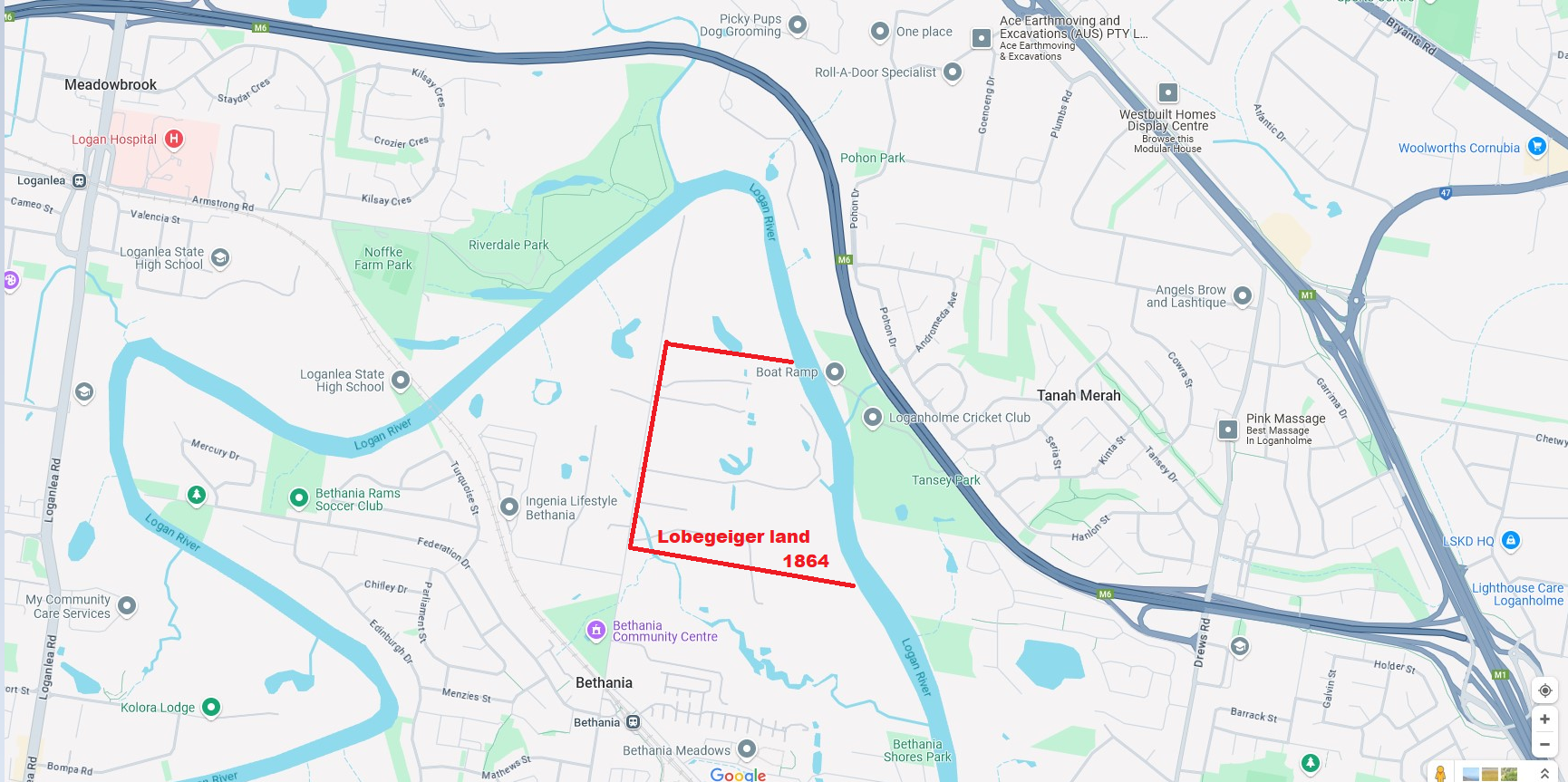
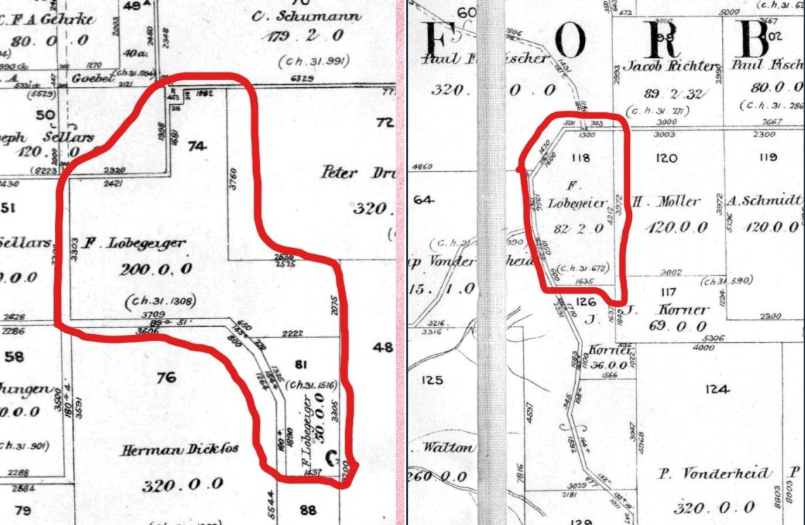
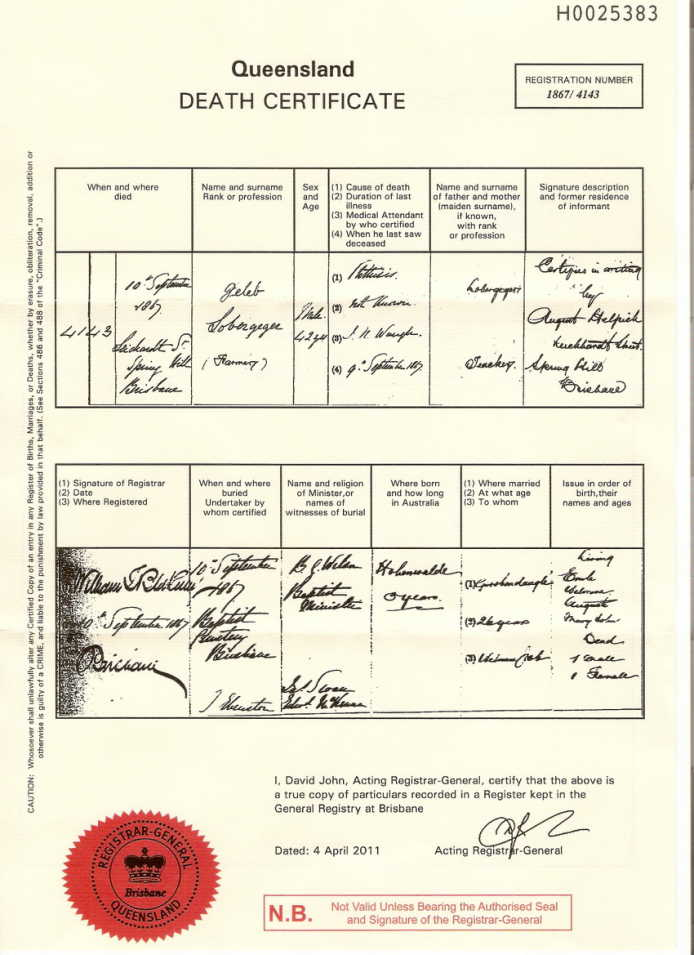
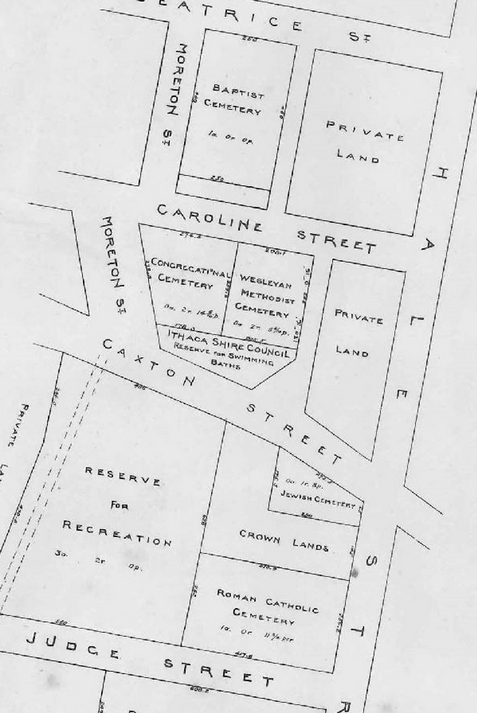
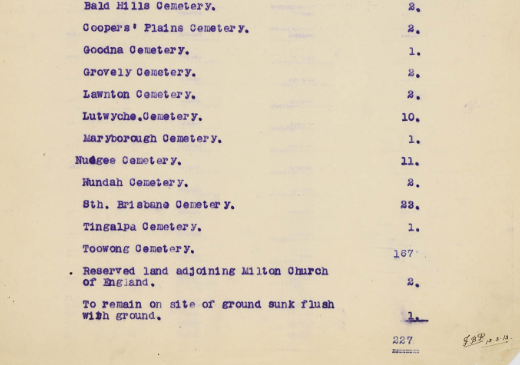
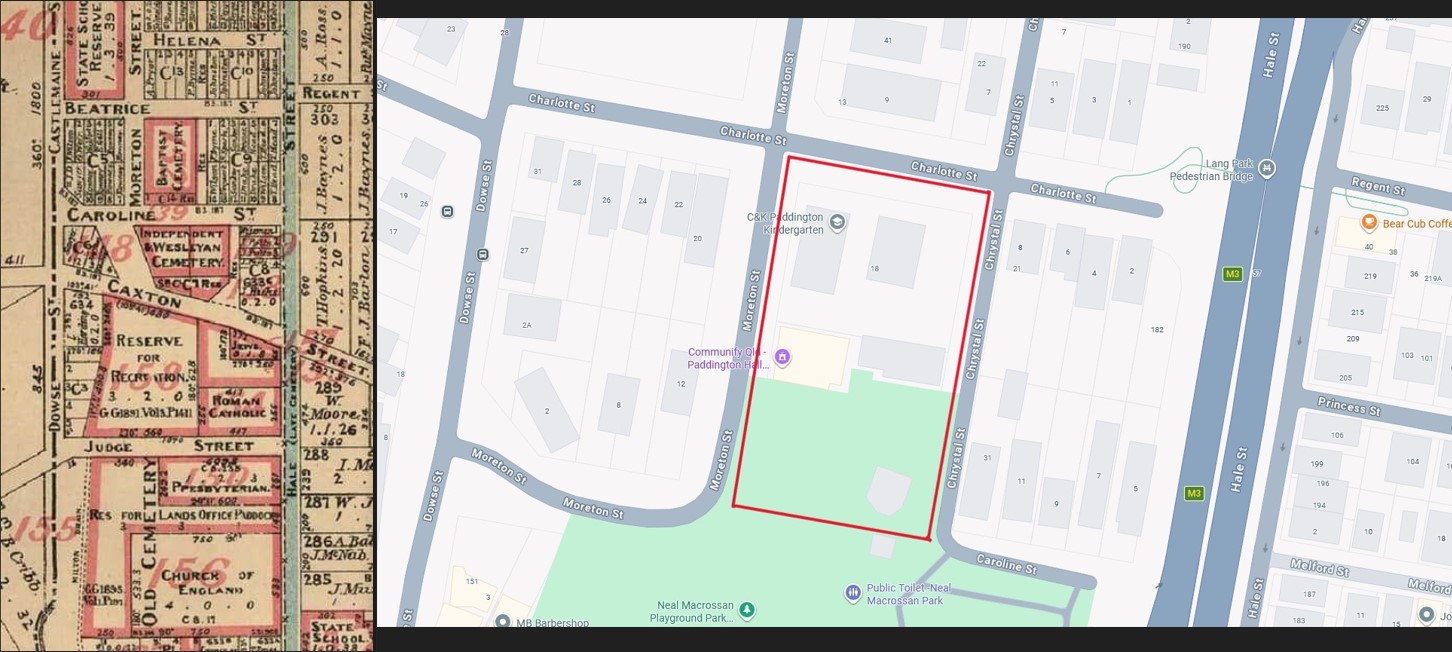

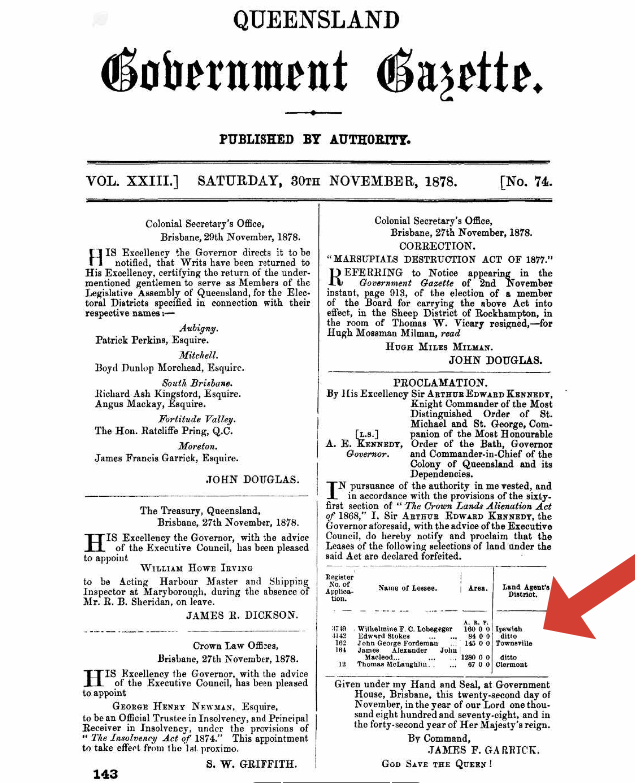


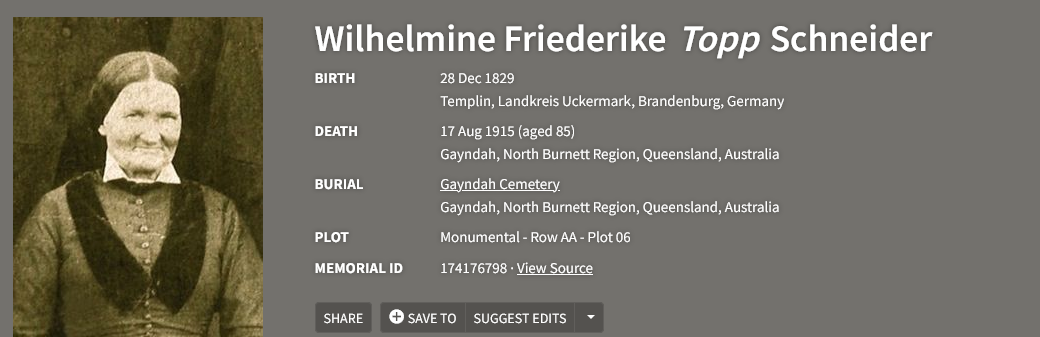
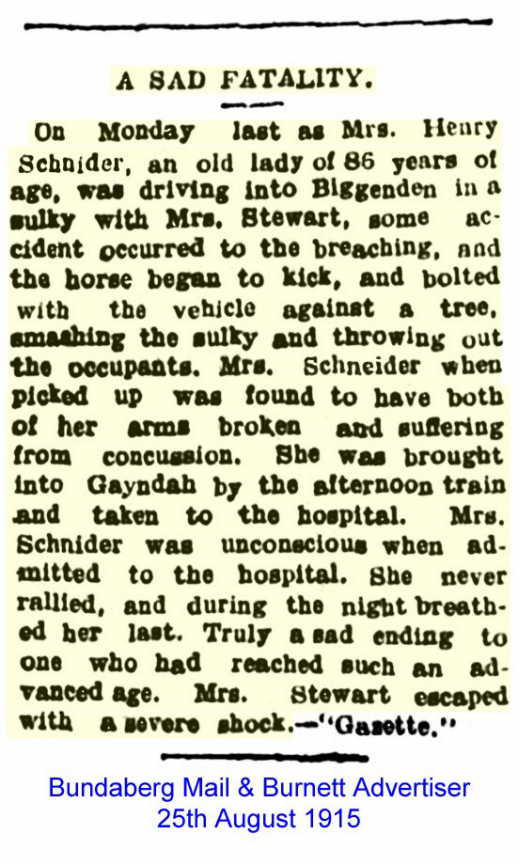


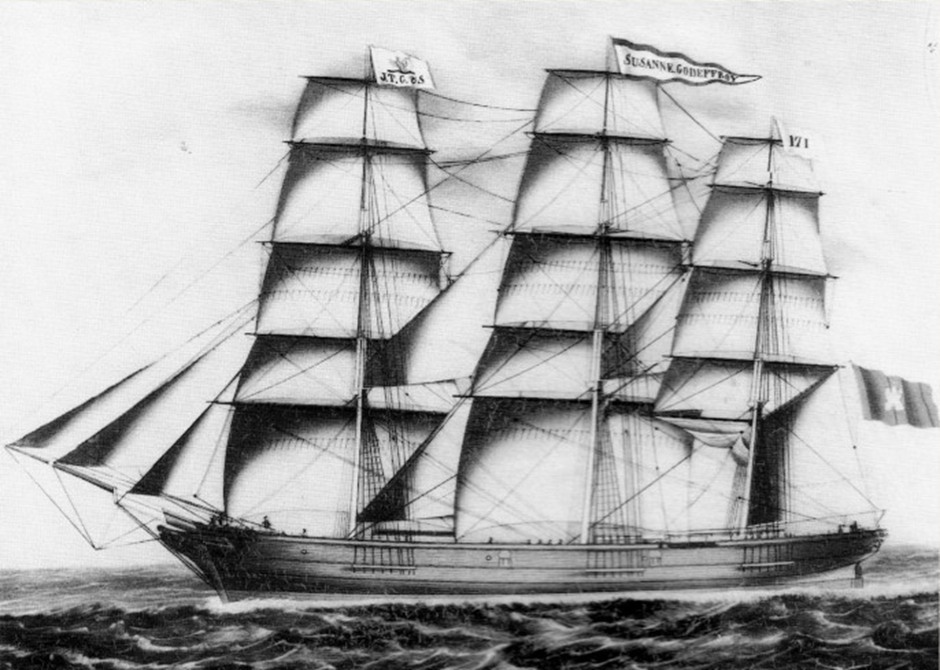

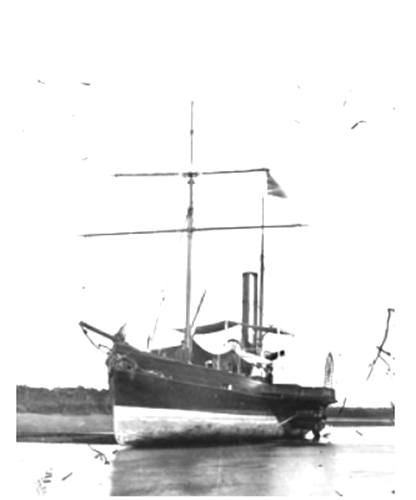
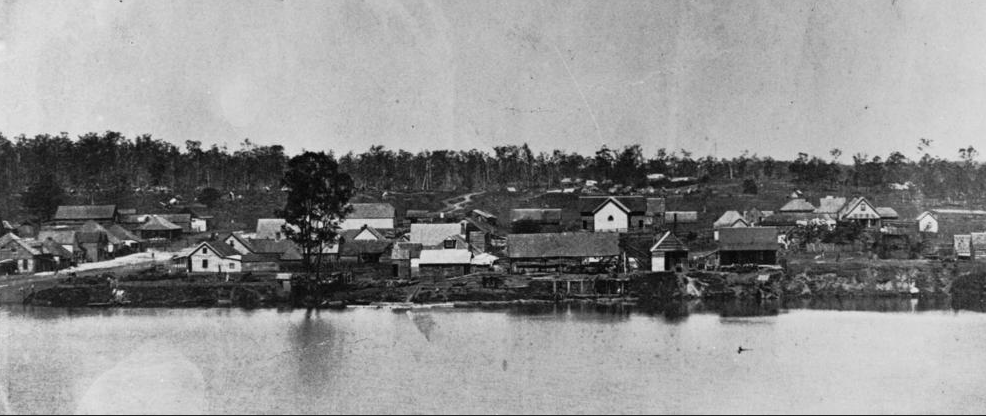

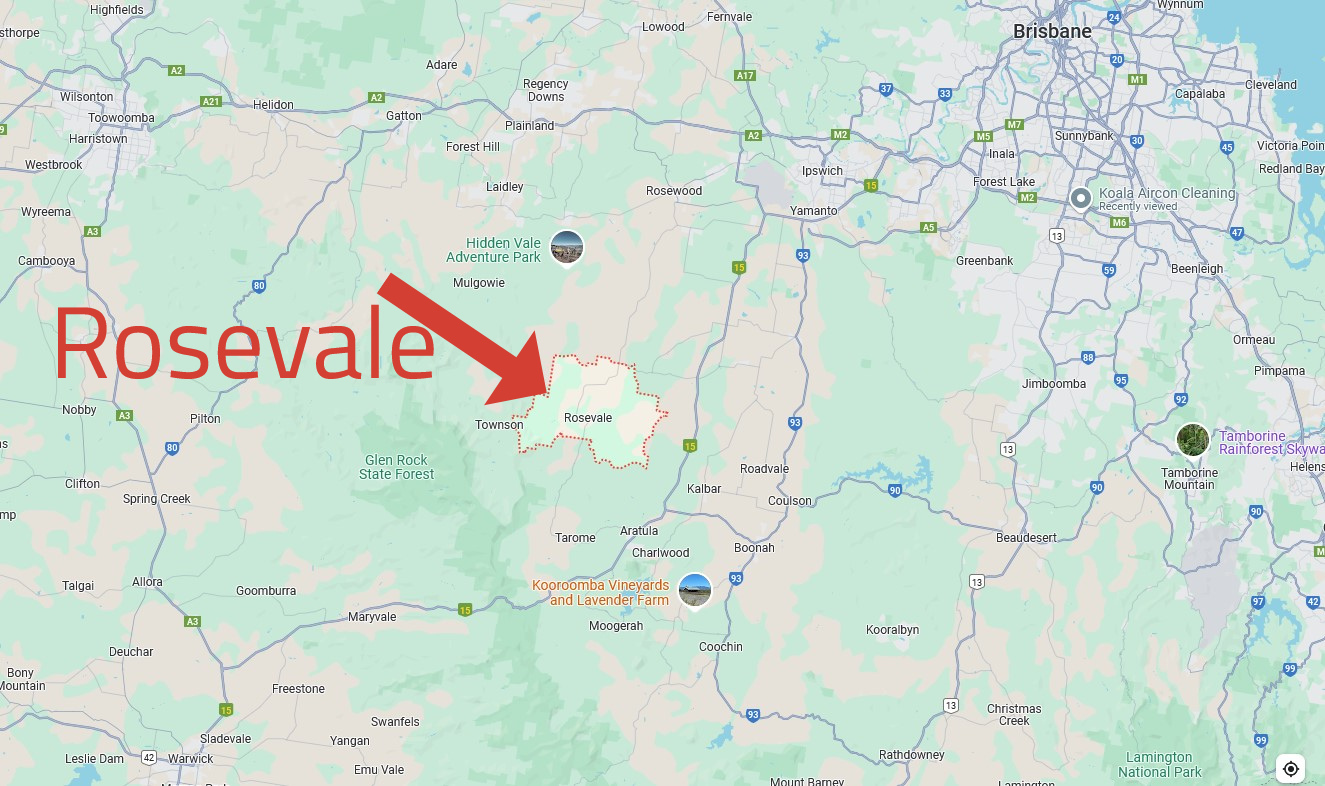
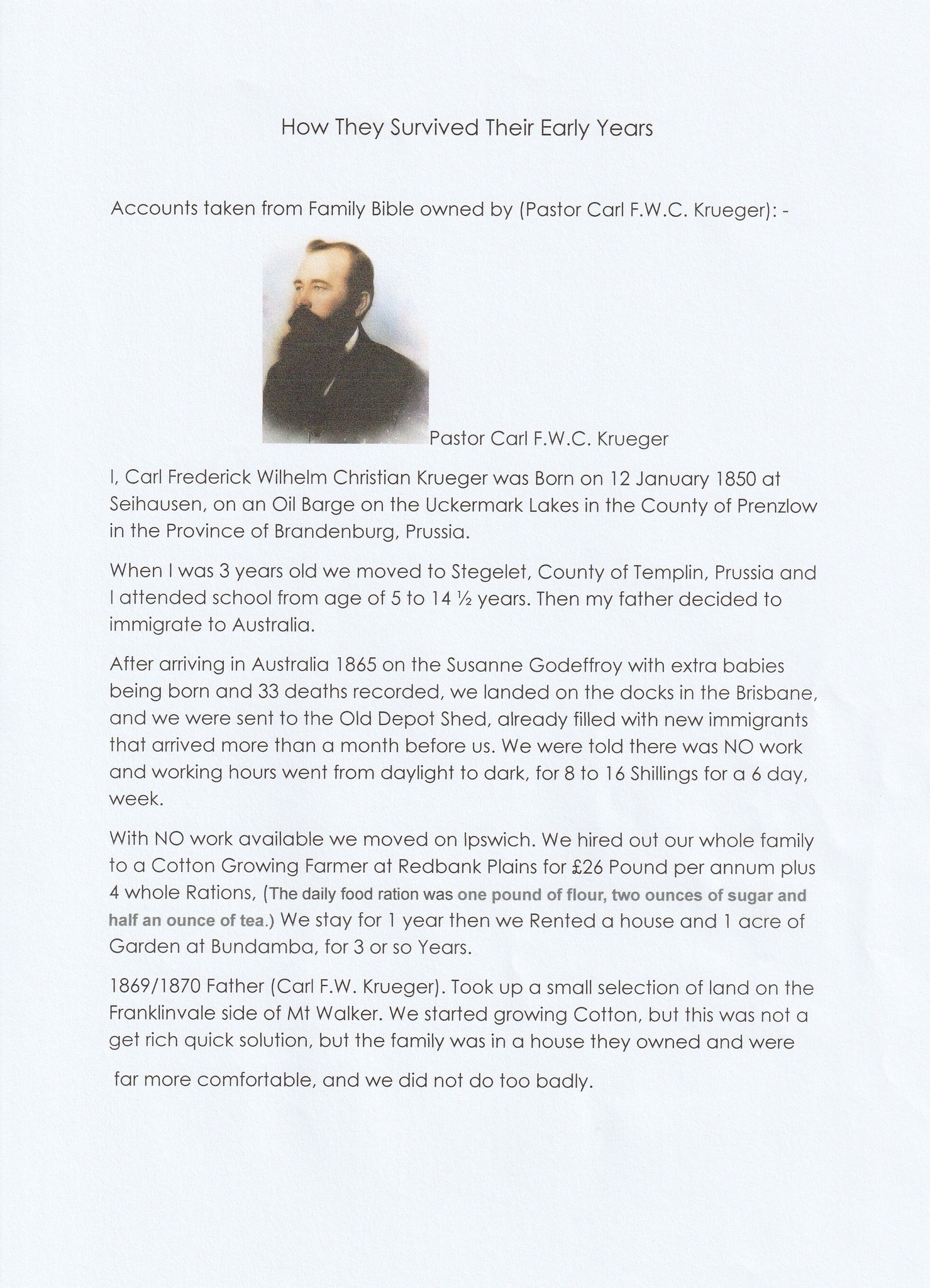


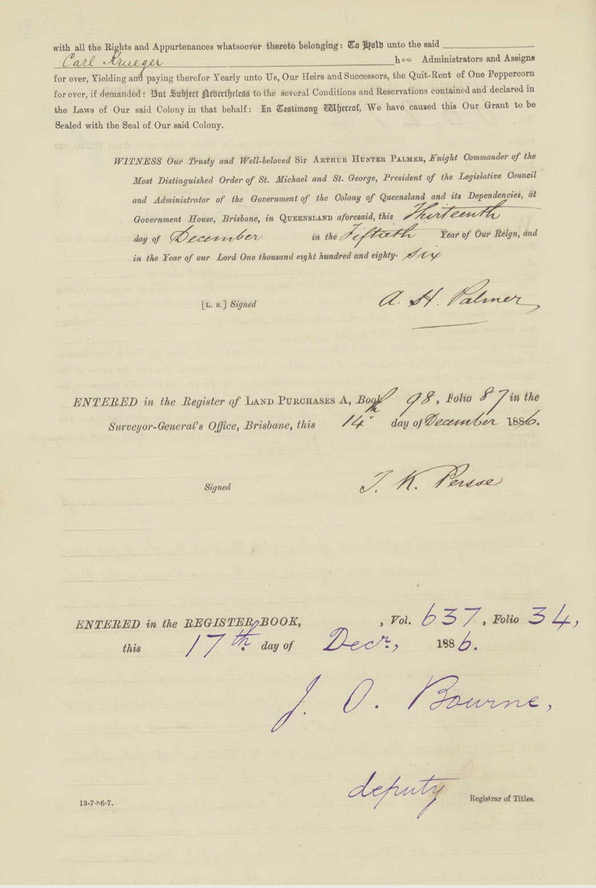
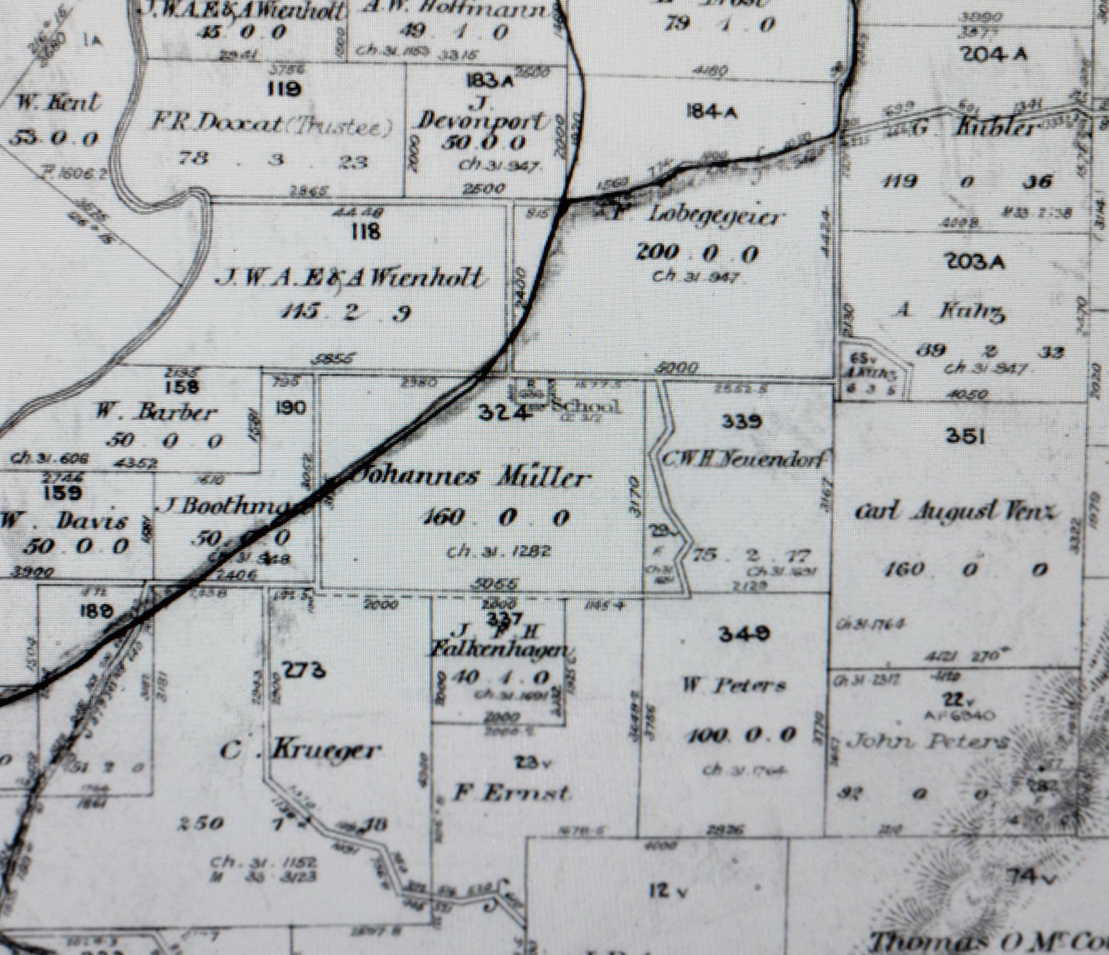
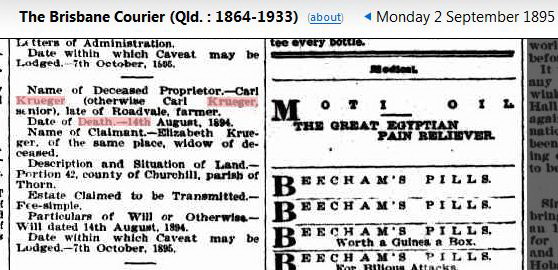


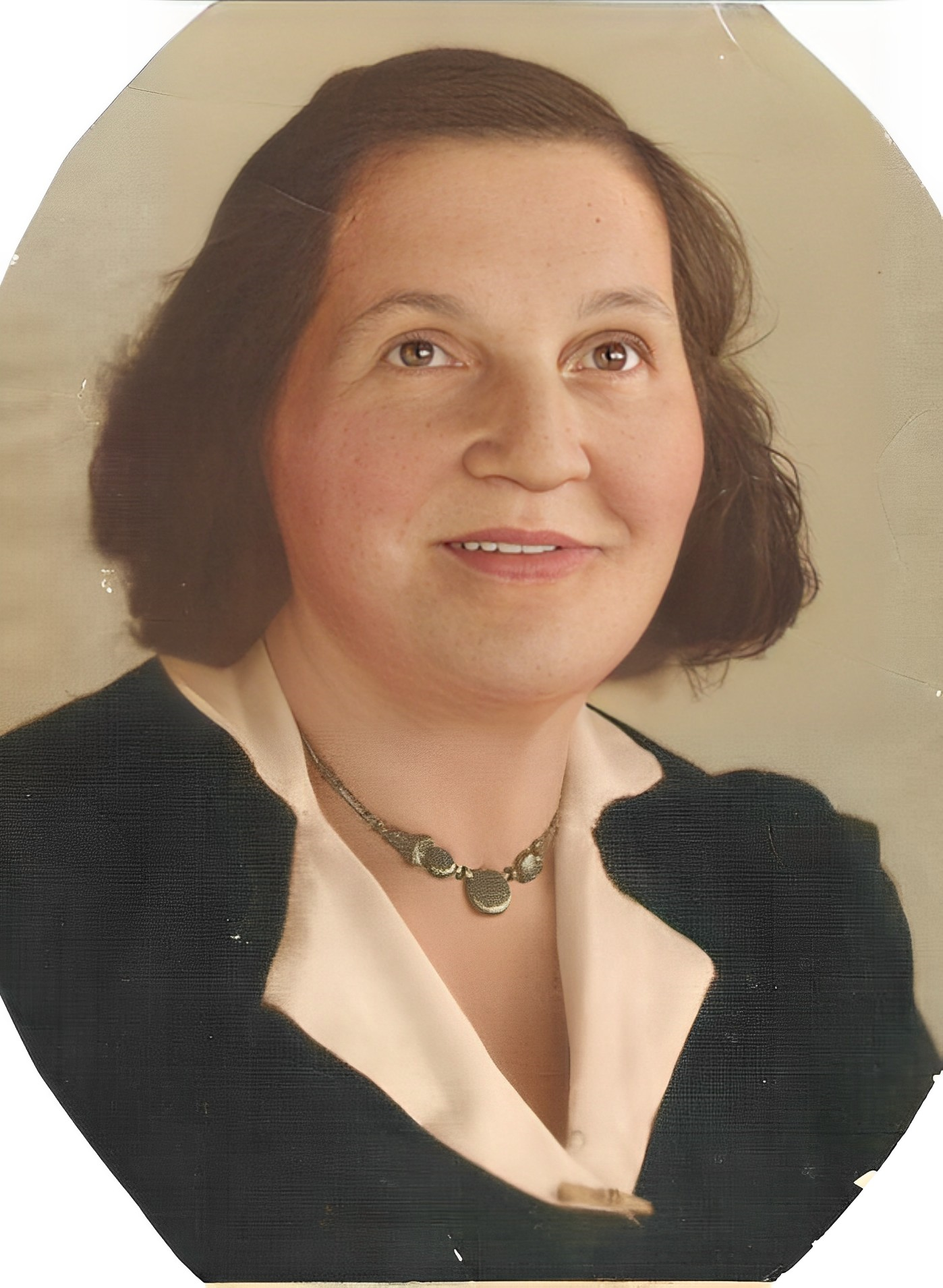

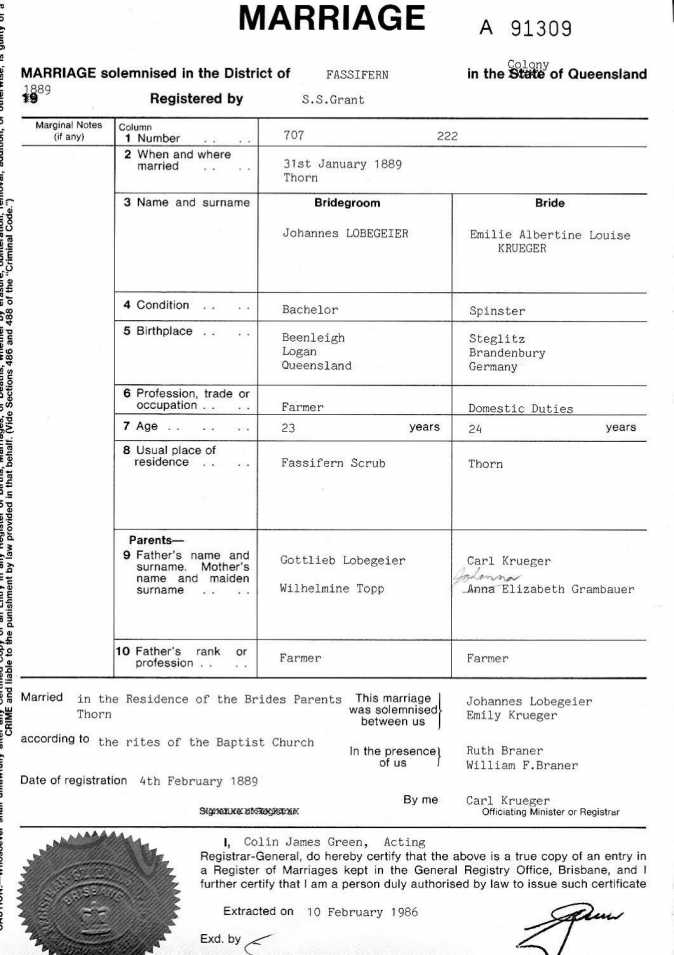


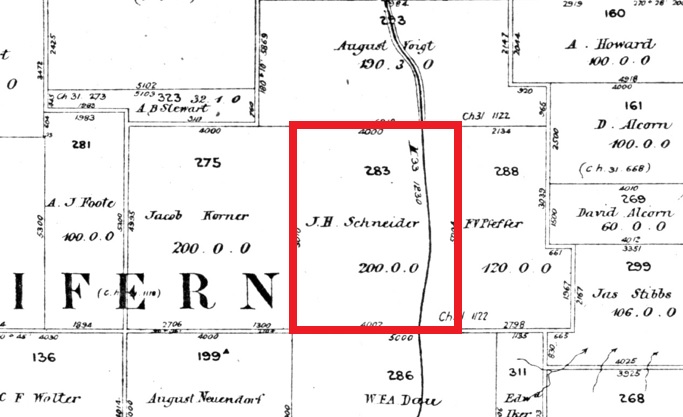
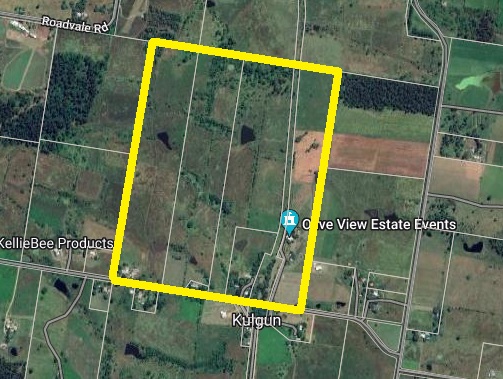

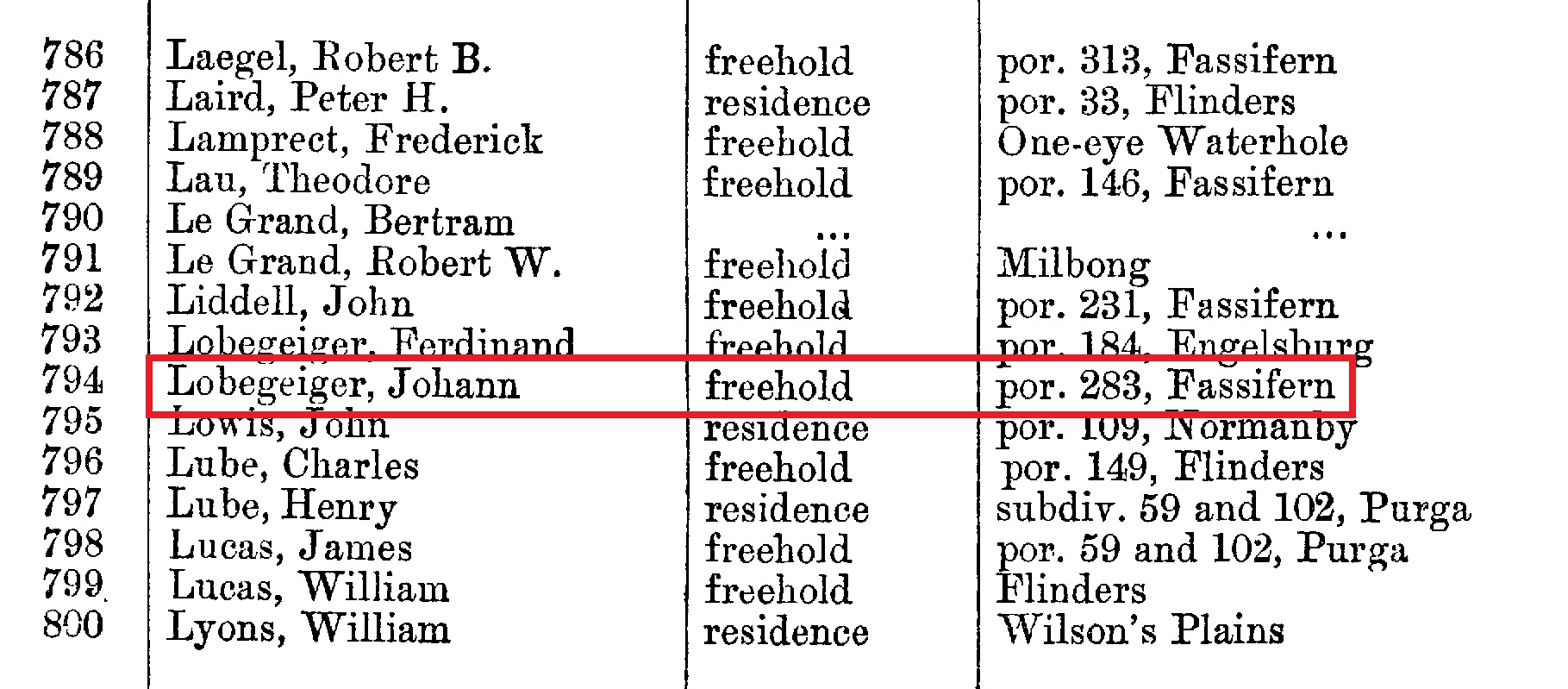
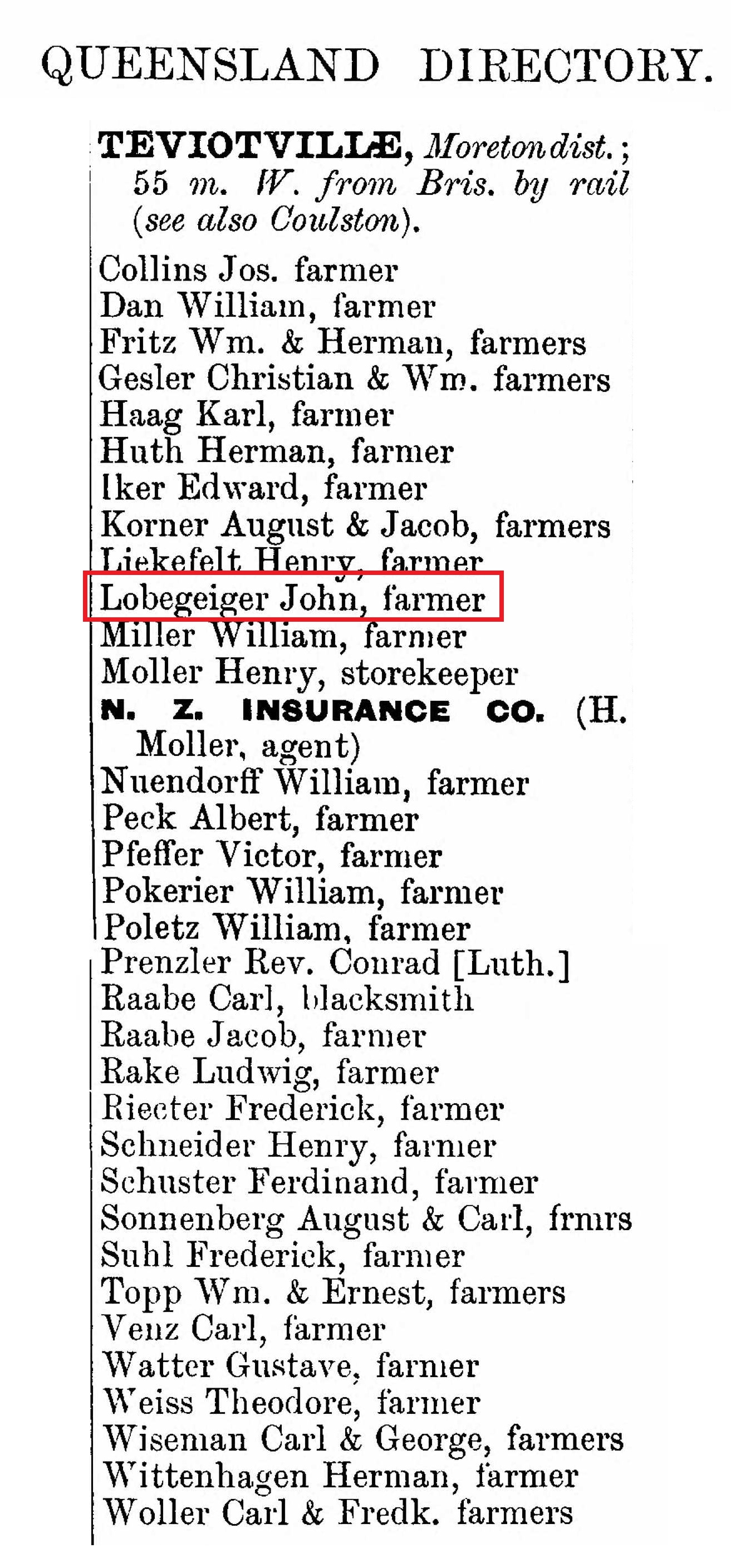

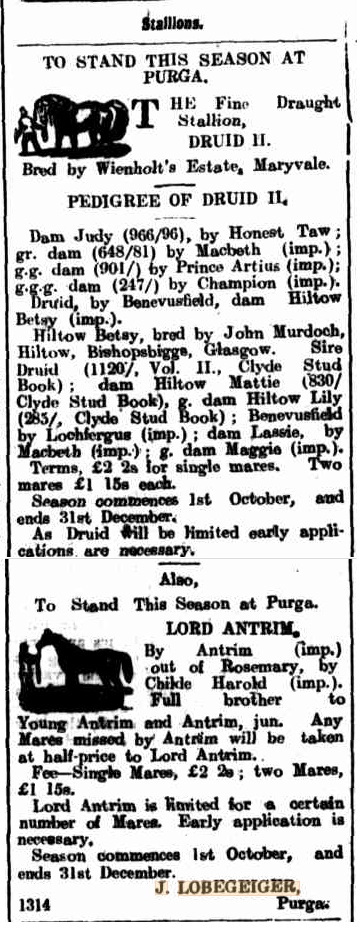
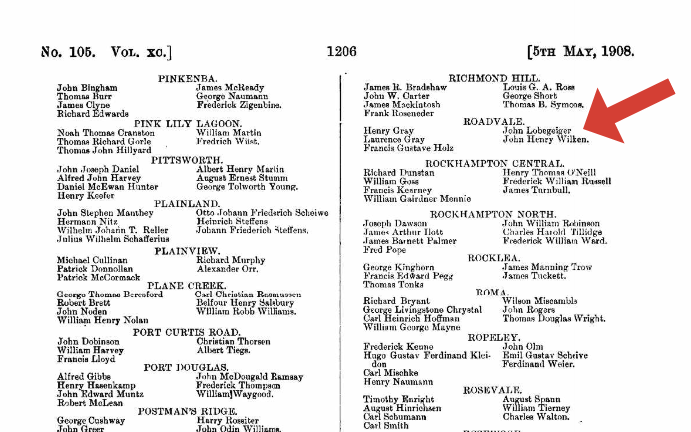
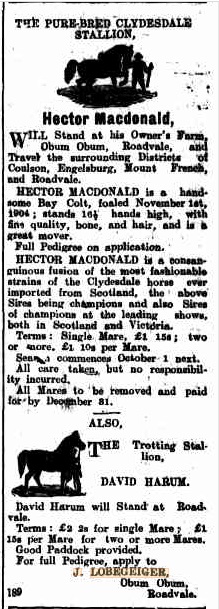



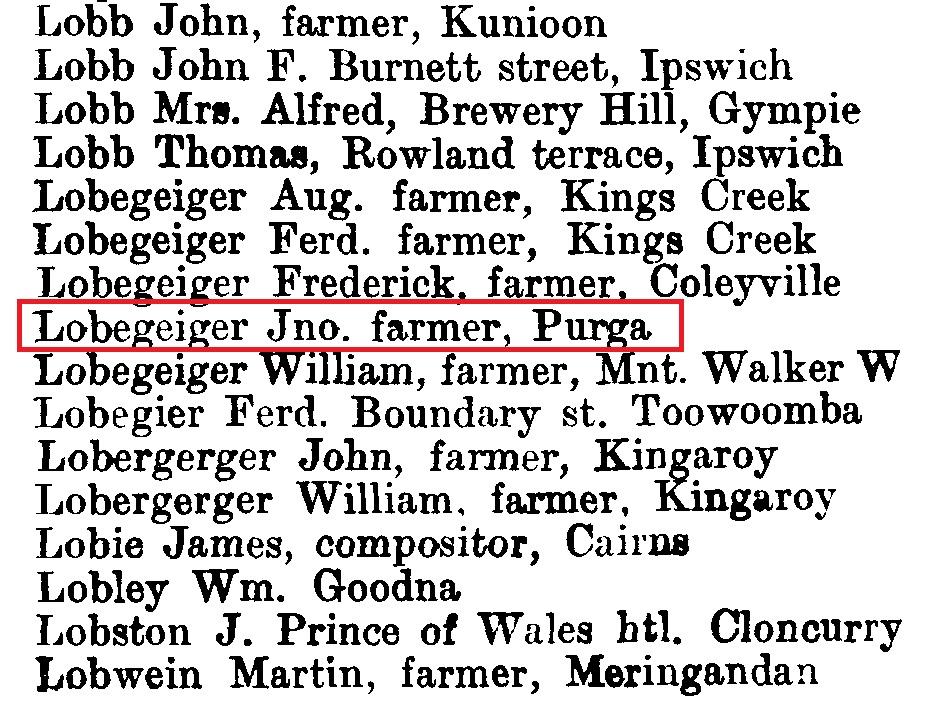
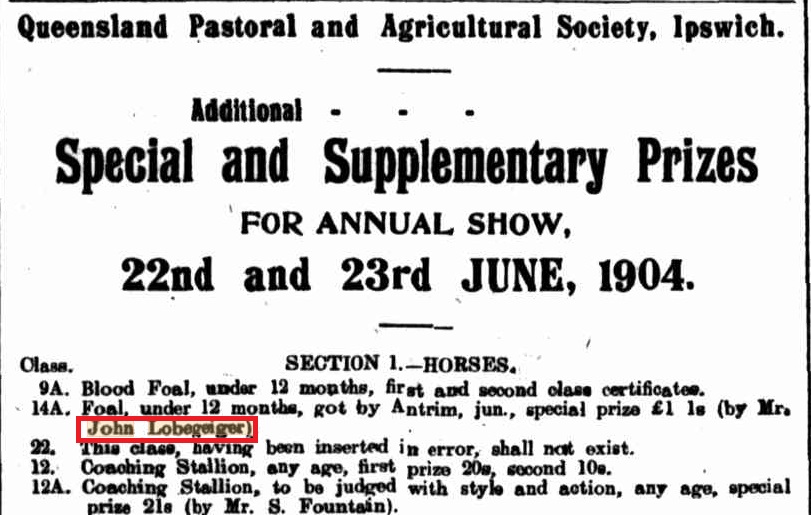
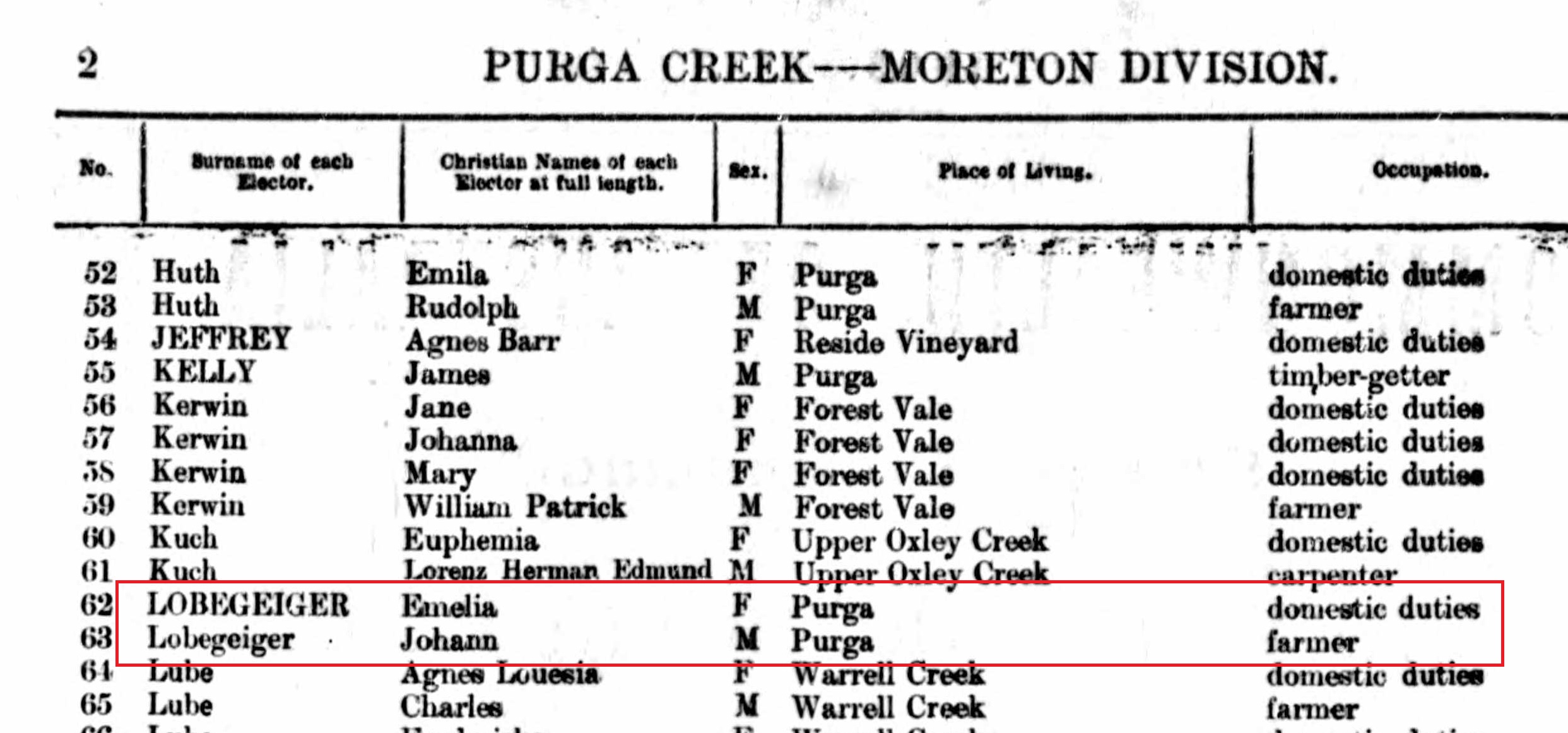
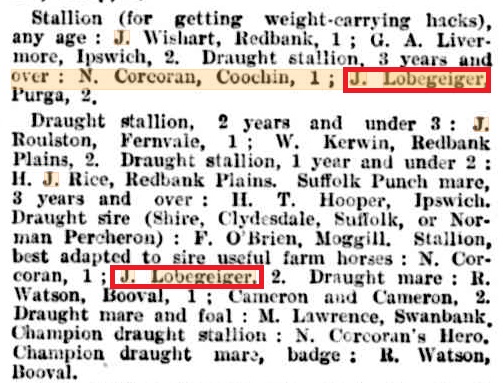
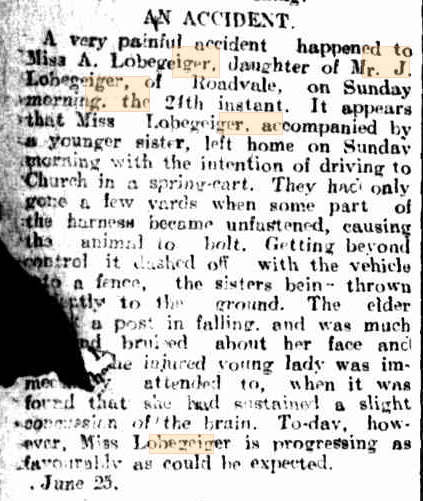


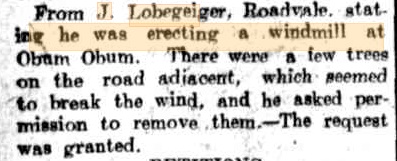
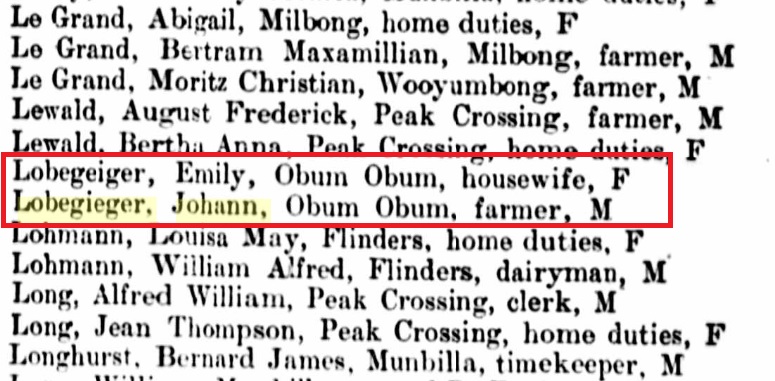


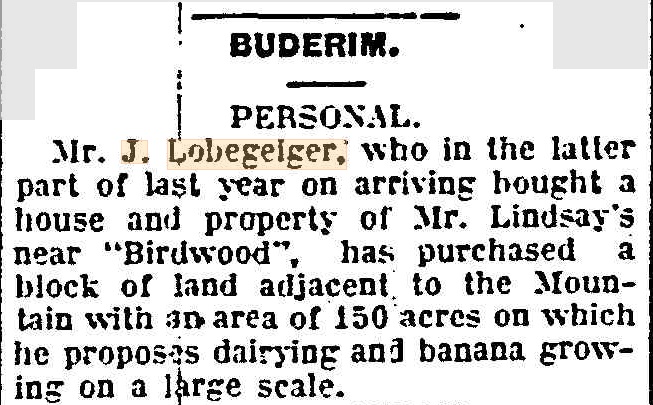













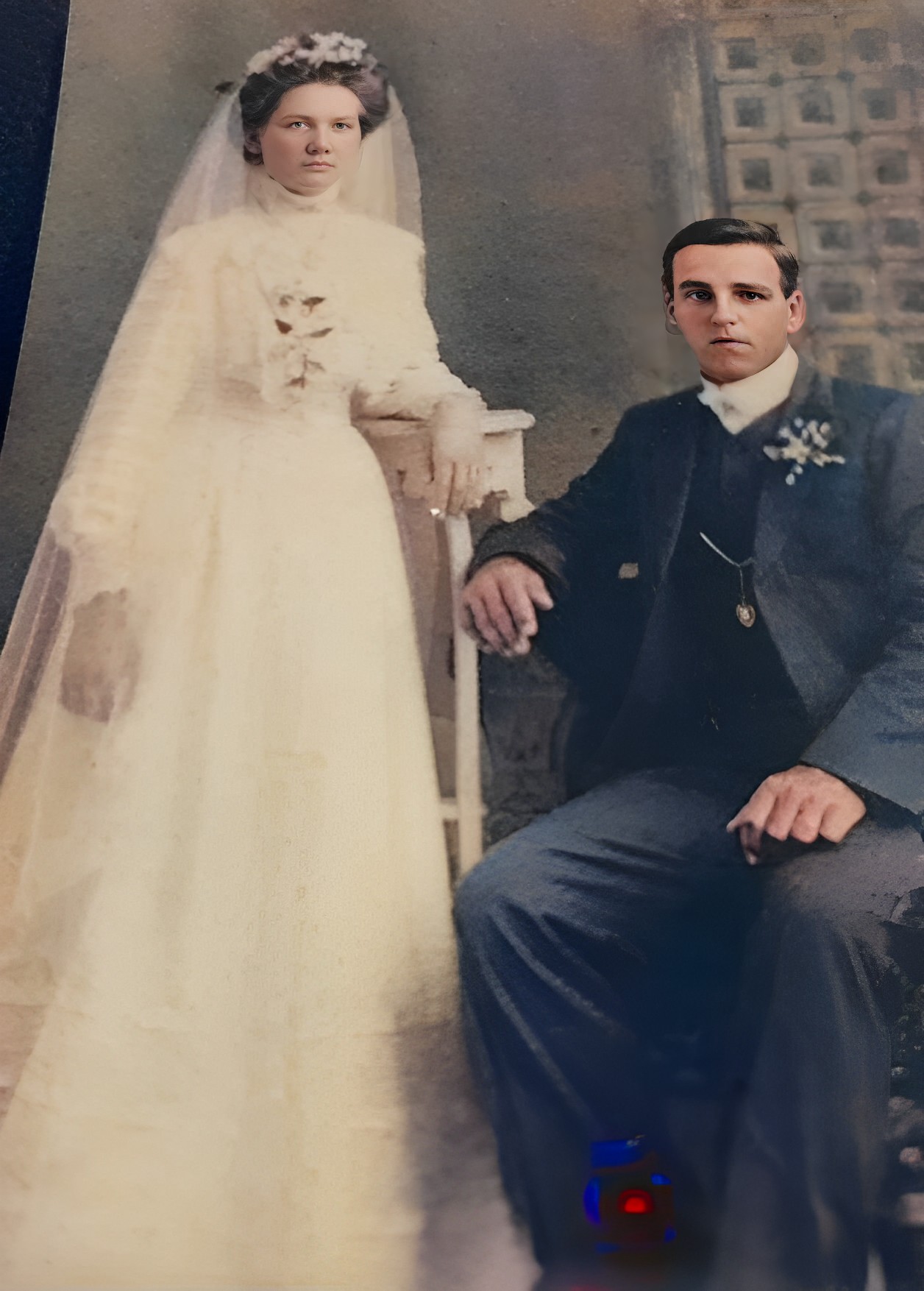
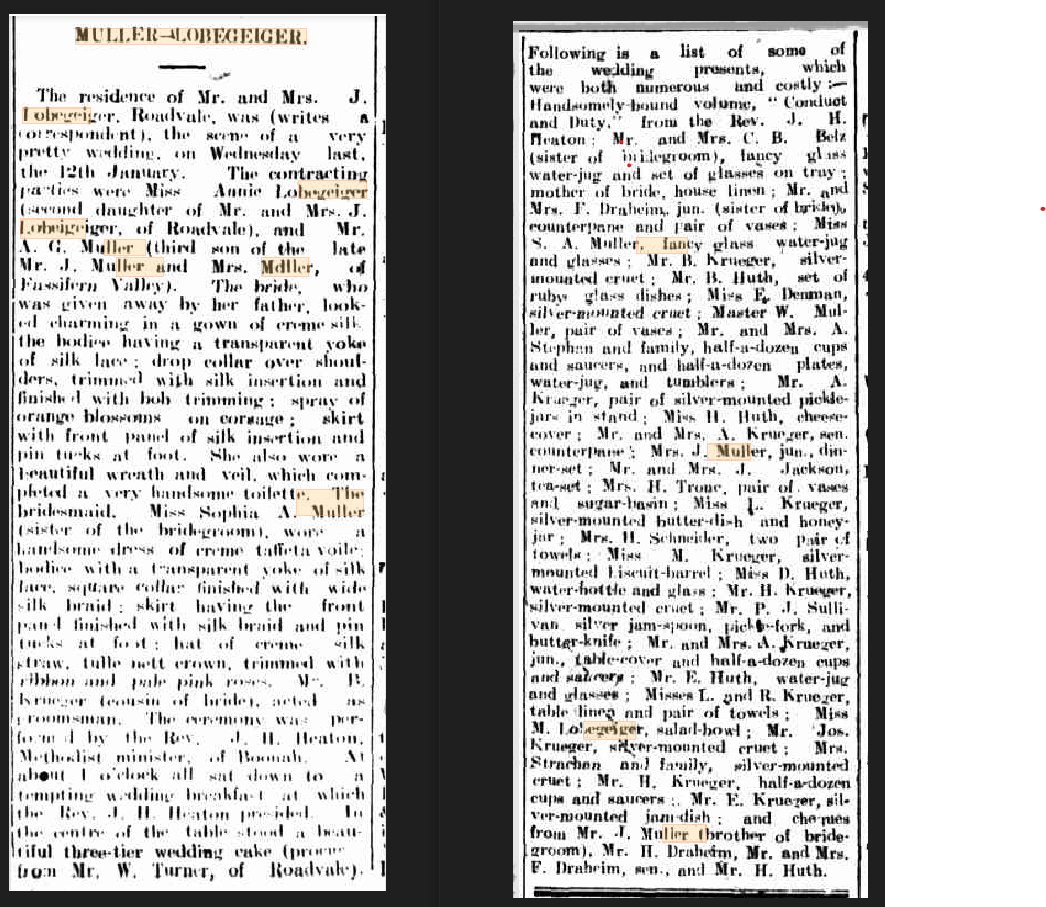

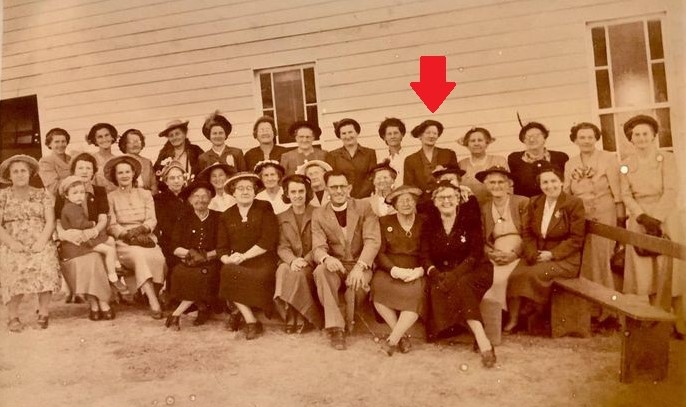
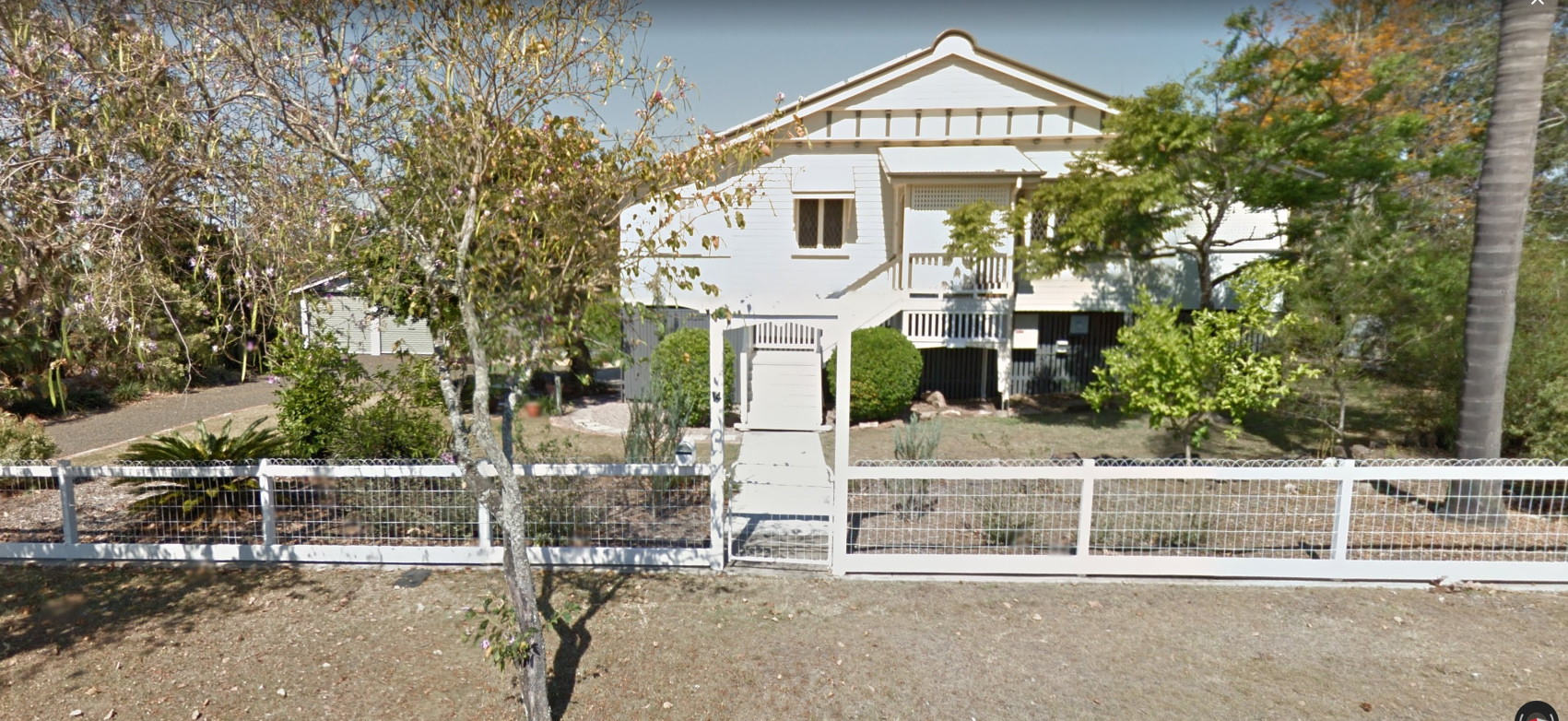
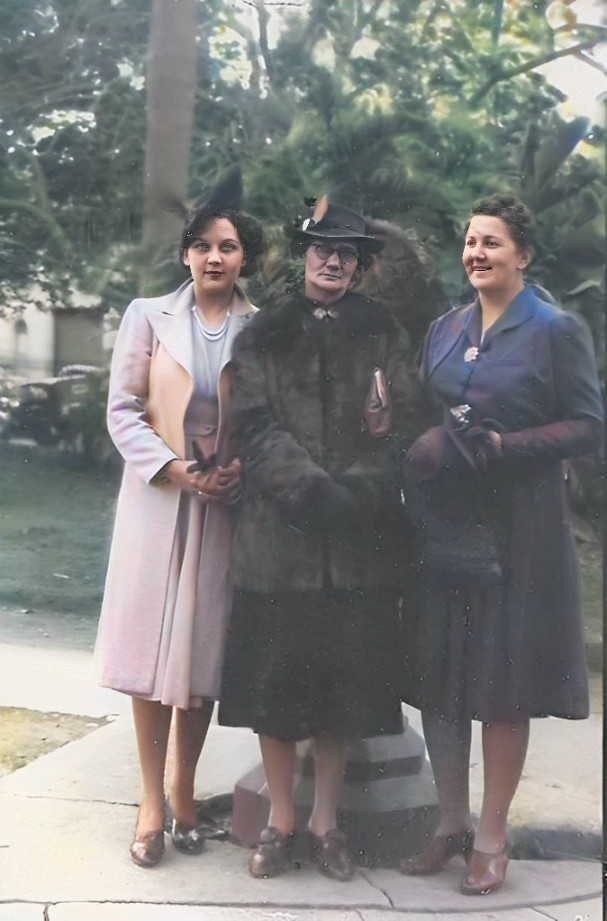
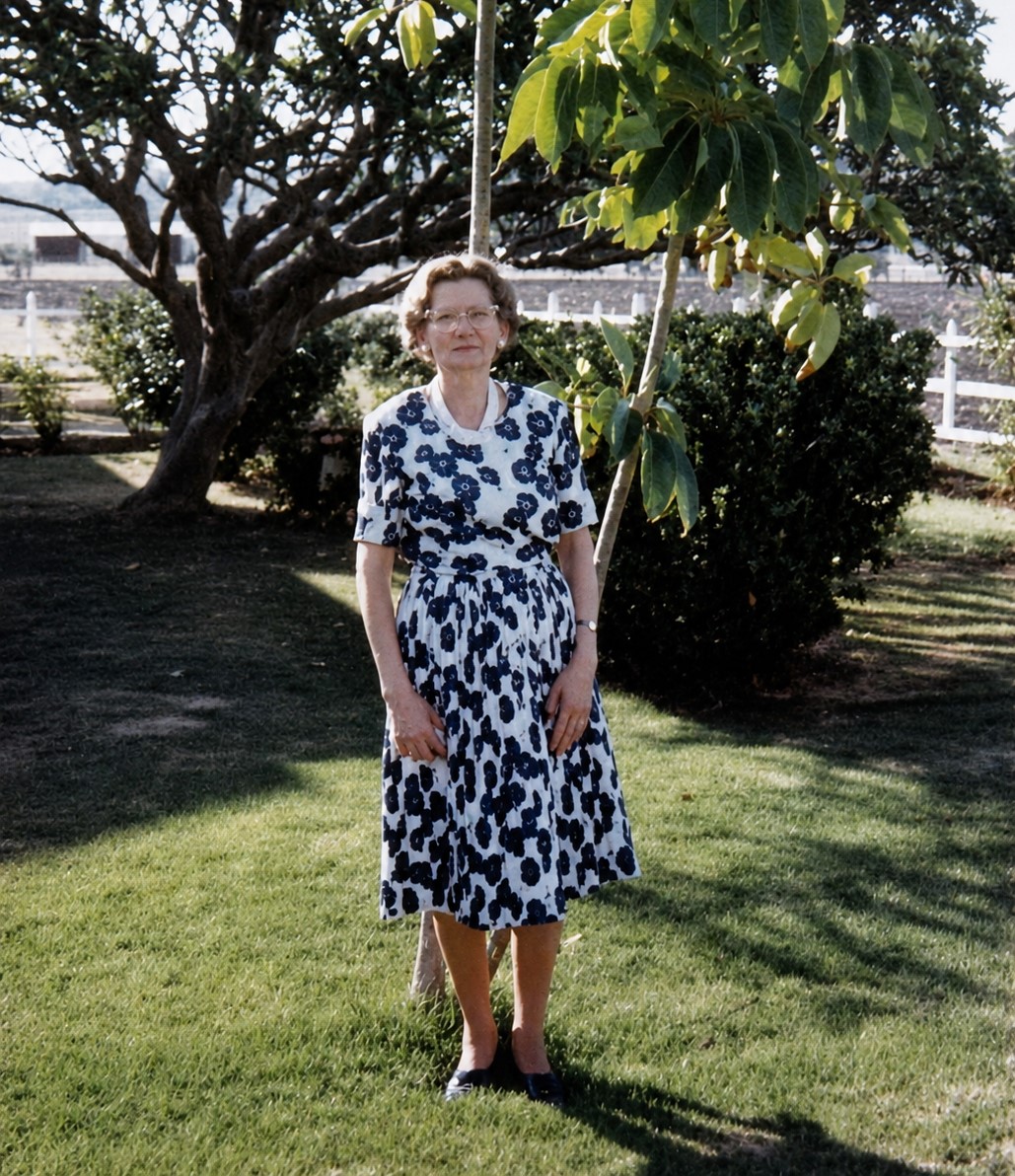

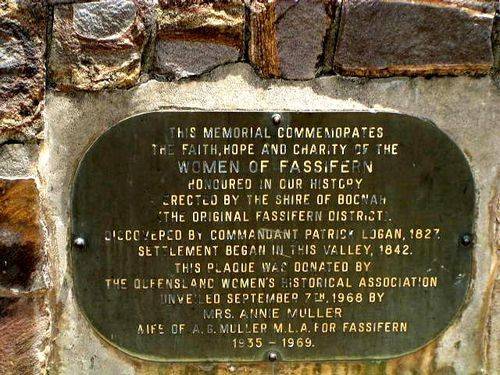
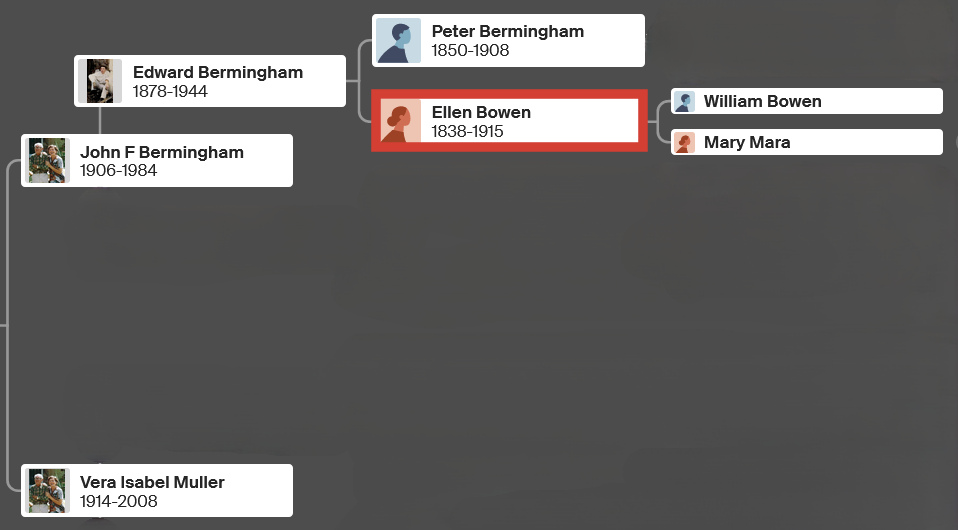
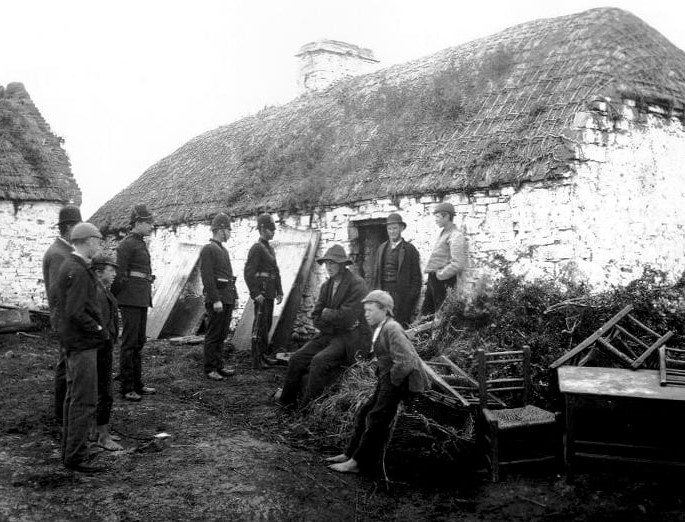
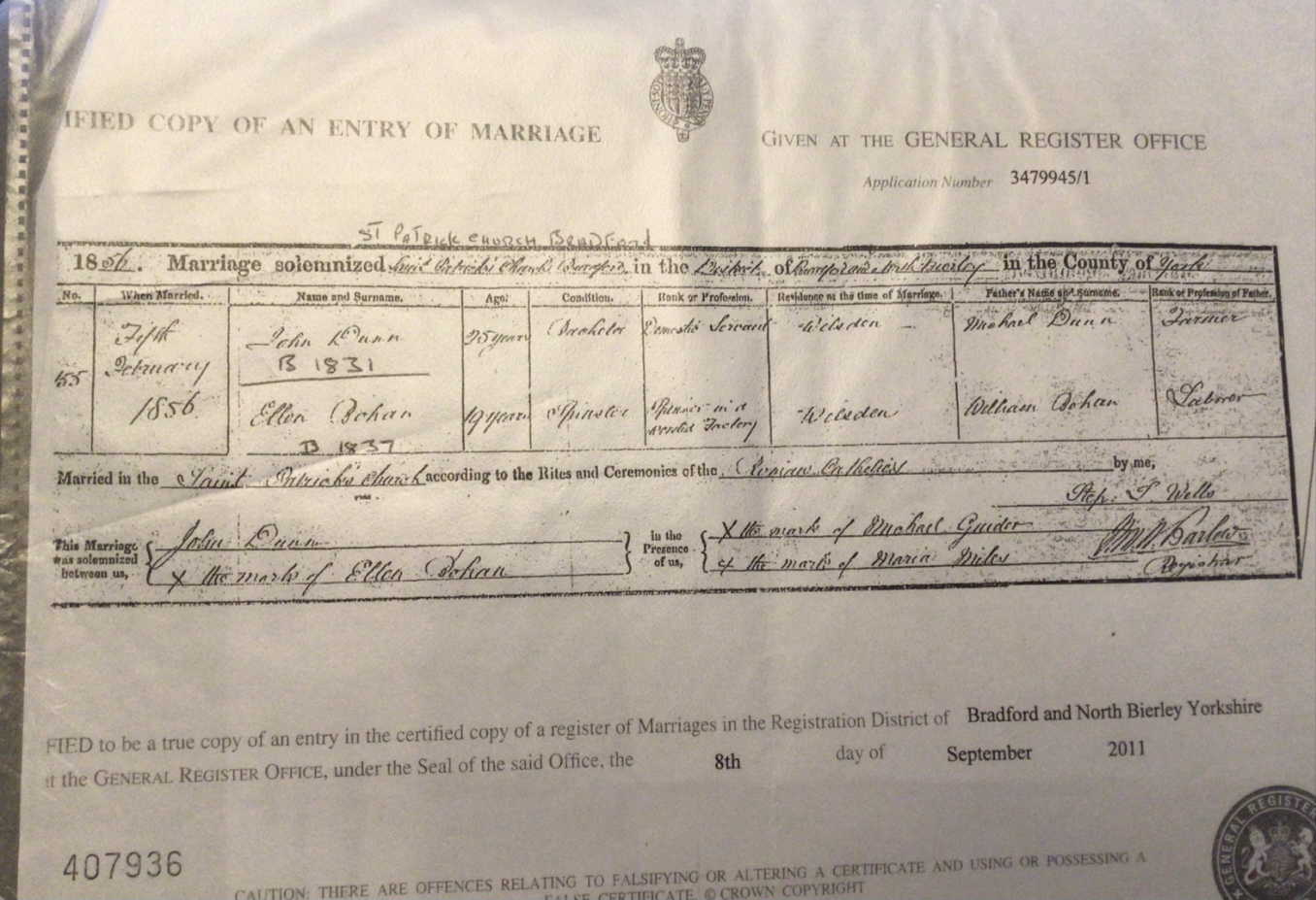
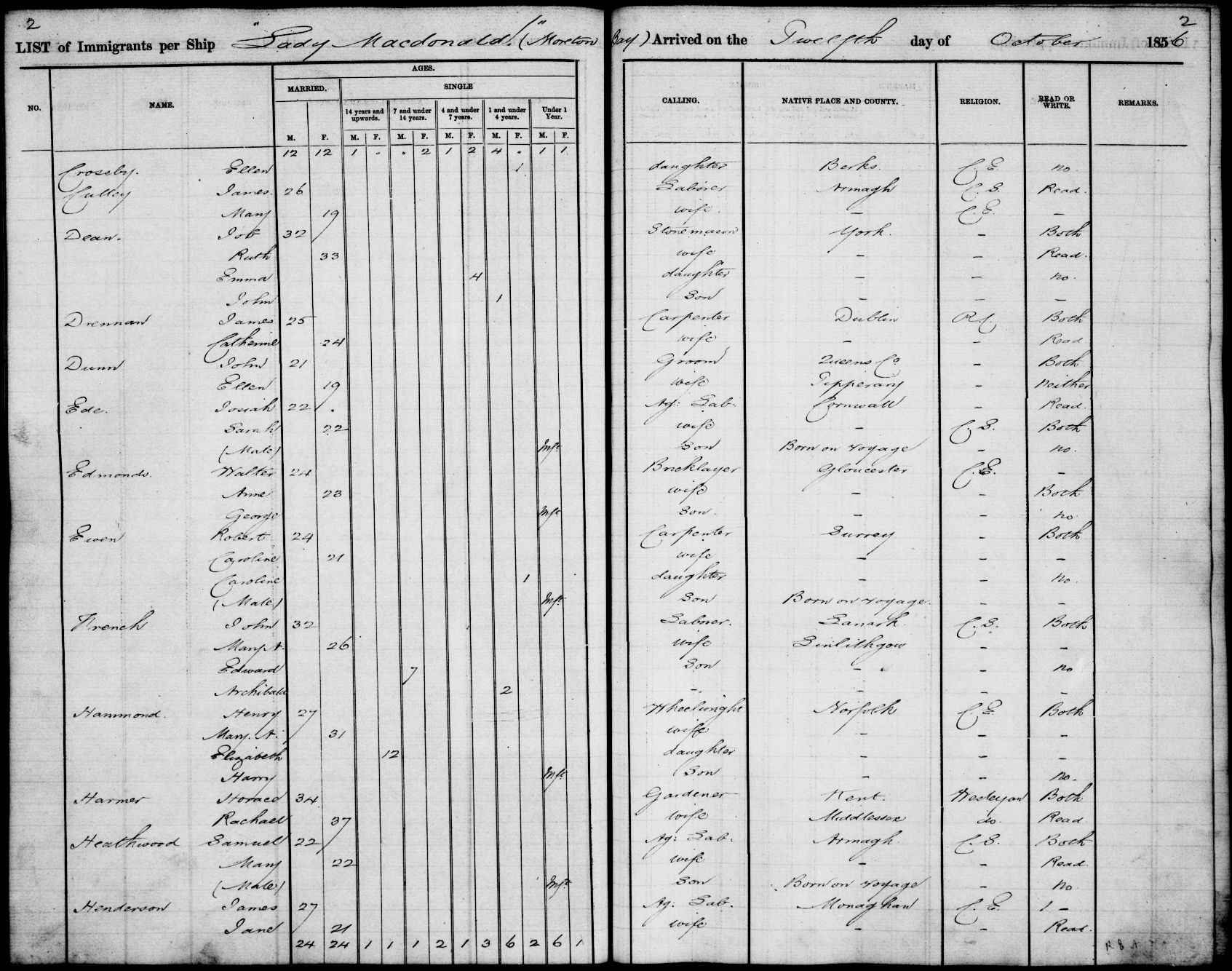


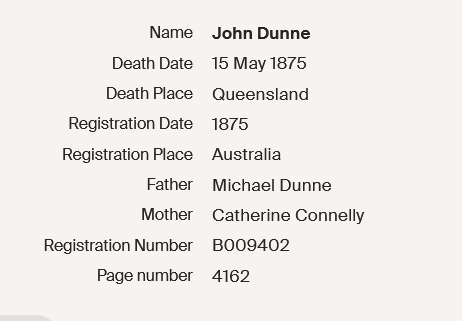

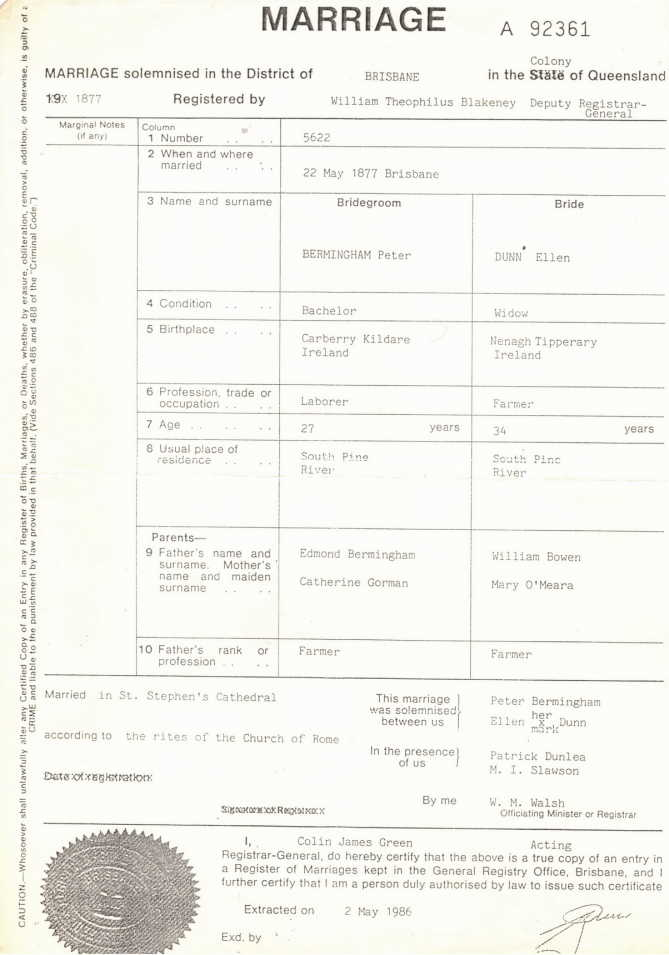
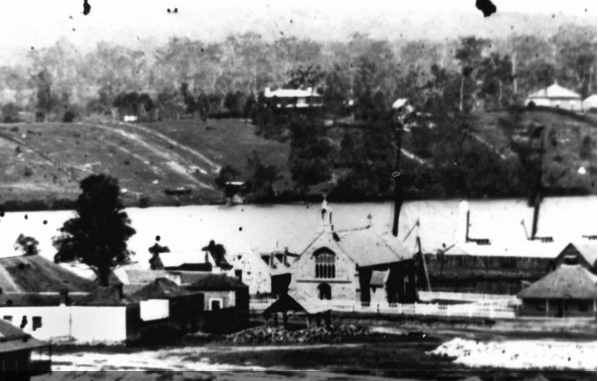
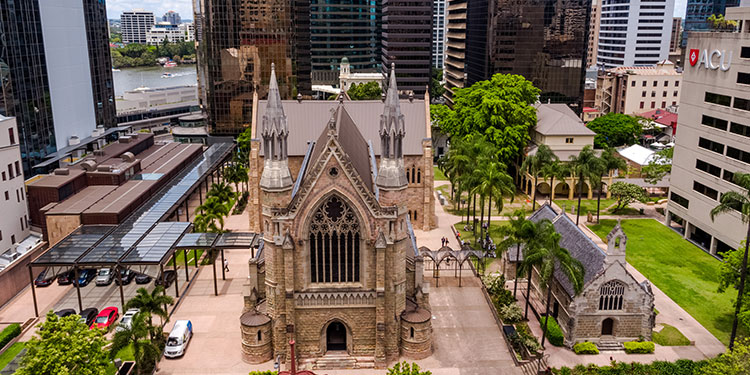
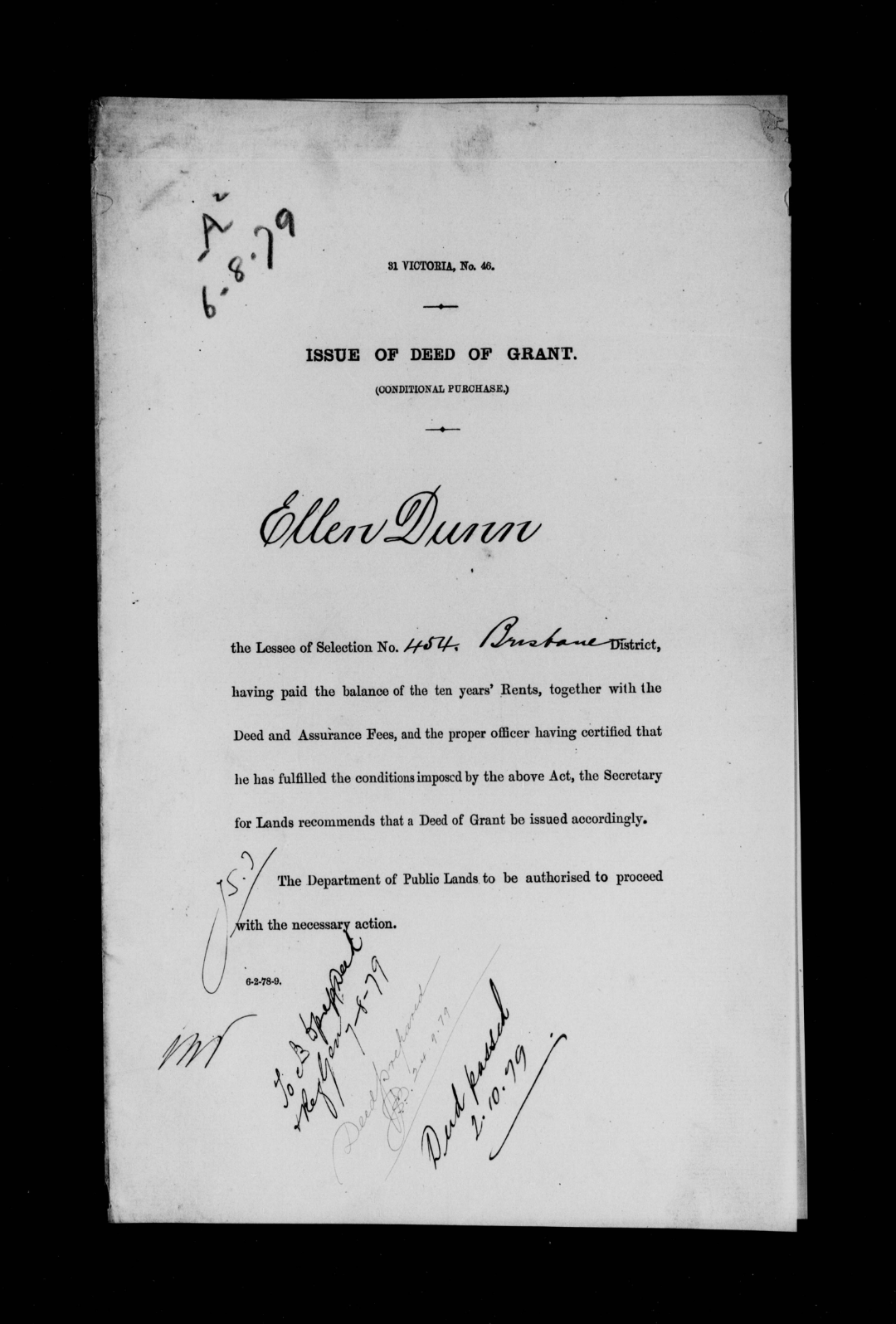
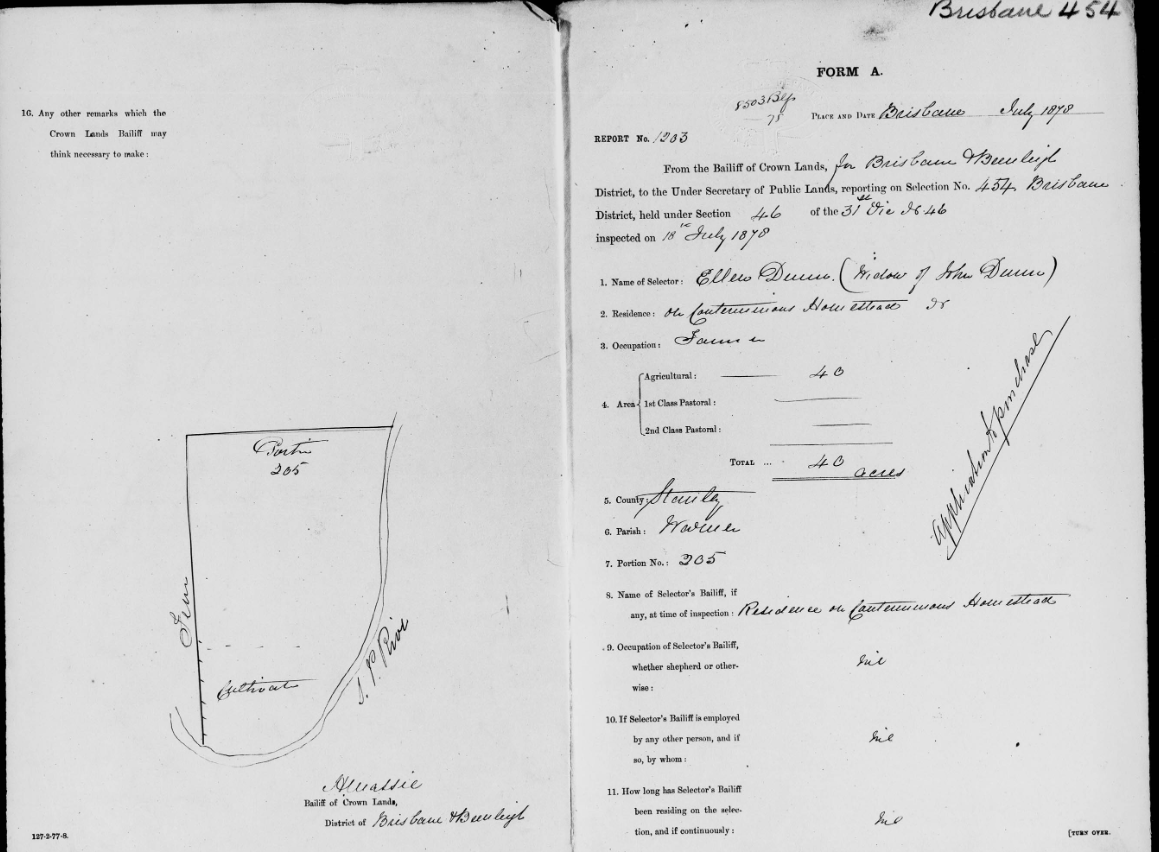
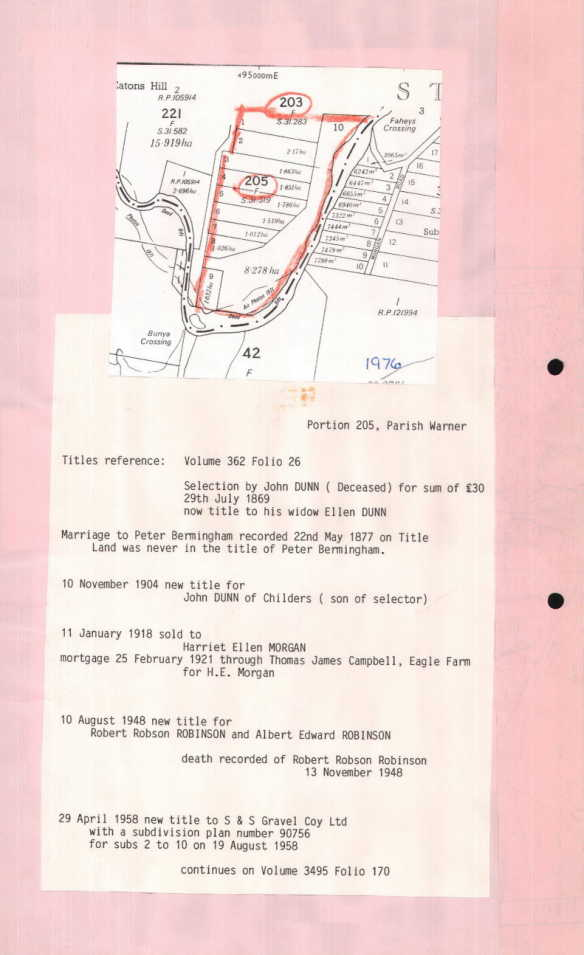

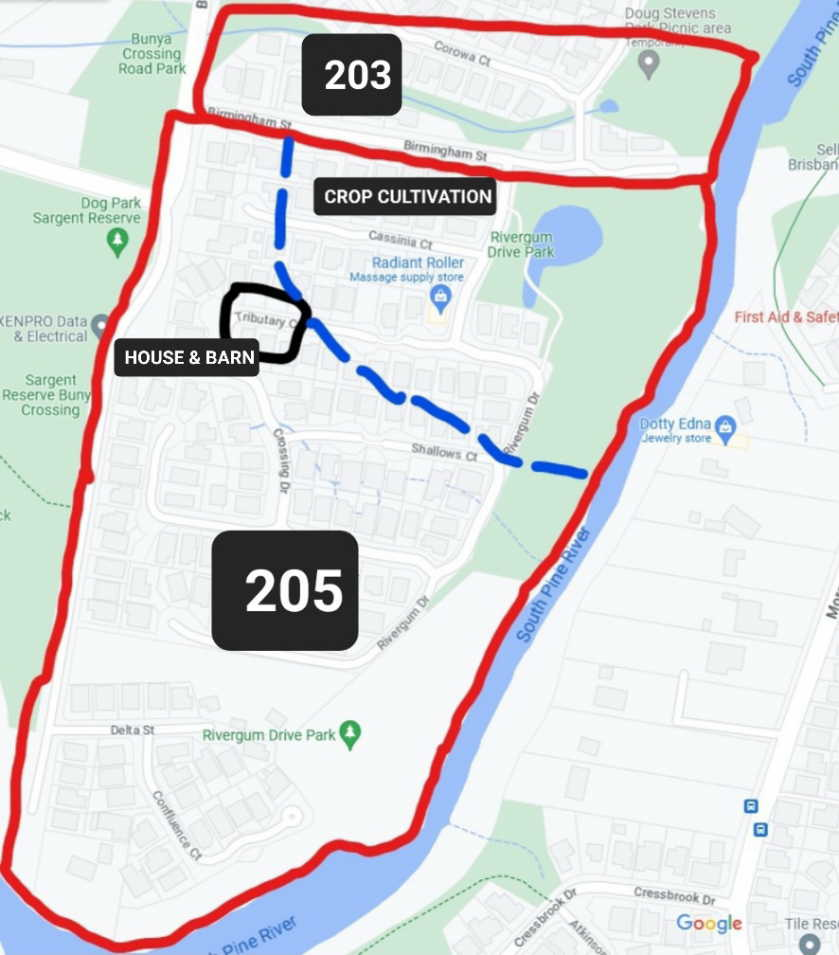
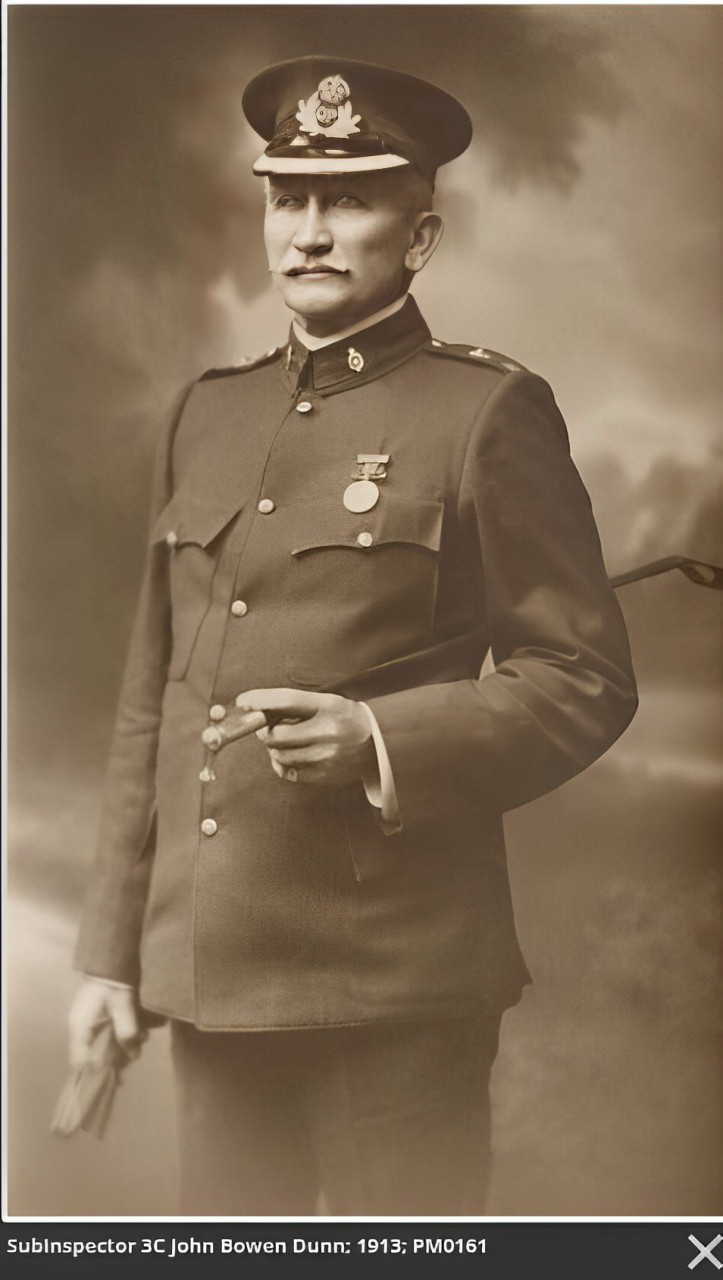
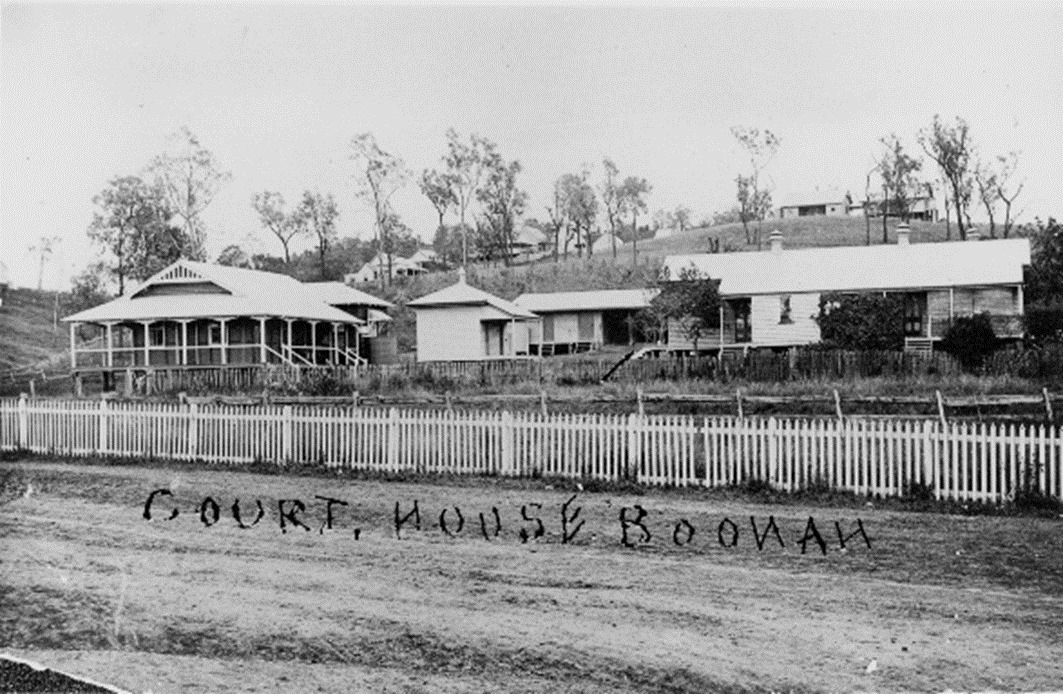
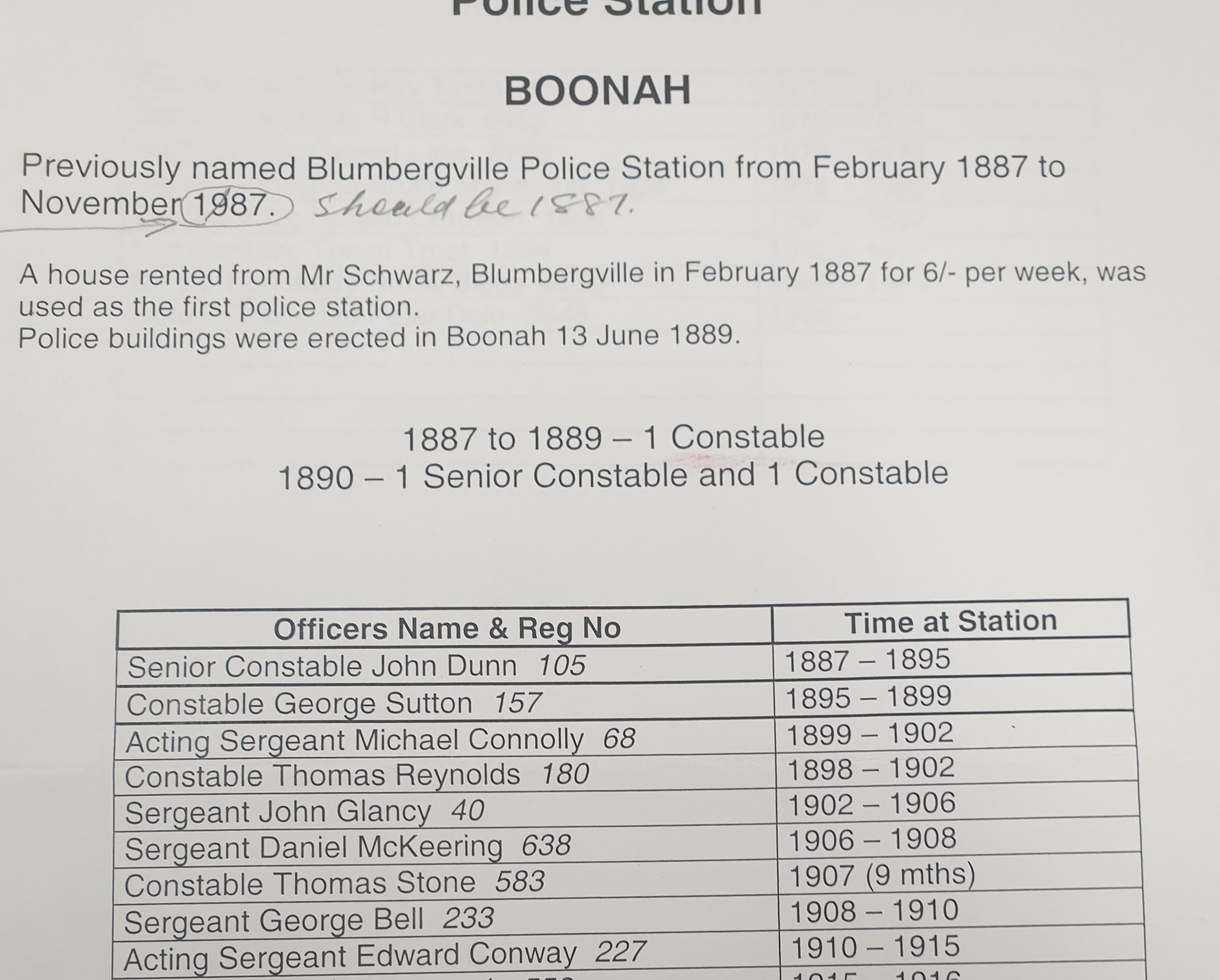
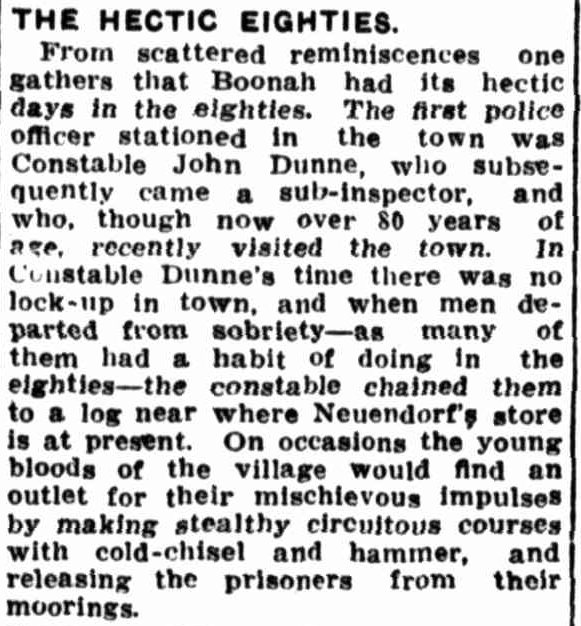

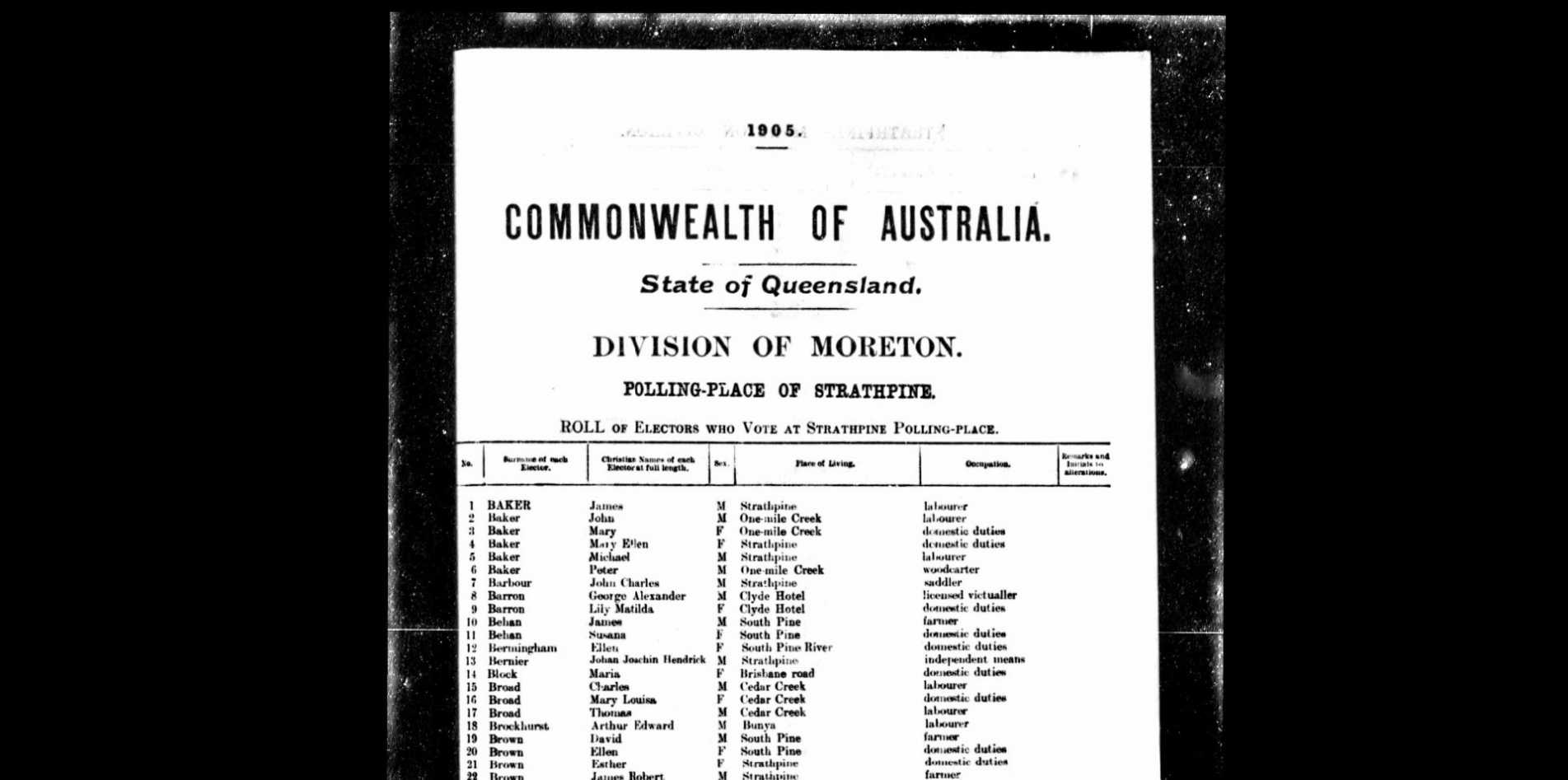
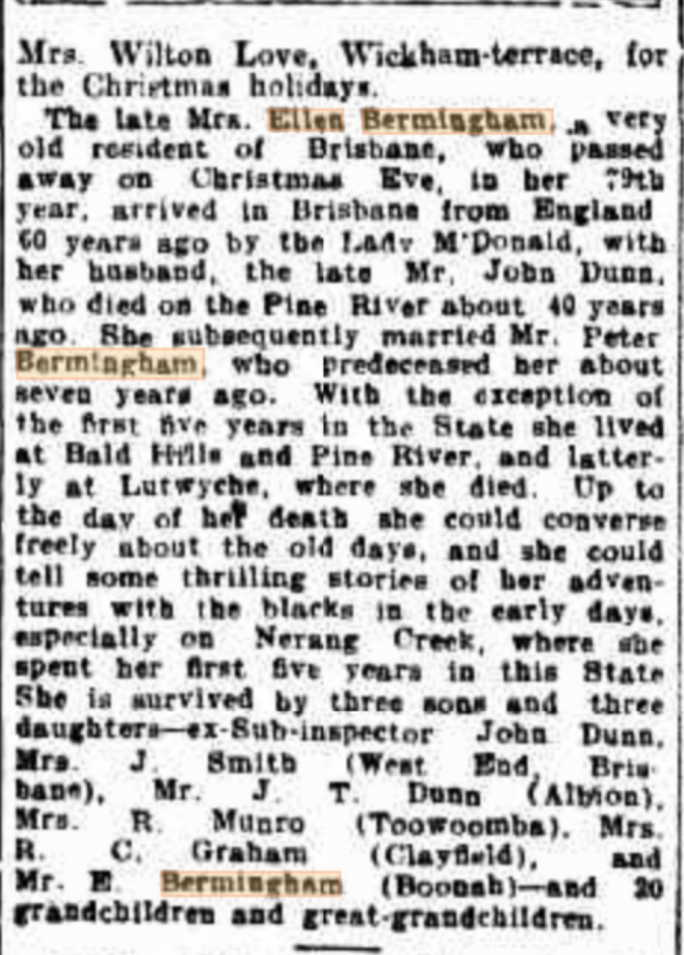
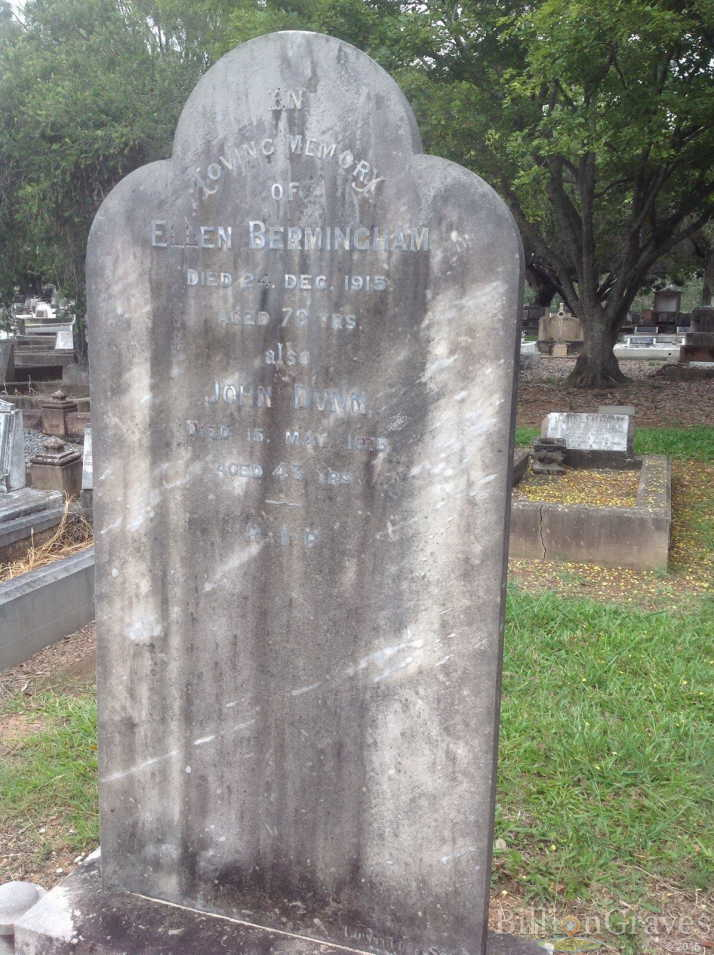


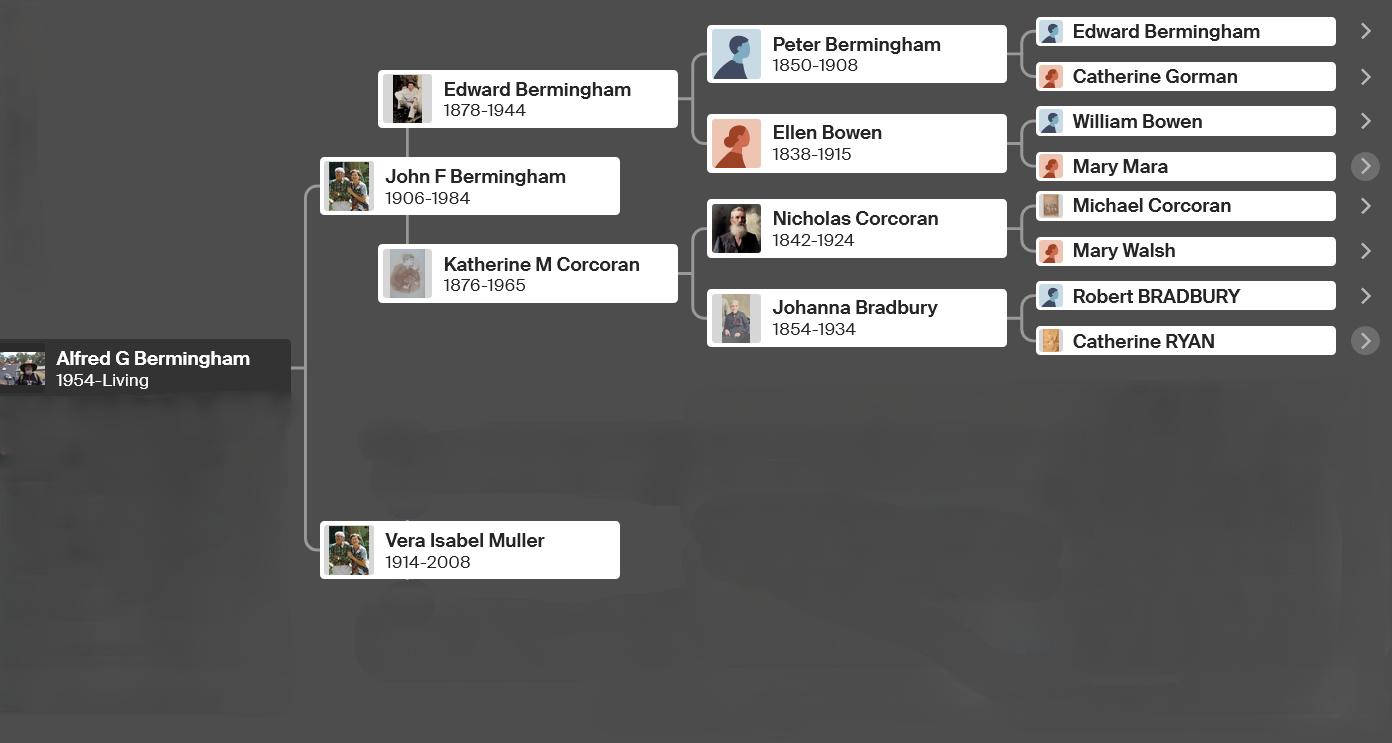
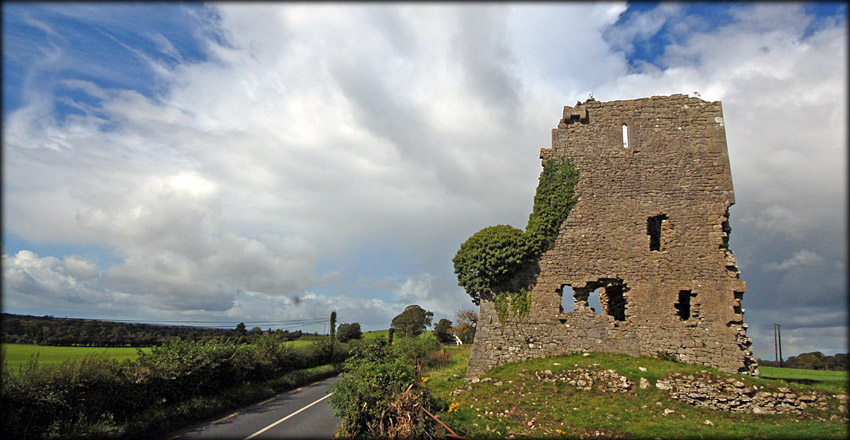
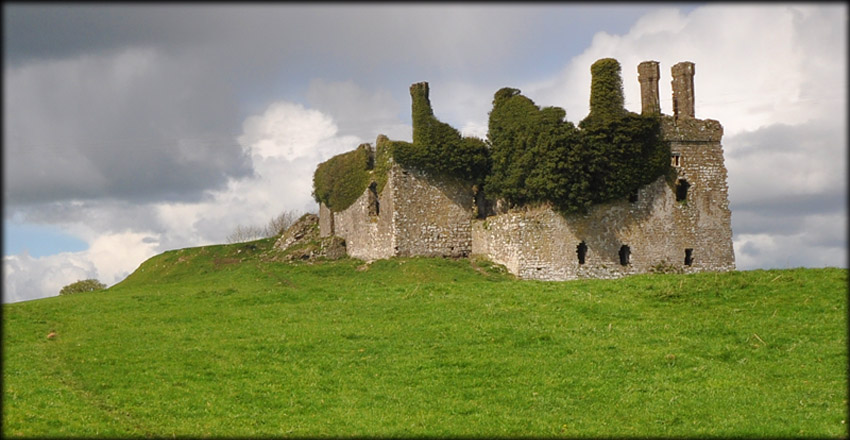

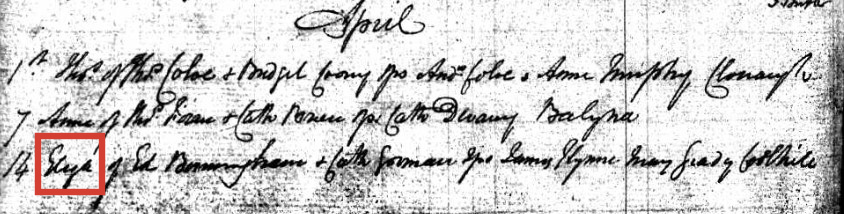
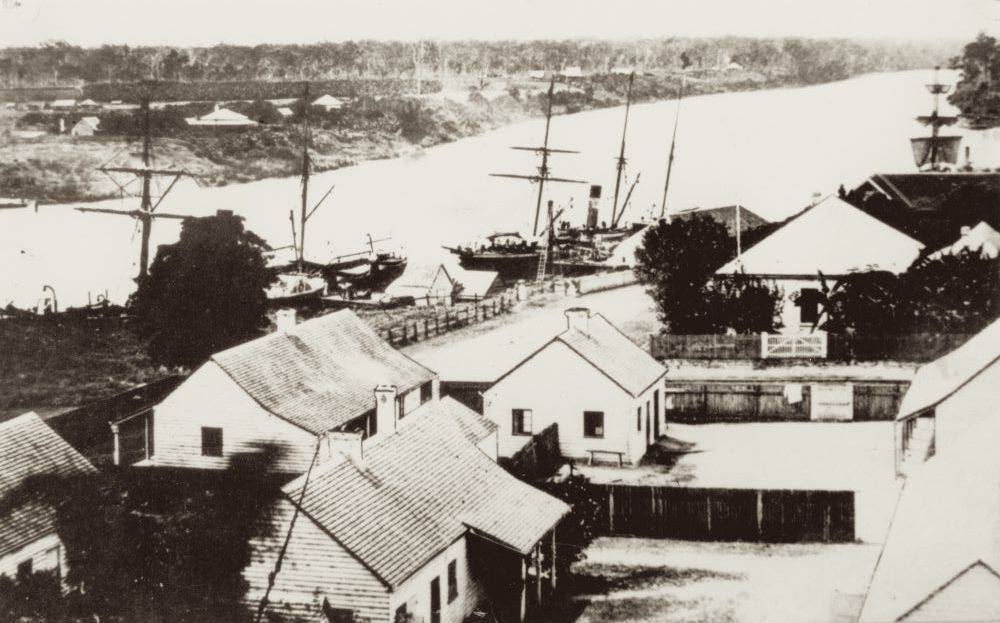
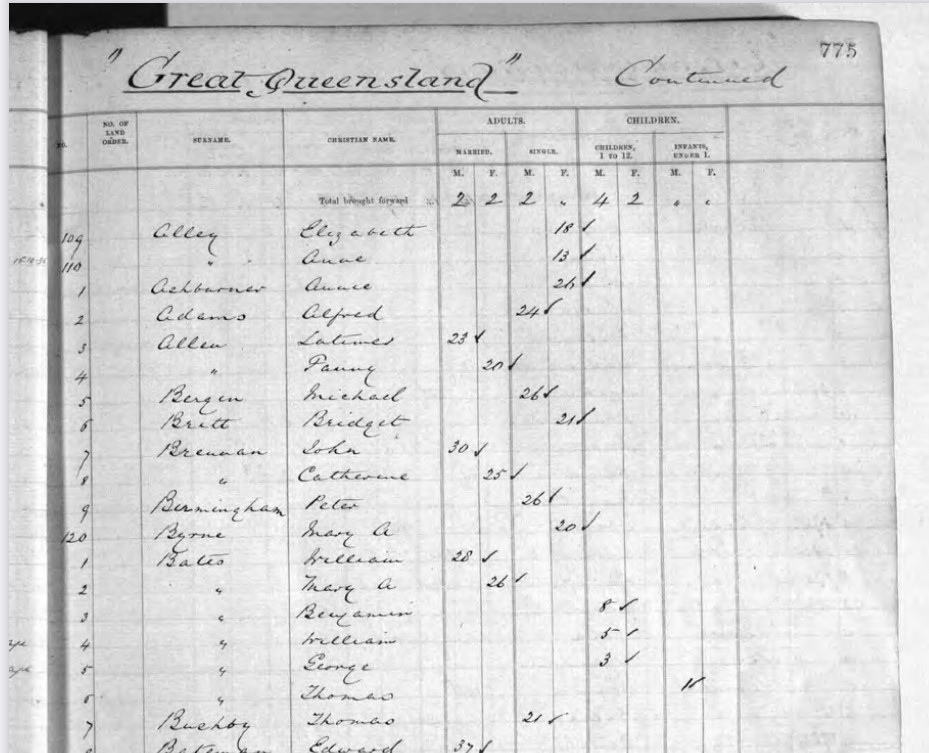

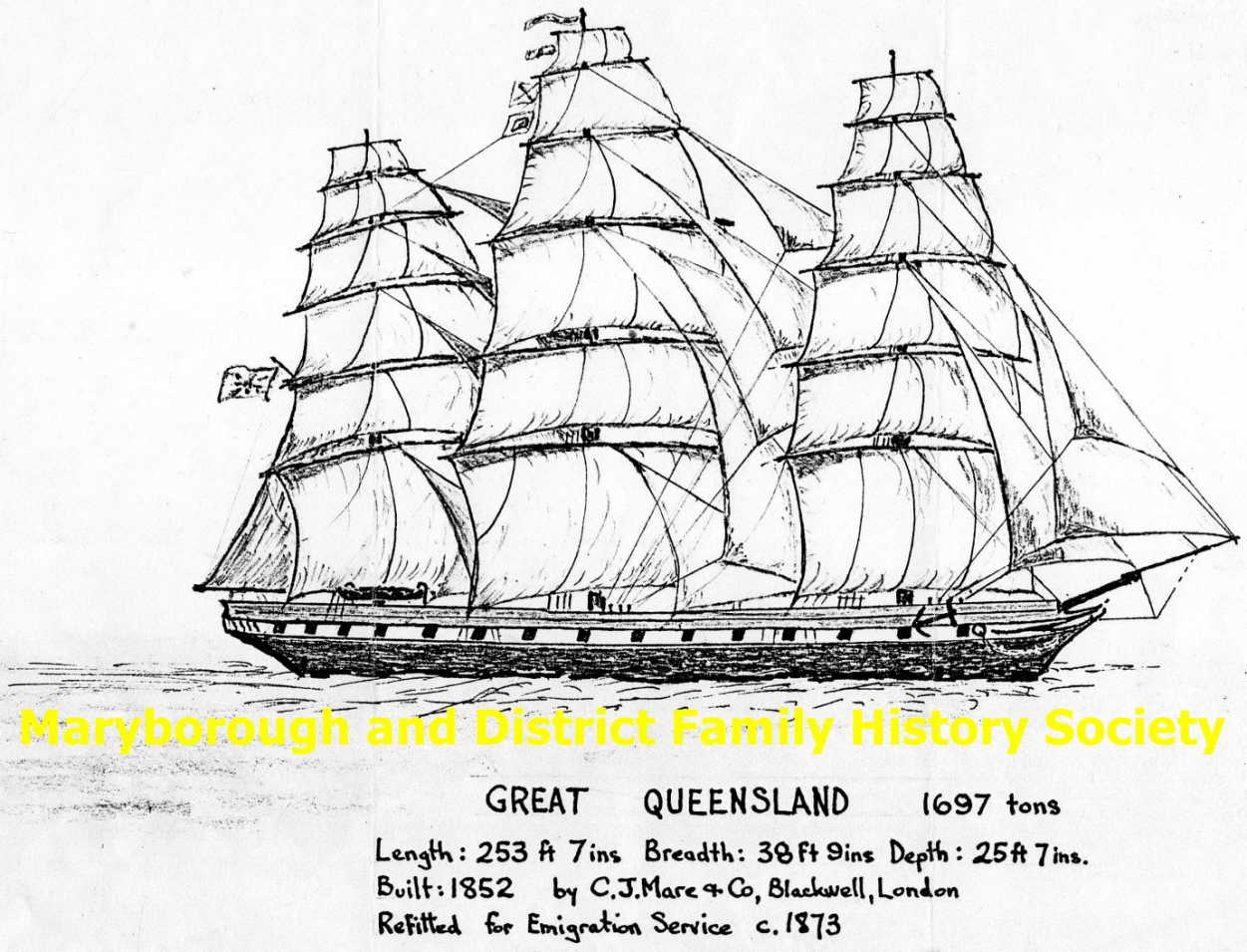
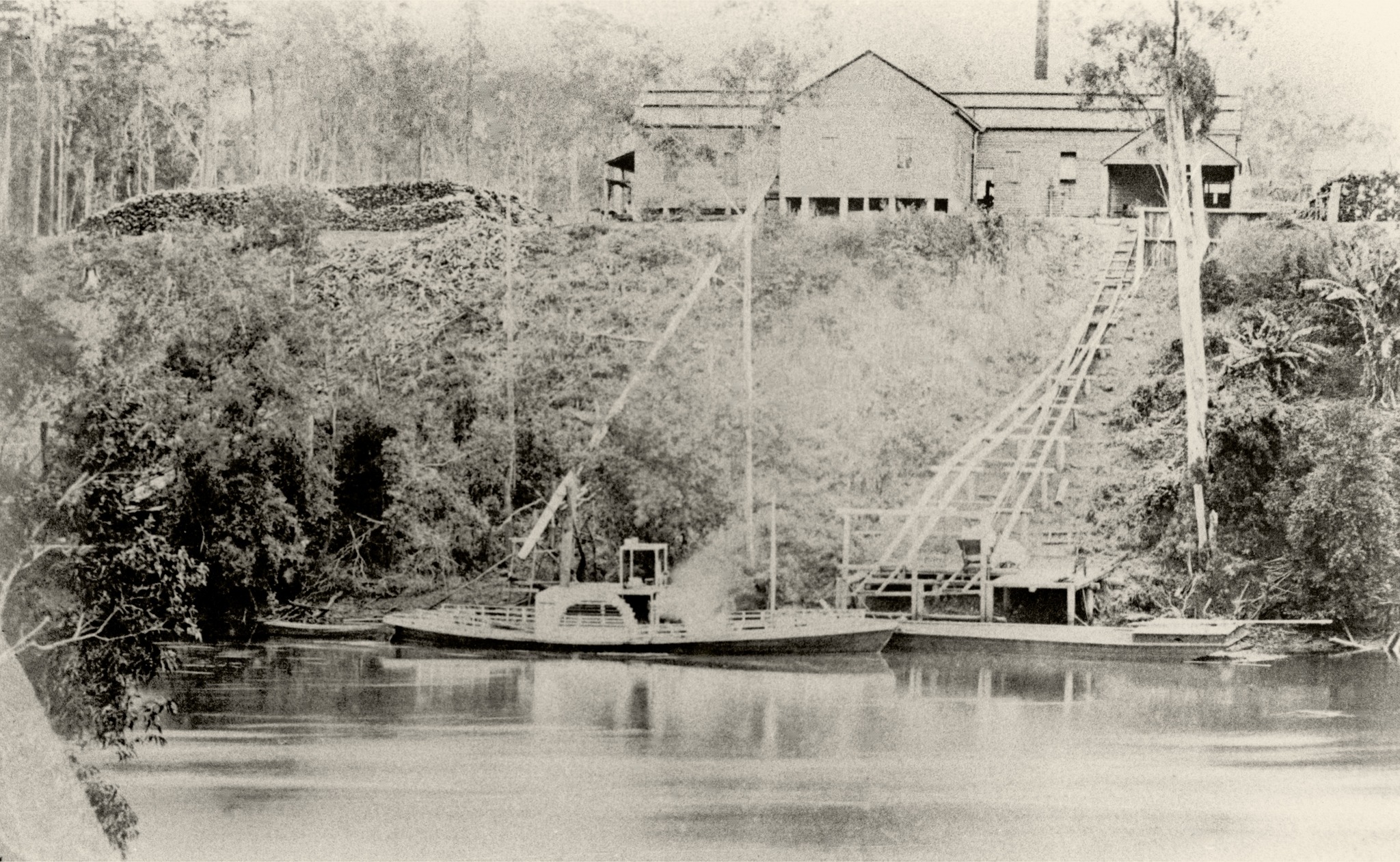
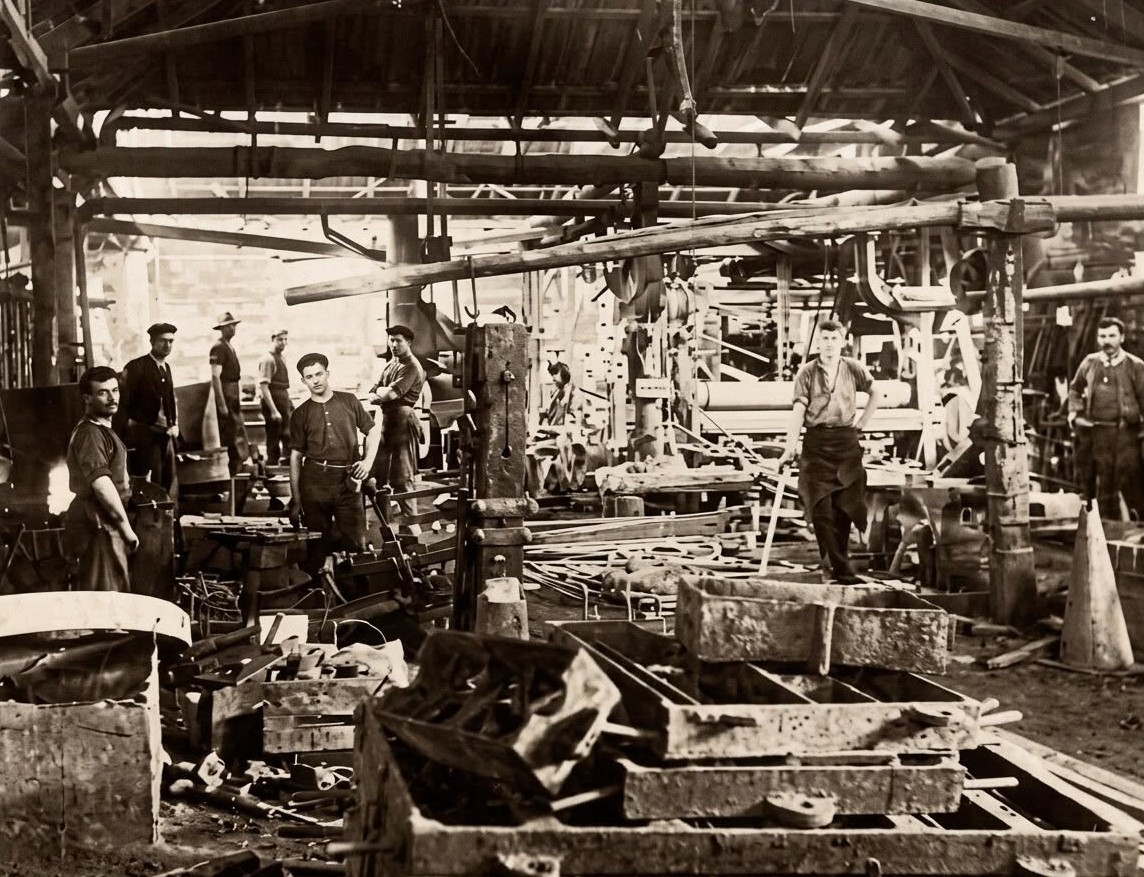
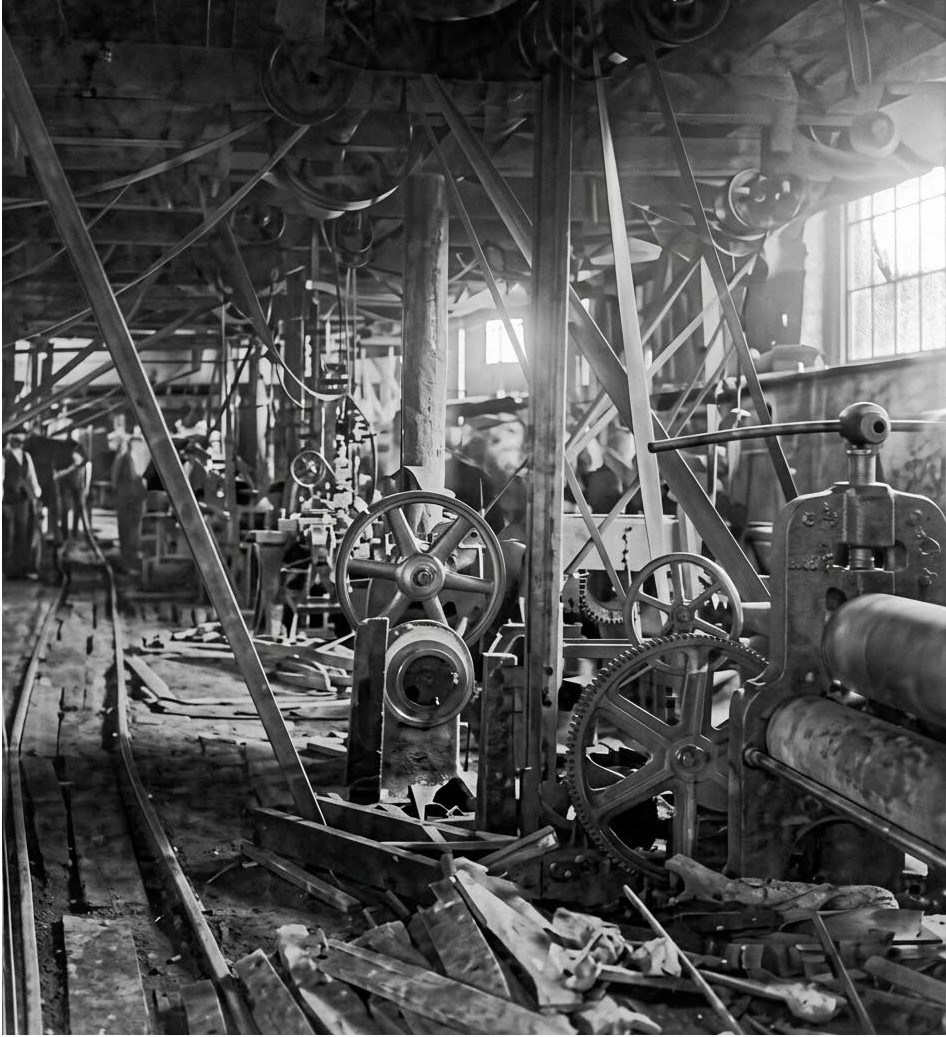
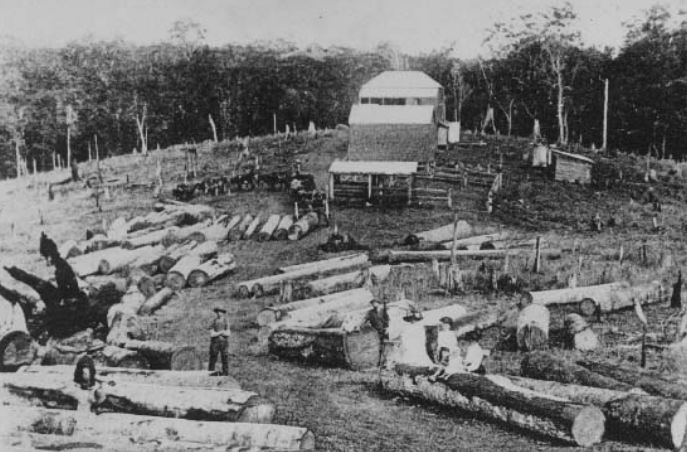

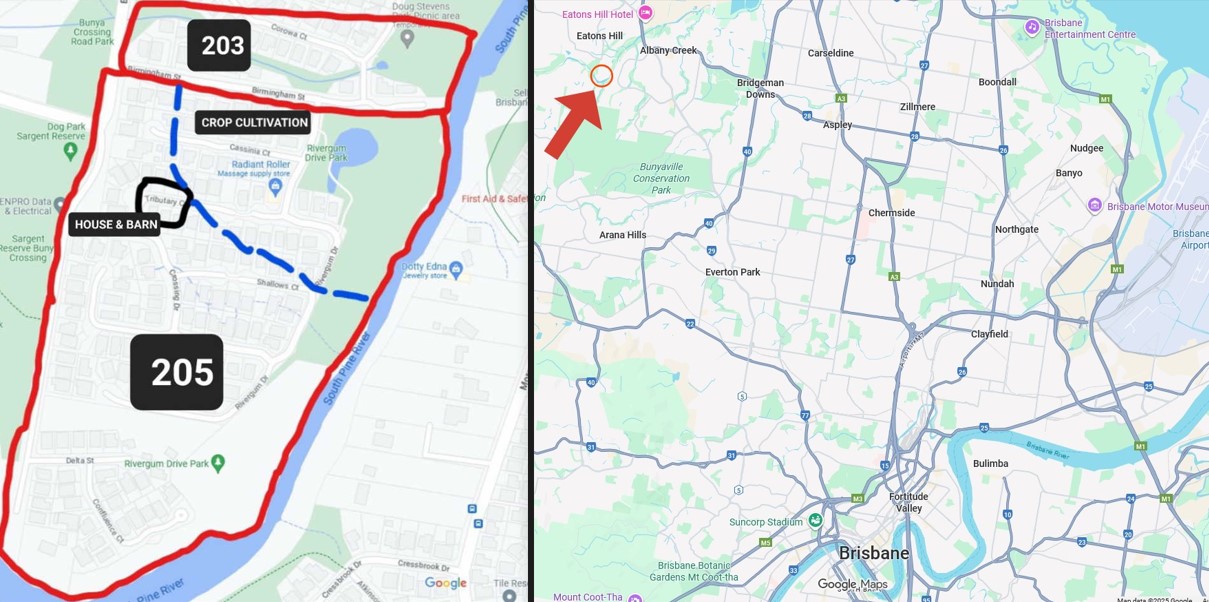
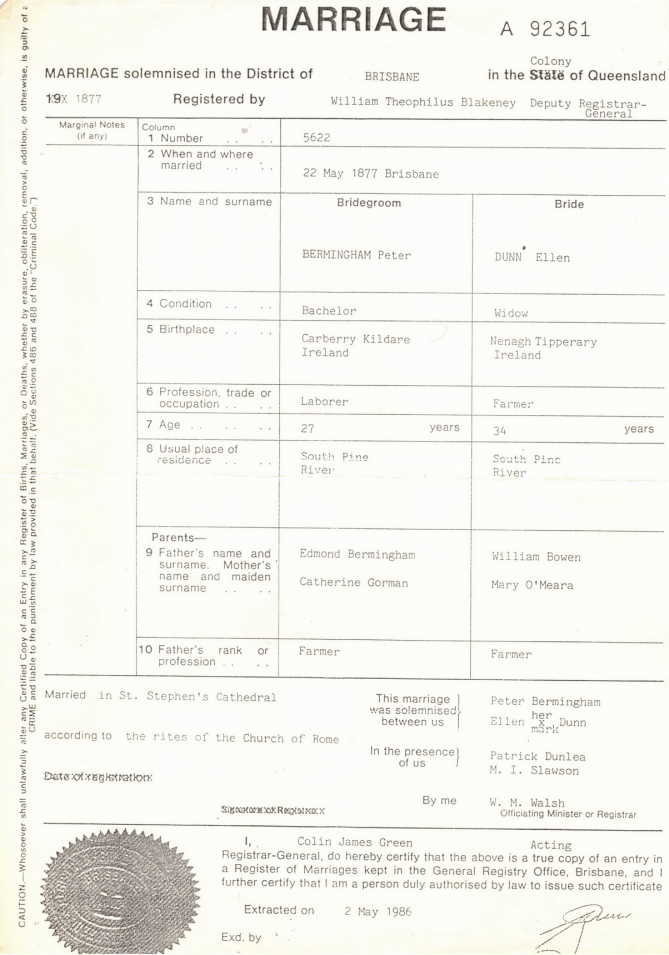

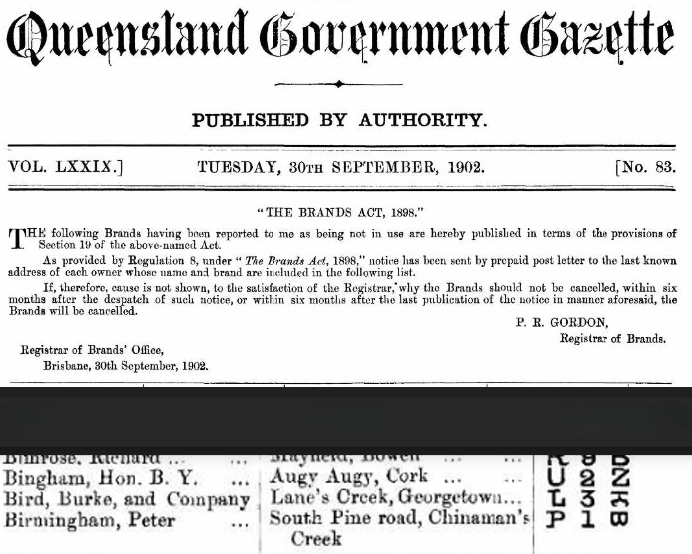
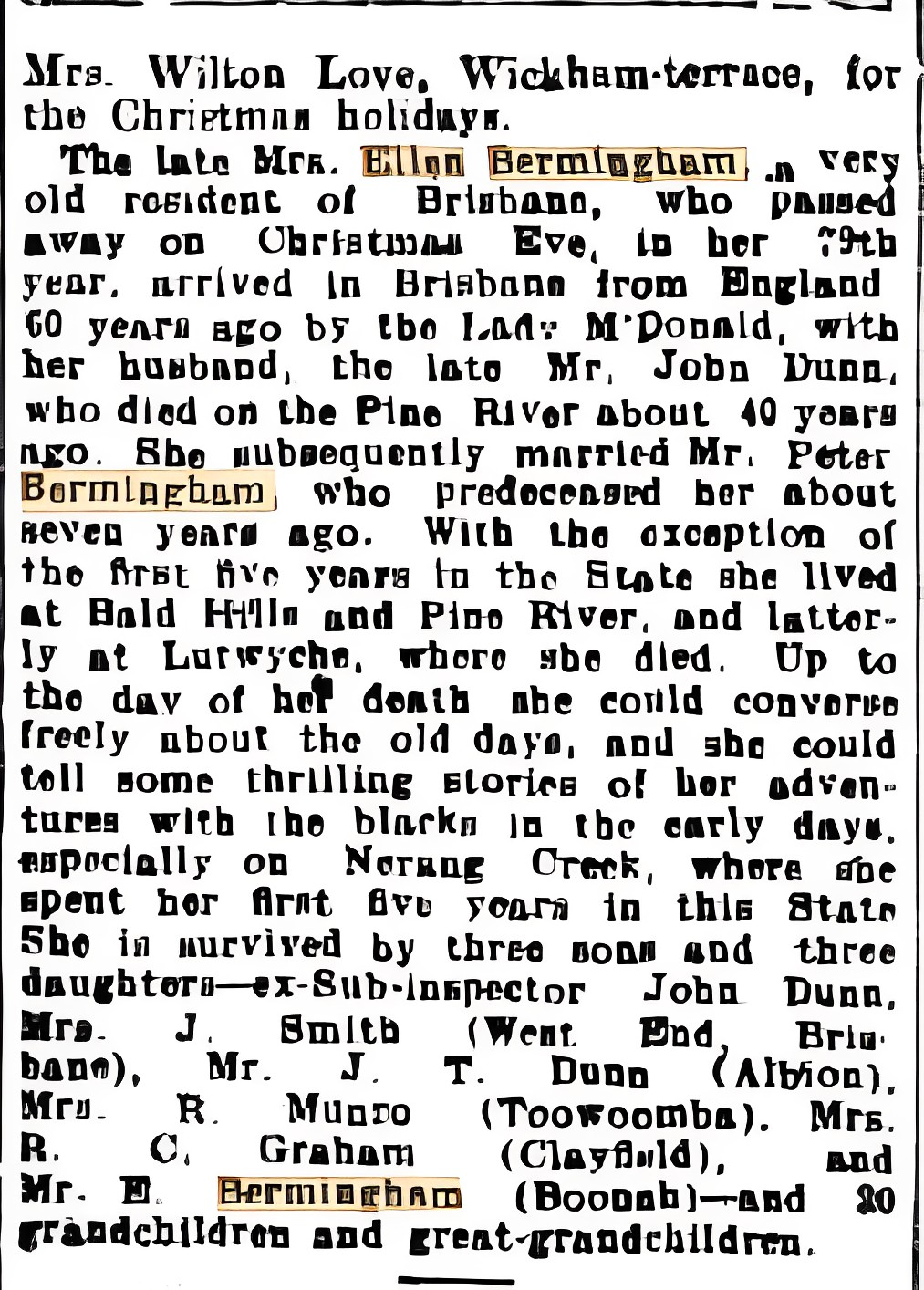
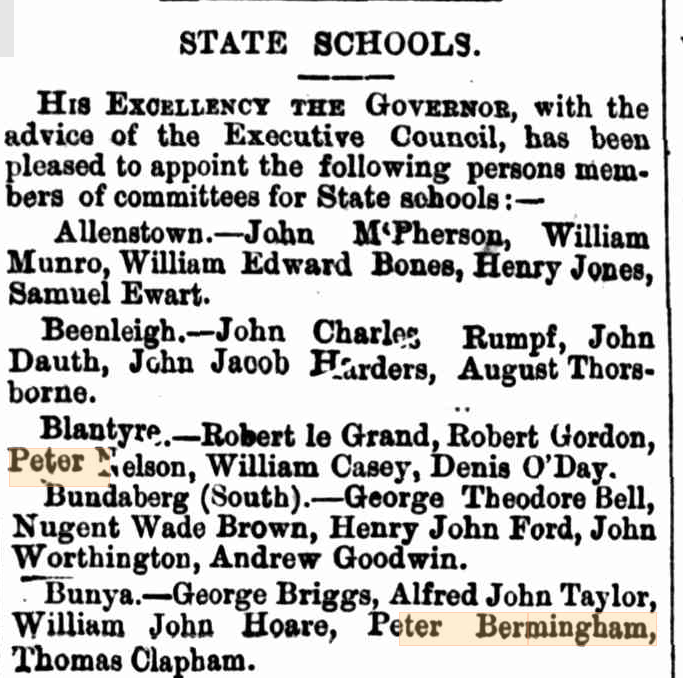

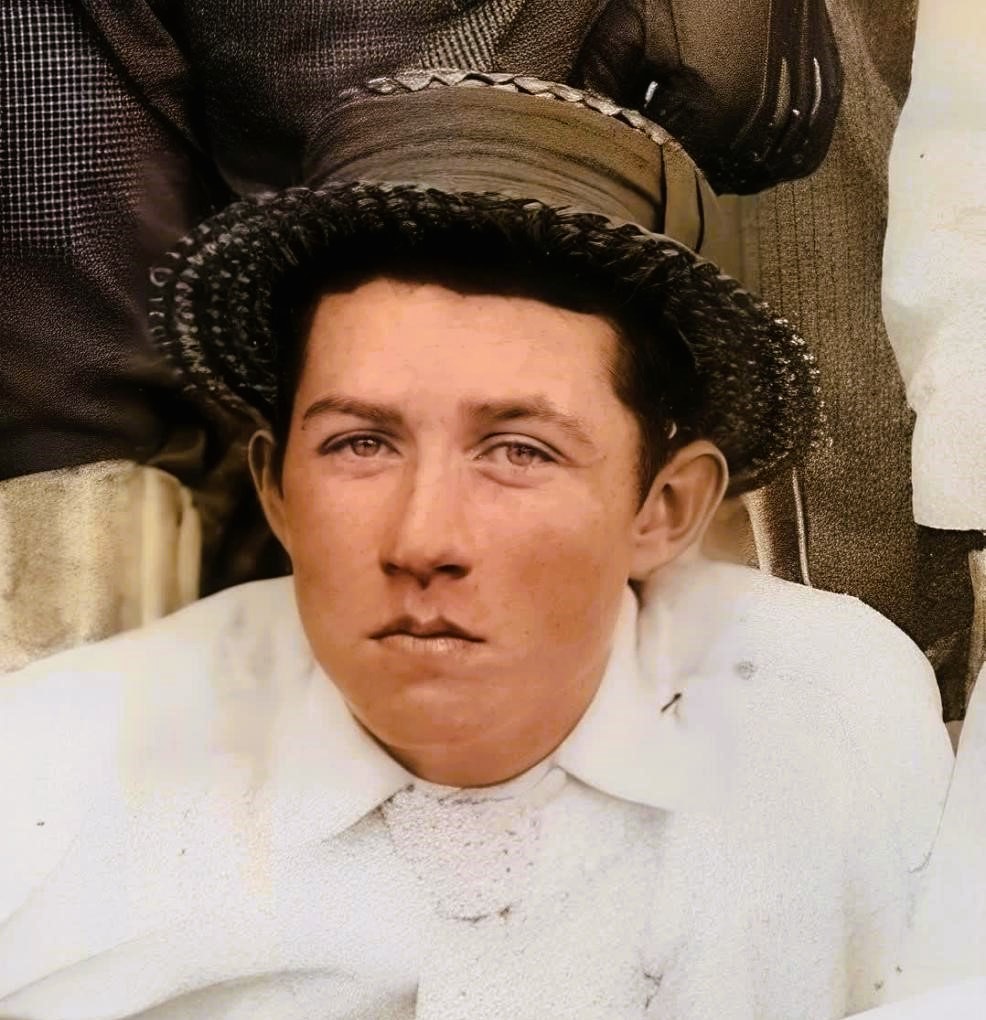
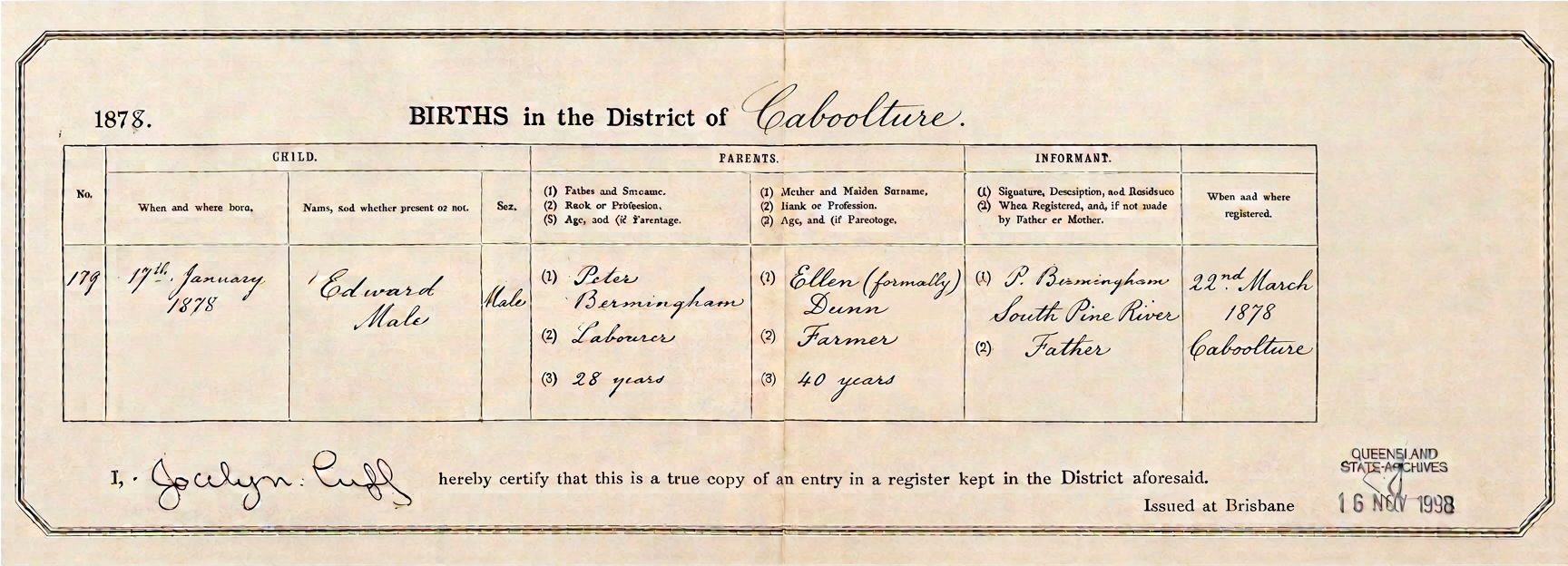
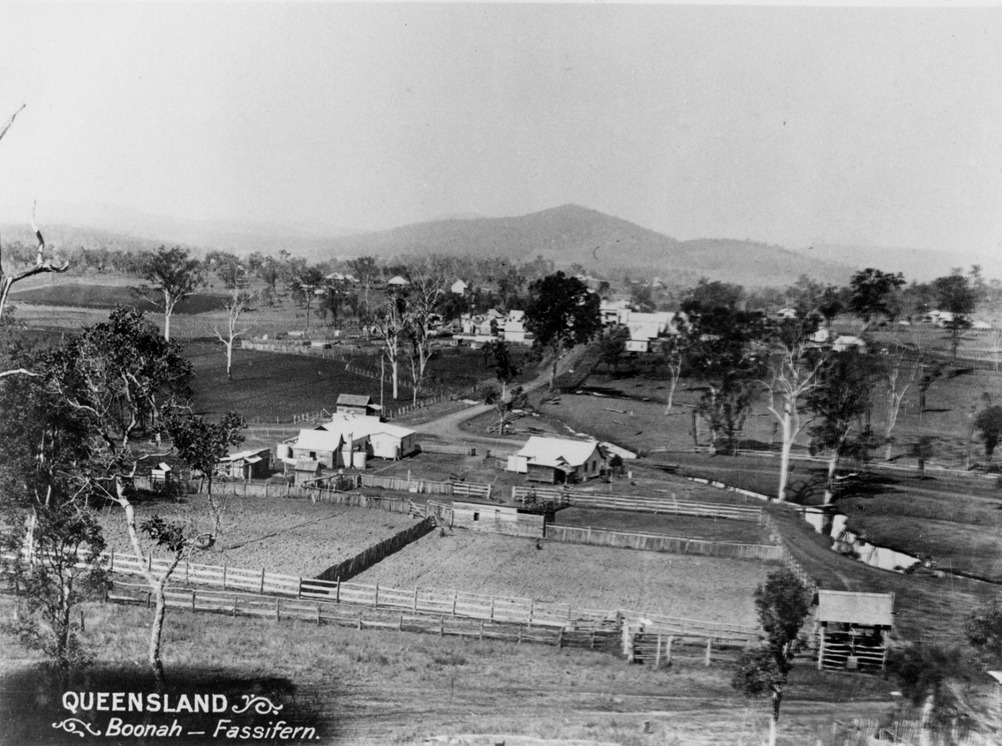
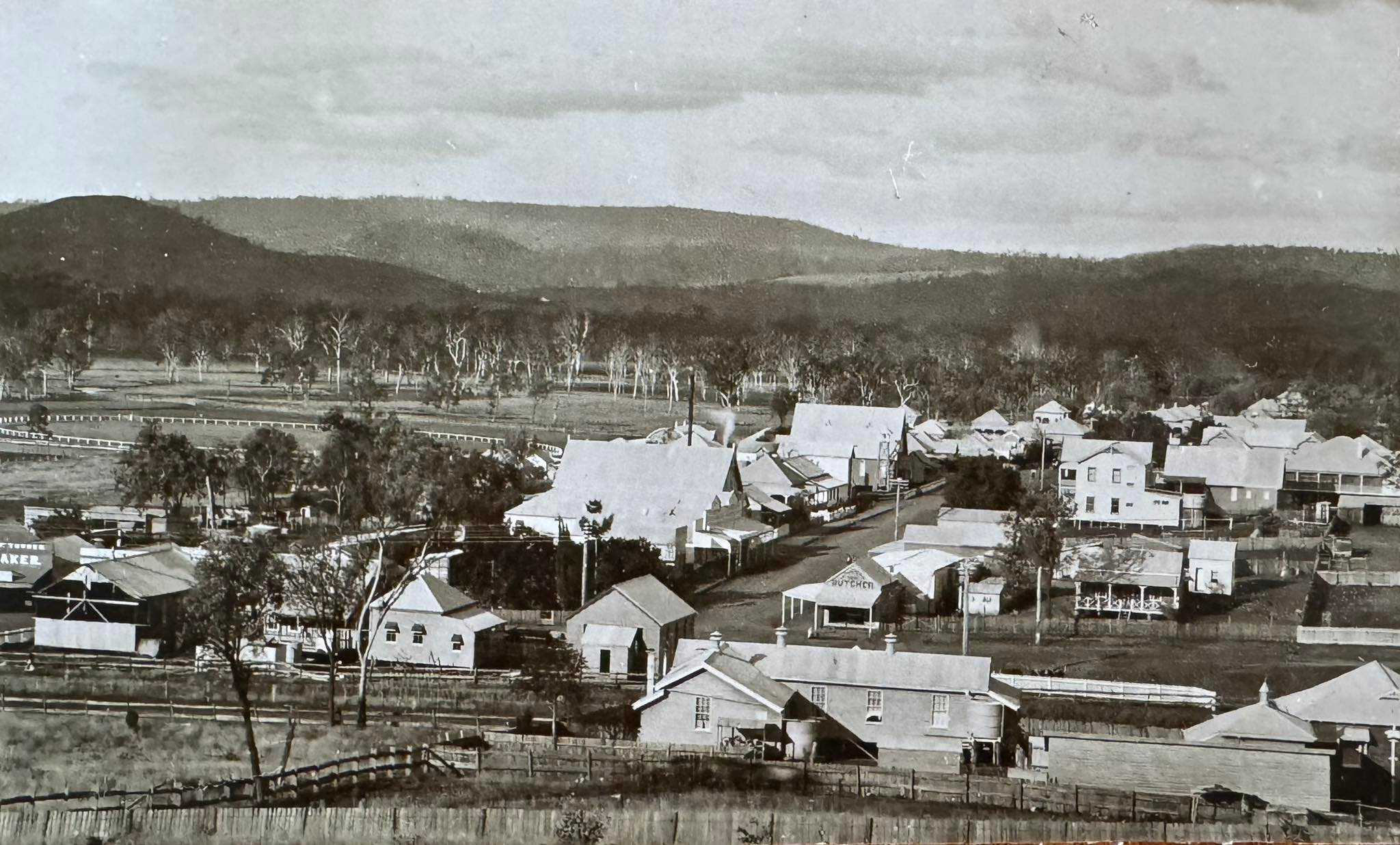
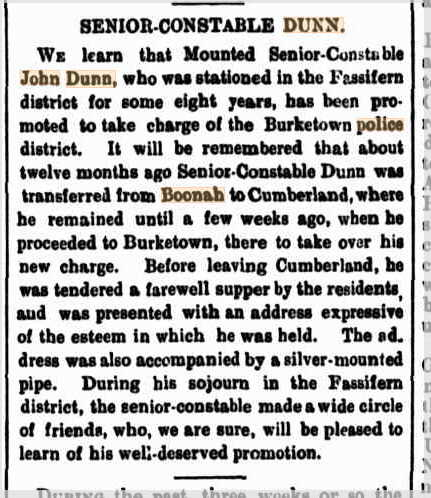
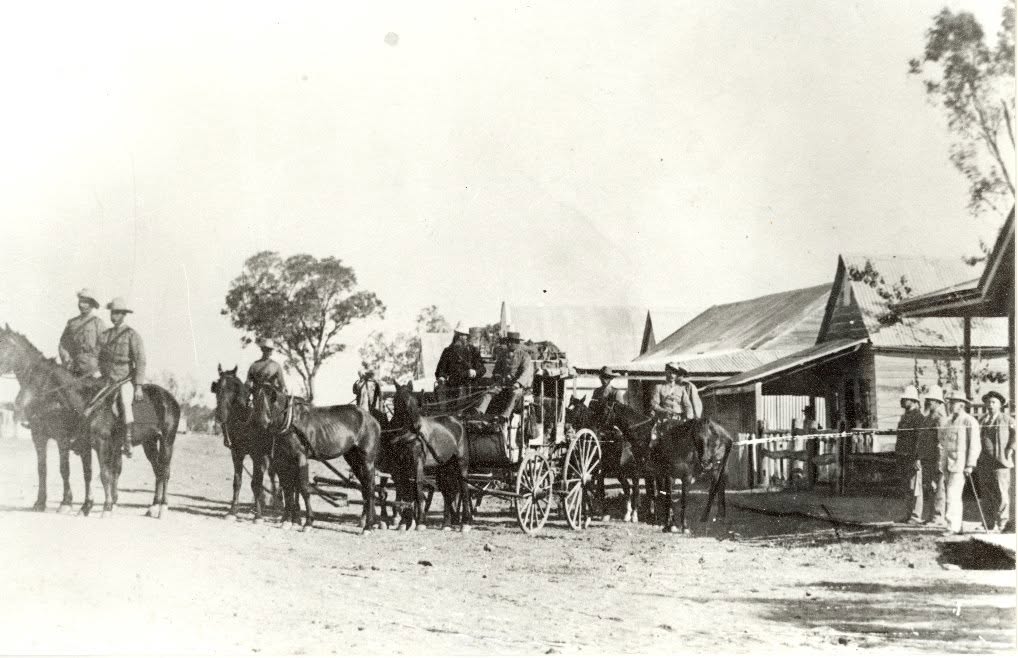
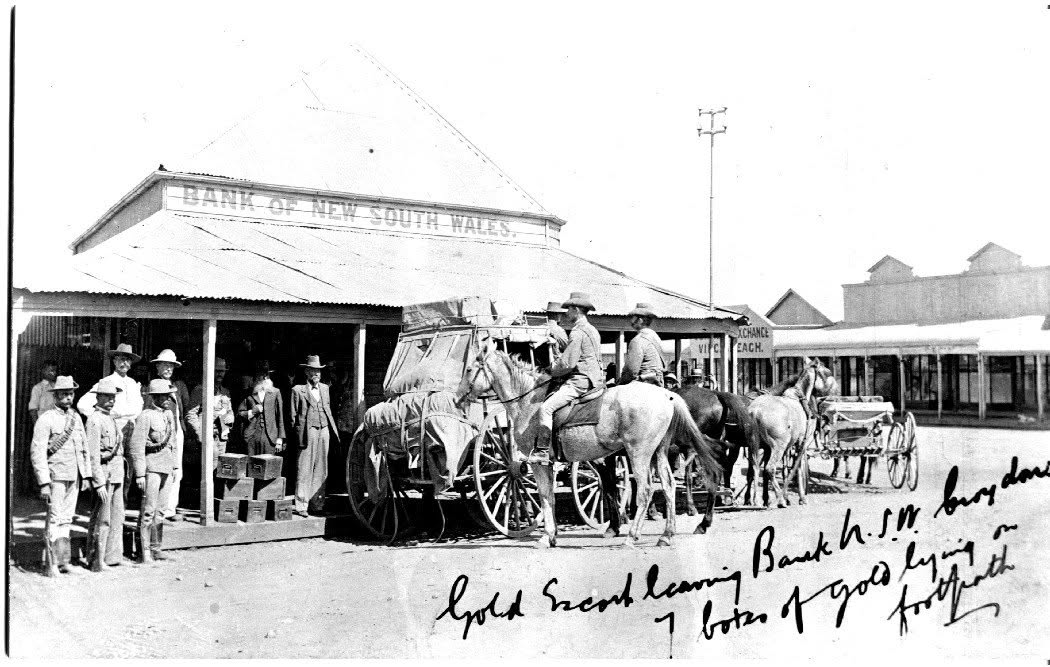
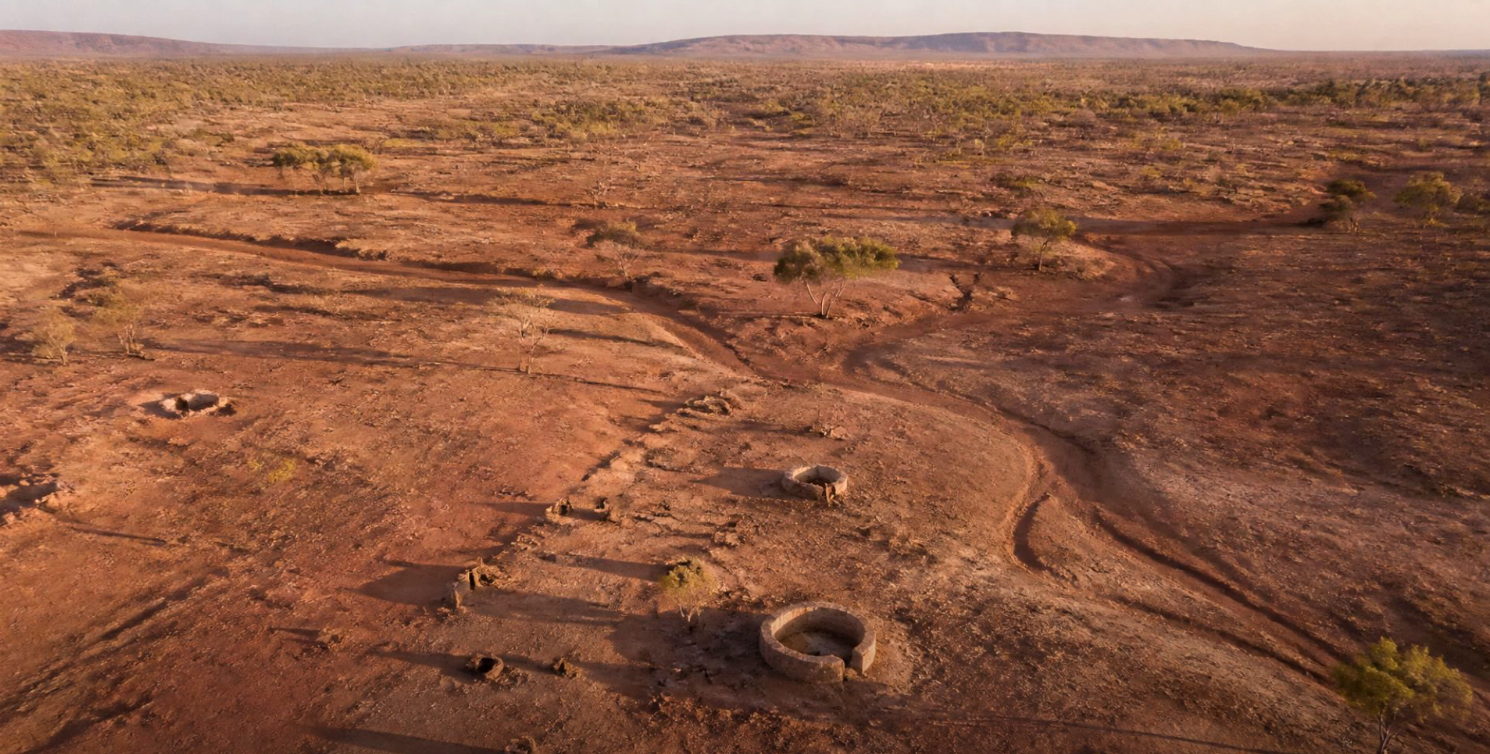
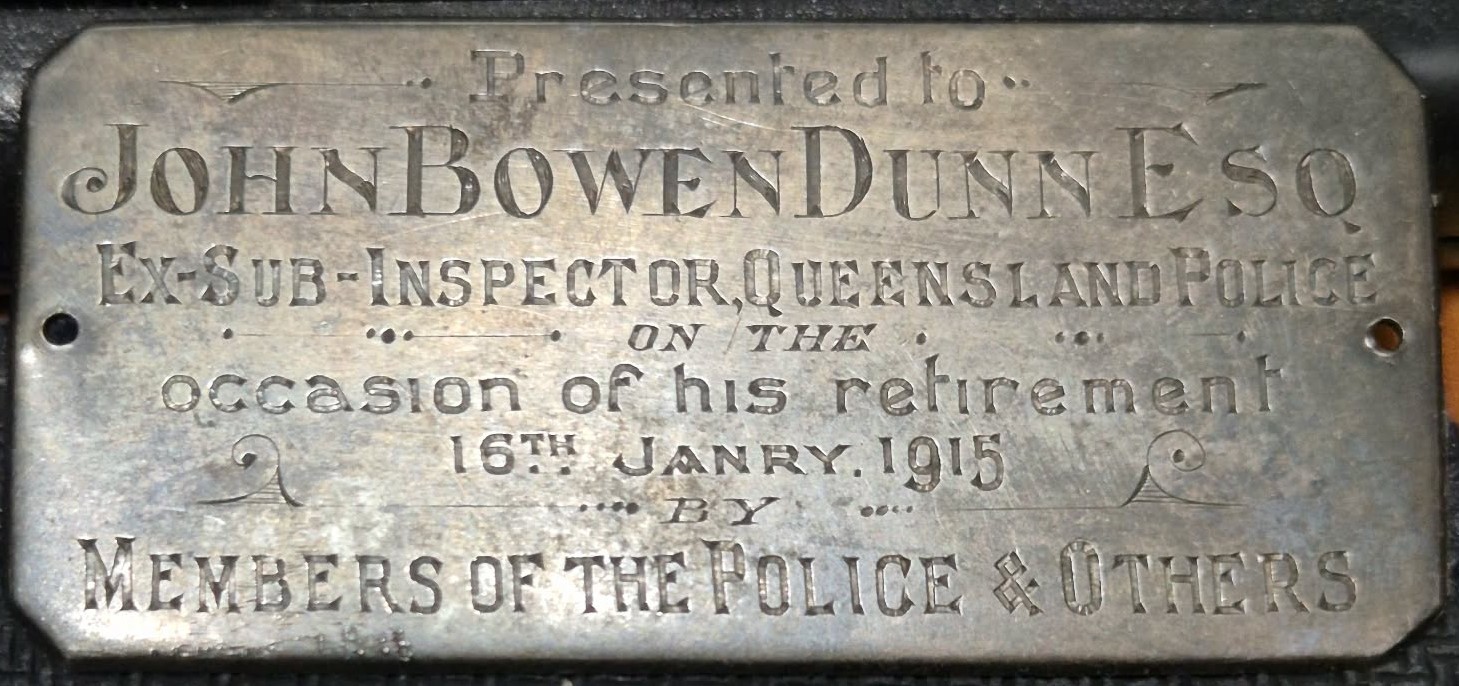
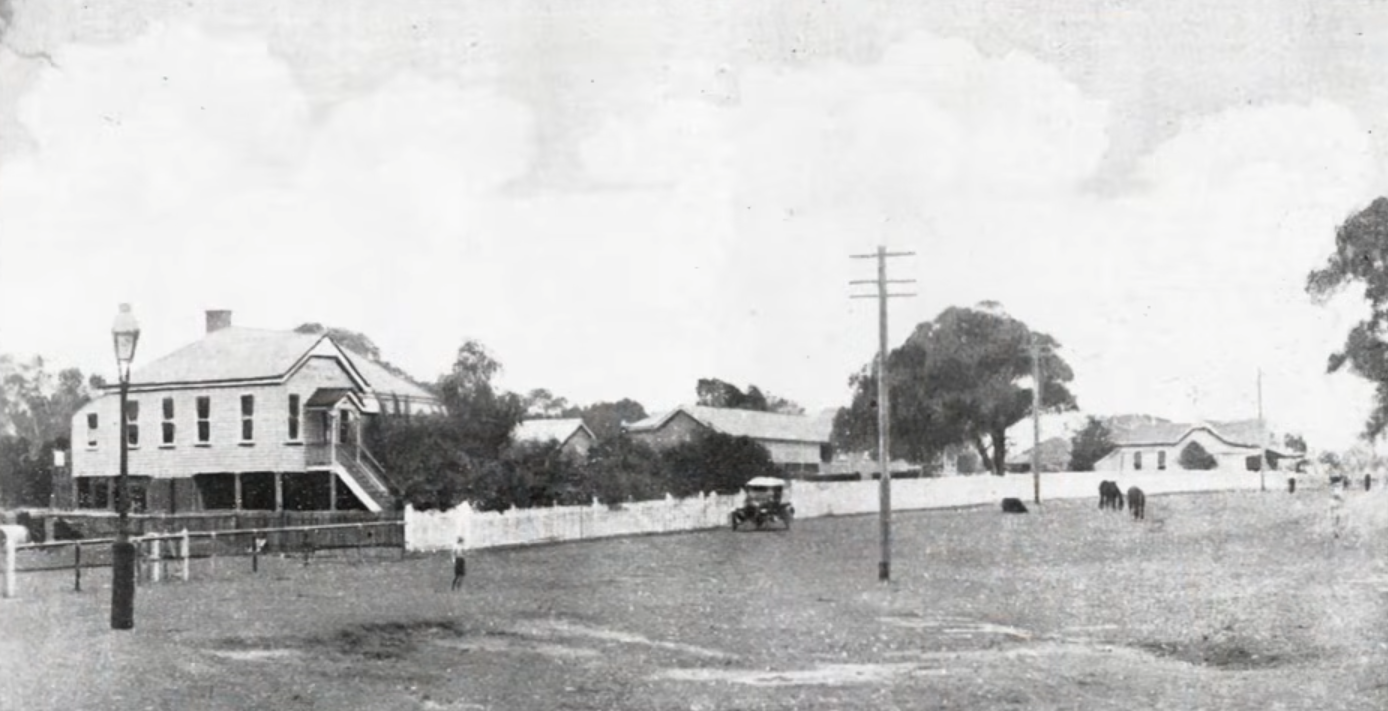
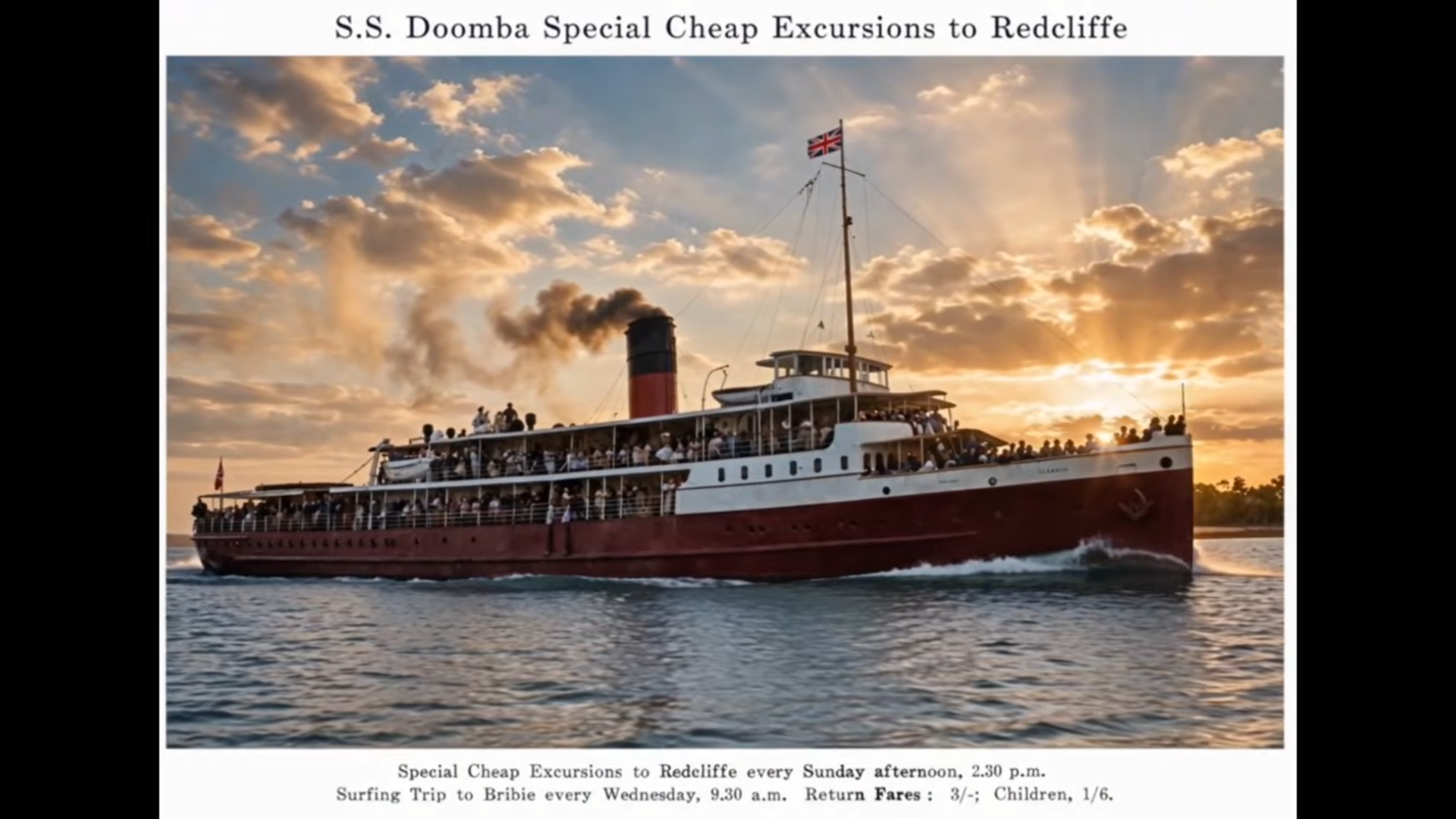
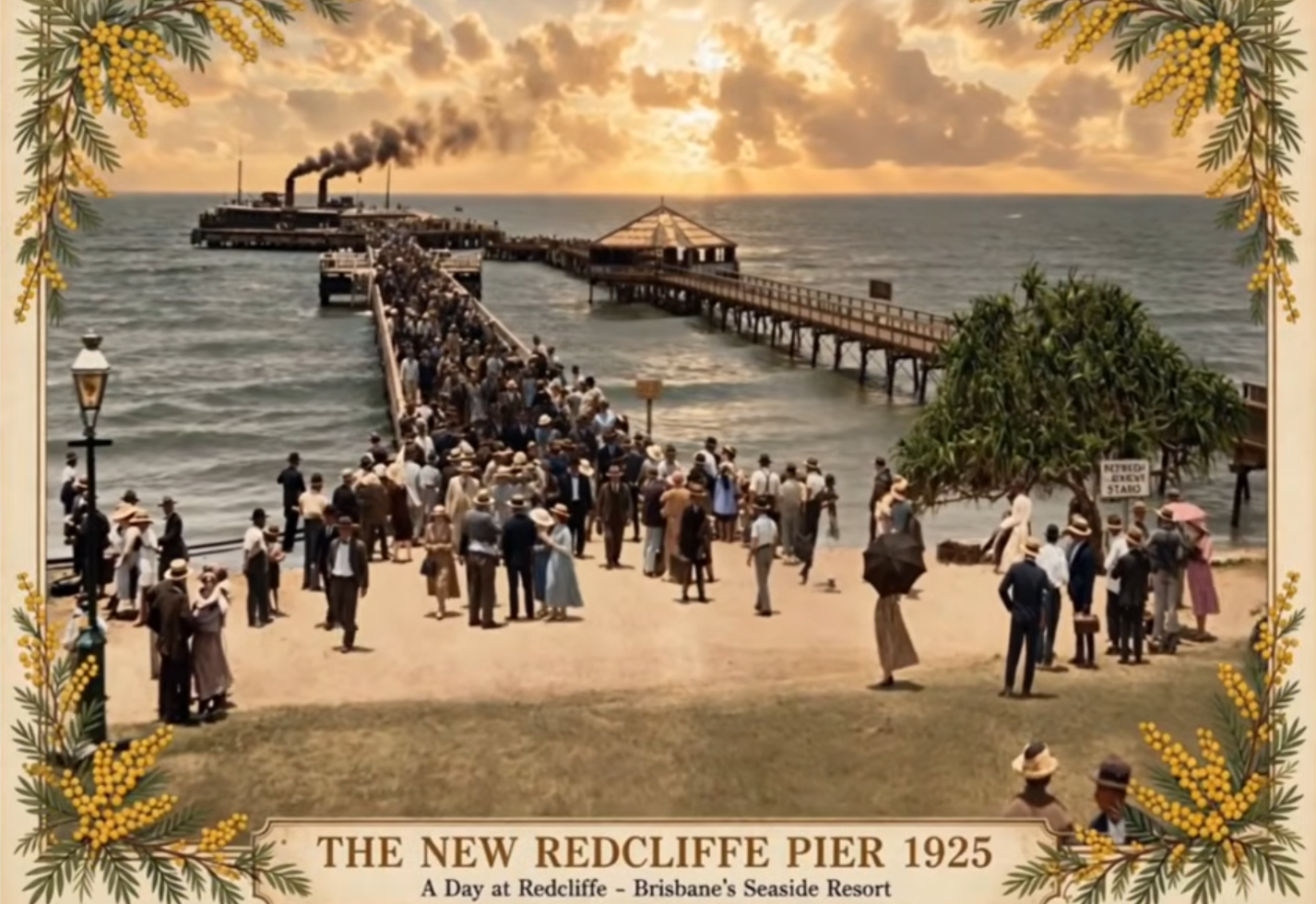
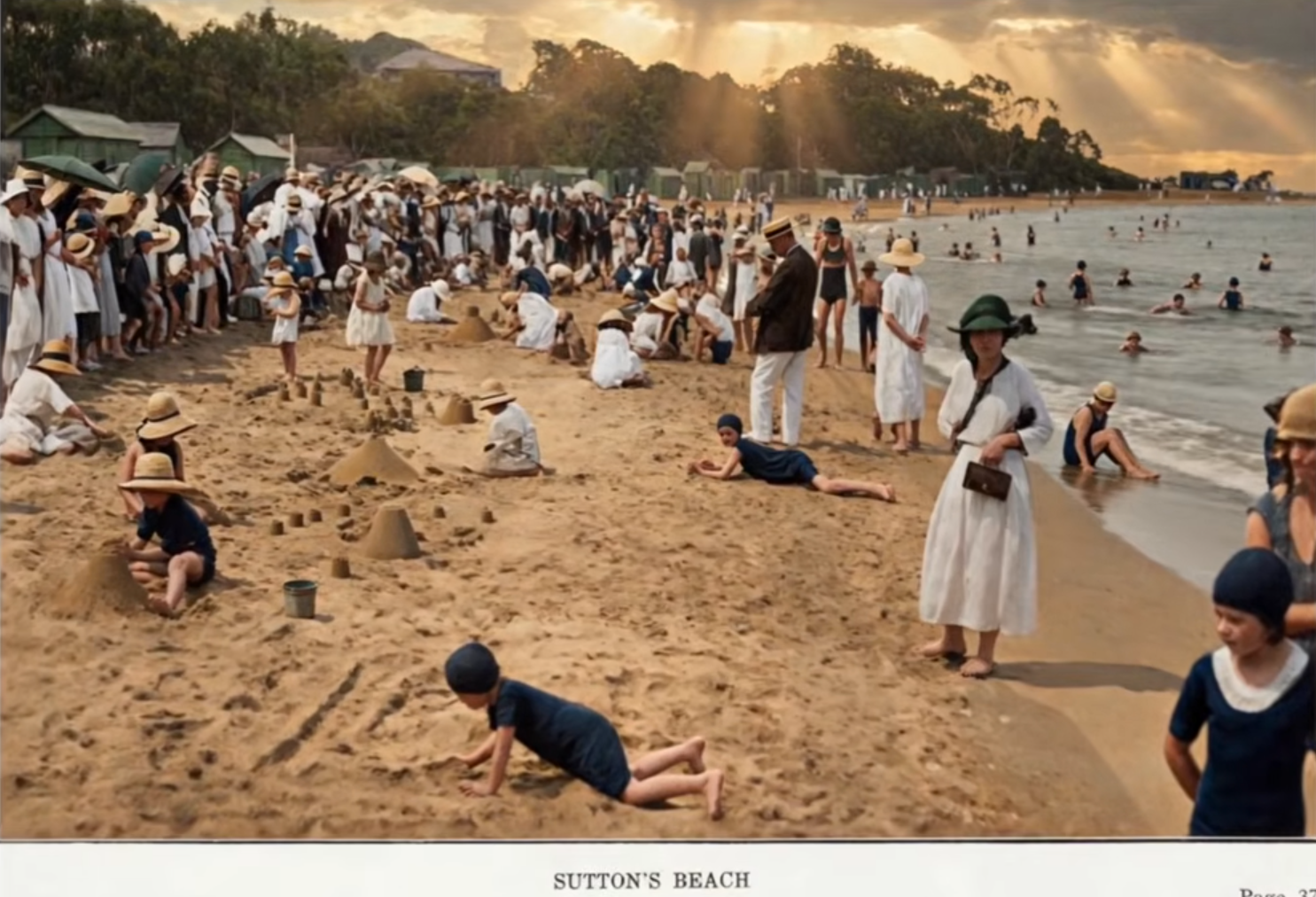
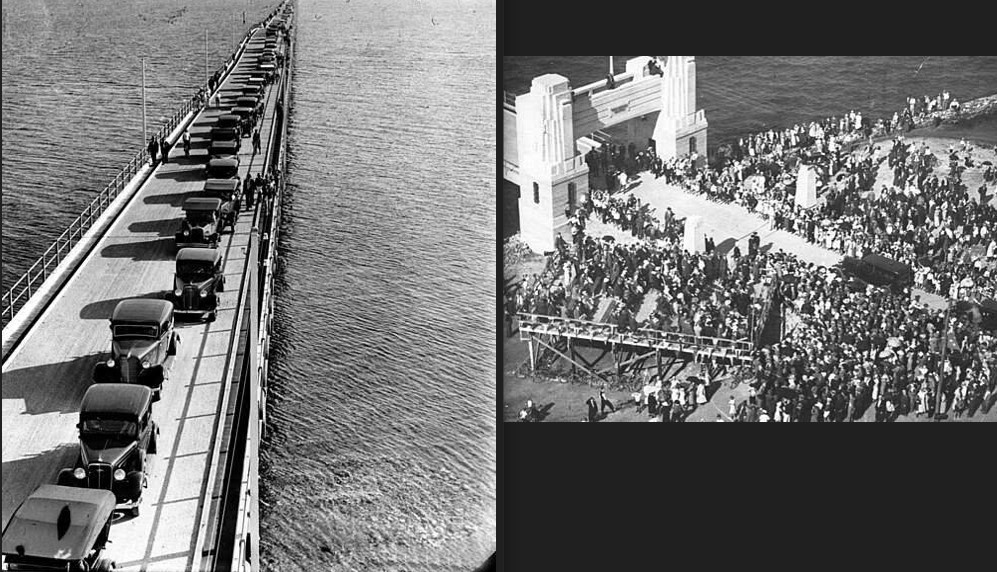
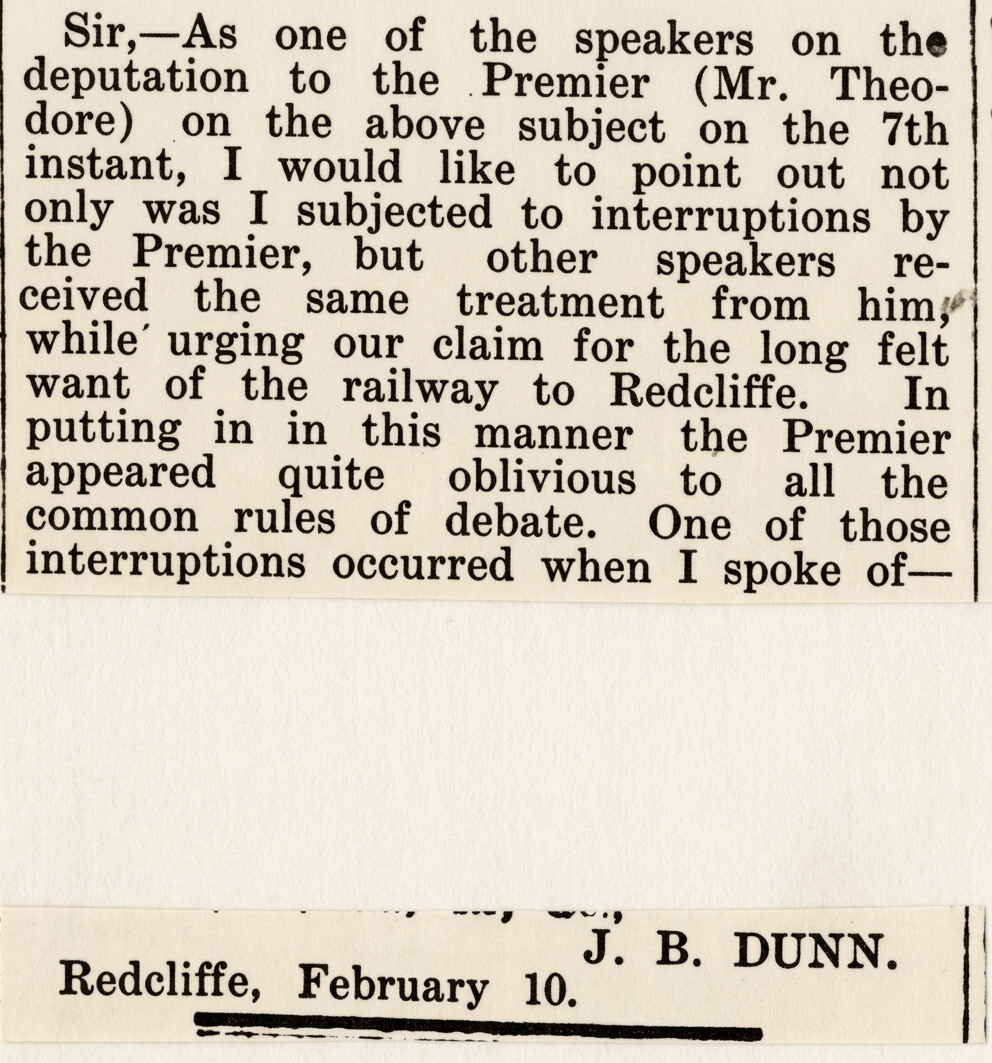
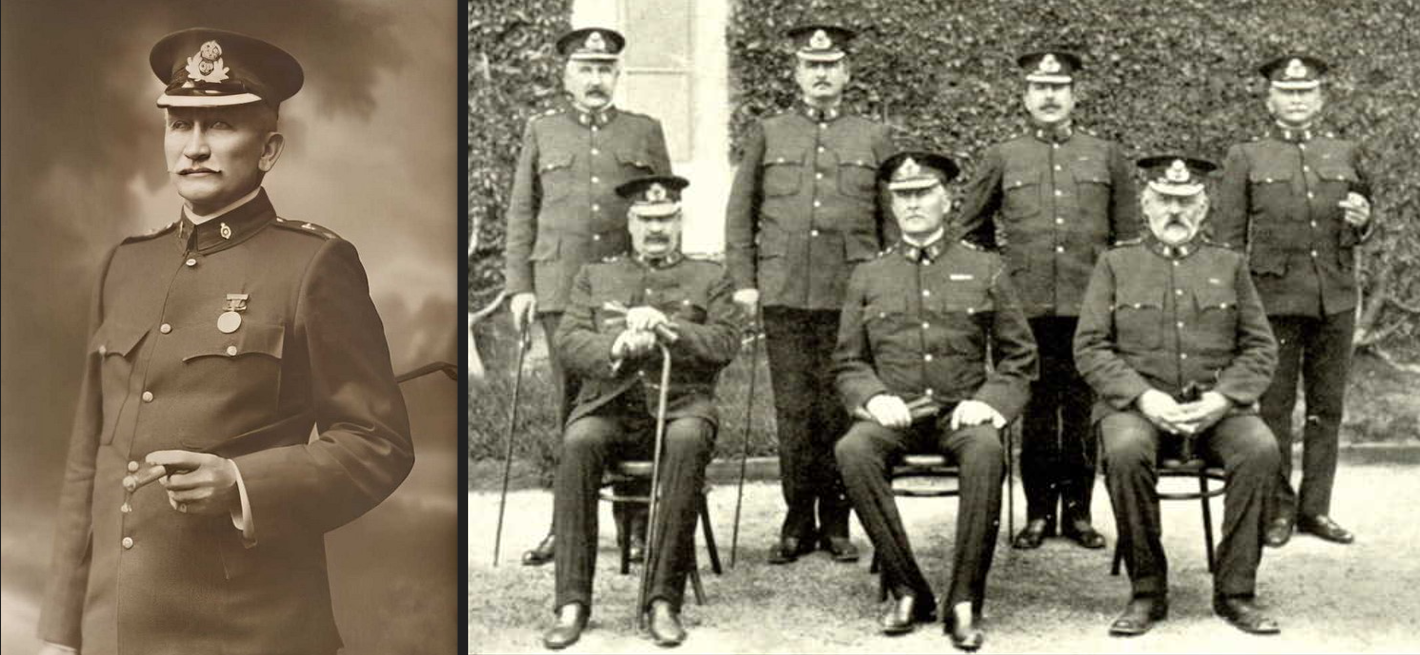
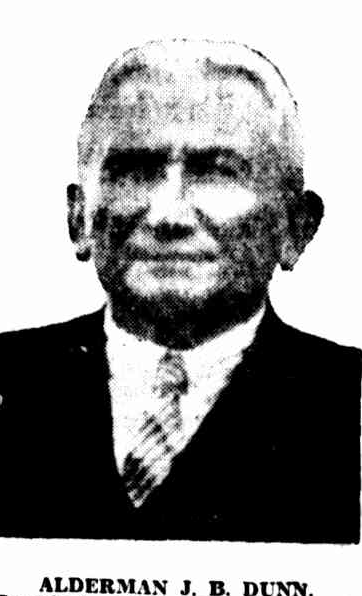
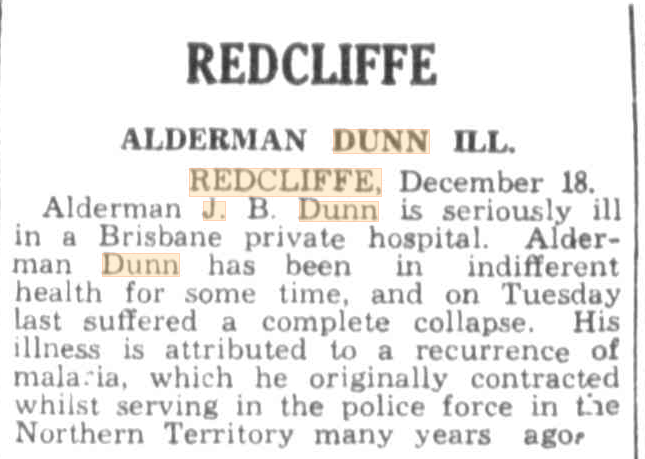
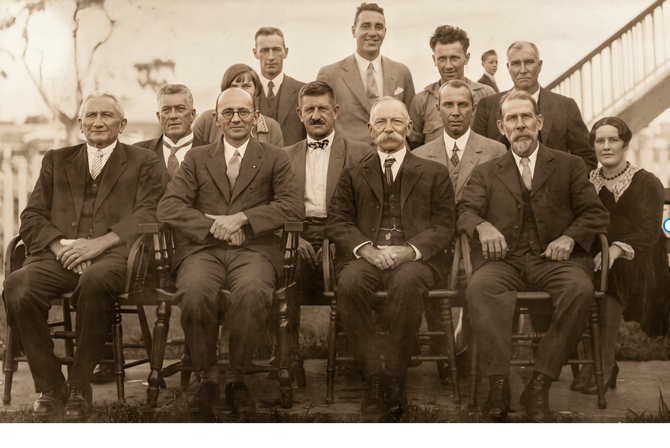
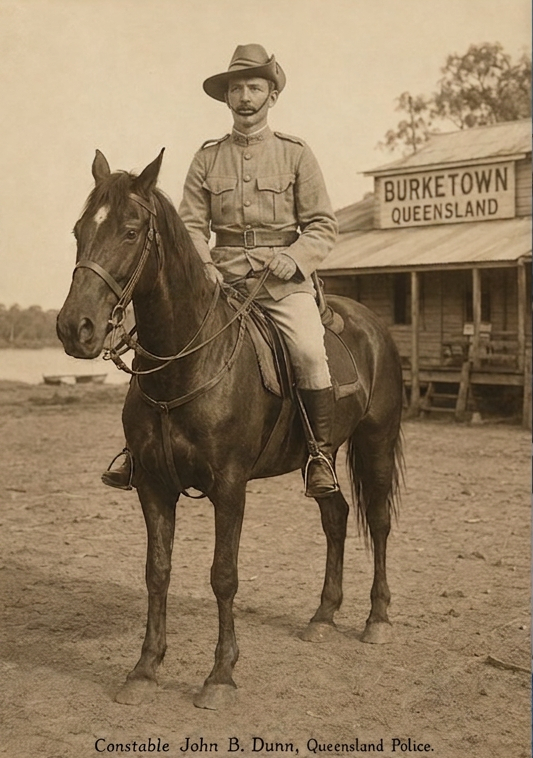
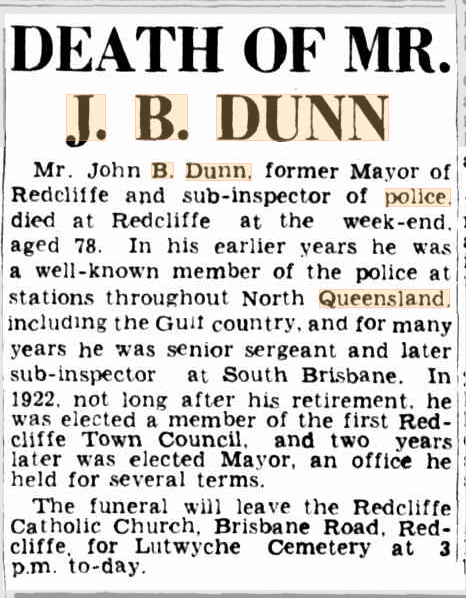
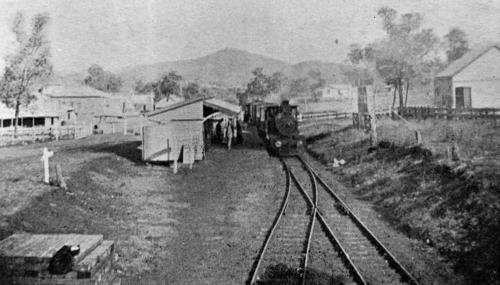
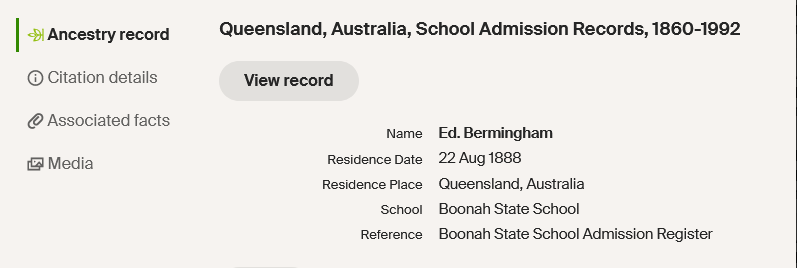
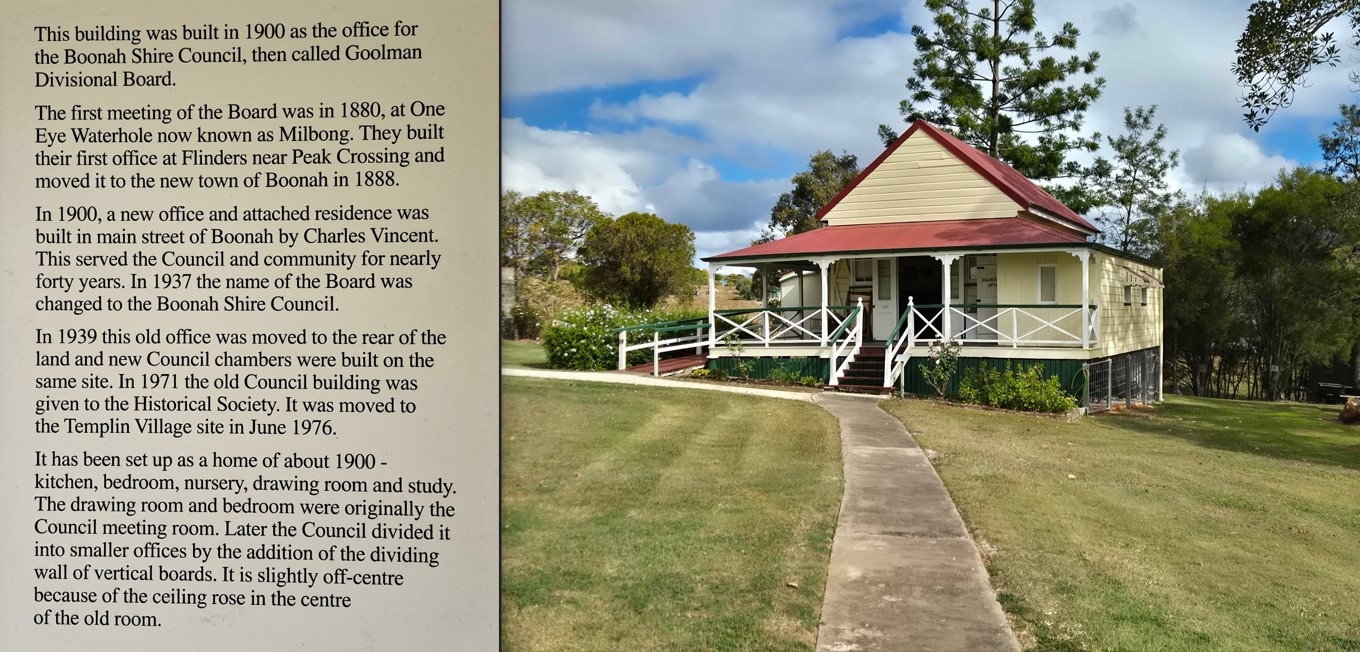
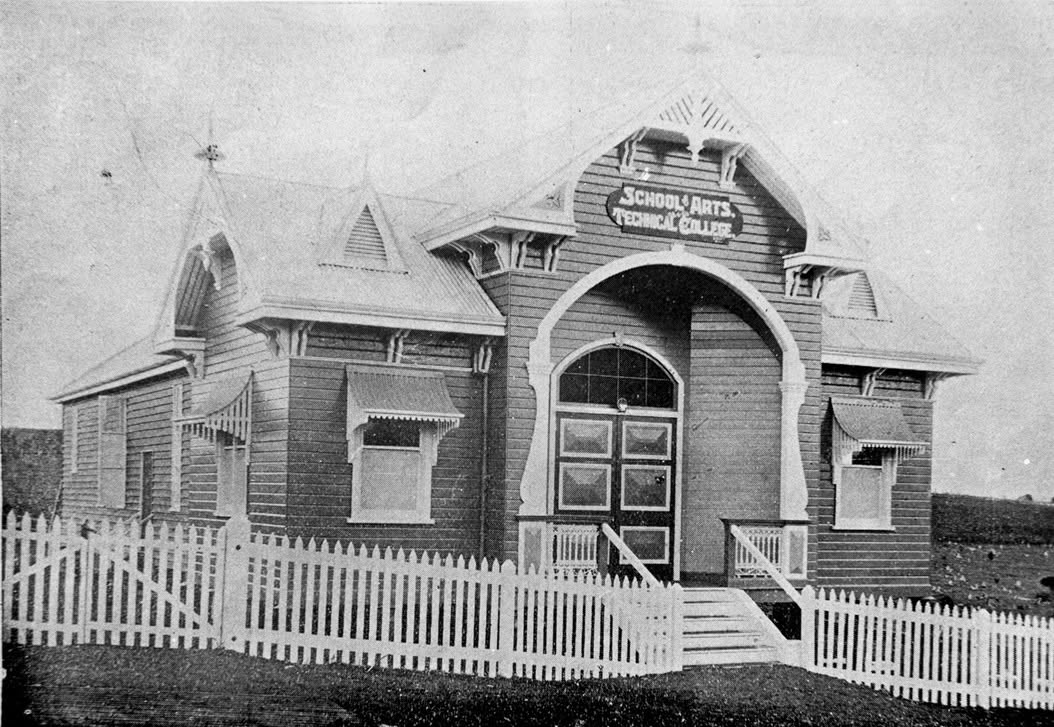
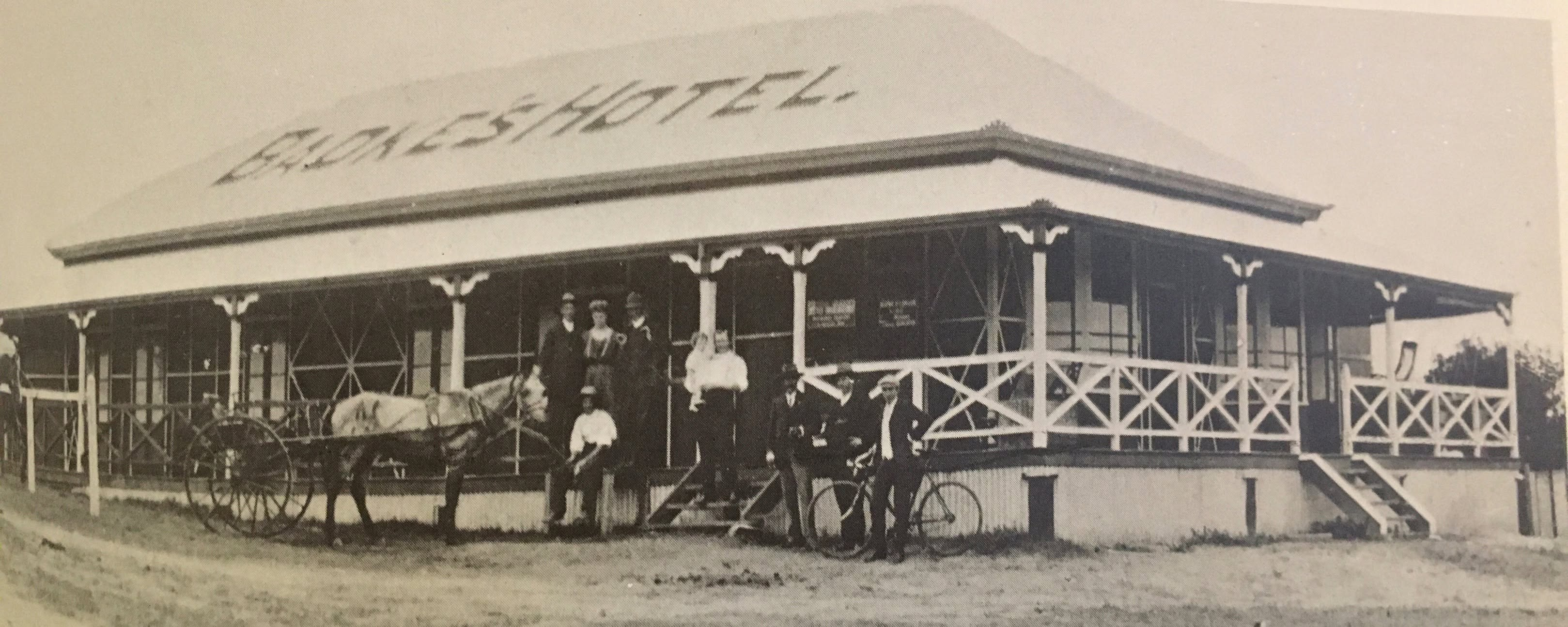
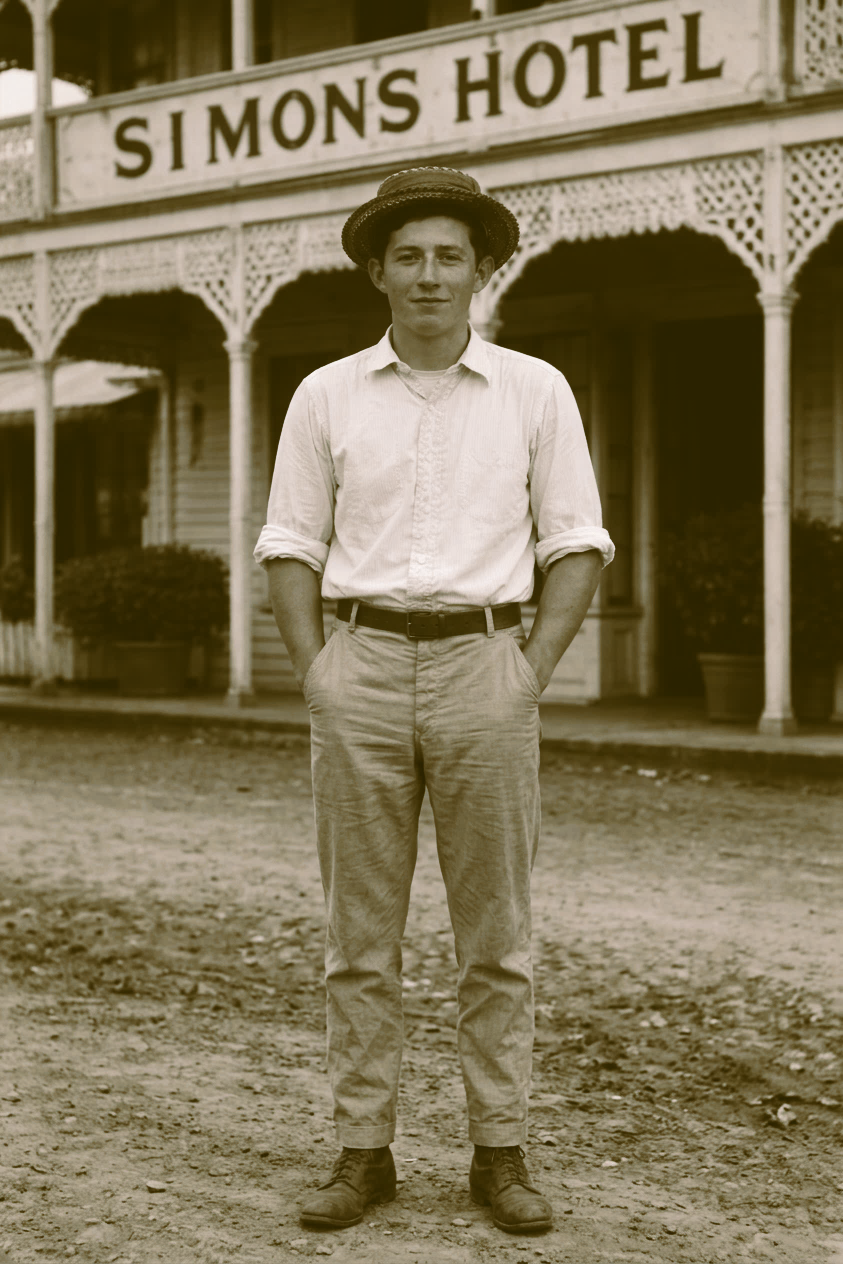
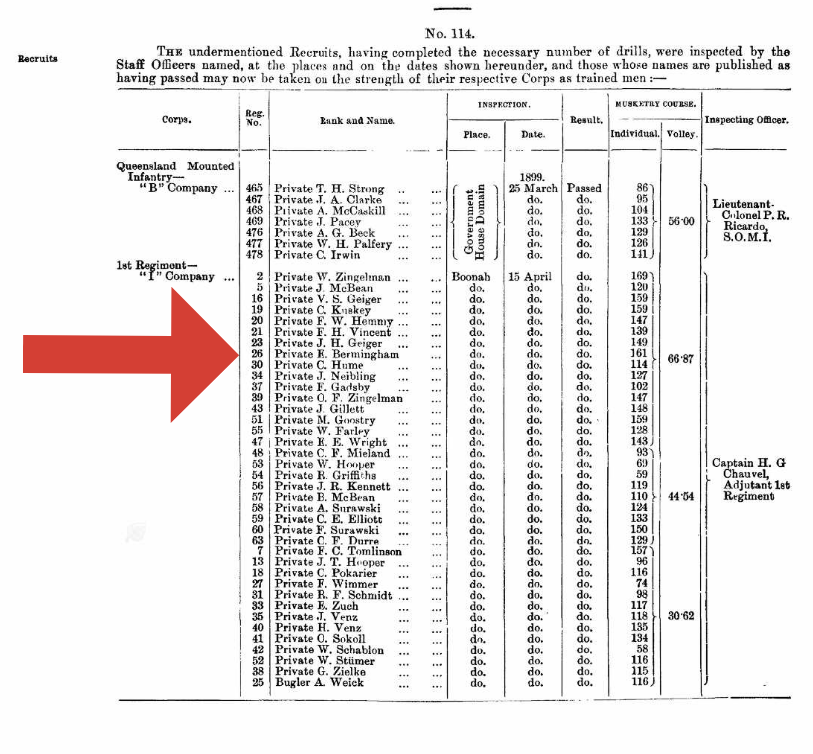
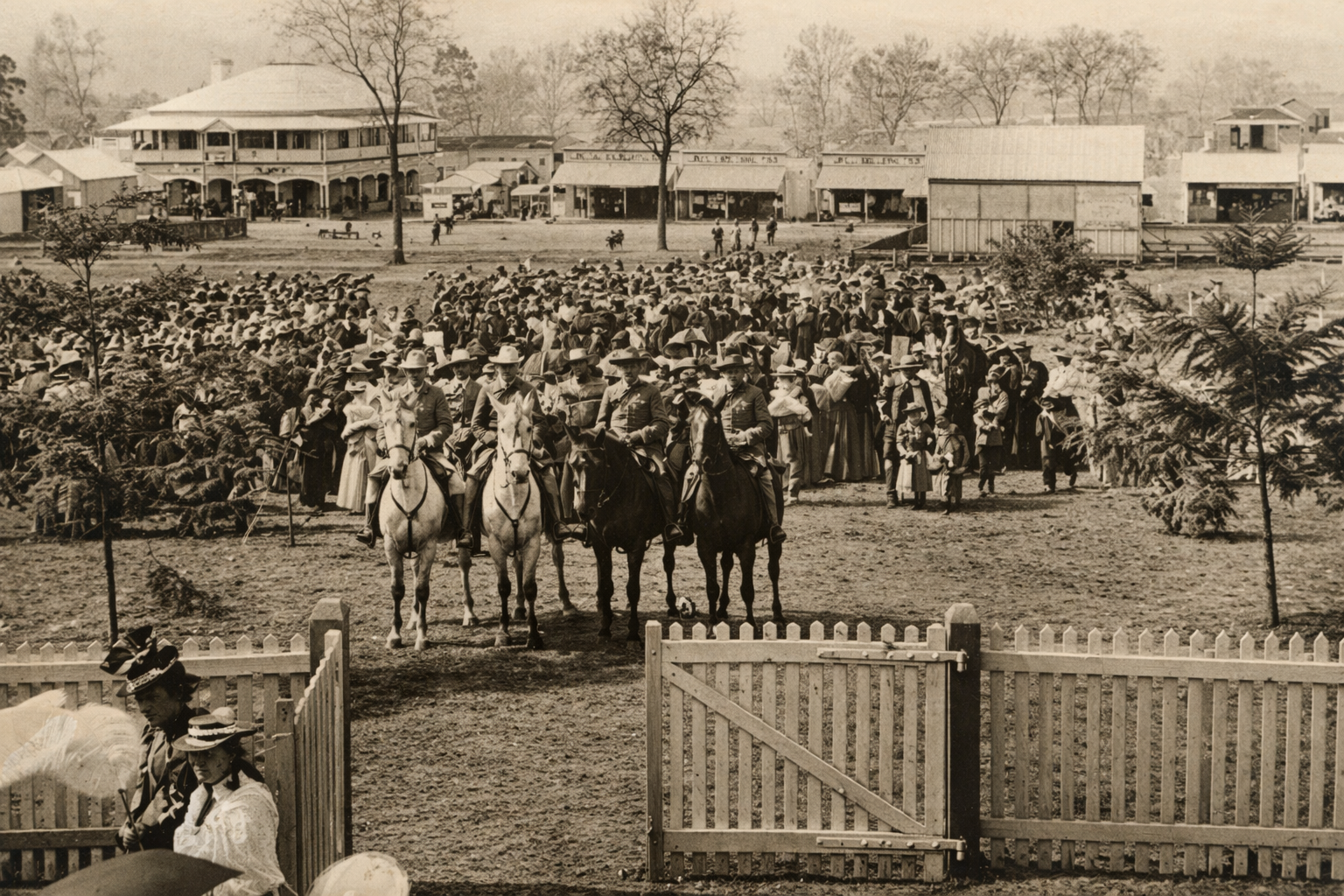
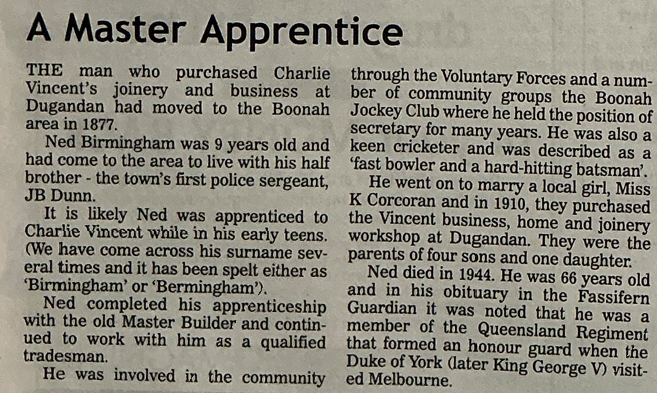
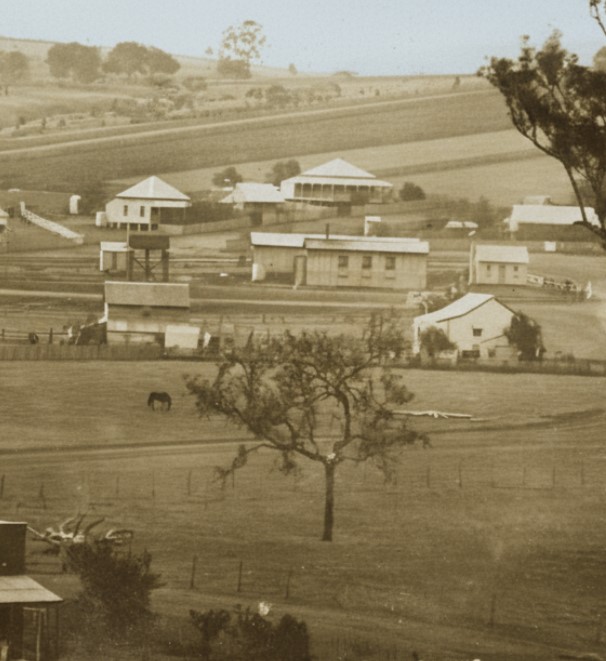
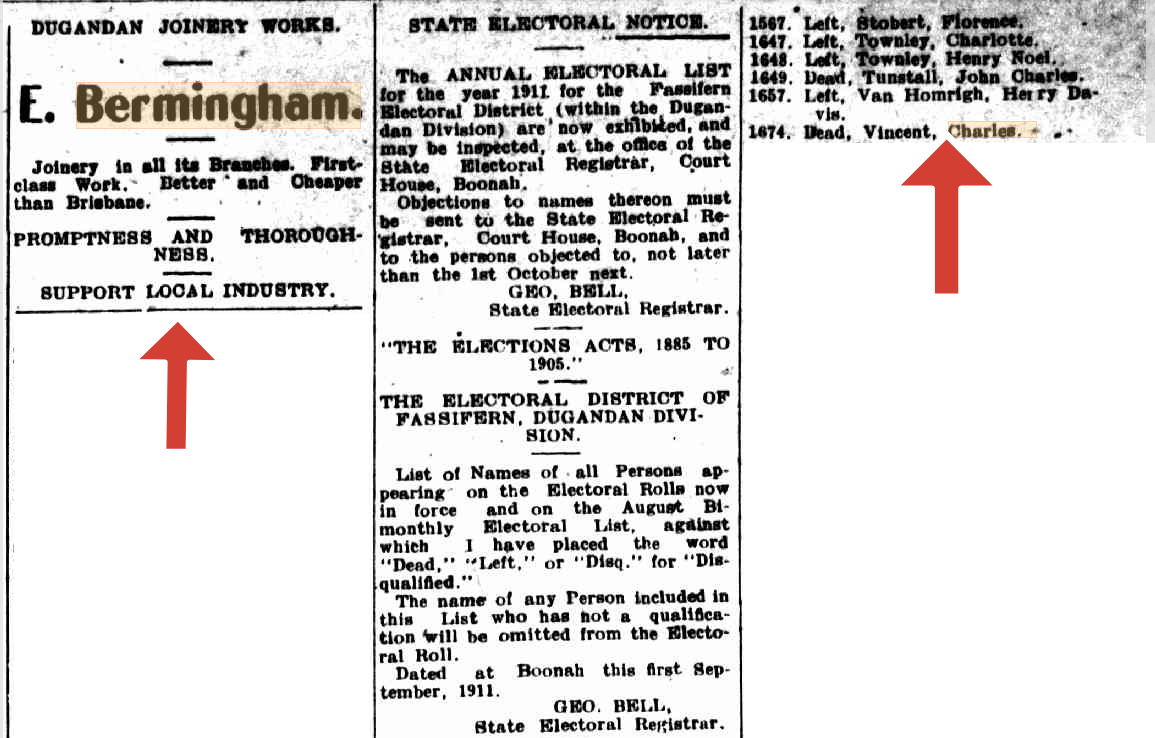
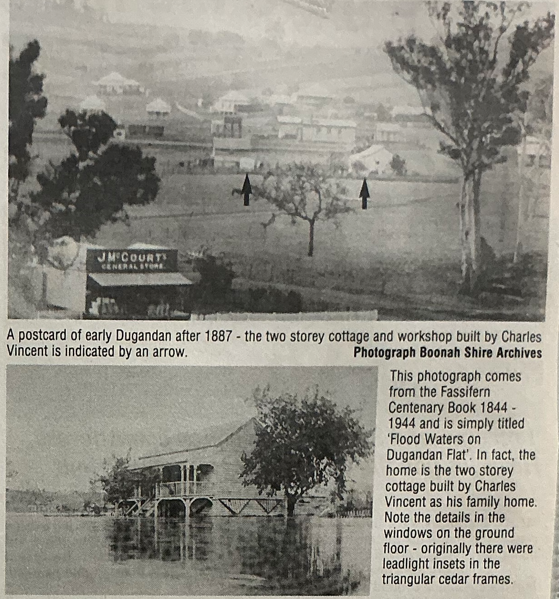
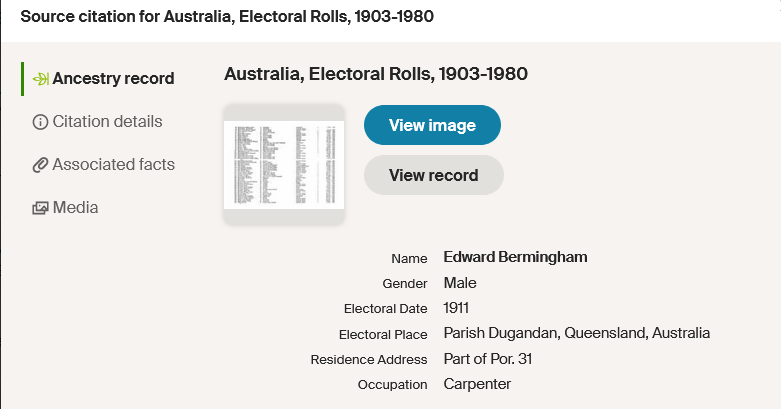
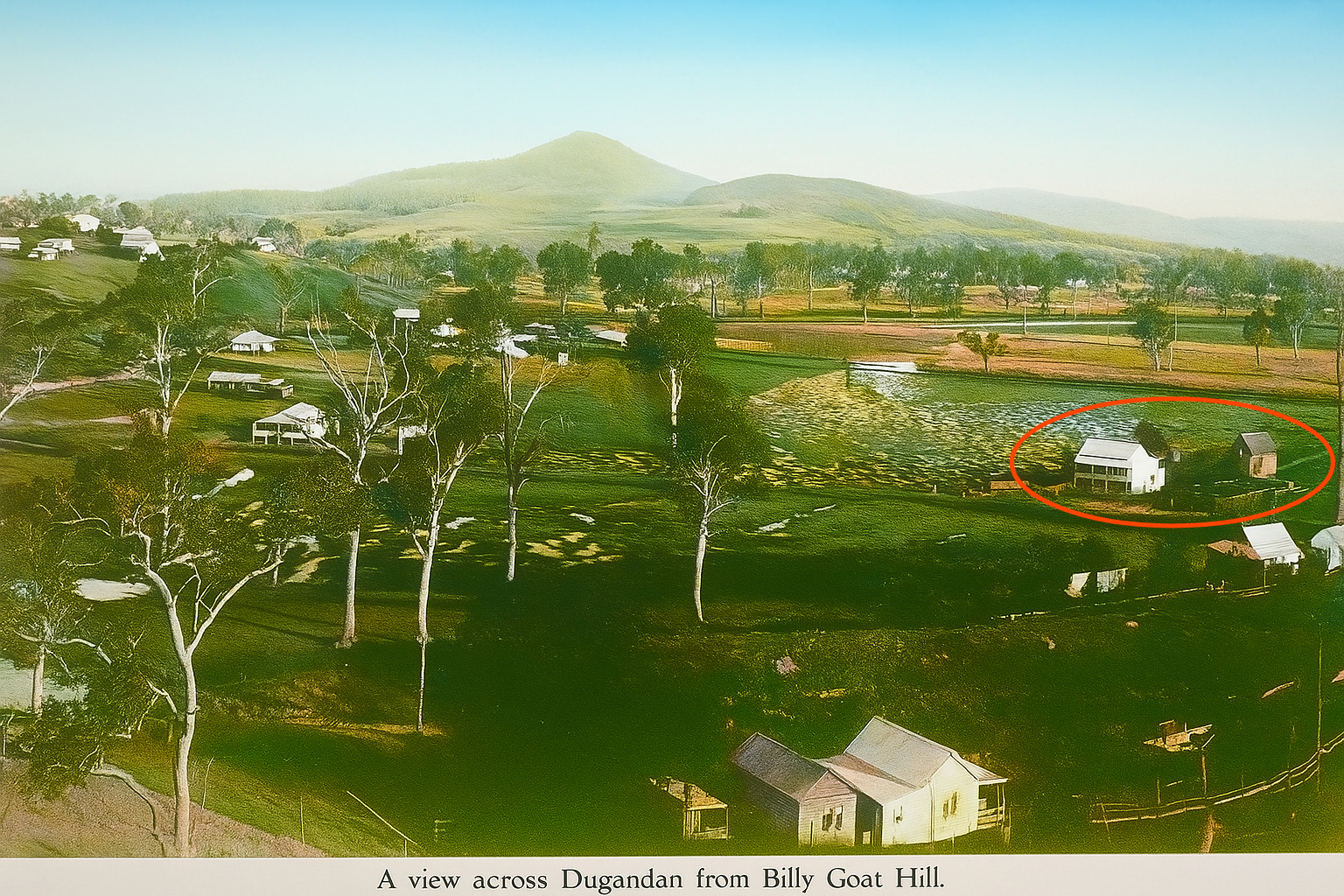
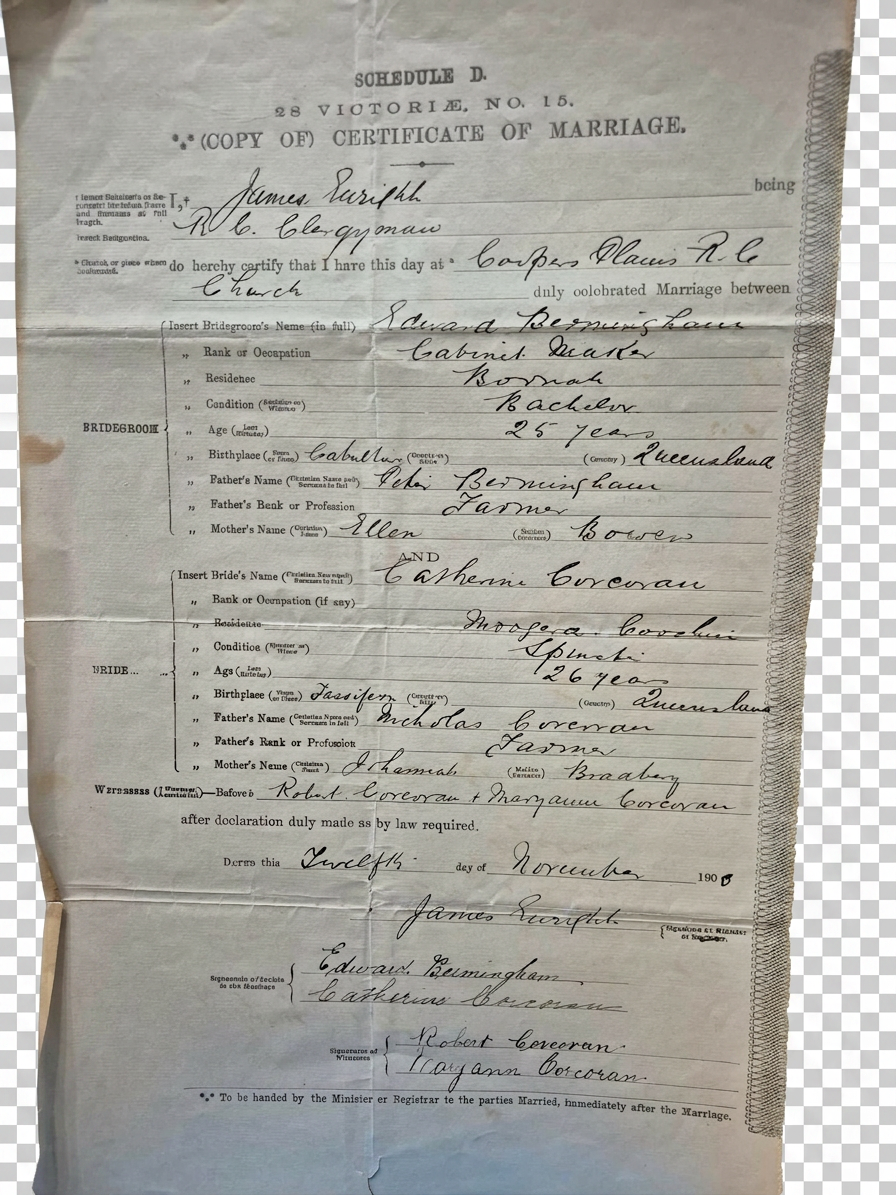
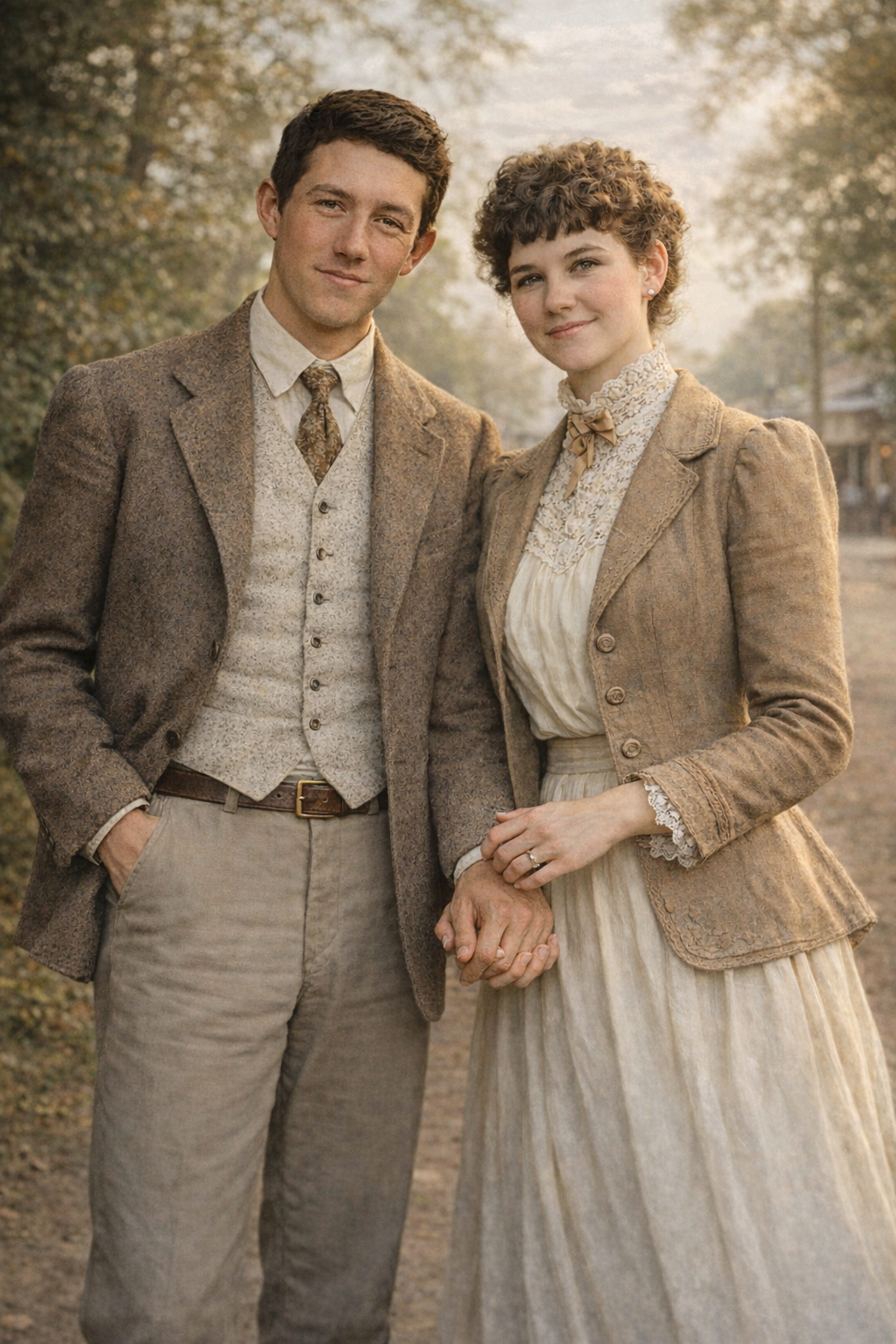
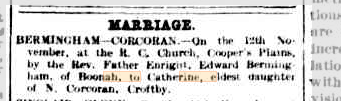
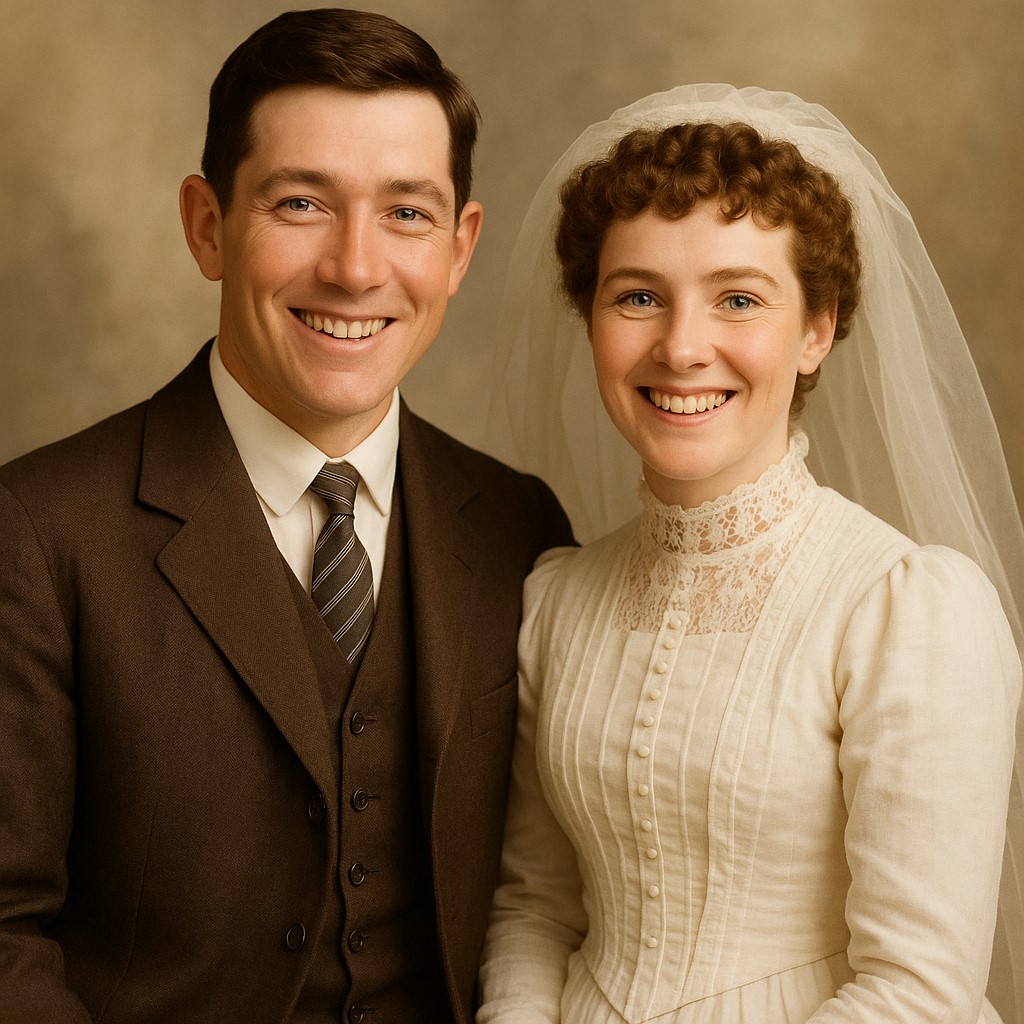

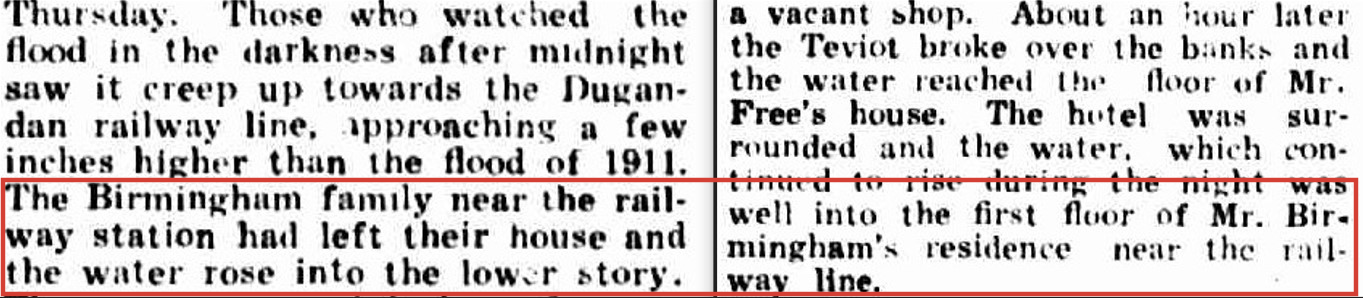
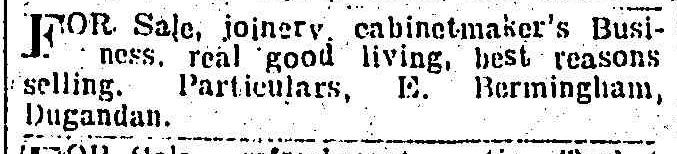
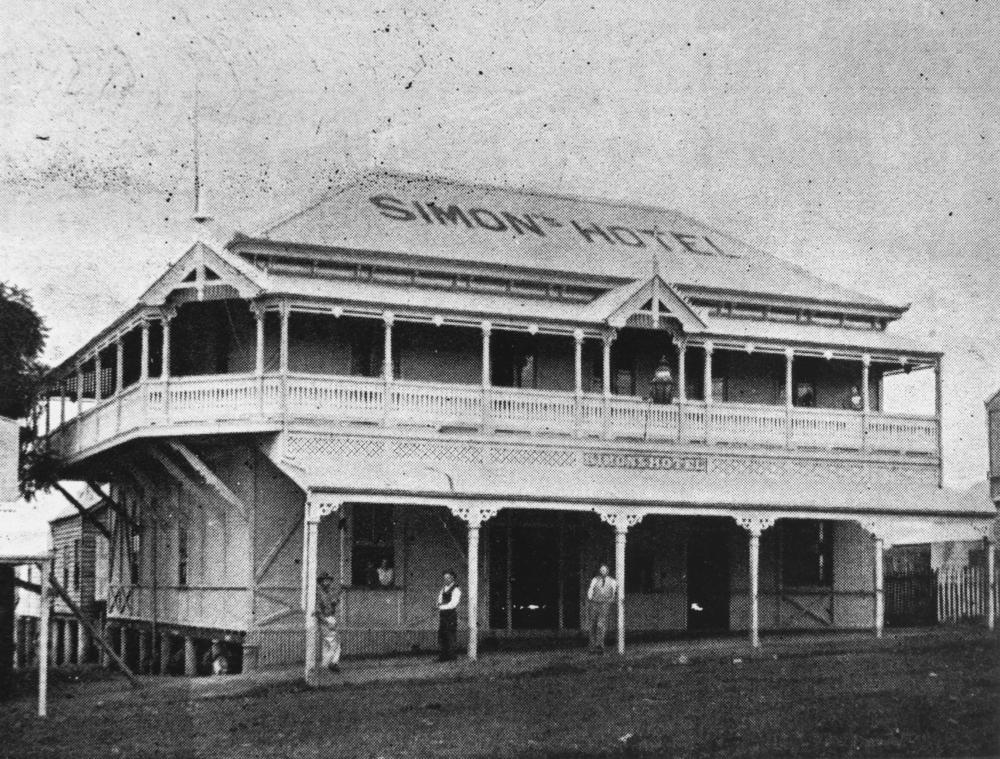
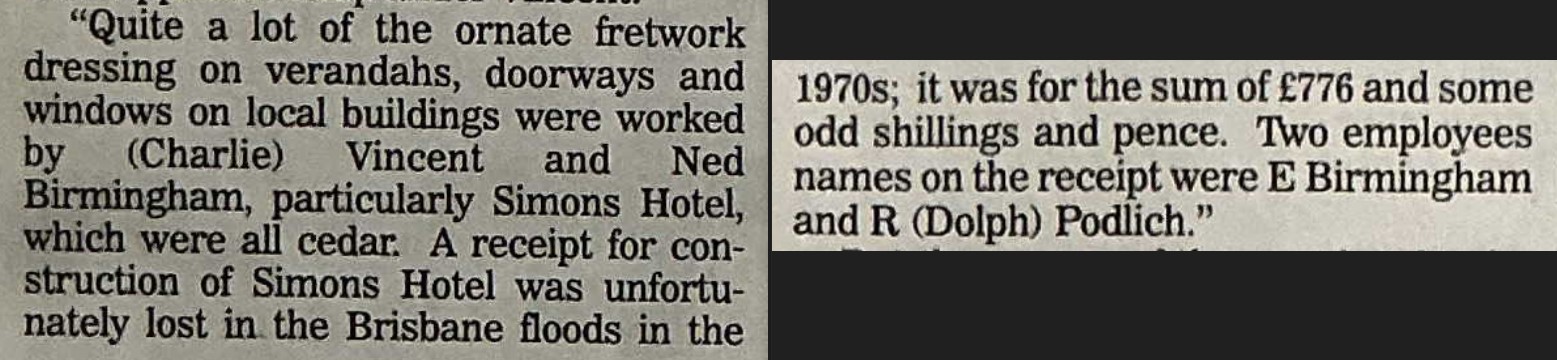
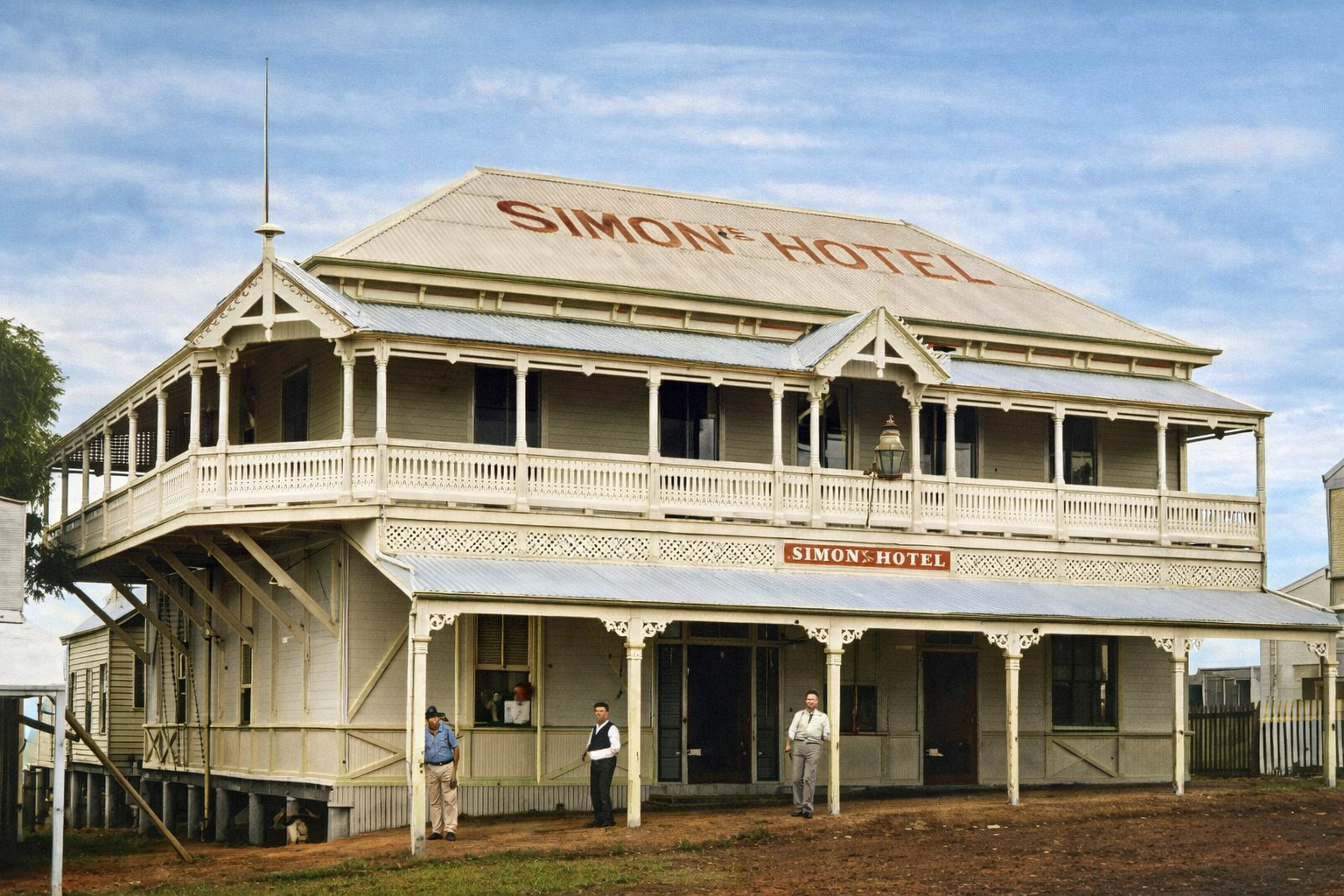
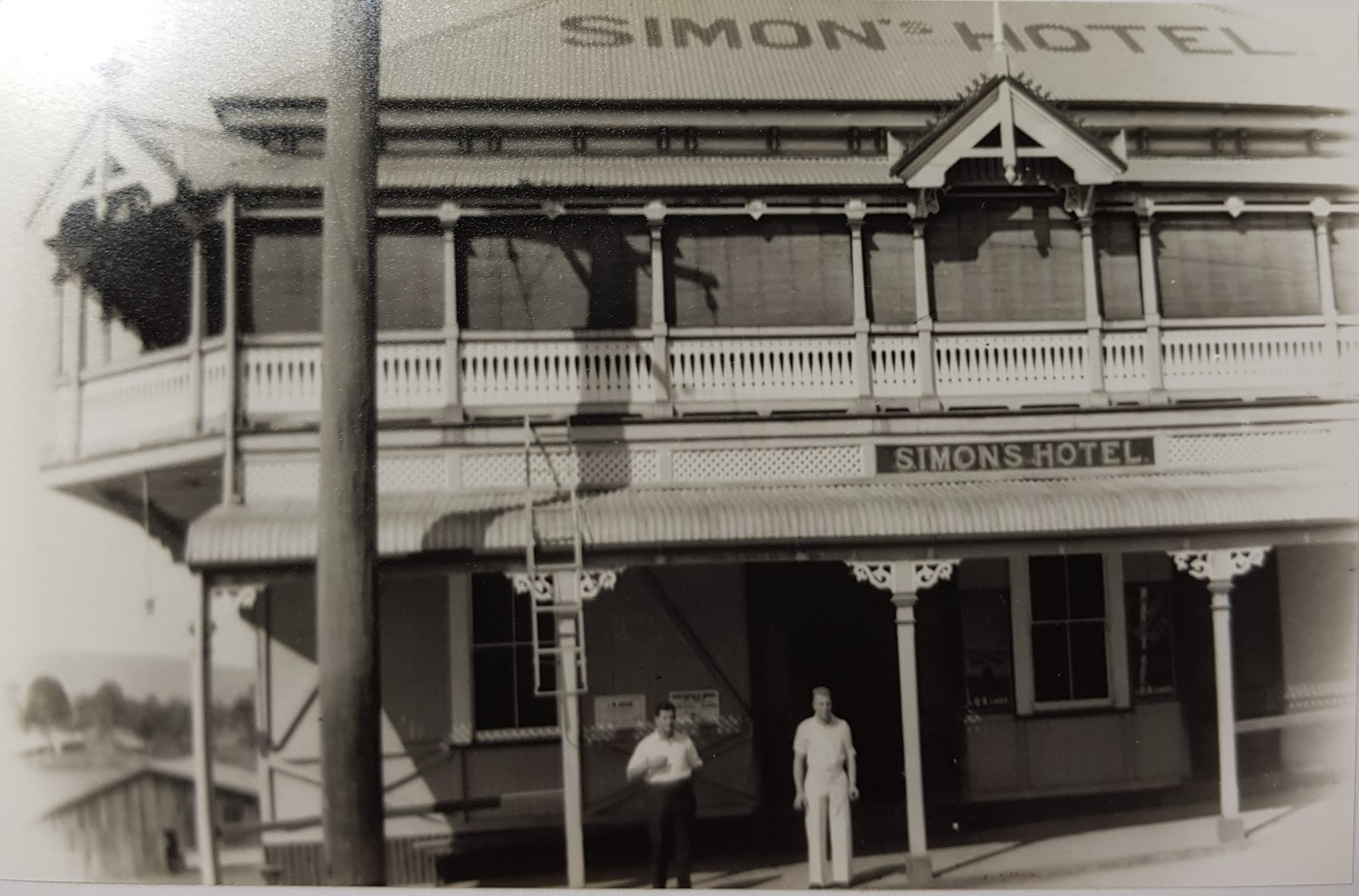

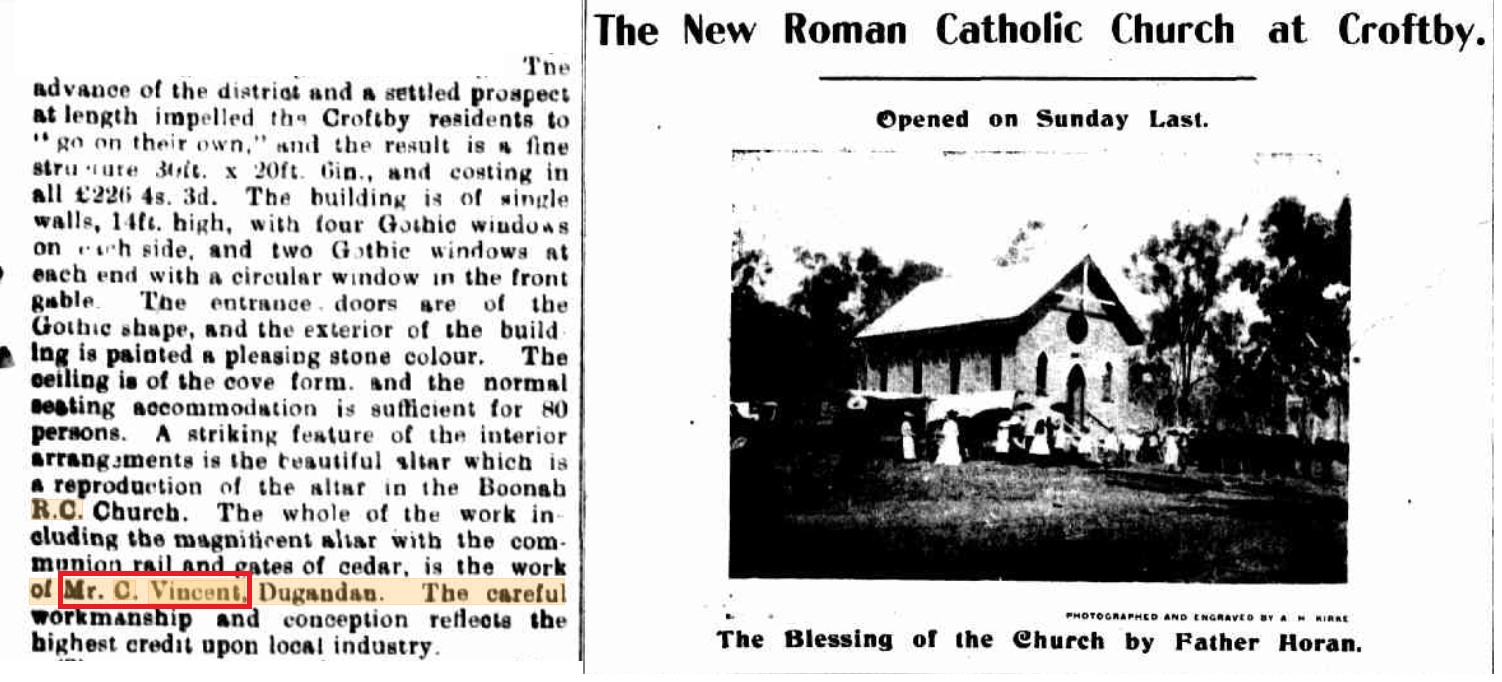

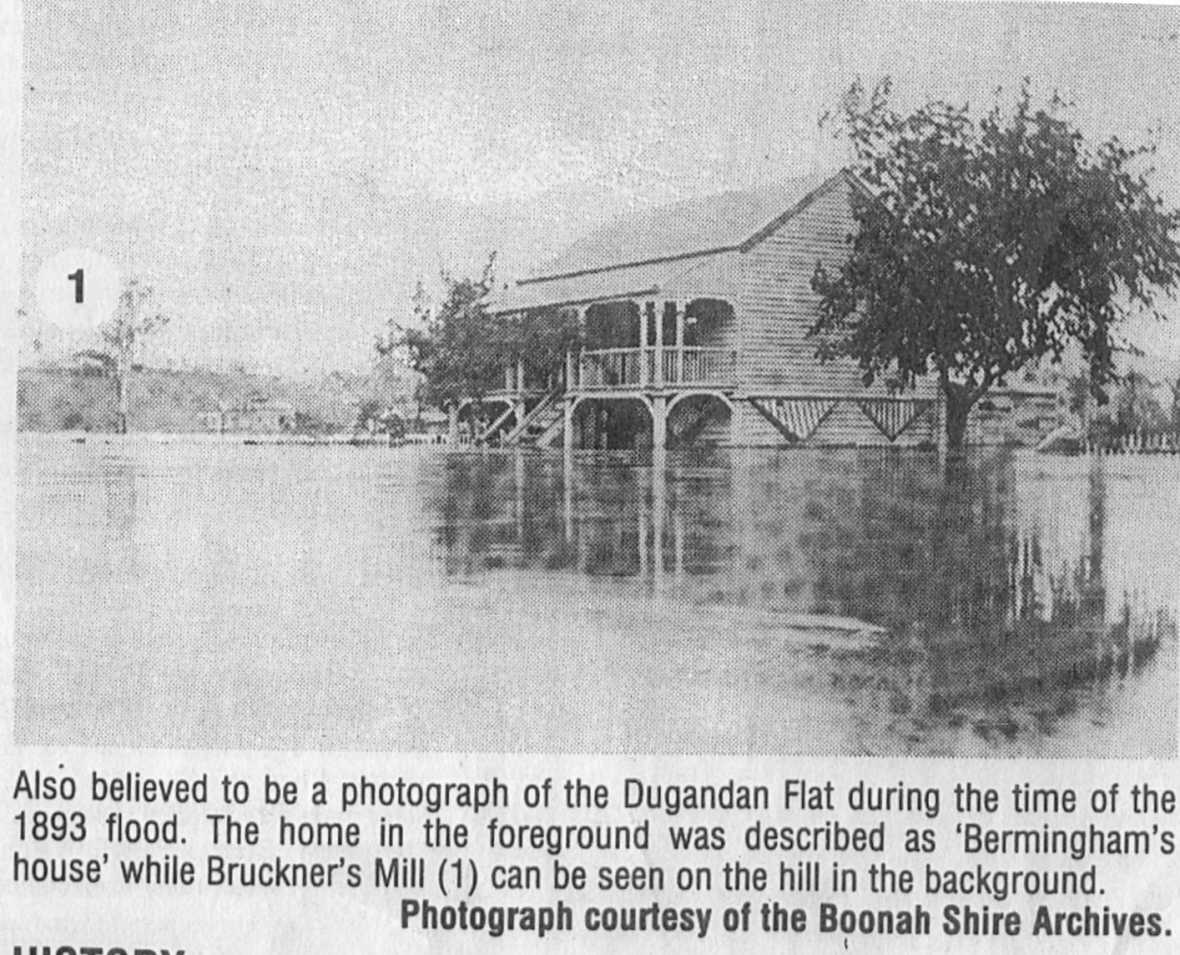

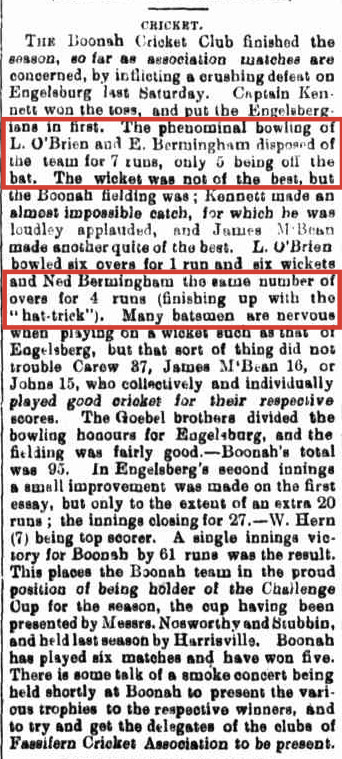
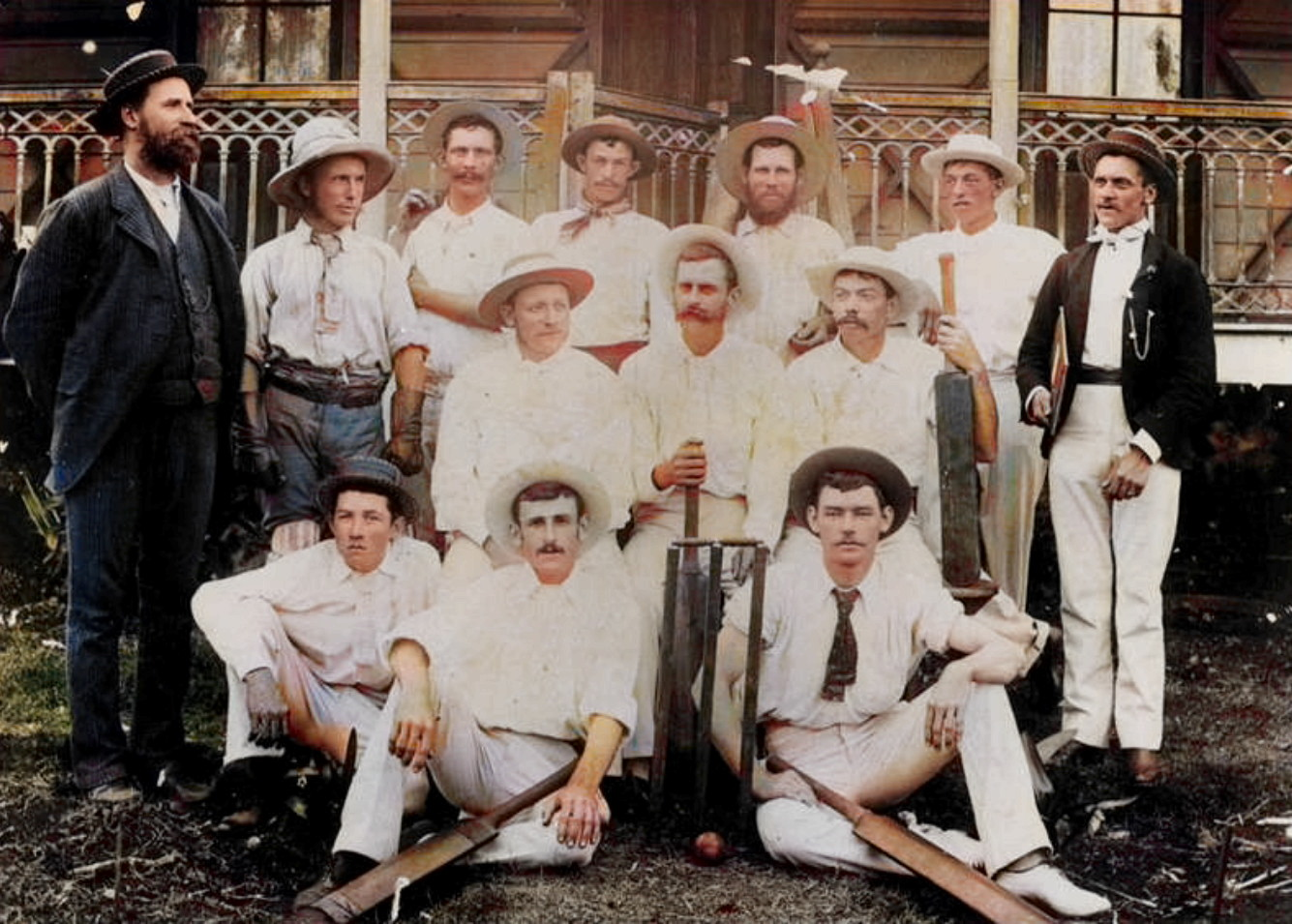
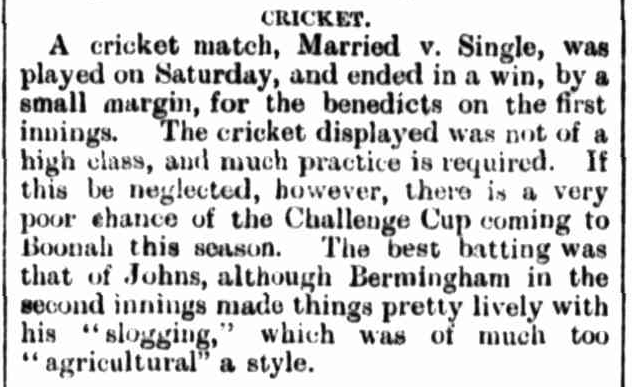
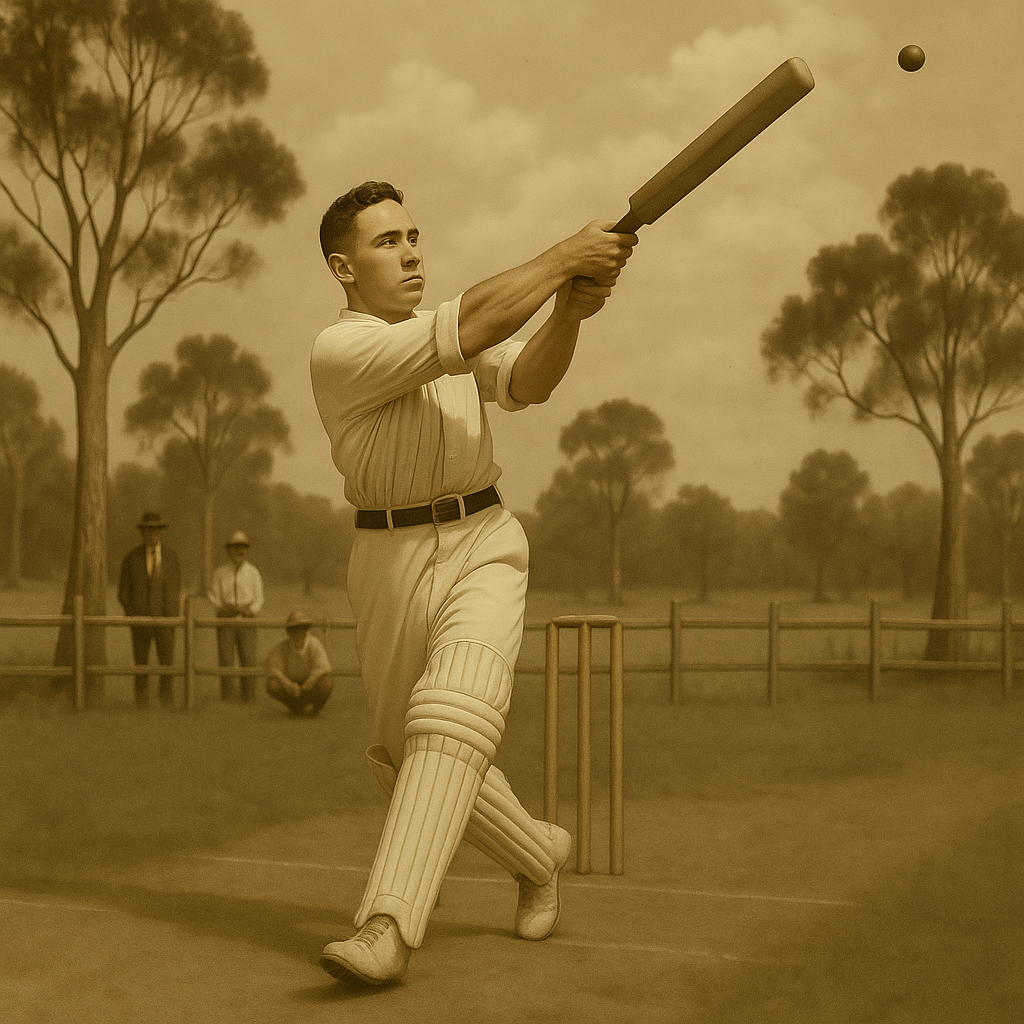


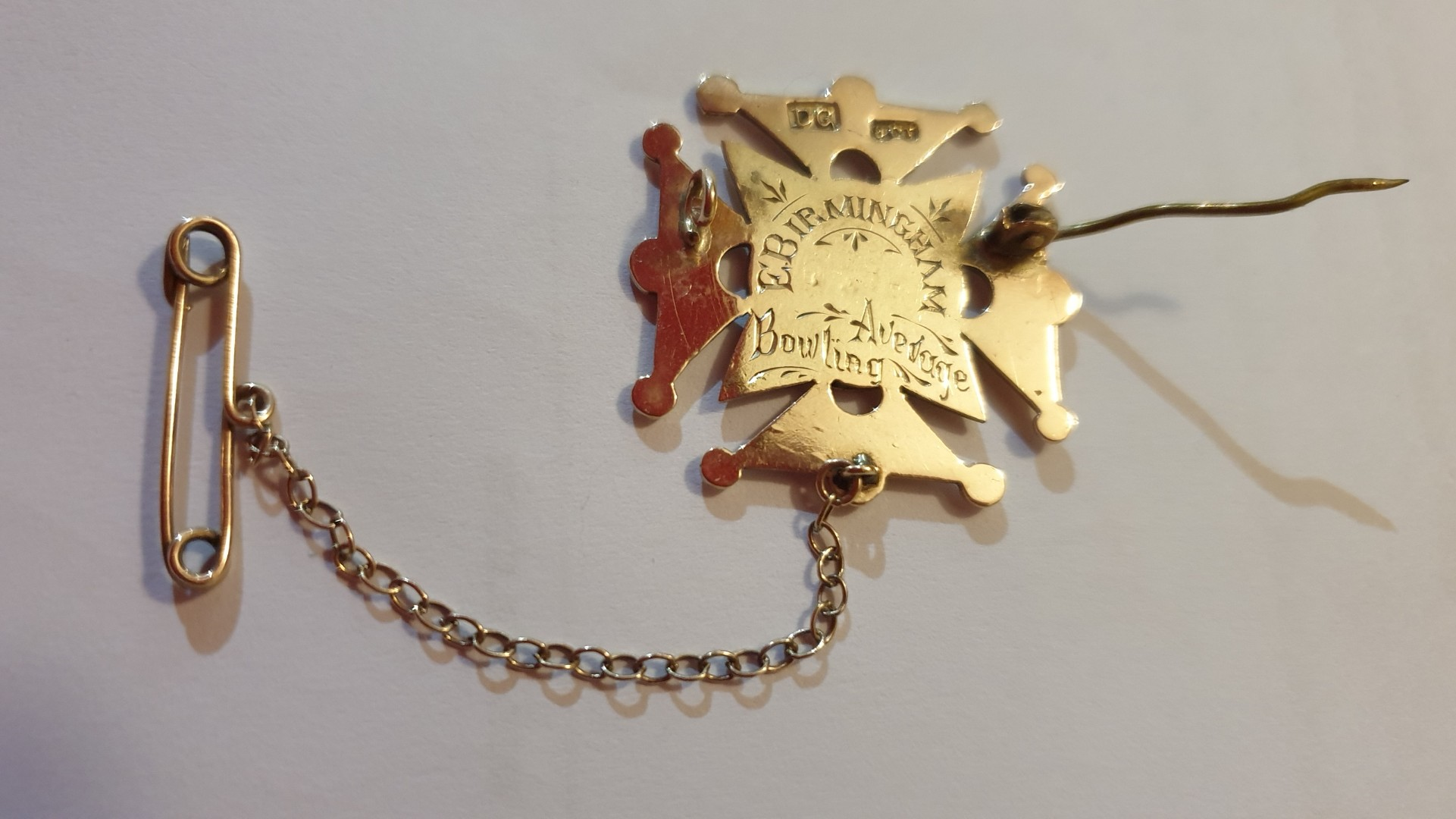
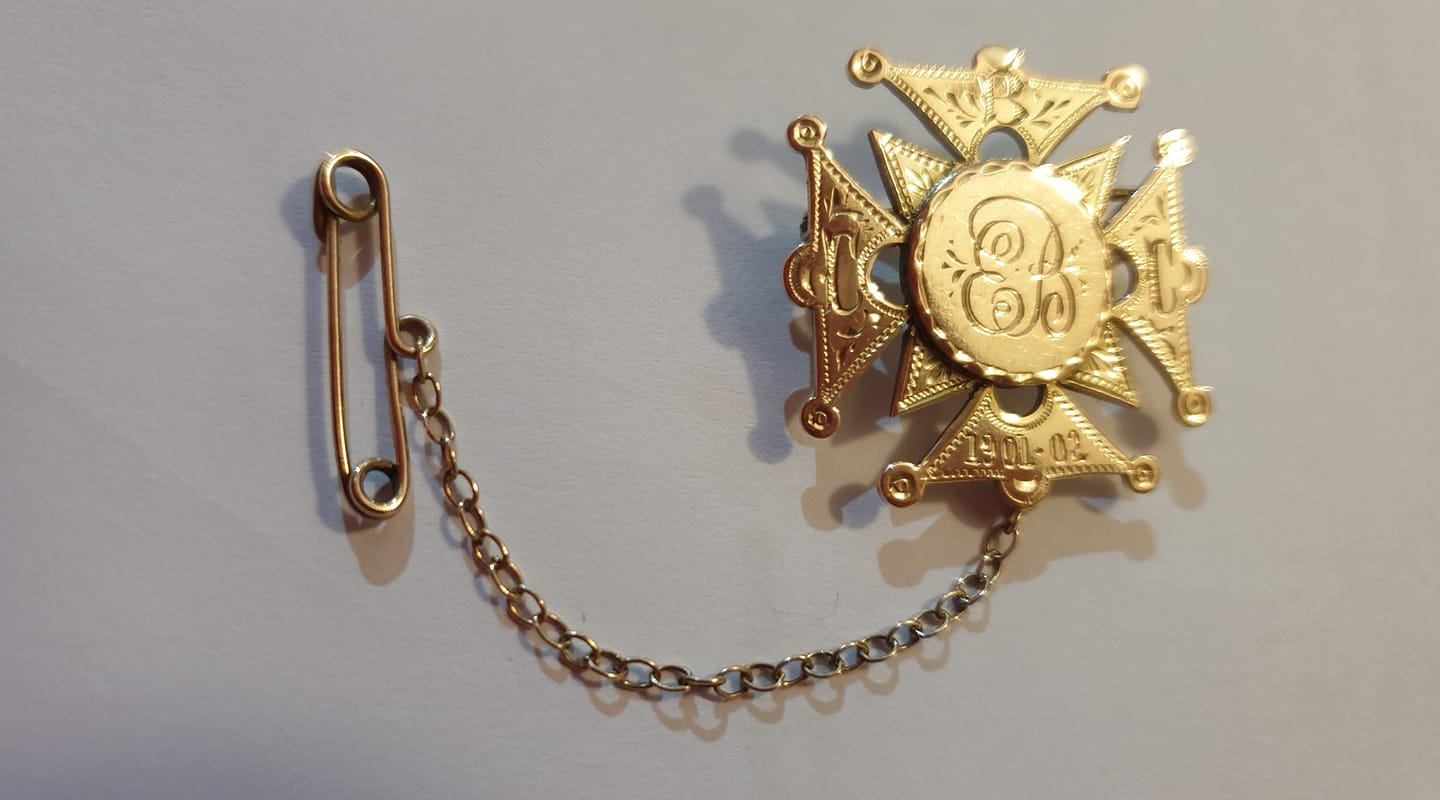
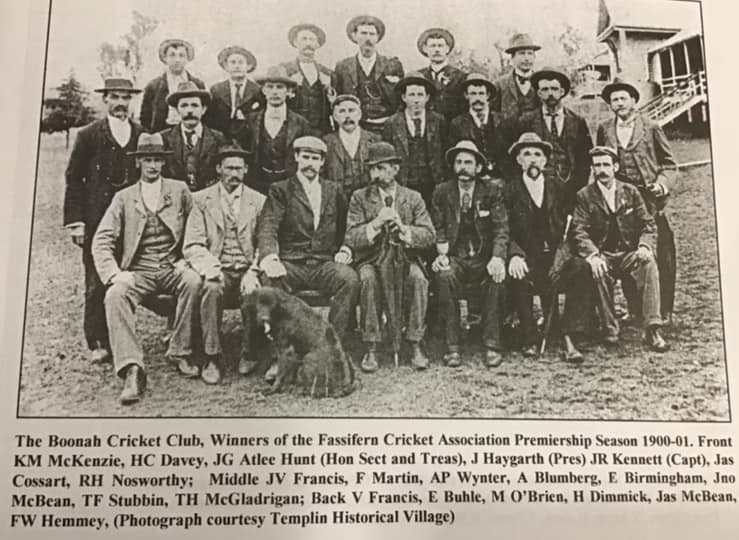

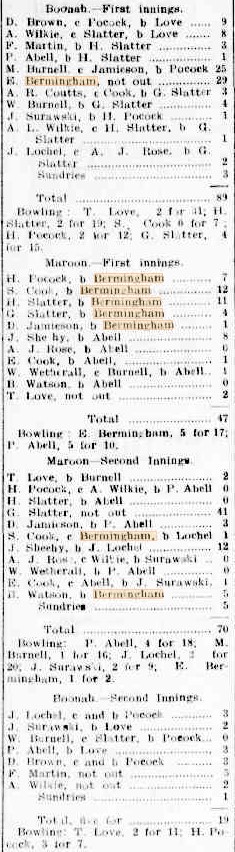
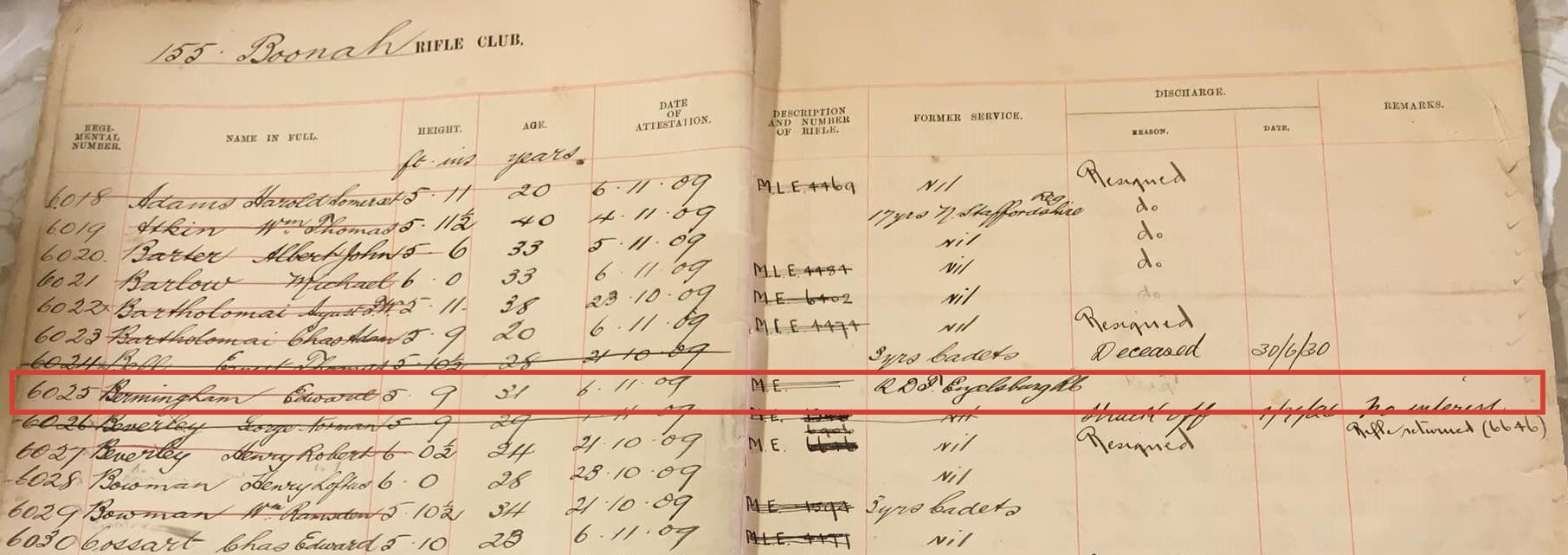
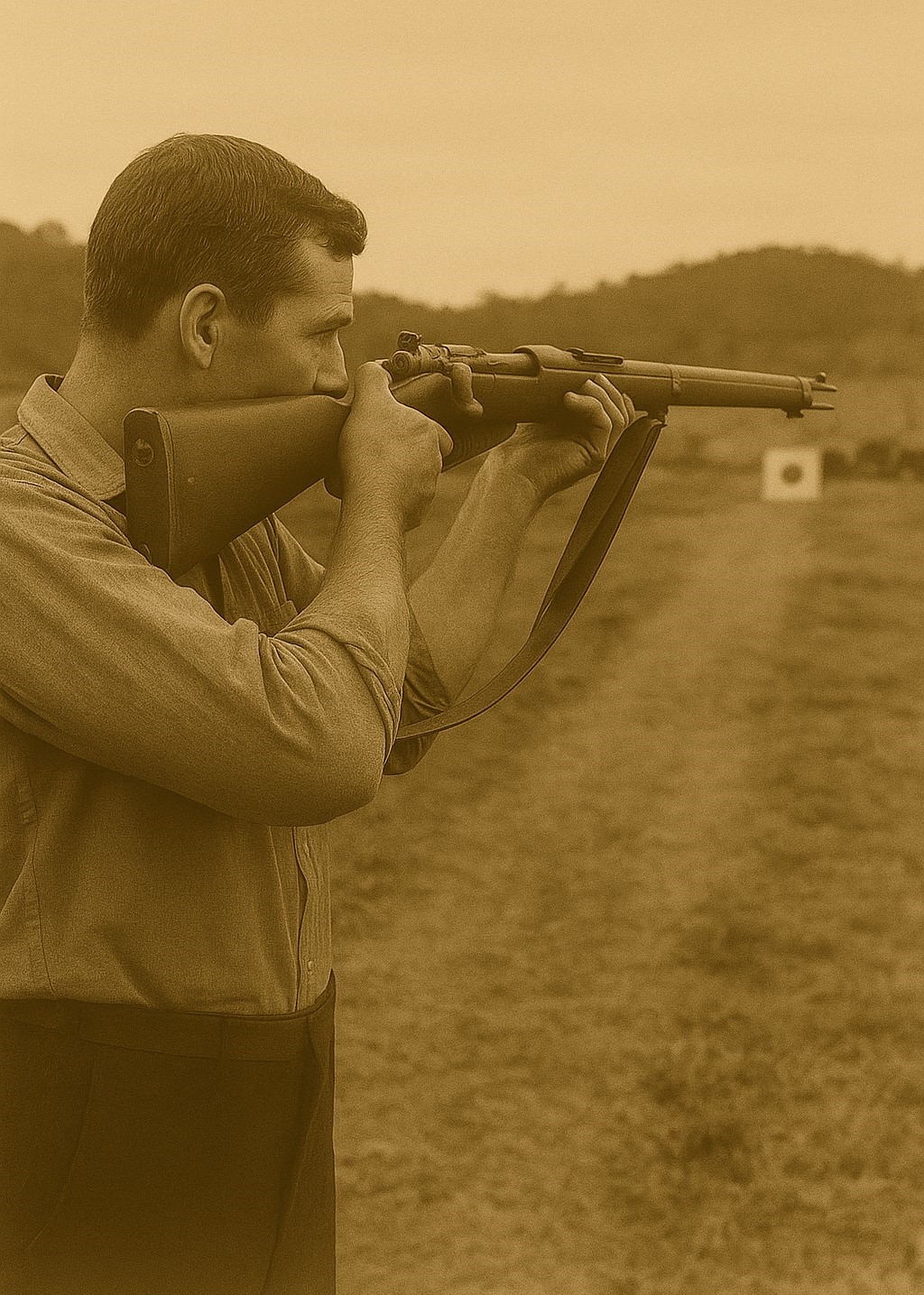
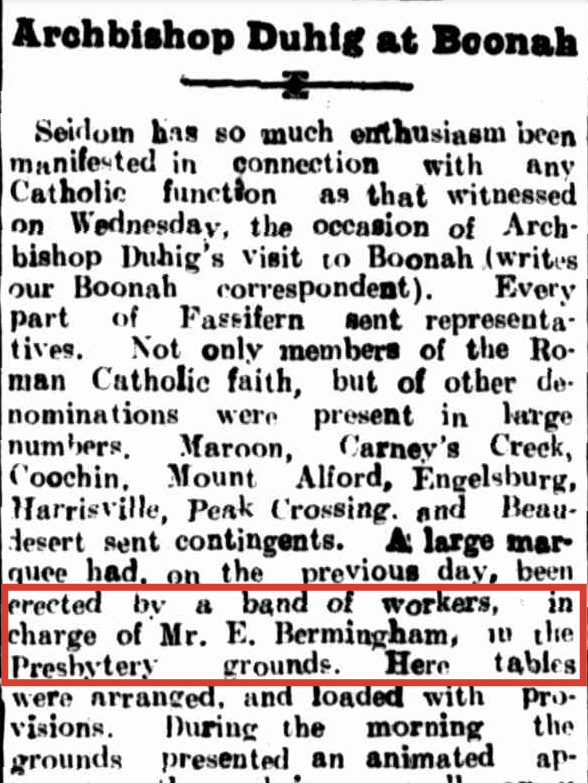
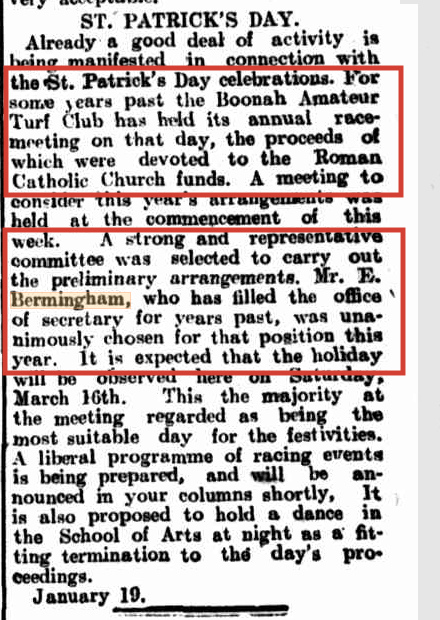
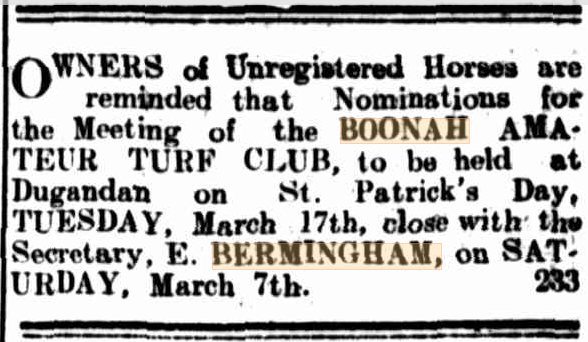
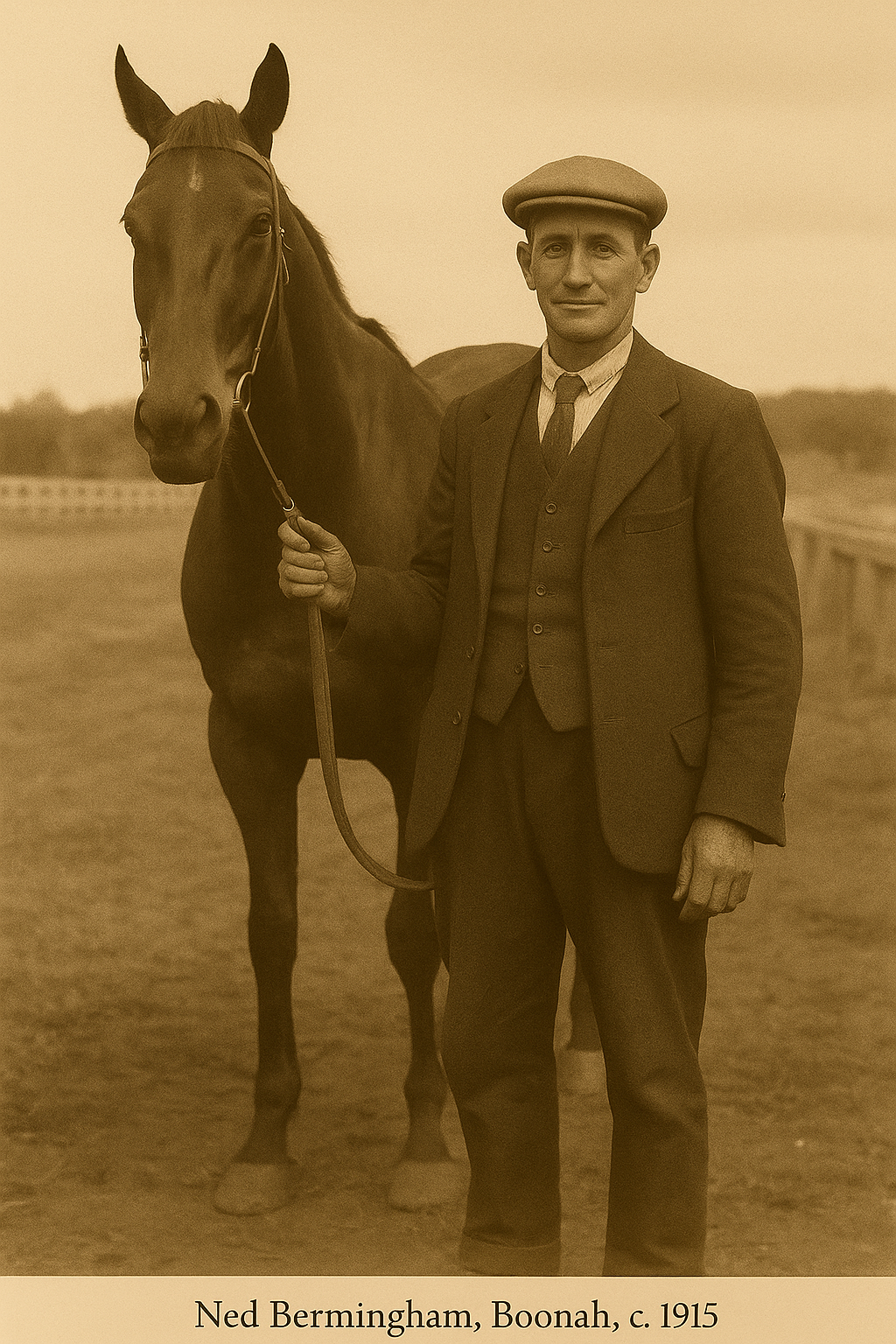
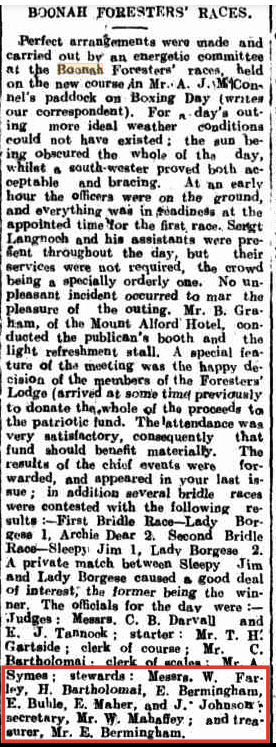

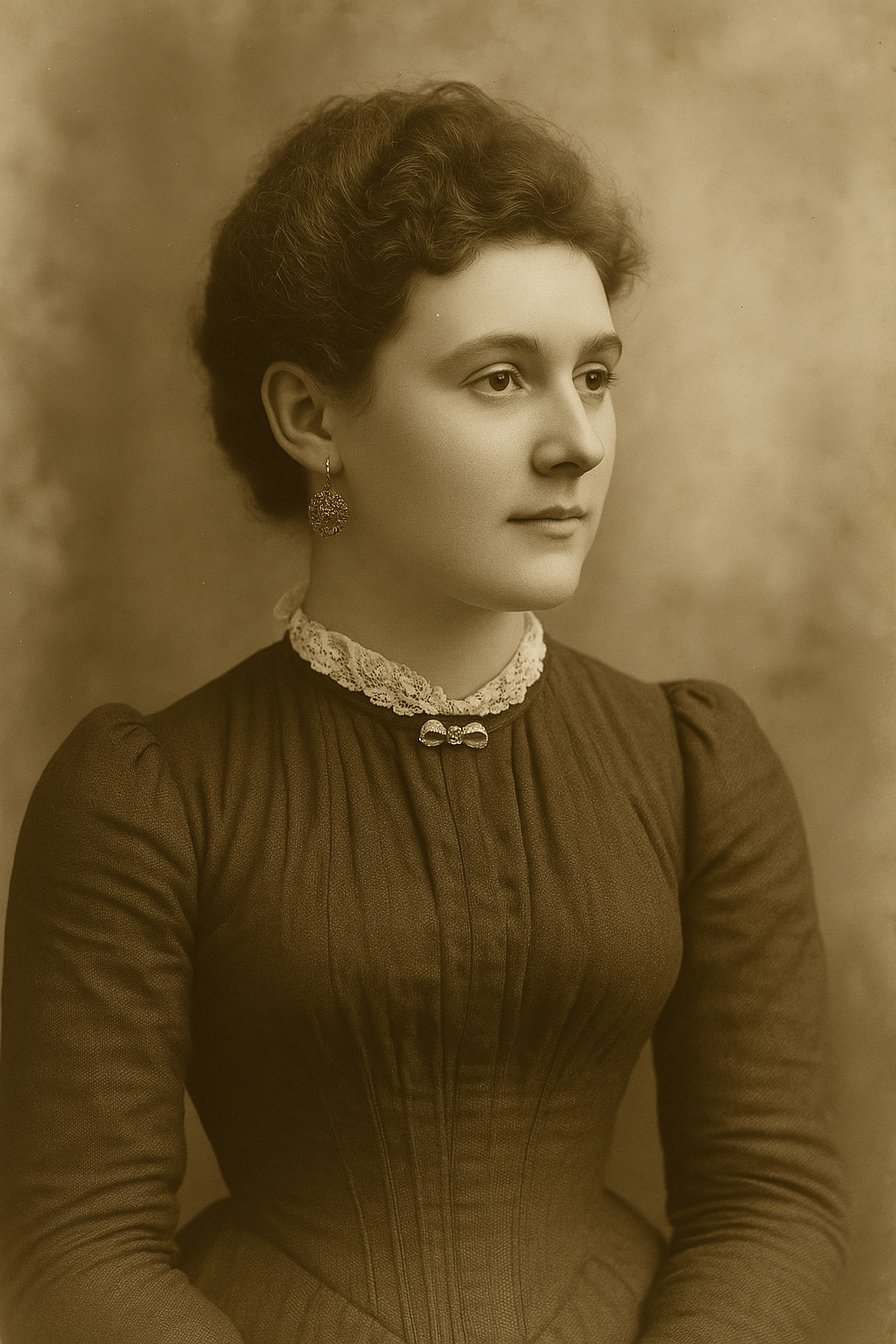
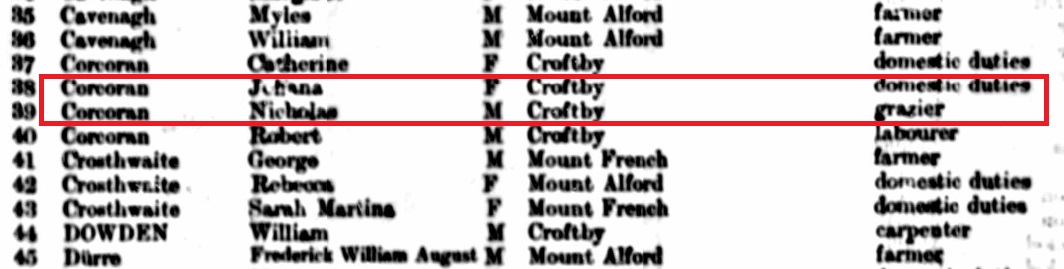
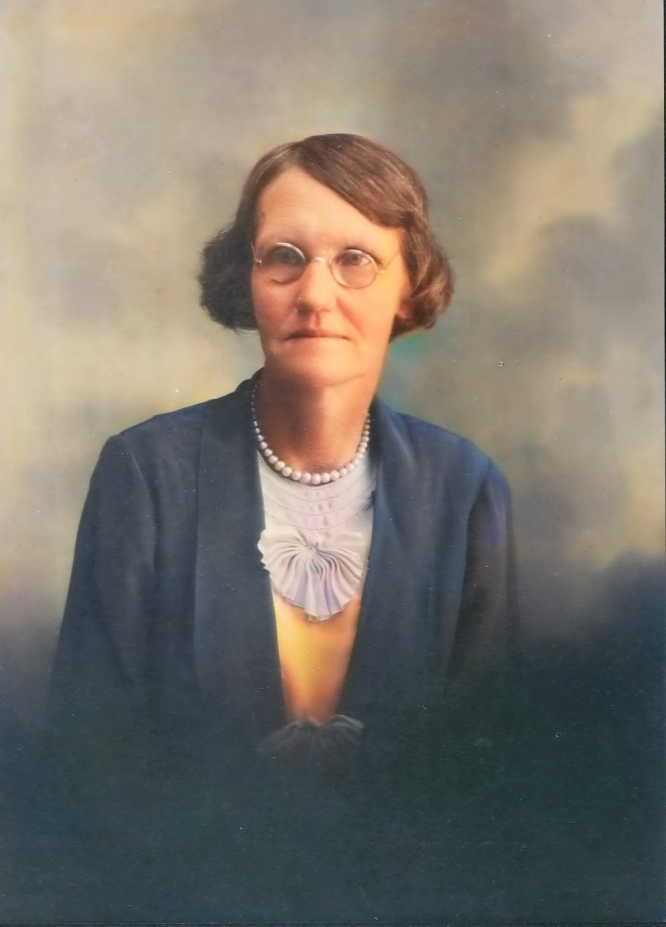
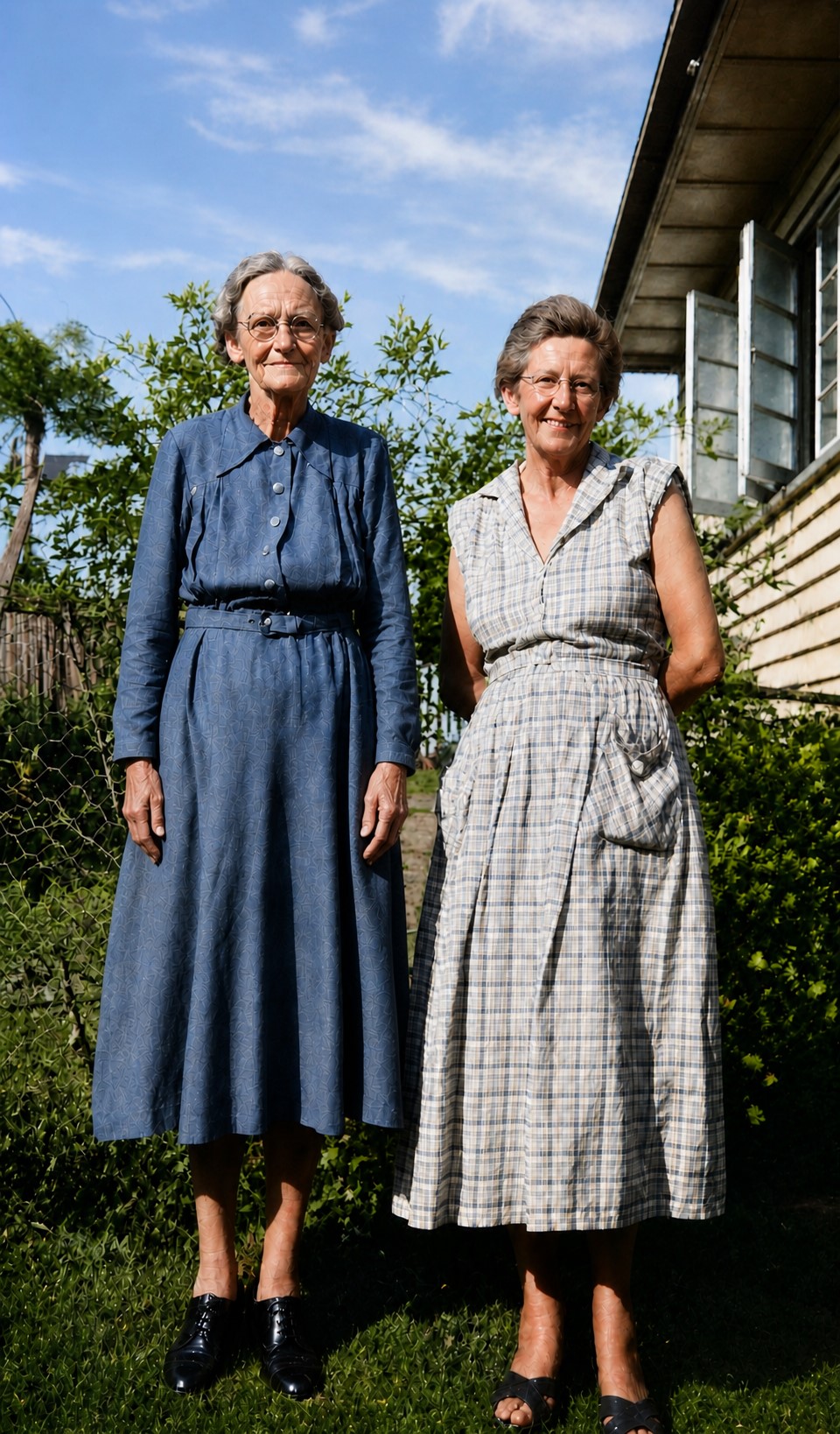
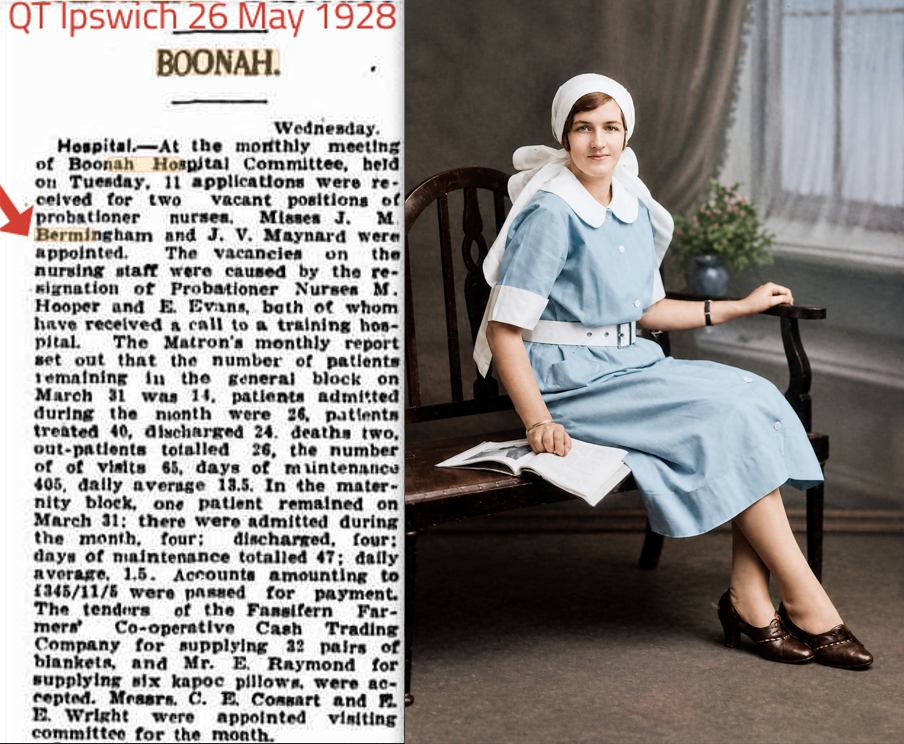
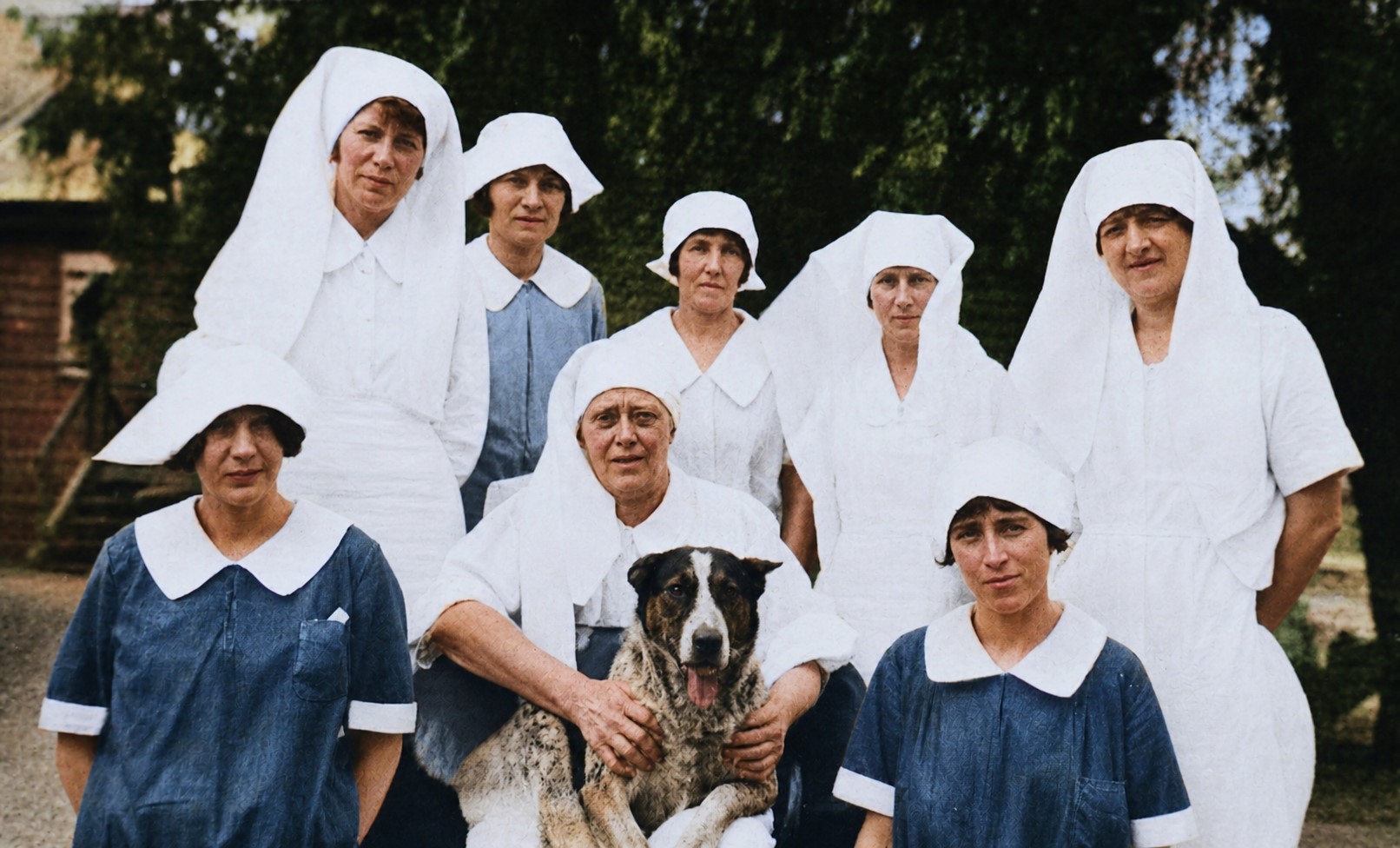
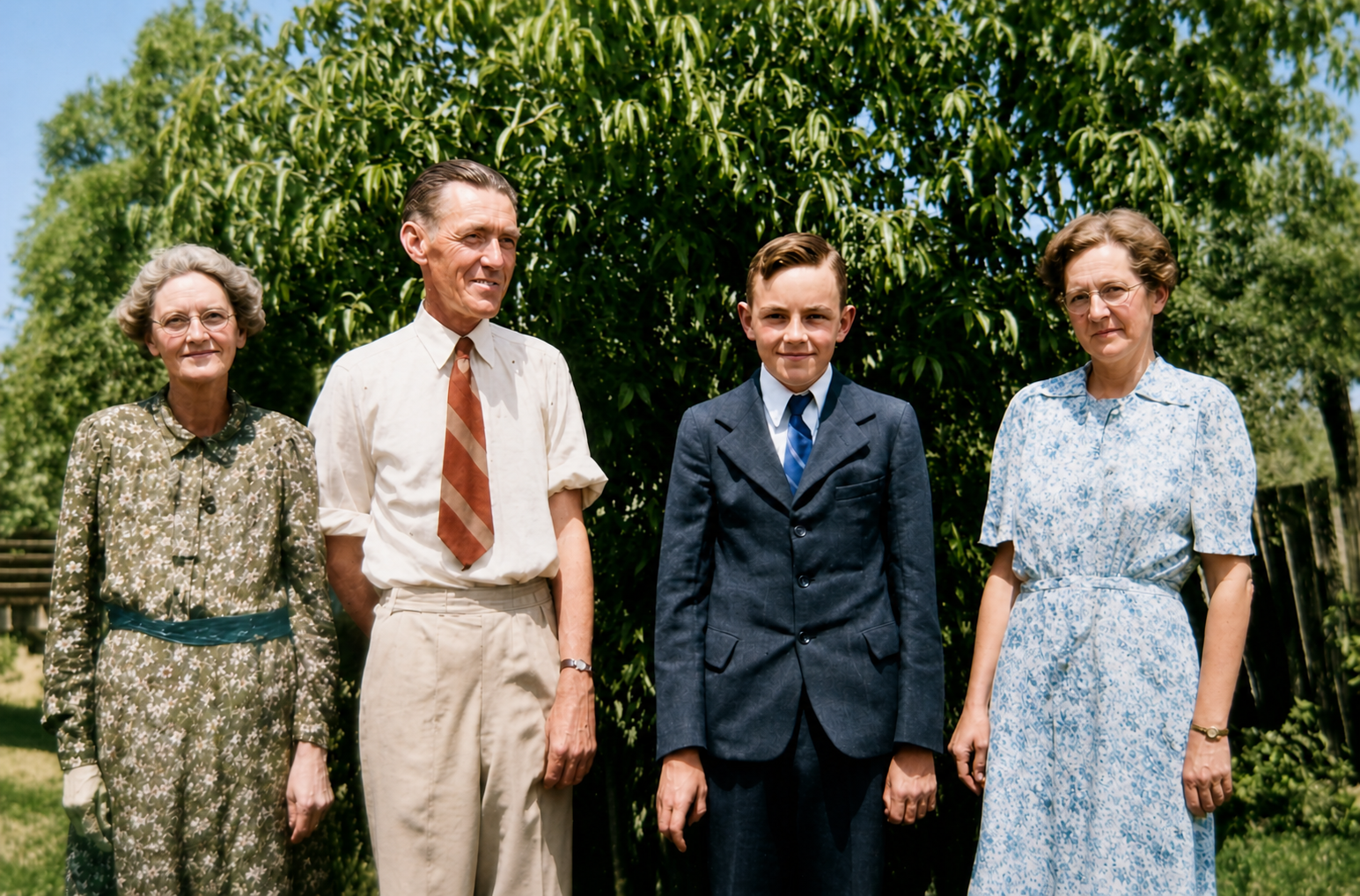
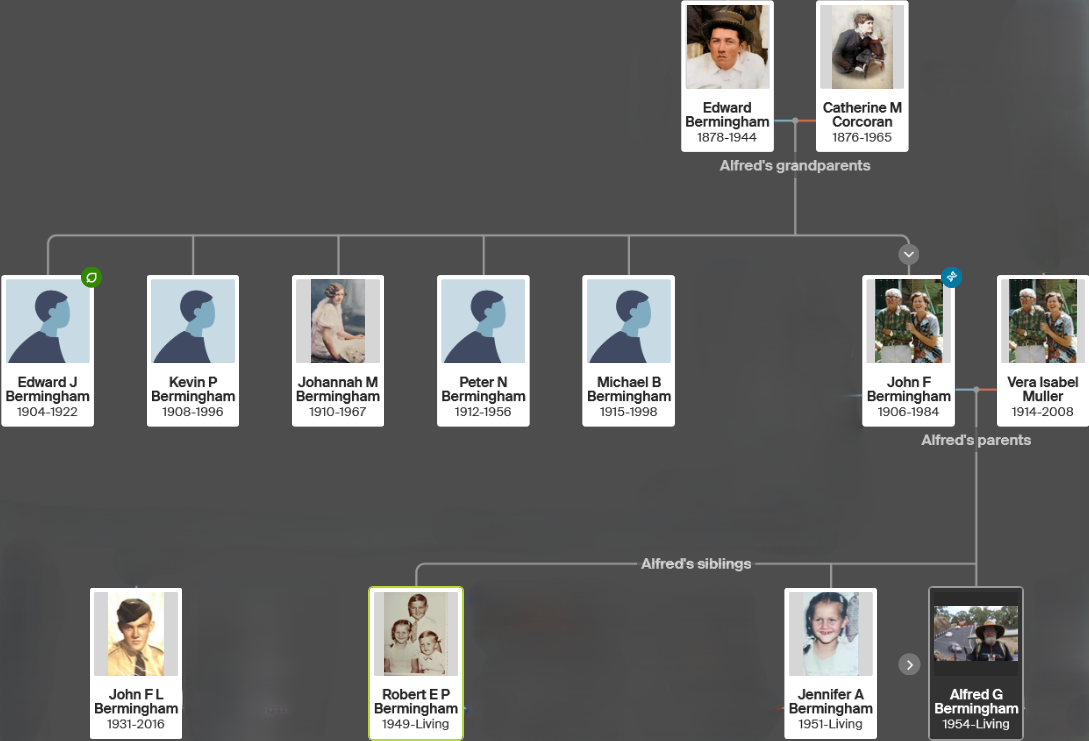
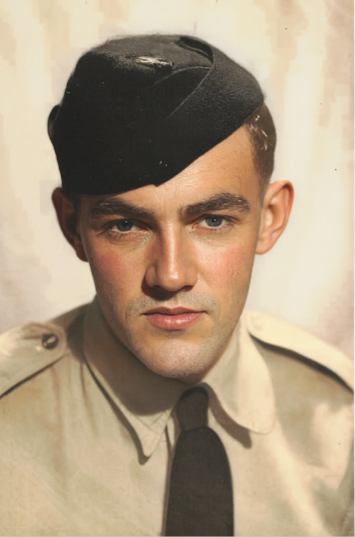
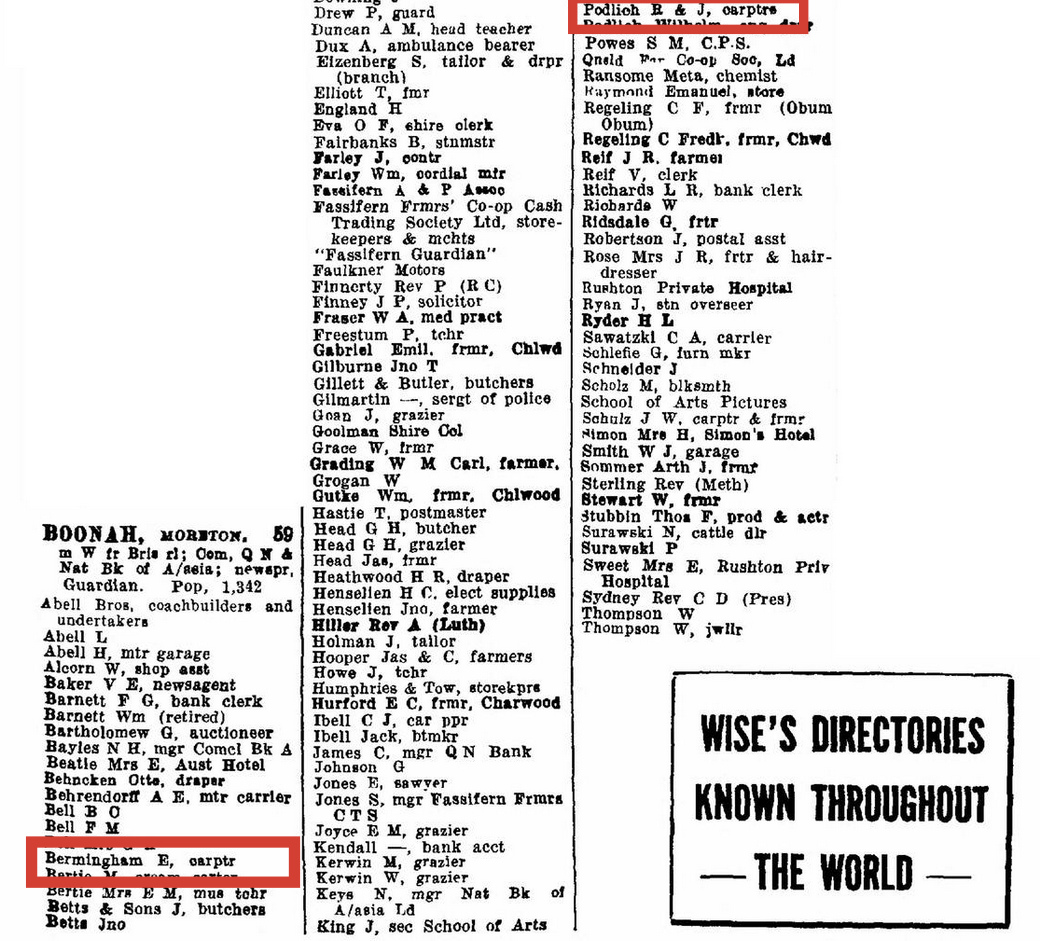
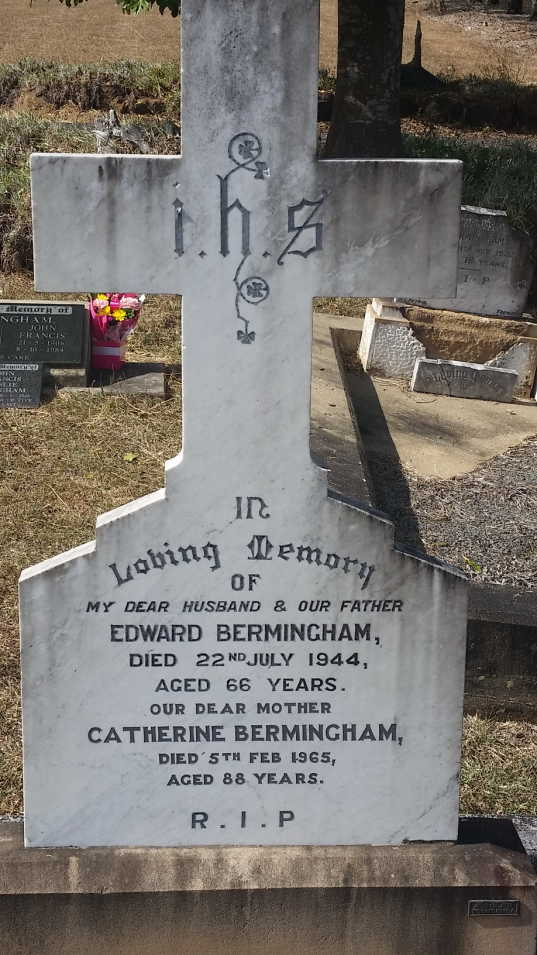
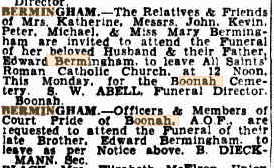
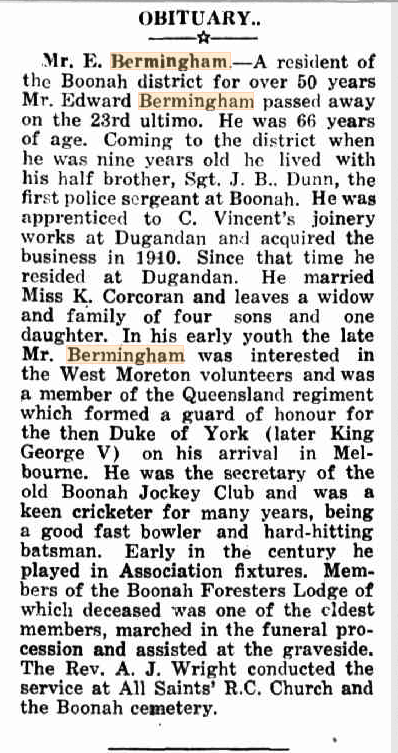
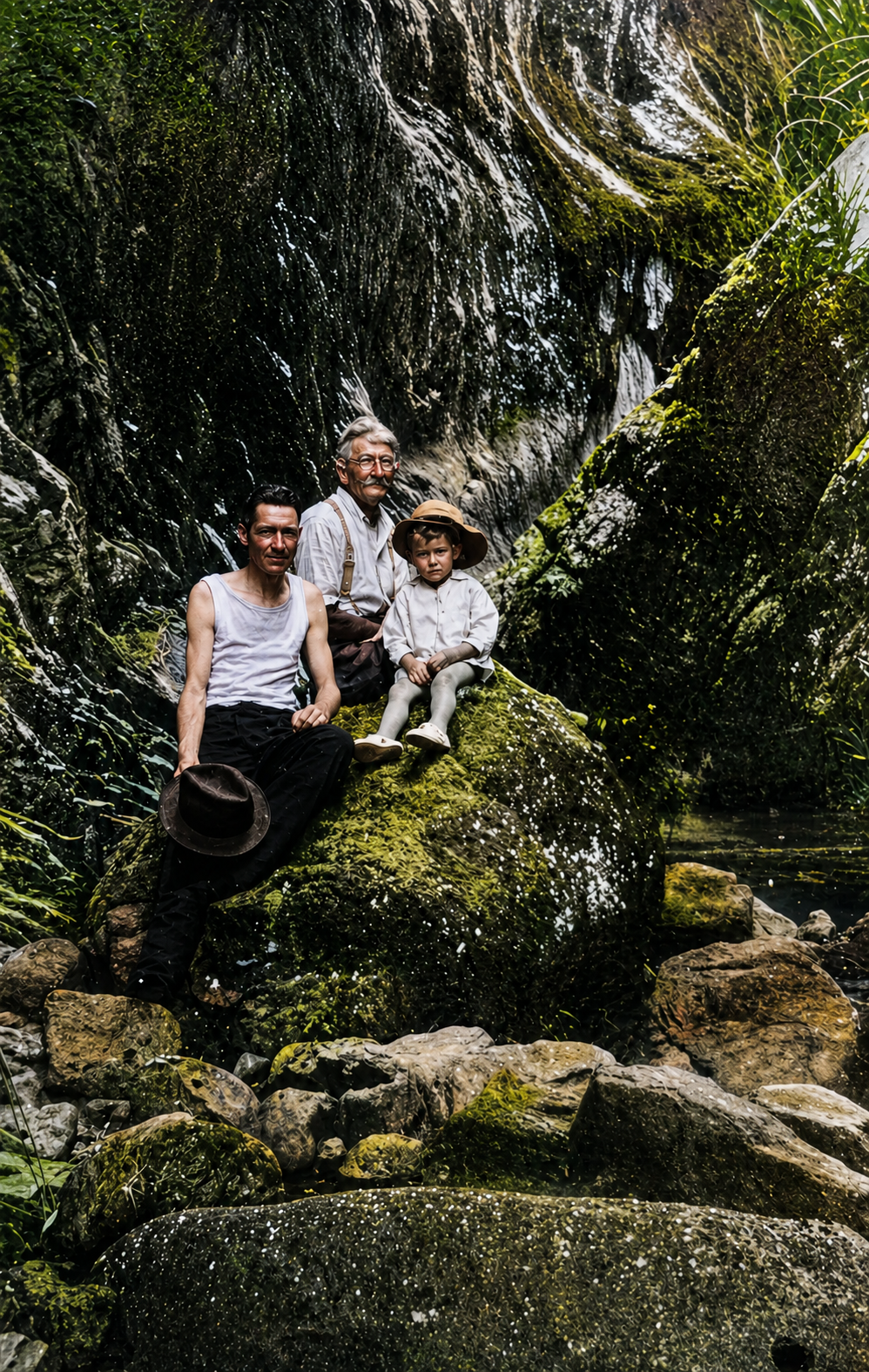
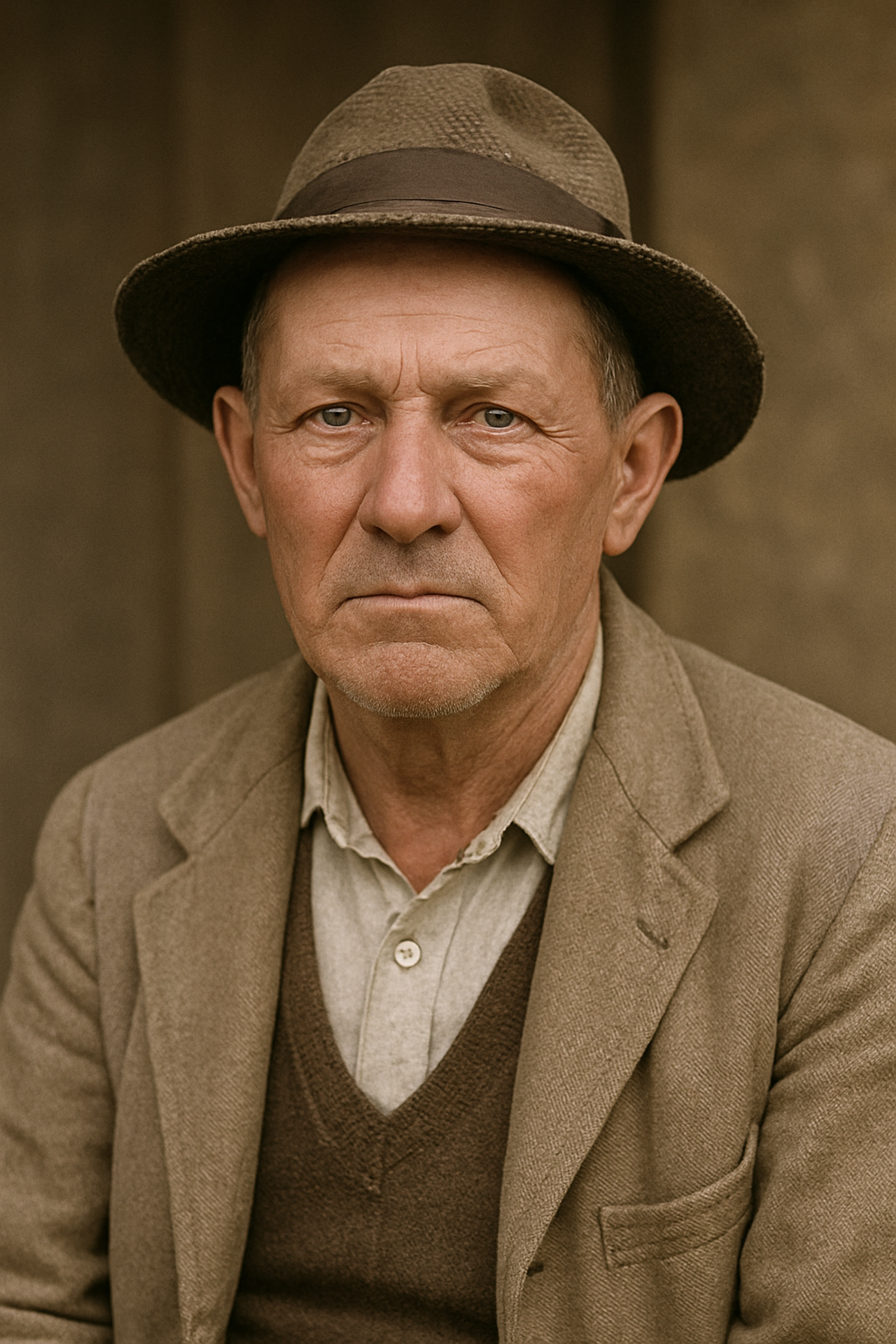
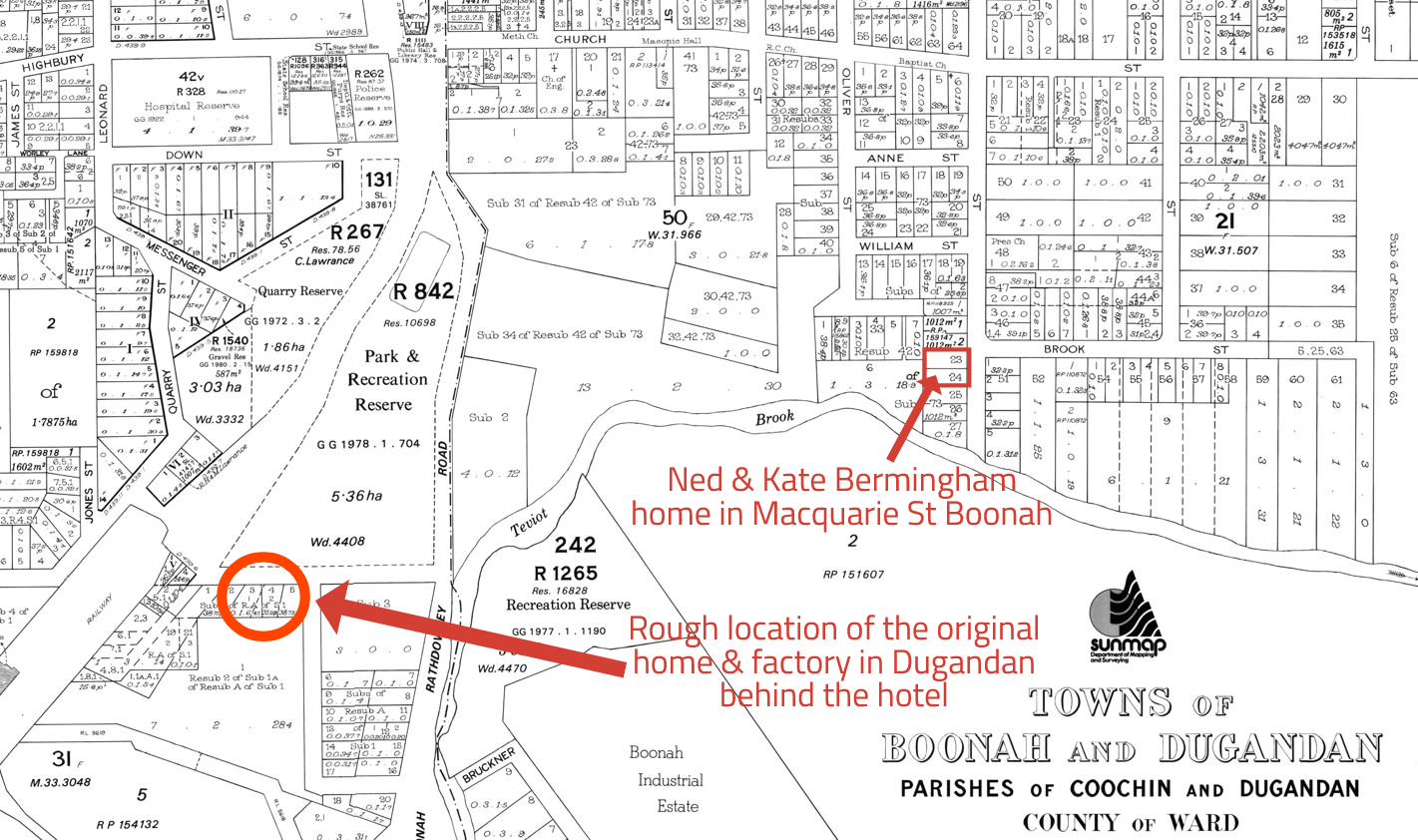

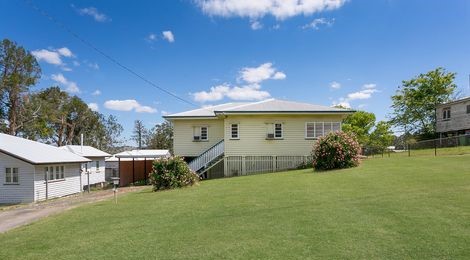

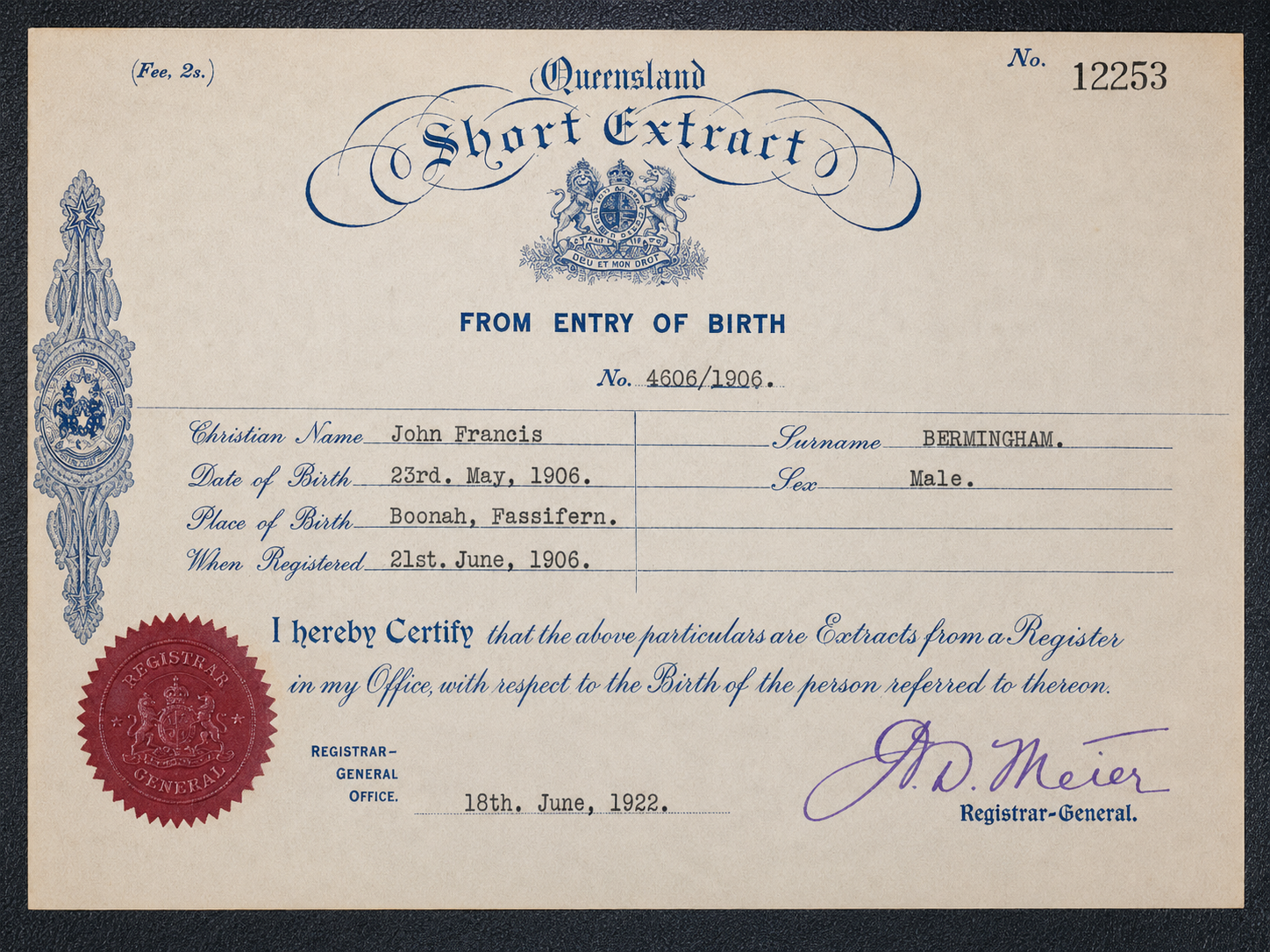
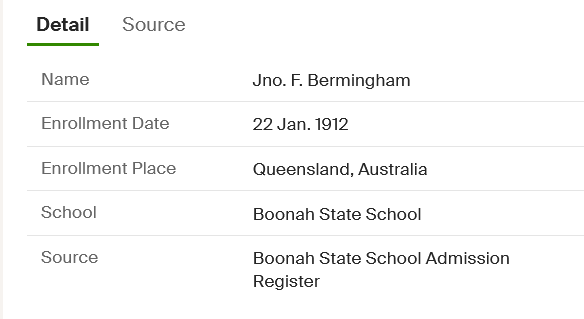
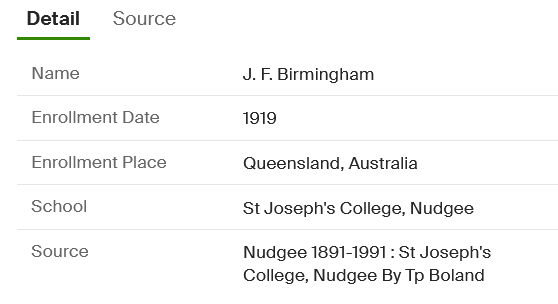
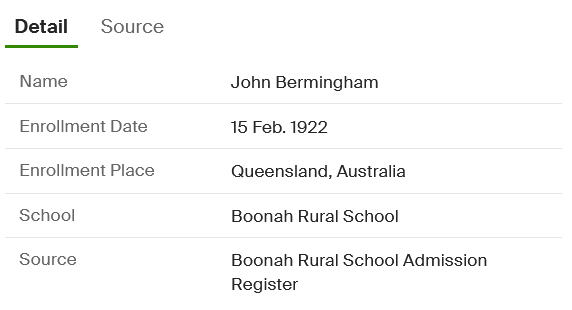

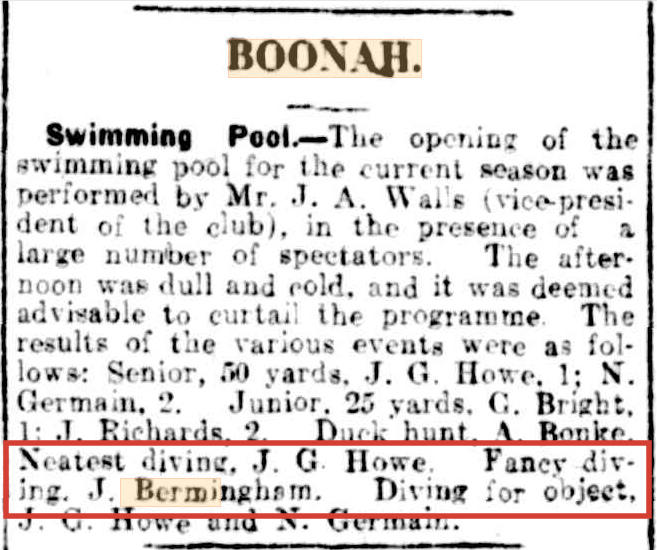
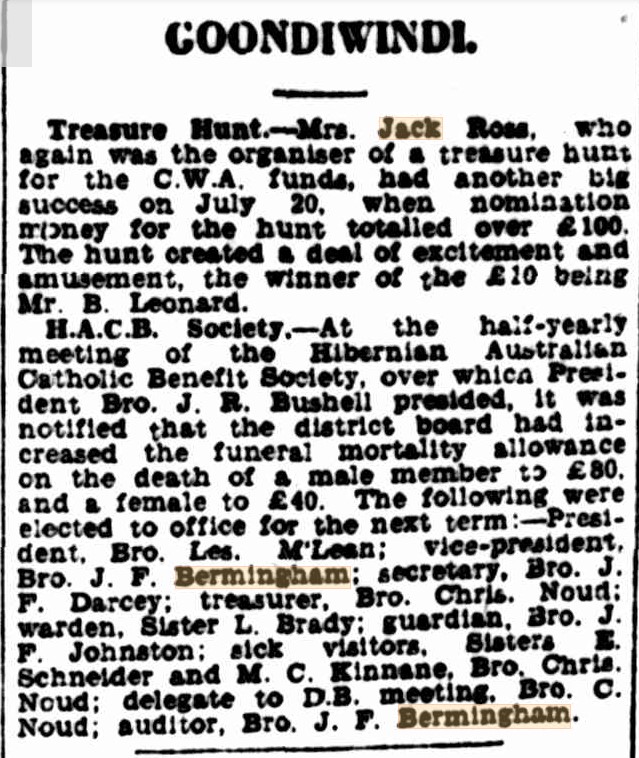
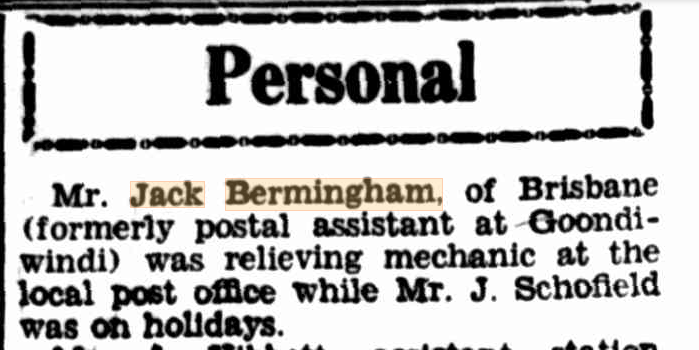
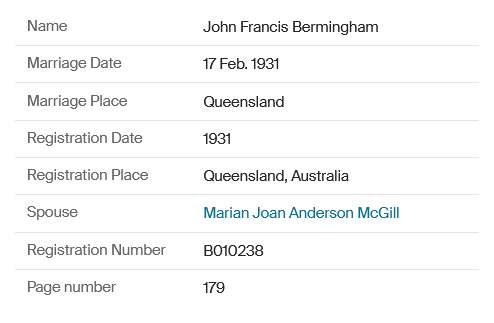
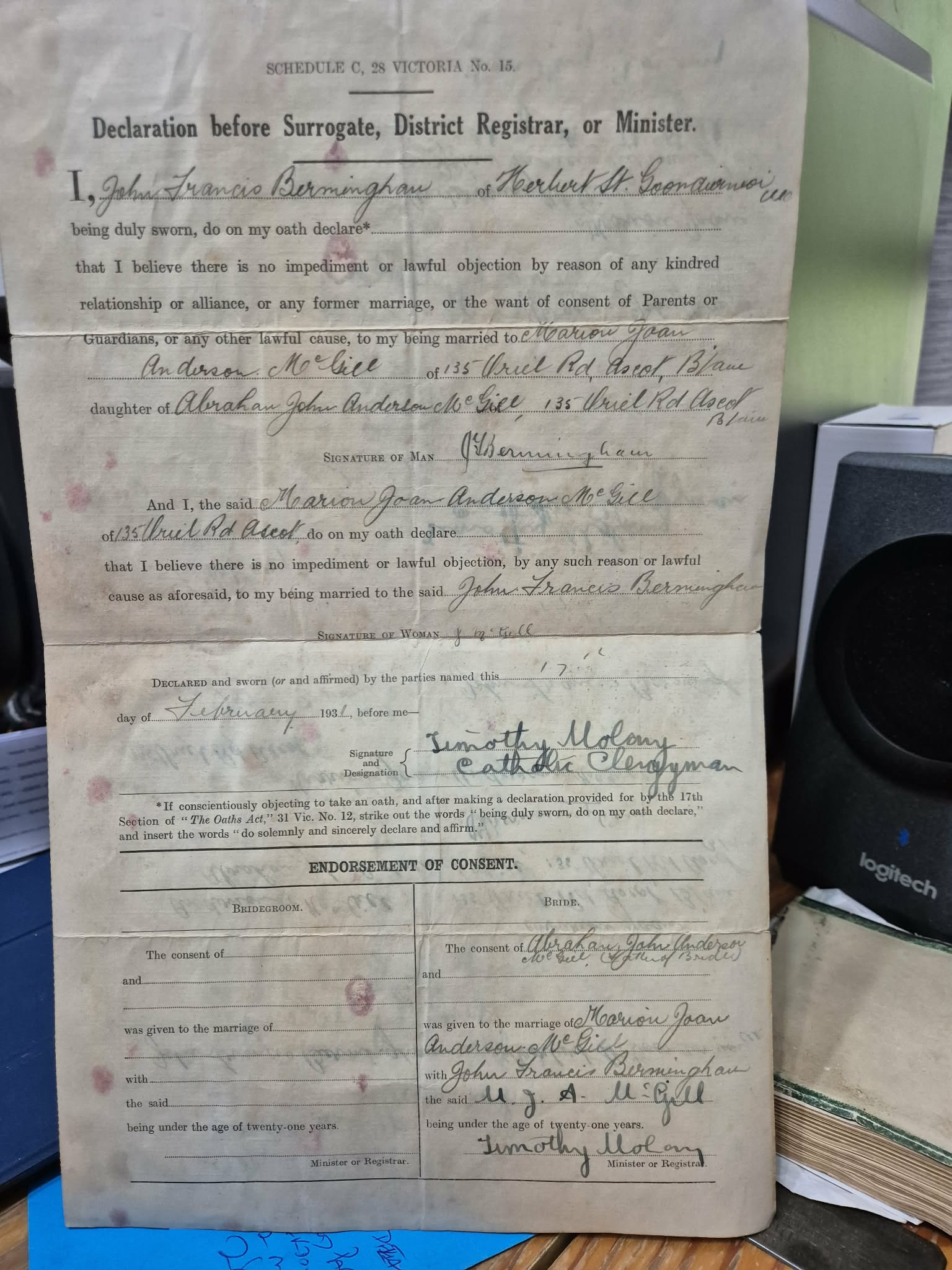
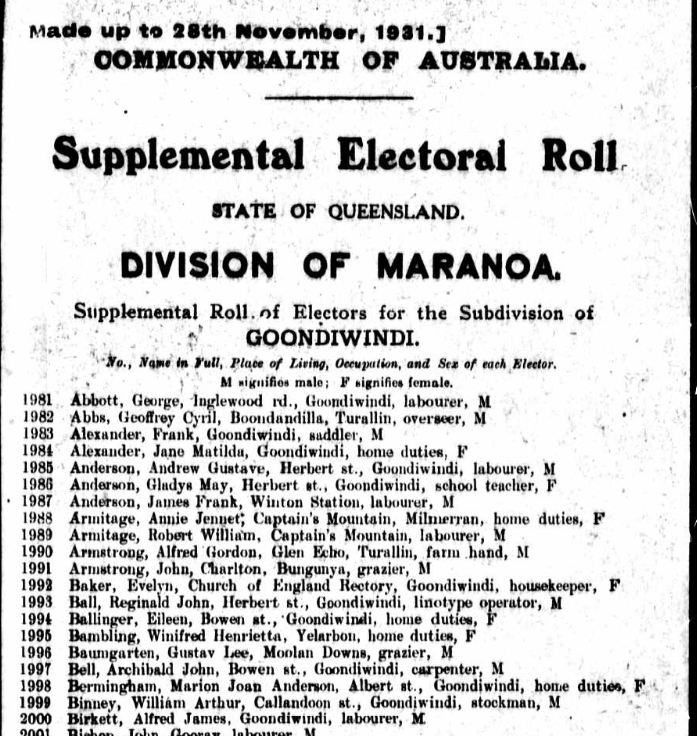
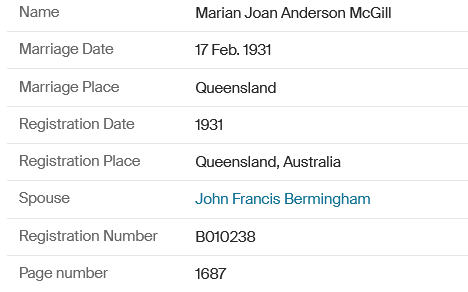
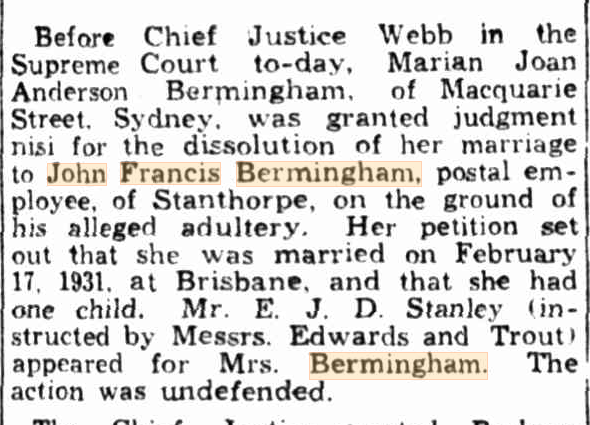
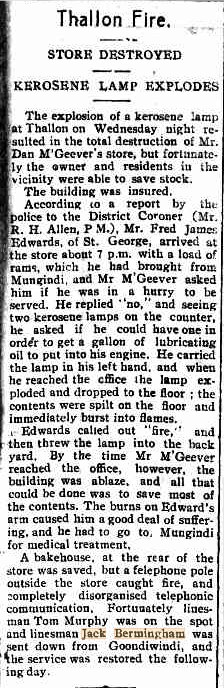
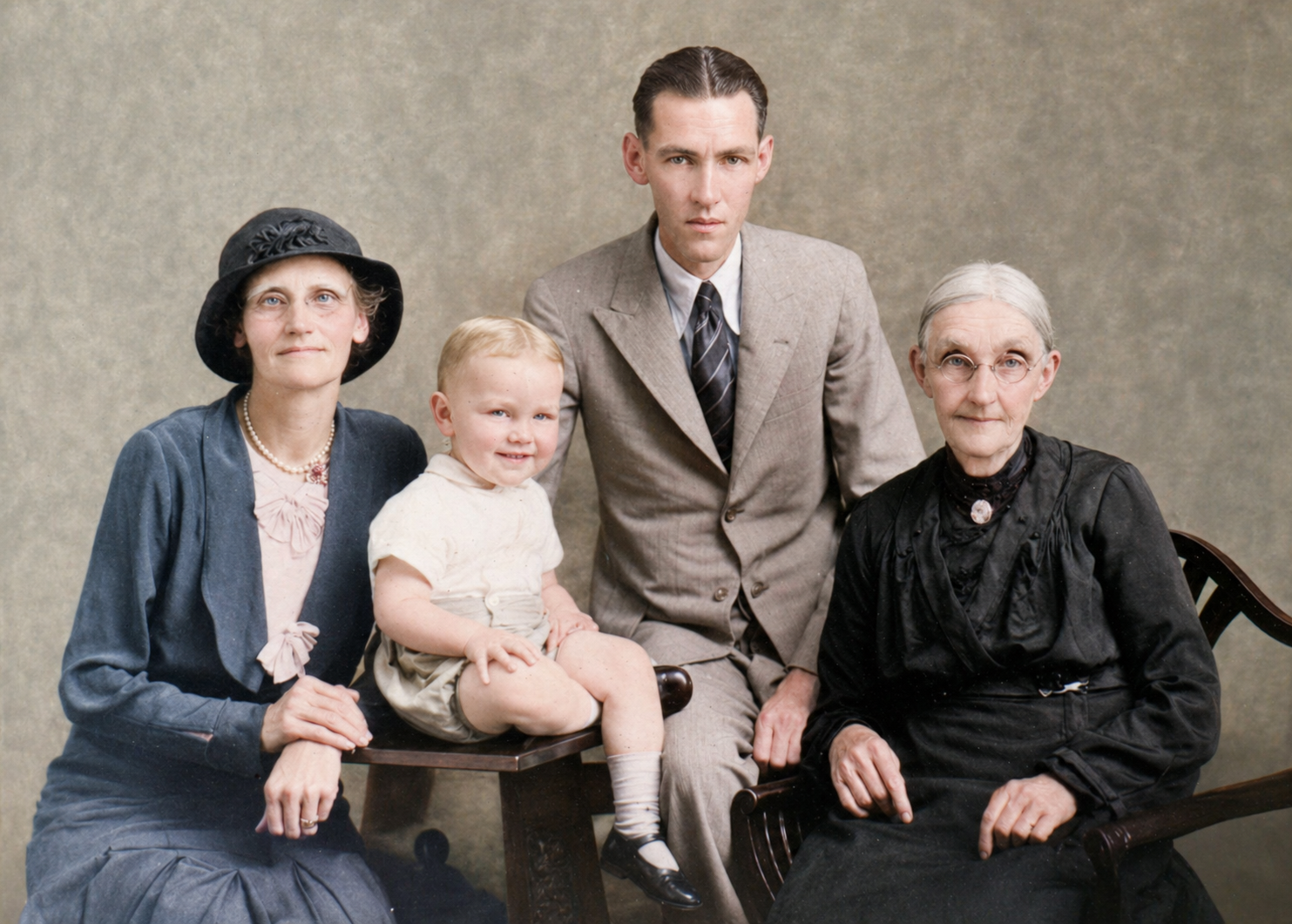
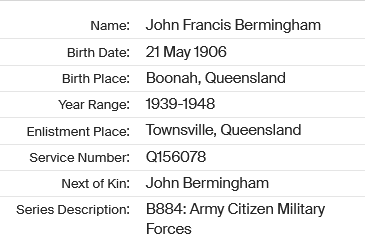
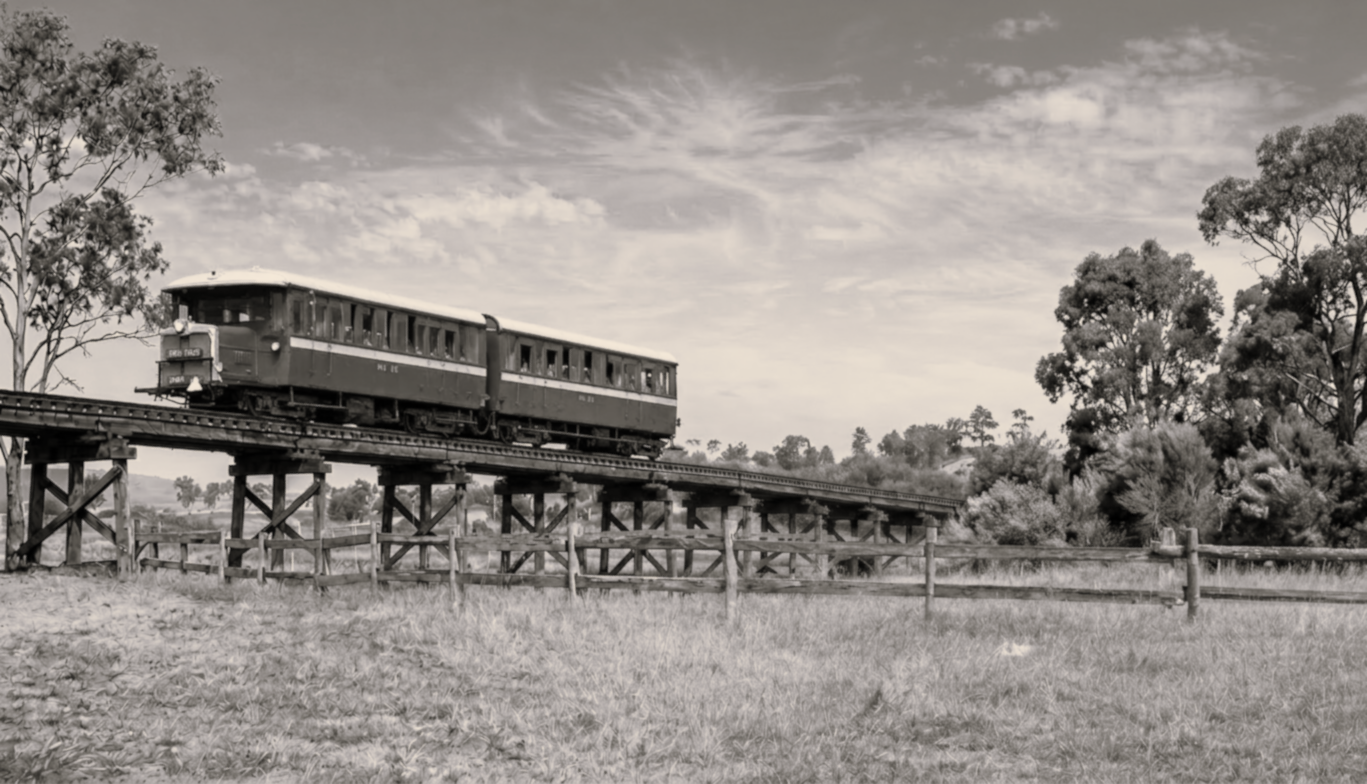
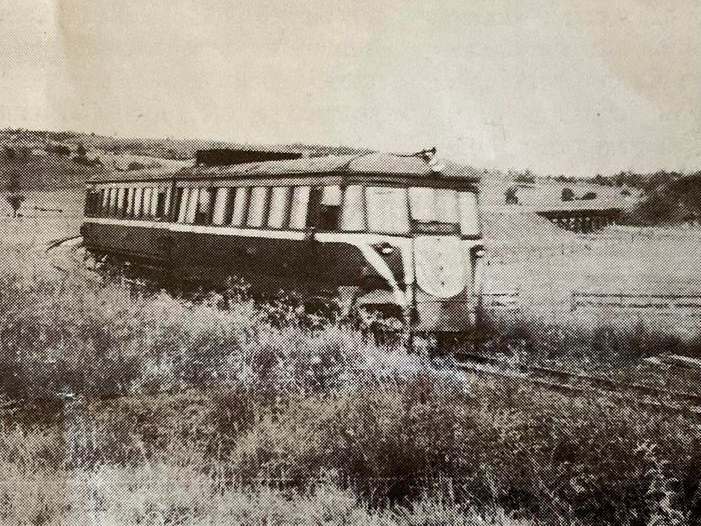
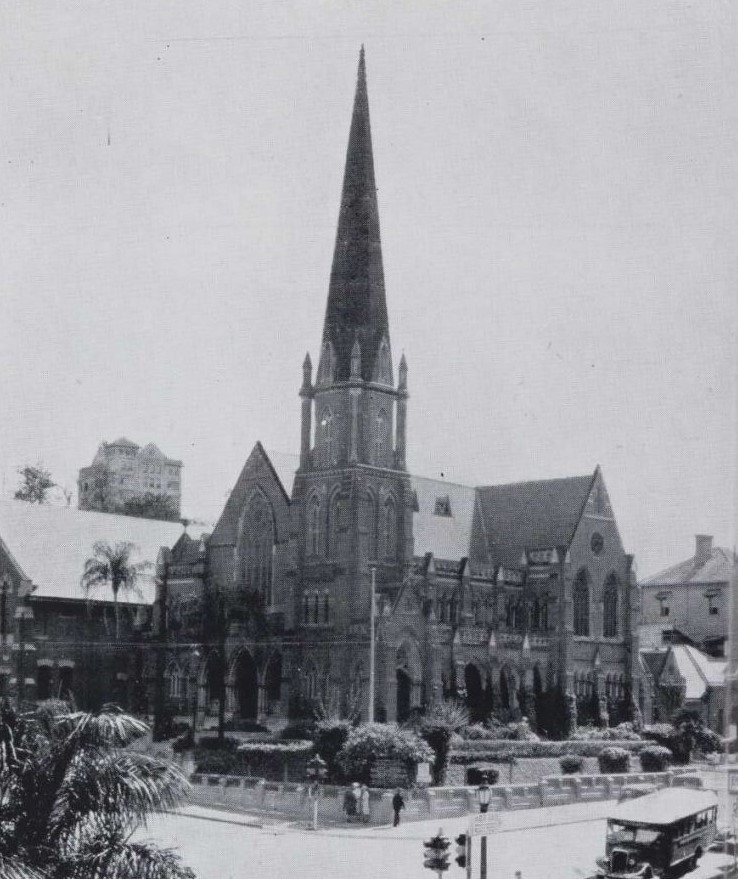
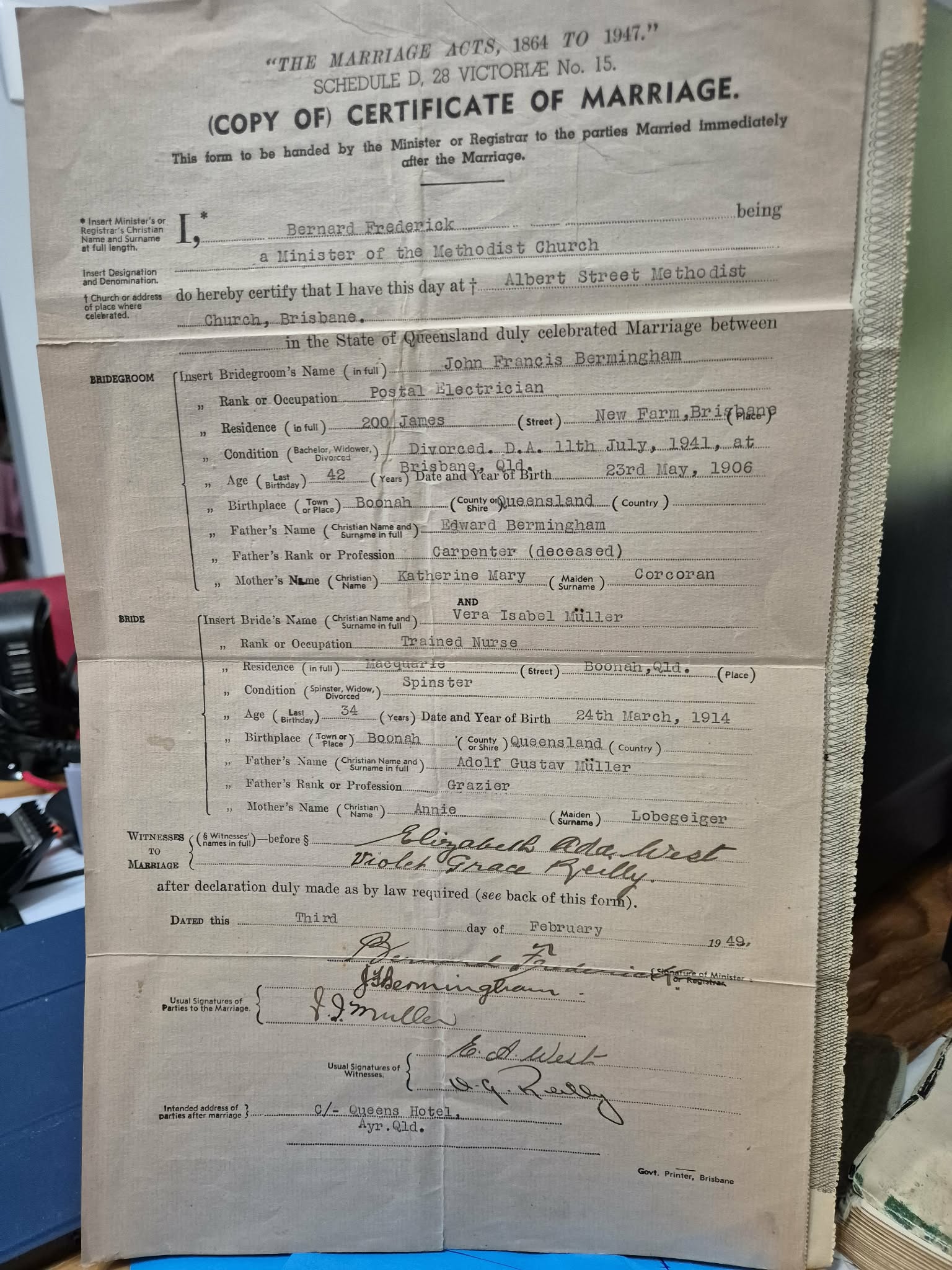
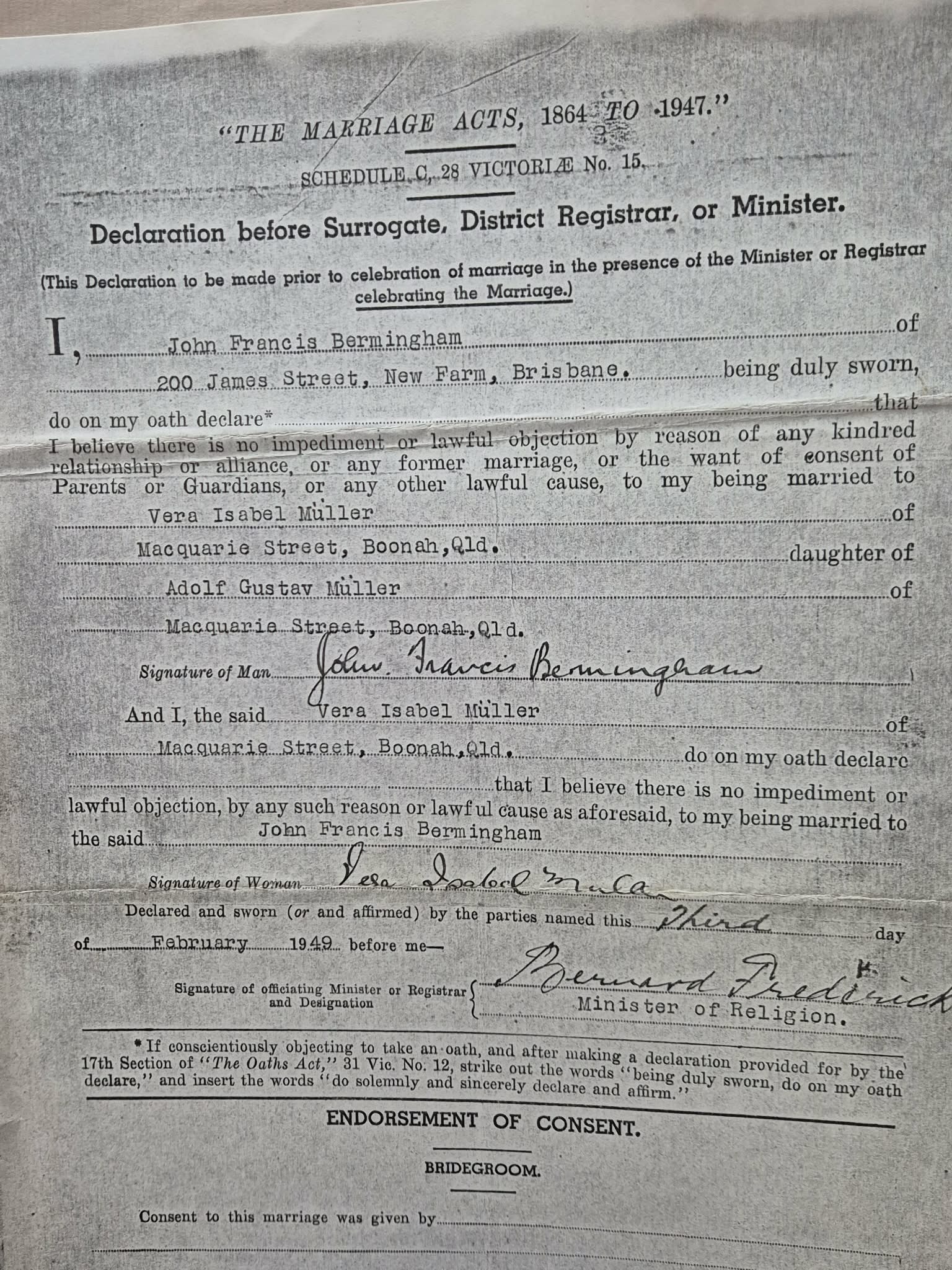
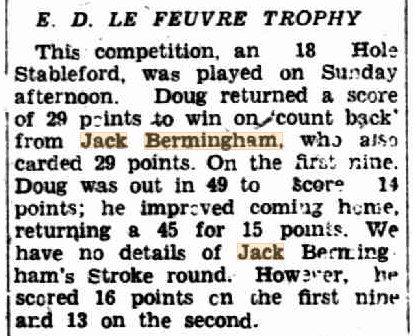
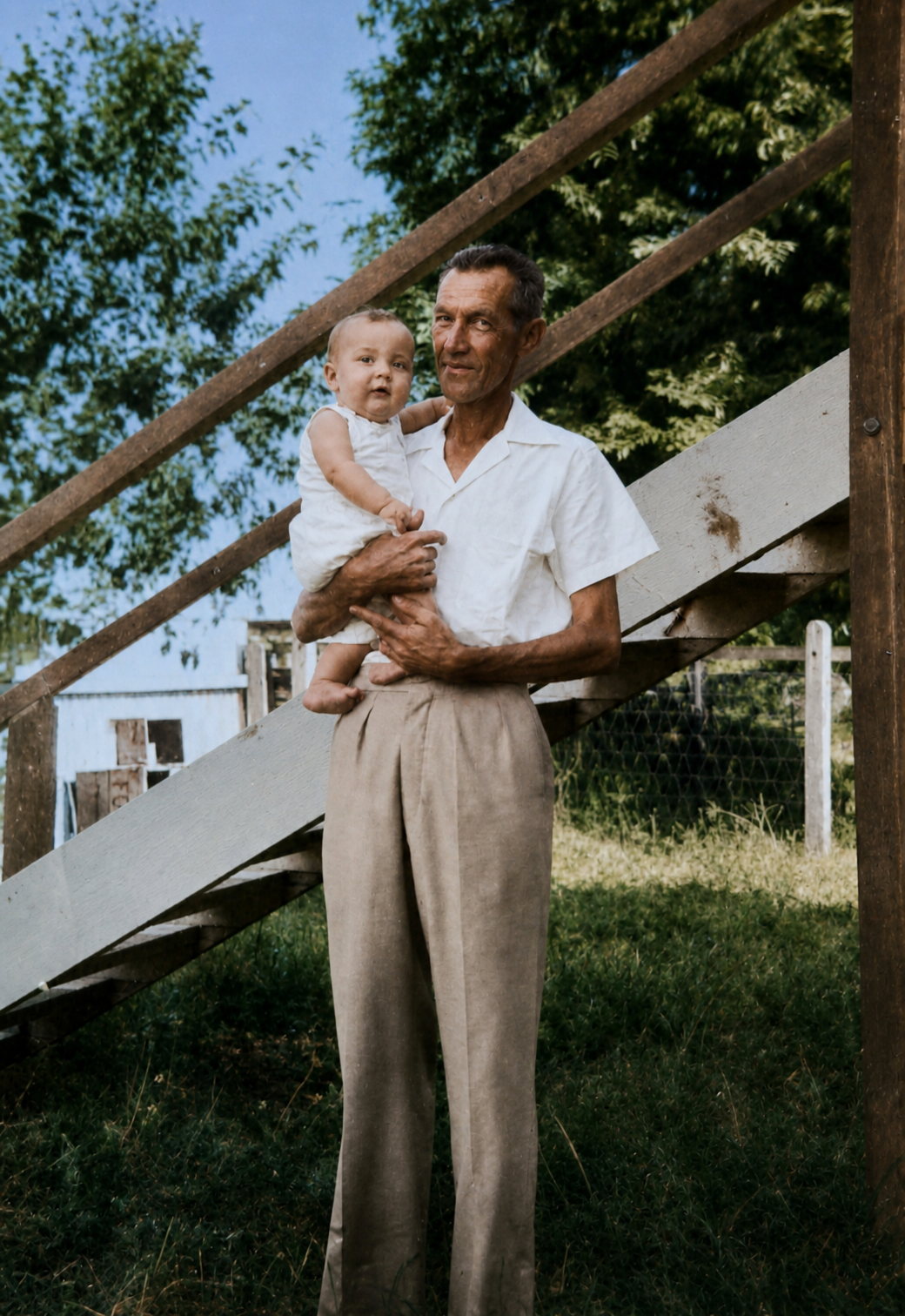
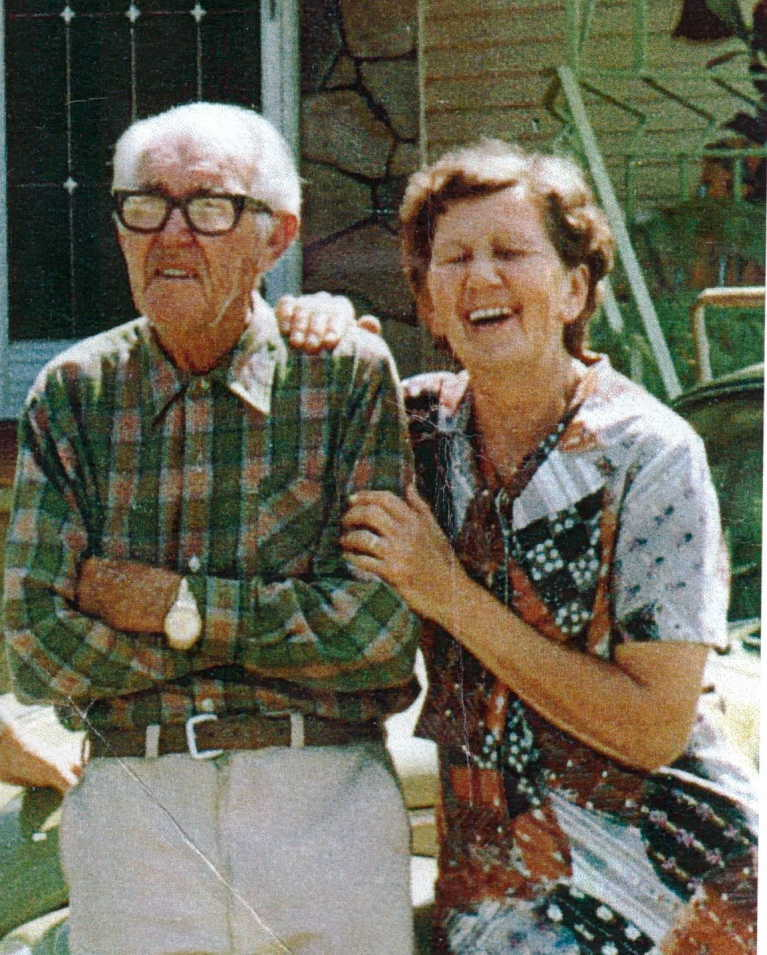
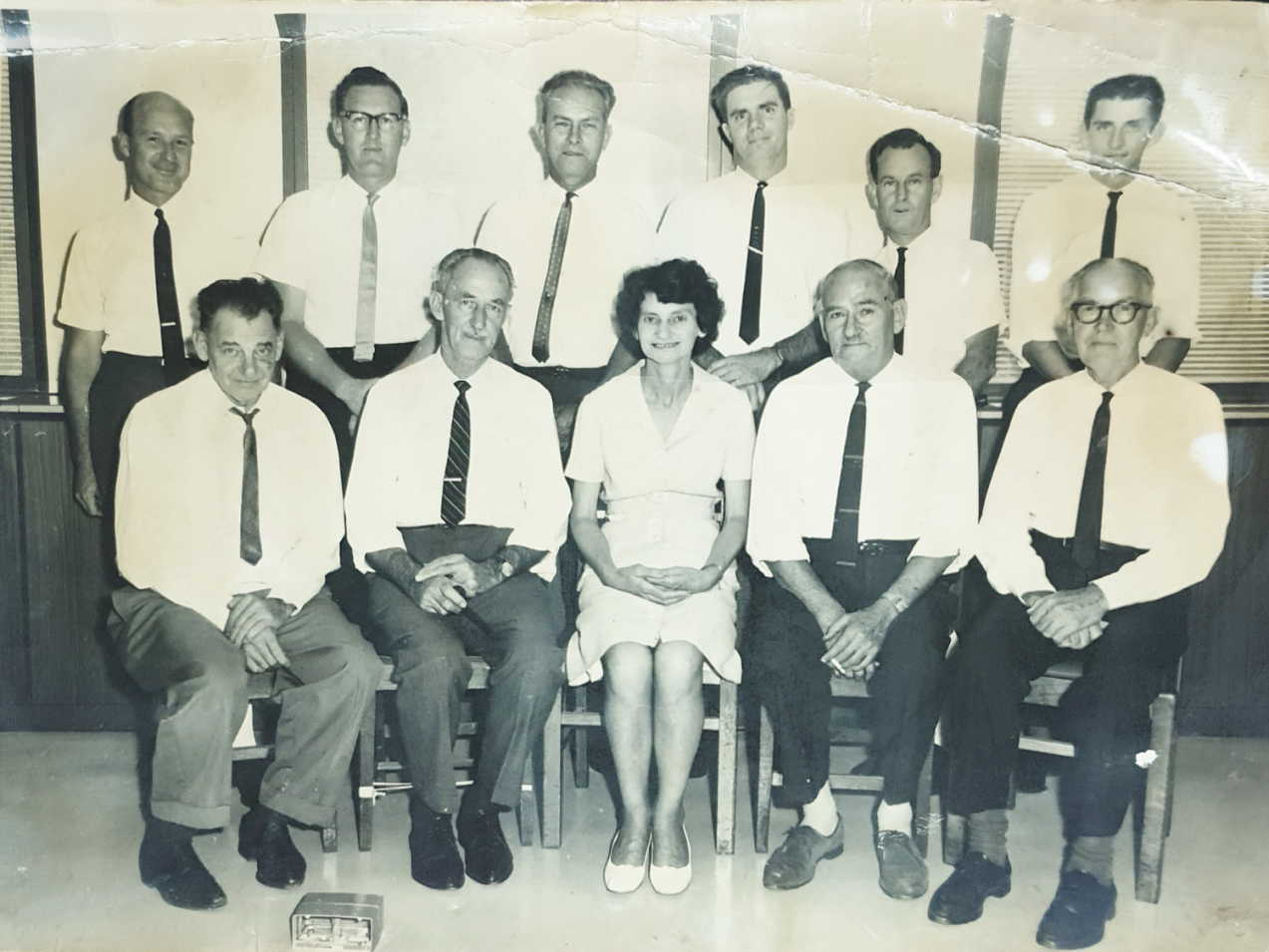
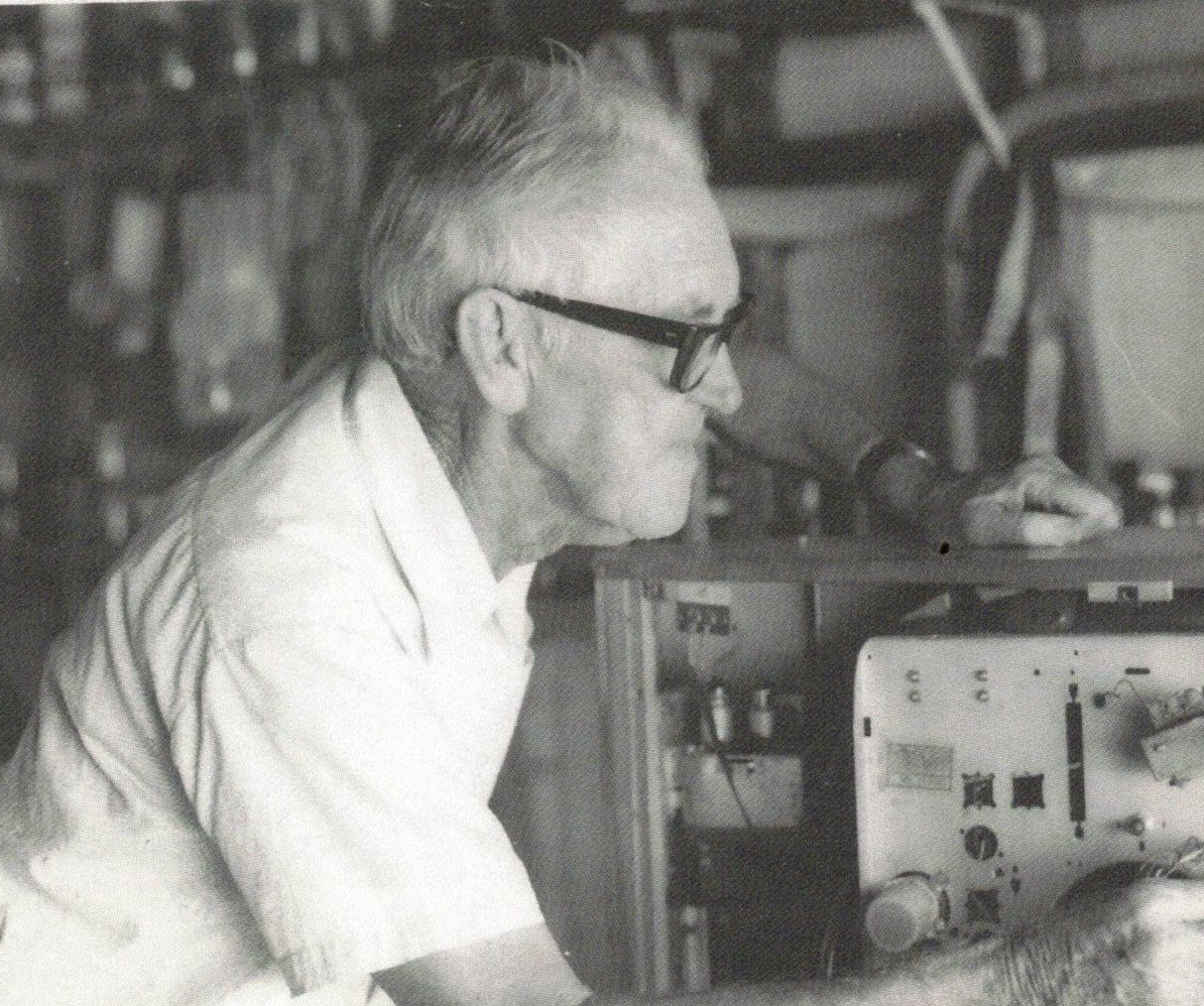
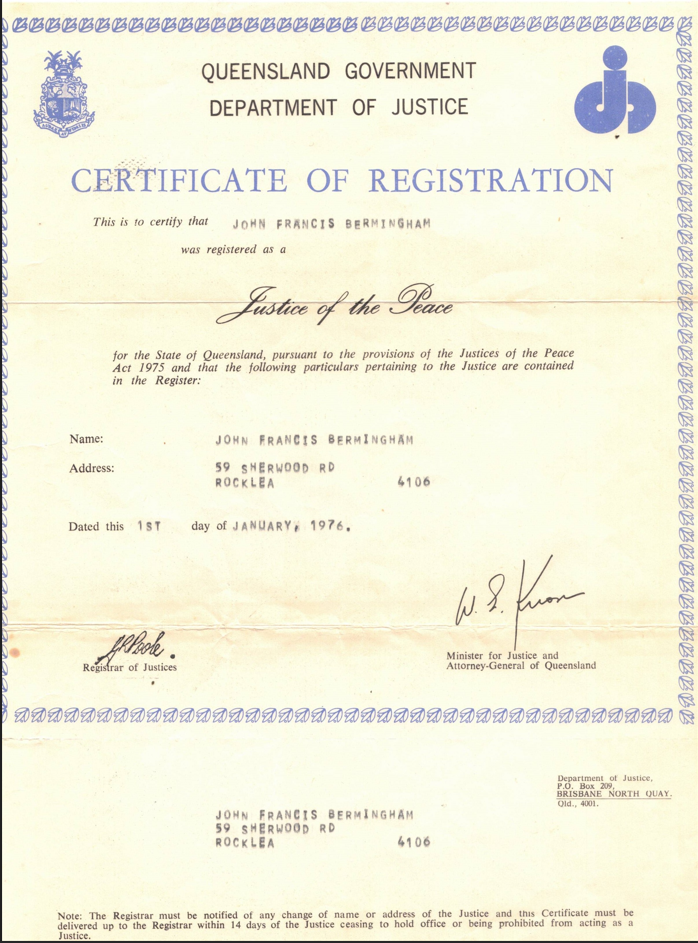
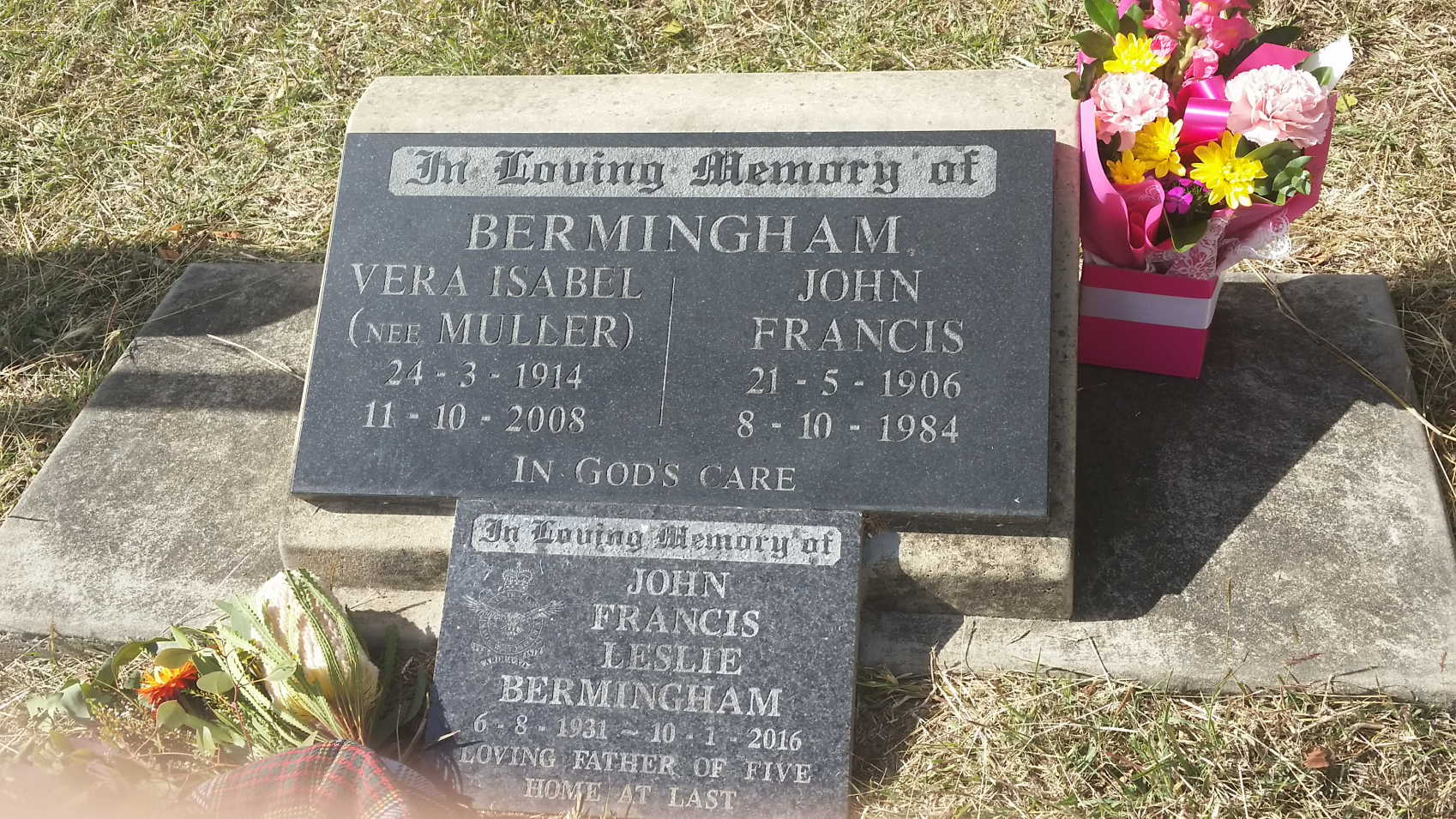
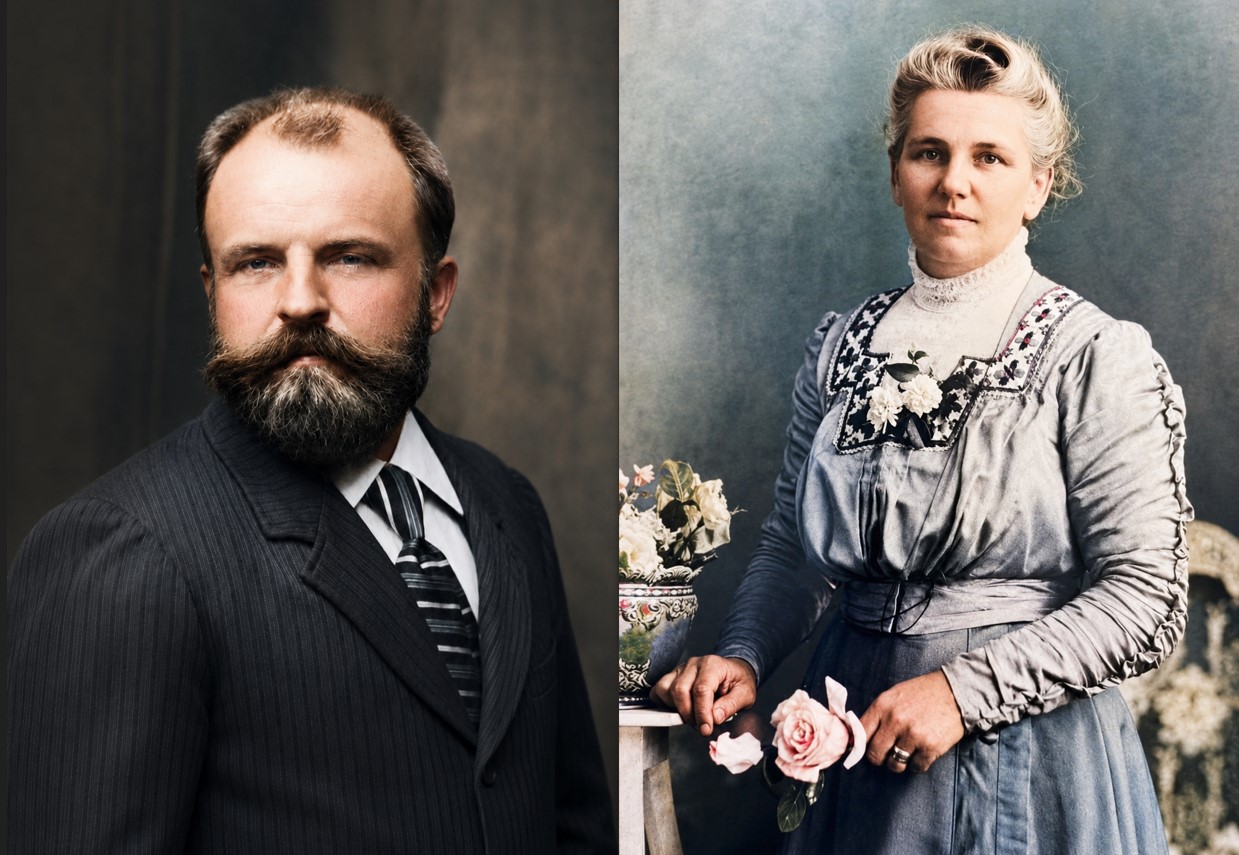
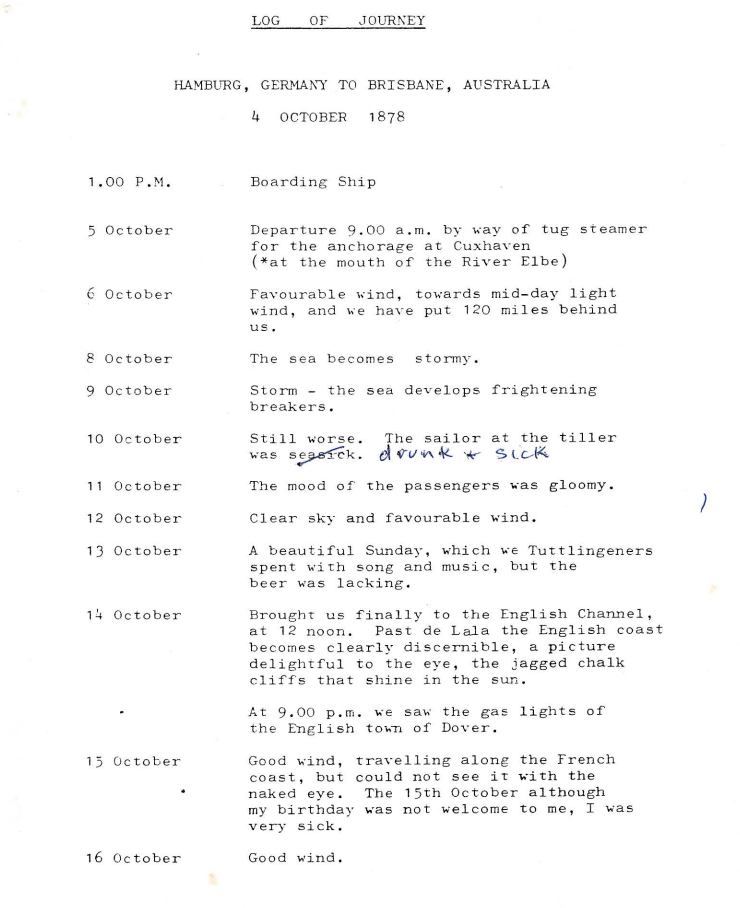

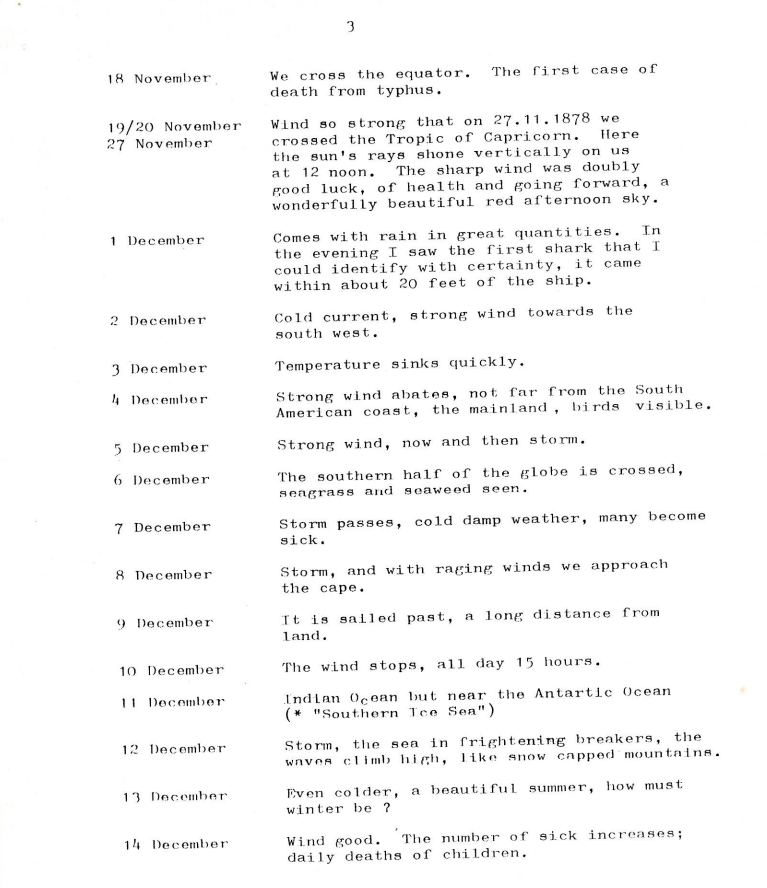

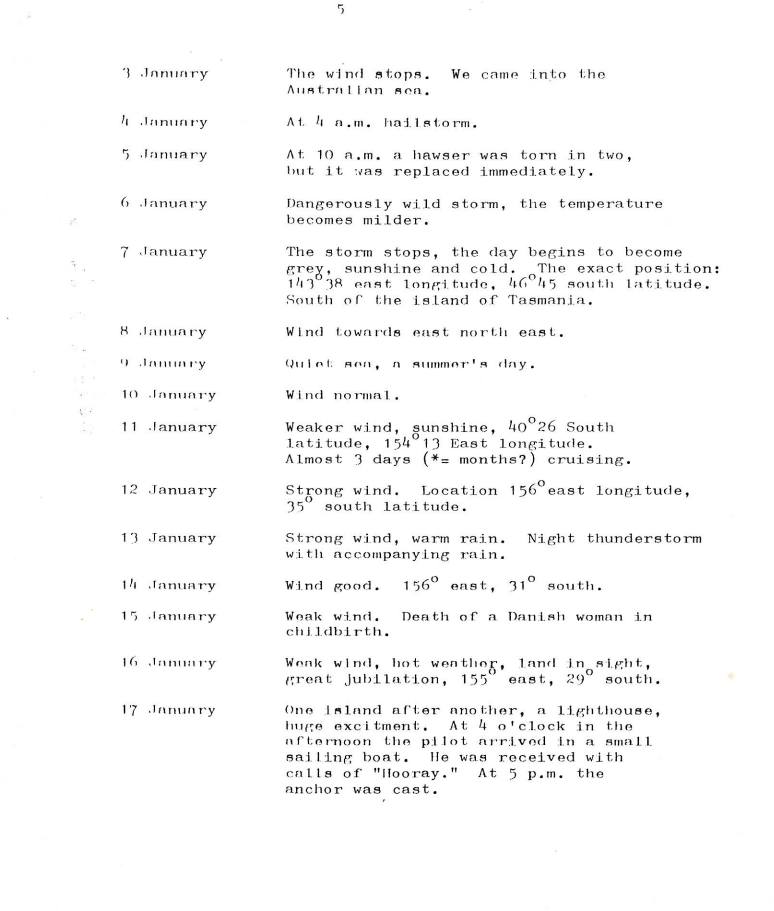
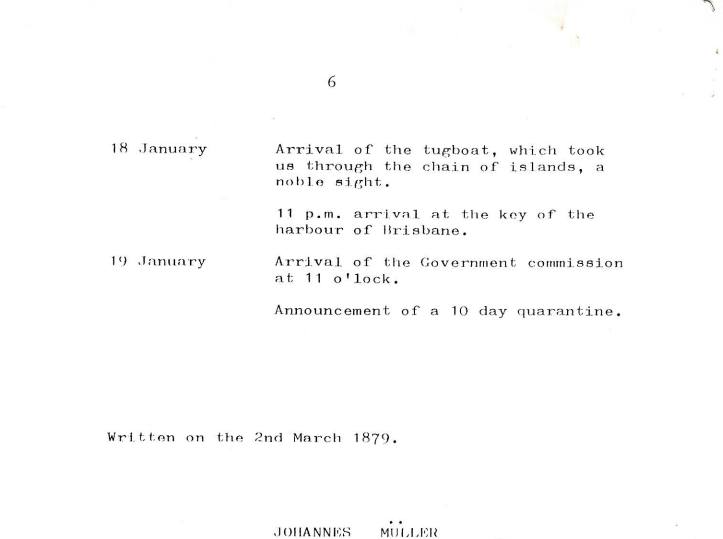
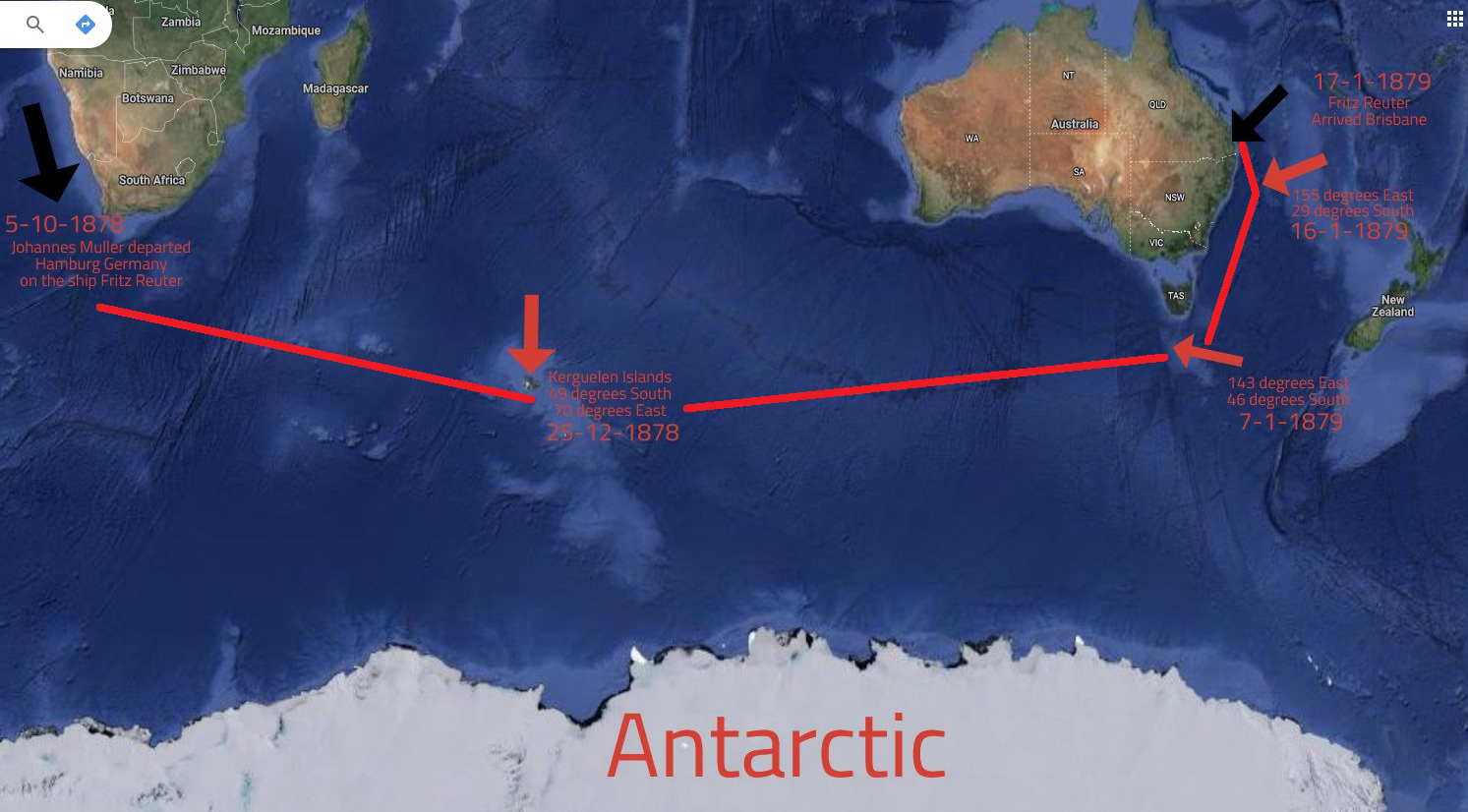
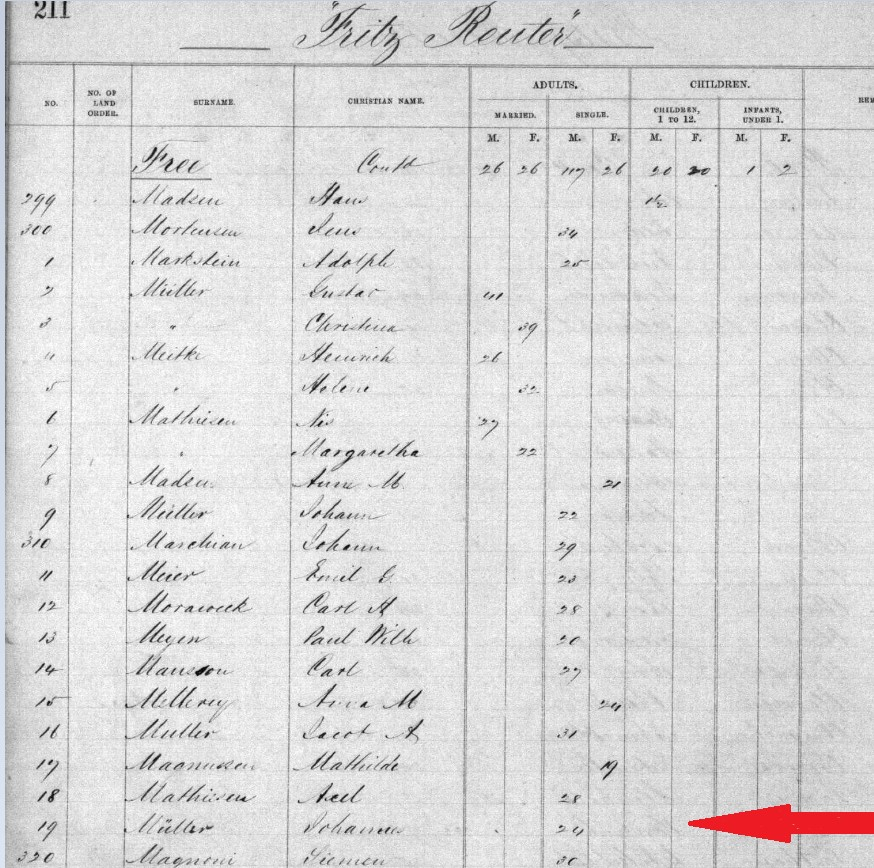


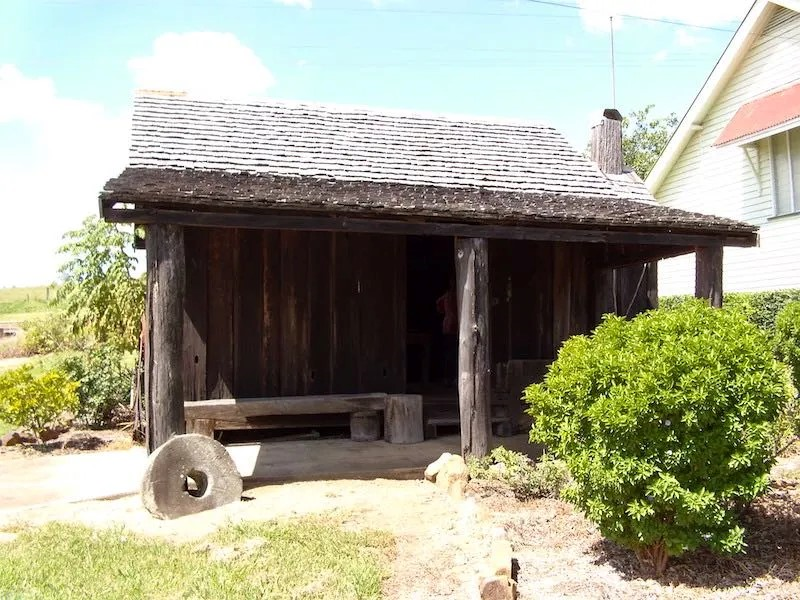
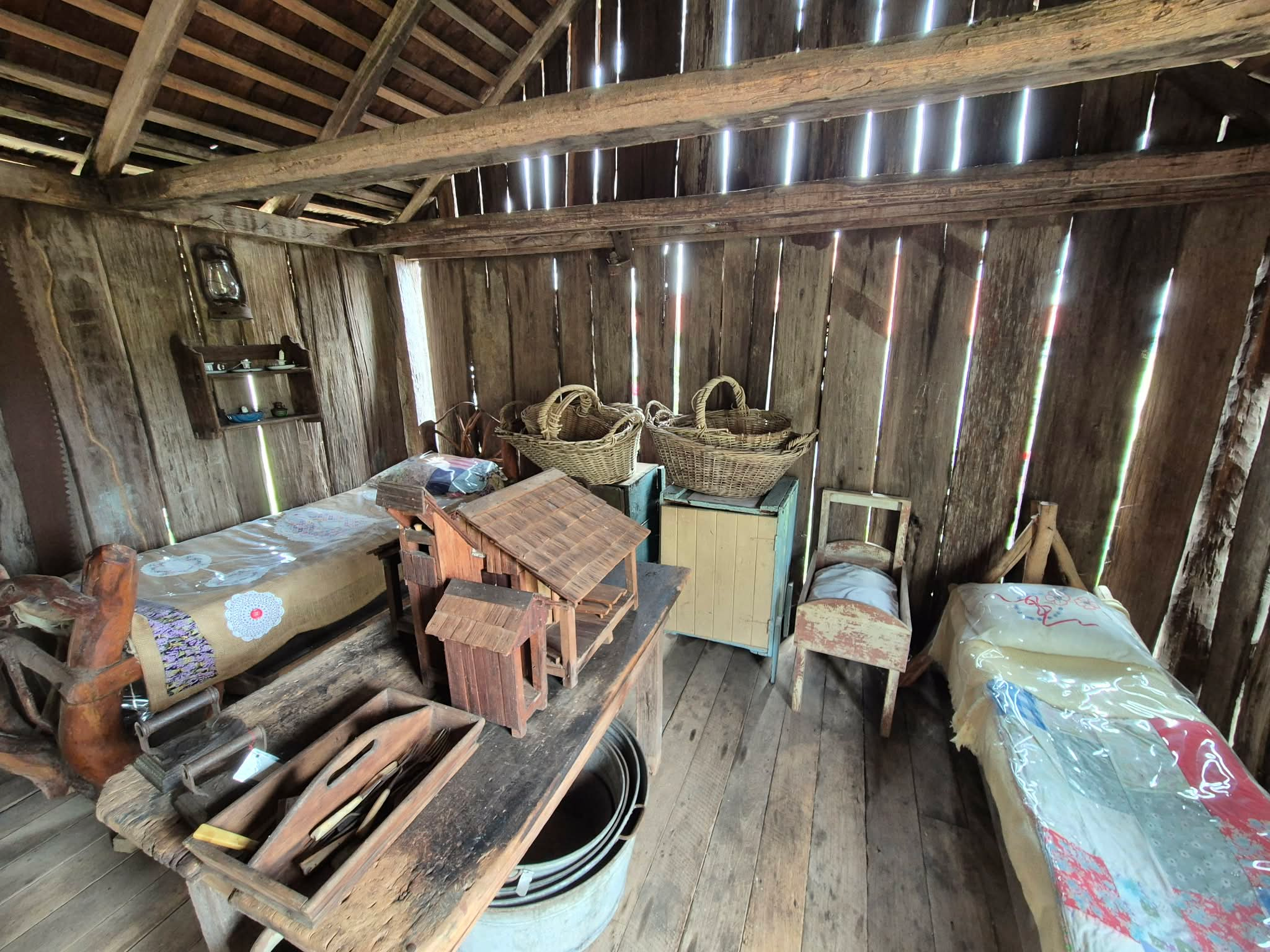
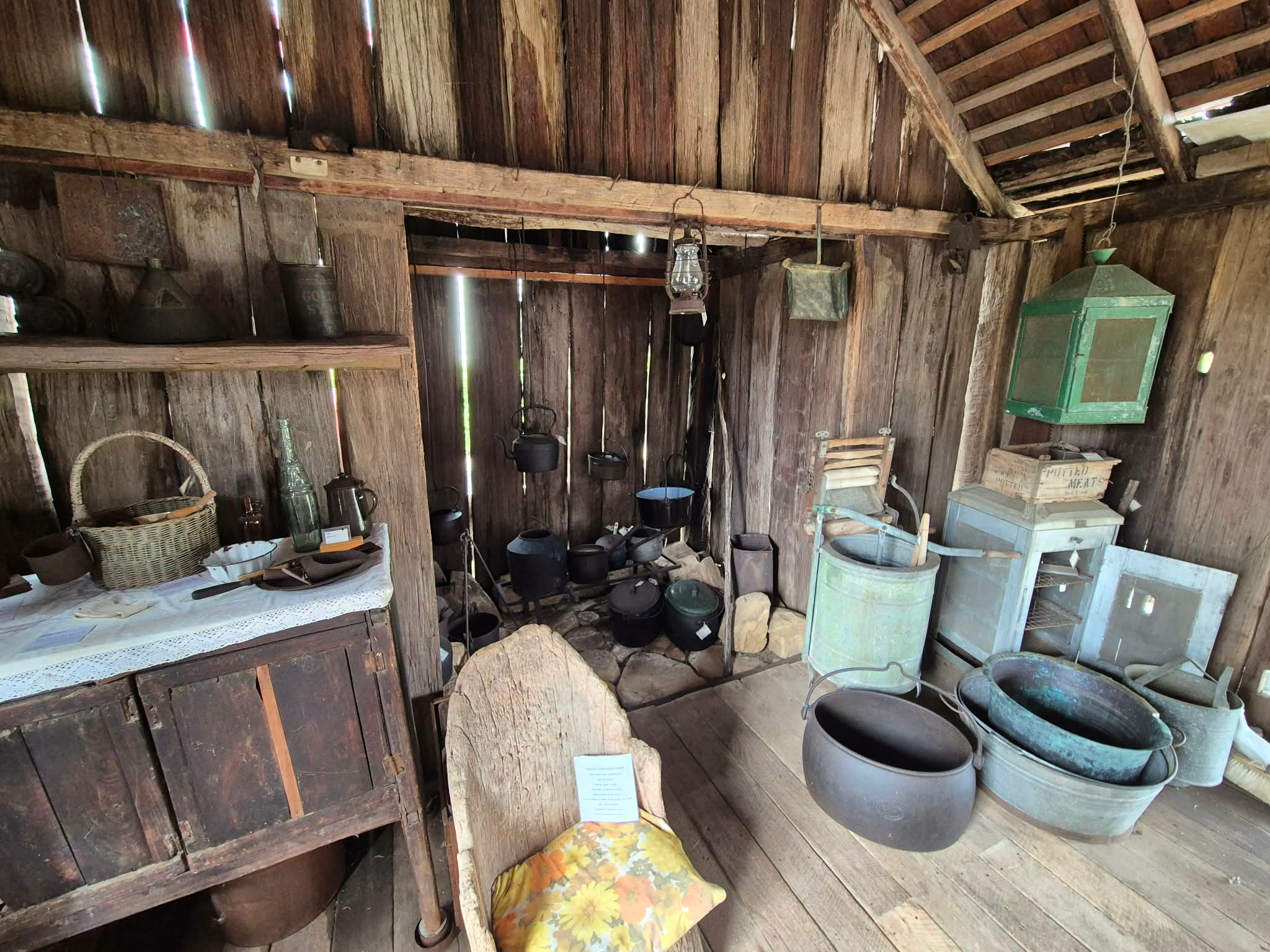


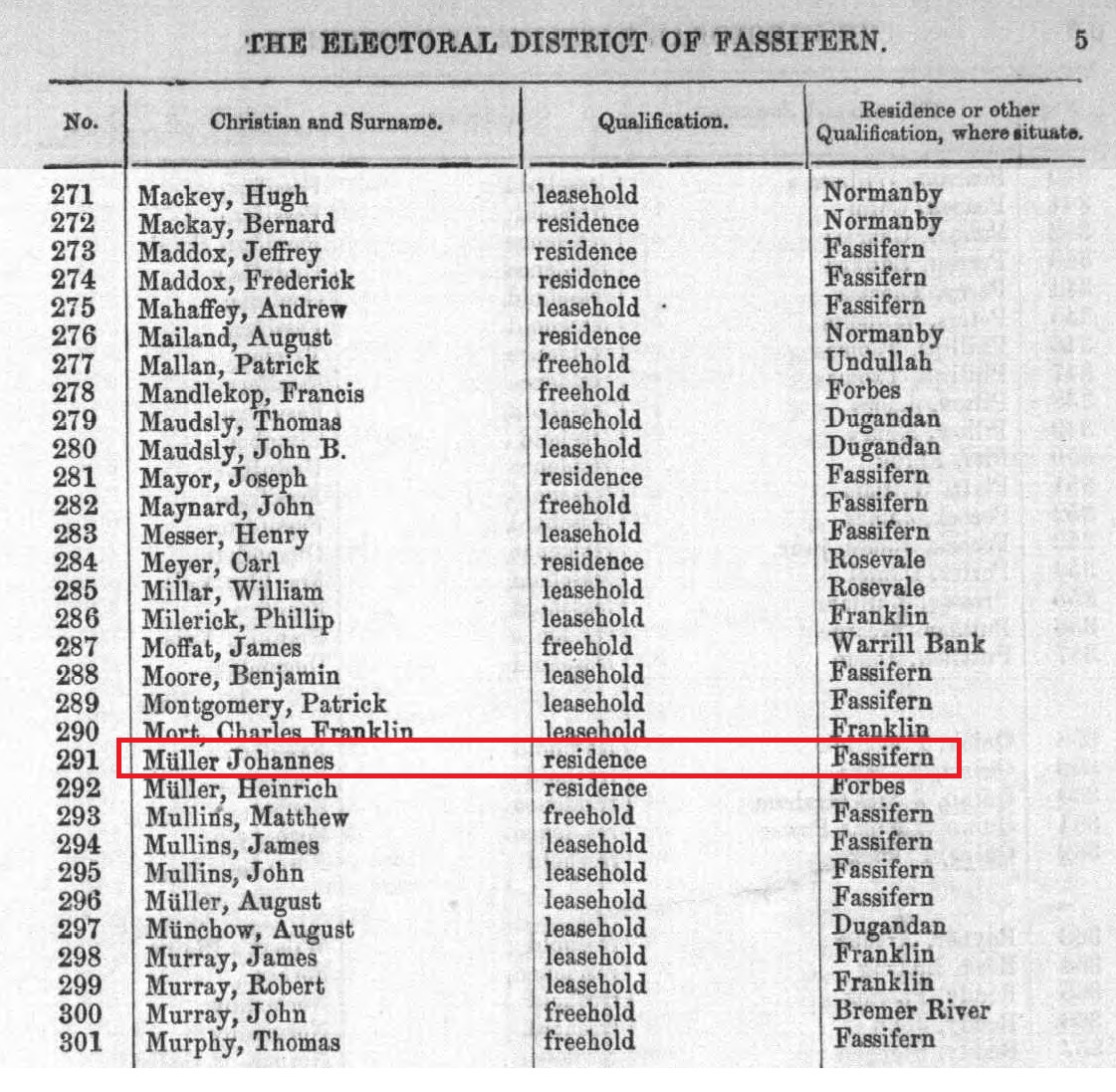

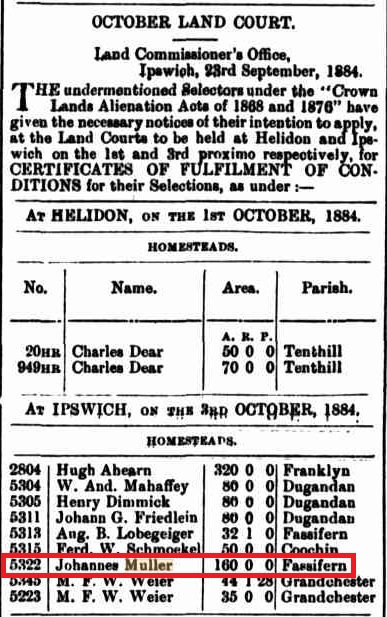
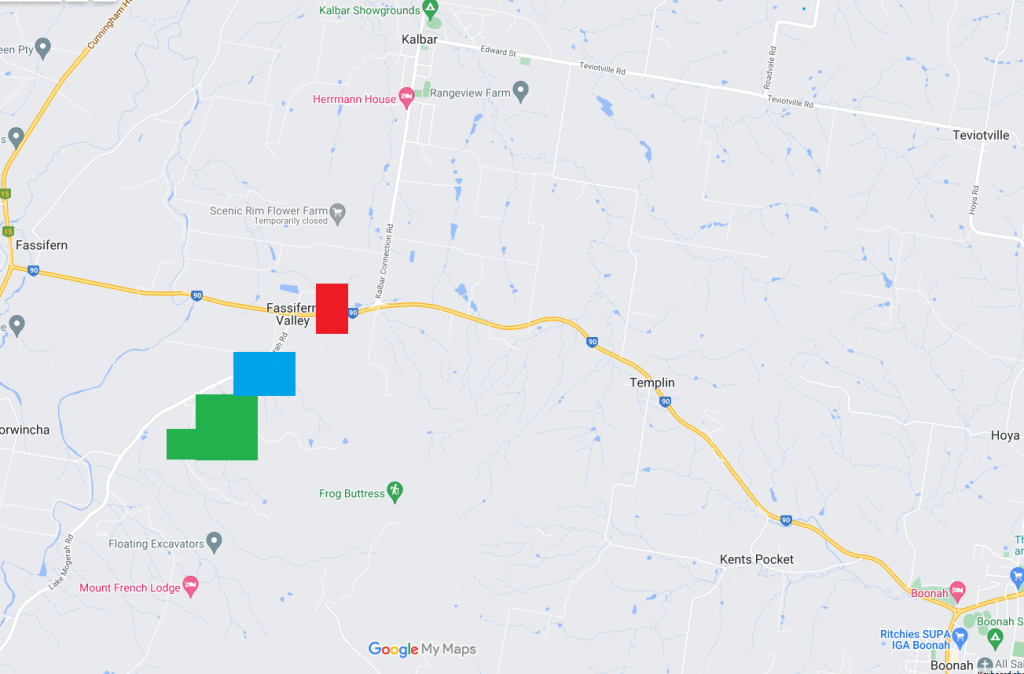
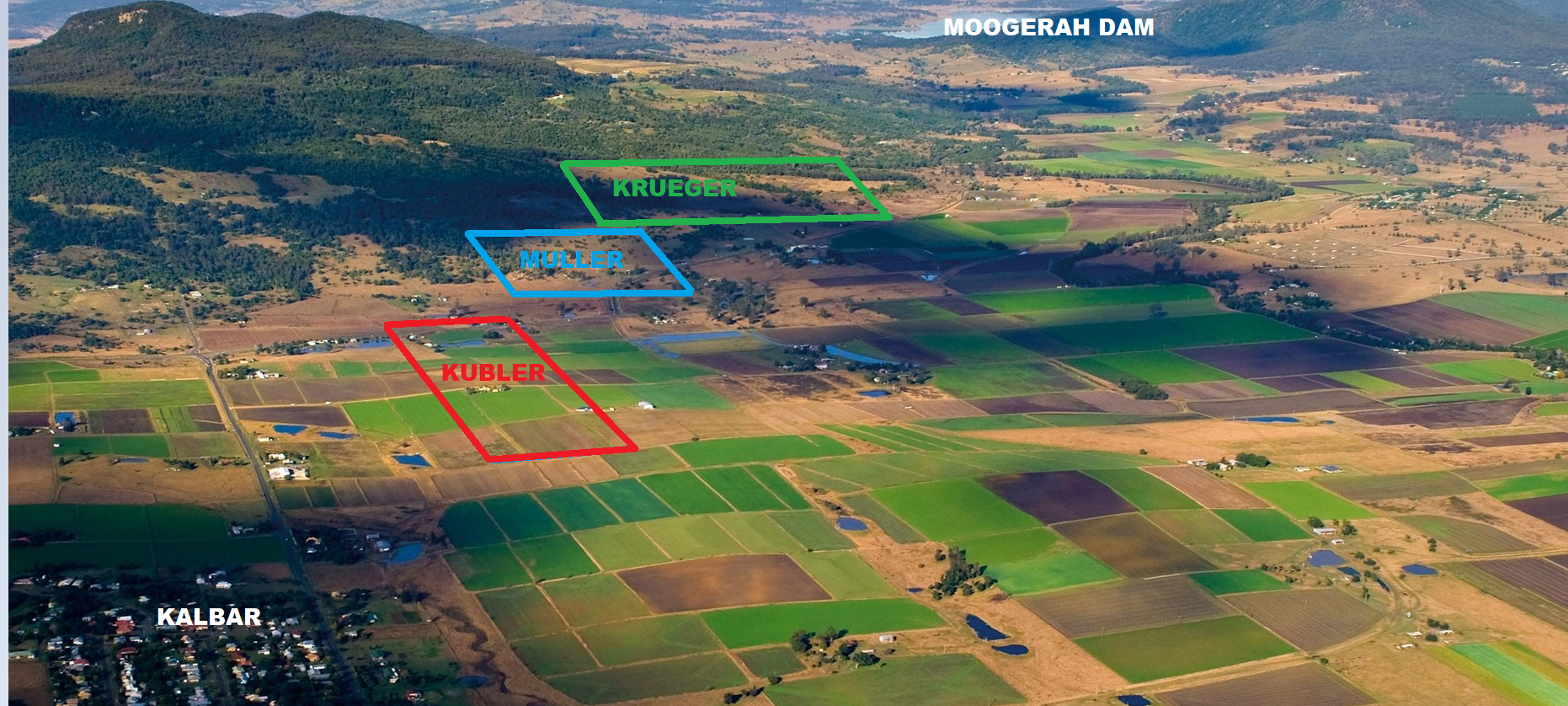
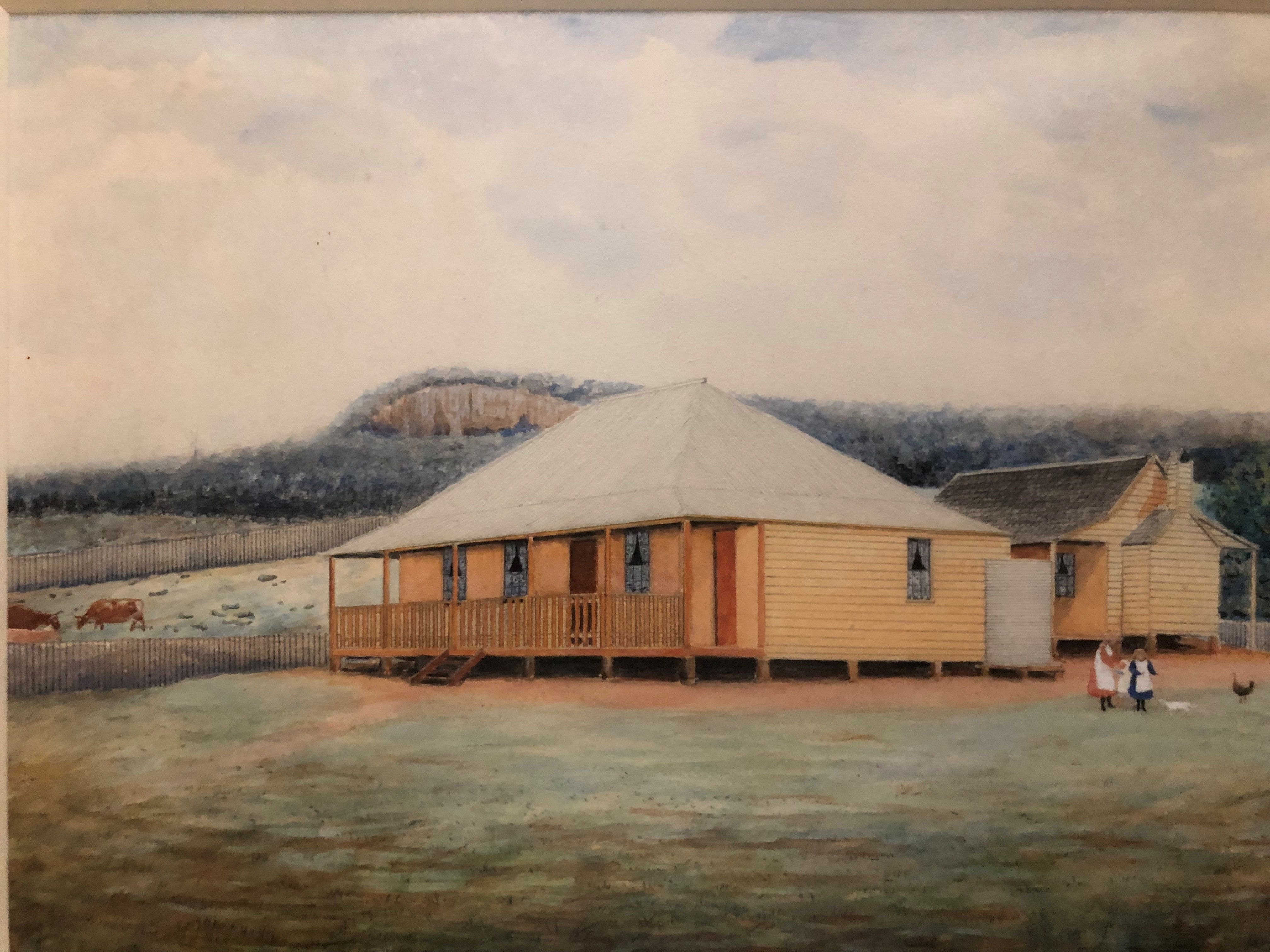
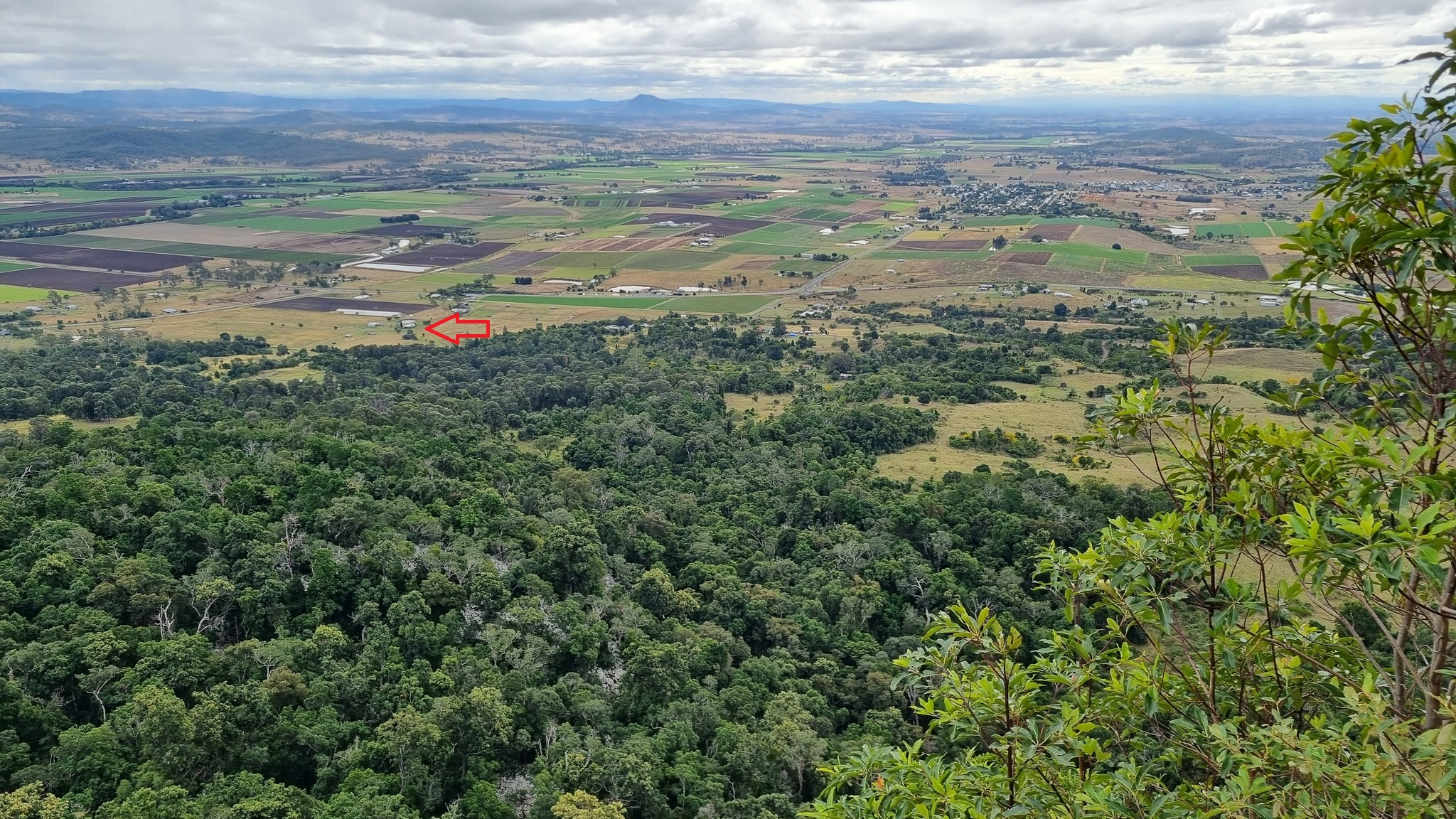

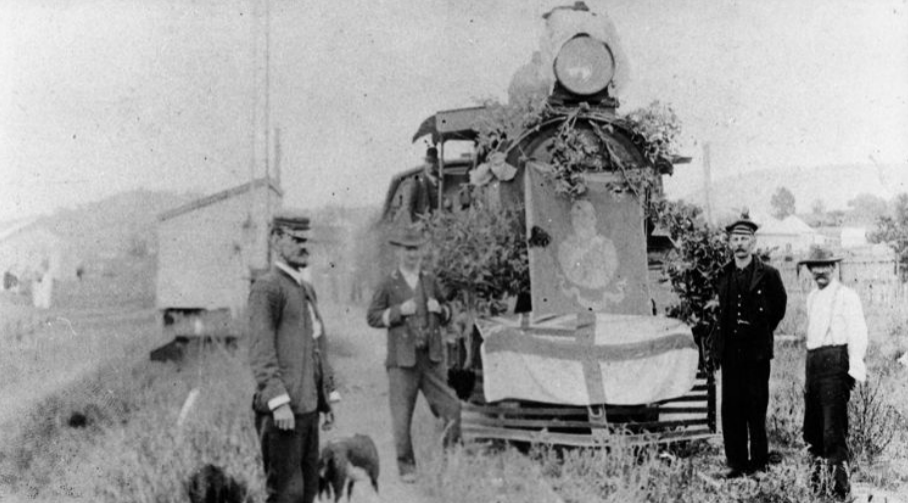
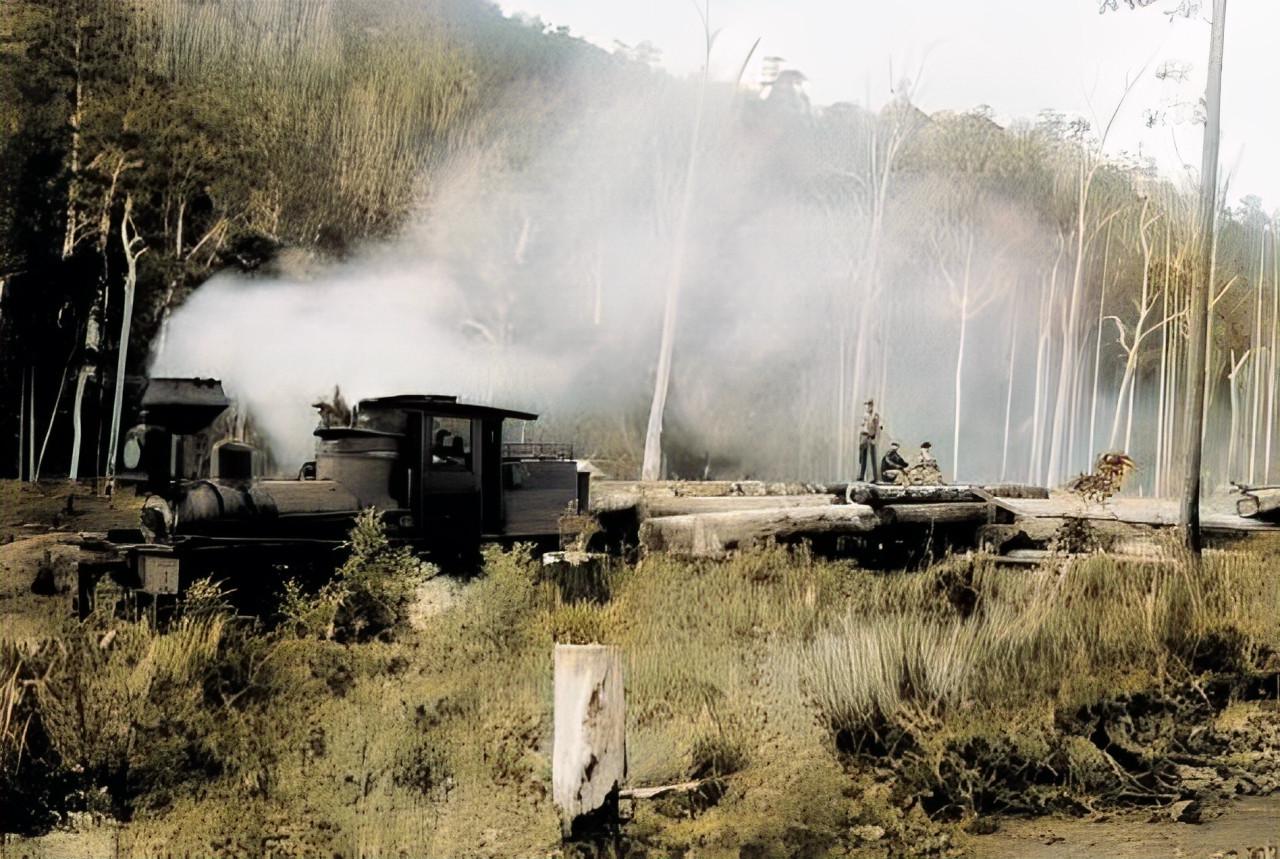

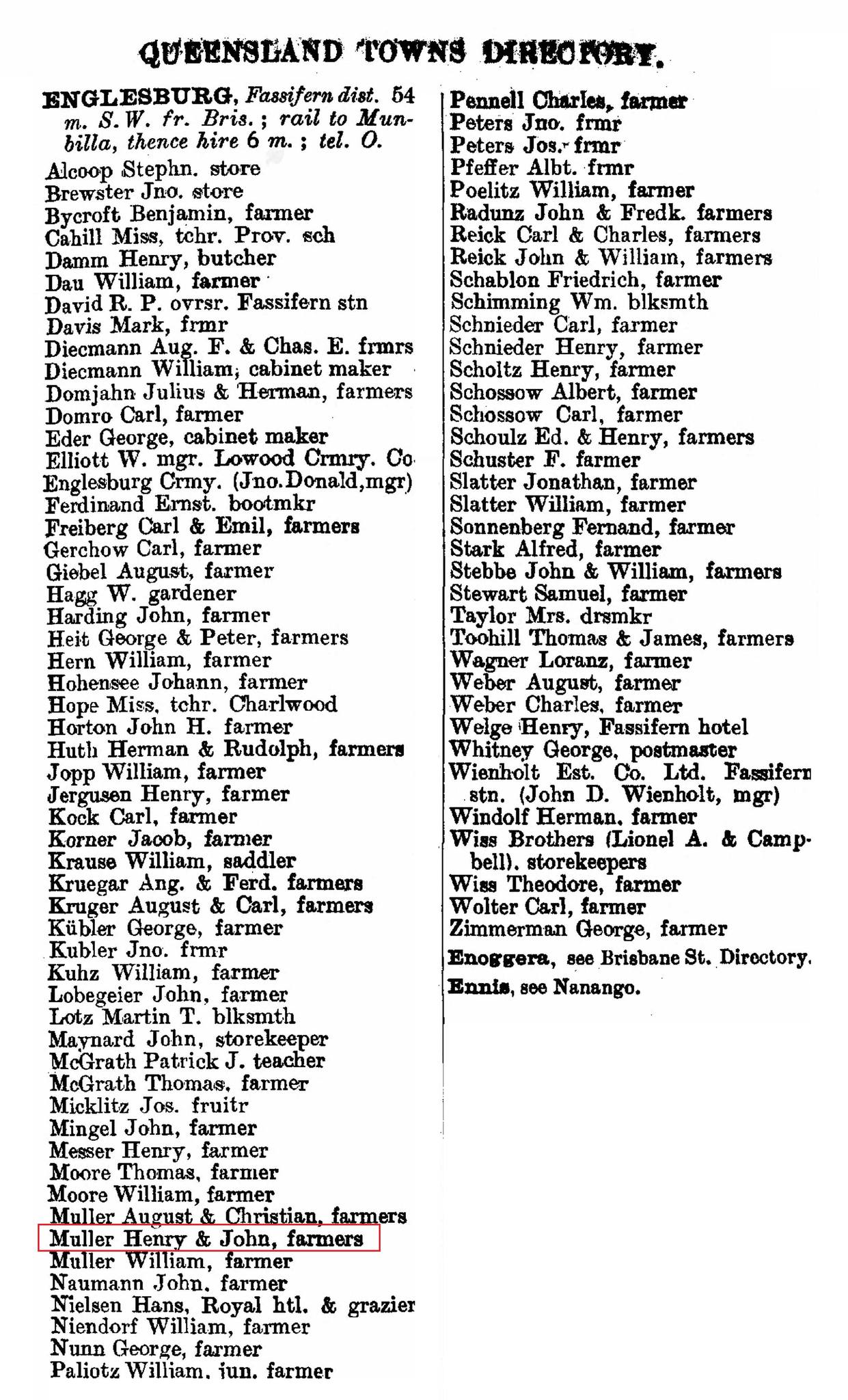
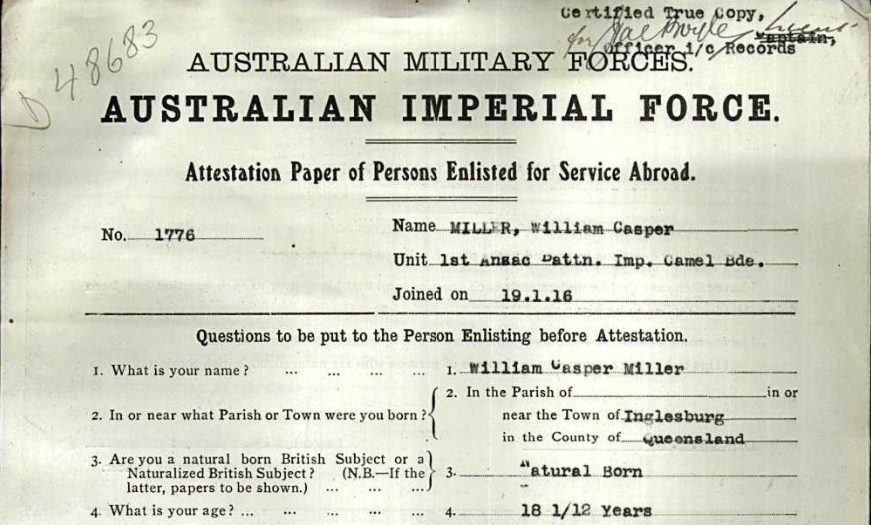

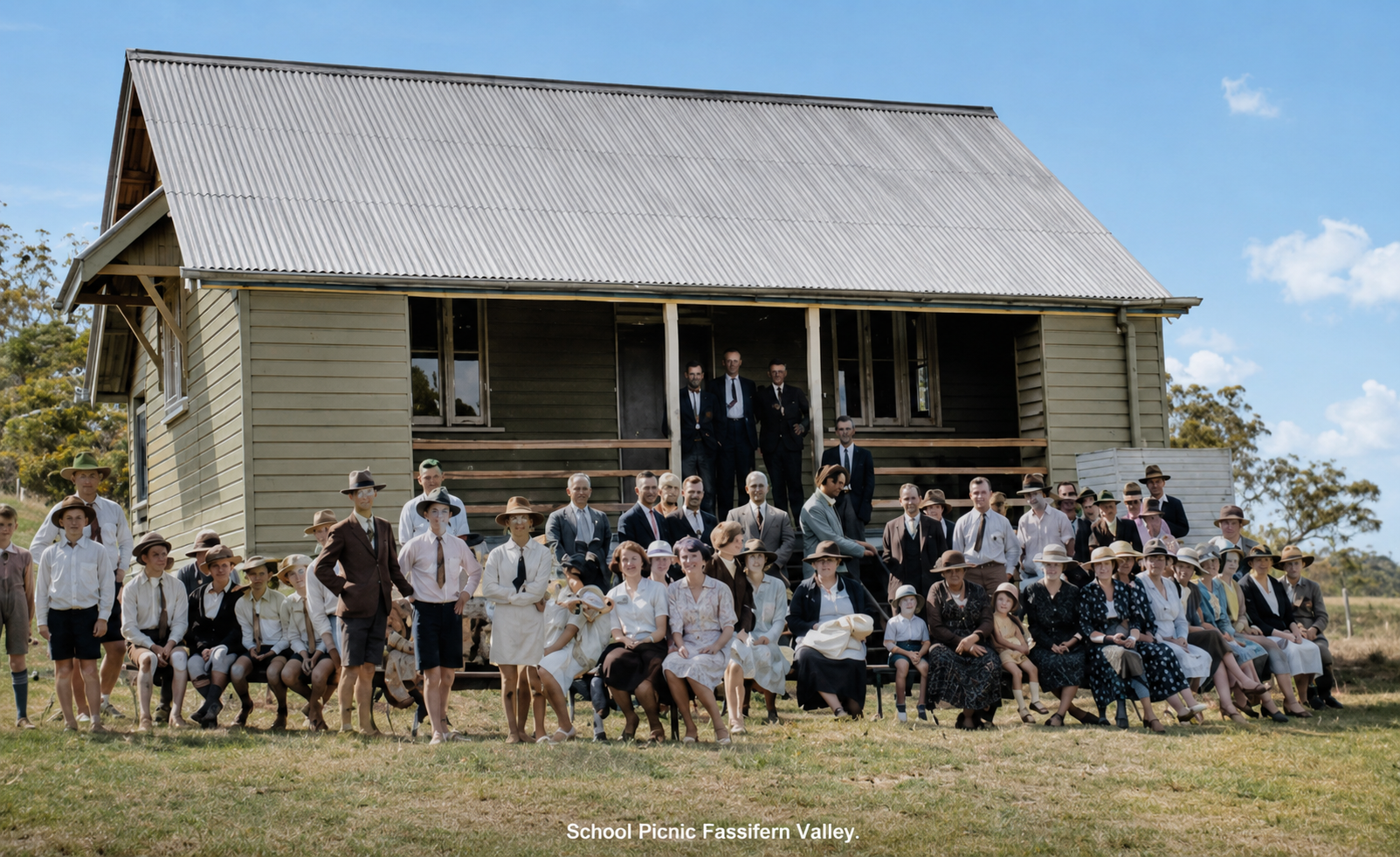
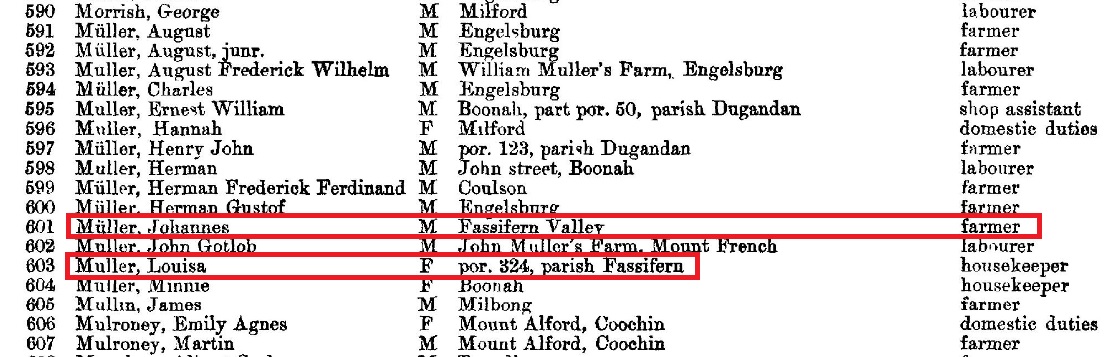


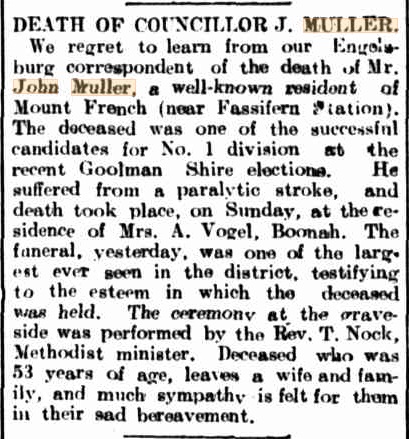
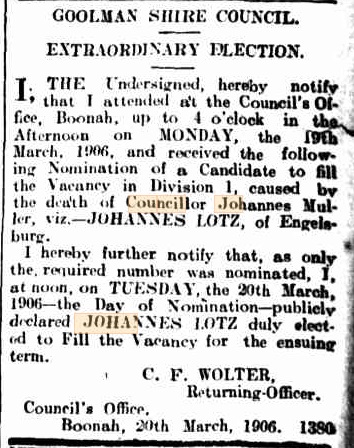
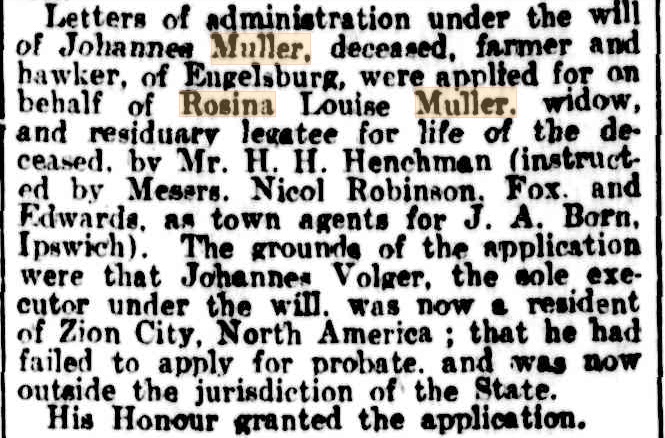

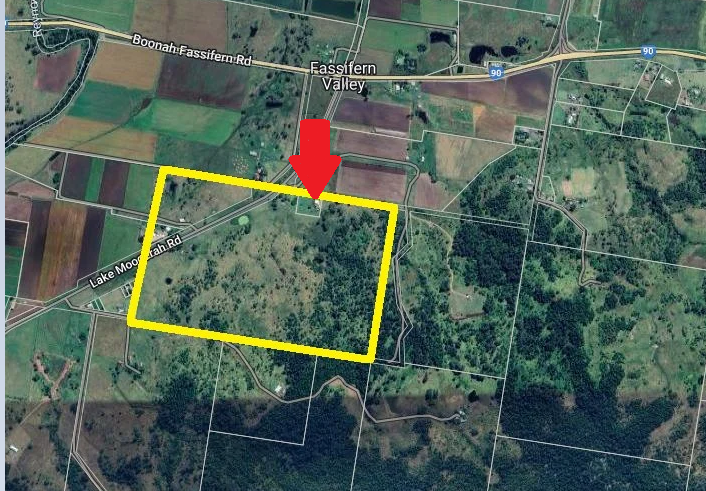

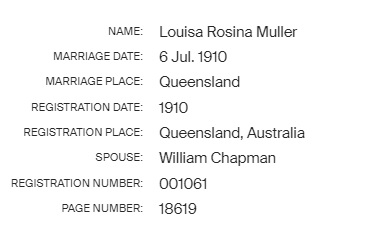

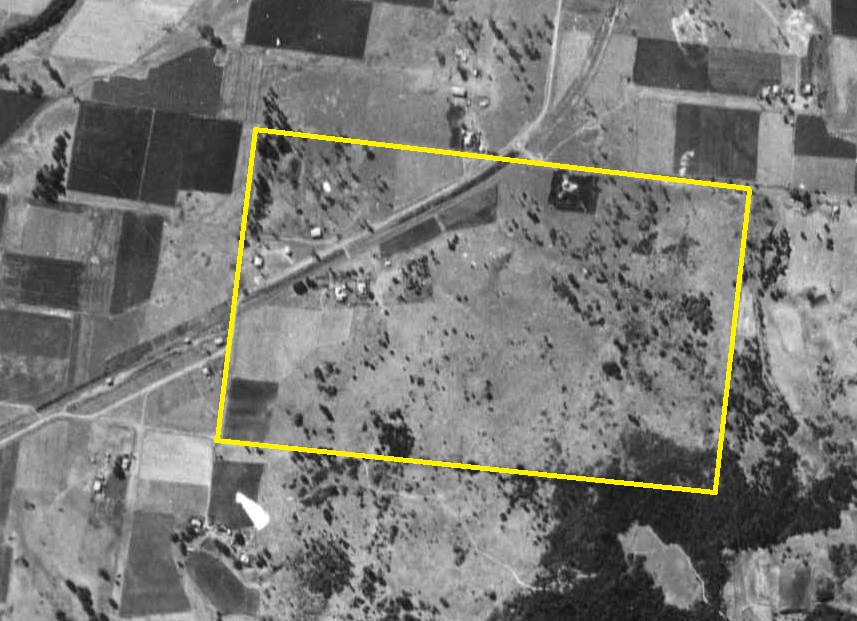

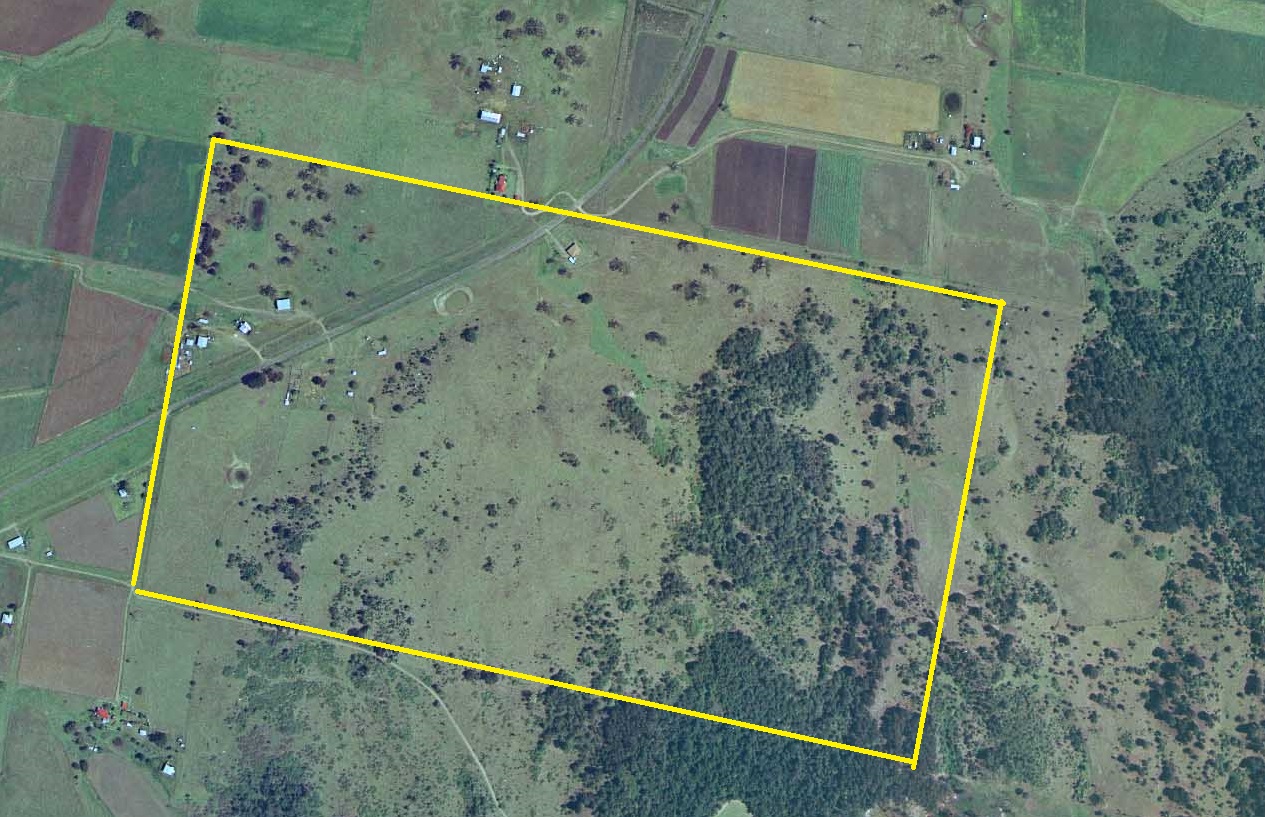
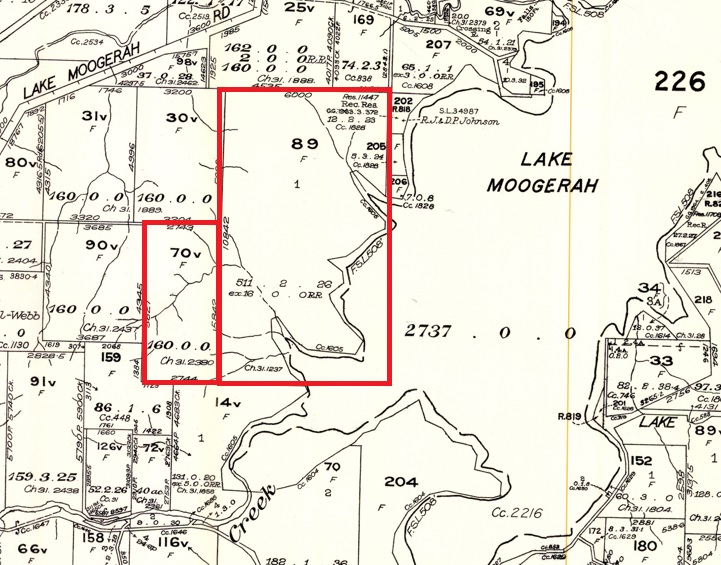
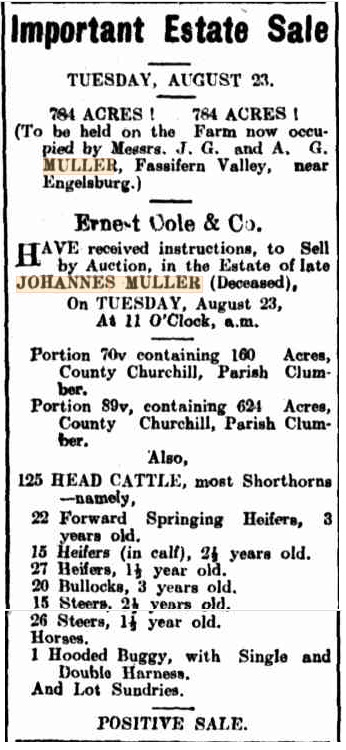
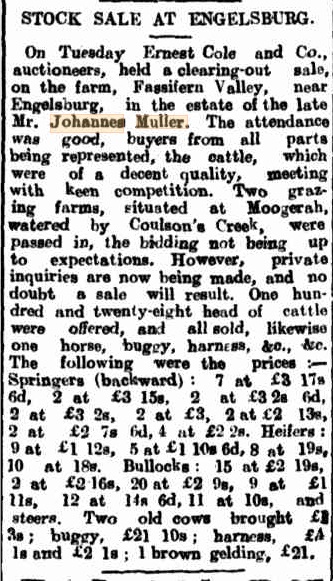
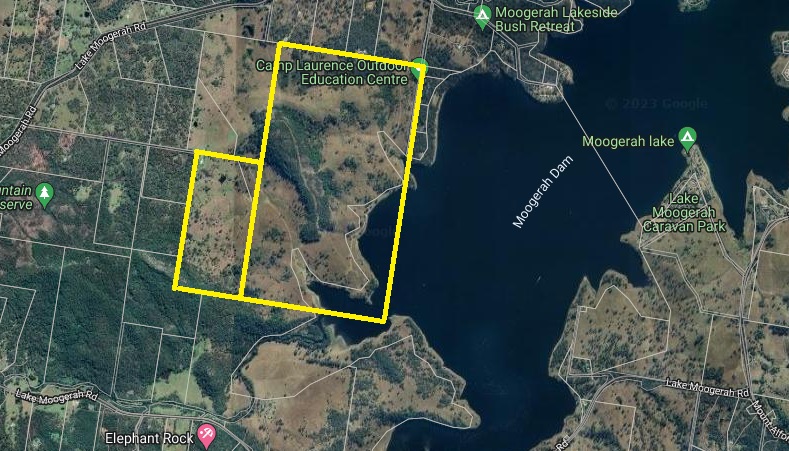

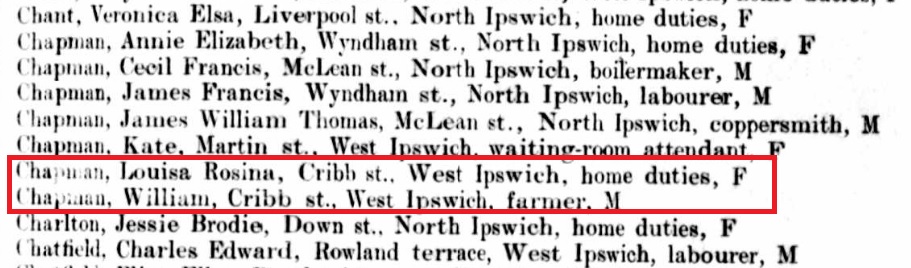
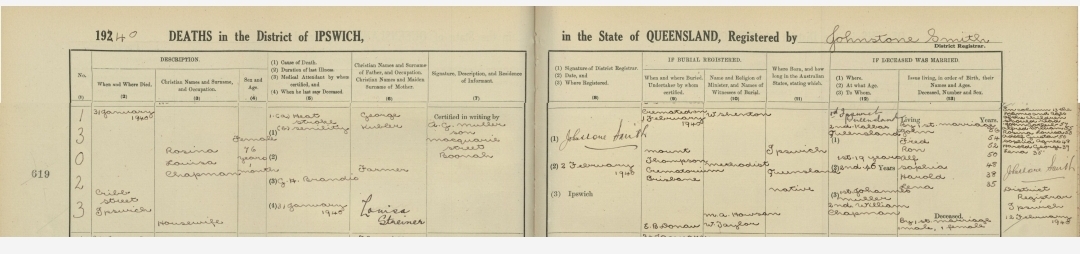

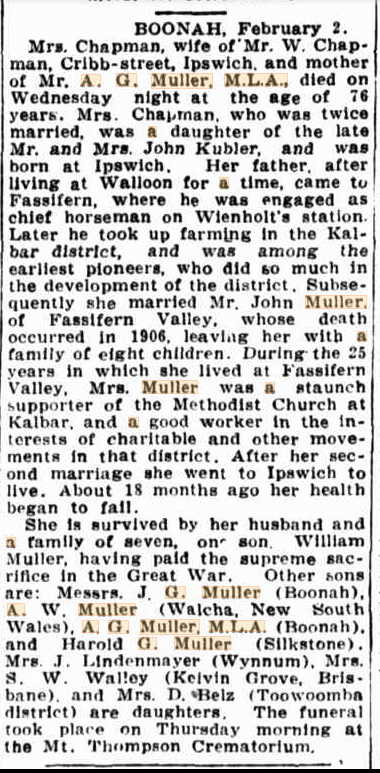
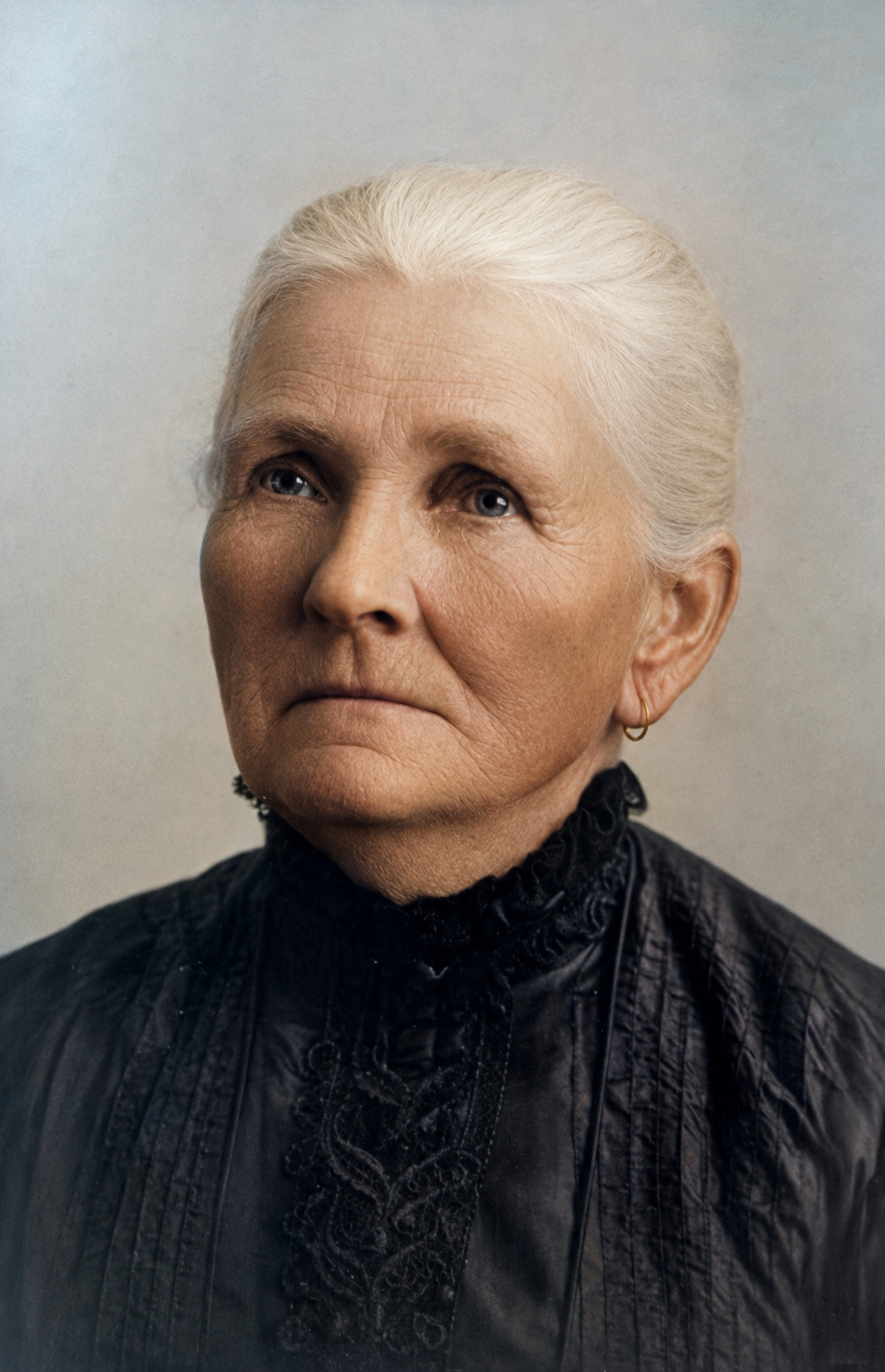


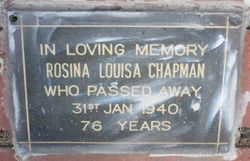
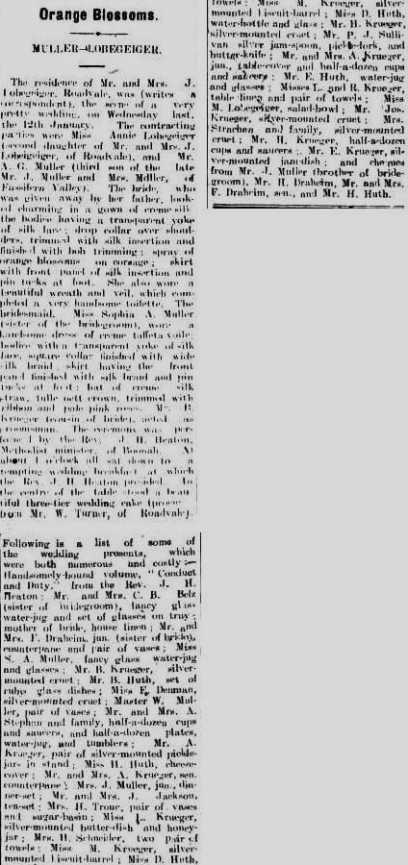
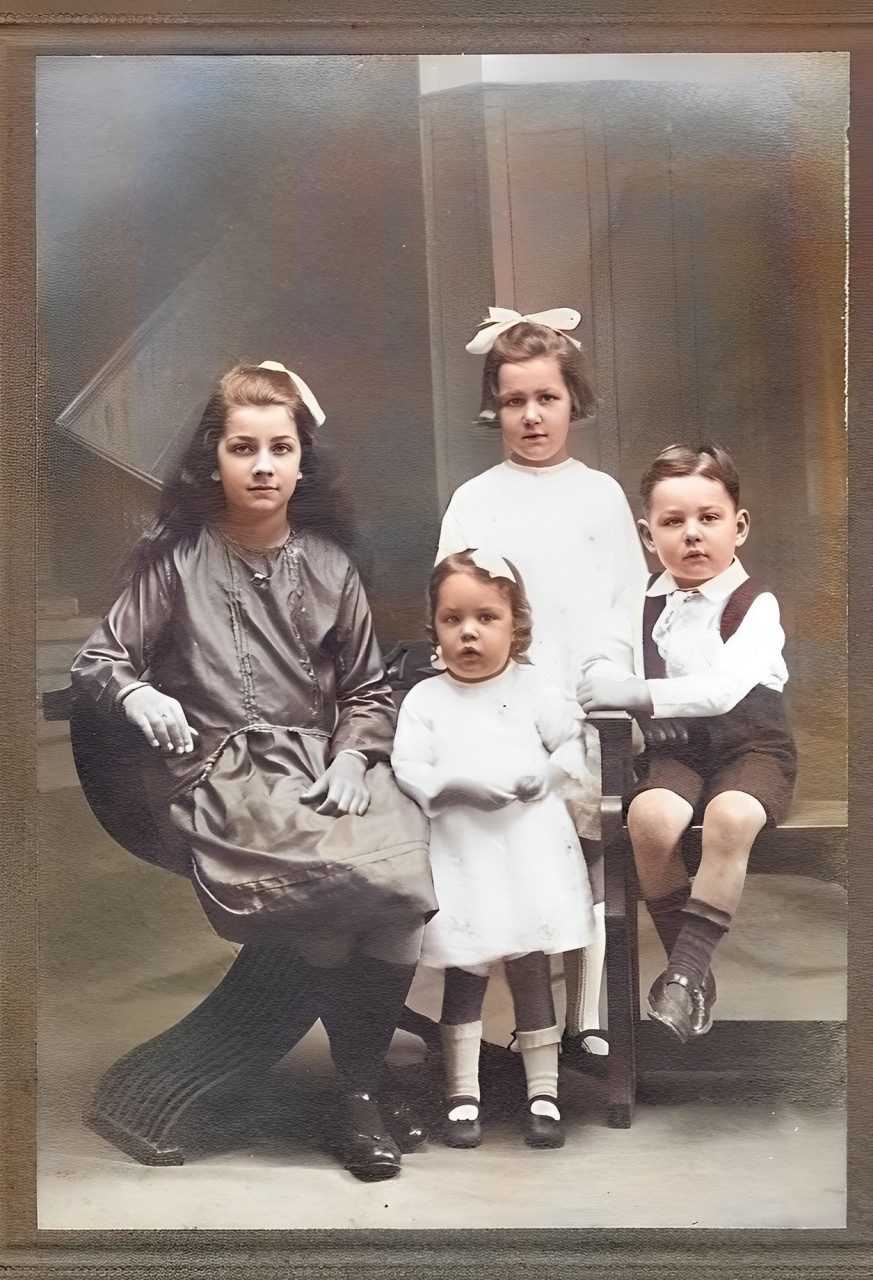
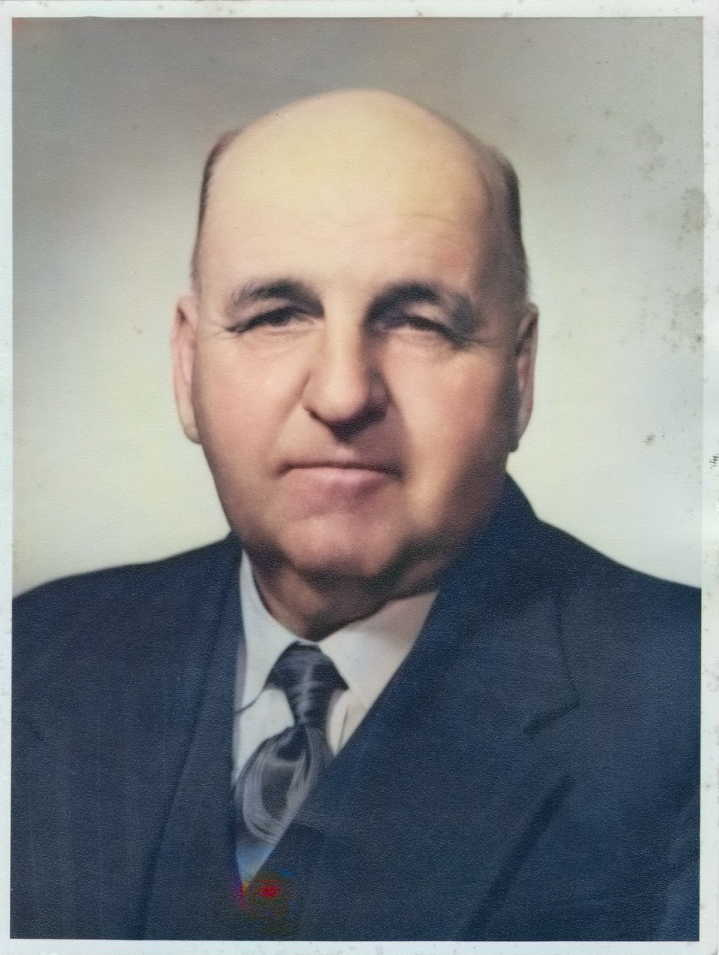
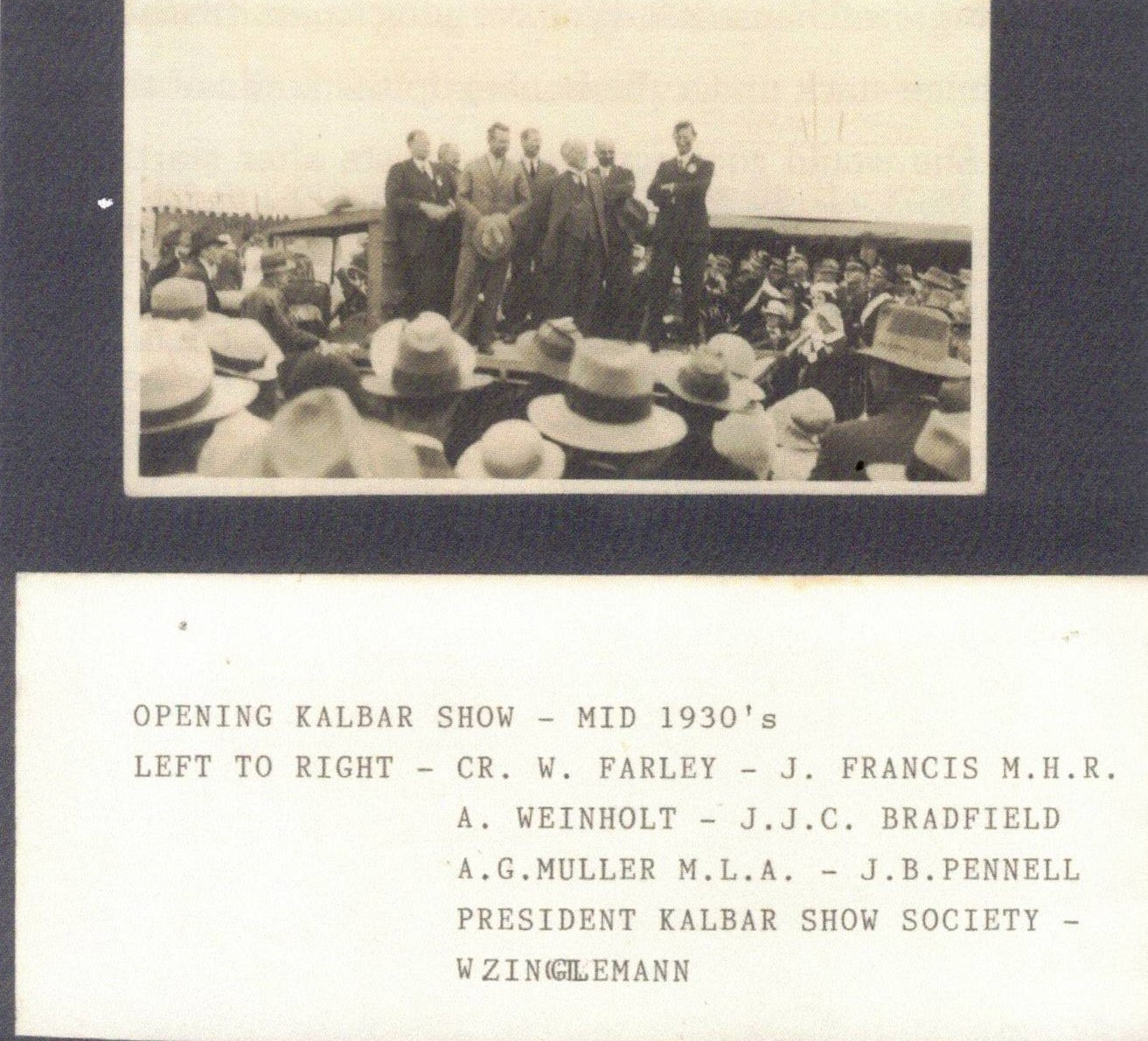
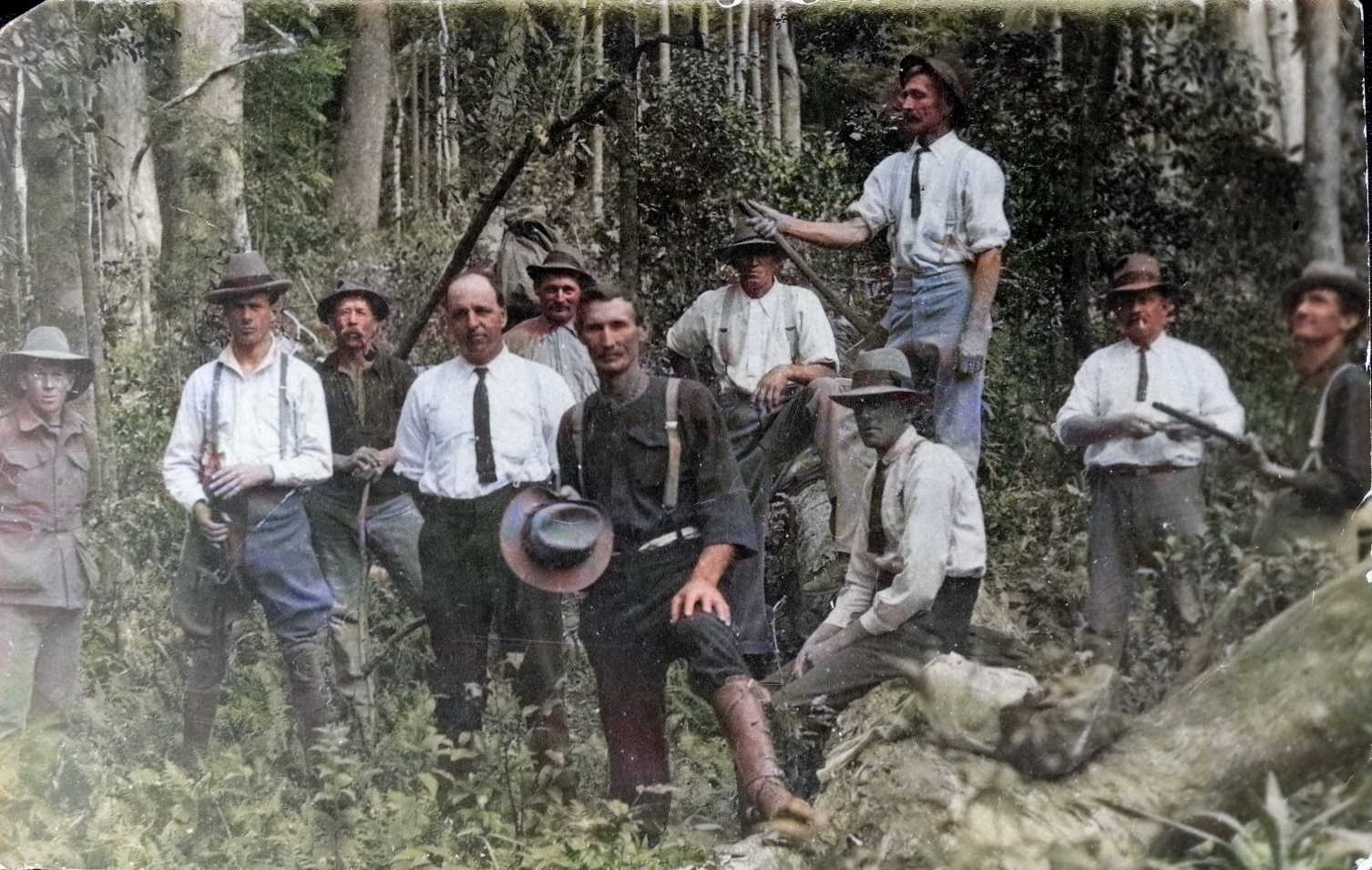
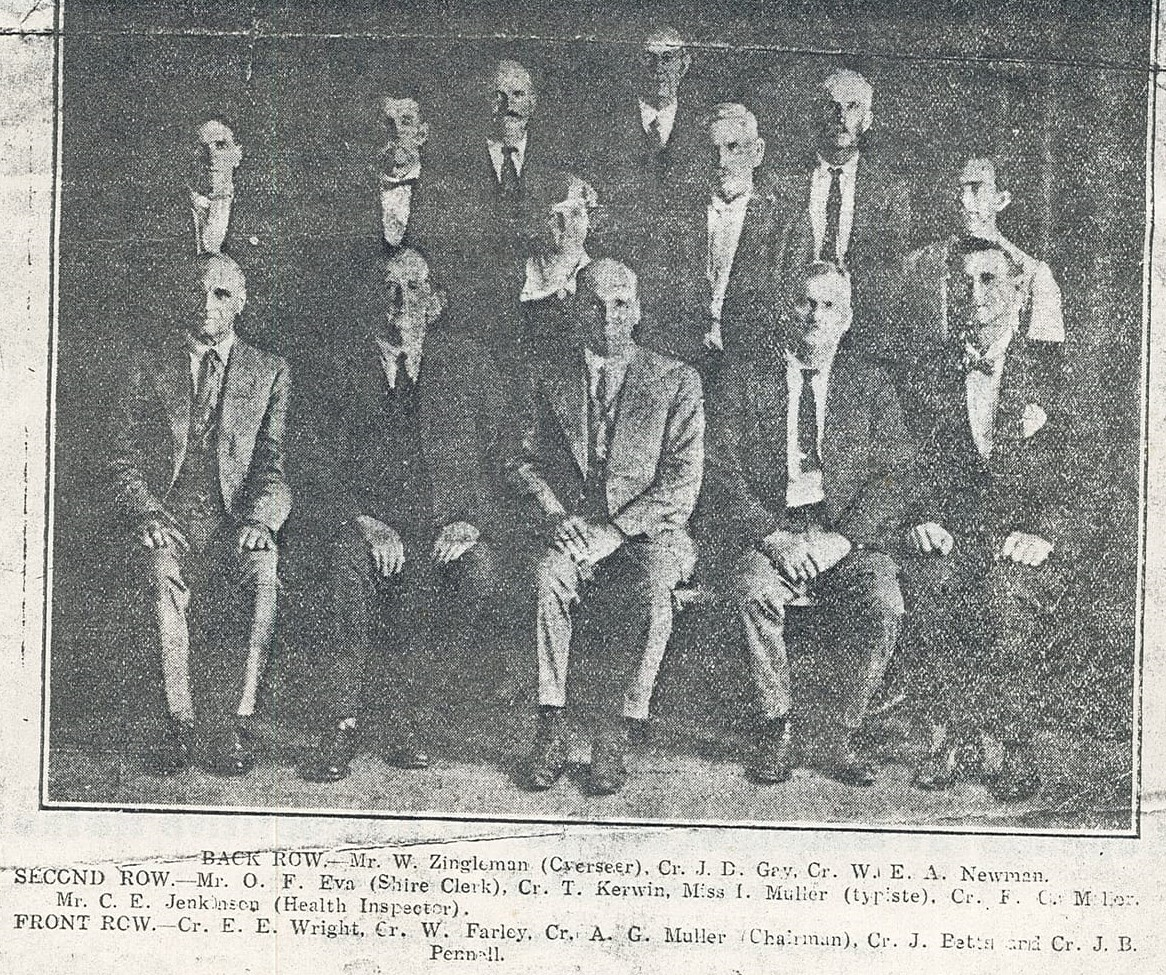
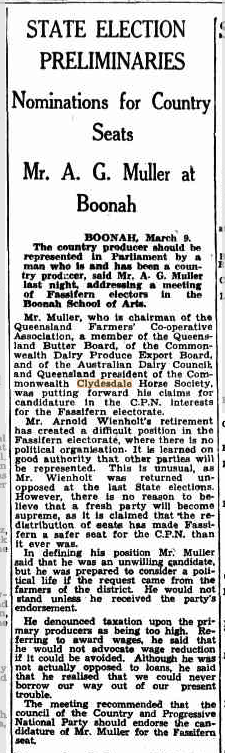
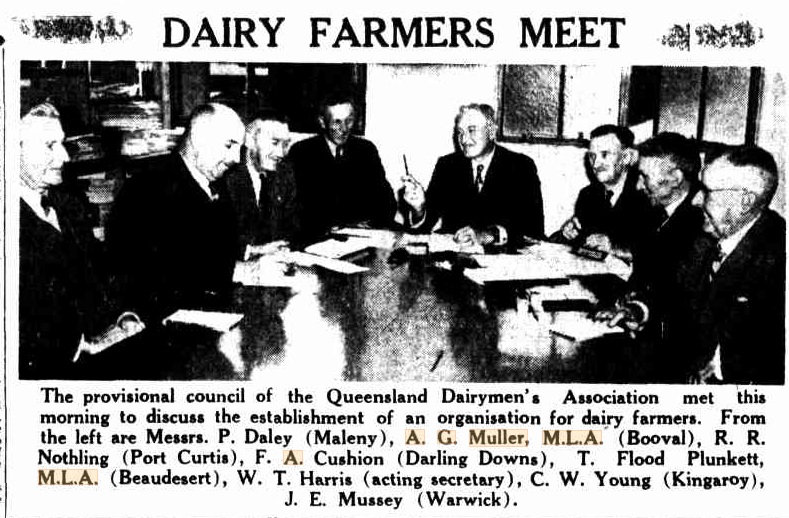
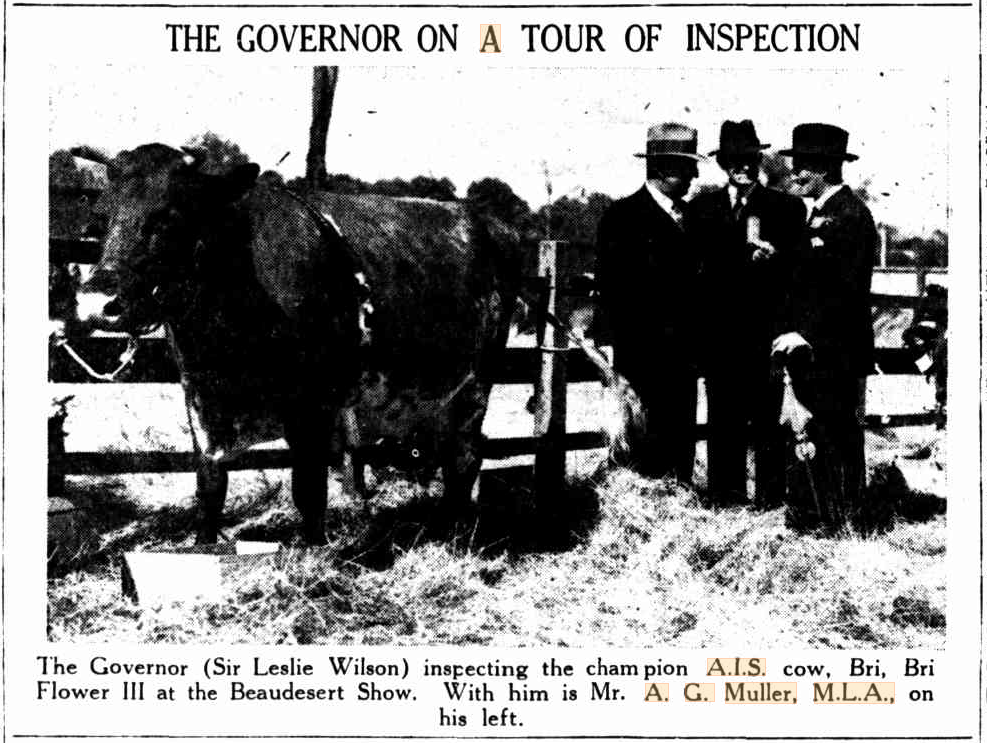

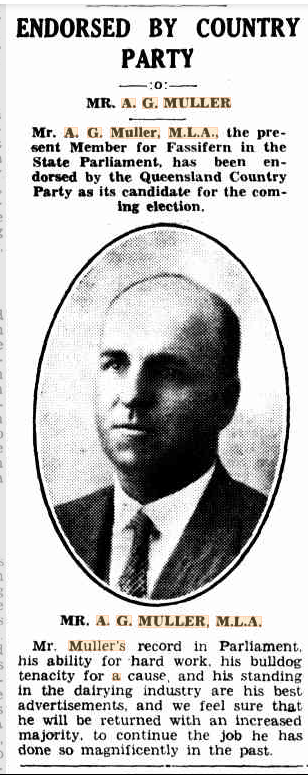


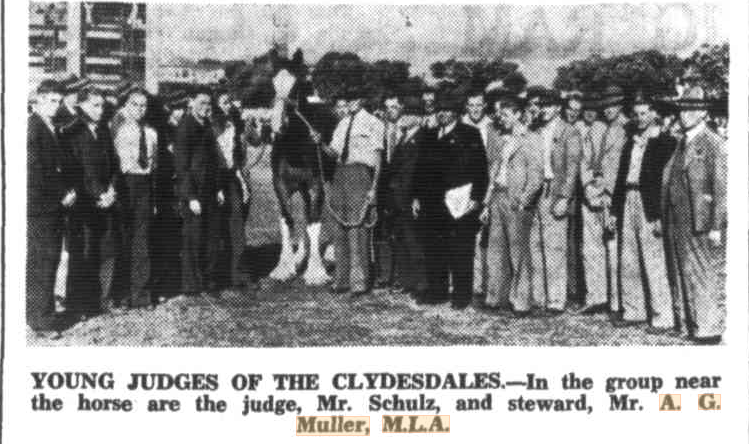

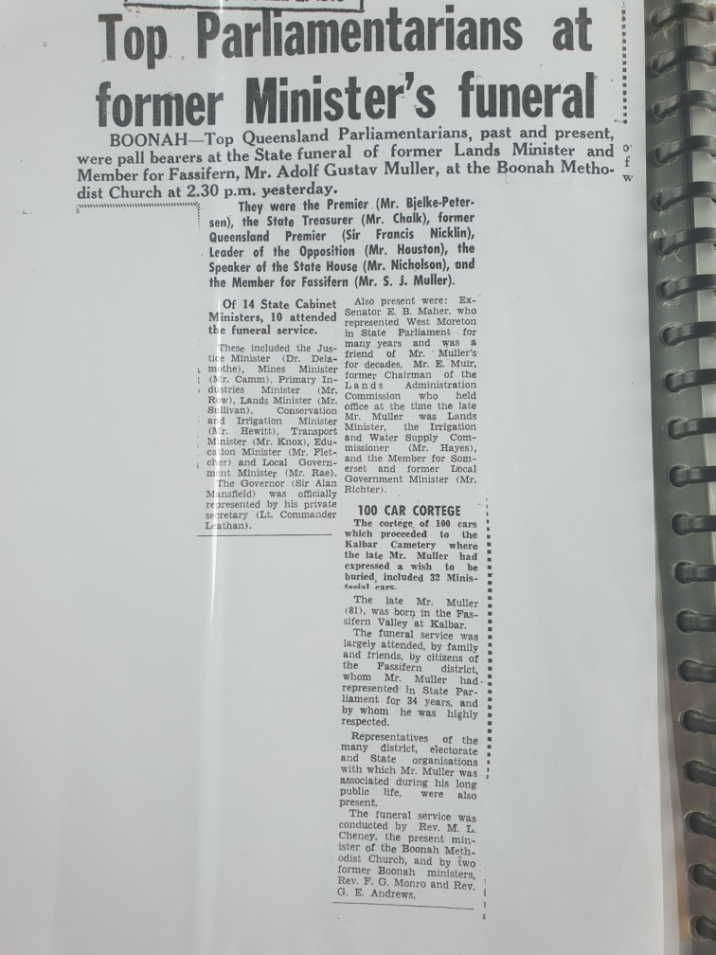
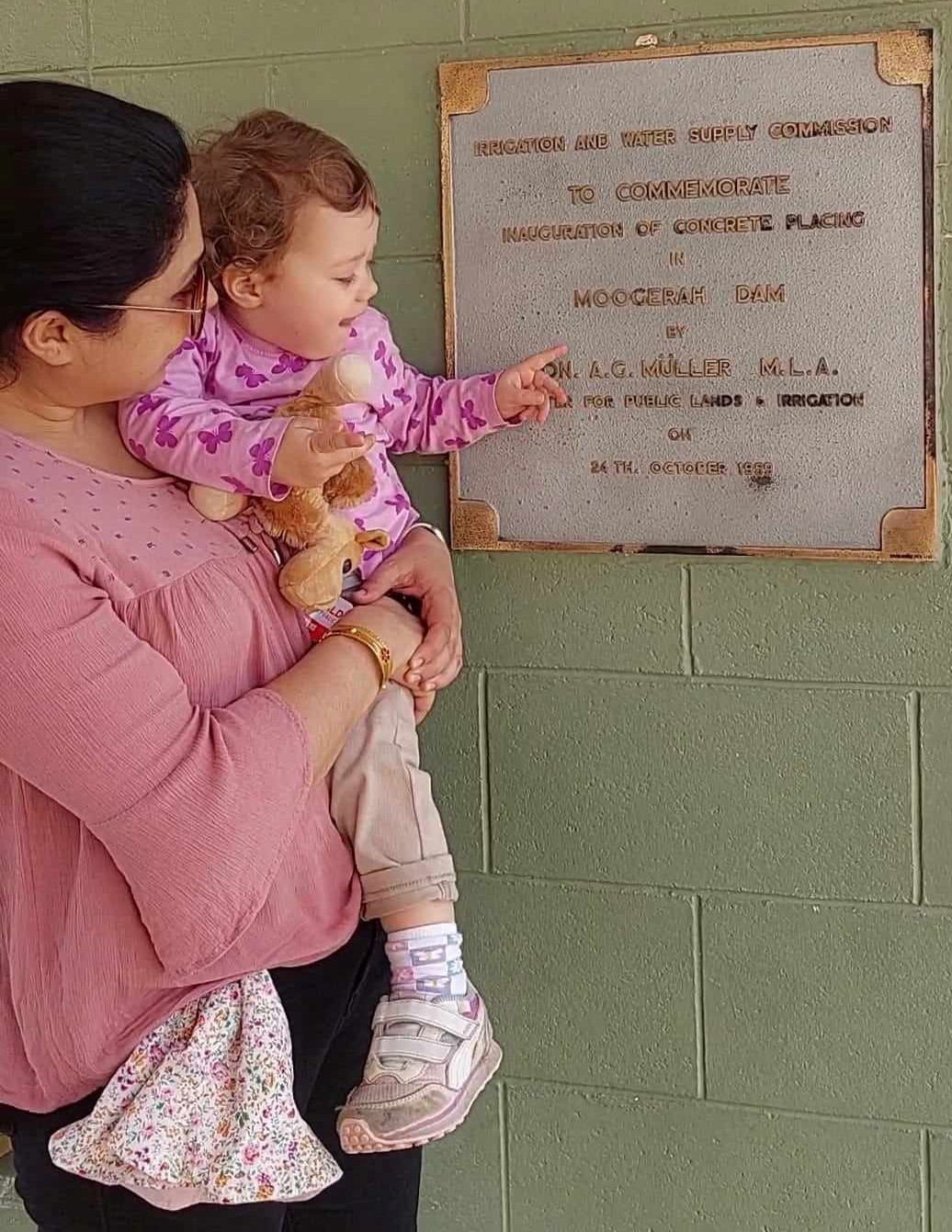

 Without wanting to sound like a broken record, it makes no sense to me why anyone would waste their time attempting to follow the Virgin Australia Supercars series at present. Seriously….. I’ve tried, but it just ain’t happening.
 Take this current weekend. I’m watching the Suzuka 12Hr race live at the moment, on a free YouTube stream from the SRO, GTWorld platform. The top 13 or so cars are on the same lap, after nearly seven hours of ridiculously competitive, close racing, and with another five hours to go, it’s looks like another nail biting classic GT3 enduro is unfolding towards an exciting completion.
 Earlier today, I watched the riveting Grand Final game of the Suncorp Super Netball season via the free to air telecast on Channel Nine, here in Australia, with our local North Coast team, the Sunshine Coast Lightning taking out an exciting three point victory (62-59), with a scoreline that see-sawed throughout the entire game, that gave to them back to back premiership wins. This is the highest quality netball competition in the world, with athletes competing from all the top netball playing countries on the planet.
 On top of that, the National Rugby League season is drawing to a close, with one more round of games to be played next weekend. This weekends penultimate round had a game on each night (Thursday, Friday, Saturday) and today’s blockbuster, this afternoon, between the St George Dragons and the Canterbury Bulldogs.
 Apparently, there was a round of the Virgin Australia Supercars championship, at the new Tailem Bend circuit in South Australia. One of the commentator journalists covering the event was crowing on his Twitter account of a 41000 crowd attendance, over the 3 days of the event. Now… it surely must be stated that, of those 41000 people, most of them would have been there for the majority of the 3 days. With this mob, it is apparently OK to count everyone on multiple occasions. He did however, go on to clarify a crowd of 16000 for Saturday and 17000 for Sunday. To quote him and his highly dodgy figures-“Righto then”.

