Reading time 15 minutes
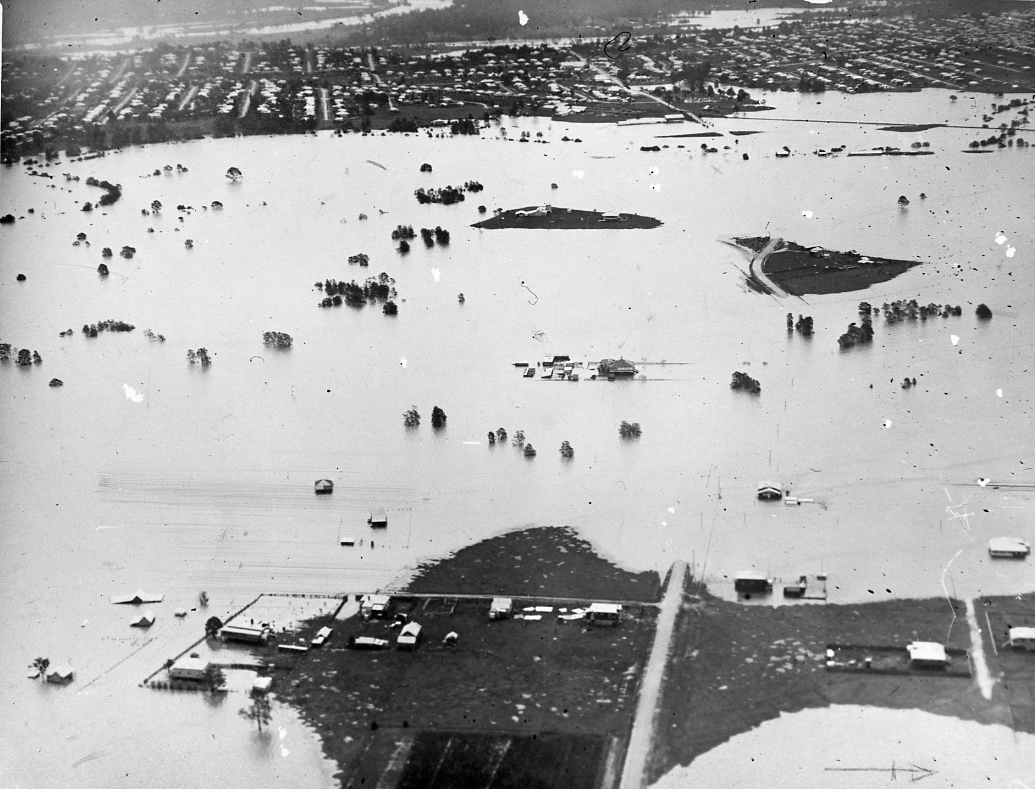
I’ll start by saying I grew up in Rocklea. While I don’t wish any harm or tragedy on the current residents, I think it’s important to share some observations based on my time there. I’m not aiming to turn this into a history lesson, but history offers valuable insights—especially regarding what has happened in Rocklea over the years.
Our family home was completely submerged in the 1974 floods, so I understand the trauma that people go through when disaster strikes. When the waters finally recede, the process of cleaning up is painful and exhausting. It’s truly devastating. Everything you own ends up covered in sticky chemical-laden mud, and no matter how much you wash, the stench seems to linger indefinitely. You live in dread with every approaching summer and wet season, fearing it could happen again.
I’m writing this to encourage people to make decisions that might at least reduce the impact of floods, so others don’t have to endure this trauma. I understand that residents are tired of being lectured on what they should or shouldn’t have done when choosing to live in the suburb of Rocklea. When your home is just beginning to recover from a devastating flood, the last thing you want is so-called experts offering unsolicited advice.
However, having been through it myself—and at the risk of facing criticism—I believe some hard truths need to be addressed. It’s clear that many people are becoming flood-weary, especially those whose homes have gone underwater multiple times. Trust me, I know the heartbreak and the toll it takes on families. The million-dollar question remains: will it happen again, and if so, when? Unfortunately, we all know the painfully obvious answer.
My own father never recovered from the stress of watching our home flood, and I firmly believe the trauma of the 1974 flood contributed to the dementia he later developed, ultimately leading to his death.
So, where do we go from here? This issue extends beyond Rocklea to other suburbs across Brisbane. Let’s be honest: if we know another flood is inevitable—whether this summer or sometime soon—what’s the long-term plan?
We can debate the role of climate change, write letters, and secure media coverage, but here we are, still worrying as the wet season approaches. The same issues resurface year after year. While some homes have been sold and replaced with parkland, creeks remain clogged and desperately need cleaning. Yet, nothing significant seems to change, and these problems will persist this year, next year, and the year after that.
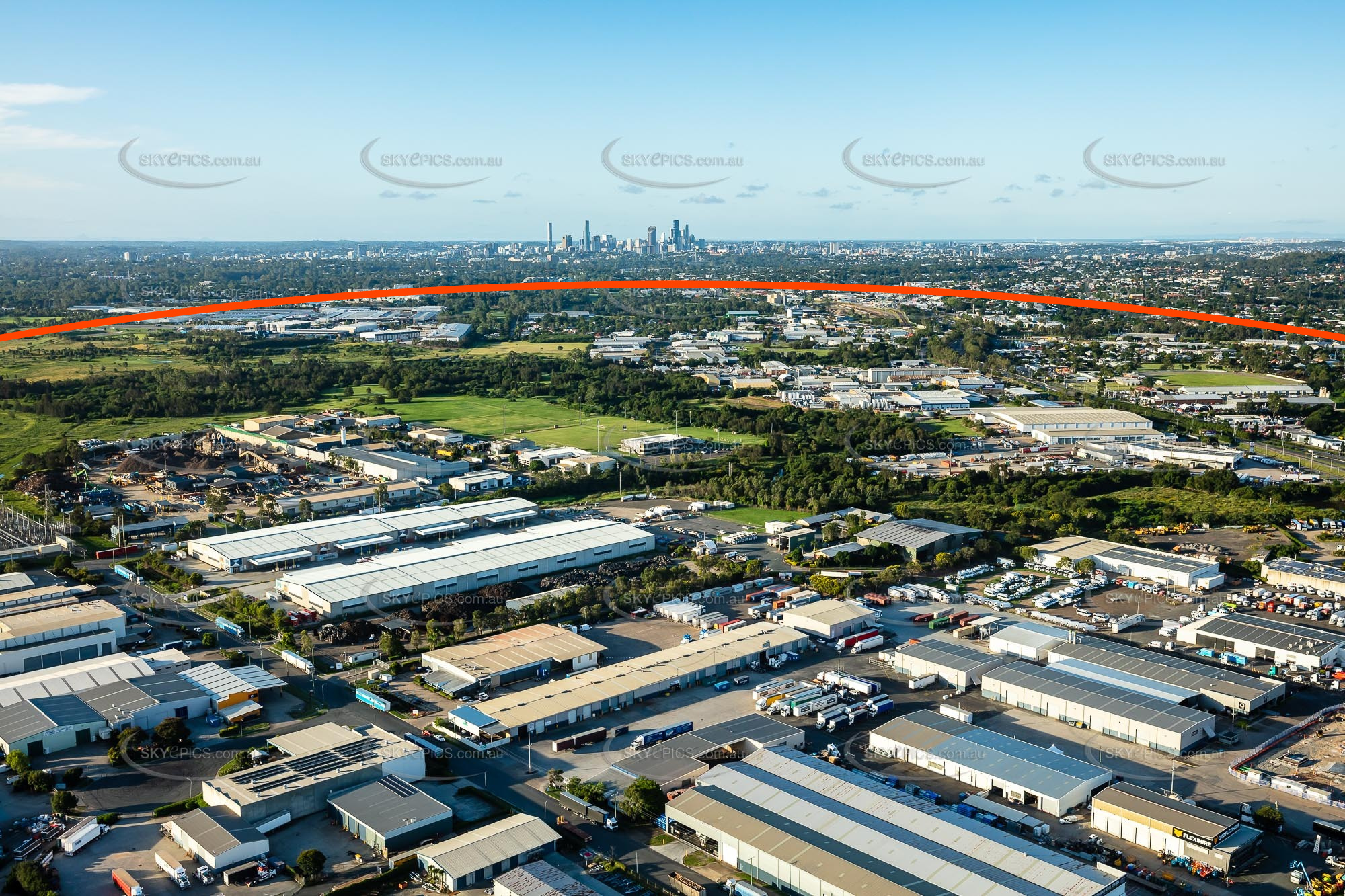
Meanwhile, real estate agents continue selling properties at outrageous prices for homes that could be submerged during the next flood. While the situation isn’t the fault of real estate agents—they are merely intermediaries—it is exacerbated by the dire state of the housing market. This market forces buyers to take whatever they can get, especially in a suburb like Rocklea, which is so close to Brisbane’s CBD. If not for its precarious position on a floodplain, Rocklea would be considered premium real estate, given its proximity to the city, excellent public transport links via bus & rail corridors, and future Olympic venues.
Rocklea has a lot to offer. But then you’re reminded of its location on a floodplain and the devastation heavy rain can bring.
For me, as a kid growing up, life in Rocklea was wonderful—until the 1974 Australia Day floods.
Before the Brisbane Markets arrived, Rocklea had a quiet little village vibe. The Brisbane Golf Course was there, but we were surrounded by farmland and grazing areas, with Rocky Water Holes Creek, Stable Swamp Creek, and Oxley Creek flowing through and around the suburb. The Ipswich Highway, then a modest two-lane road, divided residential Rocklea in half.
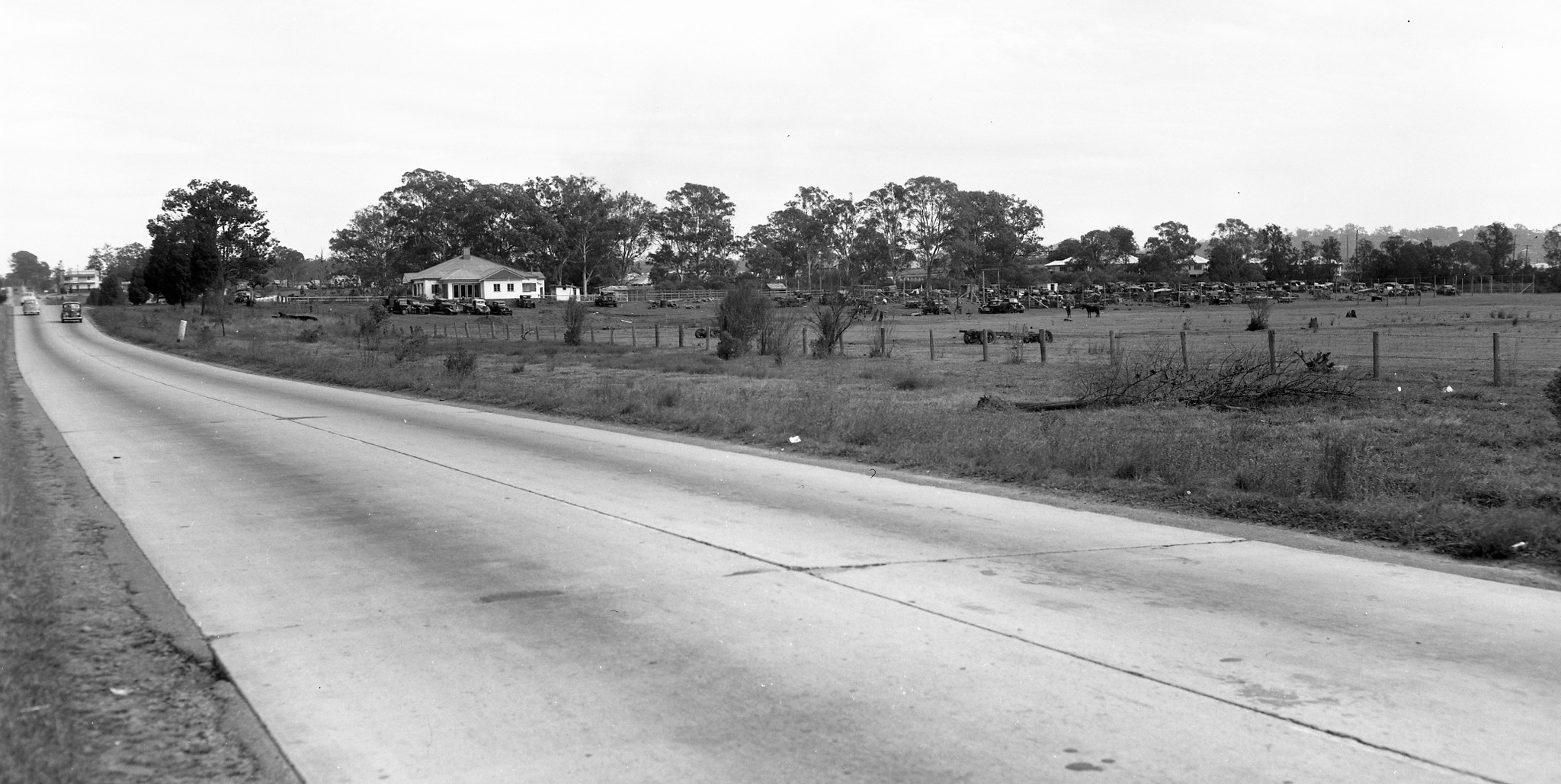
Back then, kids and families enjoyed a unique blend of suburban life with almost endless open space. We had access to sprawling lands that few in Brisbane could imagine, offering a safe, semi-rural environment to explore, all within 12 klms from the Brisbane CBD. This was the Rocklea we knew as kids growing up there.
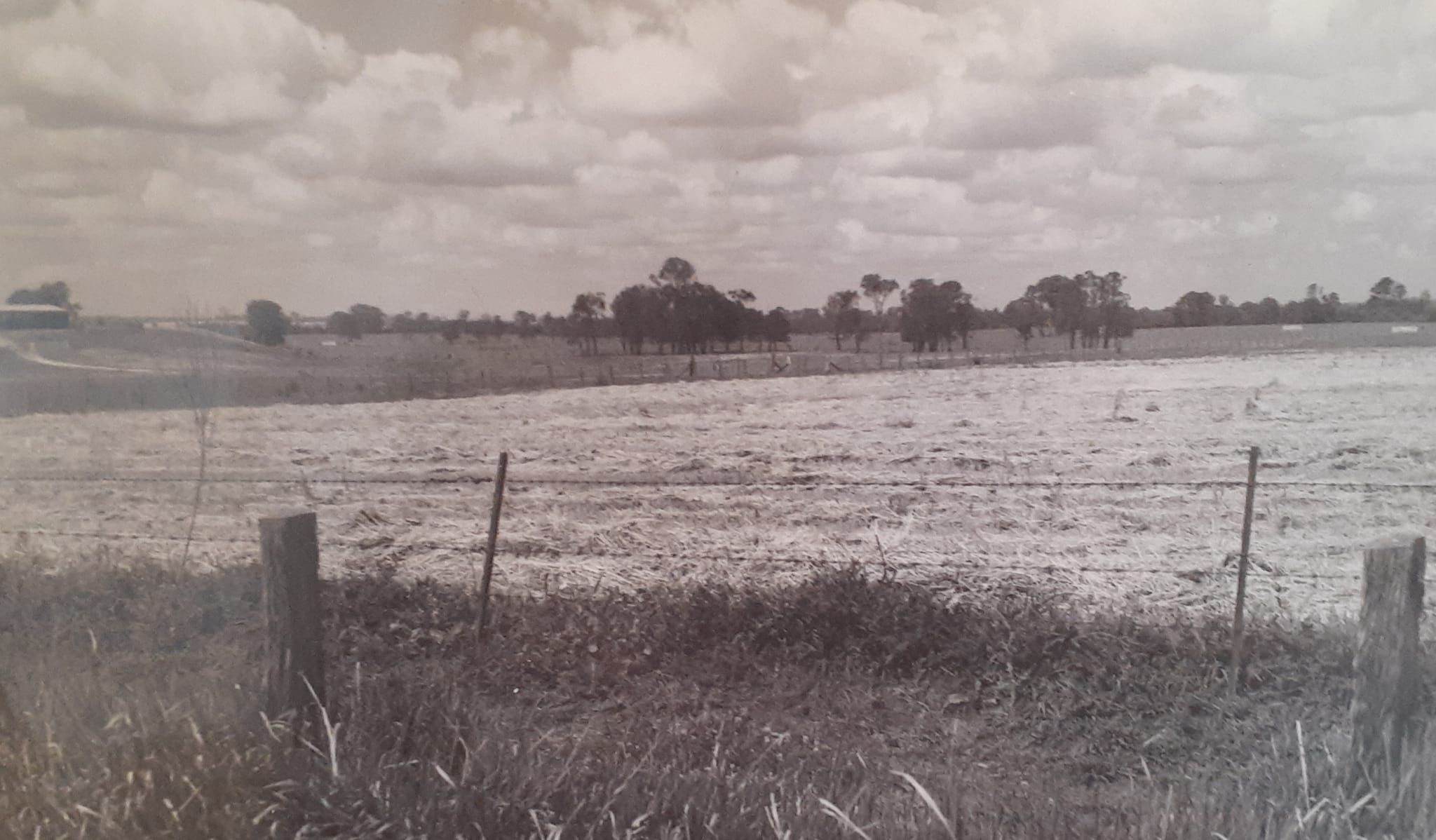

When the Brisbane Markets were relocated from Roma Street to Rocklea in 1964, it marked the beginning of significant change. Heavy trucks began moving up Sherwood Road, and the increased pollution and noise levels started driving people away. The Markets weren’t as large then, so we still had plenty of access to the sprawling paddocks and farmland. The heavy transport industry across Rocklea soon followed the fruit and vegetable markets, causing a dramatic increase in industrial traffic and pollution. As the traffic intensified, we had to adapt. That’s progress; nothing stays the same forever.
By 1974, I was 19, and Rocklea experienced a devastating flood, part of a widespread disaster that hit South East Queensland.
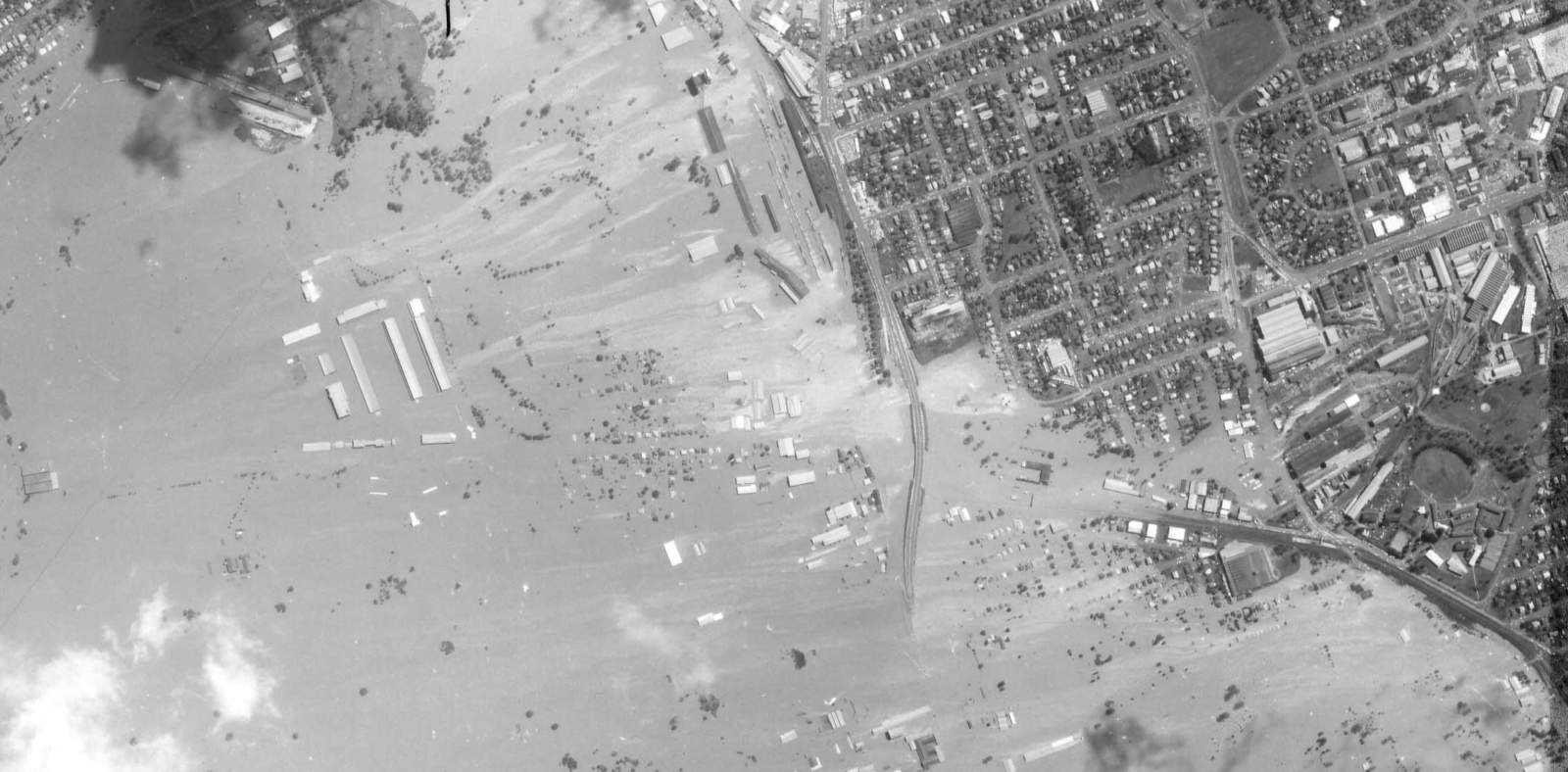
The flood opened my eyes to the impact of concentrated rainfall. Since then, with more floods hitting Rocklea, I’ve thought a lot about the changes that have increased the likelihood of future devastation in the suburb, issues that affect other low-lying areas around Southeast Queensland as well.
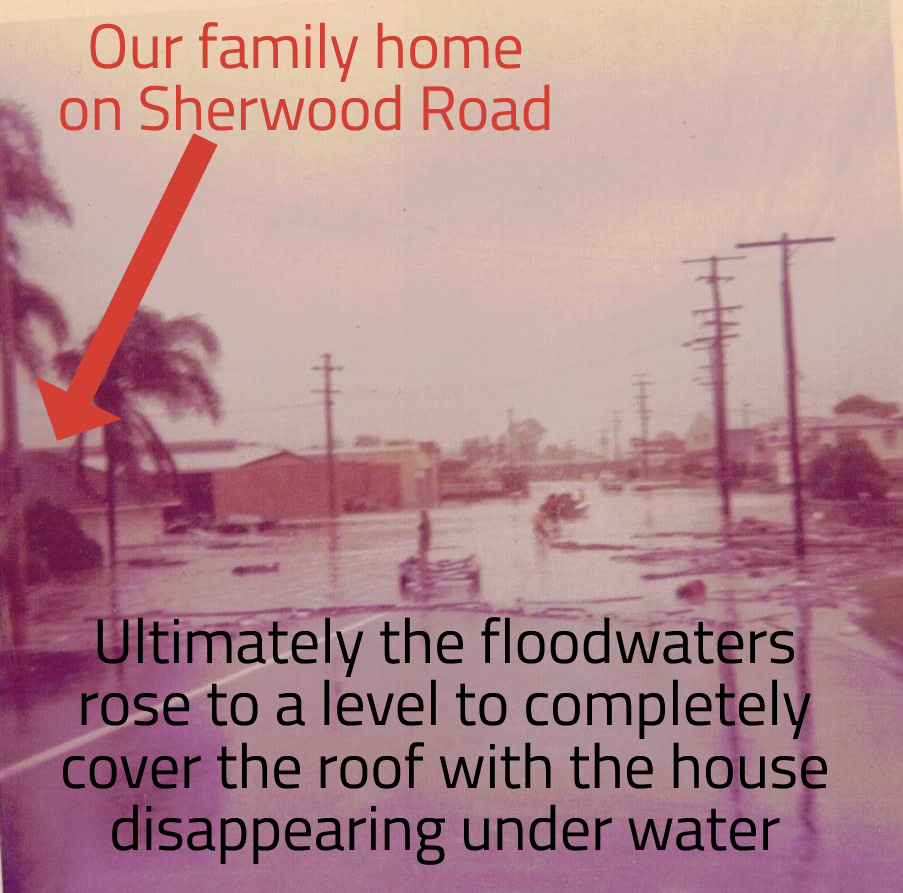

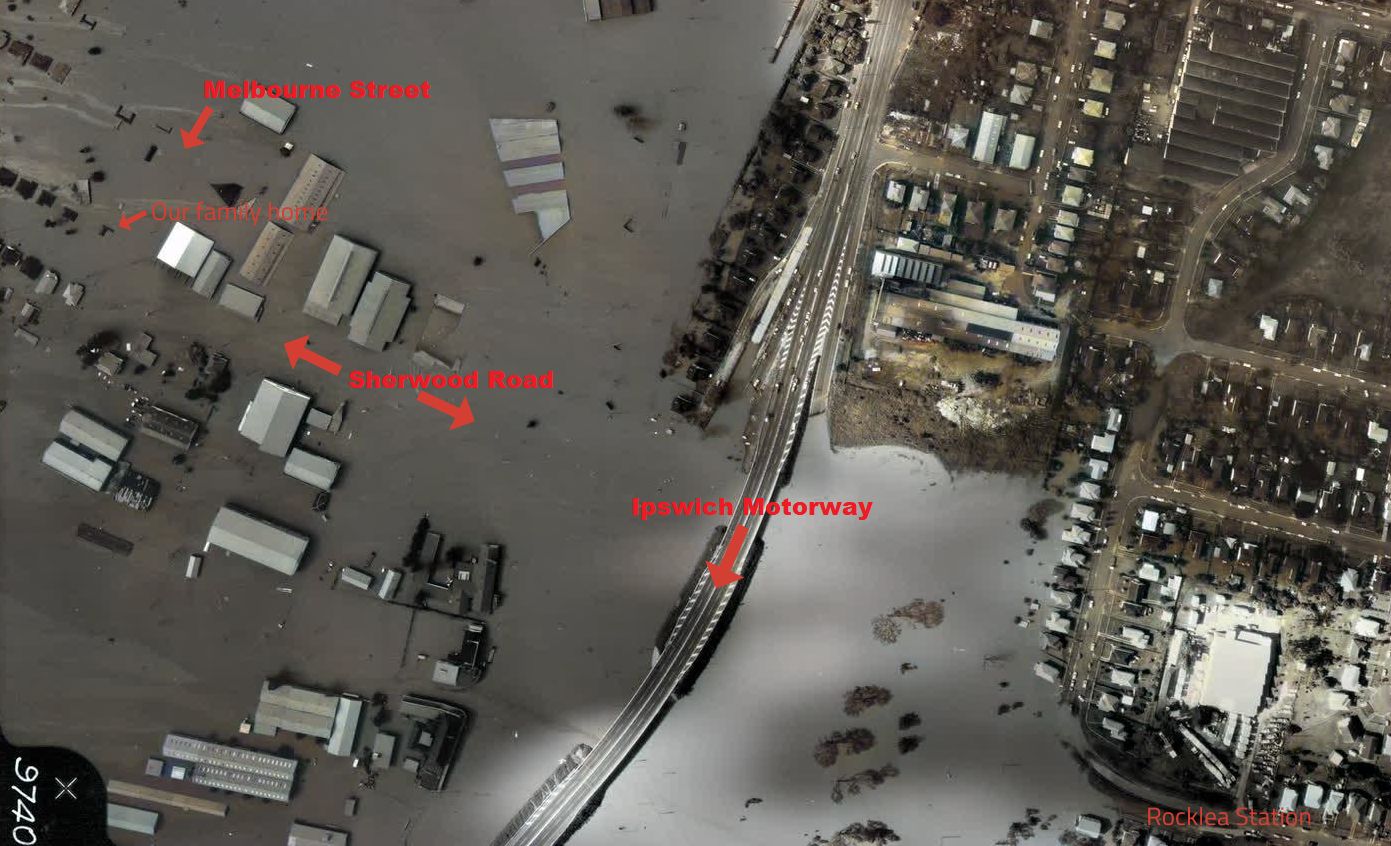
In the area where I grew up, Rocklea’s elevation was about 10 meters above sea level. The entire suburb was effectively built on a floodplain. The area shaded blue is all floodplain.
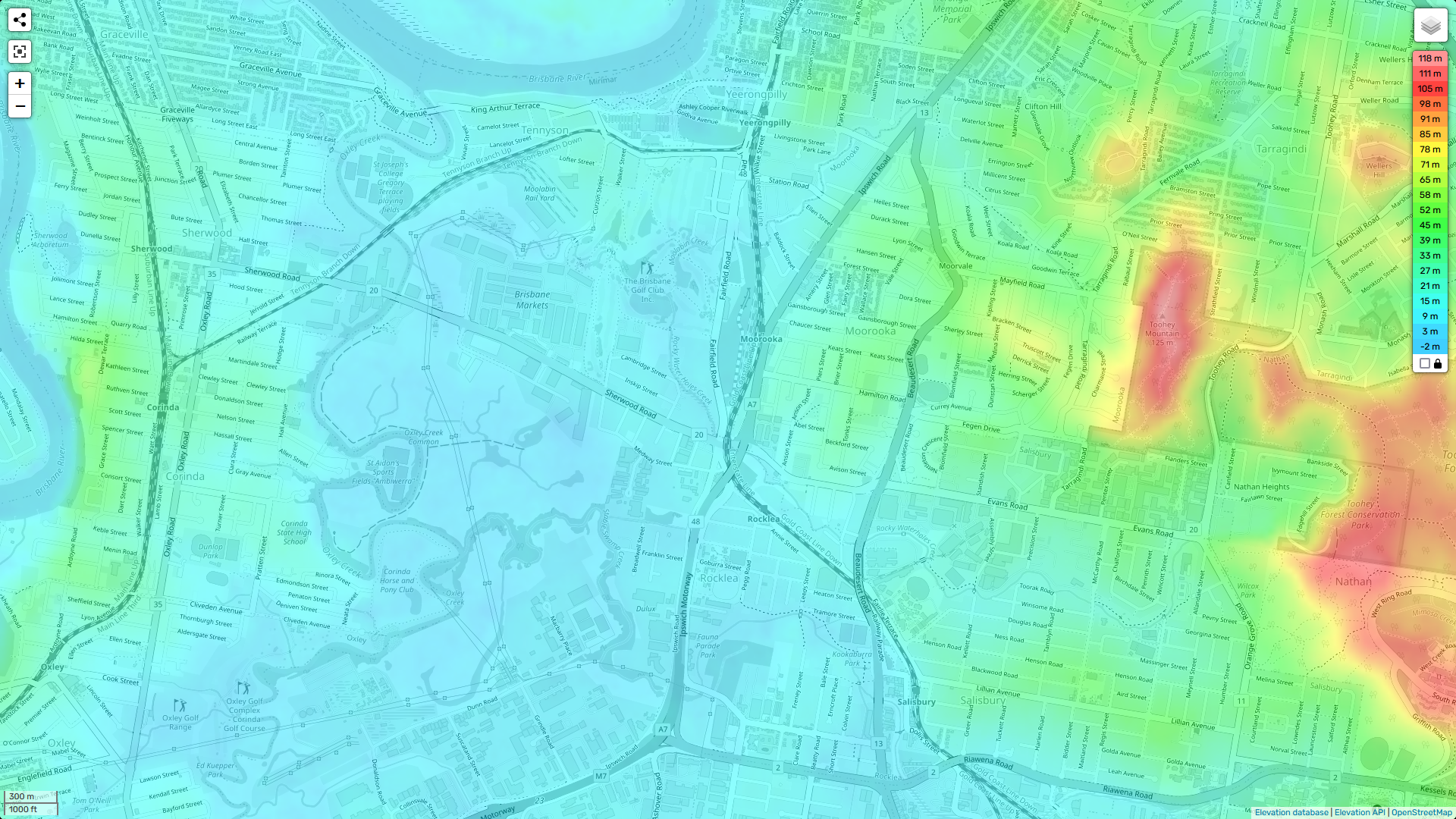
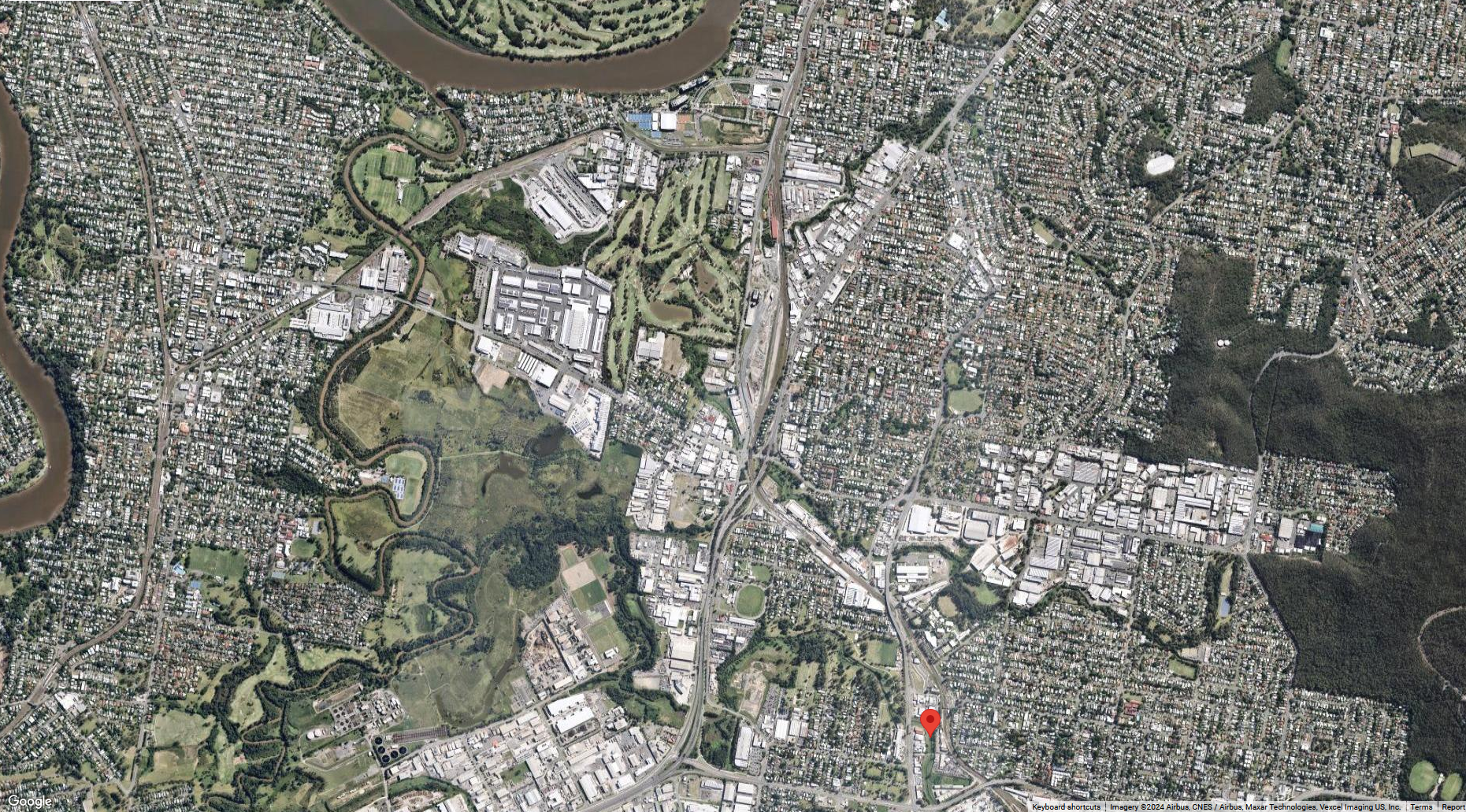
What amazes me is that, even after the 1974 flood, development along the creeks and waterways continued without restraint.
Many factors contribute to flooding: rainfall in the immediate area, the capacity for localized flooding to dissipate quickly, the condition of creeks and waterways (whether they are free of rubbish and overgrown vegetation), rain in distant catchments, the ability of dams to manage inflows, the influence of tides downstream during flooding, and the authorities’ responses to sudden weather events.
Weather patterns can change drastically from one event to the next. Sometimes catchment rainfall concentrated even a mere forty kilometers away from where the last major downpour occurred can drastically alter the flooding outcome for localities further downstream.
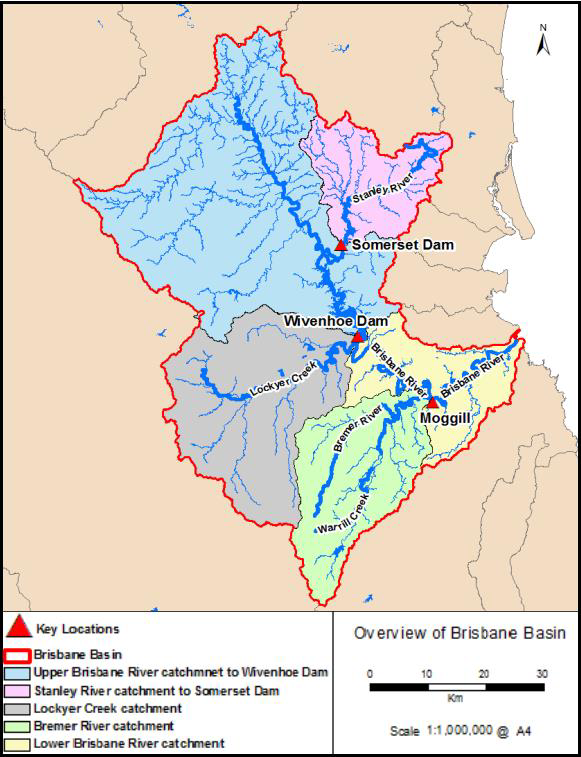
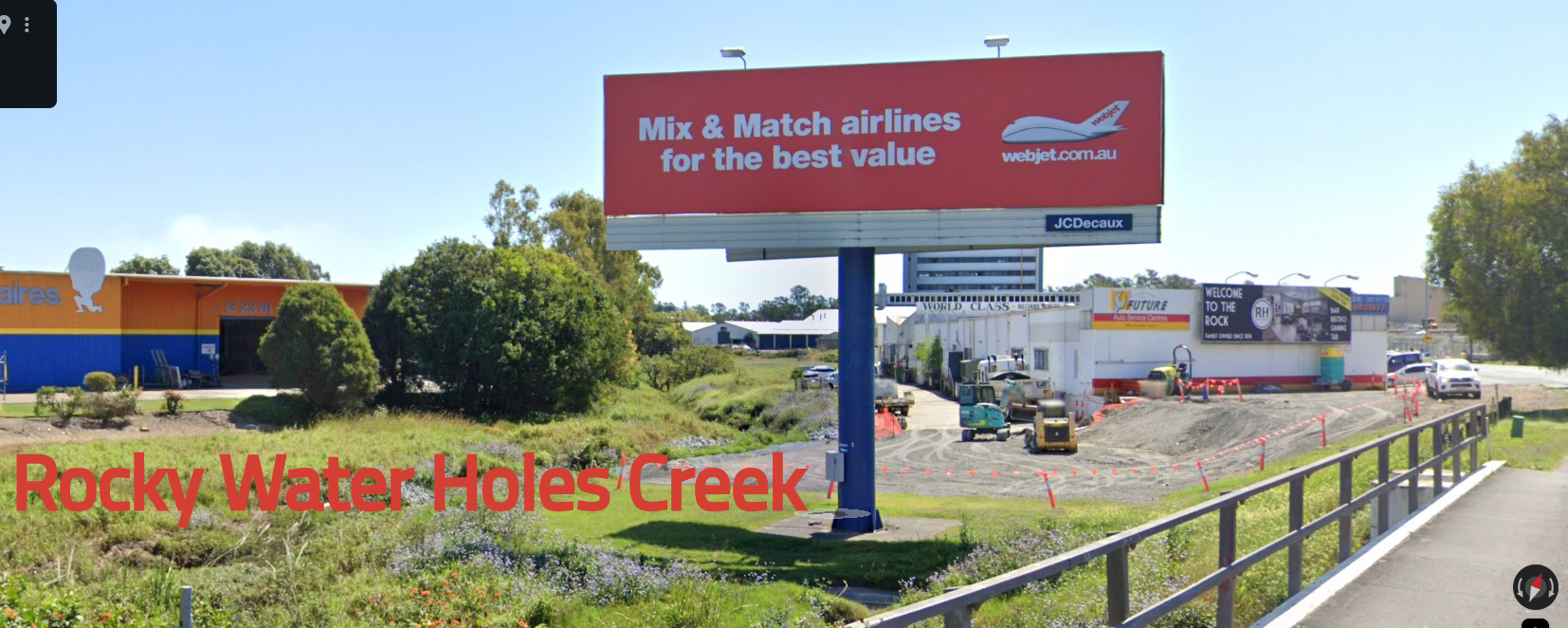
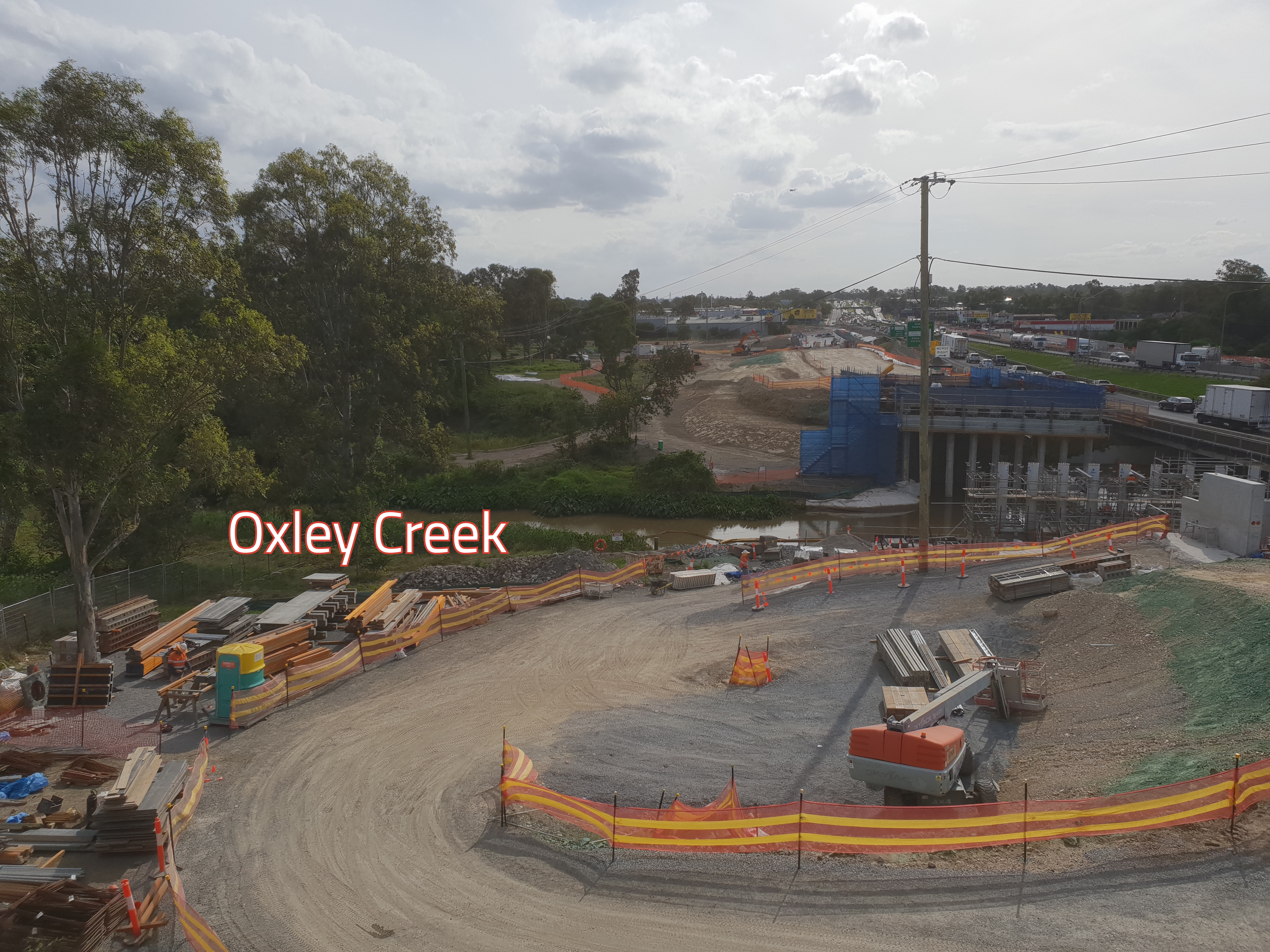
One of the most troubling issues is the continued building & infrastructure development along creeks and waterways in densely populated areas downstream. These developments obstruct natural drainage, making it harder for floodwaters to recede quickly.

Imagine Rocklea over a century ago: a floodplain with few buildings and only minimal farm structures. Heavy rains would come, the flat, low-lying plains would flood, and people would temporarily evacuate to higher ground before returning to clean up. It was an expected risk of living on a floodplain near waterways. Farmers accepted it as inevitable. This was long before dams like Somerset and Wivenhoe were constructed to mitigate flooding.
Today, when heavy rains hit Rocklea, nearby buildings and roads restrict local waterways, making it nearly impossible for floodwaters to dissipate quickly. Poor urban planning allows developers to construct buildings without follow-up assessments to monitor upstream and downstream flood risks. This issue affects other low-lying Brisbane suburbs as well, reducing the capacity of creeks and waterways to manage heavy rainfall, especially during intense storms. Sadly, these issues have been occurring since South Queensland was first settled, possibly due to prioritizing development over long-term planning. It’s hard to turn back time and make different choices now. But perhaps if planners had reserved more low-lying areas of Rocklea as parkland or nature reserves, the impact of flooding could have been reduced.


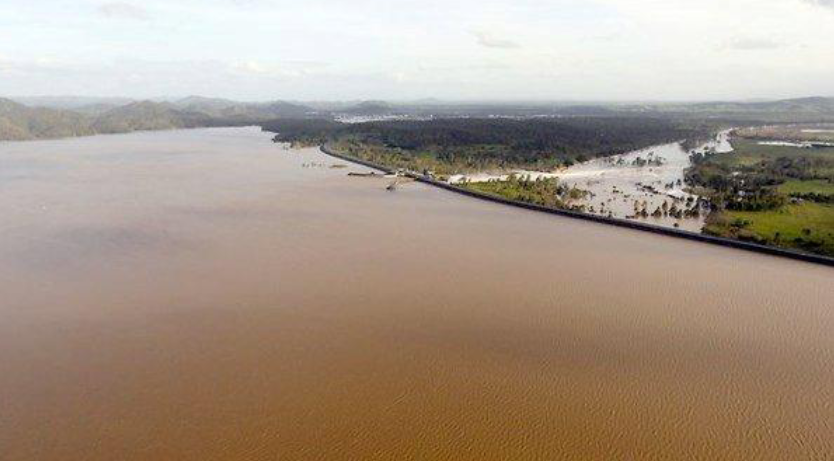
Add a major rain event in the upper Brisbane River catchments, and you have a double threat: massive inflows from upstream combined with slow-draining local waterways. Dam management is often mentioned as a potential solution to flooding, but it’s complicated. Imagine a bathtub filling with a tap that won’t shut off and a drain too small to keep up. Eventually, it will overflow—a scenario that played out in 2011 when Wivenhoe Dam reached capacity.
Following the 2011 flood, numerous cases were taken to court in which residents of heavily flooded areas sought compensation for damages and losses, alleging negligence by dam operators. However, the primary beneficiaries of these cases were the lawyers. Those who did receive compensation found it insufficient to fully restore their lives and homes.

Another issue arises as residents who have endured flood damage often decide to move to higher ground, vowing never to go through it again. Unfortunately, new residents unaware of the flood risks often take their place, leading to a cycle of repeated hardship. It’s easy for people to forget floods and other major weather events over time, and while some real estate agents offer honest information, others may not fully inform prospective buyers. I can’t stress this enough: anyone considering buying in Rocklea should thoroughly research the area’s flood history before making a decision. Do your due diligence. Ultimately, you are responsible for the decisions you make.
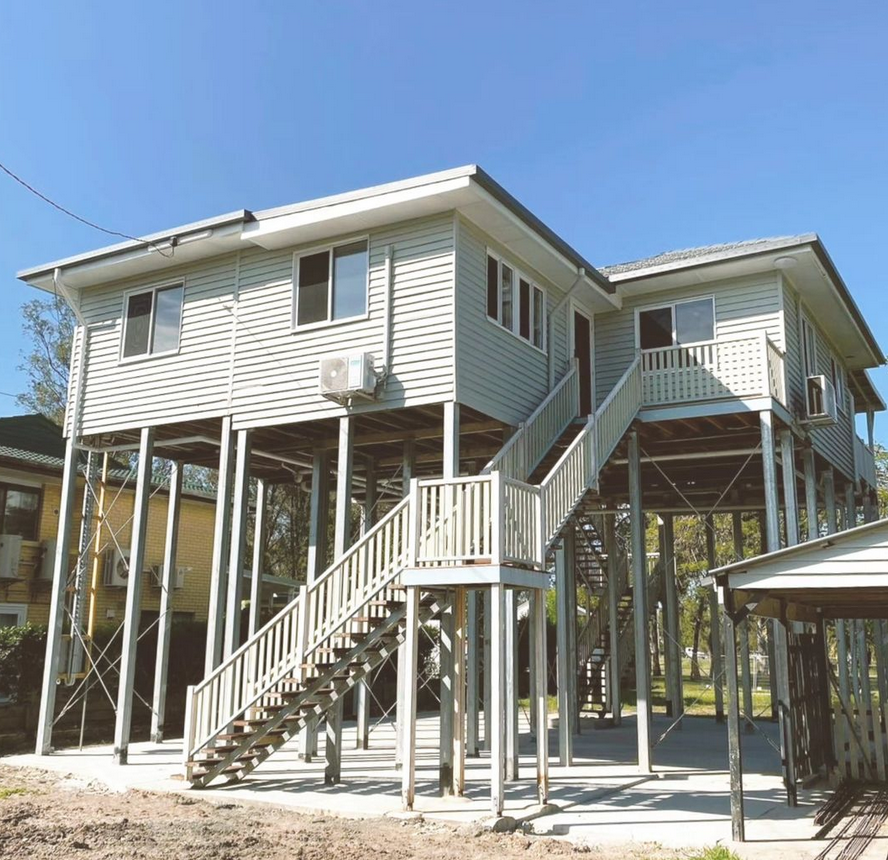
If you choose to elevate your house by six, eight, or more meters, be prepared: your property may still be vulnerable to future floods. You’ll face the ongoing challenge of transporting everything—groceries, sleeping children, furniture, and appliances—up to your raised living area. During floods, you’ll also need to manage isolation, power outages, and limited access to essential supplies. The area beneath your home, which now provides ample storage space, will inevitably accumulate belongings. However, when flooding strikes again, these possessions will need to be cleared out, or they risk being submerged and destroyed.
Remember, elevating your home does not guarantee that floodwaters will never reach your living space again.
During sudden floods, people frequently lose their vehicles to rising waters, forgetting to move them in the rush of the moment. News reports often show scenes of cars overtaken by floodwaters during heavy rains.

Insurance often provides people with a sense of security, a safety net for potential damage if another flood strikes their suburb. Unfortunately, insurance companies are now raising premiums to such high levels that some home & car owners can no longer afford coverage in flood-prone areas. Additionally, some insurers are outright refusing to cover properties in certain locations due to the high risk of flooding.
As a former resident who grew up on Sherwood Road, it’s great to see that some of the homes that went underwater in 1974 & following floods, have now been taken over in a buy back scheme and turned into parkland.

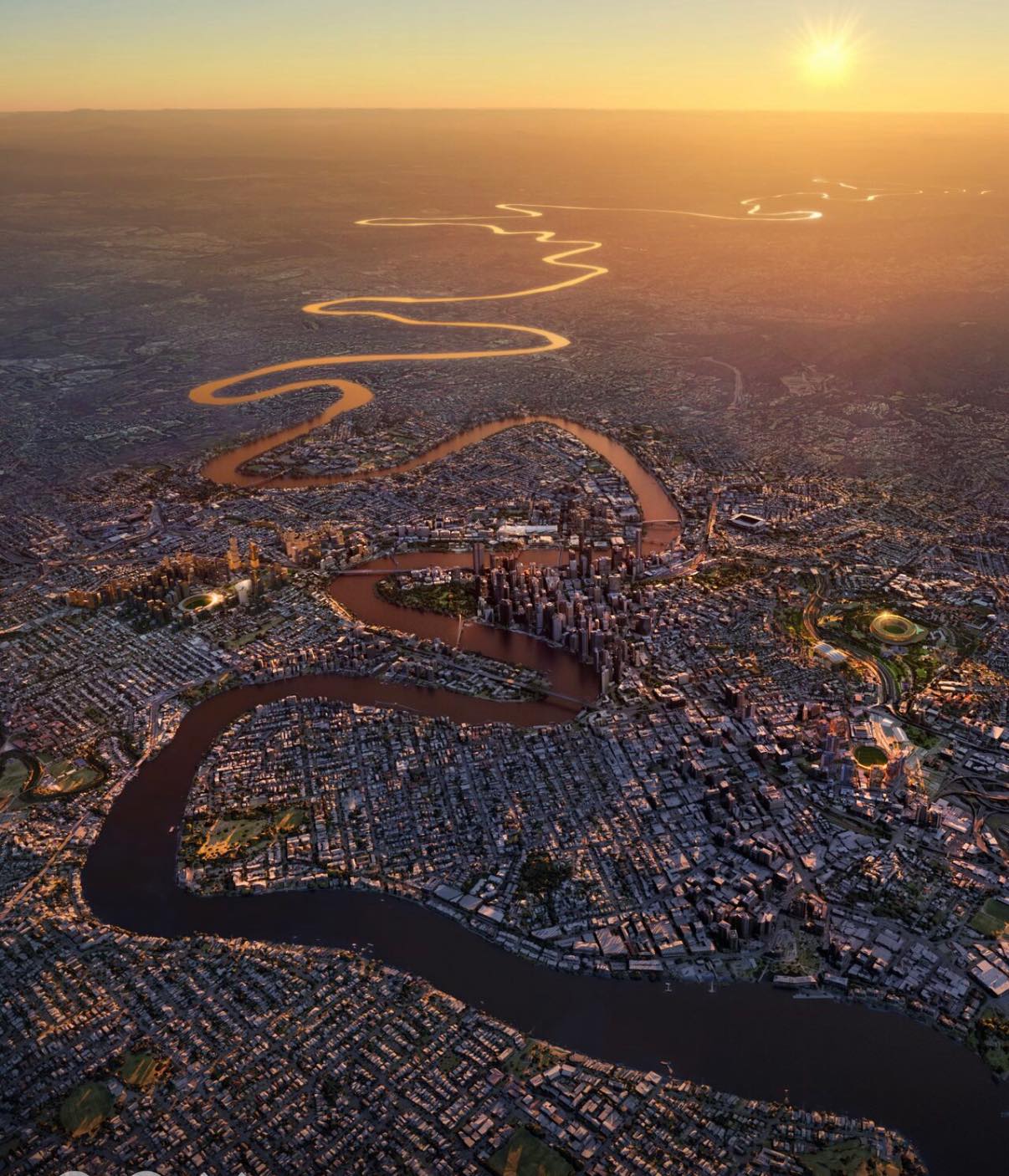
In the early days of Brisbane, when the town was founded in 1824, the Brisbane River served as the main transportation route. Later, when Ipswich was established, the river remained the primary method of transporting people, produce, and goods. Consequently, as the river became the transportation hub, nearly everyone settled along its banks.
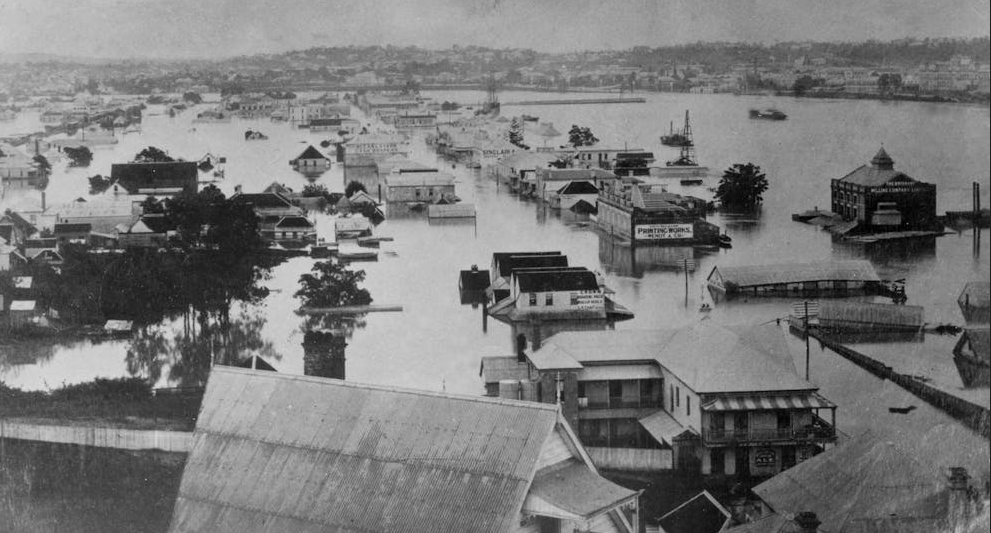

The early floods took a terrible toll on the population. The original Indigenous people warned the new settlers to build on higher ground, but their advice was ignored. As a result, much of Brisbane is built close to the river, situated on the Brisbane River floodplain.
Hindsight is a marvelous thing! If you’ve ever lived in a flood-prone area, you’ll likely never buy property in a suburb susceptible to flooding again. Similarly, if you’ve lived near a motorway, an airport, or a busy rail corridor, you’ll avoid settling near one again, given the choice.
At the time of writing this article in November 2024, with another summer wet season quickly approaching, the usual stories and media reports are starting to surface, as they do every year, about local and state governments beginning efforts to clean up creeks and waterways to improve drainage. While this is helpful, the issue of flooding is far more complex than simply clearing creek banks.

The larger problem lies in the development that has taken place over the last century. To address the ongoing flooding issues—made worse by climate change, which is increasing the frequency and intensity of these events—major political changes will be required. Is it acceptable to allow these catastrophic events to continue wreaking havoc and heartache across the suburb on a now fairly regular basis? It’s not just families and homes that suffer; these floods also devastate local industries.
Is there a magic solution to this ongoing conundrum? Bulldozing the entire residential area of Rocklea and turning it into a nature reserve to mitigate flood risks could be one answer, but it would likely cost billions of dollars. While this solution may sound idealistic, I’ll be the first to admit that it’s unlikely to happen anytime soon. So, we are left in the Groundhog Day scenario we currently face.
Another idea worth considering is my proposal to transform the residential area of Rocklea into a central venue for the 2032 Brisbane Olympics. Repurposing the suburb’s existing residential sections into sporting facilities that can serve as long-term venues post-Olympics presents a practical and innovative solution.
Rocklea’s proximity to public transport makes it an ideal location. The area, spanning from Rocky Water Holes Creek in the north to Archerfield Airport in the south, and from Beaudesert Road in the east to Oxley Creek in the west, holds substantial potential. With some creative planning, the waterways in the region could even be adapted for Olympic water sports events.
While only eight years remain until the Brisbane Olympics, careful planning could address three significant challenges simultaneously: mitigating the long-standing flood risks, providing world-class Olympic venues, and creating beautiful recreational reserves and parklands on Brisbane’s Southside—still conveniently close to the CBD. Although venues in flood-prone areas might seem less than ideal, appropriately designed sporting facilities can often be cleaned and restored quickly and affordably after flooding.
This strategy is far preferable to allowing residents to continue enduring the devastation of repeated floods. With thoughtful design and execution, Brisbane could acquire outstanding sporting venues that are well-connected to transport, logistics, and accommodation—all while significantly reducing future flood damage.
Could this scenario happen? Not while my arse points to the ground. Too many politicians, minority interest groups, environmental organizations, and anyone else looking to throw a spanner in the works would undoubtedly slow the process to a crawl. With only eight years until the 2032 Brisbane Olympics, the already short timeframe leaves little room for prolonged debates or bureaucratic delays.
And where would the existing residents go? That question alone would spark significant debate. If my proposal were to be adopted, there wouldn’t be much time to waste. Action would need to start immediately to have any chance of success.
I’ll admit, this last proposal is so far out of left field that it could never get past the decision-makers, who—let’s face it—do everything at a snail’s pace. In some ways, it feels like admitting defeat, offering no real solutions for the residents facing the relentless cycle of flooding. Compounding this is the legacy of 200 years of development since Brisbane was first settled, which only adds to the complexity of the problem.
In closing, I want to emphasize that there are countless opinions on why and how flooding occurs in Brisbane’s low-lying, flood-prone suburbs. This article reflects only my personal perspective, having lived in one such suburb, endured a flood, and faced the painful aftermath once the waters receded.
The loss of family records, photographs, and cherished possessions is perhaps the hardest part to bear after a flood. Beyond our own family home being inundated, my wife’s family home and my sister-in-law’s home were also affected. This has made us all too familiar with the ongoing impact of floods. Tragically, my father-in-law passed away the day after moving back into the family home following the 2011 flood.
Through our experiences, I can confidently say that the damage goes far beyond physical structures. It profoundly affects mental health and the overall well-being of flood victims. The scars—emotional and psychological—remain to this day; it is not something one quickly overcomes.
After years of repeated flooding and endless annual discussions about the issue in Rocklea, we seem no closer to a solution. The rains have started again, and this time they’ve arrived earlier than usual. It’s not even the wet season yet! Frankly, I’m exhausted by the constant complaints and lack of progress—and I don’t even live there anymore.
Some may wonder why I’m still interested, but I hold a deep affection for the place, the time, and the era where I grew up. I had many friends there, and both my wife’s family and mine lived just twelve houses apart. Like any suburb, Rocklea had its unique characters, whose names still come up when old friends gather. It was a place where reputations were forged and friendships cemented.
However, in my view, Rocklea should no longer be considered a residential area. While this may seem like a harsh and difficult decision, it is necessary for the well-being of everyone and for the area’s future viability, given its location on a floodplain.
Although this blog article is based on my experiences in Rocklea, it could apply to many other flood-prone areas around Brisbane. Every year, as the wet season approaches, I find myself tuning out from the endless flood discussions in the public arena. The place floods regularly, yet people seem blind to the reality.
Local residents continue lobbying politicians, calling radio and TV stations, trying to raise awareness among a flood-weary Brisbane population that has grown tired of the same conversations. Politicians aren’t gods—they can’t stop the floods, no matter how desperate or unrealistic some of the suggestions may seem. Media outlets, once again, are riding the wave of predictable flood coverage.
When the floods inevitably come, the same questions will be asked, and the same frustration will resurface: “Why wasn’t something done to prevent this?”
Tell me when you’ve found an answer to that question!
In some ways, a reasonable comparison could be made to a person arriving with a gun, pointing it at the local residents, ready to shoot. Do they just stand there and wait for it to happen, or do they duck for cover? I swear, some of them seem almost eager to take the inevitable bullet, adopting a victim mentality and demanding answers that don’t exist instead of getting out of the way.
It’s time to cut your losses, even if it means taking a financial hit. Your mental health will thank you.
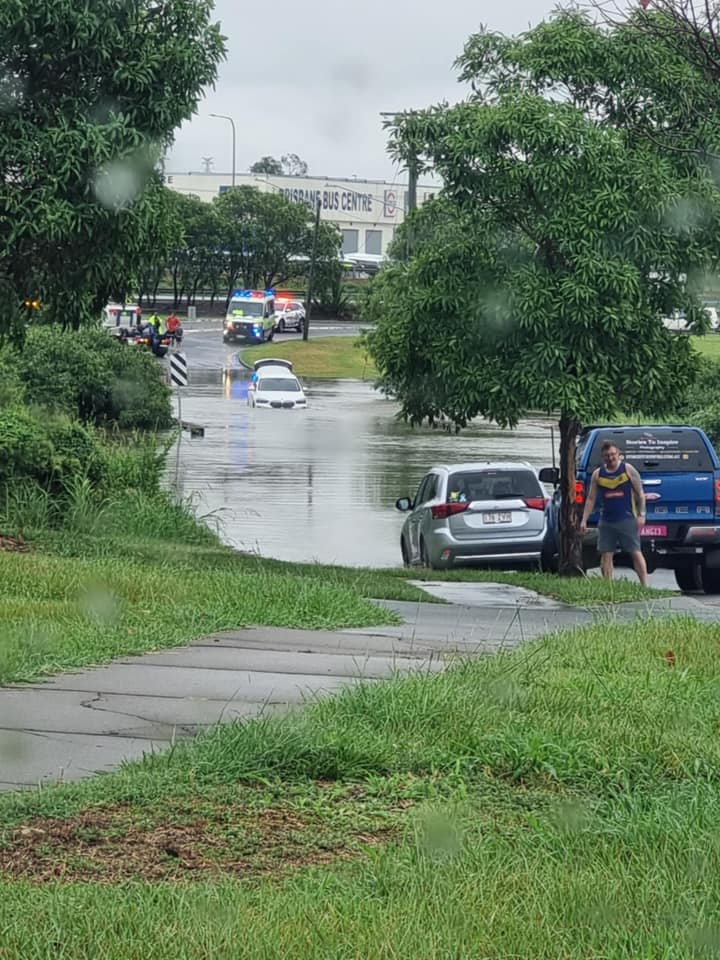
I urge others to consider the broader, long-term impacts of floods, which do not disappear as the water does.
Rocklea & many other Brisbane creek & riverside suburbs lie on a floodplain, making flooding inevitable. It’s not a question of if, but when.