Read time 45 minutes
EARLY CHILDHOOD & HERITAGE
I want to thank my daughter-in-law, Pankaj for providing the book that serves as the foundation of this story. I apologize if some of my responses to questions may overlap, as I might repeat certain details about my life across different question categories.
I was born at the Royal Brisbane and Women’s Hospital on 31st May 1954, though it was known as Brisbane General Hospital back then. It’s the same hospital where my mum, Vera Isabel Muller, completed her nursing training during the war years (WWII). I’m not sure what time of day I was born, but I vaguely remember Mum mentioning it was in the afternoon. Mum and Dad had bought the house at Rocklea in southside suburban Brisbane, the year before I was born.
I arrived in the hospital’s maternity ward at Herston, on Brisbane’s north side. As far as I know, there were no complications with my birth, although my brother liked to joke that I was dropped on my head.
They named me Alfred Geoffrey Bermingham. Mum and Dad came from families with a tradition of passing down names through generations. They intended for me to have the initials “A.G.” after my grandfather, A.G. Muller, my mum’s father. His name was Adolf Gustav Muller, but I’m glad they anglicized it. Growing up in post-WWII Brisbane with a name like Adolf wouldn’t have been easy.
My dad was born on 21st May 1906, in Boonah, Queensland. My mum was born on 24th March 1914, in Kalbar in the Fassifern Valley, Queensland—about 10 kilometers from Boonah.
Dad was 48, and Mum was 40 when I was born.
Mum grew up on the family farm, in the Fassifern Valley. Her family were all from a German Methodist background. She went to school at the Fassifern Valley State School (that no longer exists). Her grandfather Johannes Muller had donated a piece of land for the school to be built, near his farm. After primary school, Mum went to Ipswich High School, on her fathers insistance. She did the usual things that country kids did as a child. Rode their horses, climbed the local mountains & had many friends in the valley & around Boonah. She worked at the local Boonah department store in town, Humphrey’s & Tow, after she finished High School. She grew up as a Methodist & was very involved in the Boonah Methodist Church, teaching Sunday School & singing in the church choir. Mum moved to Brisbane in about 1937 & trained to be a nurse at Brisbane General Hospital during the war years. See https://porsche91722.wordpress.com/2023/08/17/6974/ for the story on Vera Isabel Muller .
Dad grew up in Boonah & went to Boonah State School (primary), Nudgee Junior College & Boonah Rural School. Dads family were from an Irish Catholic background. His first job on leaving school was sweeping floors & general gopher at Boonah Post Office. He then trained as an electrician/ telephone technician & worked all over the state as a linesman/ technician & later became a draughtsman. He only had one employer for his entire working life, the PMG (Telstra). Dad’s hobby was working on anything electronic, pulling apart & working & maintainance on radio’s & TV’s. He played a bit of golf & bowls later in life. He was also interested in community service in local groups. See https://porsche91722.wordpress.com/2023/02/22/peter-bermingham/ for the story on John Francis Bermingham.
Although my parents both grew up in the Fassifern Valley, they only actually got together as a couple when they were coming home to visit their respective families & met on the train back to Boonah. Dad had been working all over the state of Queensland, & Mum was a nurse working in Brisbane. I’m fairly sure they would have known about each other prior to that. Boonah was a small town. Everyone knew each other. Dad was 43 & Mum was 35 when they were married. Dad was a divorcee who had been drafted into the Army as a telephone technician/linesman as part of the large team/essential service to help keep the lines of communication going across the state during WW2 & Mum was a wartime career nurse.
I can accurately trace my family back to when my ancestors first arrived in Australia, a few generations ago. My ancestors are practically all from either an Irish or German background. We do have one English convict ancestor. I do have records on our family tree going back many hundreds of years on the German side. On the Irish side however, about the early 1800’s is the earliest, I can trace back to. See https://porsche91722.wordpress.com/2023/07/29/our-ancestry/ for a more detailed report on my ancestors. On my blog there are also stories on each of my family ancestors.
My maternal grandparents were Adolf Gustav Muller & Annie Lobegeiger. They were a farming family who lived in the Fassifern Valley. A G or Alf as he was known became a politician, living in Boonah. See his story here https://porsche91722.wordpress.com/2023/08/26/a-g-muller/ My grandmother Annie was the daughter of a farmer from the Fassifern Valley too. See Annie’s story here https://porsche91722.wordpress.com/2023/04/04/carl-johanna-krueger-emilie-albertine-louise-lobergeigerannie-muller-vera-bermingham/ To us 12 x grandchildren, our grandparents were simply Papa & Nana Muller.
My paternal grandparents were Edward (Ned) Bermingham & Catherine Mary Corcoran. Ned grew up on a farm at South Pine River, on Brisbane’s northside. He died ten years before I was born. Catherine Corcoran grew up on her parents grazing property at Croftby in the Fassifern Valley. Ned was a carpenter/cabinet maker & they lived in Boonah. See Ned & Catherine’s story on the same link as per the story for my Dad John Francis Bermingham https://porsche91722.wordpress.com/2023/02/22/peter-bermingham/ https://porsche91722.com/2025/11/06/kates-story/
I have two brothers & one sister. John Francis Leslie Bermingham, born 6 August 1931 Goodiwindi, Western Queensland. Died 2016. John worked in the Air Force for all of his life. Robert Edward Peter Bermingham, born 25 September 1949 Ayr Nth Queensland. Robert worked in radio as an announcer & station manager all his life. My sister Jennifer Bermingham was born in Ipswich 23 August 1951. Jen was a school teacher (science & maths).
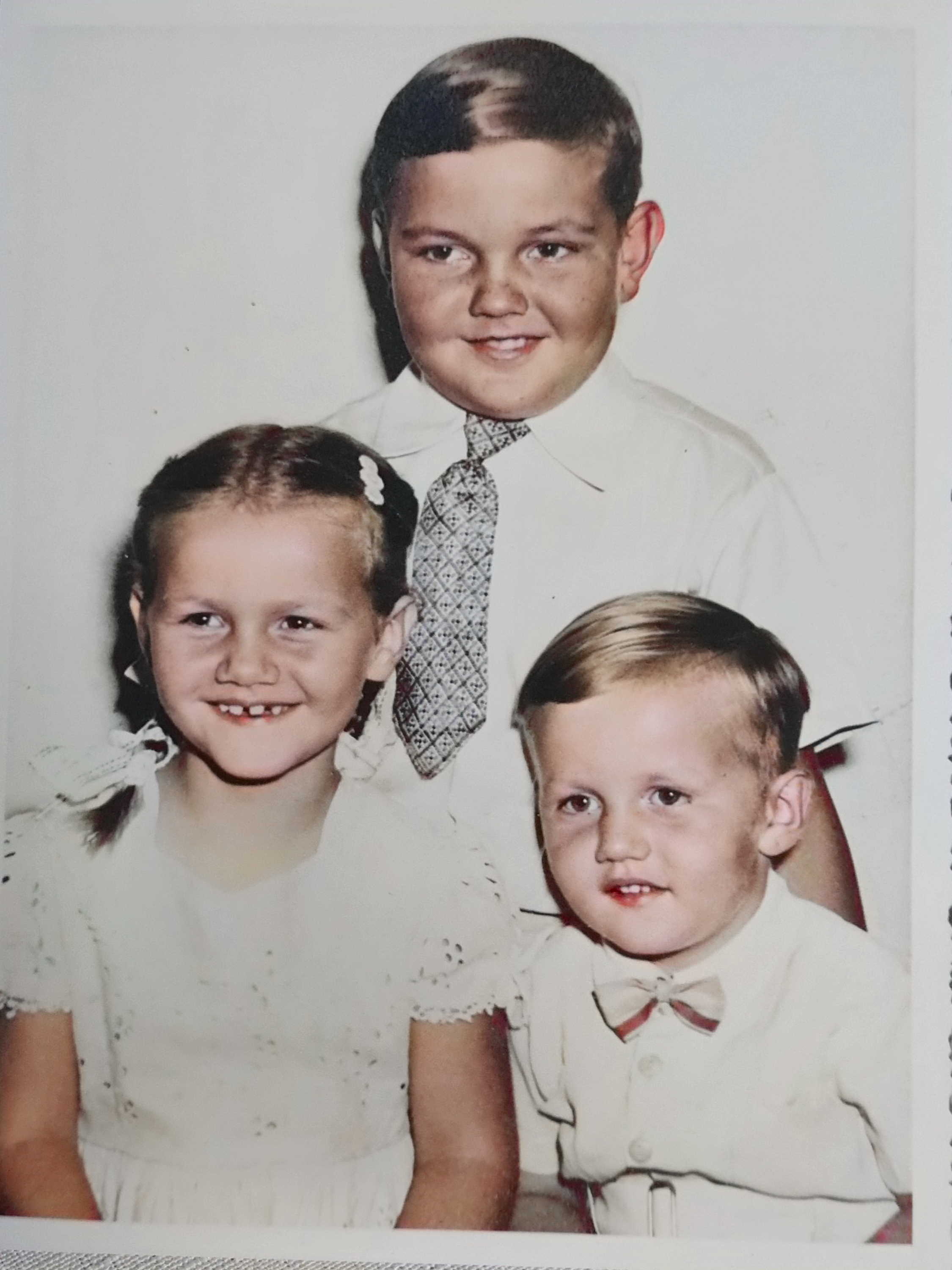
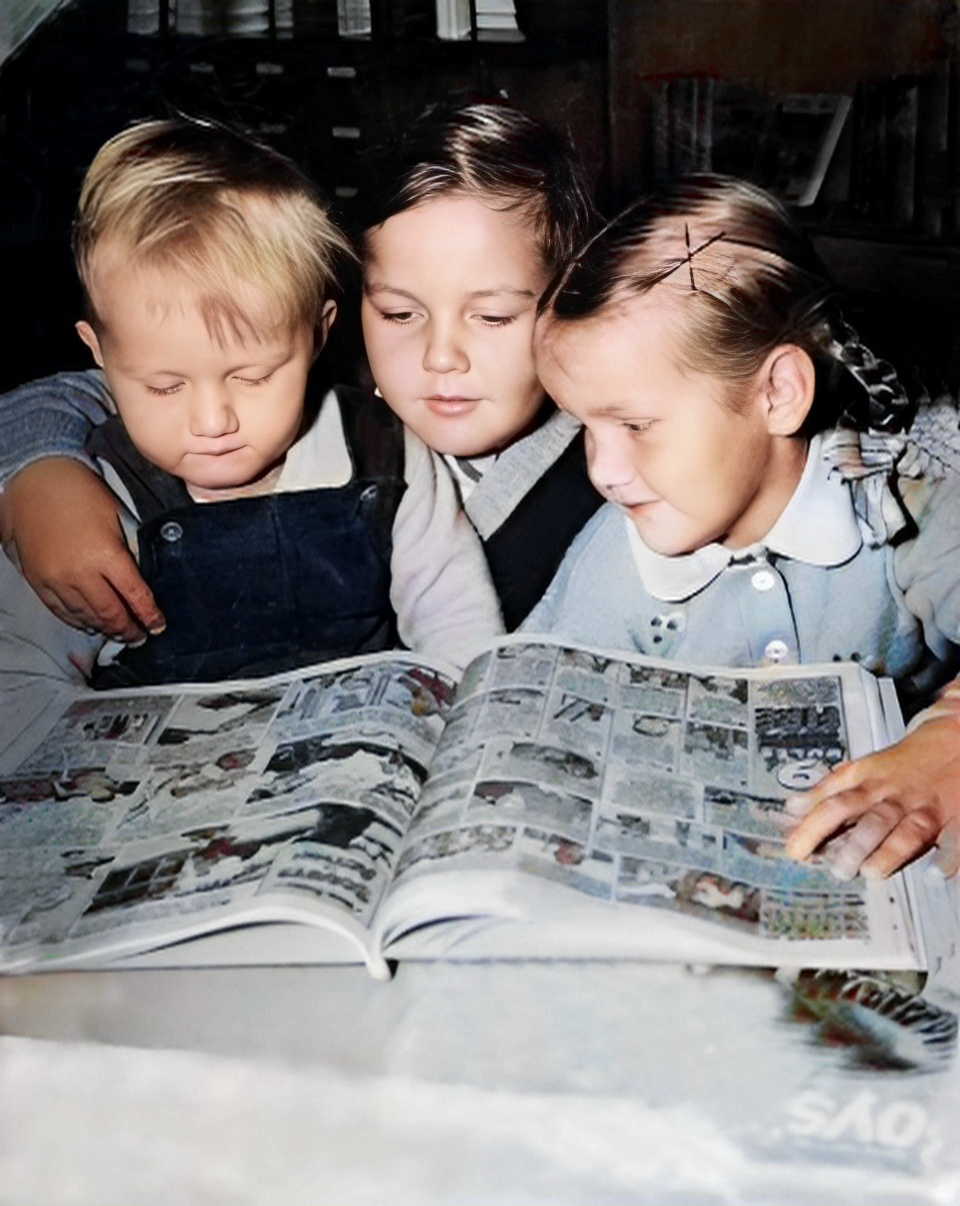
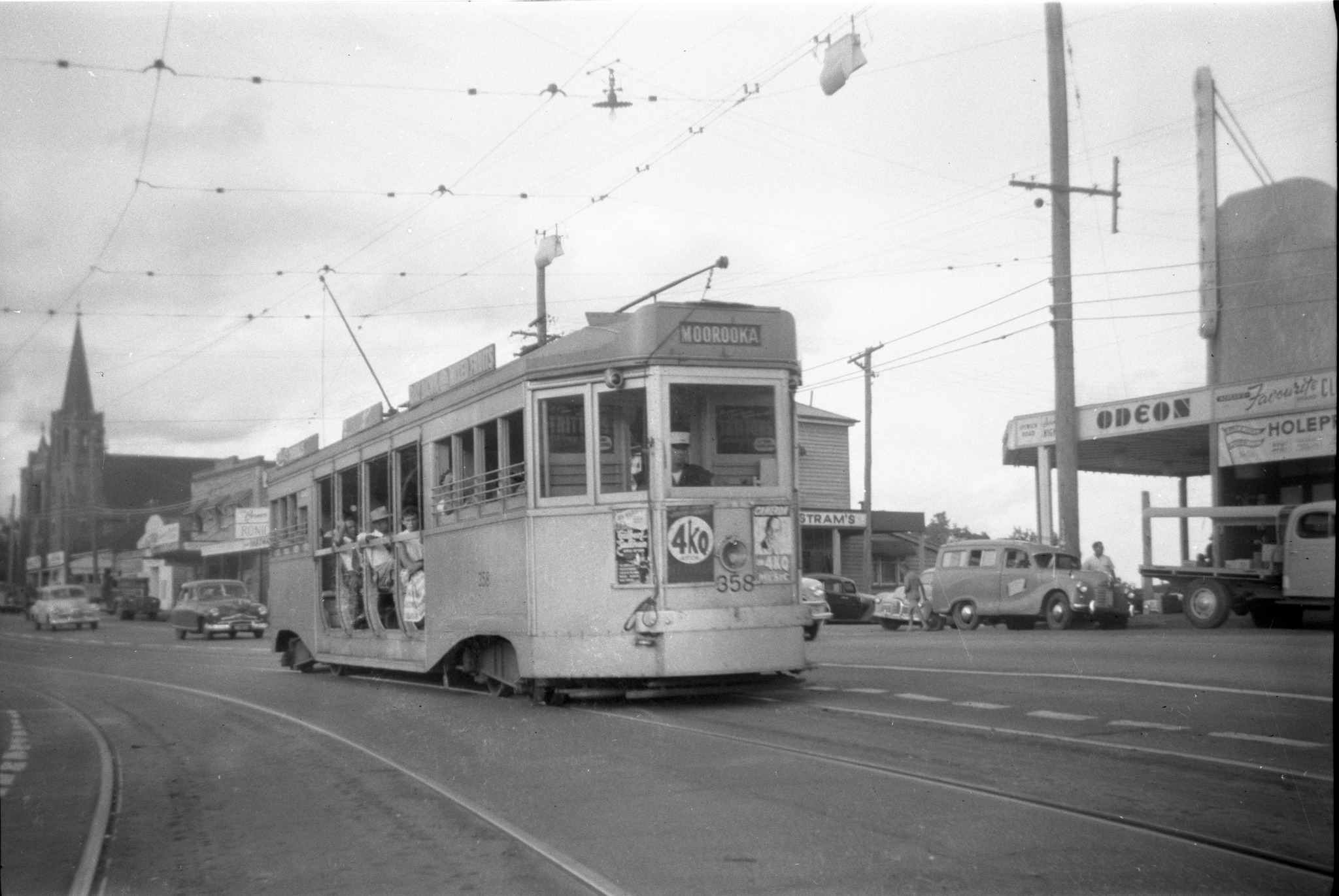
My earliest memories as a child were going to town in Brisbane on the trams, hanging on to Mums dress, so I’m thinking I was about 3 years old. I can remember going to Yeronga Kindergarten & I can remember my first day of school at Sherwood, climbing the stairs to go into class for the first time & meeting new friends. Our family wasn’t good at taking photographs. There are a handfull still around of us as kids. I know I was very shy. But as far as I know, I was a happy kid.
None of our family could speak another language.
We always celebrated birthdays & Christmas & Easter. We often visited relatives at these times. Going to Boonah to see the grandparents & aunties & uncles & cousins.
Mum & Dad were fairly strict about bedtime, when we were little, 0-7. As we got older, over 8, we were allowed to stay up later. As far as any family resemblance is concerned, I think I have touches of both sides, the lack of hair from the male family on Mum’s side, but also similar head shape & family resemblances to my Dad’s side. Personality is a tough one! I was fairly shy as a child, but as I grew older, I was more outgoing in my personality. Dad’s side were always a bit quieter, so maybe my Mum’s side.
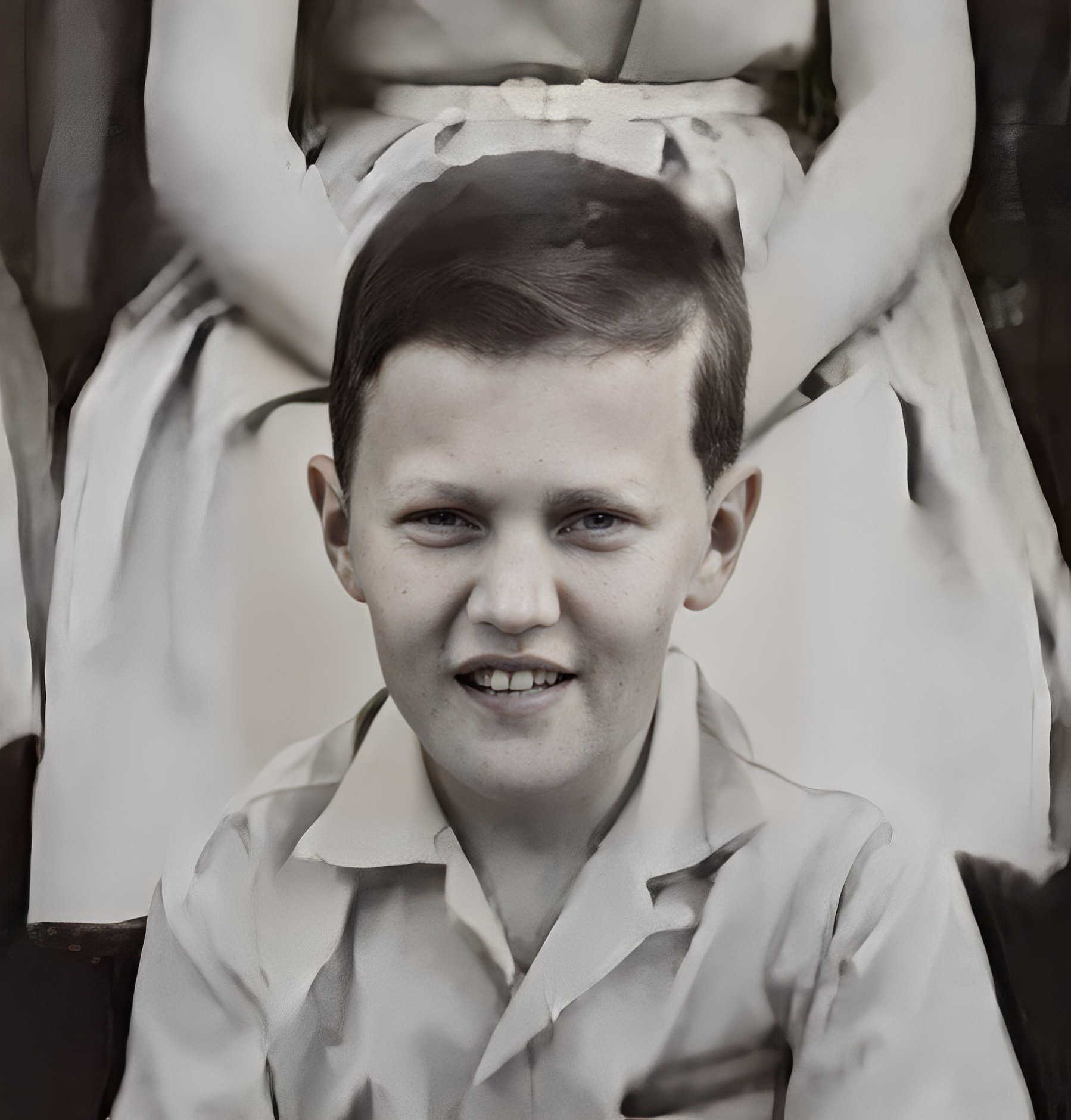
Veterans – We had many family members who served in our armed forces, including a couple who died in WWI and some who returned. Quite a few also served in WWII. Wilhelm Caspar Muller died in Palestine during WWI. Sadly, due to anti-German sentiment at the time, Wilhelm enlisted in the AIF as William Casper Miller, changing his name from Wilhelm to William, Caspar to Casper, and Muller to Miller to anglicize it. This was common in both WWI and WWII among young Australian boys of German heritage, but who wanted to enlist and fight for their country – Australia. As I mentioned, there were many others: John Francis Leslie Bermingham, Selwyn John Muller, Nicholas Vincent Corcoran, John Cecil Corcoran, William Thomas Slater, Herbert Harold Kubler, John Lobegeiger, and Alexander Krueger.
Wacky relatives – That’s a good question—especially since the term “wacky” can cover a broad spectrum, from odd or eccentric to downright bizarre. In our family, we had three uncles with mental impairments, which is a tragic story in itself. You can read more about it here.
My Aunt Mavis remarried after the death of her first husband, Jim Finney. Her second husband, Maurie Bell, was a top bloke—kind-hearted and a little eccentric. Maurie was one of the kindest people I’ve ever met; he never spoke poorly of anyone. He had served in the army during World War II and explored many different career paths over the years. He was also a gifted storyteller.
As for some of the more unusual family members still around… well, I won’t name names. Who knows—they probably think I’m the odd one!
What favorite toys did you have as a child? Just the usual things for that time. I had toy guns as a kid. We all had bikes, scooters, roller skates, and skateboards. We rode our bikes everywhere. I did have a train set when I was younger, but I was mainly interested in landscaping – building mountains, bridges, tunnels, houses, stations, etc rather than playing trains. As soon as I finished it, I sold the whole thing.
What type of food did we have when we were young – We grew up in an era of basic cooking – meat & three veg. Mum was a good cook. I think my favorite was a good old roast dinner, which she would usually cook for Sunday lunch. When we were kids, there was no fast food outlets. Chinese & Italian food were just starting to become popular, with cafes popping up around the suburbs.
I grew up in post-war southside Brisbane in the suburb of Rocklea. Lots of migrant families. Local mates, Noel, Gary & Mark Dean, Malcolm & Alan Rowe, Malcolm & Mark Barnes, Peter Collins, Peter Forbes, Greg & John Gibson, Debra & Gail Smith, Carla & Billy Robinson, Tom & Sylvia Ward, Wally & Luba Petchinook, Peter Czerks, Richard Pannick, Johnsons, French’s, Custers, Fergusons, Titheridges, the Chedasco boys. Every family had a tribe of kids. We knew practically every kid in the neighborhood & went to school with all of them. There were approximately 100 kids in our immediate area, all around our age group. I haven’t seen any of them for a long long time. The disastrous 1974 Brisbane floods broke up the neighborhood & separated many of us. I married one of the locals – your Grandma. Her family lived 12 houses up from our place on Sherwood Road.
The suburb of Rocklea was a great place to grow up. In the 1950s and 60s, it was quite a large suburb in terms of area, divided into two smaller residential sections by the main Ipswich Highway. The industrial area along Ipswich Road, heading toward Oxley, was just beginning to develop at that time. We lived on the western residential side. I knew a few kids who lived on the eastern side of Rocklea, near the railway station. Back then, the western side of Rocklea still had a lot of open farmland stretching from the golf course up to Oxley Creek, and extending towards Sherwood, Graceville, and west to Oxley. As kids, we loved exploring the open, flat farmlands, roaming far and wide across the creeks and the golf course—where we occasionally had to dodge golf balls.
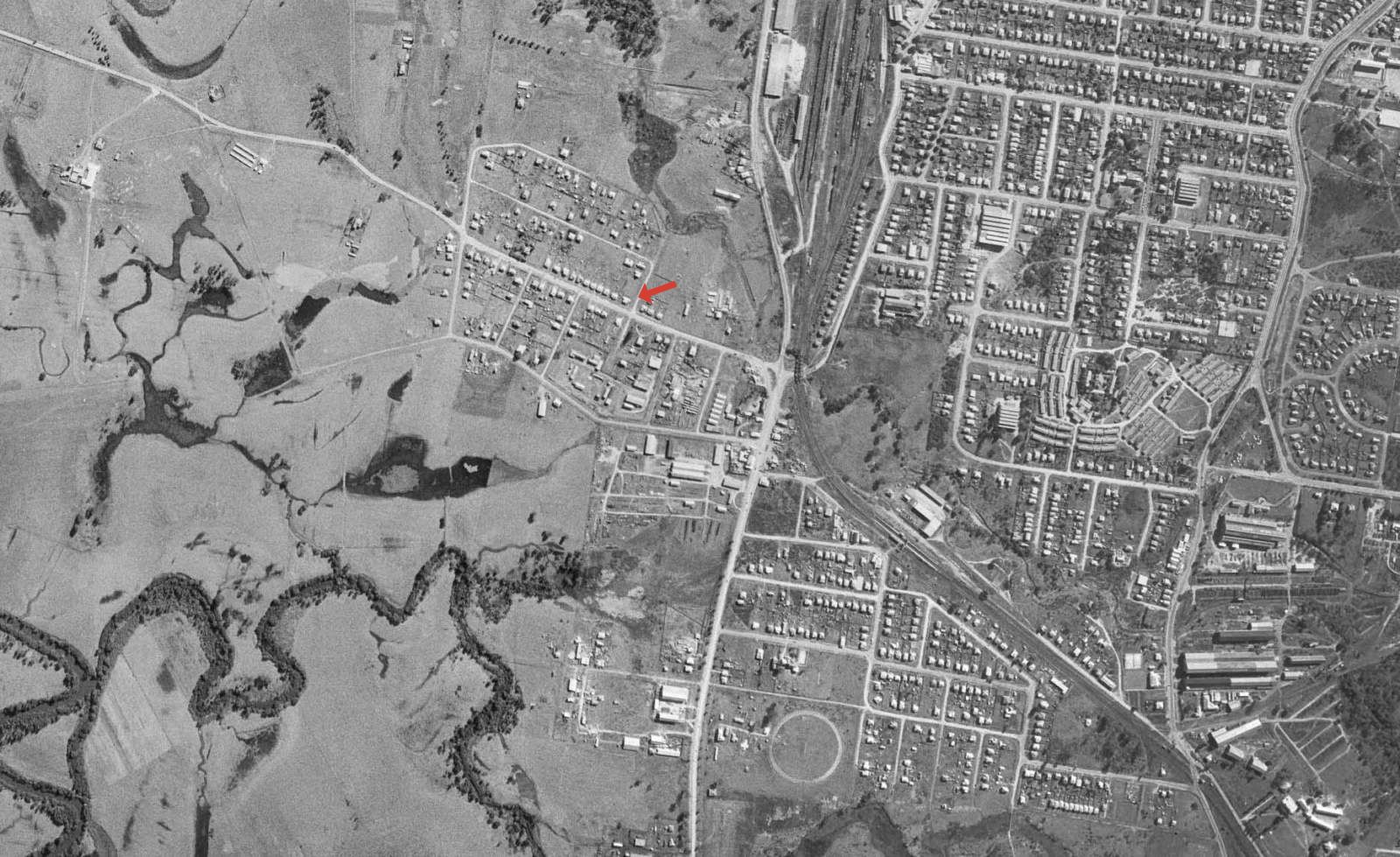
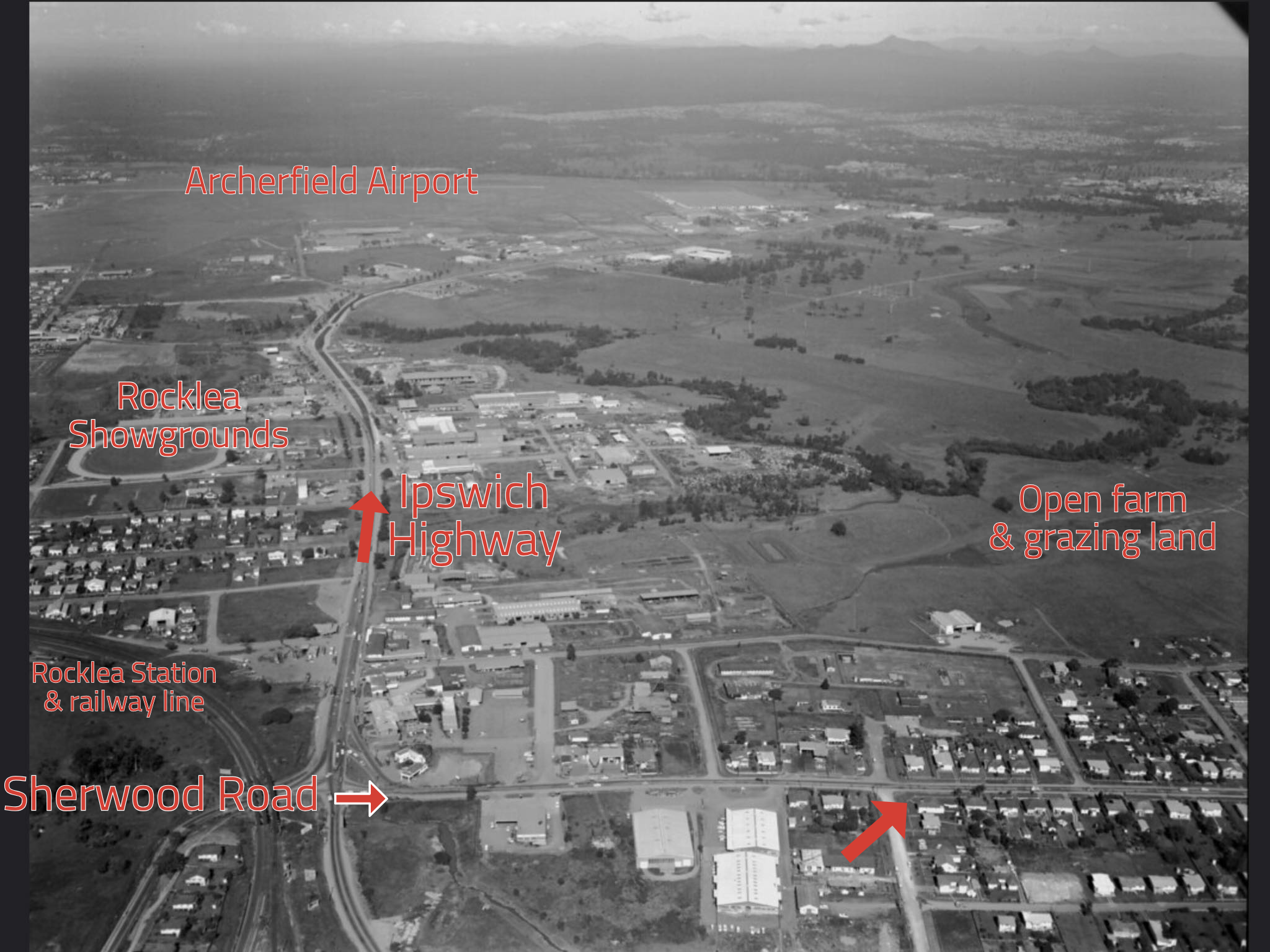
An interesting thing you don’t often think about as a kid is the class structure of the surrounding suburbs. Apparently, Rocklea was considered a poor working-class area when we were growing up there. However, it didn’t even register with me at the time. From what I remember, the first time I encountered this perception was in grade seven, around age 12, when the principal made an off-the-cuff comment about the poor kids from Rocklea attending Sherwood School.
I never considered any of us poor or from a lower socioeconomic suburb, and it wouldn’t have made any difference to us growing up in Rocklea. We all loved the place; it had everything a kid could want. As I said, kids don’t usually think about these things. Most of my schoolmates from supposedly better suburbs certainly didn’t treat us any differently.
Another interesting observation I’ve made over the years is that, on the rare occasions I ran into some people from Rocklea, there seems to be an attitudinal change. It’s almost as if some of them are in denial about growing up there. There appears to be a snobbish attitude toward the suburb, as if they look down on it.
I remember one time when I had a birthday party—I think I was about 9 or 10—and some kids from Sherwood School were invited. After the usual activities like presents and games, we all took off (with Mum and Dad’s blessing) and roamed across the paddocks and creeks. One of the mothers was horrified that Mum had allowed this to happen, perhaps an early case of helicopter parenting. To keep the peace, Mum apologized profusely. Yet again, it was just us enjoying the almost rural atmosphere that Rocklea had at the time. All the visiting kids loved it since their suburbs didn’t offer this kind of rural experience. Many would return during school holidays or weekends because they didn’t have farmland in their backyards.
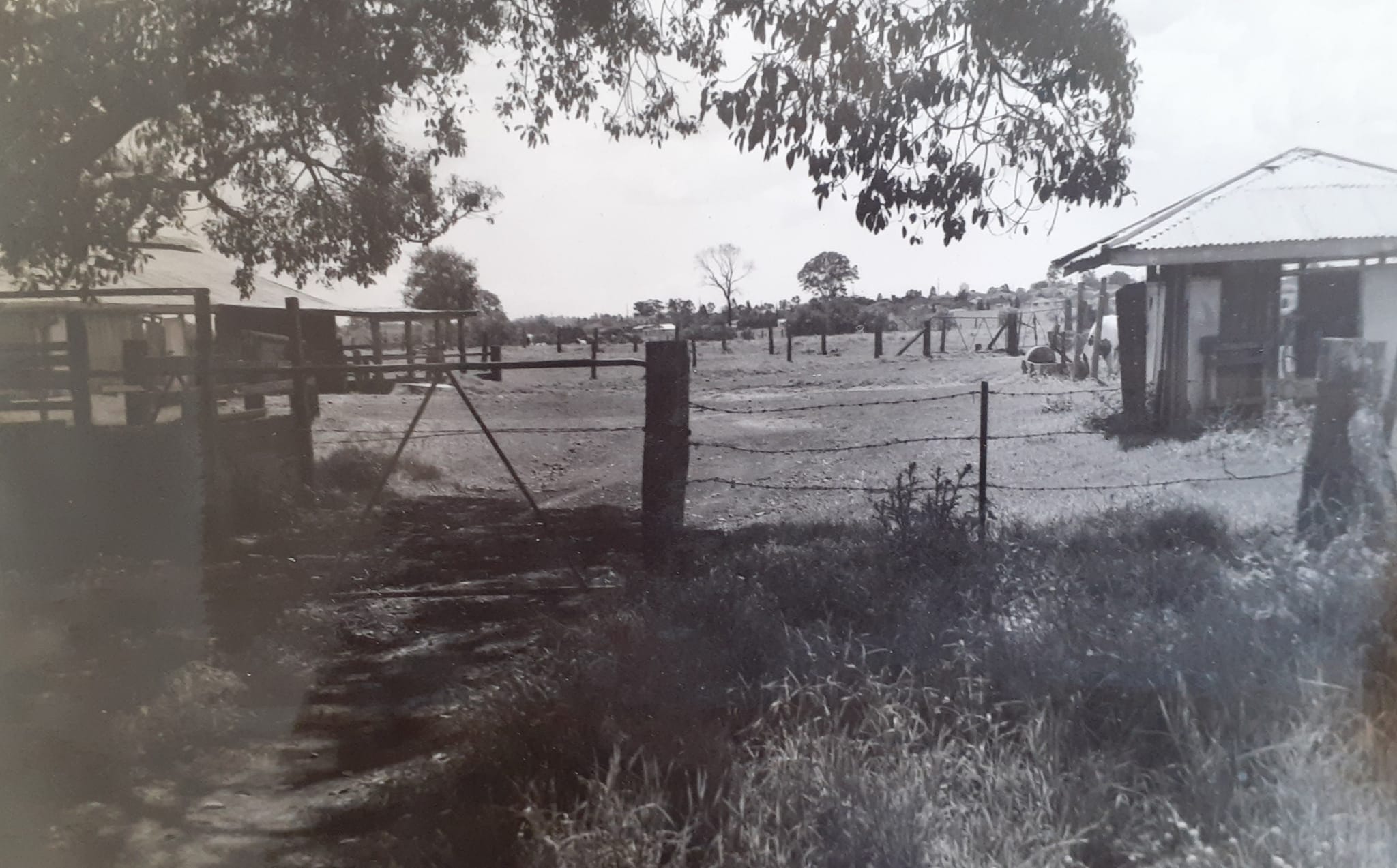
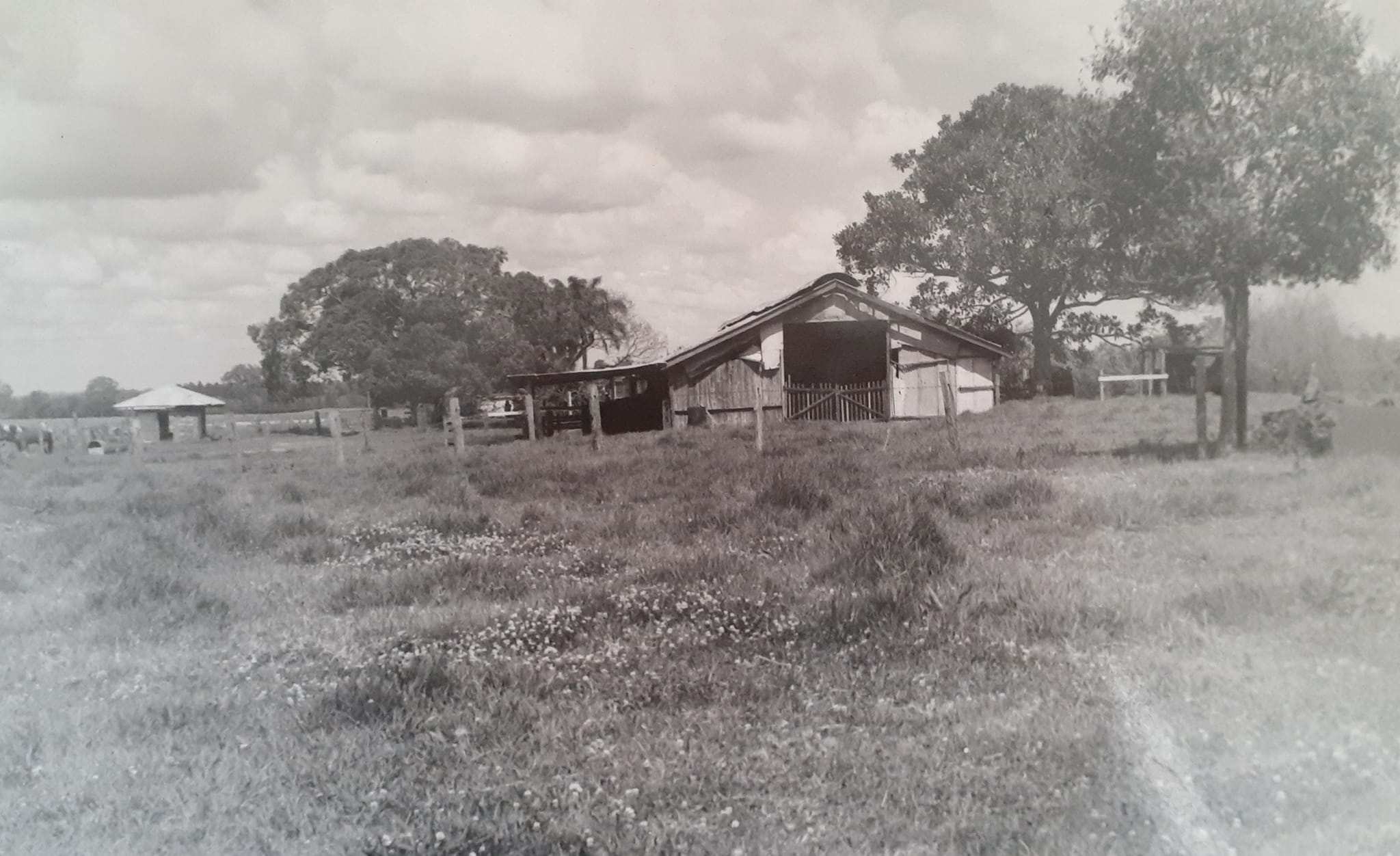
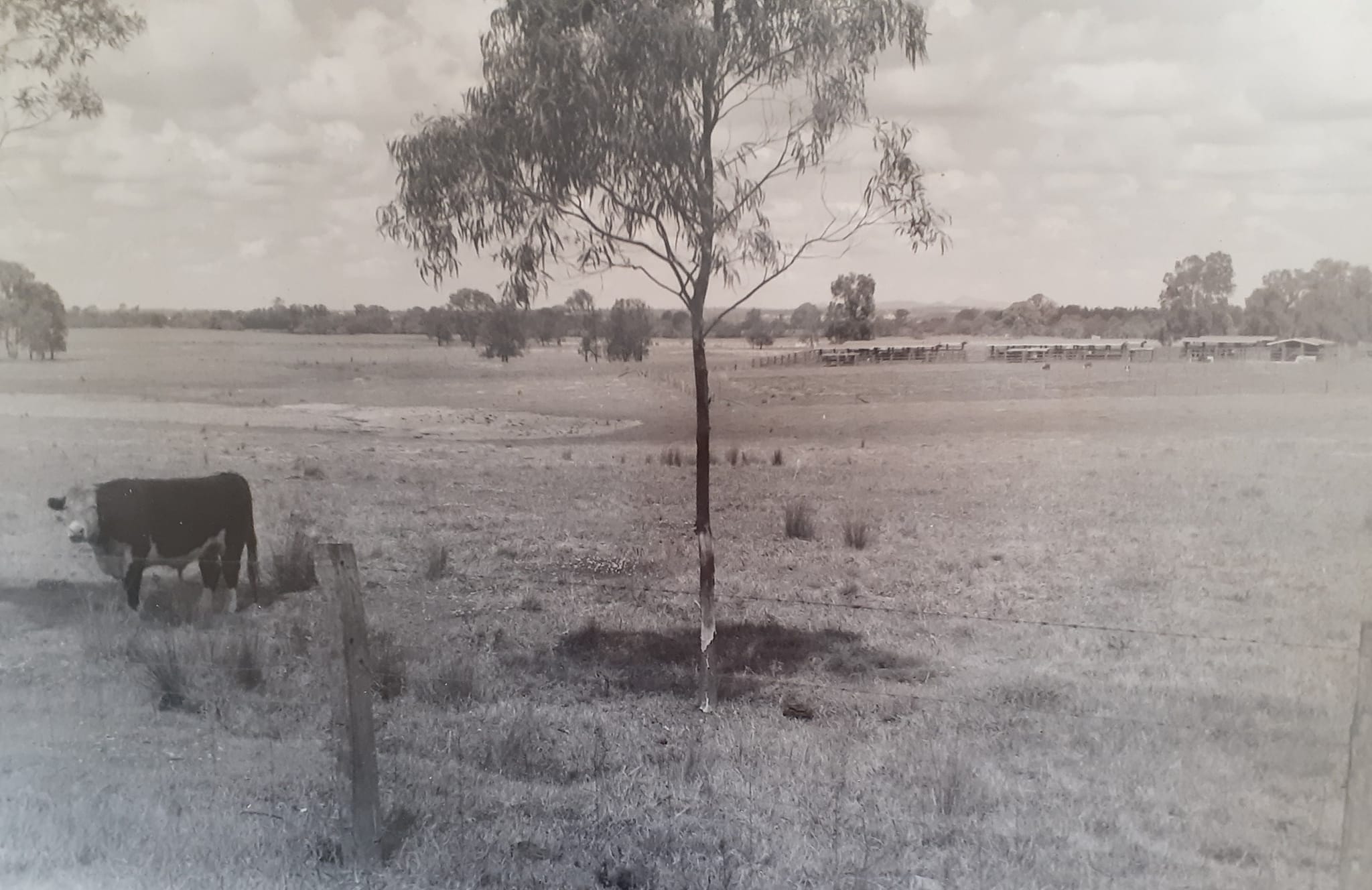
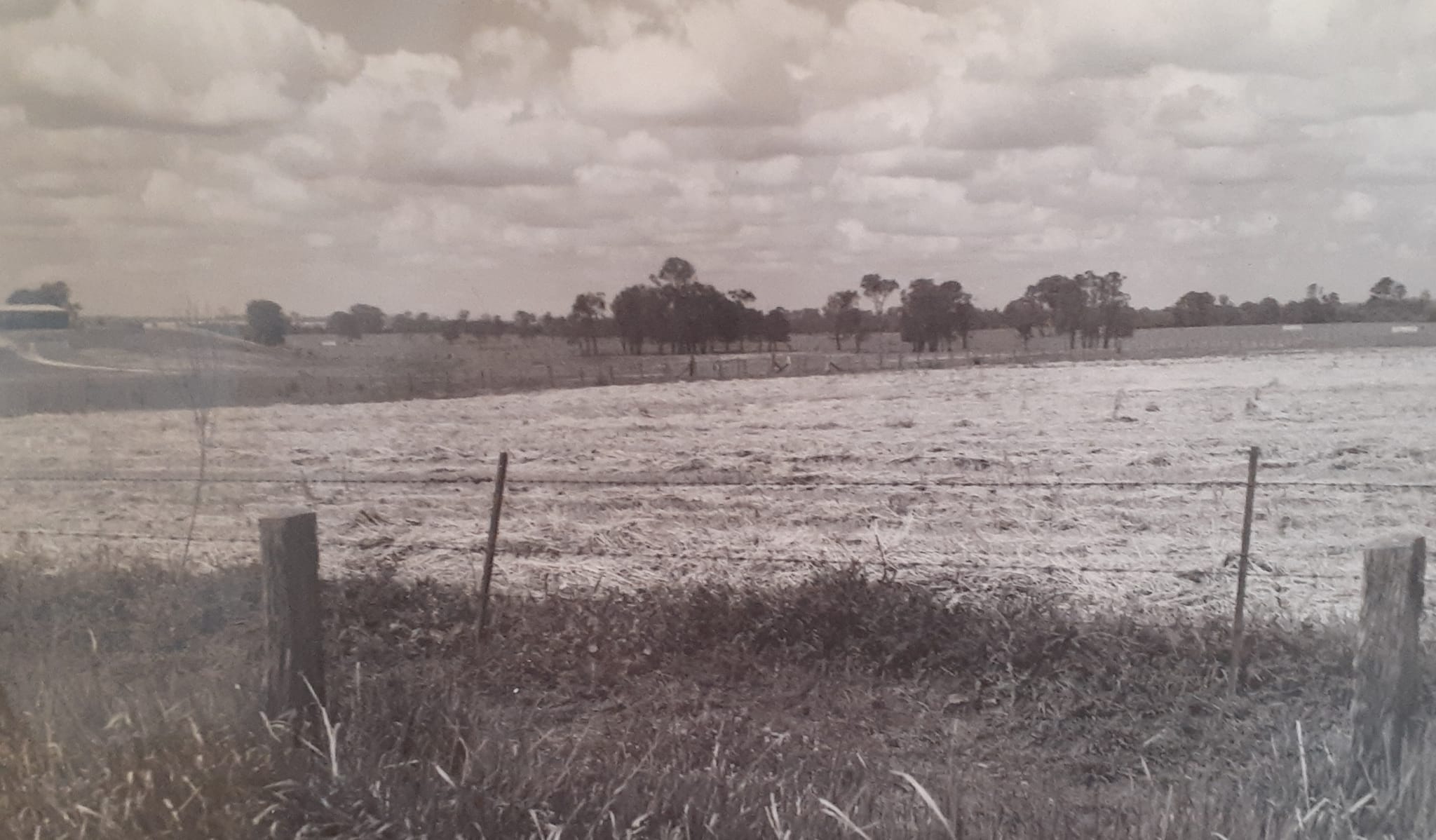
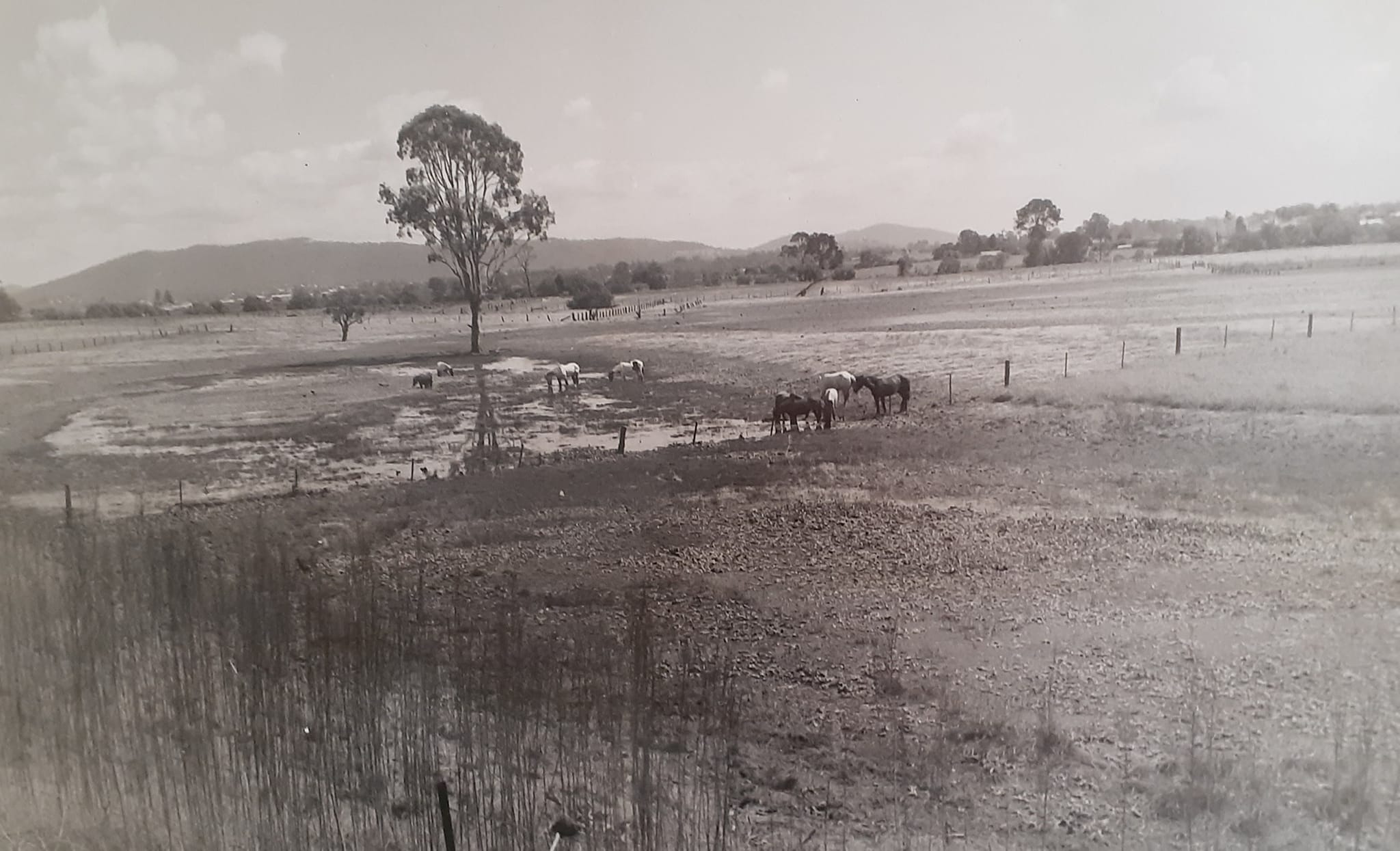
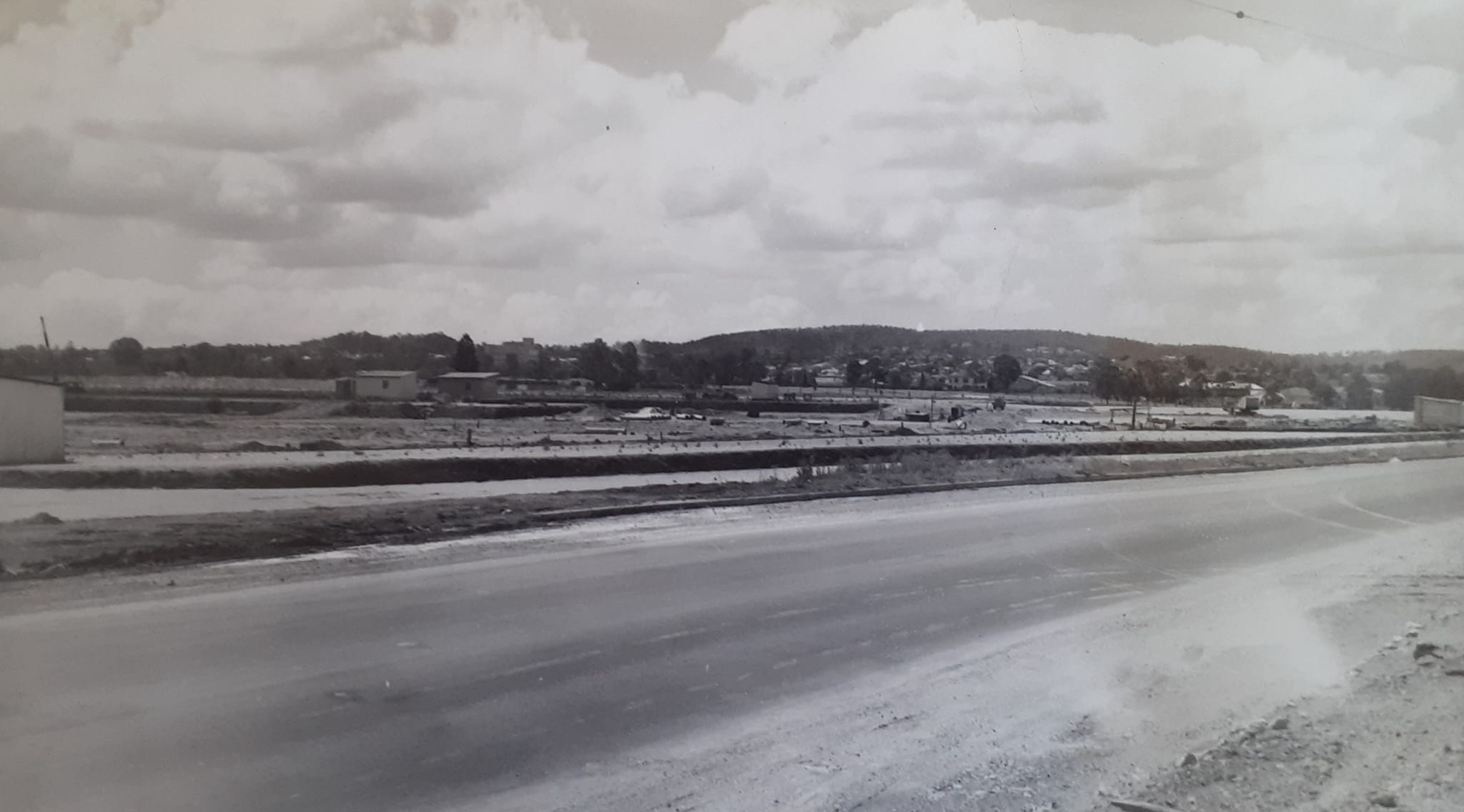
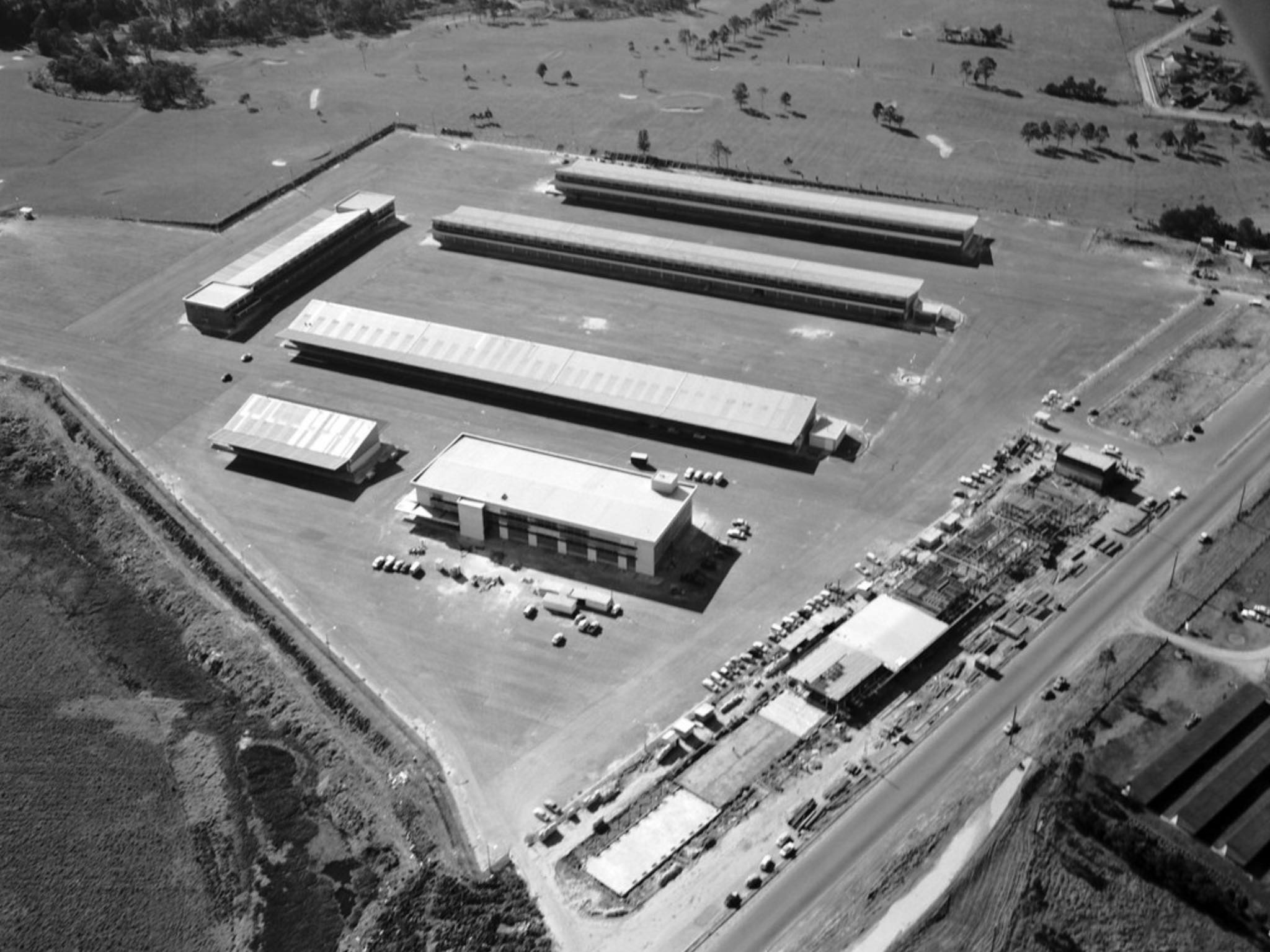
We were so lucky to have an atmosphere of a small country town, bordered on one side by the main Ipswich Road & the other side by sprawling farmland, to grow up in, only 10 klms from the Brisbane CBD. It had the vibe of a village, where we all knew each other. In the mid 1960’s the main Brisbane fruit & vegetable markets were relocated to the open farmland grazing area, from the old location in the middle of the city at Roma Street. It changed everything – massive amounts of heavy transport now traveling through our quiet little backwater of a suburb, with increased noise, pollution, etc. As kids, our little corner of paradise was no longer what it was. The big flood of 1974 was the final straw. Rocklea was always on a floodplain, making me wonder why residential development ever took place. Those Australia Day floods tore the suburb apart, not just with the homes going underwater. It was never the same. Many families moved away. Although we were all still young (late teens), many of the old mates & families went their own ways. I don’t mean to sound overly melodramatic about it because we were all at that stage of our lives where we were moving on, career & study-wise anyway. But the 1974 flood was the catalyst.
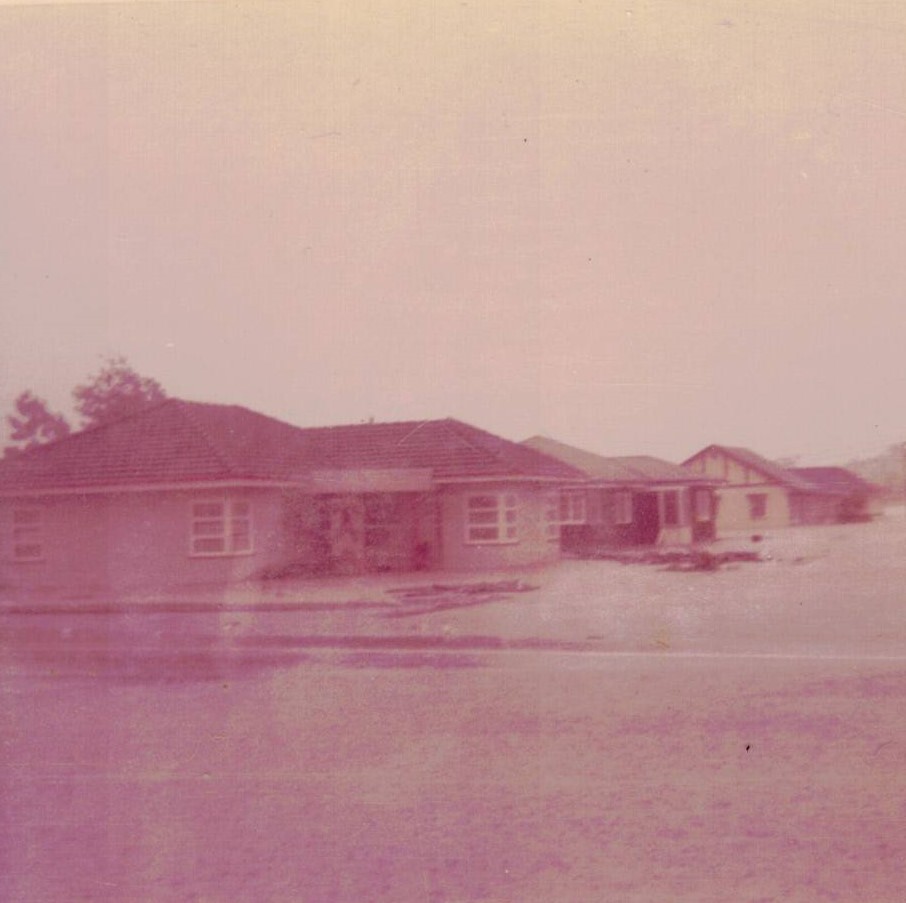
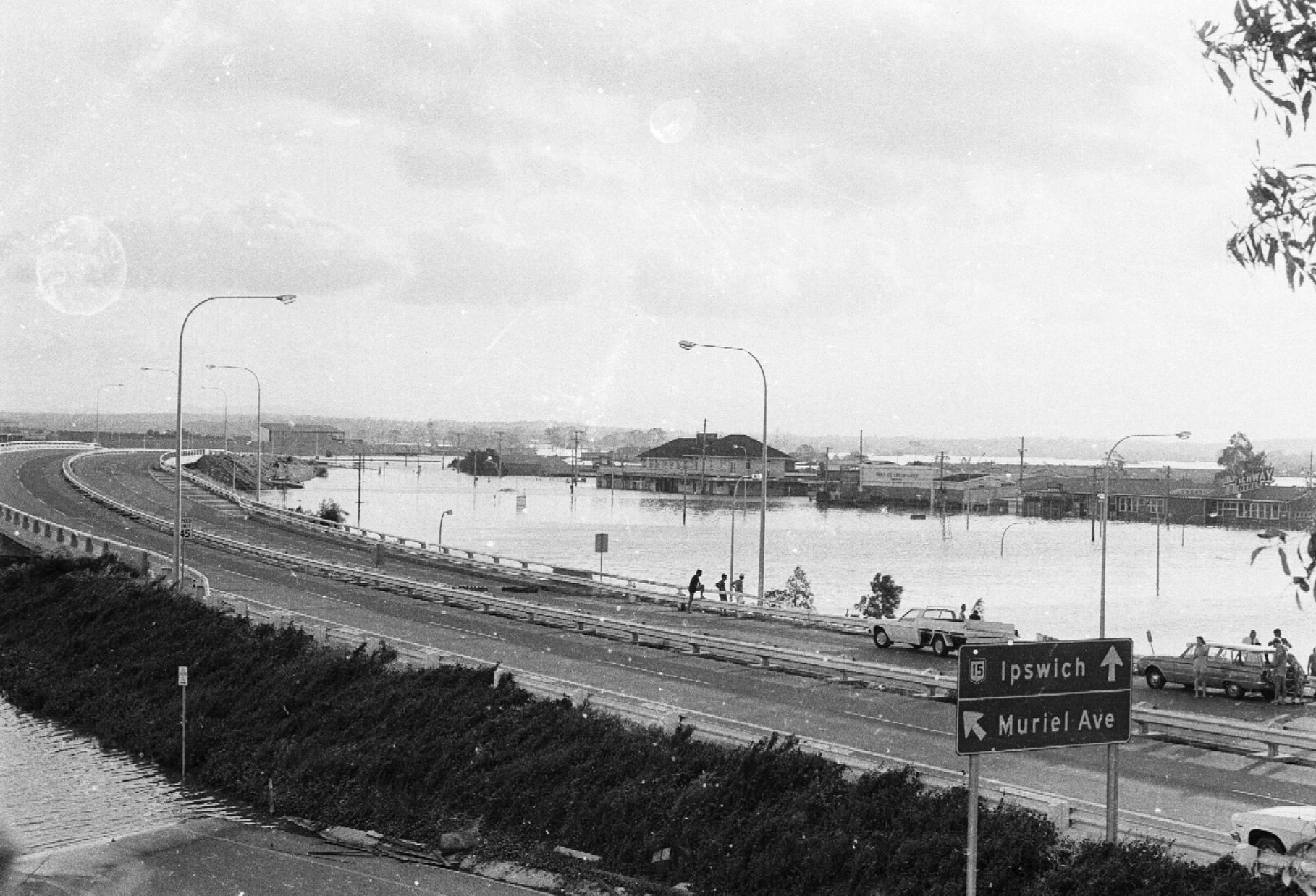
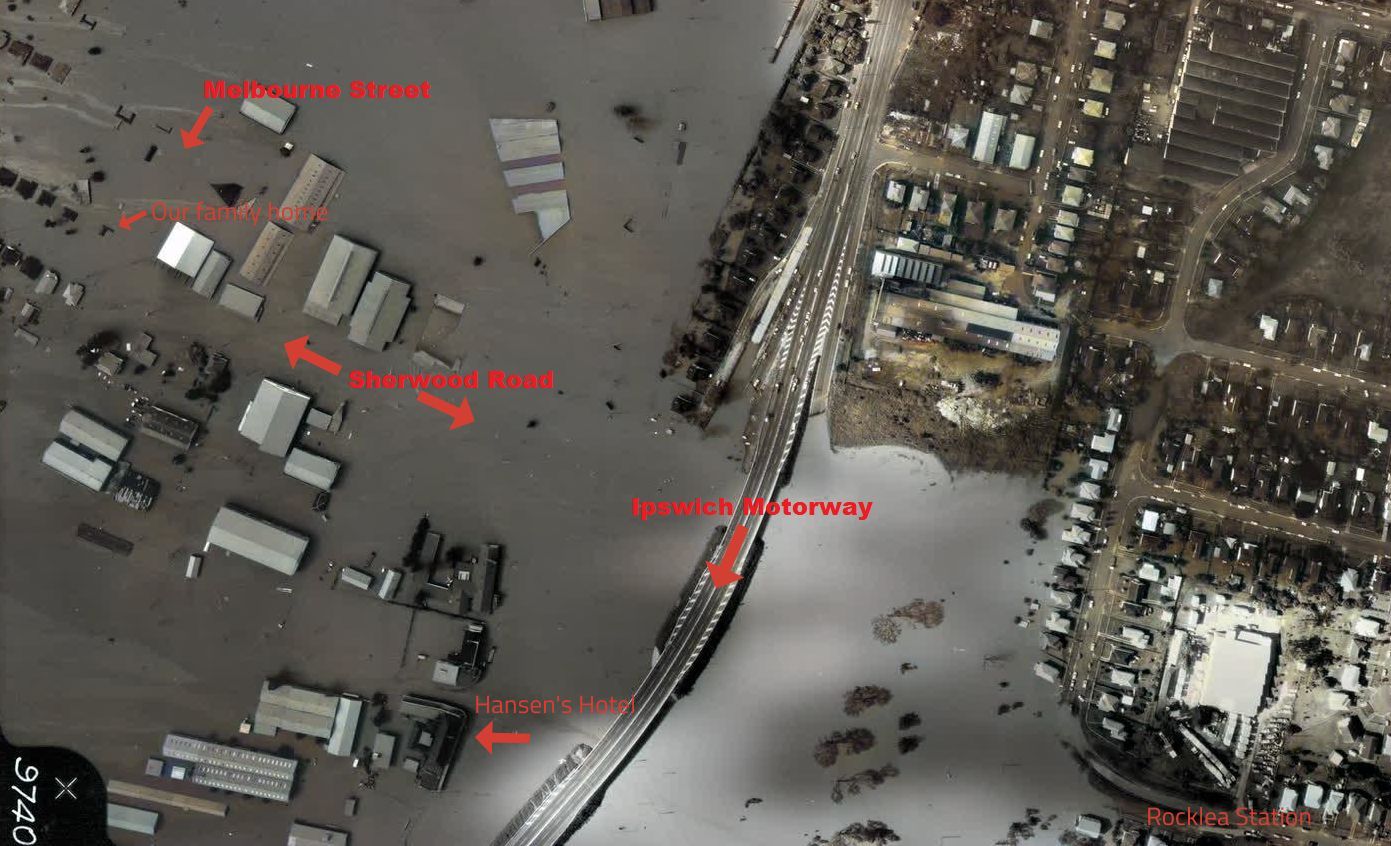
My childhood home – Our home was a pretty standard size home for that era – 3 bedrooms, kitchen, dining, lounge room, bathroom & laundry. The house was a corner block of about 32 perches or 800 sq metres. We had a good size backyard to play in. Dad & Mum bought the house in 1953. It was a spec built home. As one of the earlier buyers, Dad said that they had a choice of a few at the time. Most of suburban Brisbane was unsewered at the time, which meant an outside toilet & downstairs laundry. My brother Robert was born in Ayr North Queensland in 1949 & sister Jen born in 1951 in Ipswich. My memories are of good times. Mum & Dad both worked. We didn’t have a family car. That meant that we didn’t get to go out often, but if we did we used public transport. It was a minor issue at the time, but in looking back, it wasn’t that big a deal. When sewerage was eventually connected, Dad had a back room upstairs laundry & toilet built on.
I shared a bedroom with my brother Robert. It wasn’t a large room, approxinately 3 mtrs wide x 5 mtrs long. We had a bed each . My sister Jen had her own room.
Pets. We only had one pet, a cat. It got run over after only a few days on the main road outside. Dad & Mum said we weren’t having any more pets. In any case, Jen suffered from asthma & was alergic to cats & birds, so it wasn’t a great success.
Favorite things to do. Growing up in Rocklea was great. We all had lots of friends around the neighborhood. There was a local creek & plenty of open areas to roam & play. There was an old farm, kilometers of flat grassland that had been used for grazing cattle & there was also the local golf course. We rode our bikes for miles, swam & explored all the local waterways. We never really ran out of things to do. Our parents would tell us, “Just make sure you are home by dark”. Many of the neighborhood families were all friends, with the parents being friends as well. Many of the family groups often had BBQ’s & get-togethers on a regular basis. All the local kids went to Sherwood Primary School. Some of us went to Sunday School, so we were all fairly close as we grew up. Guy Faulkes or cracker night was a big deal. There was a local carpentry & joinery firm that would pile up all their waste timber for months prior, & build a huge bonfire pile in a nearby vacant allotment. Everyone in the neighborhood would turn up with all the fireworks that we had been collecting for months. Many letterboxes were blown up in the weeks leading up to the big night. Cane toads were blown apart with bungers. There was always lots of birthday parties. It was a working-class suburb where most families were not particularly well-off, though it wasn’t a poverty-stricken area either. The majority of households had fathers who earned a middle income and worked in trades, local industry, the council, public service, or the railways. School holiday times were fun with lots of time to play & explore & visit other kids from school. It was a great little neighborhood. I don’t think we realized how lucky we were at the time. I can’t say that I was a great sportsman as a kid. I played a few years of Aussie Rules football (AFL) when I was younger mainly because all my mates were joining up. None of us went on to set the world on fire on the footy field. We all learned to swim as every kid did in those days.
Primary School – The three of us kids all attended Sherwood State School, as did most of the children in the neighborhood.
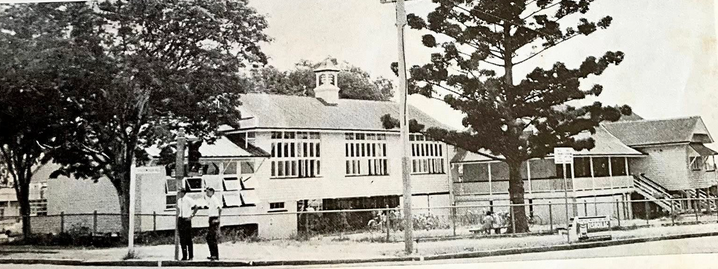
We all caught the local bus that took us to & from school every day. I can remember my first day of school, grade one, when Mum took me up to get enrolled. I can distinctly remember walking up the stairs heading in to the classrooms, crying as I went. I knew that I was about to be separated from my Mum. I was a shy kid when I was younger, but lucky that I had an older sister & brother at the same school. My grade one teacher was Miss Mathies. She was quite a large intimidating woman. None of us liked her. She was big on corporal punishment. I remember thinking that if this is what school was like, I didn’t want to be there. Luckily, in grade two we had a really great teacher named Miss Davidson. She was an older lady (everyone was old, when you are six😀). She loved to sing to us & play the piano. It was quite funny because she had a voice like Louis Armstrong. The rest of my school years at Sherwood were great. We had some really nice teachers. I think the best was our grade seven teacher, Mr Kevin Kroh. He died only recently (at the time of me writing this 2024) aged well into his nineties. Lovely bloke who had the patience of a saint. Grandma also had him as a teacher six years later. I met lots of new mates through the primary school years – Peter Ryan, Neil Rode, Neville Wilton, Peter Raynor & many more. Many of them along with all of us Rocklea kids, went on to Corinda High School at the end of our primary school years. My brother Robert & sister Jen went to Salisbury High. I was quite adamant that I wanted to go to Corinda High, as all my friends were going there. Mum & Dad didn’t stand in my way.
Chores – We all had chores to do when we were young. I can remember having to do the dishes & later mowing the grass. My first pocket allowance was about 2 shillings (20 cents) a week. There was always complaints from Mum & Dad that the jobs weren’t completed satisfactorily. I did get into the habit of banking some money but was also guilty of spending most of it. Mum usually gave each of us some pocket money to buy lollies or an ice block at school. We also blew a fair bit of money in the weeks leading up to cracker night, on fireworks.
Hobbies – I liked to build models of war planes as a kid. I had a train set as well. Playing with the trains was not the main thing though. I became quite interested in landscaping the train layout, building stations, hills, houses, tunnels & bridges etc. As previously mentioned, when completed, I wasn’t interested in running the trains, so I sold it.
Halloween wasn’t a thing in Australia when we were kids. We only really learned about it by seeing American TV shows. In modern Australia, many of the older generation seem to not like it. I don’t have an issue with it. It’s only a bit of harmless fun.
Positive influence when I was young – Mum and Dad were, of course, the main people who shaped my childhood and young adulthood. Mum was the rock of the family while we were growing up. My primary school teachers were great, though not so much at high school.
The other major influence in my life—and probably the smartest person I know by a wide margin—is my wife – your Grandma. I wouldn’t be where I am without her. She has been, and still is, my rock and the love of my life. At 70, as I write this, I also learn a lot from our children. They all have university degrees and are much smarter than I could ever hope to be, and that’s not just from an academic standpoint. Kids today are much smarter and more worldly-wise.
I’ve never been particularly drawn to clothing from a fashion perspective, nor have I ever felt the urge to dress up. As a child, I mostly wore play clothes and never paid much attention to style. That might partly explain why I’ve always thought men in suits often come across as self-important. I’ve always preferred casual clothing—and honestly, wearing a suit in Queensland’s heat is completely impractical.
There’s an old saying: “Clothes maketh the man.” No doubt coined by some pompous Englishman, it suggests that clothing plays a major role in shaping how others perceive you. While there’s some truth in that—first impressions do matter—the deeper implication of the proverb is often overlooked: that true worth lies in a person’s character, not their appearance.
That said, I understand why some men still wear suits for formal occasions like weddings. But aside from the bridal party, it seems that tradition is slowly fading—thankfully. Personally, I believe that as long as you’re neat, tidy, and don’t look like you’ve been sleeping under a bridge, clean and presentable casual attire should be perfectly acceptable—even at formal events. I genuinely can’t understand how men in tropical Queensland, especially in the far north, still choose to wear suits in such an unforgiving climate.
As kids, we enjoyed roaming around our suburb. As I mentioned earlier, we were fortunate to grow up in a suburb that, although only 10 kilometers from the Brisbane CBD, had the vibe of a small country town. There were huge areas of open grassland, farmland, and a golf course that, despite being off-limits, we would explore. We cruised around the urban waterways and creeks, built cubby houses and rafts, and found endless ways to entertain ourselves. We had plenty of friends, all locals, and we were never short of things to do. We were never bored. I loved visiting our relatives—grandparents, cousins, and others—in Boonah and the Fassifern Valley.
We didn’t have any Pets, but I always wanted a dog. I didn’t end up getting one until I was about 25. Or should I say, the dog found us? A stray wandered into our first home in Marsden. She was a beautiful German Shorthaired Pointer & had a lovely temperament and a gentle nature.
Family outings – We didn’t have a car when we were kids, so we generally relied on public transport. Since we lived close to both bus and rail services, it wasn’t a big issue. Dad wasn’t much of a going-out person, so Mum usually organized the family outings. However, Dad regularly took me with him to Boonah, and that was a real adventure. We’d take a taxi to Corinda station, catch the train from Corinda to Ipswich, and then transfer to a railmotor for the final leg to Boonah—a journey that took four hours, even though it was only about 50 kilometers. To get from Rocklea to Boonah took us about six hours in total. We also took trips to the beach, catching the train from Rocklea to Southport, and often visited relatives and family friends around Brisbane. Mum took us kids on a trip to Sydney. The family also had a trip to Mackay when we were kids.
Favorite memories from childhood – I think my favorite childhood memories were from the simple things—playing with friends and knowing so many people around our neighborhood. Up until 1974, Rocklea had everything. The suburb was home to many families who had escaped Europe after World War II. We had English, Scottish, Irish, Welsh, German, Dutch, Polish, Ukrainian, Russian & of course, many Australian families. There were also a few Indigenous families. At the time, I didn’t know what multiculturalism was, but lo and behold, we grew up right in the middle of it.
As a child, I wasn’t even aware of it, but apparently, Rocklea had a reputation as a low socio-economic, working-class suburb. It bordered Sherwood, Corinda, and Graceville, which were considered more affluent, and people often looked down on Rocklea as the poorer area. Like I said, I never noticed it until I got older. It didn’t matter to me as a kid. I had friends all over the nearby suburbs, and we went to school together and played sports. Looking back, it still makes me laugh, especially when I think about how much of that attitude was probably tied to real estate prices. As kids, we never really thought about it, but in hindsight, we didn’t realize how good we had it.
TEENAGE YEARS
Aspirational dreams – This might sound boring, but as a kid, I didn’t have any specific career path in mind. I had an early interest in motorsport, but that didn’t mean I wanted to become a racing driver. I was also drawn to the idea of operating large machinery or driving trains, but nothing really captured my attention. I did get to the point in high school where I was starting to be a little concerned that I had no idea what I wanted to do with my life. The career advisors at school were no help, so I sort of decided that becoming a mechanic or taking up a trade would be the way to go. I was wrong!
High School – Although I enjoyed primary school—making new friends, playing sports, etc.—high school was a completely new experience. The environment was much larger, with more than twice the number of students. Leaving primary school, where we were the oldest, to suddenly becoming the youngest again was quite disconcerting. I can’t say I enjoyed high school, although I did appreciate the specialized learning in subjects like Maths, Science, English, Geography, and History.
Grade Eight, our first year of high school, was supposed to be the year we formed an idea of the subjects we wanted to pursue for the rest of our school years. Yet, I still had no clue what I wanted to do, and that started to worry me. Was I going to be left behind? I was a little envious of those who seemed to have their future mapped out, while I felt like I was steering a ship in the dark, unsure of where I would end up. I believe career advice is an area where high schools need to improve to better help students plan their futures.
However, I did make new friends, including John Lindsay, who remains a good mate 60 years later. We were the best man at each others weddings.
After school, my time was mostly taken up with homework. Despite being teenagers, my group of local friends in Rocklea remained close-knit. We had moved on from bicycles to motorbikes, racing our motocross bikes against each other in the local vacant paddocks instead of exploring the neighborhood on foot, as we did when we were younger.
Rocklea, being somewhat isolated from neighboring suburbs by boundaries—whether real or imagined—like the Ipswich Highway, the railway line, Oxley Creek or the vast paddocks, meant our local group stayed tight. Around this time, we also started becoming interested in the idea of having girlfriends.
How my parents described me as a teen – I think they saw me as still being reasonably shy. I don’t think they saw me as rebellious.
Learning to drive – As kids in the neighborhood, we had all learned the basics of driving, but I had a few driving lessons & had bought a car even before I had my license. It took me a couple of goes before I was successful in getting my license.
Fun memories as a teenager—there are too many to mention. Once you get your driver’s license and a car, you gain the freedom to go anywhere. We socialized a lot, partied like there was no tomorrow, and went to pubs, dances, music venues, and more. Having a car & then later, a motorbike meant that I could go to see my beloved motor racing at Lakeside on the northern outskirts of Brisbane, & also at Surfers Paradise raceway on the Gold Coast. We regularly went to the beach to surf on the Sunshine Coast and Gold Coast. As a teenager, especially after age 17, life felt like an endless party. I met many new friends. We had a great time. At that stage of my life, having a job and working was really just a way to support my social life.
Difficult aspects of life as a teenager – I can’t remember anything of great significance. Maybe breaking up with a girlfriend. We grew up in a time of plenty of employment. Jobs were plentiful.
Did I have a High school sweetheart – That’s pretty funny, looking back at that time. John Lindsay & I were mates at high school & were more interested in playing table tennis, than being interested in girls. Once we left school at age 15, that quickly changed.
First books – I can remember reading Tom Sawyer, The Dambusters & some of the Enid Blyton books when I was younger. I was also interested in war & spy novels. Favorite authors were Frederick Forsythe & Jack Higgins.
My first job after leaving school was at a Truck sales yard on Ipswich Road, Rocklea. I started as an apprentice mechanic, earning the grand sum of $18.00 per week. It didn’t take long (about 6 months) for me to realize that I wasn’t cut out to be a mechanic—I hated it. Coincidentally, the same week I quit, I received a letter inviting me to apply for the state Public Service, where I ended up working for three years. It was a dead-end job that bored me to death. Although I stayed for three years, I quickly realized it wasn’t a lifelong career path for me.
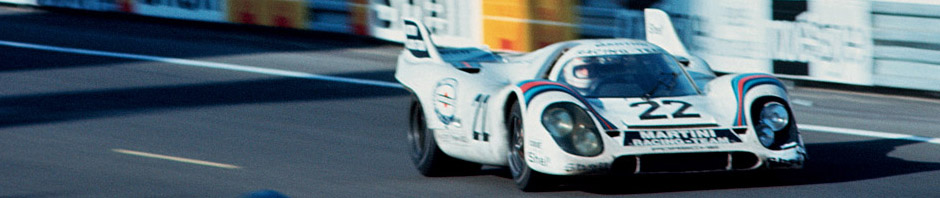
Favorite movies – The Dambusters & other war movies, The Eagle has landed, The Day of the Jackal, The Odessa File, The Fourth Protocol, all the James Bond movies. I liked many of Steve McQueen’s movies. Le Mans & the Great Escape were favorites. I had rekindled my love of motorsport. It was about this time, in 1971, that the Steve McQueen movie came out – Le Mans. I was aware of the annual sports car race in France, but it was this movie that kicked off my lifelong love of Sports Car racing & in particular my fascination with the Porsche 917 race cars. I still love the sport, although the arrival of our first grandchild had me spending less time following racing & more time enjoying the company of our latest new family member to join us.
Music – I’d always had a love of music, since I had been old enough to listen. My brother was a big fan & consequently, I listened to a lot of the music that he followed. I didn’t have a choice. But it did get me interested in most of the popular musical tastes of the day.
It was in that stage, the late 1960’s onwards, when the British supergroups were on the rise. Initially, bands like the Beatles, The Rolling Stones, The Who, The Kinks, etc & later groups such as Led Zeppelin, Black Sabbath, Deep Purple, Supertramp & Yes were starting to hit their straps in the music world. There was also another band, who in my opinion were to become the greatest band of all – Pink Floyd. In March 1973, they released what I think is the greatest album in Rock history & possibly ever – Dark Side of the Moon. To this day, I am a massive fan of all their music.
The great American supergroups & solo artists were also on my list of favorites – Bob Dylan, Bruce Springsteen, The Byrds, The Doors, Eagles, Creedance Clearwater Revival, Beach Boys, Steely Dan, Ramones, the list goes on. I’m also a fan of many different styles of music. I’ve always been a fan of AusRock. And later in life I have taken up listening to some classical music. I enjoy a mix of everything. Maybe not country music though.
Newsworthy things that took place – I can remember when the Russians sent the first cosmonaut into space in 1961. I was seven years old. I also vividly recall the day JFK was assassinated. It was a Saturday morning, and Dad had just brought the paper in and left it on the kitchen bench. The headline was massive: “JFK Dead.” Around the same time, the Vietnam War was underway, and we were getting nightly news reports, especially about the soldiers being killed. It was the first war to be broadcast on TV, and it was also the war where Australia reinstated National Service. In 1969, Neil Armstrong, Buzz Aldrin, and Michael Collins traveled to the Moon, with Armstrong and Aldrin becoming the first two people to land on its surface.
Positive influence on me growing up – My mum was a major positive influence on me growing up. She always seemed to have an answer for every problem, offering simple, homespun wisdom that came from her upbringing on the farm and her experience growing up during tough times like the Great Depression. She also completed her nursing training during World War II, which further shaped her resilience and resourcefulness.
Fun times we had – As I’ve mentioned, we had an incredible time growing up—from our teenage years into our mid-twenties, it felt like a never-ending party. The best way to describe it is that I went to a party at seventeen and didn’t come home until I was twenty-nine. We just had a blast! Cars, motorbikes, and plenty of friends, both male and female. We mates all stuck together—the local friends from Rocklea—but because we had cars and bikes, we expanded our horizons.
I reconnected with John Lindsay after high school, and through him, I met a whole new group from Darra where he lived: John, Kim Ksiazek and many others. It seemed there were always a lot of girls around, too. Working at Wreckair Hire after 1974 introduced me to even more friends and workmates. Wreckair was a dynamic place to work back then; Queensland, especially South East Queensland, was entering a big development phase, and the construction industry was booming. We worked long hours, and many strong friendships were formed during that time.
Like many others, I had several different friend groups: the old mates from Rocklea, the Darra boys, and the friends I made through work. Grandma and I first got together in 1978 when I was 24 and she was 18. Through her, I met another group of people, including her old school friends—particularly Bonnie Parslow and Lyn Ward, along with their partners. These friendships have lasted a lifetime.
Things that are obsolete now, that were around when I was a teenager – Cassette tapes, telexes & fax machines, Coin operated fuel pumps in servo’s, Drive-in Theatres, Manual (gearbox) cars, transistor radios, steam trains.
What do I miss most about being a teenager – The freedom, Not having a care in the world. It just seemed that we were all living in the moment. It wasn’t as though we didn’t care about the state of the rest of the world, we were just enjoying life. When you are a kid, there are boundaries set by your parents, being at school, etc. When you are a teenager, to a certain degree, those boundaries or shackles are cast aside & you feel the freedom & ability to go wherever you want.
YOUNG ADULTHOOD
When did I first move away from Mum & Dads home & where did I go – From memory, it was around 1975. Our family home had been flooded in 1974, and I helped with the cleanup, which was a massive job. Once everything was back to normal—meaning Mum and Dad had fully moved back in—I felt it was time to leave the nest. Nothing specific prompted this decision; a group of us friends simply wanted to experience life outside our parents’ homes. So, Allan Cochrane, Ian Wallace (nicknamed “Doormat”), and I decided to move out together.
I had started working at Wreckair in June 1974, six months after the flood, and soon after, we rented a house at Empress Street in Annerley. It was convenient for all of us, as it was close to work. I was twenty, while Allan and Doormat were both nineteen. Living independently for the first time was exciting, and we loved the freedom, although we were a bit nervous.
Next door, there was a house full of nurses from the nearby PA Hospital. We became friendly with them, but since they worked shifts and were often at work, it was challenging to see much of them. Living on our own meant doing things differently than we were used to at home. We had to shop, cook, and clean on our own—quite a change from the life we had under our parents’ roofs.
Around the same time, other friends had also moved out for the first time, so we were all going through a similar experience. We often hosted parties at each other’s houses, learning and growing together.
What was it like to be on my own for the first time?
As a kid, it was always comforting to know there was a safe place—home with Mum and Dad. But leaving home for the first time felt like an adventure, something every young person looks forward to. It’s a natural step in shaking off the shackles of childhood and stepping into adulthood.
Further studies – I wasn’t much of a student. I didn’t do it easily at high school but managed to get pretty good grades. Apparently, I was good enough to go on to grade 11 & 12 but wasn’t interested. I just wanted to leave school & get a job.
Armed forces – When I was growing up, Australia was in the middle of the war in Vietnam that were fighting with the US. National Service had been reinstated, with 18 year olds being required to register for the draft, with the ones that were called up required to serve two years in the army from age 20. I would have turned 20 in 1974. However, in the elections of 1972, Gough Whitlam’s Labor party won in a landslide & National Service was scrapped. Would I have been happy in going to Vietnam to fight a senseless war, if I was called up? Definitely not, I was having too much fun….but like everyone else who was chosen to go, I would have gone.
First adult job – I had worked in a few different jobs but hadn’t found anything that made me think that I wanted to be in that career for the rest of my life. However, at age 20 in 1974, the day after my birthday on 1 June 1974, I applied for a job at Wreckair Hire, which was a large national machinery & equipment plant hire company. At that stage I had no idea about machinery, equipment or the construction industry. But I applied & was successful in getting the job.
Did a particular person inspire me in a career – One of the people I respected the most was the man who first employed me at Wreckair Hire in 1974—Chris Holmes. I always thought he was a few years older than me, but it turned out we were the same age. He was the sales manager at Wreckair when I started there, a company that went through many different ownership & name changes, where I would ultimately spend my entire working life. I was only 20 years old and didn’t have a clue.
Chris taught me many things—not just about the business and the construction equipment sales and hire industry—but also how to conduct myself, earn respect, run things properly, own up to and learn from my mistakes, listen to others, care for the people I worked with, and in doing so, get the best out of them. In sales, you encounter a lot of people who aren’t genuine, but Chris taught me the value of being upfront and honest with everyone. He also taught me how to read people—a skill that has served me well throughout my life. He was a great leader, probably the best I ever worked with, and a great man overall.
Chris and I worked together for about 18 years. He eventually became the Queensland State Manager for the company. Throughout my career, I worked with many exceptional people (and quite a few duds as well), but one of the things I realized early on is that there are very few truly good leaders in the world. When you’re lucky enough to work with one, take it as a bonus and learn as much as you can while it lasts. Chris Holmes was my mentor.
First home or apartment – After our first chapter of moving away from the family home & getting a girlfriend – Maureen Solomon, we both decided to move in together at a flat in Yeronga. It was only one suburb away from where I worked & Maureen also worked at a nearby child care centre.
Close friends in my twenties– I still knew many of the old mates from Rocklea, but also now had work mates, Chris Holmes, Mike Linder, Peter Leslie, Mike Finniss & had met up again with John Lindsay my mate from high school. I had a large social circle of friends. We all enjoyed life & socializing in each others company. It was a great time in our lives.
Exotic places I visited – Can’t say I visited any exotic places when I was younger. In later life, Janice & I did more travel, visiting India, Europe, Japan & the UK.
Did I take any risks as a young adult – I wouldn’t say I was a great risk taker, other than riding motorbikes probably a lot faster than I should have.
Favorite places to hang out – We all hung out at local pubs & ventured into the city a lot, frequenting many pubs, clubs & concert venues in Brisbane, following the live music scene.
Favorite drinks – Growing up in Queensland, everyone was a XXXX beer drinker, although we drank the occasional Bundy Rum plus other spirits.
Typical Friday night out with friends – Head into town, to one of the pubs or nightclubs to see live music.
Did I enjoy sports favorite athletes or teams – I developed a lifelong fascination with the Porsche racing teams and remain just as passionate today. I also became a devoted supporter of the Parramatta Eels Rugby League team.
As a Porsche fan, I’ve enjoyed the thrill of watching them regularly achieve victories in many of the world’s premier sports car races and series. In contrast, being an Eels supporter has required a great deal of patience and resilience. Since their glory days—winning the Grand Finals in 1981, 82, 83, and 1986—it’s been a long, dry spell without any major titles.
Have I ever been in a fight & what caused it – I was never a fighter, although I did get into a blue with a mate, at the time, Jim Williams. As was normal at the time, it was over a girl, Maureen Soloman, who Jim had been going out with. He was treating her poorly & she had dumped him, for me. He got the shits one night & decided he was going to take it out on me. Let’s just say it ended in a draw. Both of us were never destined to be fighters. A few punches were thrown, a couple connected but most missed. Alcohol played its part. In any case, he moved on & I moved in with Maureen. We were together for about 12 months before we parted. Her father was a Baptist preacher & she found religion again, which wasn’t for me.
Ever ridden a horse, skateboard, surfboard etc – All three. Horses weren’t for me. I could ride a skateboard & had a go at surfboard riding, but didn’t have the patience or the desire to keep at it. We all rode motorbikes, both dirt & street.
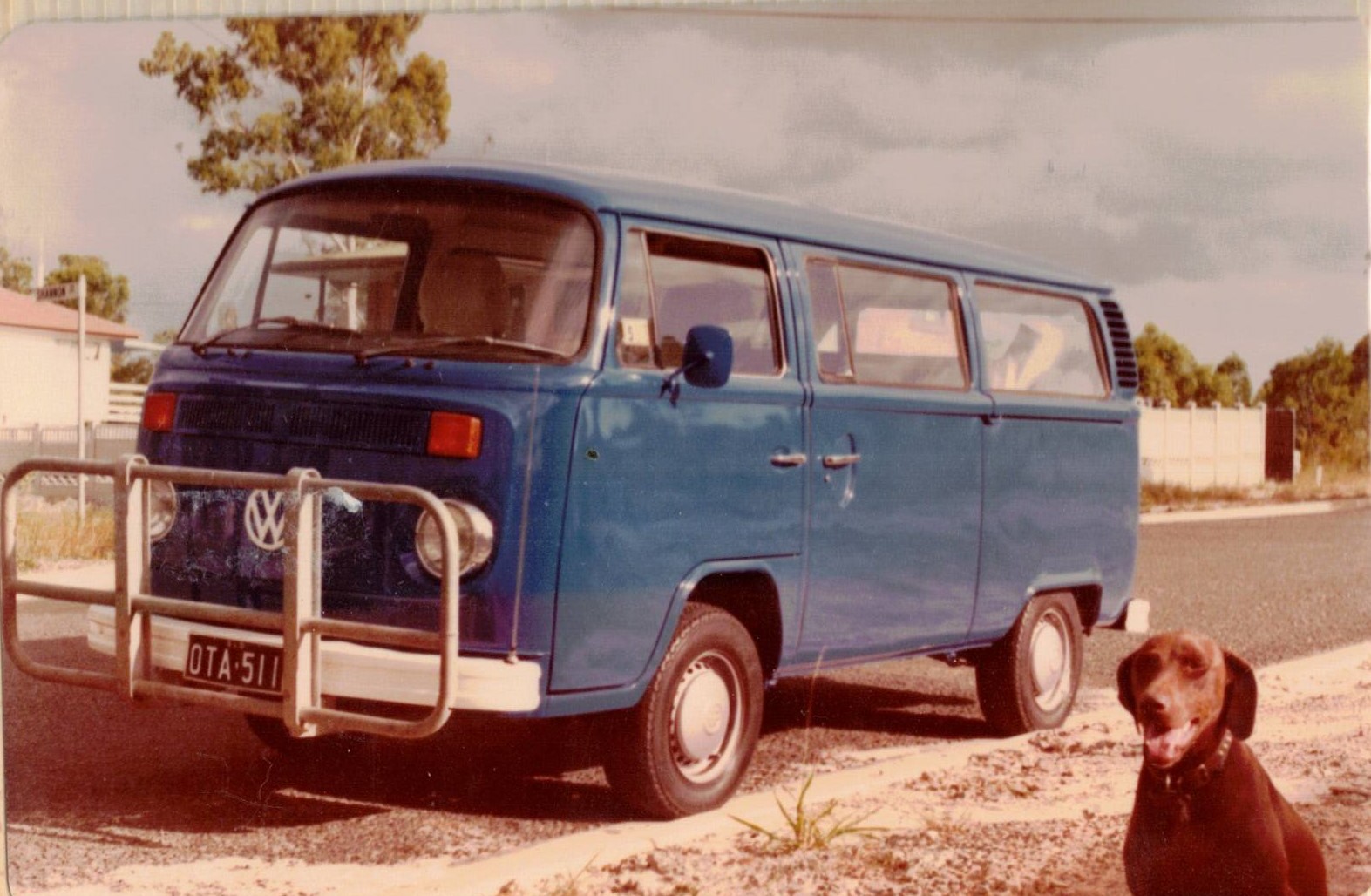
Anything I have ever built from scratch – I built the model railway, landscaping, buildings etc from scratch. Built some model aircraft. Also did a bit of carpentry, building a camp bed/back seat in the Kombi that I had. While not being a great builder, I built a pool deck at home , a couple of carports, retaining walls & gardens etc.
Describe the wildest party I’ve attended – I’ve attended so many wild parties that it’s hard to pick just one. As young adults, we partied a lot. We had friends up the north coast, some living out past Ipswich, and plenty of mates around southside Brisbane. There was always a party happening somewhere, practically every weekend. If it wasn’t at someones house, we would head bush & have our own party with a bonfire. Even work parties were extravagant back then. It was a time when drinking excessively was the norm.
Wreckair Hire hosted large social events and Christmas parties. Client Christmas parties were usually held at different branches around Brisbane, with the biggest one taking place at the main yard/central workshop/head office in Yeerongpilly. These were huge affairs, with a couple of hundred clients invited, 8 x 18-gallon kegs of beer (all heavy, no light/medium strength beer back then), spirits, lots of food—and most people would hop in their cars and drive home afterward. There are a thousand stories I could tell about those legendary Wreckair Christmas, Melbourne Cup & branch opening parties.
Wreckair also threw memorable staff parties. We were a hardworking, close-knit group, and we loved to socialize together. It was a time defined by a heavy drinking culture. Things have definitely changed since then, both in corporate environments and in other aspects as well. That sort of thing just wouldn’t happen these days. There were probably plenty of illegal things that went on—nothing too serious—but things I won’t put into print here to protect both the guilty and the innocent.
How old was I when I first experienced the death of someone close. How did it affect me – The first family death of note was my Grandmother, Nana Catherine Bermingham, in 1965, when I was about 11. My Aunt Molly (Dads sister) who I was particularly fond of, died a couple of years after Nana Bermingham & that saddened me. My other grandparents, Alf & Annie Muller died 6 months apart in 1970, when I was about 16. The grandparents were all quite old at the time, 89, 81 & 79 respectively. Oddly, it didn’t affect me greatly as I knew they were all fairly old & it was expected at the time. The deaths of my parents later on in life were more traumatic for me. I’ve had a few close friends die & that was particularly tough to get over.
Have I ever been in the hospital due to an accident & what happened – Yes. We were all out on a bucks night for Noel Dean’s upcoming wedding. I got king hit (coward punched) from behind outside a nightclub in Brisbane & woke up in the Mater Hospital, not even knowing what had happened. I got a broken nose out of it, that soon healed. Noel had a broken wrist sustained in the same incident & John Ferguson had a black eye. We looked a sorry lot in the wedding photo’s a week later.
Did I ever feel invincible – I can’t say I ever have. I was never much of a risk-taker and always felt there was little point in taking unnecessary risks, like jumping out of a perfectly good airplane or anything along those lines.
Did I regret anything that I did that effected me from pursuing my dreams – No, not really. I have occasionally wondered how my life might have been different if I had stayed in school and pursued further studies, but I certainly have no regrets. I’ve always believed you go with the cards you’re dealt. Trusting my gut has always worked for me, and I don’t think it has ever let me down.
Favorite TV shows – As a kid, Hogans Heroes, Mr Ed, The Adams Family. As I got older there have been many great TV series released – The Soprano’s, Breaking Bad, Boardwalk Empire, Mr In-between.
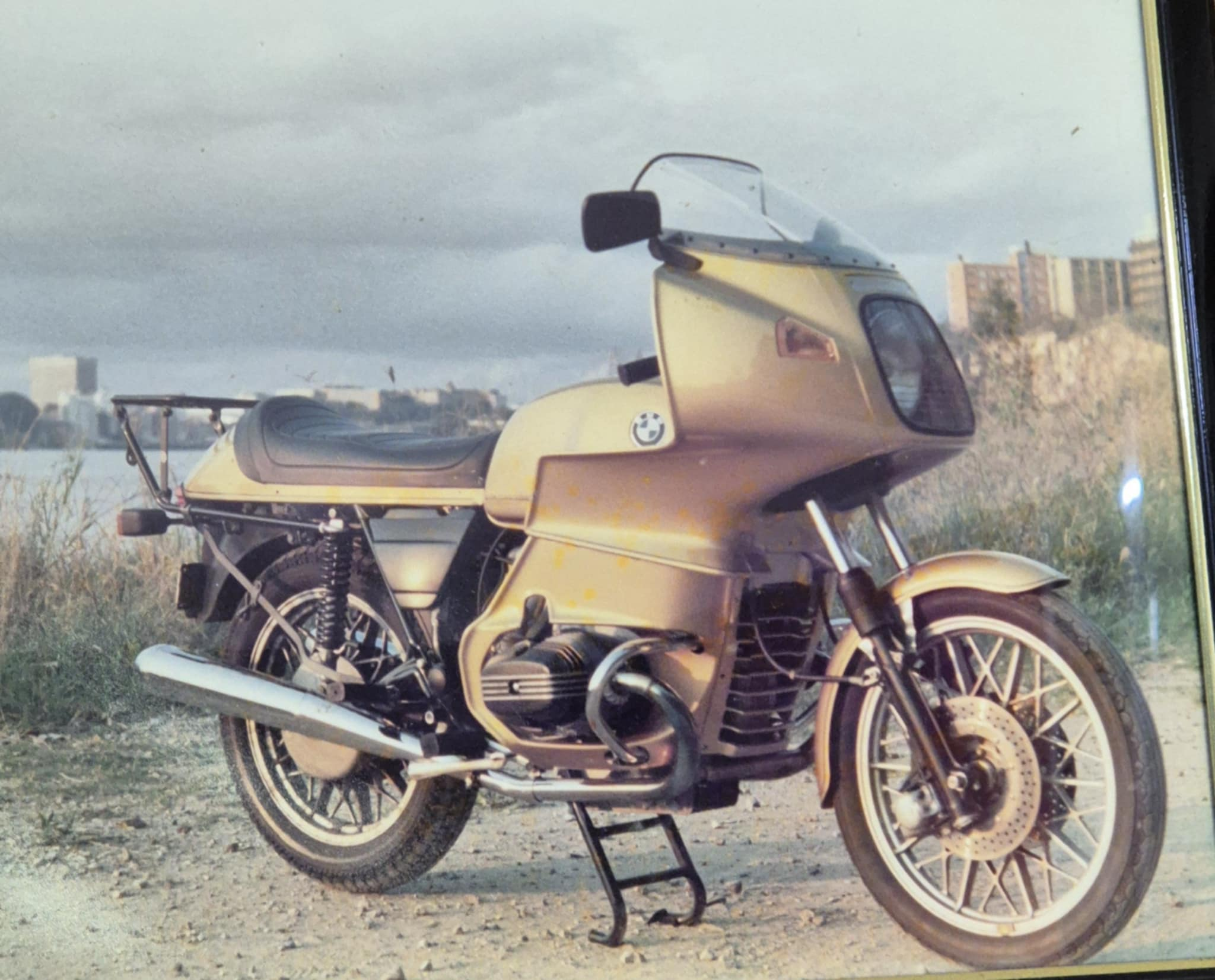
What did I do on holidays & did I visit my parents often – Did a trip to Adelaide with a mate. Went to North Queensland with Janice in the Kombi & we also did a trip to Perth on the BMW. I visited Mum & Dads regularly, usually a couple of times per week.
Did I date in my twenties & have a steady girlfriend – Yes, I had a few steady girlfriends. Since we had a fairly large social network of both guys and girls, there were always plenty of girls we were friends with. Many of the couples went on to marry and start families.
Would I have visited one place in the years after high school & where –
Historical events that took place as a young adult – The big one from a personal standpoint was the 1974 Brisbane floods. The family home went totally under water. It was lifechanging for us as a family. I particularly noticed the deteriation of my Dad’s health after the flood.
What historical figure was I impressed with as a young adult – I’ve always been deeply impressed by what our historical explorers accomplished—sailing into the complete unknown and discovering our country on the other side of the world through uncharted waters. Our family ancestors were also an amazing bunch of people.
What was I proudest of accomplishing as a young adult – As a young adult, I was very happy because I found a career that I enjoyed—the equipment sales & hire industry—something I never imagined myself pursuing. As I mentioned before, I didn’t have a clear career path when I was younger, and that uncertainty used to worry me. But this industry exposed me to a wide range of other sectors, including civil construction, engineering, roadworks, and many others, both minor and large. Being part of such a diverse array of industries & working in a great team environment gave me a sense of accomplishment and fulfillment.
Favorite cars, motorbikes etc – My first car was an EH Holden panel van which was a favorite. I also had many motorbikes, both trail/dirt & street.
My favourite bike was my BMW R100RS—it was truly a beautiful machine. One interesting little side story is when Janice and I rode the BMW over to Perth at the end of 1979. We ended up getting booked for speeding in every state we passed through at the time: New South Wales, South Australia, Western Australia, and Victoria. The bike just felt so comfortable & safe to ride at high speed. I still vividly remember cruising across the Nullarbor Plain on the longest continuous stretch of straight highway in the country, comfortably sitting on about 180 km/h—no problem at all. It was an absolute pleasure to ride—a real grand touring motorcycle in every sense of the word. Grandma’s parents later told us that they thought they would never see us again 😀.
At one point, we saw a police car go past us in the opposite direction. It took him 50 kilometres to catch up after turning around. As it turned out, he was a surprisingly pleasant guy, and despite the high speed, he only fined us for doing 120 km/h.
Something that you would be surprised to learn about me in my twenties – I’ll tell you face to face.
Favorite books – The Great Escape, The Dambusters, all of the Frederick Forsythe & Jack Higgins books, the Tom Clancy books.
Did I ever win any awards or prizes – No, Grandma often teased me about that. She was a champion netballer, runner & swimmer in her younger days. They only handed out awards to the winners in my day, no 2nd or 3rd place trophies or participation awards. I was merely a participant in swimming, running & football.
What did I worry about the most in early adulthood – Getting a career that I would enjoy. I saw many friends who hated their jobs, and I didn’t want that for myself. I’ve always felt fortunate to have found a job that later became my career for my entire working life. One thing I’ve always been grateful for is knowing I could wake up every morning and actually look forward to going to work because I enjoyed what I did & working with a great group of people. Many people don’t have that, and end up going through life being miserable & hating what they do.
Am I still in touch with any of my friends from that time – Not often. We run into each other from time to time, sadly these days at funerals more than anything else.
What new technology surprised me & changed my life the most – Computers & mobile phones gave everyone access to information.
How did I look & dress in my twenties – Mainly jeans & Tshirts & runners.
What did I imagine in my early twenties, I would be doing when I was fifty – To be completely honest, I didn’t think about that. We all lived in the moment. We were having such a great time as young adults, looking at being fifty was never on the radar.
How did I feel on my thirtieth birthday – I was very happy. I had met the girl of my dreams. We really hit it off. She was the first girlfriend I genuinely felt attached to. We had so much in common—our love of music, dining out and traveling. I was also happy with my job. I had moved into management at Wreckair Hire. The company was growing rapidly, had great leadership, and fostered a strong team mentality.
ADULTHOOD
How I met my life partner – Janice & I grew up twelve houses apart in Rocklea. She was six years younger than me, so we didn’t see a lot of each other when we were kids. By the time I was about 22 or 23 I was aware of this attractive young girl who lived up the road, but due to the age difference, we had different friends & social circles, I was working & doing different things at the time. At 17, she had been going out with a good friend of mine, Gary Dean. That was probably never destined to go anywhere. When she was about 18 I think we first hooked up. I asked her out & she accepted & the rest, as they say in the classics, is history. We hit it off immediately.
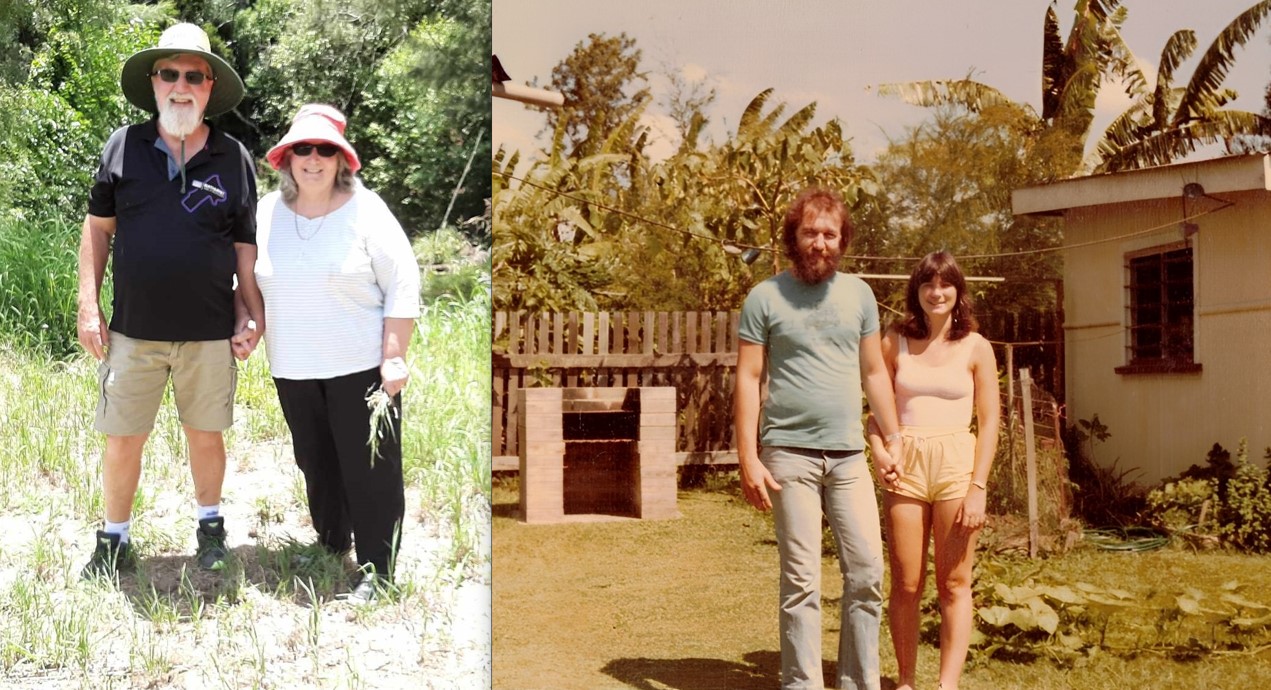
How did I propose – We had been together about three or four years. We had lived in a flat at Indooroopilly together for a couple of years & had bought a house together at Marsden. I’d already bought an engagement ring, so I guess the proposal had already been made. We just hadn’t set a date. I arrived home from work one night & she simply told me that we were getting married in February the following year (1984) & to make sure I had holidays booked & to organise a wedding car for the day. She organised everything else for the marriage to take place.
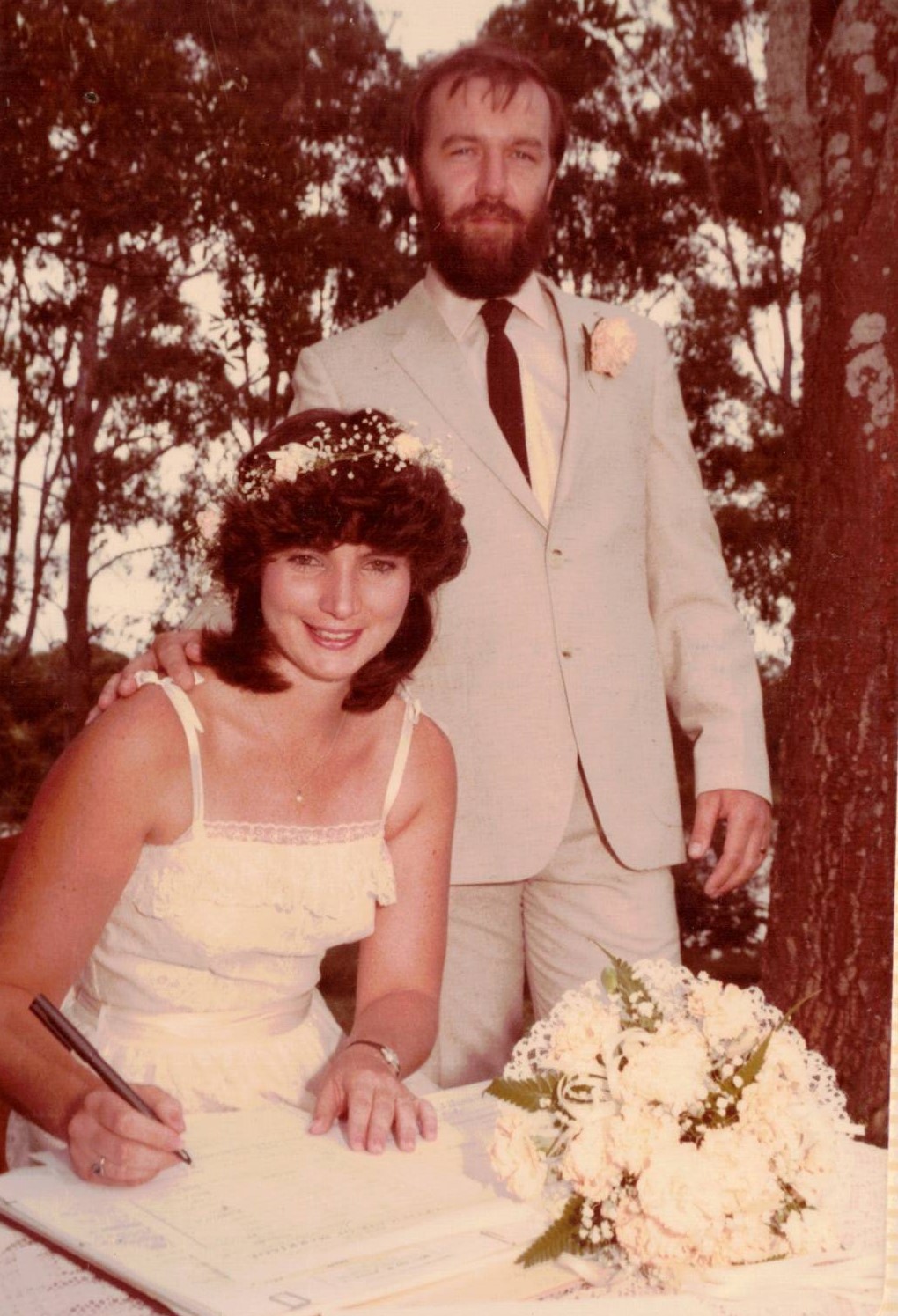
Describe our wedding day – It was an incredible day! We had many friends and a few family members present. We had decided to focus primarily on having our friends there, and it worked out perfectly. I vividly remember waiting at Sherwood Arboretum for Janice to arrive for the ceremony. When she finally did, she absolutely took my breath away. She looked stunning—radiant, even. I don’t think I’ve ever seen anyone more beautiful in my life. Before and after the wedding, many people told me I was punching well above my weight by marrying her, and I think they were right. Meeting Janice and convincing her to marry me was like hitting the jackpot.
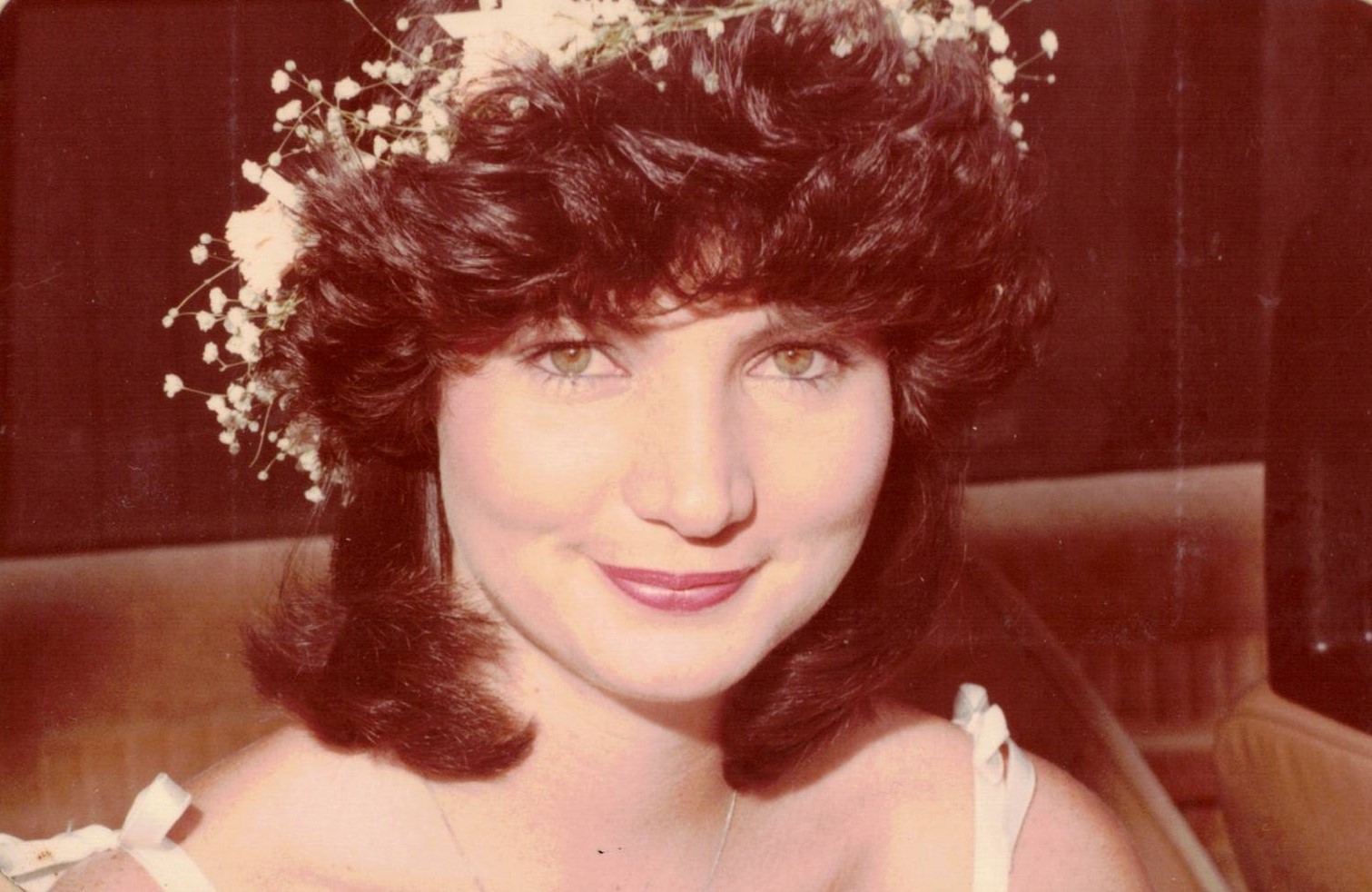
Describe the moment when learning I was about to become a father for the first time – We were married in 1984, but unlike many of our friends, we decided to wait a while before starting a family. I enjoyed my job, Janice was busy with hers, and we were having a great time. We loved going out and making the most of life. By around 1988, we more or less decided it was time to have a baby and start a family. That year, we visited Expo 88 in Brisbane several times and took a trip to North Queensland for a holiday on the Barrier Reef. Shortly after we got home, we found out that Janice was pregnant with our first baby. It was an incredible feeling. We were both thrilled. I remember Janice calling me at work to tell me, and her doctor initially thought it might be twins. We were over the moon, as were both sets of future grandparents.
What do I do to relax – Now that I’m retired, I enjoy walking in the mornings. It’s peaceful and a great time of day to be out and about. While walking, I listen to podcasts about history and current events, as well as my music playlist. I also enjoy spending time in our garden. I wouldn’t call myself a great gardener, but I find it relaxing to keep our yard, garden, and paddock looking good.
I’m a sports fan, particularly fond of motorsports, especially sports car racing. I also love watching all forms of cricket. As a Rugby League fan, I follow the Parramatta Eels, although it’s tough being an Eels supporter since we haven’t won a premiership since 1986.
In addition to sports, I enjoy streaming quality TV series and movies, especially without the distraction of mind-numbing advertising.
Another passion of mine in later life is tracing my ancestors. It’s a time-consuming but deeply fulfilling hobby that I enjoy.
I have my own blog on WordPress, porsche91722, which you are reading this article on now: https://porsche91722.wordpress.com/category/uncategorized/.
Writing is something I truly enjoy. It’s not a pursuit I undertake for others to follow—I’ll admit I’m a bit selfish in that regard. I write primarily for myself. If people find my stories interesting, that’s wonderful! If they don’t, that’s perfectly fine too; it doesn’t bother me.
I don’t aspire to win a Pulitzer Prize. Writing, for me, is a personal endeavor—a creative outlet where I can enjoy piecing together the stories of my ancestors. This blog originally began as a space to compile the factual stories of my family’s history. I was surprised to discover how little our immediate and extended family knew about our ancestors.
We love having the family together, whether at home or at a venue for birthdays or just a casual gathering. With the addition of a granddaughter and partners, it’s always nice to catch up and enjoy each other’s company.
What is my favorite meal? Can I cook? – Janice is the best cook ever, and I’m not just saying that to suck up—I truly believe it! Over the years we’ve been together, she has honed her skills to the point that we both prefer her cooking to most restaurant meals. She’s an exceptional cook. I, on the other hand, am hopeless in the kitchen. All of her cooking is fantastic, but when all is said and done, I never really ever get tired of a good old roast dinner.
What other countries have we travelled to & when – Janice & I have been to England, Austria, Italy & France in 2014. Japan 2016, India 2019.
Favorite family vacation & why – We went to the North & South coasts with the kids on many occasions, The Dubbo Zoo, Batemans Bay, Hervey Bay. All great family holidays.
Tell about a difficult decision I had to make & the outcome –
What is something that I consider to be a guilty pleasure & how often do I indulge – My model car collection. My lifelong ambition to get to the Le Mans 24 Hour race which I finally got to do in 2014. Janice hates motorsport but came with me.
Any specific skills or talents that might surprise people – My Dad Jokes.
What would friends say are my best qualities – I’m not sure, you would have to ask them. But I would like to think that they would say that I’m honest & trustworthy. What you see is what you get.
The proudest moment of my career might seem surprising. It wasn’t a big promotion or a coveted new position. Instead, it was a career-defining choice to step back from the relentless climb up the management ladder—a path many view as the ultimate career achievement. For me, however, the decision was about valuing time with my family over titles and promotions. Family, to me, is everything, and I realized that I would only get one chance to be present for the pivotal moments in my children’s lives: their infancy, their school years, their graduations, their achievements in sports, and their school events. Miss these moments, and there’s no second chance to witness their growth and milestones firsthand.
Describe a typical workday – When I was a branch manager at the Southport, Yeerongpilly, and Rocklea branches, it was common for me to arrive about half an hour before the opening time of 7 a.m. I’d start the day by greeting fellow staff members, having a quick morning chat, and enjoying a coffee together. Afterward, I would open the gates and ensure everything was set up to operate the business for the day. This included opening the safe, checking on overnight telexes or messages, checking that delivery vehicles were ready, and making sure the branch was clean and organized, without any rubbish or equipment lying around. I also ensured that all staff were present and that deliveries were well-organized.
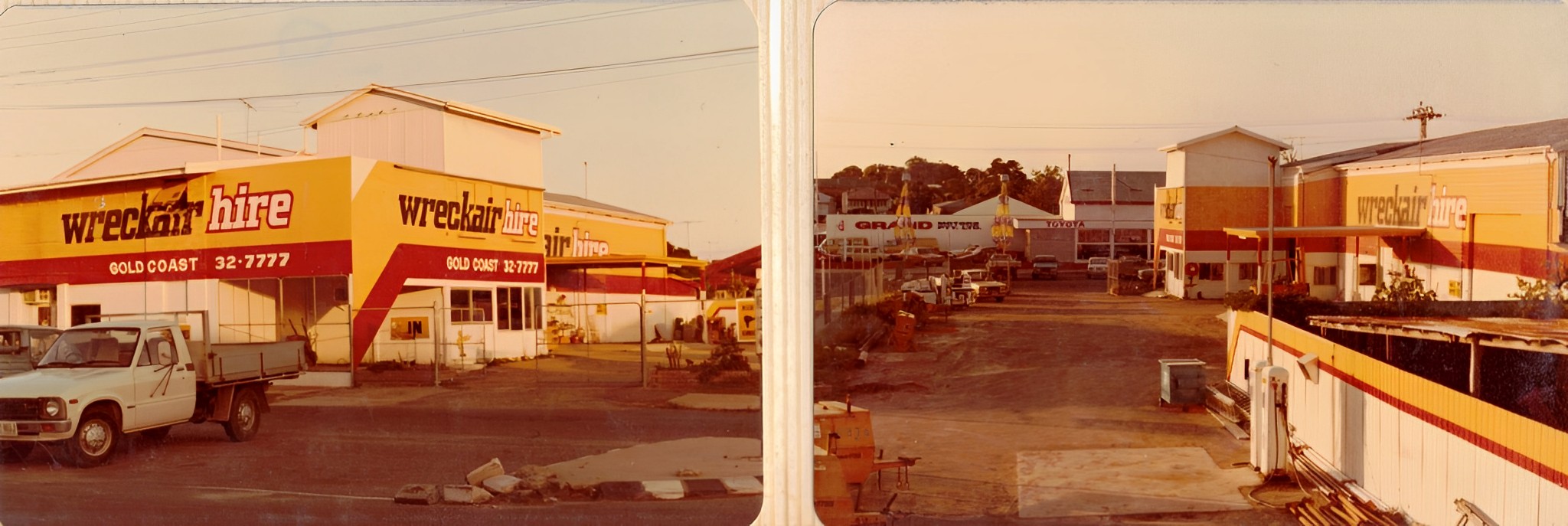
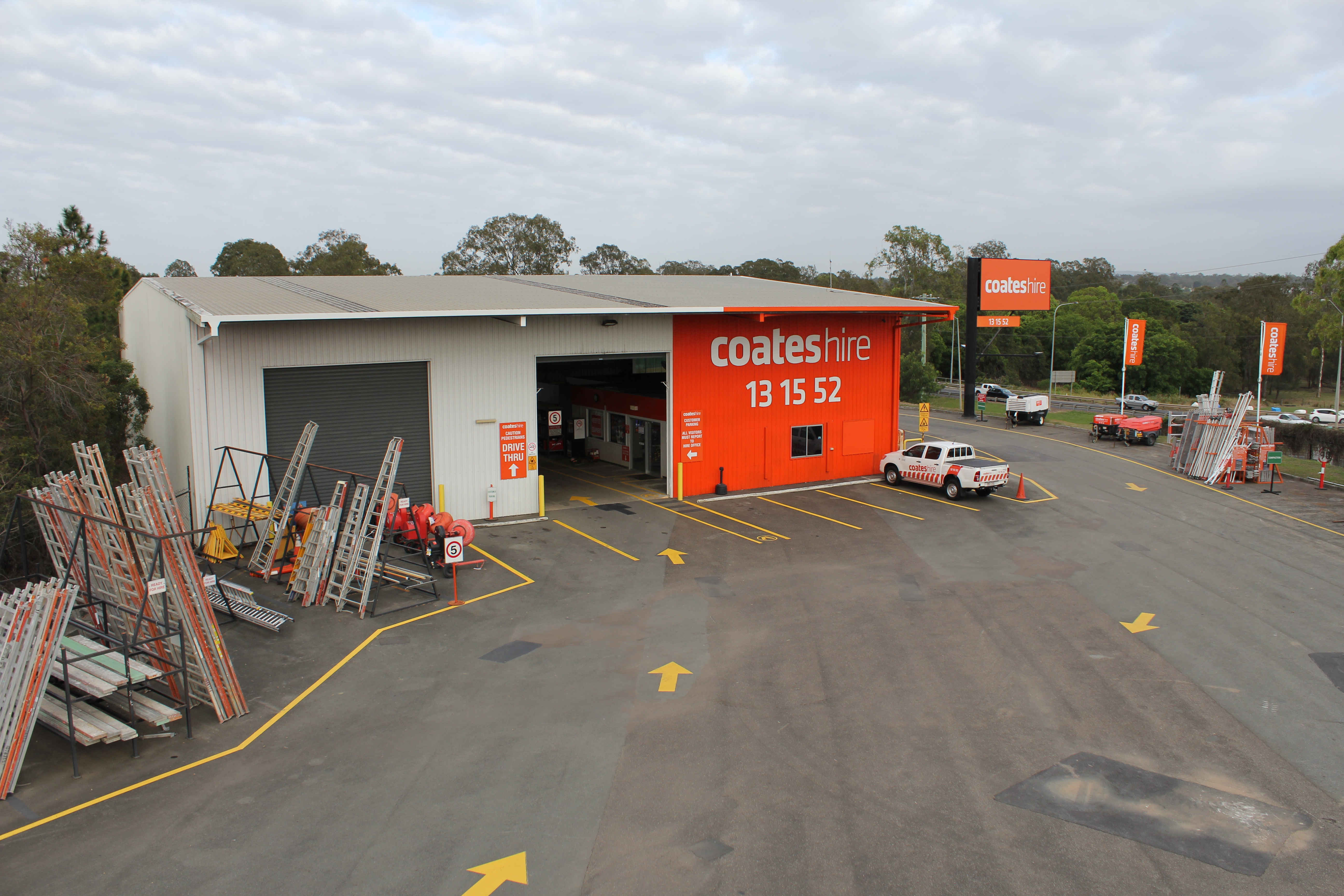
Once the initial morning rush was out of the way, I would liaise with the sales representative to discuss any issues he or clients were experiencing, ensuring he could head out on the road smoothly. As the manager, I handled client account issues, such as overcharging or other billing problems, that came up during the day. I also dealt with any internal staff concerns, including disputes between colleagues, pay problems, holidays, and sometimes even staff personal issues.
Occasionally, I would go out on-site with the salesman to meet clients and resolve any complaints or problems that had developed. I made it a priority to address issues proactively before they escalated. Since the branches I managed typically had a staff of about 10 people, I often assisted with answering phones and managing the influx of customers at the branch. We operated from 7 a.m. to 5 p.m., Monday to Friday, and from 7 a.m. to 11 a.m. on Saturdays. Each of the office staff worked every third Saturday, making it a pretty demanding schedule.
Later in my career, I chose to step down from my role as a manager to become a driver and then a yardman. It was a big change, but it came with benefits—a 7 a.m. start and a 3 p.m. finish, no stress, and more family time. After nearly twenty years in management, I realized that this shift was long overdue. By then, we had welcomed our third child, our beautiful daughter, Kathryn.
Although I missed the challenges of problem-solving and handling client issues, I had found that my management role had become stale. I was ready for something different. Wreckair Hire had been going through several ownership transitions, and the changing corporate policies were starting to frustrate me. The timing felt right to take my career in a new direction.
First major purchase as an adult. Describe in detail – Aside from cars & motorbikes, our first home at Marsden was the first big purchase. I was working on the Gold Coast at the time, so we both decided a home roughly between Brisbane, where Janice was working & the Gold Coast would be convenient for both of us.It was a basic little three bedroom highset place that we bought in a new housing estate at the time.
Tell about a time when I felt truly afraid – I remember when Samara ate something that triggered a severe reaction, and she began losing consciousness. We tried to keep her awake while waiting for the ambulance to arrive. That was very scary.
Personally, one of the scariest moments I’ve ever experienced was at the Surfers Paradise Raceway. I was approaching the end of the main straight, going flat out under the Dunlop Bridge on my BMW R100RS, traveling at around 180 kph. The drag racing start line was positioned at that part of the track and had accumulated oil and lubricant spills on the surface. As I leaned into the corner, I lost the back wheel, which slid sideways across an oil spill at 180 kph. It happened so quickly that I didn’t even have time to feel the full weight of fear, but afterward, I realized how close I’d come to disaster. I could have easily been killed.
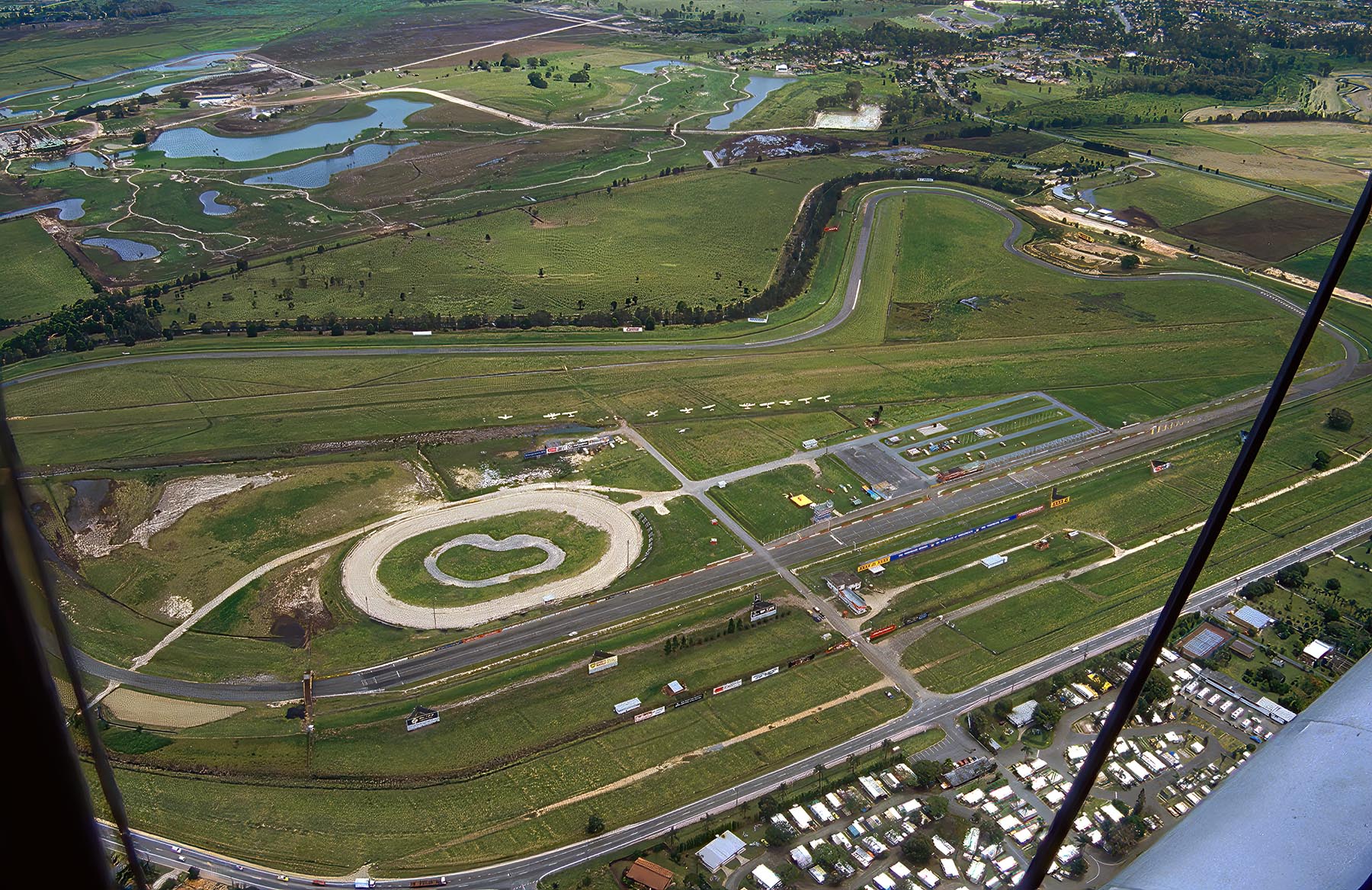
Afterward, I went around the circuit very slowly and headed into the pits, where I sat down and reflected on what had just happened. The shock of the near-miss sank in, but I soon regained my composure. I went back out on the track, this time with a more cautious and sensible approach, fully aware of the track conditions.
Describe the perfect weekend –
What are the five best concerts that I have attended – That’s a tough one. Both of us love music, and we still do. For me, narrowing it down to the best five is impossible. Pink Floyd, Supertramp, Santana, David Bowie, Steely Dan—these are just a few highlights. We’ve seen so many live shows in Brisbane that I’ve had to leave off many that probably deserve a spot.
I should also mention Australian pub rock: The Angels, Cold Chisel, Midnight Oil, Skyhooks, Mondo Rock, Billy Thorpe & the Aztecs, Little River Band, Jo Jo Zep & the Falcons, The Rubens.
And then there are the great Brisbane bands from the past: Railroad Gin, The Saints, Lobby Lloyde & the Coloured Balls, Mick Hadley & the Purple Hearts, White Lightning, The Mouldy Lovers, Wickety Wak. Naming just five doesn’t feel right.
Describe an experience that made me really angry – I don’t tend to get angry too often. However, I remember feeling very frustrated while working with people who simply weren’t suited to the roles they held. It was more frustration than anger. But, as everyone knows, there are plenty of difficult individuals in the workplace that we all encounter from time to time. I have loaned supposed friends money & they haven’t repaid that loan. That made me angry & extremely let down. Other than our kids, I would never, ever lend anybody money anymore.
The top three qualities I value in people are honesty, integrity, and respect. I cannot tolerate liars—particularly those who lie with the intent to hurt others. I’ve been lied to by people I considered friends, even when I was trying to help them. It’s deeply disappointing when both parties are aware of the truth, yet the lies and deceit continue. It leaves a bad taste in your mouth, and you feel profoundly let down. While I believe we’ve all been guilty of occasional exaggerations, lying with the intent to harm or hurt someone is something I simply cannot accept.
What are five foods I hate & why – I wouldn’t say I hate any particular type of food. While I have preferences and enjoy some foods more than others, there’s nothing that I truly dislike.
What would your teenage self say about your adult self – That’s an intriguing question. As a teenager, while I didn’t often voice strong opinions about politics or the ruling classes, I felt strongly about how governments and the police operated—especially in Queensland, where the notoriously corrupt Bjelke-Petersen government was in power. However, as an adult, I’ve become increasingly frustrated by government and corporate inaction on environmental issues and the poor treatment of workers and lack of workers’ rights. We, as inhabitants of Earth, are gradually destroying our beautiful planet, while politicians and leaders around the world procrastinate and do little as our planet slowly burns. My teenage self would likely see my adult self as a quiet yet somewhat radical thinking environmentalist.
What is a goal I set myself & achieved. How did I achieve it? – Soon after we met, I realized I wanted to marry Janice. At that point in my life—around 24—I noticed many of my friends were in long-term relationships, with some already married, and I felt that time was slipping away (yes, looking back, that thought seems a bit crazy). But almost immediately, I knew Janice was the one. She was extremely attractive (I know that sounds a bit shallow, but she truly was), and she was mentally strong and tough. I loved being with her. All I had to do was convince her. Fortunately, both of our mothers were friends, which helped get the ball rolling.
What motivates me? What gets me out of bed in the morning? Throughout my career, I always enjoyed my work. Many people aren’t so fortunate—they dread getting up in the morning, working for a boss they don’t respect, or dealing with coworkers they dislike. For me, work was fulfilling because I chose to focus on its positive aspects. I firmly believe that if you concentrate on what’s good in any job and build on it, you’ll approach each day with enthusiasm. Conversely, if you dwell on the negatives or difficult people, you’ll never feel eager or motivated to go to work.
Over the years, working with a wide cross-section of people—both positive, team-oriented individuals and negative, perpetually unhappy ones—I’ve learned that you’ll never find a perfect workplace. There will always be a few difficult individuals who seem intent on dragging others down to their level of discontent. However, I’ve found it surprisingly satisfying to help others rise above that negativity and encourage them to adopt a more positive, team-focused mindset. It doesn’t always work, but it’s always worth the effort.
Now, in retirement, I love the freedom of not having to be anywhere at a set time, apart from the occasional appointment. I enjoy staying busy but relaxed, knowing I don’t have a rigid schedule, and that’s more than enough to motivate me each morning. I’ll hastily add, that due to Janice’s smart decisions on planning for our retirements, this has put us in a place where we both feel as though we have the freedom to relax.
WISDOM
Lifechanging decisions I have made – In 1992, my job as branch manager at Wreckair Hire Rocklea was increasingly demanding more of my time. Our two boys, Andrew, aged three, and Jarryd, aged one, were very young. I found myself leaving for work at 6 a.m. and getting home at 6 or 7 p.m., barely seeing them during their waking hours. I realized I wanted a job that would allow me to spend more time with Janice and the boys while they were still little.
After discussing it with Janice, I made the difficult decision to step down from management and take a driver position, still at Wreckair. It was a huge transition—moving down the corporate ladder instead of up. Many of my colleagues thought I was crazy. The decision came with a significant pay cut, but we made it work. Financially, it was tough at first, but it was the best decision I could have made at the time. Working fewer hours gave me more time with my family, and I have never regretted it.
One outcome was that some people in the organization began treating me as inferior because I was no longer in management. That didn’t bother me, as I began to see them differently too, due to their behavior.
Who is somone I admire & why – My ancestors. They all travelled across the world leaving their wartorn & terrible dystopian circumstances behind to make new lives for themselves here in Australia, not knowing what they were getting themselves into. If I had to choose one ancestor I particularly admire, it would be my great-great-grandmother, Catherine Ryan. That’s not to say I don’t deeply respect my other ancestors, but her story is truly remarkable. In fact, her life could easily be the subject of a movie—it was that extraordinary. Link to Catherine’s story is here – https://porsche91722.com/2023/05/01/catherine-ryan/
Do I have any sports stars whom I admire? I’ve followed the careers of many race drivers, including those who are no longer with us, and I greatly admire their talent. Legends such as Pedro Rodriguez, Jo Siffert, Brian Redman, Mark Donohue, and all the drivers who raced the Porsche 917s in the 1970s left a lasting impression on me during their era of dominance. In sports car racing, the John Wyer Automotive Gulf Oil Porsche 917 team of the early 1970s, as well as the exceptional Audi Works Teams of the early 2000s led by Dr. Wolfgang Ullrich, were outstanding. Their professionalism set a standard that few could rival. I also have great respect & admiration for the successful partnership in the American Le Mans Series during the 2000s with the Flying Lizard Porsche team, featuring Jörg Bergmeister and Patrick Long.
Today, I continue to admire the current Porsche works drivers, including Nick Tandy, Kevin Estre, Laurens Vanthoor, Matt Campbell, and Andre Lotterer.
There have been so many great drivers in F1: Jack Brabham, Jim Clark, Jackie Stewart, Ayrton Senna, and Michael Schumacher.
There’s been so many great footy players over the years -Wally Lewis, Alfie Langer, Cameron Smith, Billy Slater, Johnathon Thurston, the great Parramatta teams of the 1980’s with Ray Price, Mick Cronin, Brett Kenny, Peter Sterling, there’s too many to mention.
The great Aussie cricketers we’ve had in the Australian cricket team—the Chappell brothers, Allan Border, Rod Marsh, the legendary fast bowling duo of Denis Lillee and Jeff Thompson, and of course, the greatest spin bowler the world has ever seen, Shane Warne—right up to the great teams of current times. However, I think my favorite cricketers were the brilliant West Indies teams that dominated world cricket from the 1970s through to the 90s. They had some incredible players: batsmen like Clive Lloyd, Vivian Richards, Gordon Greenidge, Desmond Haynes, Brian Lara, and Chris Gayle. And then there was their fearsome lineup of fast bowlers who intimidated every cricket team in the world. What a fantastic bunch of bowlers they were—Malcolm Marshall, Michael Holding, Andy Roberts, Colin Croft, Joel Garner, Courtney Walsh, Curtly Ambrose. They were the kings of cricket at the time.
Describe the best gift you ever received. Why was it the best? – Our kids & our granddaughter. Does that really need an explanation?
What are the three moments in your life when you felt the proudest – Marrying Janice, The birth of our kids & seeing them grow into fine adults.
What is your biggest regret? – No regrets! Regrets are simply things you never achieved but perhaps wish you had. As far as I’m concerned, you shouldn’t have regrets, because no matter what stage of life you’re in, you can still make things happen for yourself. Don’t dwell on the past—learn from it, pick yourself up, and move forward.
A regret is something you can’t turn back time on. That said, I consider myself fortunate to have grown up in Australia during a period of growth and prosperity. There were plenty of jobs, education was largely free, and real estate was relatively easy to buy and own. Looking back, I can’t think of anything in particular that I would change.
What is your favorite season & why? – Spring. It’s not yet scorching hot, Summer is still to come. Great planting weather in the garden.
If you could change one thing about the world what would it be & why? – How can you change just one issue? If I could change just one thing about the world, it would be for people to live together peacefully. While it’s difficult to choose just one issue, fostering harmony among people could help resolve countless others. That said, solving the world’s environmental problems would also have a profound impact. Another important change would be eliminating the abuse of harmful, addictive drugs. These substances have destroyed countless lives. However, since many of these drugs still play essential roles in healthcare, perhaps a better solution would be to reduce dependency among those struggling with addiction—through prevention, treatment, and education.
Who is someone I admire & why – Someone I deeply admire is my ancestors. They traveled across the world, leaving their war-torn and dystopian circumstances behind to start new lives in Australia, despite not knowing what lay ahead. I also admire anyone with a unique talent or exceptional skill, whether in sports, entertainment, or the arts. Most of us are average, so when someone excels at something, it’s truly admirable.
Tell me about a memory that always makes you smile – Getting married. When the kids were born. When our beautiful granddaughter was born.
If you could pick one year as the best year of your life, which would it be? – 1984. The year I married the best person in the world.
What would you consider to be your greatest or proudest achievement & why? – Having a beautiful family! I’m not saying we were the best parents ever, but we did our best. I am so proud that all of our kids pursued tertiary education and earned degrees. Our oldest child, our son, is a registered nurse who has also completed a graduate certificate in gerontology (aged care). Our middle child, also a son, holds a degree in computer engineering and works as a product manager for a large multinational company. Our daughter has a degree in music and works in the entertainment industry, booking bands and venues for concerts across the country. She also performs in many different genres—from pop and punk to brass bands. They are all successful in their chosen fields. It’s not just about education, though—although that is so important in modern life. Our kids have all grown into responsible adults, and we are incredibly proud of their achievements.
Describe how being a grandparent is different from being a parent – That is a very good question! We tend to spoil our granddaughter more than we did with our own kids, but that’s probably because, as parents, we had a mortgage and all the other day-to-day costs of raising a family. Once you become a grandparent and are finally in a good financial position, you tend to spoil the grandchildren more—and sometimes, we just can’t help ourselves! Many people say this, but having a grandchild really is a different dynamic. You don’t love them any more or less than your own children, but it’s a slightly different kind of love—a grandparent’s love. An unconditional love! We spoil them to bits and then hand them back to their parents to deal with it. You’re also more worn out after a day with the grandkids, but you have more time for fun and don’t have the work pressures that came with parenting.
What aspects are different from your relationship with your own grandparents? – When we were younger, our grandparents lived a few hours away, so we didn’t see them regularly—usually only at Christmas and during holidays. We were close to them as grandkids, but we didn’t have the close-knit relationship we have with our own granddaughter. Because we live nearby and look after her two days a week, in addition to seeing our son, daughter-in-law, and granddaughter multiple times a week, it’s a much closer relationship than the one we had with our own grandparents.
What was a pivital event in your life& how did it change you – A pivotal event in my life was probably getting married. Before that, I had been living a party lifestyle and was deeply focused on advancing my career. Marriage made me grow up, take stock of my life, and realize that life was more about “us” rather than just “me.”
Are there some things I wish would go back to the way they used to be? Surprisingly, very few. The world is constantly improving, despite certain challenges. One negative is that children today don’t have the same freedoms we once had to go wherever & whenever we wanted. However, on the whole, the world is a better place than it was in the past, even if media narratives suggest otherwise. For instance, there are fewer wars now than ever before, contrary to what the media claims. We also benefit from more tools, resources, and better educational opportunities that enhance our quality of life.
That said, young people today face challenges we didn’t, such as fewer opportunities to buy and own a home. Additionally, there seems to be more pressure and related mental health issues compared to what previous generations experienced. But there is a way to circumvent that issue – switch off from the people or the problem!
What advice would you give to your fifteen year old self & why? – Be patient. You may not yet know what you want to do with the rest of your life, and that’s okay! Follow your instincts—you already know right from wrong, even at an age before you are fifteen. Don’t be afraid to ask for help. Find a mentor, or even a few mentors. It could be a parent, a friend, a teacher, a boss, a manager, a sports coach, or anyone whose thoughts and opinions you respect. Don’t be afraid to make mistakes. Some of the best lessons come from mistakes. You learn how to do things right by learning what went wrong. And remember, if you’ve gone in the wrong direction, it’s never too late to turn around. Some people have had major redirections in their careers & lives at age 50. Oh & one more thing – all adults aren’t perfect. Be careful of whom you take advice from. But, you’ll learn. No problem is ever so big that you can’t turn it around.
What is your favorite way to spend an afternoon by yourself? – Watching sport, motor racing, footy or cricket. Or in the garden.
Name five places that you have never been that you would like to visit & why – Ireland and Germany are both fascinating but in very different ways. Ireland seems to have a population with traits similar to Australians—an adventurous spirit and a shared sense of humor—paired with stunning scenery. Germany, by contrast, appears more methodical, with a structured and serious lifestyle that reflects its reputation for efficiency and precision.
The Scandinavian countries also capture my interest. They come across as laid-back yet highly organized, with well-educated, friendly, and dedicated populations.
Russia, on the other hand, presents a different picture. It appears to be an authoritarian state, controlled by harsh leaders, yet it’s experiencing a gradual, albeit slow, shift in lifestyle. I would be intrigued to see remnants of its pre-communist history and culture.
Tell me something you wish you had spent more time doing when you were younger & why –
What are four life lessons that you learned that you think are important – Loyalty, integrity, honesty, saving.
Tell me about a time in your life when you felt let down by someone or something – I’ve been let down by people at various stages of my life & career, and even by so-called friends. While these experiences weren’t insurmountable, they taught me that while you can trust most people you can’t trust everyone. In the professional world, people are often focused on climbing the corporate ladder, and some are willing to do whatever it takes to get there—even if it means trampling over others or lying and cheating along the way. But you know what? You don’t dwell on these things. You get up, learn from it, and move on. I’ve seen many people fall into a pit of self-pity, which doesn’t achieve anything.
If you could choose any famous person living or dead, to spend the day with, who would you choose & what would you talk about? – Some people say you should never meet your heroes or famous people because they’ll only disappoint you, but I think that’s a bit negative. Deep down, they’re just ordinary people like the rest of us, with good days and bad. I get the idea that maybe we’re better off simply admiring their achievements from a distance. Outside the limelight, famous people often lead surprisingly mundane lives, like the rest of us, whose routines are shaped by daily work and family commitments.
What are three things you wish you knew how to do & why? Driving a race car competently is something I would love to be able to do. Like any skill, it requires dedication and practice. It’s a talent I deeply admire. Watching the best drivers in action, you witness a level of expertise that few can match. Many may attempt it, but only a select few truly succeed. The margin between the greats and the rest is often measured in mere hundredths of a second, yet these top drivers consistently deliver fast lap after lap & bringing the car back to the pits in tact. While anyone can put in one or two quick laps, maintaining that speed consistently is what sets the best apart from everyone else.
Play the guitar or the piano. I’d love to be able to play any instrument properly.
What do you want your legacy to be? –
Tell me a secret that you’ve never told anyone else – If I did that, then it wouldn’t be a secret, would it? One thing I learned early in life about secrets is that if you have something you don’t want to spread, you shouldn’t tell anyone—not a single soul! Once you tell one person, it’s no longer a secret. And you can never be sure if the person you confide in might use it against you if circumstances change. People change! Someone you once trusted and had faith in can turn around and use that information against you for their own reasons.
What advice would you give your twenty five year old self? – Remember that you’re still learning—and you always will be. You don’t know everything. It may sound harsh, but be cautious about whom you trust. While most people are honest, there are scammers and others who may not have your best interests at heart. Be loyal to your family; they are the most important. Friends may come and go, but family is forever.
What do you do when you feel lonely? – Talk to my wife – my best friend.
If you could choose one day from your past to relive which day would you pick & why? Our wedding day.
What is something that seems like a blessing but really is a curse & why? –
What are your spiritual beliefs? – I don’t have any spiritual beliefs. To me, religion feels like one of the biggest scams in history. Practically every religion seems to be asking for financial or other support from its followers, often exploiting their trust. While some religious groups do significant work to help others, many have also caused harm to the very people they claim to serve. Many people gain a lot out of their spiritual beliefs. I just don’t happen to be one of them.
I believe in decency, honesty, and integrity. I’ve never fully understood why some people feel the need for a spiritual crutch to navigate life, only to seek forgiveness when they hurt those they care about or make mistakes. In my view, it’s better to live a decent life without relying on a higher power for justification or guidance. Take responsibility for your own decisions and actions. Everyone makes mistakes—own them, learn from them, and move forward with strength and accountability.
When you analyze history, many of our wars, factional conflicts, and disagreements have stemmed from differences in spiritual and religious beliefs between individuals and nations. My god is better that your god so lets fight & destroy each other over it!
If you could travel back in time to any moment in history, what would you choose & why? That’s an interesting question. In reality, would anyone truly want to go back to a time without clean running water, fresh food, reliable transportation, modern medicine, and flushing toilets? It would be fascinating to visit for a short while, maybe a day or so, but as a history enthusiast, I’m content to study the past from the present. Our ancestors had incredibly hard lives.
What would you say is life’s purpose? Have you fulfilled it yet? – I believe life’s purpose is to be happy, and yes, I am happy! Too many people spend their lives worrying about money, possessions, and what others think of them. While being responsible, financially secure, and having a roof over your head are important, I think happiness is one of the best things you can still maintain relatively easy. I know people who are broke, but happy. If you are not happy, you can suffer from depression, it can ruin your relationships, friendships, your job prospects etc. Happiness isn’t a switch you can turn on & off, but it is more of a ideal lifestyle that you can try & maintain. Someone I respect once told me, “If you look after the little things, the big things will take care of themselves.”
If you won the lottery, how would you spend the money? – Buy our kids a home each.
If there was a movie made about your life, what would it be called & what actor would play you? –
Name of the movie -“I’ll have what she’s having”.
Ok, with the actor, how do I answer that one? I could say, Colin Farrell, Liam Neeson, or Cillian Murphy, but it would probably have to be someone like Danny DeVito or Steve Buscemi.
What is your favorite animal? – My favorite animal is the dog. Dogs don’t judge, lie, or hold a grudge. They are faithful and ask for nothing in return but food, your love and attention.
So, there you have it!😀😀
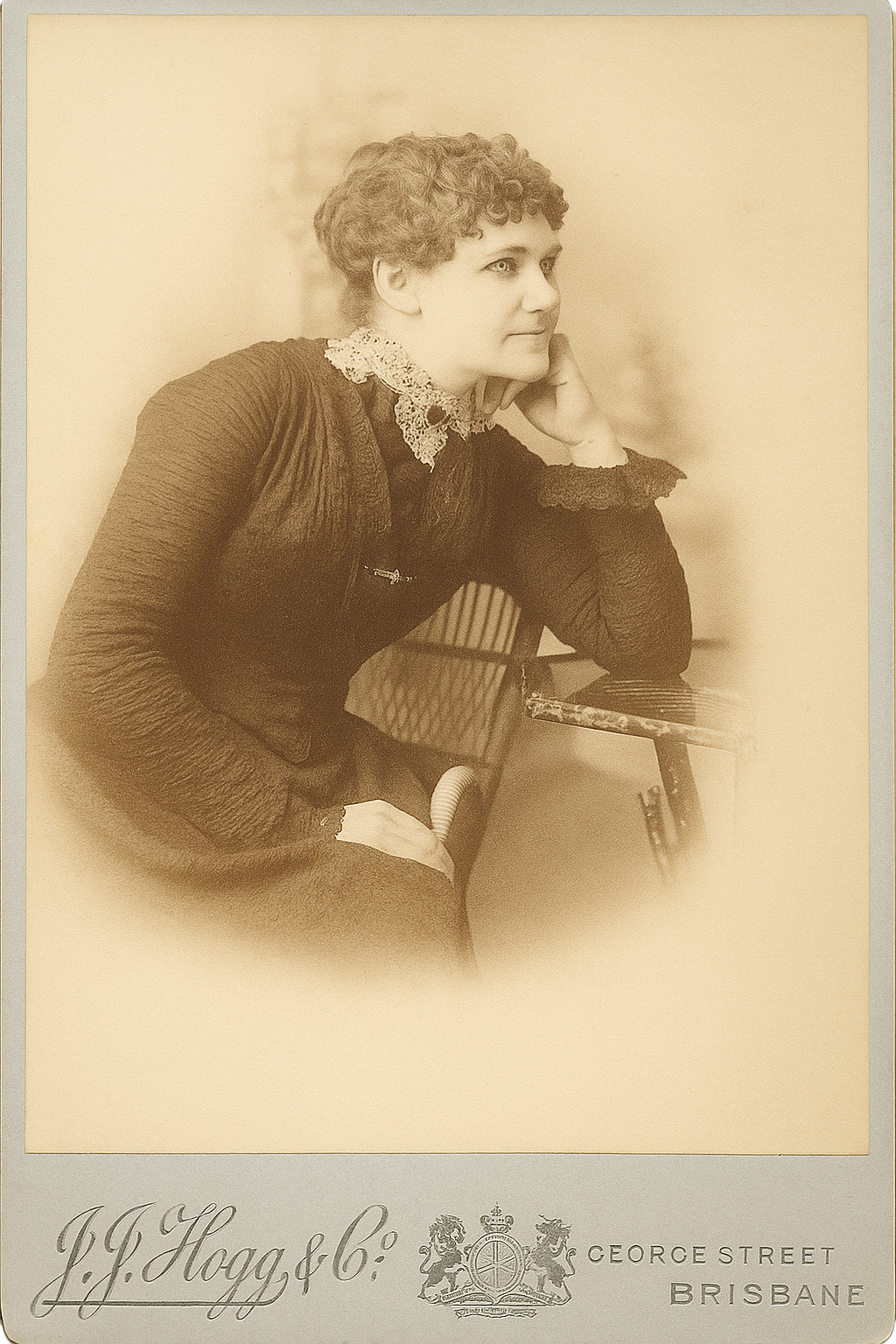

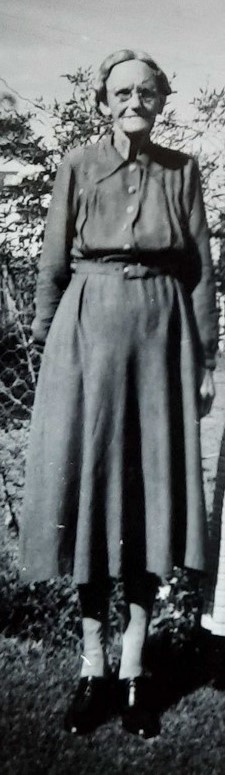
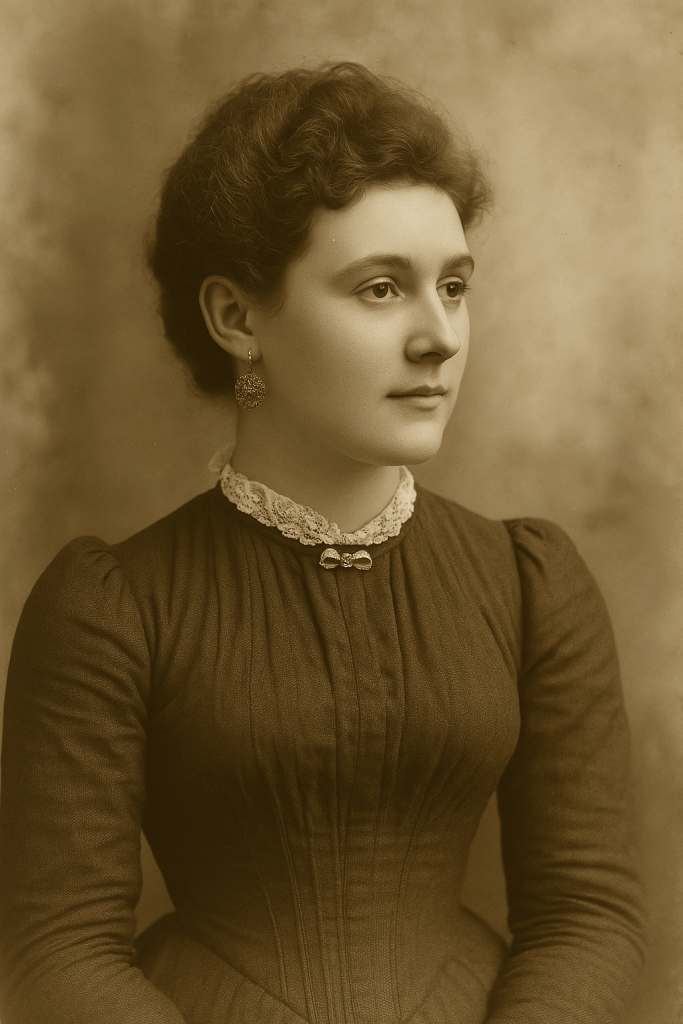
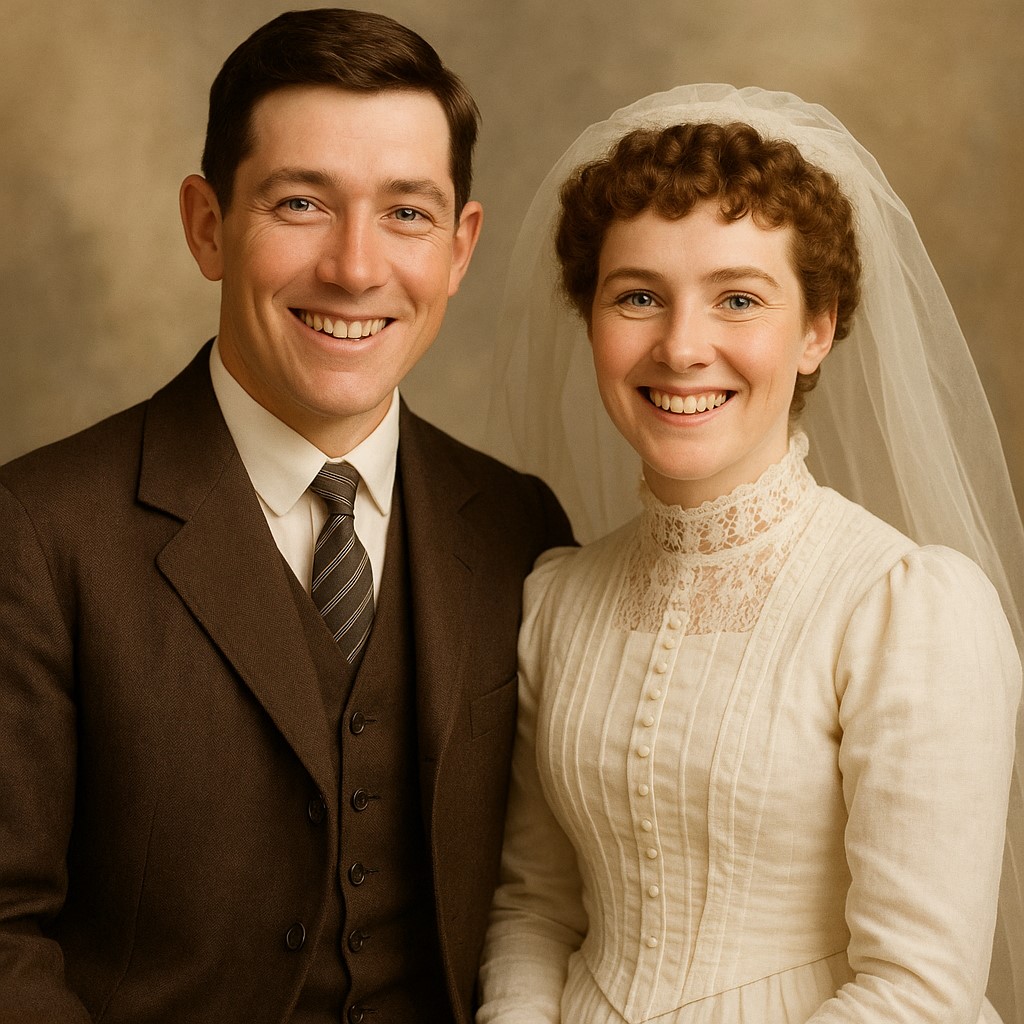
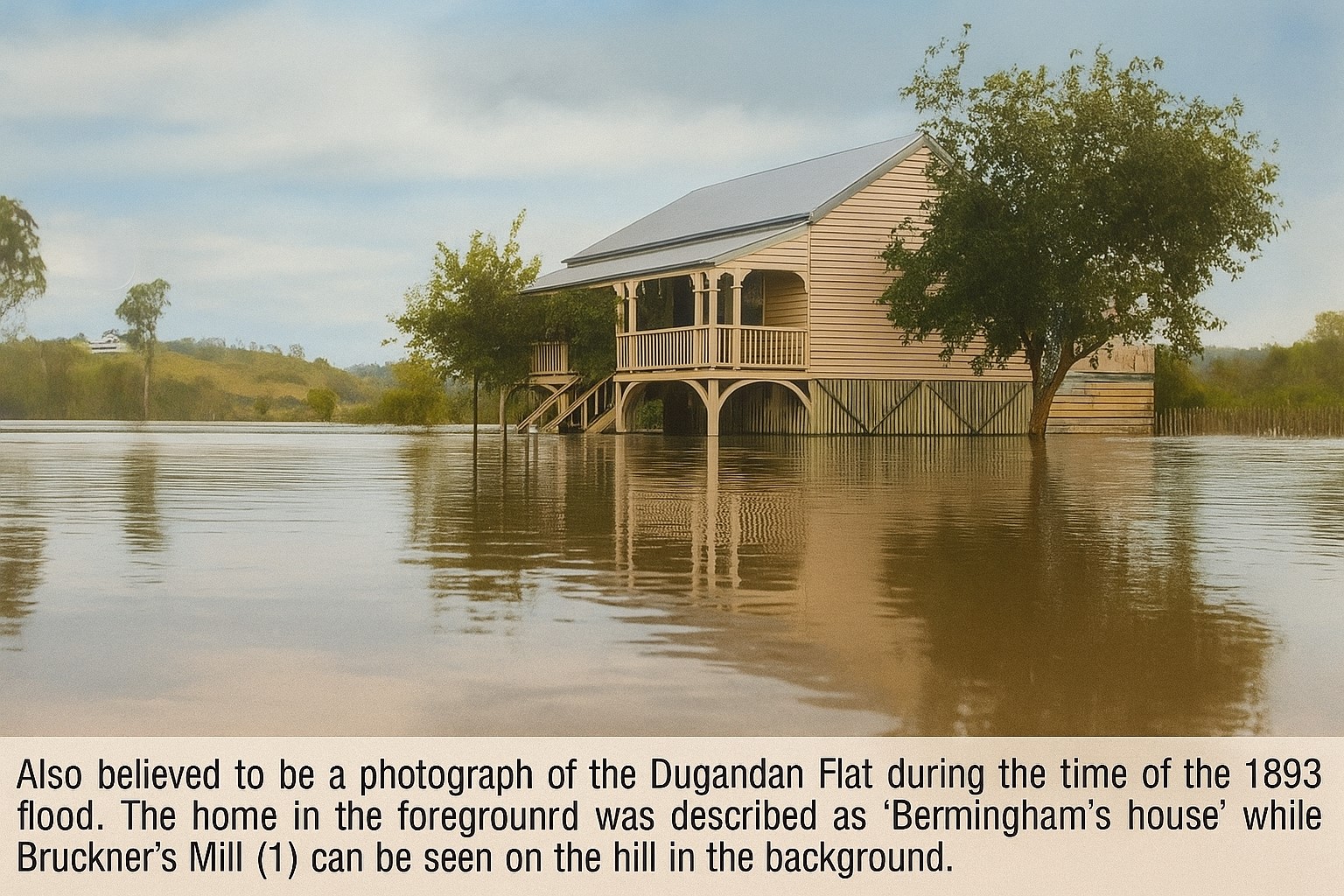
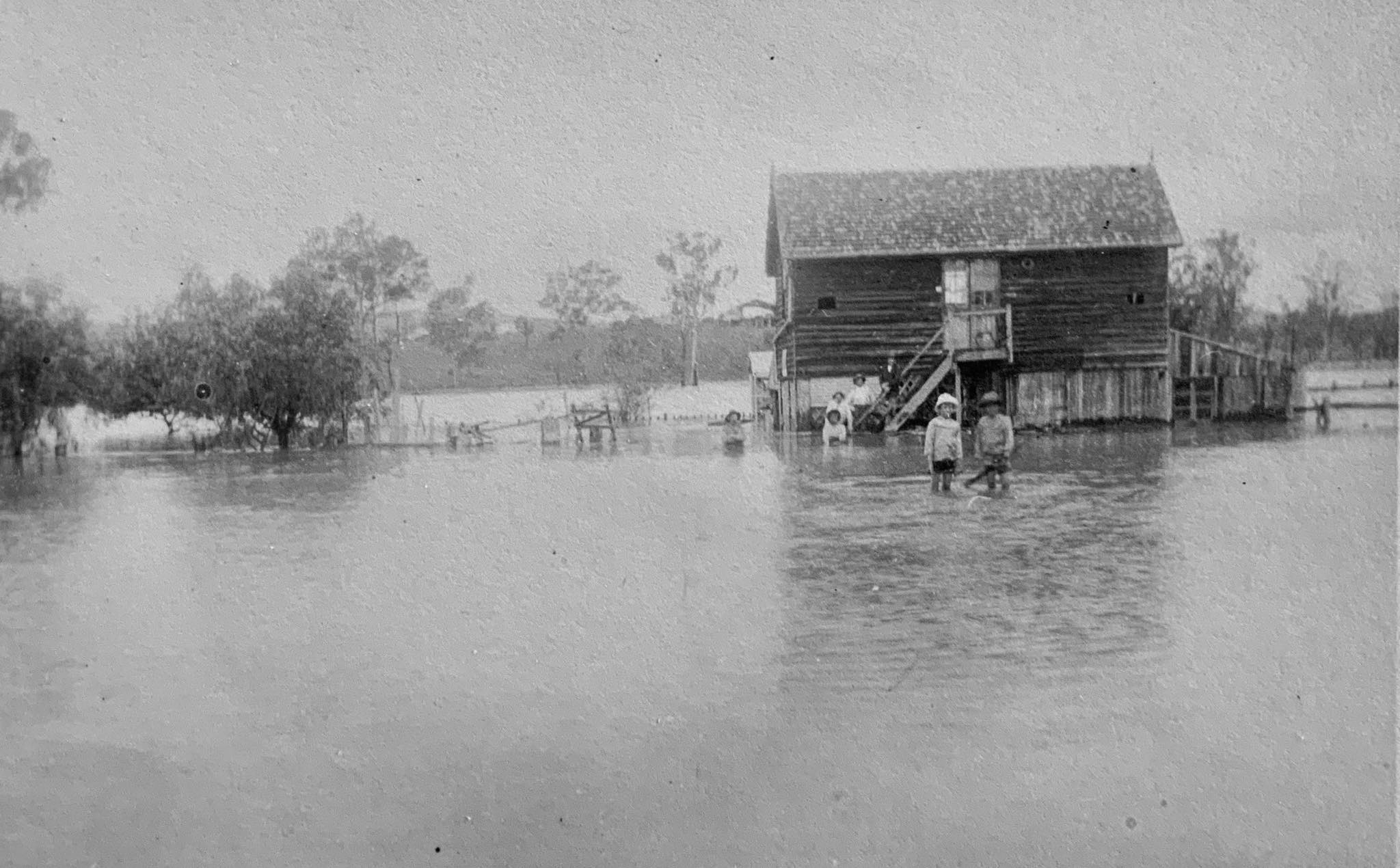
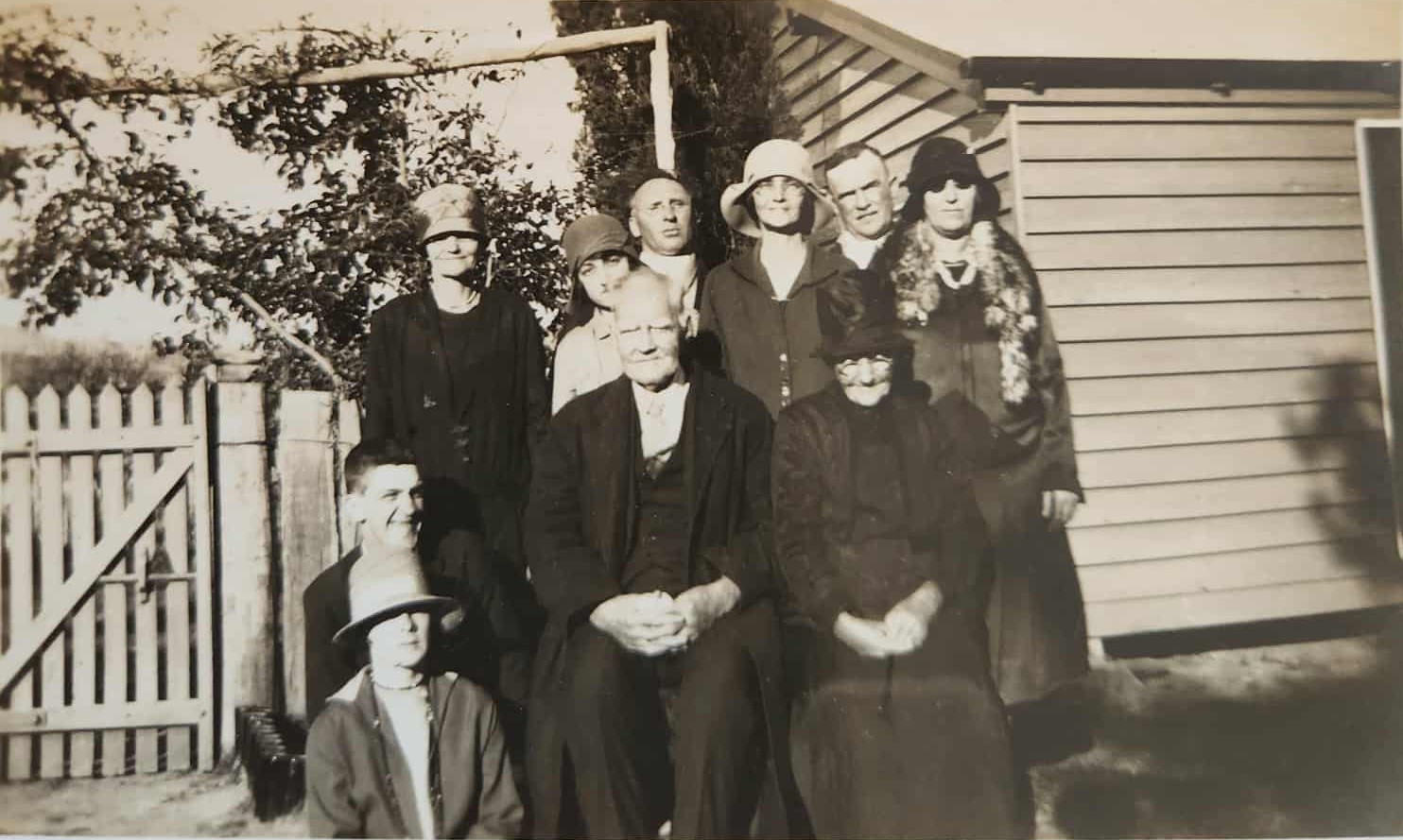

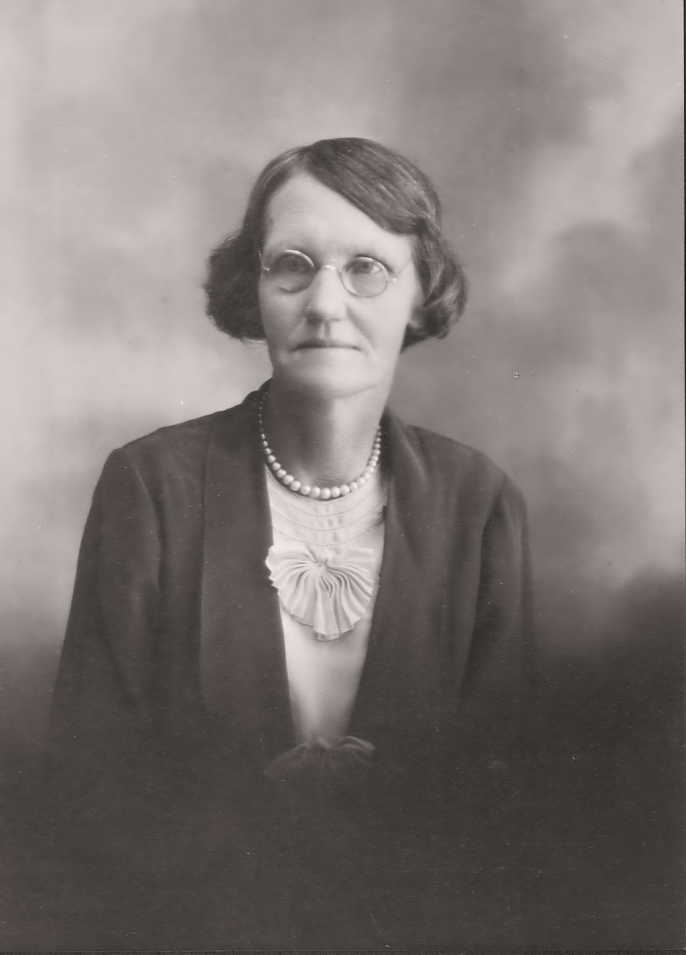
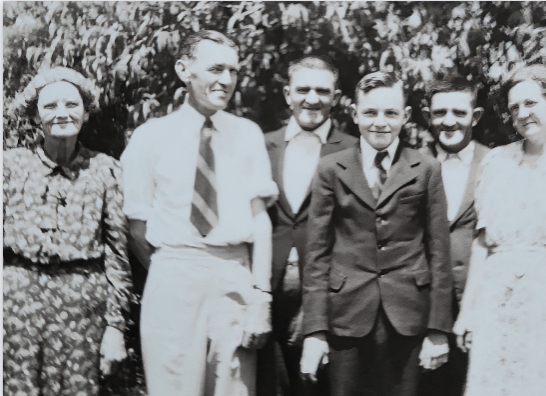
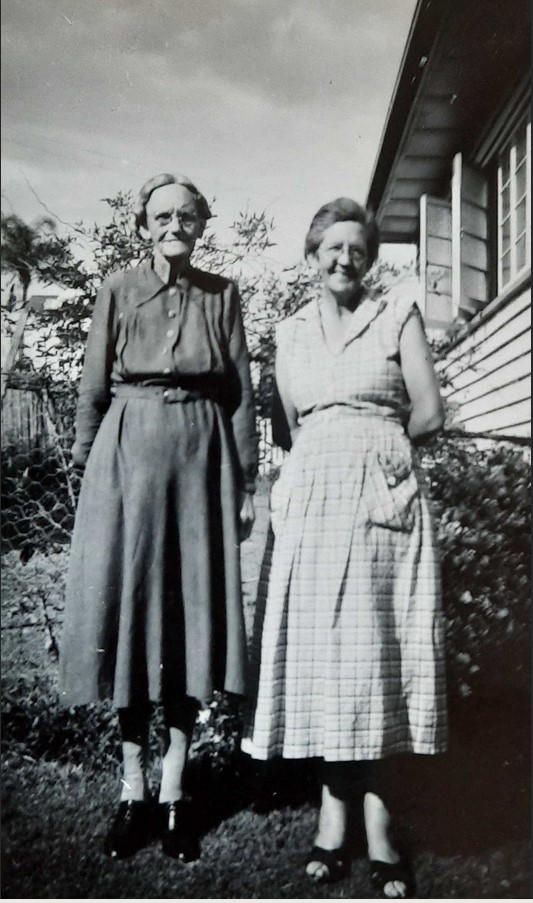
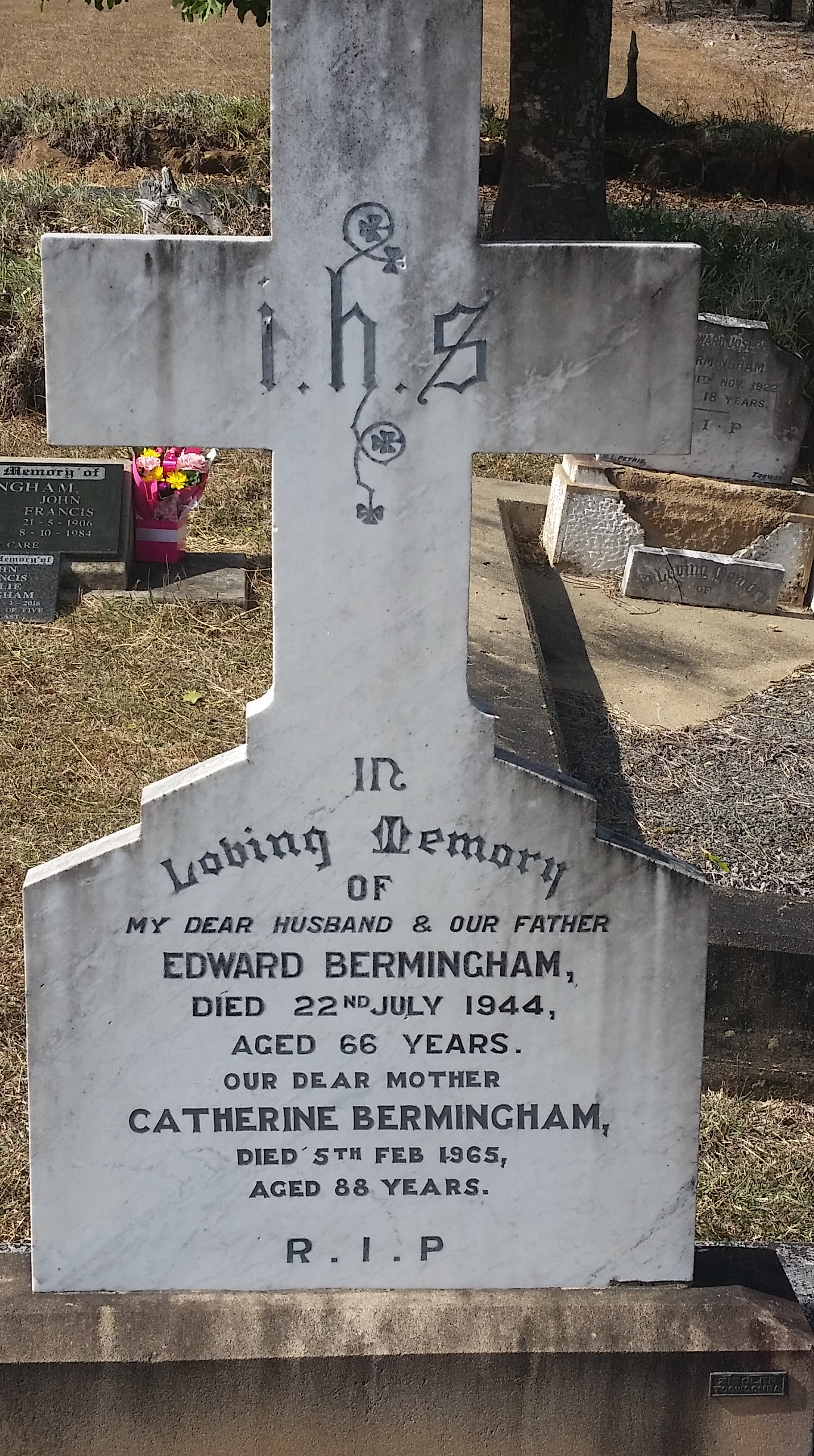


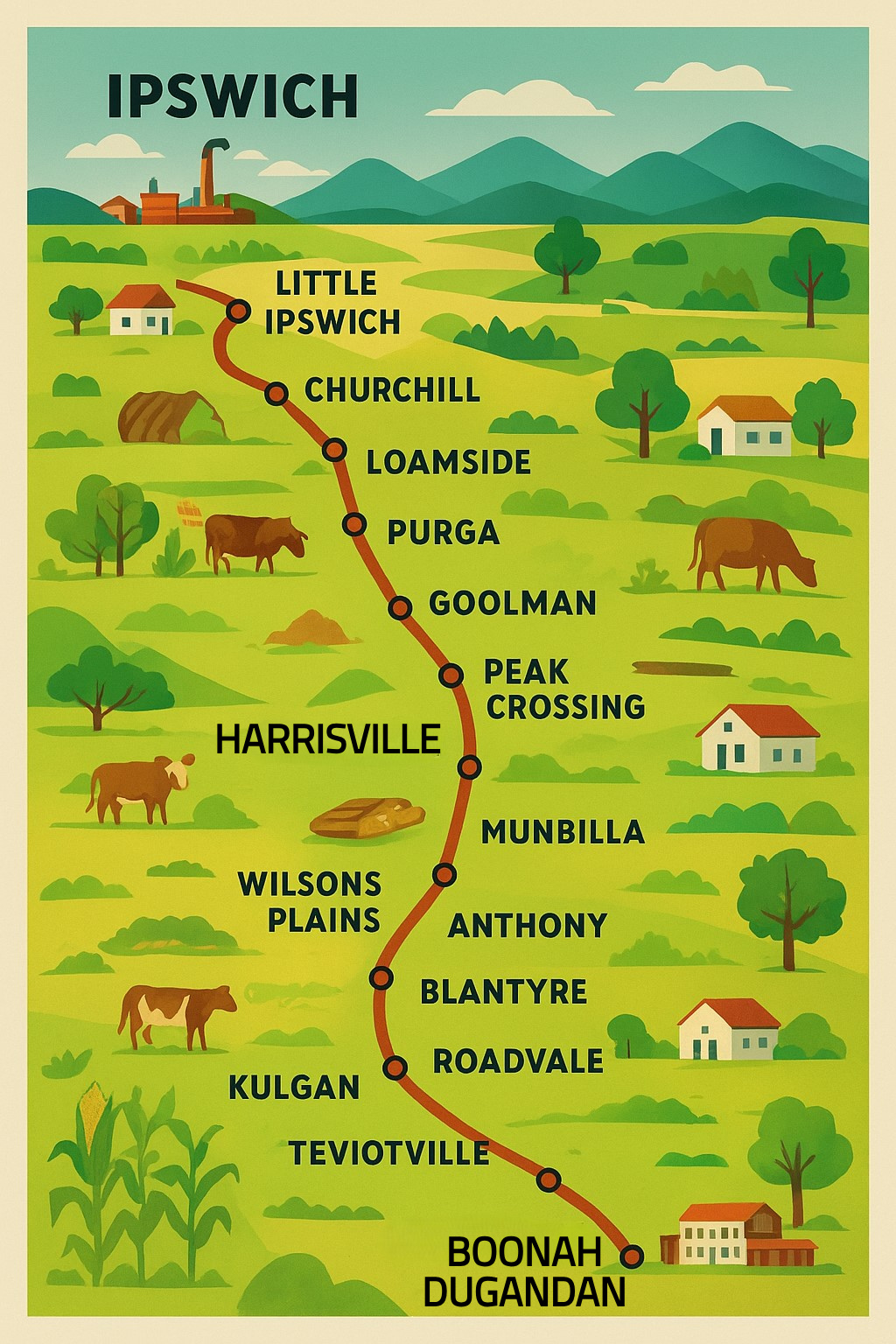
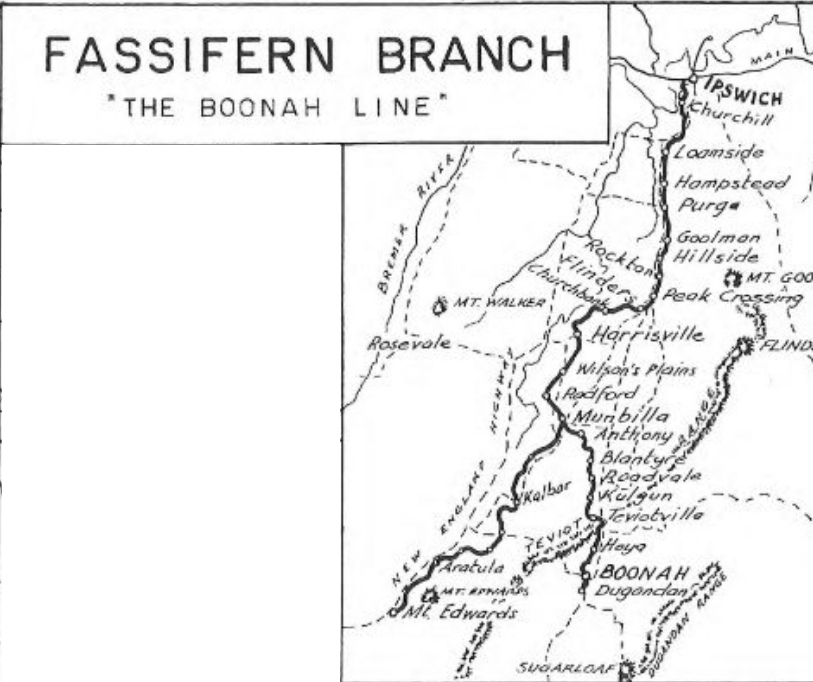
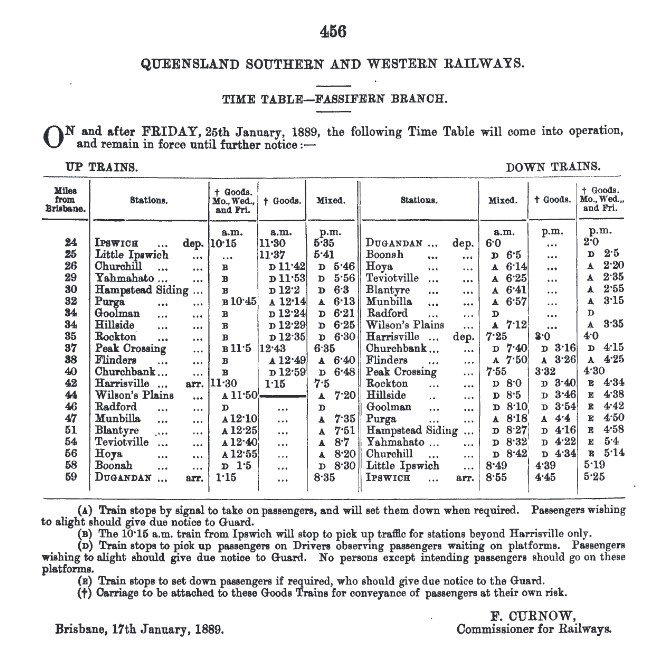
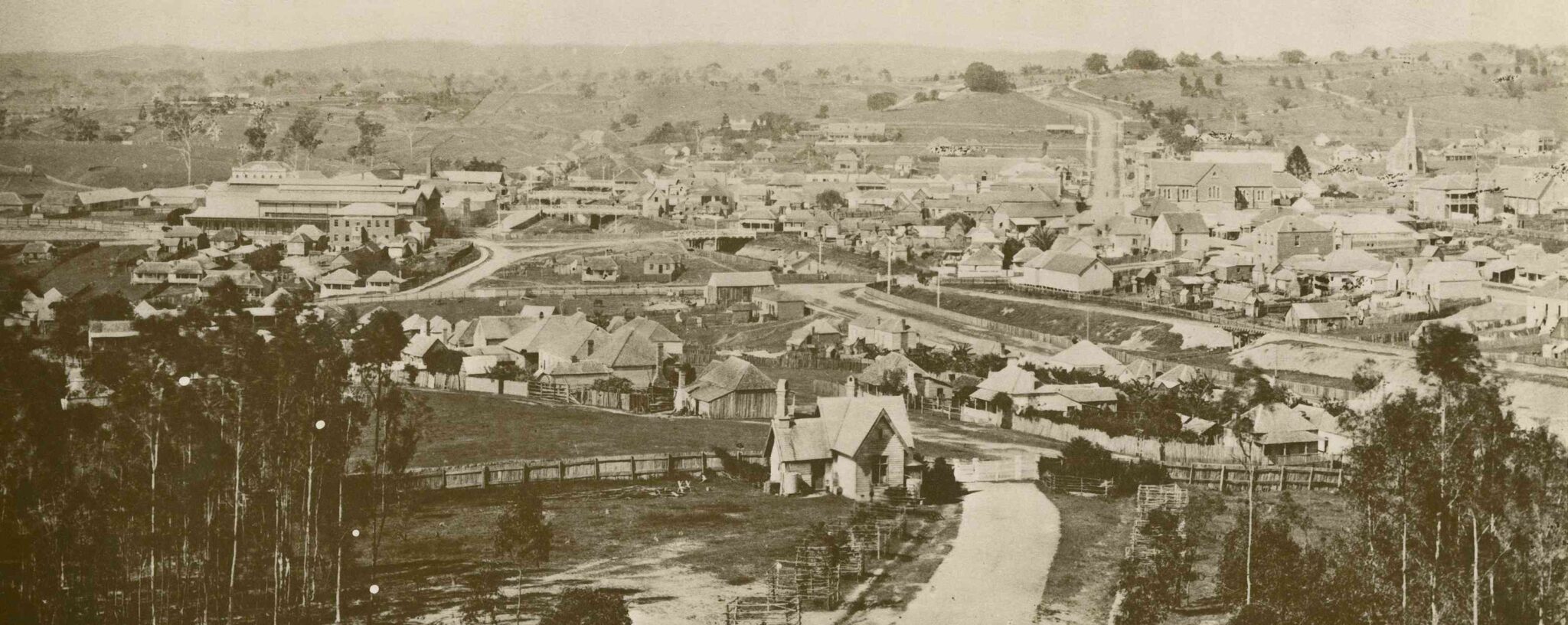

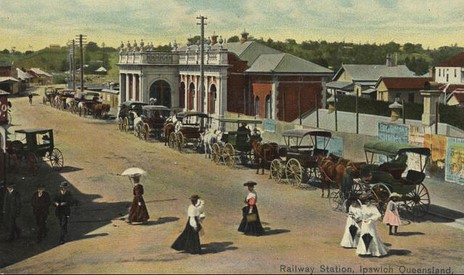
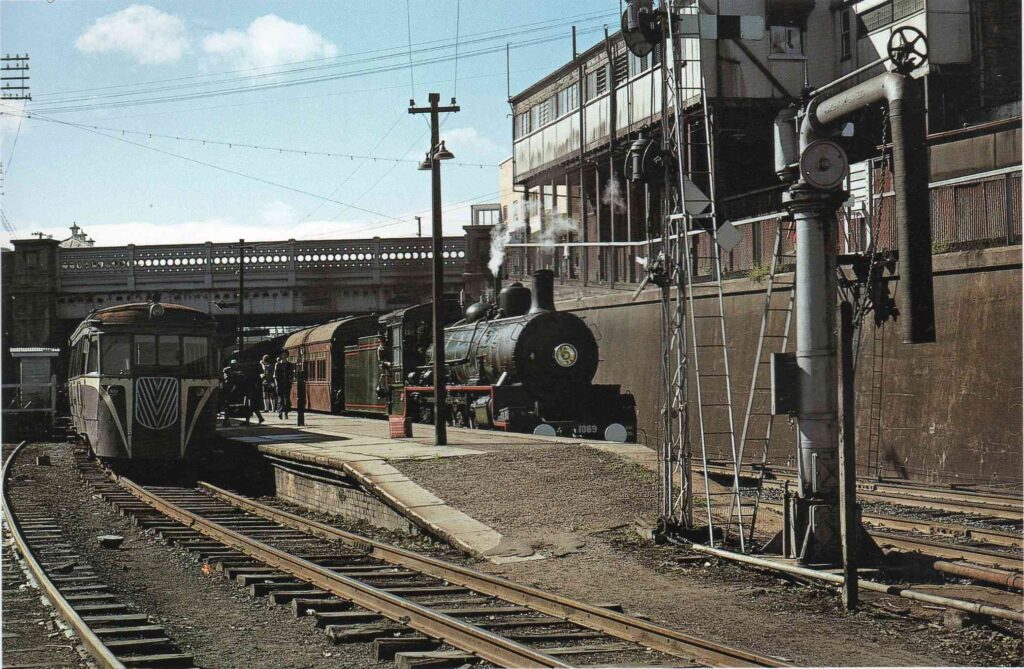
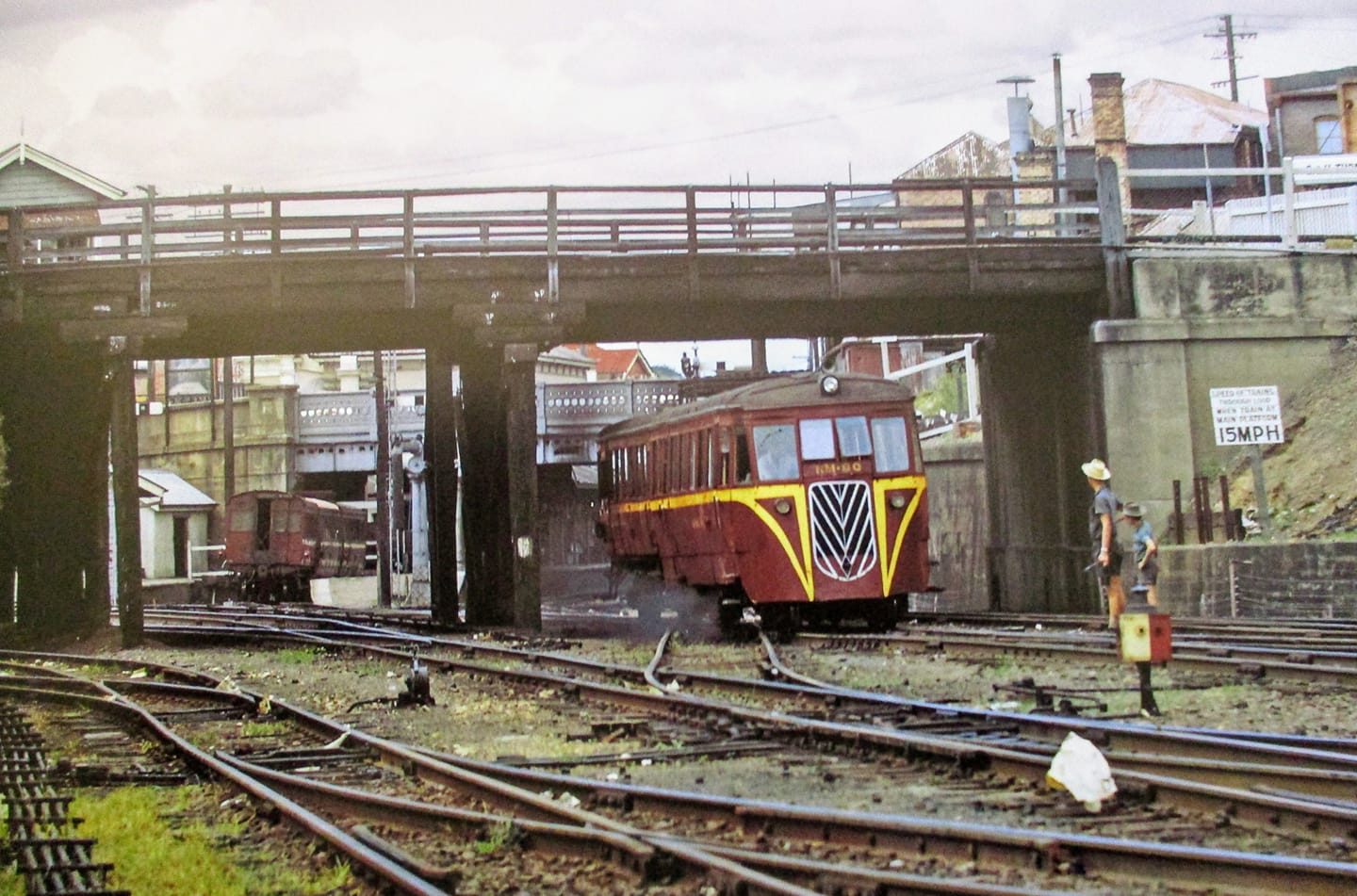
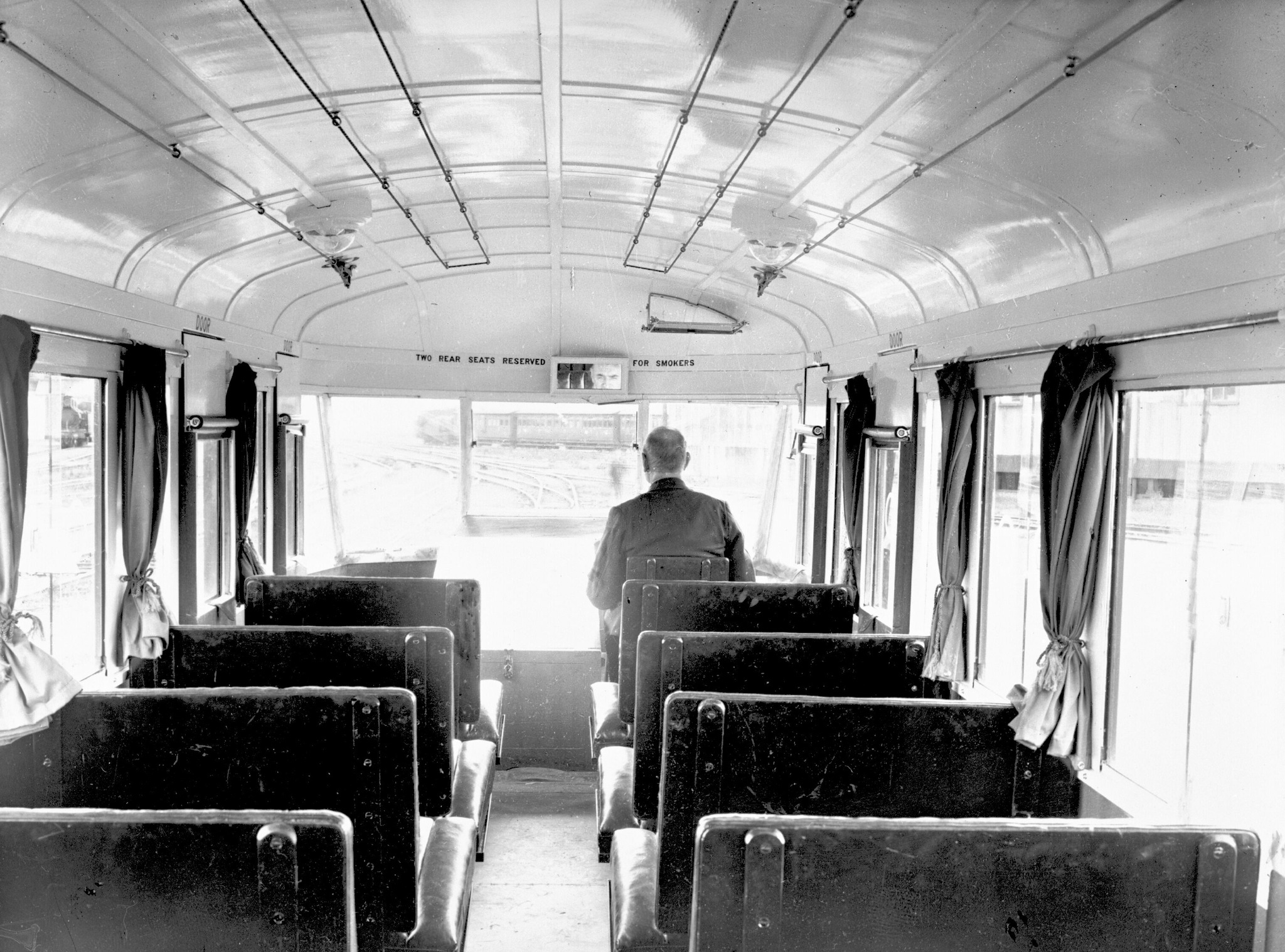
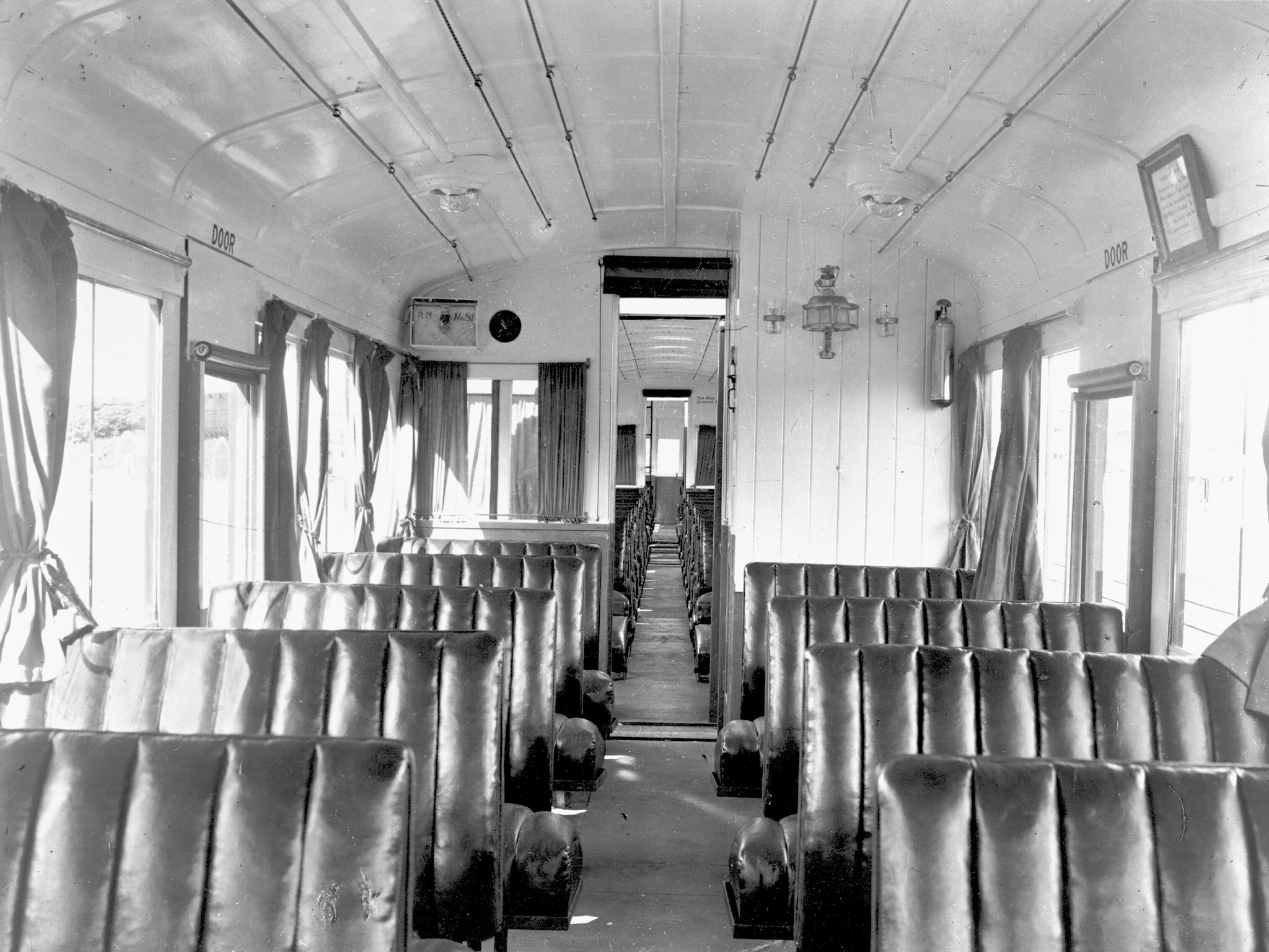

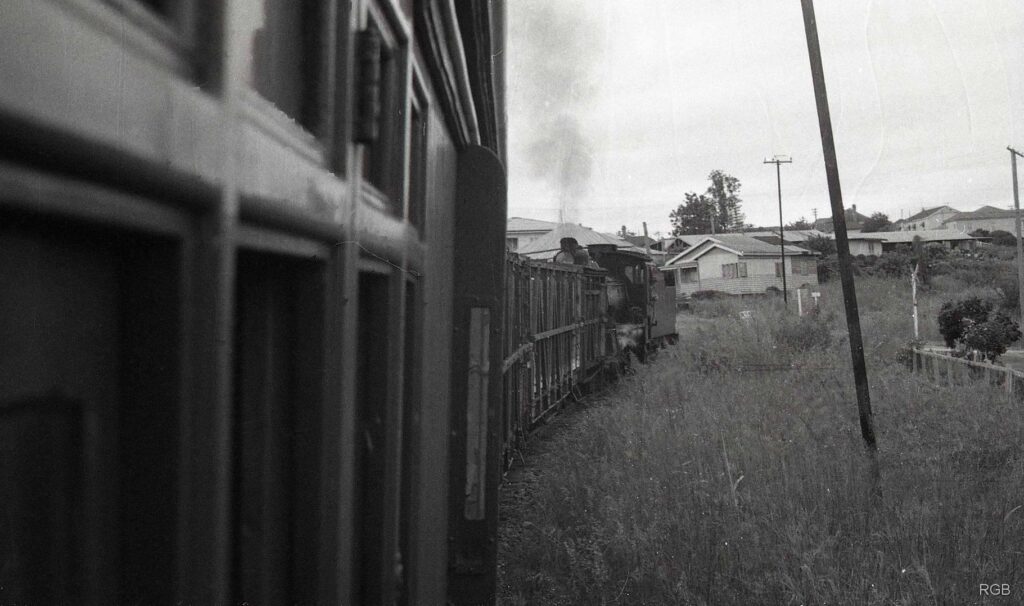





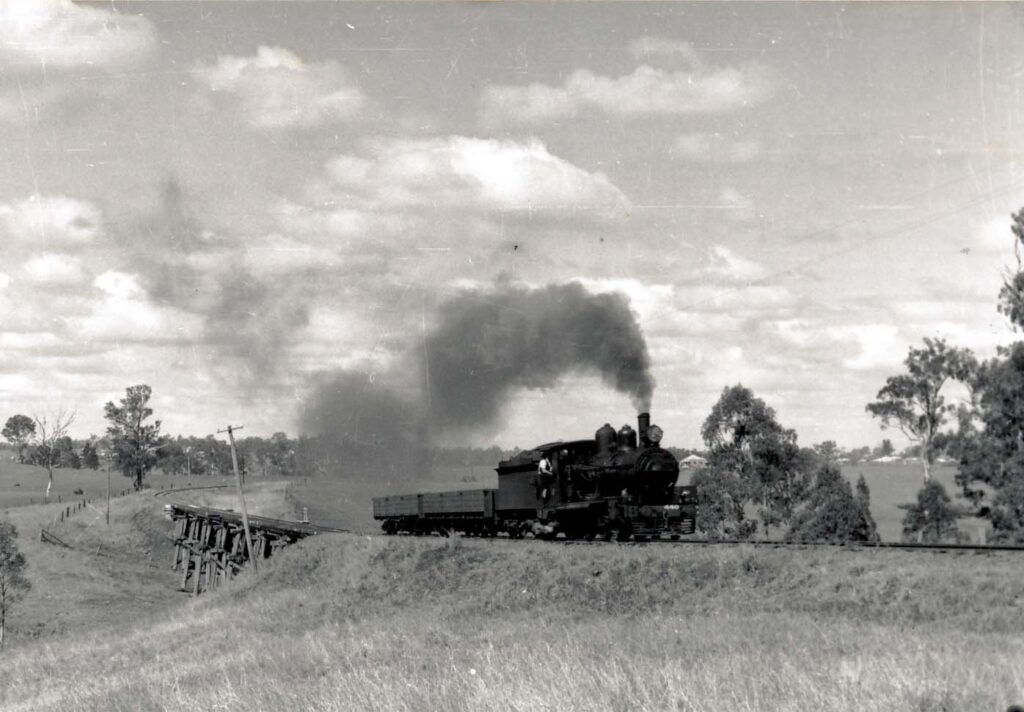
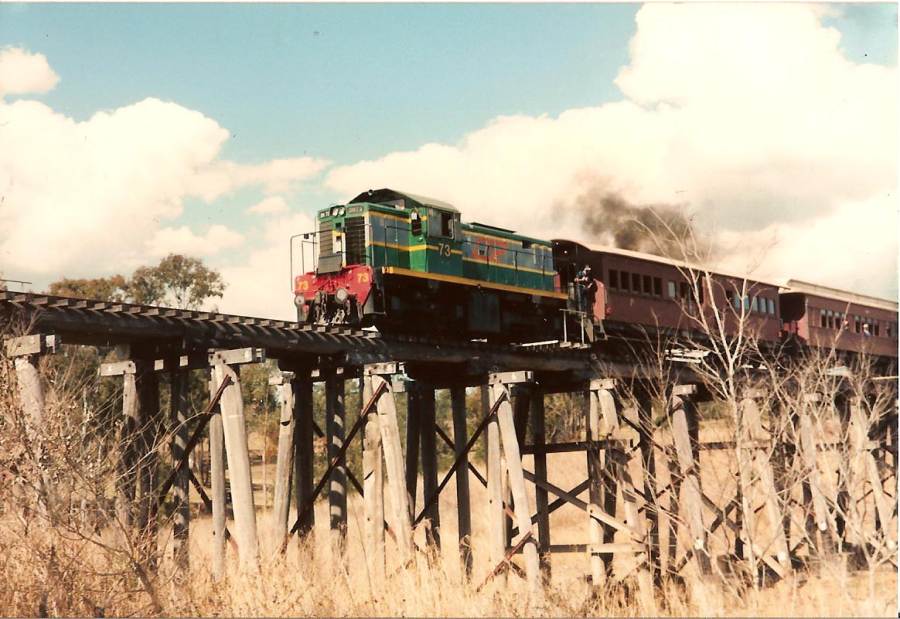
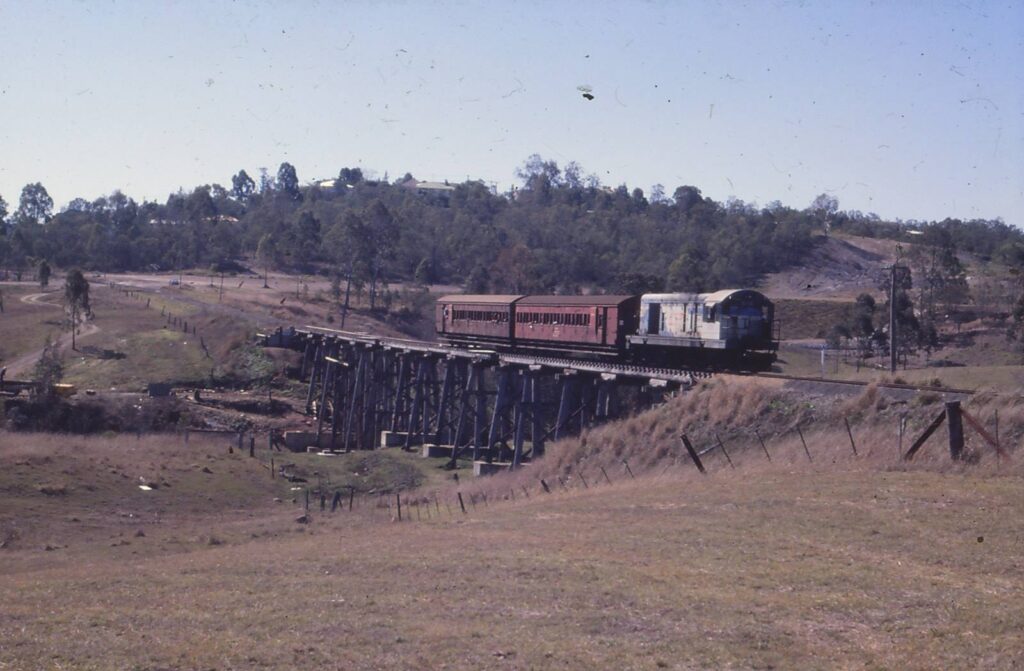

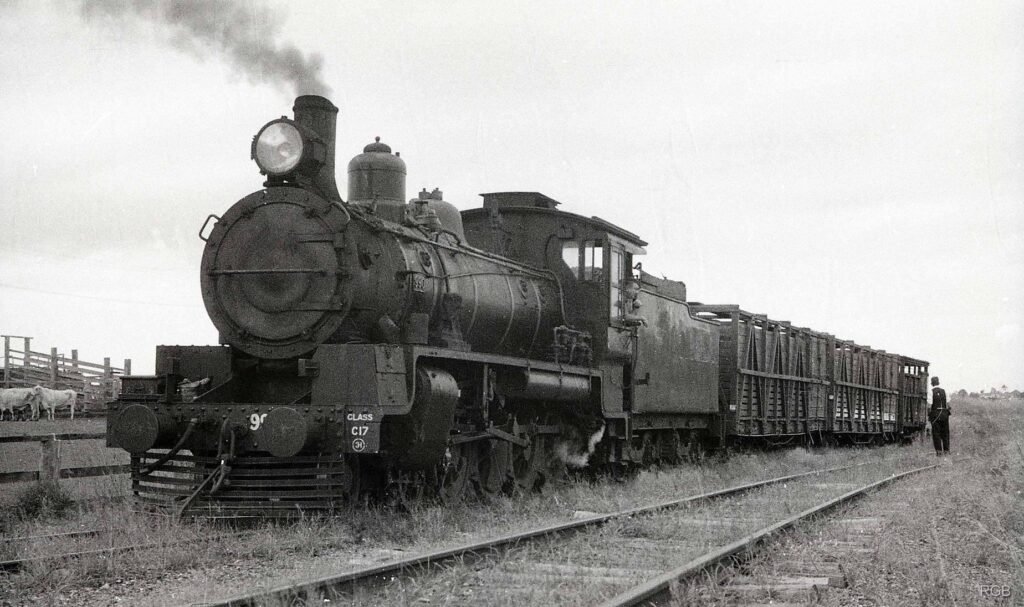

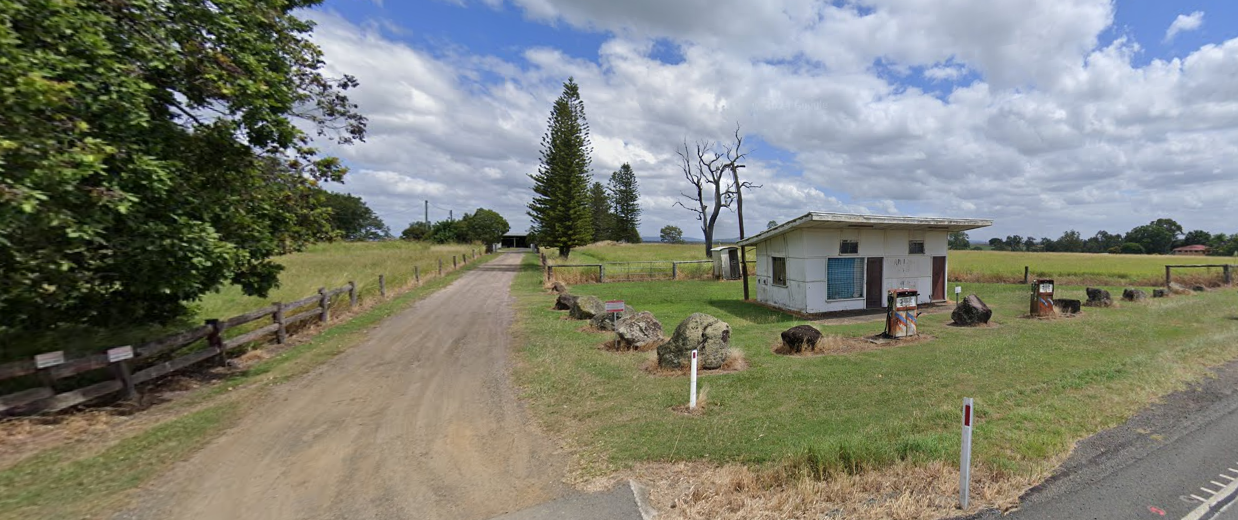


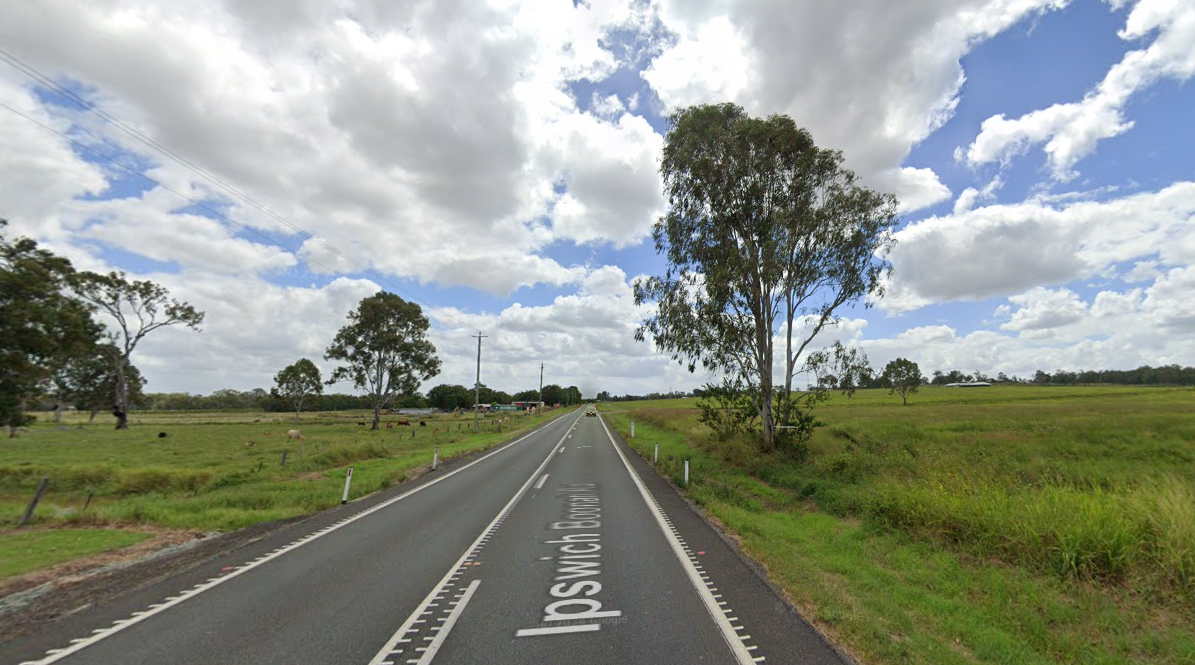



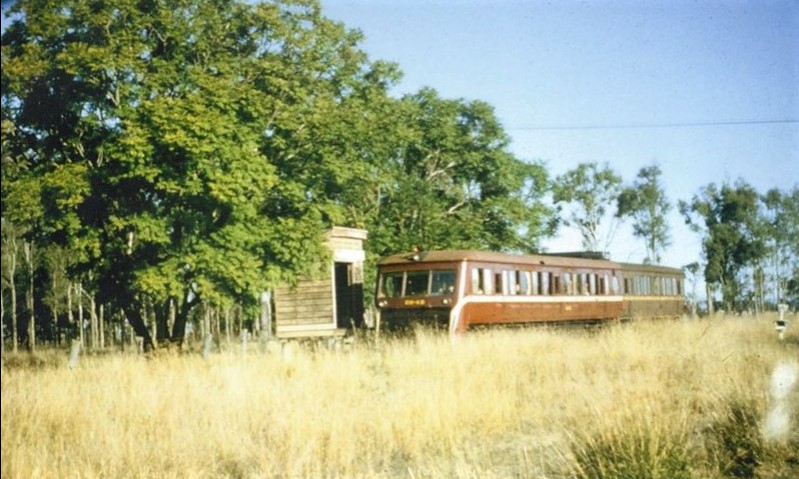

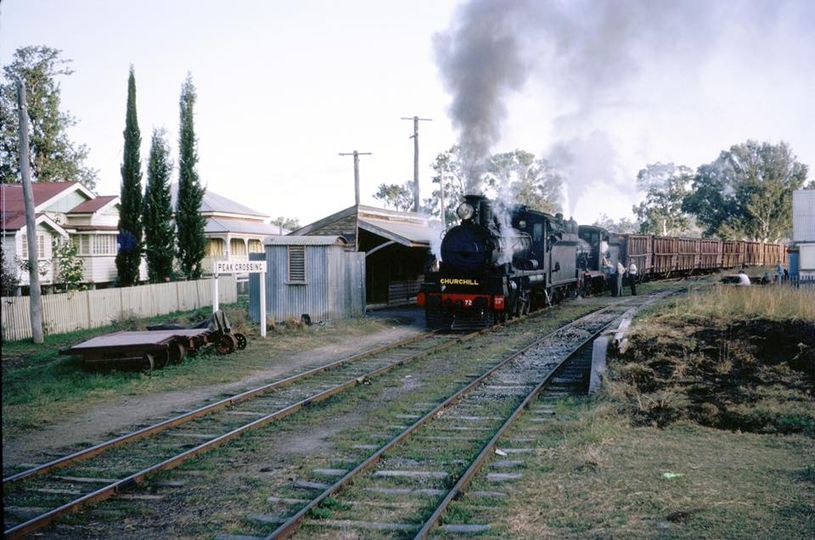

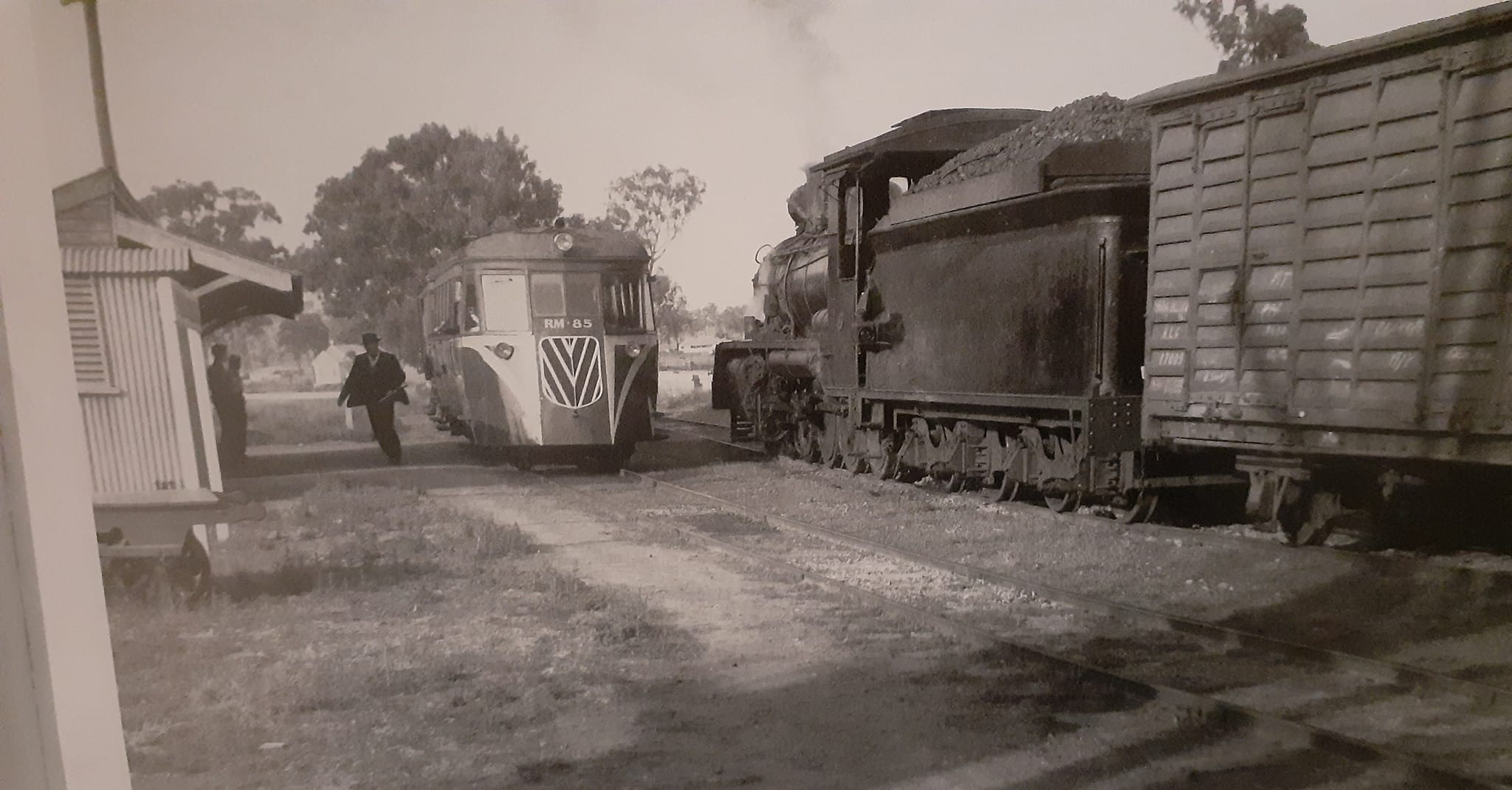
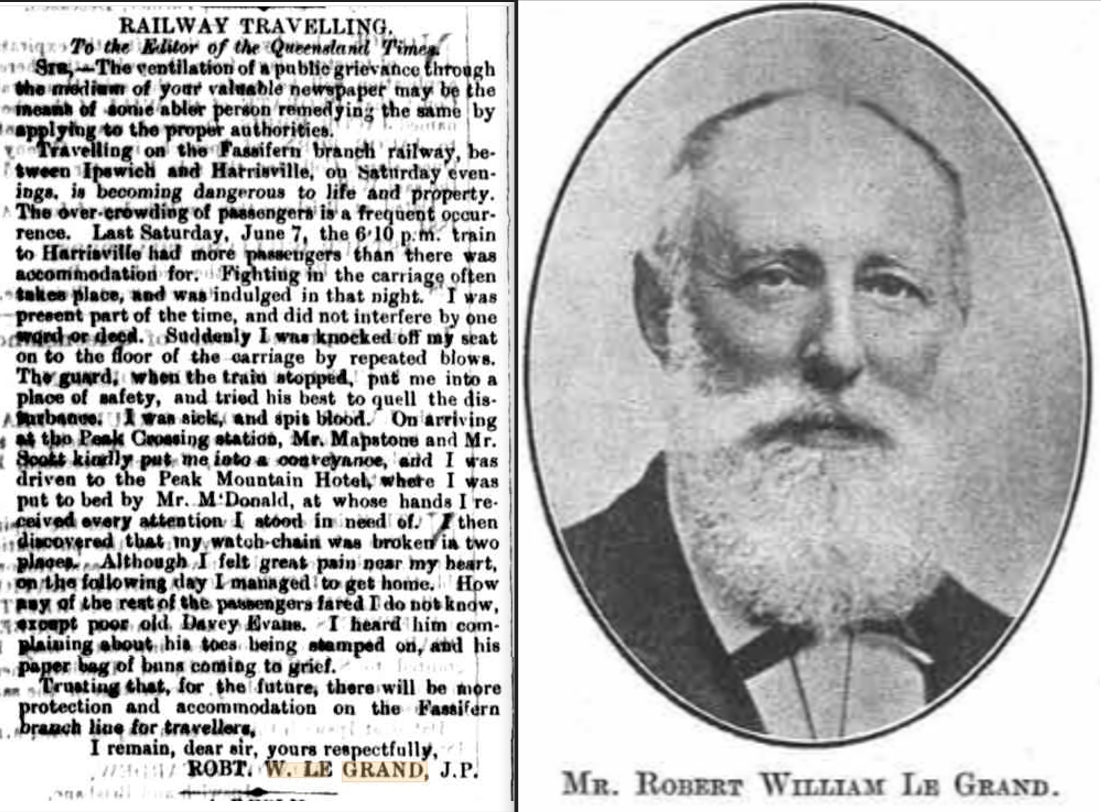
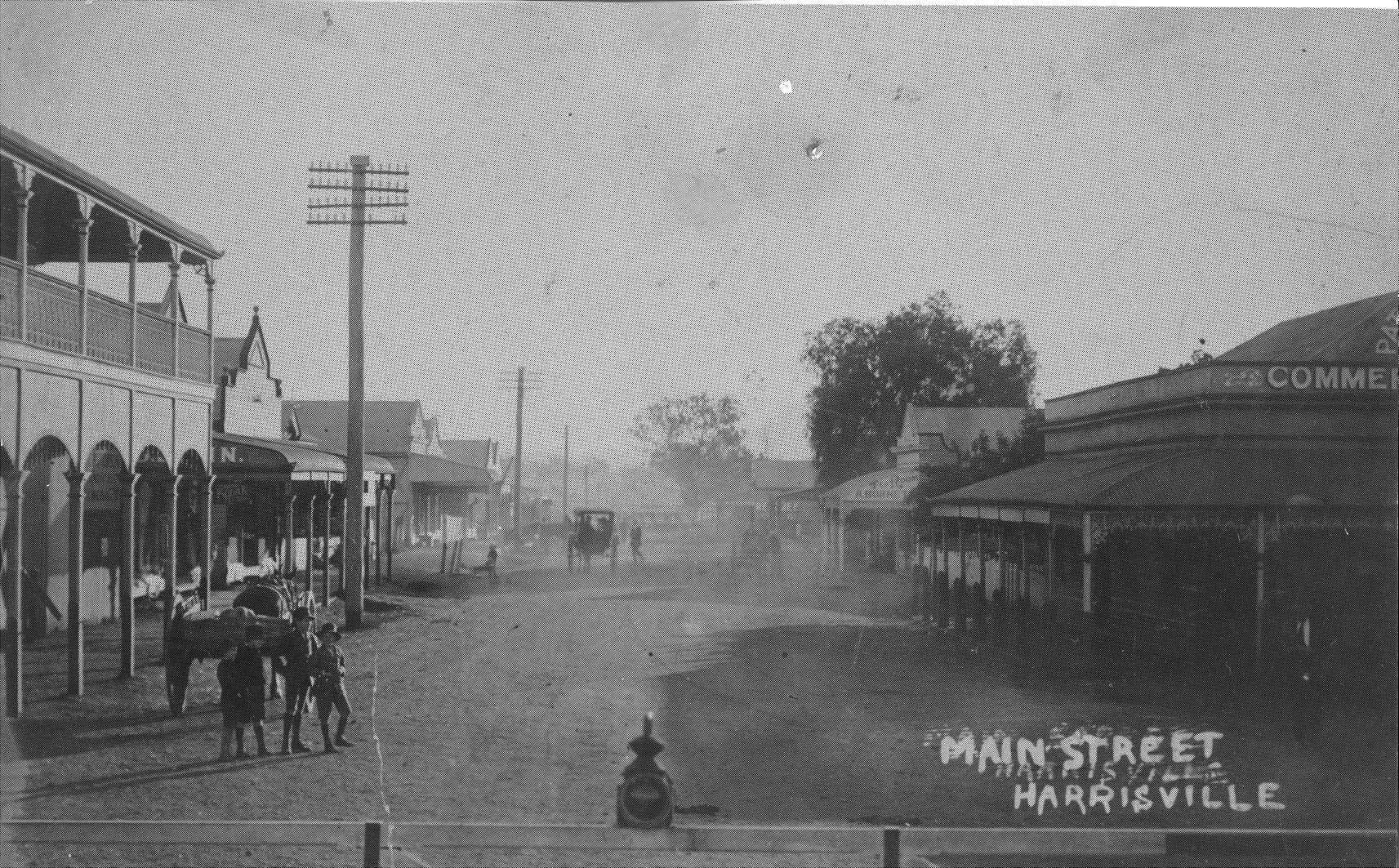
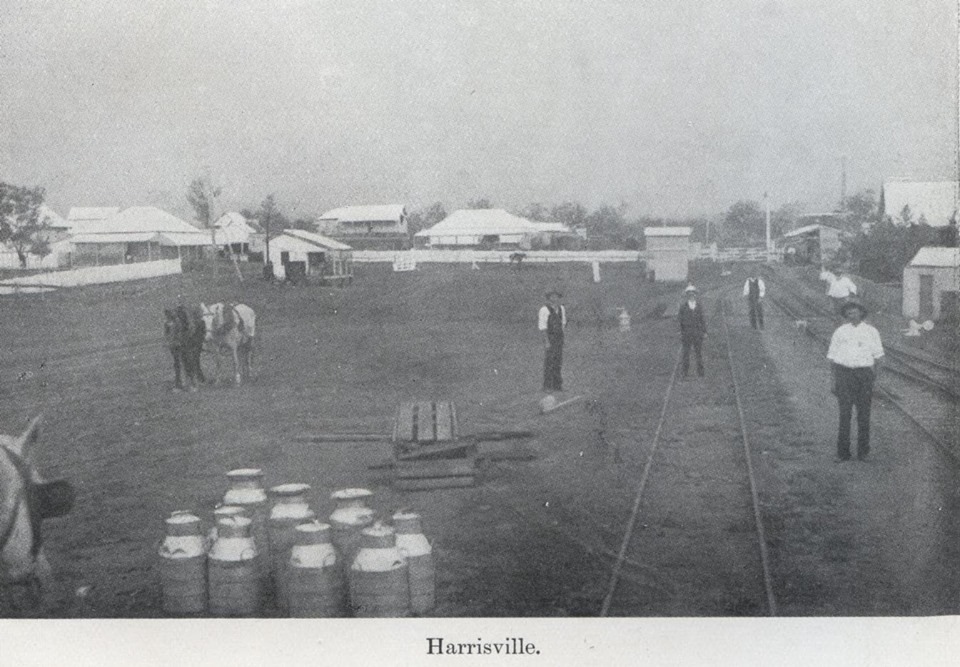
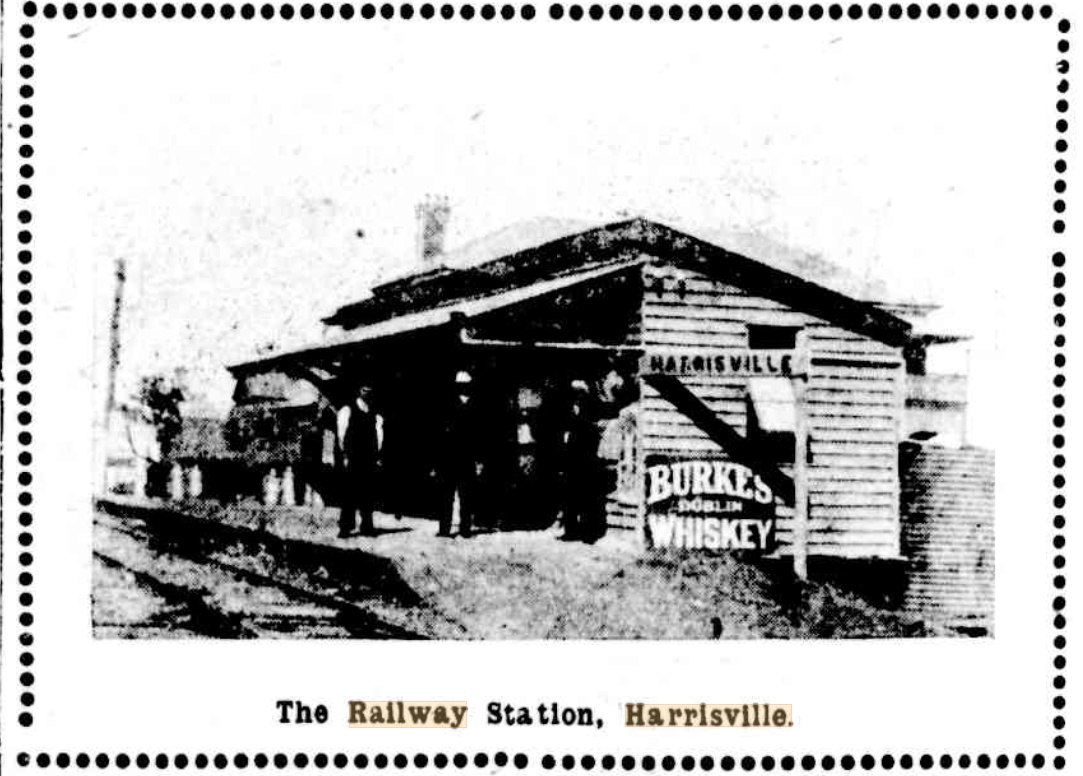
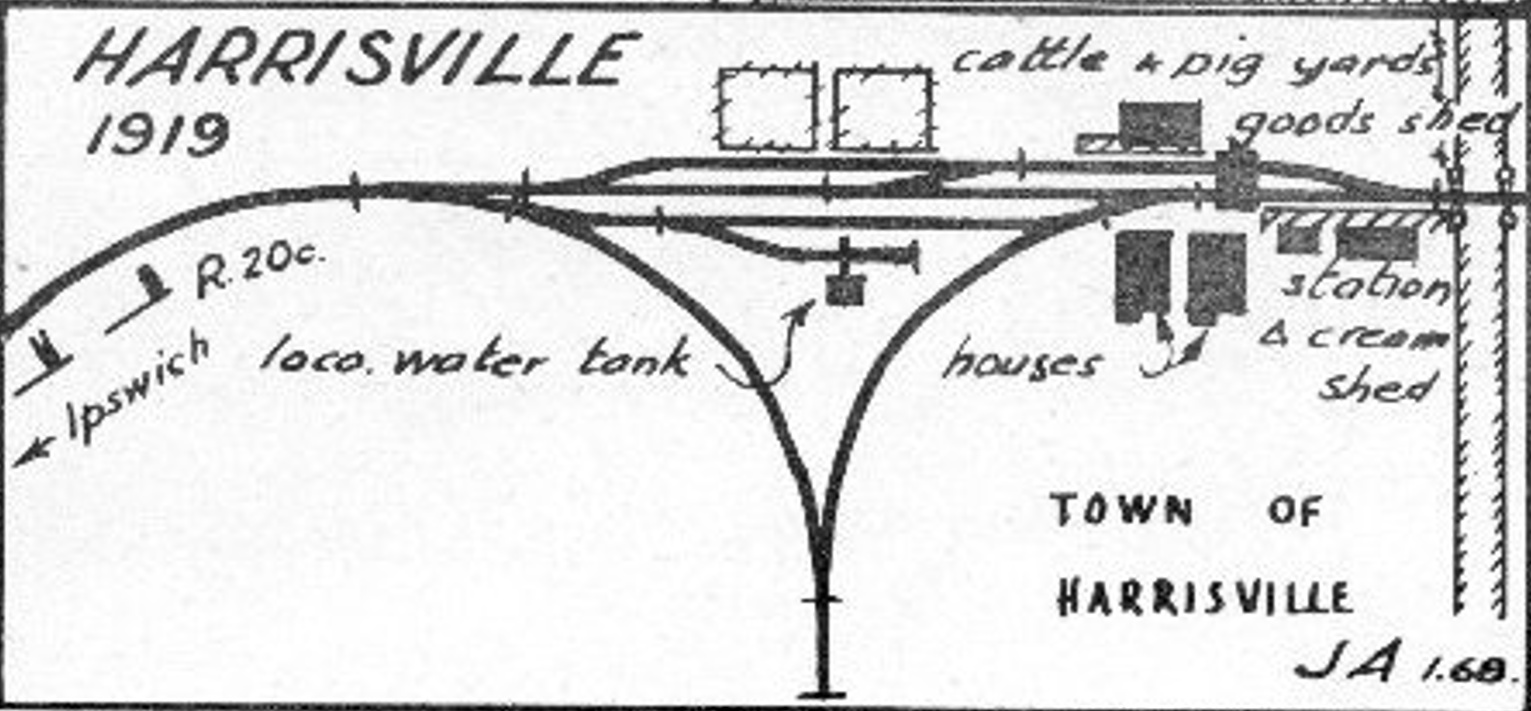
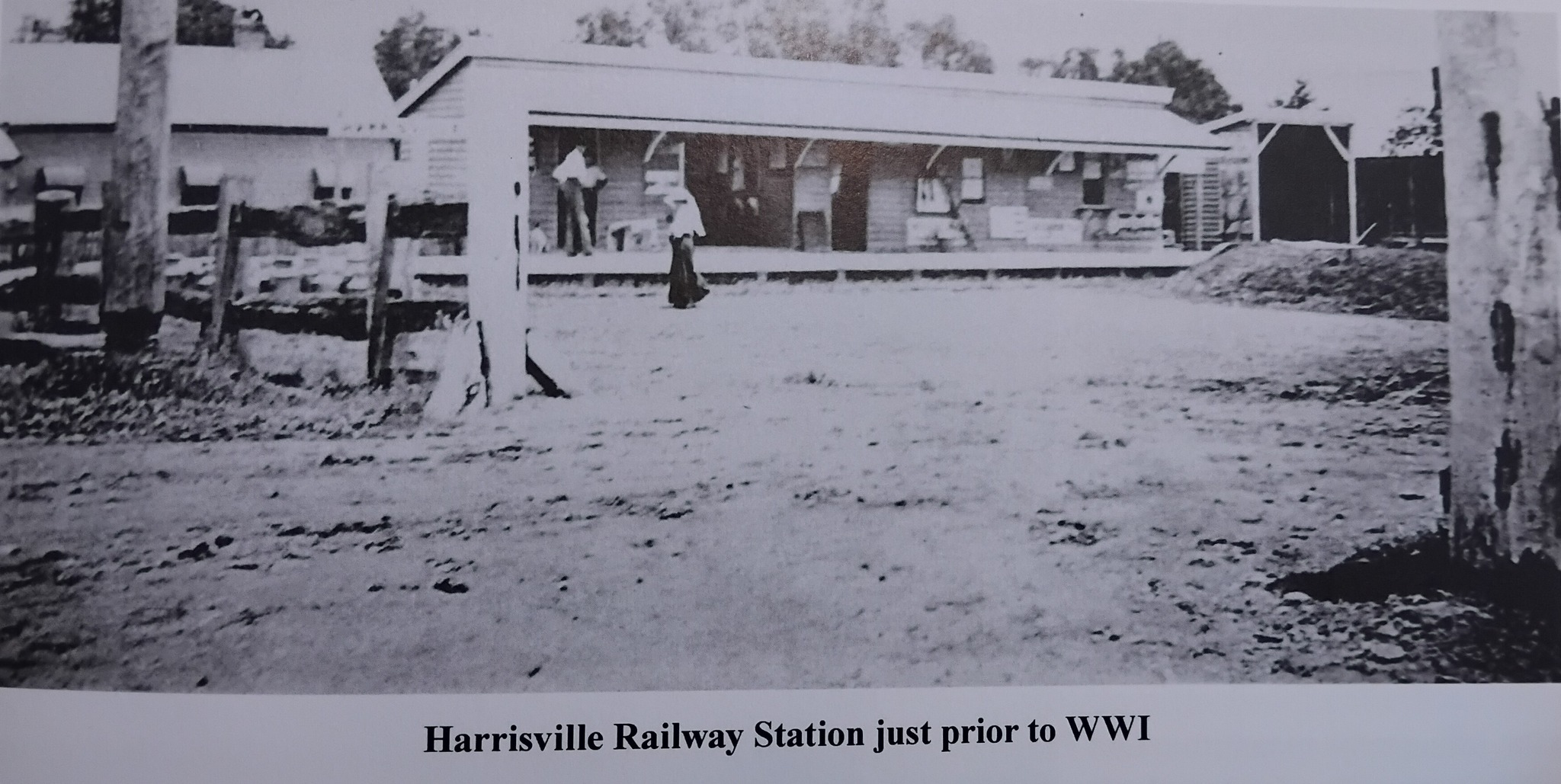


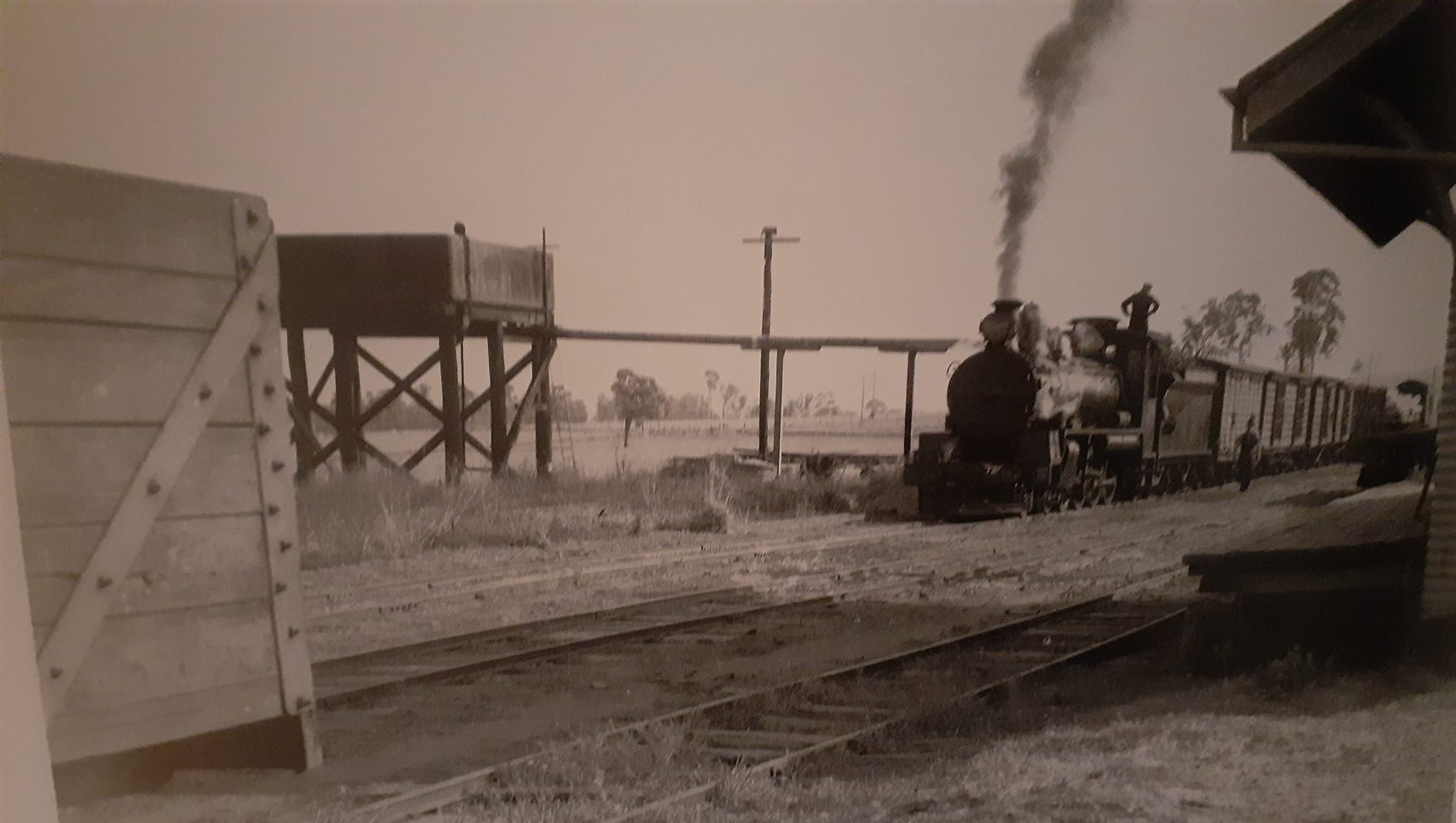
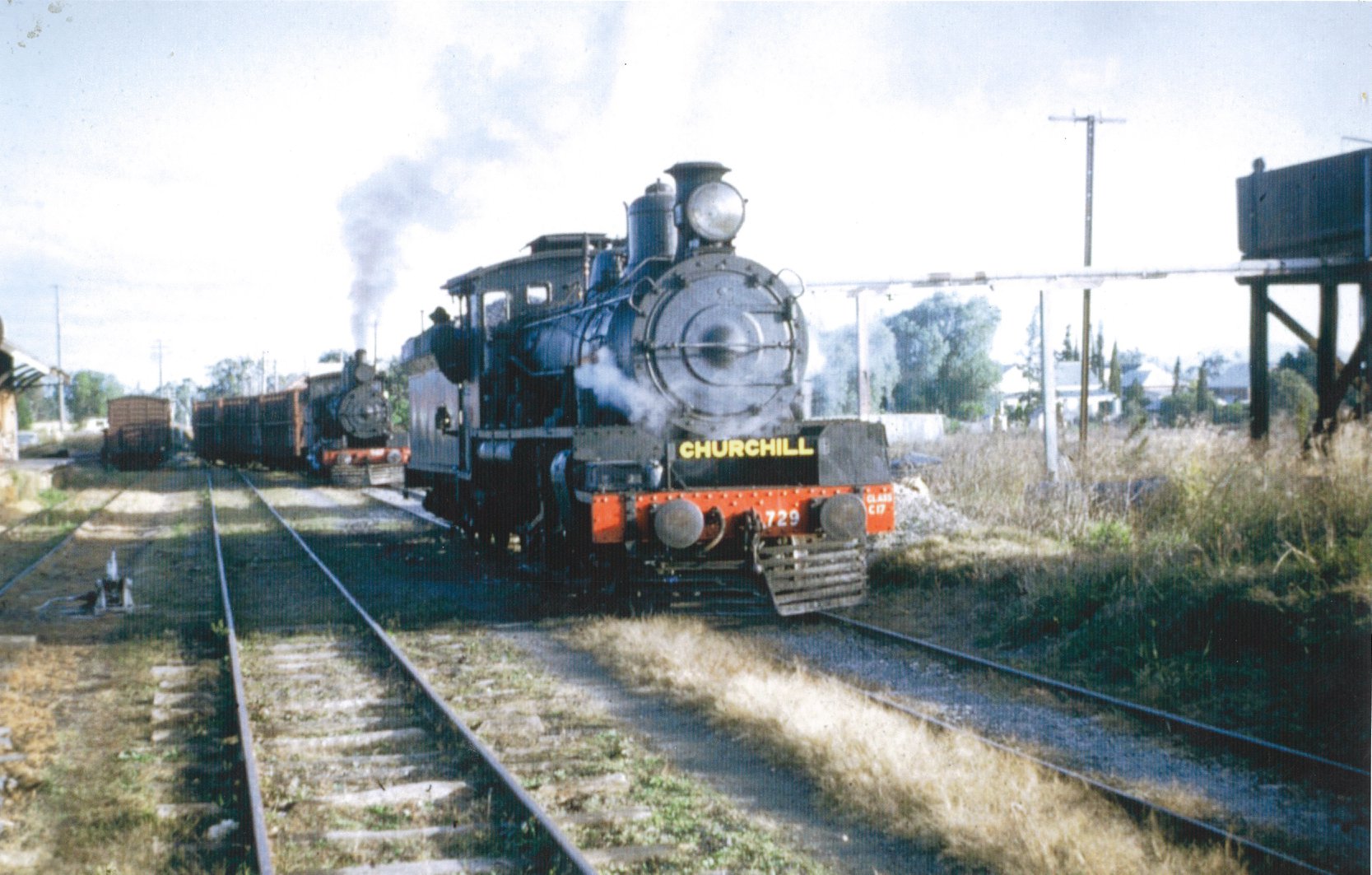
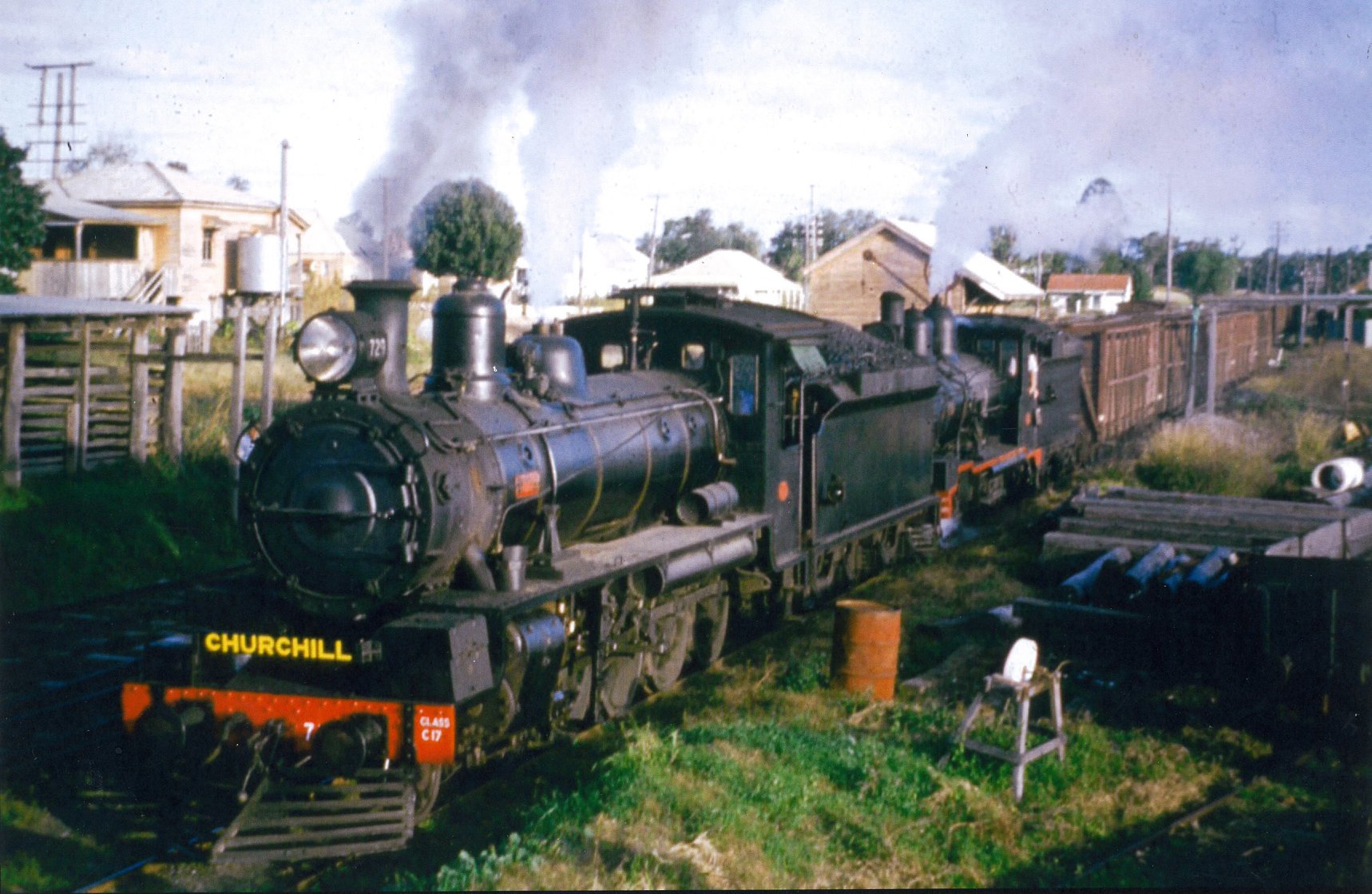

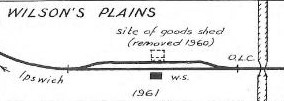
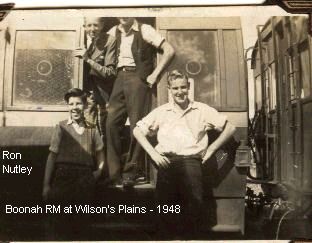


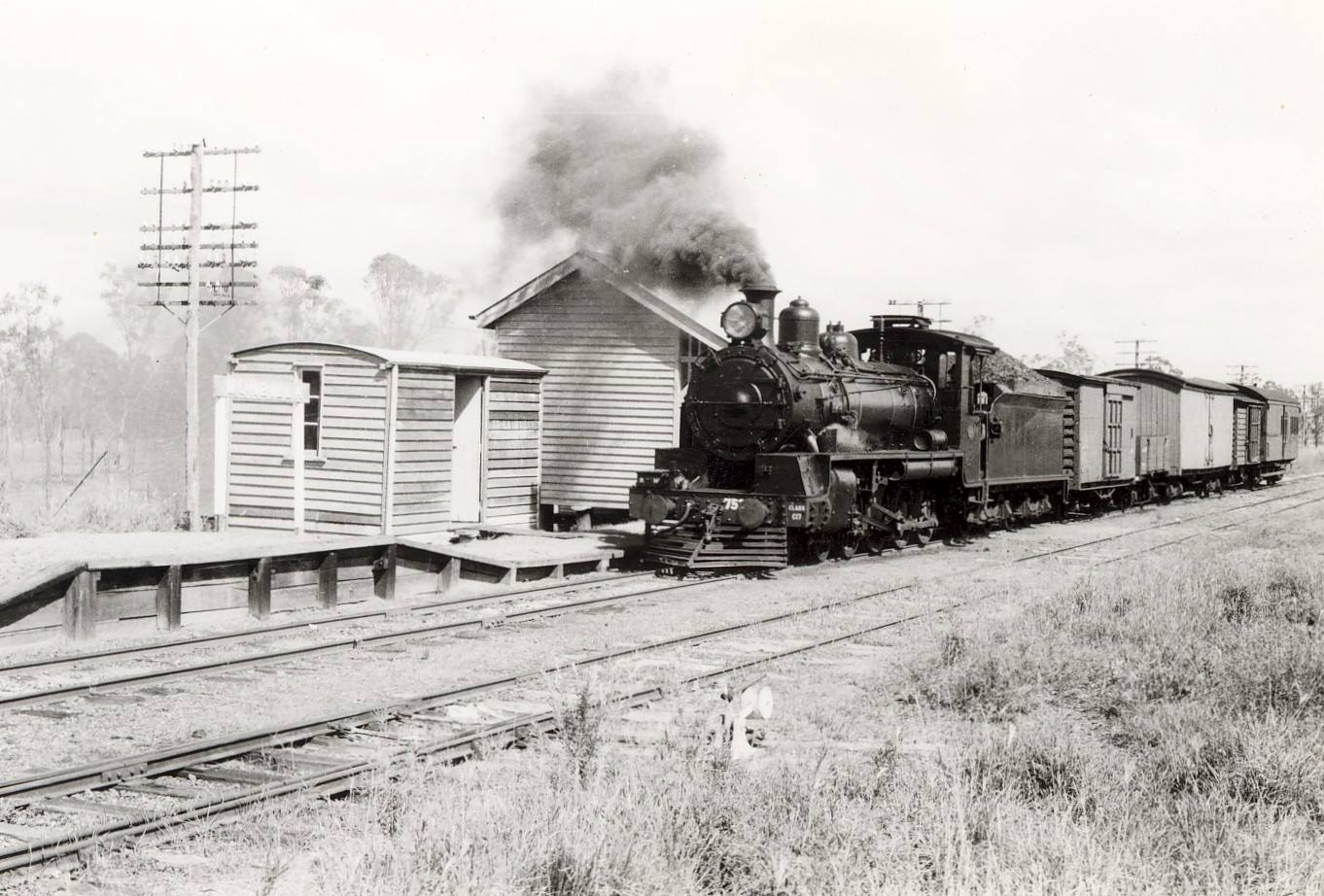
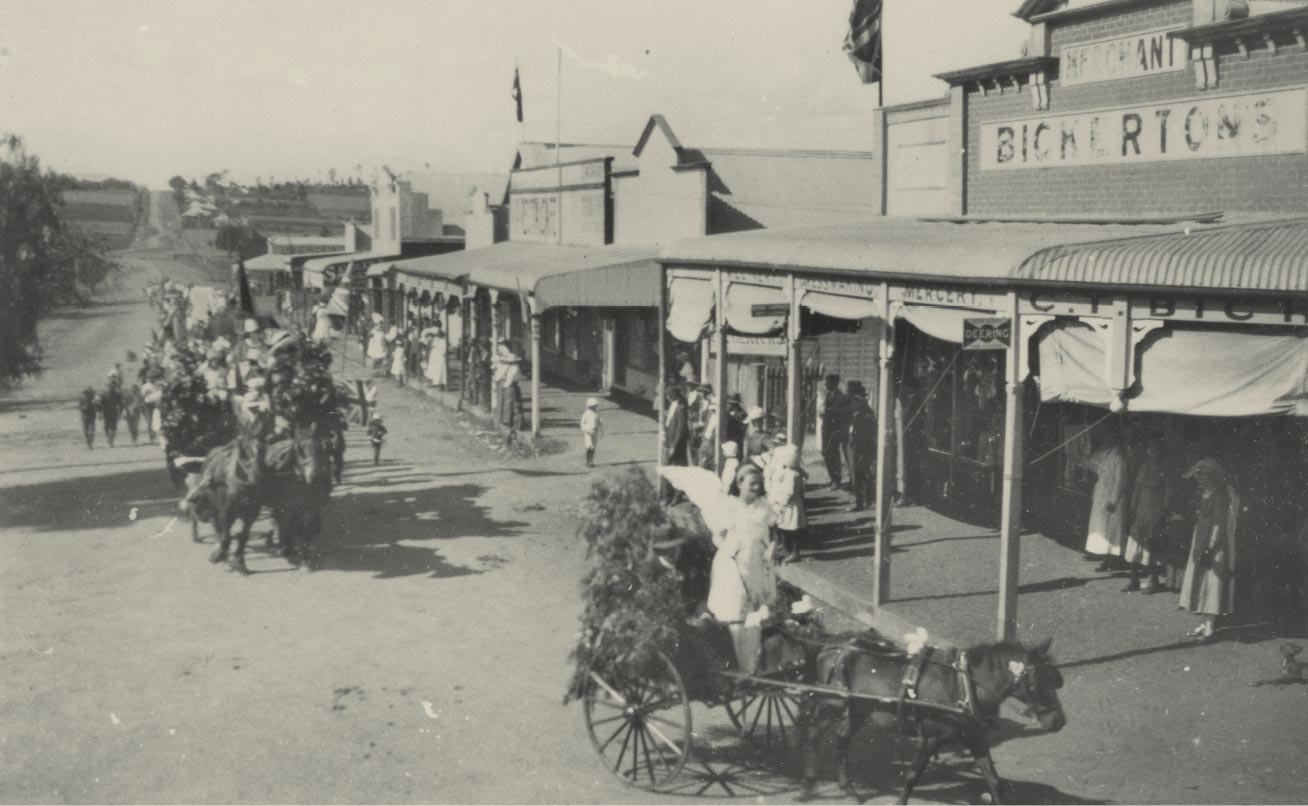
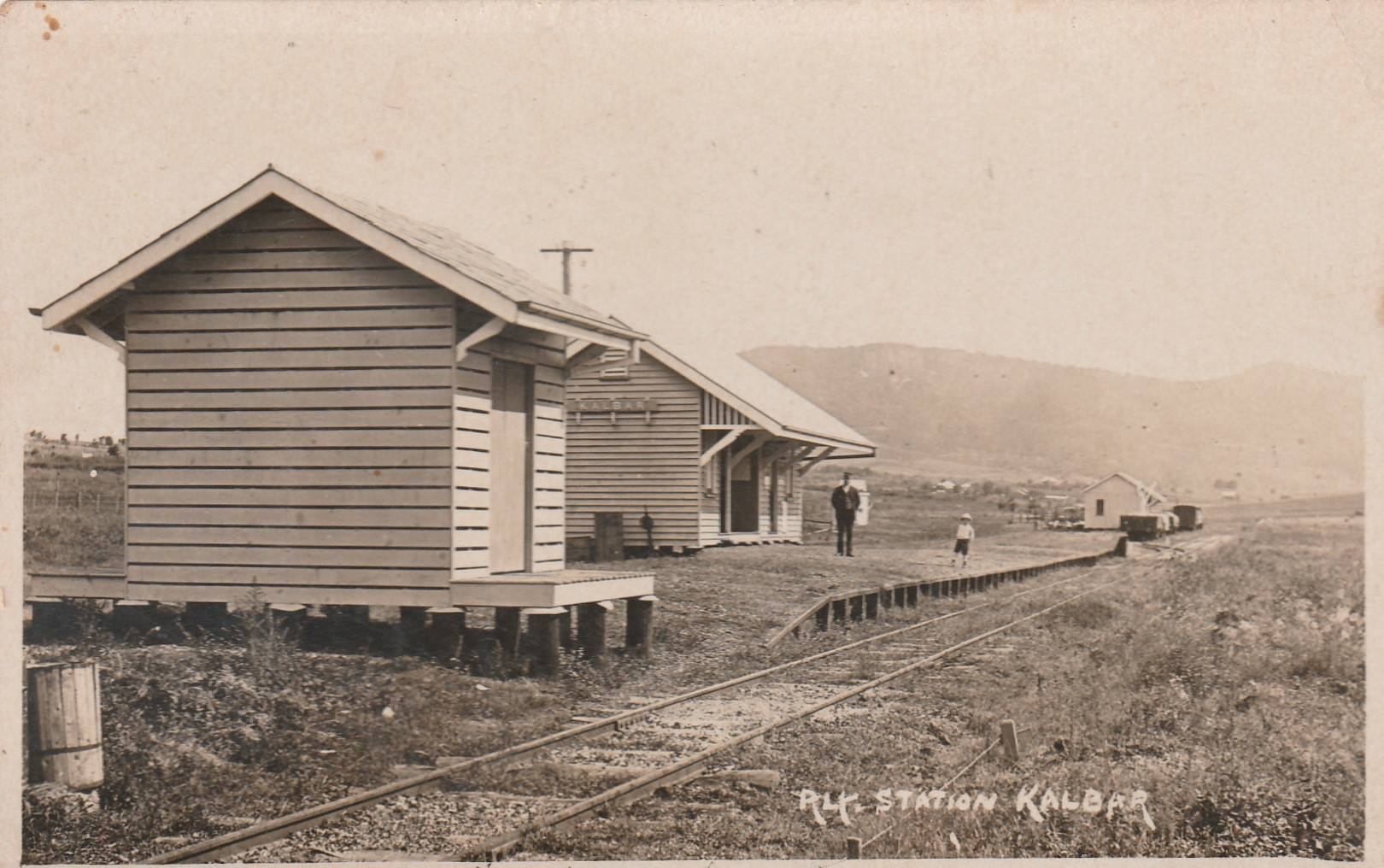
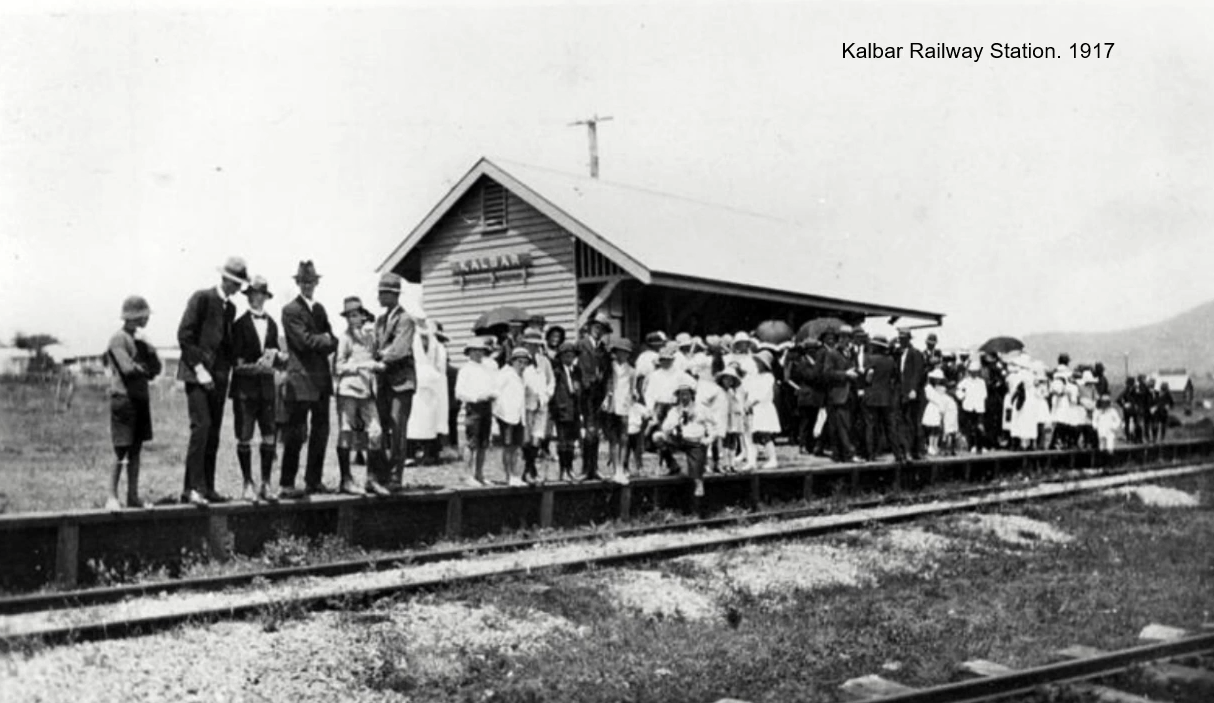
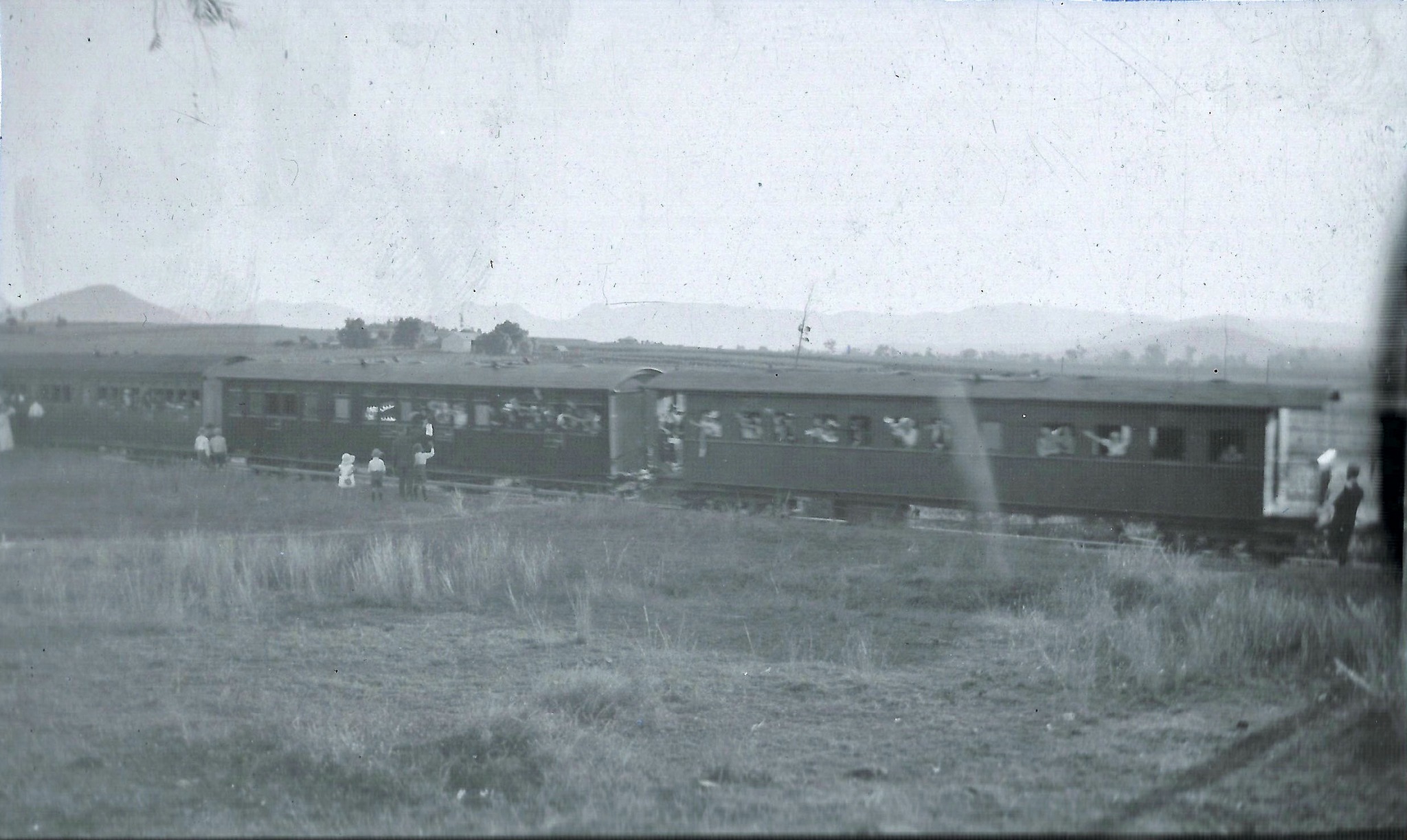
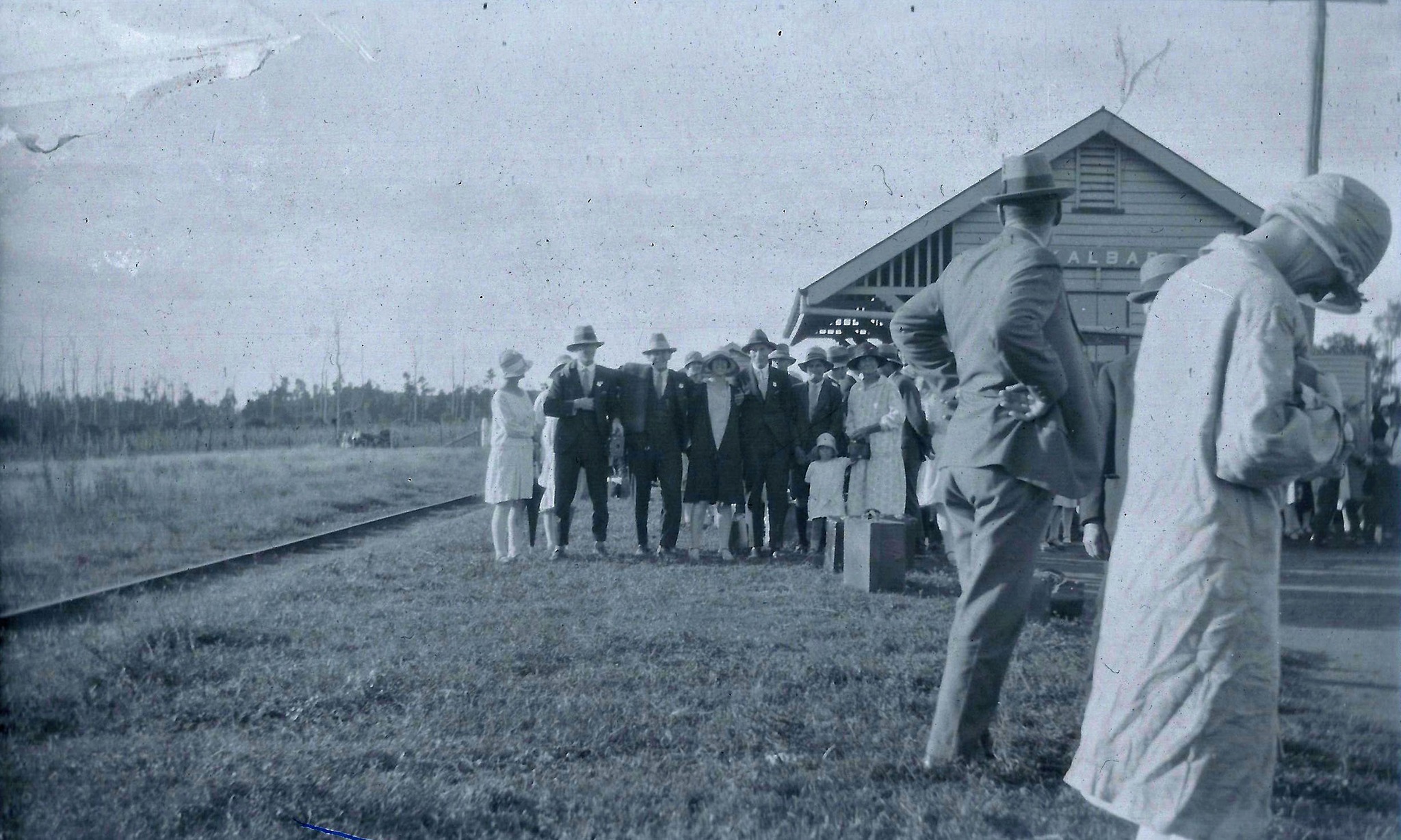
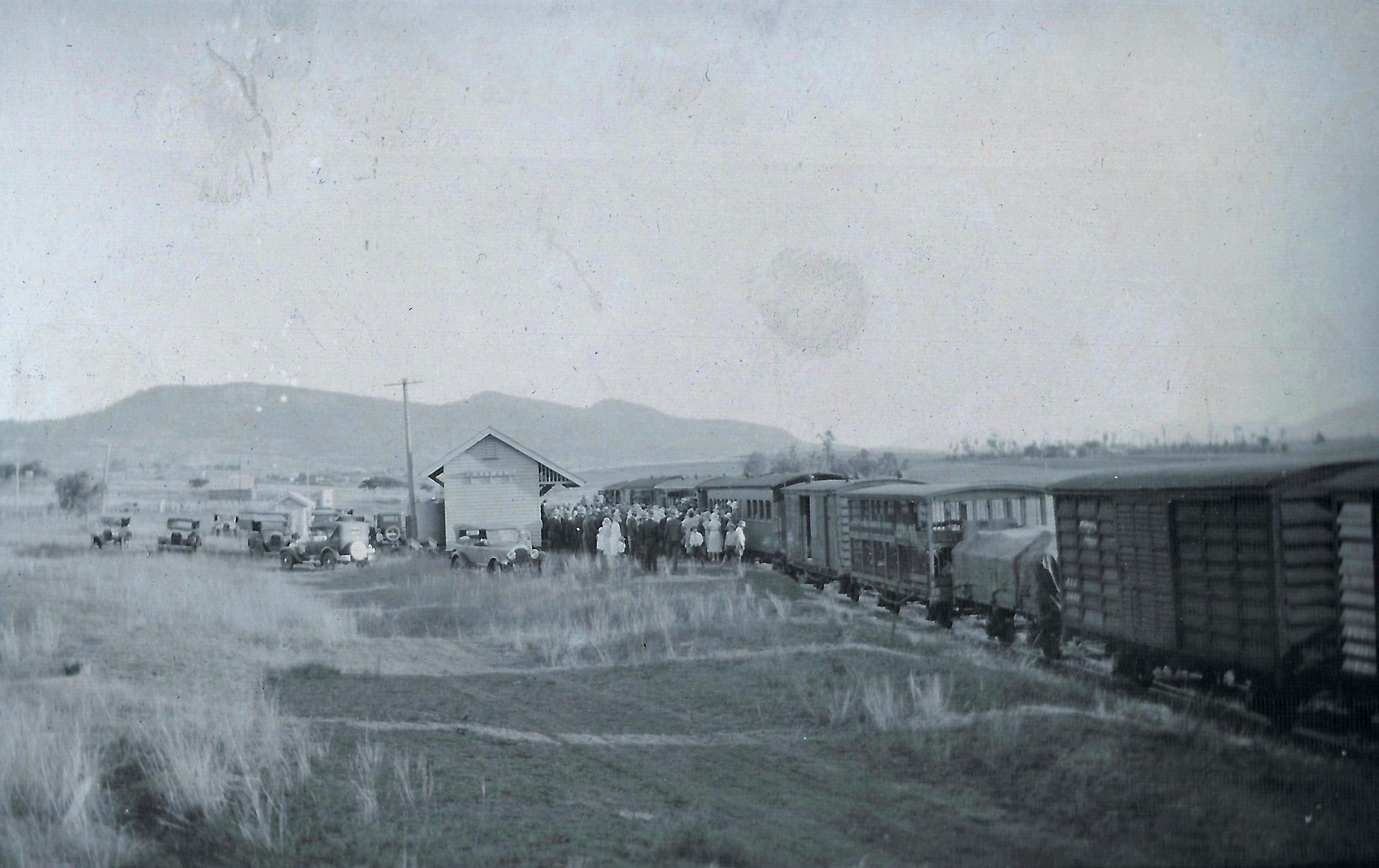

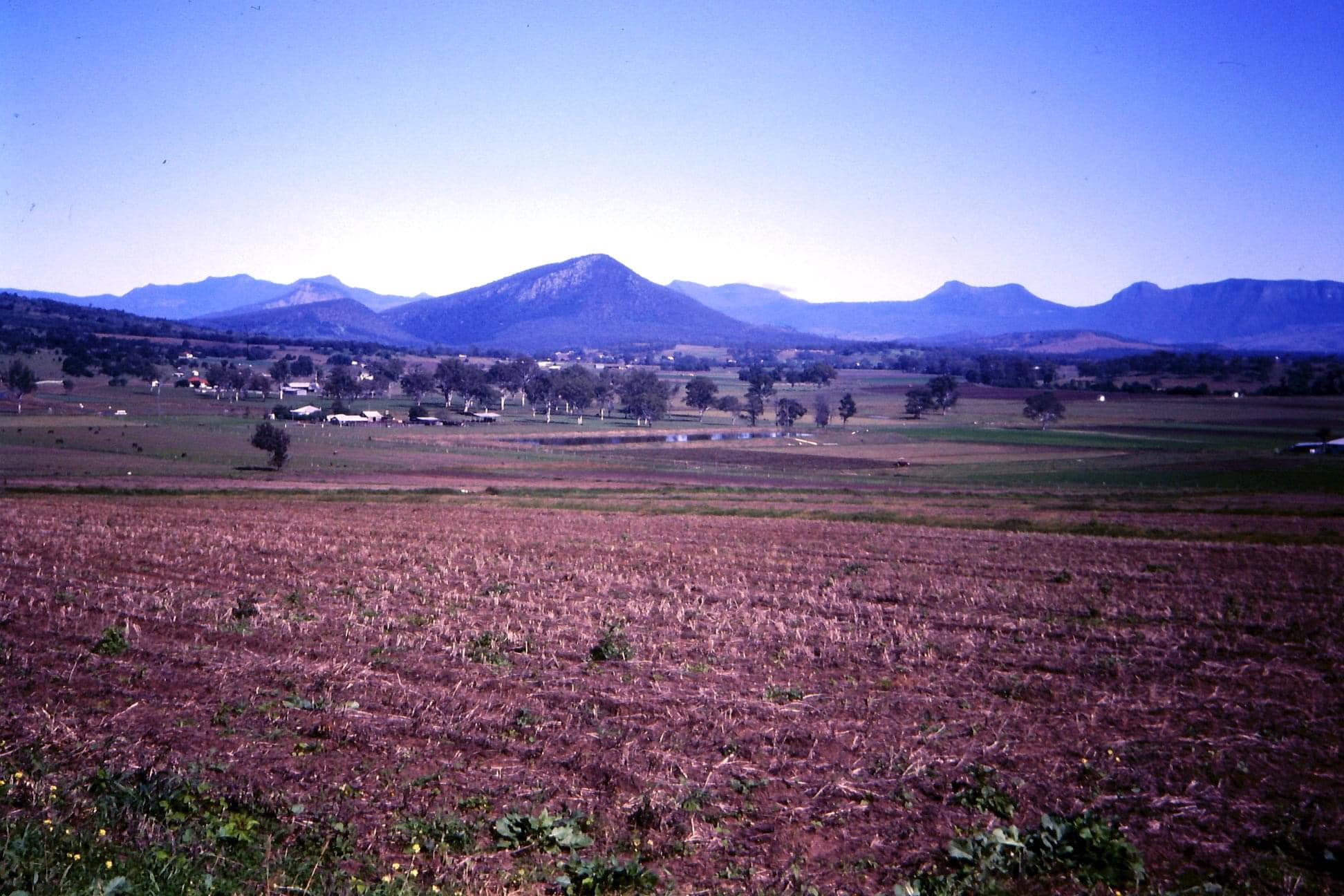
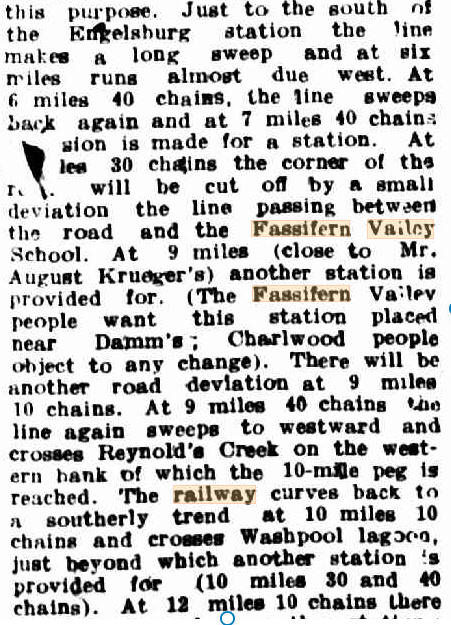

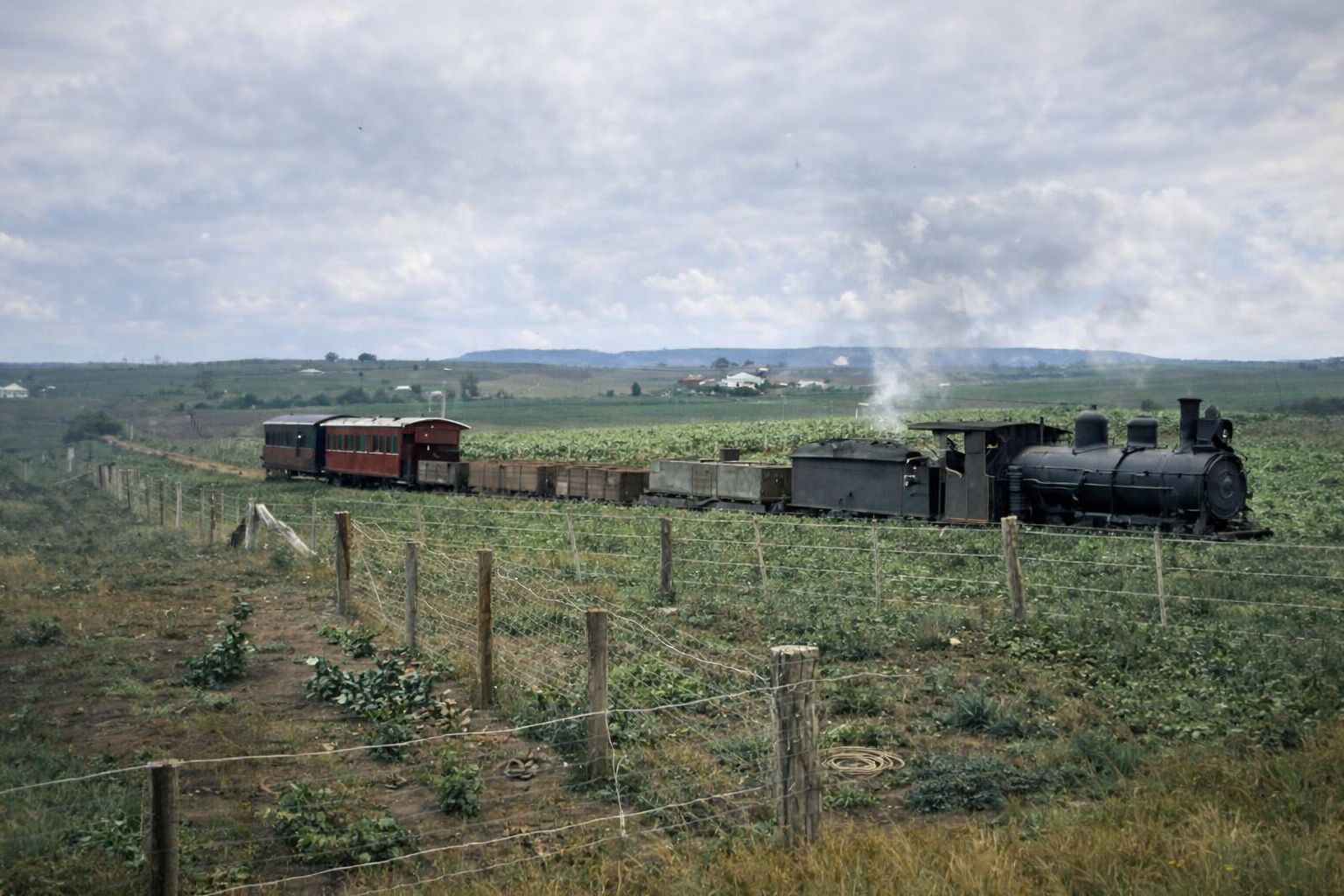
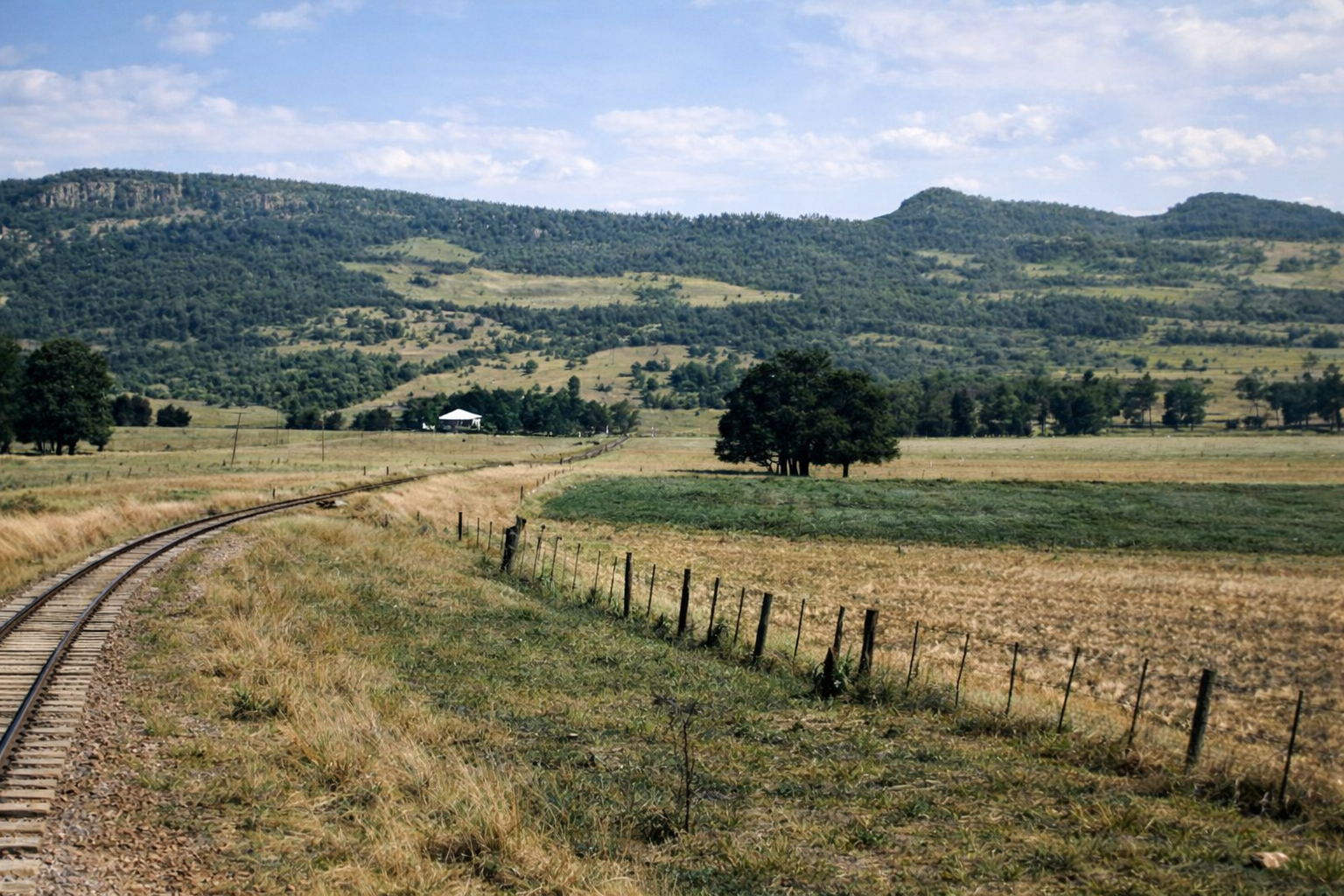


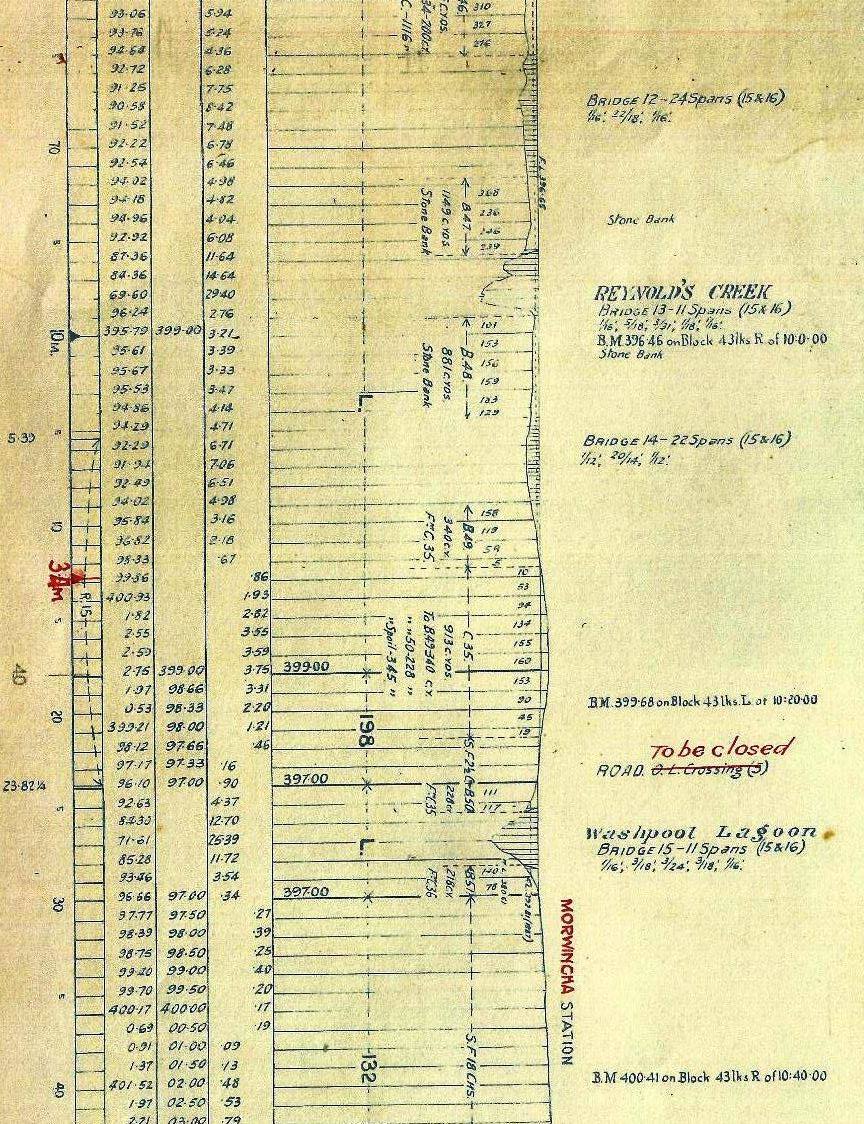

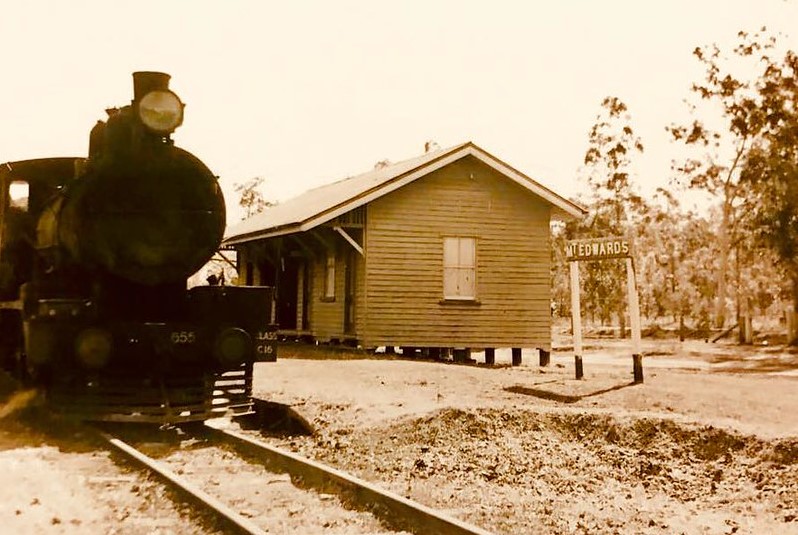

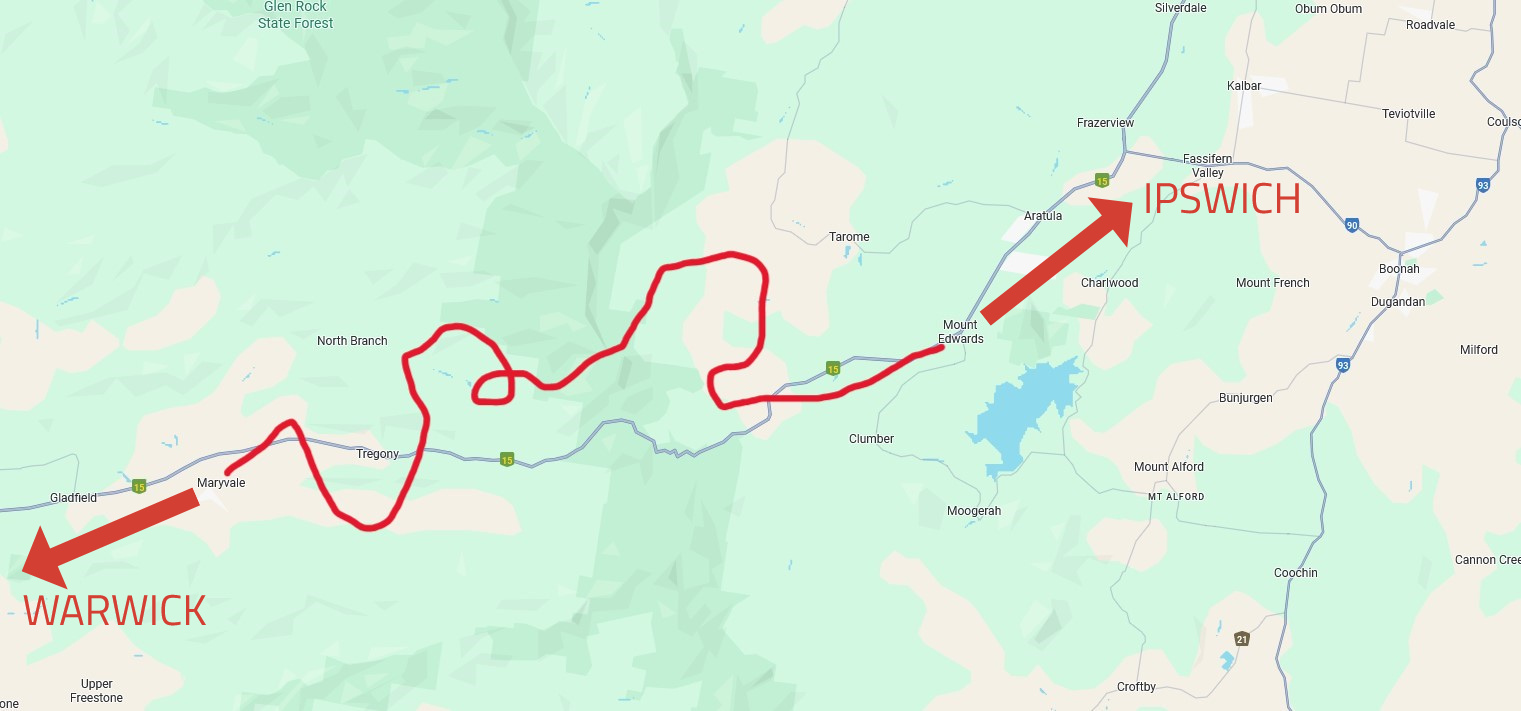
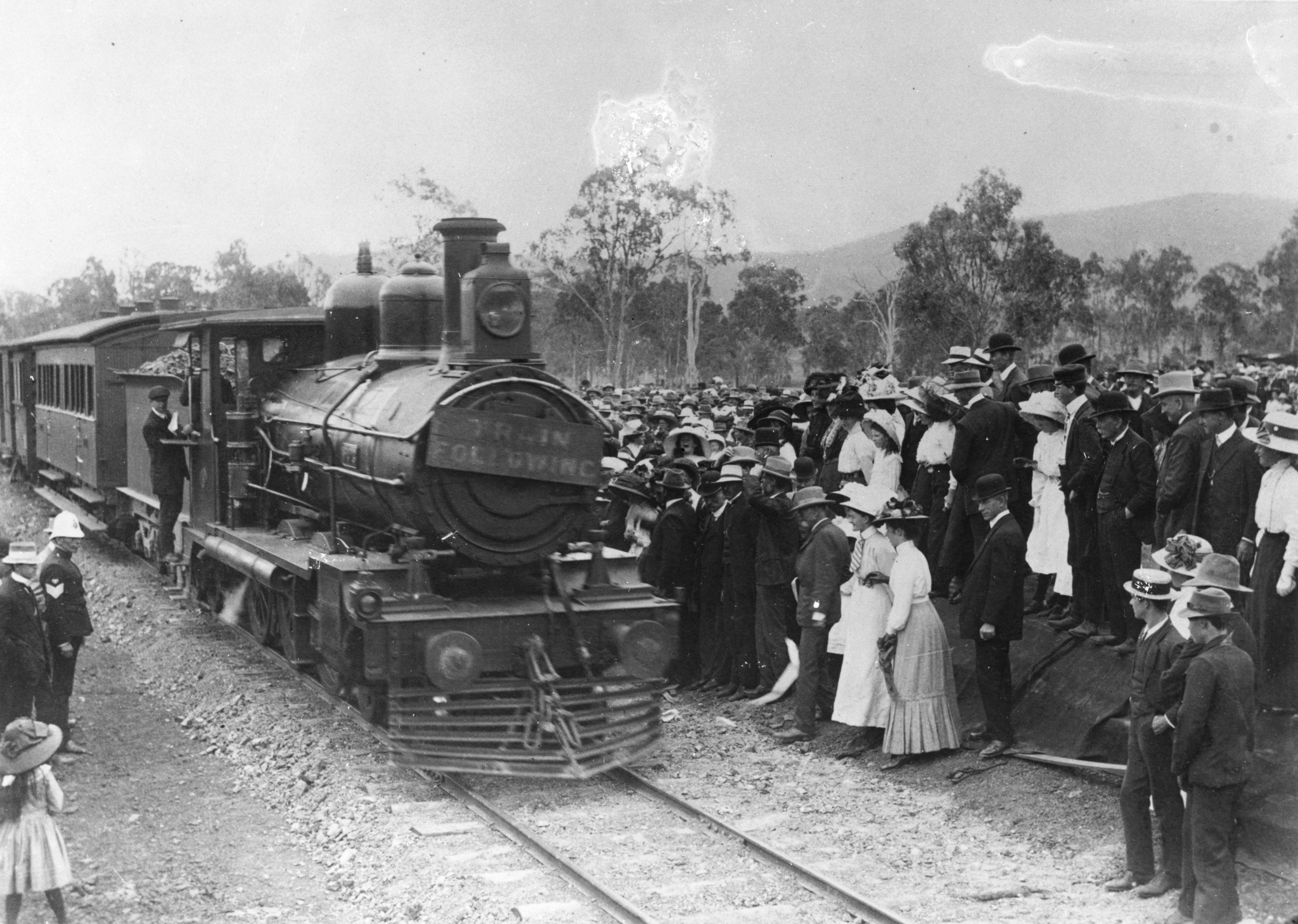
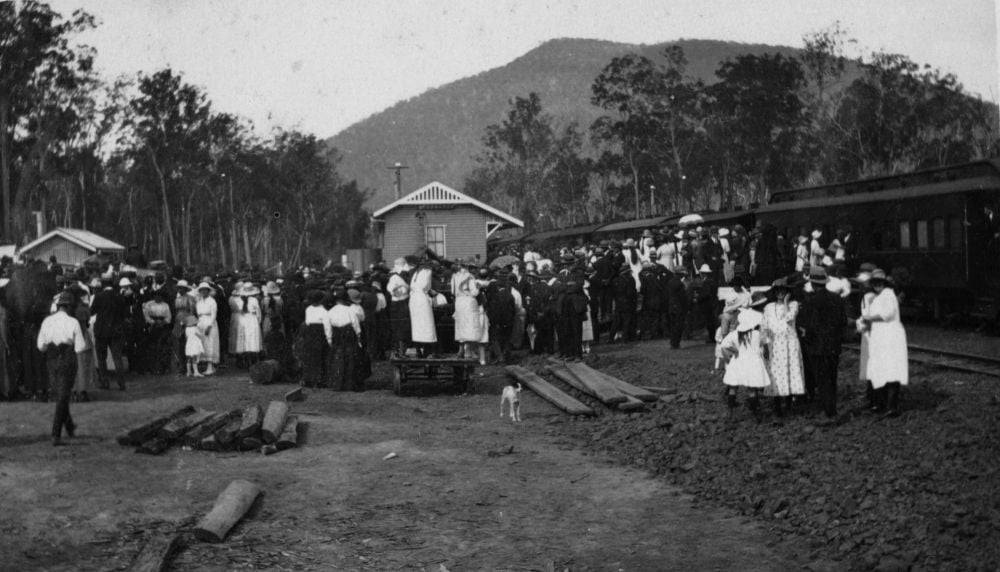
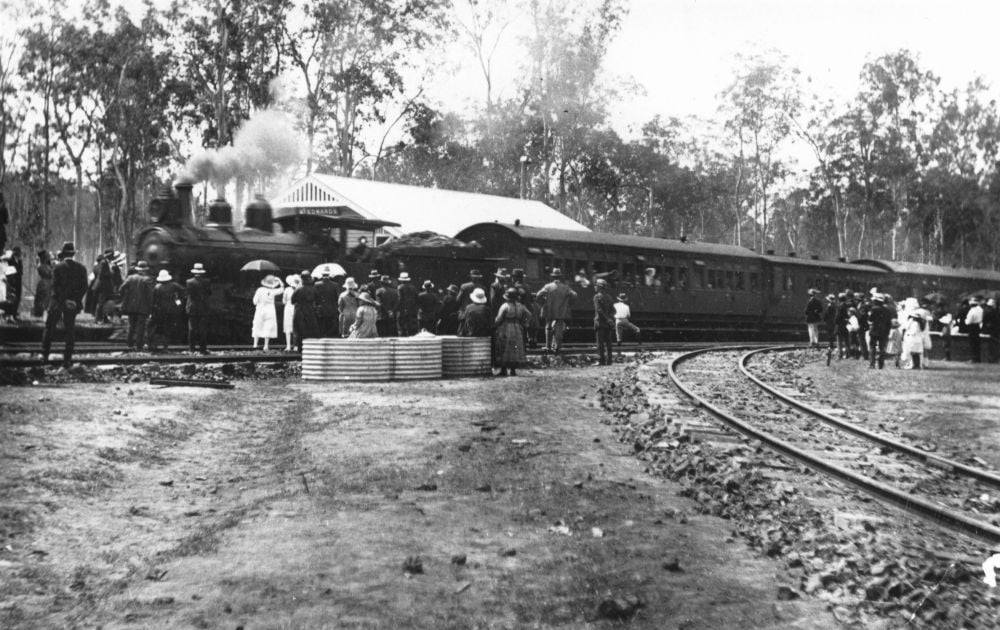

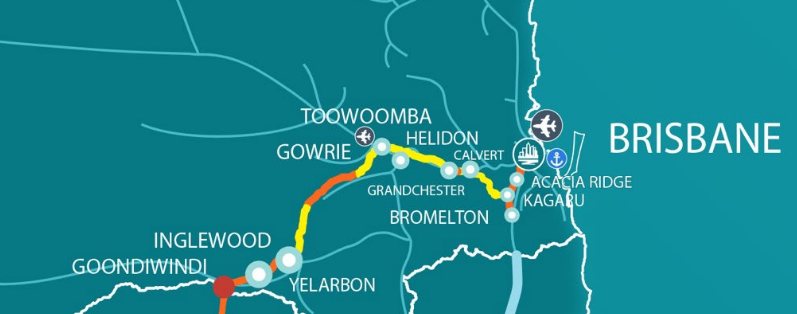
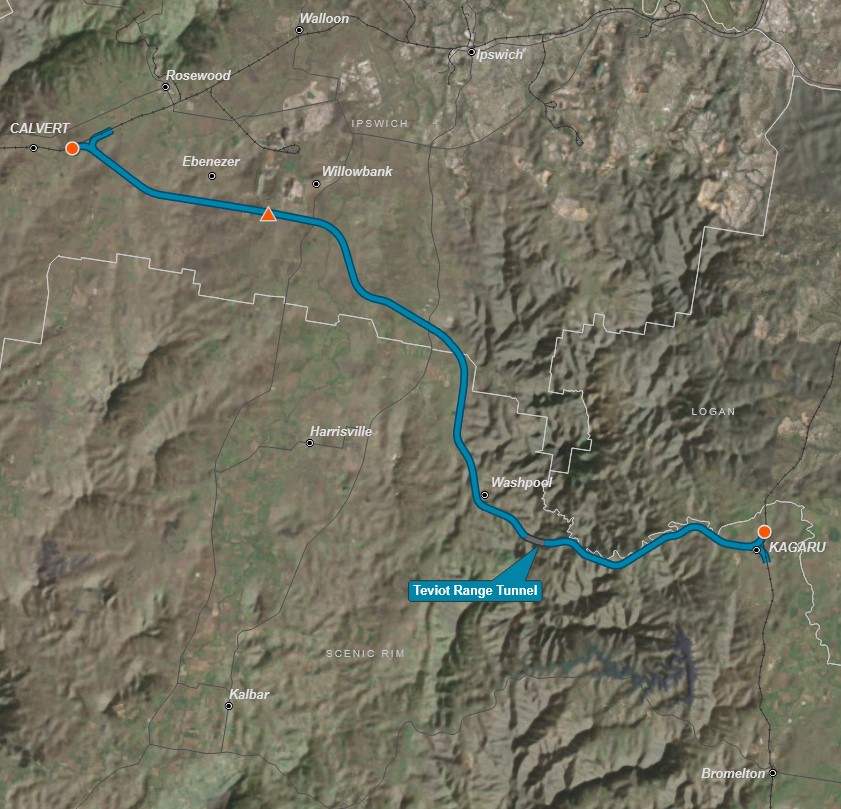
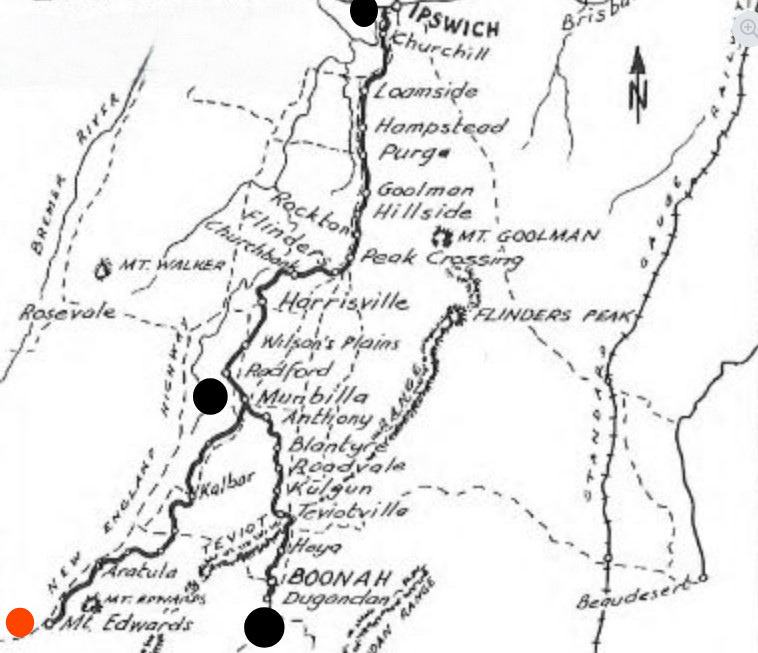

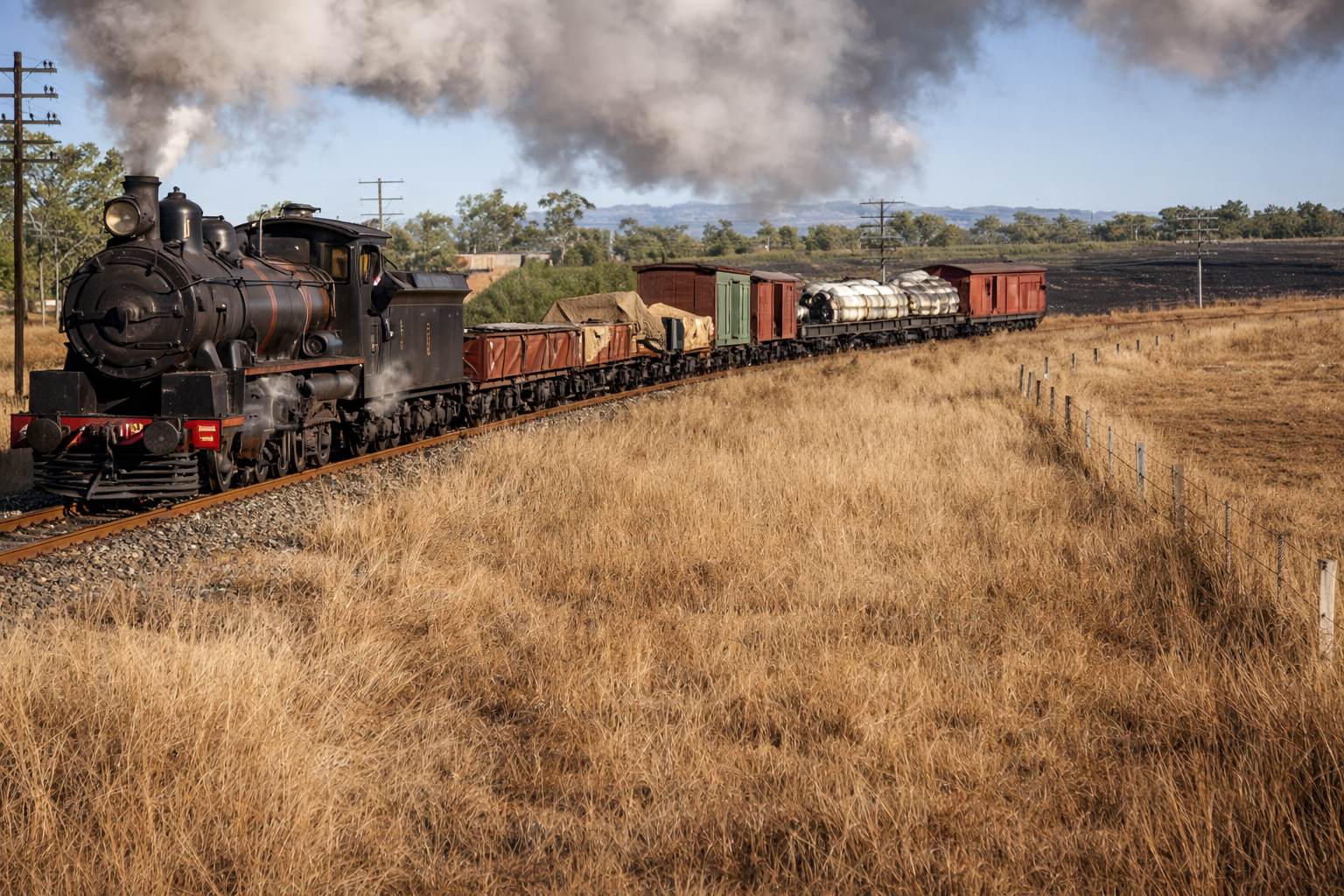


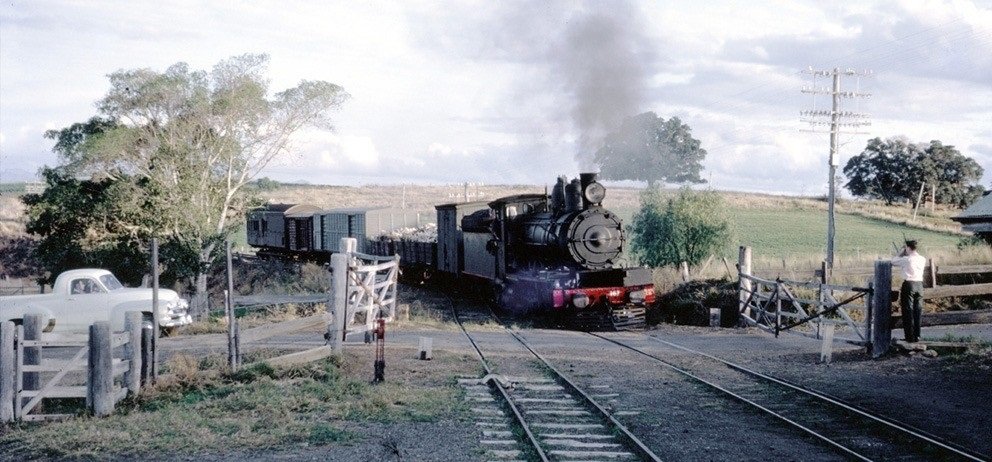

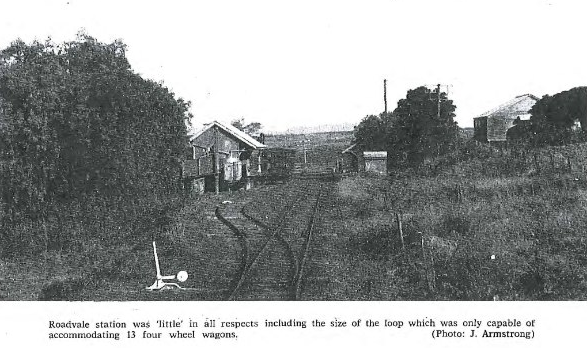
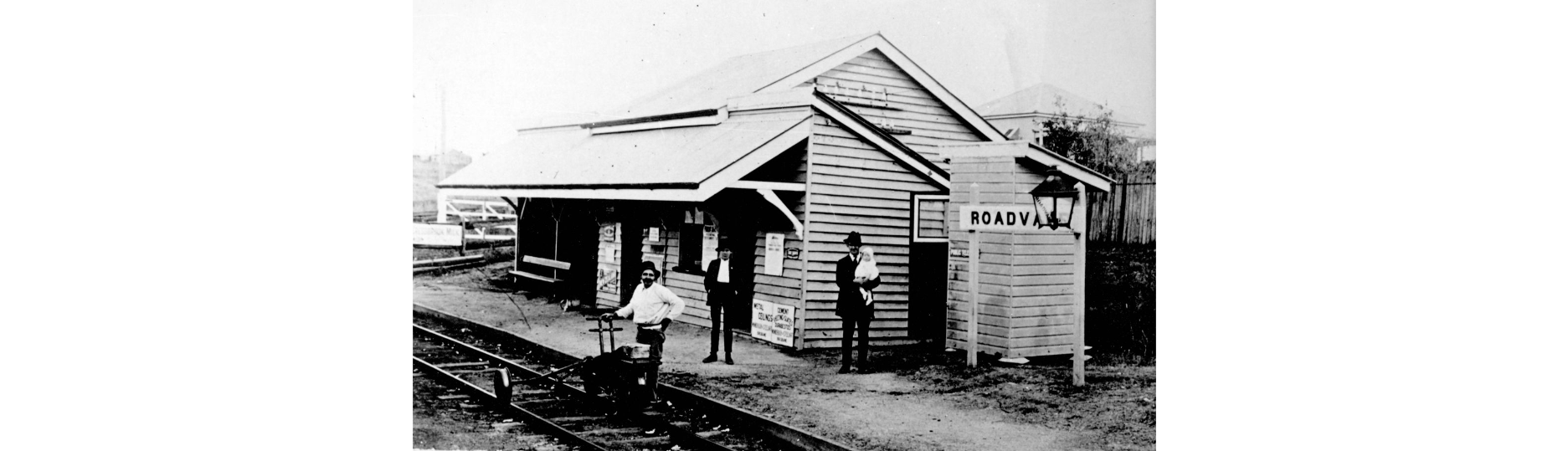



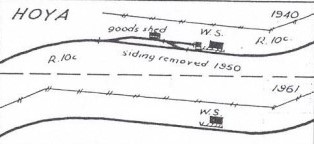
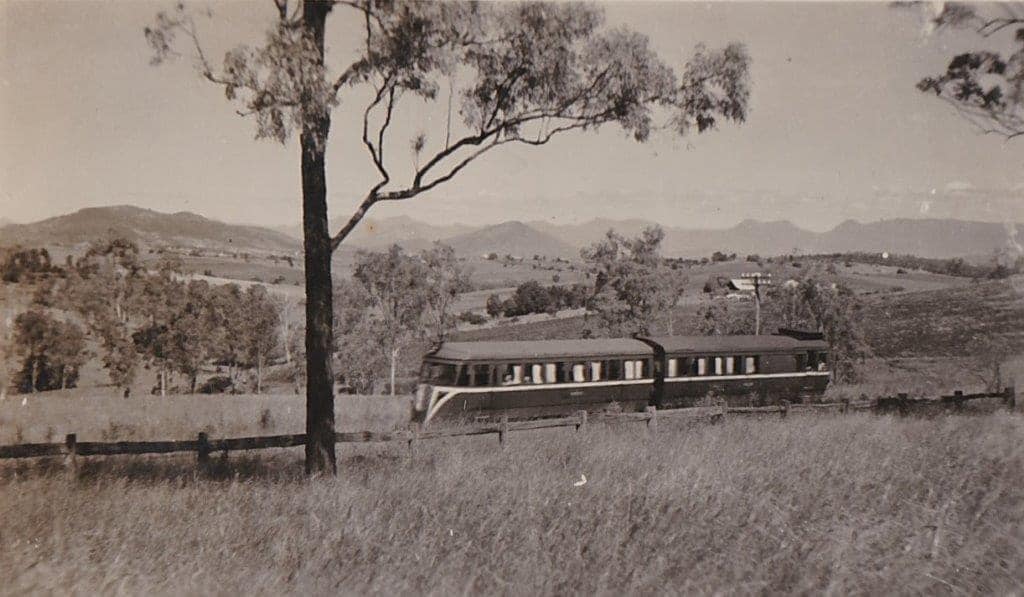
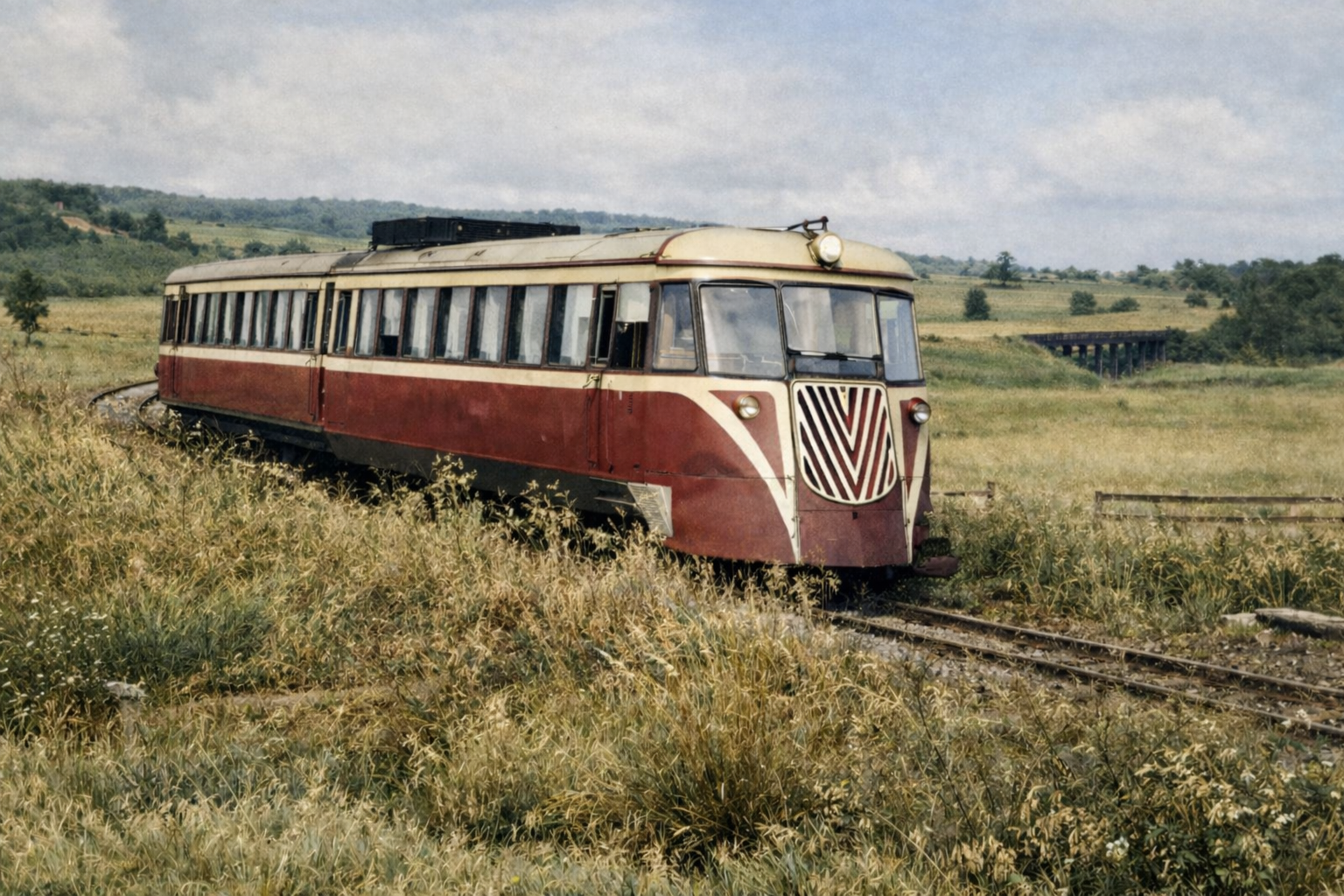
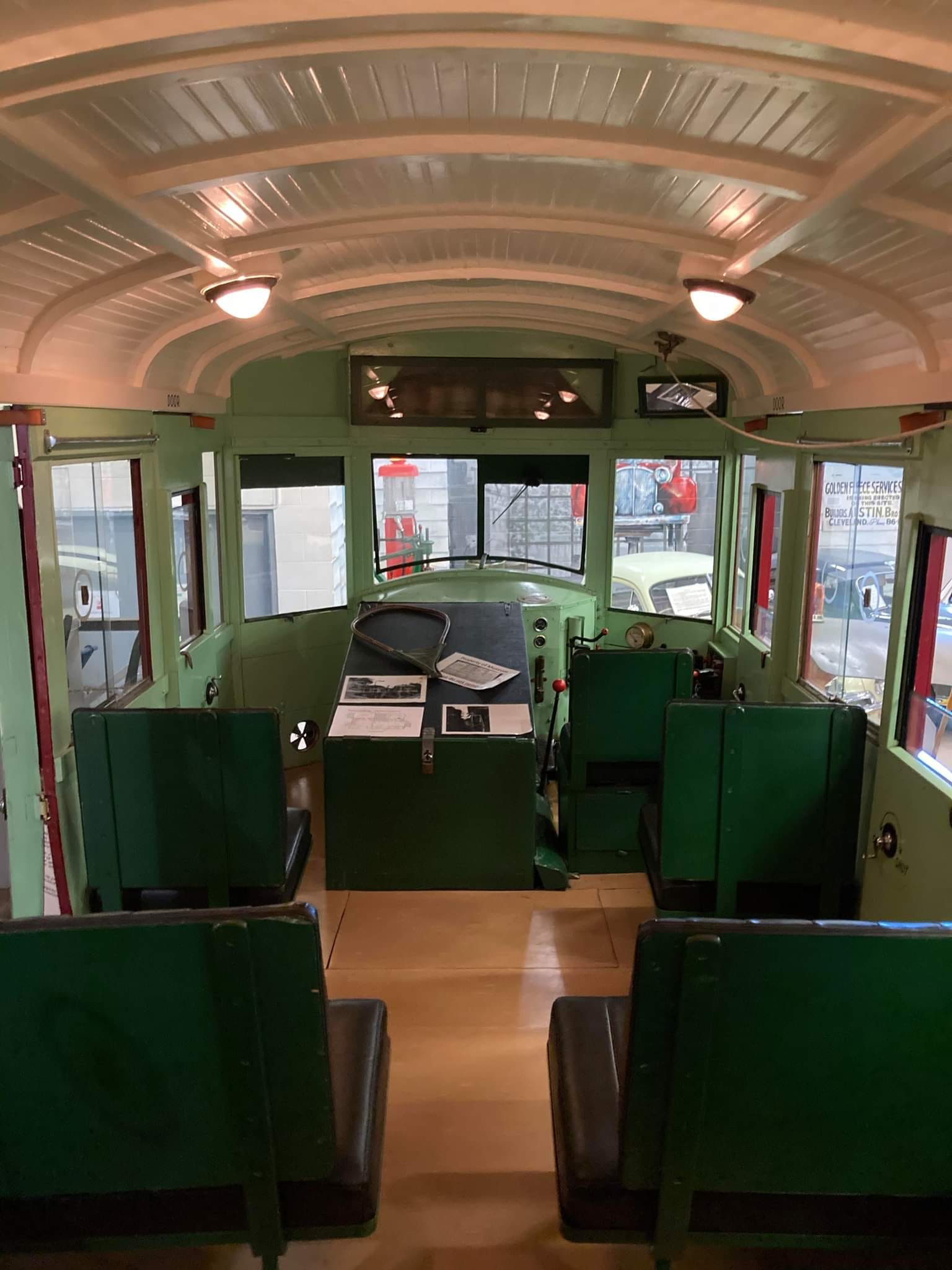
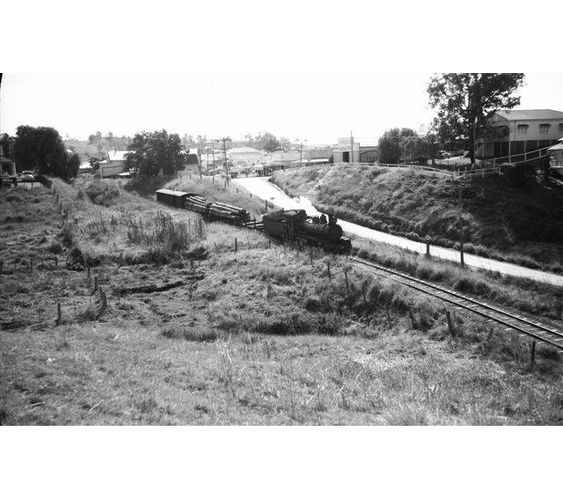

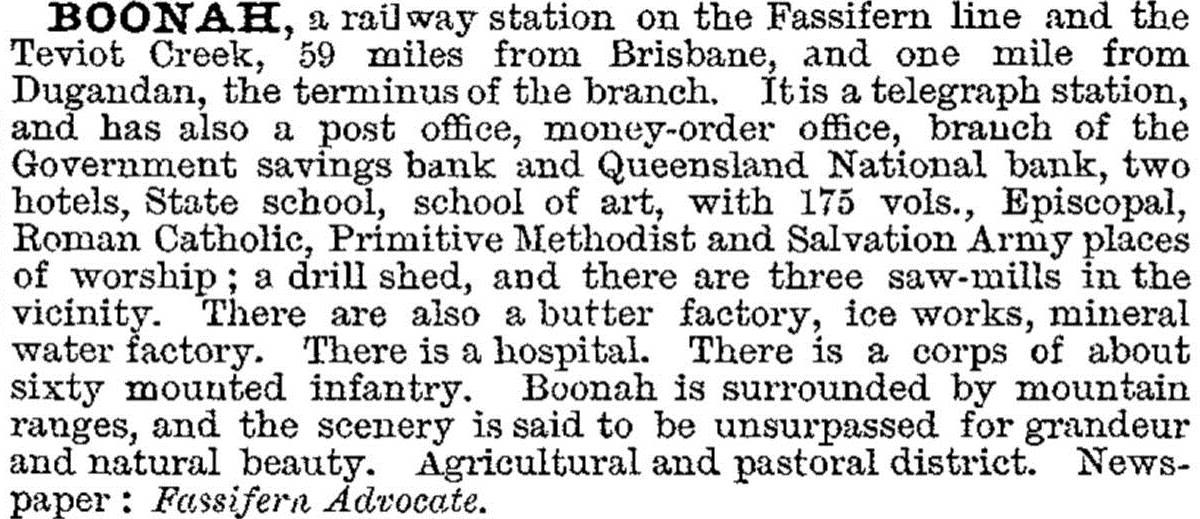
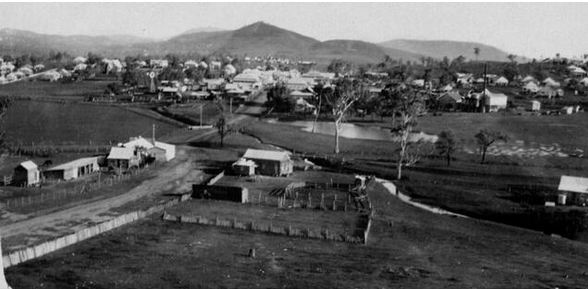
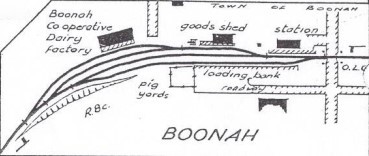
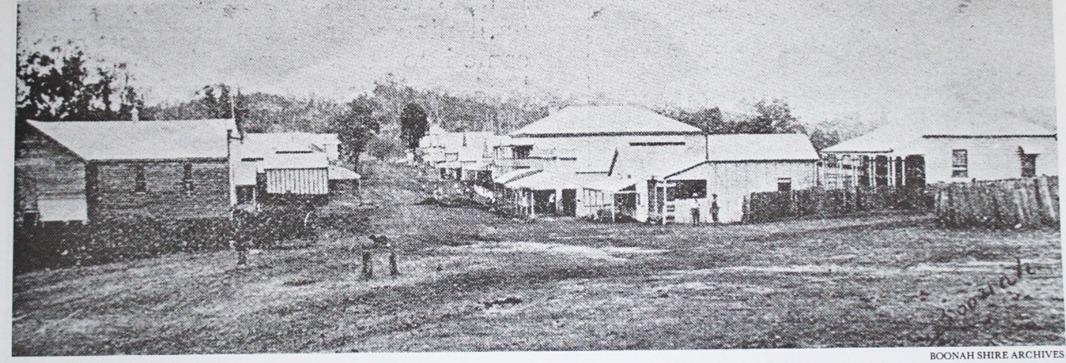

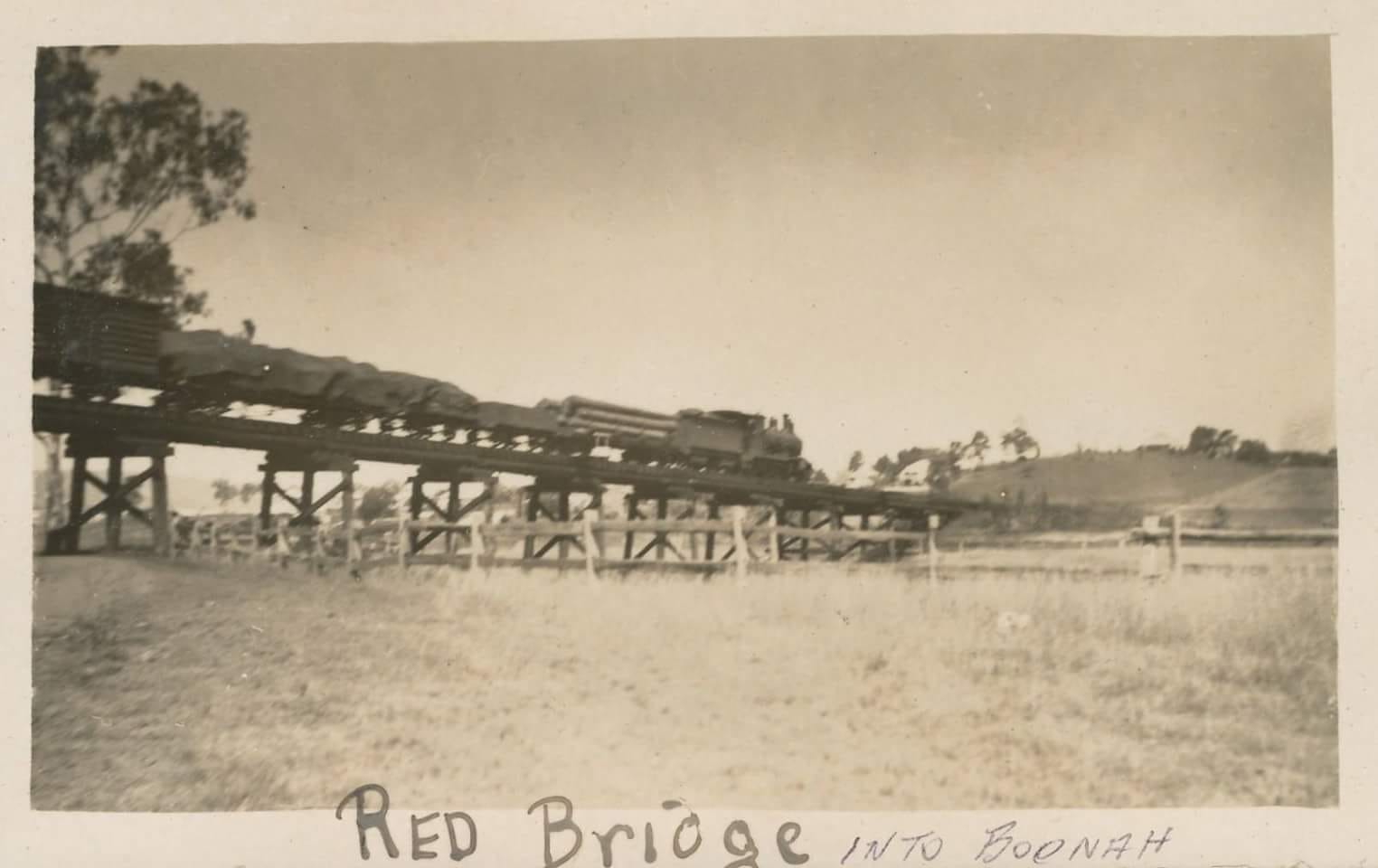

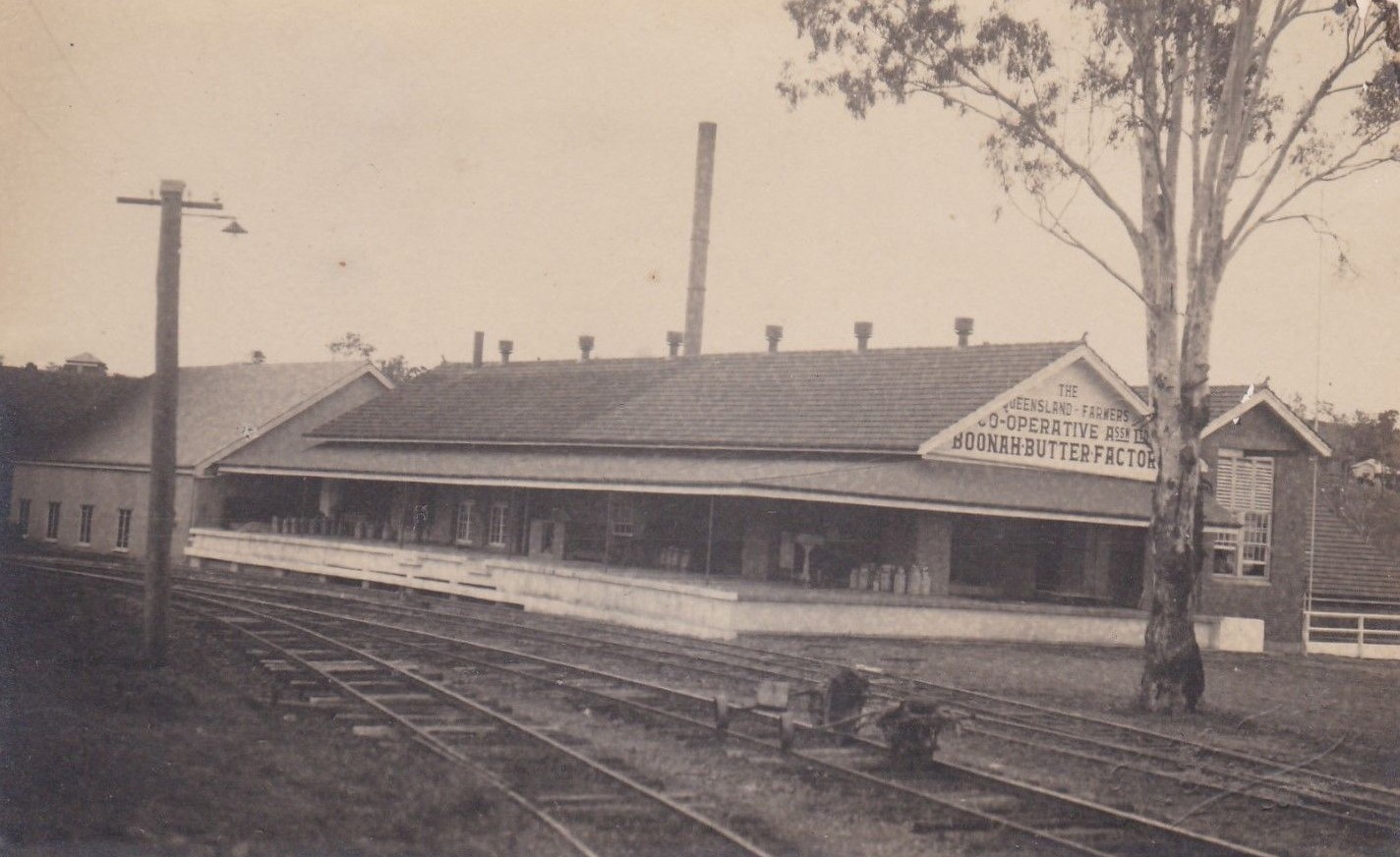
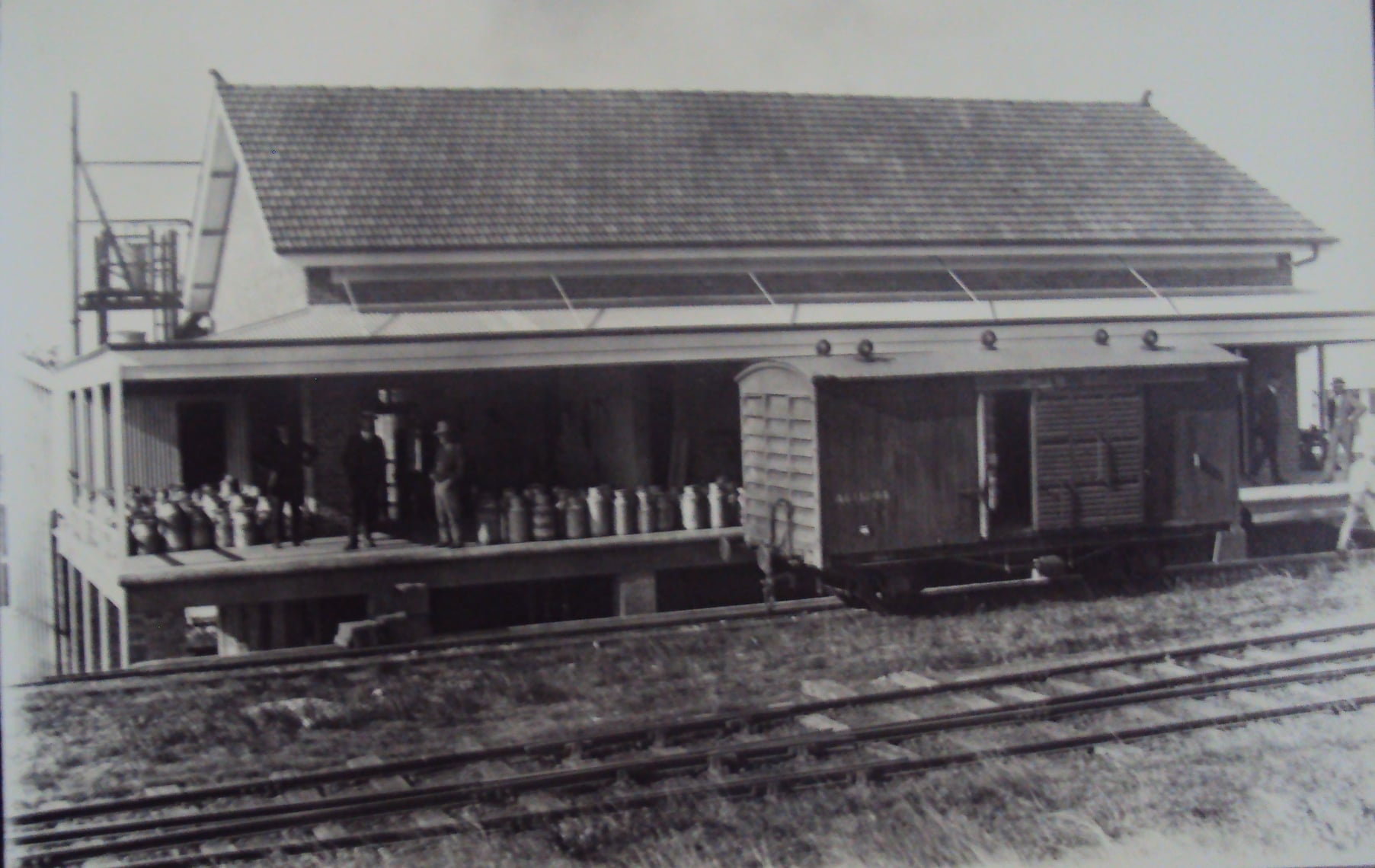
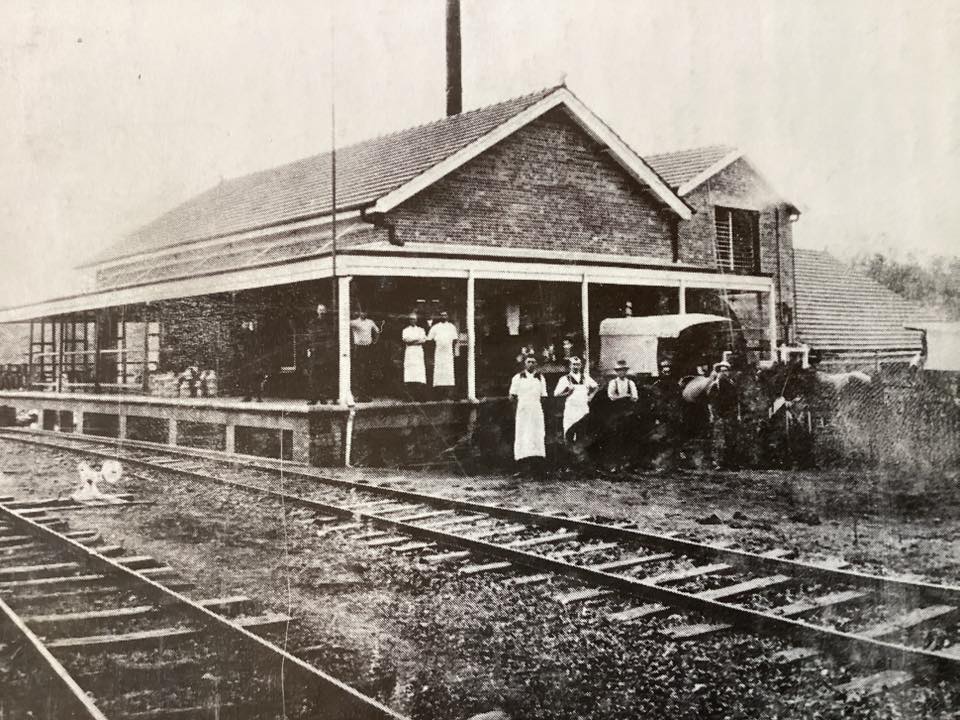
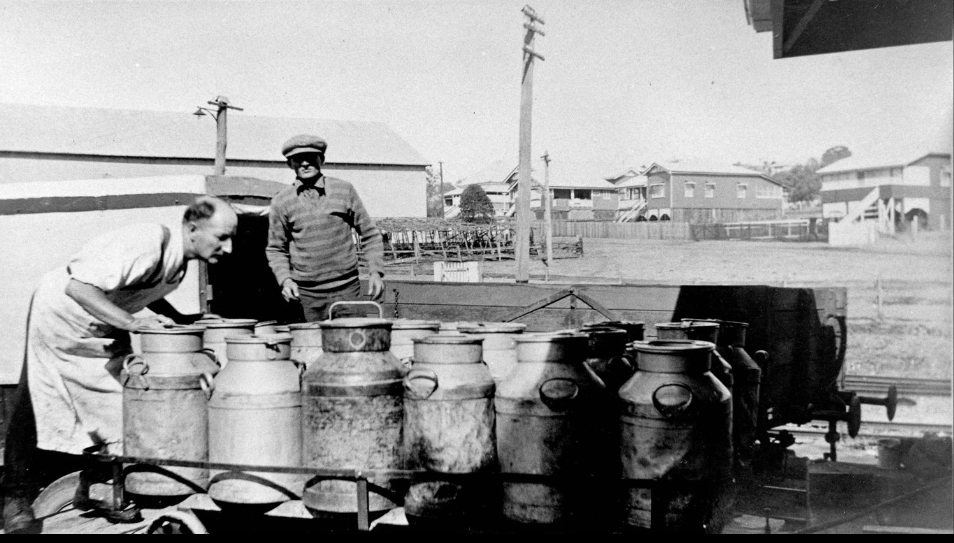
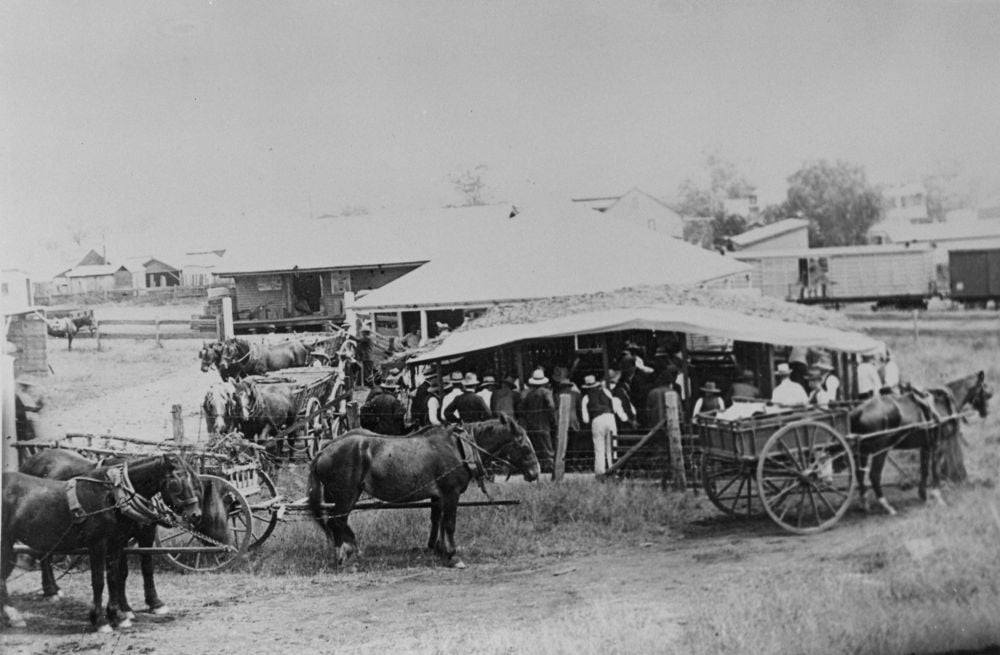

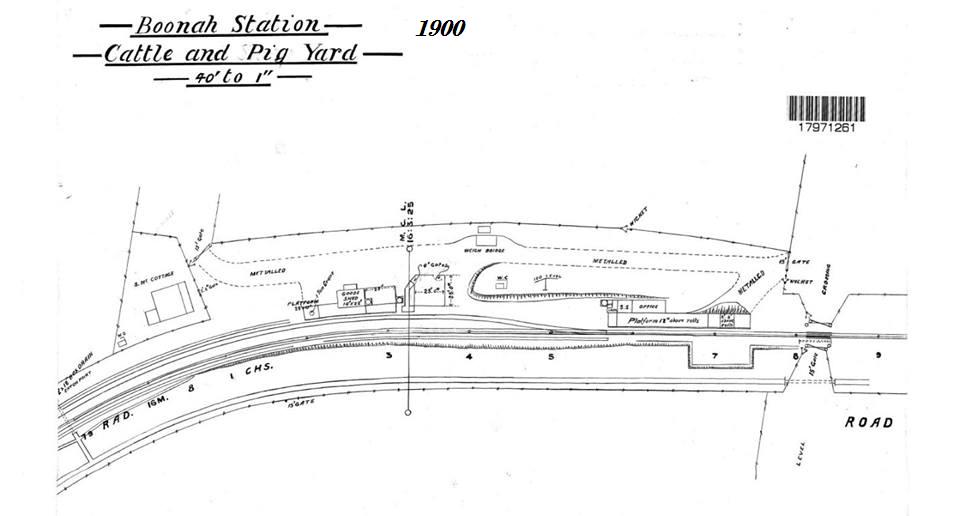
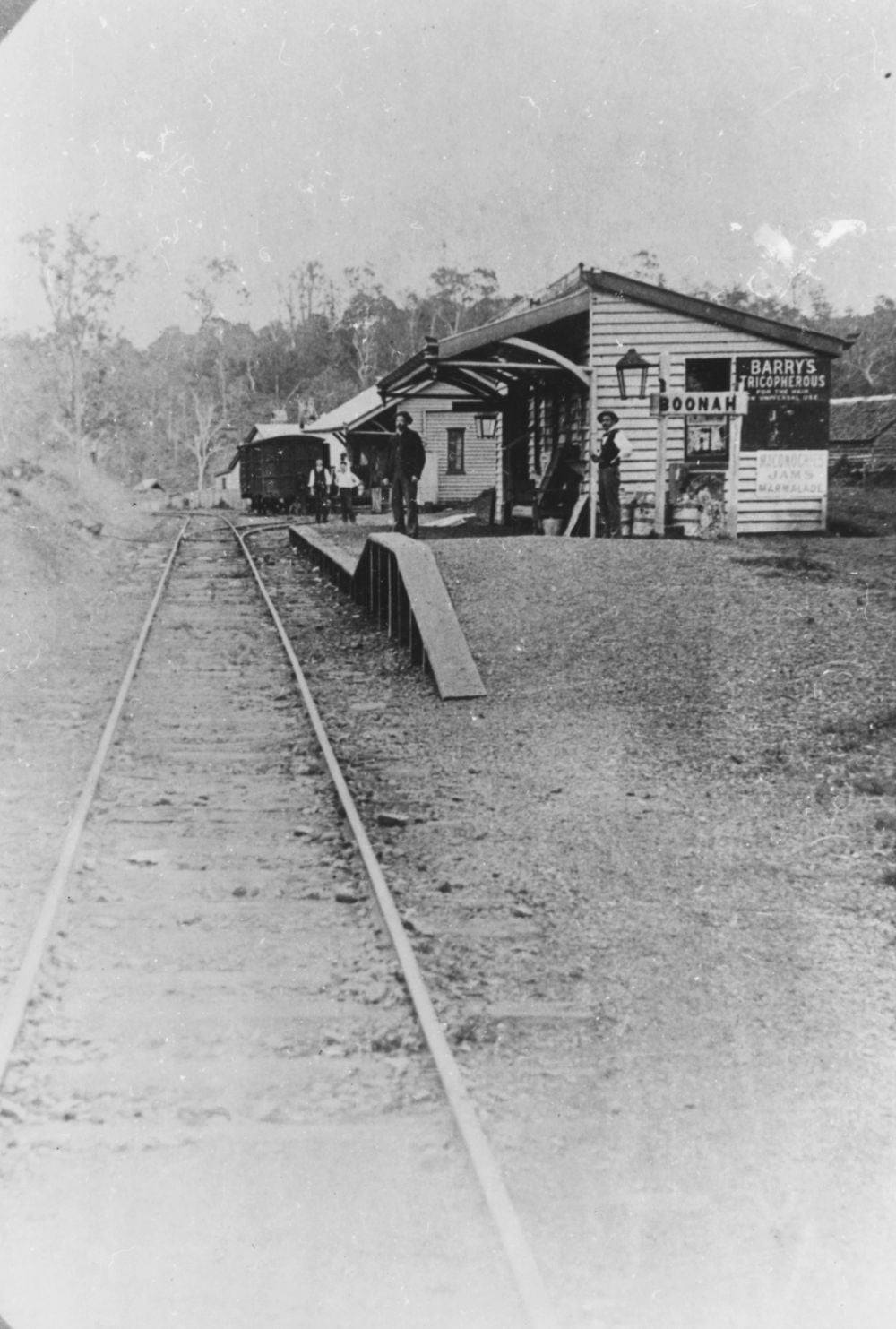
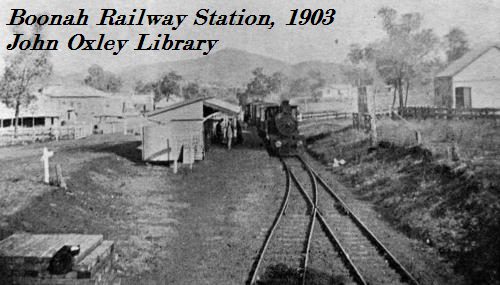
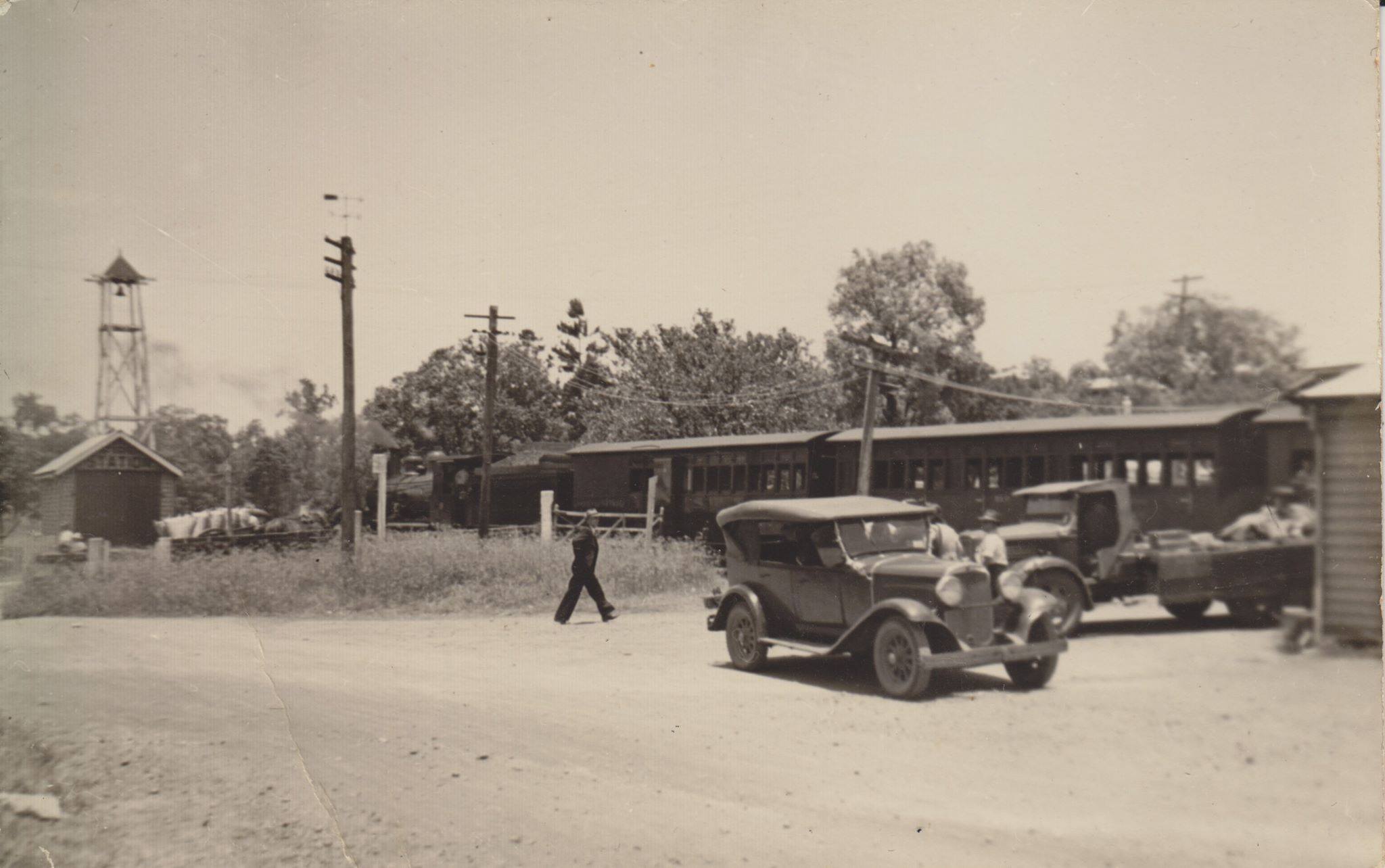

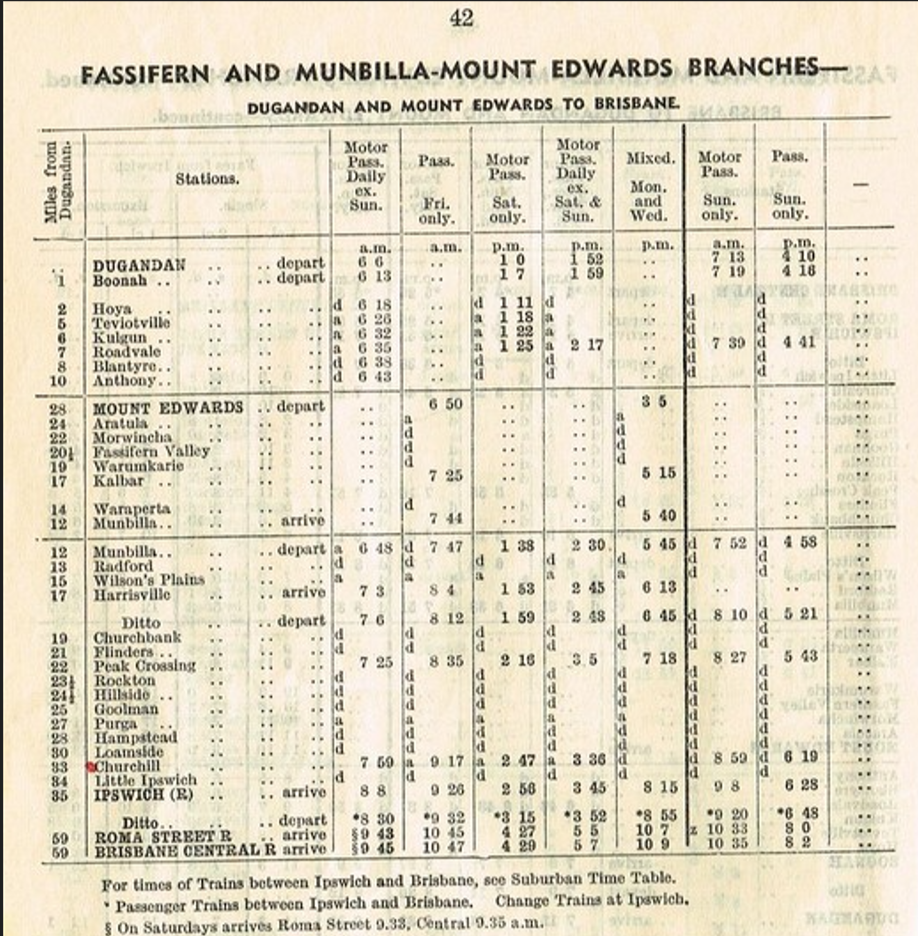
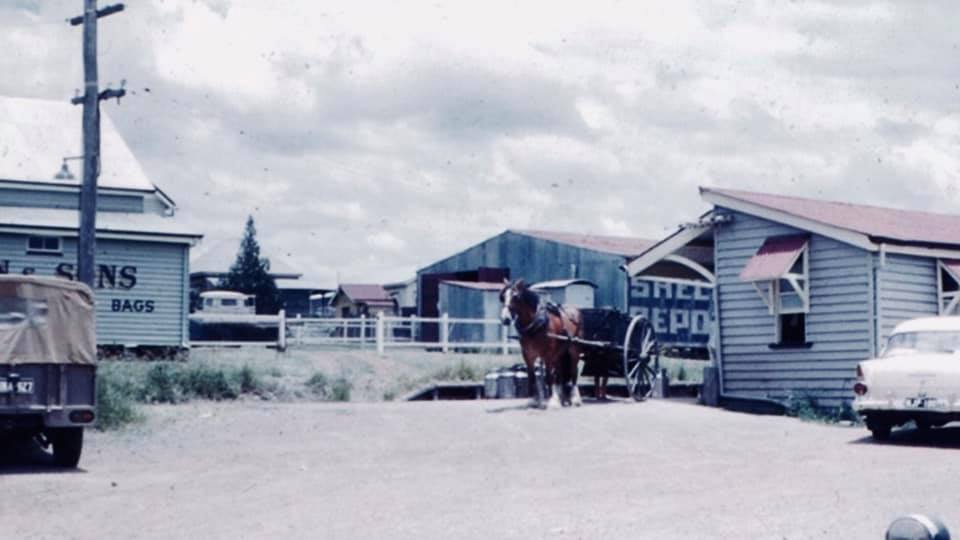
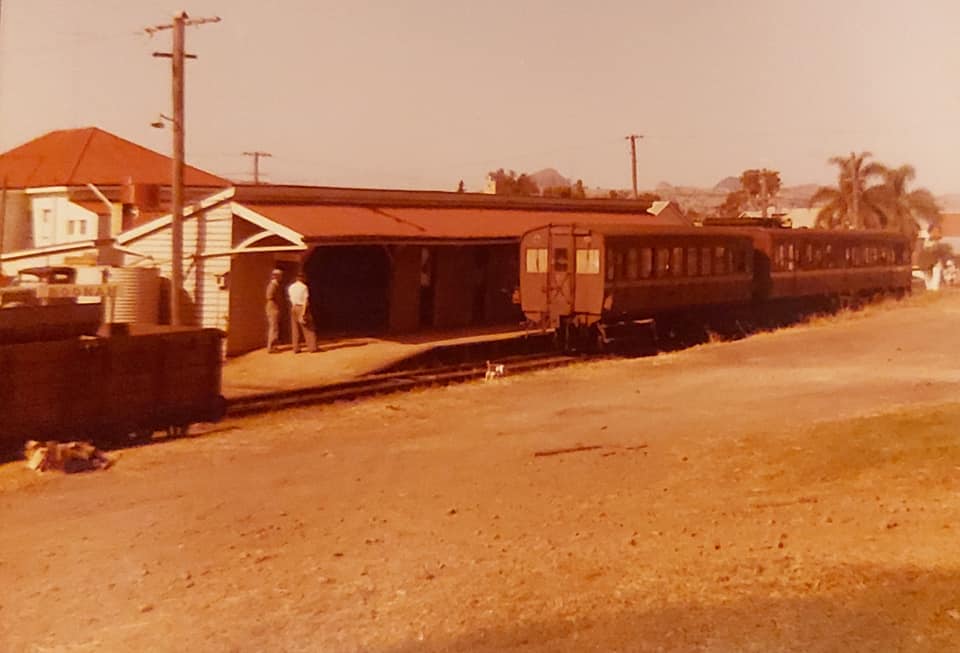
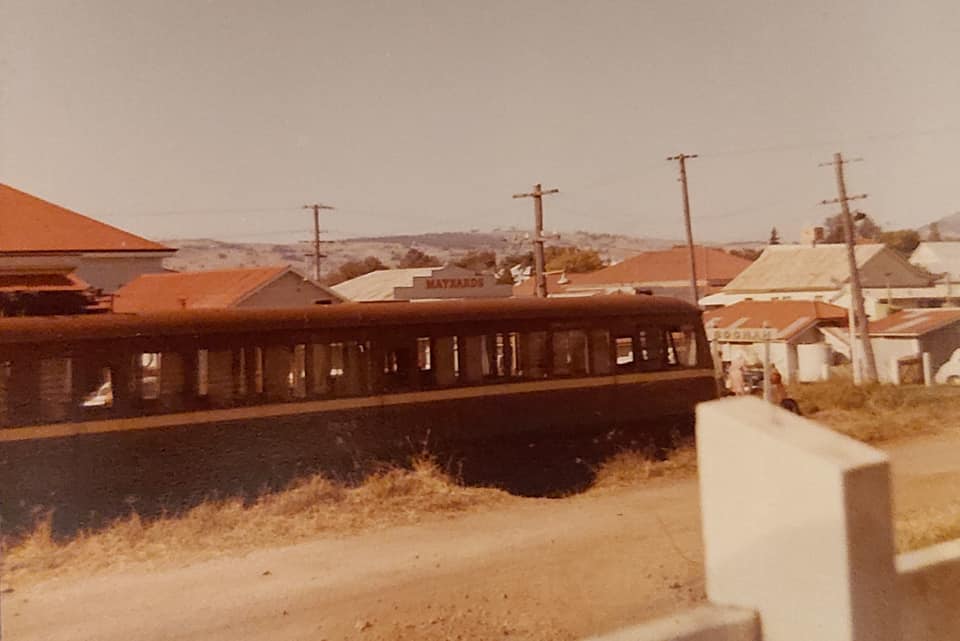

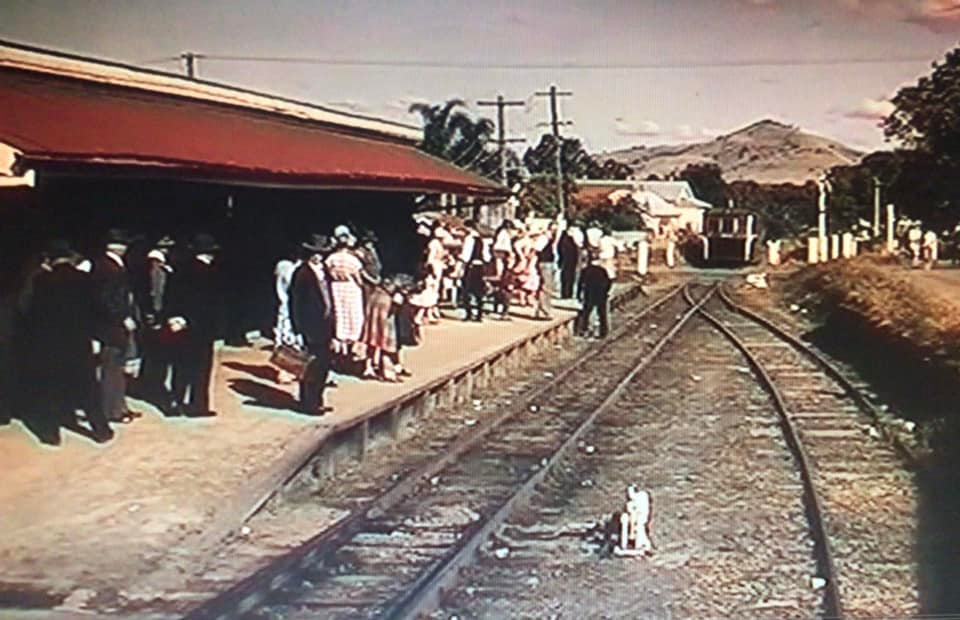
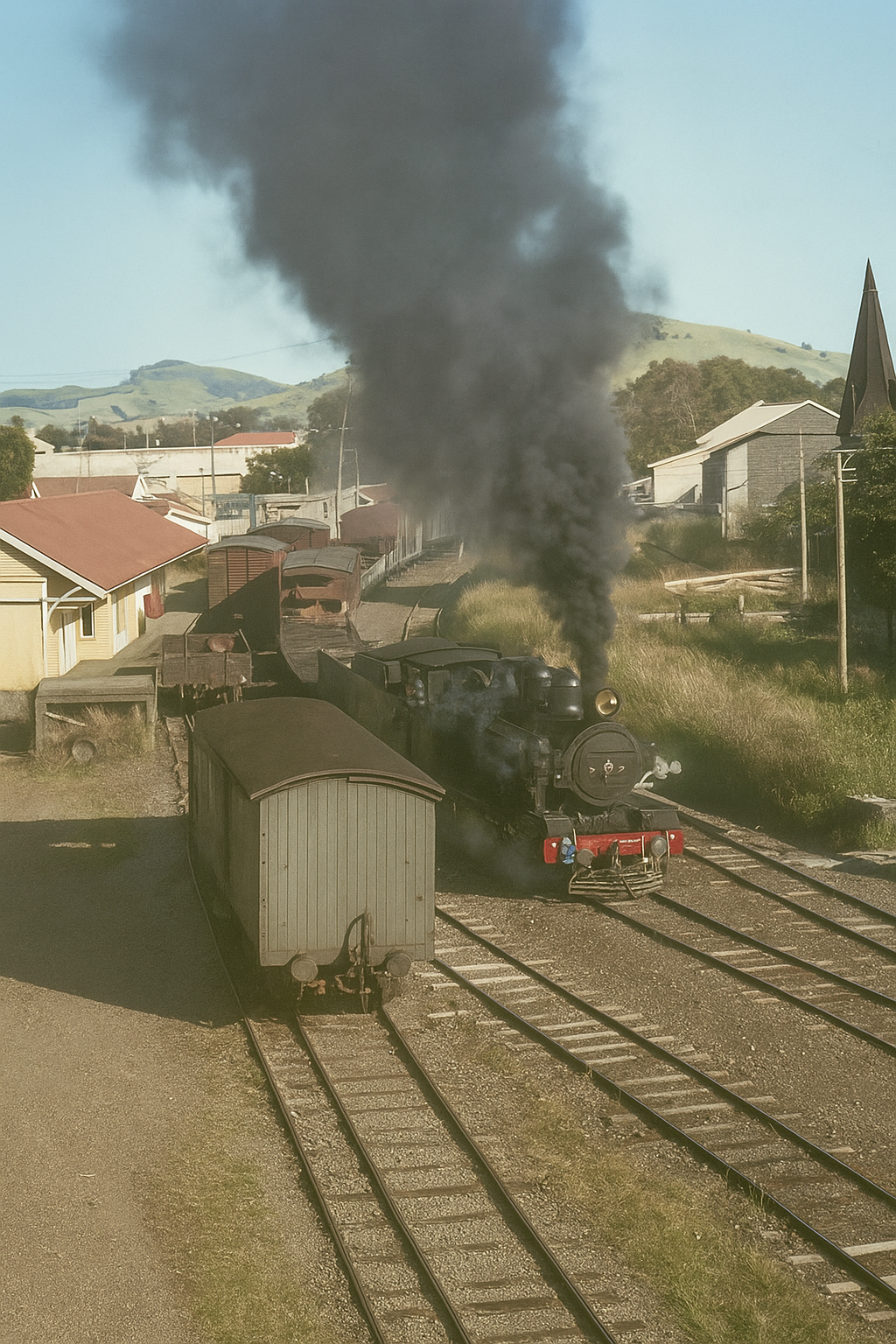


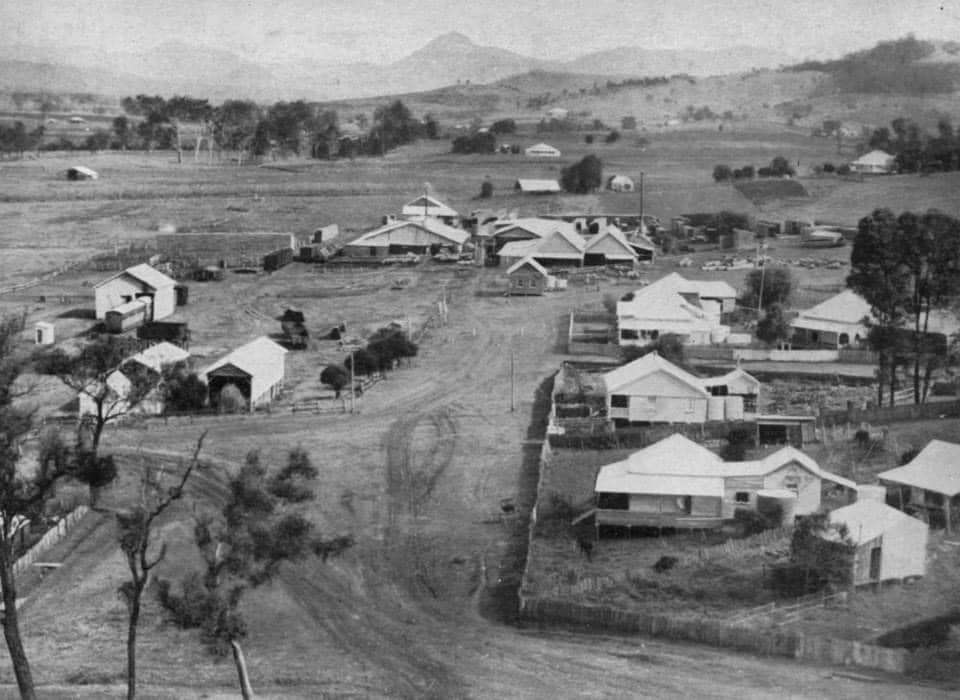

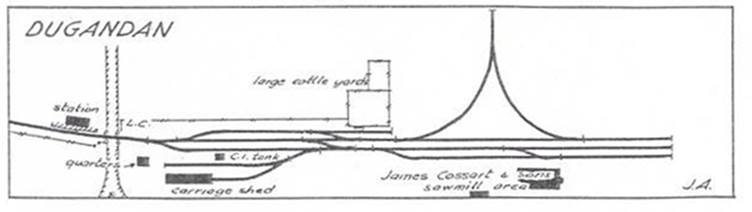
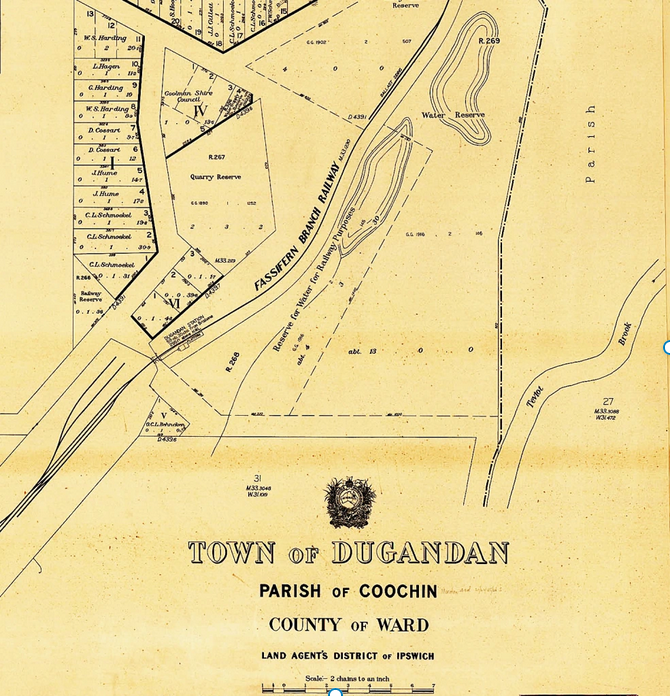
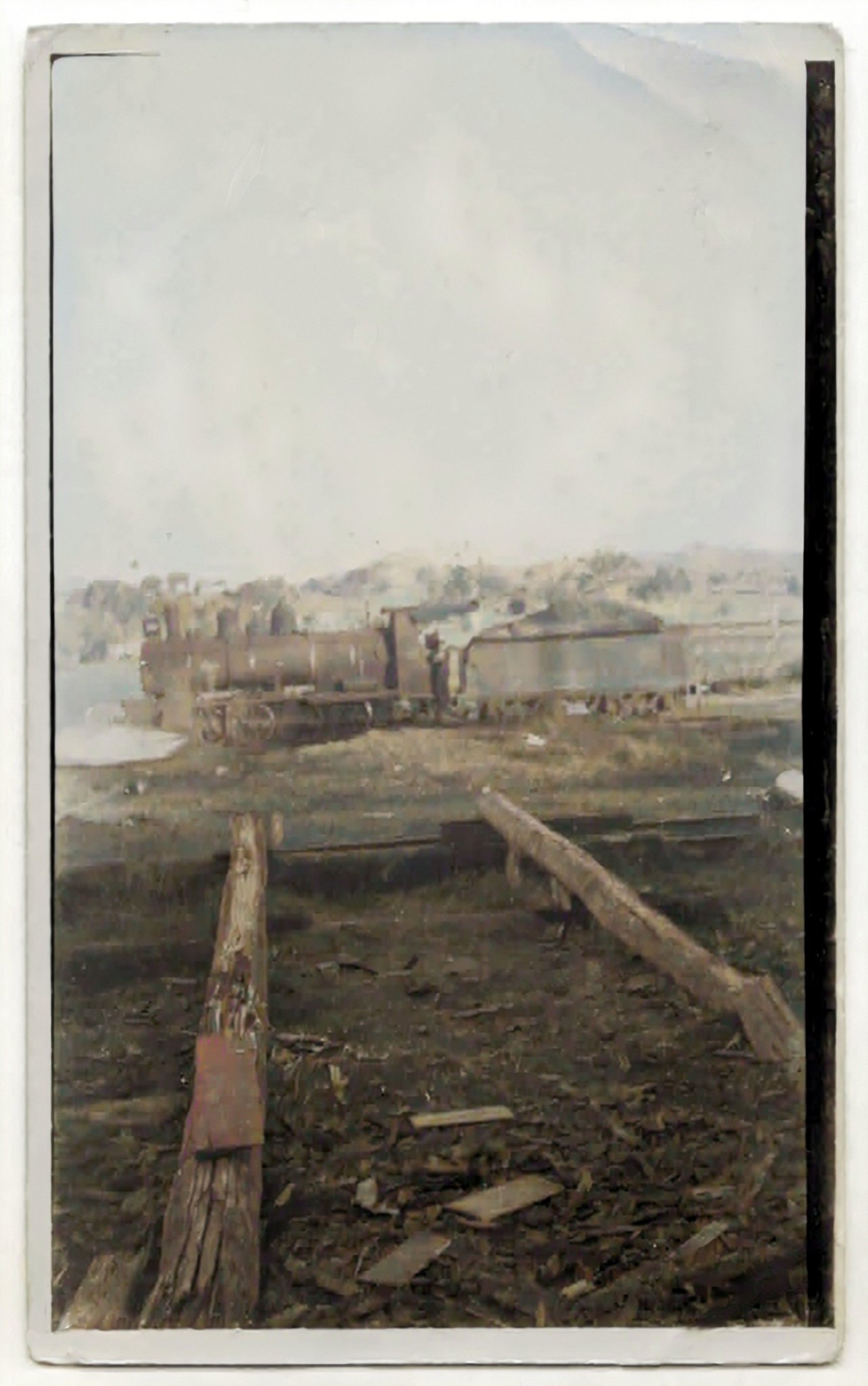
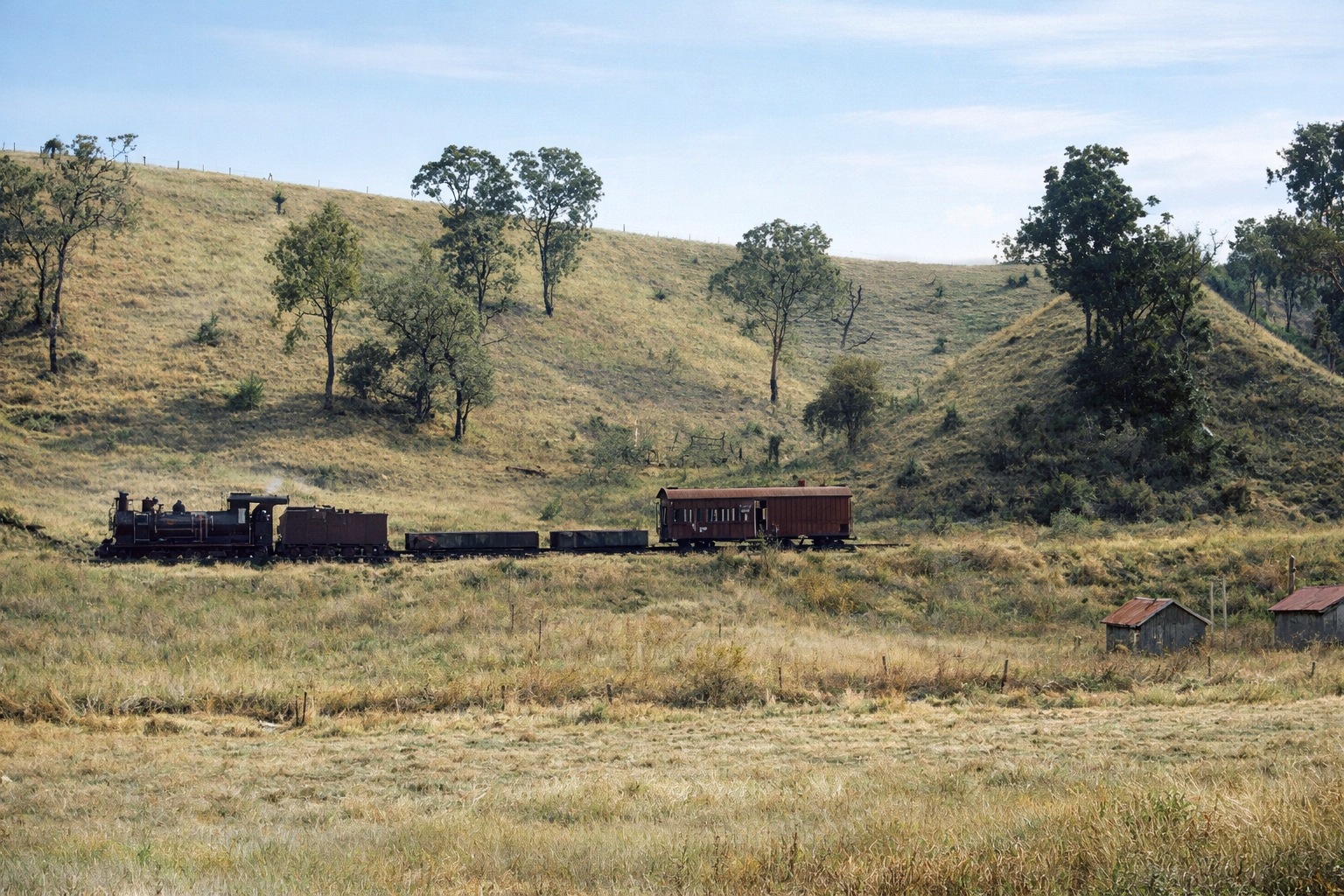
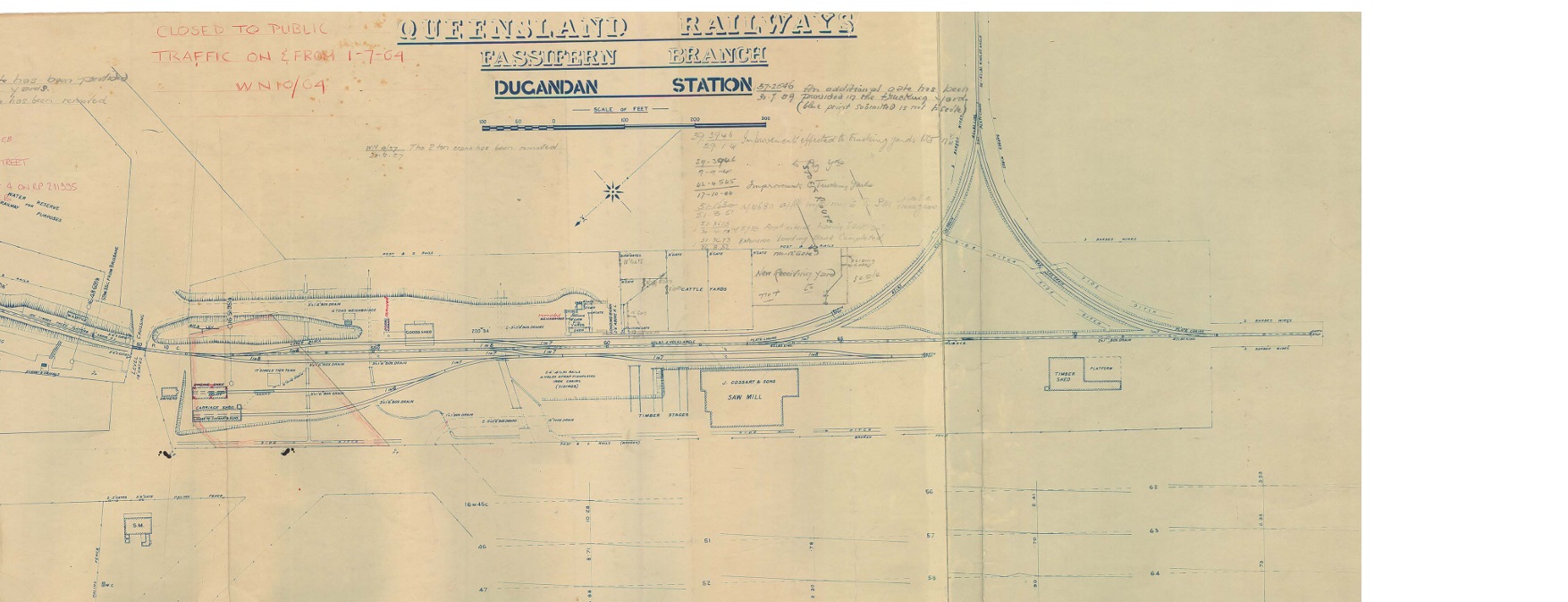
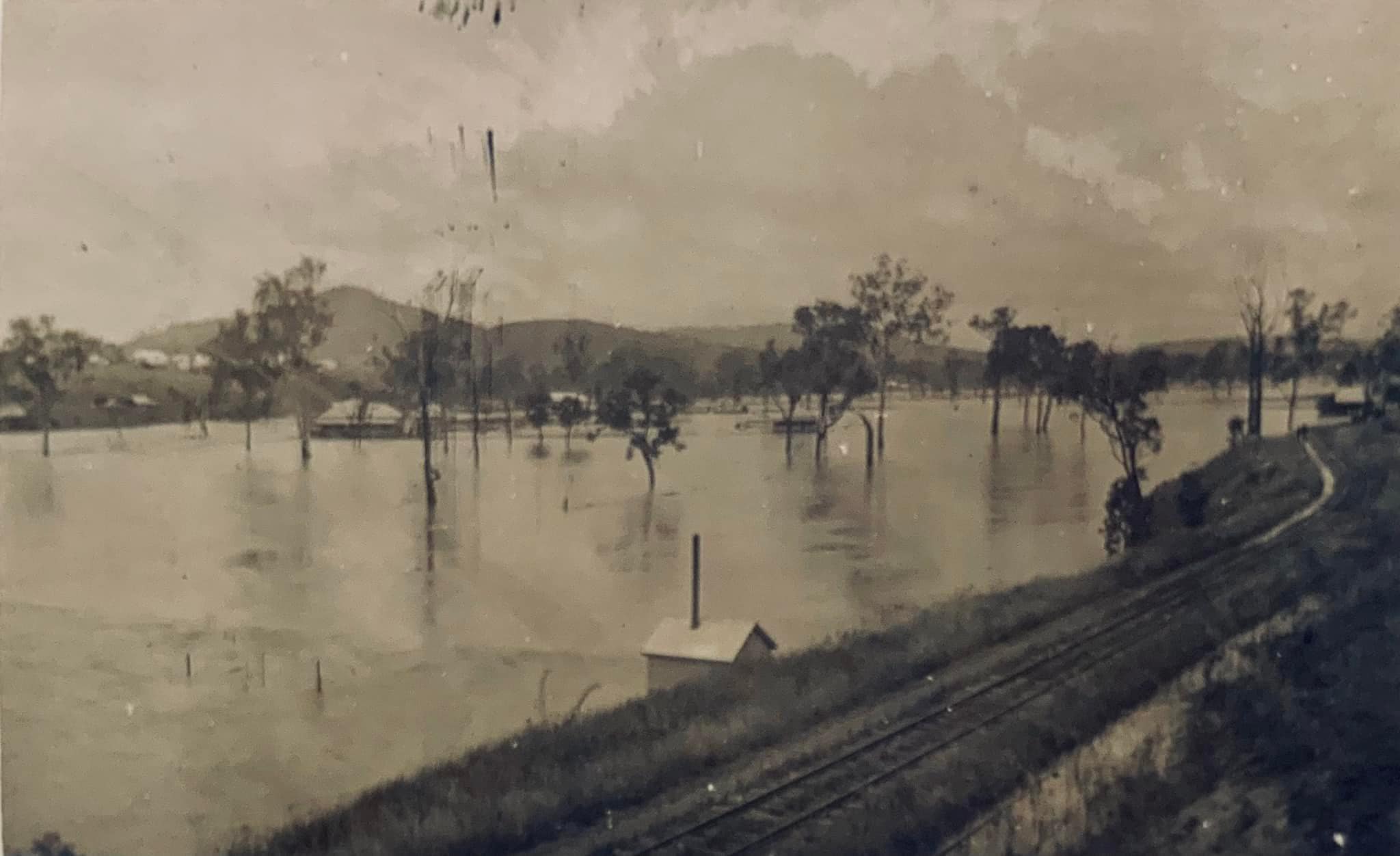
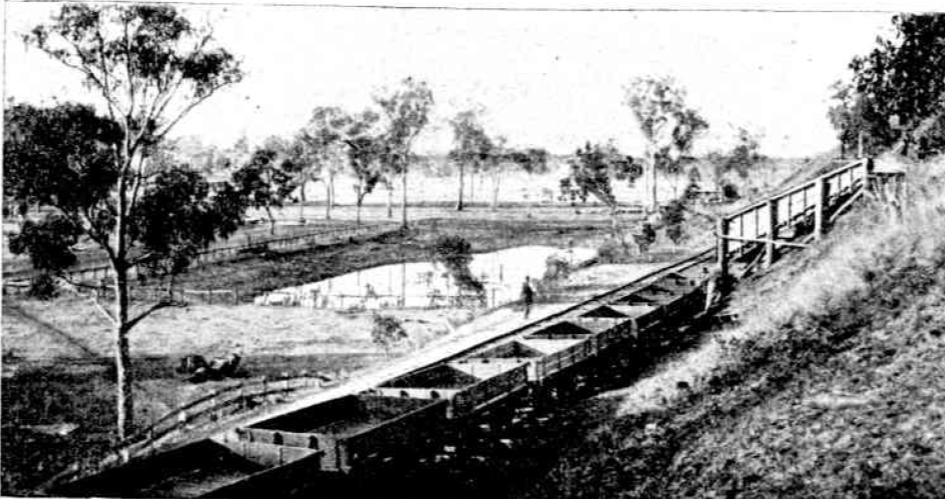
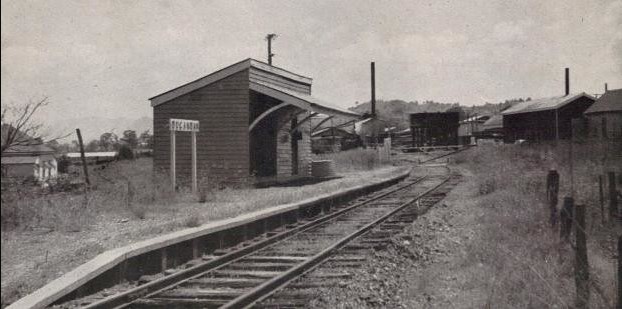
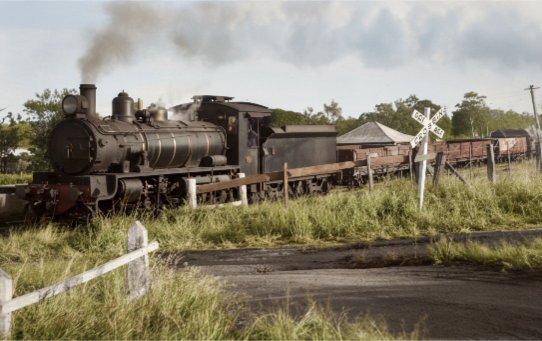
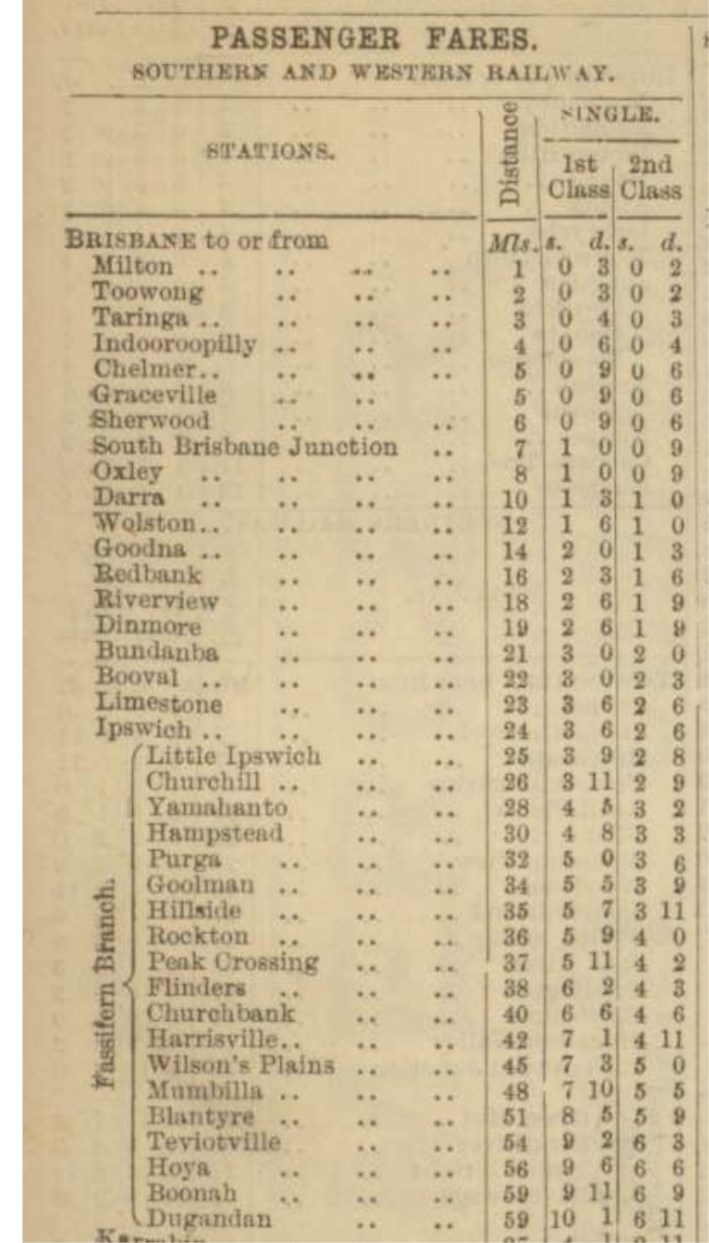
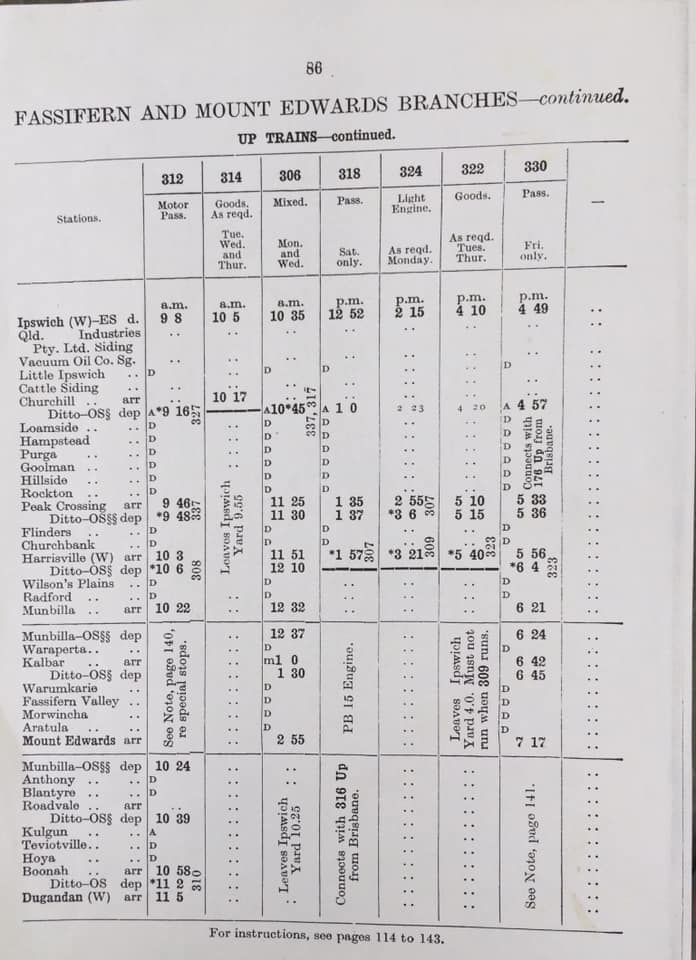
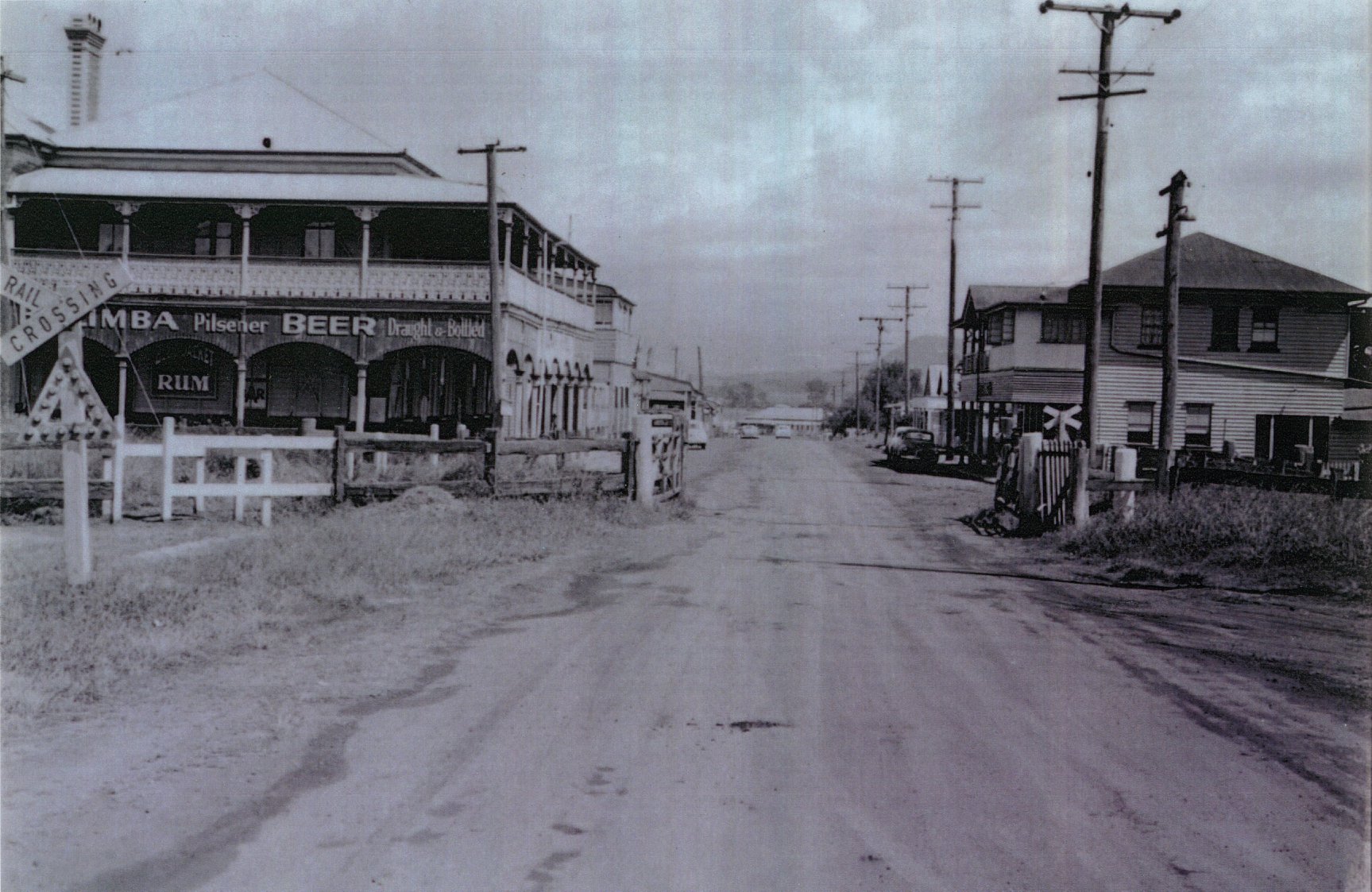
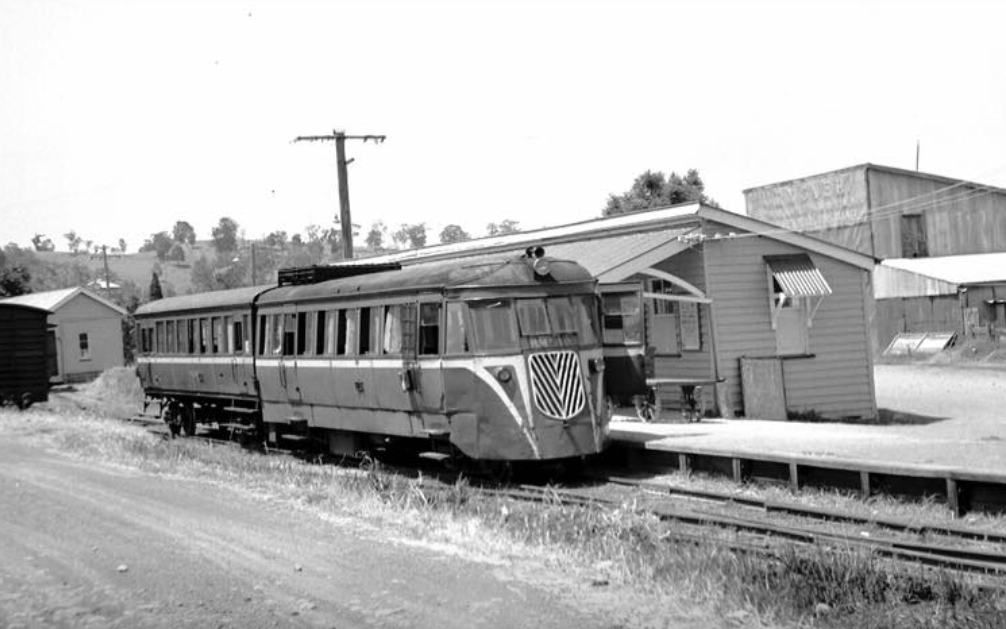
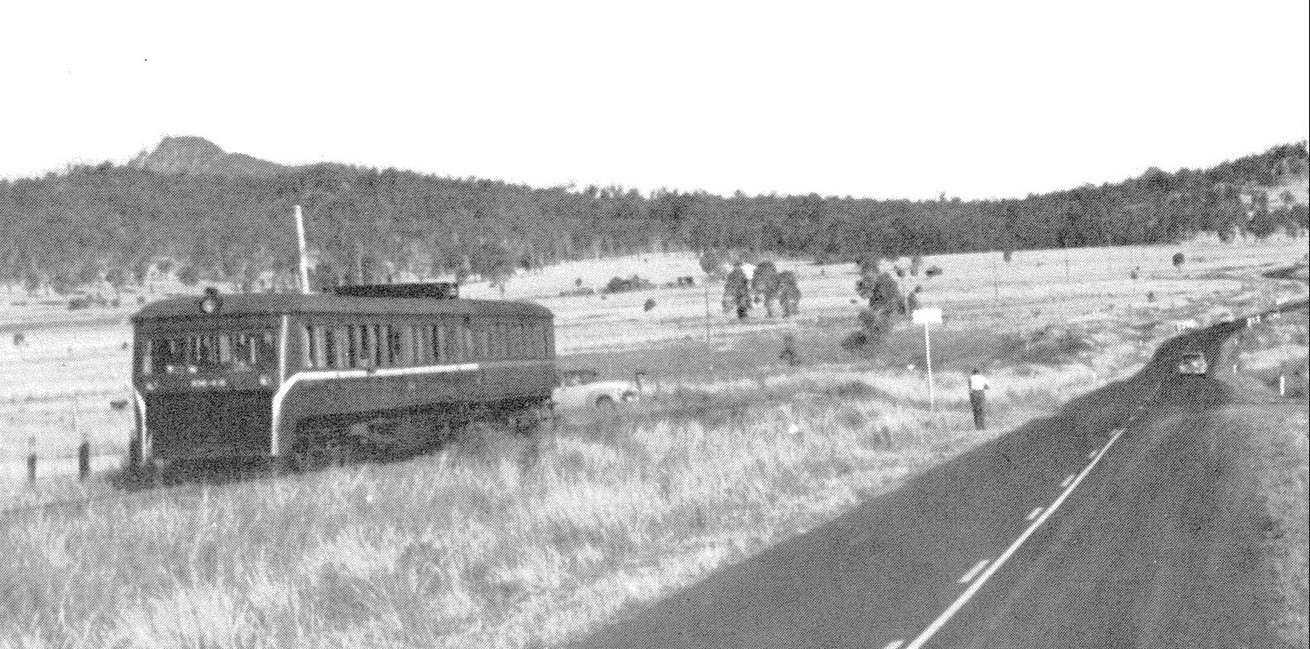

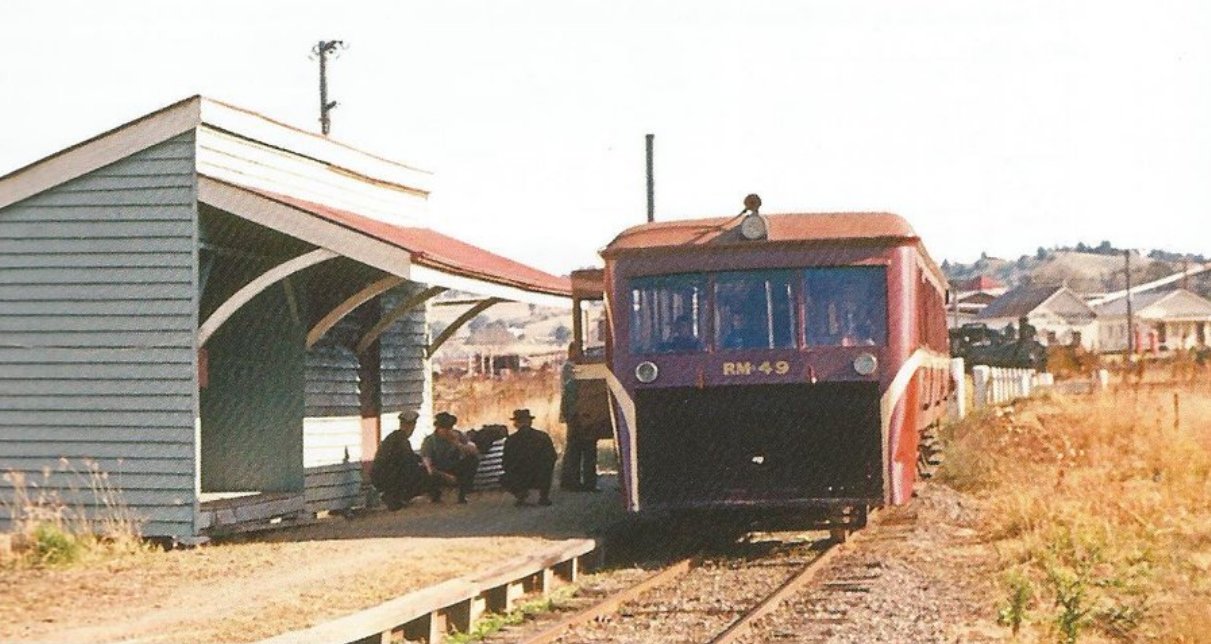

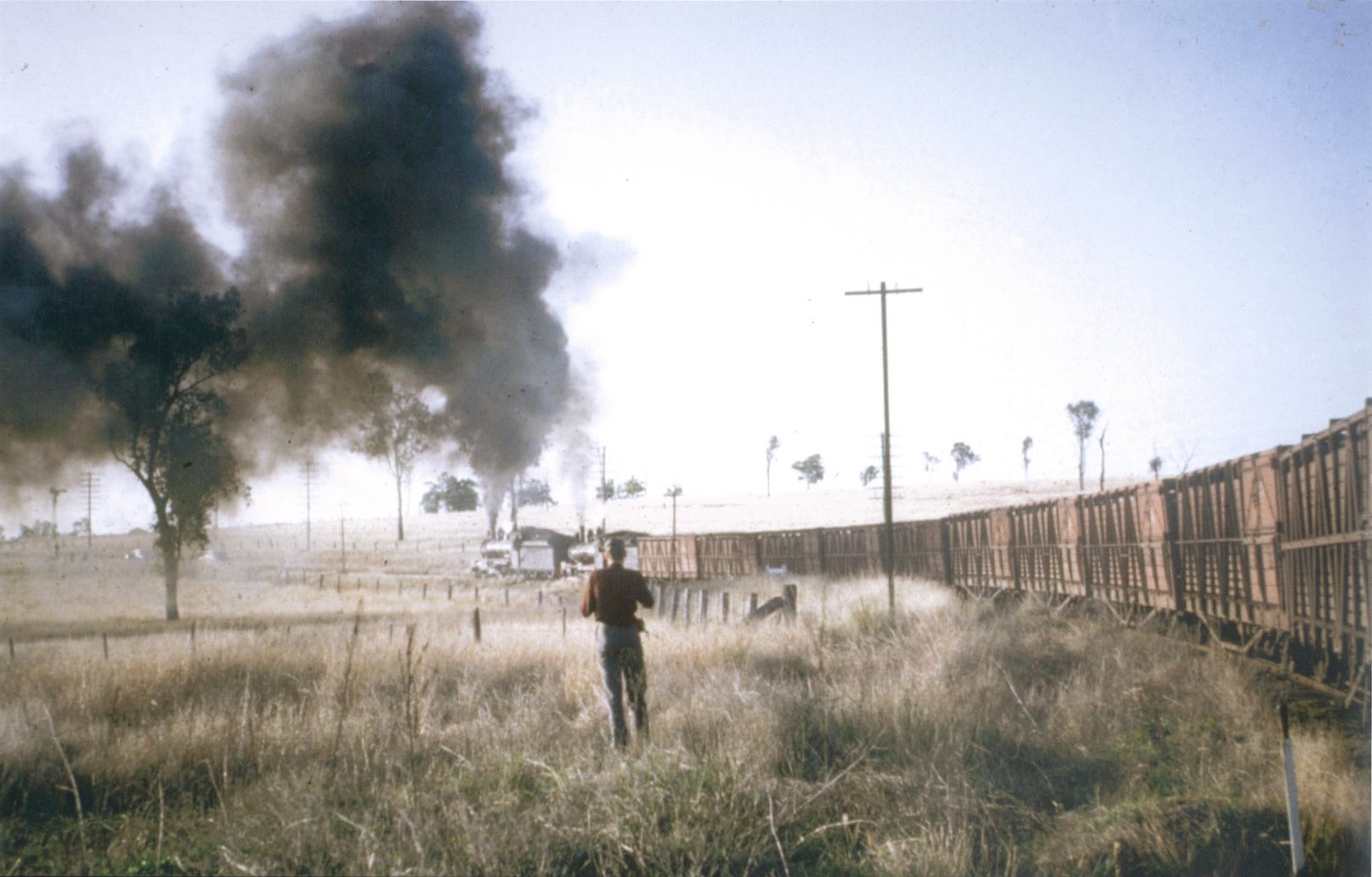
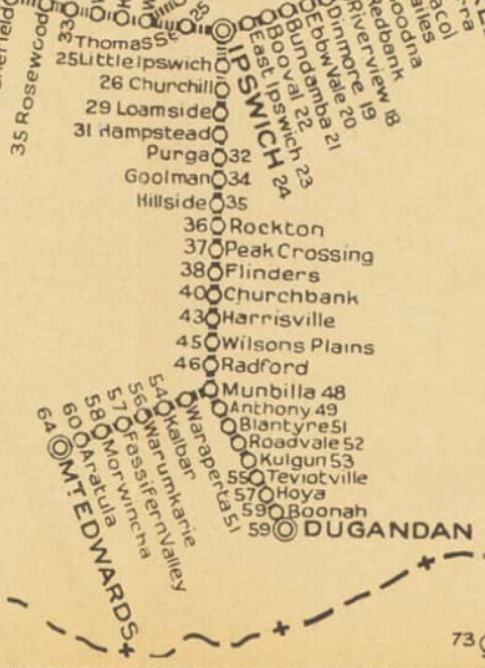
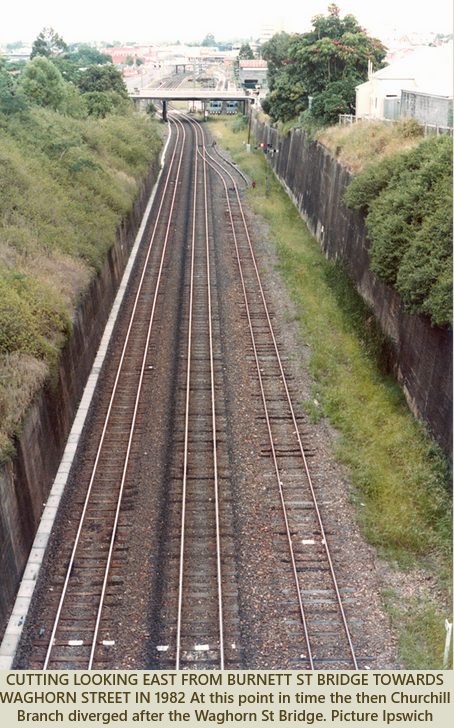



 porsche91722