My Great Great Grandfather George Michael Kubler was born on 3 February 1840 Biberach, Baden-Württemberg, Germany. His father, George Michael Kubler (Snr), was 34 and his mother, Christina Barbara Schonau, was 34.
My Great Great Grandmother Louisa Johanna Streiner was born 9 Feb 1838 Sindringen Olnhausen, Heilbronn, Baden-Württemberg, Germany. Her father, Philipp Christian Streiner, was 32, and her mother, Eva Zentler, was 42.
It would be fair to say that Germany was in a total state of disarray at that point in their history. Perhaps, the more accurate statement or better still, a rhetorical question, would be – When was Germany/Prussia not in turmoil, in the last 1000 years? The country was in a never ending state of conflict! By the 1850’s, millions had left or had made plans to get out, at the earliest possible opportunity.
Many of the ultra conservative governments of the fragmented states that made up Germany, were in the process of introducing laws disallowing couples out of wedlock to be together. This, then led to legislation restricting marriage to those considered by the community authorities as morally and financially capable of rearing a family. Women who had become pregnant out of wedlock were ostracized & removed from their communities. Even for many of the far right, ultra conservative German population of the day, a lot of these policies were considered to be steps taken too far. These issues, together with the dismal state of the German economy, were forcing many young people to flee the country in droves. In the early stages, the main emmigration was from South Western Germany and consisted of small farmers, independent village shopkeepers and artisans. Germany’s young working class demographic, was being severely depleted.
In Baden Wurttemberg there was also no inheritance system in place. Land among large families couldn’t be passed down to descendants. This led to the ever decreasing sizes of farms that were being bought out by wealthy landowners. Germany was freefalling into an economy in recession.
By 1859, on the other side of the world in Australia, the Government of Queensland was crying out for laborers, tradesmen & farmers to come to the newly declared colony. It planned to achieve this goal by recruiting industrious settlers to populate, build & farm the new territory. Generous work contracts lured whole villages of peasants and tradesmen to Queensland. Each participant in the scheme was obliged to labor as a shepherd or boundary rider in the first instance. Wages were high and paved the way for land purchases, often to the annoyance of the ‘squattocracy’. There were great incentives to make the move – assisted passage, land grants, religious freedom & minimal government interference with family inheritances. Land orders lay at the heart of Queenslands immigration policies. Queensland was a highly competitive player in the immigrant market. Each full-paying adult was entitled to receive an £18 warrant for a land order. A further £12 land order was awarded after two years of residence in Queensland. The underlying principle in issuing the warrants was that they would be used to purchase as much land as possible & have experienced immigrant farmers growing crops and feeding the colony. Immigrants had an unfettered choice of land offered by the Queensland government anywhere in the colony.
In April 1863, George Kubler & Louisa Streiner were in a relationship, but were struggling to find a reason to stay, in the dystopian state that Germany was in. Louisa was pregnant, so life would have been made even more difficult for her, if she were to stay in Germany. In consultation with their families, the couple made the decision to go to Australia. I am also sure, that financial assistance would have been given by the families in Germany. This would explain why, in the future years, after they were hopefully operating a successful farming venture, many Australian/German families sent money back home to the old country to help those, who had helped them, get started. It wouldn’t have been an easy call for the two young people, George 23 & Louisa 25, to make. I’m sure the promises by the Queensland government representives would have sounded to good to be true. They could have made the twenty seven thousand klm trip, & found out they’d been sold a load of bullshit promises. In any case, they decided on taking the gamble by making a life changing decision. They both made the necessary migration applications & booked their trips.
The journey was no luxury cruise by any standards. Personal hygiene wasn’t great & disease was a big problem on board the ships. Most people did not have room to change their clothing and often wore the same garments or clothing for the entire voyage. One can only imagine the smells of sea sickness, soiled nappies, dysentery, grubby clothes, and unwashed bodies in a crowded environment! The ships were all built from wood. Consequently, they all leaked badly. During storms, below decks were awash, where the passengers were locked down, with water continuously flooding through the compartmental areas. Keeping warm was a problem with no fires allowed. I won’t go into the toilet facilities on board the immigrant ships of the late 1800’s, but you can draw your own conclusions. Deaths at sea were common. Many didn’t make it to their destinations.
If that wasn’t bad enough, the sea conditions were treacherous. Some of the world’s most dangerous stretches of water, had to be navigated on the journey to Australia. In the North East Atlantic Ocean, adjacent to France & Spain, the Bay of Biscay is home to some of the Atlantic Ocean’s worst weather. In the South Atlantic, rounding the Cape of Good Hope at the southernmost tip of Africa, many ships were lost without trace, will all hands going down. So…. you can imagine what it would have been like for George & a very pregnant Louisa making the trip to Australia across the attrocious weather of the South Atlantic & Indian oceans.
The Beausite was a 932 tonne passenger & cargo ship under the command of Captain C.I.S. Bruhn, owned & operated by the Cesar J Goddefroy Line out of Hamburg Germany. It was mainly used to carry immigrants. After leaving Hamburg on May 26, with 508 passengers on board, the Beausite arrived in Moreton Bay, 102 days later, on September 5 1863.
Michael Kubler arrival on the Beausite 5th Sept 1863Louisa Johanna Streiner arrival on the Beausite 5th Sept 1863
There were ten deaths onboard due to illness. Five were caused by “various inflammatory affections of the lungs” and the other five were caused by “other complaints, but chiefly from diarrhoea.” On board there were also nine births, six boys and three girls.
The Beausite reached the roadstead at Moreton Bay on September 5 1863but had to wait to complete a health inspection. Two days later on Monday, September 7, the Beausite was visited by Dr. Hobbs the health officer. Dr. Hobbs found the Beausite’s passengers to be of satisfactory health and gave them the all-clear to disembark.
Three days later, the steamer “Settler” left Raff’s wharf (located at present-day Eagle Street, Brisbane CBD) to retrieve passengers on the Beausite out in Moreton Bay. It took the Settler two hours to travel from the wharf to the ship. All 508 passengers disembarked the ship and arrived in Brisbane on the steamer at 5pm.
Brisbane 1863. Raff’s Wharf left of shot on river bank where Eagle St Pier is now located.
After stepping ashore on to Australian soil, on Thursday September 10 1863, George Kubler & Louisa Streiner were taken straight to accomadation at Nundah, on Brisbane’s northside. Missionaries from the Lutheran Church had set up the German Station at Nundah in 1844 with the primary aim of converting the local indigenous people to christianity, but also to assist German immigrants in finding accomodation & employment after their arrival in Brisbane. The latter was more successful than the former.
George Kubler & Louisa Streiner became husband & wife when they were married four days later, at Nundah in Brisbane, on 14 September 1863. Pastor C. F. A. Schirmeister, who is acknowledged as the father of the Lutheran Church in Queensland, performed the ceremony at Zion’s Hill (German Station) at the North Brisbane Lutheran Church.
As George & Louisa paid for their own passage to Australia they were eligible for Queensland Land Grants of £18 land grant each, which they claimed in 1863.
In Aug 1869 George applied for a 74 acre selection at Walloon on what is now known as Caledonian Road. His selection was portion 319 in the parish of Walloon (not far from the present day RAAF base at Amberley). He was issued with the deed of grant for this land in 1875.
Queensland Times, Ipswich Herald and General Advertiser Sat 7 Aug 1869
In 1874 George had been issued with the livestock brand of G8K.
Their first baby, Louisa Rosina Kubler (my Great Grandmother) was born on the 11th December 1863 at Walloon Ipswich.
Brisbane Courier Land Grant 9th August 1869 Walloon
In August 1869, George’s land grant for Walloon was finalised & approved. The Germans were certainly industrious. They didn’t mess around. In five years, George had made his farm into a profitable operation, starting from scratch. In the 1860’s, the Walloon /Rosewood area, surprisingly was growing successful quantities of sugar cane & cotton. Cane would have done well, as the whole of the decade were heavy rainfall years. The American Civil War had stopped the supply of cotton to the British spinning mills. Queensland grown cotton was in demand.
By the early 1870’s, there were still plenty of German, Irish, English & Scottish migrants regularly arriving in Queensland & many of them were heading west of Brisbane to the newly opened Ipswich Reserve to take up their land grants.
Brisbane Courier 12 June 1876
Although the soil quality at Walloon was passable for growing cane & cotton, it wasn’t great for growing many food crops. They’d had good rain in the 1860’s, but the weather patterns were changing. Maybe an earlier version of what we now know as El Nino. Rainfall had significantly dropped off by the early 1870’s. By around 1874, George needed more land & better access to water for irrigation.
1875 electoral roll
On the 13th Nov 1875 George Michael Kubler became a naturalized citizen of Australia swearing his allegiance at Ipswich , his occupation is listed as a farmer and his age was 35 years old.
1876 electoral roll, shortly after the move to Fassifern Valley
The Fassifern Valley was the next area to be opened up for selection. The Fassifern Station run had been part of the enormous Wienholt Brothers cattle grazing empire. Much of it was resumed and publicly offered up for crop farming selection on 19 April 1877. George Kubler actually worked for the Wienholt’s at Fassifern Station for a time, as Chief Horseman (stockman). I don’t know whether George had “inside” information, but as can be seen from the above Brisbane Courier newspaper ad for 12 June 1876, he was able to purchase 120 acres of prime farming real estate much earlier than others may have been able to do so. George & Louisa Kubler sold the Walloon property after farming there for just over a decade & in 1878, they moved further southwest (approx 50 klms), where they had selected their land not far from the base of the Great Dividing Range & close to a good reliable water source in Reynolds Creek, that flowed off the ranges. The rich & fertile soil of the Fassifern would deliver much better crop yields & superior grazing land than Walloon.
George selected 119 acres of land in the parish of Fassifern in 1878 being portion 204a in the Fassifern Valley on Boonah Fassifern Road , The family departed Walloon heading for their new land in the Fassifern Valley on the only conveyance they had which was a dray with two horses. On this dray were George & Louisa Kubler , their seven children and their bedding and chattels.
Crossing a gully near Harrisville the road was so bad that the dray capsized and the family were deposited on the ground , but fortunately no one was hurt.
George again loaded the dray and got to the journeys end without any further mishap.
Their new home consisted of a selection of standing scrub. George Kubler got to work and soon put up a slab house.
A Kubler family record, referring to one of the sons – Charles John Kubler, states – “Born at Walloon, near Ipswich (in 1870), he came to the Fassifern district at the age of seven (1877) with his parents, the late Mr and Mrs George Kubler. The journey took three days to complete as the family had to walk beside their only dray which was used to carry their utensils. He lived with his parents at Fassifern for some years”.
The Kubler’s land selection was near Engelsburg (Kalbar). Take a moment to think about how you’d go shifting a family, George, Louisa & seven kids (aged 2-14) by horse & cart up to the Valley through an area of thick scrub, with no roads, crossing creeks & only a hardly visable rough track. On arrival, they would have had to clear the thick heavy bushland, & then erect a house. Water sources needed to be found for stock & human consumption. Fences had to be built & crops planted. All the pioneer farmers had to be self sufficient & hit the ground running, immediately from day one on their land.
Unknown family groups Fassifern Valley C1890s. The thick scrub that had to be cleared, all by hand, can be seen in the backgroundTypical slab house of German immigrant farmers in the West Moreton area c1880Queensland Government Gazette 1882
George was paying an annual rent of £5 on his land and was issued with the deed of grant in 1886.
Very early photograph of Engelsburg c1898 Approx location of George & Louisa Kublers farm arrowedEngelsburg (Kalbar) c1907 George & Louisa Kublers farm arrowed
In those early images, you can see how dense the “Fassifern Scrub” was during the settlers’ early days. The trees stood 20 to 30 meters high and were almost impenetrable. Land clearing, with only hand tools available, would have been an arduous, backbreaking task. To clear the land for farming, settlers resorted to ringbarking many of the trees.
The difference between the top two photos, taken ten years apart, highlights the transformation—showing how much dense scrub had to be cleared. A modern-day photo below, taken recently from roughly the same spot, offers a stark contrast, looking toward the range in the background.
Our other ancestral families—Johannes and Louisa Muller (daughter of George and Louisa Kubler) and Carl and Johanna Krueger—were nearby neighbors of the Kublers, with their farms located in the same vicinity.
The town of Kalbar 2024 George & Louisa Kublers farm (arrowed) was at the base of the range near Mt French with its distinctive sheer cliff face to the left
By 1896 George had purchased the neighbouring 120 acres of land being portion 202a giving him a total of 239 acres.
The earliest actual official record of them living at Fassifern Valley is an 1880 rates book, showing a dwelling on 119 acres.
All of the early pioneer families were prodigious breeders. Their first child, Louisa Rosina (my Great Grandmother) was born in 1863 at Ipswich.
Siblings – Phillip George-1865, Catherine Elizabeth -1866, Caroline Mary-1868, Charles John-1870, Helena Christina *- 1871, Helena Eleanor Christina -1872, Christina Sophie* – 1873, & Minnie Margaret -1875 were born while they were residing at Walloon Ipswich.
Siblings – Emma Ernstine* – 1877, Johan Ludwig-1878, Bertha Johanna-1880, Michael-1882 & Alfred Edwin-1886 were born at Fassifern.
*Sadly, three of their babies (all girls) died under one year old. Access to doctors & health care for farmers & their families was non existent. Boonah didn’t get a hospital until 1900. Fassifern to Ipswich was a full day trip in a horse & sulky. There was no proper ambulance service operating in Queensland until 1892 & then it was done on foot with stretchers. Most births took place in the home at the farm. Many families lost babies at birth or soon after.
Google maps location – Great Great Grandfather George Kubler 120 acres selection lot 204A(red) Great Grandfather Johannes Muller 160 acres lot 324(blue) Great Great Grandfather Carl Krueger 250 acres lot 273(green)
It appears that George Kubler grew maize, lucerne (hay) and dabbled with a little bit of sugar cane on the farm at the time. There were attempts to grow cane, cotton & tobacco in the Valley in the early days, but they were never really successful. Some crops needed more rain & irrigation than what the prevailing weather conditions of the time were delivering. This period was prior to any of the large dams being built. Moogerah Dam was still about another 80 years away. Water from Reynolds Creek irrigated the properties in the Fassifern Valley near Kalbar. Most of the farmers were relatively new to the area & were still learning the local elements, but they weren’t afraid to try many different types of crops. Most early farmers grew a mix – maize, potatoes, pumpkins, carrots, lucerne & also ran beef & dairy cattle. Most of the produce was sent into Boonah & Ipswich. Refrigerated transport wasn’t yet available. As with most of the Germans, the Kublers would have also had a vegetable garden & the customary pig sty & chook pen. The following is a newspaper article from the “Brisbane Courier” dated April 16, 1883.
Brisbane Courier article. Misspelling Kuebler & Mueller. Great Great Grandfather George Kubler & Great Grandfather John Muller Queensland Times Ipswich Tuesday 26 May 1885
The first settlers in the Fassifern district tended to select their land by way of their ancestral farming backgrounds. The English settled on creek flats around where the towns were situated. The Scots and Irish were attracted to the undulating timbered country. The Germans chose the rich soil of the Fassifern Scrub, heavily wooded and to the north of the other groups. In the 1870’s, the new arrivals were greeted by severe drought. Not an auspicious beginning. Surviving records show that not one of those first settlers abandoned his selection despite what must have appeared to be almost insurmountable problems. Their tenacity as a group has been attributed to Irish perversity, Scottish unwillingness to part with what they regarded as theirs, English reluctance to admit defeat and sheer dogged persistence on the part of the Germans. The over-riding factor was that, for the first time, the majority of the pioneers were working their own land, as opposed to life as a tenant farmer or an agricultural labourer in their country of origin. The goal of freehold tenure was not to be surrendered lightly.
The Kubler family home was located on the top of the hill on the right hand side of the Boonah – Kalbar turnoff at Fassifern Valley. In 1880 they were known to have a weatherboard house, slab house and barn. They returned to Germany two or three times to visit relatives”.
From Queensland Times Ipswich 12 Sept 1889. The local farmers were already starting to to have a Farmers Association formed in the Fassifern Valley1903 electoral roll
A major historical event that took place in the development of the Fassifern Valley, was when the railway was opened up to Boonah in 1887. The mixed goods trains carried timber from the many sawmills operating in the Fassifern region, plus live cattle, farm produce & dairy products to the Ipswich & Brisbane markets on a daily basis.
One of the earlier trains on the Boonah Dugandan line 1887 Photo credit-Bruckner collection
Passenger services were running each day. As kids (in the 1960s), we used to laugh about how long the train journey was – about three hours, to cover the approx 50 klm distance. But, in the late 1800s & into the 20th century, the access to rail transport made a big difference to the people of the Fassifern.
The old red railmotors were the mainstay of the passenger service to Boonah for well over 50 years. My Dad & I had many a trip on these old girls when I was a kid. My Mum & Dad actually met on a trip back to Boonah in 1948 in one of these trains.
Local farmers were able to move their produce, some of it perishable, to markets much quicker than was previously available & they were in a much better positon to compete with the Darling Downs & Lockyer Valley farmers. Toowoomba (1875) & the Lockyer Valley (1865) had a rail link to the Ipswich & Brisbane markets, years earlier.
A typical mixed goods train on the Boonah lineBoth Boonah & Dugandan stations were well set up when the rail head was connected in the late 1800’s. They were the main staging points for freight – timber from the local saw mills, stock – cattle & pigs etc, dairy produce – milk & cream, vegetable produce, all of which was transported to the Ipswich & Brisbane marketsQueensland Times Fri 9 Jan 1931
Johann Carl Streiner was the younger brother of Louisa Johanna Kubler, by two years. He also was part of the history of the Boonah & Fassifern district. In April 1905, J.C. Streiner opened his Commercial Hotel on the north-west corner of High Street and Park Street Boonah. It was a two-storey building with filigree lace balustrading on the upper verandah. Streiner had formerly operated the Royal Exchange Hotel (previously known as the Dugandan Hotel, not to be confused with the current hotel of that name in Dugandan). Carl Behncken leased and operated the new Commercial Hotel. Louisa Kubler’s brother, Johann Carl Streiner died in 1915 at Sandgate in Brisbane’s northern suburbs, aged 74.
Queensland PO Directory (Wise) 1894The Kubler house circled1903 electoral roll
Queensland Times Sat 15 Dec 1923
George & Louisa’s home in Boonah
In 1908 George & Louisa retired from farming and moved to a small suburban 1 acre 1 rood block in Athol Terrace at Boonah where they lived out the rest of their lives.
Recent photo’s of George & Louisa’s home in Boonah1912 Electoral roll showing they moved in 1908Queensland Times Sat 3 Oct 1914
George Michael Kubler died on 18 September 1914 in Boonah Queensland at the age of 74. His death certificate shows cause of death as heart failure & exhaustion. In the death of Mr Kubler the district loses a good resident , an honest man , one whose home was hospitably open to any who were in need , he is buried at the Boonah general cemetery.
His deceased estate was valued at £248 realty & £1260 personalty.
The Kubler home on Athol Terrace was put up for sale in 1923.
Queensland Times Thu 14 Jan 1915
Louise Johanna Kubler died 11th March 1930 at the residence of her son at Boonah in Queensland aged 92. Her death certificate shows cause of death as heart failure, exhaustion & senile decay.
Louisa Johanna Kubler was a skilled nurse and at all hours of the night and day she would go in all weathers to attend to the sick, she could boast of having attended to over 100 maternity cases.
Just one of the many Fassifern babies delivered into the world by my great great grandmother – Louisa Kubler, who was a midwife
She was of a very kind disposition and many are the sick and needy who have blessed her for hospitality. In the last few years her health failed and she passed peacefully away.
She was laid to rest with her husband at the Boonah general cemetery.
Queensland Times Sat 15 Mar 1930Queensland Times Fri 28 Mar 1930Queensland Times Sat 22 Mar 1930
The photo at the top of this article, courtesy of the Queensland State Library, shows Louisa wearing a bonnet & at the neck of her dress, a Salvation Army brooch. Religion played a large part in the early settlers’ lives. I’m assuming they were allied to the Lutheran Church when they first arrived in the country, 160 years ago. George & Louisa initially resided at the Lutheran Nundah Station & were married as Lutherans, while they were there. They came from a strong Lutheran area of Prussia/Germany. However, it appears that they may have diverted off that path, & joined the Salvo’s at some stage later in their lives. The Baptist, Methodist & Lutheran congregations all went through fazes when some members went their own ways & built their own churches when there were disagreements on faith & church administration. Some of the factions held more progressive belief values than the strict old German conservative parishioners. Others, like George & Louisa, probably had decided they’d had enough of the old ultra conservative religion, with its strict moral codes, that were forced upon them. The Salvation Army were a much more progressive church. I think that all of them, no matter what religion or faction they followed, understood & were happy that they were free to follow the religion of their choice, without resorting to fighting over it.
Having said all of that, they are both buried in the Methodist section at the Boonah cemetery. It will take a sharper mind than mine to work that one out😀.
Descendants of the Kublers are still living around Boonah & the Fassifern Valley, but have also branched out to many other parts of Queensland & across Australia.
Louisa Rosina Kubler (George & Louisa Johanna Kubler’s first child) married local farmer John Muller on 26 January 1881.
Adolf Gustav Muller (John & Louisa Rosina Muller’s son) married Annie Lobegieger (from Roadvale) on 12 January 1910.
See the following article I’ve also done on Johannes (John) Mullers life & his descendants.
Since the early days of the German farming families arriving, the Fassifern Valley has become known for its high-quality vegetable produce, the majority of which goes into the nearby Brisbane markets to feed the (still increasing) South East Queensland population. Produce from the Fassifern Valley is also sent throughout Australia & exported into South East Asian markets.
The original Kublers – George & Louisa (Streiner) – came to Australia, 160 years ago, to escape Germany & to make a new life for themselves. Hard work & a refusal to give up, was their recipe to succeed.
All of our Fassifern Valley, family ancestors (Kubler’s, Muller’s, Lobegeiger’s, Krueger’s & Corcoran’s) who originally settled the district would be proud of the legacies they left for the generations that followed.
My great-great-grandfather, Gottlieb Friedrich Ferdinand Lobegeiger, was born in Templin, Brandenburg, Prussia, on November 3, 1826. His parents were Johann Friedrich & Friederike (nee Ihrke) Lobegeiger. My great-great-grandmother, Wilhelmine Fredericke Topp was born on December 28, 1827, also in Templin. Her parents were Carl Friedrich Topp & Sophia Friederika Weber.
Gottlieb & Wilhelmine were married on October 6, 1850, in Templin, Brandenburg, Prussia, Germany. In many old German records, the family name is spelled Lobegeyer. When the spelling changed is unclear, but as with many old German names, the pronunciation and spelling were often modified upon arrival in English-speaking Australia. Record keepers and immigration officials frequently misspelled German names, which contributed to these changes.
Blue Arrow – Charlottenhof Templin Germany in 1860 Location on Google maps 2023
I have mentioned in previous articles about my other German ancestors, on the reasons why they took the drastic action to leave their country and travel across the other side of the world. The Lobegeiger’s were no different. They got out of Germany because they had to. They wanted to give their kids a chance at a better life away from all insufferable conditions that German citizens were living under at the time. Life in Germany was pretty tough, with the Prussian government breathing down the necks of the citizens in every move they made in their day to day lives. Wars between the neighboring European nations was commonplace. Farm workers were being exploited & the situation showed no sign of improvement in the foreseeable future. So, a move by the Lobegeigers was urgently needed, to escape this dystopian existance.
When Queensland became a separate colony in 1859, the Herbert Ministry named a Select Committee to research the question of immigration, and J.D. Lang who was very much in favour of German Protestants, recommended the bringing out of a set number of them each year. To promote this, the Govemment appointed a Brisbane wine merchant, J.C. Heussler, as Immigrant Agent in Germany, and promised free passage and other advantages, with the result that by 1864 the number of Germans in Queensland had doubled. With what amounted to a pretty good list of options available to them, as immigrants to a new colony on the other side of the world, the family decided to get out of Germany & head to a country, that they knew very little about.
Gottlieb was aged 37 & Wilhelmine was 34 years old when they left Hamburg Germany on 21st September 1863 to travel to Australia on board the maiden voyage of the “Suzanne Goddefroy”. They had four daughters, Emilie (14), Willhelmine (9), Auguste (5) & Marie (2).
The ship struck some heavy weather on the way to Australia, which was fairly normal for most of the ships coming here. They sustained damages to the main mast that extended their time at sea, but still made it to Australia in 98 days. Its sister ship Wilhelmsburg had been lost on the journey with the loss of 282 lives, including 209 single men. After arriving at Cape Moreton the Susanne Goddefroy was boarded by Pilot Cooper, at 7.30pm, Sunday the 17th January 1864. She rounded the Cape and was brought up in the Roadstead off the bar the following day. The family arrived at Moreton Bay on the afternoon of the 18th January 1864. Of the 369 people on board, eleven children and one adult had died on the voyage from Germany.
Shipping log of the Suzzane Goddefroy
The following morning, a steamer named the Settler took them up the Brisbane river where they disembarked at the South Brisbane Immigration depot at about 7am. They stayed there for a short period before moving to Pastor Gottfried Haussmann’s Lutheran Chapel at South Brisbane.
Pastor Hausmann helped many of the new German immigrants get established after their arrival in Queensland. Johann Gottfried Haussmann came to Queensland in 1838 among the Gossner missionaries who established German Station at Nundah. The son of a farmer, he had been taught various trades in preparaton for his missionary work. Hausmann had set up a chapel to prepare for his missionary work on the south side of Brisbane in 1862. He had visited the area around Bethania in the Logan district on many occasions, with a view to establishing a community with new German immigrants. The next step in the beginning of the settlement of the latest arrivals on the Suzzanne Goddefroy, was to move from Brisbane to Bethania, those who had selected land, and also those who intended to acquire land. The Lobegeigers fell into the latter category. To help convey their families together with luggage and stores to the Logan, the settlers, with the help of Pastor Haussmann, chartered the Diamond, a 56 ton paddle steamer with a shallow draft, to convey them down the Brisbane River, along the Bay, and then up the Logan. There were brief mentions in the shipping notes of the Courier and the Guardian that the Diamond left Raffs wharf early on the morning of 17 February 1864 to go to the Logan River with a party of Germans for a station there. There were 22 families, with a total of 98 persons on board. The trip was for an expected duration of two nights.
German farm workers on the banks of the Logan River 1865
The settlers were landed on the bank at a bend of the river with deep water where Portion 26 can be seen on the map below. The approximate site is now marked by a memorial cairn erected in 1964.
Their first task was to erect shelter—a “greenhouse village” consisting of huts built from boughs and long grass. Gottlieb, Wilhelmine, and their four daughters—Emilie, Wilhelmine, Augusta, and Marie—faced many challenges in setting up shelter and adapting to the drastically different conditions they encountered. They quite literally stepped off the boat and were thrust into an alien environment upon arriving in Australia from Germany. At that time, there were still crocodiles in the Logan River, marking a stage of southeast Queensland’s history when the area was wild and untamed.
The new settlers would have been completely out of their comfort zone, struggling to adjust to the unfamiliar landscape. Various accounts describe heavy rain upon their landing. Although there were a few fine days, the rain soon commenced and continued. Flooding had occurred on February 10, and again on March 20. According to reports from The Brisbane Courier, heavy rain fell for three weeks, culminating in a gale that struck Brisbane on March 19, 1864. Both the Brisbane and Logan rivers flooded. On the Logan, punts were washed away, and crops planted by earlier settlers, including cotton, were destroyed.
Bethania was settled by the first 22 families, soon followed by another 14 families brought to the area by Pastor Haussmann. This group came to be known in the history of Bethania as “The Original Forty Families.” Problems arose due to poor land surveying, delaying the registration of land blocks. The Lobegeigers’ land was finally registered on October 10, 1866. Gottlieb’s portion was only about 8 acres, much smaller than he had hoped for. Pastor Haussmann, however, couldn’t be blamed for the small size of the portions, as he was merely trying to provide land for as many new German settlers as possible, allowing them to start farming and earn a living. Not all of the Forty Families stayed in Bethania; some remained for only a brief time.
On July 24, 1865, the Lobegeigers welcomed their only son (and Australian-born child), Johannes Lobegeiger, my great-grandfather, who was born at Bethania.
Shortly after Johannes’s birth, the family decided to leave Bethania. Eight acres were insufficient for Gottlieb to run a successful farm. Around August 1865, before their land in Bethania was even officially registered, they moved to the West Moreton area, between Ipswich and Peak Crossing. Like many European immigrants during that period, the Lobegeigers likely received land grants under the Crown Lands Alienation Act of 1860.
Check out this short video by Brisbane local historian Robert Braiden about the arrival of the Bethania Germans and the history of the suburb – https://www.youtube.com/watch?v=0LzrNObZBs8
An early map of the area when the Original Forty Families arrived is shown below, along with a current-day Google map of the location in the Logan City suburb of Bethania.
When the Ipswich Reserve was opened, many Germans from the Logan/Bethania area moved to farm on the larger blocks that were becoming available. This land had previously been part of thousands of hectares leased for station runs, controlled by families such as the Wienholts, Thorns and Kents, and was now being resumed by the government for farming selection. The rich black soil made it one of the most productive farming areas in southeast Queensland. By the end of the century, the number of farmers and their families who were German or of German descent living in the extended Ipswich Reserve, Fassifern Valley, and south of the Boonah districts was well into the thousands.
After building a dwelling, the next steps would have been clearing the land, erecting fences, and planting crops. The Lobegeigers likely grew a mix of market garden crops and grazed dairy and beef cattle on their property, beginning the process of becoming self-sufficient. Most farms in the area also had a chookpen &pigsty. The Lobegeigers even grew cotton for a short time during the American Civil War, when English mills were seeking alternative sources.
Just as things were beginning to improve for the Lobegeiger family, tragedy struck. They had been in Australia for a little over three years, and at Roadvale for less than two, when Gottlieb died of phthisis—a historical medical term commonly used to describe tuberculosis (TB), particularly when it affected the lungs. He passed away at the relatively young age of 42 on September 10, 1867.
At that time, TB immunization had not yet been introduced in Australia—it would not become available until the late 1940s—so without immediate medical intervention, the chances of survival were slim. Gottlieb was taken to Brisbane, where he died at a hospital on Leichhardt Street in Spring Hill.
Most of the documents and records I’ve found list him with the names Gottlieb, Friedrich, or Ferdinand (in no particular order) as his Christian names. The Lobegeigers came from an ultra-conservative, centuries-old part of Prussia (Germany) and maintained their strict religious practices both before and after arriving in Australia.
Gottlieb Lobegeiger was buried in the Baptist section of the Brisbane Cemetery, which at the time was located near where Lang Park stadium is now. By the early 1900s, the Brisbane General Cemetery had fallen into disrepair. The area had been flooded numerous times since it was established in 1844, and it was eventually proposed that the grounds be converted into a recreation reserve.
In 1911, the Queensland Parliament passed the Paddington Cemetery Act, authorizing the government to resume the cemetery and relocate the remains within 12 months. There was a token attempt to move the remains, with only 186 being shifted. Another 700 headstones and memorials were moved to other cemeteries around the Brisbane area. However, during the construction of the sporting reserve and park redevelopment in 1913, the majority of the 4,643 graves were simply covered over. The Baptist section, situated in the northern area where the current Paddington Kindergarten is located, adjacent to the stadium near Caxton Street, was left largely untouched. So, it is likely that the Baptists remain resting in peace where they were buried over a century and a half ago, now beneath the area where children at the C&K Child Care Centre play today.
Present day Paddington Kindergarten directly above the old Brisbane Central Baptist cemetery which was buried over in 1913 & where Gottlieb Lobegeiger’s remains are probably located1870 Brisbane cemetery three years after Gottlieb died & was buried there. Baptist section is in foreground above treeline.Modern day 2023 photo of Lang Park Stadium adjacent to Brisbane CBD. Just north of the stadium (red arrow) is where the old Baptist cemetery was located.
For Wilhelmine and her four daughters, along with her 2-year-old son Johannes, the death of her husband, father, and main farm laborer would have mirrored the circumstances faced by many other families of the time. Farming practices in those early days involved numerous dangerous tasks, and many chores could result in serious injury. Farmers constantly handled large animals like horses, cattle, and pigs, which could kick or bolt unexpectedly if startled. Most of the grueling labor was done manually. They also had to contend with a variety of local animal and insect pests that were unfamiliar to them as former northern hemisphere farmers. Australia’s dangerous snakes were a significant problem in the Fassifern Valley, especially with extensive land clearing causing native animals to lose their habitats.
Accessing a hospital was another major challenge. In modern times, we take for granted that we can call 000 and have an ambulance with trained paramedics arrive shortly afterward. Such a luxury wasn’t available back then, and many people died before reaching a hospital. These difficulties meant that many early settler families experienced the loss of a family member, typically the father or husband. Serious injuries and fatalities due to farming accidents were fairly common and happened more often than most people realize. Besides the personal grief of losing a beloved family member, it also meant the family had lost their main laborer on the farm.
Life would have been especially difficult for a widow with a young family, with the oldest daughter, Emilie, being just 17. These pioneer women must have been incredibly resilient.
Most of the early landholders selected their land in the mid-1860s, and the larger landholdings were often the result of buying up neighbors’ properties. It was not unusual for partners to make initial selections, with one or both moving on to select independently further south in the 1870s, when Fassifern and Dugandan were opened up. Others expanded by maintaining their initial selection while taking up another property further south. Many of the Ipswich Reserve selectors obtained additional land in the newly opened areas of Fassifern.
The earlier Crown Lands Alienation Act of 1860 was upgraded with some additions in the 1868 version. Lands in settled districts that were not under pastoral lease became available for selection as agricultural or pastoral land. Section 14 allowed pastoralists to make pre-emptive selections of land from the pastoral lease at the rate of one acre for every ten shillings of improvements. Selectors paid annual rent to pay off the government-set price of the land. Agricultural land could be freeholded in three years if the required conditions were met and the remaining rent paid. In short, if you nominated a new land selection, made the necessary improvements within the allotted time, and turned a profit, you could expand your holdings relatively quickly. The Germans were well-organized and generally more educated in farming practices than many immigrants from England, Scotland, and Ireland, who were primarily farm laborers. German public education had been formalized in 1763 when Frederick the Great of Prussia mandated regular school attendance from the ages of 5 to 13 or 14.
Most Germans were fully literate upon arrival, only lacking English-speaking skills. The Fassifern Valley must have felt like a small corner of Prussia, with so many Germans arriving and diving into farming at the same time in the post-1870s period. Many current-day localities and landmarks in the district are named after German towns or the pioneers who settled there—e.g., Templin, Engelsburg Park, Wienholt Street, Muller Road, Wiss Street, Podlich Road, Berlin Road, Lobegeiger Road, Krueger Road, and more.
It appears Wilhelmine had to give up their initial landholding & the lease shortly after Gottlieb’s death. The Government Gazette dated 30 November 1878 shows the land being forfeited.
Great-great-grandmother Wilhelmine remarried on August 21, 1869, to Johann Heinrich “Henry” Schneider, who was also a recent widower. Henry came from a German family of stonemasons. He, his father, and his brothers had provided stonework for the Ipswich-Grandchester-Toowoomba rail line. Henry owned land at Rosevale, between Kalbar and Laidley. Both Henry and his father, Johann George Schneider, were Baptist pastors in the district. Henry’s first wife, Rosina, had died on January 4, 1869, from complications following the birth of their daughter Minnie, born two weeks earlier (December 23, 1868). Henry brought his five young daughters into the extended family—Fredericke Christine (6), Rosina Sophie (4), Christina Sophia (3), Louisa Fredericke (2), and Wilhelmine Minna (8 months).
I imagine the reality for Willhelmine after Gottlieb had died, was that she needed a male partner to help run the farm. Henry would’ve urgently needed a mother for his five young girls under 6, but it would have been a union born out of necessity. There were now nine girls in the family, with the oldest being Emilie Lobergeiger aged 19 and little Johannes being the only boy, aged 4 years old. Johannes & Henry would have been the only blokes in the family with 10 females to contend with. Willhelmine & Henry ended up having three more kids together, John, Martha & Henry jnr.
Queensland was going through a migration and population boom in the mid to late 1800’s. There was an increase in residents of over half a million, since becoming a colony in 1859. Farmers were in a great position to sell their produce to feed the fast growing rate of Queensland’s population, & the farmers in the south east region around Brisbane – Southern Moreton Bay, Beaudesert, Lockyer Valley & Fassifern Valley, were in the best location of all. The railway line to Harrisville opened in 1882, & on to Boonah & Dugandan in 1887, giving the local farming community much better access to the Ipswich & Brisbane produce markets. Sometime after her marriage to Henry Schneider in 1869, the family moved into the Fassifern Valley near Kalbar/Boonah.
Henry Schneider died on the 10th June 1905 at Kalbar, aged 68.
Wilhelmine had outlasted two husbands. She moved to Biggenden Queensland (85 klms west of Maryborough) to live with her daughter, Augusta Bertha Stewart & her husband Sam. She died in a tragic accident, while travelling home on the 17th August 1915, aged 86, and is buried in Gayndah cemetery.
They were a tough breed, these Germans who came to Australia 150 years ago to start a new life in a new country. Practically everything was against them. Gottlieb and Wilhelmine arrived in the Logan/Bethania district during flood conditions. They brought their five children to the Fassifern Scrub, where they began clearing and developing a farm. Gottlieb died less than two years after their arrival, leaving his widow with four young daughters and a baby son. Wilhelmine then had to take over running the farm.
They endured floods and droughts, constantly facing the harsh conditions of the land. The only thing working in their favor were the government acts in place to help farmers get started with food production. Some may view these acts as charitable, but the leaders of Queensland in 1859 knew they urgently needed a locally produced food supply. To achieve this quickly, they had to bring in as many experienced farmers as possible to meet the state’s growing demands. German immigrants, along with other nationalities, were the fast solution to this problem.
The other members of the Lobegeiger family—the four girls—all married and lived in Warwick, Boonah, Beaudesert, and Biggenden, Queensland. Gottleib & Wilhelmine Lobegeiger’s only son, Johannes (my great-grandfather), eventually took up farming, marrying Emilie Albertine Louisa Krueger, raising a family, and moving several times across southeast Queensland—from Fassifern to the Sunshine Coast, to Brisbane’s bayside, before finally settling near Beaudesert. His daughter, Annie Lobegeiger, married Alf Muller, who, to no one’s great surprise 🙂, was also a farmer with a German background, living in the valley. Alf and Annie Muller were my grandparents, and they, too, raised their family in the Fassifern Valley.
Great great grandparents Carl Friedrich Wilhelm & Johanna Elisabeth (nee Grambouer) Krueger c1880
To understand why people chose to leave the countries where they were born and raised, it is essential to consider the conditions they lived under at the time.
Life in Germany/Prussia in the early to mid-1800s
Germany, in particular, has a long history of war and civil unrest. Over the past thousand years, the country has been involved in or instigated approximately 100 wars. Germany didn’t just engage in conflicts with its European neighbors; it also participated in wars in Africa, North, Central, and South America, China, and other parts of Asia. Closer to Australia, Germany annexed part of Papua New Guinea in 1884, along with the islands of New Britain and New Ireland. However, an Australian expeditionary force expelled them in 1914.
In just the last 110 years, Germany was responsible for starting two World Wars. The decades before and after 1860 were similarly turbulent. Like many other parts of Europe, Germany saw ordinary citizens grow weary of ongoing battles and political, religious, and sectarian conflicts. Large numbers sought to escape the never-ending turmoil. For many, relocating to a neighboring European country was not an option, as those nations faced similar struggles.
At the time, readily available information—like we have today through the internet—was still 140 years away. People couldn’t simply visit an embassy to discuss migration options with a diplomat. There were no brochures, catalogs, or phones to facilitate communication between countries. Like much of Europe, Germany’s population had been conditioned to live in a state of continuous conflict, and this reality was beginning to take its toll.
Between 1845 and 1855, more than a million Germans fled to the U.S. to escape economic hardship and political unrest, exacerbated by riots, rebellions, and, ultimately, the revolution of 1848. The mid-1800s saw rising political unrest. The 1848 revolutions brought calls for democratic reforms, but most were suppressed by the Prussian monarchy & aristocracy.
Hard physical labour and long hours dominated life for the working classes. Disease outbreaks (cholera, typhus, tuberculosis) were common. Harsh winters could bring famine if harvests failed. The strict class system meant limited upward mobility— The upper elite classes held political and economic power well into the 19th century.
Industrialisation in Berlin and other towns was beginning to draw rural people into factories, leading to urban overcrowding and early working-class movements. Military service was compulsory for men, reflecting Prussia’s militaristic culture.
Food Staples: rye bread, potatoes, cabbage, pork, dairy products. Meals were simple: soups, stews, bread with lard or cheese. Beer was common (safer than untreated water), with schnapps for special occasions. Seasonal shortages meant some winters were lean, especially for the rural poor.
Making matters worse, in 1817, Frederick William III of Prussia forced the merger of the country’s largest Protestant churches (Lutheran and Reformed) into a single entity—the Prussian Union of Churches. This led to the persecution and suppression of the confessional beliefs of orthodox Lutherans.
By the 1860s, Prussia and the independent German states faced a growing population that had outstripped the available land. Industrialization failed to provide enough well-paying jobs, and political and religious freedoms were limited. Additionally, various German governments had begun imposing strict moral codes. With limited land, few opportunities, and increasing dissatisfaction, many Germans sought a way out. However, by this time, the U.S. had begun restricting European immigration.
On the other side of the world, Queensland, Australia, was offering land almost for free, along with incentives for farmers to emigrate to the new colony. When Queensland government representatives arrived in Germany promoting this “promised land”—where people could own property, live freely, practice their religion without fear of persecution, and avoid excessive government interference—it must have sounded like an opportunity too good to pass up.
Susanne Godeffroy dep. Hamburg 6 May 1865 arr. Moreton Bay 6 Sep 1865 Captain: H. Müller Agent: J. C. Heussler & Co.
Carl Friedrich Wilhelm Krueger was born on 22 August 1822 in Pinnow, Prignitz, Brandenburg, Germany, and Johanna Elisabeth Grambauer was born on 18 September 1828 in Siehausen, Brandenburg, Germany.
The couple were married on 17 August 1850 in Berlin.
The family’s departure for a new life in Australia
My great-great-grandparents, Carl and Johanna Krueger (née Grambauer), departed Hamburg, Germany, on May 6, 1865, aboard the ship Suzanne Godeffroy, bound for Australia. Carl was 42, and Johanna was 37. They traveled with their five children: Carl (15), Wilhelm (11), Ferdinand (9), August (5), and baby Emilie (1).
Originally, they had planned to settle in South Africa but decided against it due to overcrowded ships. At the time, voyages to Australia were notoriously treacherous. Ships frequently encountered violent storms, and some disappeared without a trace. Even surviving such perilous weather did not guarantee a safe arrival, as disease often spread through the cramped quarters, claiming many lives along the way. On the Suzanne Godeffroy alone, 33 passengers died, including infants born at sea.
By the time the ship reached Moreton Bay on September 6, 1865, food supplies were spoiling, and fresh water was running low. Upon arrival, passengers were ferried upriver to Brisbane on a steamer named Kate.
The Kruegers, along with other newcomers, disembarked at the old South Brisbane immigration depot, where conditions were far from welcoming. Many recent immigrants at the depot had been waiting for weeks, some cautioning that coming to Australia was a mistake. The Kruegers stayed at the depot for two weeks while Carl looked for work, though jobs were scarce and some unscrupulous locals exploited the immigrants’ desperation by offering meager wages. Crossing the world with such uncertainty was a significant gamble. Tales circulated of immigrants in the U.S., Canada, and South Africa who found that promises made by foreign governments were misleading, with some ending up destitute. The Kruegers must have questioned their decision to come to Australia. Eager to change their situation, the family moved to Ipswich and found work on a cotton farm in Redbank Plains, where Carl and the two eldest sons, Carl Jr. and William, worked for the next year.
Carl and Johanna had chosen Queensland with the hope of acquiring land through the “Alienation of Crown Lands Act of 1860.” In brief, the act allowed applicants to acquire agricultural land by identifying it on a map and paying 20 shillings per acre, provided they occupied and cultivated it within six months, at which time a Deed of Grant would be issued.
Fortunately, the Kruegers weren’t alone; many other German immigrants were arriving in Australia around the same time, although most spoke little or no English and were thus largely at the mercy of authorities. The Kruegers and other European settlers were directed to the West Moreton area, where large plots had been surveyed for farming under the Crown Lands Alienation Act. After spending time in Ipswich, Carl and Johanna eventually established a 120-acre farm in Rosevale in the West Moreton district, situated between Boonah and Ipswich.
Upon the arrival of the Suzanne Godeffroy, a local report announced her docking: “The Susanne Godeffroy, from Hamburg, arrived this morning. She reports all well.”
Telegrams from Cape Moreton revealed that two immigrant ships arrived in the bay on the previous day: the English ship Melberby from Liverpool with about 500 passengers, which also reported rough weather; and the German ship Susanne Godeffroy from Hamburg with 401 immigrants, who likewise reported that all were well. The steamer Emma passed the Suzanne Godeffroy, confirming she needed fresh provisions.
The Journey Up the Brisbane River – “Kate” and Other Vessels
The shallow draught river steamer “Kate” used to deliver new arrivals up the Brisbane River to the immigration depot at South Brisbane
Most migrant ships couldn’t navigate the shallow Brisbane River past the bay. Instead, passengers were transferred in Moreton Bay to vessels able to travel upstream. Passengers on the Suzanne Godeffroy completed their journey aboard the Kate, a 150-ton iron paddle-wheel steamer designed for Brisbane’s river trade and built in 1864 in Newcastle-on-Tyne. The Kate, fitted with cargo space and modest passenger accommodations, was acquired by the government in 1865 and used to transport officials to immigrant ships and to bring immigrants up the river to Brisbane.
Immigration Depots and Conditions in Brisbane
Upon reaching Brisbane, passengers experienced “all confusion and bustle,” as described by an observer in 1864. Excited passengers hauled luggage up to the wharf, reuniting with friends or mourning the loss of loved ones who hadn’t survived.
The South Brisbane immigration depot was described as more of a “large wooden barn” than suitable housing. In October 1863, The Brisbane Courier detailed the depots, describing them as miserable accommodations, calling the conditions “a most uncomfortable cell in the Brisbane gaol,” lacking ventilation and exposed to extreme summer heat. The largest shed, near Towns’ wharf, housed around 200 men, women, and children in cramped, unsanitary quarters that posed serious health risks, particularly to women and young children. Arrangements for cooking and washing were inadequate, and personal space was nonexistent, with belongings mixed haphazardly in crowded, undivided spaces.
South Brisbane Immigration Depot C1865-1868
An adjacent shed housed about 100 single women in equally poor conditions, though they were separated from men and families. A third building near Hope Street was better ventilated, though similarly lacking in proper space. Nearby, German immigrants arriving on the Beausite had erected tents, supplemented by native-style gunyahs, creating a healthier albeit exposed option. With immigration increasing, the depot’s inadequate accommodations raised concerns that without improvements, summer months would see increased mortality rates.
Carl & Johanna Kruegers first farming land (Lot 42) at Rosevale, southwest of Ipswich. NB- see near neighbour F Lobegeiger (74) & next door block (45) owned by William Krueger
There was no time to waste. There were conditions to be met & time frames in place to get access to land ownership. Clearing the scrub, building a dwelling, erecting fences, and planting crops had to be commenced immediately. The Land Ownership Act was legislated, to get farms up and running, as soon as possible. The Government wanted farmers to be growing food crops and producing dairy products and meat from the grazing of cattle, sheep, and pigs, to feed the rapidly growing population of Queensland. It must have been a daunting task for the new arrivals, familiar with Northern Hemisphere farming practices having to quickly get used to the local climate, animals, plants & insect pests, and to start producing a result within the time frames they were given, to qualify for the migrant land grants. The success of attracting migrant families to Queensland was also rapidly increasing the population of the new colony. Locally produced food supplies were crucial.
The pages shown below are taken from the Krueger Family Bible & compiled by Pastor Carl FWC Krueger (Carl & Johanna’s son).
In the first half of the 1860s, South East Queensland had suffered severe flooding, but by the back end of the decade, the state was then struggling under drought conditions. Most of the new arrivals, had the bare minimum of equipment to set themselves up, to build a roof over their heads and construct fences and commence land clearing. Practically all of the work was done with hand implements. Many of the new German immigrants banded together to help each other out to get the work completed. This no doubt, facilitated and cemented, the lifelong bonds, that the early pioneer farming families had with each other.
On 2nd September, 1867 the family welcomed their only Australian born child, a daughter, Anna Elizabeth.
Carl and Johanna Krueger must have been doing something right, as they were increasing their land holdings further up into the Fassifern Valley. They purchased lot 273 near the town of Engelsburg (Kalbar) where they then moved to, and built a home. Their sons, Carl jnr & August also purchased land nearby, where they too, commenced farming.
As seen on the old land map in the Fassifern Valley, nearby neighbours to the Kruegers -Mullers, Kublers.
Practically all the German new Australians held strong Christian beliefs which they had brought with them from the old country, belonging to either the Baptist, Lutheran, or Methodist churches. The various religions all built their own places of worship in the Fassifern Valley. Many Protestant & Catholic families from England, Scotland & Ireland also made the move to Australia during the back half of the 19th century. As I’ve mentioned in other posts on my ancestors, the many different races and religions were inclined to stick together. These days, in the 21st century, we’re quick to label it as racial and religious bigotry, however, I genuinely believe that all of the first settler families from all nationalities who arrived in Australia, and their following generation, were a product of their times. The Germany of the 19th century, that our ancestors had left behind was an ultra-conservative country with grim de-humanizing laws in place. They weren’t in a position to get a higher education & access to other opinions and ideas. The early settlers were living in a bubble of their close-knit community. Language difficulties also meant they tended to stay close to others they could communicate with. They spoke the German language at home, at church, and dealing with many of the local merchants who were also German immigrants. By the late 1800s, schools and proper education systems had started to be implemented across Queensland. Many of the original pioneer German Baptist churches were only converting to English language services by well into the 1900s.
Taking into consideration that their pioneering parents had moved from the other side of the world, the German settlers’ young adult sons and daughters who had come to Australia certainly didn’t travel too far to look for a future partner. As the old Fassifern land map shows, the Kruegers, Mullers, Lobegeigers & Kublers (all my relatives, some of whom were Great Great Grandparents) were practically next-door neighbors. These and other familiar German family names appear on many records and maps of the Fassifern district’s history.
By the beginning of WW1 in 1914, many families were starting to experience anti-German sentiments that developed at the beginning of the war in Europe. As ludicrous as it sounds, it became such a problem that some individuals were placed in internment camps. These Australians (of German heritage) were considered to be spies or sympathetic to the cause of the German Empire, supposedly feeding information back to the “homeland”. The authorities soon worked out that some of them were farmers and were needed to keep the food supply chains in place so that ridiculous notion was soon somewhat discarded. However, it didn’t stop over 4000 Australian people with a German background from being locked up during 1914-1918. There were also plenty of local Fassifern Valley young men with German ancestry who joined the Australian Armed Forces to serve overseas and fight against the Germans during the war. Carl & Johanna’s grandson, John (Jack) Lobegeiger was killed in action in WW1, fighting for the Australian Army at the battle of The Somme at Villers-Bretonneux in France. Unfortunately, some of the German town & district names around the Fassifern Valley and across Queensland were changed during the period of WW1 due to this prejudice. The town of Engelsburg was changed to Kalbar in 1916.
Carl Krueger Snr died on 14th August 1894 aged 72, at Roadvale, with his wife Johanna Krueger passing on 13th December 1902 aged 74. They are both buried in the Engelsburg (Kalbar) Baptist pioneer cemetery.
Carl and Johanna’s daughter Emilie Albertine Louise Krueger (my Great Grandmother) was born on 16th May 1864 in Steglitz Germany. Barely one year later, the family had left Germany to find a new life in Australia.
Emilie (or Amelia) Albertine Louise Krueger had arrived in Australia with her parents & four siblings in September of 1865. The family settled at Roadvale where they took up farming about 12 months after their arrival. Most of the German farming families arrived in Australia fully literate, but lacking in english speaking skills. The Fassifern Valley & surrounding district was heavily populated with many of their fellow countrymen arriving in Australia in the mid to late 1800s. Interestingly, many of the original families took their time to learn the english language. This comment is not meant to be derogertary, but an observation. Because of the large amount of German migrants living in the district, they only spoke the language of their homeland. Most of the people they dealt with, were Germans. They spoke German at home, at church, & even many of the local merchants were of German origin. The farming families were here to take up land ownership arrangements under Crown Lands Alienation act of 1868, that were made available to immigrants.
Johannes Lobegeiger had been born at Bethania eighteen months after his families arrival from Germany, where they had resided before moving up to Roadvale. His parents, Gottlieb Frederich Ferdinand & Wilhelmine Fredericke (Topp) Lobegeiger had arrived in Brisbane from Germany, on 17th January, 1864 on the”Susanne Godeffroy” with their four daughters, Emilie, Wilhelmine, Augusta & Marie. Johannes uncle, Friedrich Lobegeiger (Gottieb’s brother) was also a farmer who lived nearby at Fassifern Valley. Sadly, Johannes’ father Gottlieb had passed away aged forty, when Johannes was only two years old. His mother remarried a few years later to Henry Schneider.
Emilie Albertine LouiseKruegermarried Johannes Lobegeiger on the 31st of January, 1889.
She was 24 years old & Johannes was 23. Most of the Germans had arrived in Australia holding their strong religious beliefs that they had brought from the old country. The majority were Baptists, Lutherans & Methodists. It appears that Emilies family, the Kruegers, had arrived in Australia as Lutherans & then later became Baptists (Emilies brother Carl Krueger Jnr was a Baptist pastor). There was a strong Baptist presence among the many German families around the Roadvale district.
By 1889, twenty three year old Johannes Lobegeiger had moved to the Fassifern Scrub. He married 24 year old Emilie Albertine Louise Krueger on the 31st Jan 1889.
Subdivided portion 283Queensland Times, Friday 8 May 1891 – John Lobegeiger mentioned in the court case is my great-grandfather, who also happened to be Wilhelm Topp’s nephew? John Lobegeiger’s mother was Wilhelmine Topp, Wilhelm’s sister. It would have made for interesting—and perhaps slightly uncomfortable —family get-togethers.
Excerpt from Engelsburg Baptist Minutes-25/4/1891–
“Fourthly, it was reported that Wilhelm Topp had shot one of Lobegeiger’s cows. He acknowledged this and said that he did not want to shoot it only to scare it as it was always in his cornfield. He had shot it in the foot and in the shoulder. Brother Wilhelm Topp was asked to get reconciled with Johannes Lobegeiger by next members meeting”. Followed on 23/5/1891 by “Firstly Brother W. Topp was asked whether he had been reconciled with Brother Lobegeiger. He said that he had. They were then exhorted not to let such things happen again.”
Perhaps the attempted reconciliation hadn’t gone as well as could be expected.
I debated whether the next part was relevant to the story of Amelia and Johannes.
Amelia had a daughter, Agnes, born out of wedlock three and a half years before her marriage to Johannes. At that time in Australia’s history, society was ruled by ultra-conservative values. In truth, many children were born outside of marriage across the country, particularly among young Australian couples. With no birth control available, such situations were far from rare.
I share this detail not to destabilize the story or to cast Amelia in a negative light, but to provide historical context. Religion and conservatism dominated much of Australian society during that era. Strong Baptist values, deeply influential in places like the Fassifern Valley and across the nation, often made life extremely difficult for young women who became pregnant before marriage, as well as for their families.
Today, we take for granted how much moral values have shifted in a more compassionate and accepting direction. Back then, however, the attitudes toward girls in such circumstances were often harsh, with many facing ostracism from both their communities and families.
In Amelia’s case, Agnes was accepted into the family when Amelia and Johannes married, by which time Agnes was about three years old. This part of their story should be included, not to diminish the couple in any way, but because it remains an important part of their family history.
Soon after their marriage they moved to the 200 acre portion 283 in the parish of Fassifern at Kulgun which was originally selected by Johann Heinrich Schneider. In 1880 the property had a small slab house upon it. It appears that Johannes (John) Lobegeiger owned the larger (118 acres) part of portion 283 with the original selector Johann Heinrich (Henry) Schneider still owning at least 82 acres of portion 283.
1880 rates bookCadastral map of portion 283Google map of portion 283
He was issued with the livestock brand of UL9 in 1891.
Queensland government gazette 18911895 electoral rollQueensland PO Directory (Wise) 1896
By 1902 Johannes & Emilie had moved to Purga where they bred horses. Johannes had the prize winner trotter stallion Antrim-Rosemary also known as Antrim Junior, the stud fee was £2 2s.
Queensland Times, Ipswich Herald and General Advertiser Sat 22 Nov 1902Queensland Times, Ipswich Herald and General Advertiser Sat 10 Sep 1904Queensland Government Gazette showing John Lobegeiger farming at Roadvale 1908Queensland Times Sat 11 Dec 1909Queensland Times, Ipswich Herald and General Advertiser Sat 11 Jun 1904
He must have had quite a number of horses at Purga as he was placing ads looking for agistment for 50-70 horses in 1902.
Antrim-Rosemary placed 1st for the best trotting stallion at the 1903 Ipswich show , Antrim-Rosemary was described as a high quality dark bay , rather light in the legs but a real picture in appearance and shows fair action.
Ipswich show Queensland Times, Ipswich Herald and General Advertiser Thu 11 Jun 1903
In 1904 Johannes had purchased Draught stallion “Hero the second” from the Wienholt brothers.
Queensland PO Directory 1904 (Wise)
At the 1904 Queensland pastoral and agricultural society show Johannes took out best foal under 12 months for a foal bred by Antrim Junior , for the 1904 breeding season Johannes was advertising two stallions , one being the Draught stallion Druid II and the other Lord Antrim , terms £2 2s for each stallion.
1905 electoral roll
At the 1905 Ipswich show Johannes won 2nd place for a stallion (for getting weight carrying hacks) and 2nd place for stallion best adapted to sire useful farm horses.
Ipswich show The Queenslander Sat 24 Jun 1905
In 1906 Johann had moved to Obum Obum , in June of that year two of his daughters who were driving a spring cart to church when part of the harness came undone causing the animal to bolt , the vehicle hit a fence and the sisters were thrown onto the ground , the elder sister hit a post and was much bruised about the face resulting in a slight concussion.
Queensland Times, Ipswich Herald and General Advertiser Thu 28 Jun 1906
During the 1906 breeding season Johannes advertised the trotting stallion David Harum with a stud fee of £2 2s.
Queensland Times, Ipswich Herald and General Advertiser Sat 29 Sep 1906
Johannes advertised the Clydesdale stallion Hector McDonald during the 1908 breeding season which was described as being a handsome bay colt foaled 1st Nov 1904 , stands 18 ½ hands high with fine quality bone and hair and is a great mover.
Queensland Times, Ipswich Herald and General Advertiser Sat 12 Sep 1908
Johannes erected a windmill on his farm in 1915.
1915 electoral rollQueensland PO Directory (Wise) 1917
In 1918 Johannes had moved to Buderim on the Sunshine Coast. On the 8th of August 1918 Johannes & Emilie lost their 24 year old son John in World War One. He was killed in action in France.
Chronicle and North Coast Advertiser Fri 21 Jan 1921Chronicle and North Coast Advertiser Fri 30 Sep 1921
Johannes purchased at least two farms at Buderim , one of which was 150 acres where Johannes intended to grow Bananas and dairying , on the 1925 electoral roll he lists his occupation as a fruit grower.
The Daily Mail Sat 7 Jan 19221925 electoral roll
By 1928 Johannes have moved to Eaglesfield street Beaudesert.
1928 electoral roll
The Beaudesert Times Fri 27 Mar 1931
In 1931 Johannes purchased 467 acres in the parishes of Kerry & Sarabah at Cainbable Creek in the mountainous area near Beechmont.
Google map of the Land at Cainbable creek , purchased in 1931 & sold in 1943Land at Cainbable creek , purchased in 1931 & sold in 19431936 electoral rollThe Courier-Mail Thu 15 Mar 1934Beaudesert Pig sales , The Beaudesert Times Fri 11 Feb 1938Queensland Country Life Thu 1 Jun 1939The Beaudesert Times Fri 17 Nov 1939Queensland PO Directory (Wise) 1941 showing the amount of cattle owned
In 1941 Mrs Emilie Lobegeiger passed away suddenly at Beaudesert from a heart seizure and was buried at the Beaudesert Cemetery.
It appears Johannes was breeding cattle and pigs on this property , in 1941 he owned 100 cattle , he sold all his land there in 1943 and continued to live at Eagle Street Beaudesert until his death on the 3rd of June 1955 at the Beaudesert hospital , he was buried with his wife at the Beaudesert cemetery.
The Beaudesert Times Fri 22 Jul 1955
During their marriage Johannes & Emilie had at least 10 children of which seven were daughters and three were sons.
Emilie and Johannes Lobegeiger farmed in the Fassifern area at Roadvale (1889-1915), with a property also at Purga that they had obtained 1905. Many farmers increased their landholdings, as other farmers moved further up into the Fassifern Valley, with more land was being released & made available for farming. They weren’t afraid to try new & different forms of farming throughout their lives. Johannes & Emilie Lobegeiger moved to a farm at Buderim on the Sunshine Coast hinterland for a number of years (1918-1924), growing fruit. They then moved back to Obum Obum (near Roadvale), with a stint also farming at Manly on Brisbane’s bayside. Their last relocation was a move to Beaudesert in 1928, where they resided at Eaglefield Street in their retirement. Emilie and Johannes Lobegeiger had ten children – Agnes, Elizabeth, Annie (my Grandmother), Isabella, John (KIA WW1), Minnie, Violet, William Charles, Florence & Norman. Both William & Norman later had farms in the Beaudesert area.
Photo’s of Emilie when she was quite elderley, around 1940, probably taken in Beaudesert. Child in the background unknown (at a guess-one of her grandaughters)
Emilie Albertine Louise Lobegeiger (nee Krueger) died 26th February 1941 aged 76.
The Beaudesert Times Fri 17 Dec 19431954 electoral roll
Johannes Lobegeiger died on 3 June 1955 (14 years after Emilie) in Beaudesert, Queensland, at the age of 89. Johannes & Emilie Lobegeiger are buried together in the Beaudesert cemetery.
The Beaudesert Times Fri 1 Jul 1955
Queensland Times Fri 28 Feb 1941
Emilie Lobegeiger (died 26 February 1941 age 76) & Johannes Lobegeiger (died 1955 age 89) are buried together in the Beaudesert cemetery.
I must aknowledge the reseach done by local historian Sharon Racine in compiling this record.
Annie Lobegeiger was my Grandmother. She was one of ten children and was born on 27th February, 1891, to parents, Johannes and Emilie Lobegieger, who were farmers at Roadvale, near Peak Crossing, Queensland.
On the 12th January 1910 she married Adolf Gustav (Alf) Muller, a young man from another local farming family.
Annie and Alf Muller had four children – Phyllis, Vera, Mavis and Selwyn. The family lived in the Fassifern Valley, near Kalbar, and the four kids went to the local Templin school. The Muller family were dairy farmers in the Fassifern Valley, and also grew market garden crops.
Phyllis, Vera, Selwyn & Mavis in front
Annie was a very unpretentious lady with a modest, almost shy personality. She had strong religious faith and was more comfortable at home with raising the family and being a good typical Queensland country wife. My apologies to all the feminists in our family, but that was a very characteristic description for conservative country ladies of the time. Her husband Alf was a farmer and by the 1920s, also an aspiring politician. I don’t believe Annie was overly enthusiastic about being involved with all the requirements of being a politician’s wife. The never ending meetings, electioneering, official openings, the ongoing travelling around the Fassifern electorate and the public functions etc weren’t entirely her cup of tea. But, as a dutiful wife, she performed all her obligations without complaint. By the end of the 1930’s decade, Alf & Annie Muller had moved into Boonah to live at 14 Macquarie street. As the girls in the family grew up, their only son, Selwyn was increasingly looking after the farm.By 1934, oldest daughter Phyllis was married to WW1 veteran James Alexander Yarrow & living in Ipswich, Vera had relocated to Brisbane in 1938 to take up a career in nursing and by 1943 Mavis was about to be married to local solicitor Jim Finney in Boonah. Only son Selwyn, was designated to be the farmer, and had taken over the reins of running the farm as Alf’s political career was on the rise. However, WW2 put a damper on that plan, temporarily. Sel enlisted in the army & served in the Middle East and New Guinea. He had married Patricia Margaret O’Callaghan in 1940. Selwyn John Muller later took over the state parliamentary seat of Fassifern, after Alf’s death in 1970, later becoming the Speaker of the house, in the Queensland state government Legislative Assembly.
Annie was at her happiest living in Boonah near family, friends and her involvment with church and local community endeavours. She loved her garden and cooking for the family whenever they visited. With Annie and Alf both coming from strong German religious backgrounds, they were active members of the Boonah Methodist Church community, for all of their lives.
Annie Muller(nee Lobegeiger) photograph of the Boonah Methodist Ladies guild 1951
None of the family photo’s we have, captured her with a smile, however I will always remember her as being a happy, softly spoken, gentle lady who cared deeply for all her kids and grandchildren. To me, as a kid, she was your quintessential Grandma. She loved fussing over us and always took time to spoil us whenever she had the opportunity. We had many happy Christmas family celebrations & family visits at Nana & Papa Muller’s home in MacQuarie street Boonah.
Mavis Finney (Muller), Annie Muller & Vera Bermingham (Muller)
Annie Muller died on New Years Eve 1979, just five months after her husband A G (Alf) Muller had died. Annie & Alf are both buried at Kalbar cemetery. She and Alf had the four kids, who went on to produce twelve grandchildren, one of whom is the author of this article.
My Great Grandmother, Ellen Bermingham (Dunn / Bowen) was born in 1837 in Nenagh, Tipperary, Ireland to William and Mary (Mara) Bowen. Literacy was practically non-existent for the majority of the population in Ireland back then, so there are quite a few different spelling variations of my Great Great Grandmother Mary Mara’s maiden name. I’ve also seen the spelling of Mary’s name as Meara, Mera, O’Meara, O’Mara. It could be any of them. Ellen’s maiden name had many different misspellings over her life too, with Bohan, Bohen & Bohn being common. Ellen had a twin sister Julia and a younger brother Thomas.
Ireland was in a terrible mess in the 1840s. Life had always been an incredible struggle under the rule of the British, however the potato famine (1845- 1852) had taken the disastrous situation to another level. Nenagh and practically all of Ireland was hit hard by the famine, with the town and entire district descending into total poverty and starvation. English and Anglo-Irish families owned most of the land, and most Irish Catholics were relegated to work as tenant farmers & forced to pay rent to the landowners. Ireland was producing a surplus of food. However, between 1845 and 1852, more than 1.5 million Irish people starved to death, while massive quantities of food were being exported from their country to Britain. A half million people were evicted from their homes, often illegally and violently, during the potato blight.
The immediate cause of the Famine was the very large population, living in miserable conditions and depending largely on the potato crop. The first reported appearance of the potato blight in the Nenagh Union was in the Nenagh Guardian of 15 October 1845. The potato crop failure in north-west Tipperary followed the same pattern as elsewhere – partial failure in 1845, almost total destruction in 1846 and 1847 and a gradual improvement in the crop returns for 1848 and 1849. The resultant loss of a high percentage of each year’s crop’s, meant a scarcity of seed for the following year. The potato shortage led to exorbitant prices for other foodstuffs such as oatmeal and Indian meal. The problem for the poor then was the lack of money to buy food. Between the years 1815 to 1845, over a million people had already left Ireland to escape the oppressive rule of the British, the civil unrest, the ravages of disease and epidemics, and the simple need to find a better life for themselves.
In Australia at that time of our history, Queensland hadn’t yet been declared as a state. It was still part of the colony of New South Wales. Government delegations from Queensland were sent to Ireland, England, and Germany, to enlist farmers, laborers, and skilled trades to migrate to Australia. Queensland was crying out for farmers to feed the growing population of the colony. There were great incentives for farmers and their families to come to Queensland. They had the opportunity to own tracts of land they could only ever dream about in Ireland. Many people in Ireland grabbed the chance to leave the misery behind at the earliest opportunity they could get. At least one million people left Ireland between 1845 and 1851. The volume of immigration in the post Famine period intensified and in the two decades of the 1850s and 1860s, about two and a half million more, fled Ireland bound for either the US, Canada, or Australia.
Ellen’s parents, William & Mary, had already made the move from Ireland to England, at some time during or after the famine. A distant relative in the UK, linked to the Bowen side of the family, Mrs Sheila Walker contacted me with some details of the family history –
In her words …………….“There was a story that came down the generations that William Bowen with his family came to England from Ireland bare footed -no shoes. The first recorded I have of them in the U.K. is 1861 census in Bradford but Ellen was not with them at that time. I have been to Liverpool and tried to find out about their crossing but nothing was found. I did find out the Catholic Church. It was very much involved in helping the Irish when arriving in the U.K. It’s 67 miles from Liverpool to Bradford I wonder how they got Bradford?
I know that the industry in Bradford at that time was weaving. A lot of people were employed in their homes with their own looms but later on they were made much wider looms, so they had to go into the factories for this kind of work. I know they stayed in Bradford for a number of years, but then the whole family moved down to Colin where they took up the same tradition of weaving. This was known as the industrial revolution at that time.”
Ellen Bowen married Irishman John Dunn in St Patricks Church, Bradford, Yorkshire, England, on 5 February 1856, when she was 19 years old, not long after their arrival from Ireland. While this may be speculative, it seems the couple had long-standing plans to begin a new life together—far from the hardship and suffering that plagued both Ireland and England at the time. They made the decision to leave England almost immediately after marrying.
John and Ellen Dunn emigrated to Queensland, Australia on the “Lady McDonald” leaving the UK in June of 1856, & arriving in Moreton Bay on the 12th of October, 1856.
The couple’s first child, a daughter—Mary Ann Dunn—was born on 20 December 1856 in Brisbane, Queensland.
Ellen and John initially settled in the Brisbane area after their arrival from the UK. In 1857, they moved south to what is now the Gold Coast Hinterland, settling near Nerang Creek. At that time, the landscape of the Gold Coast was vastly different from today. While the golden sands of the coastal beaches would have been present, the modern glamour and high-rise apartments were still more than a century away. From approximately 100 metres inland to about 10 kilometres west of the coastline, the area consisted mostly of mosquito- and sandfly-infested swampland.
Ellen and John’s residence was likely near the base of the hinterland, roughly in the vicinity of present-day Nerang and Advancetown. After struggling to clear the dense scrubland, they likely decided to move to an area more hospitable and better suited to successful farming.
By the early 1850s, in response to increasing pressure from immigrants seeking land, the New South Wales Government began surveying and selling blocks of land for more intensive farming. By the mid-1850s, surveyors had reached the northern outskirts of Brisbane, identifying a district that became known as the Bald Hills Farms Subdivision. In 1857, while Ellen and John Dunn were still living at Nerang Creek, the first lots of agricultural land at Bald Hills were offered for sale. Many settlers claimed unallocated land and leased it, hoping to eventually secure permanent tenure.
Their son, John Bowen Dunn, was born on 20 September 1860 in Brisbane, Queensland.
After a losing battle against the harsh conditions at Nerang Creek—including difficult terrain, swarms of mosquitoes, adverse weather, and ongoing conflict with the local Indigenous people—the Dunn family undertook a 100-kilometre trek north in early 1863 to the Pine Rivers district, north of Brisbane. There, they took up farming under a lease arrangement at Bald Hills.
Their daughter, Ellen Catherine Dunn, was born in 1867 in Bald Hills, Queensland.
In 1868, a significant shift in settlement patterns began following the passage of the Crown Lands Alienation Act. This legislation mandated the resumption of at least half of the leased areas on large pastoral runs, making the land available for selection. The fertile regions in the southern part of the district began attracting renewed interest. Once the family had gained some financial stability at Bald Hills, they decided to relocate once more—this time with a longer-term plan in mind.
Their son, James Thomas Dunn, was born in 1868 at Bald Hills.
In 1869, Ellen and John leased a 40-acre selection of land along the South Pine River, where they began clearing the land and cultivating crops. Under the regulations for migrant families, they were required to make improvements to the property during the ten-year lease period, after which they would be eligible to purchase the land outright. This parcel is located in what is now the modern suburb of Eatons Hill.
Original lease document approval 10th August 1869 for 40 acres at South Pine River
Daughter – Julia Margaret Dunn born 30th August 1869 South Pine River Queensland.
Daughter – Margaret Jane Dunn born 30th August 1869 South Pine River Queensland.???? Got to check this- may be incorrect – No further records on a marriage, kids, death or burial. May have been a twin to Julia, died at birth.
There must have been some disputes going on between the neighbouring property owners, which came to a head on Saturday, March 25, 1871. Working the land and raising a family back in those days would have been tough enough, without having to contend with an ongoing disagreement with an aggressive neighbour. Being of Irish descent, Ellen would have had a fairly feisty temperament herself, and would not have taken a step back, when push came to shove. Keep in mind, Ellen certainly hadn’t forgotten about the life they had left behind in the old country. In Ireland, when existing to stay alive on a day-to-day basis was just the benchmark, a disagreement with an abusive and pushy neighbour was the least of her worries. Ellen may never have had much of a formal education, but she knew how to handle herself. Even though the government of the day, at that stage of Australia’s history, was still beholden to its British masters, there were more rights to a fair hearing when it came to illegal and violent attacks on citizens than what was previously available to her in Ireland. She took him to court and won.
Brisbane Courier Sat 1-4-1871 – Ellen wasn’t about to take any shit from anyone, including the neighbouring property owner
Son – William Dunn born 2nd November 1874 South Pine River – died 16th May 1875 South Pine River Queensland
1875 was a terrible year for Ellen and the family. Her husband John died on the 15th of May at the relatively young age of 43, and baby William passed away the following day aged 6 months. It’s possible that they were involved in an accident that claimed both of their lives.
Baby William died 16th May 1875. Death registration on 18-5-1875. Ellen’s name misspelt as “Helen”.
I haven’t been able to find any records detailing the cause of death for either of them. A mystery, still to be solved!
Following the double tragedy of losing both a husband and a baby, Ellen would have immediately realized that she urgently needed assistance to keep the farm going. She would have needed a capable farm hand, to help run the farm so it could remain functional. Prior to her husbands death, Ellen and John were still only about half way through the ten year lease on the property. There was a definite possibility that she could have lost everything and been totally destitute, with nowhere to live and five kids in her care. Even though she had been in Australia for nearly two decades, there was no family support network and probably only a few friends. The neighbour certainly wasn’t going to be of any help. Pioneer farmers were still just trying to get their heads above water and get their farms established. The shock loss of her husband, immediately followed by the tragic death of their youngest child would have been heartbreaking and life changing. Back, at that point in time, if a widowed woman was unable to provide for her family, the kids were often forcibly removed and placed into State care. If the family unit was to remain intact, Ellen needed help, quickly. Ellen’s children were aged 15, 8, 7, 6 & 5 years old.
During the second half of 1875, Peter Bermingham arrived on the farm at South Pine. He had immigrated from Carbury Kildare Ireland, arriving in Maryborough (250 km north of the South Pine River) in October 1874. Peter was an Irish Catholic farm laborer, who was looking for gainful employment. Ellen urgently required assistance to run the farm, so she would have jumped at the chance to get someone into the job as soon as possible. His primary roles on the farm would have been to look after crop farming, cattle grazing, transportation of produce & stock to the transport hub/markets, and general maintenance on the property.
Without stating the bleeding obvious, I have come to the distinct conclusion, that Peter the farm labourer, may have been romantically involved with his employer Ellen, at the time. She fell pregnant, and with both being devout Catholics, marriage was the one and only option.
Peter and Ellen Bermingham were married on 22nd May 1877, at St Stephens Cathedral in Brisbane.
St Stephens Cathedral, Brisbane 1870’s, where Ellen and Peter were married
Son – Edward Bermingham born 17th January 1878 South Pine River.
Following her first husband John’s death, Ellen applied for transfer of the farm and finally received sole ownership in her name on 10th July 1879. Interestingly, following their marriage, Peter’s name was never included in the land deeds.
Ellen may have had second thoughts about the prospect of her new husband, Peter Bermingham—a farmhand—gaining access to her land ownership. At that point in Queensland’s history, while there were plenty of female landholders, the vast majority of land was still owned by men. Legal equality for women remained a distant goal. It was likely only due to her status as a widow that she was able to secure the land deeds in her own name without contest.
As mentioned, she may have become increasingly uneasy about the possibility of her new husband acquiring control of the property. Ellen, however, was undoubtedly astute and resourceful. She had the foresight to stay one step ahead, and it’s clear that no one was going to take advantage of her.
As you can see on the copies of the land ownership documents from Moreton Bay Regional Council, the land was never in Peter Bermingham’s name. The land was transferred to John Dunn jnr (Ellen & John’s son) 10-11-1904.Aerial photo taken in 1972 of where Ellen Bermingham’s land was located. Now part of the residential suburb of Eatons HillEllen & John Dunn took out a 10 year lease on portion #205 (40 acres) in 1869. Later, after marrying Peter, Ellen Bermingham bought #203 (18 acres) to add to her land holding. The slab house & shed would have been located near where Tributary Court Eaton’s Hill is now located. NB-Birmingham St (misspelt) is on the exact back property line of portion #205
There is a slight possibility that Peter Bermingham may have had a checkered past. By 1881, Ellen’s oldest son, John Dunn Jnr had become a police officer. His full name was JOHN BOWEN DUNN, with his middle name being Ellen’s original maiden name – Bowen.
John Bowen Dunn is my great uncle, from Ellen’s first marriage to John Dunn snr. He was particularly close to his younger brother Edward Bermingham. We still have memorabilia in the family from John Bowen Dunn’s police career.
By 1881, the Dunn children – Mary Ann(25), John Bowen(21), Ellen Catherine(14), James Thomas(13) & Julia Margaret(12) may have been protecting their mother by pushing Peter out of the family circle. Baby Edward, would still have been only three years old. It happens in a lot of cases where the mother remarries shortly after the death of her husband, and the children for one reason or another, take an instant dislike of the new guy. I believe this may have been the case here. As he got older, Edward didn’t even appear to be close to his biological father, Peter Bermingham, and remained in closer contact with his mother and his Dunn siblings. Sadly, my Great Grandfather Peter Bermingham, appears to have been shunted by the family, with few records of his existence after the marriage, other than a couple of notes on the land ownership documents. The man may have been completely legitimate; however, there are no media reports, no record of foul play, no death certificate, no documents of his place or date of death, or a burial record. There is just one short mention at the bottom of Ellen’s obituary notice from the Brisbane Courier Mail, 3rd January 1916, of his passing in approximately 1909. It seems that Peter Bermingham disappeared without a trace.
Ellen and Peter Bermingham’s nine-year-old son Edward followed his half-brother & his wife, Martha to Boonah, after Senior Constable John Bowen Dunn was posted as the town’s first police officer in 1887.
The original Boonah Police Station, on right side of photo was built in 1889, where young Edward Bermingham & his brother John Dunn + his wife Martha would have resided. Lock-up in the middle. Court house on left was built in 1906. The railway line heading left towards Dugandan was behind the white picket fence.
John & Martha Dunn never had any kids of their own. After leaving his parents’ farm at South Pine River in 1888, nine-year-old Edward (Ned) Bermingham lived with John & Martha Dunn at the Boonah Police Station & attended Boonah Primary & Rural schools. On completing his education, Ned went on to take up a trade, working as a cabinet maker/carpenter around the Boonah/Fassifern Valley area for the rest of his life. On 12-10-1903, Ned married a local girl from the Fassifern Valley, Catherine Mary Corcoran. They later had a son John Francis Bermingham (born 1906), who was my father. I believe my Dad was named John, as a sign of respect that Ned had for his older brother. Constable John Bowen Dunn was 18 years older than Ned & became more of a father figure to him than his own Dad – Peter Bermingham. John Bowen Dunn played a major role in Ned’s upbringing, particularly during his teenage years, growing up in Boonah. We still have memorabilia (service medals etc) in the family from Sub-Inspector 3rd class John Bowen Dunn’s police career. Remembering back to my own childhood, I can never recall my great-grandfather, Peter Bermingham’s name ever being mentioned. I didn’t even know that he existed until the interest in my ancestors began.
Edward (Ned) & Catherine (Kate) Bermingham. My grandparents.
Ellen Bermingham was listed on a 1905 Moreton electoral roll as still living at the South Pine River property, domestic duties. She lived at South Pine for the majority of her life in Australia, but in her final years, moved to the inner north Brisbane suburb of Albion, with her daughter, a few years before her death.
My Great Grandmother Ellen Bermingham died on 24 December 1915 at Bate Street Albion, Brisbane, Queensland, when she was 77 years old & was buried at Lutwyche cemetery in section RC1, with her first husband John Dunn Snr.
As a tribute to the original settlers and landowners of the district, Ellen Bermingham was among the many whose names were given to streets or landmarks in the modern-day Pine Rivers suburb of Eaton’s Hill.
Unfortunately, the authorities misspelled her name, designating it as Birmingham Street (with an “i”)—a common error made not only for Ellen and her husband Peter, but also for the author’s own family. Like many others, they too have experienced the frequent misspelling of family names.
There’s a touch of irony in this: over a century ago, such errors were often the result of limited education or poor record-keeping. Yet, even today—with far higher educational standards—these mistakes persist.
I’m sure Ellen Bermingham would be astonished by how much modern life along the South Pine River (Eaton’s Hill) has changed since her time there. Among the many generational differences since Ellen’s era, she would likely be fascinated by the population growth, the transformation of farmland into urban residential areas, the remarkable advances in agricultural practices, the increase in house sizes, the higher standards of education, and the expanded rights of women in modern Australia.
She would undoubtedly be amazed by today’s real estate prices in the area where she and her first husband, John Dunn, once leased land to begin crop farming and grazing in the late 1860s. In 1879, shortly after her marriage to Peter, Ellen Bermingham purchased the property outright for six pounds (approximately $12.00) per acre. By 2023, real estate prices on Bermingham Street, Eaton’s Hill, have risen to over one million dollars for a typical residential home on a quarter-acre block (about 1,000 square metres).
Like anyone who does research on their past ancestors, I think it would have been interesting to get to know some of them. For me, in particular, I would have loved to have met this amazing lady and heard her tell the stories of her incredible life, in person. She started life in a country that was deeply in a world of pain with wars, famines, ethnic and sectarian tensions, and epidemics and diseases carving a swathe through the population at the time. Ellen and her new husband immediately moved to the other side of the planet to make a new and better life for themselves. She suffered unbelievable tragedy in losing a husband and child simultaneously and nearly lost the farm at the same time. There were no obstacles in Ellen’s life that were going to stop her. She was a tough lady who took stock of the various problems that came her way and dealt with them. I think Ellen Bermingham (Dunn/Bowen), who was born in Nenagh, Tipperary, Ireland, 185 years ago, would have been very pleased to know that there are many of her feisty, strong-willed female descendants continuing her tradition and legacy in 2023, with one of them being my daughter Kathryn Bermingham (Ellen’s Great/Great Grandaughter), and the latest being my grandaughter, Samara Bermingham – Ellen Bermingham’s Great/Great/Great Grandaughter.
Writing an article about someone with minimal information can be quite challenging. When beginning ancestry research, the goal is always to ensure accuracy and maintain detailed, precise records. However, while cross-referencing records across the numerous genealogy websites available today, it becomes evident that some people gravitate toward exciting, mysterious, or intriguing details about ancestors—details that, unfortunately, are often incorrect. This can lead you down the wrong path, connecting to unrelated individuals and steering further away from the truth as you delve deeper. This has happened to me more times than I can count. It’s essential to stay open-minded and be prepared to admit when you’ve made an error. The key lies in methodically and factually connecting the dots. For instance, it seems that half of Australia’s population today claims to be descended from the family of the infamous bushranger Ned Kelly. However, since Ned Kelly never had any children of his own, such claims of connection to him or his relatives are highly tenuous.
Records must be verified and cross-checked multiple times to confirm their relevance to the person being researched. Occasionally it feels as if the individual you’re trying to trace deliberately avoided leaving a paper trail or simply led a quiet, unremarkable life that left little evidence behind.
Many historical records have also been lost or destroyed by calamity. Ireland, for example, suffered substantial losses of family records through fires, famine, war, and civil unrest. Many people born or who died during the Irish Potato Famine (1845–1852), for instance, were never formally recorded.
That fact is both sad and tragic. Countless people were born, grew up, often married, raised children, and worked quietly for decades without becoming celebrities, war heroes, explorers, or otherwise notable — and yet their lives have largely vanished from the documented records. Records were not kept, were misrecorded, or were later misplaced, lost, or destroyed; for genealogists, this is why many family trees encounter what people in this hobby call a “brick wall.”
A brick wall happens when you cannot find any further records that push your research back beyond the last known relative on a particular lineage. It’s frustrating and common — an unavoidable reality of genealogy.
With that in mind, I can trace our family’s Bermingham line back only to the earliest verifiable ancestor—someone who can be reliably documented as having lived in the Carbury area and surrounding districts of County Kildare, Ireland, and who was born in 1850 & died in Australia in c1908.
Bermingham is the Gaelicized version of “de Bermingham”. The Irish form of the name, MacFeorais or MacPheorais, derives from Pierce de Bermingham (died 1307). The first recorded Bermingham in Ireland, Robert de Bermingham (son of William), accompanied Richard de Clare, or “Strongbow,” during Henry II’s conquest of Ireland in 1172. Upon arrival, Robert de Bermingham received “an ancient monument, valued at 200 pounds, on which was represented in brass the landing of the first ancestor of the family of Bermingham in Ireland.” The family initially settled in Galway in the west and later in Kildare in the east.
Myler de Bermingham founded the town and abbey of Athenry, Galway, in 1240. Pierce de Bermingham, mentioned earlier, held a castle at Carrick in County Kildare and is historically infamous for murdering more than twenty members of the O’Connor clan at a feast he hosted in 1305.
Our Bermingham family heritage appears to trace back to Carbury, County Kildare, suggesting that descendants of this branch may have remained in the region until the birth of my great-grandfather, Peter Bermingham, in Ireland in 1850. However, I cannot confirm this connection. Irish family records from the time of the Great Famine (1845–1852) are notoriously difficult to use for genealogical research, as many crucial documents, including census data, were destroyed. Apart from sharing the Bermingham surname and finding the family history fascinating, I have found no conclusive records linking us to these earlier Irish ancestors.
The first specific mention of Carbury Castle dates to 1234, when a mandate was issued to Hugh de Lacy, Earl of Ulster, instructing him to give seisin (legal possession) of the castle to the messenger of Gilbert, Earl of Pembroke. This action followed the war between the King and Richard, Earl of Pembroke. In 1249, the King instructed the Justiciary to grant Margaret, Countess of Lincoln and wife of Walter, the late Earl Marshall, seisin of the castles of Kildare and Carbury.
By the 14th century, Carbury Castle came under the control of the de Bermingham family, who remained prominent over the centuries. In 1319, John de Bermingham was created Earl of Louth but met a grim fate in 1329 when he was killed during a siege of his castle at Braganstown by local gentry. In 1368, a parley between Irish and English forces occurred in Carbury. The Berminghams exploited the situation by seizing Thomas Burley, Prior of Kilmainham and Chancellor of Ireland, along with John FitzRichard, Sheriff of Meath, and others. The Chancellor was later exchanged for James Bermingham, who had been held “in handcuffs and fetters” in Trim Castle.
Carrickoris Castle in Kildare, IrelandCarbury Castle in Kildare, Ireland
For his notorious act of murdering over twenty members of the O’Connor clan in 1305, Pierce de Bermingham earned the title “The Treacherous Baron.” Lord Richard de Bermingham achieved a significant military victory at the Second Battle of Athenry in 1316. Two years later, Richard’s cousin, John, Earl of Louth, defeated Edward Bruce at the Battle of Faughart in 1318, ending Bruce’s attempt to claim the High Kingship of Ireland. Tragically, John and over 150 of his relatives and guests were murdered in the Braganstown Massacre of 1329.
The peerage title of Baron of Athenry (also known as Lord Athenry), one of the oldest recorded noble titles in Ireland and Britain, was held by the Berminghams of Galway from their arrival in Ireland until 1799. Thomas Bermingham, the last Baron of Athenry and Earl of Louth, passed away in 1799 without a male heir, rendering the title extinct. Similarly, the title Earl of Louth, which was held by John (until 1329) and later Thomas Bermingham, became extinct upon Thomas’s death.
Between 1800 and 1830, descendants of the Bermingham family made several appeals to the House of Lords to re-establish the Baron of Athenry title. However, these appeals were unsuccessful, as no direct male lineage could be conclusively proven.
After learning about the Bermingham family’s medieval history, I can’t say I’m eager to claim definitive links to that lineage—they seem like a rather unsavory crowd. However, the fact remains that our Bermingham family heritage is rooted in Carbury, Kildare. I suspect that descendants of the family mentioned above may have remained in the Carbury area up until the time my great-grandfather Peter Bermingham was born in Ireland. That said, I cannot substantiate this connection. Aside from sharing the Bermingham surname and finding the history coincidentally intriguing, I’ve uncovered no firm records linking us to earlier relatives in Ireland.
What I do know is that my great-grandfather, Peter Bermingham, was born in Carbury, Kildare, Ireland, around 1850, during the Irish Potato Famine. His parents were Edward (or Edmond) Bermingham and Catherine Gorman.
Carbury itself had long-standing ties to the Bermingham family, whose presence in the area stretches back nearly a thousand years.
I have discovered a possible birth record for Peter, dated 14 April 1850, which links him to his parents, Ed Bermingham and Cath Gorman. The timing aligns with what I know about his birth, although the record contains some uncertainty: the Christian name listed does not appear to be Peter. The AI-generated writing translation lists the Christian name as Eliza, but upon closer examination, I’m not entirely sure that’s correct.
However, another consideration is that the Irish (or Gaelic) word for “son” is stocaigh—or possibly an abbreviation of it—it’s conceivable that a linguistic nuance may have contributed to this discrepancy. I have consulted a Gaelic writing expert, who has suggested that the recorded name could be a derivative of Peter, such as Peadar, Petrus, or, most likely, according to their analysis, Petr.
The experts also noted that the handwriting follows the old looped script commonly used by Irish parish priests in the 1840s and 1850s. The more I study it, the less certain I become. Another factor to consider is that, during this period, Ireland was in the depths of the Great Famine, and many births and deaths went unrecorded. Eventually, you reach a point where you’re grasping at straws. The matter remains unresolved; however, this record is the only one that closely matches Peter’s date of birth, which aligns with the limited later records found in the passenger shipping log and his marriage certificate.
So, I guess the big question is: Did our Peter Bermingham descend from the original medieval Bermingham family? Ok, so here’s what we know & can verify.
The Berminghams in County Kildare—bearing names such as Edward, Peter, John, and Francis—appear in parish and land records of local families throughout the 1800s.
The Kildare Berminghams were a cadet branch of the broader Anglo-Norman Bermingham family, originally associated with Athenry, Dunmore, and Carbury. A cadet branch refers to a junior line of a family, typically descended from a younger son of the main patriarch. This background suggests that Peter Bermingham likely descended from the tenant Bermingham line in Kildare rather than from the titled branch.
To offer a modern comparison, I will use the descendants of the late Queen Elizabeth II because her family provides a familiar example. Queen Elizabeth II’s first child, Charles, became King; Princess Anne is a lesser-known royal; the third child, Andrew’s reputation speaks for itself; and then we reach Prince Edward, the youngest. Few people know much about Edward — he is, in many ways, the forgotten member of the royal family.
In five hundred years, Prince Edward’s descendants would be considered a cadet branch: still connected to Queen Elizabeth II, but only distantly, with the link reduced to a faint genealogical thread. Likewise, our family appears to descend from the working-class line of the Berminghams rather than their aristocratic cousins.
Several of these junior branches survived into the 18th and 19th centuries in Kildare and Meath, long after the Athenry line had died out.
So, the closest answer we are going to get to the question is yes, distantly. To be realistic, we’re in no hurry to return to Ireland to claim any titles, castles, or estates—which, in any case, no longer exist. Our working-class farming ancestors were never in line to assert even the most tenuous connection to the original peerage branch of the Bermingham family, beyond merely sharing the name & possibly some DNA.
Peter Bermingham was born in Ireland in 1850, during the final and most devastating years of the Great Famine. I have not been able to find any records explaining what happened to his parents, Ed and Cath (Gorman) Bermingham. They may have died during the famine, or Peter may have been placed in a workhouse as an infant — the truth is uncertain. What is known, however, is that he survived, reached adulthood, and eventually left Ireland for Australia in 1874.
Carbury, like the rest of Ireland, was deeply affected by the Great Famine through starvation, disease, and a sharp population decline. The Athy workhouse provides a stark example of these conditions: it became severely overcrowded, which led to widespread illness and many deaths. The famine also triggered increased emigration from the county, as well as significant hardship that sometimes resulted in food riots, although conditions were less extreme than in the western regions.
The population of the Athy workhouse fell by an estimated 1,036 people during the famine years, with many of these losses likely due to disease or famine-related deaths. Between 1845 and 1850, the workhouse recorded 1,205 deaths, and these individuals were buried in unmarked graves. It’s possible that Peter’s parents may be two of them but unverifiable. As an infant, Peter may have been a workhouse orphan, although I have no facts to back this up, as the Athy Workhouse records around 1850-1875 no longer exist. After the famine, Carbury itself saw rising emigration as younger people left in search of work and relief from worsening conditions.
Overall, the famine brought widespread poverty and desperation. The collapse of the potato crop and subsequent food shortages caused severe hunger and malnutrition, and despite local relief efforts, the available aid was nowhere near enough to meet the overwhelming needs of the starving population.
My great-grandfather, Peter Bermingham, arrived in Maryborough, Queensland, on October 9, 1874, as a free settler aboard the ship Great Queensland, which departed from London.
View of Mary River & Maryborough Wharves from Post Office tower in 1874 where Peter Bermingham would have disembarked from the ship “Great Queensland” on his arrival from Ireland.Sugar Mill on the upper Mary River, Maryborough, ca. 1874.
Upon his arrival in 1874 in the relatively new colony of Queensland—established in 1859—Peter Bermingham would have found abundant opportunities for work in farming or in various trades such as blacksmithing, carpentry, and sawmilling. Land clearing, timber-getting, and sugarcane farming formed the backbone of the local economy.
Apart from basic horse-drawn ploughs, nearly all farm work relied on gruelling manual labour. Sawmilling was an extremely dangerous occupation, with steam-powered saws and belt-driven machinery operating without safety guards. Deaths and serious injuries were common. Working hours were long, and life was physically demanding. Medical care was limited, and epidemics such as influenza, typhoid, and measles posed constant threats. Poor sanitation often led to outbreaks of disease.
For a young Irish immigrant like Peter, life in Maryborough offered hope—certainly far more than famine-ravaged Ireland—but survival demanded resilience and relentless hard work.
Early forest clearing in the coastal areas north of Brisbane 1870s
Being a single man allowed Peter the freedom to move wherever he could find suitable work, primarily as a farm labourer. After arriving from Ireland & spending some time in the Maryborough region, he appears to have gradually made his way south to the Pine Rivers area, on Brisbane’s northern outskirts. In late 1875, he found employment on Ellen Dunn’s farm, working as a labourer after the death of her husband, John.
My great-grandmother Ellen’s farm was situated on a bend of the South Pine River, on the northern outskirts of Brisbane, where the modern-day suburb of Eatons Hill now stands.
Note – Birmingham Street (misspelled) top of 205 boundary in the current day suburb of Eatons Hill
Things must have worked out fairly well between Peter and his employer, because on 22nd May 1877 at age 27 (showing on his wedding certificate), he married the widow Ellen Dunn (aged 34), at St Stephens Cathedral in Brisbane. Ellen already had six children from her first husband, though one had died in infancy. I’ve done a separate story on Ellen’s life, which can be viewed here https://porsche91722.com/2023/03/04/ellen-bermingham-dunn-bowen/
The ages on his birth record & marriage certificate align.
After their marriage, Peter and Ellen settled back to life on the farm at Pine Rivers, north of Brisbane. Peter’s occupation was recorded as labourer, while Ellen was listed as a farmer; both were of the Roman Catholic faith. They welcomed one child, Edward, who was born almost exactly nine months later, on 17 January 1878.
Peter’s cattle brands were no longer in use, suggesting he was no longer on the scene by 1902
Beyond these few details, Peter’s life in Queensland remains elusive. I have found no trace of him in official records such as the Queensland electoral rolls, citizenship documents, death certificates, or burial records. The only reference comes from a newspaper notice reporting Ellen’s passing in 1915, which mentions that Peter had died approximately seven years earlier, approximately 1908.
The only official records I have for him are his arrival in Queensland, the marriage certificate, and a few references to his time at Pine Rivers on the farm. Ellen appears on the 1905 Moreton electoral roll as living at South Pine River, listed under “domestic duties.” There are no existing records for Peter, which could indicate that their relationship had broken down by that time, or perhaps that he lacked citizenship, voting rights, or had simply disappeared.
Ellen obviously still had close contact with her children from the Dunn side of the family. Her son from her previous marriage to John Dunn (who had died in 1875), John Dunn Jnr was a police officer. It is a possibility that Peter may have had a checkered past and associated with some people who were known to the authorities. The Dunn’s may have been protecting their mother by pushing Peter out of the family circle. It happens in a lot of cases where the mother remarries shortly after the death of her husband, and the children for one reason or another, take an instant dislike of the new guy. All of this is supposition on my part, but I believe that it may have been the case here. Edward wasn’t particularly close to his father and kept in closer contact with his mother and his Dunn siblings as he got older. There are many inconsistencies & gaps in Peter’s life that don’t add up. I found this newspaper article from the Brisbane Telegraph of 11th March 1878. This is around the time that Peter & Ellens’s son, Edward was born – 17 January 1878. Bunya State School was approximately 2 km from Ellen’s farm. The Dunn kids would have gone to this school. These committees were the forerunners of modern-day School P & C Associations. Peter had been making an attempt to be part of the family, by being involved with the kids & helping out at their local school.
Brisbane Telegraph 11-3-1878
Senior Constable John Dunn Jnr was assigned to be the first police officer stationed in Boonah in 1887. Edward followed his half-brother to Boonah shortly afterwards in early 1888.
As I have already stated, I have the impression that Peter may have had a few skeletons in the closet. As far as I know, he doesn’t appear to have ever gone to live at Boonah, & lived most of his life after arriving in Australia, in the Pine Rivers area, just north of Brisbane. Peter died in approximately 1908 at age 58 or thereabouts. Cause unknown, date unknown, place unknown. There’s a whole number of potential options that are up for debate, as to why Peter’s historic movements cannot be verified. Unusually, there’s no record of a death certificate, taking into consideration, that even by 1908 standards, more records were then being kept of the population, with Queensland becoming a state in 1859, and Australia becoming a nation in 1901. There are no media reports in the newspapers of the day, of criminal activity or foul play. He may have travelled down south or even left the country completely. Somehow though, word must have gotten through to Ellen of his passing. There’s no cemetery headstone. Back in those days, the Catholics were all buried, so again, slightly unusual that there was no funeral service or burial recorded. In 1915, when Ellen died, she was buried at Lutwyche cemetery in Brisbane (under the name of Ellen Bermingham) near to her first husband, John Dunn Snr. Due to not having any accurate records, most of the story of Peter’s life is all hypothesis. I have attempted to track his life, with the limited information that I have been able to obtain. The man may have been completely legitimate, but even taking into account that the records of the day were fairly sparse, it is somewhat odd that he doesn’t show up anywhere. As I mentioned at the beginning, ancestry tracking is all about joining the dots. Unfortunately, there are not too many of Peter’s dots to join.
There is always a risk of portraying people as indifferent or neglectful simply because of a lack of records or information. I certainly don’t want to do that here, given the limited documentation of Peter Bermingham’s life. His story remains a work in progress—one that will need to be revised as more factual records and information come to light.
Aside from the brief mention of his death eight years earlier in Ellen’s 1915 obituary, my great-grandfather, Peter Bermingham, seems to have vanished without a trace.
My Grandfather Ned Bermingham
Edward Bermingham was born on the 17th January 1878, to parents Peter & Ellen Bermingham (Dunn/Bowen), who lived at South Pine, where the current day suburb of Eatons Hill now exists on the northern outskirts of Brisbane, Queensland. Ellen was widowed from her first husband John Dunn, at the time of her marriage to Peter Bermingham.
Young Ned spent his early years on the farm at South Pine and received his first education at the nearby Bunya Primary School.
Ned Bermingham, at the age of 9, left South Pine and moved to Boonah in 1887. His half-brother, John Dunn Jnr (from Ellen’s first marriage to John Dunn Snr, 1832-1875), was appointed to be the first policeman stationed at Boonah. John Bowen Dunn served as the police officer at Boonah until 1895.
As to why young Ned left the family farm at South Pine River at such a young age, I can only speculate. My best guess is that, being considerably younger than his half-siblings—the other Dunn children, who had probably taken over the running of the South Pine property by then—Ellen sent him to Boonah to live with her eldest son, John Dunn Jnr. Perhaps she hoped John would take Ned under his wing and guide him toward further education or a possible career path.
Although Peter Bermingham was still present at South Pine, he appears to have had little or no influence on his son Ned’s future. John and Martha Dunn never had children of their own. Of all Ned’s parents and siblings, it was his half-brother, Constable John Bowen Dunn, with whom he developed the strongest lifelong bond. I believe my own father was named John as a mark of respect for the deep admiration Ned held for his older brother.
Constable John Bowen Dunn, who was 18 years older than Ned, became more of a father figure to him than his biological father, Peter Bermingham. John Dunn played a major role in Ned’s upbringing, particularly during his teenage years in Boonah. Our family still holds memorabilia—including service medals—from Sub-Inspector (3rd Class) John Bowen Dunn’s distinguished police career that were passed down to Ned.
Reflecting on my own childhood, I cannot recall ever hearing my great-grandfather Peter Bermingham’s name mentioned. I didn’t even know of his existance until my later interest in family history began.
Ned’s half brother – Sub Inspector 3C John Bowen Dunn………….standing on the right in shot of QPS senior personnel C1914
The railway line to Boonah and on to Dugandan, was opened in 1887, so both Senior Constable John Dunn & young Ned Bermingham would have travelled to Boonah on the newly opened rail link, which also coincided with the opening of the new Boonah Police station.
Boonah railway station taken around the turn of the century
Ned Bermingham attended school in Boonah & would have completed his primary education at the age of 12, which was fairly common for that era of education in Queensland. Young men in the country regions typically worked on their families’ farms or businesses, pursued higher education, or learned a trade.
After completing his schooling in Boonah in the early 1890s, Ned received assistance from Senior Constable John Dunn, who helped him secure an apprenticeship in cabinetmaking and carpentry. Dunn arranged for him to train under local master builder Charlie Vincent, owner of the Dugandan Joinery Works.
Records indicate that Vincent constructed numerous residences and contributed to various projects and renovations across the district, including Simon’s Hotel in Boonah and Badke’s Hotel in Roadvale. He was particularly renowned for his ecclesiastical joinery, completing work for several churches in the district—Christ Church Boonah, the Boonah and Kalbar Catholic Churches, the Dugandan Lutheran Church, and the new Catholic Church at Croftby.
Under Charles Vincent’s guidance, Ned completed his carpentry apprenticeship and refined his craftsmanship while working on various projects throughout Boonah and the Fassifern Valley. In early 1910, Ned purchased the business, Dugandan Joinery Works, along with the house & workshop following Vincent’s death. Having worked closely with the master tradesman for many years, Ned was well prepared to uphold the business’s strong reputation for quality workmanship.
By September 1910, Ned was placing advertisements in the local newspaper—the Fassifern Guardian—as the proprietor of the Dugandan Joinery Works, marking the formal transition of ownership. This change ensured the continuity of skilled joinery in the district, with Ned maintaining the enterprise that had long served the Boonah and Dugandan communities. By this time, he had become a respected and well-established member of the Boonah community.
Ned was a deeply community-minded man. In 1899, he had completed the required number of drills to join the West Moreton Volunteer Regiment, based in Boonah. Throughout his life, he was an enthusiastic sportsman, taking part in cricket, shooting, and horse racing. He also contributed to the upkeep and running of the Catholic Church & grounds in Boonah.
Life in small country towns during the early twentieth century encouraged strong community involvement. In those days—long before the advent of electronic or digital devices such as television or the internet—people were more engaged with one another and deeply involved in local pastimes.
Queensland Govt Gazette 29 April 1899The house & workshop, centre of shot behind the tree. Railway sheds & water tank for the steam trains can be seen behind the propertyIn the Fassifern Guardian on Saturday, 10 September 1910, it was noted that Charles Vincent’s name had been removed from the Electoral Roll for the Fassifern electorate, following his death earlier that year at the age of 73. On the opposite side of the same page was an advertisement for the recent new proprietor of the Dugandan Joinery Works – E. Bermingham.Ned & Kate Bermingham were living in the home at that stage with their names appearing in the 1911 Electoral Roll
Edward Bermingham married Catherine Mary Corcoran on November 12, 1903, at the Catholic Church in Coopers Plains, on the southern outskirts of Brisbane. Their first child, Edward Joseph Bermingham, was born on June 24, 1904. The reason the wedding took place nearly 100 kilometers from the Fassifern Valley was likely because Catherine was in the early stages of pregnancy. At the time, the region—particularly the Catholic community in Boonah and the Fassifern Valley—was deeply conservative. To avoid local scrutiny and judgment, the couple and their families likely chose to marry away from the disapproving eyes of their home parish.
It may seem absurd to imagine today that such a decision was necessary, but social attitudes and moral expectations at the time were far more conservative than those of the modern era.
AI version of the happy couple on their wedding day.
Ned Bermingham worked as a carpenter and cabinet maker throughout his entire adult life in the Fassifern Valley district. He and Catherine had six children, one of whom was my father, John Francis Bermingham.
By 1910, when Ned took over the Dugandan Joinery Works from Charles Vincent, he and Kate, had recently welcomed their fourth of six children, Johanna Mary (Molly) Bermingham—their only daughter. According to historical records, the house in Dugandan, built c1892 by Charles Vincent, on part of land portion 31, was a two-storey residence situated on 2.5 acres of land. The ground floor featured a lounge, dining room, kitchen, laundry, storage area, and billiard room. The upper level included another kitchen, dining room, lounge or hallway, two double bedrooms, and a verandah.
The roof was originally made of cedar shingles later overlaid with galvanized iron. The lower level was equipped with acetylene lighting. Behind the house, Charles had also constructed a two-storey workshop with a shingled roof and unlined interior. The upper floor served as a carpentry space, while the ground level housed a fully equipped wood-machining shop fitted with lathes, a guillotine, circular, band, and jigsaws, as well as a steam engine, pulleys, and drive shafts for full operation.
A photograph of the workshop located behind the house, taken from the railway side of the property. The exact year is unknown. The Dugandan Flats experienced numerous floods dating back to when Charles Vincent built the house around 1891. Based on the quality and style of the photograph, it is estimated to have been taken circa 1915. If this is correct, the image likely depicts the Bermingham family (unconfirmed), who by that time had five children between the ages of three and eleven. 1928 flood reporting.The propensity for regular flooding makes me wonder why they stayed there.
In an interesting twist, I managed to uncover a newspaper advertisement placed by Ned in a Brisbane newspaper in 1912, offering the business for sale—just two years after he had taken it over from Charles Vincent in 1910. Could Ned have been getting cold feet about running the enterprise, especially following Vincent’s successful management of the joinery works he had established? It’s possible that Ned found himself in debt after purchasing the business and was testing the market in case he feared financial difficulties ahead. It is also notable that he chose to advertise the sale in the Brisbane press rather than in the local Boonah or Ipswich papers. In any case, the sale never went ahead.
Simon’s Hotel Boonah 1903. Ned was one of the tradesmen who built the hotel.
Both Ned Bermingham and Rudolph Podlich were employed by Charles Vincent as carpenters in the early 1900s. By the time Simons Hotel was completed in 1902, Ned had finished his apprenticeship. Ned and Rudi Podlich were likely close friends, having completed their carpentry apprenticeships under Vincent’s guidance. After Ned’s death in 1944, the Podlich and Bermingham families lived next door to each other on Macquarie Street, Boonah.
As a young child visiting Boonah with my parents in the 1960s, I often met the Podlich family. Little did I know then that Rudi—who was still alive at the time (he died aged 93 in 1986)—had completed his apprenticeship alongside Ned under Charles Vincent’s supervision, all those years earlier.
AI image of Ned
As a child, I remember many old pieces of furniture and cabinets in my grandmother’s Boonah home. At the time, the quality of my grandparents’ furniture wasn’t something I paid much attention to. However, in retrospect, their precision and handcrafted detail suggest they were likely made by Ned himself. Being a skilled cabinetmaker, it’s unlikely he would have purchased mass-produced furniture.
Ned’s earliest listing in Qld Pughs Almanac 1911, cabinet maker
C Vincent – Dugandan Joinery had disappeared from the almanacs by that stage.
The photograph below shows the family home around the time of the 1893 flood, well before Ned purchased the house and business from Charlie Vincent, when Teviot Brook had broken its banks.
Ned was deeply involved in local sport, playing cricket for Boonah in the Fassifern Valley competition, and was also an avid horse racing enthusiast. He served as secretary of the Boonah Amateur Turf Club for many years. In addition, he was an accomplished marksman and was also a member of the Ancient Order of Foresters, Boonah Court, a lodge & benevolent society originally established for men working in industries connected to timber and forestry.
Ned Bermingham mention in Queensland Times Tuesday 10 Actober 1899. Twenty one year old Ned was already proving himself to be a handy allrounder, taking wickets with his bowling & scoring runs with the bat.AI image of NedMy Grandfather Ned Bermingham, Boonah cricket club, front row left side, Fassifern Valley premiers 1900/1901
Ned was partial to playing social cricket, too, in fact, any sort of cricket. He loved the game. The above sports item was from the Queensland Times 18 Oct 1902. T20 cricket didn’t exist back then, but Ned’s hard-hitting slogging agricultural style of batting would have seen him excel as a limited-overs cricketer these days. I think the fact that it was a social game was lost on the journalist.
AI image of NedQueensland Times 10 Feb 1903. Ned Bermingham made it into the QT for both his cricket & shooting results
Ned topped the bowling averages for his team. Pity they couldn’t spell his name correctly.
QT 27 Feb 1906. Allrounder Ned Bermingham was in the runs again, not out at the end of the Boonah innings.Ned Bermingham’s all-rounder cricket ability is shown here in this game, 18 February 1911, where he top-scored for Boonah in the first innings, scoring 29 runs (not out) & also took 6 wickets for 19 runs in the match with his fast bowling.Ned’s membership details of Boonah Rifle Club, joined 6 Nov 1909AI image of Ned
There’s no evidence to show that Ned had a very close relationship with his father – Peter Bermingham, who was still living north of Brisbane, around the Pine Rivers area, in the early 1900s. He appears to have leaned more toward his mother and the Dunn side of the family (his half-siblings) to remain in contact with.
Ned was a religious man, having been born into the faith by his Irish Catholic parents. However, I get the distinct impression that he wasn’t as quite a strictly observant Catholic as his wife, Catherine. It’s worth remembering that during that period in Australia’s history, society was deeply conservative. People, especially those in smaller rural towns, generally held strong religious convictions.
Many early settlers had come to Australia from countries where religious persecution was common. As a result, a kind of reverse persecution emerged—an unspoken expectation that everyone attended church, regardless of denomination. Australia was self-promoted as a beacon of religious freedom as long as you were a Christian. People were free to worship within any Christian faith they chose, yet social convention dictated that everyone was expected to take part.
This context may help explain why Ned was involved in so many community activities around Boonah, such as cricket, horse racing, shooting, and his local lodge. Based on his interests, it’s fair to assume he was a sociable man who enjoyed spending time with others—and probably shared more than a few cold beers with his mates.
Ned’s degree of religious faith may not be in question, however I think he may have been more of a “social” member than a staunch God bothering member of the local RC congregation.
Ned’s active involvement with local sporting pursuits also had him being the secretary of the Boonah Amateur Turf Club for many years. I’m sure there was no conflict of interests with the proceeds of the race meeting being donated to the local Catholic Church.😃
Queensland Times 6 March 1914AI image of Ned C1915Queensland Times 29 Dec 1915
Catherine’s upbringing was from a very devout Catholic family and she carried those strong beliefs throughout her entire life. Catherine Mary Corcoran was born 20th November 1876 at Fassifern Valley Queensland. As previously mentioned, Catherine or Kate as she was known, & husband Edward (Ned) had six children. Edward Joseph (1904-1922), John Francis (1906-1984), Kevin Patrick (1908-1996), Johanna Mary (1910-1967), Peter Nicholas (1912-1956), Michael Bowen (1915-1998).
Catherine Mary Corcoran (my Grandmother) c1900 which made her approx 24 years old in this photoAI image of Catherine Corcoran around the time of her wedding to Ned Bermingham, 12 November 19031903 electoral roll. Catherine Corcoran still living at her parents Crofty farm, just prior to her marriage to Ned Bermingham.Catherine Bermingham (Corcoran) aged approx seventy five
She passed away in 1965 at the age of 88. I can still remember the local Catholic priest visiting her home to conduct a full Mass in Latin. As a child, it was honestly a little frightening to see him arrive in his black Valiant sedan, draped in rosary beads and religious regalia, before heading upstairs to perform his rituals. I remember sneaking down the hallway to catch a glimpse of what was happening.
He conducted an entire Mass in Latin with her, which was quite intense to witness. Their house was always dimly lit and filled with religious paintings and images of Jesus on the cross, along with scenes depicting God summoning souls to heaven and the devil dragging others down to hell, complete with fire and brimstone. It’s no wonder I turned away from religion early on after those experiences. A few years later, when I saw The Exorcist, all those memories came flooding back.
Nana Catherine (Kate) Bermingham & daughter Molly
My Aunt Molly (Johannah Mary, Catherine’s only daughter) cared for Nana Bermingham (Kate) during her final years.
Aside from my father, Molly was the only other child in the family I came to know. She never married and spent her younger years working as a nurse at Boonah Hospital. The oldest brother, Edward Joseph died at 18 years old in an accident on the Corcoran farm. The other three brothers, Kevin, Peter & Michael, all had varying degrees of mental health issues & were eventually institutionalized. I’ve written a separate story on these guys, which can be viewed here https://porsche91722.com/2025/01/13/the-story-of-kevin-peter-michael-our-family-missing-persons/
By the late 1940s, Nana Catherine Bermingham, aged well into her seventies, required home care, and Molly had become her caregiver. She looked after her mother until Kate’s passing in 1965.
My memories of Molly are fond ones. She was a warm, homespun, and kind woman who always showed us care—especially me, as I was the youngest kid in our family. I truly liked Molly; she was a wonderful aunt.
Molly grew up as the only daughter of a carpenter tradesman, alongside her five brothers. As a child, she spent time on her grandparents Nicholas and Johanna Corcoran’s farm, where she learned to ride horses, care for animals, and repair things. At eighteen, in 1928, she pursued a career in nursing. Following Ned’s passing in 1944, she took on the responsibility of caring for her aging mother.
I always remember Molly as a woman who handled everything with determination & confidence. She chopped firewood for the wood stove, looked after the chooks, took care of general home maintenance—including doing her own carpentry, plumbing, mowing the yard, and repairing fences, killed the odd snake that made its way into their yard, and even slaughtered the rooster that had been fattened for the annual Christmas dinner at their place.
C1946 Nana Catherine Bermingham(70), my dad Jack(40), brother John(15) & Aunt Molly(36). Ned had passed away two years previously in 1944.
My grandmother, Nana Catherine Bermingham, was always kind to us grandkids. To be fair, none of them pushed the whole Catholic fanaticism on us. I think my dad, Jack, may have had something to do with that. My older brother, John Francis Leslie Bermingham, was the only child in our family who knew our grandfather, Ned. John was the only child from Dad’s first marriage. He was only about a year or two old when his parents separated. I wouldn’t go so far as to say that John had a turbulent childhood, but he did experience the instability of being shifted around among his dad, aunts, grandparents, and great-grandparents during his upbringing. Dad’s job as a telephone linesman kept him working away a lot during John’s formative years.
John was more knowledgeable about our grandparents, Ned and Kate Bermingham, than the rest of us kids. Consequently, he was better equipped to have an opinion or pass judgment on them. He mentioned to me several times his love and respect for his grandfather Ned, whom he regarded as a great man and his best mate while growing up in Boonah and the Fassifern Valley. Conversely, John didn’t hold the same feelings toward his grandmother, Catherine (Kate) Bermingham. In his words, “She was a woman who had a lot to put up with. As a religious bigot, she ruined the lives of Dad, Molly, and nearly me with her religious fanaticism.”
In John’s description of her “having a lot to put up with,” I suspect he was referring to Ned’s extracurricular interests—cricket, horse racing, shooting, and the lodge, among others. The couple lost a son, Edward, at just eighteen, and had three other sons—Kevin, Peter, and Michael—who suffered from mental disabilities. When Kate grew too old to care for them, the boys were eventually committed to an asylum.
In 1949, John joined the RAAF at the age of eighteen. At the time, it seemed like an escape from his stagnant life in Boonah, where he felt he was going nowhere. He eventually worked all over Australia in the Air Force, & also across South East Asia.
As John put it, “Those boys were hard work.” It’s possible that Ned turned to his sporting activities as a way to escape the difficulties at home. Keep in mind that there was practically zero support for people with disabilities in those times. The situation was undoubtedly hard on Kate, who bore the burden of raising them largely on her own. Make of that what you will.
I can, to some extent, understand the anguish and suffering Kate must have endured. That said, there is no evidence to suggest the marriage was anything but normal, for the times—albeit perhaps slightly strained by Ned’s sporting activities outside the home, plus he was also running a business to support his family. In some ways, it’s not surprising that she turned to her faith and the church for comfort and support.
Years later, as I was growing up, I could see a woman nearing the end of her life. I was born in 1954, and she passed away in 1965, so during my childhood, I witnessed a woman utterly exhausted and perhaps ready to die. It seemed she had lost much of the vigor that once fueled her deep Catholic devotion. The spark remained, but in her declining years, I truly believe she no longer had the strength—or the will—to sustain it.
As an adult, I can look back & see why my Dad & his sister, my Aunt Molly, never mentioned anything about their Catholisism. I think they had well & truly gotten over it too.
Queensland Wise’s directory 1937. The two tradesmen, Ned Bermingham & Rudi Podlich, who had served their apprenticeships as young men under the supervision of the master tradesman Charles Vincent at the turn of the century, were still successfully plying their trade in Boonah in 1937.
Ned died on 22 July 1944, aged sixty-six — long before I was born — from what appeared to be a stroke. Like everyone, he had his weaknesses and faults; none of us is perfect. He sounded like a good all-round bloke with a bit of a larrikin streak.
My brother John once told a story that, when Ned was having the attack, the family wanted to call a priest before calling the doctor or an ambulance. They were all devout Catholics, so that wouldn’t surprise me.
There’s no doubt that the death of his grandfather left a deep void in my brother John’s life. He was fifteen at the time, and they had been very close. Left with his grandmother — with whom he struggled due to her constant religious bigotry — John soon felt the need to escape. It’s little wonder he left Boonah to join the Air Force shortly afterward.
Photograph circa 1937 of my dad, John Francis Bermingham, aged 31 (left), my grandfather Ned Bermingham, aged 60 (middle), and my brother John Francis Leslie Bermingham, aged 6 (right). I believe the location to be in the Reynolds Creek Gorge near the Corcoran family (my great grandparents) farm at Croftby.AIimage of Ned Bermingham c1940
Around the early 1940s, Ned retired, sold the business and house in Dugandan, and built a new home on Macquarie Street in Boonah.
Queensland Times 20 January 1945
The above advertisement appeared in the Ipswich, Queensland Times in April 1945. I am not sure as to why the property was offered for auction in 1945, as Catherine Bermingham lived there until her death, twenty years later, in 1965, whereupon it was then auctioned off in a home & contents auction. I attended that auction as a kid with my Dad – John Francis Bermingham – Ned’s son.
As I’ve always believed, when compiling any ancestry story, it’s essential to tell the complete truth—warts and all—without omitting anything. Jumping to conclusions can be tempting, especially when face-to-face discussions with those involved are no longer possible. I’m also acutely aware that historical records may sometimes distort the facts.
My grandfather, Ned Bermingham, had a particularly compelling story. I believe he faced a few personal struggles throughout his life—challenges that most of us encounter from time to time. He appeared to be a laid-back, easygoing bloke who took life’s obstacles in his stride and enjoyed living to the fullest. Yet beneath that laid-back exterior, I suspect he grappled with the difficulties of raising three mentally impaired sons during a period when little help was available. His wife, Catherine, sought solace in her faith, which unfortunately led her to channel her frustrations toward other members of the family—her two other children, her husband, and her grandson.
As with Ned’s father, Peter Bermingham, there’s always a risk of judging people as indifferent or neglectful when viewed through a modern lens, without acknowledging the difficulties they themselves endured. Keeping the narrative truthful and balanced—highlighting both the admirable and the flawed aspects—is essential. To me, this is part of genuinely understanding and connecting with them, even long after they’re gone.
All that said, I believe Ned was a good father, a devoted family man, and a dependable provider. He may not have been perfect—but then again, who among us is?
When you strip Ned’s life back to the bare facts and records, he was simply an ordinary Aussie bloke — the son of farmers on Brisbane’s north side. He moved to the Fassifern Valley at nine years old with his older brother, learned a trade, worked hard all his life, raised a family, and faced many challenges with his sons, who had significant disabilities. Despite everything, he lived a normal, grounded life, much like the rest of us.
Yet his determination to become a talented sportsman, marry a local girl, raise a family, and ensure the success of his business, made him, in my view, something of a legend. Sometimes, we put overachievers on pedestals — but in Ned’s case, he simply worked hard throughout his life to get where he did. That, to me, makes him a true high achiever.
FULL DISCLOSURE – I have taken the liberty of including a few Artificial Intelligence enhanced images of Ned & Kate Bermingham in this story, at various points in their lives. At no stage can I suggest that these images are entirely accurate. The images were created with modern-day technology using the very few photos of the couple that were available. AI can do some wonderful things, but sometimes it can over-enhance images of different eras.
The second child of Ned and Catherine Bermingham’s family was my Dad, John Francis Bermingham, born 21st May 1906. The family were living in Dugandan, just south of Boonah. My Dad, Jack, as he was always known, went to school at Boonah State School and later at the Boonah Rural school. For some reason, the family sent him off to St Joseph’s College at Nudgee in Brisbane in between his schooling at Boonah. Perhaps a need for some good old fashioned brutal Catholic intervention by the Priests & Brothers at Nudgee. Dad was never impressed with his stint at St Josephs College at Nudgee. Jack was also an accomplished woodworker, adept at making tables, chairs, workbenches etc, which I guess, his father Edward would have passed onto him. I still have some items he made in my possession.
Boonah Post Office 1903 and 2023. When Jack first started work there the building would have been fairly similar to the earlier photograph. It hasn’t changed much in over a century.A talent I never knew my father had😃😃Queensland Times 9 Oct 1924
Leaving school in 1923, at age 17, Jack started work immediately with what was then known as the Postmaster Generals Department. He worked at the Boonah Post Office sweeping floors, but soon after trained to become a telephone linesman. Jack was travelling & installing phone lines right across South Western Queensland. The PMG much later became Telecom, and later again, Telstra. The PMG was the Federal Government run institution that was in charge of the postal service, and also what was becoming the national telephone and telegraph network. The telephone network was still in its infancy at that stage. He was sent to work across practically all of regional Queensland. He initially worked installing phone lines out into South Western Queensland, and then up into the Central Queensland and later again into the Northern parts of the state.
In early 1931, Jack married Marion Joan Anderson McGill at St Stephens Cathedral in Brisbane, the same church his grandparents, Peter and Ellen Bermingham were married in 54 years earlier. Later that year, they had a son, John Francis Leslie Bermingham, born at Goondiwindi in western Queensland. Sadly, the marriage didn’t last, with Joan disappearing & leaving Jack with his young son shortly after. As his mother had disappeared off the scene, young John was raised by his Aunties and Grandparents in the Fassifern Valley, while Jack was away working across the state.
Brisbane Telegraph 4th April 1941
With the breakdown of the marriage & subsequent divorce, Jack was kicked out of the Catholic Church. I’m not certain if Jack had ever held any strong religous beliefs, but I know that he was deeply offended by the excommunication from the church (& even some members of his own family), even to the degree, that I don’t think he ever set foot in a Catholic church again.
Jack got a small mention in the St George newspaper after an incident at Thallon, south west Queensland in 1932.
Balonne Beacon – St George 17-3-1932Nana Catherine Bermingham, Jack, Great Grandma Johanna Corcoran, with Jack’s son John from an earlier marriage.
At the time, Queensland was thriving as a major agricultural state, known for its vast crop production and extensive sheep and cattle grazing. Although mining was already well established, the real boom years for the industry were still ahead. Telecommunications played a vital role in supporting both civilian and industrial activity.
When World War II broke out in 1939, the communication network had to be capable of handling military traffic in addition to the everyday phone calls made across Queensland. If Jack had expected life to become less busy—or had entertained thoughts of joining the military—the outbreak of war quickly put an end to those ideas.
From a military standpoint, there existed a defensive plan known as the Brisbane Line, which was to be implemented if Japanese forces reached mainland Australia. The strategy aimed to make Brisbane the northernmost defensive line, from which the rest of the country would be protected against invasion.
To prepare for this, the outback telephone network was secretly reinforced with backup systems to ensure continued operation if the primary network were destroyed. There were also hidden caches of armaments stored in remote areas as an emergency supply. These locations, too, had to remain connected to the telecommunications network at all costs.
In 1939, Jack was drafted into the Army Citizen Military Forces—in conjunction with his PMG telephone linesman training—to help expand and maintain the outback communication systems. The northern communication network had to be kept operational twenty-four hours a day, three hundred sixty-five days a year.
After the end of WW2 in 1945, Jack went straight back to where he was pre-war with the PMG phone network installation across Queensland. But in late 1947, a life-changing event took place, on a trip back to Boonah to catch up with family. He met local lass, Vera Muller, a nurse, who was also on her way home to visit her family in Boonah. The couple met on the Boonah Railmotor.
Many a trip was made to Boonah & back to Ipswich in the old rattlers. What is now about a 40 minute drive took approx 3 hours
With Jack’s career in the Army/PMG during WWII, he was part of a large team responsible for keeping the state’s communications network fully operational. Meanwhile, Vera completed her training as a registered nurse at Brisbane General Hospital. Both led very busy lives during the war. When they met, they had plenty to talk about and quickly hit it off. Vera came from a German Methodist family, while Jack’s background was devoutly Irish Catholic—an interesting ethnic mix for the ultra-conservative town of Boonah in 1947. In 1949, Jack Bermingham and Vera Muller were married at the Albert Street Methodist Church in Brisbane.
Albert Street Methodist Church c1949
They immediately boarded a train to North Queensland for a short honeymoon, after which Jack returned to work installing the new automatic telephone exchanges. These unmanned telephone exchanges replaced the old manual switchboards, which had been operated by telephonists who physically connected lines using cords. Each call relied on the operator plugging the cords into the correct slots on a central board that each town or locality had. These were all across the state.
In 1951, Jack was transferred south to carry out similar work throughout South Western Queensland. The constant travel & relocation began to take its toll, and eventually, Vera insisted on a more stable family life. By this stage, my older brother Robert and my sister Jennifer had been born—Robert in Ayr, North Queensland, and Jennifer two years later in Ipswich. I (Geoffrey) arrived in 1954 at the Royal Brisbane Hospital, the same place where Vera had trained as a nurse and obtained her midwifery certificate.
Jack with baby Robert
Jack and Vera had purchased a home for the growing family in southside suburban Brisbane. He had also decided prior to that point, on Mums insistance, to a career change. I think they’d both had enough of Jack’s travelling around the state, leaving Mum to raise the children. Jack had worked and lived out of Goondiwindi, Dirranbandi, Mackay, Bowen, Ayr and Townsville. He’d travelled the length and breadth of Queensland, living a nomadic lifestyle while working as a linesman. In 1952, he trained to become a PMG draughtsman, where he was mainly involved in drawing up the plans for the telecommunications and phone network systems that he had previously been involved in installing across the state.
PMG draughting section. Jack Bermingham, seated front row on the right approx 1970
Now based in Brisbane and working in the CBD, the family gained more stability. All of us children attended local schools and eventually lived, studied, and worked around Brisbane. Robert returned to Jack’s old North Queensland stomping grounds for a career in radio broadcasting, which ultimately took him all over Australia. Jen completed a science degree, became a teacher, traveled and worked overseas, then returned to Australia, married, and raised a family in Taree, NSW, before settling back in Brisbane and eventually moving to Warwick on the southern Darling Downs. Geoff pursued a career in machinery sales and equipment hire around South Queensland, based in Brisbane.
Jack’s political leanings were consistently conservative—a preference likely shaped by his rural upbringing—but he remained a moderate Liberal Party voter throughout his life. He came from an era when social conservatism was the norm and admired the post-war Menzies Liberalism that once defined Australia. That said, I believe Jack would have been deeply disappointed by today’s Liberal Party—a disjointed mix of greed and corruption, whose members often seem to run around like headless chooks.
He had a lifelong interest in electronics, which likely stemmed from his career as an electrician and telephone technician. Though he worked long before computers became common, I have no doubt he would have embraced modern technology if he were still around. He would surely have become an IT enthusiast; it would have been right up his alley.
Another of Jack’s favorite pastimes was community service. He served on numerous committees, including the local Rocklea Progress Association, and volunteered at the Brisbane Markets Club, where he was a member. He also introduced the idea of a “buy a brick” fundraiser to help the Salisbury State High School P&C Association build an assembly hall. Although, I suspect the social aspect of these organizations held a strong appeal for him as well. Jack was a member of the Brisbane Irish Club from the early 1950s, shortly after the family moved to Brisbane. Throughout his life, he stayed in close contact with his old PMG colleagues from across the state.
John Francis Bermingham retired in 1971 after working his entire career for one employer. Sadly, the family home was completely submerged in the devastating Brisbane flood of 1974. Dad never fully recovered from the stress of the massive cleanup that followed. I believe this experience initially triggered and accelerated the onset of Alzheimer’s, which ultimately claimed his life.
John Francis Bermingham died on October 8, 1984, at the age of 78. Both Jack and Vera have memorial headstones in the family plot at Boonah Cemetery.
Johannes Muller was my great-grandfather. He was one of a family of eight boys, born on 15th October 1854 to Johann Caspar & Rosine (Dold) Muller in Tuttlingen, Germany. The Muller family ran a leather goods business. Caspar Muller was also a weaver. Back in the day, there were state government delegations sent overseas (mainly to the UK & Germany), to increase the population of the growing colony of Queensland. These delegations must have been very successful, as over a quarter of a million new settlers came to Queensland in the second half of the 19th century.
At age 24, Johannes left Hamburg on the Fritz Reuter on 5th October 1878. He kept a log of his voyage to Australia detailing the trip. He mentions some of the terrible weather they encountered on the trip. He talks about the “other Tuttlingeners” on board, so there must have been people from his hometown also making the journey to Australia. There was talk of songs & music but no beer, so they were obviously trying to remain in good spirits for the long sea voyage that lay ahead. Sea sickness was a big problem. Many of the Germans had never been to sea or even seen the ocean before. He talks about some of the violent storms that they encountered & the light winds that also slowed down the progress of the sailing ship. The heat as they crossed the Equator became a problem. They had the first deaths on the trip, from typhus. They must have traveled quite a distance further south to round the Cape of Good Hope at the southernmost tip of Africa as he talks about snow & sleet. I was lucky enough to obtain a copy from a distant cousin, who gave me permission to use it here in my story of Johannes Muller’s life.
SIDE NOTE – The ships progress up the east coast of Australia
7th January 1879 South of Tasmania
11th January 1879 in the Tasman Sea east of Victoria
14th January 1879 East of Port Macquarie NSW, Pacific Ocean
16th January 1879 East of Yamba Northern NSW, Pacific Ocean
17th January 1879 Arrived Moreton Bay Queensland Australia
So finally, after three & a half months at sea, the Fritz Reuter arrived in Brisbane, Queensland, Australia on17th January 1879.
After leaving Germany on 5th October 1878, the route the Fritz Reuter took Johannes Muller & the German immigrants down the west coast of Africa around the Cape of Good Hope, across the Southern Indian Ocean & into the freezing Southern Ocean, halfway towards the Antarctic, then heading across to round Tasmania & finally up the East Cast of Australia to Brisbane 17-1-1879.
Upon arrival, the majority of these new immigrants headed out of Brisbane to populate & develop Queensland. Many went into South Eastern regions – Logan, Bethania, Beenleigh, Southern Moreton Bay, Beaudesert, Lockyer Valley, Darling Downs and the Fassifern Valley.
I can only speculate as to why Johannes Muller was drawn to the Fassifern Valley. Perhaps it may have been that many of his fellow German arrivals were heading in that direction. More likely, the immigration authorities directed them to the Fassifern to increase development in that district at the time. Land had recently become available when the valley had been opened up for farming. They were each allocated an amount to obtain land after a period of residence. To get this government subsidy, there were strict rules that had to be adhered to. Clearing of the land had to be done, fencing had to be set up around properties, a dwelling had to be erected, and farming had to be started as soon as possible. Queensland needed farmers to feed the population of the growing state.
In any case, he selected a block of land near Kalbar, in the Fassifern Valley, immediately commenced clearing, and constructed a small slab hut.
Subdivided portion 324Queensland government gazette 1881Typical slab hut of the type built by the early settlers in the Fassifern Valley (Templin museum)
I’m guessing that he would have had his hands full just with getting the farm up and running. However, he certainly didn’t waste any time on the romance side of things, because on the 26th of January 1881, when he was 27 years old, Johannes married a local girl, Louisa Rosina Kubler, the eldest child of George & Louisa Kubler, from a nearby farm. Louisa’s parents were also German immigrants having arrived in Queensland in May of 1863. Louisa was born on 11th May 1864 at Walloon Ipswich. The Kubler family had farmed at Walloon, prior to shifting to Fassifern in 1877.
The old Engelsburg Primitive Methodist Church from 1881 – 1898, was then known as the Engelsburg Methodist Church. The Engelsburg site of one acre was given by Elijah Horton on the site of where the Engelsburg Methodist Pioneer Cemetery is now. Johannes Muller (father of A.G.Muller M.L.A) became a Steward at the church.
1880 rates book
Johannes became a naturalized citizen on the 17th June 1899 when he swore an oath of allegiance to Australia.
Electoral roll 1880s1882 Register of aliens to whom oaths of allegiance were administered
He applied for a certificate of fulfillment of conditions for his homestead selection in Oct 1884 and was issued the deed of grant for his land in 1885.
Queensland Times, Ipswich Herald and General Advertiser Tue 30 Sep 1884
You can see just how close Louisa’s family lived to Johannes Muller on the map below. Louisa’s mother & father must have been keen to marry her off, because she was a few months under 17 years old when she was married. The couples first child, John Gottlieb Muller was born just over 12 months later on 10th February 1882.
Johannes Muller lot 324 (blue) in the heart of the Fassifern Valley. Louisa’s parents – George & Louisa Kublers farm was 204A (red)A local artist painted a picture of John & Louisa’s home. Mt French is in the background.2023 photo taken from Mt French looking towards where the house (red arrow) would have approximately been located. Kalbar township is towards the upper right in shot.
They eventually had ten children – John Gottlieb (b1882), Alfred Willhelm (b1883), Eliza (b1885 d1885), Rosina Louisa (b1886), Adolf Gustav (my Grandfather b1889), Sophia Agnes (b1891), Catherina Elizabeth (b1893 d1893), Wilhelm Caspar (b1897), Harold George (b1902), and Elena (b1905). Sadly, as was the case with many families at the time, they also lost babies at birth or as infants.
Throughout their lives, Johannes and Louisa managed to send £1000 back to the family in Germany. In today’s money, that would be somewhere in the vicinity of $150,000. It was a fairly common practice, for that custom to happen, to assist families back in the old country. They had never forgotten the hardship and the struggle, of the families that they had left behind & who had assisted them to leave Germany & come to Australia.
Queensland Times, Ipswich Herald and General Advertiser Sat 15 Oct 1887
In 1887 the railway line was extended to Boonah/Dugandan & later to Mt Edwards in 1922. If the opening up of the Fassifern Valley to farming, in the 1870s was a major historical period in the development of the district, the rail connection to Ipswich & Brisbane was an even bigger deal for the locals. It meant faster connection to markets for all the local farmers, like Johannes Muller, with their produce. Beef cattle & pigs then became more important to the district as farmers could get their stock to the meatworks at Churchill outside of Ipswich, easier, and quicker & with less trauma to the animals during transit. Dairy products were sent to the Ipswich & Brisbane milk processing plants & butter factories overnight or the following day. It wasn’t until 1916 that Boonah eventually got its own butter factory. The Boonah/Fassifern district was also deriving large revenue from their timber resources – splendid ironbark, blackbutt, mahogany, tallow-wood, gum, and other hardwoods. Logs & milled products from the local sawmills were also shifted by the railways.
1895 Electoral rollQueensland PO Directory (Wise) 1903
It would most likely have been around the late 1800s when Johannes anglicized his Christian name to John. It seemed to be a fairly common practice among the German settlers. The family name was even pronounced as Miller for a time, by some members of the family. This would have been decided upon, to distance themselves from their German heritage. Germany had been having battles with other European nations & internal uprisings for centuries & was considered to be a country of warring aggressive people. Nothing could be further from the truth for our German ancestors. They travelled to the other side of the planet to get away from all of the agression, they had left behind in their country of origin. By 1914 & the beginning of WW1, many German locality names across Australia, were even being replaced. It seemed like it was almost embarrassing to be identified as German. Which was pretty crazy, considering that areas like the Fassifern Valley were built by a majority of German pioneering families. It was a different time & a different world back then (although, sadly even in modern day 2023, racial discrimination is still alive & well). John & Louisa’s own son Wilhelm Caspar Muller was KIA in Palestine in WW1 fighting for the AIF against the Germans. When he enlisted, he felt the need to change his name to William Casper Miller on his Army Enlistment papers.
In 1903 Johannes was issued a hawker’s licence. He travelled around in his wagon selling drapery, bed linen, clothing, musical instruments, clocks, watches etc.
Queensland Times, Ipswich Herald and General Advertiser Thu 7 May 1903
In 1905 Johannes donated a small block of land on the northern edge of his portion 324 for the Fassifern Valley School which was built in late 1905 to early 1906..
The Fassifern State School operated from 1906 to 1958.
1906 electoral roll
Sometime prior to 1906 Johannes had purchased the 160 acre portion 70V and the adjoining 624 acre portion 89V in the parish of Clumber which is located near Lake Moogerah Road.
Johannes (John) Muller died on 25th February 1906 and was laid to rest at the Englesburg (Kalbar) Methodist Pioneer Cemetery where the original Engelsburg Primitive Methodist Church was located. He had suffered a severe stroke at age 53, while taking farm produce to Boonah, and died at the home of a friend at Kent’s Pocket. Johannes Muller had only recently won a seat on the Goolman Shire Council, just before his death. was elected to the Goolman shire council as a councillor in early 1906 having been nominated by H.Welge , C.Dusting , J.L.Kilroy , M.G.Kilroy and three others.
Queensland Times, Ipswich Herald and General Advertiser Thu 1 Feb 1906Queensland Times, Ipswich Herald and General Advertiser Tue 27 Feb 1906Queensland Times, Ipswich Herald and General Advertiser Thu 1 Mar 1906The Brisbane Courier Thu 23 Aug 1906The Telegraph Sat 15 Dec 19062023 Google maps view of portion 324 Fassifern Valley
Johannes Muller had donated a couple of acres on his farm to establish the Fassifern Valley Provisional School (Red arrow above). Sadly he died a few weeks before the school opened on 13th March 1906.
Louisa was left to raise the family. Although three of their children were young adults, there were still two teenagers and three under 10 years old. Her life without a husband, raising a family, plus running the farm, would have been very challenging.
His estate was left to his widow Rosina Louisa Muller with his realty & personal estate valued at £4795. On the 4th of Aug 1906 Mrs Muller held a clearing out sale at Boonah of her late husbands goods/drapery etc.
However Louisa did remarry, on 6th July 1910. She married Englishman, William Chapman who was a worker on the farm. They never had any children of their own but William was a devoted father figure to the kids, particularly little Elena who was born (1905) only a year before her father John had died. After their marriage, William & Louisa Chapman lived in Ipswich.
927 Topographical map , Muller house circled1944 aerial photo1959 Aerial photo1974 Aerial photoCadastral map of land at Moogerah
The Muller farm in the Fassifern valley was then taken over by her son Adolf Gustav Muller who in Aug 1910 held a deceased estate sale along with his brother John Gottlieb Muller for their fathers 784 acres of land near Moogerah Dam , included in the sale was 125 head of cattle , horses and a hooded buggy.
Queensland Times Sat 6 Aug 1910Queensland Times Sat 27 Aug 1910
Family sources say that she was grief stricken after her & Johannes’s son – Wilhelm Caspar Muller, died on the battlefield, in Palestine during WW1 in 1918. She never got over it & suffered loss of memory in her later years, which eventually led to dementia. Louisa Rosina Chapman (Muller – Kubler) died 31st January 1940. Her second husband William Chapman died the following year.
Land at Moogerah on modern maps1925 electoral rollLouisa Rosina Chapman (Muller) (Kubler) shortly before she died on 31 January 1940 at Ipswich.
Queensland Times Thu 1 Feb 1940
This era was the pioneering stage of most Queensland farming communities. Almost all families struggled to survive and had to live with a lot of adversity. For the Fassifern pioneer families, turning what was thick scrub, into arable farming land must have been a daunting task, with next to no machinery. Most of it was done with hand or horse-drawn implements. In the early days, it would have been mainly subsistence farming. They also had to cope with severe droughts and floods. I’ve read many similar stories, about other families with ancestors in the Fassifern and other parts of regional Queensland. Practically, all of the early settlers had come from countries on the other side of the world, that had suffered through wars and famine’s. They were great risk takers, and quite prepared to do whatever it took, to make their new lives better than what they had left behind.
Credits – I must acknowledge Sharon Racine, who is a local historian for unearthing a lot of this information on Johannes Muller.
A G (Alf) Muller
The fifth born of those ten children, was my Grandfather, Adolf Gustav Muller. Alf was born on the 1st May,1889 in the Fassifern Valley and attended Kalbar and Templin State Schools. Having lost his father at age 16, young Alf would have had to step up, along with his siblings to keep the farm going. He eventually became a dairy farmer himself, in the Boonah district, where he lived all his life.
On the 12th of January 1910, Alf Muller married Annie Lobegeiger, a local girl from Roadvale, whose parents Johannes and Emilie Lobegeiger, were also one of the early farming families in the district. Alf and Annie had three daughters -Phyllis, Vera (my Mum), Mavis and a son Selwyn. The family continued the tradition of Alf’s father Johannes (John) Muller, & ran dairy & beef cattle on their grazing property in the Fassifern Valley.
Phyllis, Vera, Selwyn & Mavis in frontA G Muller MLA.
Alf was a very busy man, who wore a lot of different hats in his lifetime. He was a member of many agricultural boards including the State Butter Board, the Australian Dairy Producers’ Export Board 1933 to 1953, the Commonwealth Dairy Equalisation Committee, Member and Chairman of the Butter Marketing Board, Chairman of Directors – Queensland Farmers Cooperative Association and Queensland Cooperative Dairy Companies Association; Director, Producers Cooperative Distributive Society; President, Queensland Branch, Clydesdale Horse Society; Patron: Fassifern Agricultural and Pastoral Society, Beenleigh Agricultural and Pastoral Society, Rosewood Show Society. In amongst all of that, he still found time to be a farmer in the Fassifern Valley.
State Library photo of a group with Alf (4th from the left) checking out future Cunninghams Gap route
Alf was a councilor and chairman on both the Boonah and Goolman Shire Councils before he entered state politics.
Alf (front row centre), niece Ivy Warwick (Muller) in the middle (typist)A G Muller number of cattle on property, 1937
With Alf being a public figure, as the local state parliamentary member for Fassifern & also being a cabinet minister, he was often quoted on a wide variety of topics.
Alf Muller represented the electorate of Fassifern in the Queensland State Legislative Assembly from 1935 until 1969 when he was eighty years old. He was Deputy Leader of the State Opposition from 1949 until 1957 and the Minister for Public Lands and Irrigation from 1957 until 1960. He was a very popular politician, who had earned a huge amount of respect from both sides of the political divide in Queensland during his time in office. Alf was known far and wide as a pretty humble bloke who’s main focus was to just get a better deal for his local district where he served as their parliamentary representative for 34 years. Although Fassifern was considered one of the safest Country Party seats in the state, Alf never took it for granted. He got just as much satisfaction in getting a win for a constituent on an individual problem that affected them, as he did in getting major issues such as dams & infrastucture approvals passed. When he fought for a particular cause, he was like a dog with a bone. He was never going to give up on it. When he retired as the member for Fassifern, his son Selwyn took over the seat. Later Selwyn became The Speaker of the Queensland State Legislative Assembly.
During Alf’s time serving in the Queensland State Parliament, the Country Party led Government was known for being ultra conservative & extremely right wing in its policies. That conservatism continued on for another three decades. A G Muller, however was one of the very few Country Party members who had a good sense of social justice, at the time. Trust me, in the Queensland Country Party of the 1930’s, those progressives were an extreme minority. He had, for that period, of pre-WW2, some admirable ideas on the welfare of our indigenous people that weren’t shared by many of his peers. Although, one could never suggest that Alf Muller was even close to being a fan of Labor Party values, he certainly had some admirable standards that were sometimes more in line with the opposition, than that of his own party. His main personal platform policy was that of giving everyone a fair go. In doing so, he often got into conflict with his own party over certain issues.
Alf (A G) Muller – Minister for Lands & Irrigation, officially opening the David Low Bridge at Bli Bli on the Queensland Sunshine coast 15-8-1959
A G Muller’s last day as Minister for Lands & Irrigation 1969.
Alf Muller also represented his district in both cricket & football. Alf started Surradene Clydesdale Stud at his Fassifern Valley grazing property near Kalbar. The Fassifern district where he resided required a considerable number of horses to cultivate the land and the Clydesdale horse was chosen by the farmers for they had the size and stamina to cope with the task. During this period A.G.Muller owned several stallions and was breeding horses on his property. In 1931 he was elected as Queensland Branch President and Federal Delegate of the Commonwealth Clydesdale Horse Society. These positions he was to hold for 17 years until 1948 when the Queensland Branch of CCHS was disbanded. He was the longest standing President that the Queensland Branch has had to date. It is also recorded that he was a federal Clydesdale Judge from 1938 – 1948 officiating at the R.N.A. four times. (Thanks to – Ian Stewart-Koster for his research on this part of A G Muller’s life. My knowledge of horses, & Clydesdales in particular, is strictly limited)
–
–
–
Alf’s wife, my Grandmother Annie was a quiet private person who wasn’t into the public life of being a politician’s wife and was happy at home in Boonah, cooking, spending time in her garden and being involved with church and community. In fact, my Mum Vera, used to deputise for Annie on many occasions when Alf was out doing the local politician thing, as a councillor and then as a state government local representative for Fassifern.
Did I mention cooking? Annie was your top-shelf, quintessential bush cook! Whenever we visited, we immediately noticed the aroma of either a baked dinner cooking on the wood stove or a batch of scones or cakes laid out on the kitchen table, as we walked up the back stairs on arrival.
My memories of my Grandparents, who were just plain Papa & Nana to the 12 grandkids, are of your typical hardworking country people. Even as he got older, Alf liked nothing more than getting back to Boonah, meeting & chatting with the locals, or out working on the farm, well away from all the rough and tumble of state politics. As a kid, it seemed to me, that he knew just about everyone in Boonah and around the Fassifern Valley. I can remember heading down to High Street on a Saturday morning with him. It took forever to walk down the street, as he stopped to chat with just about everyone we bumped into.
Alf Muller died on the 1st of August 1970 at eighty one years old & was accorded a State Funeral upon his death. He was buried in the Kalbar Cemetery. My Grandmother Annie died five months later and is buried beside him at Kalbar.
He was a great man and a great Husband, Father, and Grandfather. But he was also just one of many people who helped develop this part of our state into the thriving and successful farming community, that it is today.
Alf Mullers Great Great Grandaughter Samara Bermingham with Mum Pankaj at Moogerah Dam 2023
There are still many descendants living around Boonah, the Fassifern Valley, South East Queensland, and further, across Australia, continuing the family tradition that Johannes Muller started, when he arrived in Australia from Germany nearly 150 years ago, in 1879.
One of the great things about this race is the access to just about everywhere on the circuit that matters. There is pedestrian access down at the bottom of the circuit from the chase, round to turn one, on both sides of the track. There is access in the paddock, up behind all the pit garages, and on top of the pit area along the front straight. Up at the top of the mountain, you can get down to just above the cutting (T4) and from there, back up across the top, all the way down to Forrest Elbow (T18). I’m guessing that if you were to walk non-stop from the cutting all the way around the top and down to T18 it would be approx 45 minutes at a brisk pace, taking into account the climb back up from T5 and the climb down to T18. There’s a roadway down to to T18, but the preferred trek down is via the track adjacent to the fence line, which offers some truly brilliant photo ops. It’s mountain goat country on some parts of the walking track, but well worth it. Over the last few years the powers that be, have installed the dreaded catch fencing along a lot of the parts of the circuit across the top, but that doesn’t necessarily stop the more inventive types among us, in relation to picture taking. I’ve said it before, but I don’t think it is possible to take a bad photo at this place. You can’t get access to the inside of the track across the top of the mountain, but when you get there you’ll see why, and I don’t think there would be any great benefit in getting there anyway IMO.
The only no go areas for the great unwashed are Conrod straight from T18 down to the chase, and mountain straight up to the cutting.
We tend to move about during the race, so having your own car (I assume you’ll be having a rental) is pretty important. There is a bus going up and down all day, I’ve never used it so I can’t comment. Some stay in one spot for the whole day. I’ve never seen the point in that, but even with the increasing crowd size over the last few years, there’s still great accessibility to just about anywhere.
You won’t be walking up from the bottom. You actually have to leave the circuit and drive up to the top, but it’s no big deal, and is only a few minutes drive to get up there. They’ve started charging a one off access fee of about $5.00 (from memory) per car, which upset a few people, but again, it’s no big deal. It gets fairly warm in February in Australia, bring plenty of water, and a stash of food. The food they are selling all over the circuit is rubbish. The Bathurst CBD is about 5 minutes from the circuit, so food and drink is easily available.
Dud photo spots– None.
Best photo locations- Just about anywhere on the track, although my favorites are, just around the exit of turn 1, all the spots coming down the hill and Forrest Elbow.
Sorry for being a bit long winded, hope this helps.
Without wanting to sound like a broken record, it makes no sense to me why anyone would waste their time attempting to follow the Virgin Australia Supercars series at present. Seriously….. I’ve tried, but it just ain’t happening.
Normally, with any sporting code, there is an attempt to keep the existing fanbase happy and to develop and win over new fans to increase the popularity of the series to stave off competitors. Not with this mob!
Take this current weekend. I’m watching the Suzuka 12Hr race live at the moment, on a free YouTube stream from the SRO, GTWorld platform. The top 13 or so cars are on the same lap, after nearly seven hours of ridiculously competitive, close racing, and with another five hours to go, it’s looks like another nail biting classic GT3 enduro is unfolding towards an exciting completion.
Earlier today, I watched the riveting Grand Final game of the Suncorp Super Netball season via the free to air telecast on Channel Nine, here in Australia, with our local North Coast team, the Sunshine Coast Lightning taking out an exciting three point victory (62-59), with a scoreline that see-sawed throughout the entire game, that gave to them back to back premiership wins. This is the highest quality netball competition in the world, with athletes competing from all the top netball playing countries on the planet.
On top of that, the National Rugby League season is drawing to a close, with one more round of games to be played next weekend. This weekends penultimate round had a game on each night (Thursday, Friday, Saturday) and today’s blockbuster, this afternoon, between the St George Dragons and the Canterbury Bulldogs.
Apparently, there was a round of the Virgin Australia Supercars championship, at the new Tailem Bend circuit in South Australia. One of the commentator journalists covering the event was crowing on his Twitter account of a 41000 crowd attendance, over the 3 days of the event. Now… it surely must be stated that, of those 41000 people, most of them would have been there for the majority of the 3 days. With this mob, it is apparently OK to count everyone on multiple occasions. He did however, go on to clarify a crowd of 16000 for Saturday and 17000 for Sunday. To quote him and his highly dodgy figures-“Righto then”.
Would I have watched this event if given the opportunity? Maybe! Maybe not! There was too much quality sport on this weekend to have probably watched it anyway. However, I would have liked to have had the option. As I have said on numerous occasions, this crowd who are in charge, are hellbent on taking Australian motorsport away from their once healthy fanbase. For me, it’s already to late, I can’t be bothered. I do however, feel sorry for the once, quite considerable, quantity of motor-racing fans who passionately followed the sport, here in Australia. As I have stated on many occasions, their fans have moved on. Perhaps….to a certain degree, some may tune in, later on in the year, to attempt to pick up where the series is and perhaps watch some of the endurance races when they re-surface on free to air TV.
This same aforementioned commentator was trying to tell me that the NRL would be probably heading down the same pathway that Supercars have gone, and going with an all payTV telecast platform for their games. Fair dinkum, these clowns are in a state of denial. I suppose, to be fair, they are only pushing the barrow for the organisation that pays their wages. But really guys…..At least try and make your bullshit stories, somewhat believable? I wrote a piece a few weeks ago, about their fairy tale attendance numbers at their previous race at Sydney’s Eastern Creek raceway. It appears they are still trying to pull the wool over their fans eyes. It ain’t working fella’s! If and when this weekends racing does appear at a later date where it can be watched, I can just about guarantee that you could pretty much count the fans who turned up.
Although the topic is definitely nothing new, I think it needs revisiting. VASC’s have been on the payTV platform for a few years now, which has meant that the grassroots & vast majority of their fan base, has been unable to view their favorite homegrown motorsport series. Mostly nothing has changed in their day to day running of the series. The season has started off with the Adelaide street circuit race weekend which has always garnered a lot of local support, with big crowds turning up and OK free to air TV ratings. Other than the Australian F1 GP, which follows shortly after Adelaide, the series then goes into hibernation, as far as anyone without payTV subscription is concerned, when the live ftaTV coverage disappears, and the only way to see the live racing is to obtain a payTV subscription. They dangle the odd carrot to the fans with a couple of free to air races leading up to their endurance racing season. Being up against both the AFL and NRL footy seasons from March onwards, that attract massive ftaTV ratings, I don’t know whether VASC’s have put up the white flag or not. However they elected to take the much larger payTV cheque, and forgo the possible loss of their fanbase, when going over to the payTV network. From my perspective, as a motorsport fan, I am not prepared to pay to watch it, as I don’t consider it all that worthwhile. I’d certainly follow the sport, as I did in years gone by, if it was on free to air TV. My argument all along, has been the crazy notion by the payTV provider, that I am expected to pay to watch something at an extortionate price, when I have no interest whatsoever, in any other of the rubbish TV that I get in their package. If the offer was there to cherry pick what you wanted, without all the extra unwanted garbage they force you to take, it may be worth looking at, depending on the price tag.
Why is this topic worth revisiting? Today, has seen the news that Craig Lowndes, who is Virgin Australia Supercars, most marketable personality, is retiring from full-time driving at the end of the current season. Now……why is this liable to have such a great effect on the sport? In my opinion, he is by far, their best asset. He is not their only asset, but is far and away their greatest one. I would defy anyone out in the general populous to name a handful of drivers currently racing in the series. I would defy most people out there in the general populous to name the current VASC’s champion. I would defy most to name their winning-est driver ever. Look…if you hung in there long enough, you would find someone who could possibly get some of those answers correct, however, my point here, is that the series must get itself back onto free to air TV, or lose whatever relevancy they have left, on the Australian sporting landscape.
As a motorsport fan, I have just about given up on Australian motorsport altogether. It has become too hard to follow the local categories. Whenever I have brought it up with any local motorsports people, I get the standard replies, of subscribing to Fox, or I mustn’t be as dedicated as I make myself out to be.
Well, people…… I love my motorsport! I have done so, for the vast majority of my life! But, when other categories overseas, not only actively pursue fans, but go a long way to promote and keep their fan-base with brilliant coverage via live streaming, with fantastic live timing, and repeat races up and available immediately, it makes it a no-brainer to try (mostly unsuccessfully) to keep up live, with what’s happening on the local motorsport front.
IT IS JUST TOO F*****G HARD.
With my love of sports car racing, I am certainly not getting too carried away at the thought of missing out on the local, sub standard AustralianGT amateur hour race series. Apparently, AusGT has now seen the light, and has gone back to a free live streaming service to show their racing in Australia. Sorry….Too little, too late for me!
I have become used to getting a premium product, LIVE & FREE from overseas, from the absolutely brilliant Blancpain, ADAC GT Masters and VLN race series. I pay a modest fee to get the World Endurance super season LIVE AND COMMERCIAL FREE. I can watch the Japanese SuperGT racing LIVE & FREE. I follow the American IMSA racing LIVE & FREEstreaming service, with the FREE Radio Le Mans audio coverage. I can follow both the Nurburgring 24H and Spa 24H LIVE AND FREE. The annual Bathurst 12 Hour race at the iconic Mt Panorama circuit, is shown LIVE AND FREE on the Seven network. The Bathurst 1000 is shown LIVE on FREE TO AIR TV. Together with the aforementioned motorsport series, I follow NRL and Cricket in their respective seasons, LIVE AND FREE. Speaking of which, Cricket Australia have signed up with the Seven network to a new exciting FREE TO AIR TV coverage from next summer.
So, unfortunately………………… Virgin Australia Supercars and Australian motorsport…….Sorry, you’ve lost me. My motorsport event diary is full. Call me, when you’ve had a change of heart. I’ll see if I can fit you in. However, I won’t be holding my breath waiting. Sadly, for the future of the sport in Australia, a lot of other people have made the same decision.
Here’s a question that some motorsport fans in Australia, may think doesn’t need to be asked. However, from my perspective….. Where to, for motor racing in this country ?
VASC’s, as Australia’s main motorsport category, is supposedly cruising along quite comfortably….. if you choose to believe their propaganda. They say they are getting record crowds at events and producing increased TV ratings. However, when you get to see their races, which in itself, is not that easy to do, due to their blackout on free to air TV, the crowds appear to be ever decreasing. In fact, there seems to be an effort by the TV producers, to not show the spectator areas, with poor crowds sometimes being hard to hide from the camera’s. The TV ratings system being used by all the fta TV stations and the PayTV network are run by the TV networks themselves, and as such, are understandably pretty general in their results. The major TV networks can use the very ambiguous information to attract advertisers by a variety of shady demographics, which can just about give them an argument to prove a point from even a losing, actual viewer numbers position. Henceforth, this is how ridiculously low viewing numbers can somehow be projected as winning figures. Keep in mind that advertising hacks, PR spin doctors and TV executives are all behind these dodgy ratings numbers, so it’s in their own best interest to cloud the figures as much as possible. If you’re in any doubt, try watching the ABC TV Gruen series about the advertising industry, to see how we are played as fools. However, I digress!
But, back to the question of where motorsport is going in this country. The football codes, T20 cricket, and an ever increasing number of sports, have an advantage over circuit racing, with a couple of key issues. Footy and cricket have their main stadiums centrally located in the big cities and suburbs. Transport, which is usually free, gets you into the event quickly, and importantly, when it’s all over, you can get out efficiently and on your way home. Due to the issue of motorsport generally being conducted at locations a fair way out of town, it’s a major effort for fans just get get to the venue. In saying this, most diehard motorsport fans will happily make that effort to watch the sport they love. However, it’s the casual or new fans, who are going to see this as all too hard, just to get there in the first place. In the past, up here in Queensland it hasn’t been too big an issue, due to a smaller population, and the ability of the roads to handle the traffic requirements of a day out at the races. However, nowadays, it’s a major trek to a circuit, via the overworked road network, to Lakeside on the north-side of the city, or Queensland Raceway at Ipswich, on the western outskirts of Brisbane. If you are coming from the opposing side of town, it is a good 2 hours plus, traveling time each way. In the more populated cities of Sydney and Melbourne, motorsport fans could be facing considerably more traveling time to get to their motor racing venue.
So, even before the racing goes green, on the first race of the day, motor racing has a handicap around its neck to compete with the major sporting codes, to win over the casual fan, and to give them a very good reason to get out to a circuit to see live racing in action. Motorsport, in Australia and Supercars in particular, have got a couple of big names, but to the vast majority of general sports fans, I think it would be very hard for them to reel off the top dozen or so drivers without having to put a lot of thought into it. Personality wise, motorsport struggles to get any major household names in Australia, other than Craig Lowndes, and he probably only has another season or two left in him as a full season driver. Jamie Whincup, who has accrued the most race wins in V8 Supercar/Australian Touring Car history could walk down the main street of any of our capital cities and although being recognized, would certainly not get anywhere near the attention of many of the big name players in the AFL, NRL or our national Cricket team. The same could be said for the current VASC champion, Shane van Gisbergen.
Promotion….. or lack of it, seems to be the core of the problem! PROMOTION, PROMOTION, PROMOTION. Motorsport and VASC’s have to get their drivers and champions out there. Get them out there as guest celebrities on TV game shows, lifestyle shows, cooking shows, renovation shows, ANYTHING….anything that gives them coverage!! Make these guys role models. Have them out in schools and in the community promoting road safety. Give the viewing public some good guys, with the wife and kids on display, and a couple of bad guys, who the public can hate. That’s where the other big sports leave motor racing behind when it comes to getting people to follow their sport. I think we’ve all seen how the sport has become so sanitized, since Brock and Johnson used to tell like it was, back in the day.
Merchandising is another area that should be looked at. Costs should be reduced to be able to get every kid into a VASC team shirt. Flood the market with them. Remember ….if the kids and Mum are happy with the clean image, they’ll be demanding that Dad takes them to the races. All these are things that Motorsport are late coming to the party on, and are in catch up mode to keep up with other forms of sport, that have gotten the jump on them in recent years. Fly in a different guest driver from F1, NASCAR, Sports car racing or wherever, for one off drives in each race. The public loves to see the overseas hotshots turn up to race against the locals.
Broadcasting.
At the risk of sounding like a broken record, payTV just ain’t working. The reality of present day motor racing in Australia, is that it’s major fan base is currently an older demographic. Look around, next time you go to a race meeting and see how old most of the crowd are! Free to air TV, is really the only TV outlet which is going to give them realistic TV viewer numbers. PayTV may work overseas, where there is a much bigger population base. 30% of Australia’s population ain’t gonna match 30% of the U.S. or Europe, in payTV viewer numbers. Consequently, we pay more for less, with payTV in Australia.
Motorsport in Australia hasn’t yet grasped or embraced the concept of live streaming. The streaming services that are offered are a very hit and miss affair. Australian motorsport administrators….Take a look at some of the overseas series, namely BlancpainGT, GT masters, Super GT and many more, to see how its done. Live racing, live timing, immediate replays straight after the race is over. Sure…. it can be argued that the live racing and replays can turn off potential attendances at circuits, but it certainly increases the popularity of the sport to modern audiences and generates an incentive for new fans to want to go to a circuit and experience the real thing in person. I’m now at the crossroads, where I follow practically all my motorsport, from overseas racing these days. I still see myself as an Aussie motorsport fan, but it has become all too hard to not only watch live local motor racing, but to have any ongoing interest in the sport when there is no major effort by the sports administrators, to give me any incentive to attend a race meeting. I still follow local motorsport, but at an enforced (by the promoters) arms length. I live and breathe motor racing! I follow it closely via any outlet I can find. However, if you make it impossible to follow, I now find myself following other more fan friendly, local, sports. Some fans may be lost, altogether. Potential fans aren’t going to be treated in this way, and be enthusiastic in coming back again. The ridiculously high admission costs are another thing that bugs me about our local motorsport. Again, if the sport is to compete against the bat and ball codes, this issue has to be addressed.
Supercars, have what I consider to be a reasonably good product. It’s good, close, hard racing, albeit in cars that are neanderthals in design terms. They have the cream of the local racing talent in the front half of the grid, but they also have some guys that really shouldn’t be there. There’s quite a few young blokes in their second tier series, that should be racing against the big boys in the main game and that is a view that a lot of the general sporting public see as well. In my opinion, they also have an issue with racing a category of cars that are no longer relevant to the Australian motoring consumer any more. However, in racing these motor sport dinosaurs, I have to admit that the teams have them engineered to within an inch of their lives, so it is very competitive racing by a few teams that have much superior equipment to the majority of the competition.
So… what’s the answer? I think the calendar for VASC’s should be more condensed. Like it or not, they aren’t going to compete with the footy codes in TV viewer numbers, no matter how much they fudge the figures. Turn it into a summer sport, for TV. I’d start the season off with the Sandown 500 in September, after the football codes are finished. Follow it up with the Bathurst 1000. This is the most popular motor sport event in Australia, so get their season under way with their showcase event early! Have a two week break and follow it up with a weekly, street circuit, sprint race, in each of the major capital cities, and maybe a few of the larger provincial towns, around the country. Realizing that we are talking about summer here in Australia, run as many twilight and night races as possible, on a Saturday twilight time. Run the season through to around March. I’d finish off the season with a top ten drivers, sprint series on street circuits in Brisbane, Sydney and Melbourne. Dump the tacky support races and go with a some F5000 and maybe one other support category. Sure….it’s what traditionally conservative motor sport administrators would initially see as impossible to pull off, but motorsport has to get out of the backwards direction it is heading, if it wants to see itself as a major player in the Australian sporting landscape.
So….Let’s see what the future of motorsport gives us……and please, let’s not go down the Formula E path. I don’t think I could stomach that.

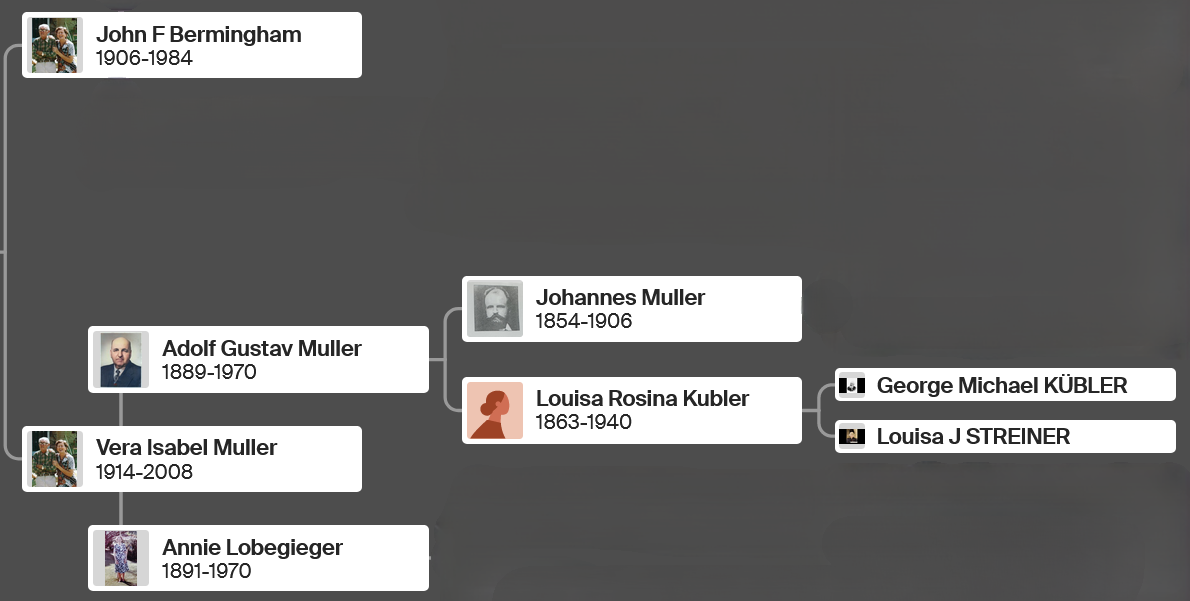
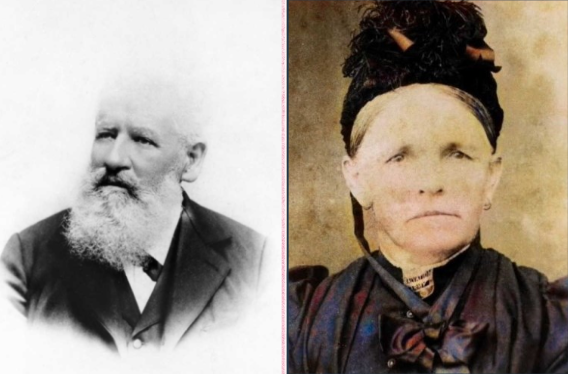
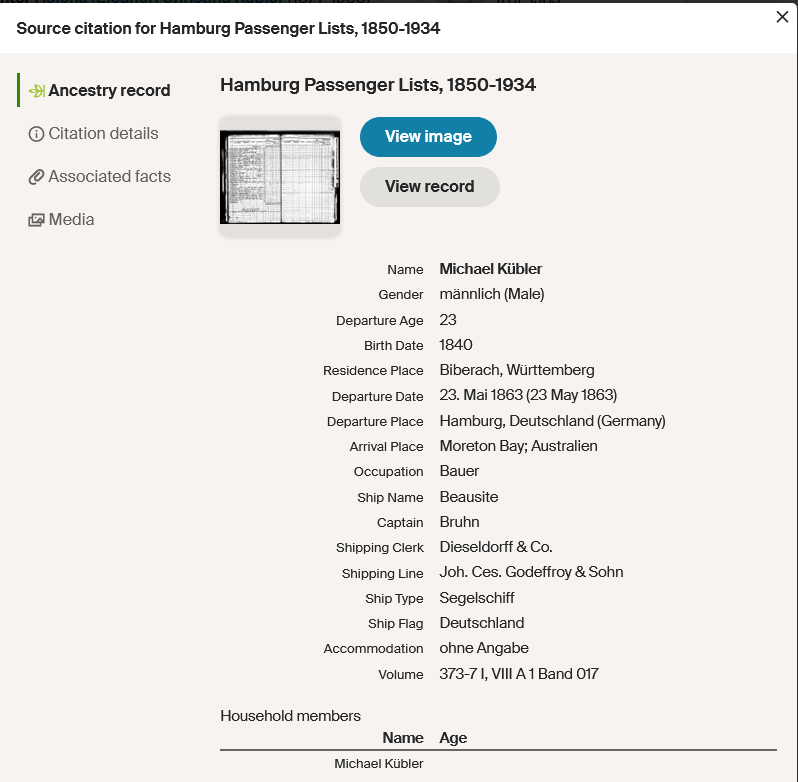
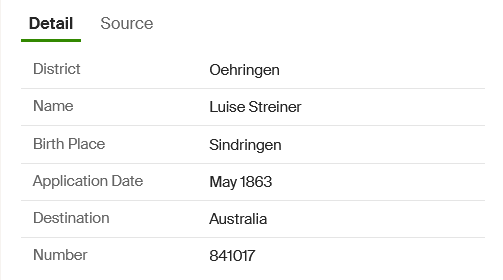


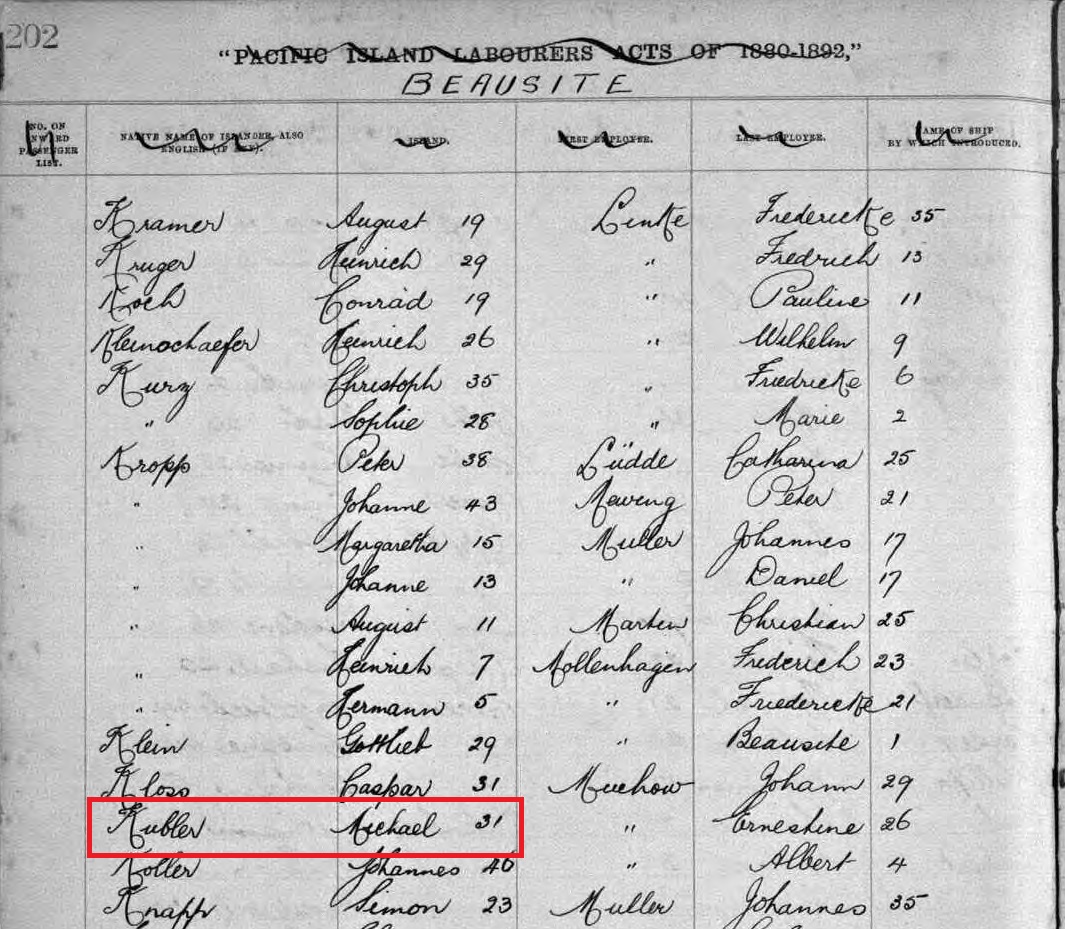
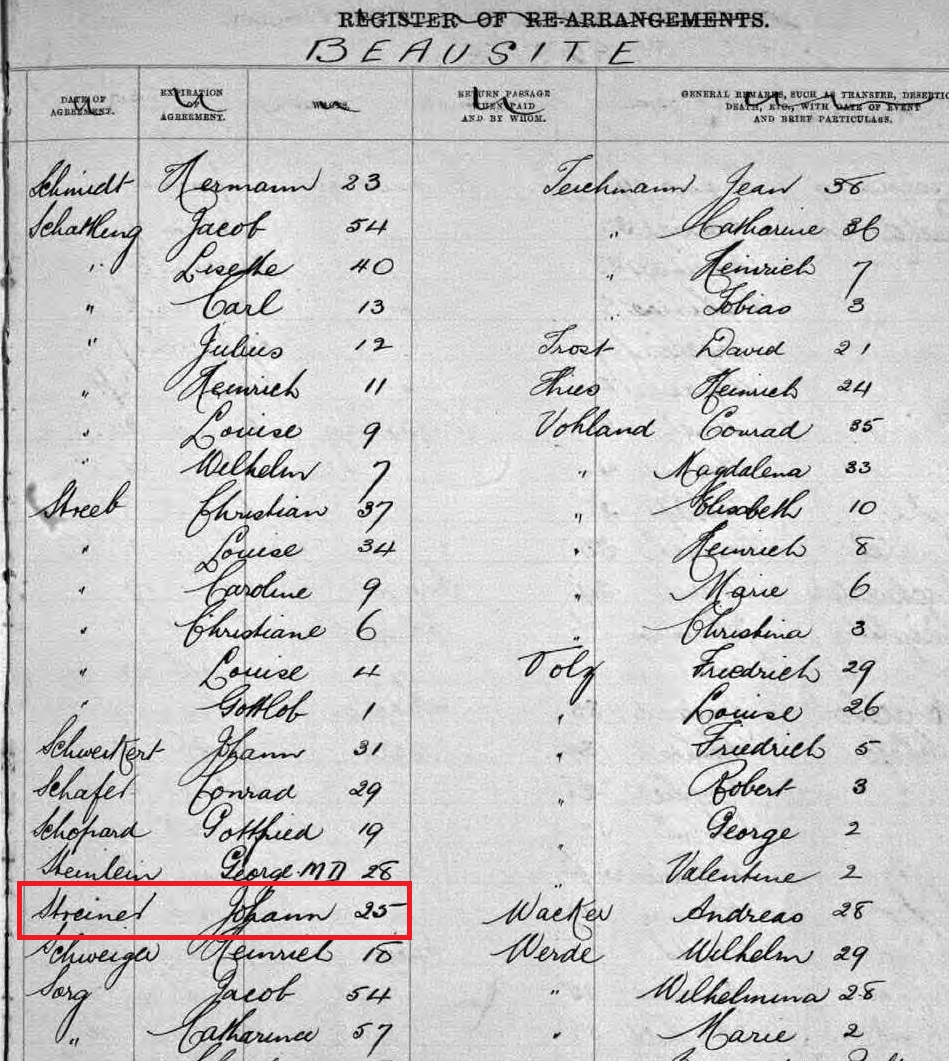
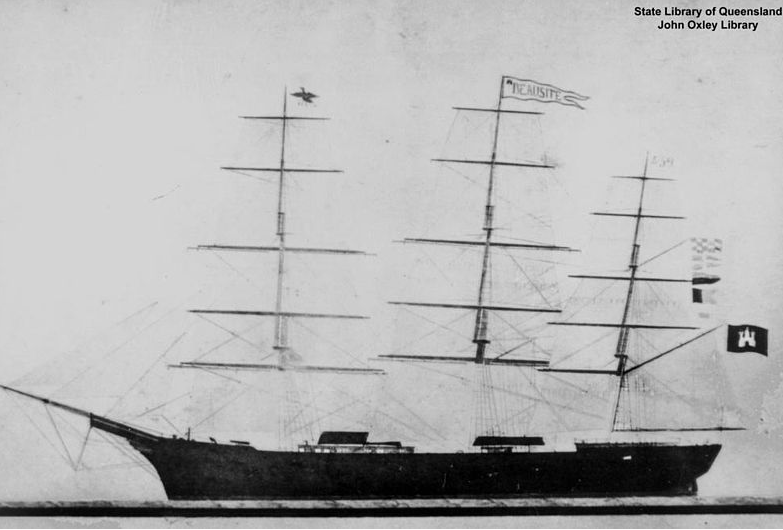
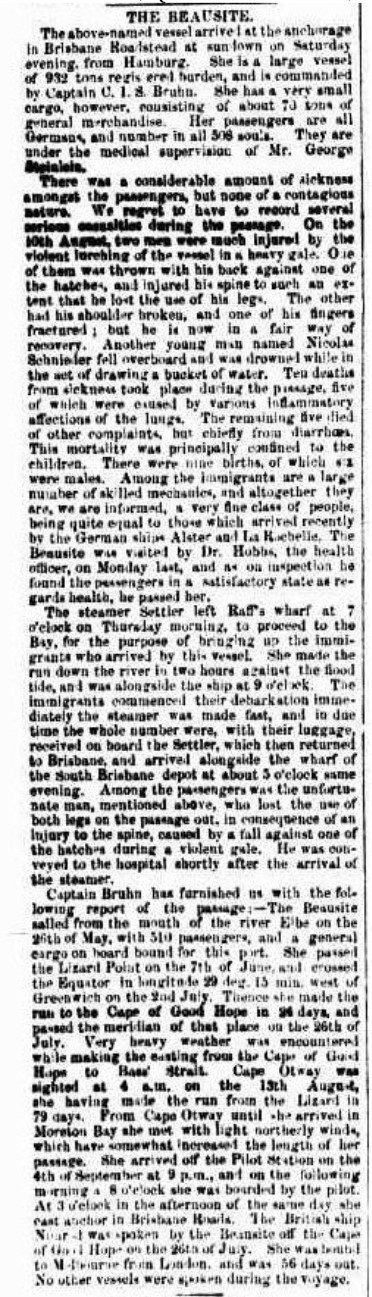

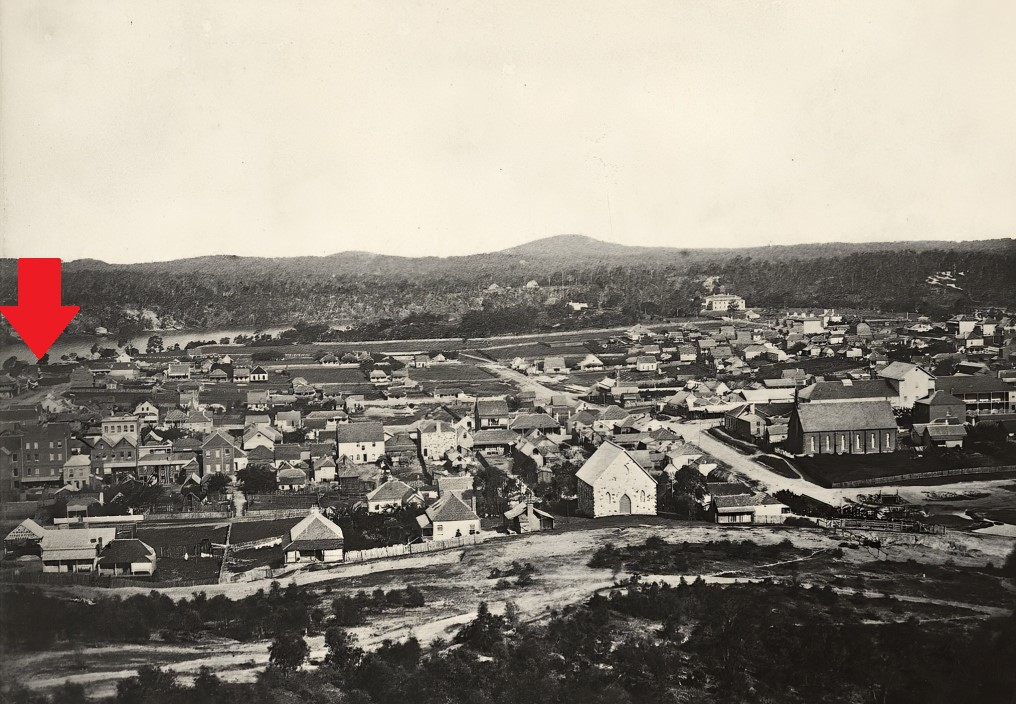

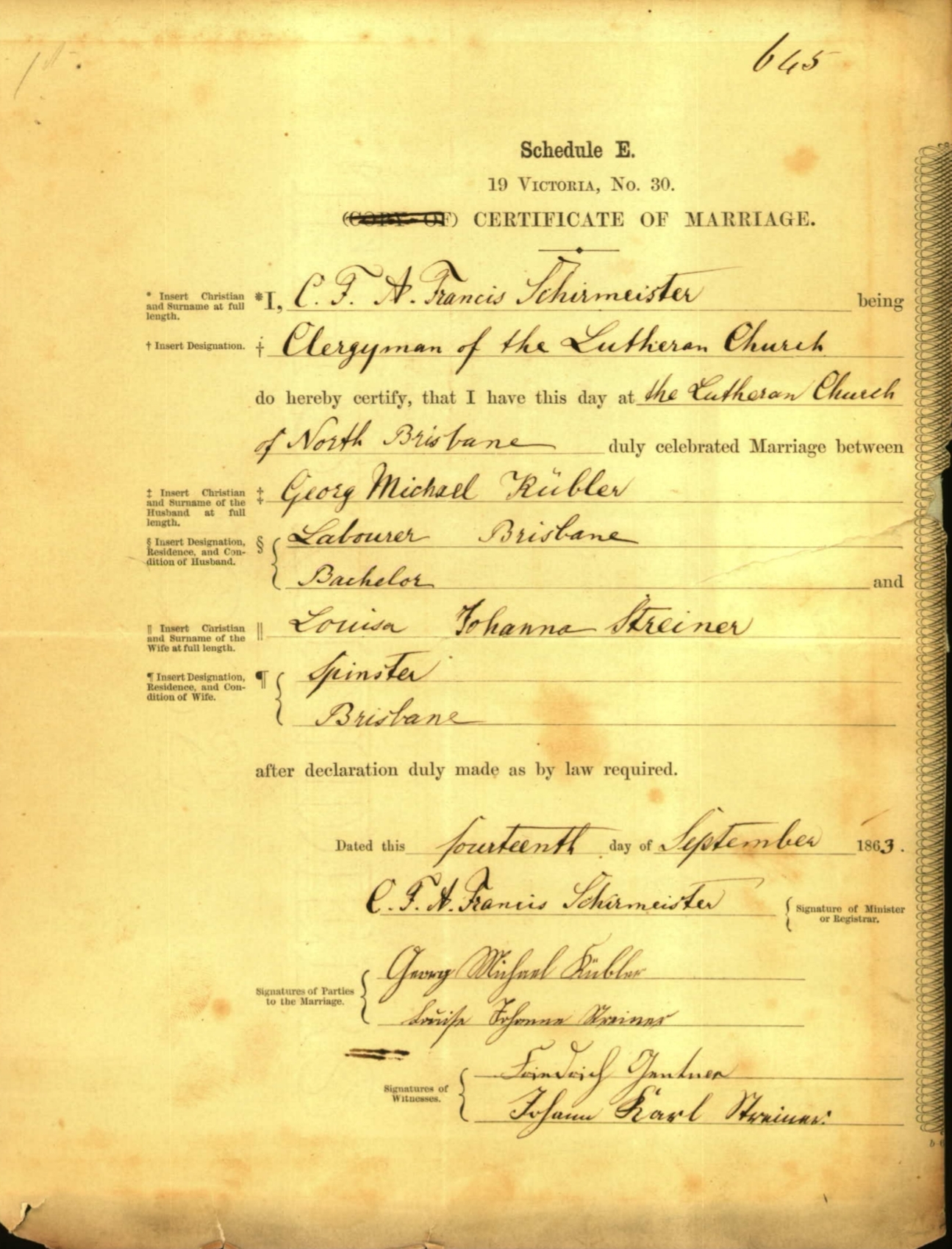

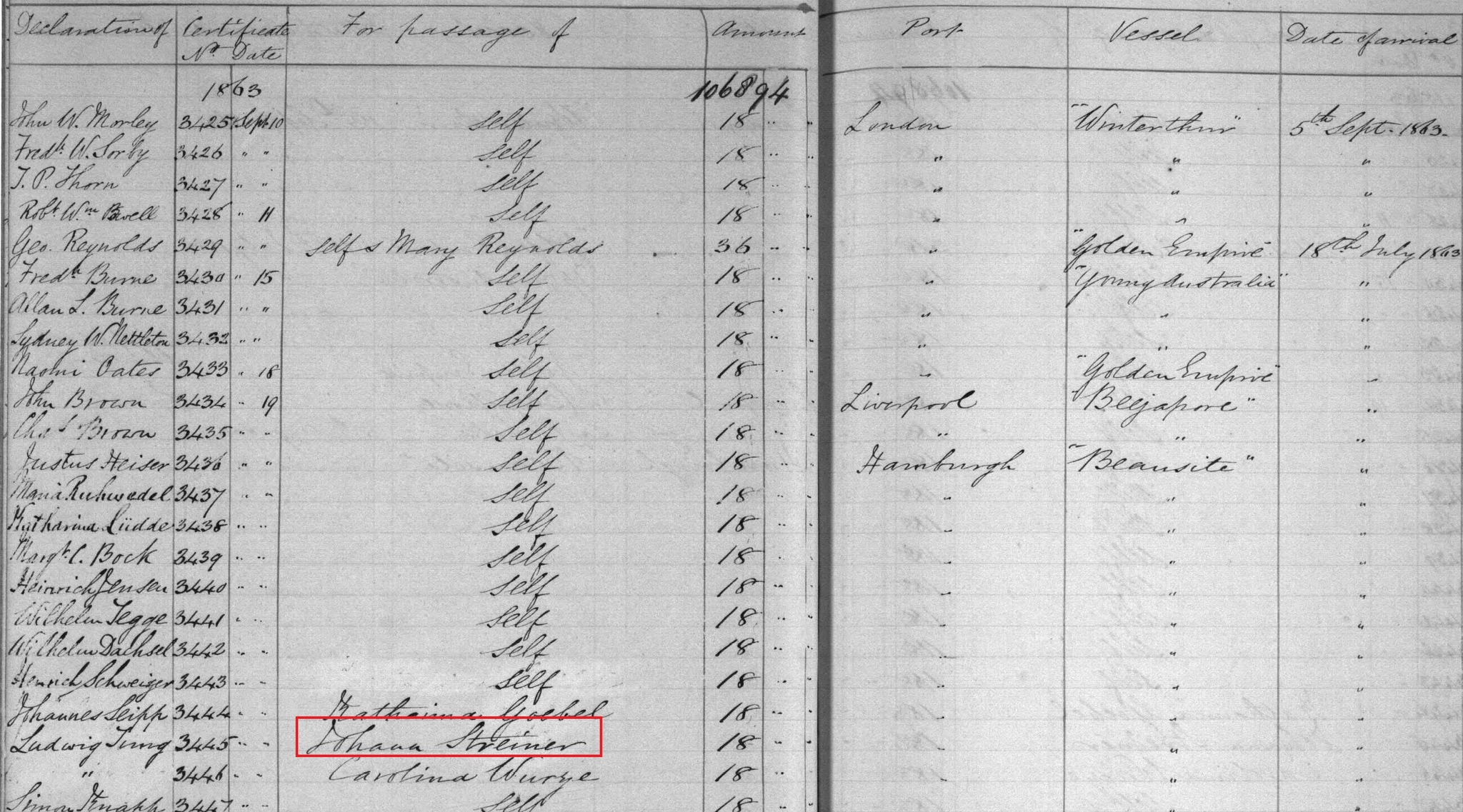
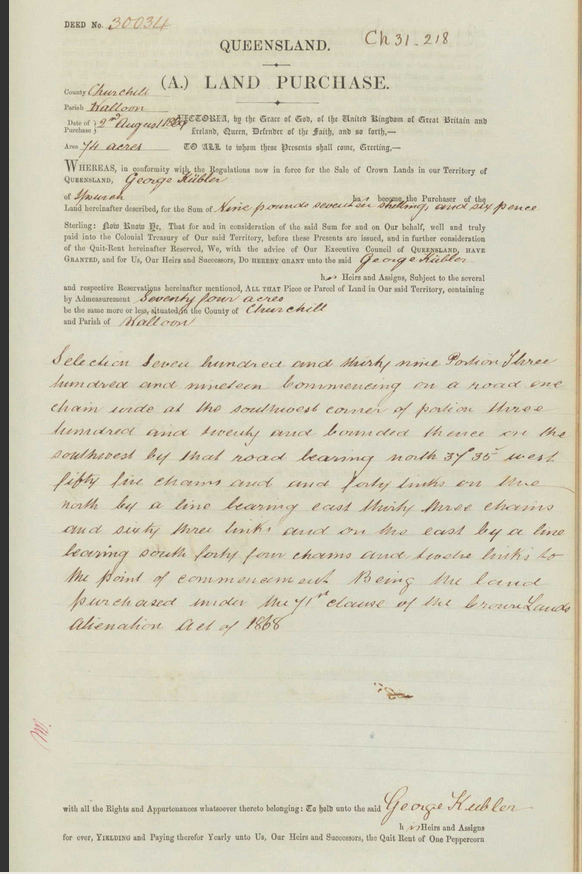
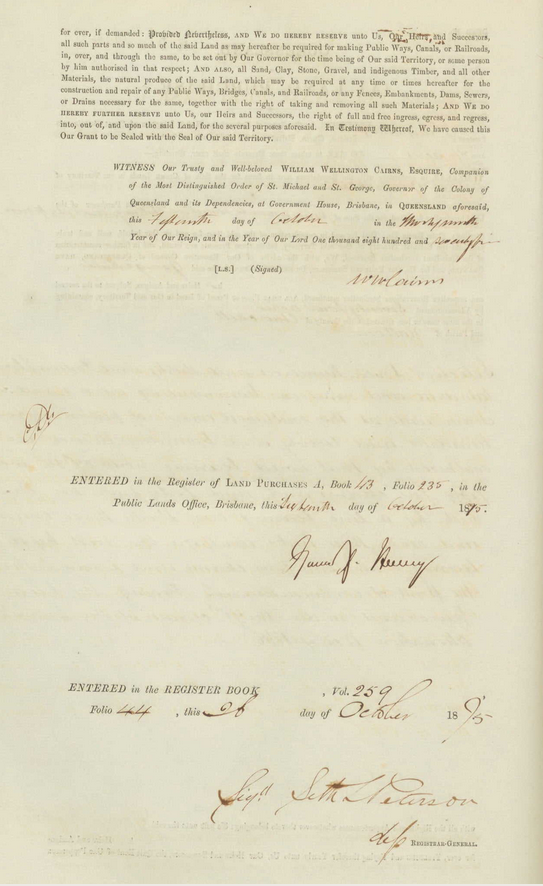
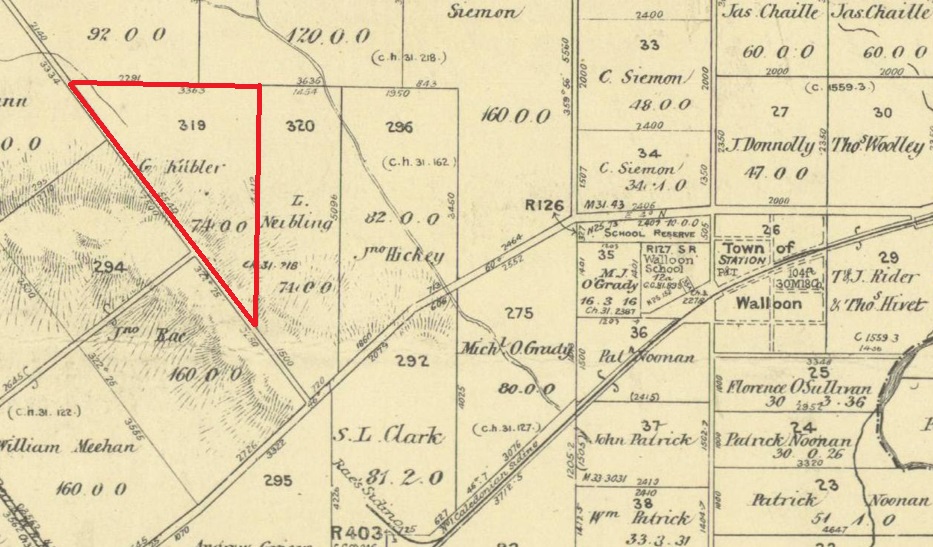
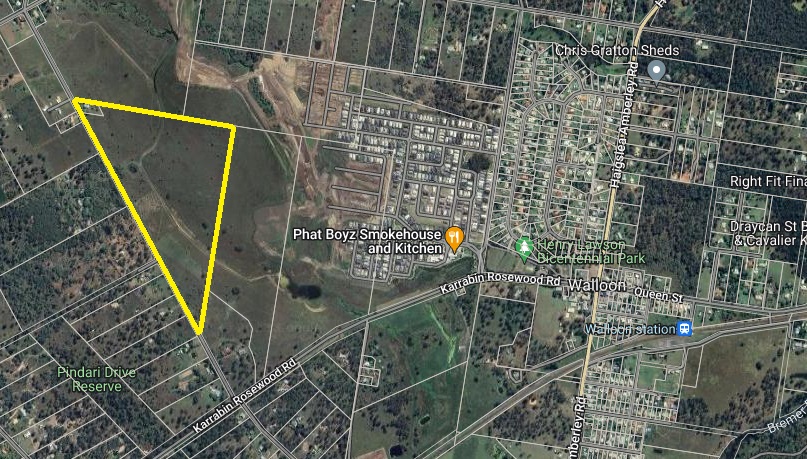
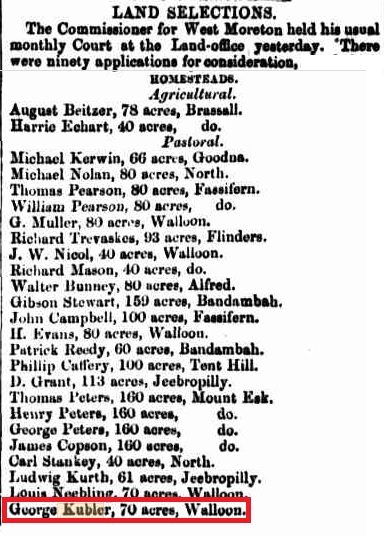

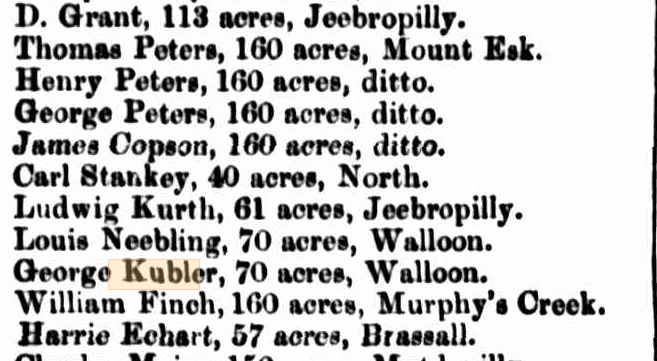
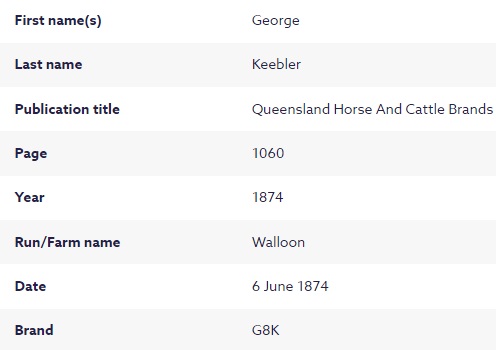
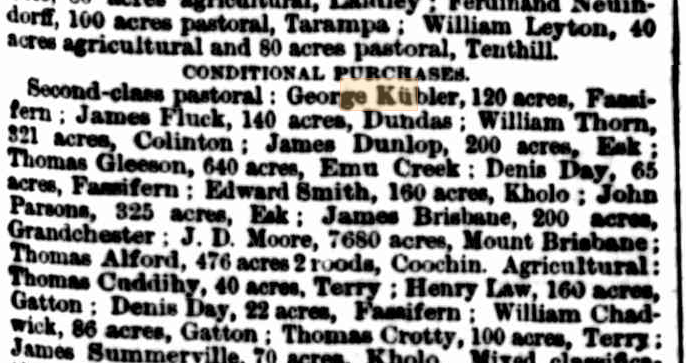

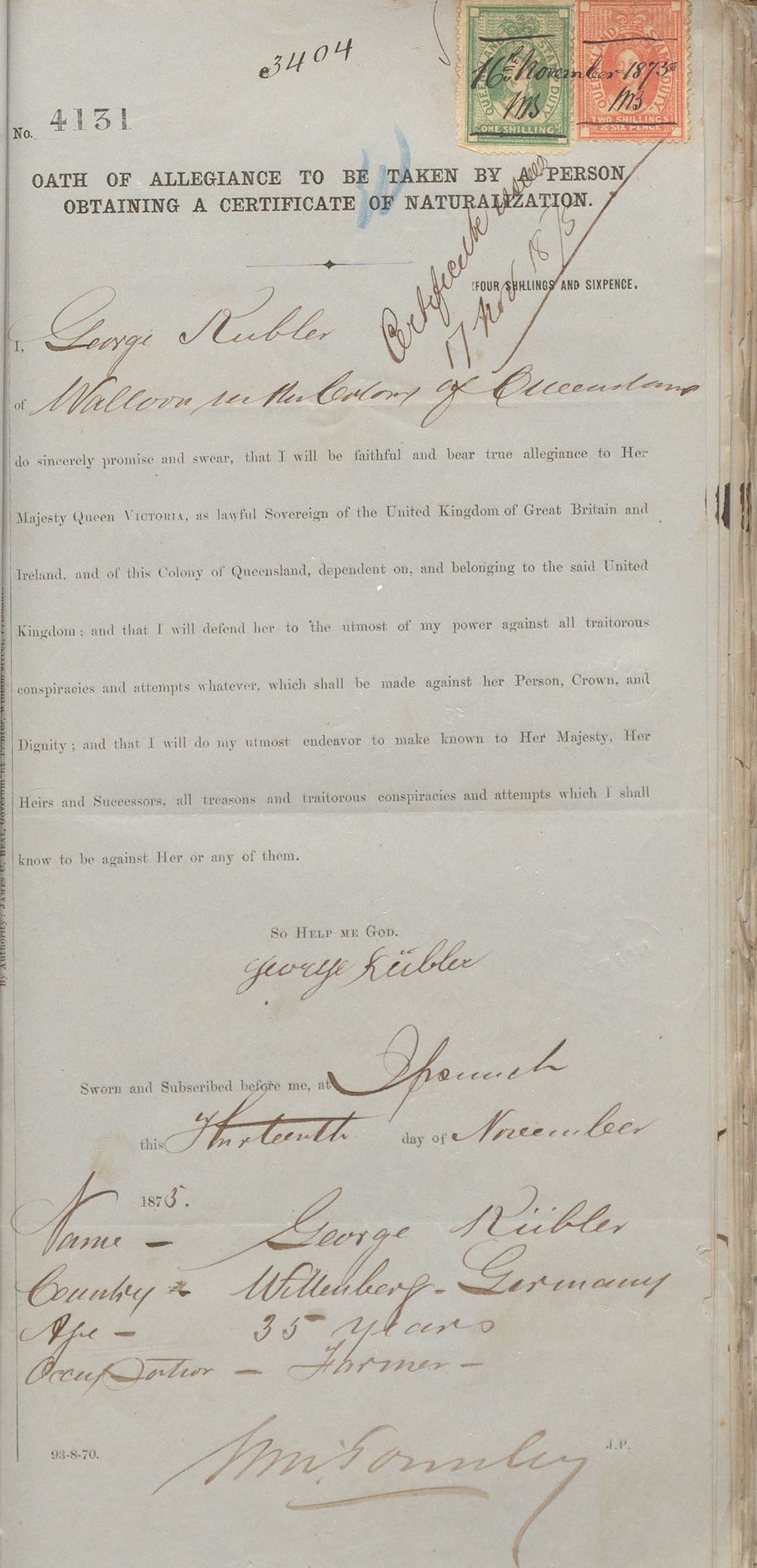
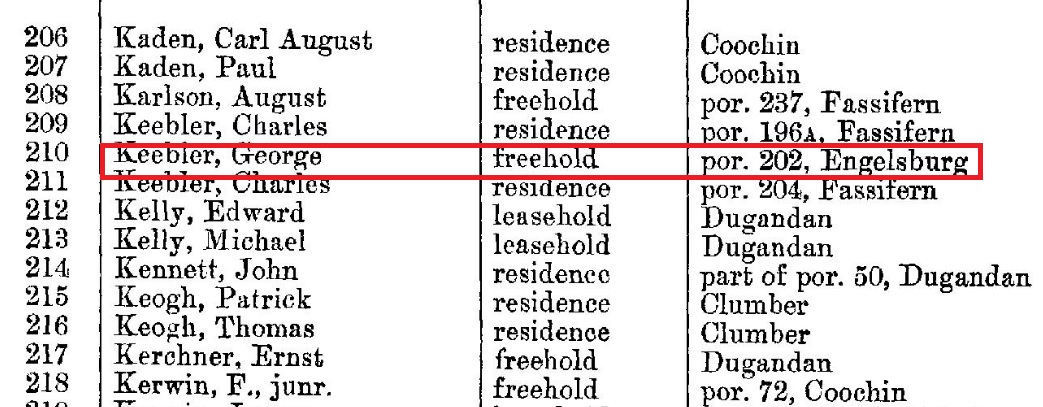
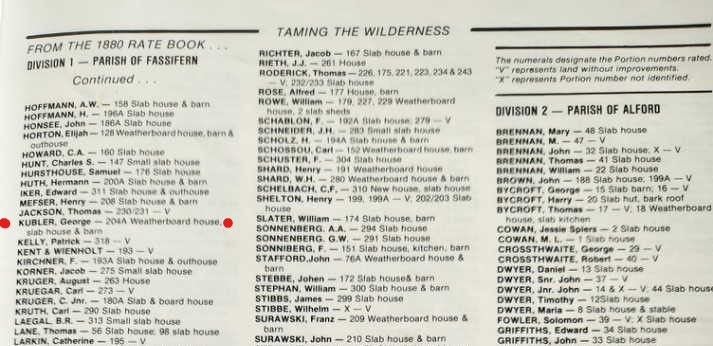

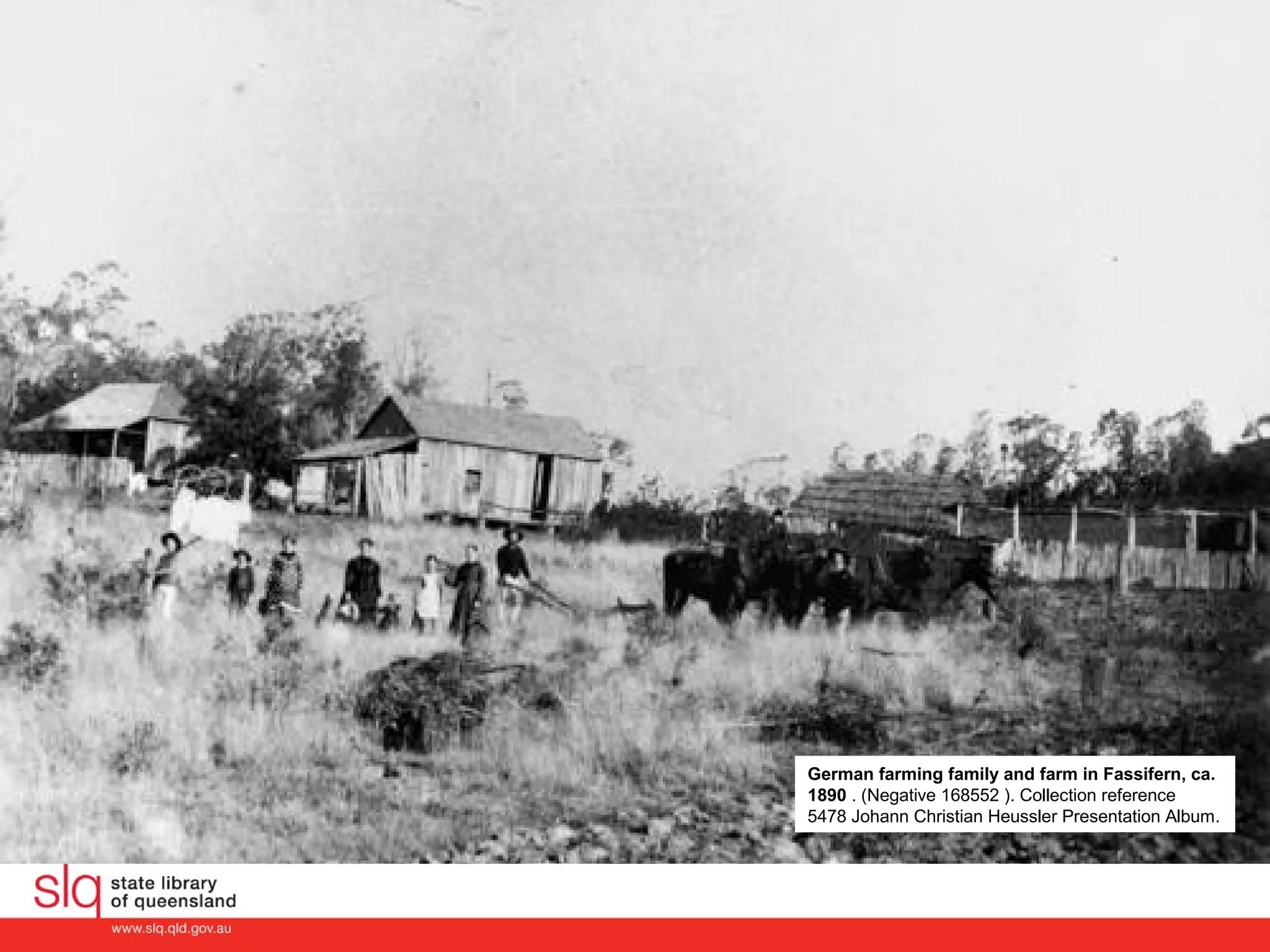
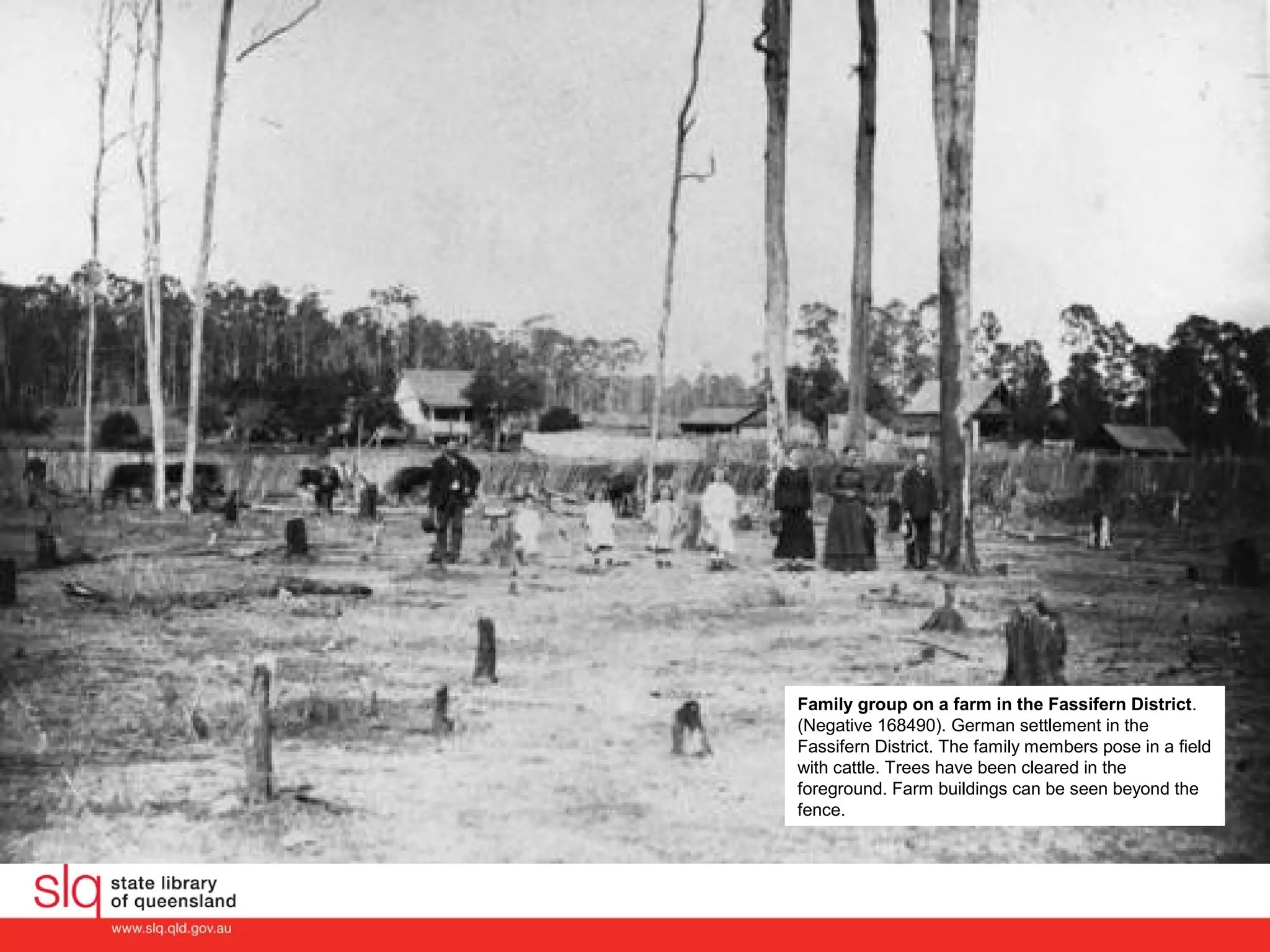

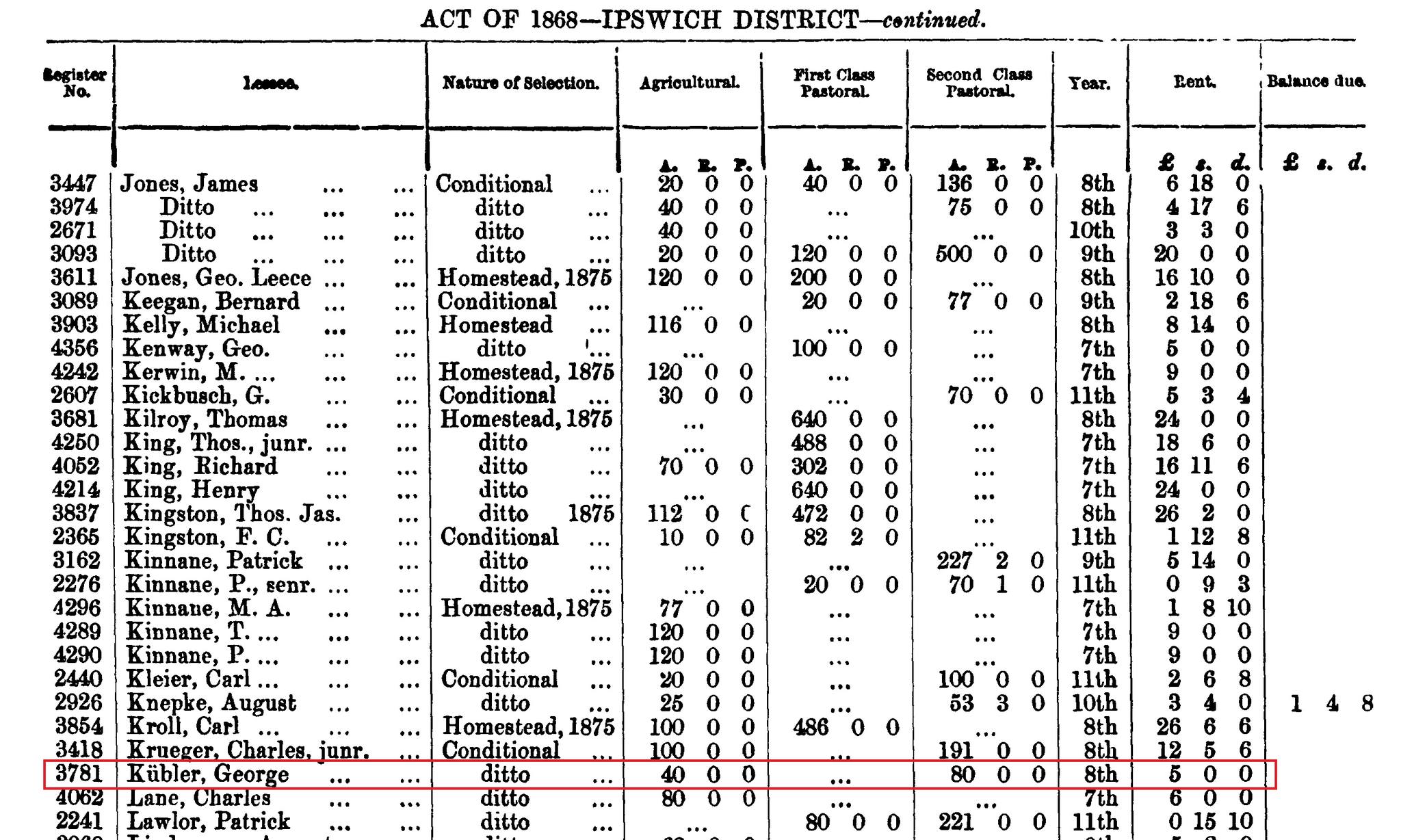

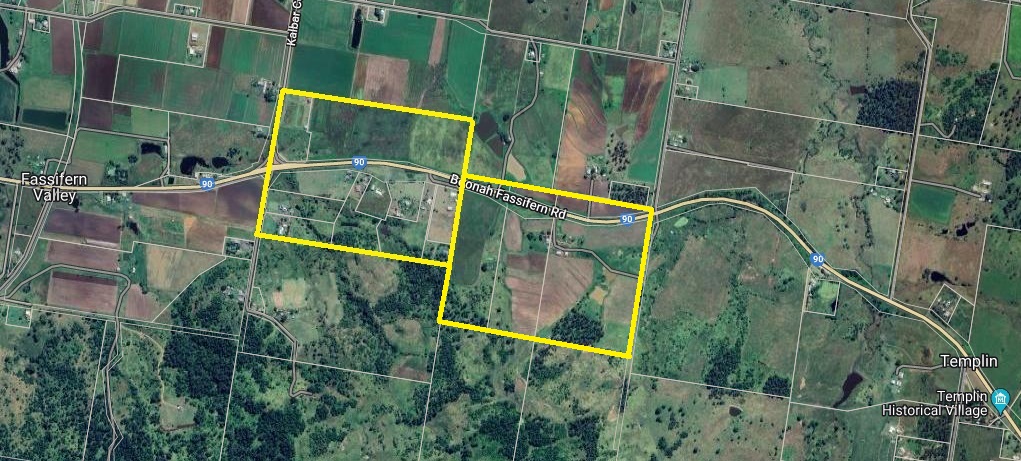
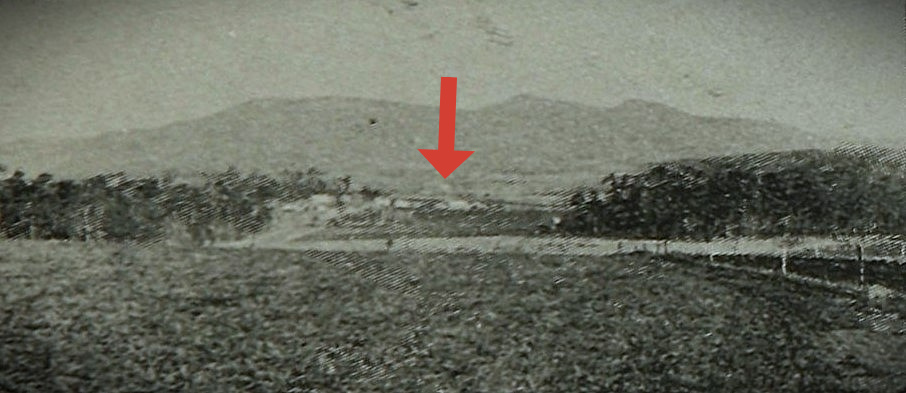
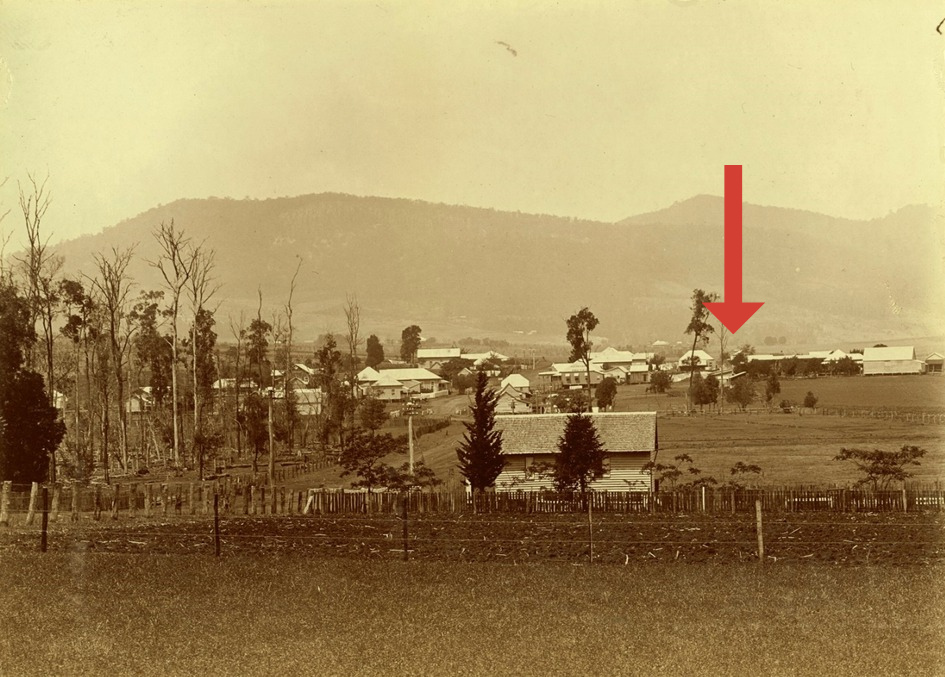
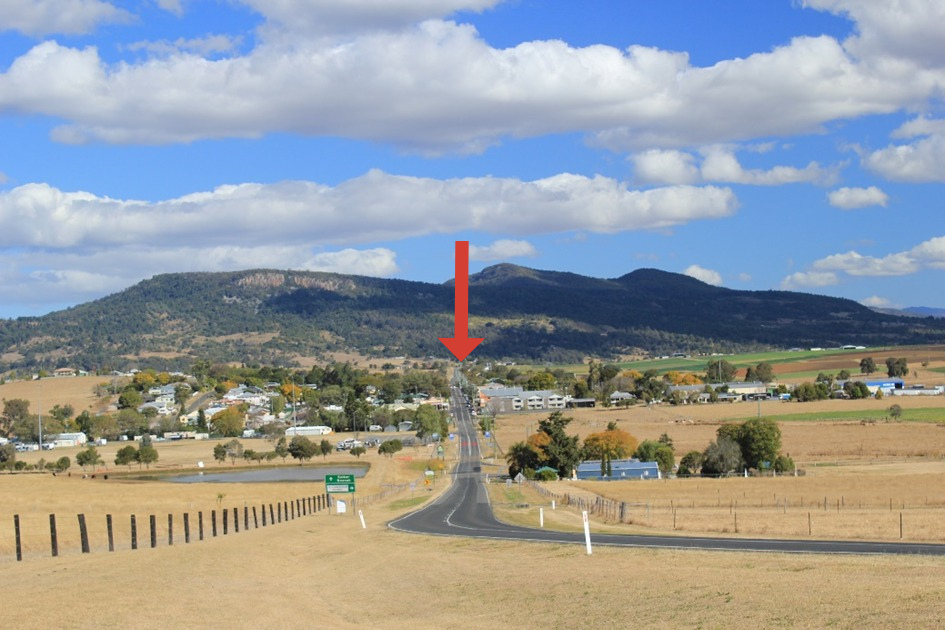
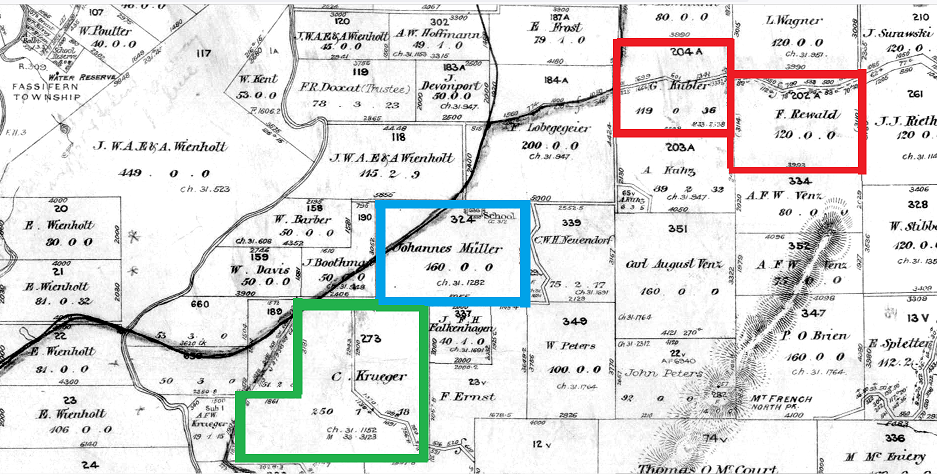

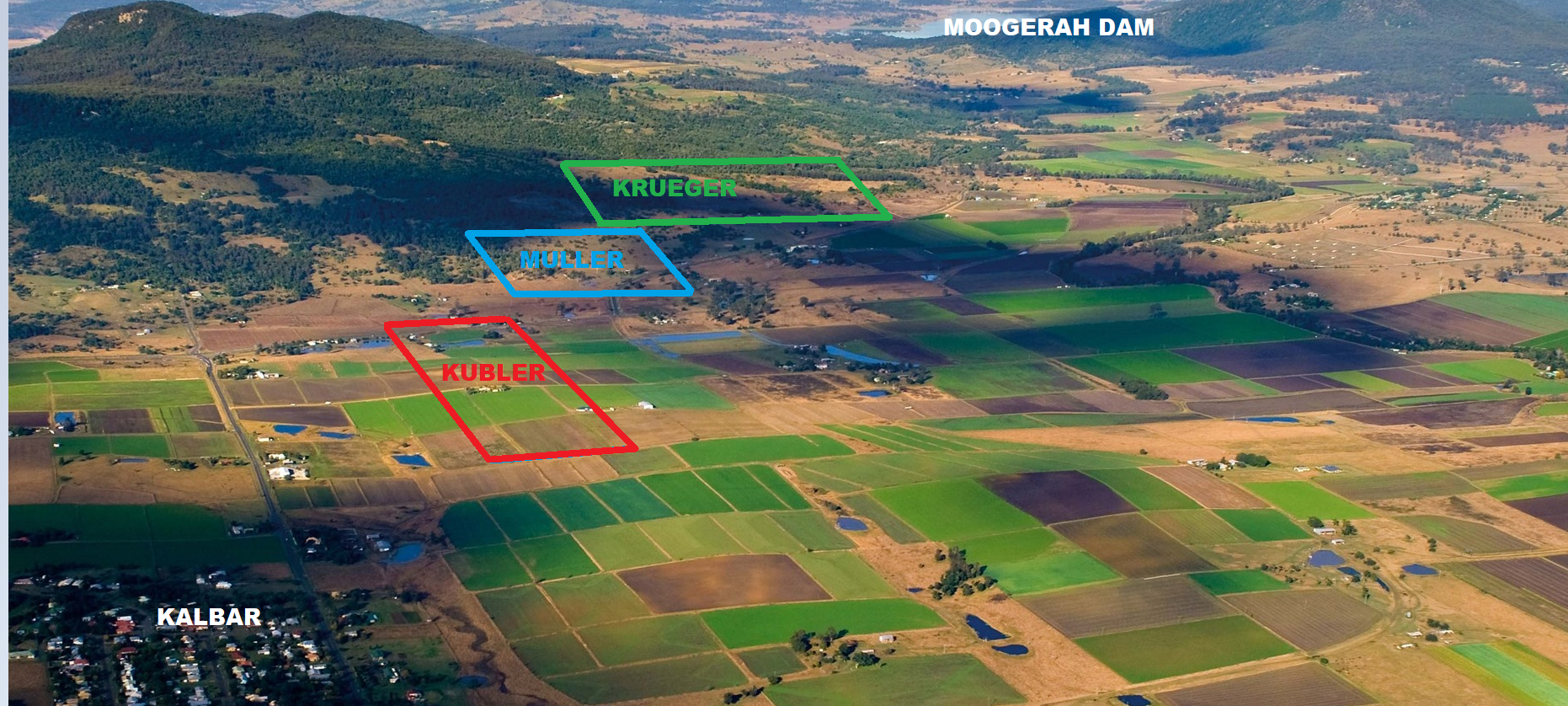
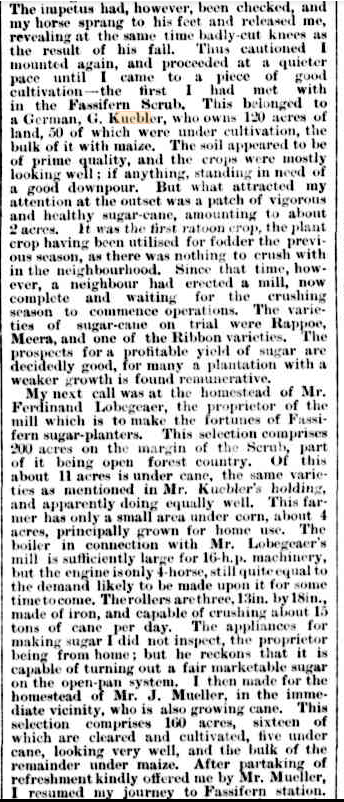
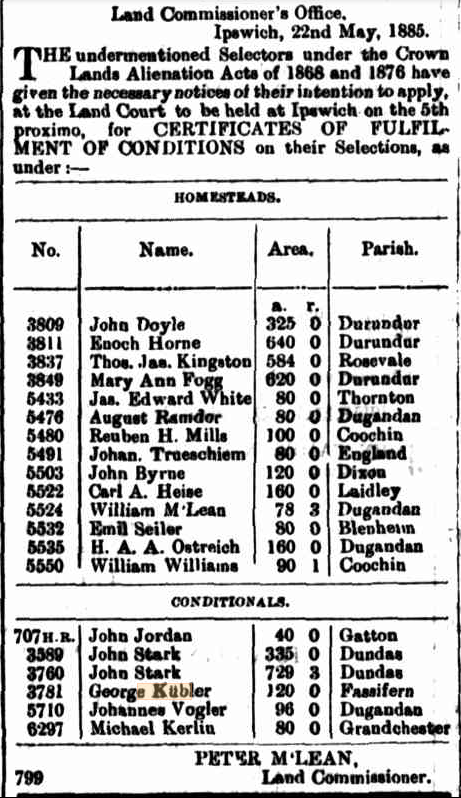
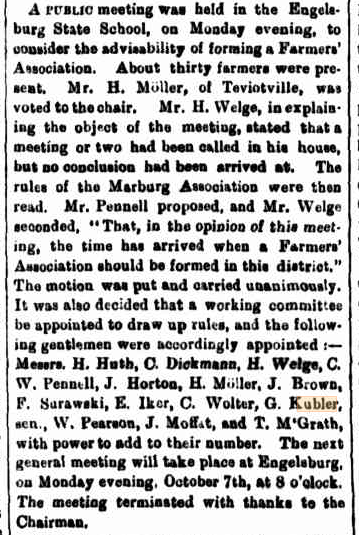

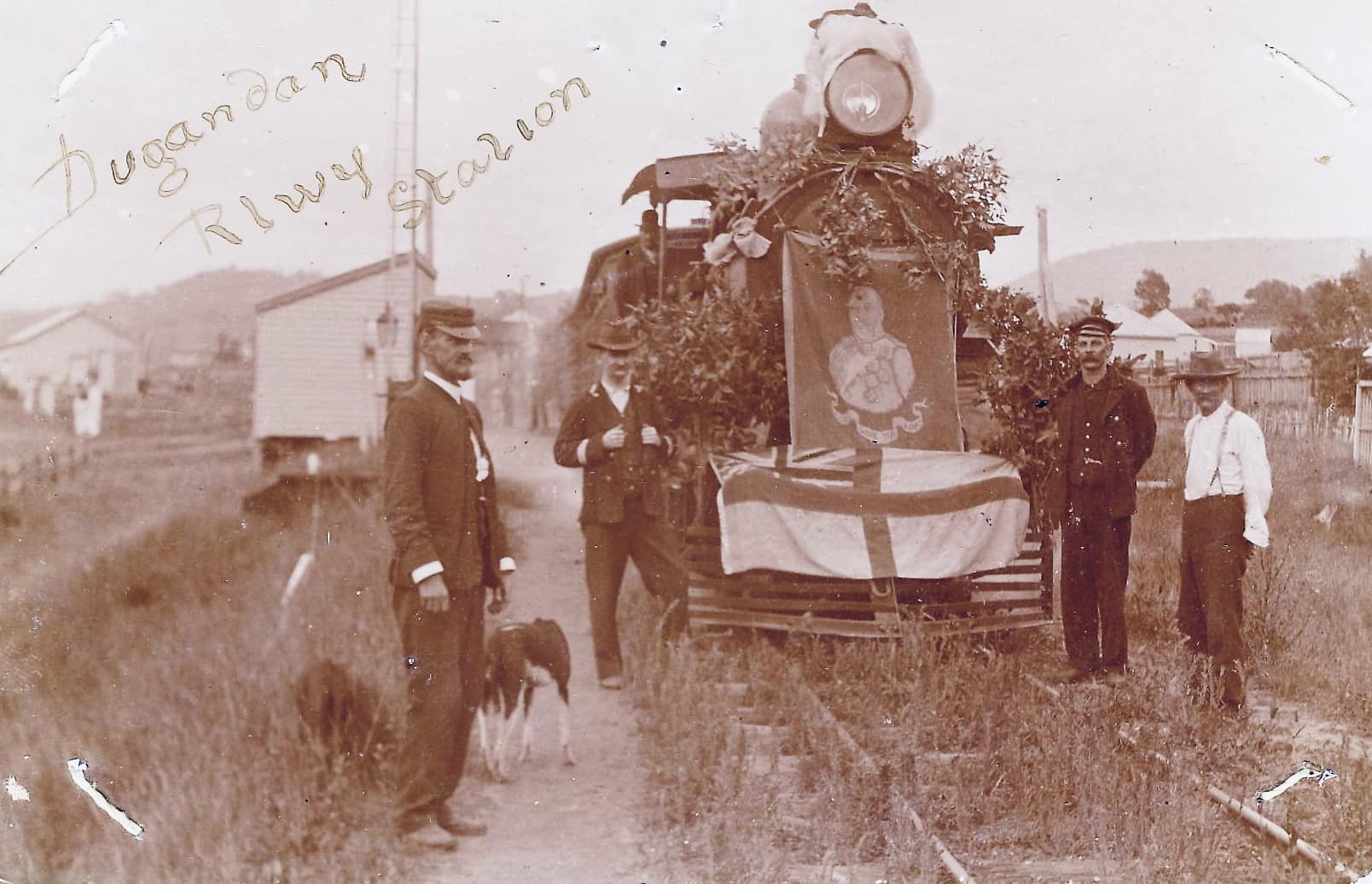

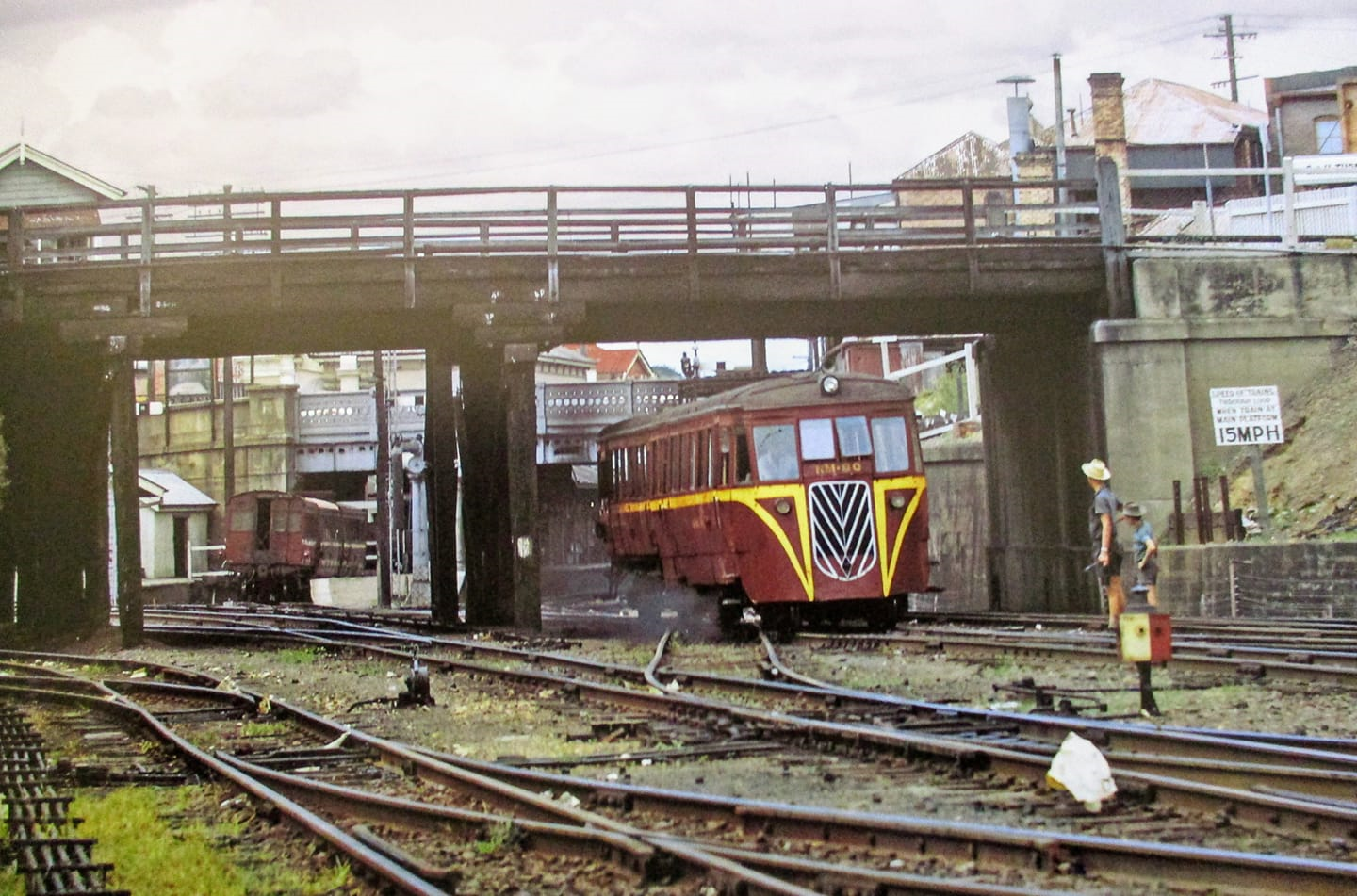
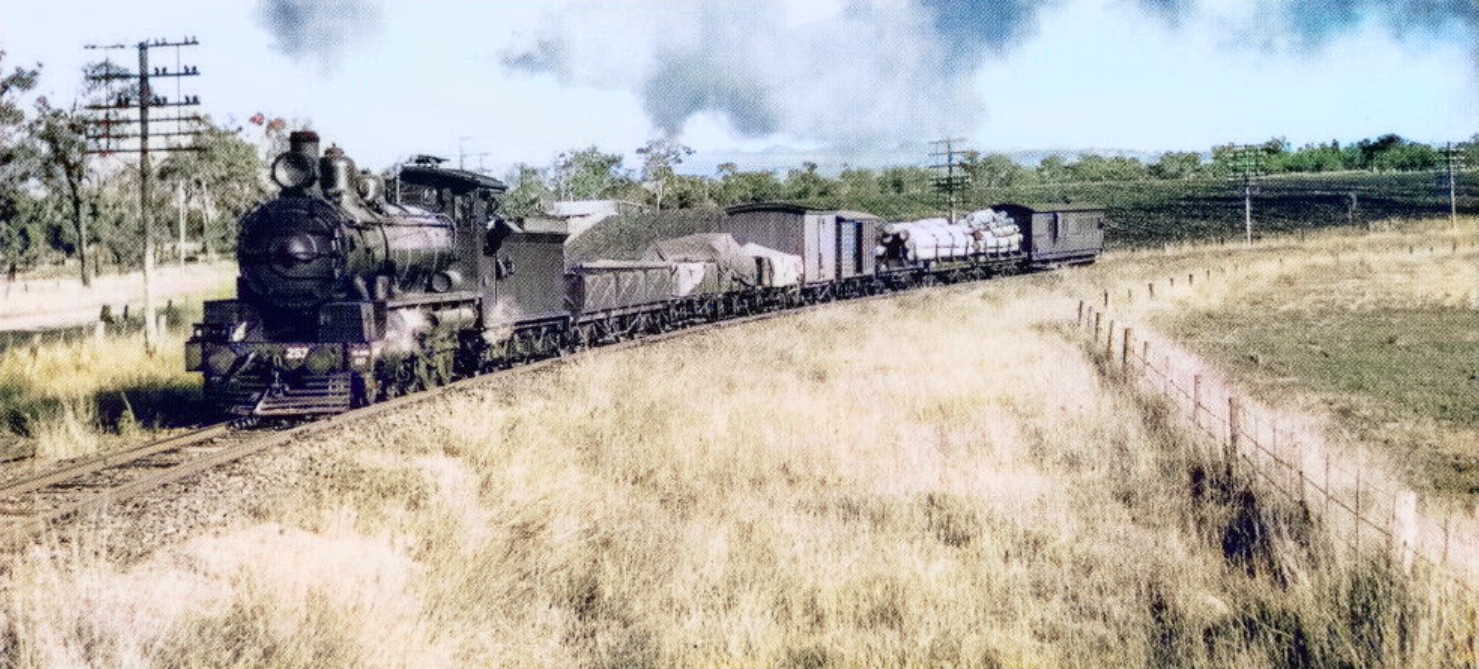
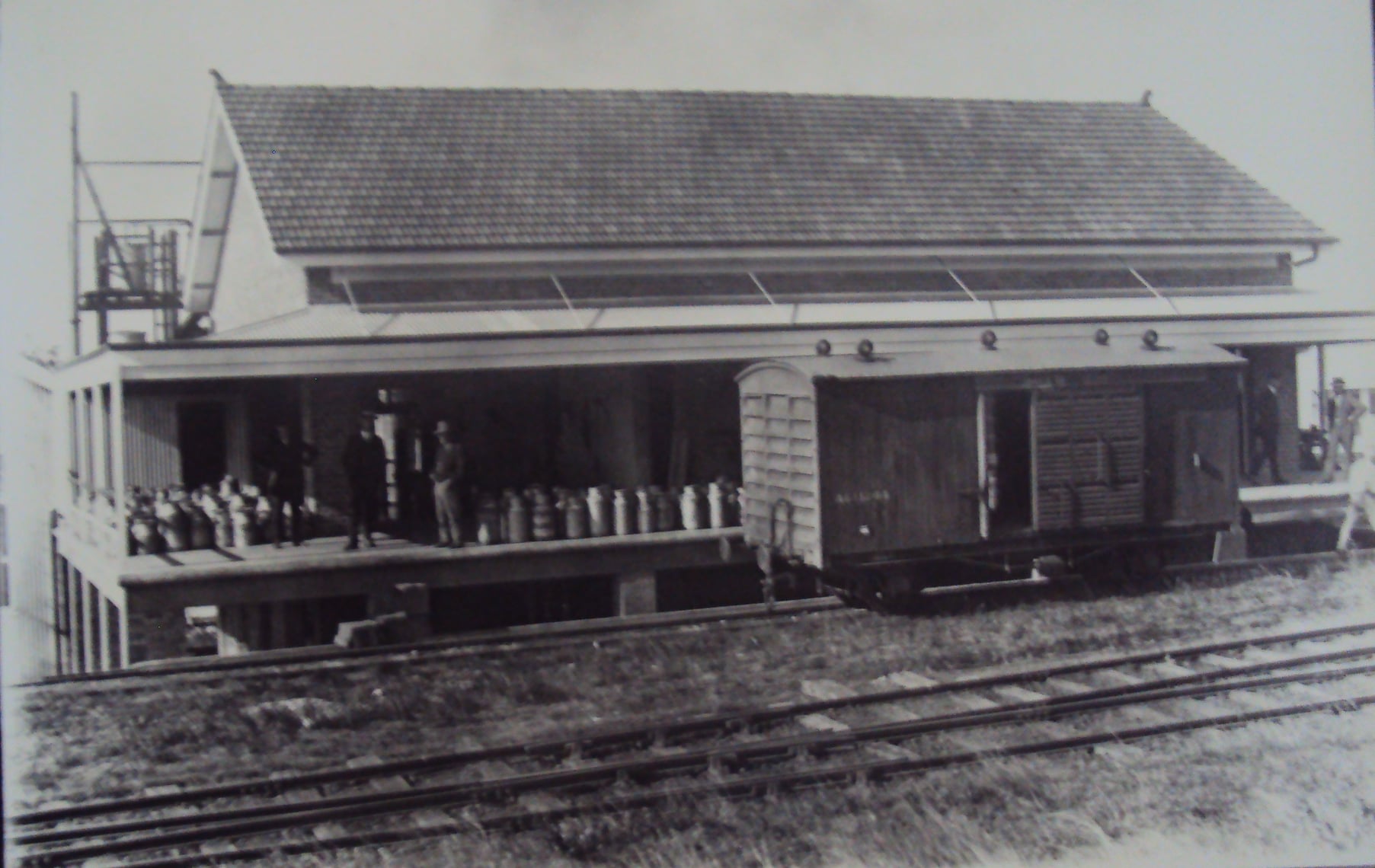
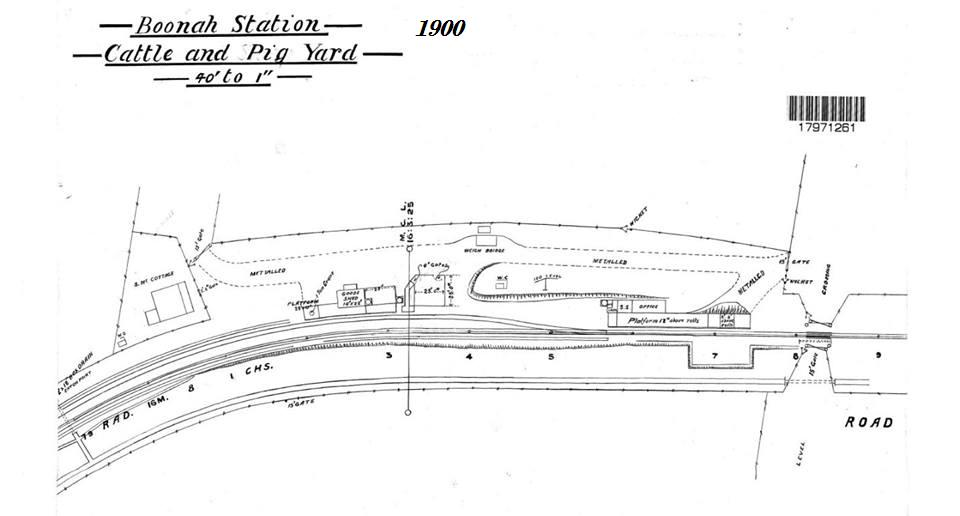
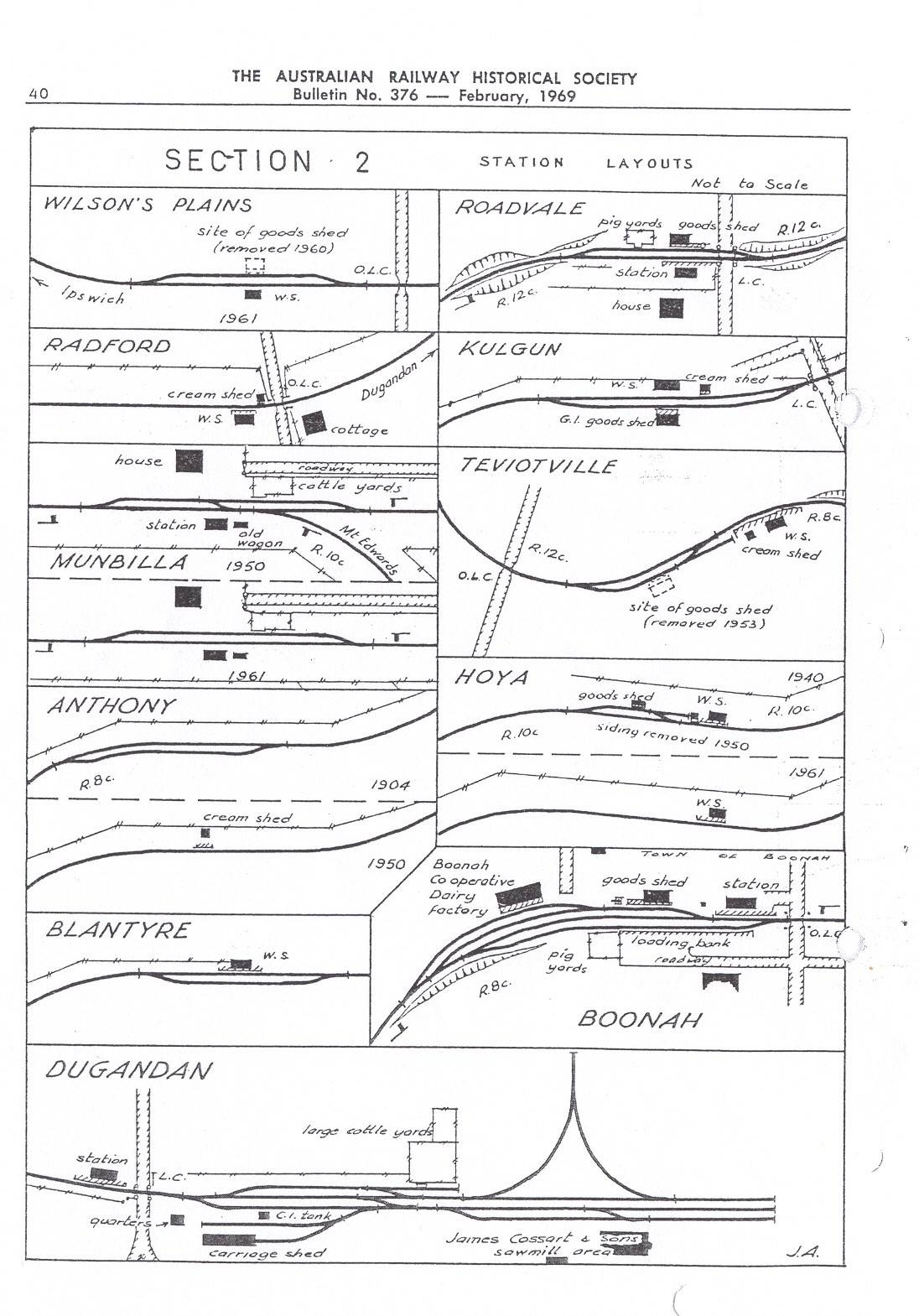
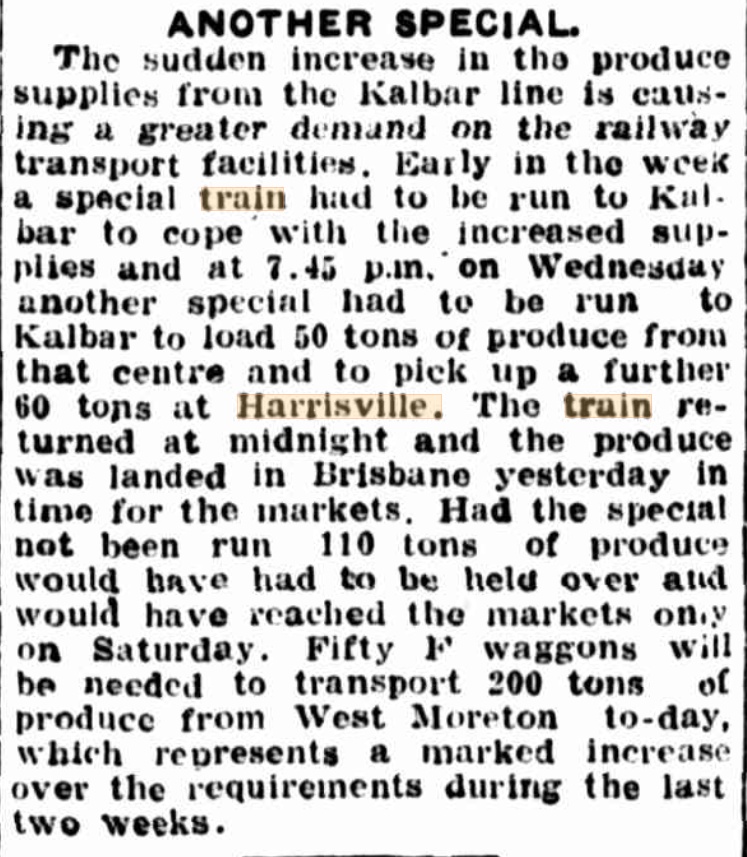
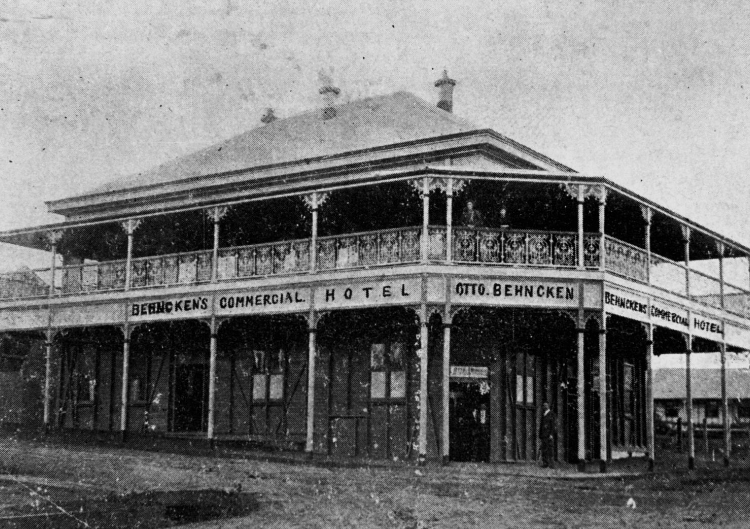
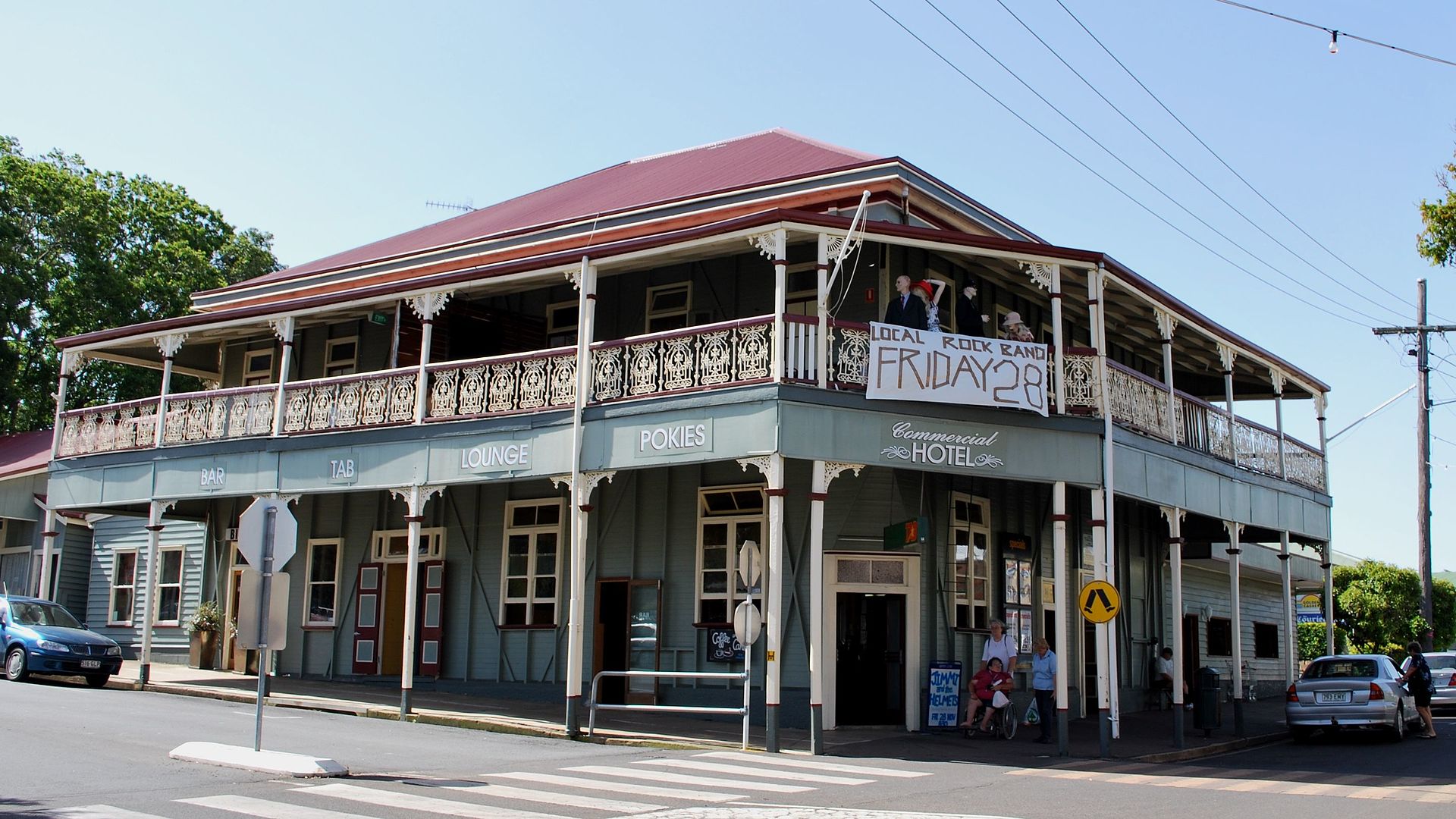
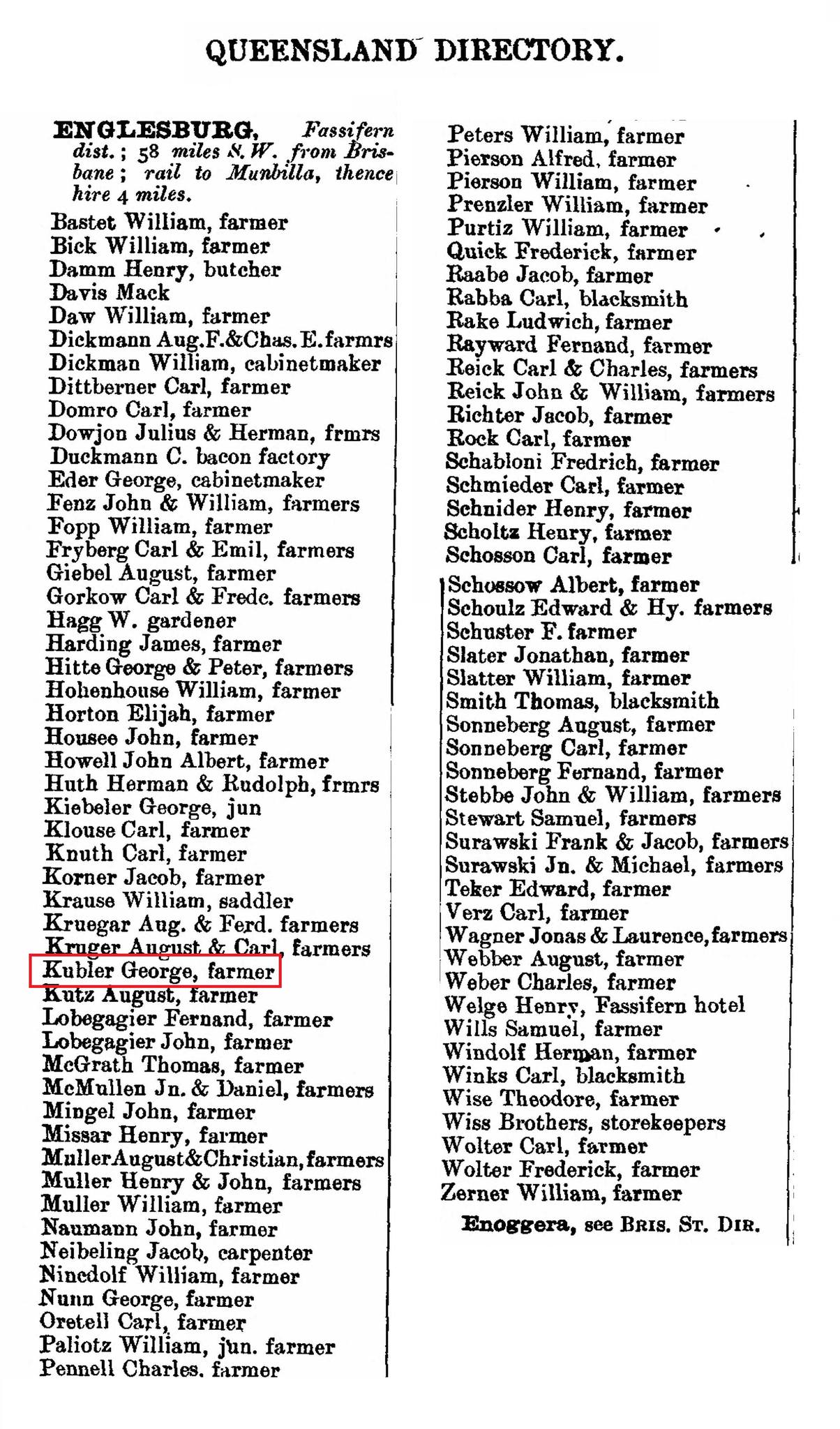
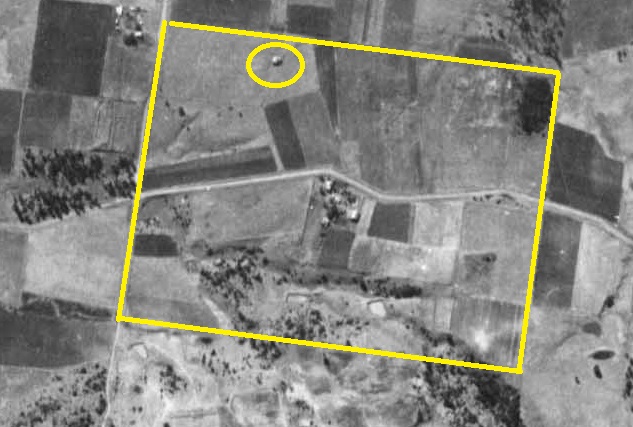
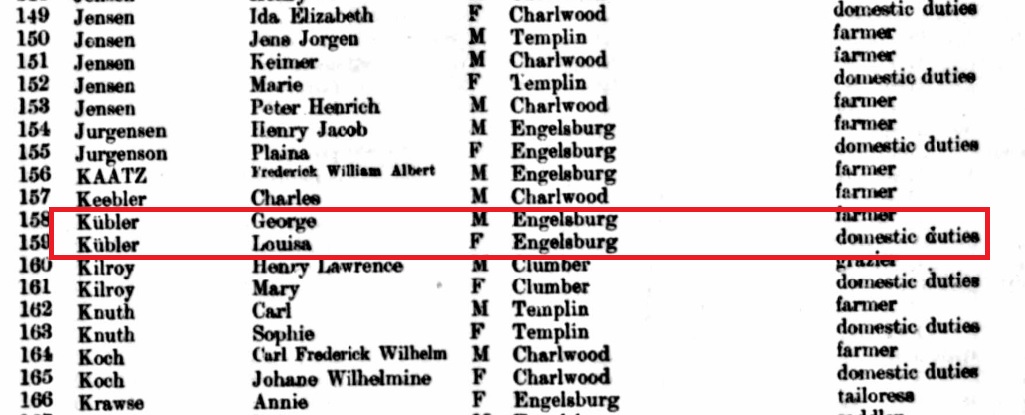

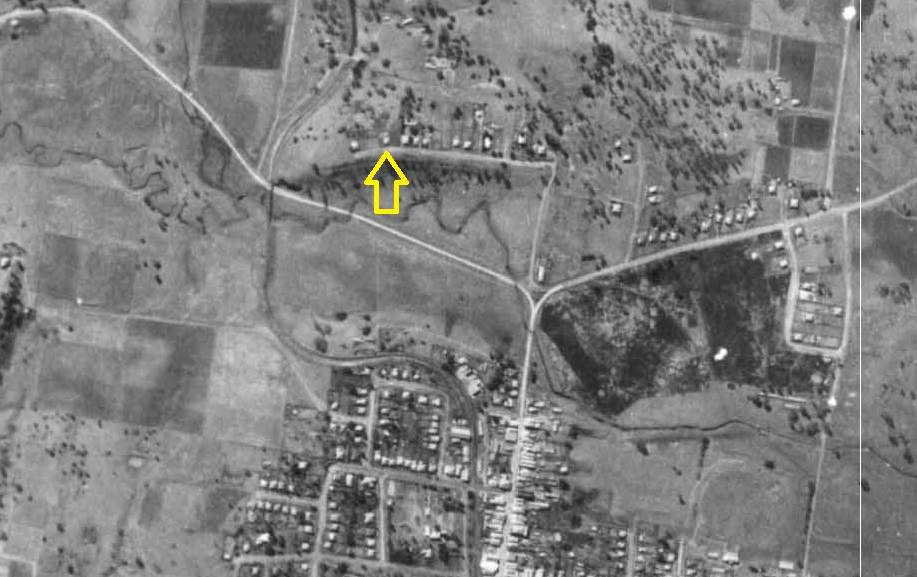
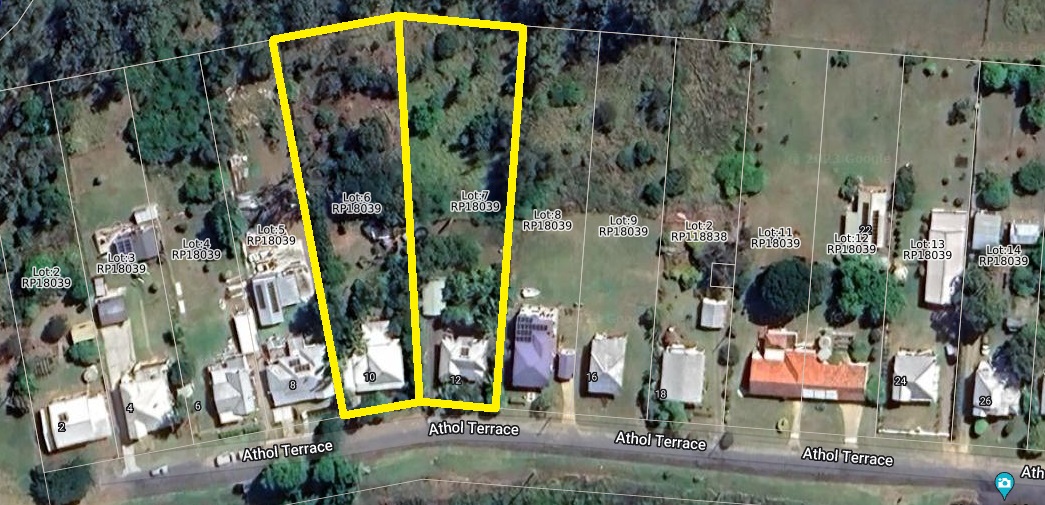
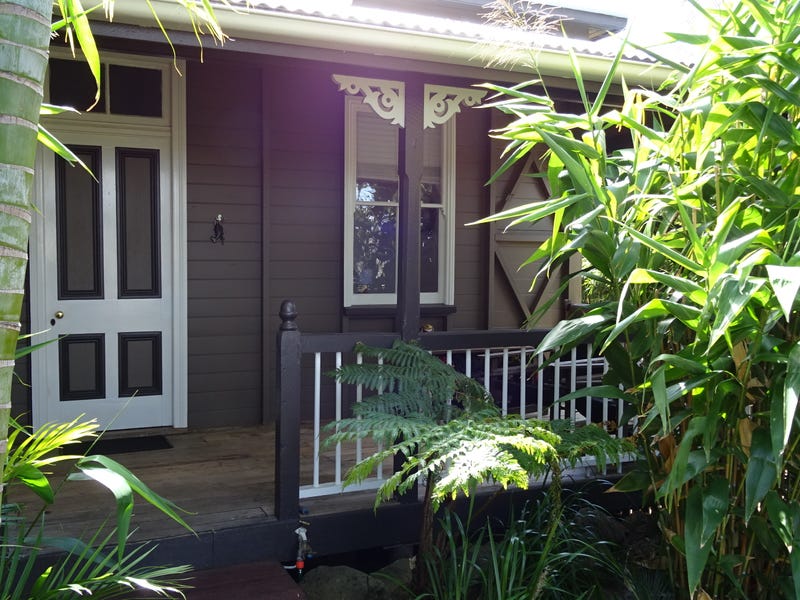

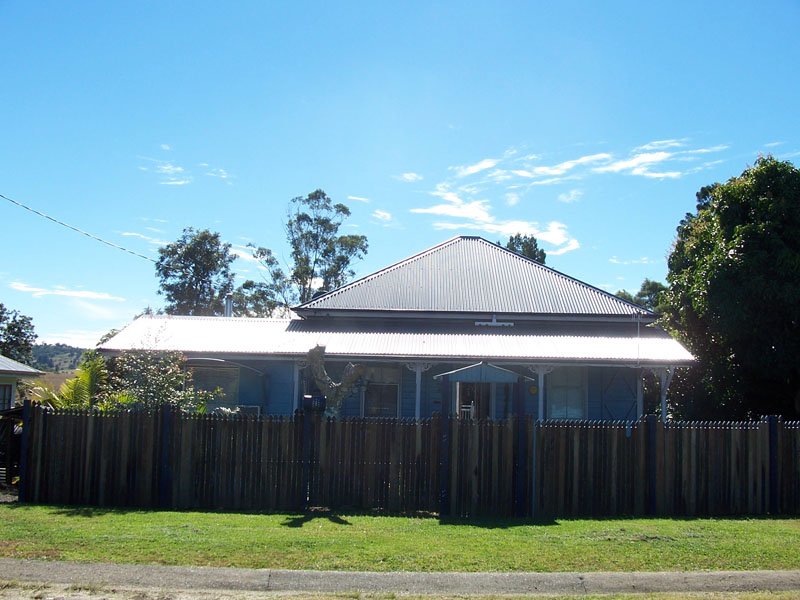
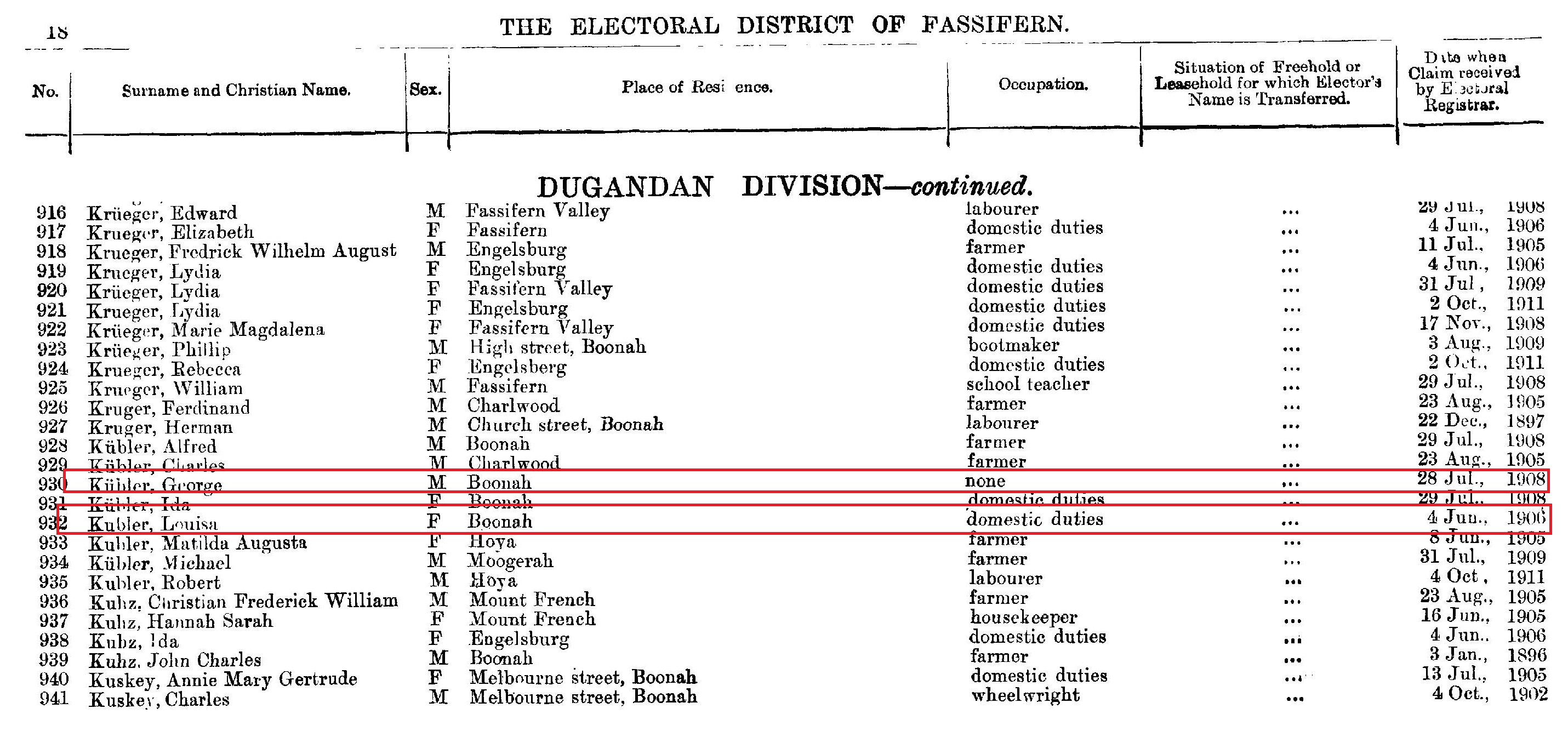
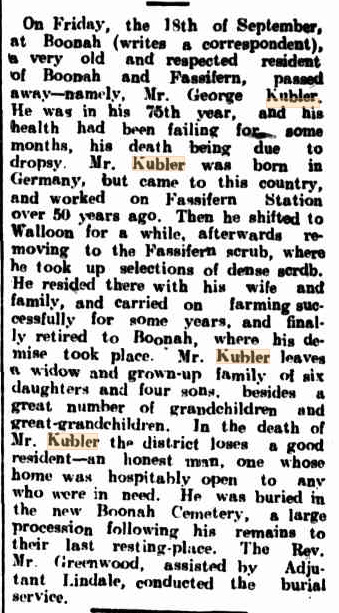

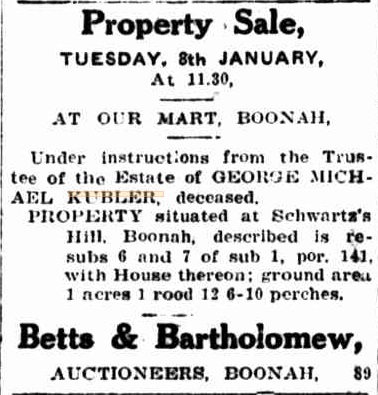


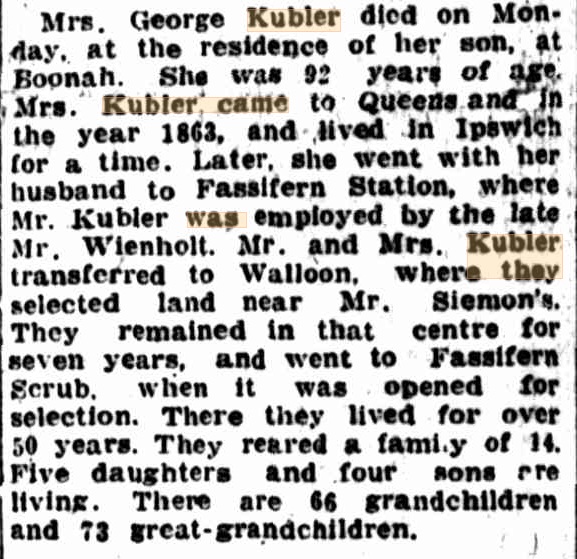
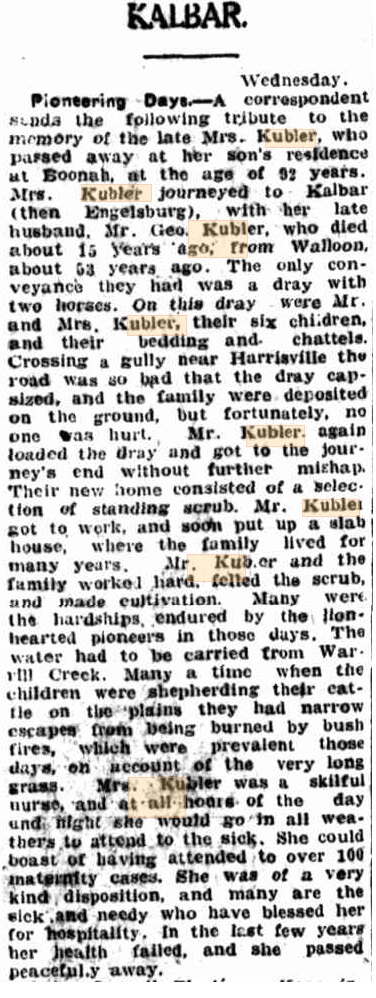

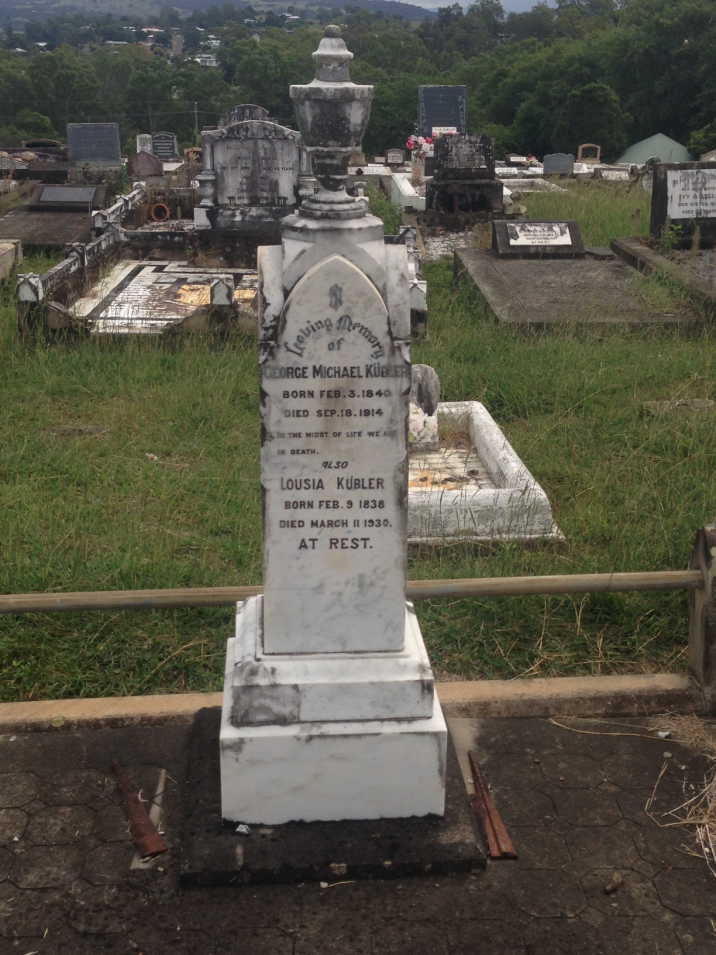
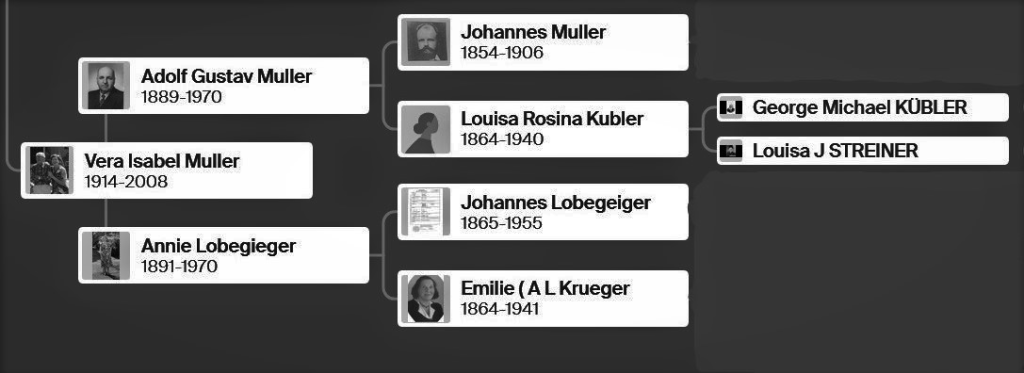
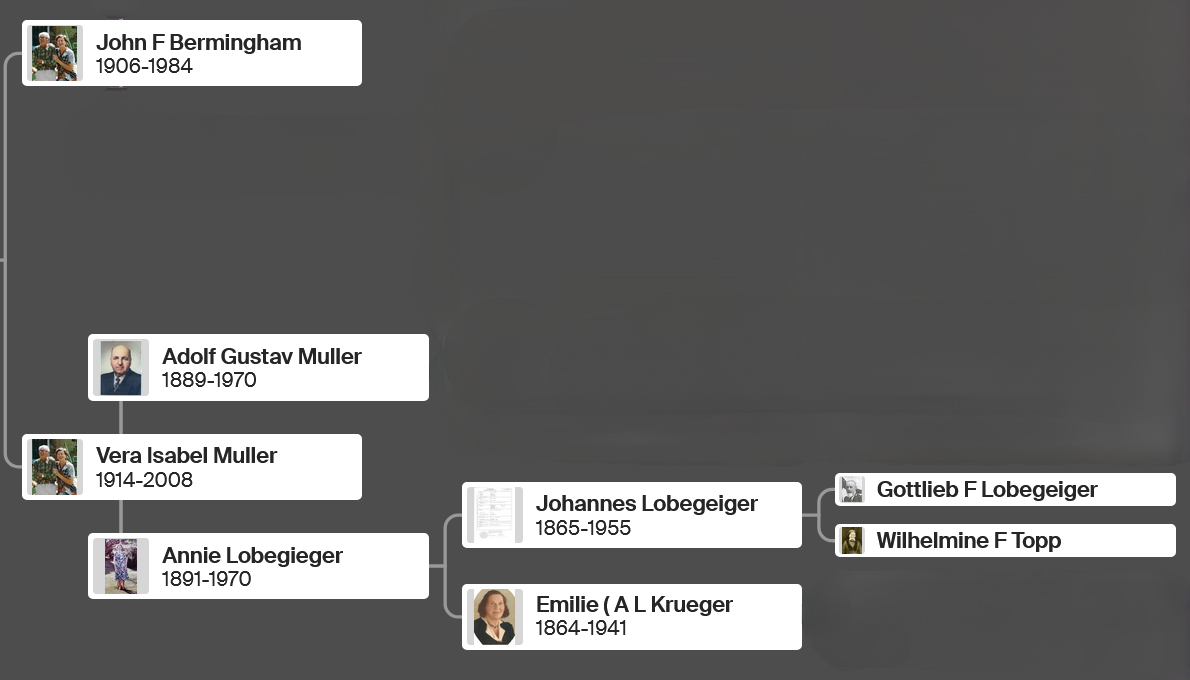
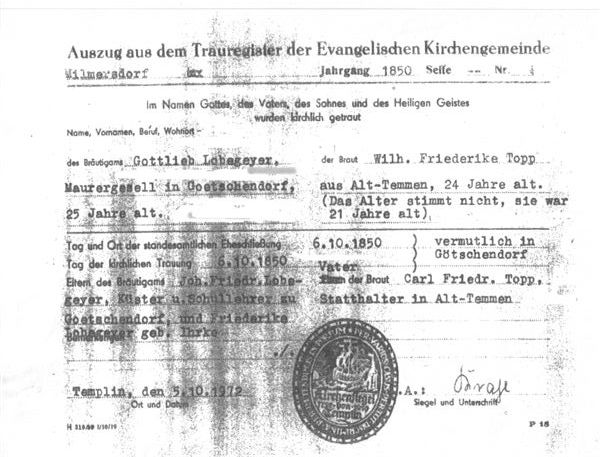
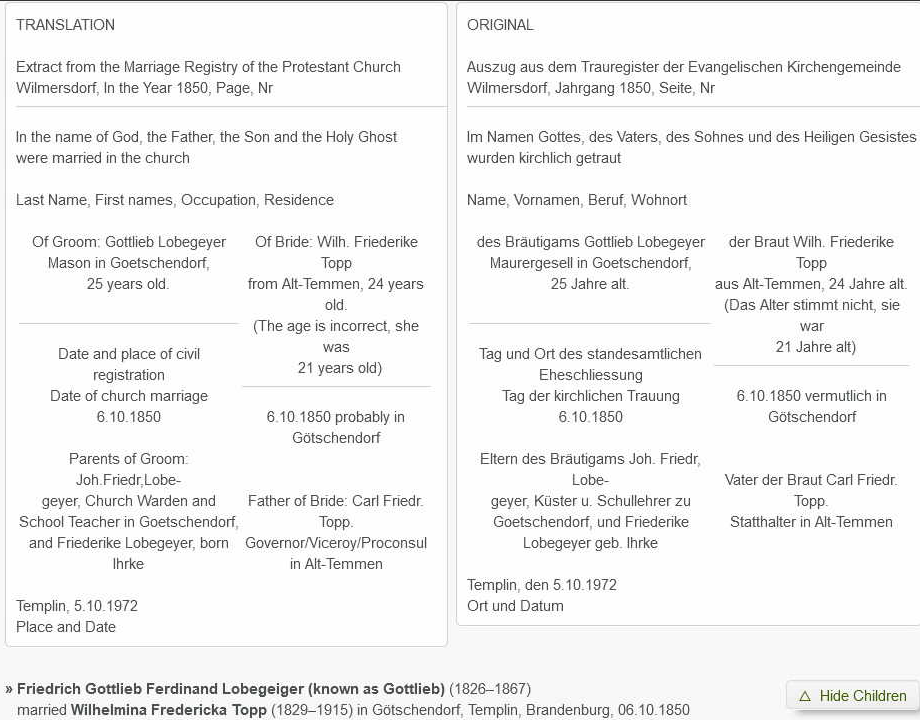
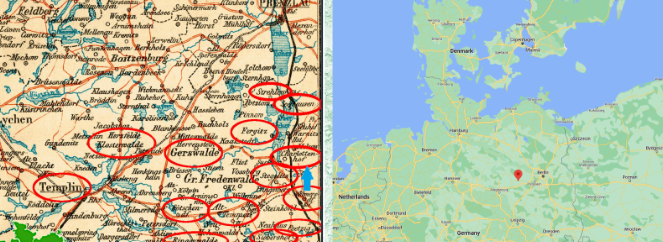
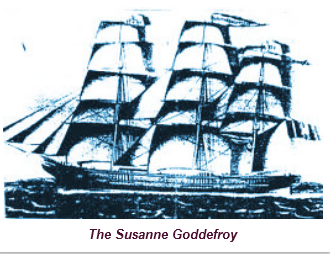


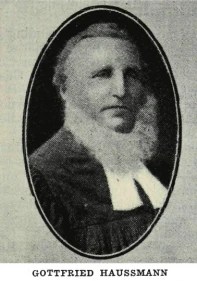


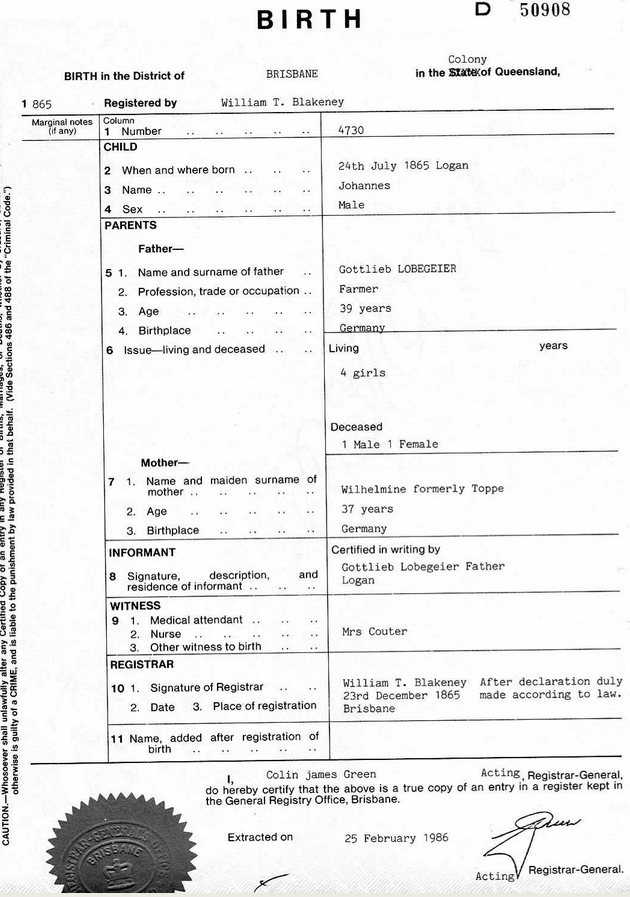

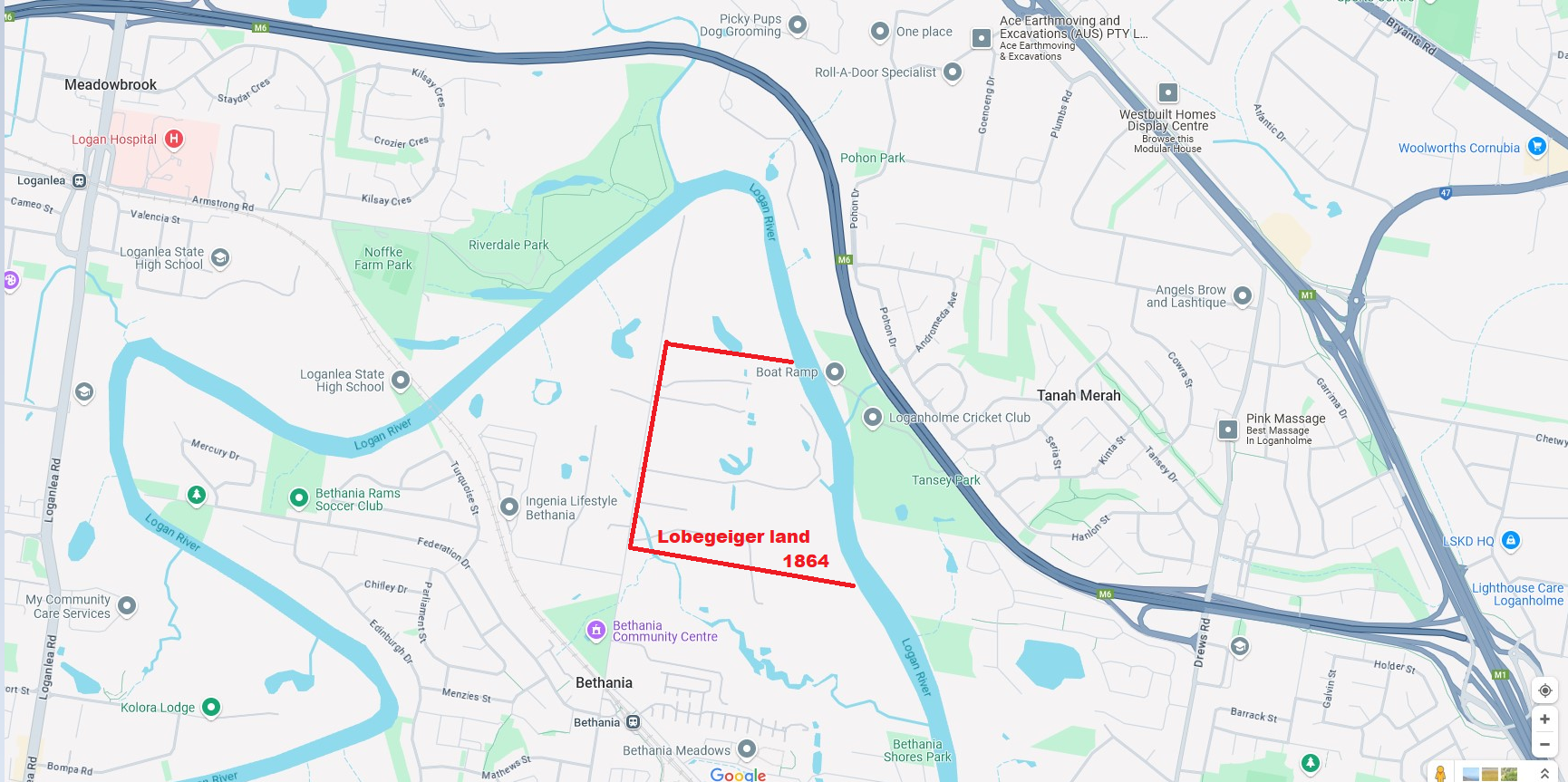
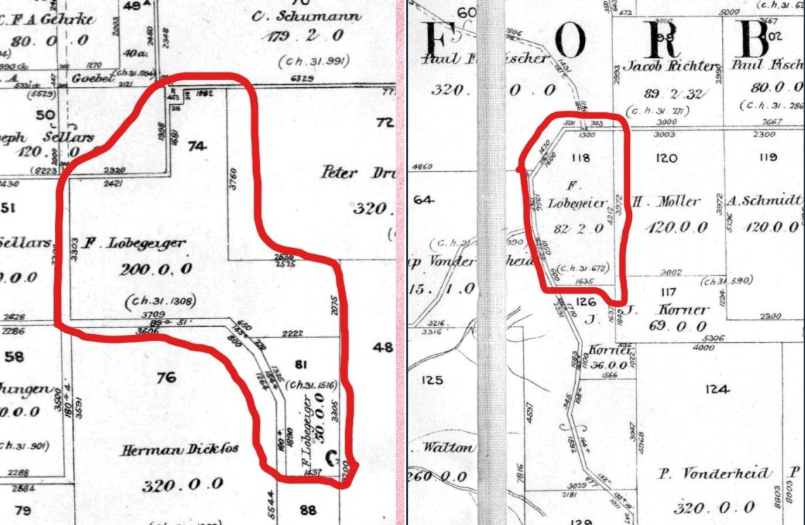
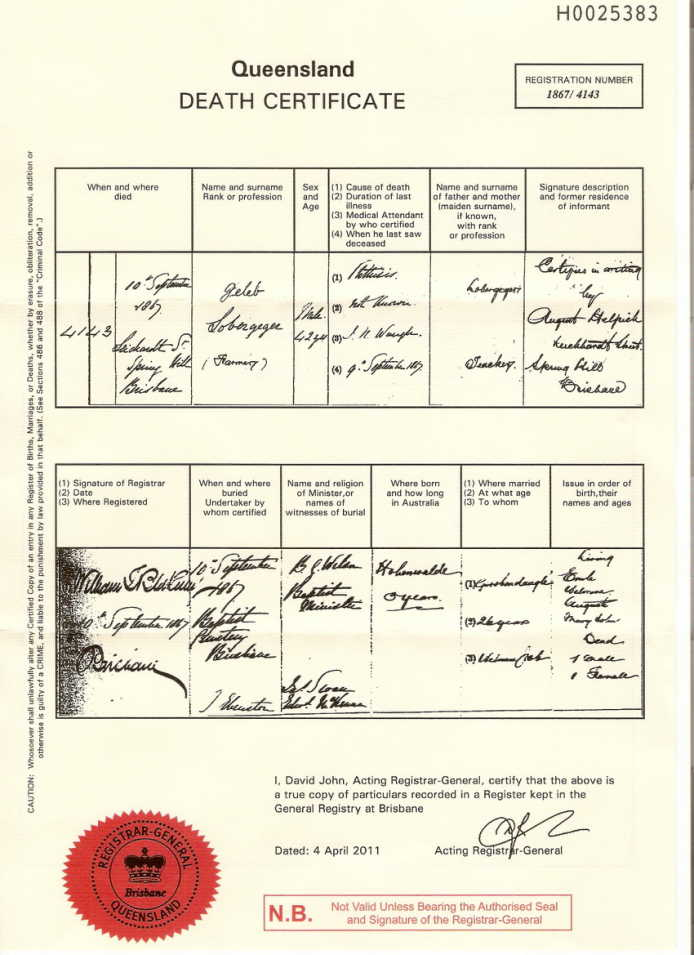
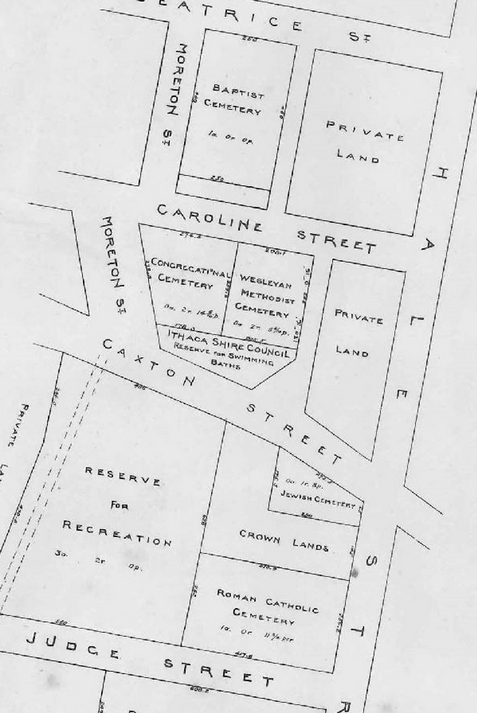
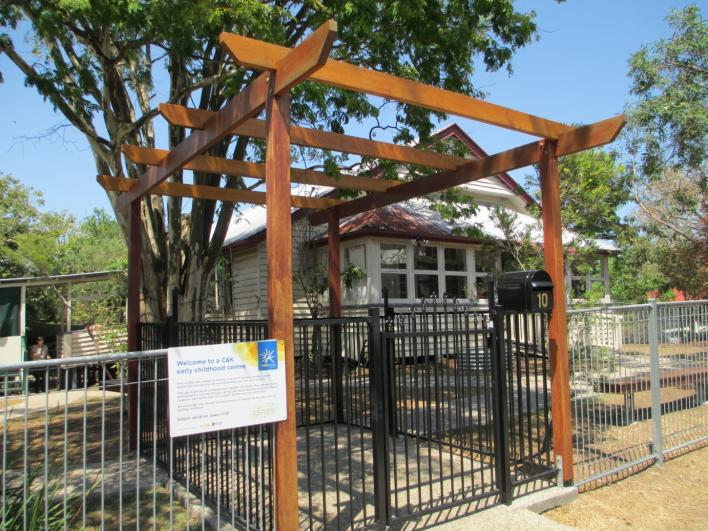

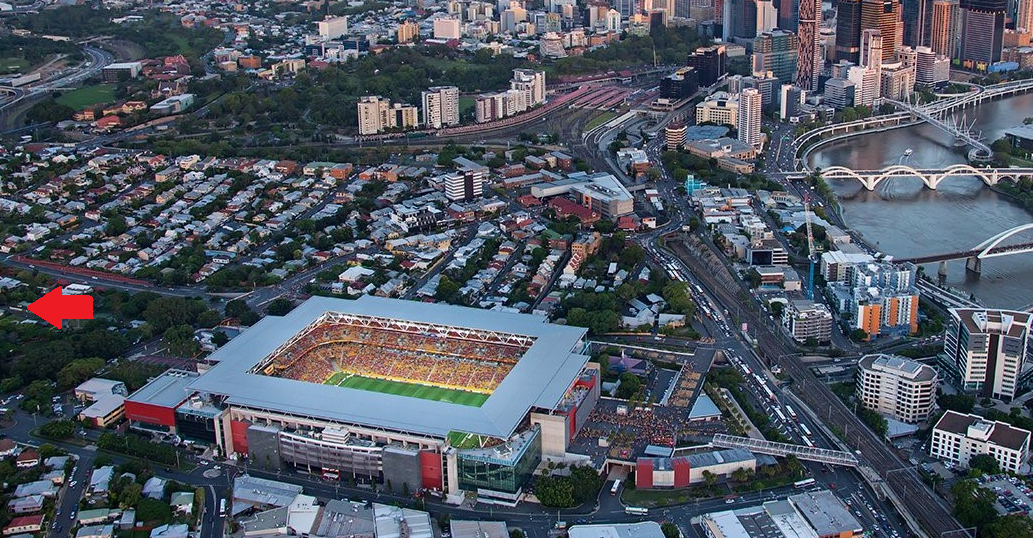
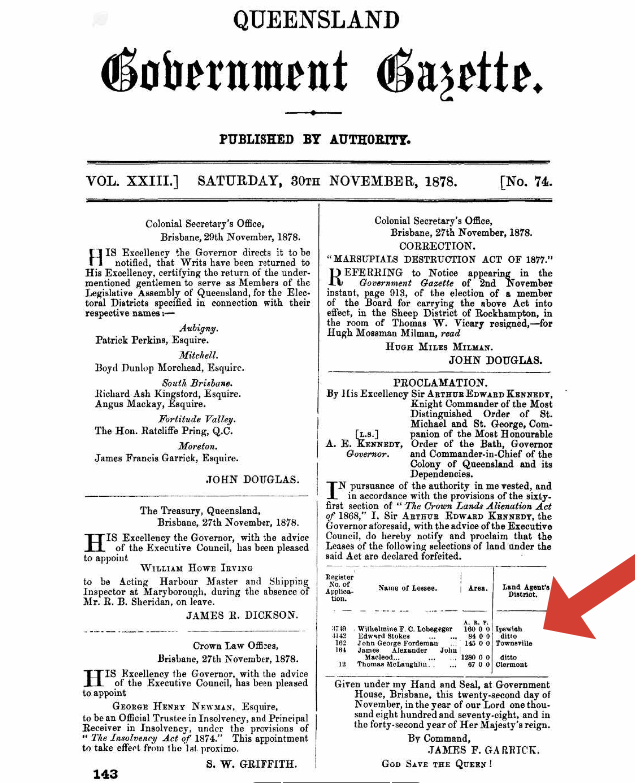


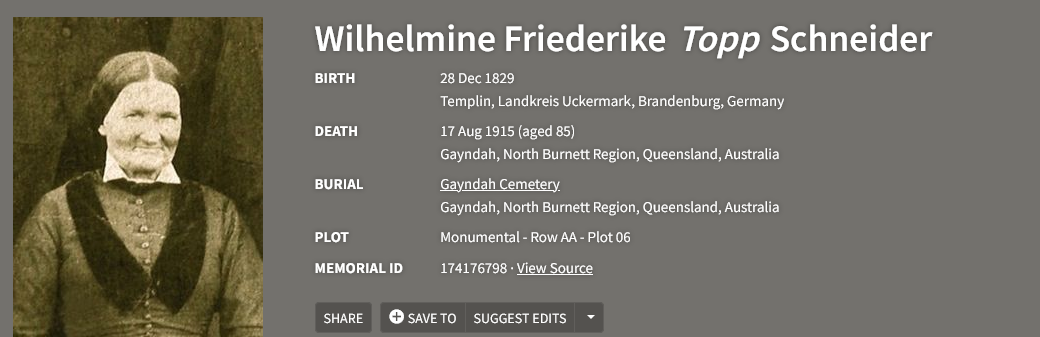
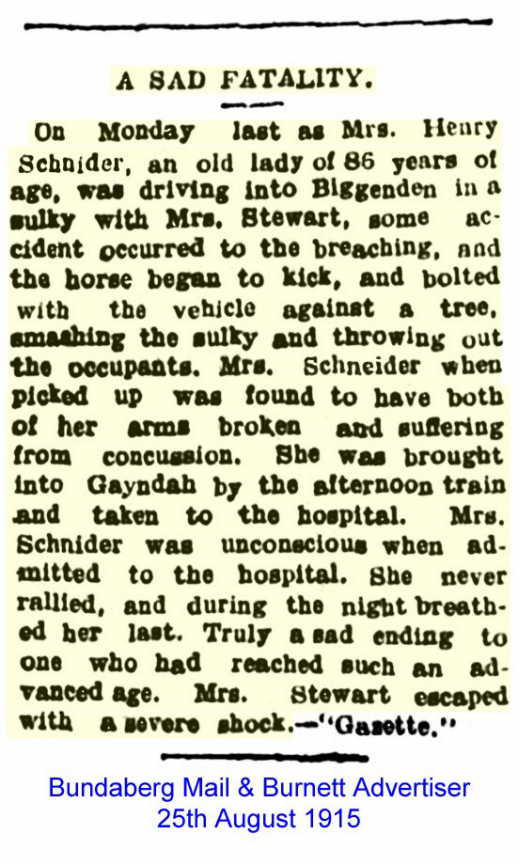


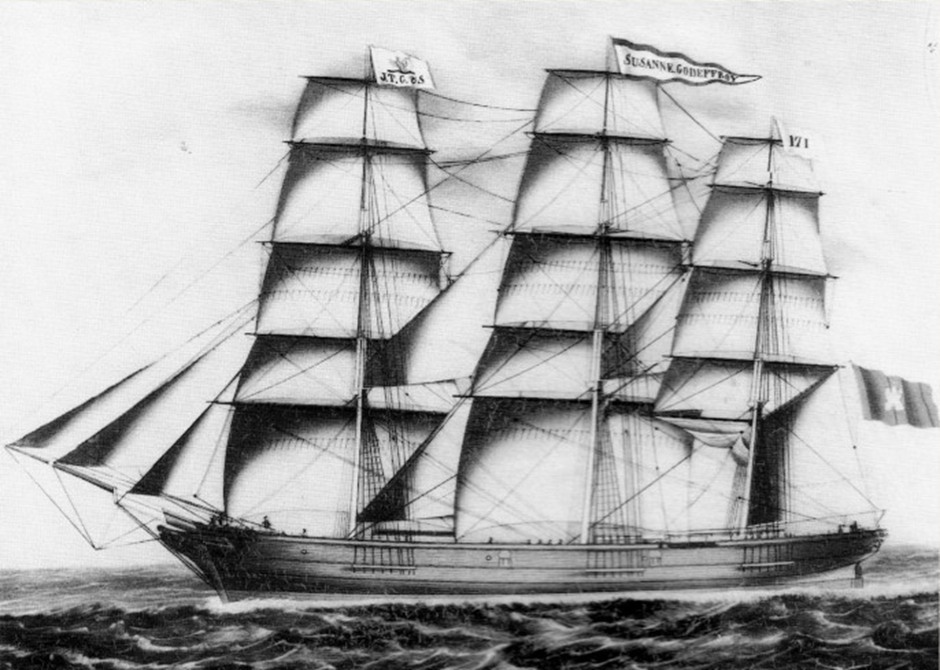

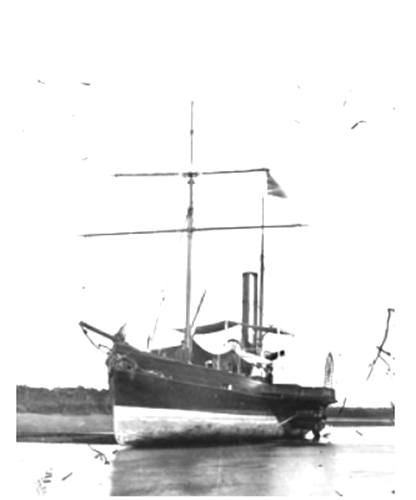
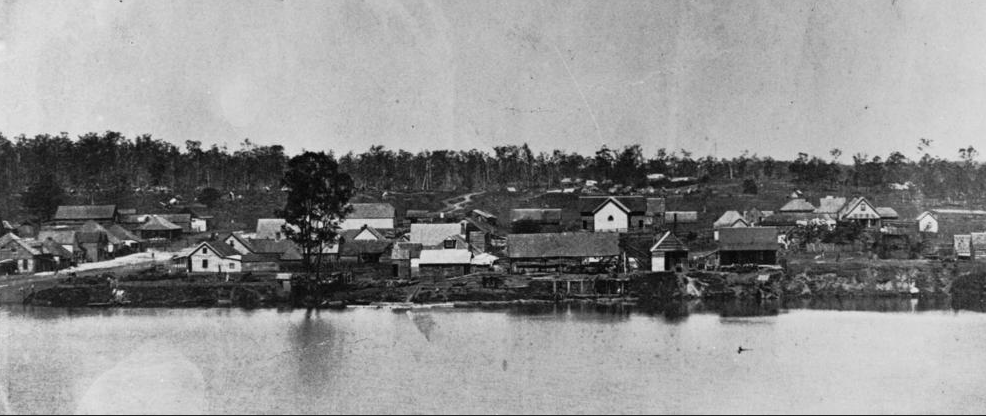

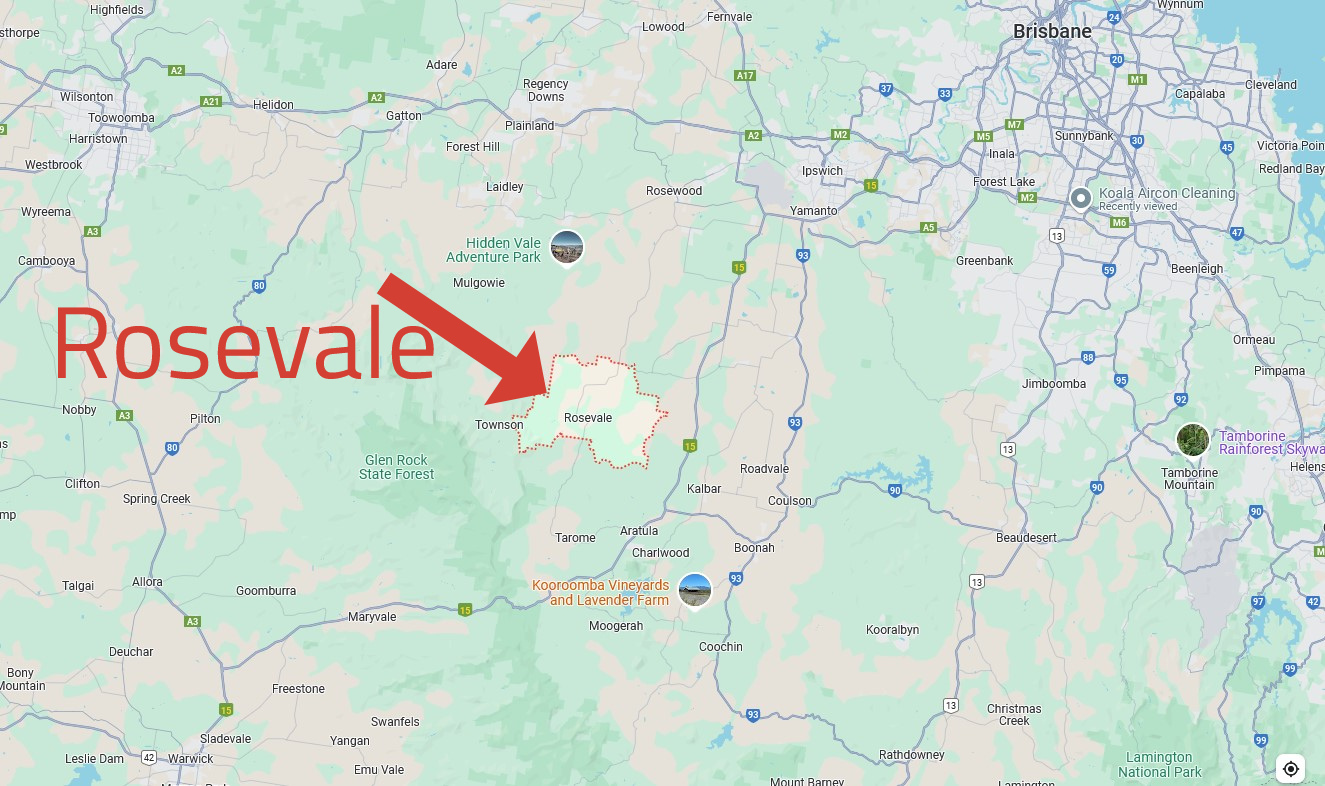
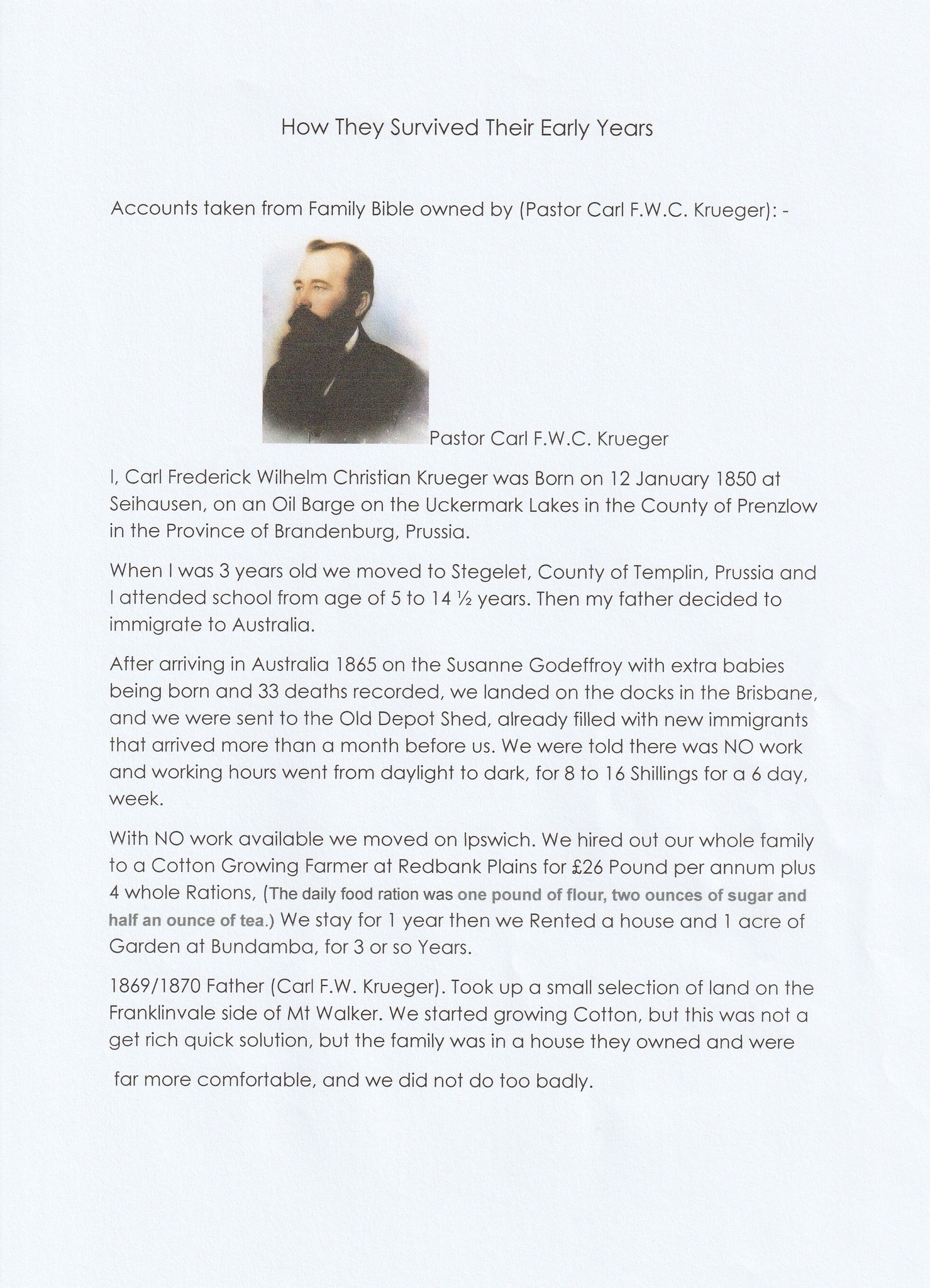


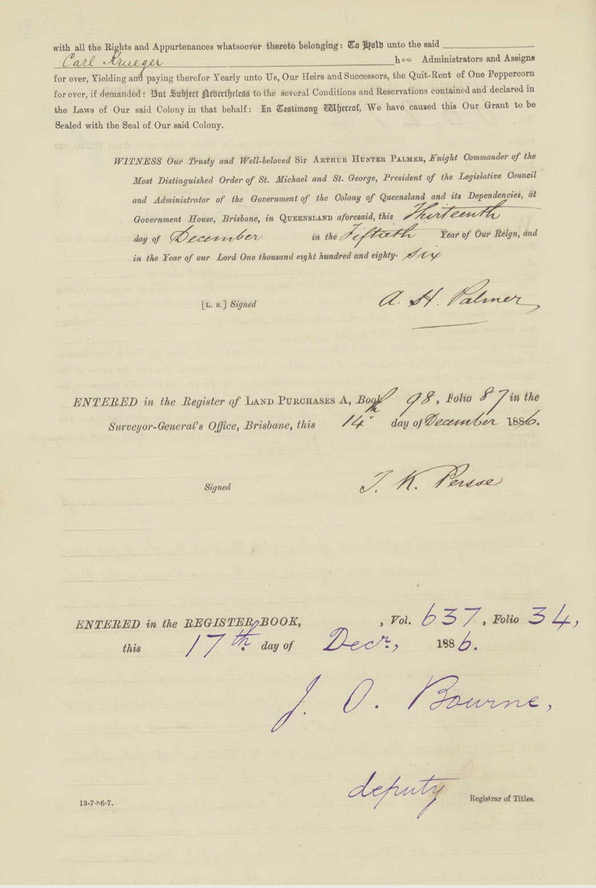
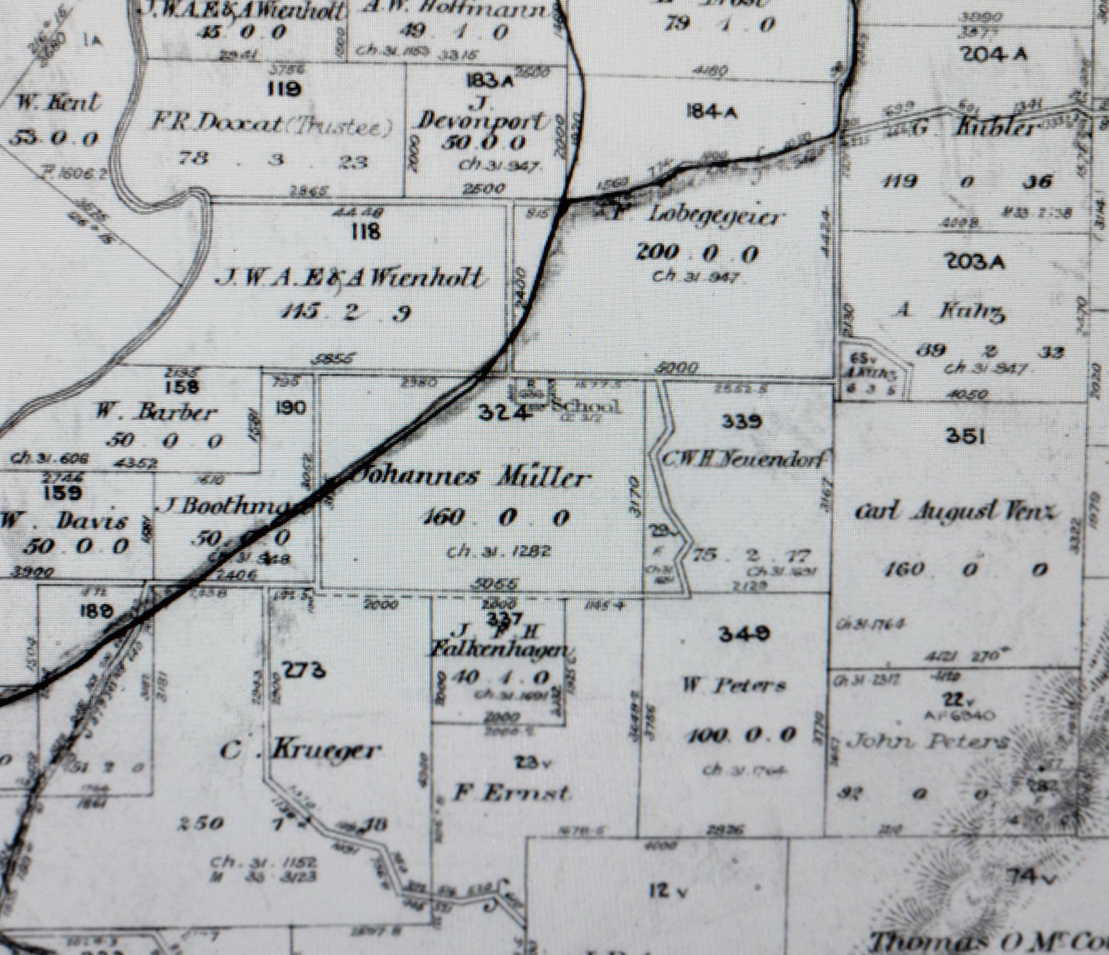
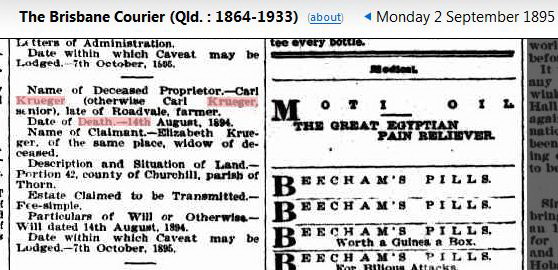


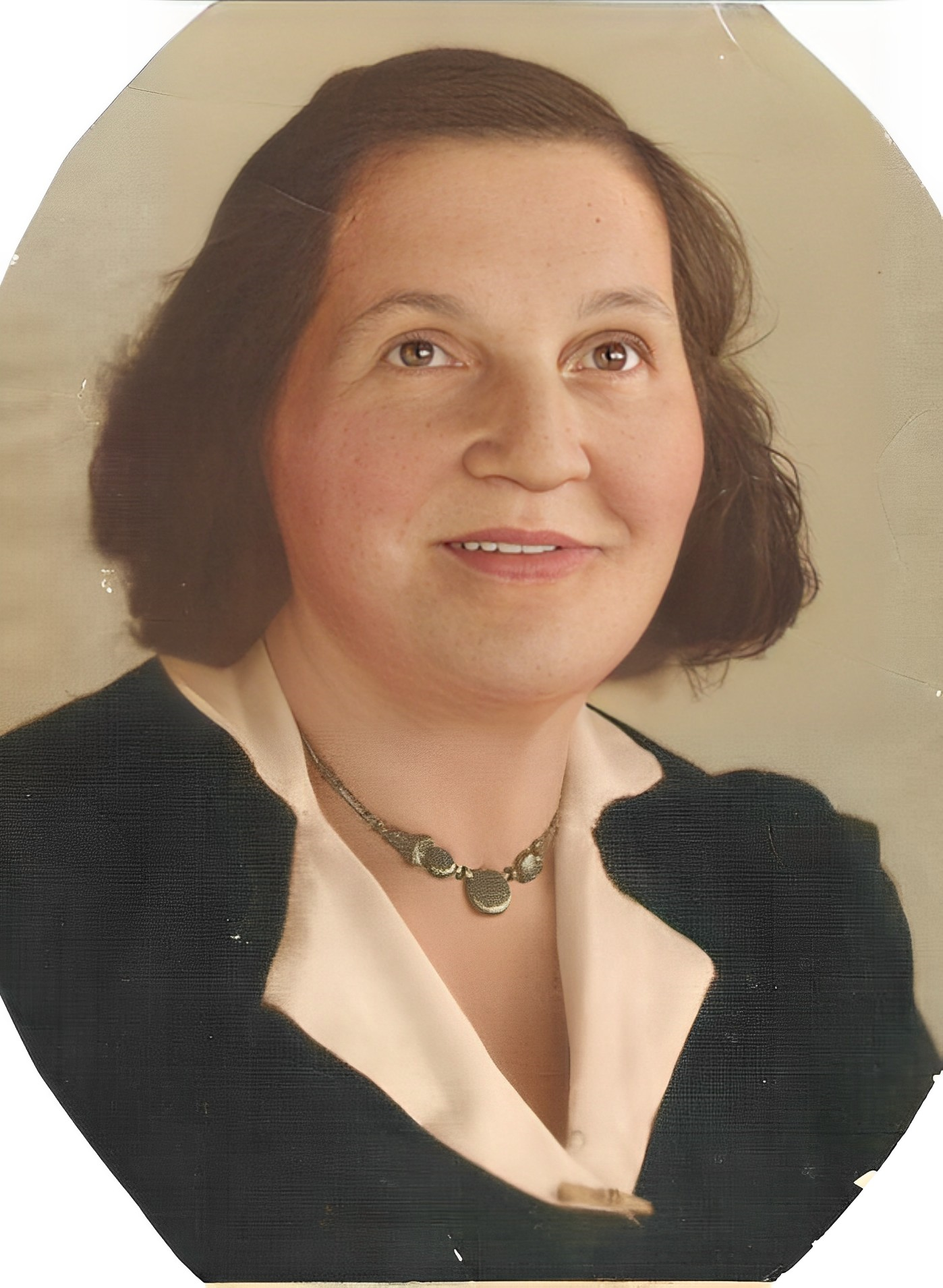

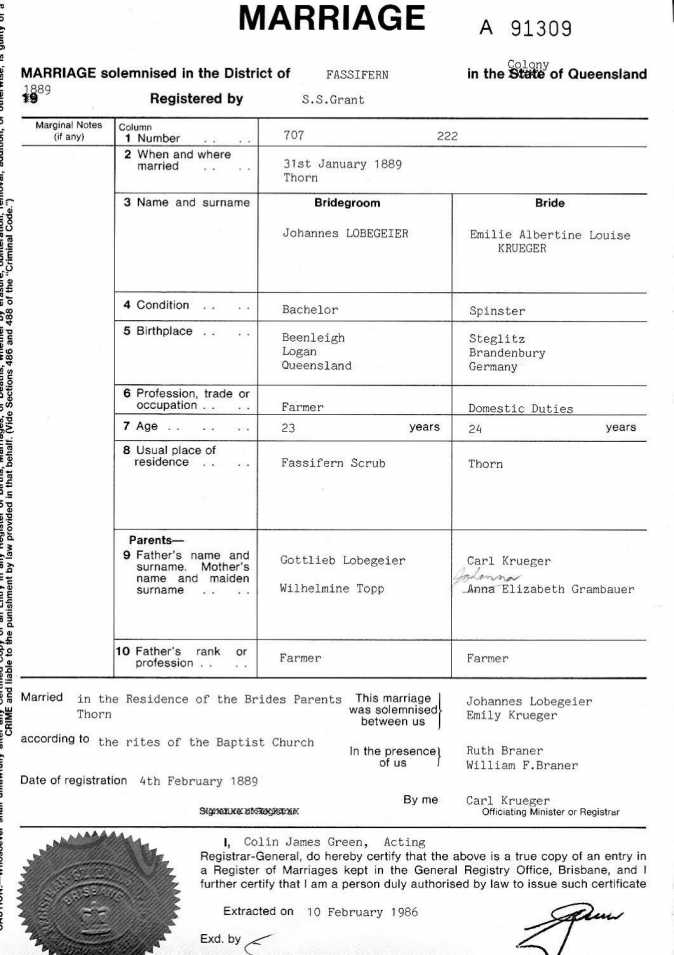


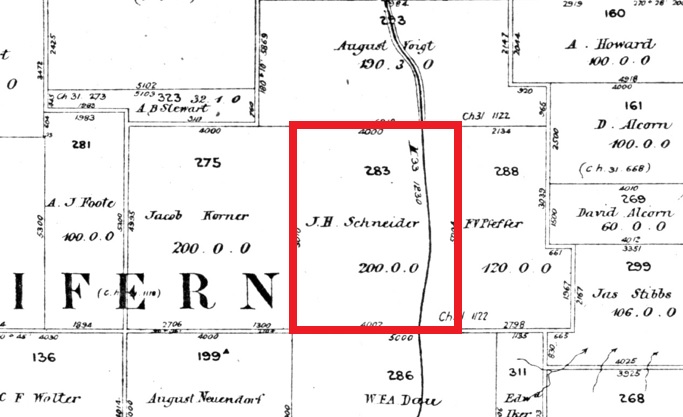
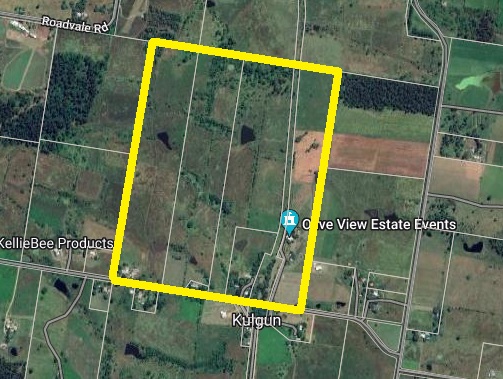

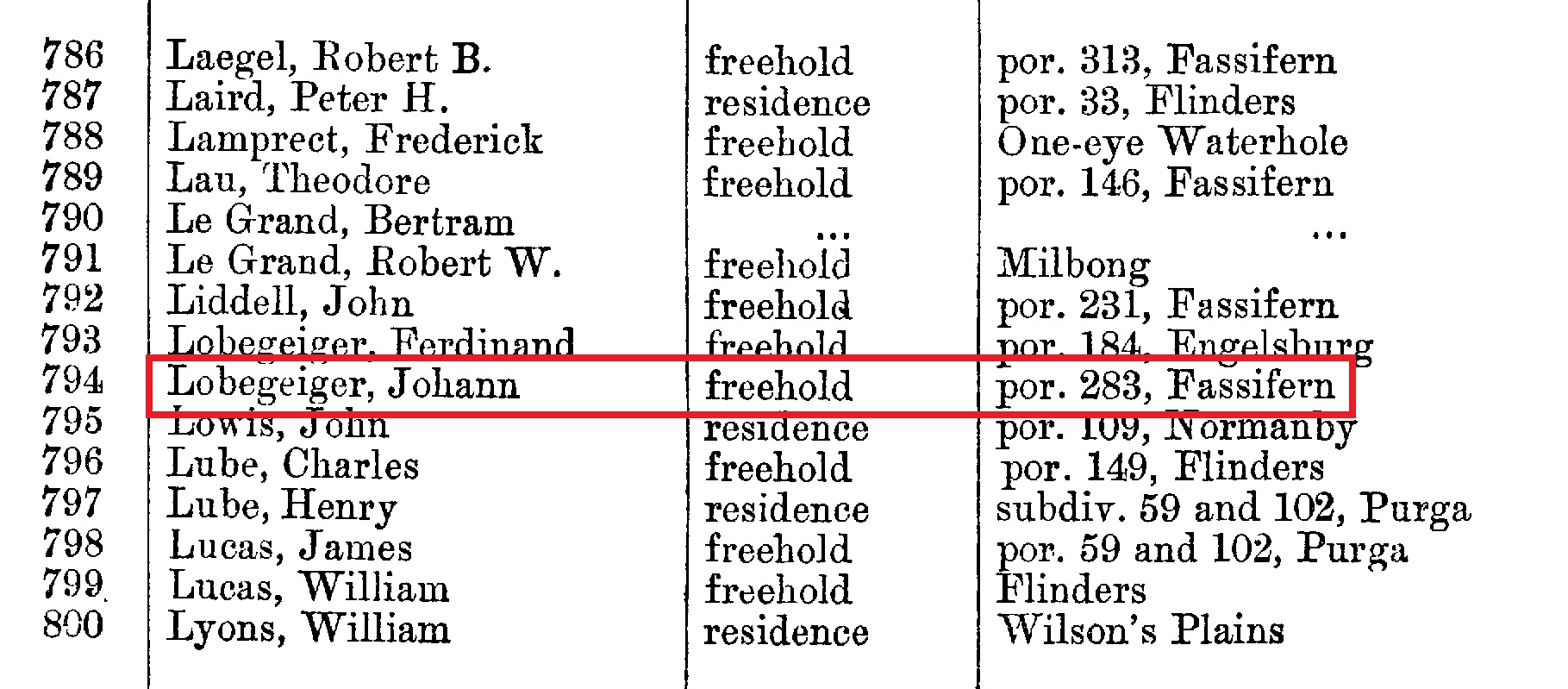
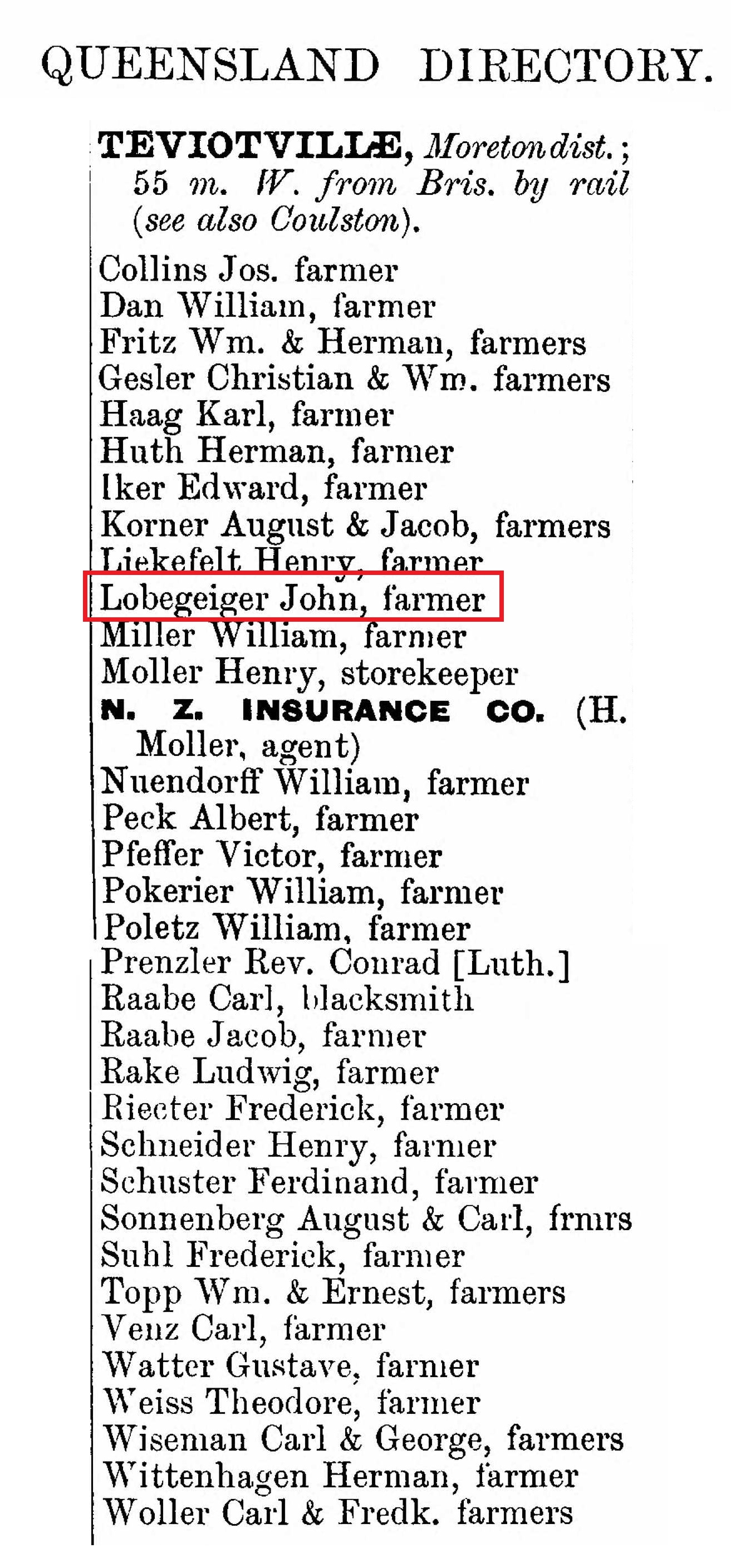

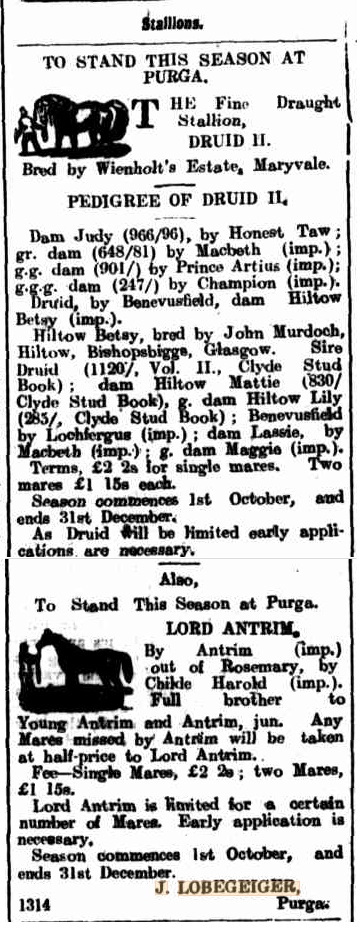
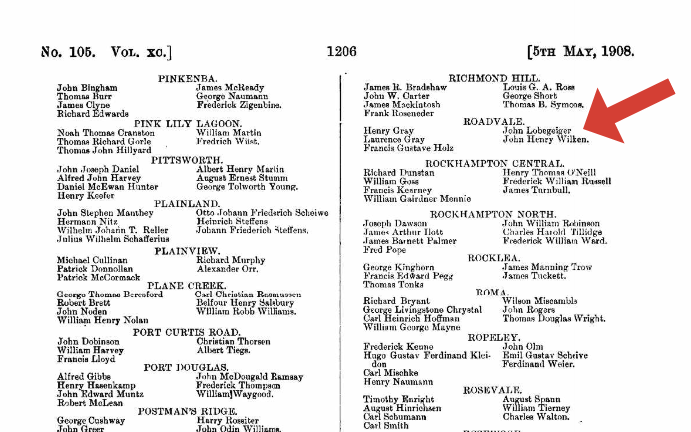
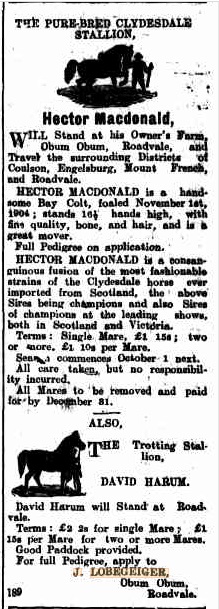



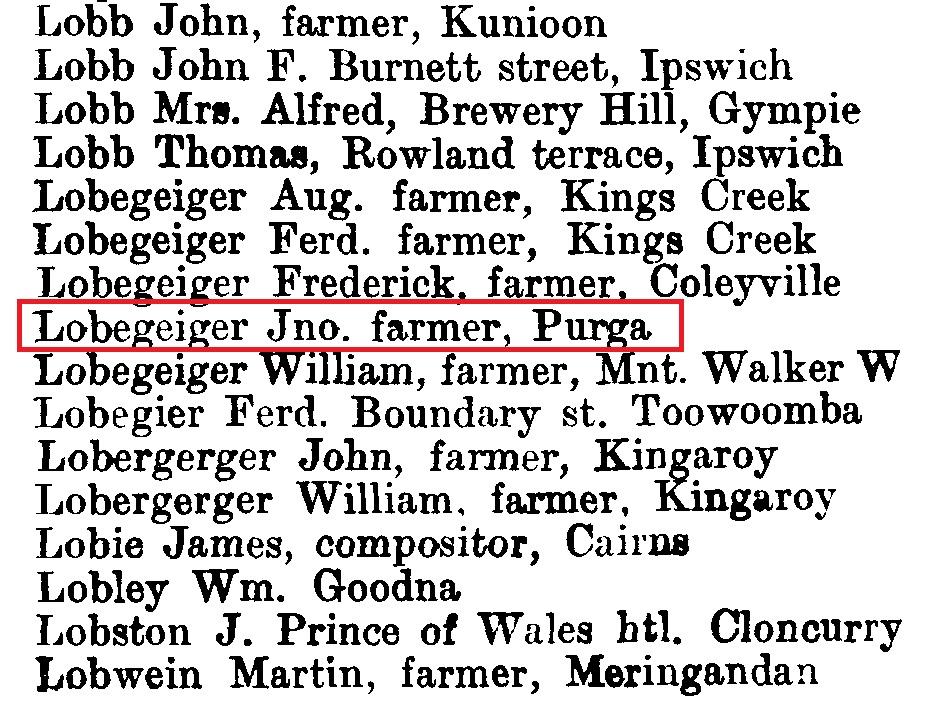
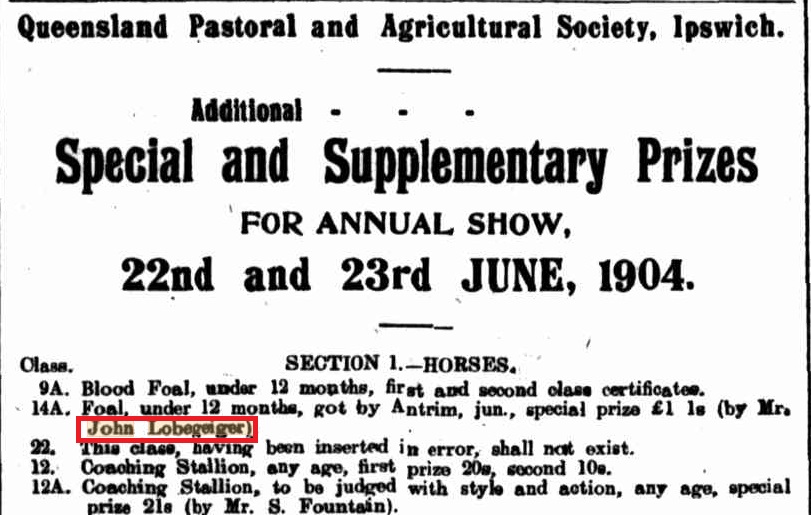
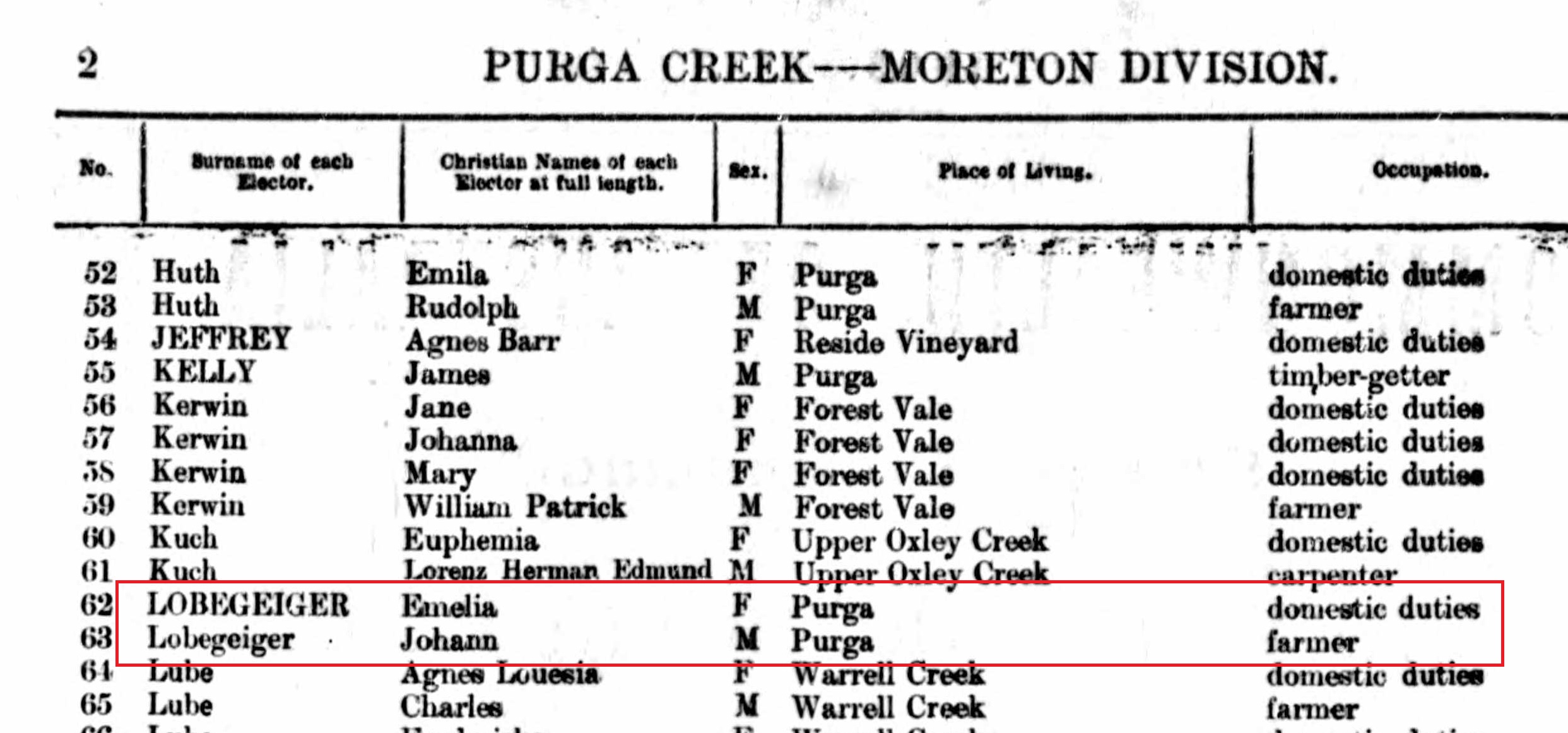
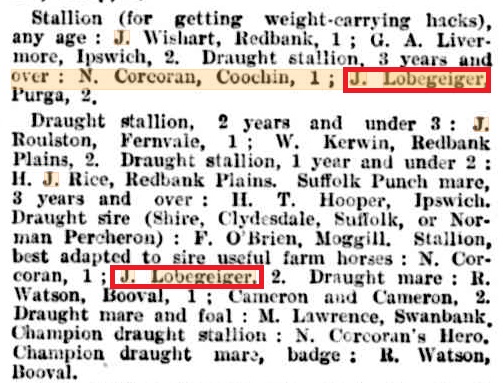
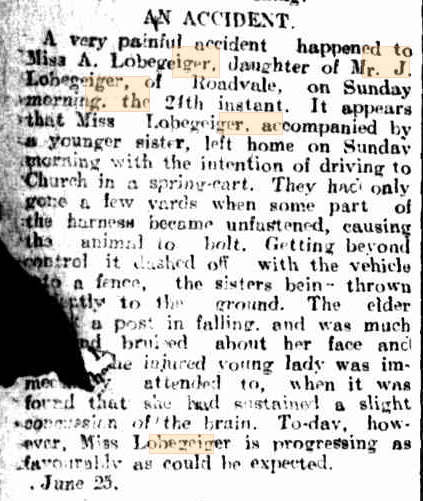


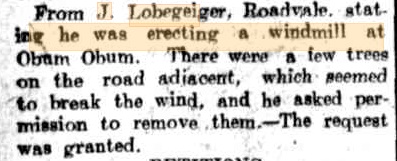
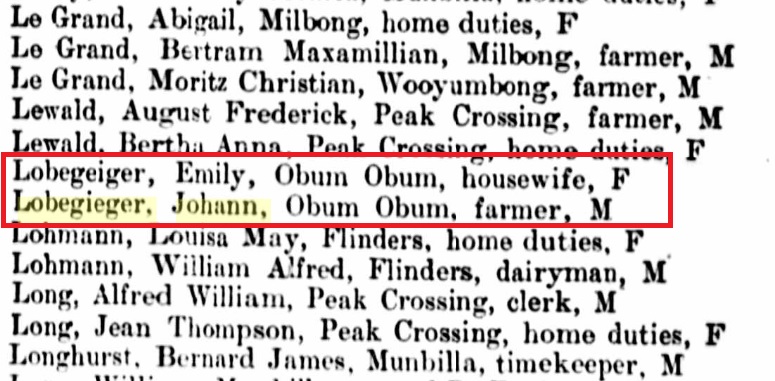


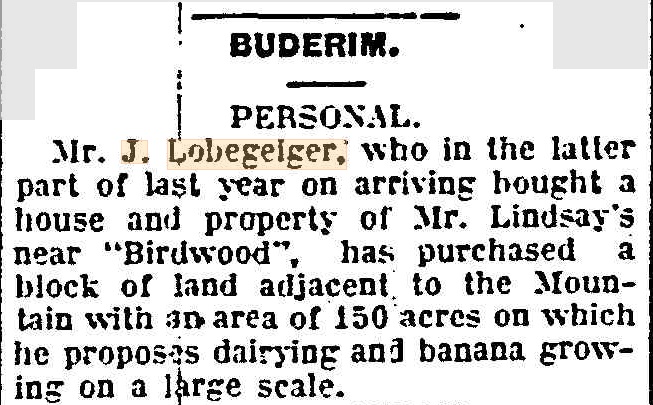

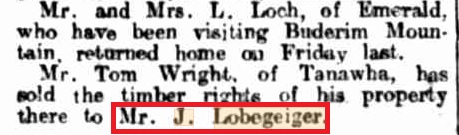

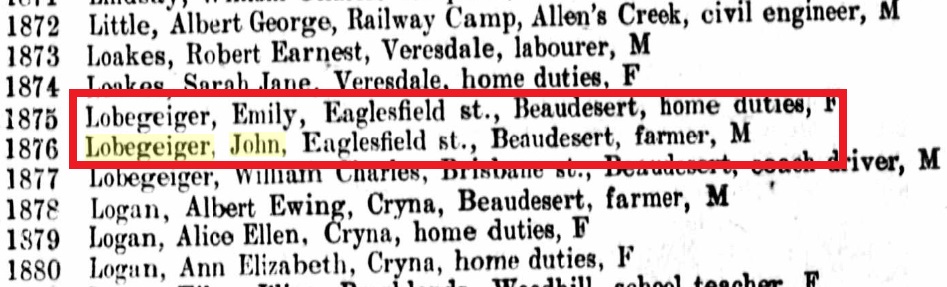


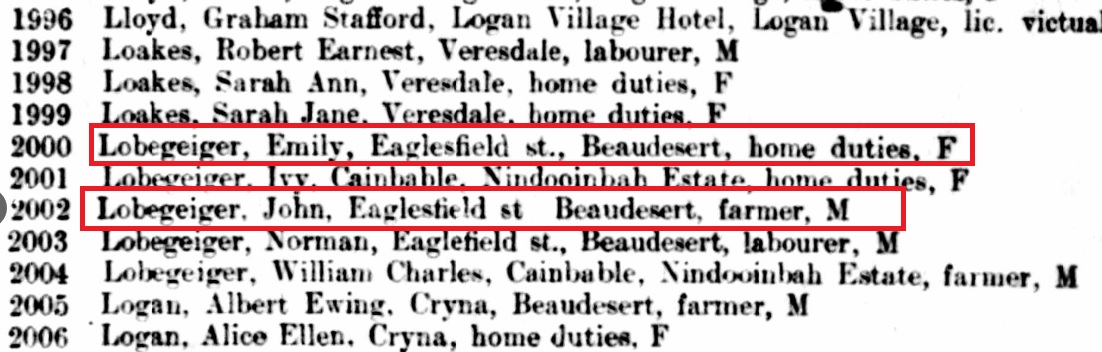


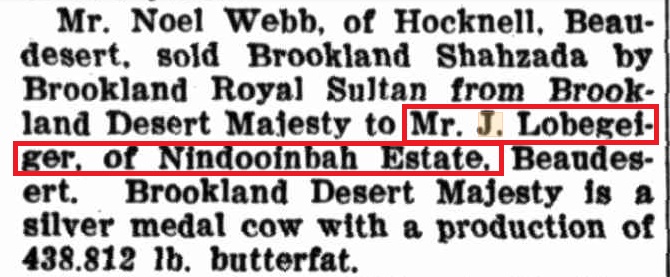


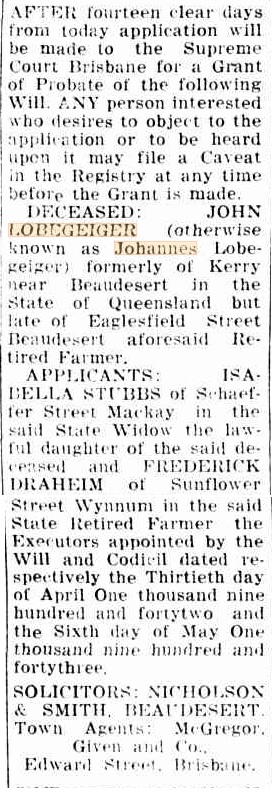


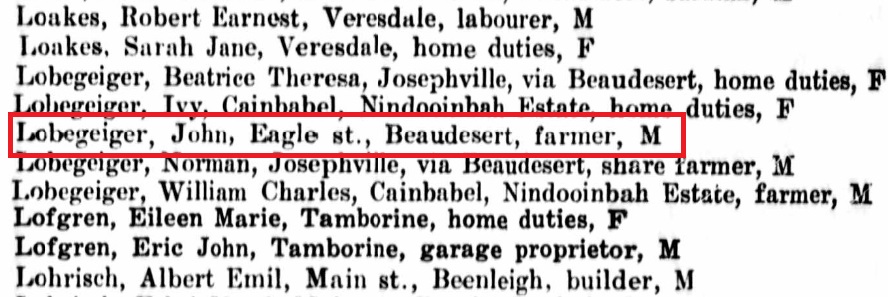


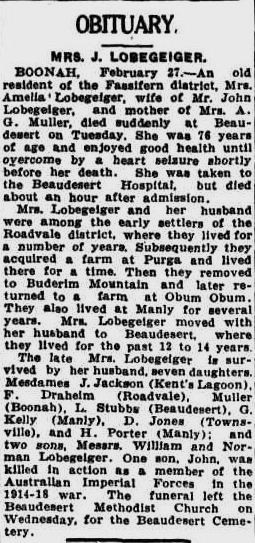
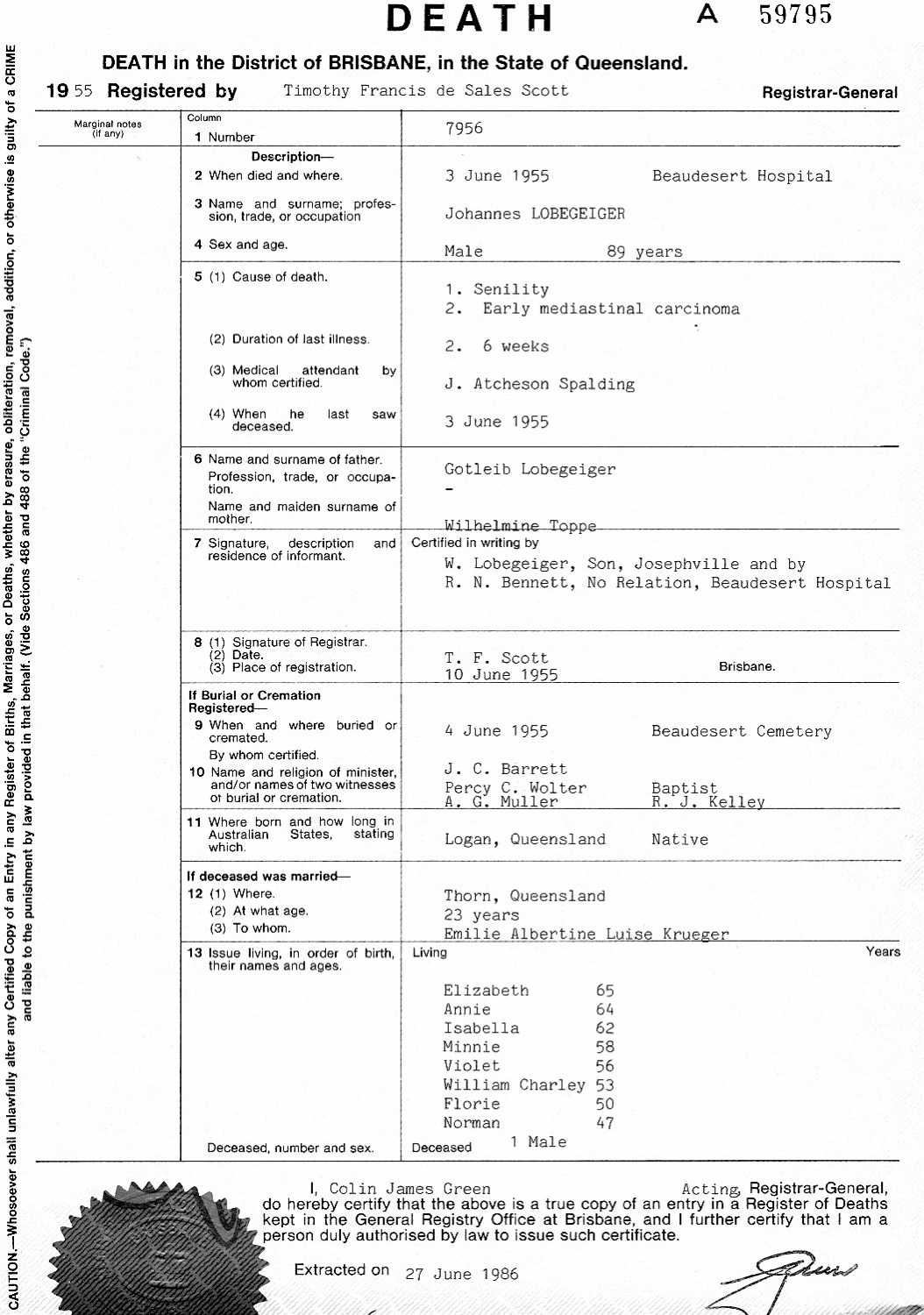
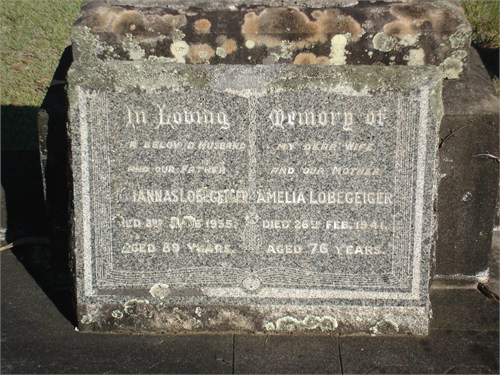

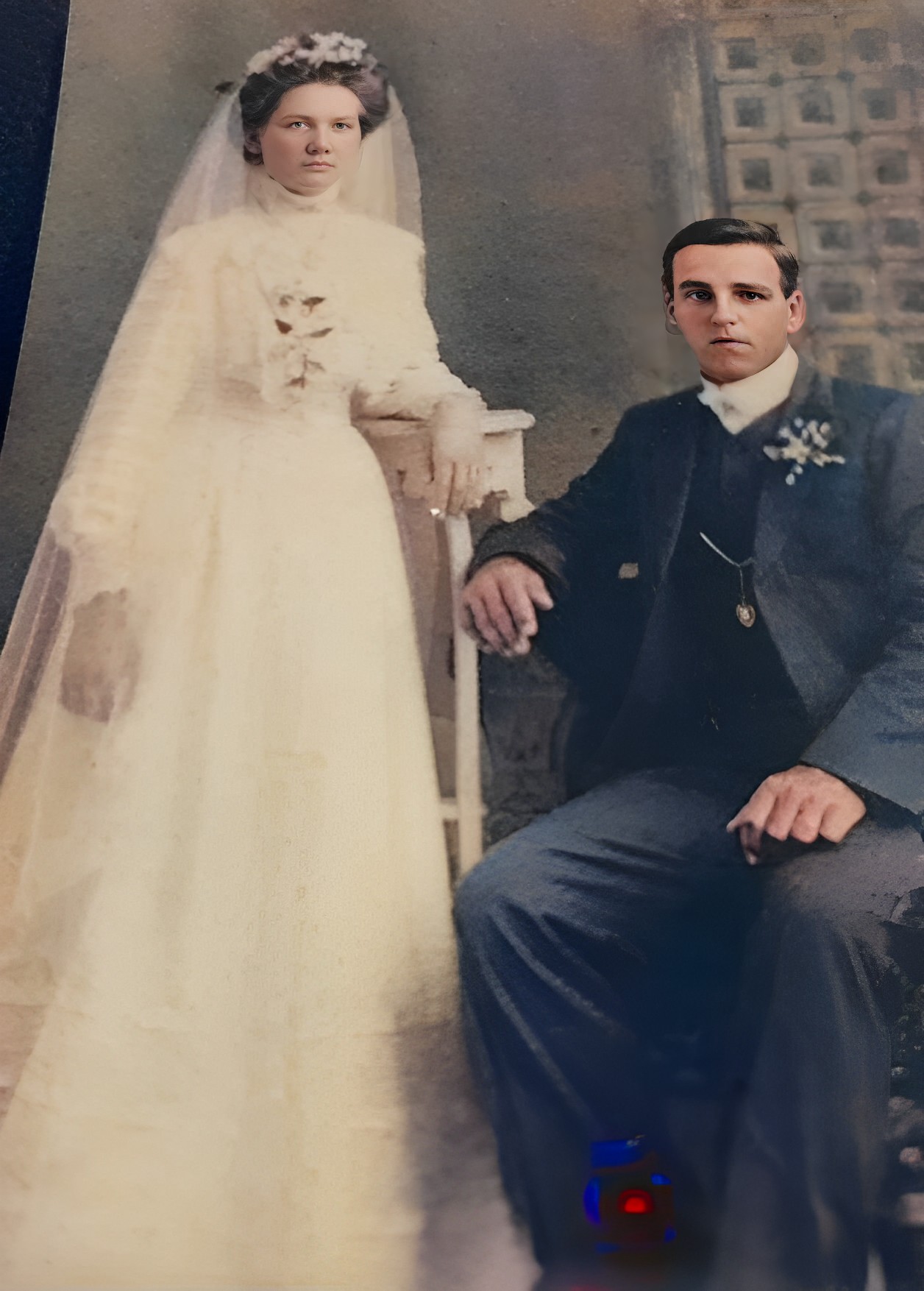
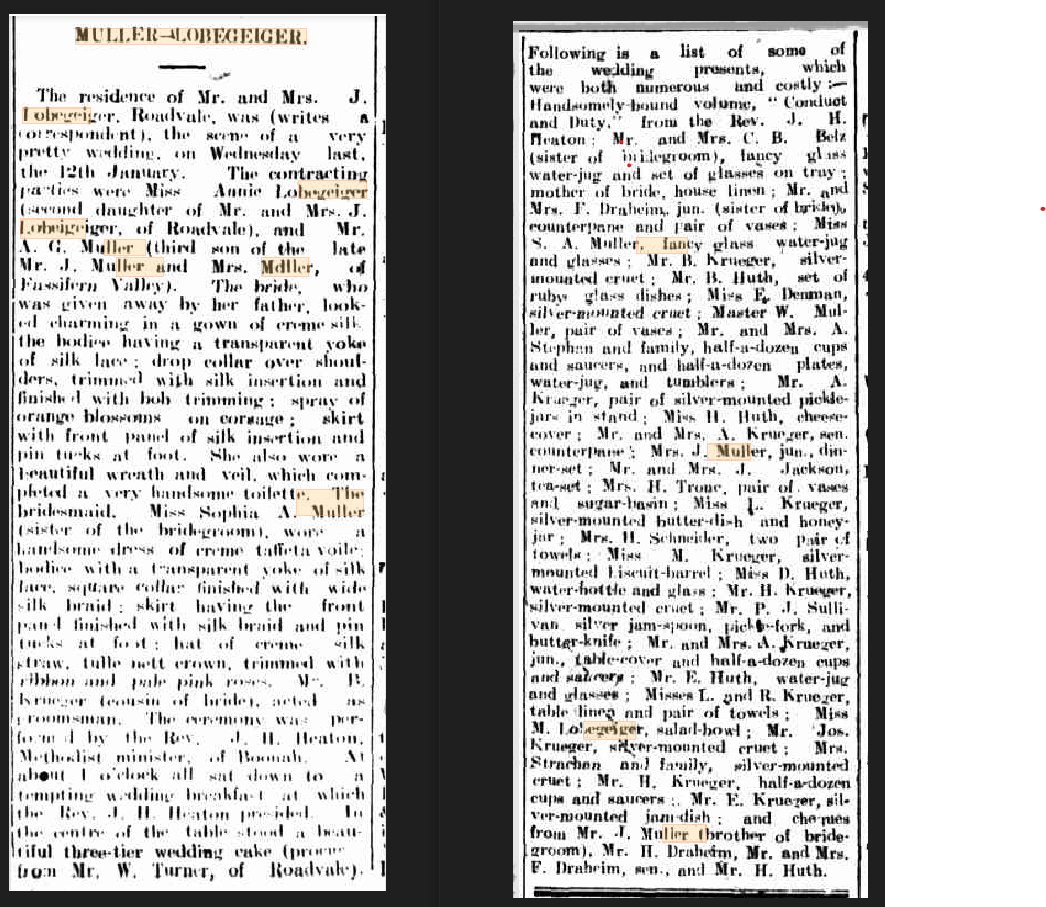

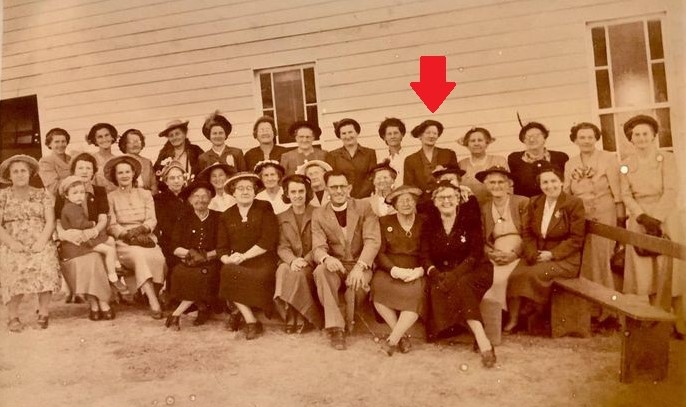
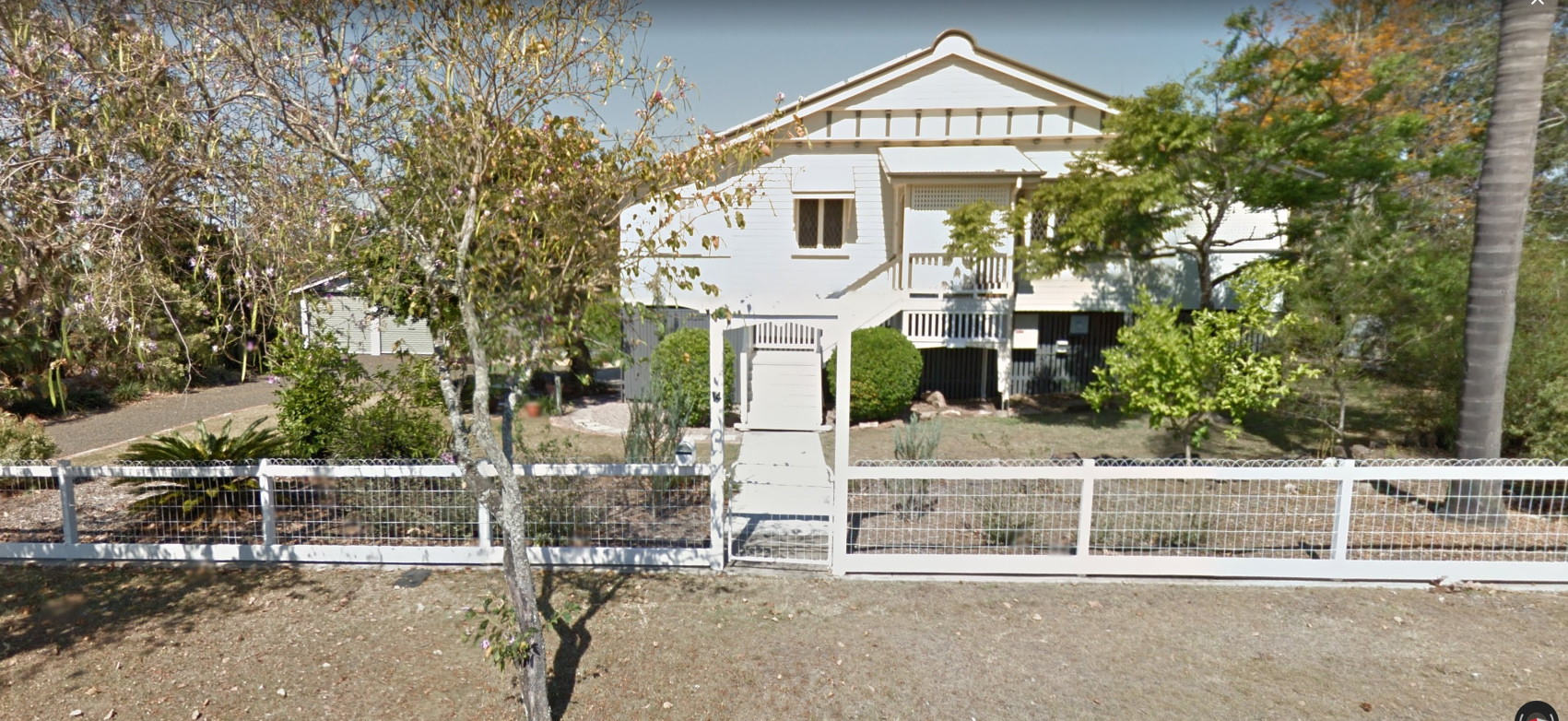
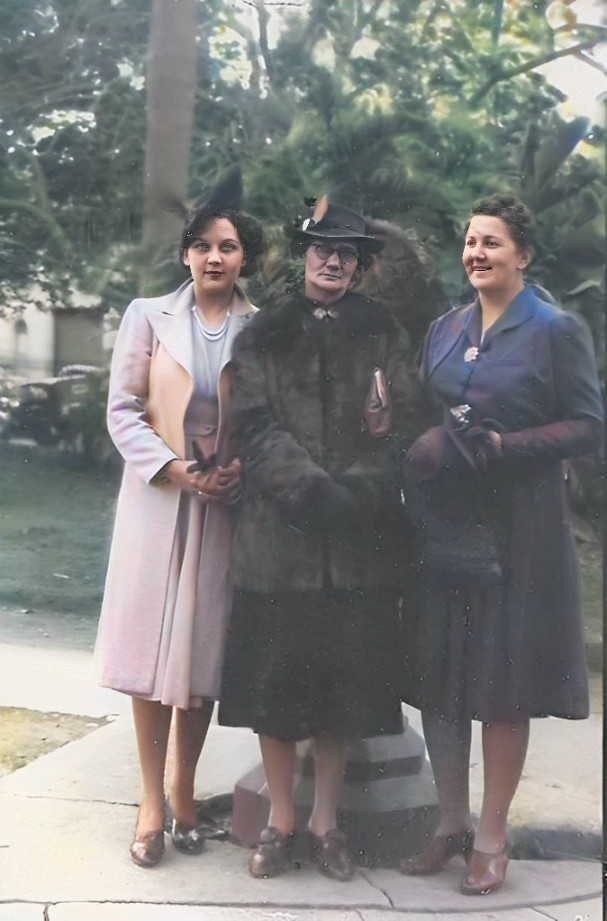


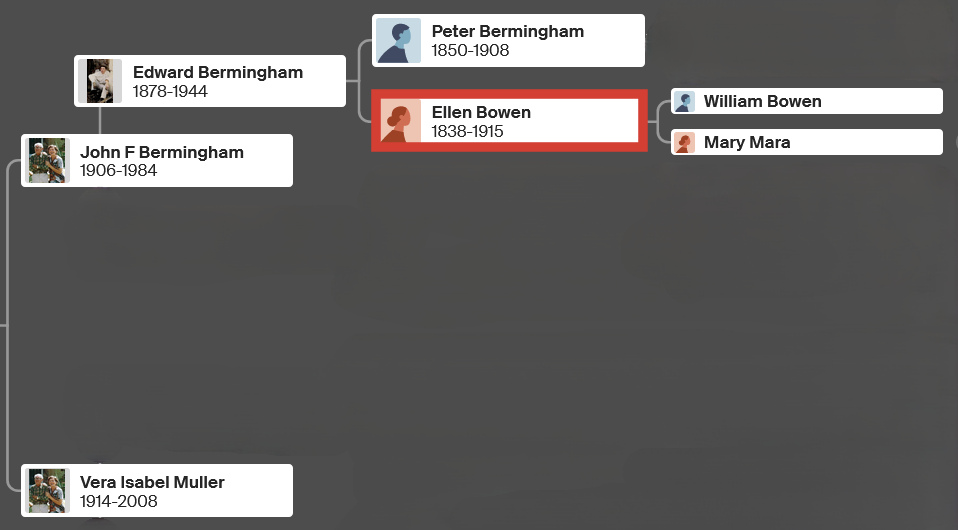
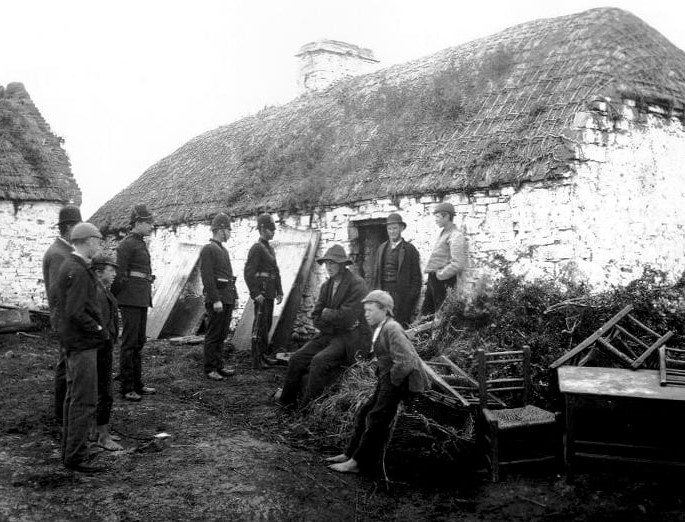
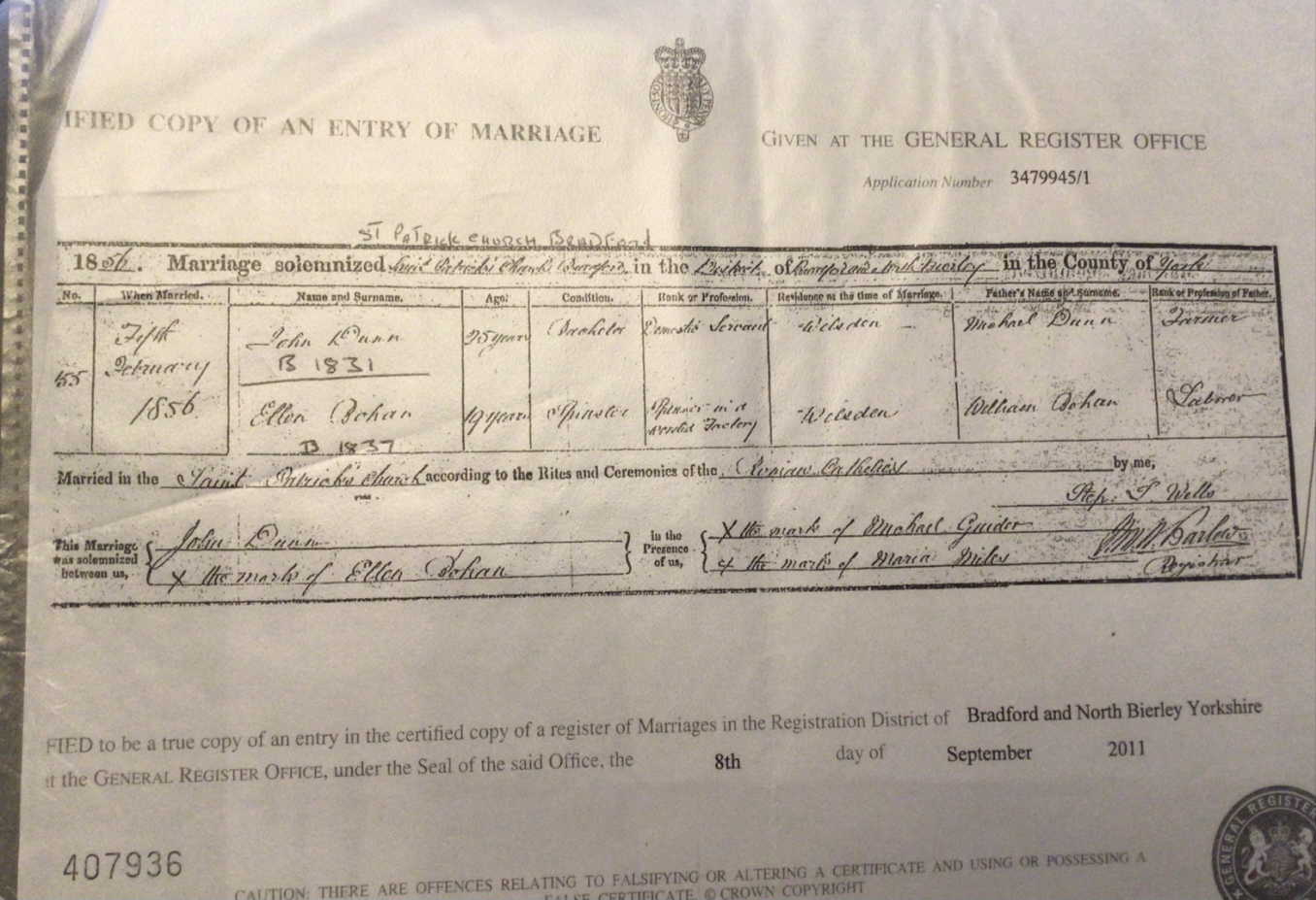
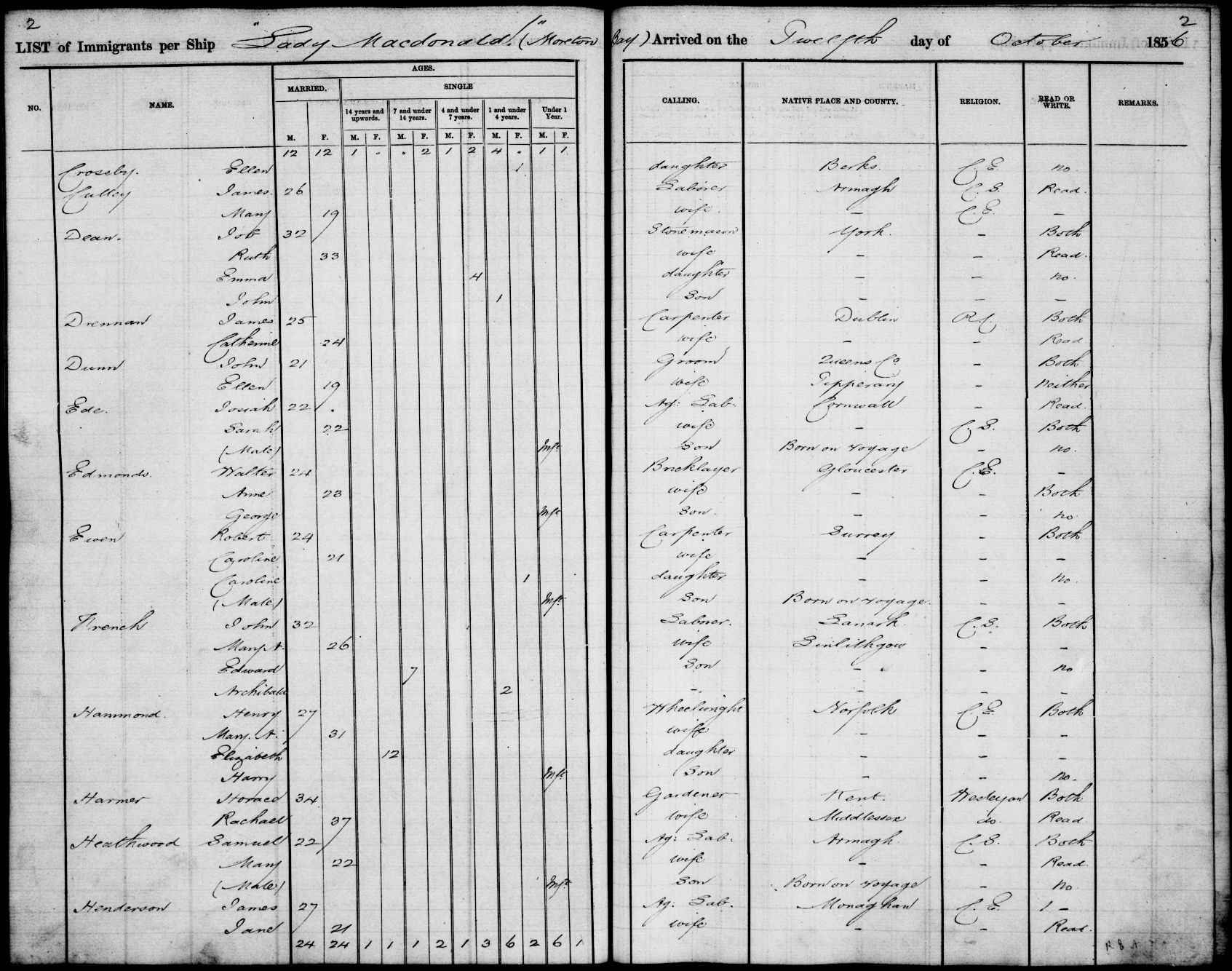



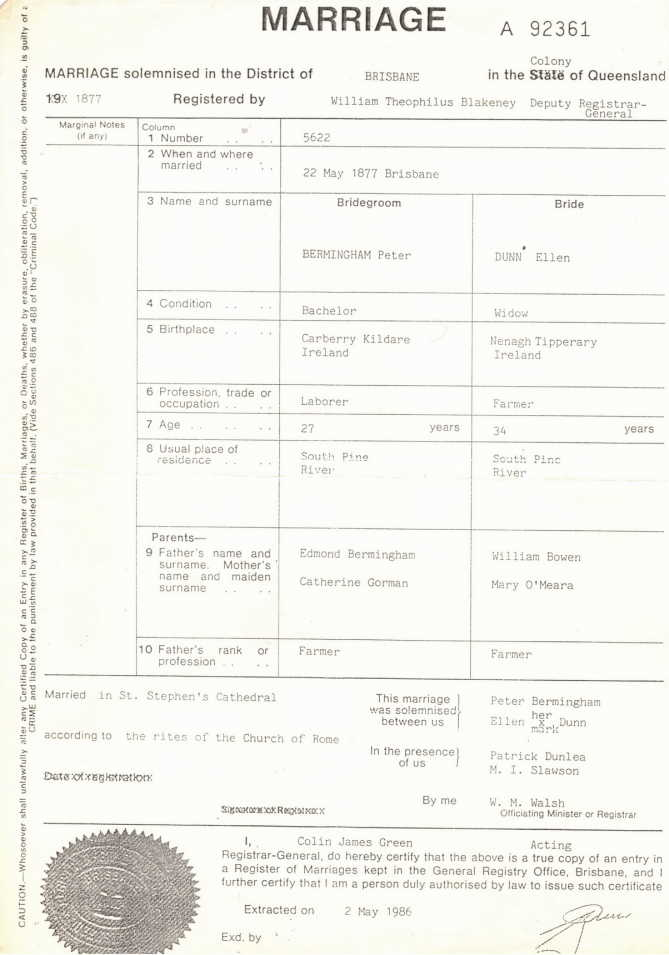
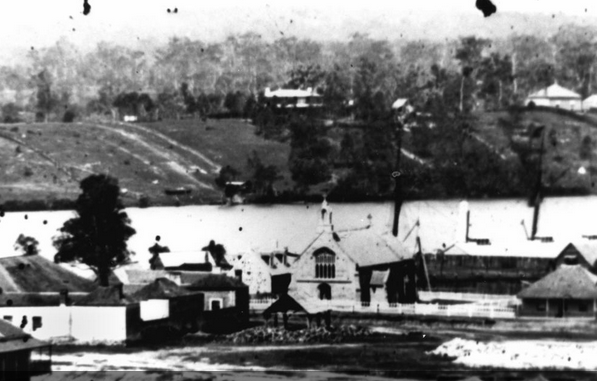
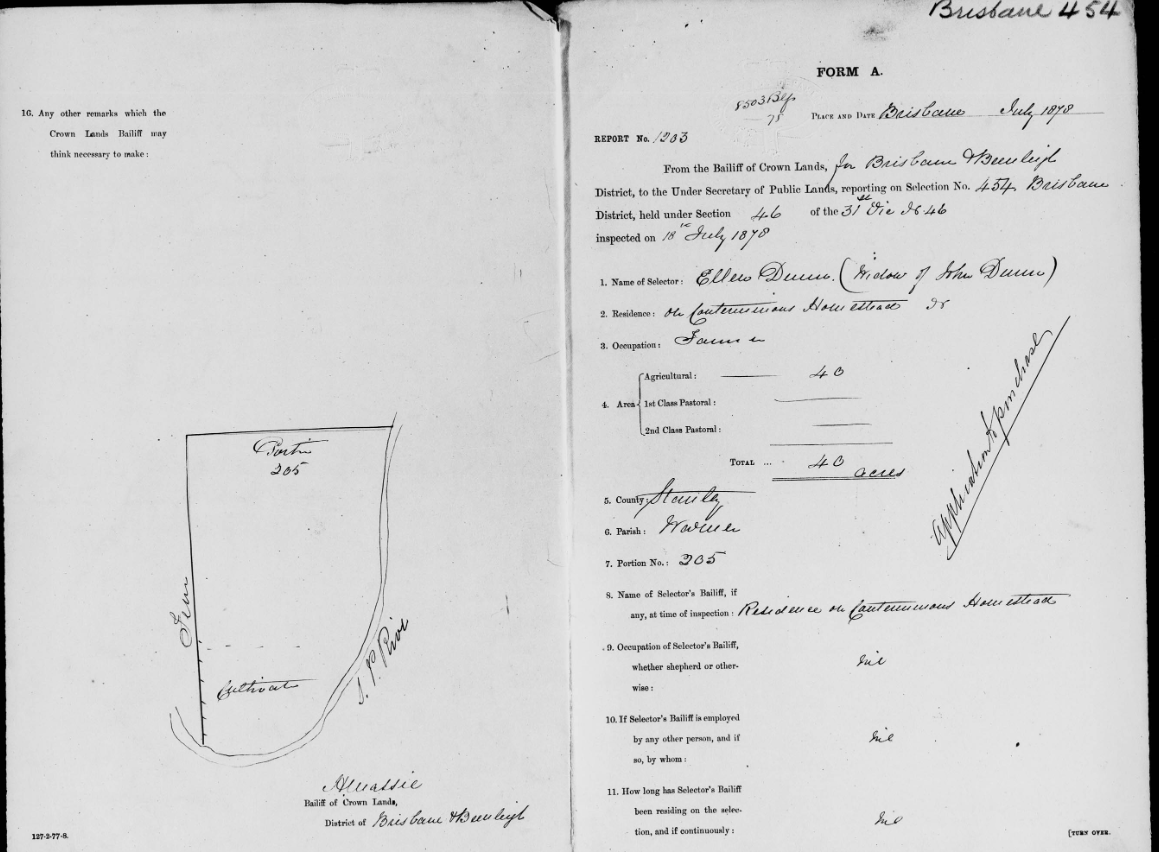
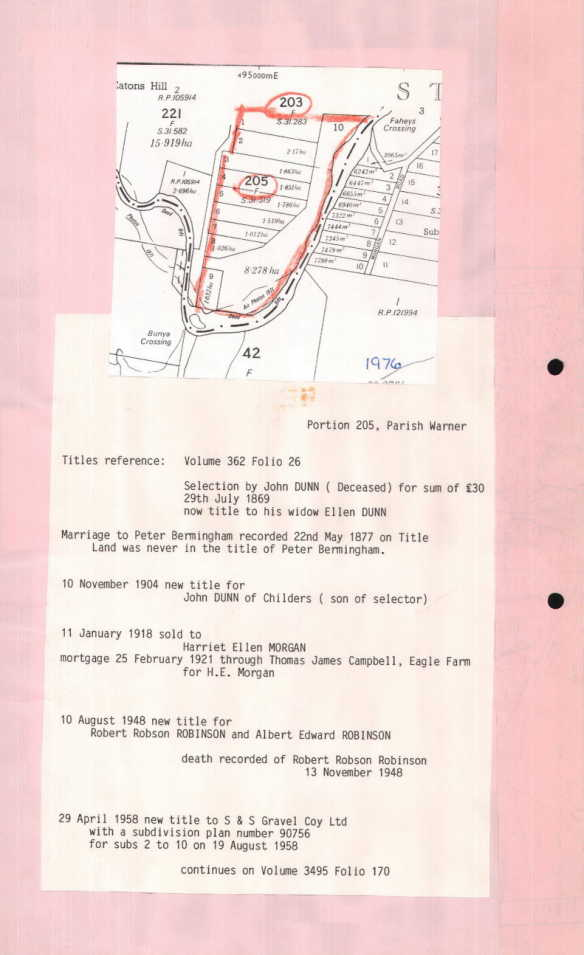

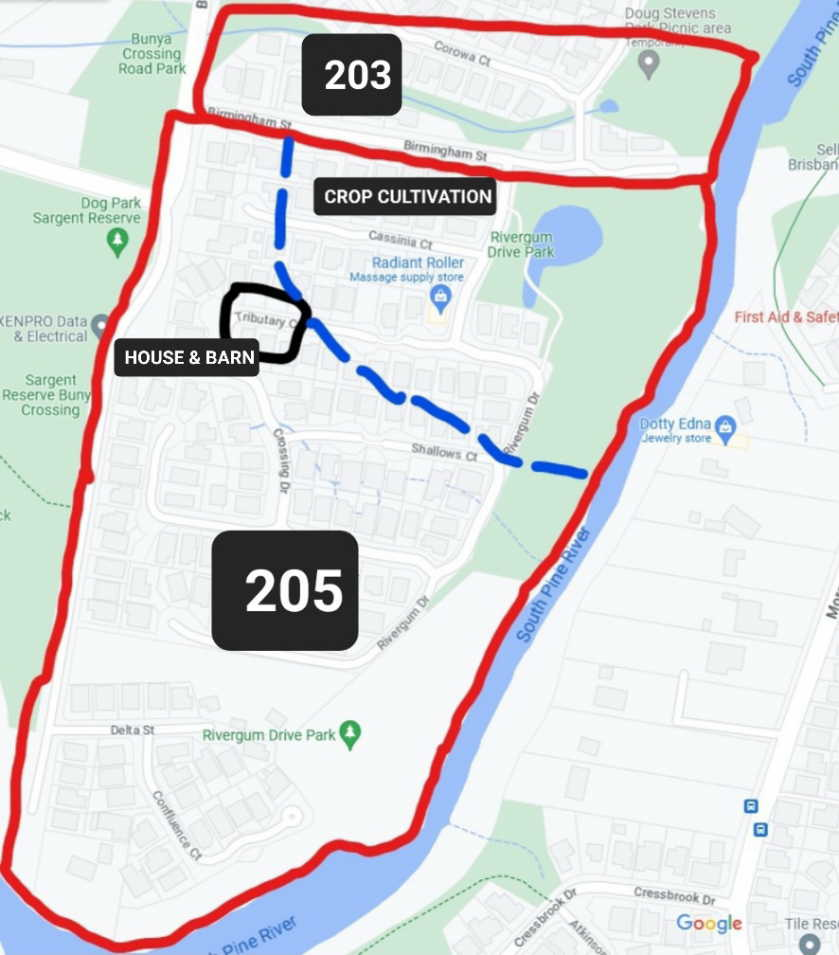
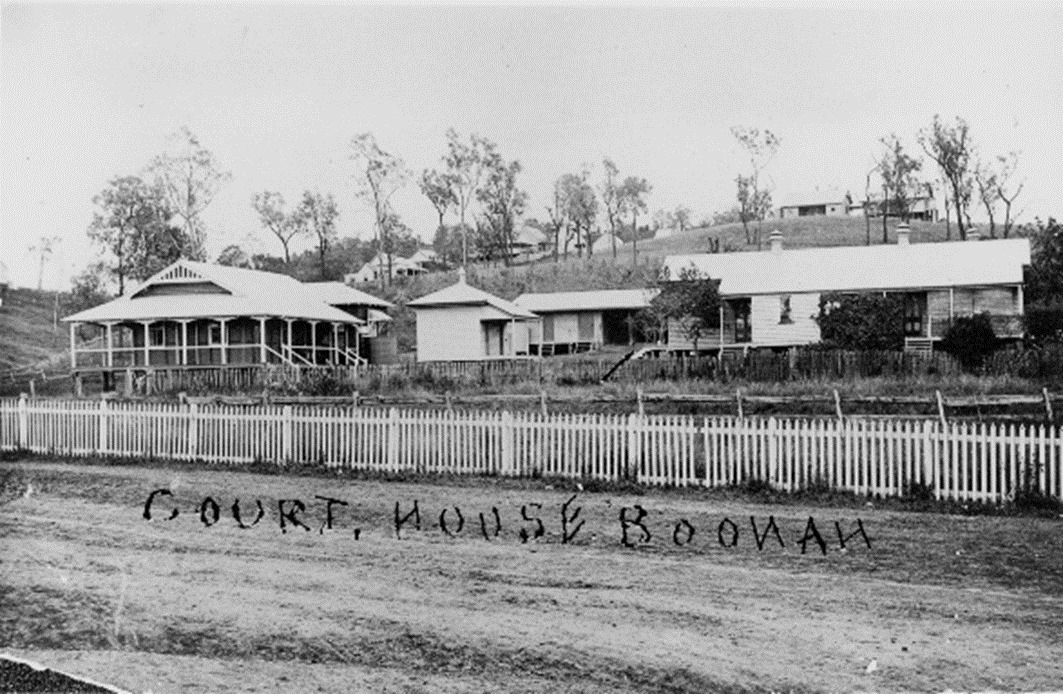
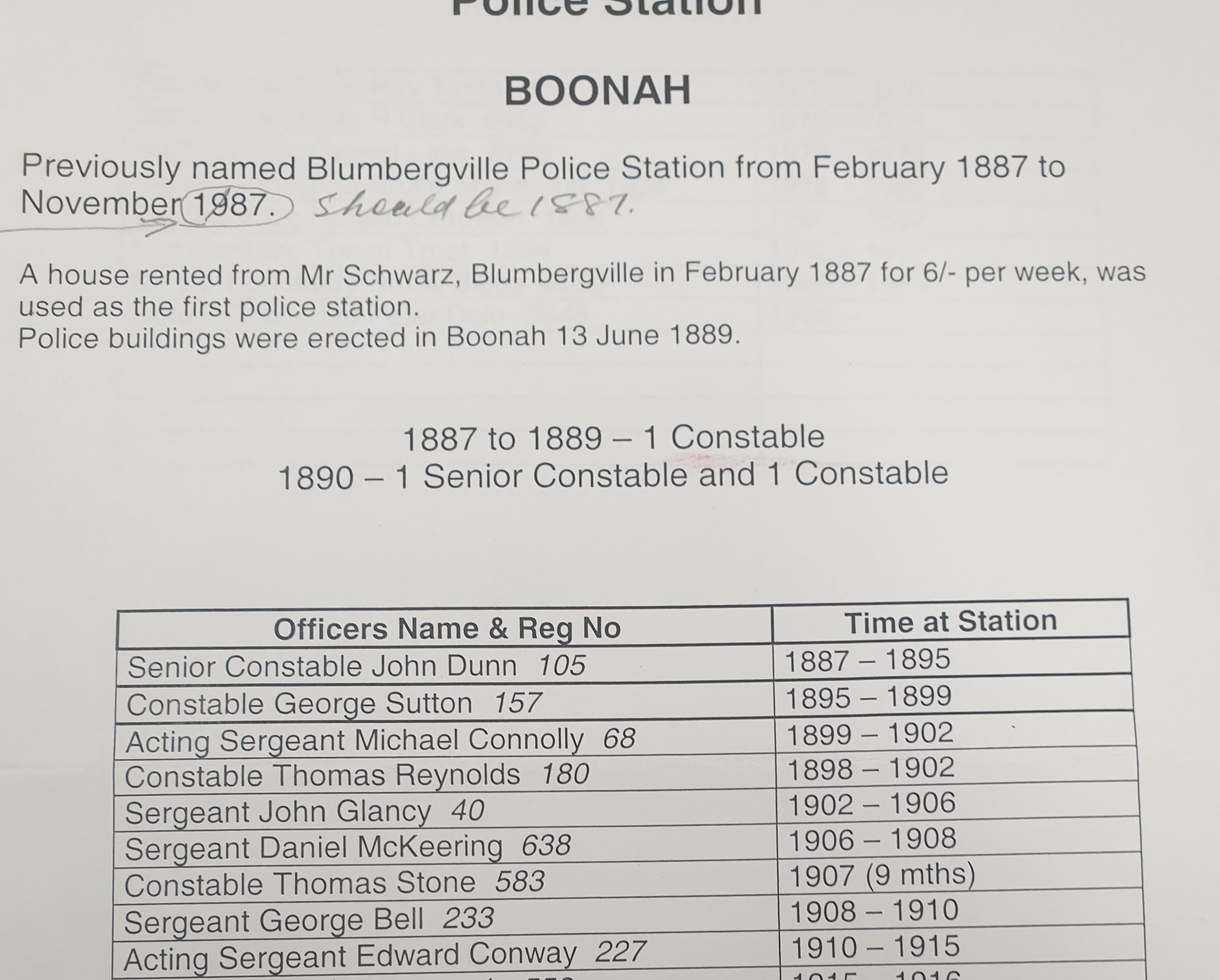
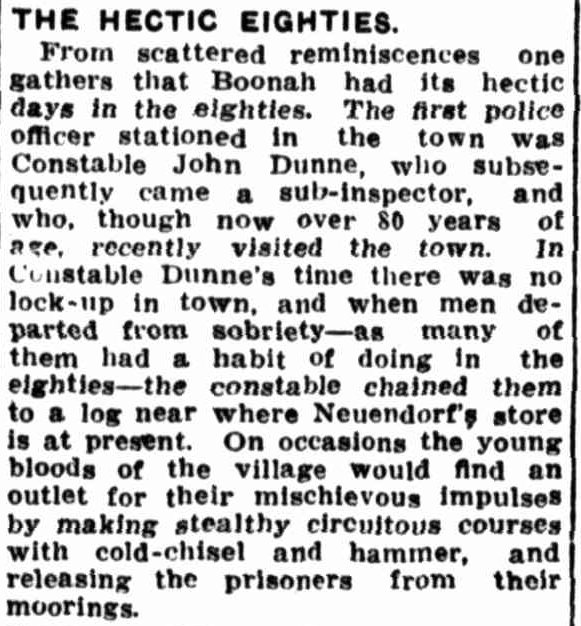

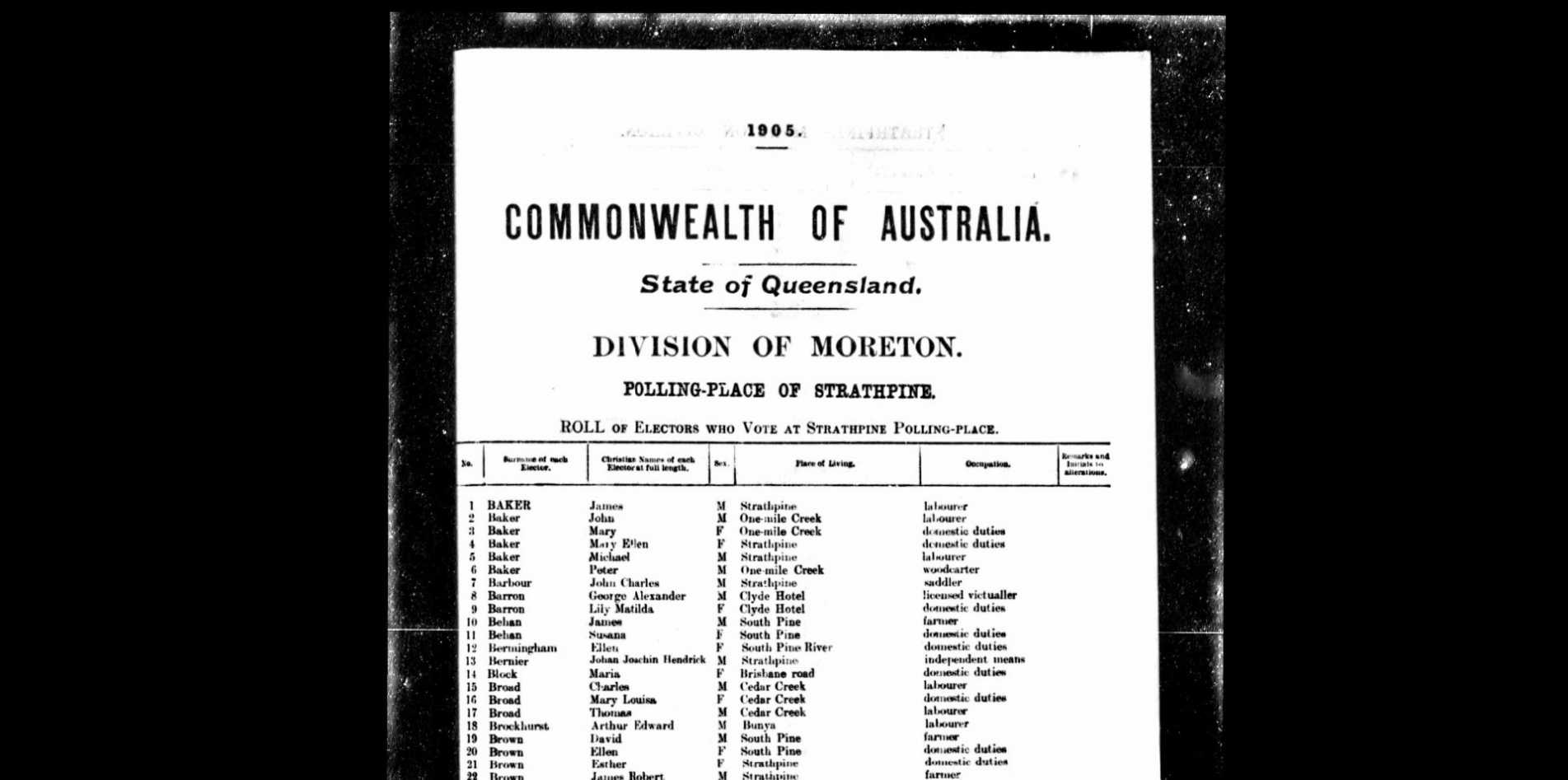
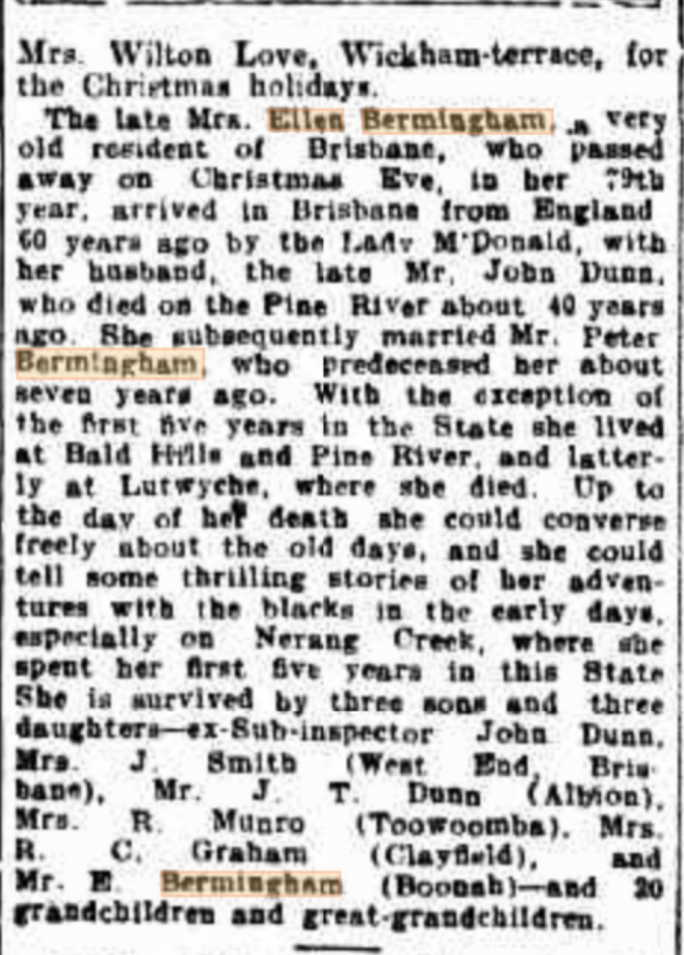
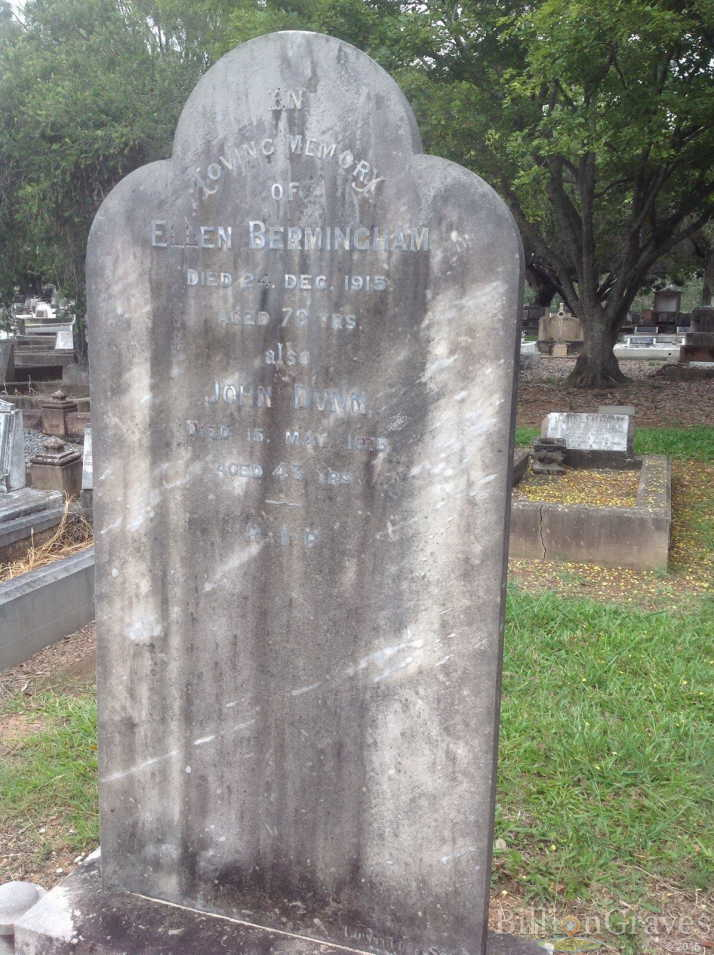


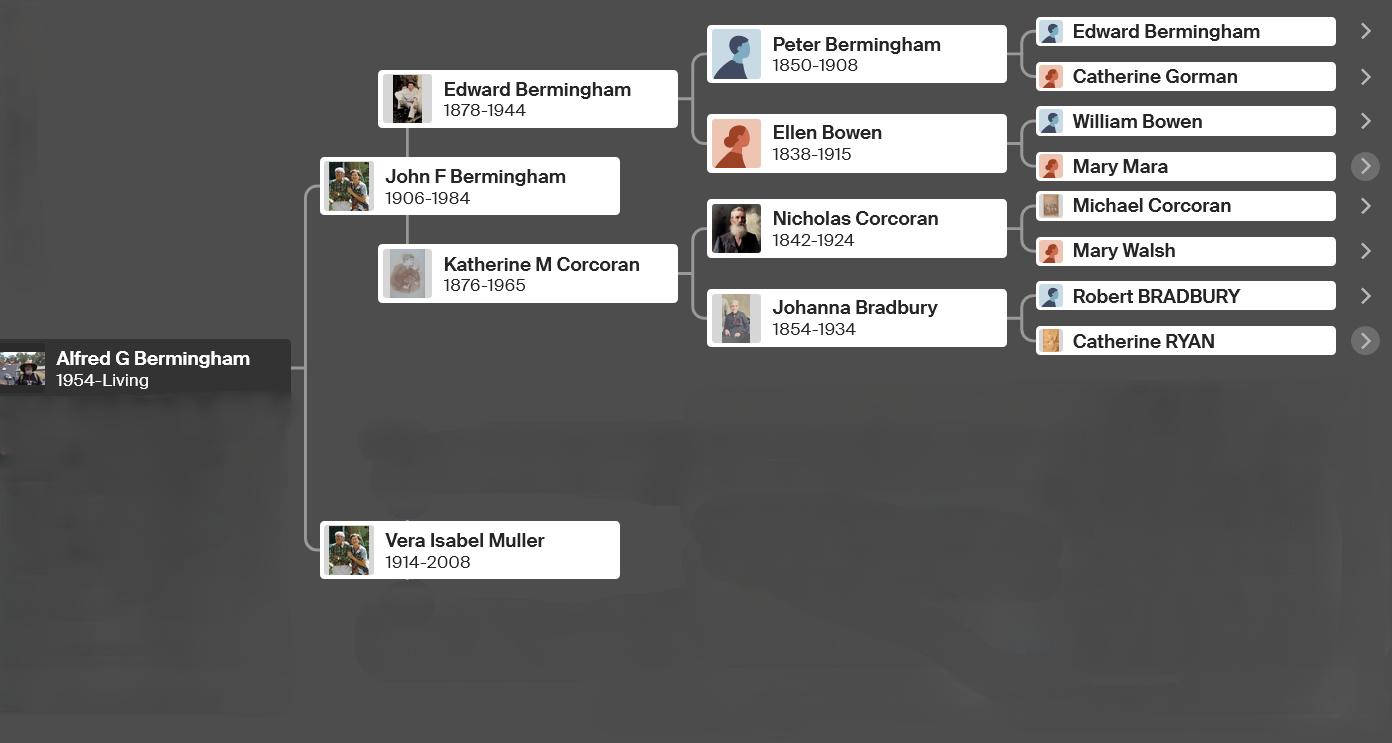
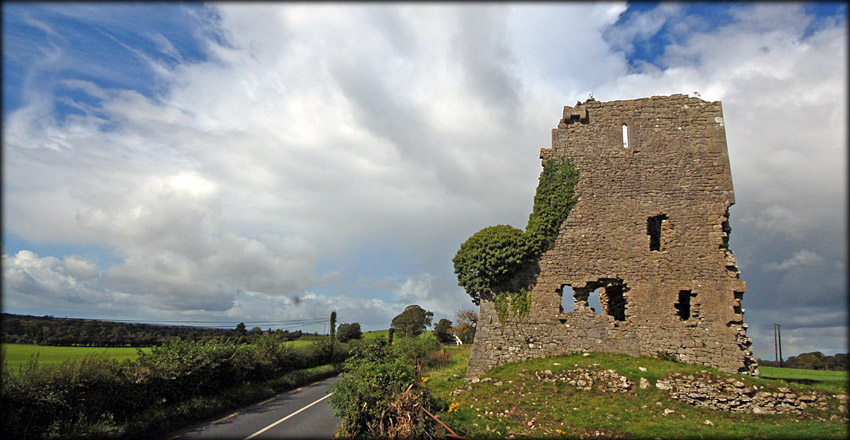
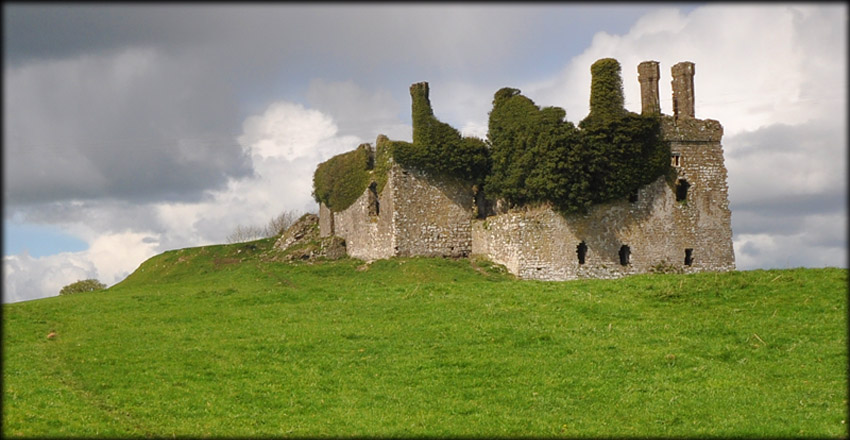


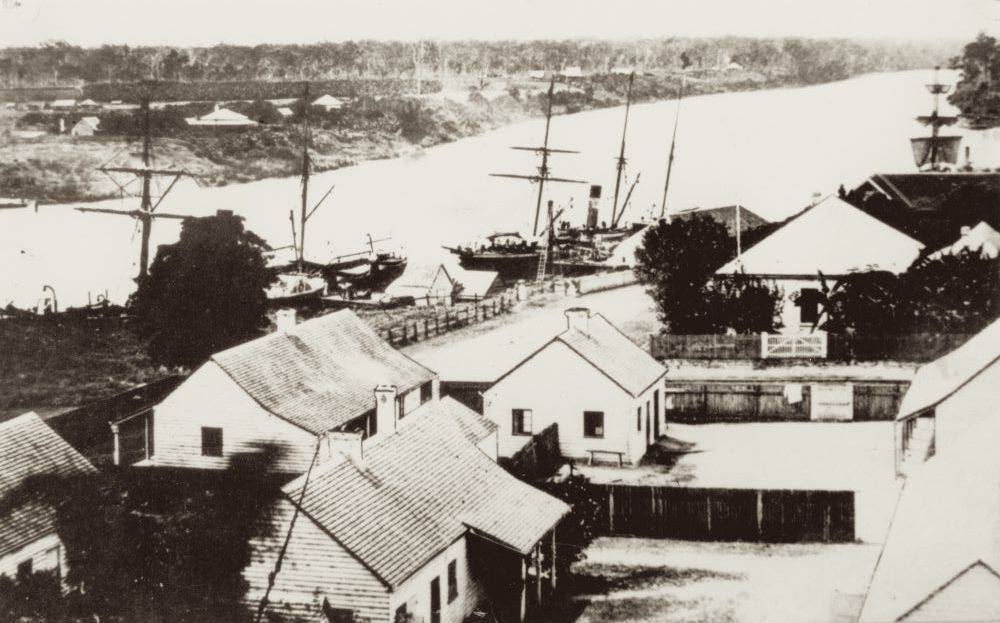
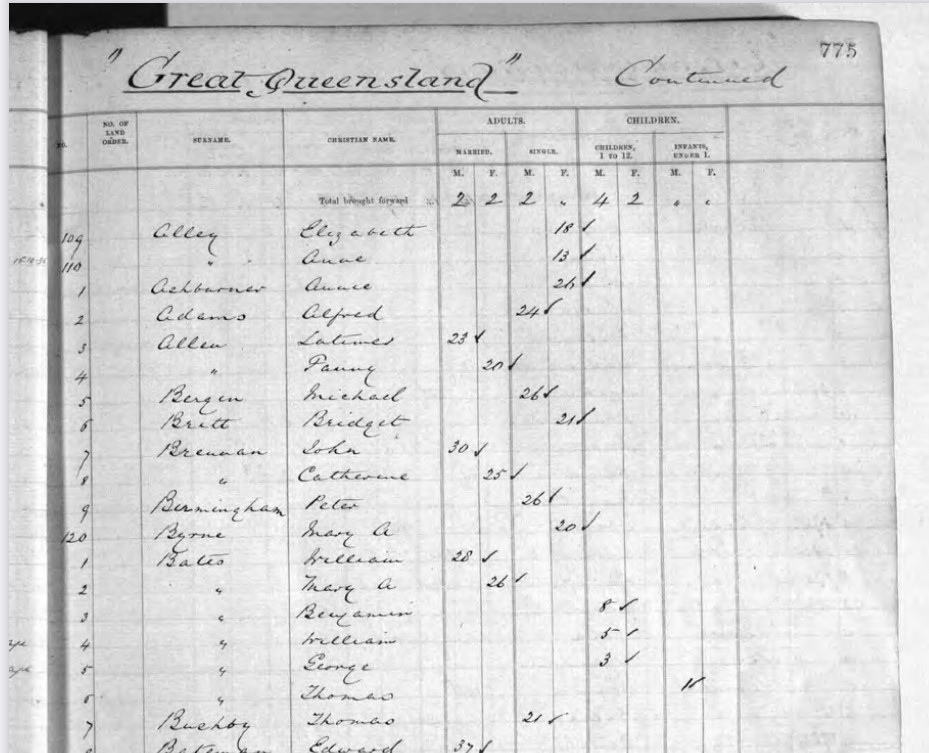

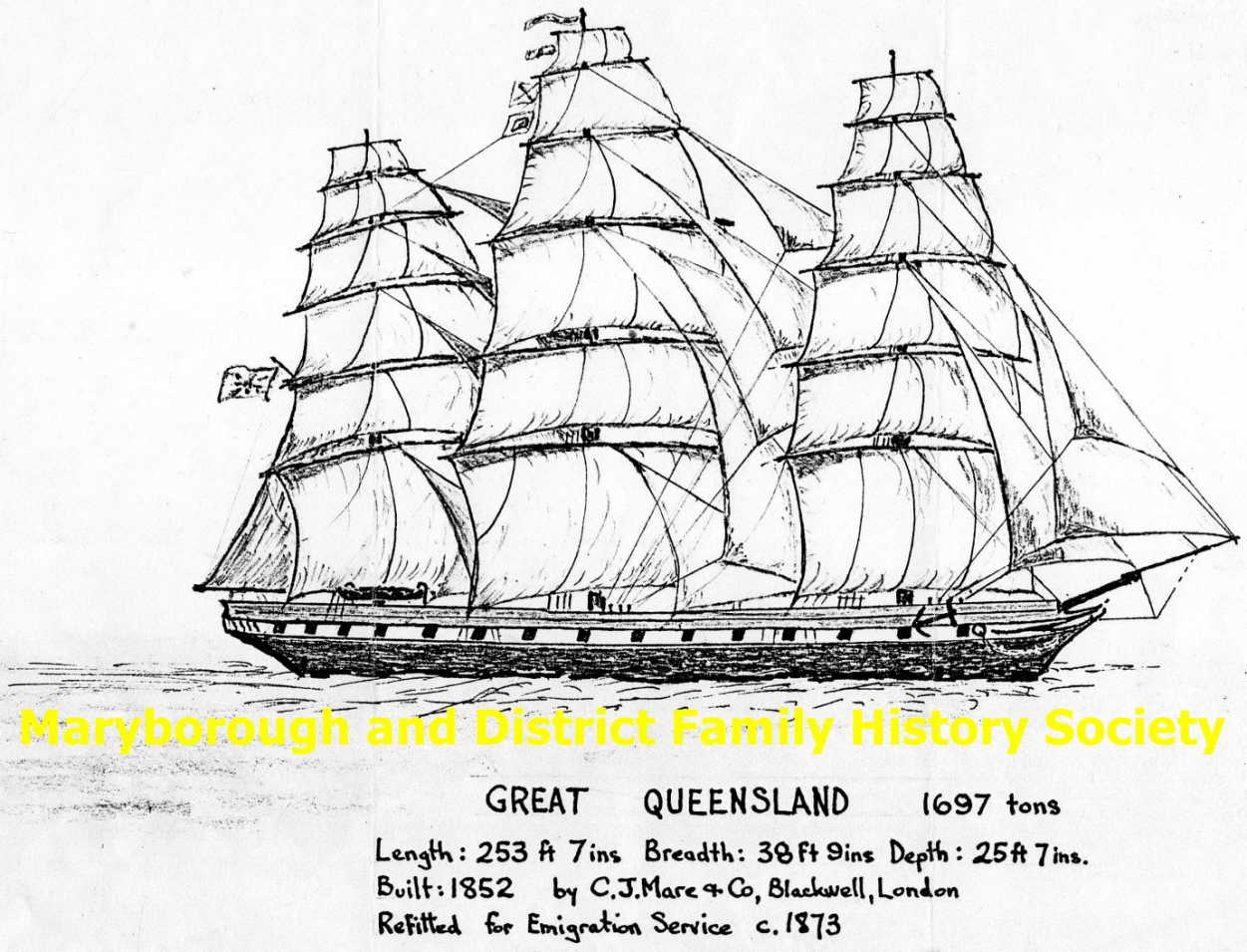
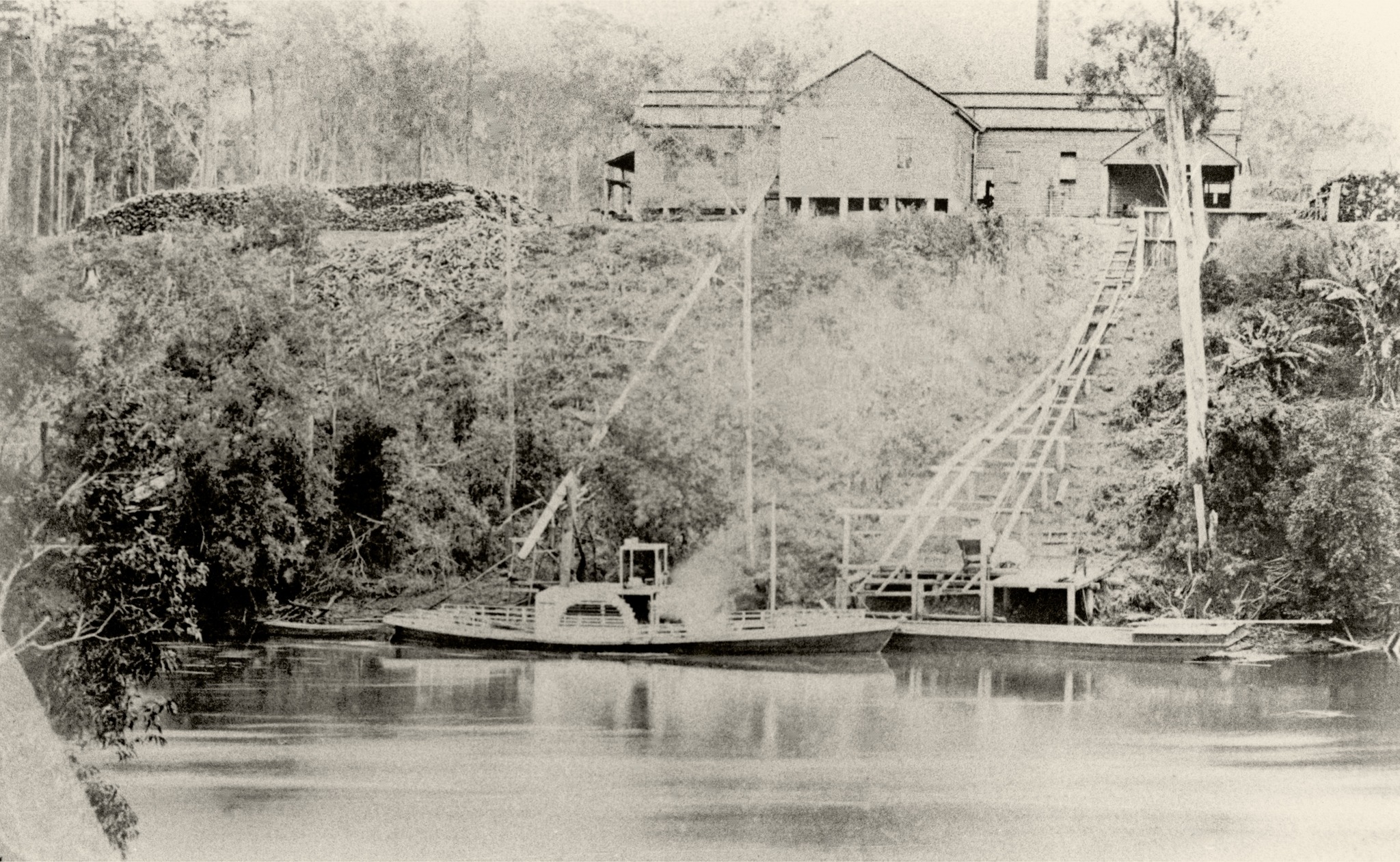
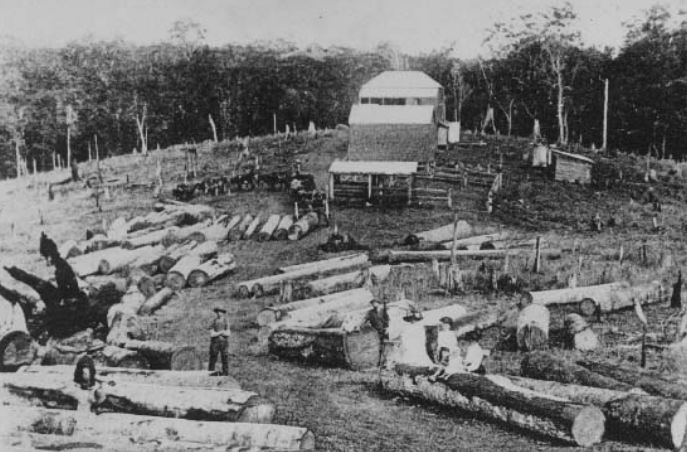

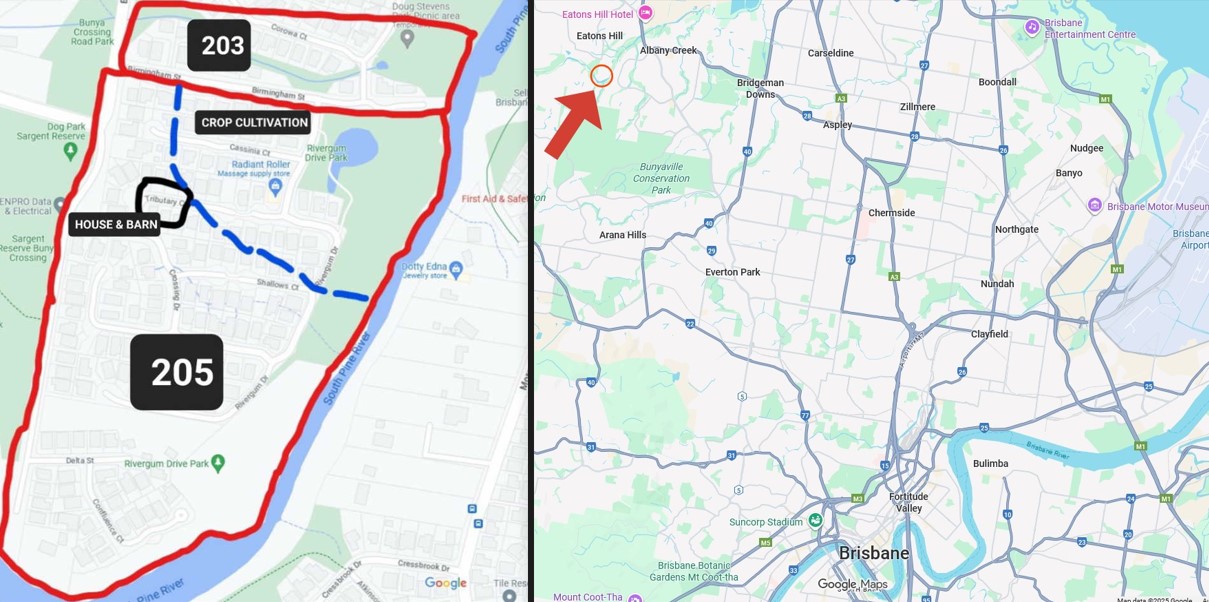
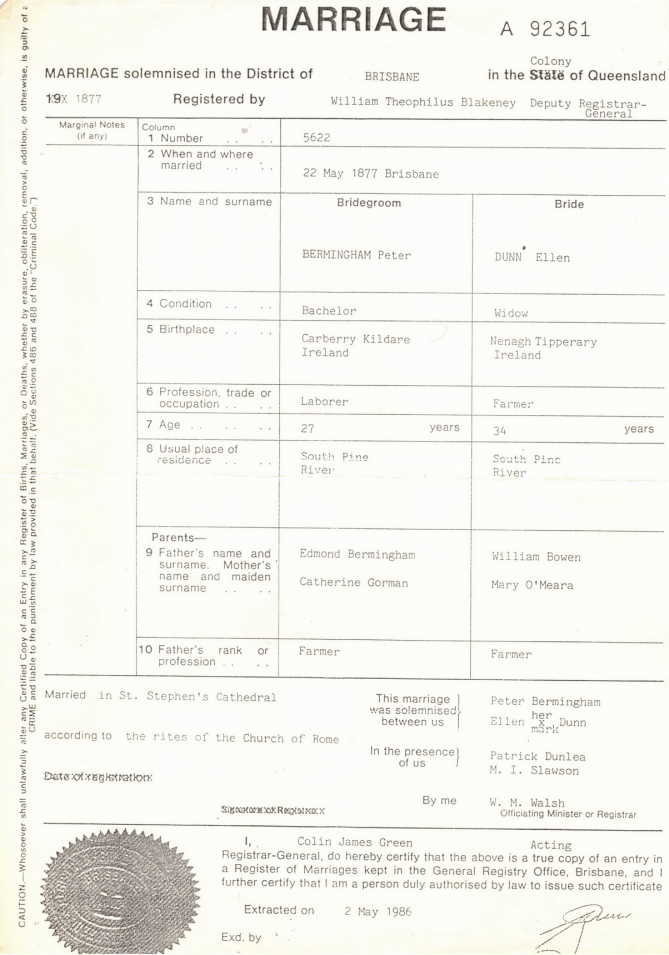

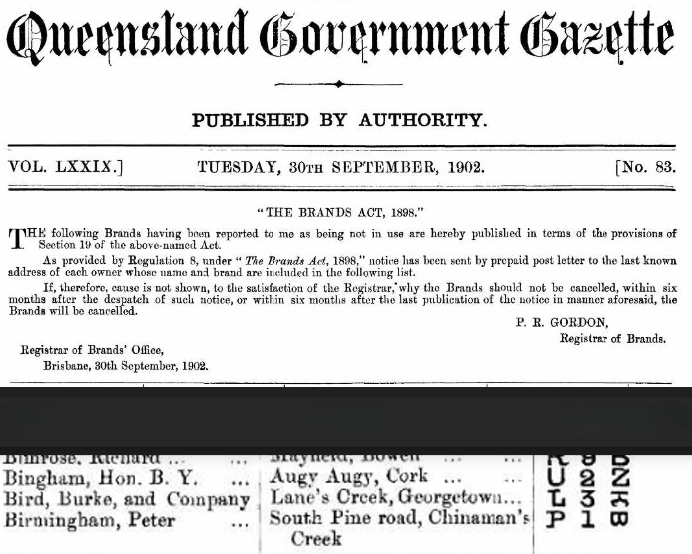
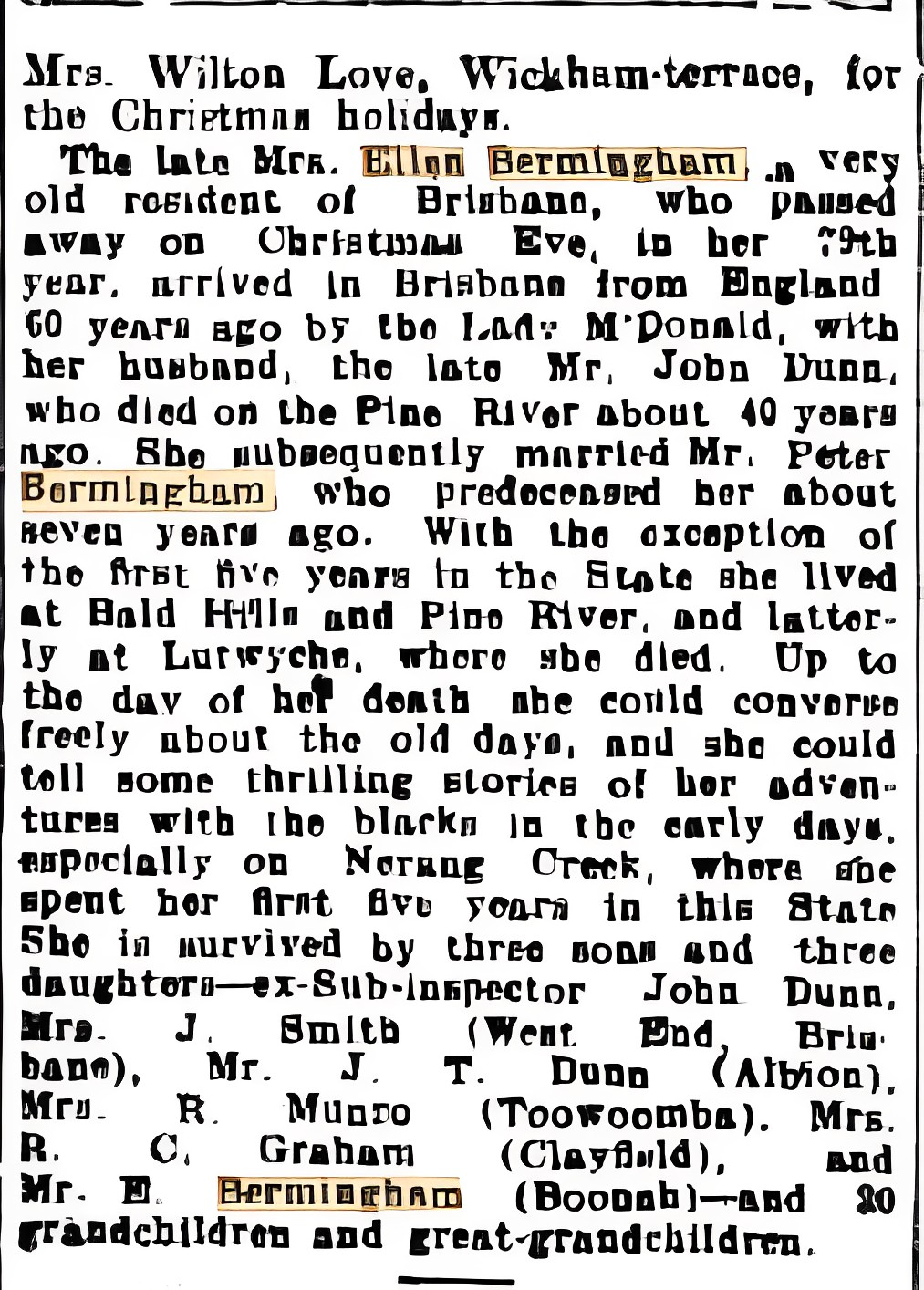
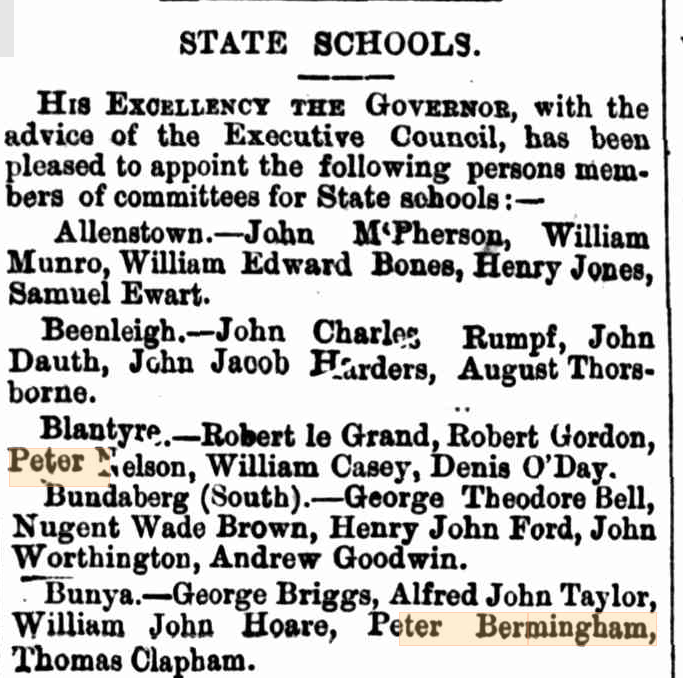

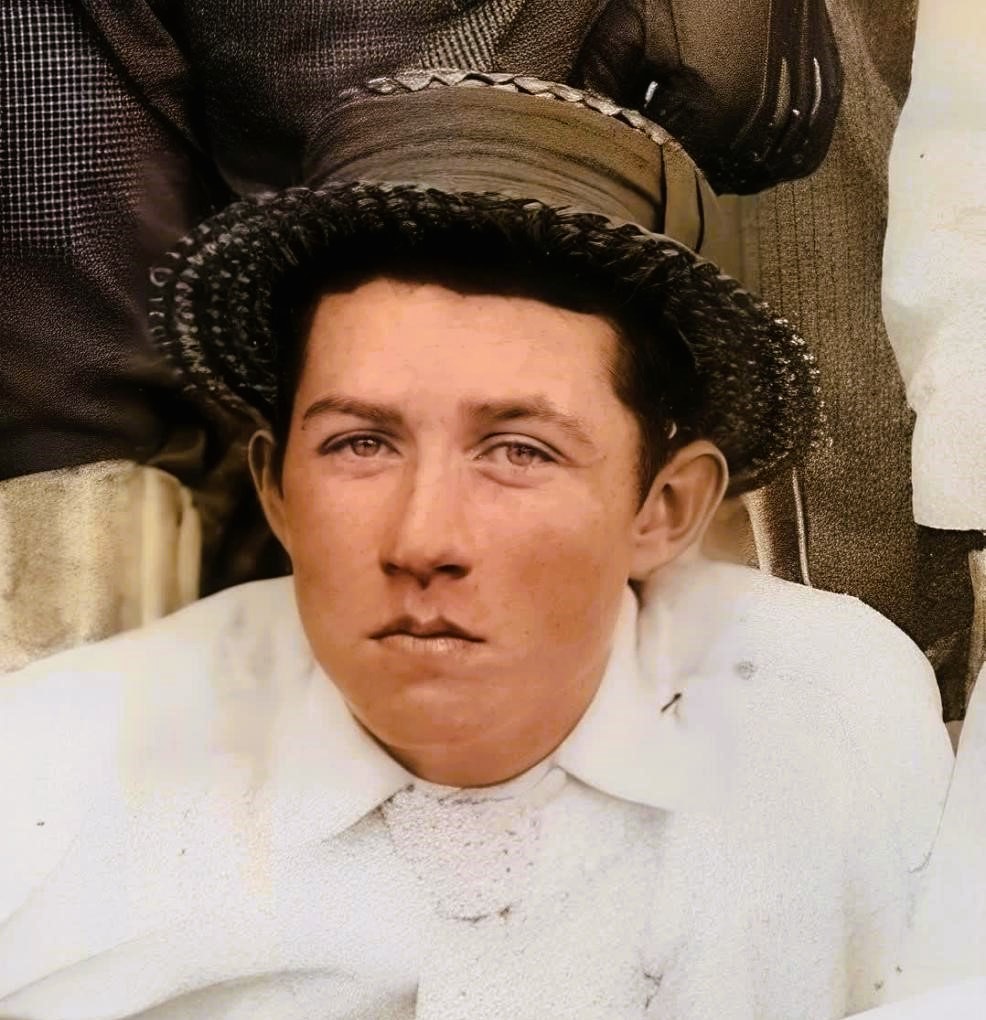
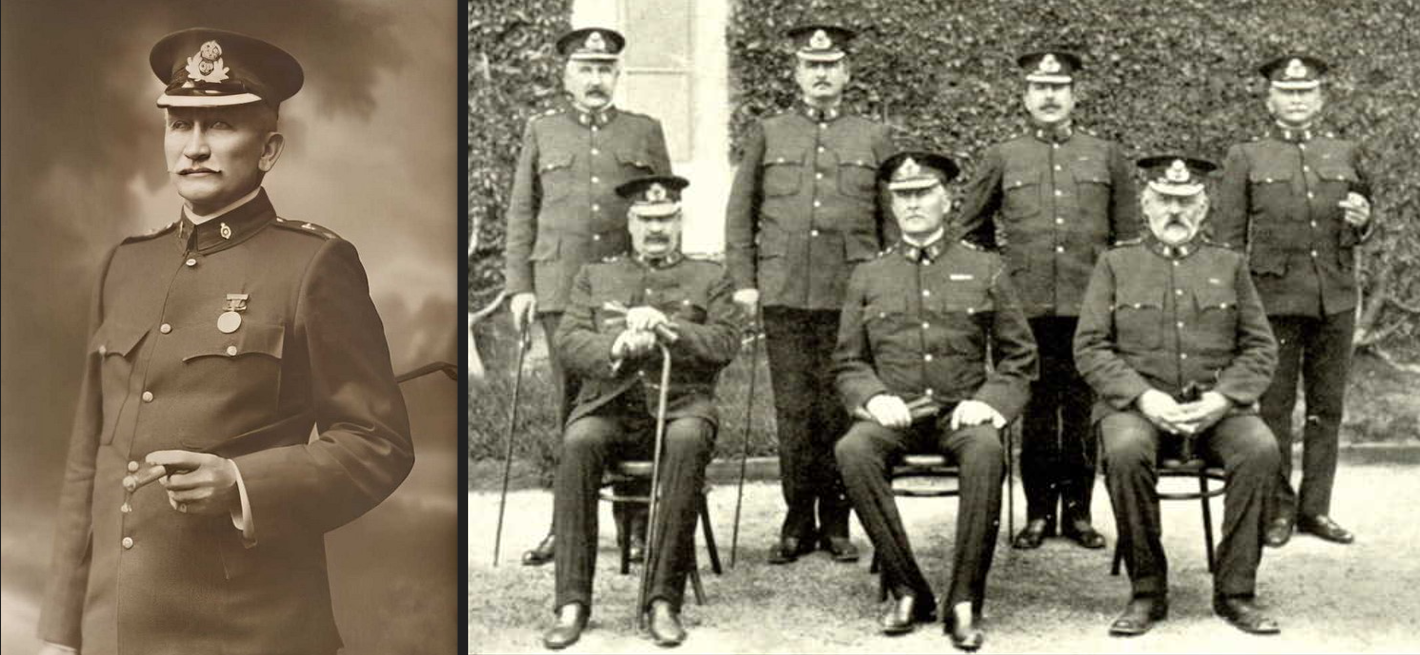
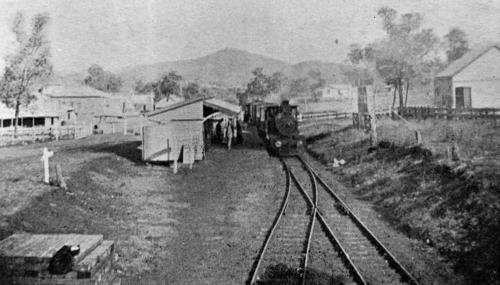
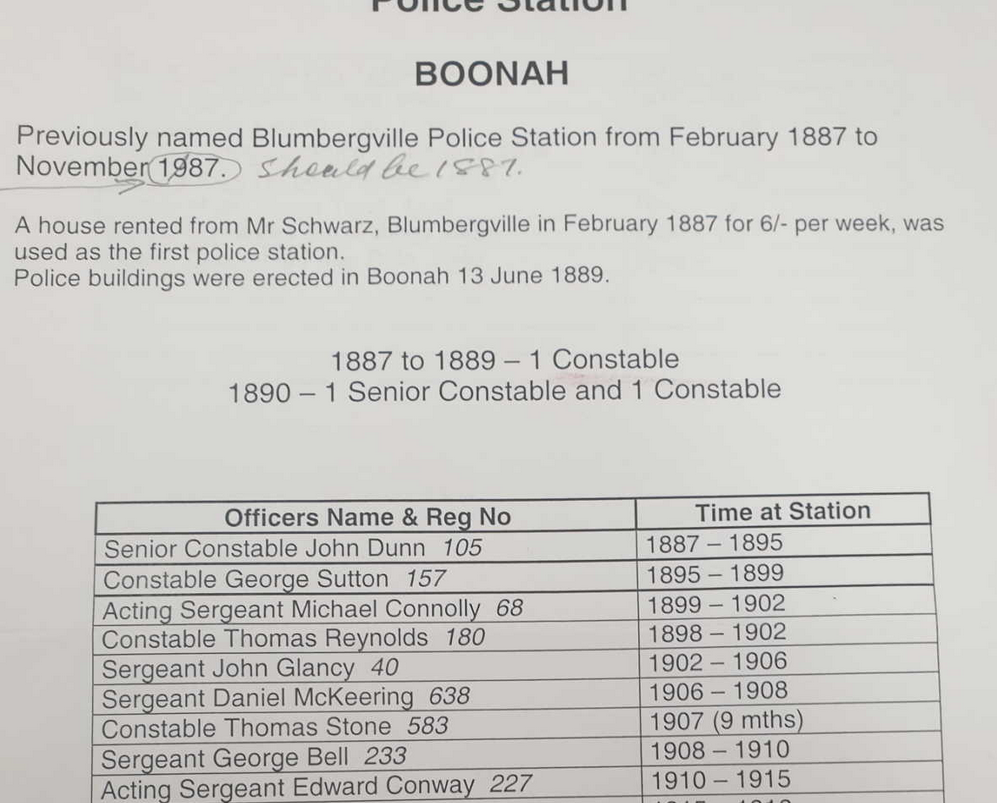
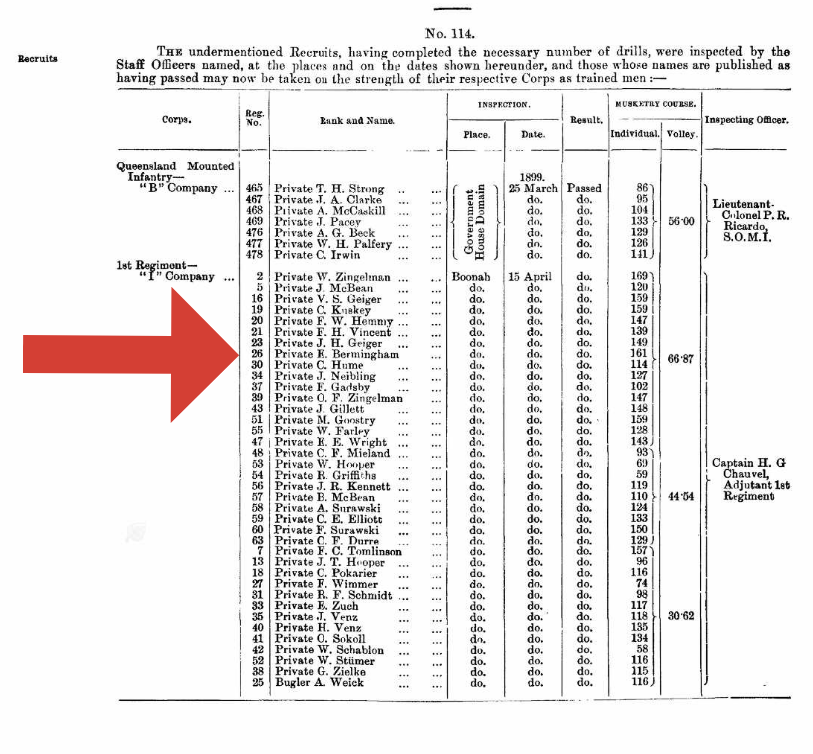
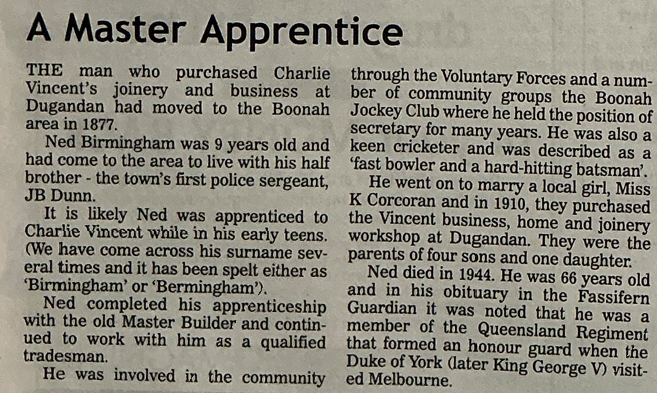
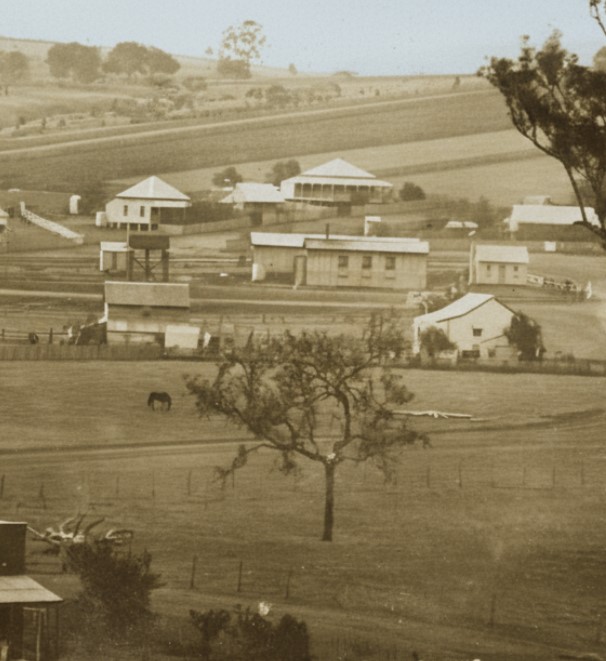
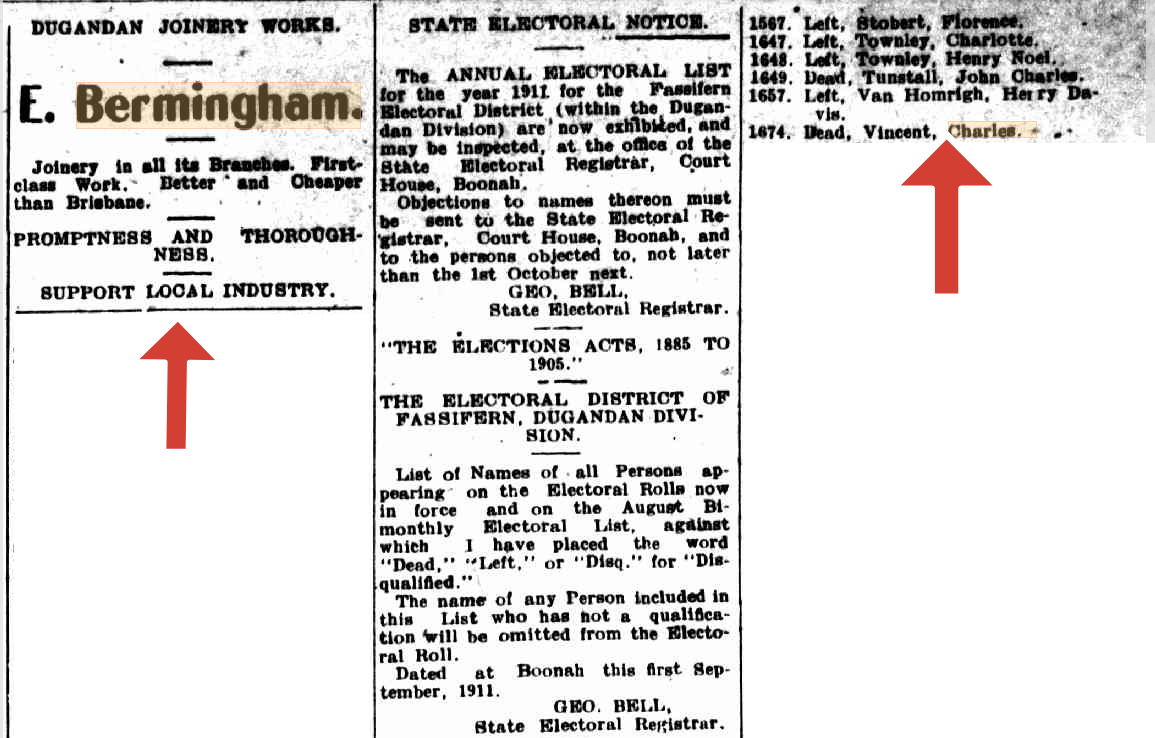
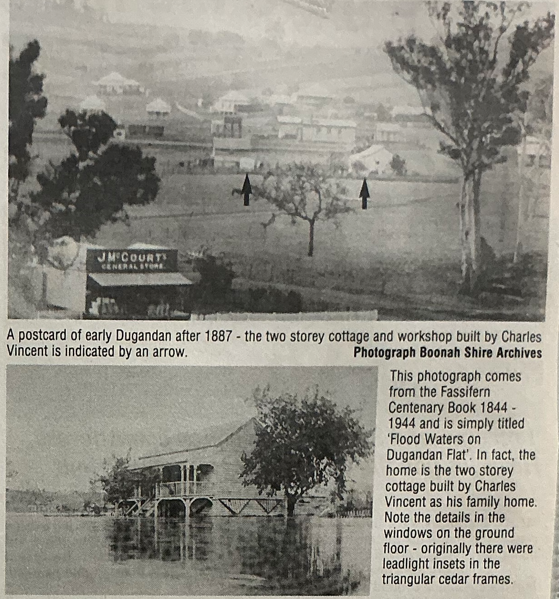
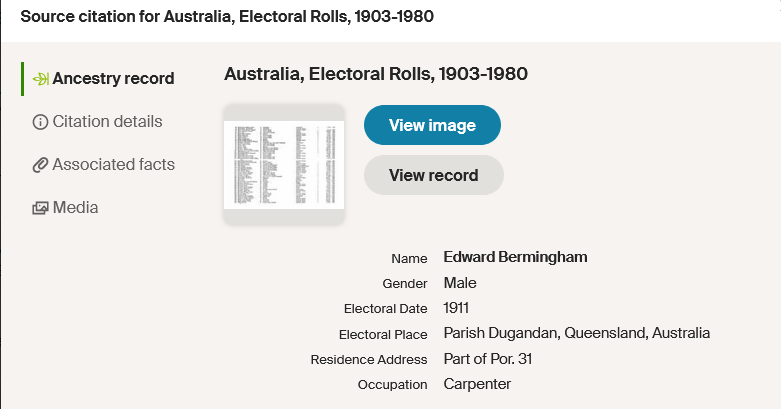
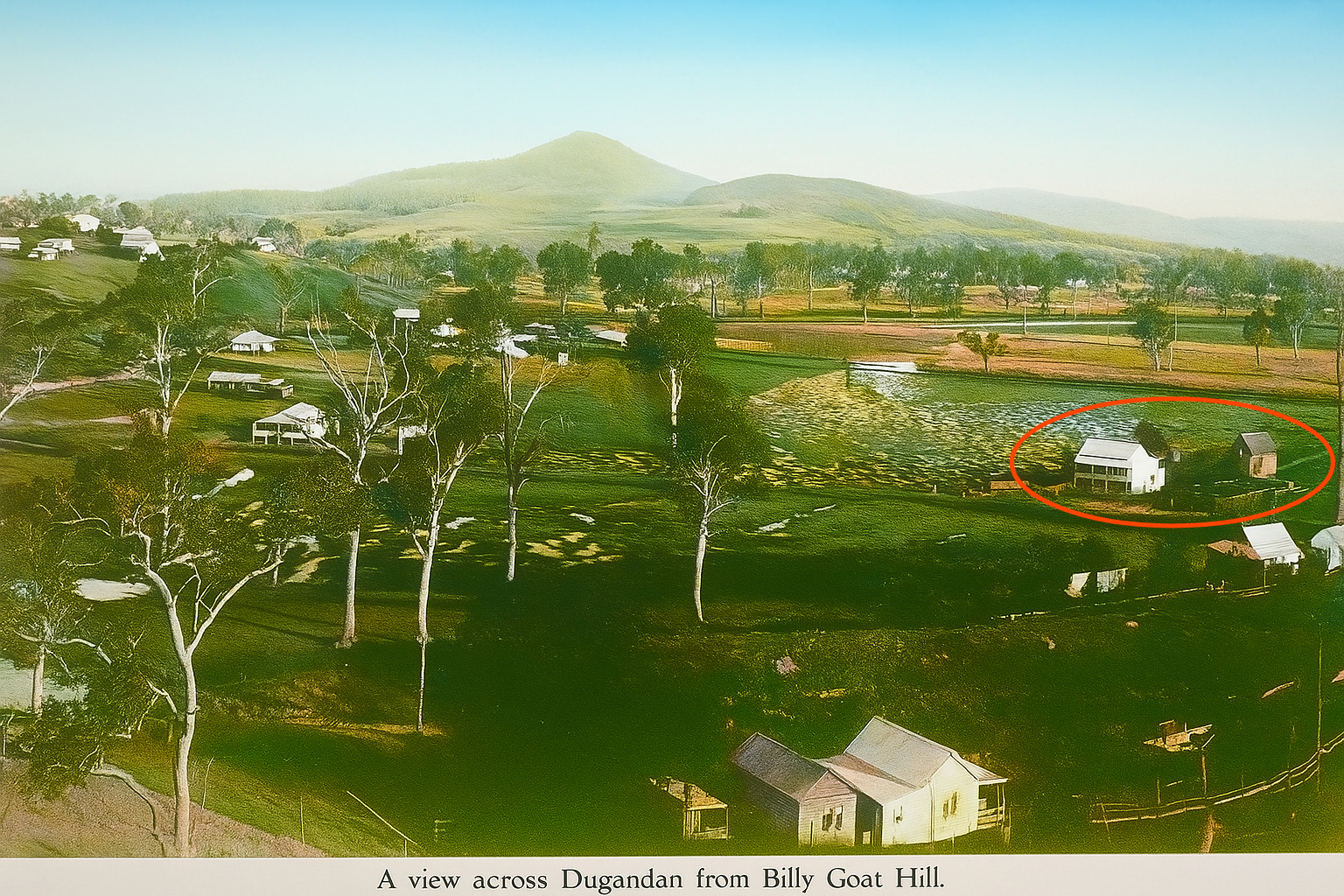
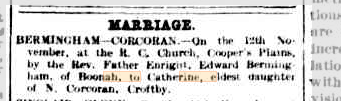

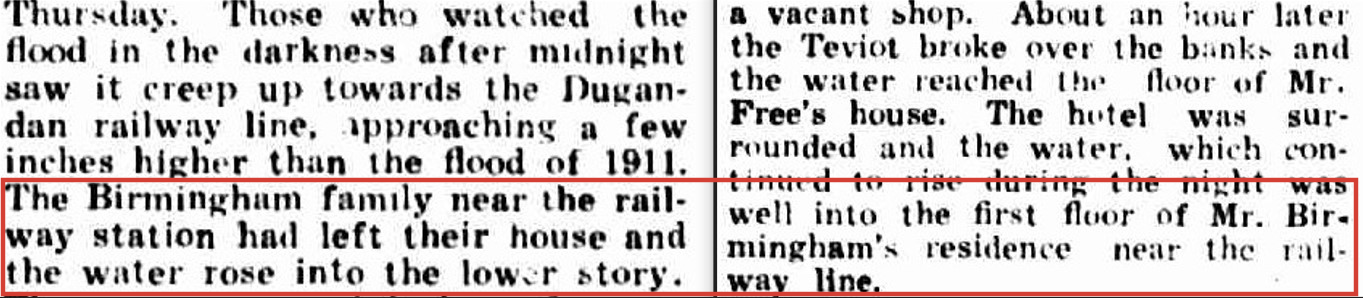
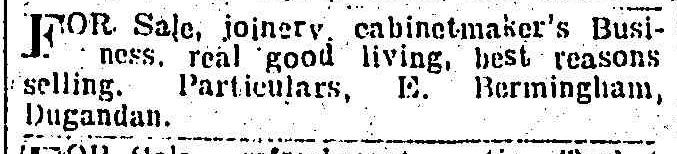
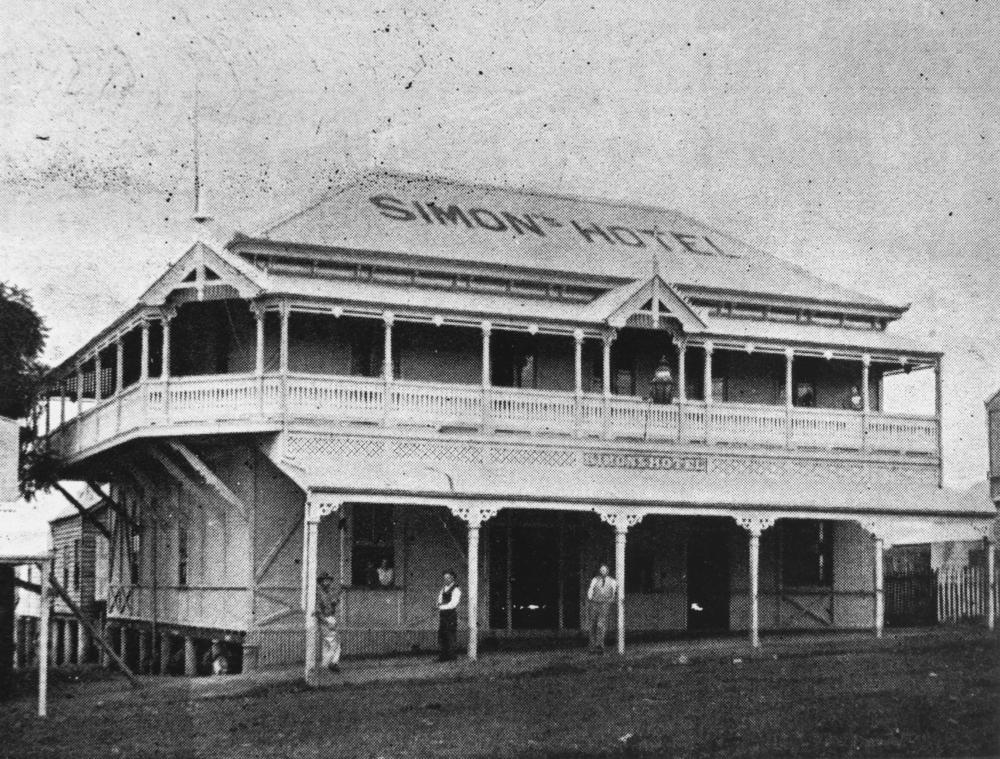
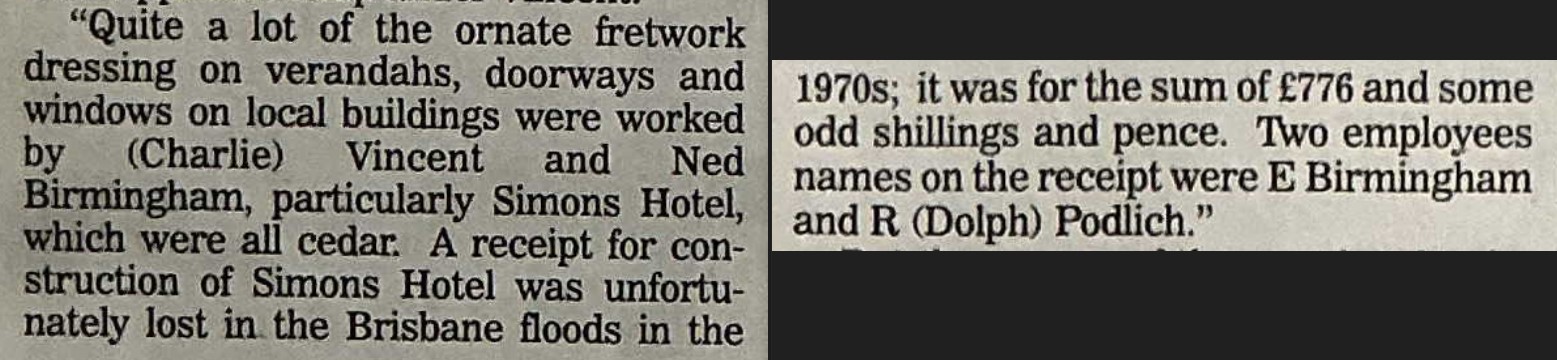
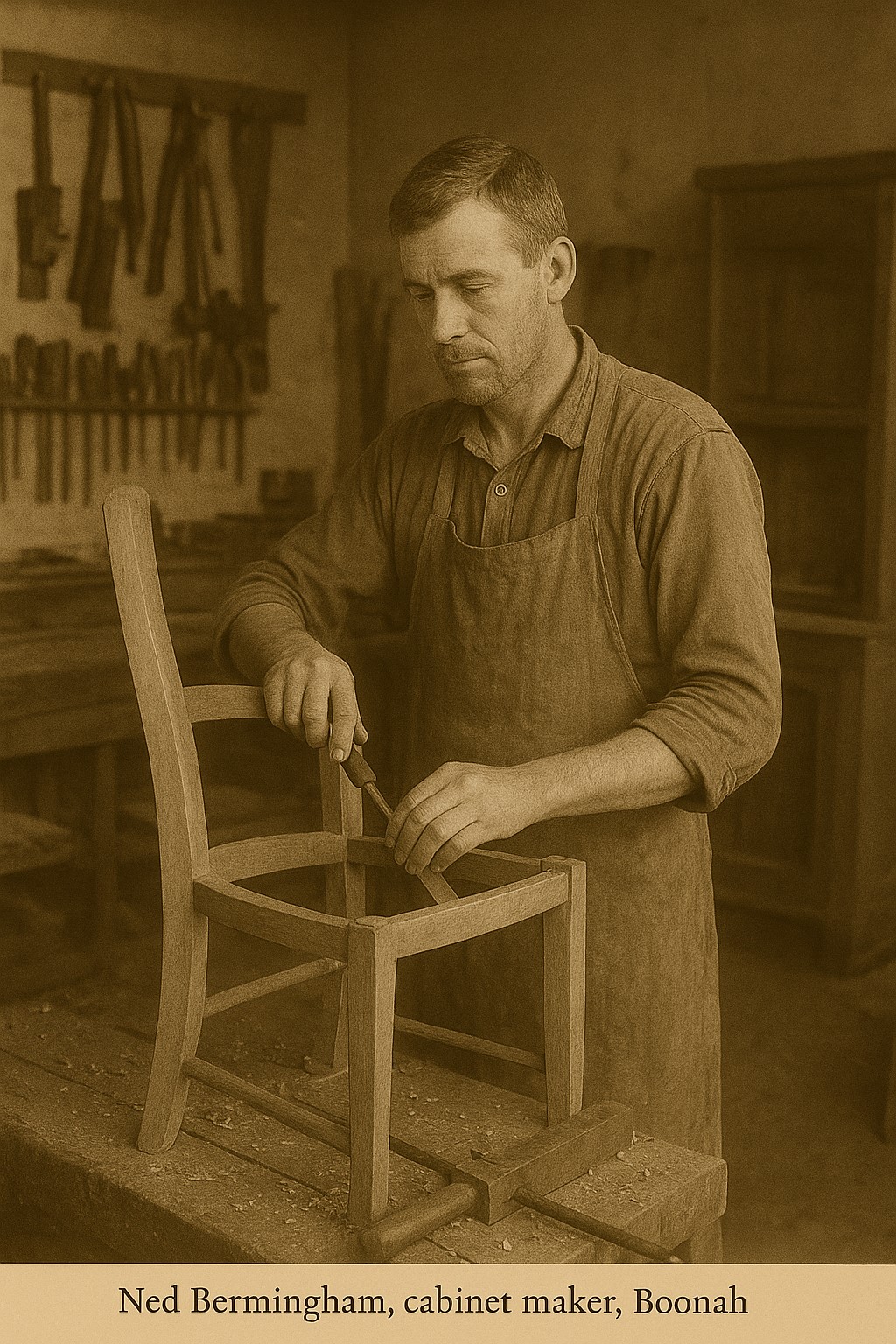

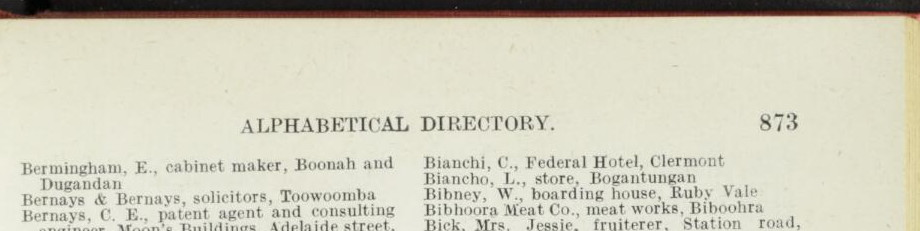
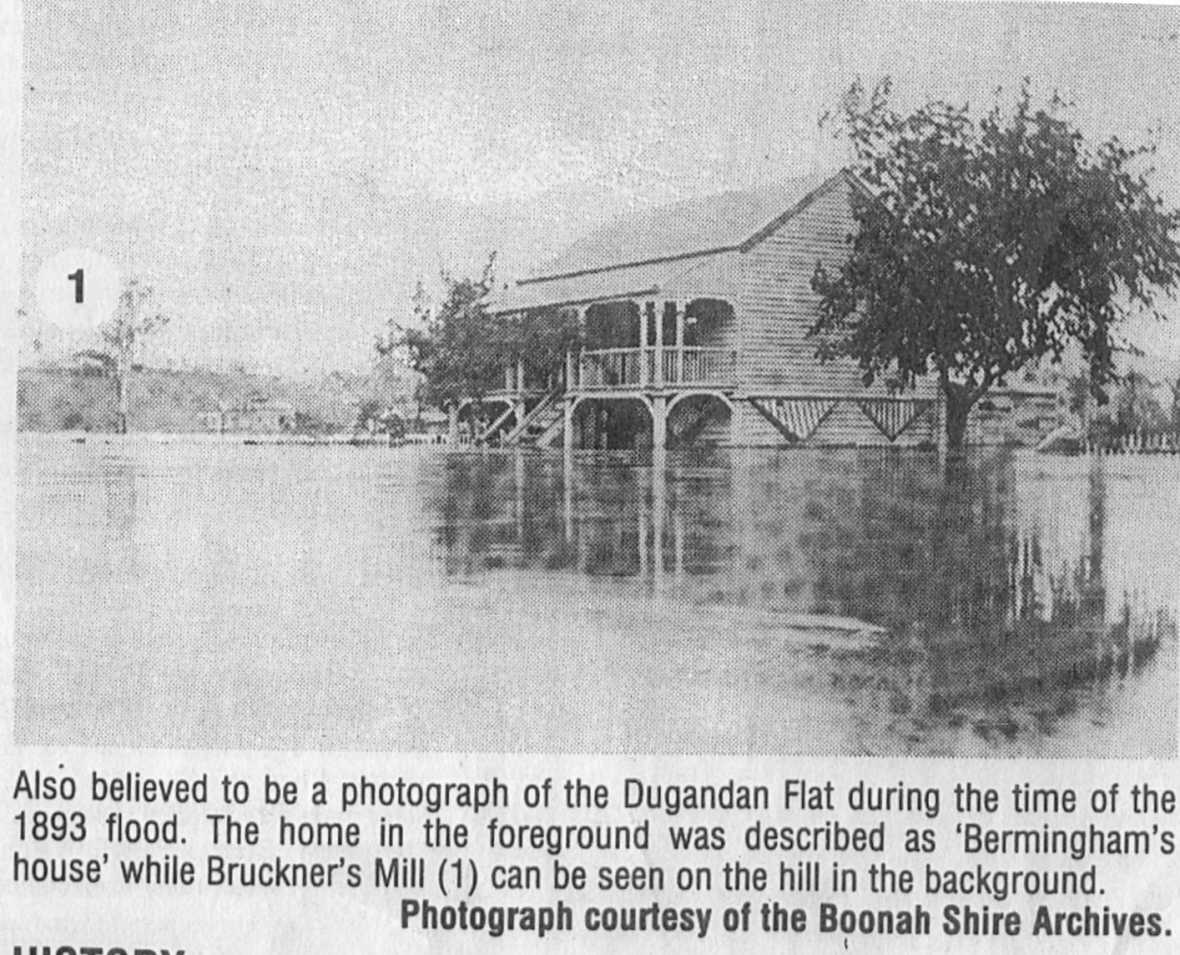

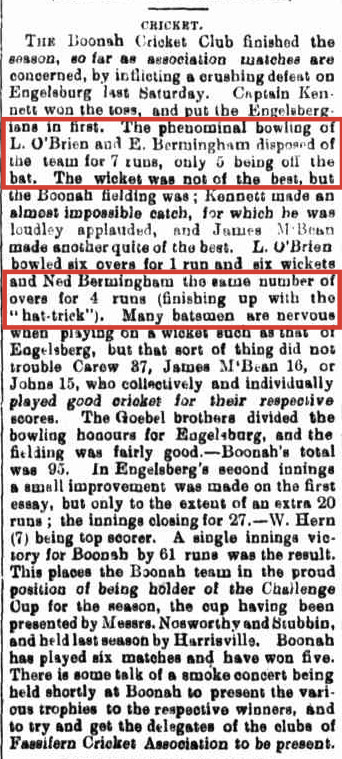
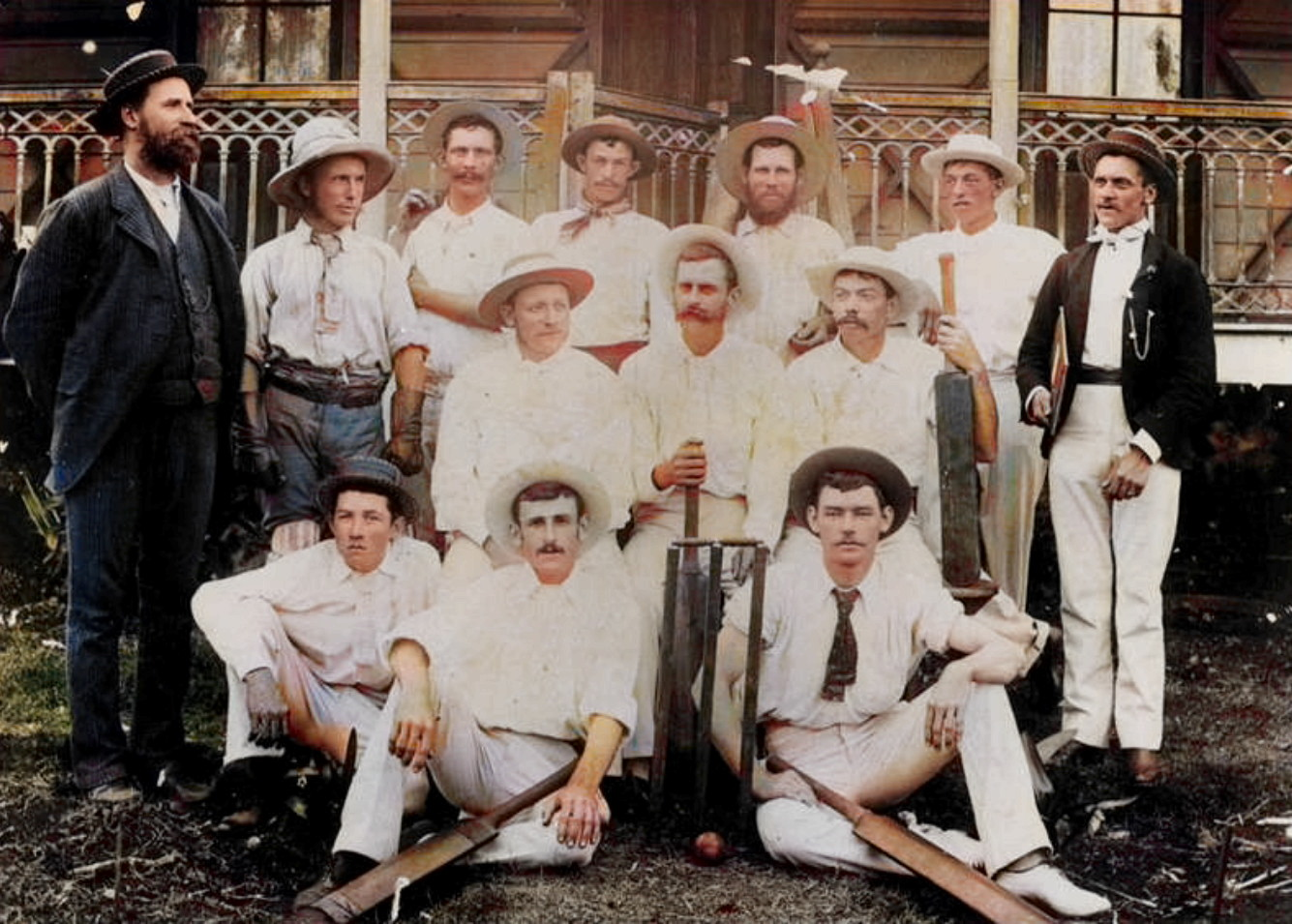
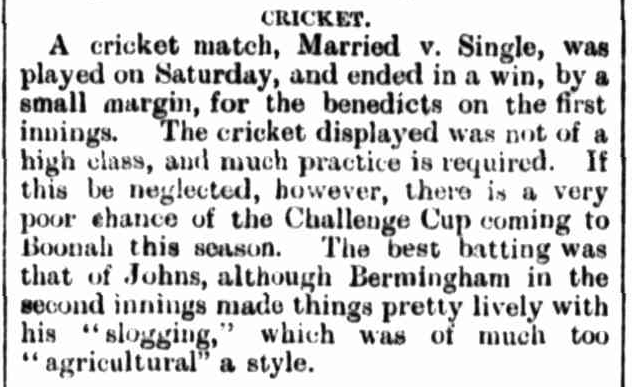


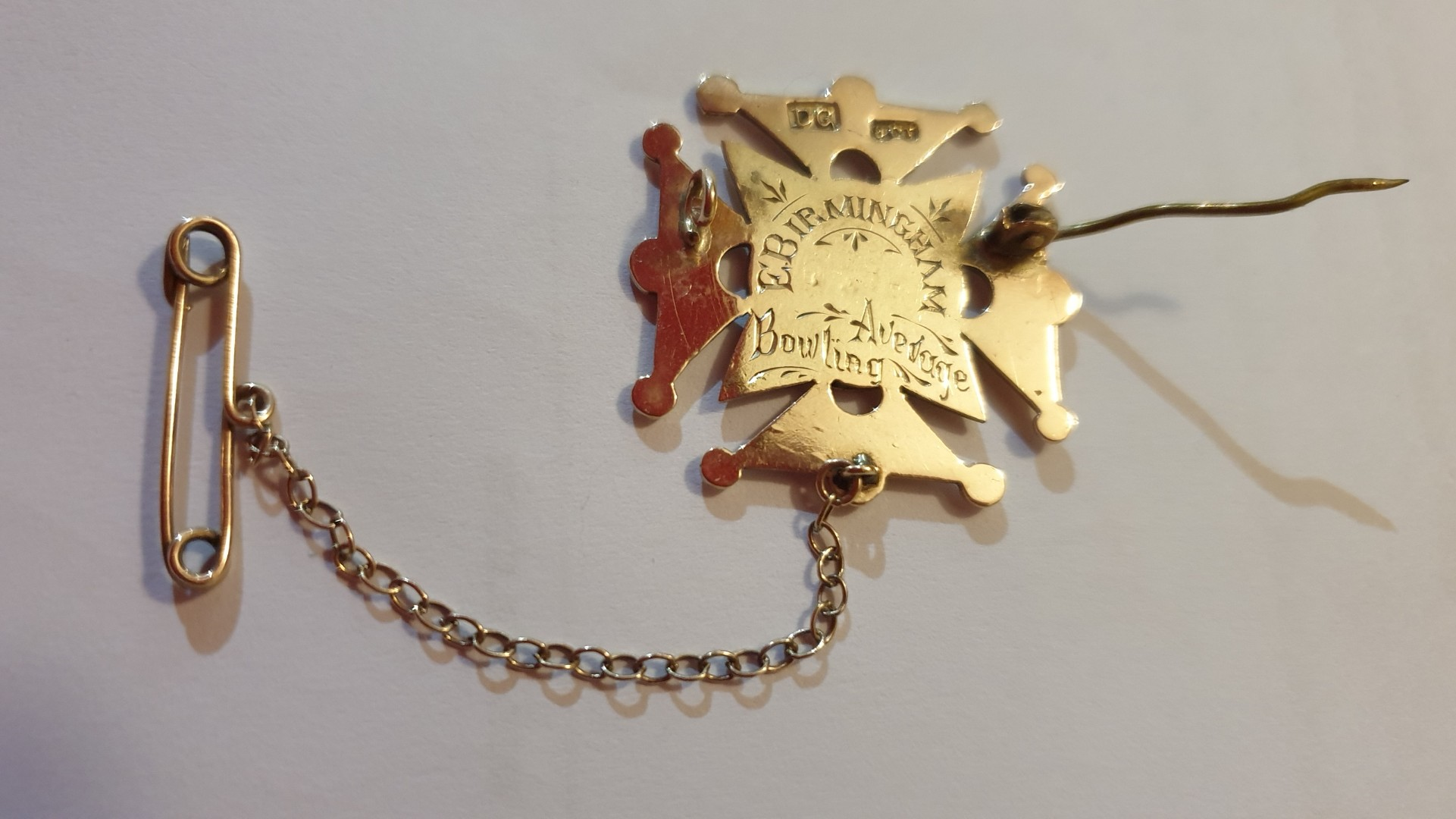
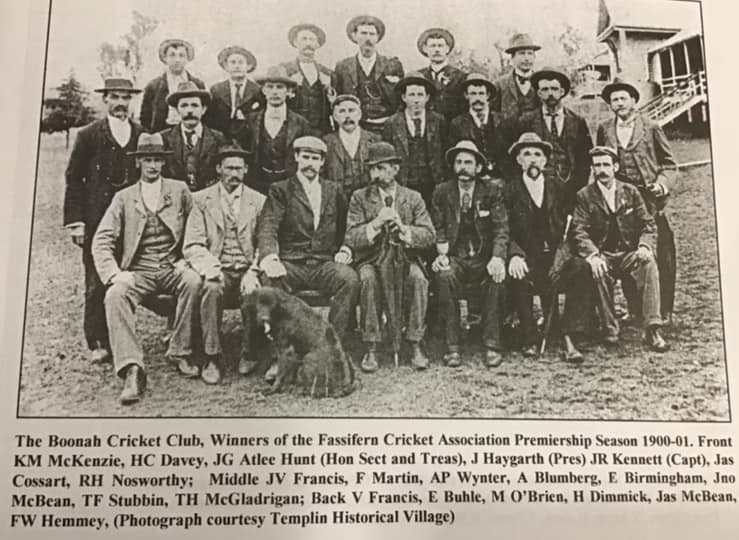

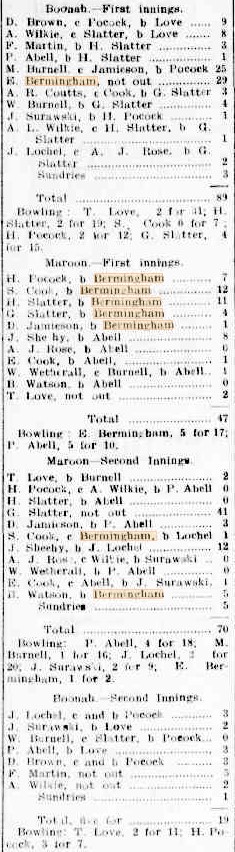
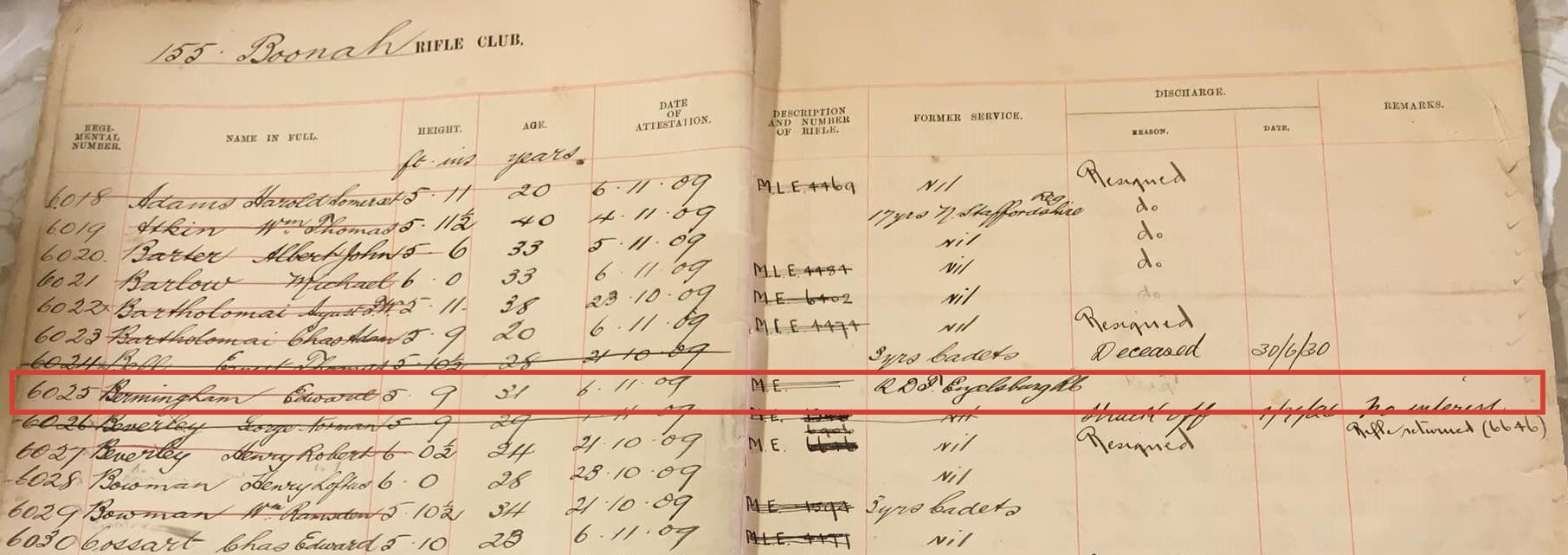
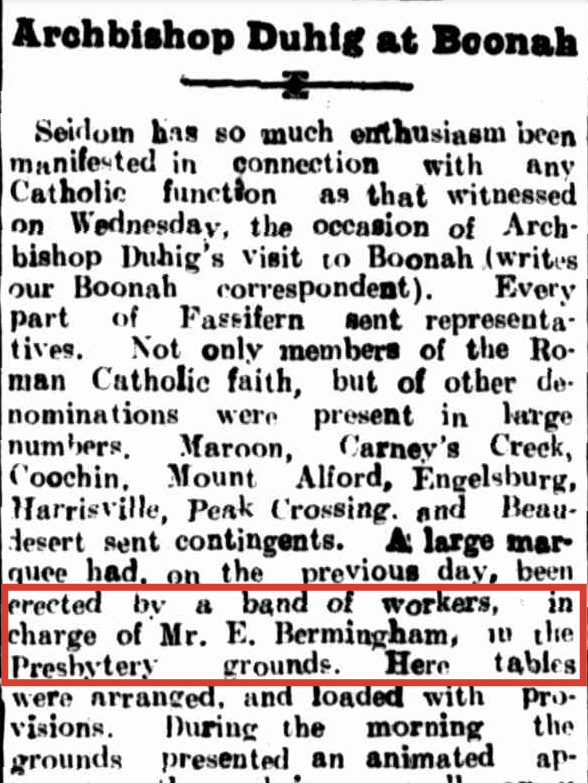
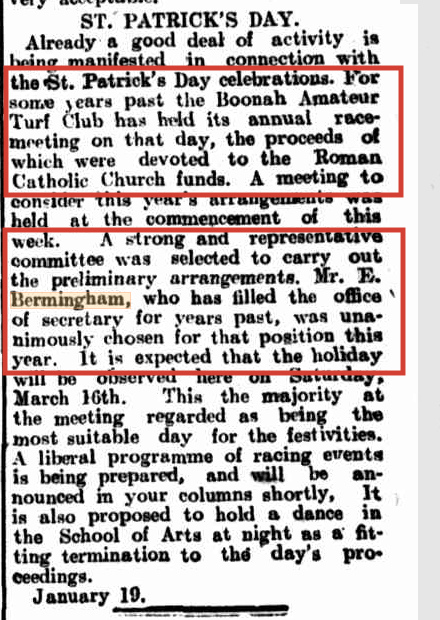
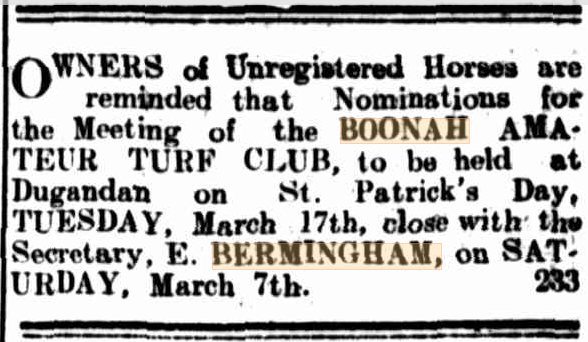
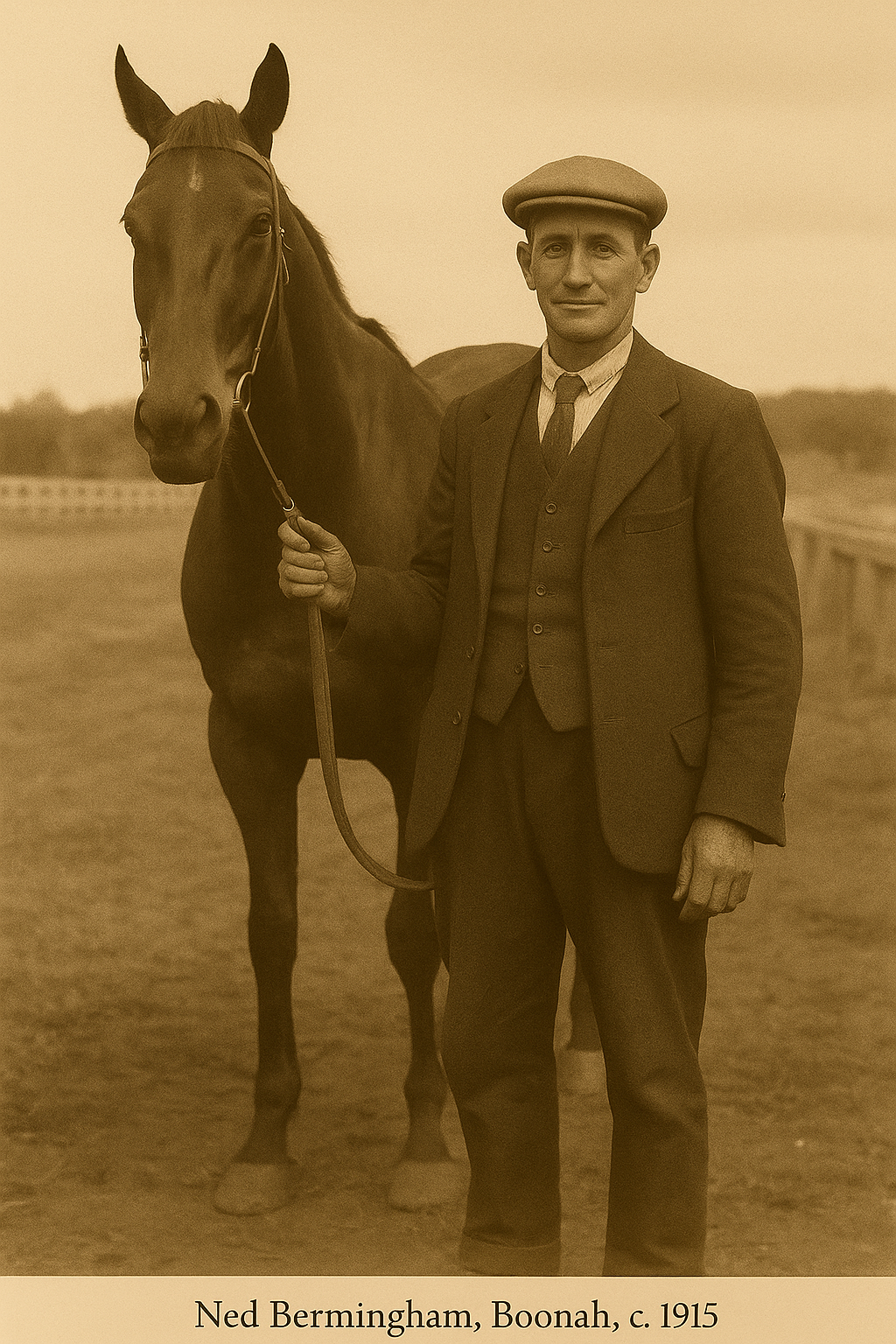
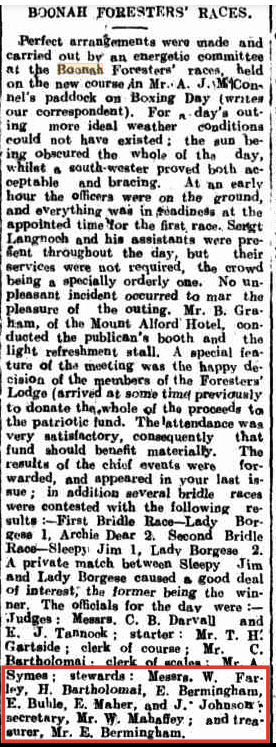

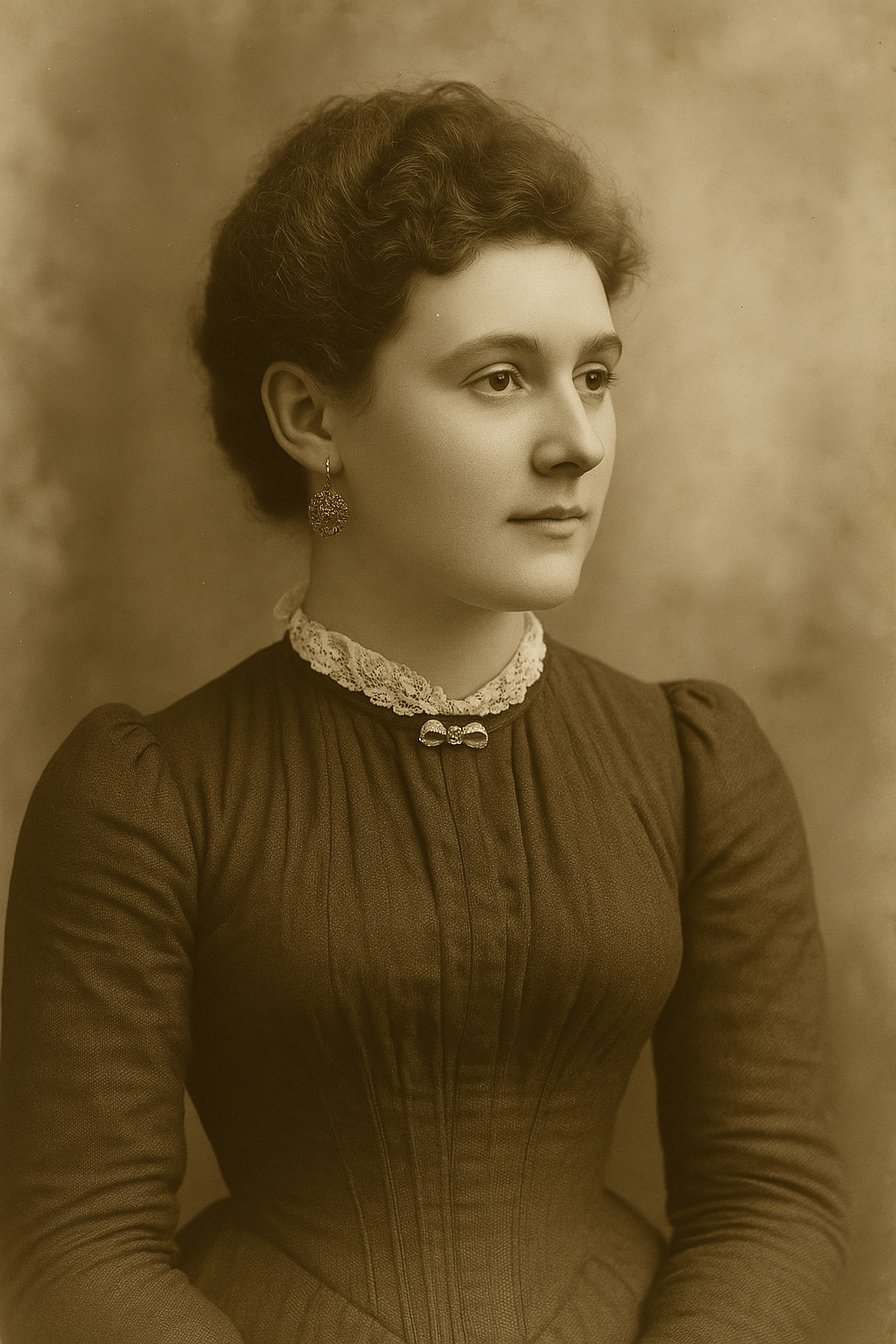
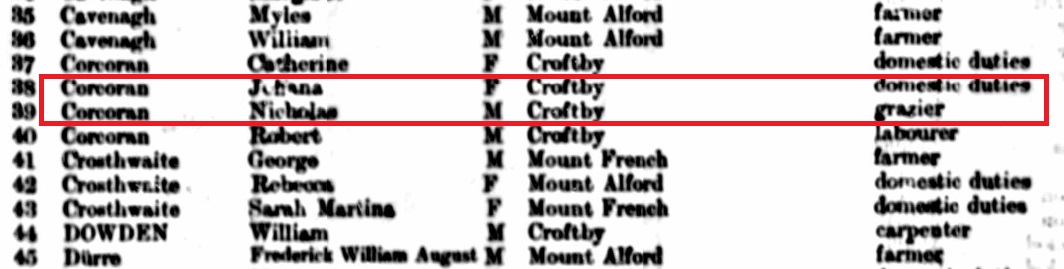
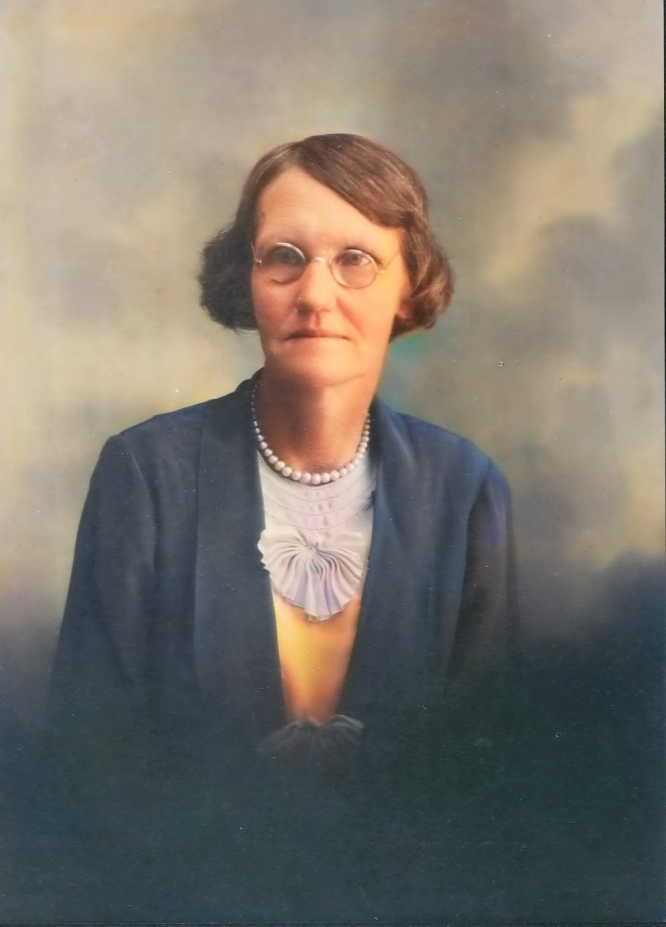
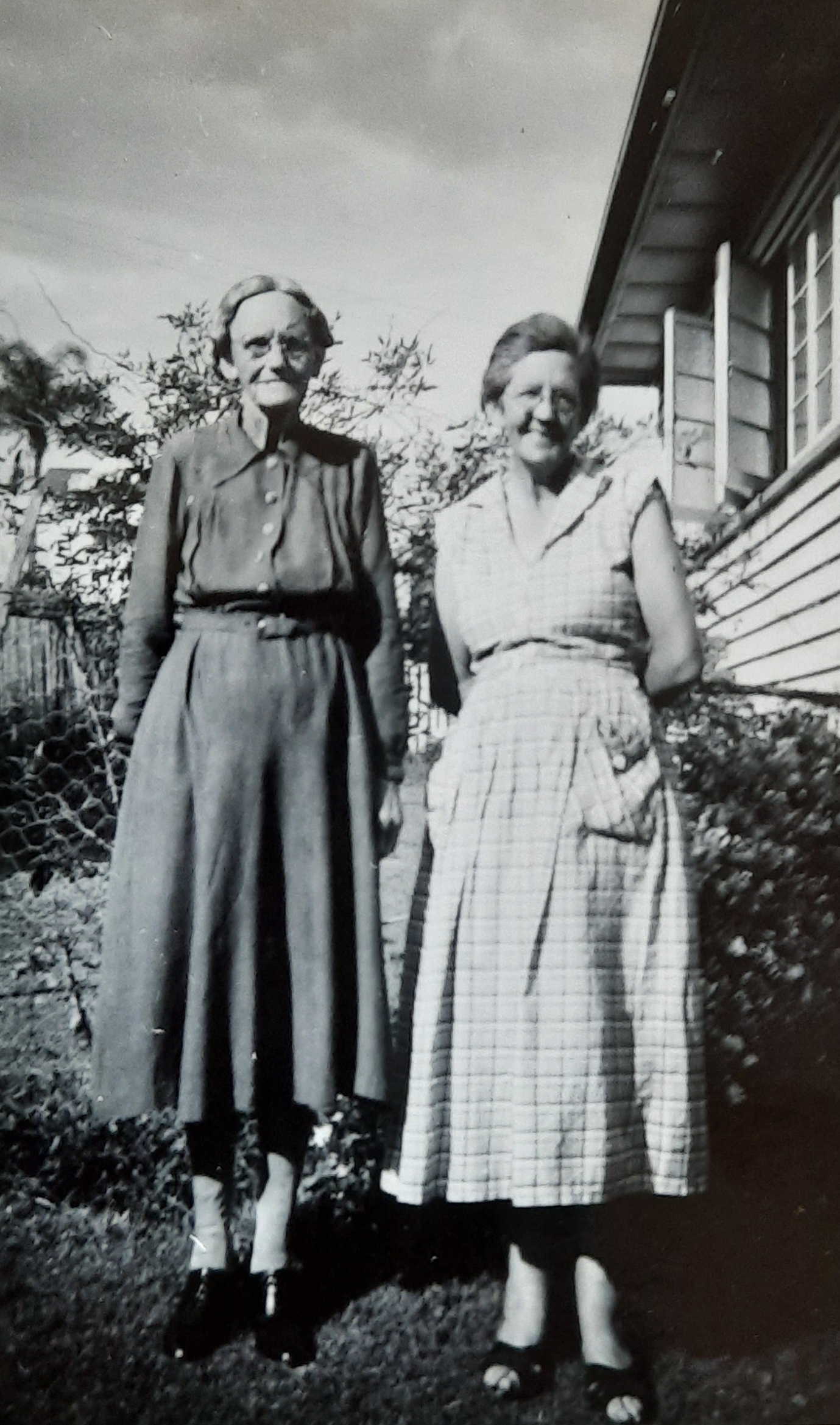
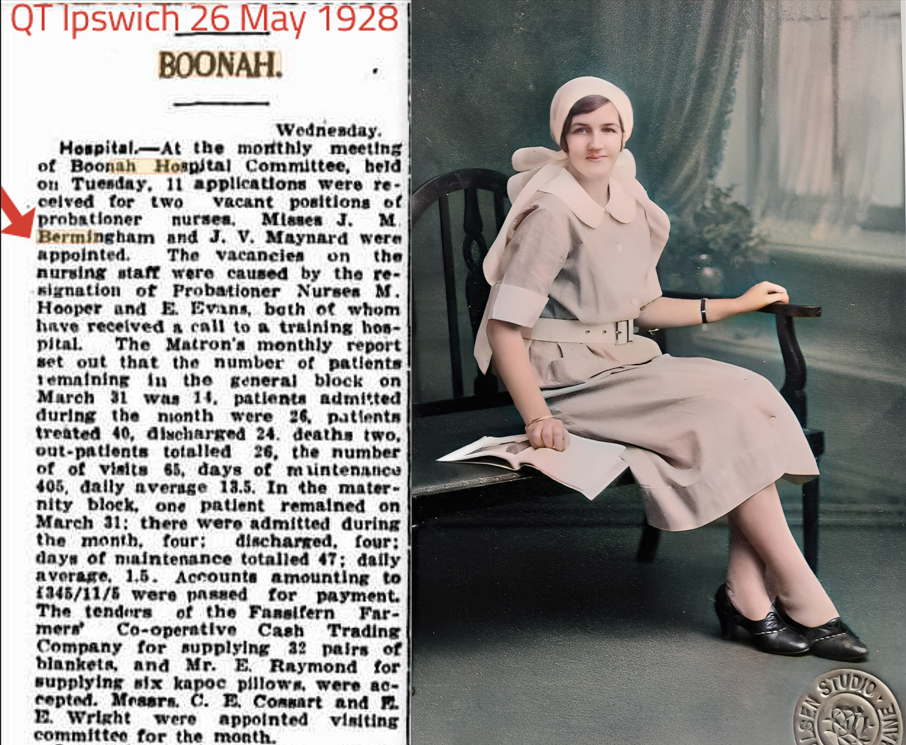
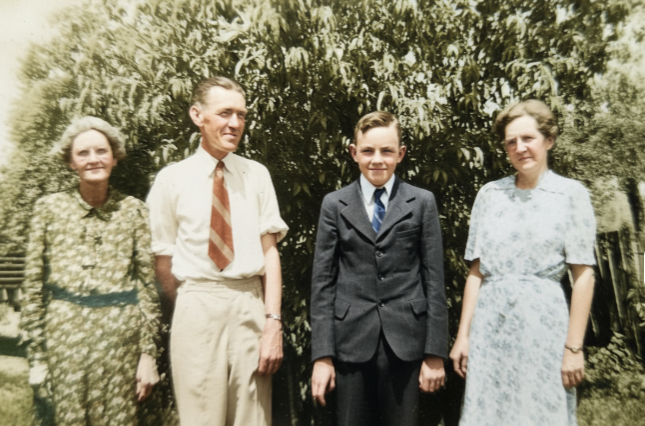
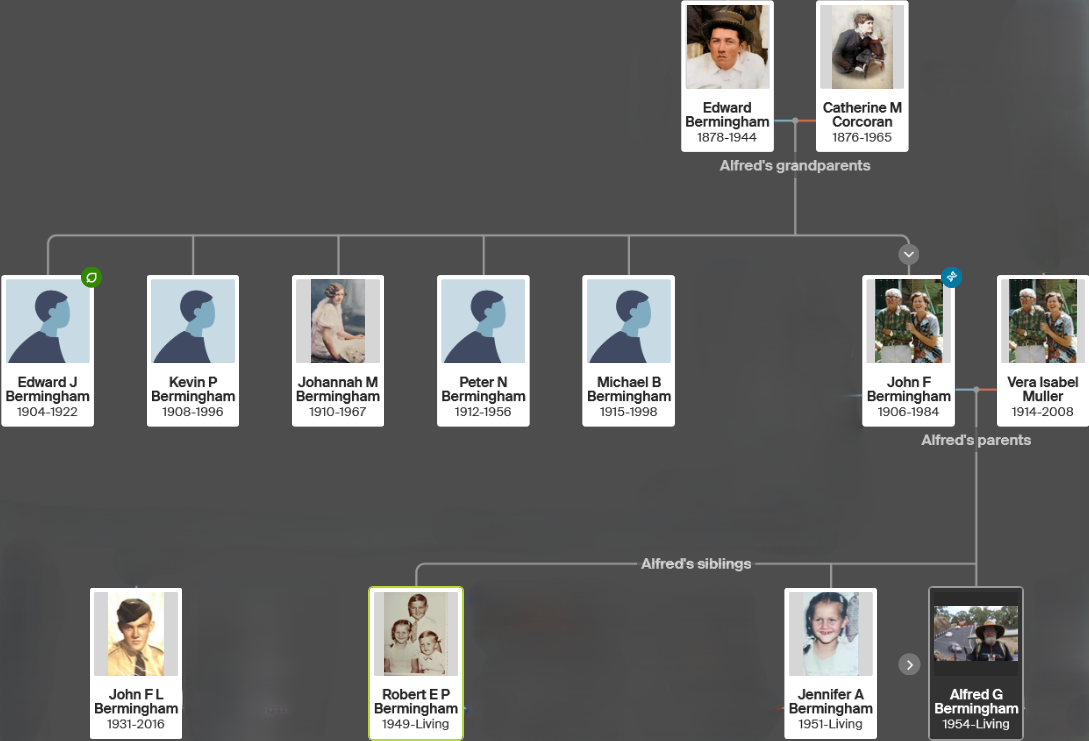
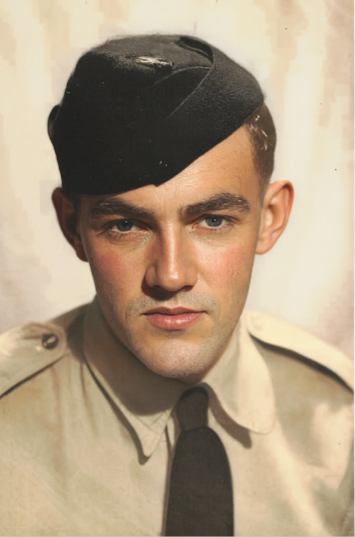
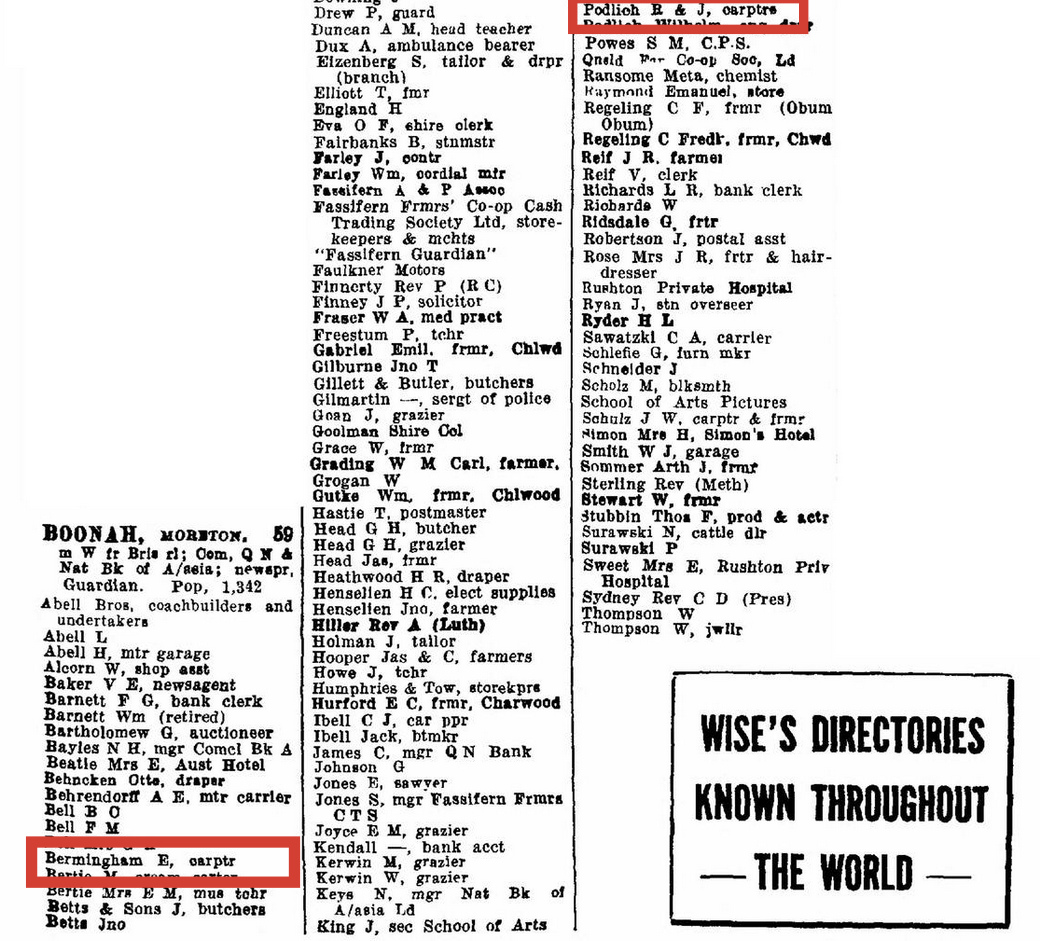
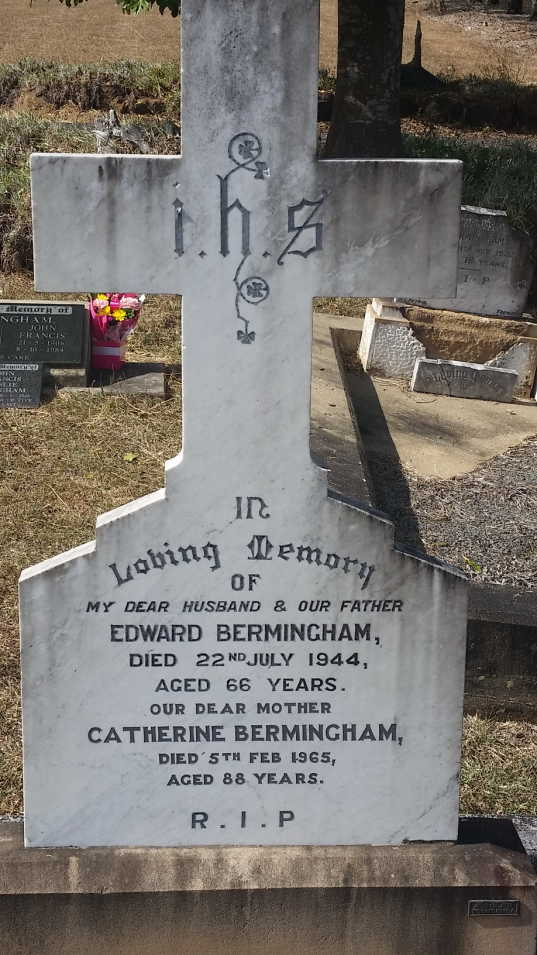
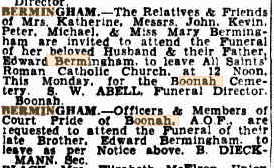
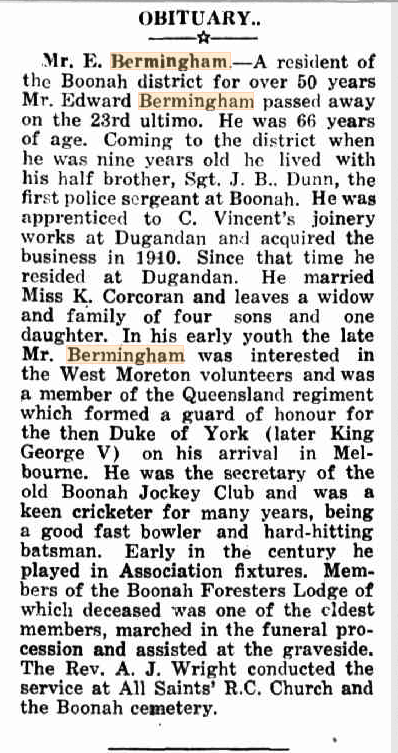
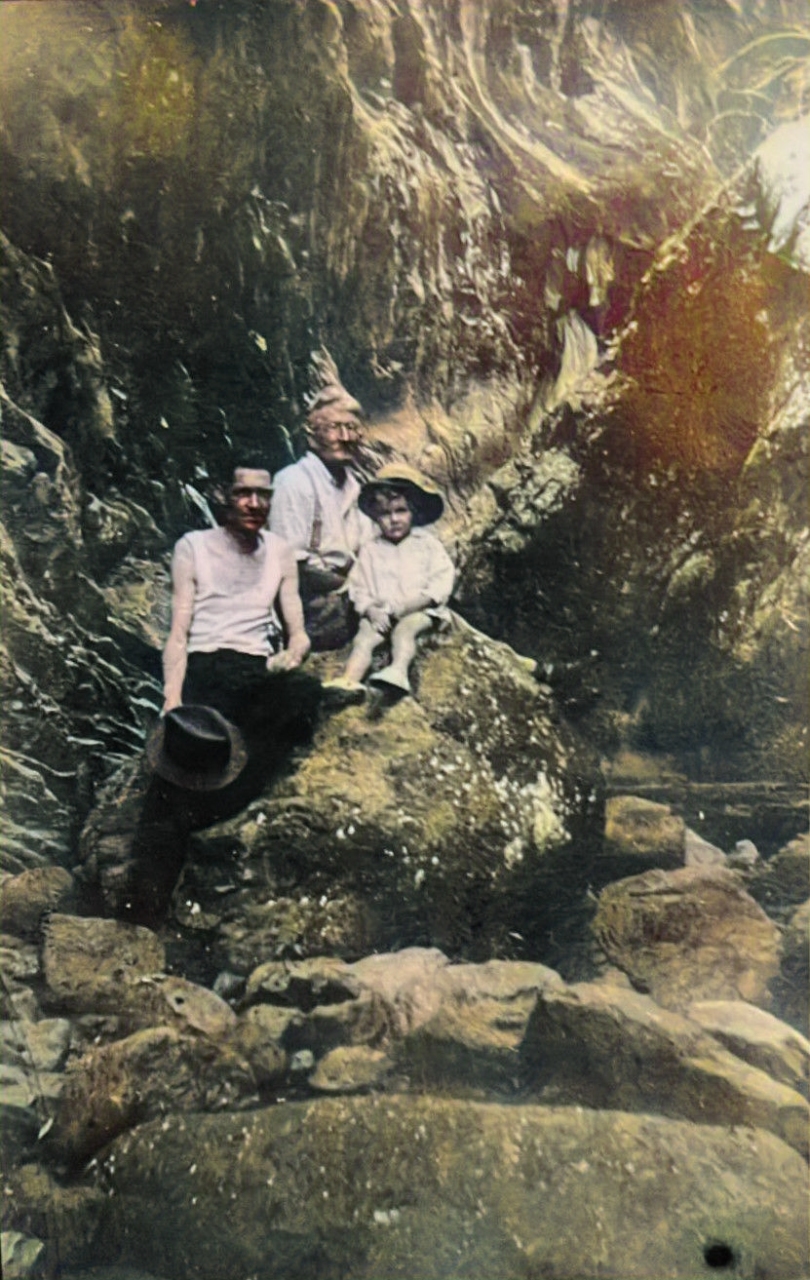
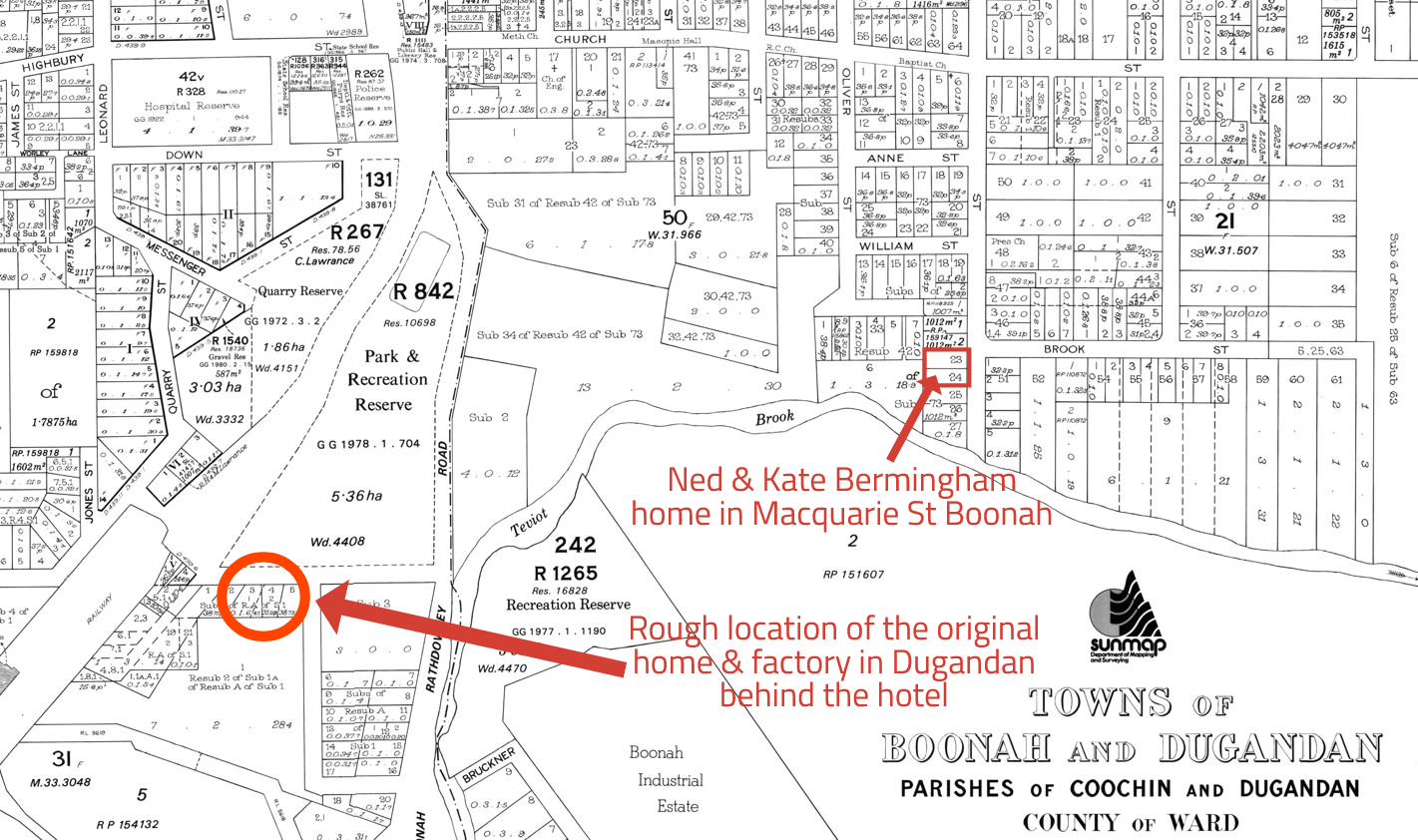

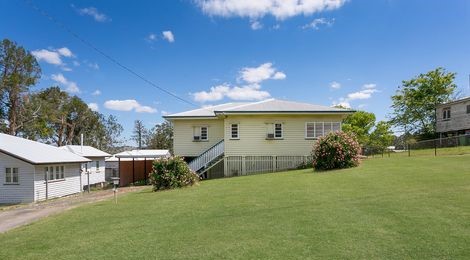

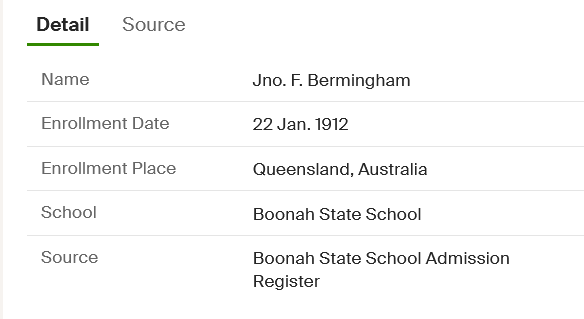
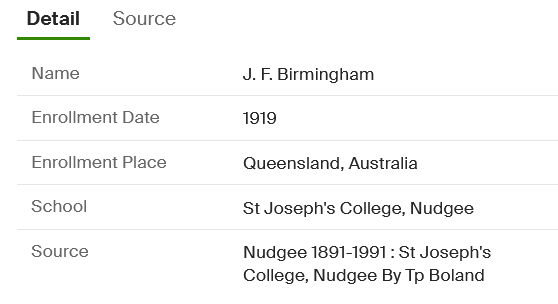
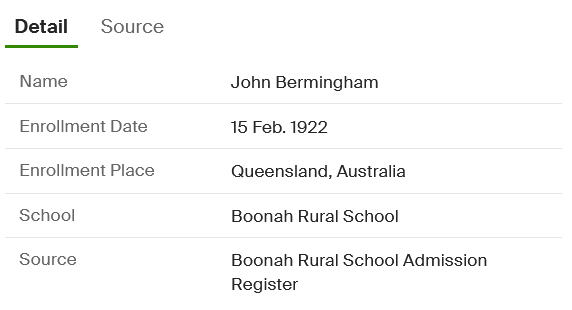

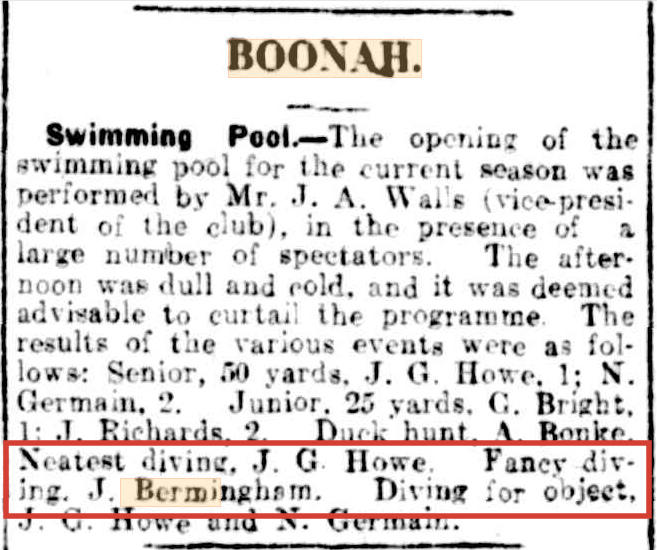
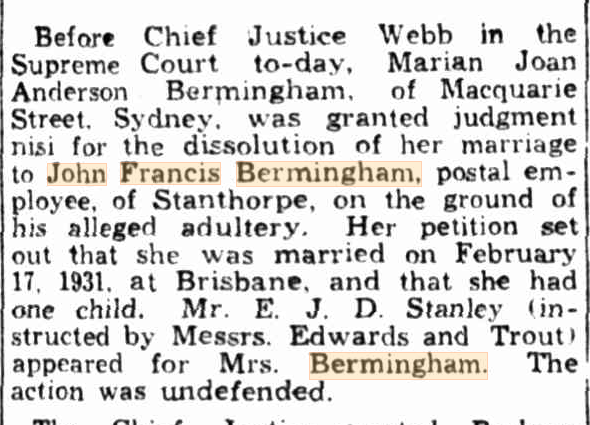
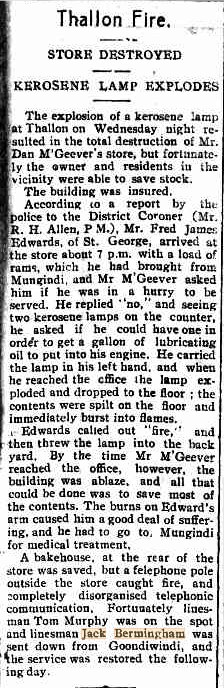
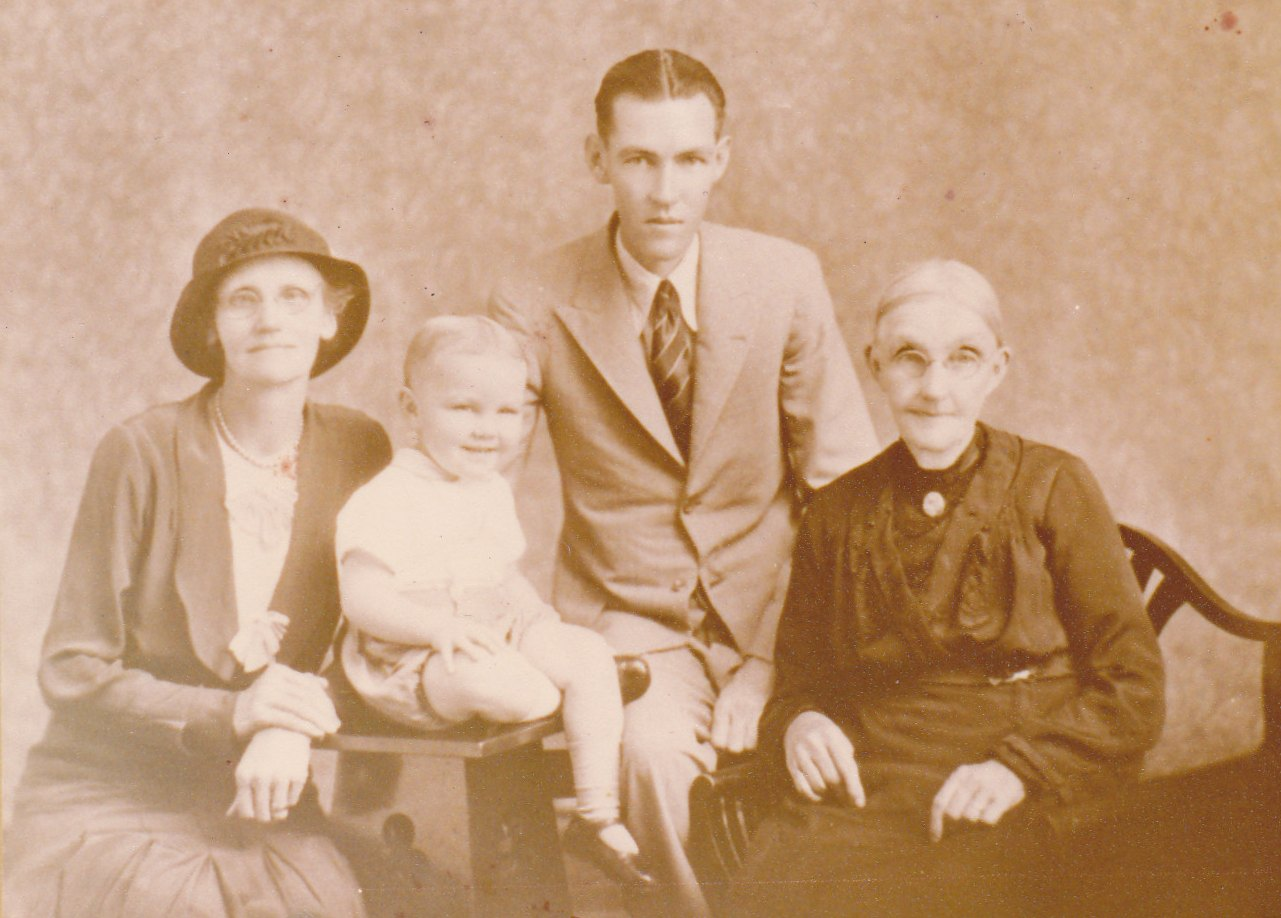
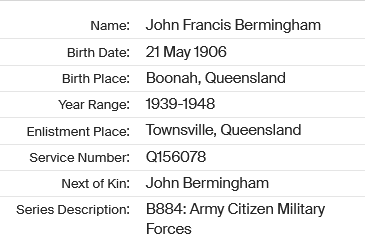
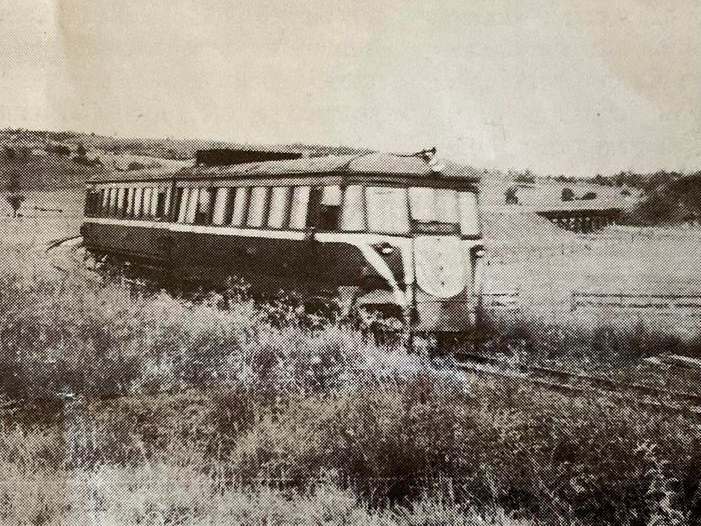
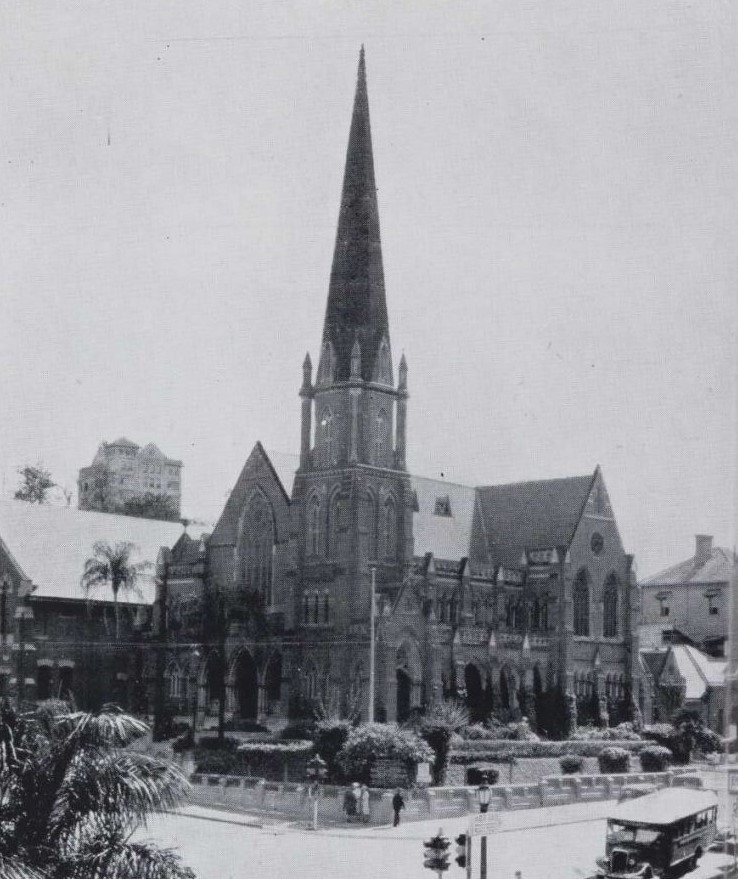
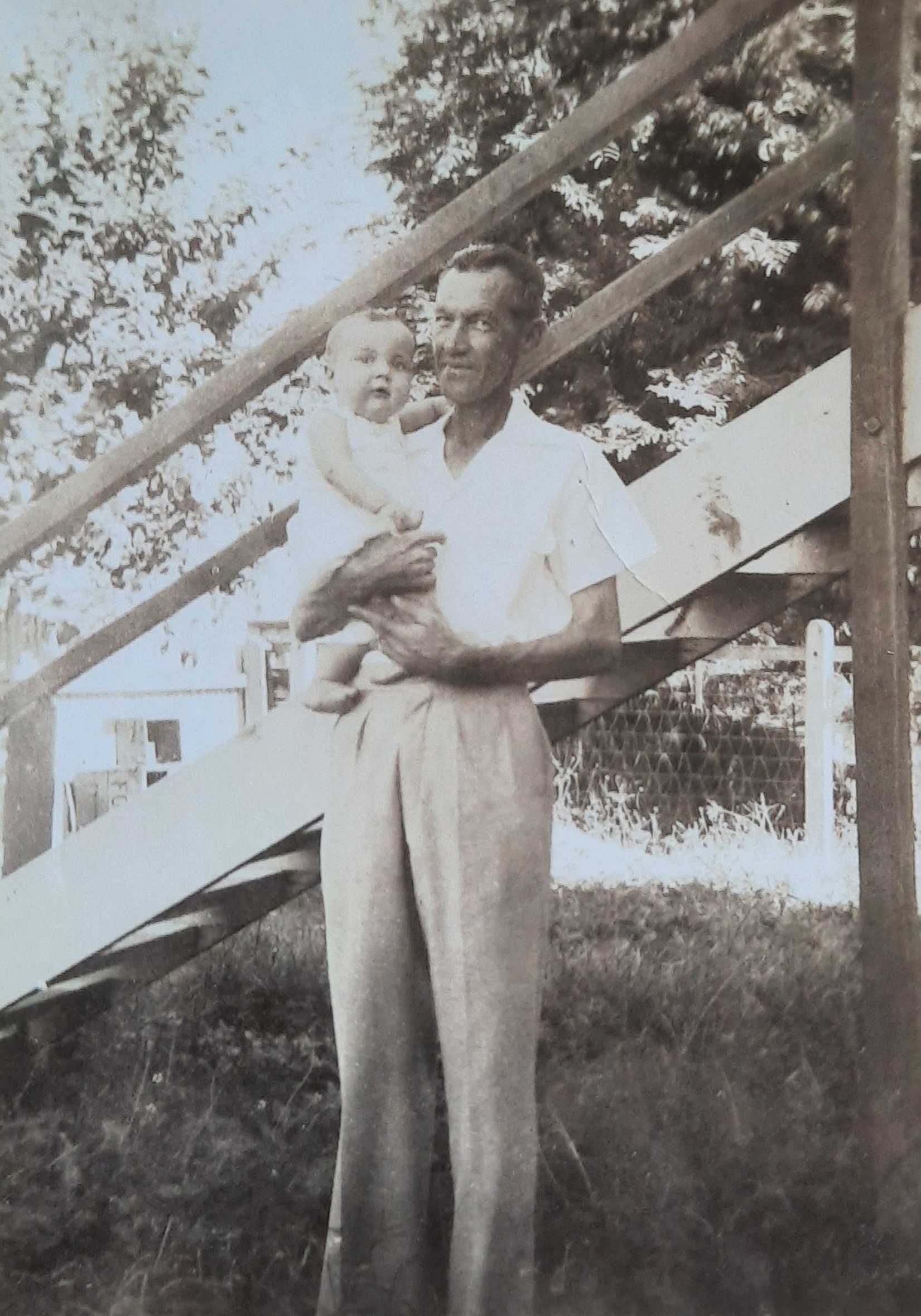
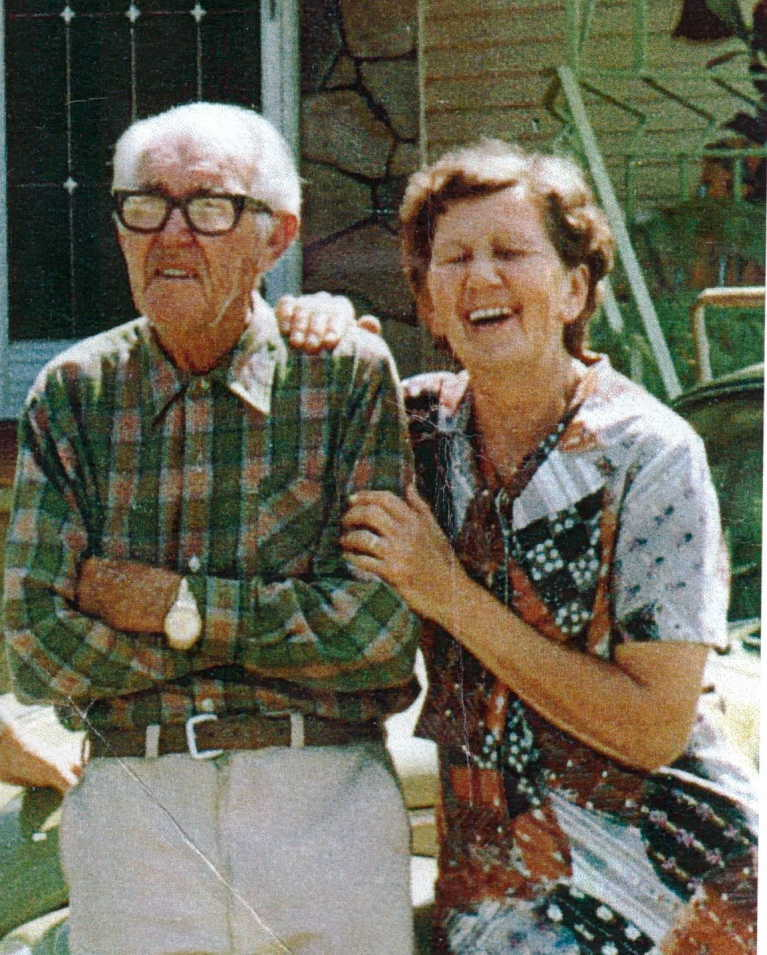
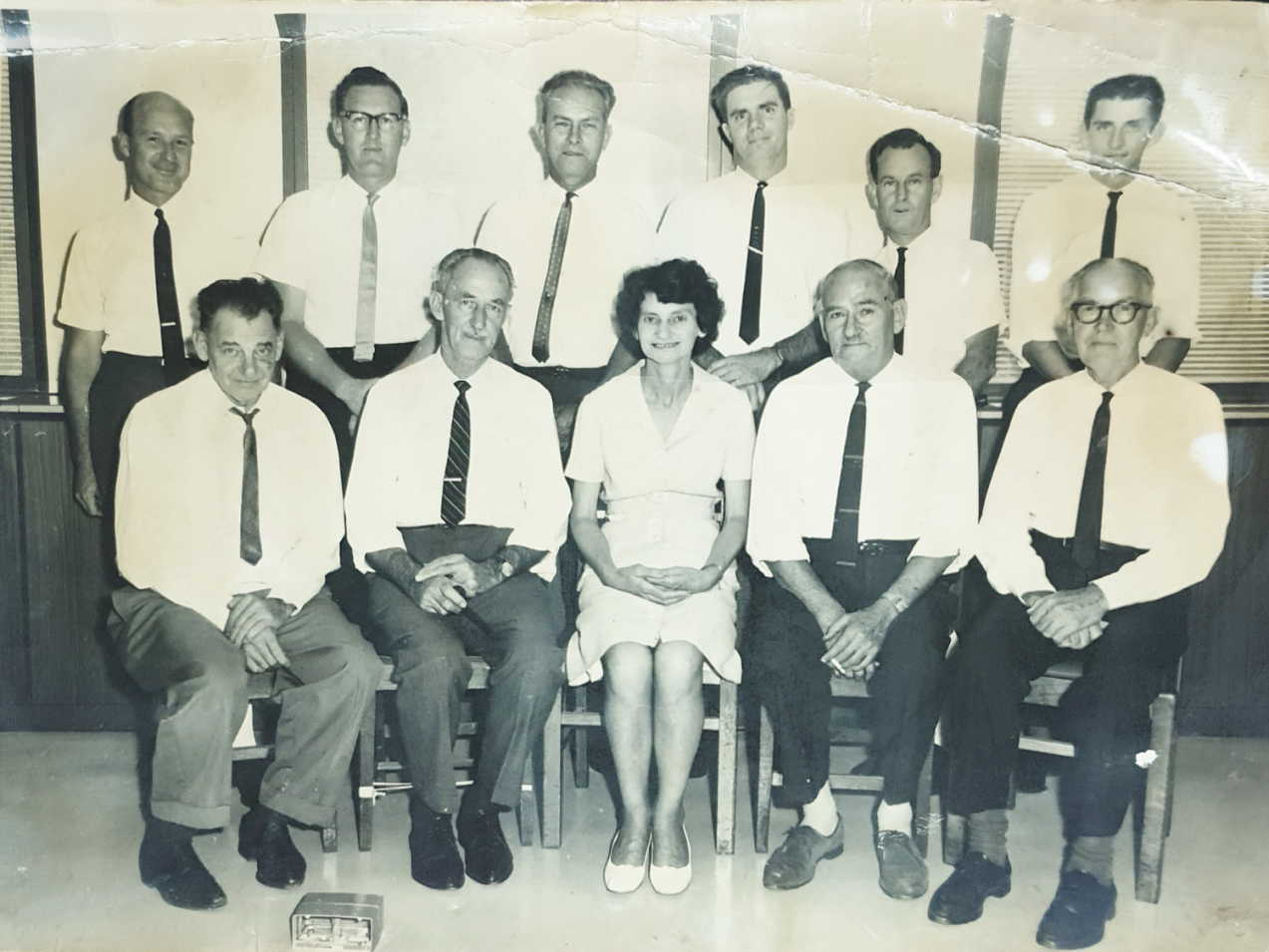
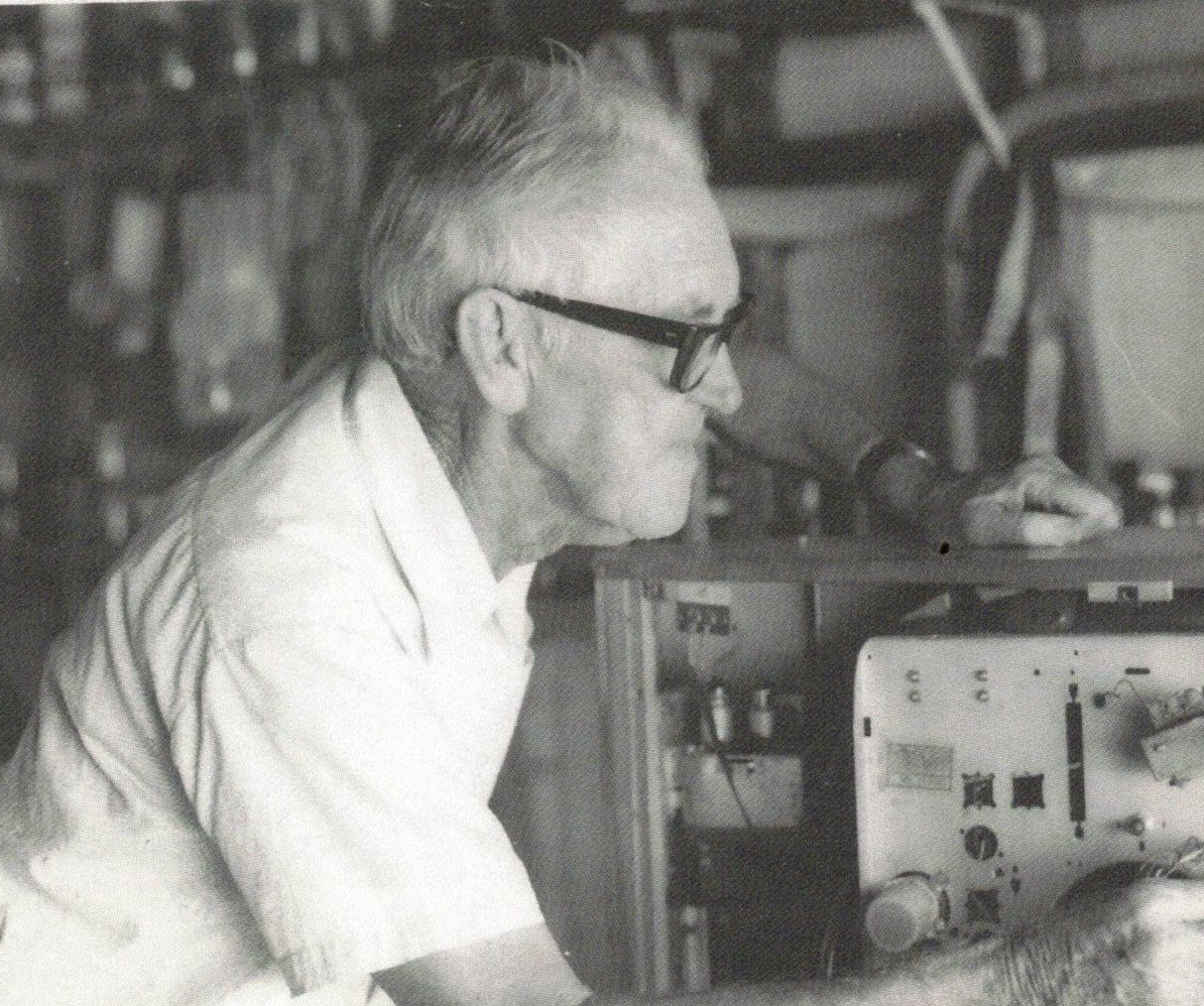
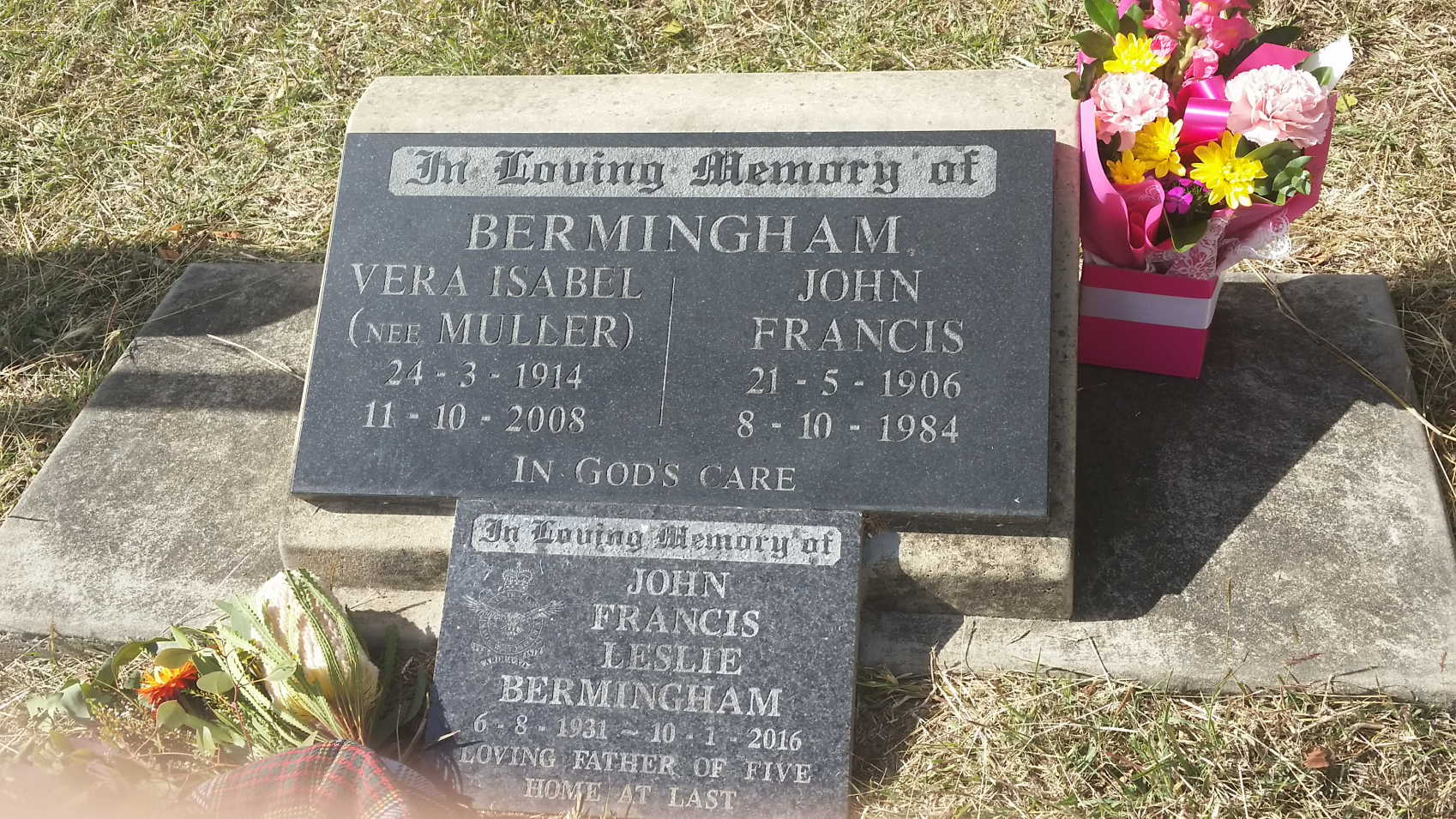

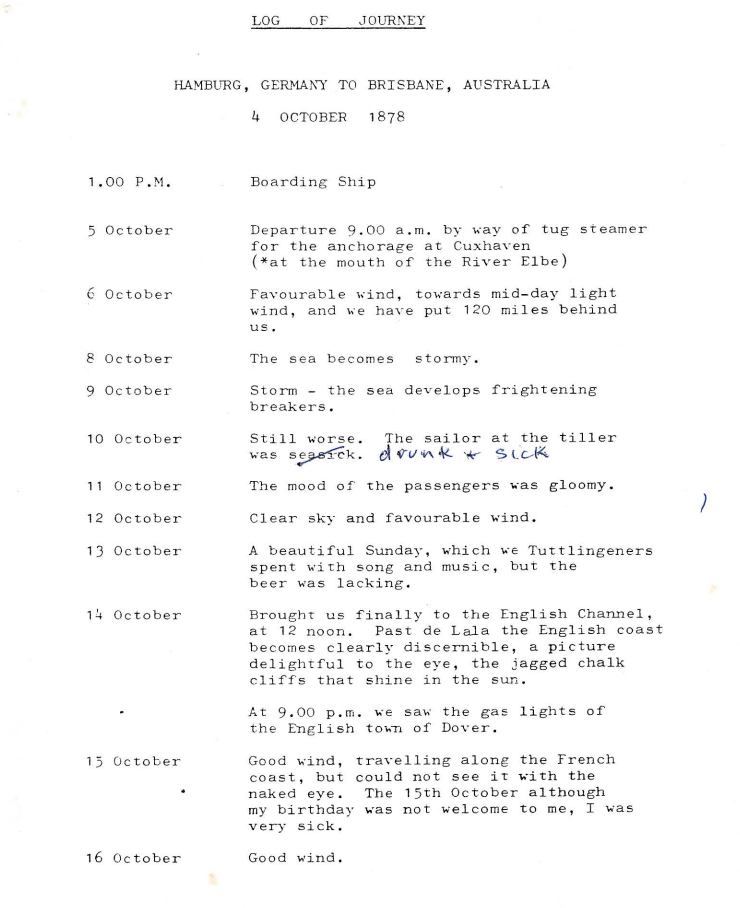

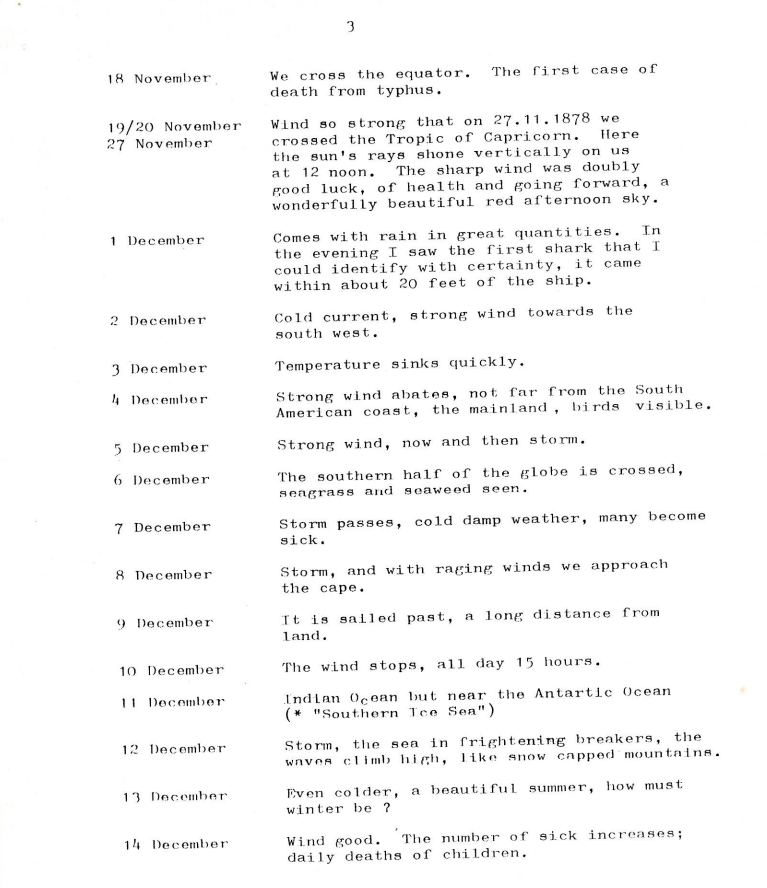

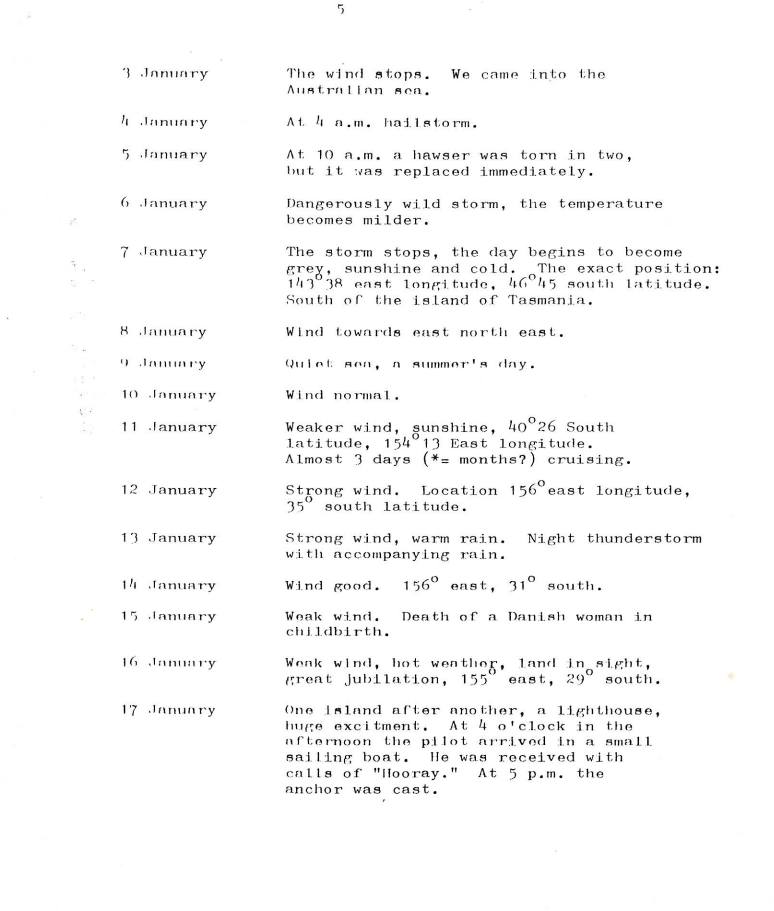
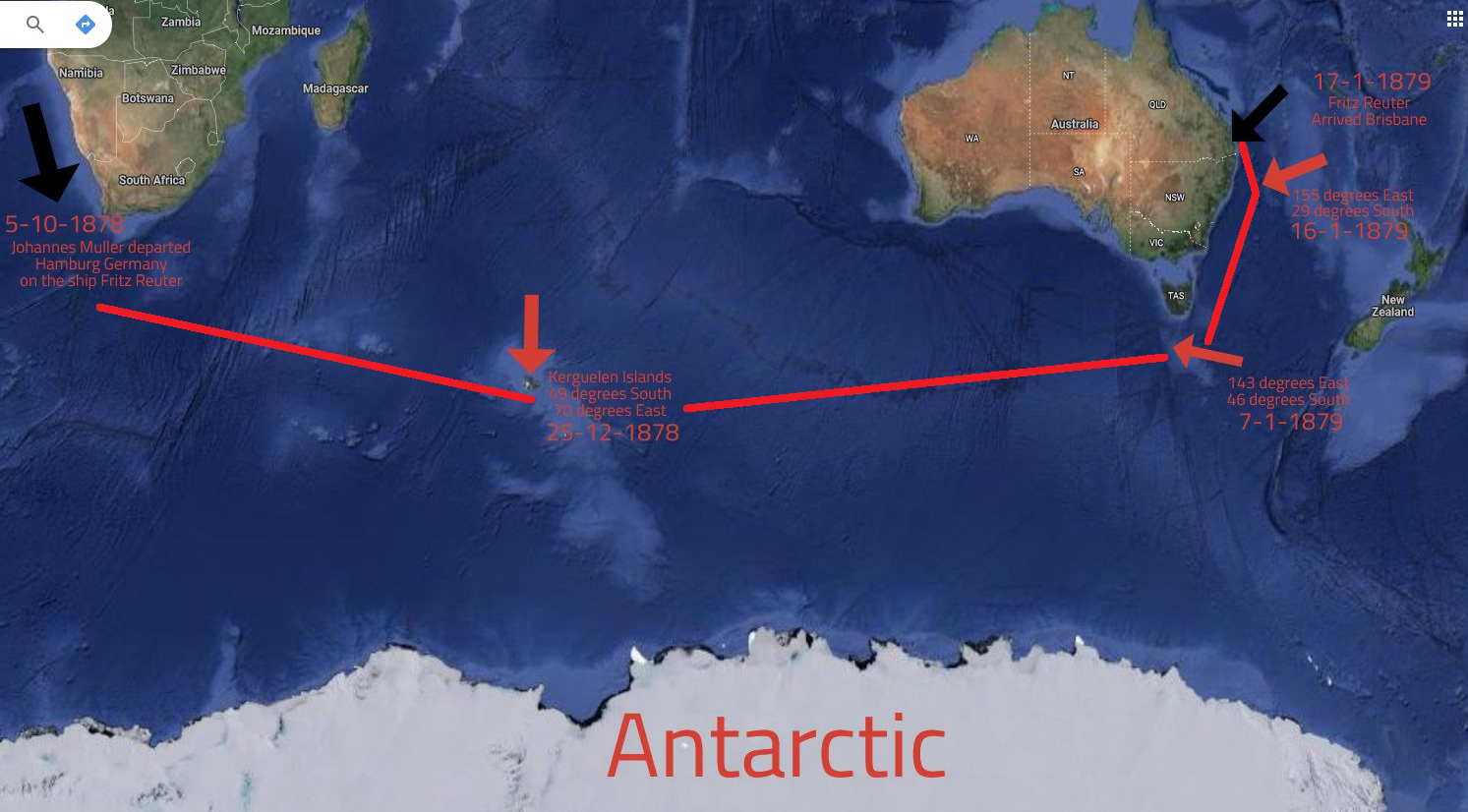
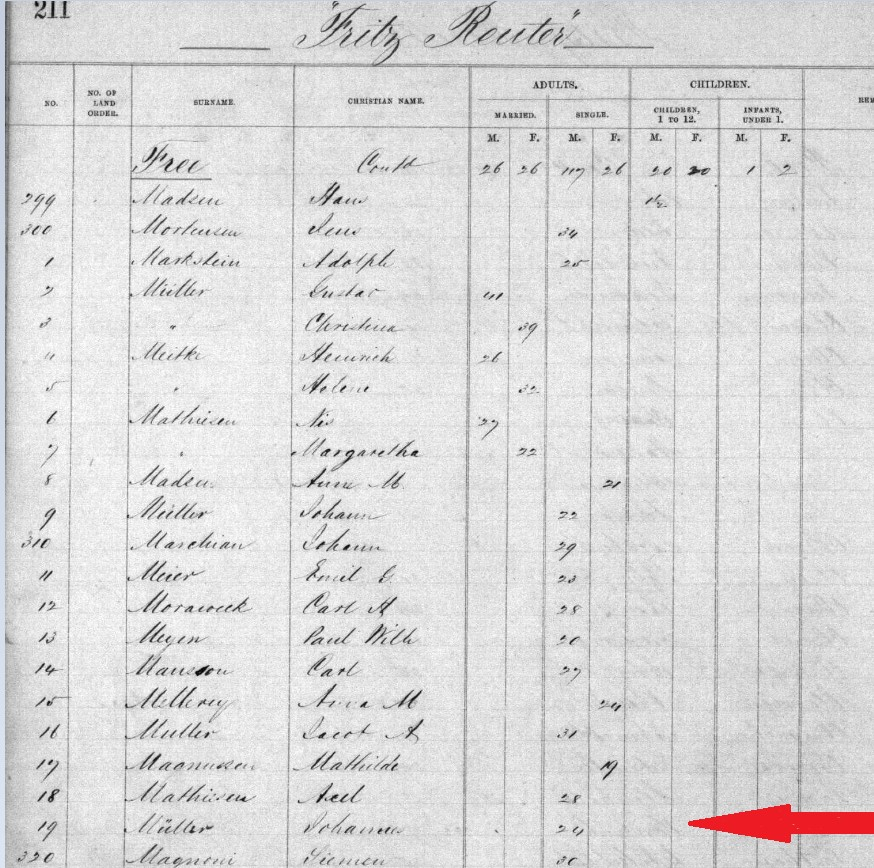


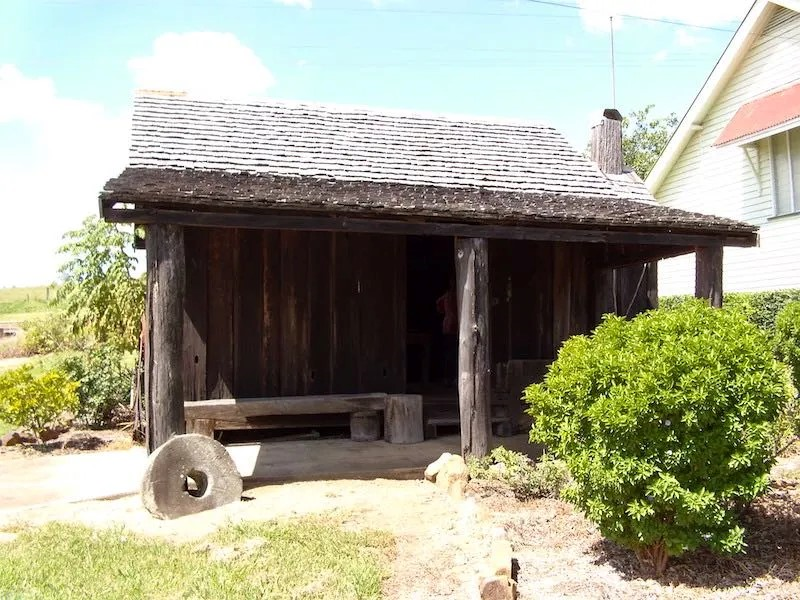


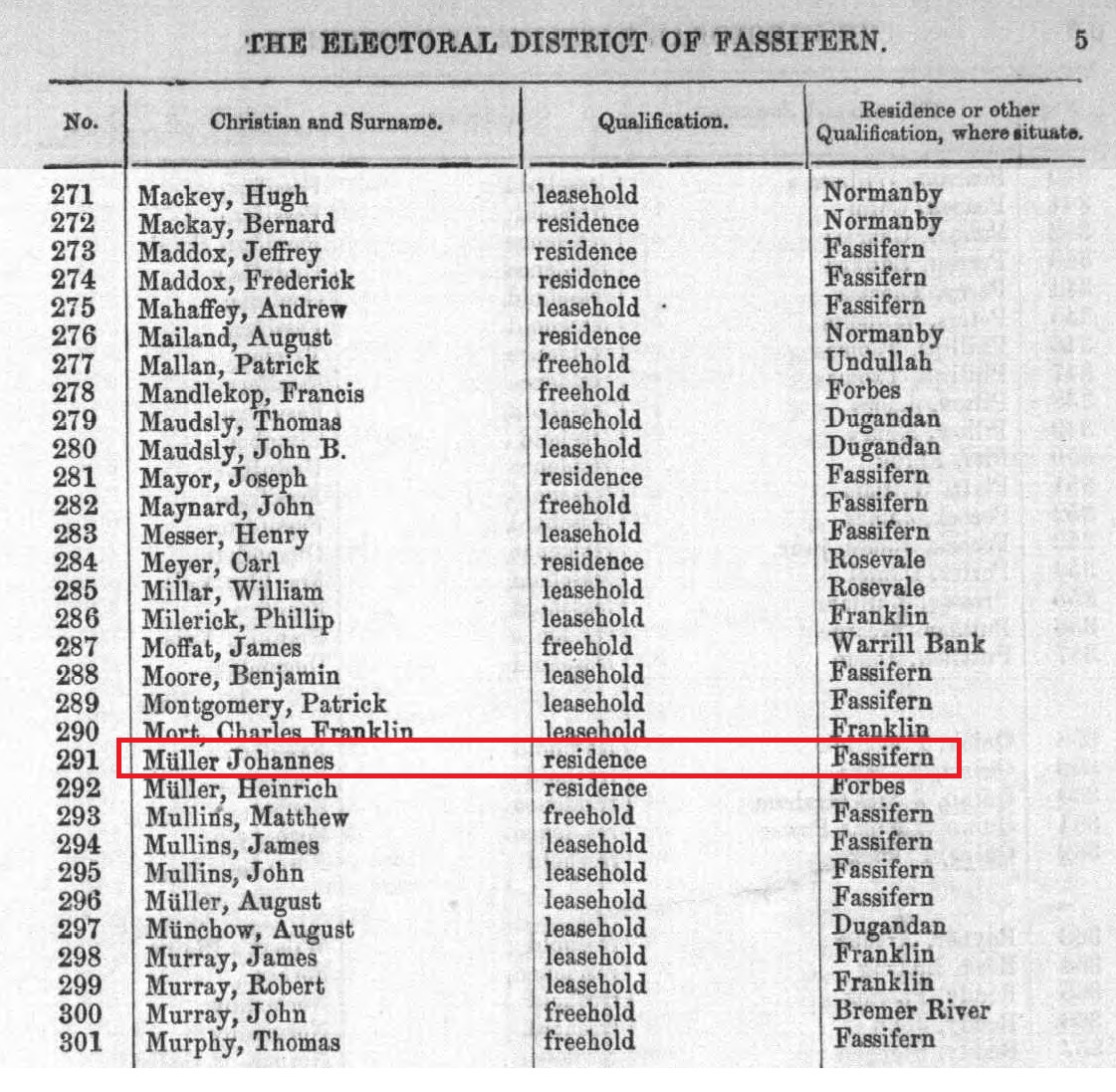

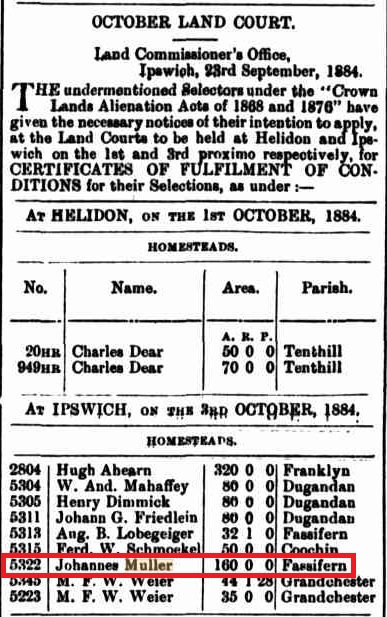
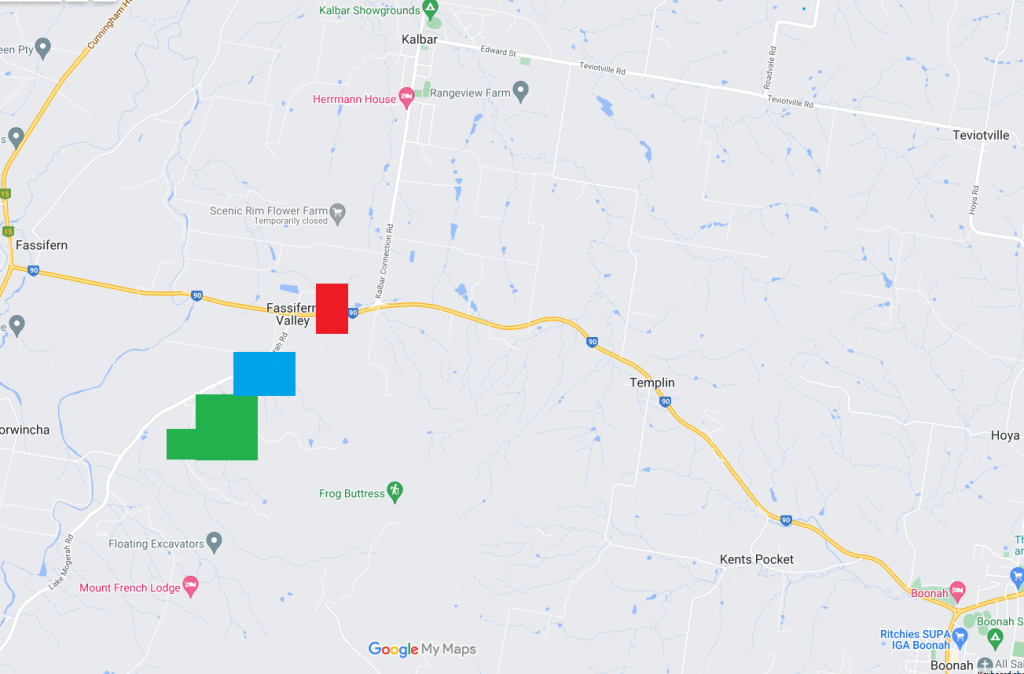
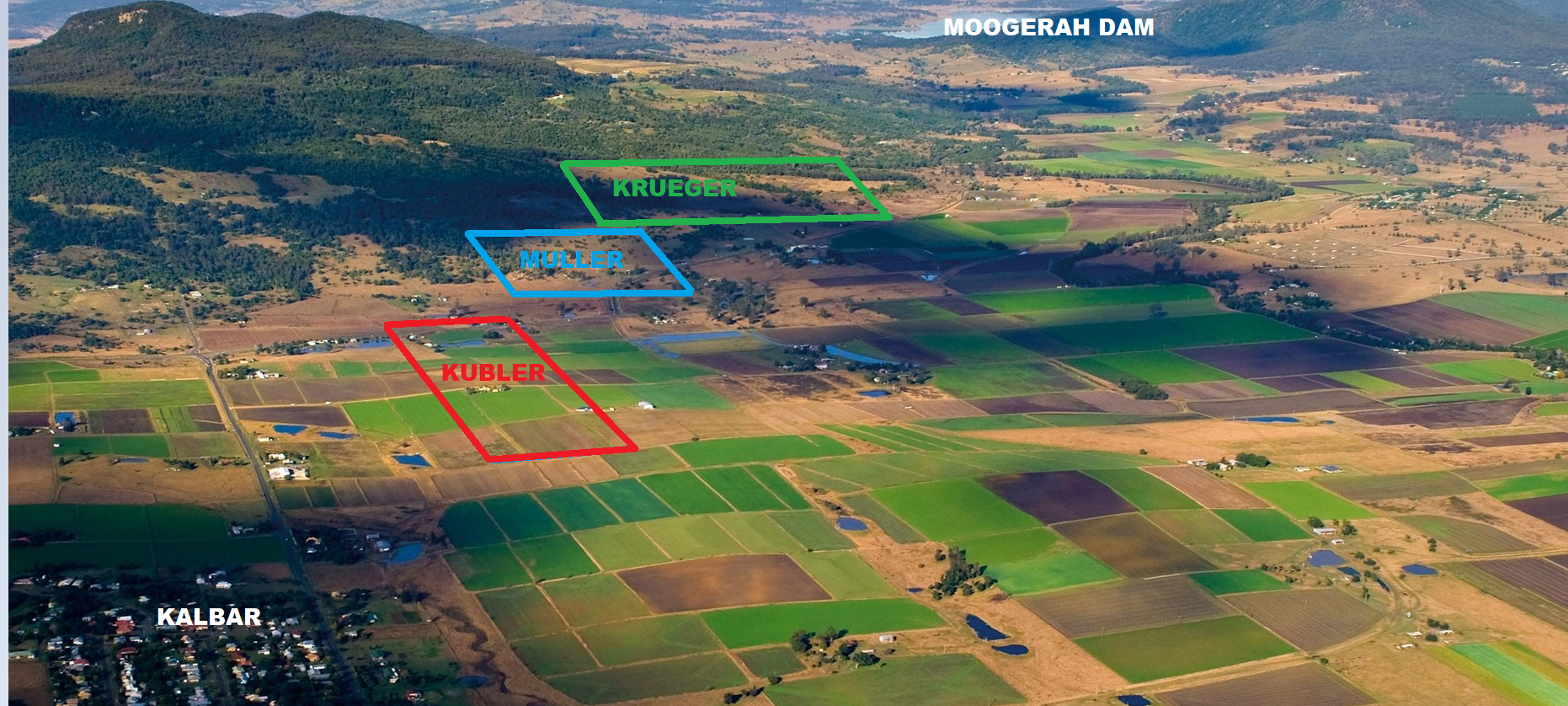
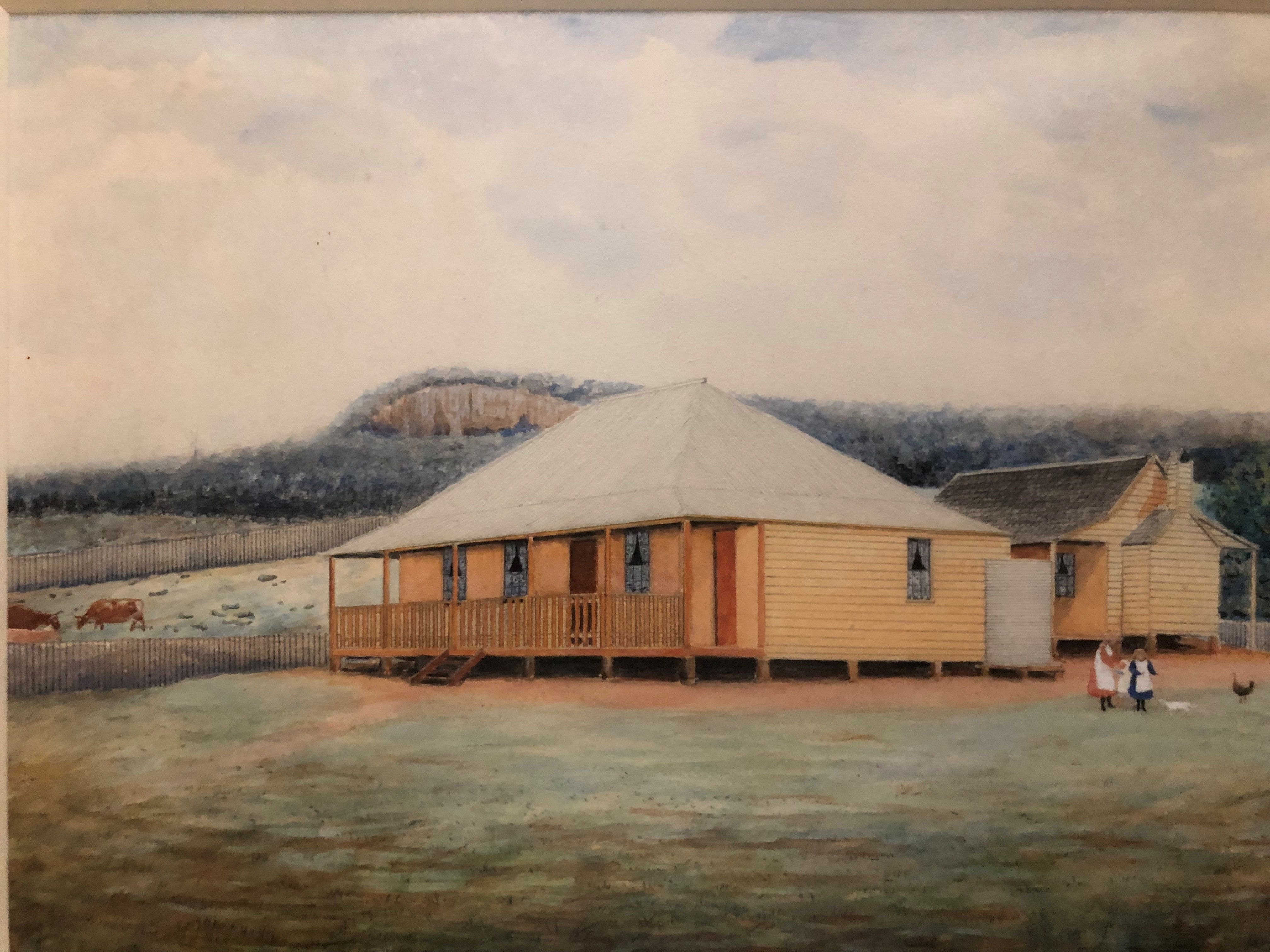
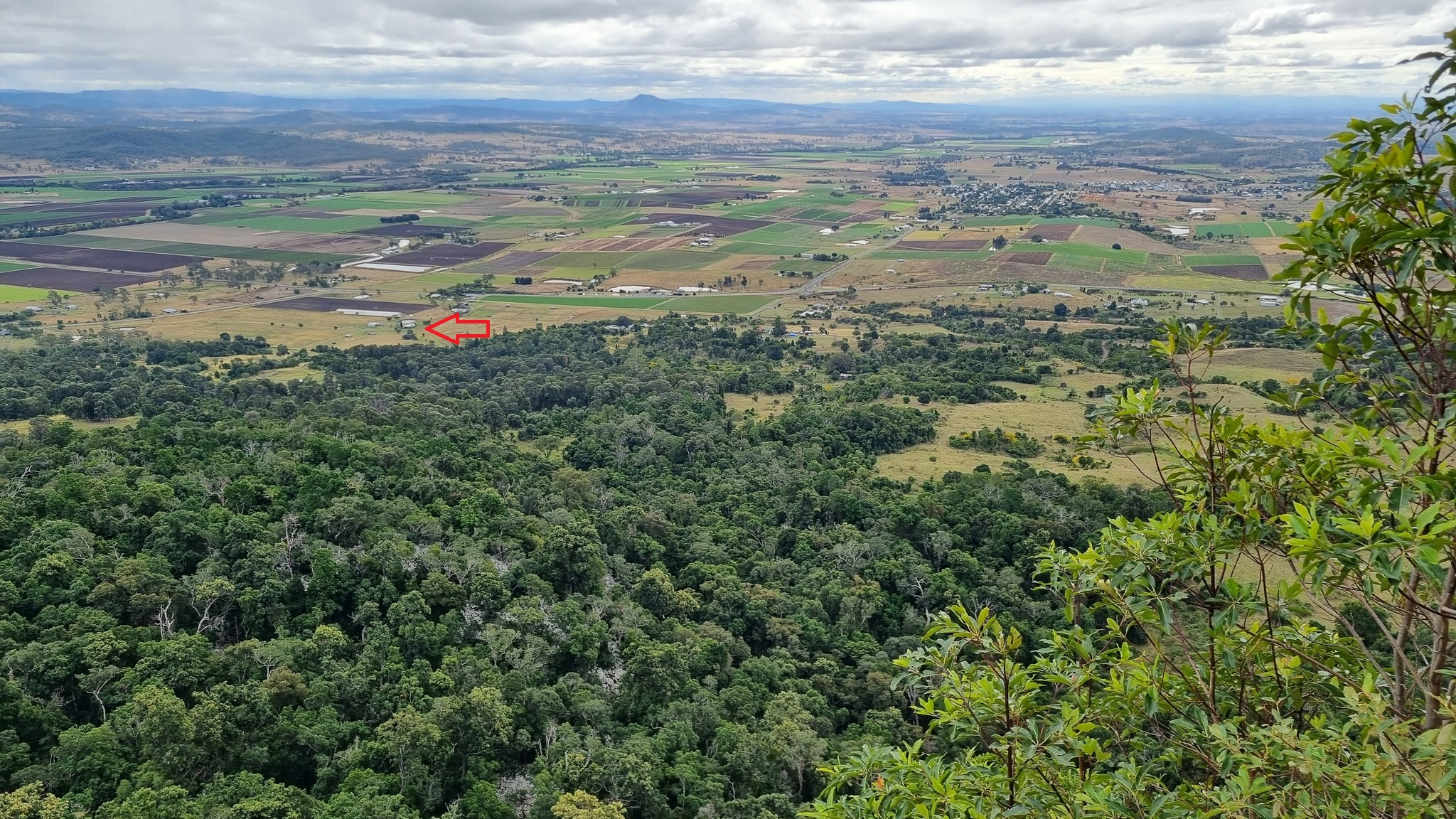

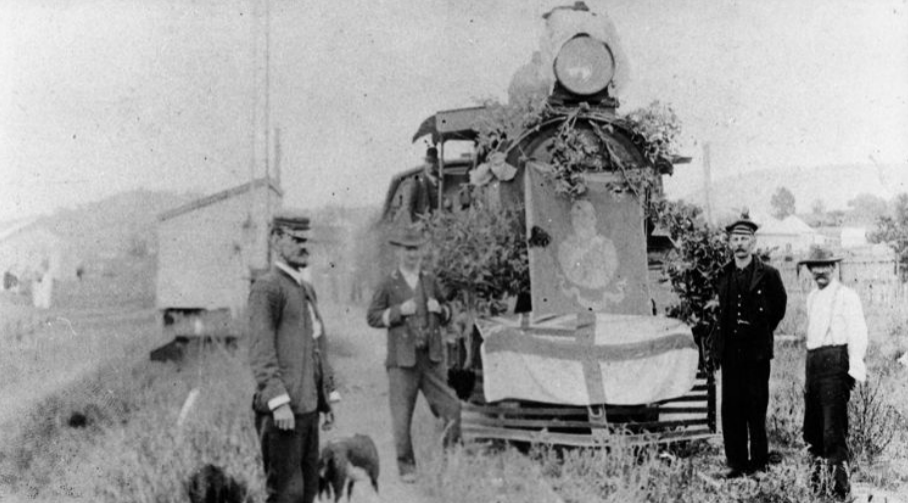
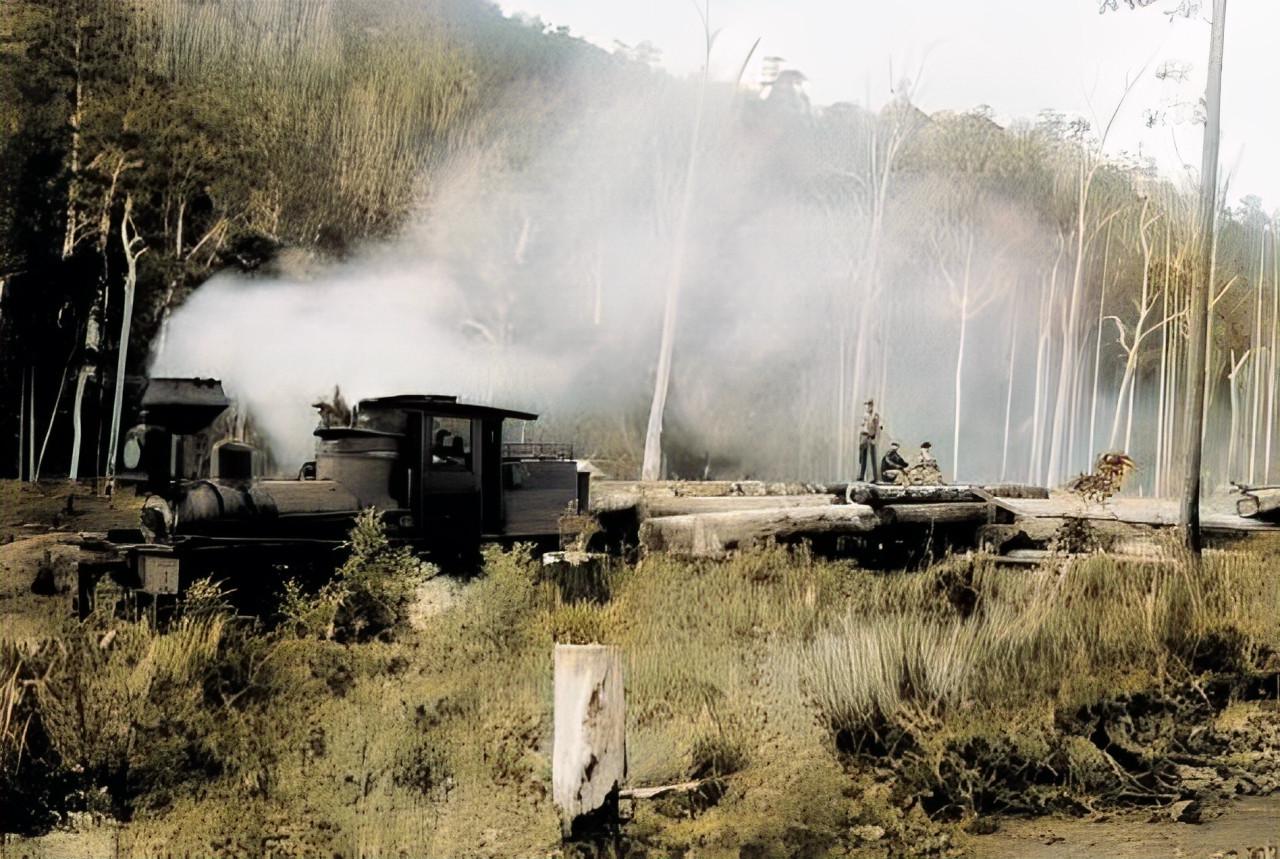

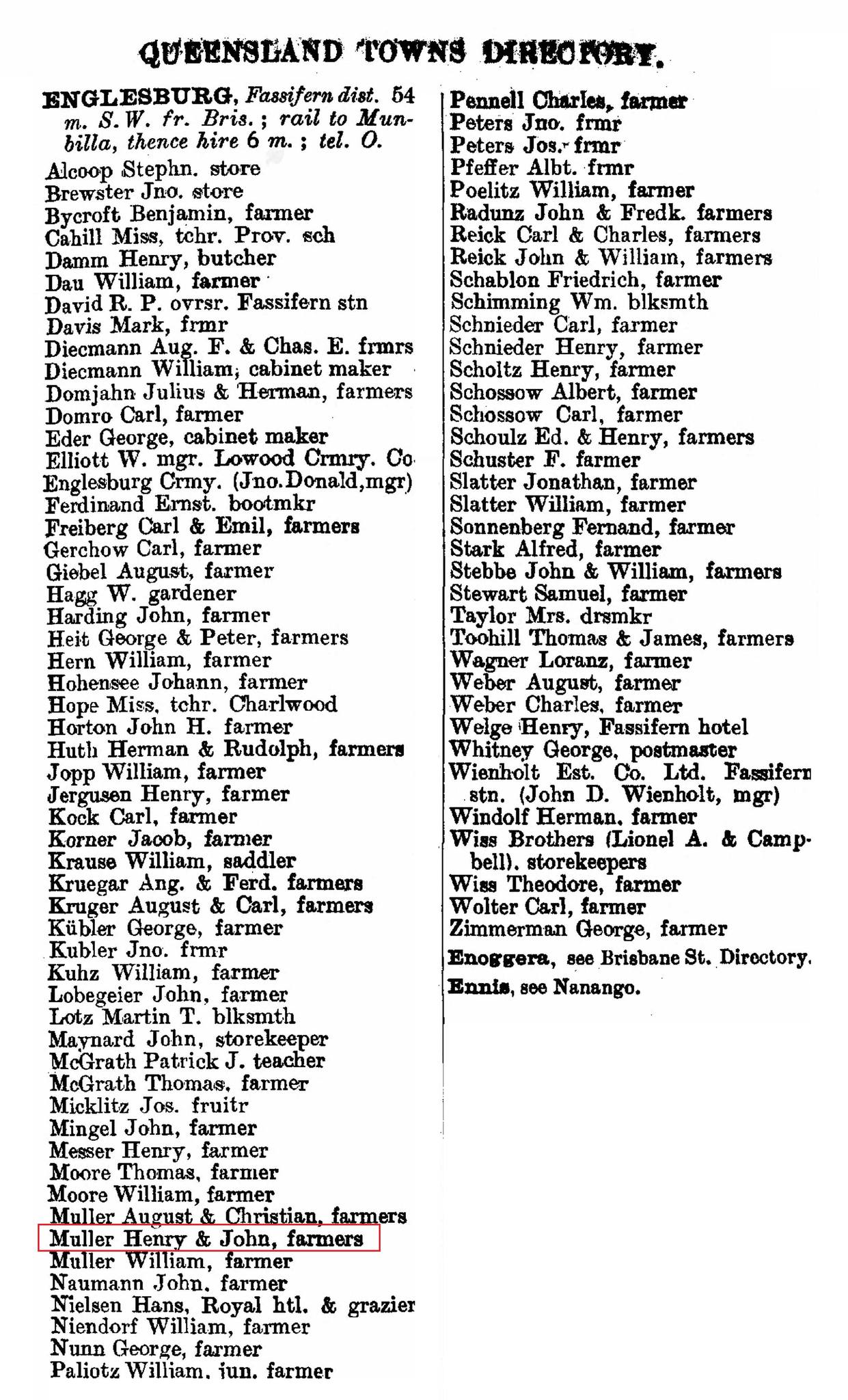
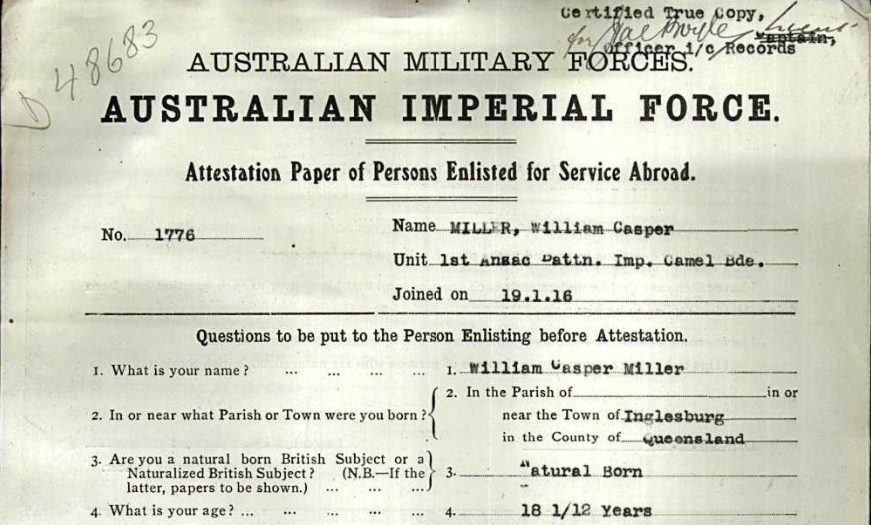


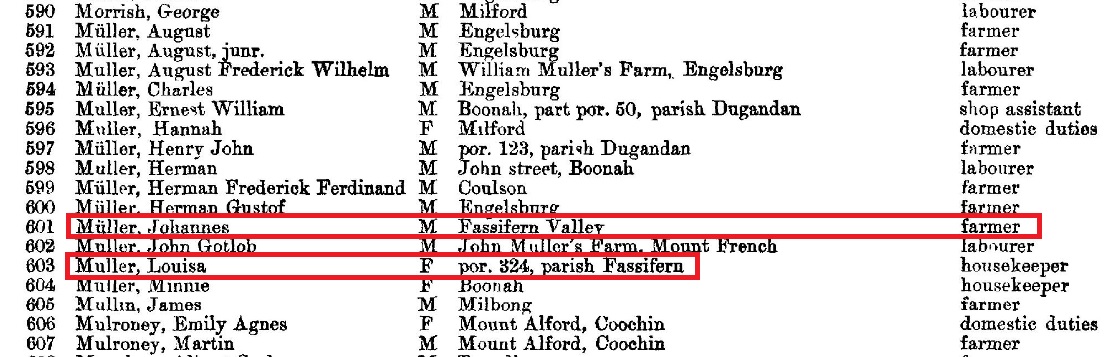


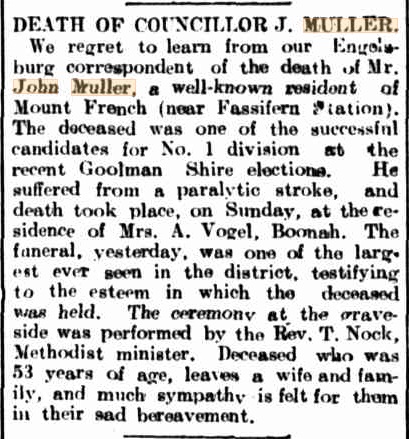
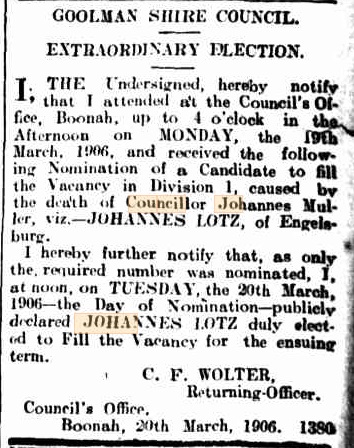
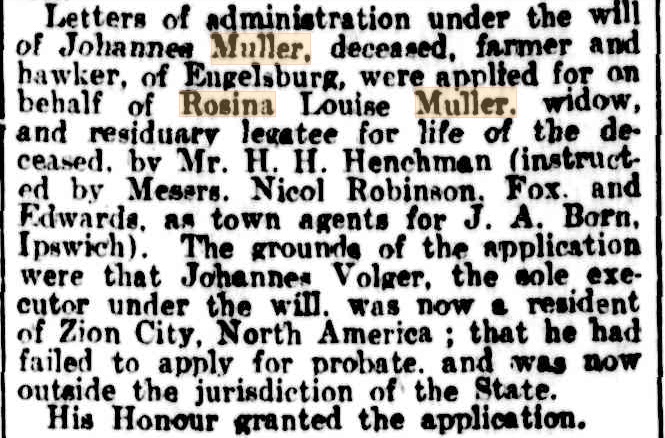

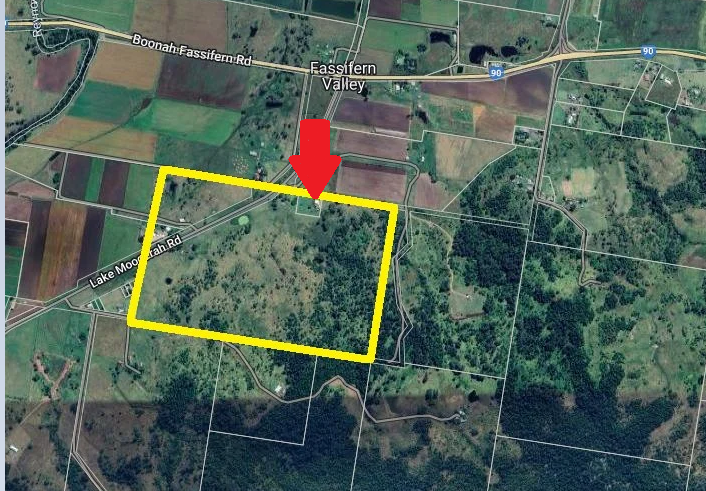

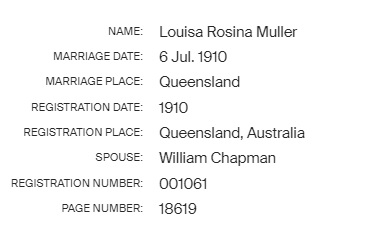

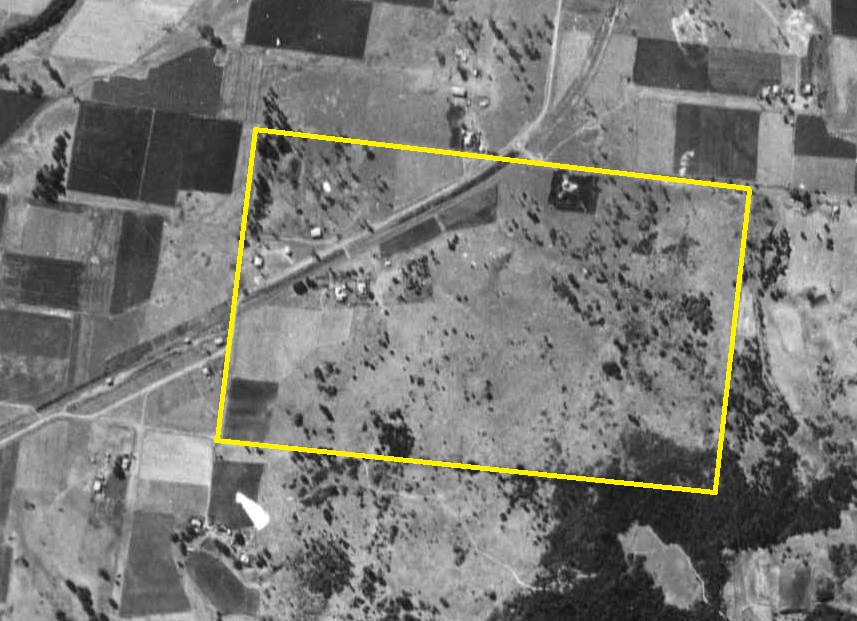

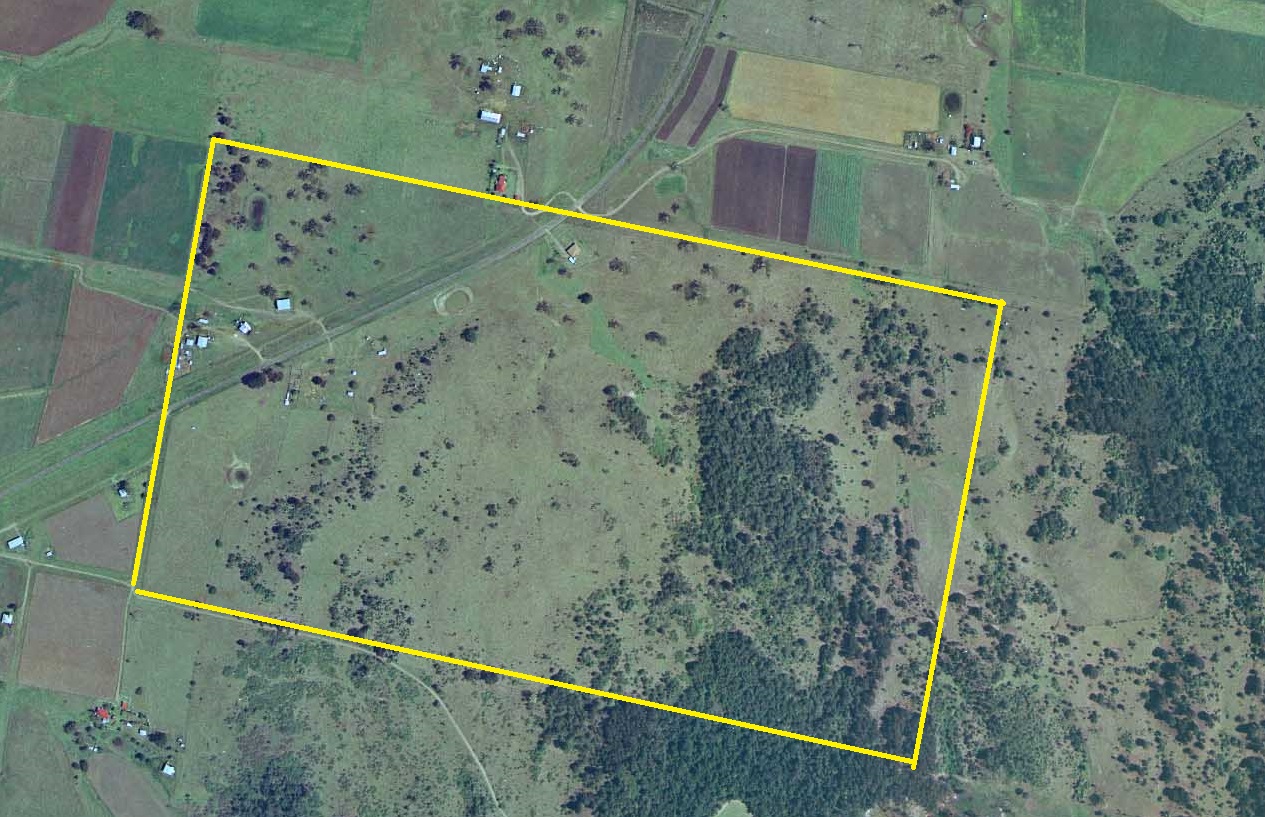
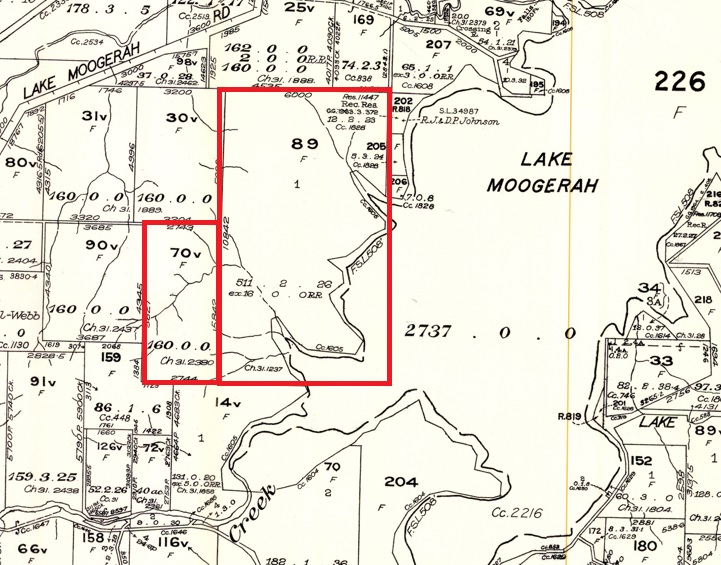
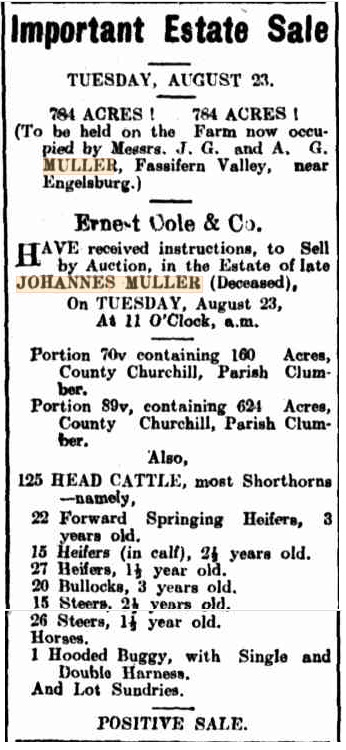
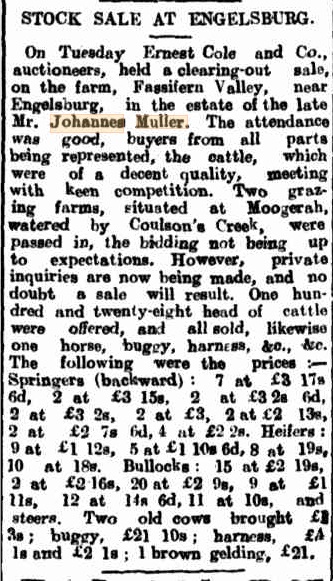
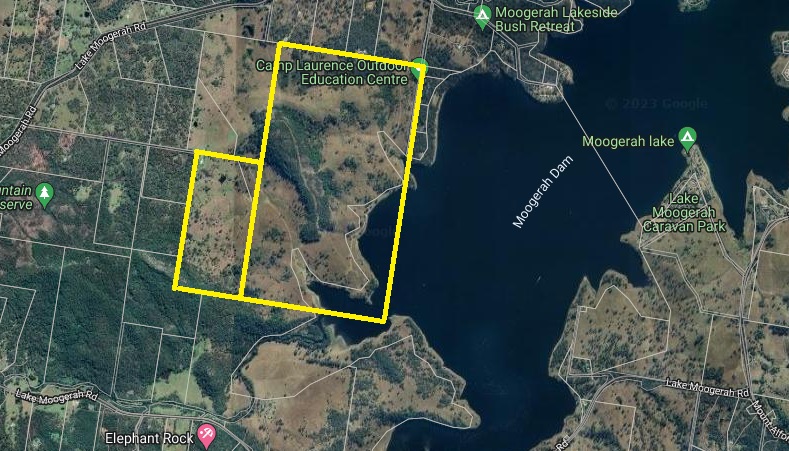

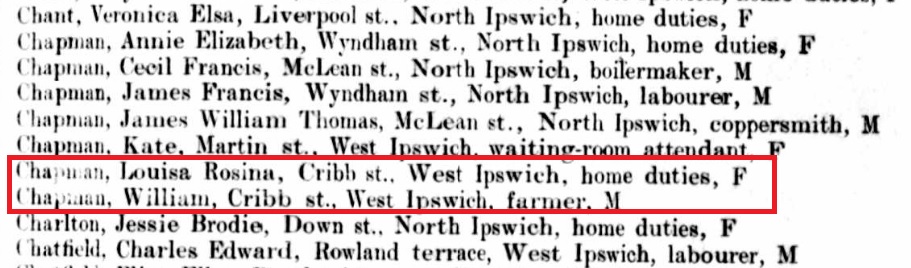
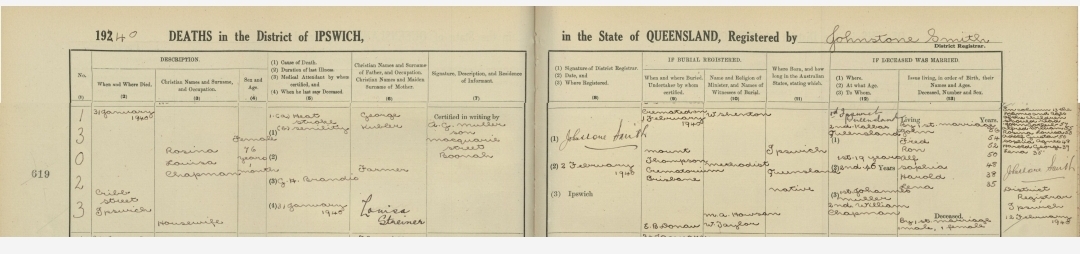

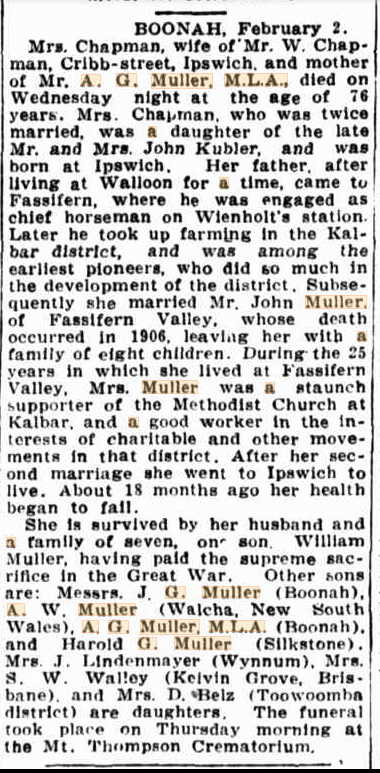
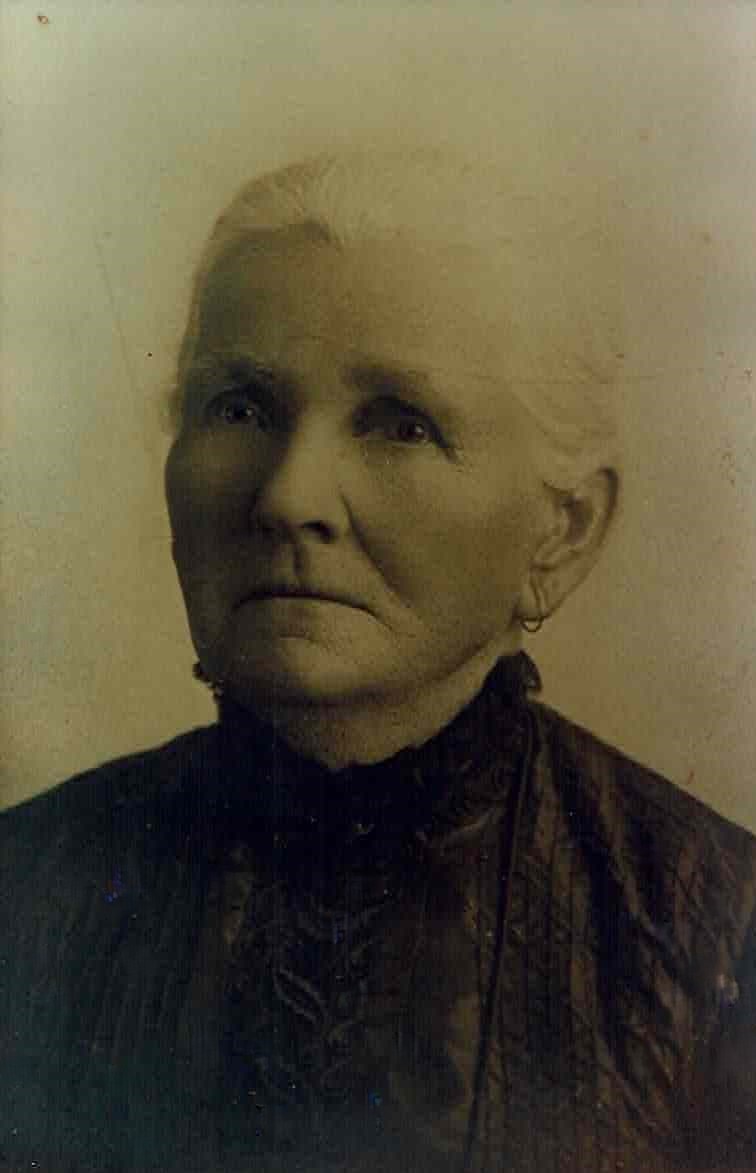


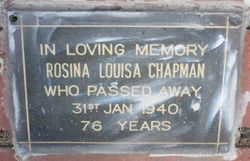
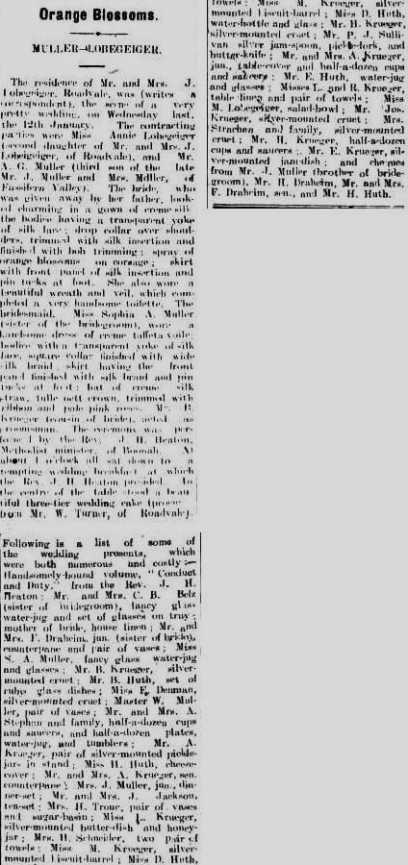
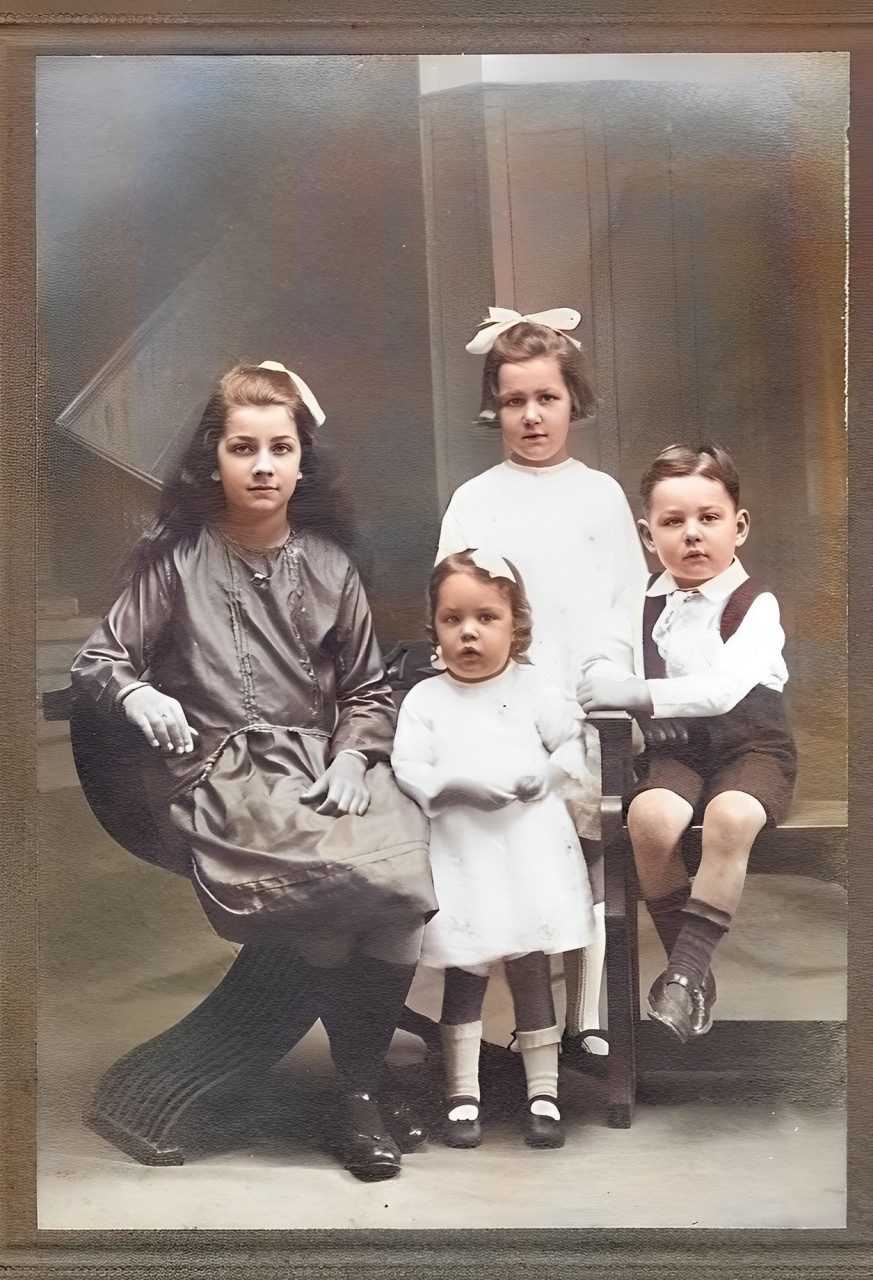
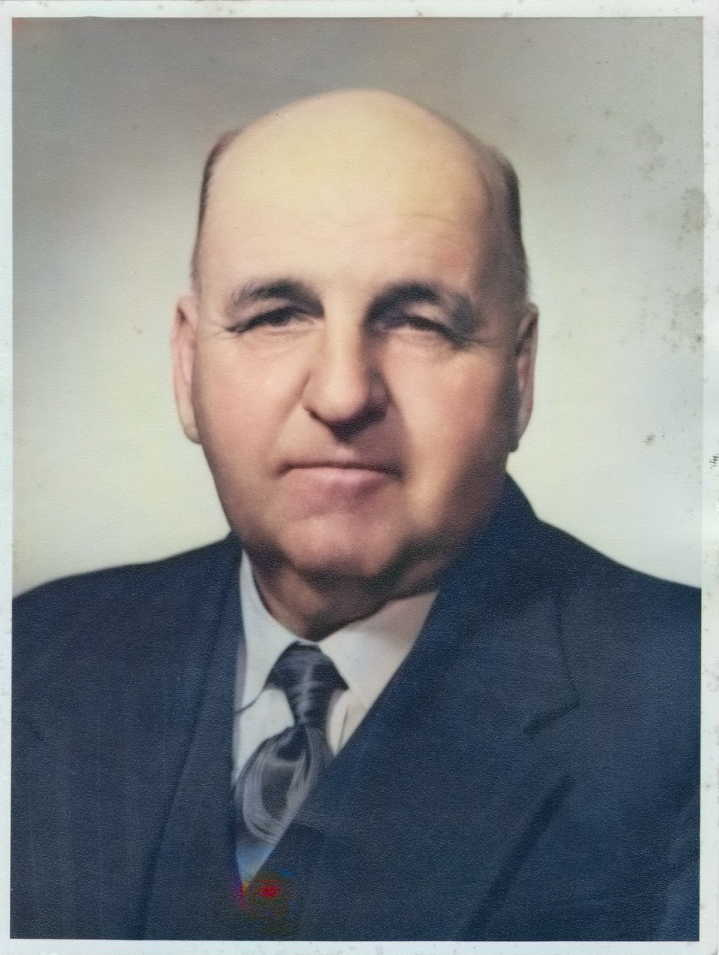
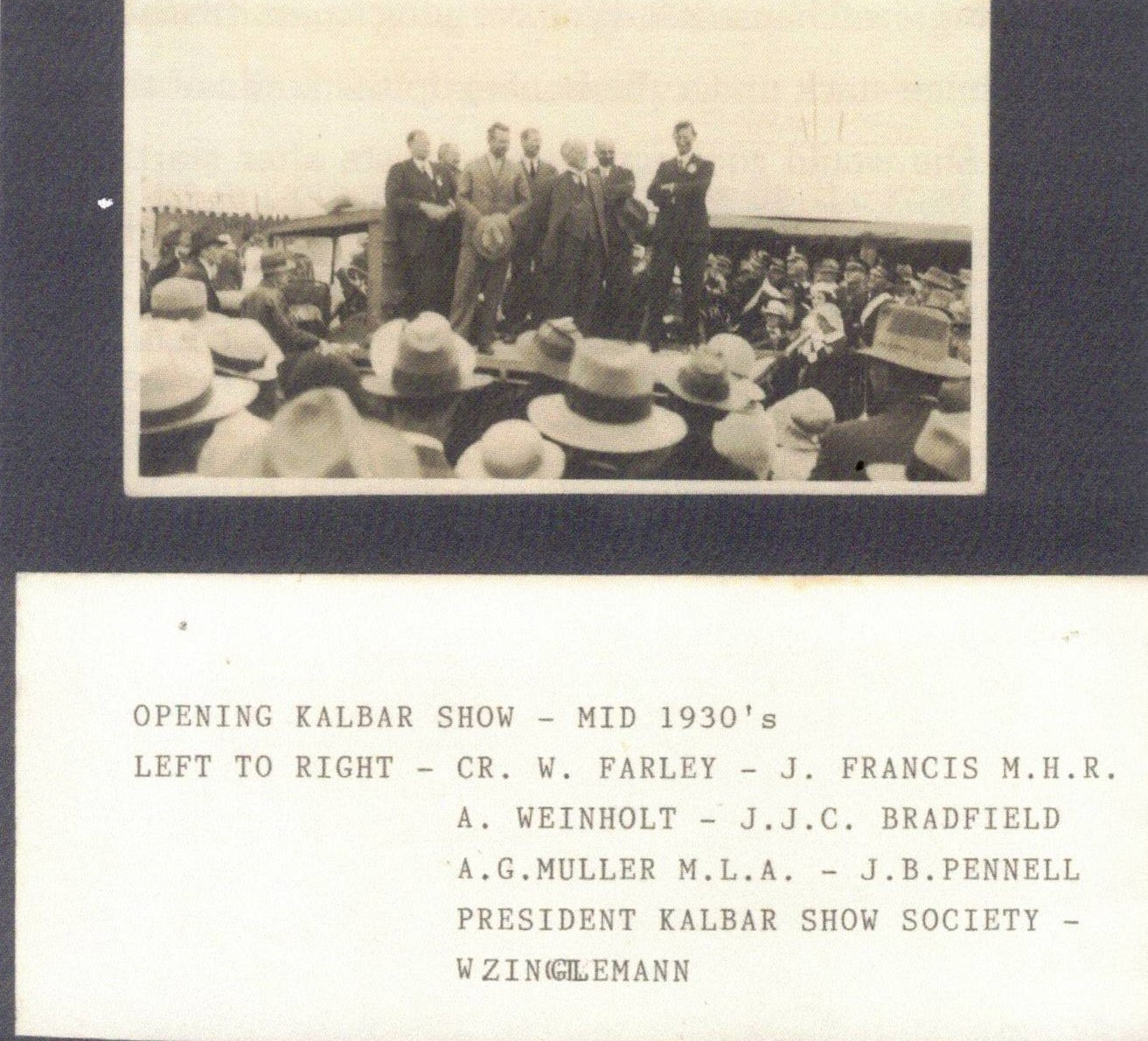
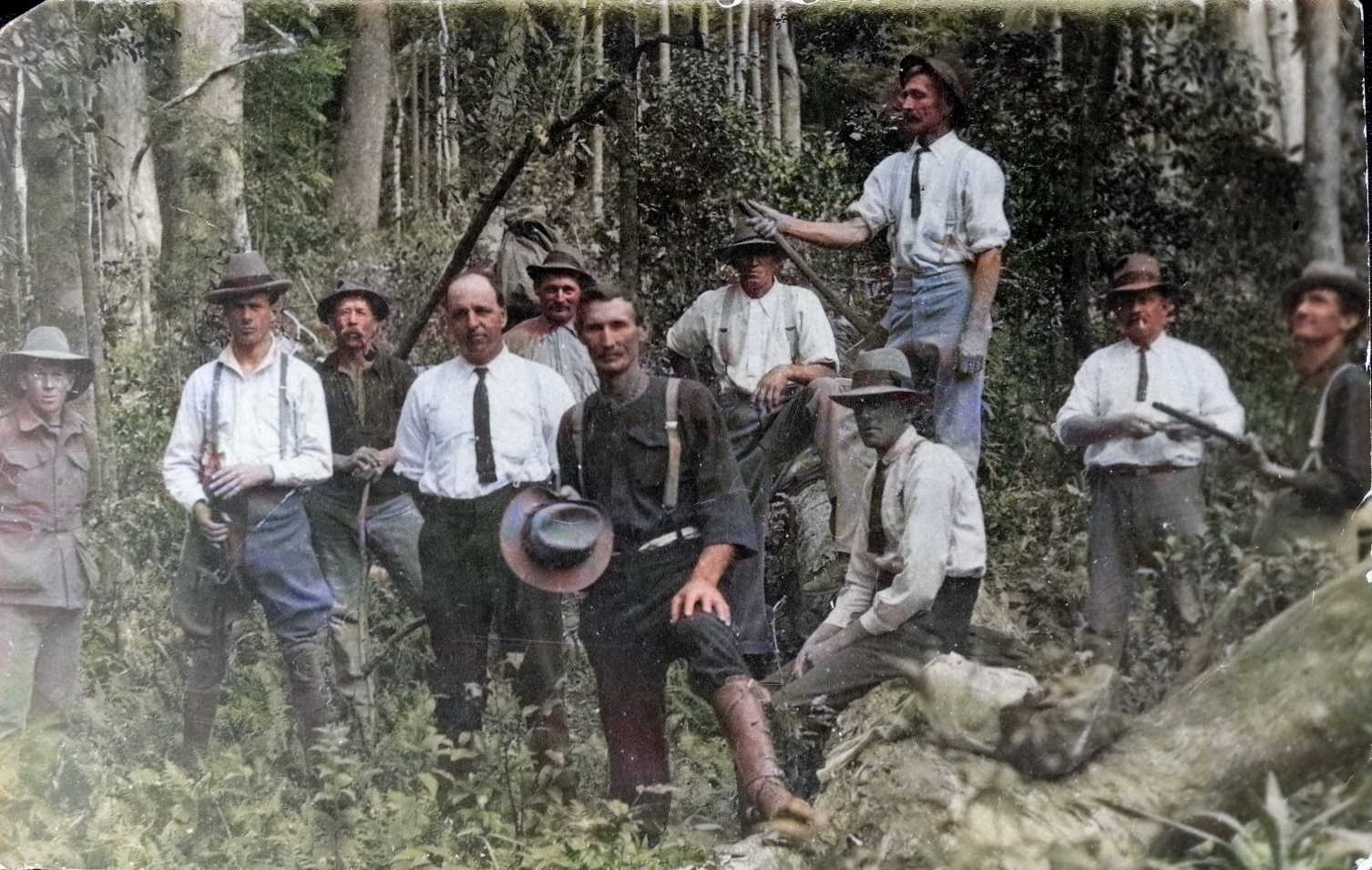
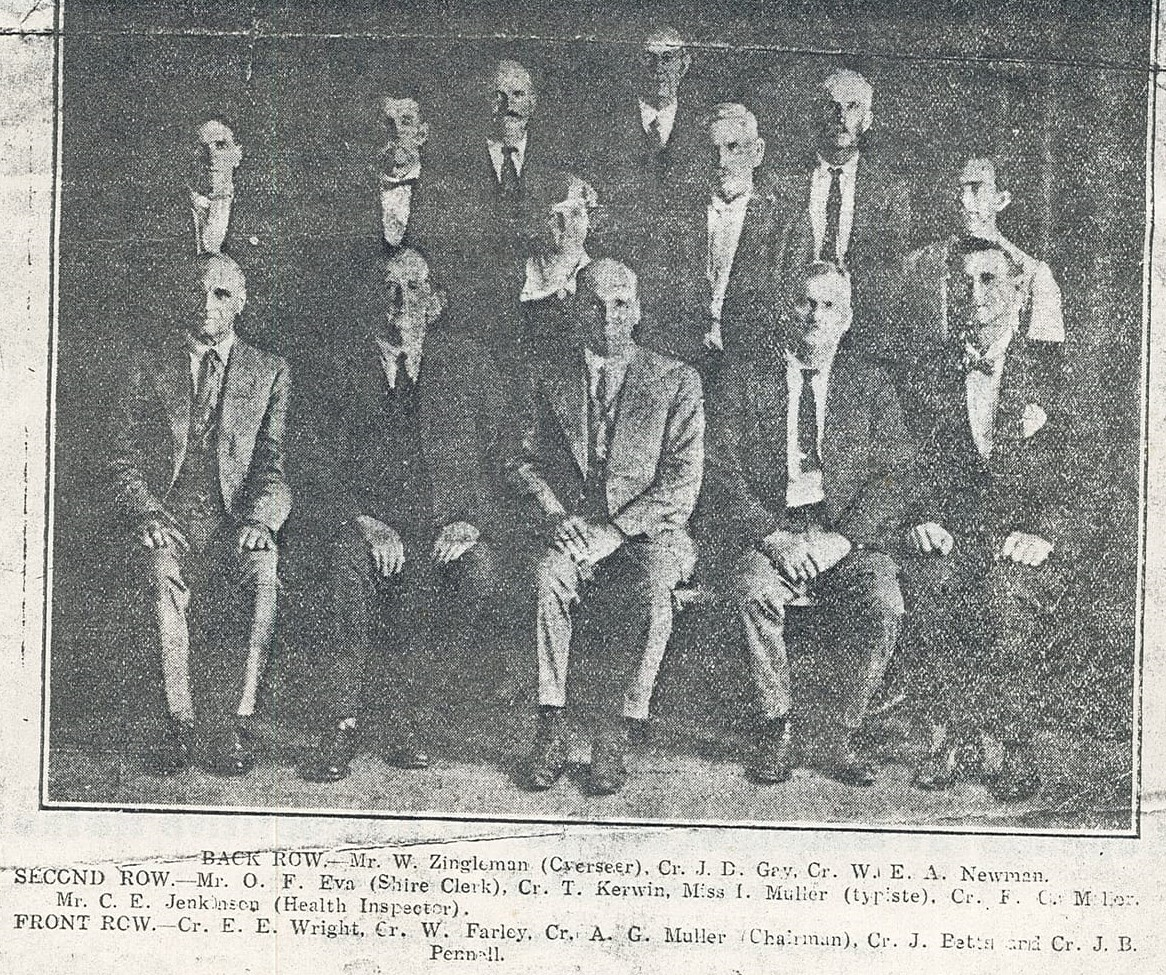
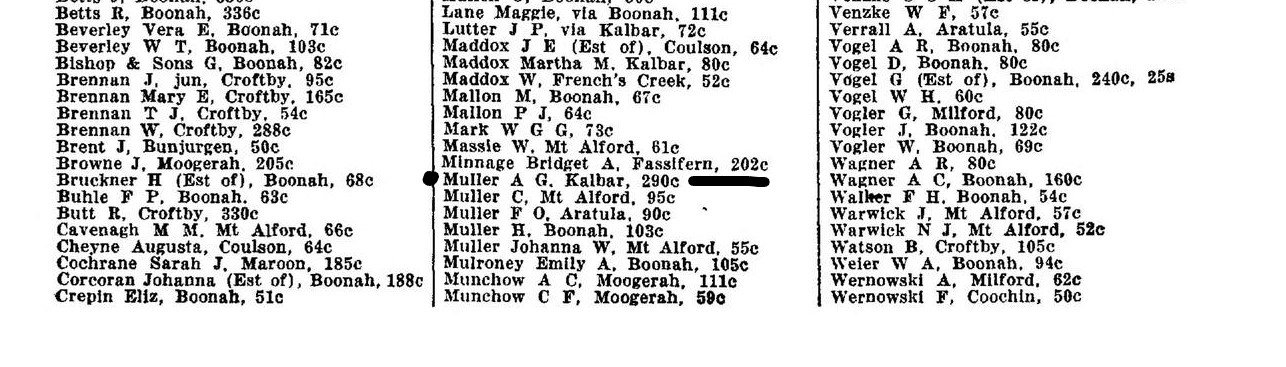
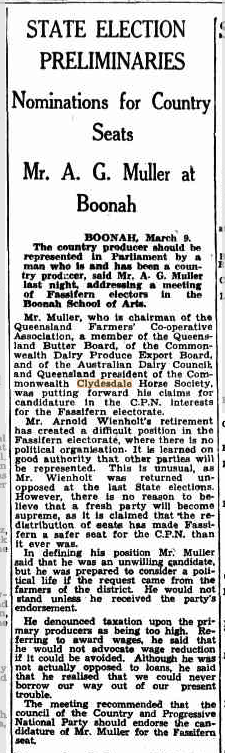
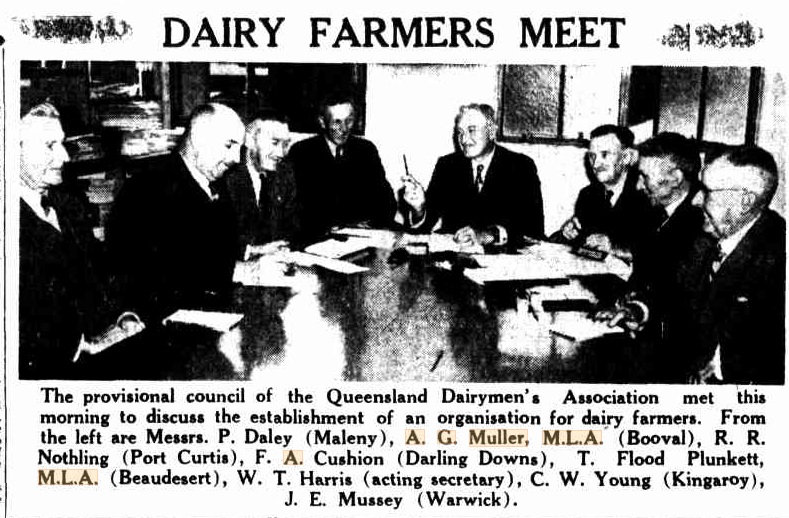
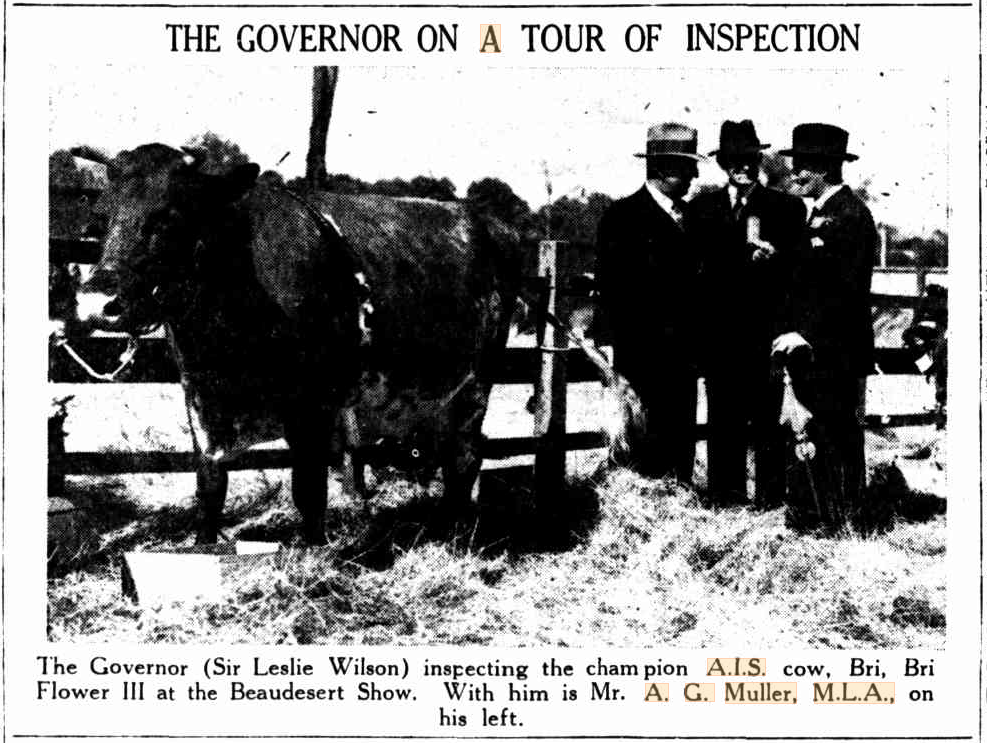

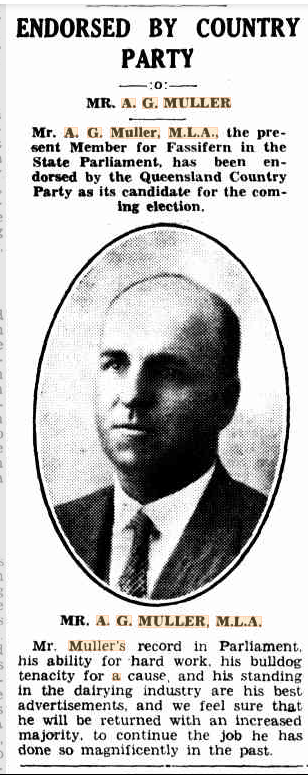


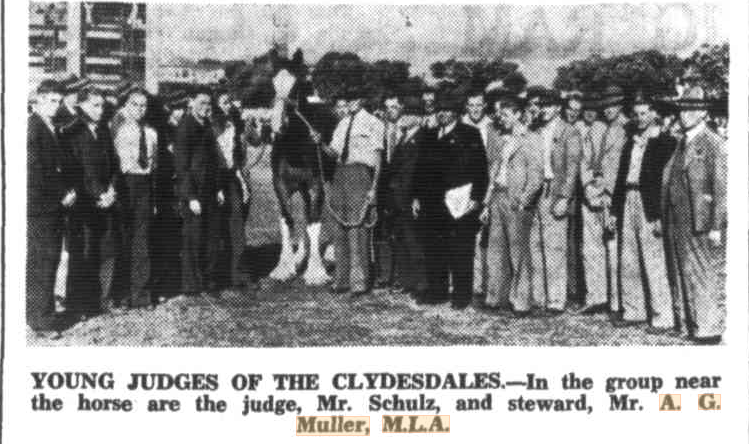

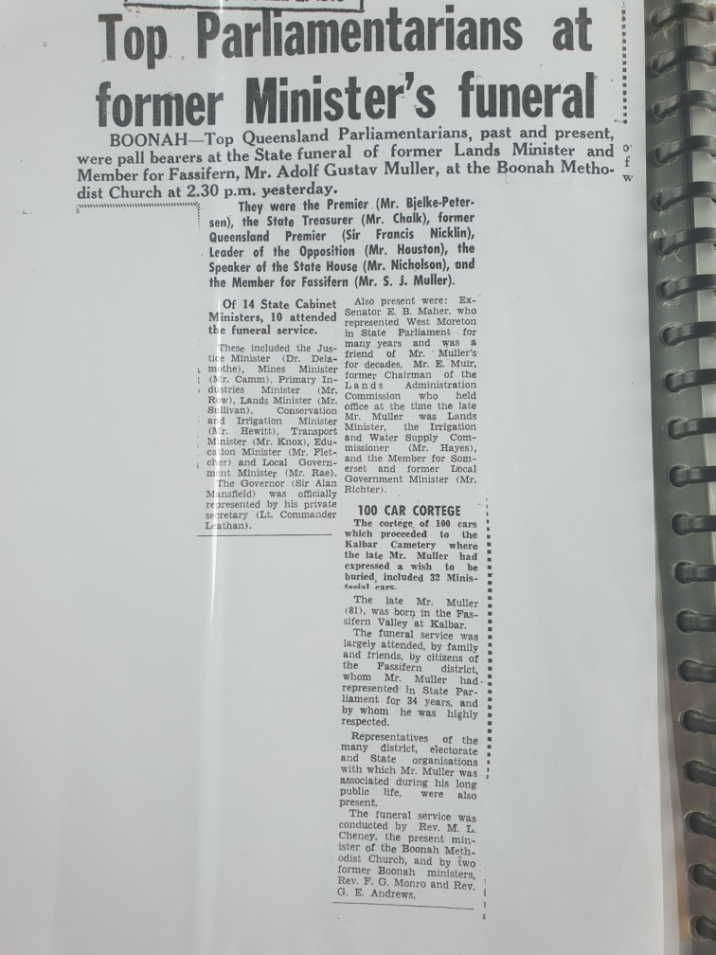
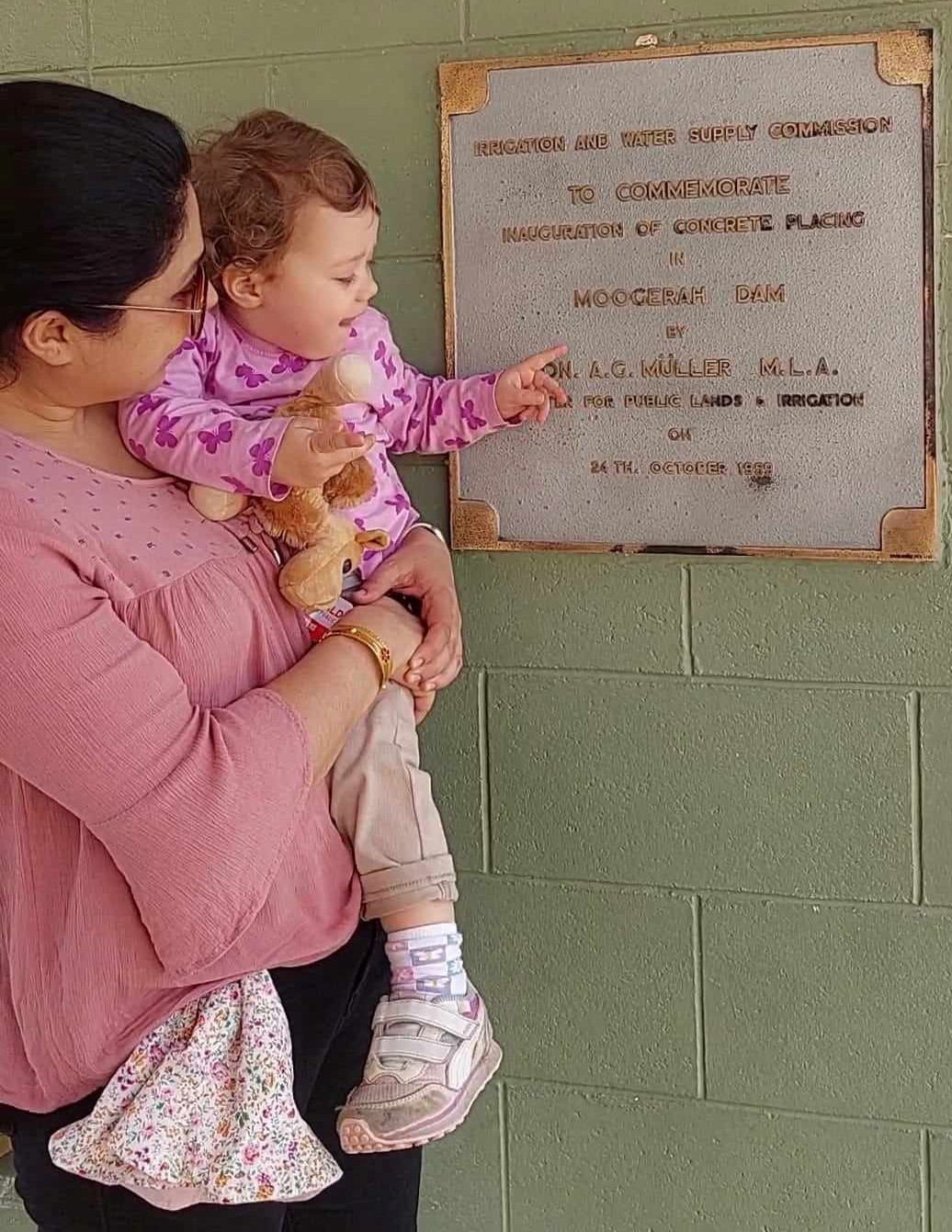

 Without wanting to sound like a broken record, it makes no sense to me why anyone would waste their time attempting to follow the Virgin Australia Supercars series at present. Seriously….. I’ve tried, but it just ain’t happening.
 Take this current weekend. I’m watching the Suzuka 12Hr race live at the moment, on a free YouTube stream from the SRO, GTWorld platform. The top 13 or so cars are on the same lap, after nearly seven hours of ridiculously competitive, close racing, and with another five hours to go, it’s looks like another nail biting classic GT3 enduro is unfolding towards an exciting completion.
 Earlier today, I watched the riveting Grand Final game of the Suncorp Super Netball season via the free to air telecast on Channel Nine, here in Australia, with our local North Coast team, the Sunshine Coast Lightning taking out an exciting three point victory (62-59), with a scoreline that see-sawed throughout the entire game, that gave to them back to back premiership wins. This is the highest quality netball competition in the world, with athletes competing from all the top netball playing countries on the planet.
 On top of that, the National Rugby League season is drawing to a close, with one more round of games to be played next weekend. This weekends penultimate round had a game on each night (Thursday, Friday, Saturday) and today’s blockbuster, this afternoon, between the St George Dragons and the Canterbury Bulldogs.
 Apparently, there was a round of the Virgin Australia Supercars championship, at the new Tailem Bend circuit in South Australia. One of the commentator journalists covering the event was crowing on his Twitter account of a 41000 crowd attendance, over the 3 days of the event. Now… it surely must be stated that, of those 41000 people, most of them would have been there for the majority of the 3 days. With this mob, it is apparently OK to count everyone on multiple occasions. He did however, go on to clarify a crowd of 16000 for Saturday and 17000 for Sunday. To quote him and his highly dodgy figures-“Righto then”.
 Although the topic is definitely nothing new, I think it needs revisiting. VASC’s have been on the payTV platform for a few years now, which has meant that the grassroots & vast majority of their fan base, has been unable to view their favorite homegrown motorsport series. Mostly nothing has changed in their day to day running of the series. The season has started off with the Adelaide street circuit race weekend which has always garnered a lot of local support, with big crowds turning up and OK free to air TV ratings. Other than the Australian F1 GP, which follows shortly after Adelaide, the series then goes into hibernation, as far as anyone without payTV subscription is concerned, when the live ftaTV coverage disappears, and the only way to see the live racing is to obtain a payTV subscription. They dangle the odd carrot to the fans with a couple of free to air races leading up to their endurance racing season. Being up against both the AFL and NRL footy seasons from March onwards, that attract massive ftaTV ratings, I don’t know whether VASC’s have put up the white flag or not. However they elected to take the much larger payTV cheque, and forgo the possible loss of their fanbase, when going over to the payTV network. From my perspective, as a motorsport fan, I am not prepared to pay to watch it, as I don’t consider it all that worthwhile. I’d certainly follow the sport, as I did in years gone by, if it was on free to air TV. My argument all along, has been the crazy notion by the payTV provider, that I am expected to pay to watch something at an extortionate price, when I have no interest whatsoever, in any other of the rubbish TV that I get in their package. If the offer was there to cherry pick what you wanted, without all the extra unwanted garbage they force you to take, it may be worth looking at, depending on the price tag.

 But, back to the question of where motorsport is going in this country. The football codes, T20 cricket, and an ever increasing number of sports, have an advantage over circuit racing, with a couple of key issues. Footy and cricket have their main stadiums centrally located in the big cities and suburbs. Transport, which is usually free, gets you into the event quickly, and importantly, when it’s all over, you can get out efficiently and on your way home. Due to the issue of motorsport generally being conducted at locations a fair way out of town, it’s a major effort for fans just get get to the venue. In saying this, most diehard motorsport fans will happily make that effort to watch the sport they love. However, it’s the casual or new fans, who are going to see this as all too hard, just to get there in the first place. In the past, up here in Queensland it hasn’t been too big an issue, due to a smaller population, and the ability of the roads to handle the traffic requirements of a day out at the races. However, nowadays, it’s a major trek to a circuit, via the overworked road network, to Lakeside on the north-side of the city, or Queensland Raceway at Ipswich, on the western outskirts of Brisbane. If you are coming from the opposing side of town, it is a good 2 hours plus, traveling time each way. In the more populated cities of Sydney and Melbourne, motorsport fans could be facing considerably more traveling time to get to their motor racing venue.

 Motorsport in Australia hasn’t yet grasped or embraced the concept of live streaming. The streaming services that are offered are a very hit and miss affair. Australian motorsport administrators….Take a look at some of the overseas series, namely BlancpainGT, GT masters, Super GT and many more, to see how its done. Live racing, live timing, immediate replays straight after the race is over. Sure…. it can be argued that the live racing and replays can turn off potential attendances at circuits, but it certainly increases the popularity of the sport to modern audiences and generates an incentive for new fans to want to go to a circuit and experience the real thing in person. I’m now at the crossroads, where I follow practically all my motorsport, from overseas racing these days. I still see myself as an Aussie motorsport fan, but it has become all too hard to not only watch live local motor racing, but to have any ongoing interest in the sport when there is no major effort by the sports administrators, to give me any incentive to attend a race meeting. I still follow local motorsport, but at an enforced (by the promoters) arms length. I live and breathe motor racing! I follow it closely via any outlet I can find. However, if you make it impossible to follow, I now find myself following other more fan friendly, local, sports. Some fans may be lost, altogether. Potential fans aren’t going to be treated in this way, and be enthusiastic in coming back again. The ridiculously high admission costs are another thing that bugs me about our local motorsport. Again, if the sport is to compete against the bat and ball codes, this issue has to be addressed.
 porsche91722