Although most election campaigns descend into slanging matches, this one was particularly vicious from The LNP, with name-calling and smear tactics starting early. Their leader, Peter Dutton, was especially combative, spreading what he claimed was information, but in reality, much of it was misinformation. Let’s be honest—these weren’t just half-truths or misleading claims; many of the policies put forward were outright lies and poorly conceived, with no chance of gaining traction among voters.
Dutton, for reasons known only to himself and his inner circle, advanced several ill-advised policies seemingly designed to pander to the party’s base. Proposals such as establishing nuclear power stations and aligning himself with Donald Trump did little to broaden his appeal. His attempt to present himself as a “strongman” only solidified his image as a loudmouth bully—an image shaped during his time as Home Affairs Minister in Scott Morrison’s government. The voters saw through his rhetoric, rejected both his leadership and his party, and effectively removed him from the Australian political landscape. He was soundly beaten by the Labor candidate Ali France in his outer Brisbane electorate. His inability to connect with female voters was another significant factor in his downfall. The LNP’s outdated attitudes toward gender equality, its continuous subservience to the ultra-right-wing media, and its resistance to giving women an equal voice have all contributed to its growing irrelevance among younger voters.
Further compounding this was the party’s decision to oppose reconciliation efforts with First Nations Australians. Dutton’s & the LNP’s strategies might have resonated fifty, twenty, or even ten years ago, but in this election—the first where Millennials and Gen Z outnumbered Baby Boomers—those old, regressive policies simply failed to resonate. Dutton and his colleagues were flogging a dead horse, clinging to outdated ideas that no longer reflect the values of modern Australia.
With Australia dominated by two major political parties, many Australians have long sought a genuine alternative. The Greens were once expected to fill that void. I’ve previously supported them—giving them my second preference behind Labor and directly voting for them in the Senate. Historically, the Greens held strong environmental values and policies aligned with their name. However, they seem to have lost their way in recent years.
In an effort to broaden their platform beyond environmentalism, the Greens have adopted obstructionist tactics—such as opposing housing reform, which have alienated many supporters. Rather than offering constructive solutions to Australia’s housing crisis, they’ve been perceived as blocking progress. They gave support to fringe & often radical protest groups, like the CFMEU. In trying to make themselves more relevant to the Australian voting public, the Greens’ decision to spotlight the Palestinian movement and broader Middle East issues as a central political concern in Australia has further alienated them from their original grassroots base rooted in environmental activism. For many Australians, including myself, the best way to describe our perspective on the Palestinian issue is that while we support progress and positive change in that region, it feels distant and disconnected from the pressing challenges we face at home. By voting against Labor’s housing reforms after they had passed the lower house, the Greens effectively stifled momentum to alleviate the housing market pressure. This approach has cost them support at the ballot box. Although the Greens’ overall voter numbers nationwide did not change significantly compared to the last election, their support across individual electorates declined noticeably. This shift resulted in several of their former parliamentary members losing their seats.
In this election, I placed them further down my list of preferences. I still consider myself a strong supporter of green policies and hope the new Labor government will take stronger action on curbing carbon emissions & making some headway into improving our drastic housing market situation in Australia. A revitalized, focused Greens party could still play a critical role in shaping environmental policy—but only if they return to their core mission and rebuild trust with their original supporters.
Another interesting observation from the election result is the response from polling organisations, whose predictions varied significantly throughout the campaign. Media outlets—depending on their left- or right-leaning editorial stance—seemed to selectively highlight polling data that aligned with their own narratives. The outcome, however, was that none of these polls came close to predicting Labor’s landslide victory. Despite claiming a margin of error of plus or minus 5%, their projections were far off the mark.
So, where to from here?
I’m glad that Labor won, based on the policies that they presented, but for the sake of good governance, the country also needs an effective opposition—one with strong policy platforms that can hold the sitting government accountable. A healthy democracy depends on the presence of diverse, well-argued perspectives, not just from the ruling party, but from a capable and constructive opposition as well.
Unfortunately, the previous LNP opposition failed to meet this standard. Rather than offering thoughtful alternatives or engaging in reasoned debate, they seemed more interested in obstructing everything the Labor government put forward. Their proposals lacked credibility and vision, making it clear they weren’t focused on contributing meaningfully to the policy conversation. To many Australians, the Liberal-National Party (LNP) appears to be heavily influenced by ultra-conservative media conglomerates such as those owned by Rupert Murdoch, which often serve to amplify their political agenda. The LNP has long enjoyed the support of far-right and conservative business interests that prioritize their own agendas over the broader national good.
Anthony Albanese
When comparing party leaders, Anthony Albanese came across as a genuine figure with the interests of Australians at heart.
Peter Dutton
In contrast, Peter Dutton, with his forced, creepy, insincere smile, resembled more of a Trump-style imitator.
Leadership is everything, and Australians made it clear they preferred someone authentic—someone offering realistic and achievable election promises, rather than indulging in outlandish, American-style political hostility.
In my view, the National Party—the “N” in LNP—which primarily represents regional farming and mining communities, should seriously consider breaking away from the Liberals. In this election, the Liberal Party—the “L” in LNP—which has traditionally positioned itself as the party of urban elites, lost the majority of its metropolitan seats in the Federal Parliament, underscoring a growing disconnect with urban Australia.
In the immediate post-election analysis, as they reflect on “what went wrong,” the Liberals remain stubbornly attached to the belief that their policies were sound and that voters simply misunderstood them. This kind of arrogance was precisely what cost them the election—and they still seem unable to grasp that fact.
However, both Libs & Nats understand that without this relationship, neither holds enough political weight or credibility to be truly influential on their own.
So, we are left with this unholy alliance in opposition, which, from a National Party perspective, only appears to be doing themselves more harm than good.
A strong and effective opposition is essential to good governance—and, ultimately, to a healthier and more accountable democracy. However, one constant in politics is that, regardless of which party is in power, greed, corruption, jealousy, and the pursuit of power inevitably lead to self-destruction.
Every year on Australia Day, January 26, we present awards to individuals who have accomplished remarkable things in service to our country. For some time now, I’ve wondered how these awards are judged. Apparently, the process involves nomination and review.
I don’t want to sound negative about these awards, as I’m sure many recipients are truly deserving. However, I’ve long held the view that some of these beneficiaries—particularly figures from the worlds of sport, entertainment, and politics—may not be the most appropriate recipients of national achievement awards. Many of these individuals are already highly paid and have gained notoriety through their talents, often amassing significant wealth in the process. While it’s true that some have contributed generously to charitable causes, it still raises the question: are the right people truly being recognised?
Although there are certainly deserving individuals acknowledged for their service to many different causes across Australia, we rarely see recognition given to the people who quietly and consistently make a difference—our doctors, nurses, emergency room workers, and medical researchers who save lives daily. Where are the honours for our first responders—paramedics, firefighters, and police officers? What about those who have committed themselves for decades to helping people with disabilities or mental health challenges? Instead, it often seems the spotlight falls on sports stars and entertainers—individuals who already have their own award nights to celebrate industry achievements.
Perhaps the reason for this imbalance is that the vast majority of those working in emergency services and community care never seek accolades. They do their jobs with quiet pride, motivated by the satisfaction of helping others, not by the pursuit of awards.
Frankly, I find it a bit absurd when the media highlights the mental health struggles and stress faced by celebrities and athletes. Really? It must be so difficult earning millions to perform in front of a camera or play a sport you love. And yet, the media often labels these individuals as “heroes.” Try working in an emergency department at a large metropolitan or regional hospital & see what pressure really is. It isn’t a gig that you can stress out of & go home when you are under pressure. Every day, you have people’s lives & survival in your hands. You often don’t get a second chance if you stuff up & make a mistake. There’s no ten minutes in the sin bin or a stint on the sidelines to regather your thoughts & composure before you come back & do it again.
Meanwhile, our real heroes work every day without applause—our military personnel, paramedics, police officers, and hospital staff. They confront danger, trauma, pain, and death daily, yet they continue to show up, shift after shift. Paramedics & hospital staff regularly face violent assaults from some patients whom they are attempting to help. These dedicated and highly trained health care professionals don’t get paid massive wages and don’t ask for praise or awards. Yet, we still hand out hollow honours to those whose most notable achievement might be winning a race, starring in a film, or playing for Australia.
Give me a break.
………Edit June 2025- At the recent King’s Birthday Honours List, former Prime Minister Scott Morrison was appointed a Companion of the Order of Australia (AC) for eminent service to the people and parliament of Australia, particularly for leading the national pandemic response.
I nearly fell off my chair when I read this.
As anyone living in Australia knows, Morrison is arguably the last person who deserves recognition for his role during the COVID-19 pandemic. Australia’s success in navigating the crisis was due almost entirely to the actions of individual state governments—across all political lines—who held their nerve and made tough decisions despite weak federal leadership.
It was the state governments, along with their teams of expert healthcare professionals, who steered the country through the pandemic. While much of the world descended into chaos, these state-level responses kept Australians safe. In contrast, the Morrison government appeared determined to steer the country toward disaster through poor communication, delayed action, and inconsistent messaging.
That period in Australia’s history was incredibly difficult, and it could have been far worse had the states not stood firm against Morrison’s lackluster leadership. To award him for “eminent service” during this time is baffling—and, to many Australians, deeply frustrating.
I recently had an interesting discussion in a group setting with several family members spanning different generations. The topics of the LGBTQIA+ community, marginalised groups, and our declining education standards were also brought up during the discussion.
I grew up in an era when marginalized groups weren’t recognized — the 1960s and ’70s, when sexuality was being more openly discussed, and social boundaries were just beginning to be tested.
The tone of the discussion made me reflect on how significantly generations differ in their thinking and attitudes toward various topics. While this isn’t a new observation for most people, it led me to consider why and how different generations view certain issues so differently. Aren’t we all shaped from the same basic human mould? Of course, generational differences in perspective are natural, shaped by distinct upbringings and the specific cultural and historical context each group experienced.
Still, at our core, we’re all human—perhaps just looking at the world through different generational lenses. But it raises the question: is one generation’s thinking more correct than another’s? Naturally, we older folks tend to believe we have it right. Meanwhile, younger generations often view the past with a degree of skepticism or even contempt, particularly regarding how issues like the environment, social care, and community responsibility were handled. History has taught us that many things could have been done better—and perhaps that’s exactly what each new generation is trying to do.
Growing up in suburban Australia during the 60s & 70s, our focus was simply on enjoying life. While we often hear about those times as a time of radical change in fashion, music, science, and technology, in suburban and regional Australia, most kids were just intent on having a good time through their teenage and young adult years.
But, back to the group topic. In that time the gay rights movement was gaining traction—which is undoubtedly a positive development. However, it seems this progress coincided with a broader trend: many people began to feel the need to align themselves with a marginalized group in order to gain visibility. I’m not suggesting that like-minded individuals shouldn’t come together to share their values, but there appears to be increasing emphasis on adopting labels and amplifying specific group issues to the wider world.
Perhaps I’m swimming against the tide here, but while celebrating human diversity is important, it’s equally vital to focus on what unites us. Although embracing our differences can enrich society, we must also work toward cohesion and shared purpose. Society should be inclusive, yes—but inclusivity should prioritize those facing genuine, substantial challenges.
Ok, so here’s a quick list of marginalized groups currently in Australia –
Based on Race and Ethnicity:
Indigenous Peoples: Includes Aboriginal and Torres Strait Islander peoples in Australia, and similar groups globally.
Minority Ethnic/Linguistic Groups: People from backgrounds different from the dominant culture or language. African Descent: Groups of African heritage facing systemic discrimination.
Based on Gender and Sexual Orientation:
Women and Girls:Often face discrimination and limited access to resources and opportunities.
LGBTQI+ People: Lesbian, gay, bisexual, transgender, intersex, and queer individuals. Gender Non-Conforming Individuals: People whose gender identity or expression doesn’t align with traditional gender norms.
Based on Ability and Disability:
People with Disabilities: Individuals with physical, intellectual, sensory, or mental health disabilities.
Based on Socioeconomic Status:
People in Poverty: Those with low incomes and limited access to basic needs.
Single Parents: Often face challenges in balancing work and family responsibilities. Migrant and Refugee Communities:Individuals who have moved to a new country and may face discrimination and challenges in integrating into society.
Other Marginalized Groups:
Older Job Seekers: Individuals facing ageism and difficulty finding employment.
People in Rural and Remote Areas: Those living in geographically isolated areas with limited access to services and opportunities. People with Mental Health Conditions: Individuals experiencing mental health challenges and facing stigma and discrimination. Internally Displaced Persons: People forced to leave their homes due to conflict or other circumstances. Young People: Youth may experience marginalization due to their age and limited access to resources and opportunities. People in Prison: Individuals in the prison system are often marginalized due to the effects of incarceration. Veterans: Individuals who have served in the military and may face challenges in reintegrating into civilian life.
——————————–
Many individuals struggle daily with serious mental and physical health issues caused by circumstances beyond their control. These may include serving their country in war zones, trauma experienced in law enforcement, emergency response, or professions that regularly confront traumatic situations, such as domestic violence. Such individuals deserve our full attention and unwavering support.
There are also groups who suffer from various disabilities. These may include conditions present from birth, such as sight and hearing impairments or autism. Physical disabilities can include cerebral palsy, spinal cord injuries, multiple sclerosis, and muscular dystrophy.
Meanwhile, some less severe personal challenges might be more appropriately addressed through personal resilience and community-based assistance, rather than relying entirely on a government handouts or taxpayer-funded solutions. While it is understandable for people to seek help, we must ask: can government resources realistically meet every demand?
One of Australia’s most shameful failures is the inadequate treatment of our war veterans and armed service members. Tragically, it often appears that individuals with self-inflicted drug addictions receive better support than those who have served the nation. This is a sobering reflection of our national priorities and calls for urgent reassessment.
Our healthcare system is already under immense strain. To preserve its effectiveness, we need to distinguish between those who require urgent, critical care and those who may benefit more from personal development and community-based support. Encouraging resilience in manageable cases helps ensure that limited resources are available for those most in need.
———————–
But for us, as young adult, male Australians in our formative years — life was all about having mates, girlfriends, cars, motorbikes, parties, the live music scene, and freedom.
The contraceptive pill had only recently become available for mainstream use by women—and we certainly took full advantage of it. Life was great.
I have often joked that I went to a party at seventeen and didn’t come home until I was twenty-nine.
Being a Boomer meant living life to the full. These days, however, it seems that simply being a Boomer is enough to draw criticism from younger generations, who often view us as the root cause of today’s problems.
As the conversation deepened, I got the sense that our kids found it hard to believe what our generation used to get up to. To be clear, we never did anything illegal (well…… to be completely honest….maybe just a few things😀), but life was all about enjoying the moment.
While today’s youth certainly don’t miss out on much, I do believe that the mid to late 20th century was a freer and more relaxed time compared to now.
In a previous article, I reflected on how older generations are often accused of living in the past. https://porsche91722.com/2025/02/06/the-myth-about-the-glorious-50s-60s-70s-80s/ However, I believe that certain aspects of life—particularly personal freedom—were more prevalent in earlier decades than they are today. Much of this change is due to the absence of mobile phones and the constant surveillance that comes with social media.
Back then, we lived without the microscope of public scrutiny that modern technology now imposes. Sure, we sometimes engaged in questionable behaviour, but the rest of the world never found out about it—and we were free to learn, grow, and move on without the permanent digital footprint that people must contend with today.
These days, there seems to be a lot of pressure on young people to identify as part of a marginalized group. It’s almost as if there’s a desire to belong to a community that is fighting for special recognition or rights. What began as a push for gay rights has evolved into the LGBTQIA+ movement, with what seems like new letters from the alphabet being added frequently to include more identities.
It often feels as though criticizing the views of older generations has become a kind of sport—even when we’re asked to share our thoughts. This tendency can be disheartening, especially when the intent behind our input is constructive, respectful, and sincere. I understand that younger generations may sometimes interpret our words as negative or outdated, but that couldn’t be further from the truth. However, I suppose the way opinions are delivered—particularly how they are spoken—can play a significant role in how they are received.
——————
Conditions like autism — once clearly defined — now encompass a wide range of variations. It feels as though many people seek acknowledgment of being “on the spectrum” and wear it like a badge of honour.
ADHD is another one. So, what’s the story? Back in our day—and yes, I know even that term tends to raise the hackles of the current generation—we simply had some kids who were hyperactive & a bit slow learning. Some children just were! A few had trouble concentrating in school when they were younger. They were often the ones placed at the front of the class and labeled the “dunces.”
Interestingly, many of these hyperactive kids excelled in sports and went on to complete their education without any long-term issues. Nowadays, it seems they’re put on medication and excused for behavior that, in the past, would’ve been addressed more directly.
Now, I’m not suggesting we bring back corporal punishment, but it feels like there are no real consequences anymore for those kids who constantly disrupt the class. If anything, they’re rewarded for simply behaving, when good behavior should be the baseline expectation. It’s no surprise that the other kids start searching for diagnoses or reasons to stand out—just to receive the same kind of attention or rewards.
And don’t even get me started on participation trophies in sports. These days, kids are handed awards just for showing up. We wouldn’t want to hurt little Johnny’s feelings by not giving him a prize—even if he didn’t actually win anything, would we?
There seems to be a growing expectation in schools today that failure is no longer acceptable. Well, I hate to be the bearer of bad news, but failure—or loss—isn’t always a bad thing. Falling short in a subject or an event should be seen as a motivator to strive harder and improve.
I understand that we are talking about children, and they may not always have the internal drive to push themselves forward. However, there’s nothing quite like a bit of competition to spark motivation—whether in the young or the old.
From primary school through to tertiary education, there appears to be a growing trend toward dumbing down the system—where lower pass rates are increasingly deemed acceptable. But sooner or later, standards do matter. In fields like research, engineering, or surgery, competence is critical, and failure simply isn’t an option. That’s why learning to cope with disappointment and setbacks at a younger age is essential if we want to cultivate the very best minds for the most demanding careers.
After all, we don’t want underqualified individuals designing our major infrastructure. We certainly don’t want people lucking their way through university only to find themselves working in critical scientific or technical fields, where the most capable minds are essential for achieving the best results. We also don’t want individuals who flunked out of higher education stepping into positions of political leadership.
We want the best of the best occupying our top jobs.
Unfortunately, we are already witnessing the consequences of lowered standards. Take, for example, the case of the NSW rail department, which designed and ordered trains that didn’t fit the existing rail infrastructure—an error that should never have made it past the planning stage. Or consider the West Gate Bridge collapse disaster in Melbourne, and the Paradise Dam in Queensland, which will now require an estimated $4.4 billion to replace.
Even more concerning is the declining calibre of our political leadership, which appears to reflect a broader trend of diminishing expectations across many institutions.
I’ve always believed that making mistakes at a younger age is one of the most effective ways to learn. Mistakes don’t just show you what went wrong—they help you understand how to get it right. You grow through those experiences.
These days, school interventions are all the rage. Students aren’t held back to repeat a year anymore. Sure, there was a stigma attached to it in the past, but the truth is, nobody was harmed by repeating a grade. If anything, it often gave kids a chance to regroup and come back more determined to succeed the second time around.
There’s a growing trend of people wanting to carry a label or be part of a group with a perceived disadvantage. This has given rise to a booming medical and mental health industry, eager to diagnose and label individuals. Unfortunately, this often leads to widespread use of prescription drugs and antidepressants as quick fixes for deeper issues.
Now, to be clear, many individuals genuinely suffer from severe mental health issues and need proper psychiatric and medical support. But in my opinion, the explosion of psychiatric diagnoses and treatment today isn’t always in line with what people truly need.
Life presents challenges, and sometimes we have to face them head-on. Not everyone gets dealt a fair hand, but relying on drugs — whether prescription or otherwise — often doesn’t address the core problem. For friends and family, dealing with someone dependent on medication as a daily crutch can become incredibly difficult.
This may sound harsh, but sometimes people need to toughen up, assess their situation, and move forward. I know younger generations may bristle at this viewpoint, but our parents, grandparents, and ancestors faced wars, depressions, and serious financial struggles. If they had all sat around feeling sorry for themselves, we wouldn’t be here today.
Again, I want to emphasize that mental health is important, and there are many serious cases that genuinely deserve compassion and support. However, there has also been a notable rise in self-inflicted mental health issues linked to the use of harmful, illegal drugs. But it does raise the question: how many of these cases are drawing heavily on our healthcare system to overcome both their mental health struggles and substance dependencies?
As a society, we still care for these individuals, and rightly so. However, I can’t help but wonder how much more capacity our hospitals would have for urgent care and surgery if the system weren’t so heavily burdened by cases related to illicit drug use. This is especially worth considering when we account for the differing demands between surgical procedures, hospital bed availability, and the intensive needs associated with drug and alcohol dependency and psychiatric care.
There’s no simple solution to this issue, but taking personal responsibility and saying NO to harmful substances would be an important start. Self-inflicted health conditions—including those caused by drug, alcohol, and tobacco use—place enormous strain on an already overstretched healthcare system. It may sound harsh, but perhaps individuals who knowingly engage in harmful behaviours should receive lower priority on hospital waiting lists compared to those with unavoidable or non-preventable conditions.
You can only imagine the burden that would be lifted from our public health system if these habits were gradually eliminated over time. I wouldn’t want to be the person making decisions about who gets priority, but I know several healthcare professionals who share this perspective. Think about that, the next time you’re seated in a hospital emergency room—either in great pain yourself or accompanying a loved one—waiting anxiously for attention. Keep in mind that around 33% of emergency room presentations are drug & alcohol related. But rest assured, those same health care professionals currently treat everyone equally.
At the same time, our aging population is requiring more intensive care. No doubt, this growing demand will also be framed as yet another consequence of the Baby Boomer generation.
It wouldn’t be an easy problem to navigate through, however, something needs to be done to free the system up.
——————
Every generation faces change, and each tends to look back at the previous one believing their elders don’t truly understand the challenges they now face—whether in education, careers, relationships, or life in general. This cycle is nothing new; naturally, my own thoughts growing up followed the same pattern. But the reality is that as we age, we gain wisdom—or at least some of us do 😁. That wisdom isn’t rocket science; it’s simply life experience. Most of it is earned through our ability to learn from our mistakes.
The truth is that every generation has individuals who struggle to learn and apply logic. I see plenty of people from my own generation—the Baby Boomers—who, quite honestly, would be better off keeping their opinions to themselves rather than embarrassing themselves with outdated views and prejudices. I have no doubt that, according to some, even this reflection might fall into that category.
At the risk of copping some flak, kids these days (there I go again, using a phrase that tends to ruffle feathers 😄) experience the same joys and hardships of life that we did. Our parents instilled the importance of developing essential life skills by working through challenges as they arose. They lived by a philosophy that emphasized hard work and contentment—being satisfied with who you are and what you do. Learning to work hard and manage money wisely was essential. Simplicity and common sense shaped their thinking and their lives. They passed these values on to us from a young age, and I now realize they were right.
A significant portion of today’s youth needs a dose of reality—not a label.
And that’s perfectly fine—I think I can live with that.
As with most people in my age demographic—the over 70s—we are finding ourselves losing the friend networks we built over the course of our lives.
When I was a kid, I had friends in my immediate neighborhood with whom I grew up & went to school. Many of these friendships lasted through my teenage years and young adulthood. When I started my career, I found new workmates and reconnected with old high school friends. Friends were never in short supply.
After getting married, buying a home and starting a family, new friendships emerged—mainly with neighbors and the parents of our kids’ schoolmates and other people connected through their schools & sporting activities. However, as children grow up & finish their schooling & enter tertiary education, or jobs changing, old friends move on, friend networks inevitably shift.
We reconnected with some friends from our younger days, but life changes people. As we grow older, our attitudes, beliefs, and even politics evolve. Some find religion, while others lose it. Throughout life, we encounter crossroads that reshape our perspectives. The arrival of kids—and later, grandchildren — brings another shift: we start viewing the world through their future. Where we once had strong ideological views about how the world should be and what political leaders should do, we now see the failings of our generation, not as individuals, but as a collective. One of the few advantages of aging is recognizing the long-term consequences of past decisions.
By my mid-twenties, I had figured out the people who I wanted to be part of my life. It might sound harsh to suggest that friendships can be dropped so easily, but the reality is that some people with questionable dispositions & attitudes never change. The depth of a friendship varies, and over time, I realized that some so-called friends were merely trying to take advantage of that bond—sometimes financially.
For me, that was a dealbreaker. If someone asks for money or a loan, it usually signals that they are trying to exploit the friendship. At that point, as far as I’m concerned, the friendship is over. Real mates don’t do that.
It’s not all bad, but when reflecting on past friendships, I can understand why some connections faded. I’m far from perfect, but when I’ve reconnected with old friends, I’ve realized that some haven’t changed at all since our younger days. In youth, we tend to be more accepting of people’s quirks. It might sound a bit pretentious, but honestly, I no longer have the patience for putting up with other peoples bullshit. I like to think I’ve kept up with the times, viewing the world with a broader perspective than I did in my younger years. I don’t claim my perspective is always right—I enjoy listening to others’ views—but I struggle with people who are rigid in their thinking and unwilling to consider opposing viewpoints. This isn’t just about politics. It applies to discussions about sports, family values, religion, ancestry, or anything else. Everyone has an opinion, and they deserve to be heard. It’s not about arguing or dismissing ideas but about listening and understanding.
That brings me back to the issue of old friendships. While I appreciate hearing different viewpoints, it sometimes becomes evident that some old friends have become stuck in a time warp in their thinking and refuse to accept alternative perspectives. That’s fine—Just don’t expect me to join you. Some were difficult people to be friends with back then, and haven’t changed. Some struggled with addiction in their youth and are still caught in the same destructive cycles. That’s their choice, but I have no interest in being part of a lifelong adolescent party they never left.
So, yes, we lose friends—for different reasons. Some pass away, some grow apart due to aging, and some we simply choose not to associate with anymore. That’s life. Fortunately, my wife & I still have a close circle of friends with whom we keep in touch. We don’t spend as much time together as we once did, but we still meet regularly to catch up on life. In our case, my wife and I prefer to keep close ties with our family, which remains our priority.
Developing new friendships throughout our lives is a wonderful experience. As old friends drift away, we naturally form new connections. For instance, many people make great friends later in life, such as when they transition into retirement living.
My own mother, who lived to 94, met many new friends as she aged. She outlived many of her longtime companions, experiencing firsthand the evolving nature of friendships over time. As we grow older, our social networks shift and change.
Personally, I recently made a new friend through volunteering. I was connected by a volunteer service organisation to an elderly man, a resident in a retirement complex who is in the early stages of dementia. He appreciates having a regular visitor, and I’ve enjoyed getting to know him. However, in spending time with him, I’ve noticed a troubling pattern—when people develop dementia or are diagnosed with an incurable disease, some of their friends, & even family stop visiting.
I find this to be a puzzling and somewhat disheartening reality. One would expect a true friend to remain present, ensuring the friendship continues. However, I think many people struggle to face the reality of a friend or loved one’s declining health. They may find it too painful to watch a close friend lose their ability to communicate in the same way they once did.
It’s an issue I’ve witnessed many times. I suspect that fear plays a significant role—people may avoid situations that force them to confront the fragility of life. Sadly, this often leads to friends withdrawing just when they are needed most. A short but regular visit could mean the world to someone facing these challenges, yet many fail to make that effort. It is a well-known fact that dementia sufferers often experience worsened symptoms due to feelings of loneliness and isolation, especially when surrounded by unfamiliar people.
Which brings me to family. For us, family has always been about values. While friendship is important, nothing bonds people together quite like family. Families are there for the long haul. We may have disagreements with family members, but we generally all have the ability to resolve our differences and move forward.
Even within family groups, there are individuals who, for one reason or another, seem to consistently rub others the wrong way. They know the right buttons to push on how to provoke arguments and are keenly aware of their relatives’ weaknesses. These individuals often use this knowledge to reopen old wounds and stir up past conflicts, appearing to take pleasure in causing distress.
In our family, we have one such member. Despite numerous olive branches being extended, they seem incapable of coexisting peacefully with the rest of us without dredging up past grievances and instigating arguments. As a result, this person has become somewhat estranged.
That said, the door remains open. When we occasionally encounter this individual at extended family gatherings, attempts at reconciliation are made. However, as the saying goes, a leopard doesn’t change its spots.
Another interesting time is when a new partner has entered the life of one of our children. Without wanting to seem like an overbearing father, I’ve always tried to stay aware of what’s happening while respecting my children’s independence. Fortunately, they have all made good choices. That said, as children grow up, they must make their own decisions and learn from their mistakes, just as we all did on our journey through life.
I was fortunate to marry an incredible woman who played a vital role in shaping our children into responsible adults. Our daughter jokingly says that we must have done something right since none of them became drug addicts or ended up in jail.
Our family is now expanding as some members begin forming their own families. As grandparents, this is an exciting time—watching our kids experience the joys and challenges of raising their own children.
Family is an interesting topic. Some people feel strongly about whether or not they want children. It’s a personal choice, and raising kids is certainly not easy. Some choose not to have children, which is completely fine. However, when they grow old and have no family to care for them, it’s too late to change that decision.
I’ve seen people who once took pride in their independence—boasting about having no family responsibilities, enjoying the freedom to do whatever they wanted—only to find themselves old and lonely, with no one to care for them. That’s not to say family is just about having someone to look after you in old age, but rather that family is a lifelong support system of kindred spirits.
Friends can care, but it’s never quite the same as family.
Over the years, I’ve observed the evolution of copyright laws across various fields. The legality of copying someone else’s work is a subject of much debate, with differing opinions on what constitutes infringement. Copying music, literature, or photography can be particularly contentious.
In photography, there was a time when individuals dedicated years to honing their skills before pursuing professional careers. Back then, capturing a truly professional-looking photograph required far more than just a basic box camera or an Instamatic. Professional photographers invested heavily in high-end cameras and development equipment, refining their craft over time. Many began as amateurs before advancing into portrait photography and, eventually, more challenging fields like newspaper & sports photography—where capturing the perfect shot meant seizing a fleeting moment that could never be recreated.
Stan Stearns’s iconic photo of the John Kennedy Jnr salute at his father, JFK’s funeral
Photography was not just about skill; it also required an understanding of lighting conditions and the best locations to capture the perfect shot. Photographers often spent hours or even days waiting for the right moment—one that could turn into a significant payday. While luck played a role, it was experience that taught them where to be and when, ensuring they were always in the right place at the right time.
Neil Leifer’s famous photo of Muhammad Ali towering in triumph above a floored Sonny ListonLe Mans 1964 Photographer- Rainer SchlegelmilchLe Mans 1970 Photographer – Rainer Schlegelmilch
With time, these photographers became highly skilled and were able to make a living from their work. They had every right to claim ownership and recognition for their photographs, as these images were their livelihood.
Fast forward to the 2000s, and the landscape of photography changed dramatically. Cameras improved significantly, and high-quality, affordable models became available to the general public. Gone were the days of meticulous planning, timing, and waiting for ideal weather conditions to capture the best shot. Today, anyone who can press a button can take a decent photograph, and even if the image isn’t perfect, software like Photoshop can enhance it. Artificial intelligence has made it possible to transform a mediocre shot into something impressive. Suddenly, photography was no longer an exclusive craft—every man and his dog was out there taking thousands of good pictures.
I know this firsthand because I was one of them. I took many photos that I thought were exceptional. But here’s the reality: millions of people were doing the same thing, and each of us believed we were producing top-tier images. In truth, it wasn’t just about having a great camera; it was about the skill behind the lens.
That brings me to the so-called professionals today—those who consider themselves on par with legendary photographers like Rainer Schlegelmilch, one of the greatest motorsport photographers of all time, or in modern times, Jamey Price. I have news for these amateur snappers: they’re not even close. They wouldn’t even be qualified to carry these blokes bags.
The reality is that most mobile phones these days can take exceptional shots. Editing can be done instantaneously. In fact, most print media journalists have done away with a photographer in modern times. Stories, photos & video material can be uploaded to outlets instantly across the world.
So, what’s the deal with these self-proclaimed amateur photographers who believe their work is protected by copyright? Yes, copyright laws exist, but let’s be honest—do they really think an overloaded legal system will entertain a lawsuit over a crappy photo posted on Facebook or some other social media platform, that at best would give them a pittance & cost them a fortune in legal fees?
I stopped lugging my cameras and gear to race meetings long ago because I lost interest. These days, thousands of photos are taken at any given sporting event and uploaded online almost instantly. Professional photographers, who have access to prime shooting locations and truly understand their craft, consistently produce the best images.
I’ve had people asking for credit for their extremely poor photographs—blurry and lacking any quality. Honestly😀…………I’d be doing them a favor by not acknowledging or exposing their hopeless photography skills to the rest of the internet.
On the flip side, I understand that people, organizations, or websites often expect some form of acknowledgment when their photos are used in various stories—like mine! 😀 However, the idea that they demand credit for a photograph they didn’t even take seems absurd to me. At best, they’ve either managed to find the image or, if they’re an archive or museum, had it handed to them as part of a collection of someone else’s work.
It’s a ridiculous concept, and in today’s internet age, it’s simply not going to happen. So, they might as well accept it and move on.
And let’s face it—once something is on the internet, it’s not coming back.
In today’s world, where entitlement is often mistaken for talent, simply looking through a lens and pressing a button does not make someone exceptionally skilled. It merely means they know how to operate a camera. With the advanced technology available in affordable, high-quality cameras & phones, anyone can capture a decent memory of an event they attended.
To amateur photographers who believe their work is exclusive, take a moment to look around the next time you’re at an event. You’ll likely see a crowd of other photographers in the same location, capturing the same shot at the same time. If you think your work is uniquely special, it’s maybe time to rethink that notion. Photography is widely accessible—anyone can point a camera and take a half-decent picture.
Any sport photos I’ve taken and shared—I’m more than happy for people to copy and keep.
I recently decided to take on a volunteering position, driven by the thought that it would be fulfilling to give something back to the community. I had spent my entire working life doing the usual things: going to work, paying off a mortgage, raising a family, participating in my kids’ sports and school activities, and juggling all the responsibilities that come with those commitments. Time constraints during those years left little room for anything else.
When I initially considered volunteering, Covid-19 threw a spanner into the works. Lockdowns and restrictions stopped almost everyone, except essential workers, from taking part in their jobs, and that included potential volunteer opportunities.
With 2025 & the new year underway, however, I decided it was time to give it another shot. I made a few calls to organizations that might help me get started on this journey.
It’s worth noting that I’d been out of the workforce for a few years, so my understanding of workplace expectations was a bit rusty. I’ll be the first to admit that workplace dynamics have changed significantly during my time away, and I was about to encounter a few surprises.
I won’t delve into the specifics of the area I applied for, but it’s safe to say I underestimated the hoops one must jump through to secure a position—even one that is unpaid. Let me reiterate: my intention was not to get a paid job but to volunteer and simply do something that I felt would help people in some way.
The process was certainly an interesting exercise.
Even back in my working years, I had observed how Human Resources (HR) had begun to dominate the organizations I was part of, wielding immense control over operations. Now, don’t get me wrong—I don’t think HR’s role is entirely unjustified. Let’s face it: workplace issues like coercive control, sexual harassment, bullying, poor working conditions & pay rates have existed forever, and the role of the Unions & HR have been a necessary response to address those problems.
That said, I’ve also seen the power of HR misused. In my experience, HR representatives sometimes reversed the bullying dynamic, using their authority to unfairly target employees. Under the guise of addressing issues, I saw people “thrown under the bus” by HR teams who seemed more focused on wielding control than fostering fairness.
Coming back into a workplace setting, even at a voluntary level, I was surprised by the sheer amount of paperwork and bureaucracy involved. The organization I applied to, appeared to be in full “cover your arse” mode, with extensive document signing and policies aimed at limiting liability. I understand the need for due diligence—no one wants to risk hiring the wrong person—but the level of scrutiny was a shock, especially for an unpaid position.
To be clear, I recognize the importance of applying the same standards to both paid and unpaid roles. However, I couldn’t help but feel that the process was unnecessarily complicated and unwelcoming. Friends and relatives of mine have shared that, after years of working in volunteer jobs, they decided not to return because of the excessive bureaucracy now associated with such roles. These were individuals who had dedicated many years to unpaid volunteer positions, such as firefighting, only to face the prospect of spending days and traveling at their own expense to update their qualifications for these unpaid roles.
For many, it simply became too much. While they still wanted to give their time, they no longer felt welcome or appreciated.
Another thing I noticed was the diversity among the people working at this organization. It struck me that if you’re an “ordinary” person—say, a straight, white male or female who is plain, unremarkable, and blends into the background of Australian society—you might not have the same opportunities as others. These days, it feels as though you’re more likely to secure a position if you’re part of a diverse or minority group.
That said, since I was applying for a volunteer position, I had a better chance of getting in because they were desperate for help and willing to take almost anyone who showed up.
It’s great that, as a country, we in Australia are opening up more opportunities for our diverse population, but in some ways, it feels as though generational Australians are being pushed to the back of the line. I’ve heard similar stories from friends with Greek, Italian, or Eastern European backgrounds who feel they are experiencing this shift too.
Perhaps the boot is on the other foot now, and this gives us a glimpse of what these diverse groups might have felt in the past. Still, I wish that as a country, we could achieve a better balance of cultures, minority groups and backgrounds so that no one feels excluded. The current system of employing people feels almost contrived, as though it’s trying to appear correct rather than genuinely balanced.
Still, here’s a suggestion for organizations looking to attract volunteers: make it a little easier for people to step into an unpaid role. I understand the need for rigorous screening for paid jobs—you don’t want someone like Ivan Milat slipping through the cracks—but the level of bureaucracy for a volunteer position can feel excessive.
At one point, I nearly walked out the door due to the “third-degree” treatment I received, particularly regarding the endless signing of documents. The police check wasn’t an issue for me. In fact, I believe that part of the process could easily replace some of the other, more intensive aspects of the application procedure.
The entire interview process ended up requiring three visits over seven hours, during which I signed approximately 15 documents. By the end of it, I honestly felt that if I didn’t get the position, I wouldn’t be disappointed.
The role I was applying for was simply to act as a companion to someone in a group environment for one hour every fortnight.
After all was said & done, I signed everything and stuck with it. Despite the hurdles, I still wanted to contribute and make a difference in someone’s life, even if it meant being a small cog in the larger wheel. I’m looking forward to helping people, even if it is only in a small way.
Fast forward a month or so, and I can confidently say this endeavor is going great. The organization I volunteer for connected me with a wonderful and interesting man who is only six years older than me. Sadly, he is in the early stages of dementia.
One thing I believe helps is gaining a bit of knowledge about aged care before stepping into a facility. It’s a stage of life we will all reach eventually. Most of us have already had parents, grandparents, or friends go down this path, giving us insight into the challenges we may encounter.
But keep in mind, these challenges are nothing compared to what elderly individuals with dementia face. They are everyday people like us, who, through no fault of their own, have had this insidious disease take control to the point where they can no longer care for themselves properly.
This often means that if they are still living at home with a spouse or partner, that person may no longer be able to safely care for them. Some dementia sufferers wander off, increasing the risk of falls or accidents. In a family setting, the partner often becomes a full-time caregiver, which can be both exhausting and dangerous for everyone involved.
Dementia sufferers are often aware when their journey begins and try to hide it in the early stages. But as the condition worsens, life becomes increasingly difficult—not just for them, but for their caregivers as well. That’s when the guilt sets in. Families, especially those who have never dealt with dementia before, struggle immensely.
It is heartbreaking to witness firsthand a once-vibrant, much-loved family member slowly losing their sense of self.
For those who have never been involved with aged care facilities, the experience can be a little overwhelming at first.
But as I always say, this is about them—the people you are visiting. It’s not about you.
John spent his career as an engineering consultant. A highly intelligent man, he earned five university degrees over his lifetime, though he modestly downplays his academic achievements. He travelled the world in his career, working in Canada, Hong Kong, U.S. & U.K. He now resides in an aged care facility. Sadly, he began experiencing the effects of dementia only within the past year or so. When I started this volunteer journey, my goal was simple: to engage in conversation, ask people about their lives, and hopefully help them recall memories of their childhood, education, career, and family.
My own father suffered from and eventually passed away due to Alzheimer’s, so I am well aware of the difficult path this disease forces its sufferers to walk.
John is an incredibly interesting man who has lived and worked all over the world, contributing to a variety of industries and companies. He is also a talented musician and plays the guitar. We share a love for different types of music, and despite my inability to carry a tune, John has been practicing a new song each time I visit. Surprisingly, we’ve become quite the duet.
One of the most rewarding moments came when John told me how much he values my visits and how he feels he is in a much better place than before we started meeting. I know that my visits won’t drastically change the course of his illness, but I take comfort in the fact that he feels supported by someone outside his family.
It’s a sad reality that many friends and acquaintances stop visiting when dementia takes hold, but I’m grateful to be able to offer John companionship during this challenging time.
I touched on it earlier, but another heartbreaking aspect of dementia is the immense guilt that families experience. My dad passed away forty years ago, yet I still vividly remember the guilt and sadness my mum and our family felt when we had to place him in a specialist dementia care facility. It was an agonizing decision, but one we had no choice but to make.
On one of my earlier visits with John, I met his wife, and I could see that she was still grappling with the emotional pain of placing a loved one in a care home. No matter how much reassurance people receive, it often feels as if they are abandoning their lifelong partners—shunting them off to a home. But in reality, it’s about ensuring they receive the 24/7 care they desperately need.
I didn’t ask her any questions about when John’s dementia first took hold, but it was clear she was still struggling with feelings of guilt.
Amidst the joy and good vibes of being someone’s companion—someone they genuinely look forward to seeing—I also feel that I gain a lot from my regular visits with John.
I get to share in the happy moments of his life. He often reminisces about significant milestones, and in some small way, I sense that these memories bring him a bit of happiness when I visit. However, at its core, these visits are about making John’s life better.
I think we often go through life focused on personal achievements—career promotions, winning competitions, excelling in sports, and feeling proud of our accomplishments. However, aging has a way of putting things into perspective.
As I’ve gotten older, I’ve come to truly understand that giving back brings far greater fulfillment than simply being the beneficiary of something. It’s a deeply rewarding experience, and it gives me a profound sense of satisfaction.
I’m a family history enthusiast who has conducted extensive research into our family ancestors. I also follow numerous historical record sites and social media groups dedicated to old photos, facts, and stories from the era I grew up in—the 1950s, ’60s, and ’70s.
One recurring theme I’ve noticed is the shared belief that certain decades were “the best of times.” Many people claim that during those years, few broke the law, everyone had good manners, respected their elders, trusted the police, believed politicians were honest, and felt safe at night—among other idealized notions. I don’t know what rock these people were hiding under, but this perspective can often be attributed to nostalgia and the tendency to view one’s formative years through rose-colored glasses.
Each generation tends to remember their youth as the best and most progressive time, when life seemed easier and more fulfilling. However, viewing the past through such a lens can be problematic as it often skews real-life perspectives. Faulty memories tend to block out the challenging or unpleasant parts of the past, focusing instead on the good moments while ignoring the hardships.
Every generation has had its share of good times, bad times, wars, peacetime, recessions, and depressions. Yet, many prefer to remember only the positive aspects while selectively forgetting the less favorable times—things like world wars, economic downturns, or widespread corruption among politicians and police. This selective memory distorts our understanding of the past and fosters overly romanticized views of bygone eras.
I grew up in a safe, loving, family-oriented environment—well, maybe “loving” is a stretch. The only person I feared was my big brother, who occasionally beat the crap out of me.
Childhood in our suburban Southside Brisbane environment during the 1950s, ’60s, and ’70s was memorable. There were a few nearby farms, an unfenced golf course where we dodged flying golf balls, and a creek surrounded by natural bushland for exploration. Public transport was poor, roads were rough, and outdoor toilets were common, but it still felt like a happy, safe place.
School days are often remembered as fun. Side note -For me, I was one of those kids who remained invisible and kept to the background. It was actually quite funny when I attended a school reunion a few years ago—no one could remember me.
However, some teachers were brutal and sadistic—not many, but a few. While there were also brilliant educators, the bad ones stood out for their use of the cane and their sheer cruelty. Blackboard dusters were thrown at students. T-squares were slammed across children’s backs. Some male teachers engaged in selective bullying toward particular students.
In modern times, some people reflect on those years and suggest that such treatment taught them to respect their teachers. Well, good for you—if that gave you some kind of misdirected respect for individuals who, frankly, had no place in the teaching profession at the time.
I’ve often thought that many of the people who believed they gained something from being bullied by teachers—and, in some cases, by fellow students—went on to become some of the unpleasant individuals we encountered in workplaces, leadership roles, and political circles. Back then, such bullying was generally accepted, and perhaps that normalization of cruelty helped shape the toxic behaviours we later saw in positions of authority.
I went to a state school, but from what I’ve heard from friends who attended Catholic schools, the nuns and priests took brutality to another level in the 1950s, 1960s, and 1970s.
Practically every Catholic parish at one stage had a predatory priest who was moved from one parish to another whenever abuse allegations arose. When scrutiny intensified, the church hierarchy would transfer them elsewhere to avoid consequences. As a result, in modern times, the Church continues to face backlash and turmoil. Many children who suffered abuse in the 1950s, ’60s, ’70s, and ’80s are now adults grappling with mental health issues stemming from that trauma.
However, the idea that the “good old days” were better than today is a myth. Would anyone in 2025 genuinely trade all modern conveniences to live back then? I doubt it. In fact, I’d guarantee it. Many might claim they would, but if given the chance, they’d likely rush back to 2025 in their DeLorean after a brief visit.
People often view the post-war era selectively, remembering only the good and overlooking the harsher realities. Post–World War II Australia saw a large number of returned servicemen, many of whom were heavy drinkers and smokers—a common consequence of military service. Many of these ex-servicemen and women had witnessed events in the European or Pacific theatres of war that most of us could scarcely imagine. Some had been prisoners of war. Most returned carrying deep psychological trauma.
Later, veterans of the Korean and Vietnam Wars brought their own struggles, including what we now recognize as PTSD. Their experiences further contributed to the rise of alcohol consumption in Australia’s increasingly entrenched drinking culture.
Pubs were everywhere, and owning one was often considered a license to print money. The primary illnesses that caused fatalities among men in the 1950s and 1960s included cardiovascular disease, cancer, and alcohol-related conditions.
In our suburb, two pubs sat within 100 meters of each other, their parking lots overflowing every evening as men stopped for a few beers after work. Back then, all beer was heavy; low-alcohol options didn’t exist. Many of these men were factory workers who felt they deserved a cold drink after a hard day’s labor. Alcohol-driven aggression was fairly commonplace.
In Ipswich, there were approximately forty hotels along the 4-kilometre stretch of the Ipswich CBD area of the 1950s to 1980s. Ipswich was a mining & railway town known for its drinking culture.
Unfortunately, this culture often coincided with domestic violence, a subject rarely discussed at the time. It was sadly accepted that some men were abusive. I knew of several such families in our neighborhood. The police showed little interest in protecting wives and children from abusive husbands. In extreme cases, severely assaulted women could even be institutionalized, often with the complicity of police or doctors. Some families simply disappeared overnight as wives fled with their children to escape toxic relationships.
Another issue linked to alcohol consumption is gambling. Australia has the highest per capita gambling losses in the world. The surge in gambling coincided with the post-war economic boom of the 1950s, during which clubs flourished as large numbers of Australians joined RSL and sporting clubs. These establishments attracted crowds eager to play poker machines and engage in other forms of gambling. The clubs and pubs reaped substantial profits, as did the government through gambling taxes.
Gambling remains a significant issue in Australia, yet governments are hesitant to implement strict measures to curb it due to the substantial revenue they generate from the industry.
As for crime, corruption & public safety, the idea that Brisbane in the post-war years was a utopia where the law was always upheld is nonsense. The police force, for the most part, was deeply corrupt. Not all officers were involved, but the majority were. Honest cops were often transferred to remote outposts, which is why country towns usually had well-respected local policemen. Those officers’ files were marked to prevent them from being promoted to senior ranks. At the time, the QPS had no interest in placing honest policemen in senior or administrative positions.
It’s shocking that many people still live in denial about what truly happened during that era, when corrupt police effectively ran the state. In Brisbane, law enforcement frequently colluded with organized crime, while senior politicians were complicit—often directly benefiting from the widespread corruption.
Figures such as Commissioner Terry Lewis and Detectives Tony Murphy and Glen Hallahan were central protagonists, with the corruption reaching the highest levels of the state government. Premier Joh Bjelke-Petersen, Police Minister Russ Hinze, and most members of the state cabinet were implicated in these illicit activities. Organized crime was effectively purchasing silence and protection, and the very authorities tasked with upholding the law were willingly complicit.
This was the period in our state’s history when everything came to a head. The Fitzgerald Inquiry exposed the full extent of the corruption, resulting in several politicians and police officers being sent to prison. Unfortunately, many senior officers were permitted to resign—an arguably dignified exit that allowed them to avoid real accountability for their actions. However, the inquiry did lead to the downfall of one of the most powerful figures: Commissioner Terry Lewis, who was sentenced to 14 years in prison, though he was released after serving just 10 and a half years.
Perhaps unsurprisingly—and in a disturbingly covert manner—many of the political ringleaders managed to evade prosecution. It was widely acknowledged that many more individuals should have faced justice.
What’s even more disturbing is that some still attempt to justify this era of corruption, claiming the state was better governed under dishonest politicians and police. This kind of selective revisionism ignores the profound damage that systemic corruption inflicted on public trust, justice, and democratic institutions.
In modern times, politicians still exploit the “crime wave” narrative during elections. In fact, it’s the go-to policy when all else fails. Privately, some politicians hope that serious crimes occur during the run-up to an election, when it is guaranteed to stir up public emotion. However, crime rates in Queensland have steadily decreased over time. While occasional spikes occur, overall crime rates have declined. People often overlook the fact that population growth leads to more reported crimes in absolute terms, but this doesn’t mean crime rates are higher.
Walking around Brisbane after dark today is much safer than it was back then. Those nostalgic for the past would never have dared roam places like Fortitude Valley, South Brisbane, Teneriffe, Spring Hill or around the Eagle Farm wharf areas after dark during the pre- & post-war decades leading up to the 1980s.
If you belonged to a minority group—whether Indigenous, LGBTQ+, disabled, or otherwise marginalized groups—you likely faced poor and sometimes violent treatment at the hands of intolerant individuals in an era when society’s tolerance for such groups was significantly lower. Opportunities and access were severely restricted for disabled people. Public venues and transportation often lacked accommodations, and individuals with disabilities were frequently institutionalized or excluded from mainstream society. Mental health care was virtually nonexistent; people struggling with mental illnesses were often confined to institutions without proper support or understanding. Racism was widespread. Our First Nations people were treated appallingly, and the country still had the infamous White Australia policy enshrined in legislation. Post–World War II European immigrants were often ostracised and subjected to discriminatory treatment by many within the white Anglo-Australian community. Most Australians either ignored the situation or turned a blind eye to it.
The most popular comedians and television shows openly mocked Aboriginal people and migrants—behaviour that was widely accepted at the time and even considered a form of mainstream entertainment.
It shouldn’t come as any great surprise that in modern times, as a society, we wonder why our First Nations people feel so let down by successive governments. We have kicked them from pillar to post since the day the First Fleet arrived.
That said, some aspects of those past times were undeniably better. The average family could afford to buy a home and raise children on a single income. Life was simpler, with fewer technological distractions. However, this simplicity also meant fewer choices—whether in consumer goods, cars, or entertainment.
In the immediate post-war era, radio was the primary form of home entertainment. Television arrived in Australia in the late 1950s, revolutionizing suburban life. But it also introduced challenges. Children, once active outdoors, became glued to TV screens.
It is often lamented that many of our historic buildings have been replaced by monolithic concrete structures. However, much of the demolition of beautiful Gothic and Federation-style architecture—as well as the iconic Queenslander homes—occurred in the post-World War II period, continuing through to the end of the 20th century.
During this time, countless magnificent colonial-era structures were torn down and lost—ironically, during an era many now remember fondly. While not everyone who lived through that period had the power to prevent such loss, many were in positions of planning or political influence and could have acted to preserve these irreplaceable buildings.
Of course, in any expanding city, development is inevitable, and not everything could have been saved. Still, as a state, Queensland developed a reputation for readily demolishing heritage buildings and replacing them with concrete monoliths. We only have ourselves to blame.
What makes this more ironic is that the same period, viewed through those nostalgic rose-coloured glasses—was when the destruction occurred. Many of those who now lament the loss were in positions to act but chose not to. Some even conveniently forget that they had the power to vote out incompetent leaders and urban planners at the time.
The era of the Bjelke-Petersen government in Queensland saw the removal of a vast number of beautiful historic buildings. Despite this, his government was repeatedly re-elected with large majorities in every election for nearly two decades.
Road safety is another area where significant progress has been made. In 1952, there were 2052 road deaths in Australia. This number increased to 3164 in 1965 and peaked at 3583 in 1976. Since then, road fatalities have consistently declined, with 1291 deaths recorded across the country in 2024.
Improvements in car design, road construction, and safety measures have been major contributors to this progress. However, any number of fatalities is still too many. The “idiot factor” on our roads remains a persistent issue. As long as people continue to drive under the influence of drugs and alcohol or dangerously exceed speed limits, road tolls will remain a tragic reality.
Education has seen massive improvements over the years. I was born in 1954. When my generation left school to enter the workforce or attend university, we knew practically nothing about life in the real world. These days, however, children are much more knowledgeable, thanks to significant advancements in the education system, from kindergarten through to high school and tertiary education.
Although the advent of the internet has introduced some negative aspects, it has also enabled children to become far more informed than we were at their age. They are more aware of the world, have access to an unprecedented amount of information, and are equipped with the tools to excel in their jobs and careers—far beyond what young adults of the 1950s, 1960s, and 1970s could achieve.
Kids are still kids, and they continue to need guidance and mentorship. However, with the improvements in the education system and the ability to harness knowledge, they are in a much better position than children of the past.
Advancements in healthcare and treatments for life-threatening illnesses have significantly improved the quality and longevity of life for many Australians. Improved health education and advancements in diagnostic tools have played a crucial role in these achievements.
So, after all things considered… do you really want to return to those “good old days”?
After all is said and done, there’s no harm in reminiscing about days gone by. For some older people, it can be comforting to reflect on their cherished memories—their childhood, their schooldays, their first job, their first love, or raising their kids in the Brisbane of the past. Nostalgia can be a beautiful thing. However, as the banner at the top of the article says, I firmly believe that our best days are still ahead of us.
Sure, there are certainly things that could have been done better. Development and infrastructure have always been areas of debate and discussion when comparing different eras. For example, Brisbane should not have dismantled its excellent public tram network. The demolition of many of our historic heritage buildings is another highly contentious issue, alongside other decisions that, in hindsight, seem questionable.
From a global perspective, history has never been short of authoritarian figures. Since before the 1940s, we’ve seen the rise of leaders like Hitler, Mussolini, Stalin, Mao Zedong, and Pol Pot—through to more recent figures such as Putin and Trump—who have inflicted damaging politics and policies on their own populations and, in many cases, the wider world.
Sadly, poor leadership and governance is a problem that never seems to go away.
However, I genuinely believe that life today is significantly better than it was back then.
If you prefer to live in the past, that’s your choice. As for me, I’d rather look forward to the future.
I retired about four years ago after a career that kept me active and engaged throughout my working life.
In the lead-up to my retirement, I spent time reflecting on how I would make use of my newfound freedom. My wife and I had plans to travel, I had several hobbies and we wanted to reconnect with old friends and relatives we hadn’t been in touch with for a while.
I even briefly entertained the thought: Should I take on a part-time job? The answer was a resounding no. During my career, I held management positions or worked in highly autonomous roles where, as long as I delivered results professionally and thoroughly, I was trusted to handle matters independently. I knew I couldn’t work under someone else, especially considering how many incompetent and ineffective managers I had encountered over the years—far more than the good ones.
I also considered doing some volunteer work. I felt that volunteering, on a limited basis, would be satisfying—it would allow me to give back after years of working. However, I wasn’t interested in a paid position because I didn’t want to be in a situation where I had to answer to someone else. I wanted to call the shots and work on a schedule that suited me.
Then COVID-19 hit, and practically all volunteer opportunities were shut down for the next couple of years.
I had already decided that I wasn’t prepared to sit around doing nothing. For some people, there’s absolutely nothing wrong with relaxing after decades of working. But for me, I needed to stay active & I wanted to get into a routine.
I decided to go for a walk every morning. At the time, I didn’t realize how much I would enjoy it. I started listening to my music playlists and discovered podcasts. I became fascinated with topics like ancestry, history, and true crime. But the main reason I loved walking was simply being out in the fresh air and moving through my neighborhood each morning.
Some people join walking groups or meet up with friends to walk, but I prefer to walk alone. I enjoy listening to music or podcasts while walking at my own pace. While I have nothing against walking with others, I find it more relaxing to walk by myself. It clears my head, and I love observing the neighborhood—the birds nesting, dodging plovers and magpies, the wildlife, the bushwalks, and how people organize and maintain their yards & gardens. I even enjoy walking in the rain, as long as it’s not a torrential downpour.
During my walks, I’ve noticed many things about drivers in my area. Most of them are competent, but some are downright reckless. I’ve seen drivers rushing, using their phones, turning to talk to kids in the back seat, or even doing their makeup behind the wheel. I’ve seen it all. Even in quieter neighborhood streets during morning peak hour, reckless driving is surprisingly common.
When I first started walking, I had several close calls with cars. It made me realize how important it is to stay fully aware of my surroundings. Drivers often ignore stop or give-way signs, back out of driveways without looking, speed, or veer onto the wrong side of the road. As a pedestrian, simply staying on the footpath isn’t enough—you have to stay alert. Without exaggeration, I experienced near misses at least once a week when I first began walking. I’ll admit that living in a quiet, leafy, acreage residential area for forty years probably contributed to my naivety compared to living in a city with its heavy traffic, bicycles, scooters & joggers.
A woman once pulled over in front of me on a pedestrian walkway and aggressively asked why I hadn’t seen her signaling for me to cross in front of her car at an intersection. I politely explained that waving her arms behind tinted windows and mouthing words was ineffective when I couldn’t see or hear her. It’s astounding how oblivious some people can be. She then got the shits, put her foot to the floor & sped off into the distance leaving me to contemplate the stupidity of some people.
Ok….. for full disclosure, at that point my exact thoughts that went unmentioned were 😊- Who is this fuckwit & what’s her problem?”😇
But, I digress. I quickly learned never to take anything for granted when walking along footpaths or roadsides. Always stay vigilant. If you see a car approaching, move to a safe area. Be mindful of all types of vehicles—cars, motorbikes, bicycles, and trucks. Even the postie & stray dogs can create dangerous situations.
I’ve seen stray dogs dash into traffic, causing drivers to swerve and almost hit pedestrians, including myself. On one occasion, I had to dodge both the car and the dog! One of the unfortunate consequences of poor driving is the loss of life to some of our animals. I’ve seen dogs and cats get hit and killed. There have also been many instances of kangaroos and wallabies being killed, as well as the occasional koala. Additionally, lots of snakes, lizards, and birds fall victim to motor vehicles.
It’s not always the driver’s fault, though. These experiences have made me appreciate the relative safety of bushwalking tracks.
Our local council has been very proactive in establishing many bushwalking tracks in our area. While the maintenance occasionally leaves something to be desired, on the whole, I think it’s fantastic. We’re fortunate to have plenty of local wildlife that we can observe in its natural Australian habitat. Let’s hope it doesn’t get developed, causing us to lose this precious resource. It’s truly a great asset to our neighborhood.
In comparison, we recently spent a weekend away at Noosa on the Sunshine Coast, and I went for a couple of morning walks along the Noosa River. It’s a beautiful part of the world—completely different from what I’m used to. Being at the beach, surrounded by water, and encountering far more people than I normally would on my morning walks was a refreshing change.
One of the biggest surprises was dodging joggers, cyclists, and scooter riders, who seemed to believe the pedestrian footpath was exclusively theirs. I also came across groups of jogging mothers pushing expensive strollers—sometimes even twin prams—which created wide obstacles that dominated the footpaths. Never mind, when in Rome… I quickly learned that the safest option was to step aside, smile, and give them the right of way.
They rarely seemed inclined to make room for others including elderly people out walking, acknowledge a smile or a “Good Morning,” and many of these jogging mothers came across as rather grumpy individuals.
Back home, my neighborhood is quiet, and I generally see the same people walking each morning—dog walkers, families during school holidays, or retirees like me who enjoy the sights and “smelling the roses.” I look forward to my morning walks every day. Offering a smile, a cheery wave, or a simple hello to others is a small but pleasant way to connect. You don’t have to engage in lengthy conversations—it’s just a nice way to acknowledge each other (trust me… some of them would love to tell you their entire life story 😁).
Walking is relaxing, but it’s always important to stay aware of your surroundings.
This is another instalment in my blog about family ancestry. However, for this story, I have chosen to go down a slightly different pathway, with a tragic story about three guys who almost disappeared from our family records.
I’ll begin by setting the background about them & the time in Australia’s history, that they came from – the early 20th century.
In the Australian landscape of a hundred plus years ago, it was much more conservative, with the vast majority of the population holding strict religious beliefs & strong connections to King & country. Australia had become a sovereign nation in 1901.
As a country, we were still part of the British Empire. We fought wars as part of that empire. The head of the British Royal Family was still our head of state. People had a totally different moral & cultural mindset about how they looked at the world & how the world looked at them. Many of the residents in metropolitan & regional Australian cities & towns held quite prudish, old school ideals & principles. Access to computers & the internet were still the best part of a hundred years away. The general population believed in what they read in the print media of the day. Most of these newspapers had strong right wing, conservative editorial content. It was an era when masonic lodges, strong sectarian views, church groups & secret societies were part & parcel of Australian life. Anyone who wasn’t part of that status quo was treated as an outcast. Radical views & behavior weren’t tolerated or considered acceptable.
In Brisbane, clubs like the Johnsonian, Tattersalls, Corinthian, The Queensland Club, The Brisbane Club, the Royal Queensland Yacht Squadron, and the Constitutional Club were key venues where decision-making processes took place. These exclusive, men-only clubs played a crucial role in shaping leadership circles in Queensland, determining who was included or excluded. Many reputations were made or broken within these elite social spaces.
From a modern perspective, we often look back with a certain degree of judgment on how times and attitudes have changed. However, it was an era when government and authority held significant control.
I have included the following chapter of my three uncles in my blog because it applies to a part of our family history that we are not proud of, but nevertheless is part of the story.
I have found in chasing the trail of past relatives, that most families had a few skeletons in the closet. There appears to have been a generational attitude by our conservative ancestors who had what they felt were embarrassing issues, that may have brought shame on the family name & they didn’t want these spread to the outside world. There were many things that family’s wanted kept out of the limelight. Maybe a crime was committed & jail time served by a member of the family. It could have been debts, bankruptcy or some shady dealings that the family weren’t proud of & didn’t talk publicly about. It could also have been having a relative being outed as gay, having a mental health disorder or being handicapped in some way.
Any family that believes that they didn’t have any dark secrets in those times, is kidding themselves.
Often times in the old days, the disabled or handicapped members of our communities were labelled as retarded, embeciles or other similar descriptive names. Some families chose to quietly have them shunted off to state run facilities, where they were supposedly cared for. Out of sight, out of mind!
In modern day Australia, people with mental health disorders (born with or aquired), drug or alcohol dependency, stress related issues or more serious psychiatric problems, can get access to assistance & medication to treat & to help them manage their conditions. Most fit into everyday society, living an assisted lifestyle, get an education, learn coping skills, have a job, a relationship & live normal lives. The system isn’t perfect, with many still slipping through the cracks, but it is better than what it was a hundred years ago.
Unfortunately, in years gone by, many of these adults & kids, who suffered from any mental health disorders were sectioned & placed into a mental health facility, without any recourse.
We are now finding out, with the brutal stories surfacing from Queenslands dark history of mental health care, about the practices that took place in these institutions.
Our family had three brothers (Kevin 1908-1996, Peter 1912-1956 & Michael 1915-1998) who were institutionalised at Wolston Park Asylum in the 1940’s & spent practically their entire lives there. The brothers were born with an intellectual disability. They weren’t physically disabled & could communicate reasonably well, but were always going to need some form of assistance to navigate their way through life. As kids, they grew up in Boonah & on the farm in the Fassifern Valley where they were cared for. Given menial tasks they were quite ok with working under supervision.
It is something I only learned about well into my adulthood, because no one in the family ever spoke about them. They were looked after by their immediate & extended families, until those families were no longer able to do so.
I’ll try & paint a verbal picture of their story. In doing so, it’s worth deviating, to explain the history about the mental health care system, into which they were placed. It was a particularly hard story for me to write, because I knew very little about them, due the veil of secrecy that surrounded the brothers. Although they were born a long time before me, part of the story of their troubled lives, took place in my own lifetime. Unlike many other relatives from past generations, I actually had the opportunity to meet two of them, albeit shortly before they died.
They were placed into a broken down, state run, mental health care system that was operating in Queensland in the 1940’s – the Wolston Park Asylum, which was part of the Queensland Mental Health Care network. Since it’s inception, this system had been used as a dumping ground for vulnerable handicapped people no longer capable of independently looking after themselves. It had been constantly renamed over the 155 years of its history. First, the Woogaroo Lunatic Asylum in 1865. It is currently called The Park Centre for Mental Health.
Post war, Queensland Government expenditure, was concentrated on infrastructure planning, civil rebuilding & getting the economy, & life in general, back to normal for Queenslanders. The individuals who ended up in state care at the time, were the least of the governments priorities. They were left in a run down psychiatric facility where all patients were subjected to similar types of treatment, despite having been diagnosed with vastly different types of mental & physical health conditions. These treatments were also given to patients who had relatively minor intellectual or physical disabilities.
Deaf and visually impaired individuals were sent there. People with epilepsy and the elderly experiencing cognitive decline were also institutionalized. Men, women, and children on the autism spectrum, those with Down syndrome, individuals suffering from depression, drug addiction, and alcoholism, as well as those who were simply poor, uneducated, or had fallen on hard times, were all committed. Anyone in those categories, whose family could no longer care for them, was sent to Goodna.
Sex workers and vagrants were frequently taken there by the police. War veterans who returned with post-traumatic stress disorder (PTSD) were also confined within its walls. This was a time when homosexuality was illegal, and gay men were incarcerated there, often subjected to chemical and surgical castration as a so-called treatment.
At the other extreme, individuals with severe antisocial, psychopathic, and violent personality disorders were housed in the same facilities. Violent & sexual assaults—between patients, between patients and staff, and even by staff against patients—were commonplace.
Some women were sent to Wolston Park suffering from Post Natal depression. It was also an era when husbands, with the aid of an obliging GP or the local cop, could commit their wives, claiming they were suffering from an emotional mental disability. A Justice of the Peace could even sign the relevent paperwork committing a person to the facility. One wonders, how many victims of domestic violence were taken there under the guise of their emotional state.
The women’s wing was where many young & vulnerable girls under state care were also sent. Many of these kids had come out of the equally terrible government sanctioned religious orphanages. They were considered damaged goods & never stood a chance of any rehabilitation from what they had already been subjected to. There have been some horrific sexual assault stories emerge about what took place in Wolston Park since it’s inception. Abortions were performed on rape victims who fell pregnant. Women and teenage girls who carried their pregnancies to full term had their children removed and placed in orphanages, where the cycle would then repeat.
The notorious Womens wing at Wolston Park where many of the attrocities took place
The violent and sexual assaults by staff were rarely investigated, and there were virtually no repercussions. Violence against patients was considered an acceptable consequence of treatment in Queensland mental asylums during the 20th century. The police seldom conducted investigations. The State Mental Health Act ensured that asylums operated with impunity. The general population of Queensland was either blissfully unaware of what occurred in these institutions or simply indifferent. Even when people were aware, they often perceived asylums as facilities housing mentally impaired inmates—straightjacketed, drugged, and kept in a zombie-like state. Society largely turned a blind eye, viewing those in asylums as lost causes.
Throughout the history of the Woogaroo Lunatic Asylum, later known as Goodna Hospital for the Insane, Brisbane Mental Hospital, Brisbane Special Hospital, Wolston Park Asylum, and currently The Park—Centre for Mental Health Treatment, Research, and Education—there were also many dedicated staff members who genuinely sought to provide care, despite the limited resources and options available to them. Many clinicians, nurses, and other workers were often bullied and victimized by their own colleagues. Those who tried to raise awareness about the issues were frequently ignored or forced out of the workplace.
One of the other tragic consequences of the facility’s proximity to the main western rail corridor was the number of suicides. Many patients, in their desperation to escape the trauma they endured at the asylum, jumped in front of trains. The tracks were only a ten-minute walk away. It was common knowledge in the surrounding suburbs that numerous inmates had taken their own lives. Police were regularly called to incidents, leading to temporary rail network shutdowns. I seriously doubt that any records were kept regarding the number of suicides at Wolston Park over the years. Like the assaults, these tragedies were likely kept under wraps.
This was also along the timeline of mental health treatment, when experimental psychotic drugs, tranquilisers, frontal labotomies, straitjackets & shock treatments were used by clinicians to treat people with psychiatric ailments. In that period, many who went in to Wolston Park Asylum for treatment, if they survived & were discharged, came out in a worse state than when they were admitted.
Wolston Park Mental Health Facility had its own power station, farm, factories, laundry, workshop, hospital and surgery, morgue, chapel, and cemetery. It was a fully self-contained institution, run and administered by the State Government.
The morgue at Wolston Park. As evidenced by the brickwork, numerous extensions were added as the facility expanded to accommodate an increasing number of on-site deaths. As the site grew, it became clear that specialised facilities were necessary to manage the larger patient population effectively. One of the areas at the cemetery where the unmarked graves are of those who died at Goodna. These grave sites are maintained by a team of volunteers. The remains of the vast majority who died there have never been located & any surviving archived records are locked
Over its 160-year history, administrators came and went, while shifts in government, policy, and funding were frequent. These changes contributed to a steady decline in the standard of patient care. Approximately 50,000 people were admitted during its operation, which began in the mid-19th century. The disturbing reality is that this facility operated just 30 minutes west of Brisbane’s CBD—hidden in plain sight.
The abuses that occurred remain locked behind closed government archives, protected by legislation designed to shield the institution from scrutiny and legal repercussions. Over the past 160 years, numerous official inquiries have examined the administration and operations of Wolston Park, including one currently underway. Yet, many of these investigations resulted in recommendations that were never implemented. Public confidence in the latest inquiry remains low, with many believing it will be no different from those that came before it.
To this day, the trauma experienced by former patients and their families continues to cast a long shadow.
Brisbane CBD in the background. There must have been something about mental asylum architecture, because many, the world over, had comparable disturbing similarities
In 1992, I learned about the existence of the brothers while attending a family funeral in Melbourne. Shortly after returning, I visited Kevin and Michael, both of whom were very old men by then. Peter had passed away many years earlier, in 1956. By this time, Kevin and Michael had been relocated from Wolston Park and spent their final years at the Eventide Aged Care Home in Sandgate, on Brisbane’s northern outskirts. The visit was eye-opening, as both shared a strong family resemblance. At that stage in life, Kevin was largely uncommunicative, but Michael was still able to tell me that he was looking after his older brother. Having spent the majority of their lives in the dreadful conditions of Wolston Park Asylum, I could only guess at the quality of life they had endured in that place.
Shortly after, I had to organize the funerals when they both passed away. I was the only person who attended the services. The chapel at Eventide was empty, aside from myself, the priest, and the funeral staff. It was unsettling at the time, knowing that these two old men, both well into their 80s, had lived and died with very few people in our family knowing or caring about them. Sadly, I didn’t know enough about either of them to say a few words at the service. Even from my childhood memories, I could only vaguely recall brief mentions of these mystery men, which were usually followed by silence or a change of subject. As children, we often overheard stories about many older relatives, but most of those conversations didn’t mean much to us at the time.
This chapter, which describes what happened to my uncles, has naturally led into a broader discussion of the Queensland Mental Health system—particularly Wolston Park—during the period they were confined there. In doing so, I hope to have provided you, the reader, with some insight into their lives within that institution.
Two of the boys at the back, with my grandmother, my dad, my brother John, my aunty Molly all in the front row.
I don’t want to sound too sanctimonious about this family matter, but it seems the initial and ongoing decision to keep these men a secret and hidden from the outside world ultimately succeeded. Whether or not they experienced the many horrors that occurred at Wolston Park, I have no way of knowing for certain.
Is there any blame or guilt to be assigned to past members of our family?
To answer that question—it’s too far down the road to start assigning blame. I believe they took what they thought was the right course of action at the time. However, with the benefit of modern hindsight (which is a wonderful thing 😃), the brothers may have had a much better chance of leading more fulfilling lives had they been born in a different era.
In the first half of the 20th century, there were no government-assisted living programs, no sheltered workshops, and no formal support for people with disabilities. When family elders could no longer fulfill their caregiving responsibilities, they had few—if any—alternatives.
By the mid-1940s, when the brothers were admitted to Wolston Park, their father—my grandfather—had recently passed away, and their mother—my grandmother—was approaching the age of 70. It must have been a difficult and emotional decision for her at the time.
Stories like this were common then and still occur today, particularly when aging parents can no longer care for adult children who have become physically stronger and more challenging to manage. In our case, my grandmother was no longer capable of providing the level of care her sons required.
Apparently, she visited her sons regularly until her age and declining health made it no longer possible. As far as I can determine, she continued these visits until the late 1950s. She passed away in 1965 at the age of 88.
My dad also visited his brothers from time to time, often accompanied by my brother John, but these visits became increasingly infrequent as the years went by.
I have no way of knowing how well they would have coped if they hadn’t been locked up at Wolston Park all their lives.
For the three brothers, as the years and decades passed at Wolston Park, all of their relatives from their generation had either died or forgotten about them. With a touch of irony, after everything they had been through, Kevin and Michael eventually outlasted all of their siblings, cousins, and many members of the extended family. As far as I can determine, they were both there for well over fifty years. They hadn’t committed any crimes or harmed anyone but were simply sent to Wolston Park for being mentally handicapped. It is fairly safe to assume that all three brothers became institutionalized after being there for so long. They would have had very little knowledge or understanding of the world outside Wolston Park.
It is certainly important to have a conversation about what happened to Kevin, Peter, and Michael. I hope that our current and future family members can have a mature discussion about their lives and acknowledge their existence rather than ignoring it, as has happened in the past. From what I can gather, there seems to have been a troubling suspicion that there might be a genetic link to their condition and that it could be passed on. This suspicion appears to have been the driving factor behind locking up the three harmless brothers for over half a century. Out of sight, out of mind! I can only conclude that many in the family kept this a secret for that reason.
While I understand that dwelling on the subject of Kevin, Peter, and Michael—and the terrible lives they were forced to endure at Wolston Park—does not change anything, it doesn’t stop me from feeling some anguish for what they had to endure. I can only hope that they found some peace and contentment before they died.
We also had a relative in our family history who was gay, and from what I can determine, he was likely a distant cousin. Any trace of him has been almost entirely erased from family records. Uncovering more information about him remains a work in progress, but I’m determined not to give up. In time, I am confident I’ll find more to connect him to our family. He deserves acknowledgment, regardless of how poorly or unfairly he may have been treated by his relatives.
To understand the mindset of that era, it is important to recognize the ultra-conservative and deeply religious stance that dominated most small-town & regional communities at the time. Back then, being gay was entirely unacceptable, and families often ostracized any member who did not conform. It was regarded as an abhorrent lifestyle, and those who identified as gay were frequently expelled from both the family and the wider community.
UPDATE – I believe I have tracked down & identified the mystery gay man in our family history. His name was Colin. Clarifying his story is ongoing, and my intent is certainly not to disparage him in any way. I feel profound sympathy for the hardship he must have endured—not only from his own family but also from the community at large. From the scant records I’ve unearthed, it seems he was never married and passed away relatively young, at the age of 41. He apparently returned to the Boonah/Fassifern area for a time, but, as was common in those days, he was forced to leave again. Colin worked as a farmhand, holding various jobs throughout southeastern Queensland, moving from place to place before dying in 1970 in Bundaberg.
I recently connected with an elderly family member who knew of him, but they were hesitant to share details. Even in 2024, it seems some people still cling to the same small-minded, bigoted attitudes of the past, maintaining a wall of silence.
I personally recall growing up in Australia during the 1960s and 1970s, a time when minority groups were often treated as spectacles—ridiculed and mistreated rather than embraced. Thankfully, society today offers more opportunities for marginalized and downtrodden groups to be treated with fairness and dignity.
No doubt, as more and more information gradually comes to light about the history of Queensland’s mental health system, I will be able to add a few more pieces to complete the puzzle of the three brothers’ lives.
The stories of Kevin, Peter, Michael, Colin, and possibly other family members I have yet to uncover highlight the deeply ingrained bigotry and near cult-like secrecy that some families maintained toward individuals from minority groups, including those with disabilities. This discriminatory mindset was not only widespread a century ago but, regrettably, still persists today.
These individuals were just as integral to our family history as any other ancestors. Through no fault of their own, they were born into a world that refused to accept them for who they were. They were placed in horrific environments far beyond their control—institutions where they were supposed to be cared for but instead were left to fend for themselves in frightening, dehumanizing conditions. For the three brothers, it must have felt like something out of a horror story. For the families they left behind, it was simply a matter of being out of sight, out of mind.
December 2025 EDIT – On 8 August 2024, the Queensland Government announced the independent Wolston Park Hospital Review of health services provided at Wolston Park Hospital between 1 January 1950 and 31 December 2000.
The Review was led by mental health expert Professor Robert Bland AM and provided an opportunity for former patients and family members or carers to describe their experiences during the period.
On 19 December 2025, the Queensland State Health Department released the final report into the operation of Wolston Park. The report, accessible via the provided links, details the atrocities that occurred during its years of operation, including the period in which the three brothers were there for more than half of their lives.
This report makes for confronting and distressing reading. It contains descriptions of physical and sexual violence and serious human rights abuses, as recounted by participants who contributed to the Review.
For my two cents’ worth, it is easy to look at the situation from the outside, adopt a holier-than-thou attitude, and draw conclusions. However, it is important to acknowledge that many deeply troubled individuals in that place had severe psychotic mental health conditions. These conditions meant they were not only capable of self-harm but also of inflicting serious injury—or worse—on other patients or staff.
At times, staff had no viable option other than to administer stupefying drugs or use other control measures. That said, the real issue lies in the extent to which some staff went to control patients who posed no danger to anyone. It became easier for staff to take the path of least resistance—making their shifts less demanding by drugging and stupefying the majority—rather than fulfilling their duty of care and properly doing their jobs.
Many of the details in the report were widely known prior to its release. However, its formal entry into the public domain makes the claims about what occurred in the hellhole known as Wolston Park Asylum even harder to digest—particularly given that the investigation covered only the years from 1950 to 2000.
I have read numerous responses from people who worked there attempting to justify what took place, offering explanations and rationalizations to legitimize their actions (or lack thereof) under the guise of providing care to individuals who were unable to complain or resist their predicament. Many of those involved—both patients and staff—are fully aware of the identities of those persons involved in the horrendous behavior that took place under the guise of treatment.
I understand that making names public is unlikely to happen, but some of the senior figures & staff members who oversaw the operation of this house of horrors should be held accountable. I cannot help but think of how the Nazis during World War II, and other brutal regimes past and present, attempted to justify their treatment of disabled people while hiding behind administrative authority and the belief that the end justifies the means.
That argument does not wash with me and never will. In my view—and this is purely a personal opinion—if you recognized that what you or your colleagues were doing was wrong, the moral responsibility was to report it & do the right thing for the patients. Sadly, we all know that during much of that time, the powers that be had no intention of doing anything about it. But accepting it as permissible is indefensible.
From a sideline perspective, I’ve been watching with great interest as Queensland’s newly elected LNP government, voted in largely on a single-policy platform of youth crime and punishment, begins to implement its new policies. Like any opposition party, it was easy for them to criticize the sitting government, even if the incumbents were performing reasonably well. Winning elections often hinges on striking a chord with voters, and unfortunately, in Queensland—as in other Australian states—that chord is frequently crime and punishment.
Australian news outlets and politicians in opposition have repeatedly claimed the country is in the grip of the worst crime wave in history.
These claims are contradicted by official data sources that show rates of crime have plummeted in every state and territory in Australia to near record lows.
Let’s analyze these figures. In 2001, Queensland’s population was 3,670,500. By 2024, that number had grown to 5,560,452. Unless I’m misreading this graph, it appears that despite a significant increase in population—nearly two million more people—we’ve actually seen a considerable drop in the actual number and rates of criminal offenses during this period.
If I’m understanding this correctly, we’ve seen a 65% increase in the state’s population, yet both the total number and rate of crimes have decreased. Please correct me if I’m wrong, but this suggests that crime is not rising in proportion to population growth.
Honestly, I find these media claims a bit confusing—or do I? Did you know there are no laws anywhere in Australia against lies in political advertising campaigns by parties or media outlets?
Are these media hacks incapable of properly interpreting statistics? Did they fail to grasp the skill of reading a graph accurately? Or did they not make it past grade-five mathematics in school? That could explain part of the problem. However, it’s more likely that they are simply following the directives of their politically conservative media bosses and publishers, who naturally hold a bias toward their favored political parties. These parties often align with the media’s business interests. As a result, manipulating statistics and graphs to suit their agenda becomes easy. They can twist the data to serve their own interests, sell more newspapers, and boost ratings.
The Murdoch media through its local newspaper The Courier Mail has claimed that Queensland’s youth crime rates have skyrocketed to crisis levels. Maybe I’m struggling to correctly read the actual figures from these graphs collated by the State Government statiticians.
This issue is a popular campaign platform because, for the vast majority of people, crime feels distant. Most citizens go about their daily lives—enjoying our relaxed Australian lifestyle, working, studying, paying their bills, and adhering to the law. Interactions with law enforcement or the justice system are typically limited to minor infractions, such as speeding or parking violations, which result in fines that are paid, and life moves on. Laws exist for a reason, and while some may grumble about specific regulations, like a 60 km/h speed limit, they generally accept that these rules are in place for public safety & the greater good.
You only truly feel the impact of serious crime when it happens to you or someone you love. For most, crime is a story you read about or hear on the news. But when it becomes personal, such as through a break-in, a stolen car, an assault, a rape, or the loss of a friend or loved one to murder, it’s a completely different reality. In those moments, no matter what anyone says, the immediate response after the grief is a desire for retribution.
The vast majority of crime victims want justice – an arrest, a conviction, and a harsh jail sentence. They want those responsible to suffer for the harm they’ve caused and to be removed from mainstream society. There’s little room for sympathy or rehabilitation in these circumstances; the priority is safety and punishment.
The Role of the Media
Media outlets survive, expand or die by viewer numbers, circulation figures or hits on a website. All media organizations understand that simply reporting the facts about crime won’t drive TV ratings or newspaper sales. When a particularly serious crime occurs—such as the tragic death of a child or a hit-and-run incident—the media descend like seagulls on a stack of chips, each competing to outdo the others with their spin and opinions on the tragedy. It becomes a competition to stoke outrage among their audiences.
In the last decade or so, with the rise of social media, mainstream newspaper and TV outlets have perfected the art of using platforms like Facebook, X, Instagram & Reddit to fan the flames of public anger and push it to maniacal levels of vigilantism. The involvement of influential figures like Elon Musk and Rupert Murdoch in the editorial processes of these platforms adds further momentum to this trend.
When an offender is caught and arrested, the entire saga is endlessly repeated during the court case, with daily coverage that heightens public outrage and calls for retribution. The media often fuel hatred to almost ridiculous levels, resembling a vigilante mob seeking revenge. Let me be clear: I’m not advocating sympathy for serious offenders. However, all forms of media need to take a long, hard look at how they present the news today. Do we really need a media that makes our minds up for us? Are we so stupid, in modern times, of reading a factual report about an incident without the added sensationalism that media outlets insist on pushing to provoke a frenzied attack on an individual who is supposed to be innocent until proven guilty? Unfortunately, I don’t see this changing anytime soon.
Consider this: if the offender is a low-profile individual from a disadvantaged area, you can almost guarantee a swift, savage, and relentless media pile-on. Conversely, if the offender is young, upwardly mobile from an affluent family in an upscale neighborhood, and represented by an expensive lawyer, the coverage is far more subdued. In such cases, the story may be buried in a late-night news segment—if it airs at all.
Whoever said the scales of justice are the same for everyone is living in a make-believe world.
While many advocate for compassion and the rehabilitation of offenders—arguing that they’ve lost their way in society—the hard truth is that most people, when personally affected by crime, want the perpetrators locked away indefinitely. Anyone who claims otherwise is seriously underestimating the depth of anger and pain such experiences evoke in victims & their families of violent crimes like assault, murder, or rape.
However, as elections approach, politicians and media outlets amplify stories about the failings of the justice system and the perceived rise in crime. Sensationalized narratives paint a picture of rampant lawlessness and criminals evading punishment.
While youth crime is undoubtedly a persistent issue, election periods often act as a catalyst for fearmongering rather than fostering meaningful discussions or practical solutions. At the same time, domestic violence—an undeniable national crisis—receives far less political attention, as it is not seen as a “vote-winning” issue. Politicians repeatedly prioritize youth crime as a central talking point during election campaigns, a narrative eagerly amplified by the media.
Crime and Its Persistent Nature
Crime, like other societal problems, has always been and will always be part of human existence. Every community includes individuals who engage in harmful behaviors—whether theft, assault, or worse. This has been a reality since time immemorial. Humanity has yet to achieve a society where everyone lives entirely peacefully and lawfully, which is why law enforcement and a robust legal system are indispensable for maintaining order.
Make no mistake: if the police were to take industrial action & go on strike tomorrow, chaos would ensue almost instantly. Incidents of theft, assault, domestic violence, corruption, and even murder would surge at an unprecedented scale. This hypothetical underscores the essential role of law enforcement as society’s “thin blue line”—the fragile barrier between order and anarchy. Without this protection, societal collapse could occur so quickly that most people wouldn’t even see it coming.
Public Perception and the Role of Police
It’s ironic that many individuals who publicly express disdain for the police and authority are often the first to call for help when they’re in need. This dichotomy highlights the complicated relationship between the public and law enforcement.
Like any large organization, police forces are not without their flaws. Corruption, mismanagement, and systemic issues can and do occur. However, as government institutions, police forces are held to a higher level of scrutiny and accountability. This is not an unreasonable expectation; the public deserves to trust that those sworn to serve and protect are doing so with honor and integrity. Queensland’s police motto, “With honour we serve,” serves as a reminder of this duty.
A History of Corruption
Queensland has not been immune to corruption within its police force. Notably, Commissioner Terry Lewis was jailed for orchestrating corruption at the highest levels of the organization. Books, documentaries, and even movies have explored the extraordinary lengths to which the Queensland police went during the era of corrupt commissioners Frank Bischoff and Terry Lewis. The group known as “The Rat Pack,” composed of senior officers across various ranks, played a pivotal role in perpetuating systemic corruption.
The aftermath of the Fitzgerald Inquiry led to widespread resignations of senior Queensland police officers. It became an embarrassing reality that many high-ranking officers were forced to resign or face prosecution and possible imprisonment. Authorities expressed genuine concern about how many police officers might ultimately end up in jail. At the time, the general consensus was that bringing the top corrupt police officials to justice would suffice, a sentiment driven partly by a desire to shield corrupt political figures in the ruling National Party of the time. Despite these efforts, four politicians were eventually imprisoned. However, many senior corrupt police officers ultimately evaded justice and escaped punishment.
Queensland Police had its own Rat Pack of corrupt police officers – Commissioner Terry Lewis, Detective Glen Hallahan & Detective Tony Murphy during the 60s, 70′ & 80s.
Sadly, this issue is not unique to Queensland. Other Australian states, such as New South Wales and Victoria, have also dealt with senior police officers engaging in criminal activities while leading their departments.
Detective Sgt Roger Rogerson, one of NSW’s most corrupt police officers ever, was often touted as a future NSW State Police Commissioner
The nature of police work—operating closely with criminal elements and wielding significant authority—creates opportunities for misconduct. This makes it all the more crucial for law enforcement leaders to exemplify integrity and earn the public’s trust.
The “Adult Time for Adult Crime” Policy
As Queensland transitions to its “Adult Time for Adult Crime” policy, public scrutiny will be intense. Ensuring transparency and accountability in the justice system is critical, especially as the state seeks to address the perception of youth crime. However, the challenge lies not only in enforcing these policies but also in addressing systemic issues that perpetuate the cycle of crime.
Prisons in Queensland, like those in many other regions, are severely overcrowded. Rather than serving as institutions for rehabilitation, they often become “universities” for criminals—providing opportunities for inmates to expand their networks and criminal knowledge. By the time many prisoners are released, they’re not only better-equipped criminals but also more embittered and vengeful toward society, making them more likely to reoffend.
Who Bears the Burden?
When these individuals re-enter society, it’s often the police who are left to manage the fallout. Yet the blame for rising crime rates rarely extends to the broader systems responsible for the cycle. Law enforcement becomes an easy scapegoat, while systemic failures in rehabilitation, education, and community support are overlooked.
The media also plays a significant role in shaping public perception of crime. Sensationalized reporting often distorts facts, creating fear and outrage rather than fostering understanding. Editorial decisions driven by media moguls frequently align with the agendas of self-serving politicians, creating a feedback loop that prioritizes fear-based narratives over factual & constructive dialogue.
Recognition of Law Enforcement’s Efforts
Our police officers witness and endure experiences on a daily basis that the vast majority of the population will never have to face. They arrive at crime scenes where people have been violently assaulted or murdered, confronting the brutal realities of what someone’s final moments of life were like. They attend and investigate suicides, trying to understand why someone took the extreme step to end their life—often in profoundly traumatic ways, such as jumping from a building or bridge, or shooting themselves.
Officers deal with the aftermath of violent domestic abuse cases, where women and children have been severely harmed or killed. They investigate cases of abuse against the elderly and individuals with disabilities. They respond to fatal road accidents and carry the heartbreaking responsibility of delivering the devastating news to families about the loss of a loved one.
They investigate violent rape cases, interviewing deeply traumatized victims and analyzing the details of their lives, all while the victims endure immense emotional stress. Officers also manage the chaos that follows street brawls, often protecting paramedics who are attempting to save the lives of the very individuals involved in the fighting.
They are called to scenes where people under the influence of drugs or alcohol have self-harmed and been abandoned, left to fend for themselves. They take into custody violent offenders and, in doing so, are often assaulted, spat on, or even shot at by the offenders, their accomplices, or their families—all while simply doing their jobs.
In courtrooms, they witness these offenders sometimes escaping justice with the help of expensive, manipulative lawyers, only to reoffend and resume their criminal or violent behavior.
Police officers witness the worst of humanity but also occasionally experience its best. They return lost children to their parents, sharing in the immense joy and gratitude of families relieved to have their loved ones back safely. They save lives by talking people back from the brink of suicide, responding to emergencies, assisting in rescues, administering CPR, or simply being there to help in critical moments. Officers also rescue animals that wander onto busy roads, often preventing major accidents.
Tragically, there are times when they must use their firearms to take a life if a violent offender poses a serious threat to public safety.
After enduring all of this, officers clock off and return to their families, where they are expected to carry on as if everything is normal—helping their children with homework, attending family sporting events, and fulfilling household responsibilities. Families often face persecution simply because their parent or spouse is a police officer.
The next day, these officers wake up and do it all over again. It’s a tough gig.
Having said all of that, the police need to earn and maintain public respect. Given the tough and often thankless nature of their work, the rank-and-file police officers generally already have it. The public is quick to criticize law enforcement when things go wrong but rarely recognizes the countless positive contributions officers make daily.
The police must continuously strive to clean up their own act. Recent findings from Queensland Human Rights Commissioner reveal troubling issues within the Queensland Police Service (QPS). The Human Rights Commissioner stated that QPS’s “workplace culture and systems have allowed discrimination to thrive.” These systemic problems have deeply impacted the morale and safety of its members, with one individual remarking that they would never allow their daughter to join the force because, “You just get bashed and beaten, and you know you’re not safe. And you can’t tell anyone about it, because it’s going to be worse for you.”
The recently released review by the Queensland Human Rights Commission (QHRC) paints a damning picture of QPS’s internal culture. More than 2,800 current and former staff participated in the study, revealing a toxic environment rife with sexism, racism, and exclusion. Women in the force have reported being accused of “sleeping their way to the top,” while racist behavior has often been dismissed as “banter.” Those outside the so-called “boys’ club” are frequently overlooked for promotions, and individuals who speak up against these injustices are labeled “dogs” and ostracized.
One QPS member remarked that the community would be “absolutely mortified” if they knew “some of the stuff that goes on.” Another chillingly compared the relationship between QPS and its staff to “domestic violence.”
Despite occasional negative press from certain sections of the media, the general public generally respects the work that police officers do. Negative coverage often stems from the misconduct of a small minority of officers rather than the rank-and-file uniformed officers who are on the front lines, protecting us daily. This isn’t to suggest that all plainclothes officers are corrupt or unethical. However, corrupt practices often begin in the less visible areas of policing, away from the public eye. It is within these “behind-the-scenes” operations that dishonest officers, unscrupulous businesspeople, unethical media figures, and corrupt politicians often collaborate. Nevertheless, the vast majority of police officers are committed to serving and protecting the public.
Addressing Systemic Issues
These findings highlight the urgent need for the QPS to address its workplace culture and restore trust, not only among its staff but also with the wider community it serves. Such revelations are deeply concerning in a profession tasked with upholding justice and fairness. They also exacerbate public skepticism about law enforcement, compounding the challenges officers already face in carrying out their duties.
Police officers are tasked with maintaining order while contending with inefficient laws and the fallout from poor policymaking. They often bear the brunt of public criticism for issues outside their control, becoming scapegoats for political failures. Instead of addressing the root causes of crime and systemic problems within the police force, politicians frequently engage in grandstanding to appease voters, leaving law enforcement to deal with the fallout.
Women in Our Police Service
The police department has long struggled with issues surrounding women in its ranks. This isn’t necessarily about individual officers, but rather the systemic culture that positions the police as figures of authority and power—an image often tied to traditional, male-dominated ideals. Historically, many women have been taught from a young age to respect police officers and view them as trustworthy protectors. However, police services worldwide face a significant challenge: a pervasive lack of respect for women’s capability to perform police work.
In reality, there are countless women who excel as police officers, demonstrating skill, dedication, and competence. Yet, within the Queensland Police Service, there exists a deeply ingrained belief that women are inherently inferior in this field. Over time, women in the service have been subjected to relentless mistreatment and exclusion by the so-called “boys’ club” culture, often leaving their positions due to the unrelenting ostracism.
The Queensland Police Service continues to operate under outdated, 1960s-style leadership dominated by men. While occasional efforts are made to appear more progressive, any genuine advancements are frequently undermined by entrenched sexism, racism, and the powerful influence of the police union. This union is often at the forefront of resisting equality and pushing back against inclusivity. Weak senior management, even at the commissioner level, frequently capitulates to the union’s directives, perpetuating the toxic culture.
While the Queensland Police Service publicly promotes an image of inclusiveness, its internal practices often tell a very different story. If the service is to truly embrace equality, it must confront its entrenched biases and take meaningful steps toward creating a genuinely inclusive workplace. There is a significant amount of work to be done to bridge this gap and rebuild trust.
Restoring Accountability and Trust
For the QPS to move forward, meaningful reform is required. This includes fostering a culture of accountability, equity, and respect within the organization. External oversight, rigorous training, and a commitment to eradicating discriminatory practices are essential to creating a workplace where officers feel supported and safe. Moreover, addressing these internal issues is critical not only for the welfare of police officers but also for maintaining the public’s trust in the institution.
Ultimately, the success of law enforcement depends on its ability to uphold the principles it is sworn to protect—justice, fairness, and integrity. Without addressing these systemic issues, the QPS risks eroding the very foundation upon which it stands.
The Law and Our Indigenous People
This particular facet of the discussion is one that will never achieve complete agreement among all the different groups involved. The reality is that, as a nation, we have yet to find the right path to properly care for and support our First Nations people. We haven’t succeeded in this since January 26th, 1788. The history of our treatment of Indigenous Australians has been, quite frankly, a catastrophic failure.
In fact, if someone were to intentionally design a plan to systematically erode the existence, dignity, and culture of an entire race over centuries, it’s hard to imagine how they could have done a “better” job than the policies and practices we have implemented over the years. As a nation, we are now trying to right these wrongs, but significant portions of our society still hold to outdated, prejudiced views, including the belief that the solution lies in erasing Indigenous culture entirely. While the White Australia policy was officially abolished over half a century ago, Australia remains a deeply racist country. The most glaring example of this is in our treatment of First Nations people—the very people who have lived on this land for over 50,000 years before colonial settlers arrived.
Given this history, is it any surprise that Indigenous Australians make up the highest proportion of those incarcerated?
So, what’s the answer?
It’s clear that whatever approaches we’ve taken in the past either haven’t worked or are still failing. The issue is complex, deeply entrenched, and self-inflicted, with neither side of the debate offering a solution that fully resolves this crisis.
As I see it, we need to draw a line in the sand and start again. Admittedly, this is easier said than done. Many people—both Indigenous and non-Indigenous—struggle to view this as a starting point due to the generations of pain and suffering inflicted on First Nations people. However, I believe that we must try. If we don’t, Australia will still be wrestling with this divisive issue a hundred years from now.
We must address the divisions between white Australians and First Nations people, and we must stop racial intolerance now—immediately, today.
The Rule of Law
I believe the rule of law should apply equally to everyone. We live in an Australia that is striving to be inclusive, though it has a long way to go.
This raises an important question: as the enforcers of the law, how do the police address this issue?
As I said, the law must be the same for everyone—regardless of whether you’re white, black, rich, or poor. If someone breaks the law in Brisbane, Townsville, or Mount Isa, the legal repercussions—penalties, fines, or custodial sentences—should be the same across the board.
Achieving this equality would require significant changes to our legal system, courts, and jails. Personally, I’ve long been a proponent of mandatory sentencing. I don’t believe anyone should receive preferential or discriminatory treatment based on their skin color or their position in society. It’s time to overhaul our legal system entirely.
Education and Rehabilitation
One critical area of reform should be in providing opportunities for education within our prisons. This should be mandatory, and early release for non-violent offenders could be offered as an incentive—but only based on actual results achieved by the incarcerated individual. No progress, no reduction in sentence. This approach would apply equally to both white and Indigenous offenders.
We need to view everyone in our legal, policing, and prison systems as equals. The color of their skin should never come into consideration.
What happens to the bad guys?
As I mentioned earlier, many people in the general public would prefer to see criminal perpetrators locked up and the key thrown away. I must admit, in many cases, this sentiment doesn’t seem entirely unreasonable. However, when addressing the issues of overcrowded jails and high rates of criminal recidivism, we need to develop a better, long-term plan. This plan should aim to keep individuals out of prison while fostering a crime-free lifestyle that benefits both them and the safety of the community. It costs an exorbitant amount of money to house a prisoner in a Queensland jail, with the annual cost being approximately $125,000 per prisoner. That works out at a total figure of well over $1 billion per year. Take a minute to let that figure sink in – $1 billion. You could get an education at Harvard University for less than the cost of being incarcerated in Queensland. I believe it’s safe to say that most of us would prefer to see those funds allocated elsewhere.
I firmly believe that perpetrators should be held accountable for their actions. If someone steals, embezzles, or destroys property, they should be required to repay what they have taken or damaged in some form. This process might take time, but it is one thing to commit a crime and another to think you can walk away without restitution. Allowing non-violent offenders the opportunity to make restitution instead of going to jail could be a viable option. However, this option must come with strict requirements, including maintaining an entirely crime-free existence during the restitution period. Violent criminals, however, should never be given this option under any circumstances.
This principle should apply across all levels of crime—from lower-level offenses such as car theft to corporate crimes like wage theft or bankruptcies that leave smaller entities unpaid for goods and services they have provided.
That said, there is a group of individuals in the prison system who, for various reasons, may never be reintegrated into mainstream society. Whether due to an abusive childhood, severe mental health issues, or being born into adverse conditions like drug addiction, some individuals have never had a fair chance at leading a normal life. However, there are also hardened criminals whose crimes or deeply ingrained, institutionalized perspectives render them beyond rehabilitation.
For these serial offenders, prison becomes the end of the line. As much as we, as a society, strive not to give up on anyone, there may need to be places where such individuals are permanently removed from normal society for the safety of everyone. While it may sound harsh to confine someone for life, there are cases where doing so is necessary to protect the community.
Conclusion
Queensland’s new government has its work cut out as it tackles the crime and punishment issue. The success of its policies will depend not only on enforcement but also on addressing the underlying causes of crime. Prisons must focus on rehabilitation, and media narratives must shift toward fostering informed discussions. Sadly, the latter is extremely unlikely.
Most importantly, politicians must take responsibility for creating effective laws, rather than using police as scapegoats for systemic failures.
Does the newly elected government have competent politicians capable of leading the state and creating laws that are effective and achieve their intended outcomes? Does the Police Service possess strong and effective leadership through its Commissioner and senior leadership team to unify the force, fostering a proud, robust, and incorruptible institution that serves with distinction, not just today but for the future? Can the justice system, including the courts and prisons, bring about meaningful change by reducing the number of offenders entering the system and lowering recidivism rates? In writing this opinion piece, I am not claiming to have all the answers on this serious issue. However, it is clear that some of the past and current practices in the justice system are not working. As everyone is entitled to their opinion, I believe mine is just as valid as anyone else’s.
It appears that since Queensland was formed in 1859—and in every other jurisdiction around the world—we have struggled with the persistent issue of how to address crime and punishment. On the front lines, the QPS is tasked with maintaining order, often while feeling constrained by systemic limitations & its own self-inflicted issues. Then, we have the courts and legal system, which seem to toss the “crime football” back and forth. Should offenders be sent to jail, or should they simply receive a slap on the wrist and a warning not to do it again? Some criminals are imprisoned, while others are set free to continue their activities.
Among these challenges, the mentally ill are often neglected, with little care or attention given to their needs. At the heart of it all is the majority of the population—ordinary people who primarily want to live their lives in peace and contentment.
I sometimes feel that we are just pissing into the wind & that nobody has the answers. Only time will tell.
Ultimately, ensuring public safety is a shared responsibility—one that requires transparency, accountability, and cooperation across all levels of society.



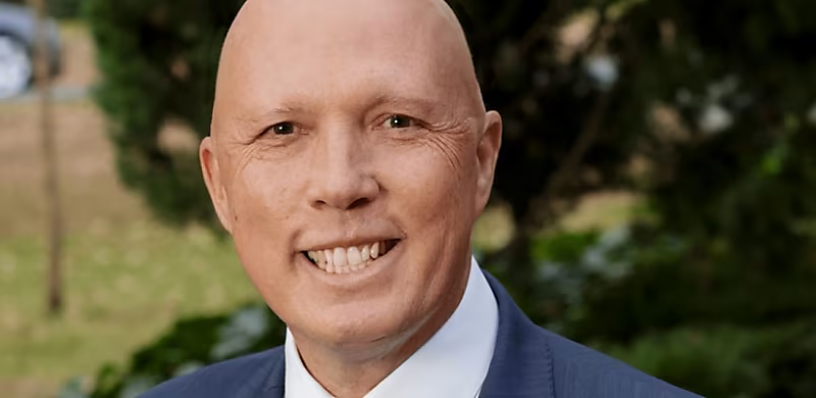

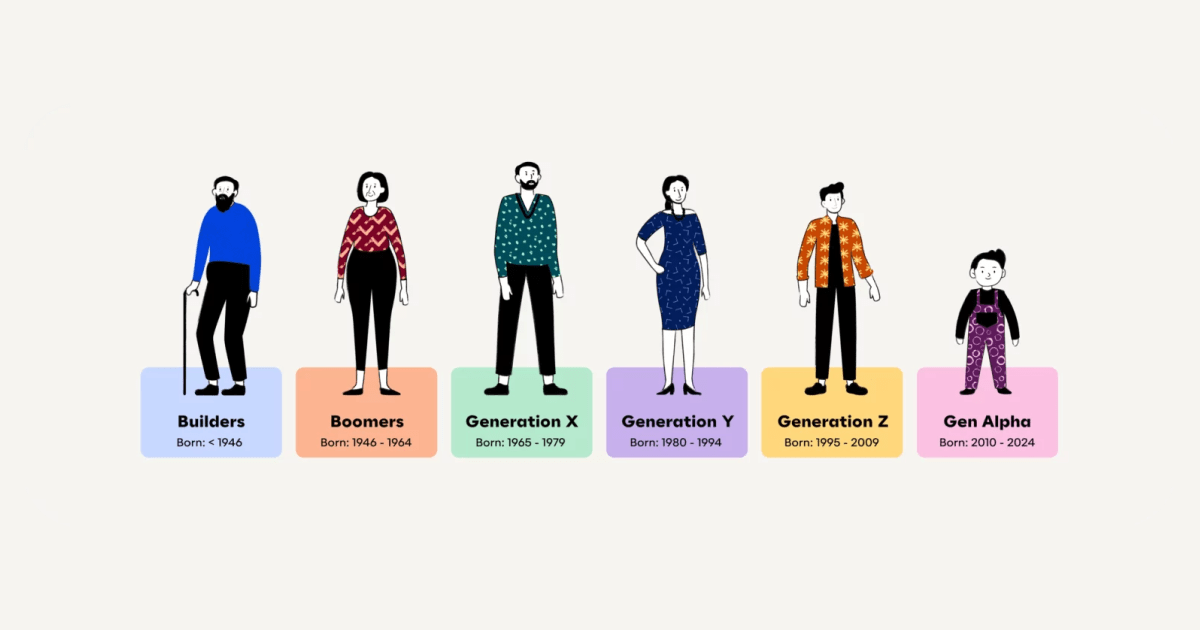
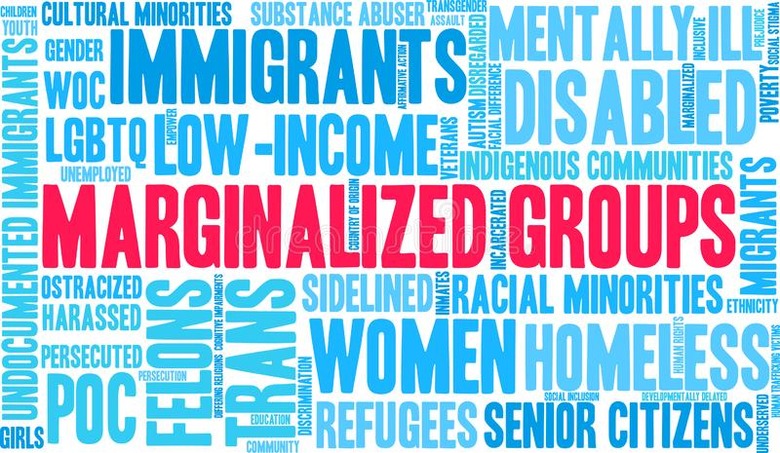

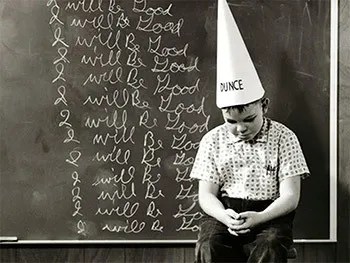


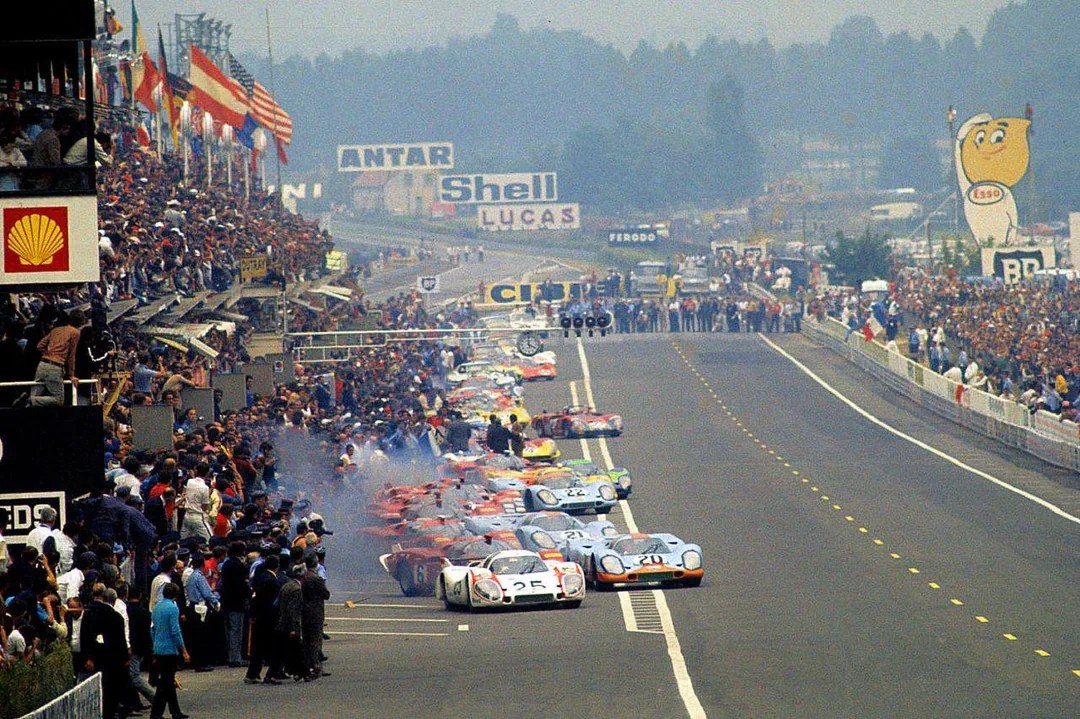

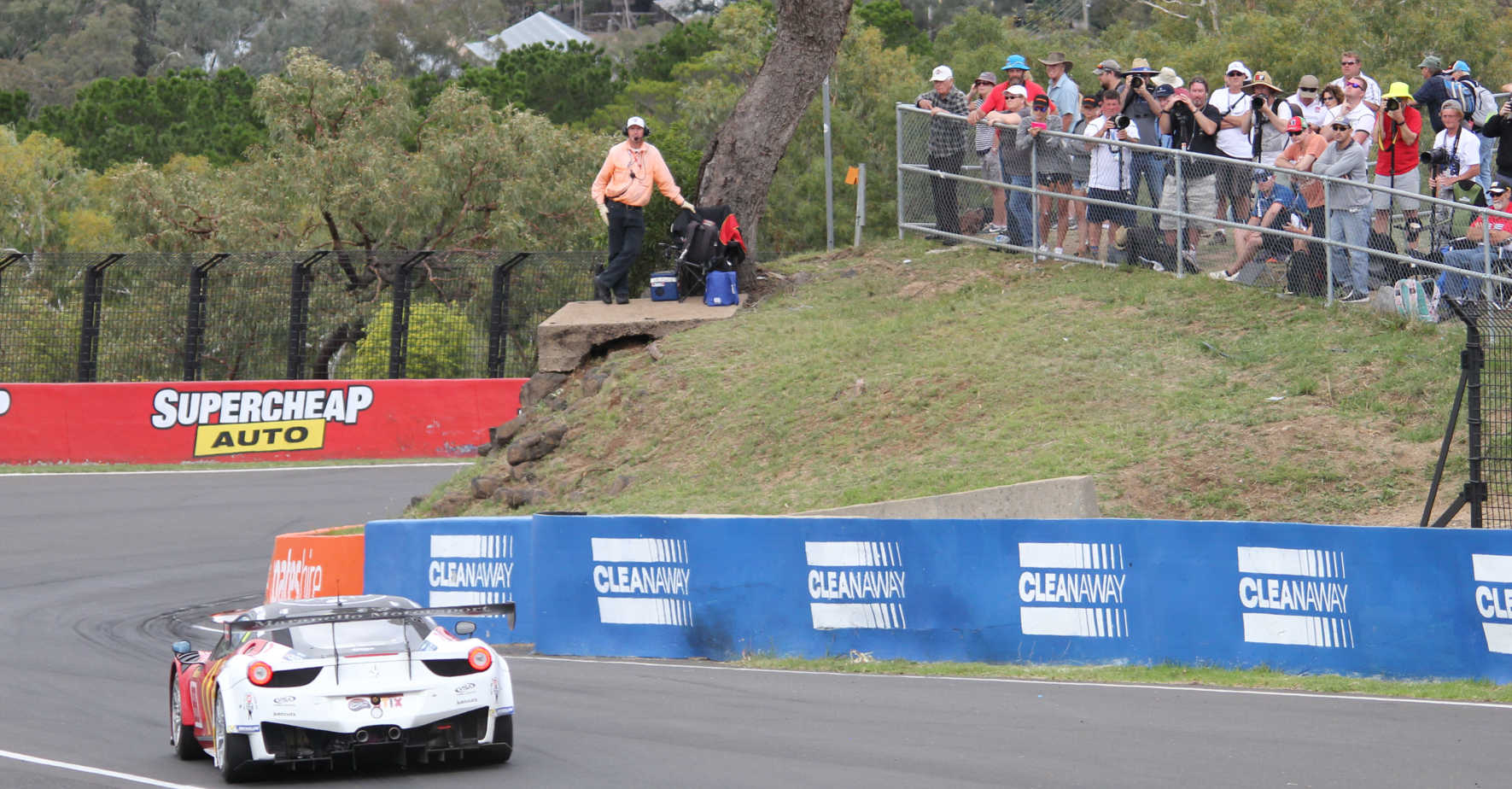
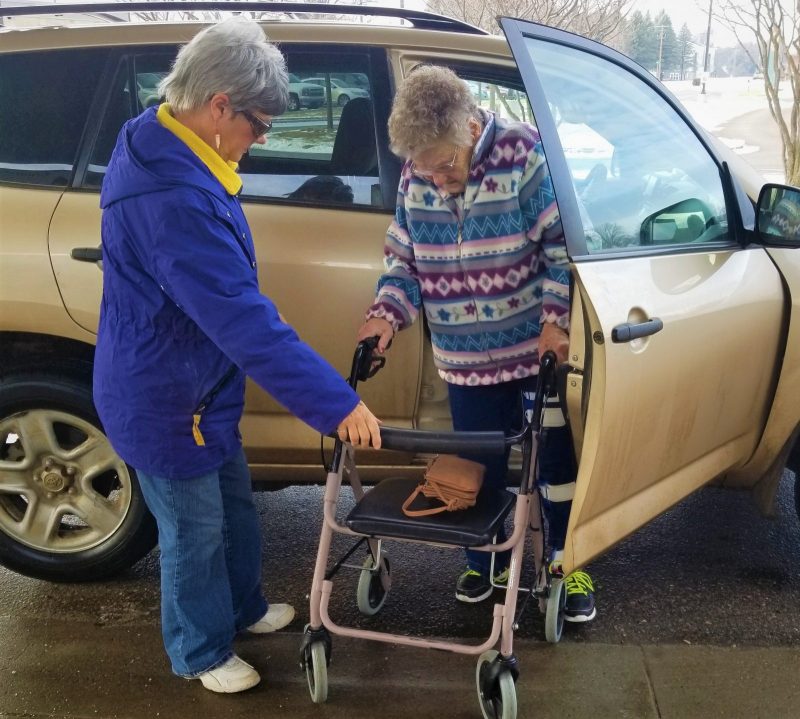

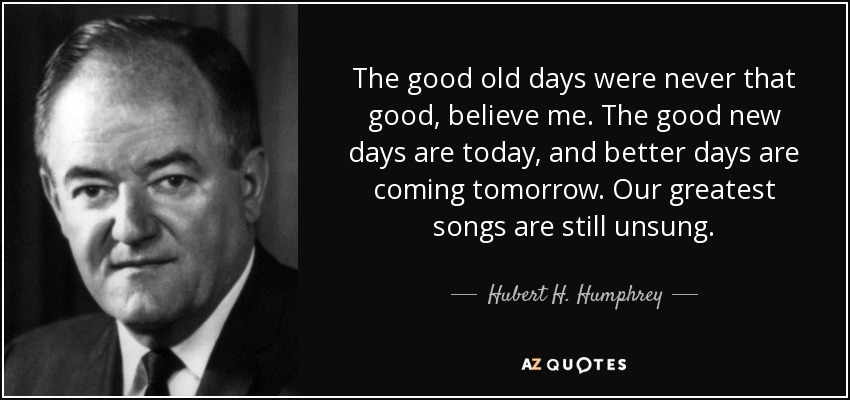
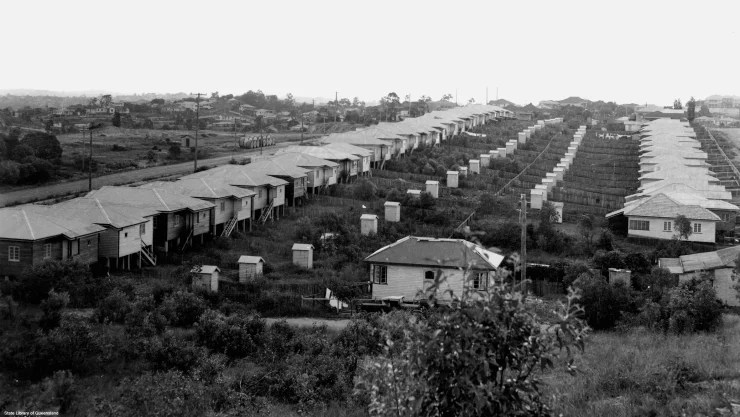
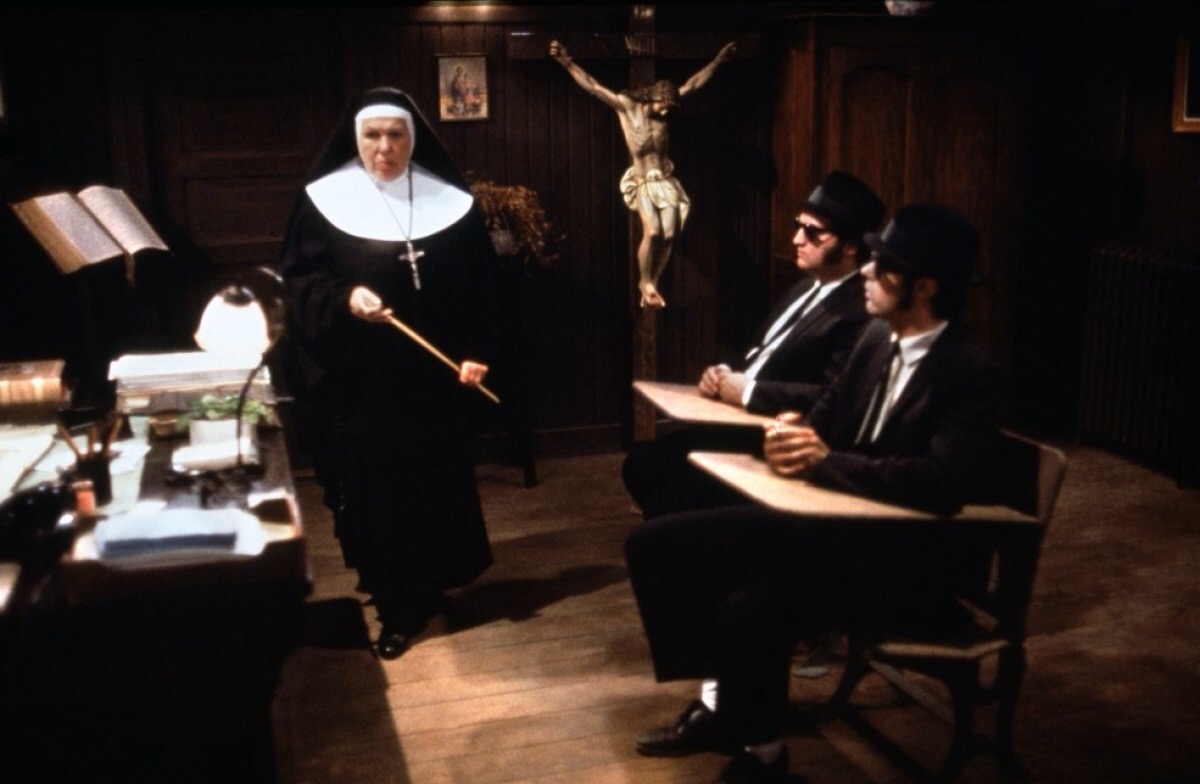

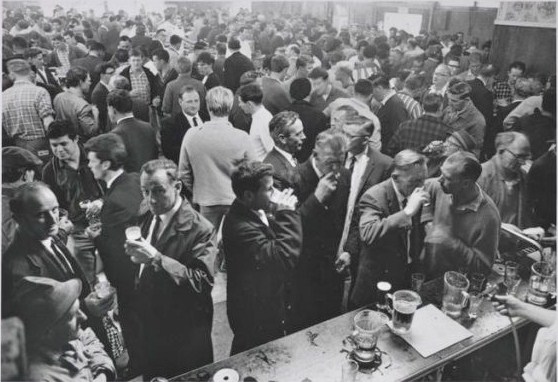
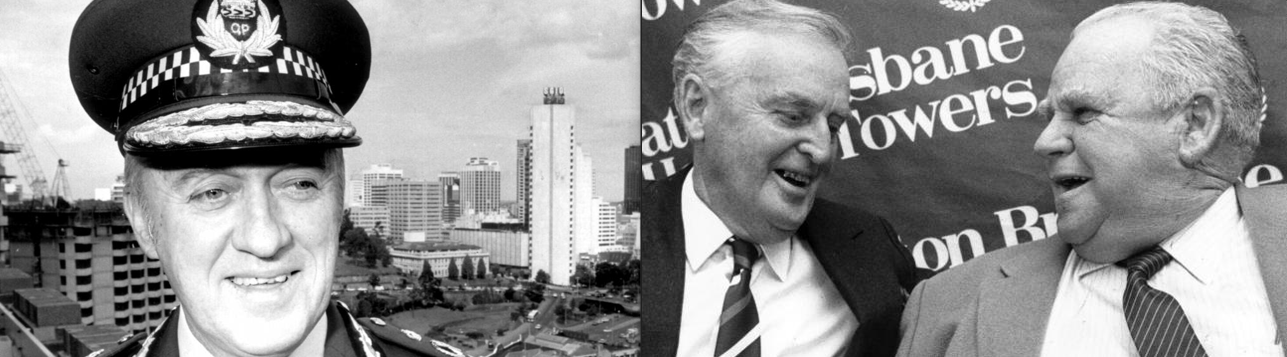
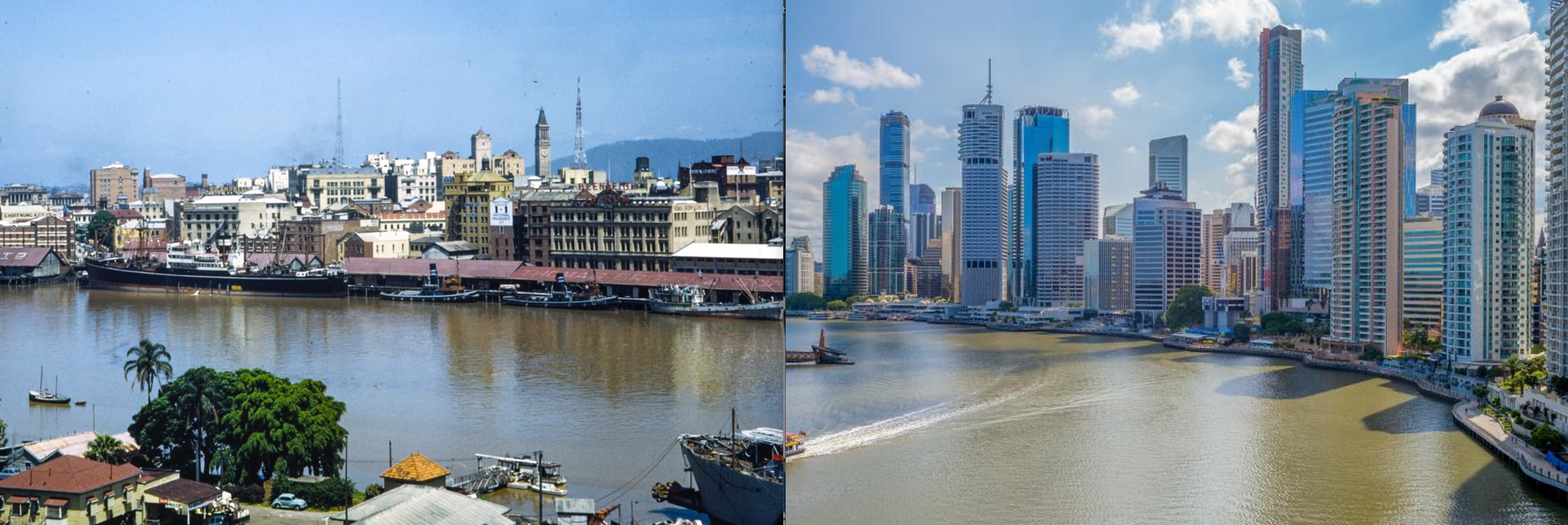


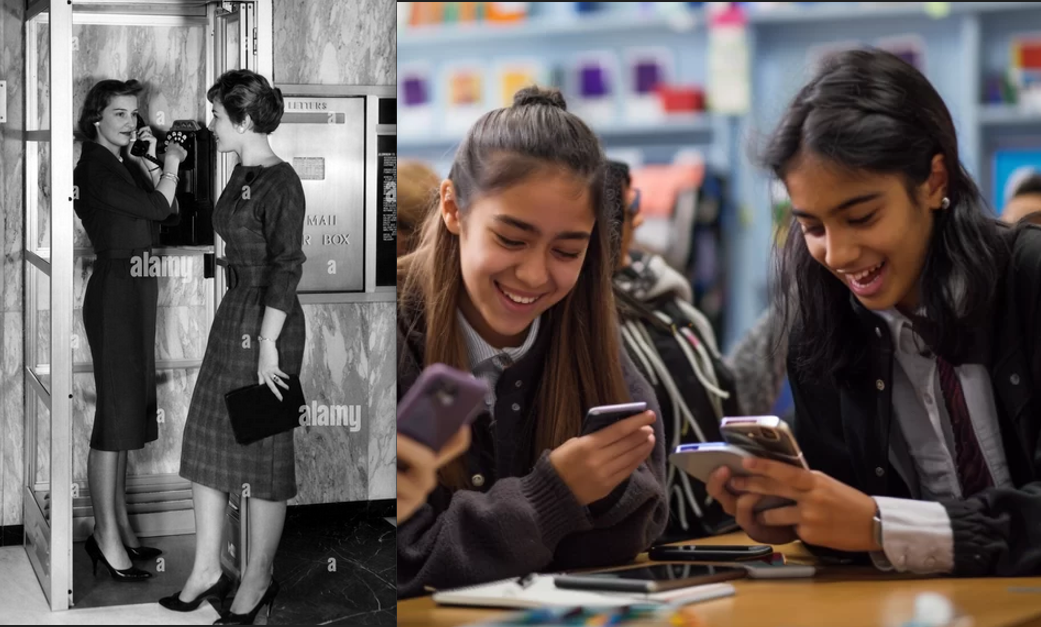




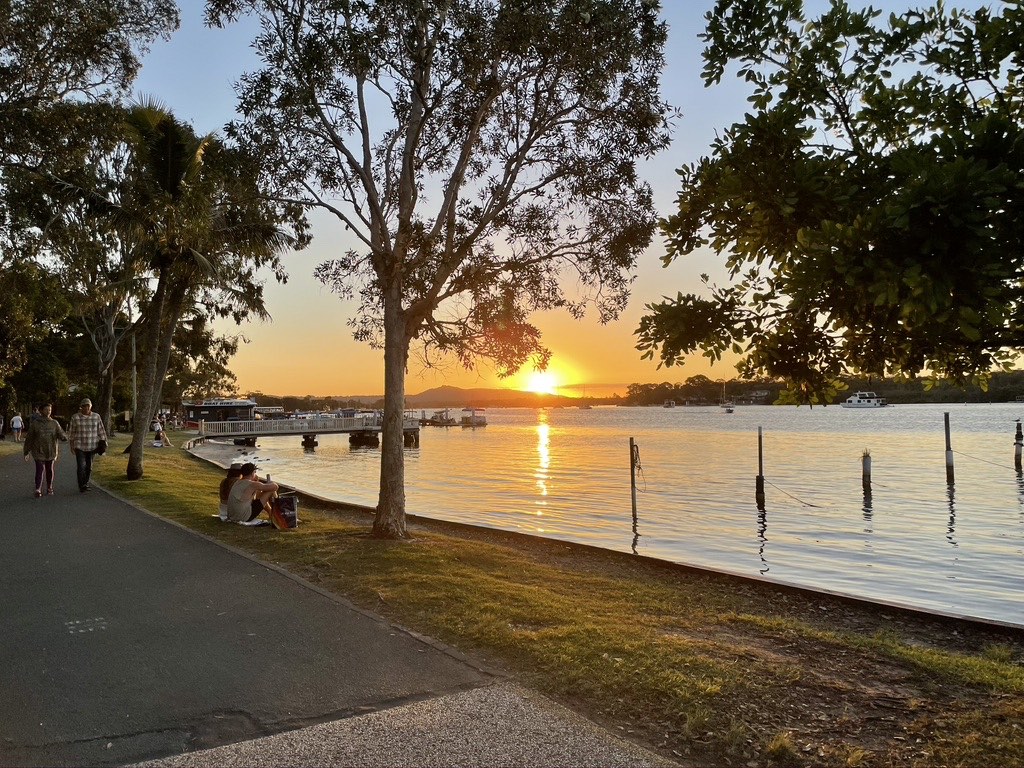


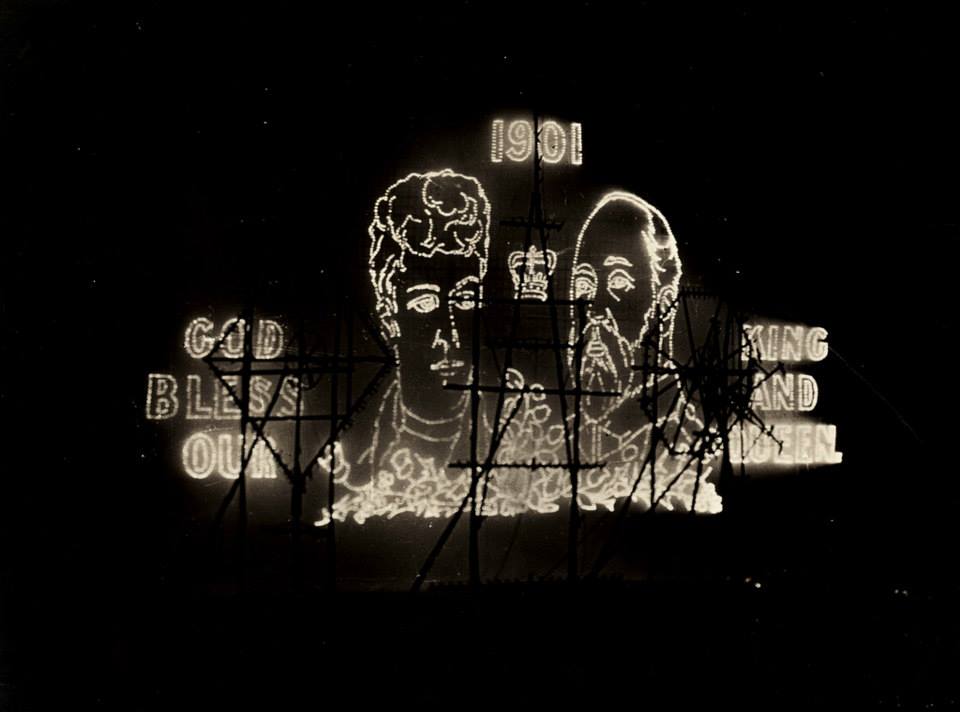


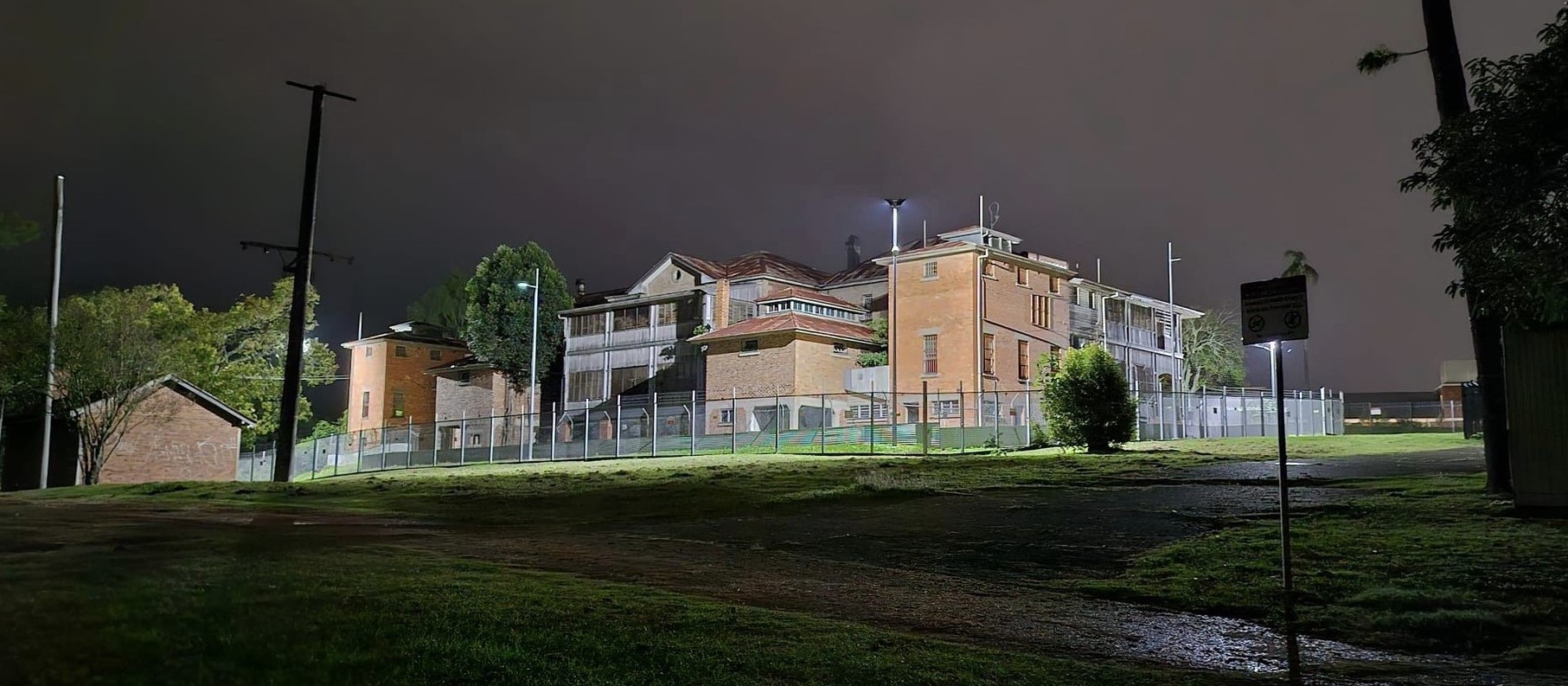
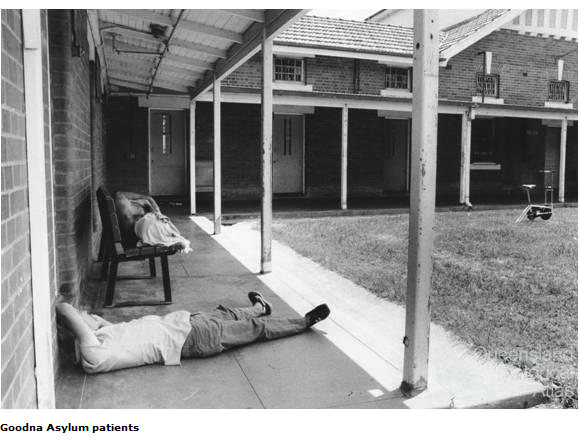
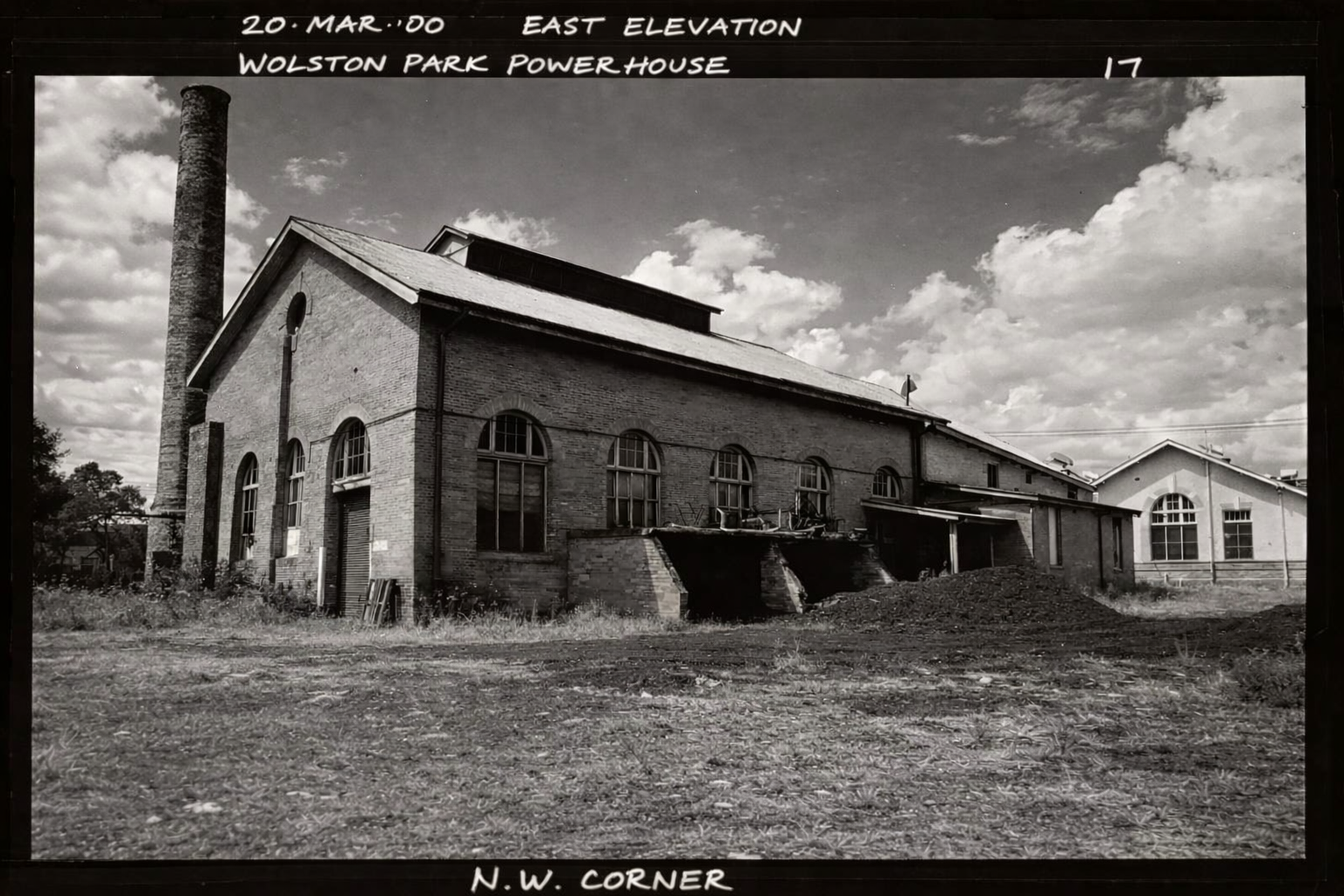
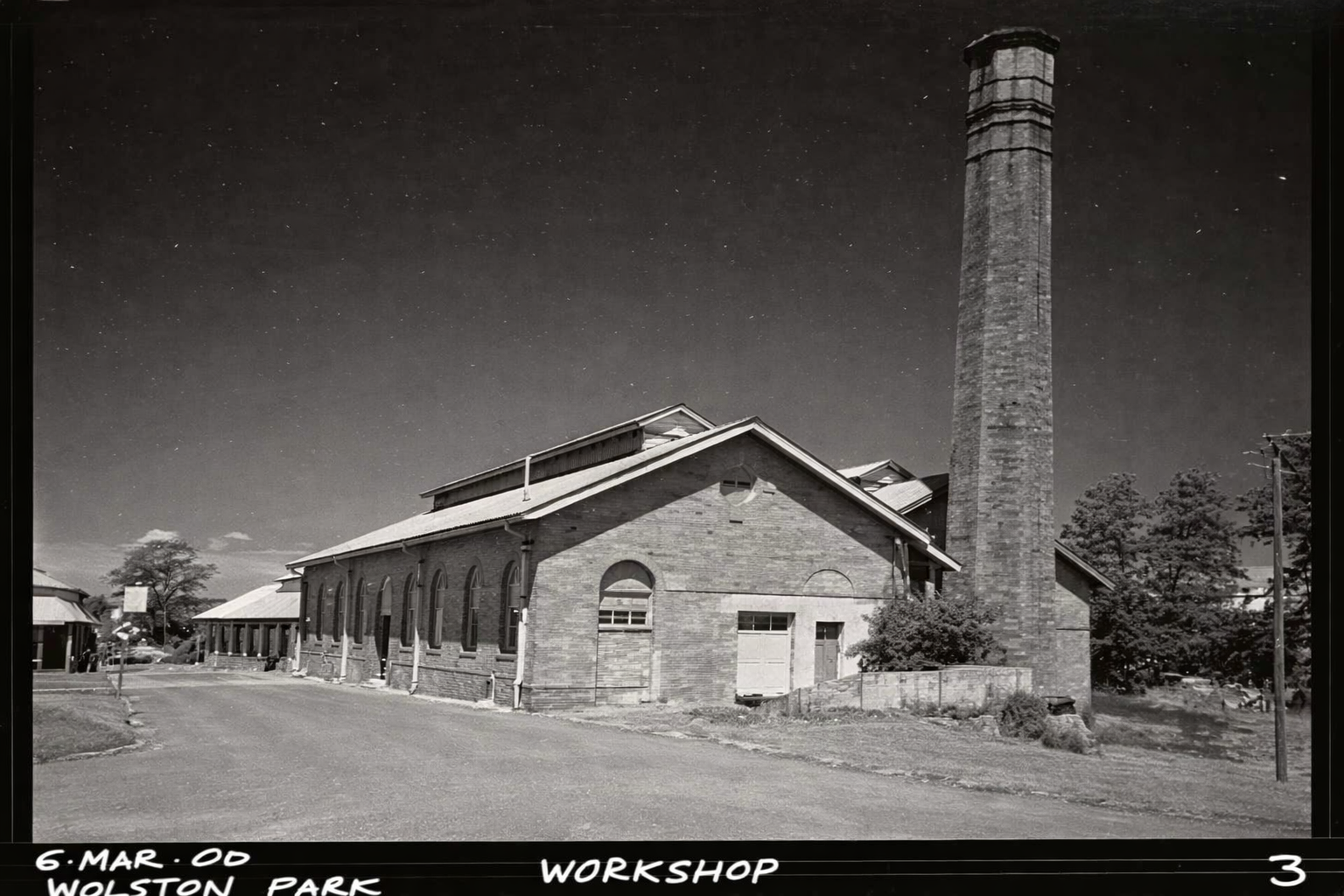
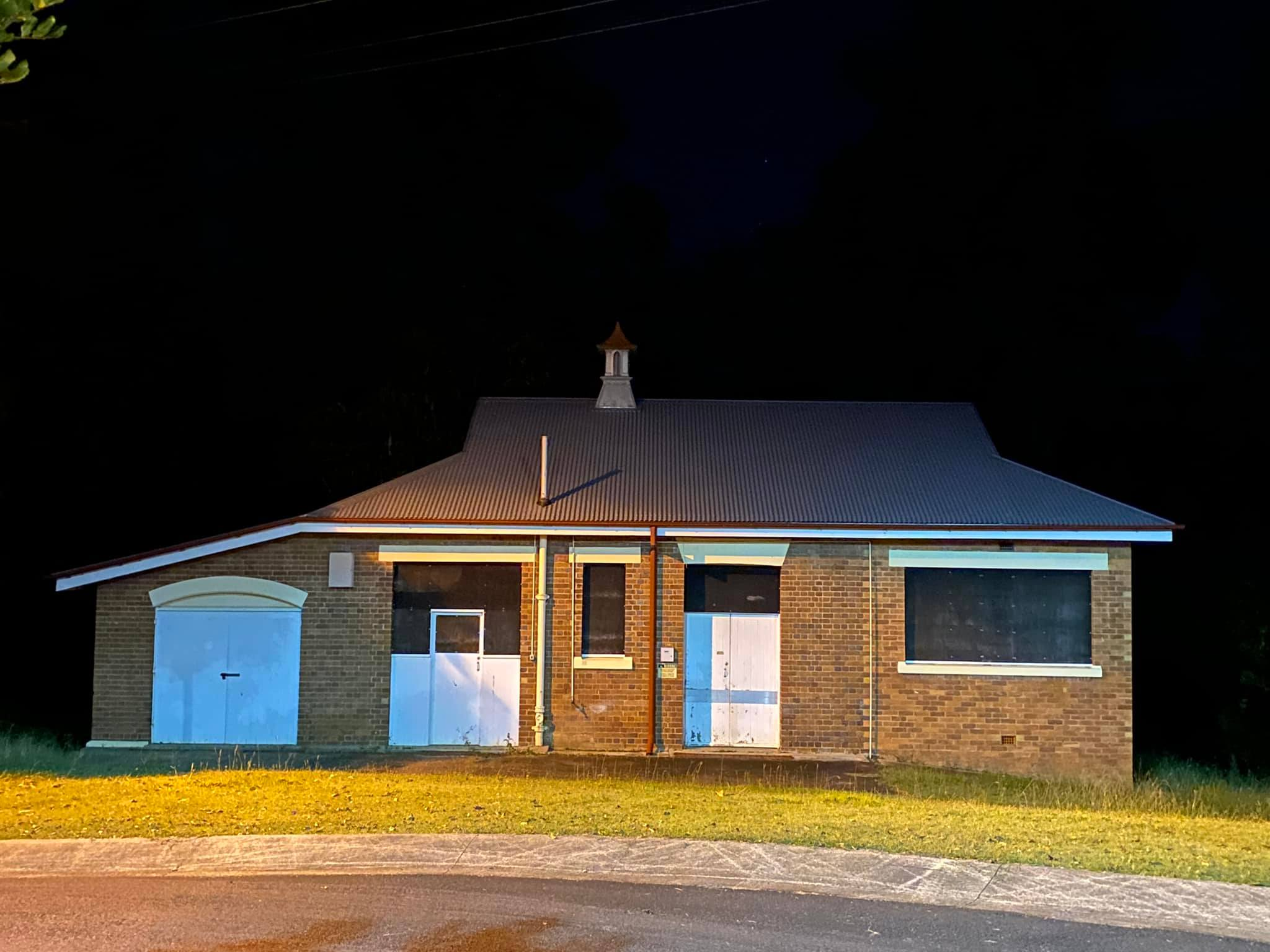


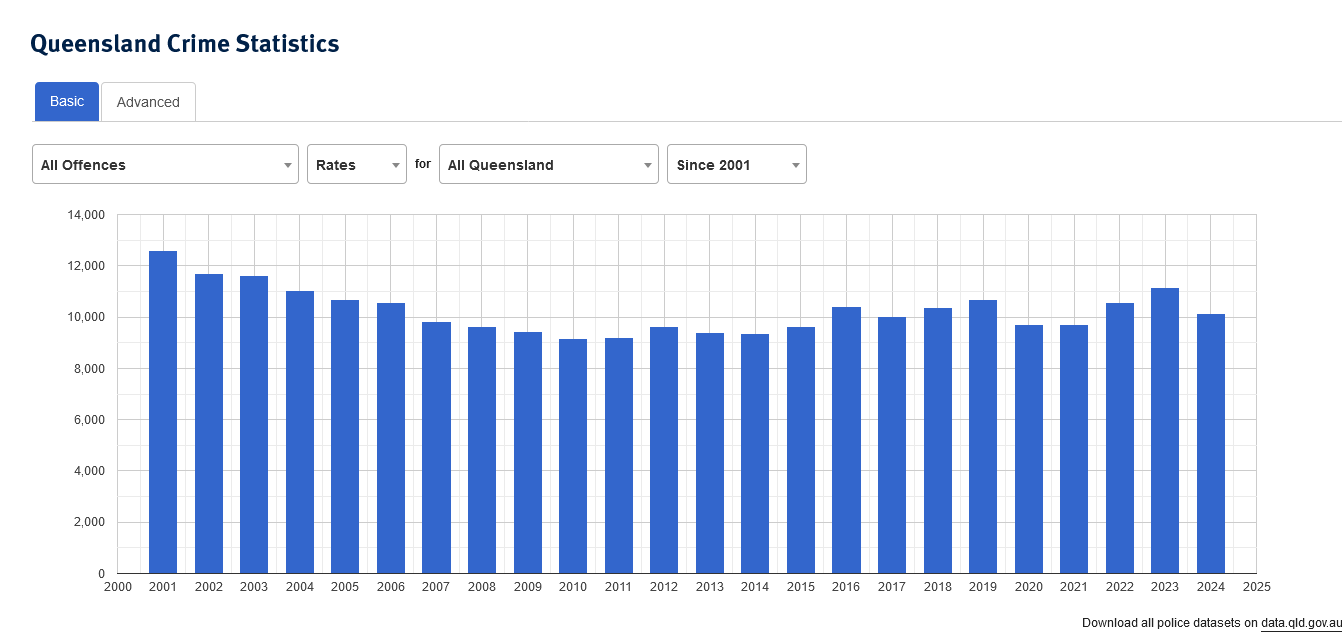

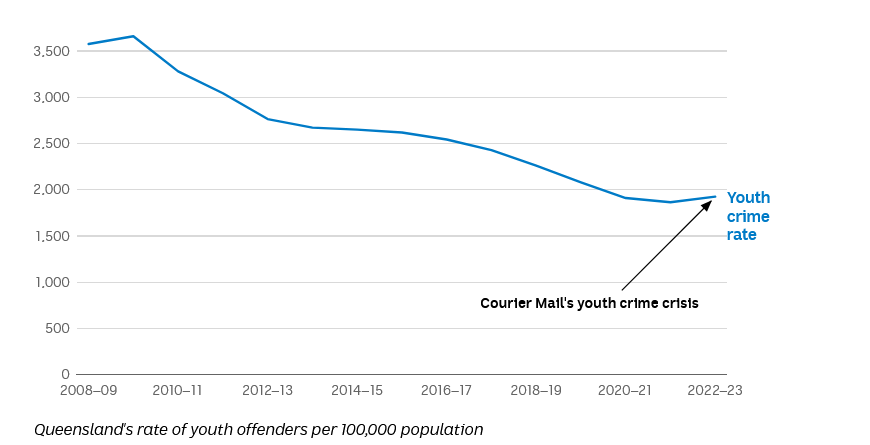
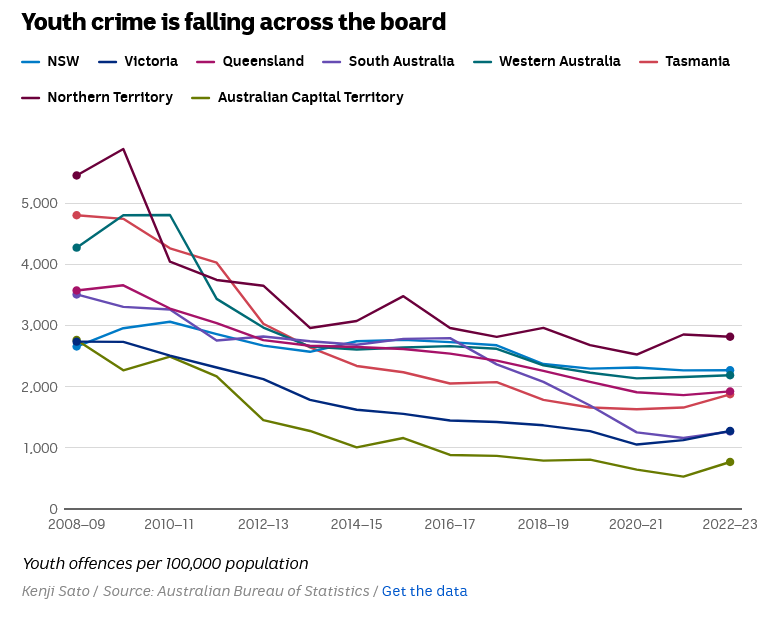

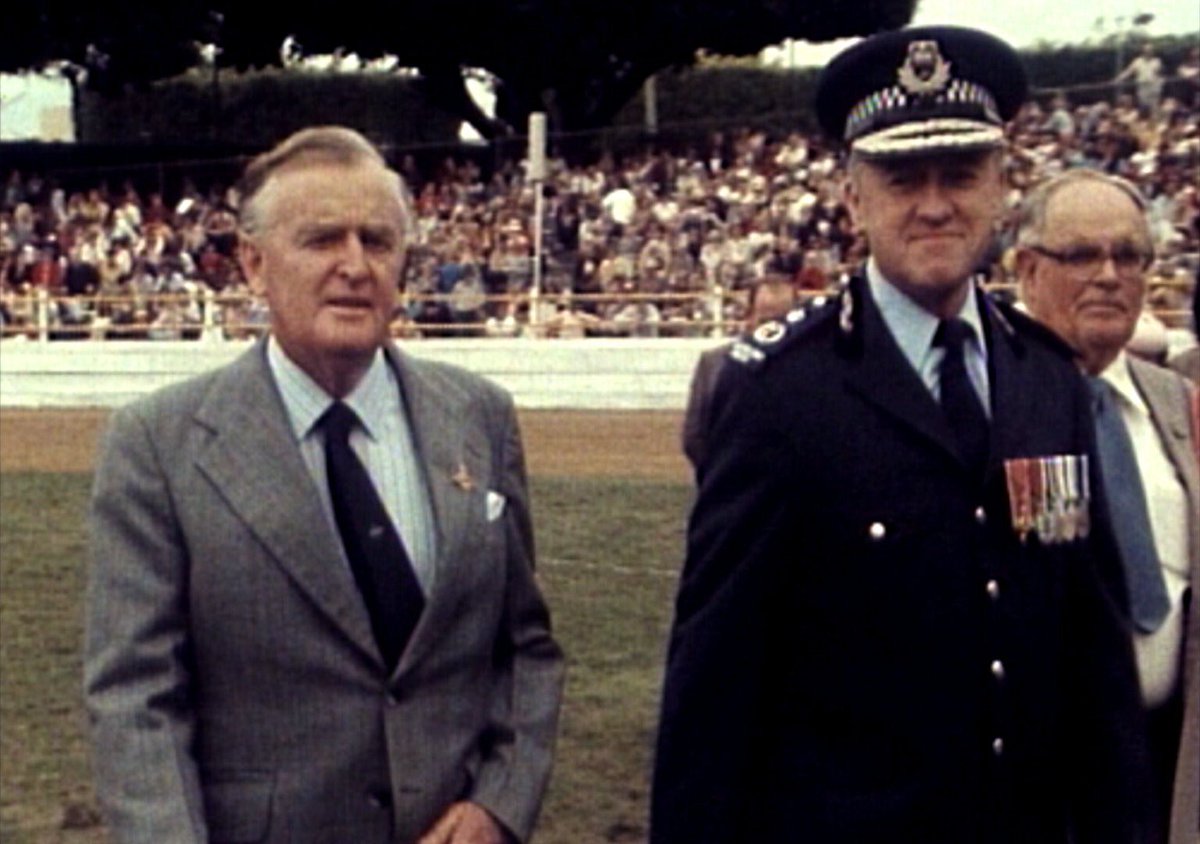
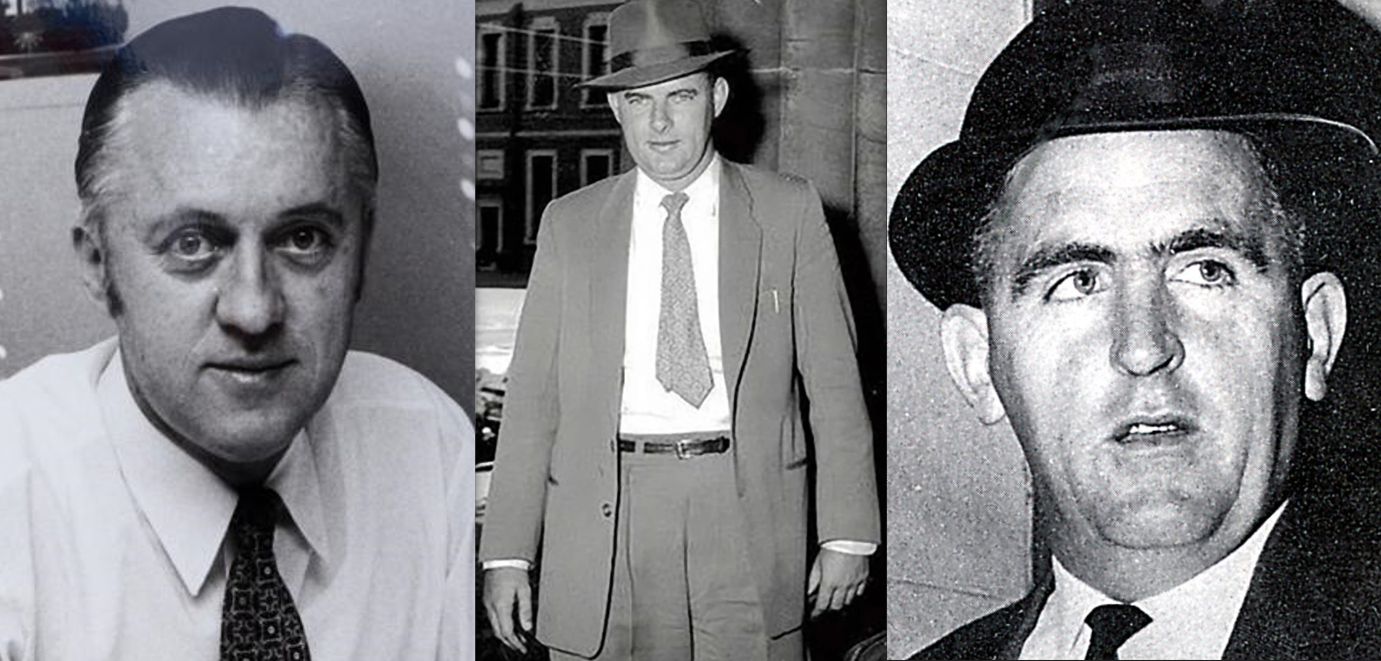

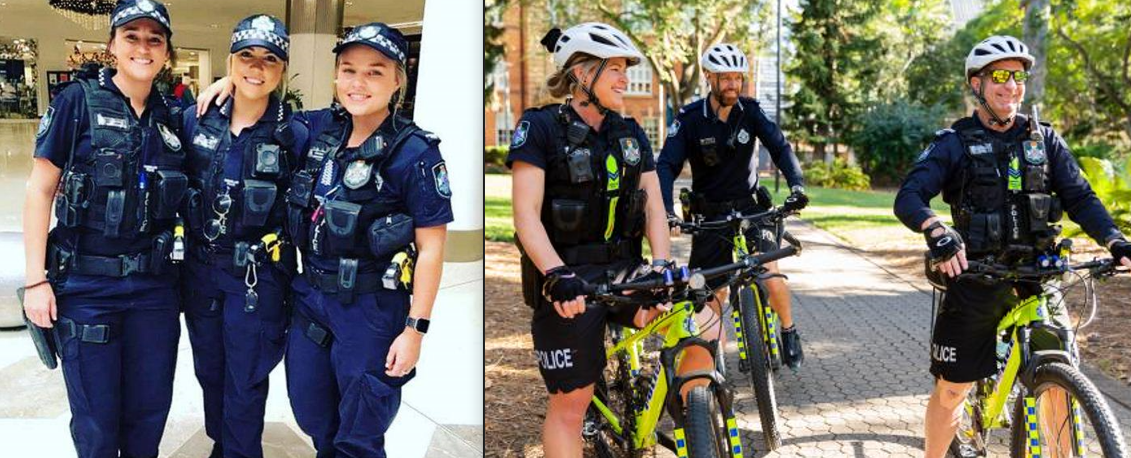

 porsche91722