

What constitutes good service these days? It should be a fundamental part of any organisation that intends to stay in business or expand. Yet it’s painfully clear that some business owners and managers have little understanding of what good service or fair trading truly entails.
I’ve always believed in treating clients with the same respect and quality of service that I would want for myself. At the end of the day, we’re all consumers.
Most companies likely intend to provide good service, but execution often fails for various reasons. Poor wages and substandard working conditions discourage employees from going the extra mile—especially when they’re treated poorly by management. There’s a growing attitude among some managers that staff are easily replaceable. That theory holds only until experienced employees have had enough of poor treatment and start looking elsewhere.
Many staff members are willing to accept difficult conditions, especially in competitive industries. However, when a company chooses to cut corners internally—slashing work conditions instead of seeking growth opportunities—it often signals the beginning of its decline.
Retaining good staff should be a priority for forward-thinking organisations. Consumers prefer familiar faces; they trust and build rapport with the people they interact with regularly. Often, we never meet the business owners or supervisors—we interact with the frontline staff, whether in person or over the phone. Mistakes happen: incorrect pricing, supply chain failures, or accounting errors. But when an experienced employee handles the issue professionally and with care, we’re more inclined to remain loyal.
Good staff resolve customer issues fairly—sometimes in favor of the client, sometimes the business. They possess strong product knowledge, a genuine concern for their clients, and a sense of loyalty and pride in working for a company that values them. So why do some companies treat their employees so poorly, then wonder why staff don’t return that loyalty? This disconnect highlights the abundance of poor management in today’s workplace. Many managers stay hidden in offices, disconnected from frontline operations and, more importantly, from the customers.
It’s no surprise that more people prefer shopping online these days. From a consumer’s perspective, it’s a no-brainer. Why go to the trouble of visiting a store to buy clothes, appliances, or electronics when you can shop online more conveniently, view product specifications, obtain genuine feedback (both positive & negative), and avoid the hassle of limited stock? These days, it’s easier to only visit retail stores to use them as a showroom if I need to inspect a specific product before purchasing it online.
After criticising retail shop fronts more broadly, it’s refreshing to see how a professionally run, nationwide corporate chain can operate both properly and efficiently. It’s a pity the Big Two in the grocery sector couldn’t learn something from this.
National hardware chain, Bunnings Warehouse, appears to be one of the few retail outlets in Australia that truly understands what its customers want. The company has clearly studied its niche in the retail market and established itself as a reliable and genuinely enjoyable place to shop & importantly, has online shopping as an option.
Bunnings has not been without controversy. The company has faced criticism from product suppliers who have taken issue with its business practices, particularly regarding negotiations with manufacturers. While some of these concerns are justified, especially with shifting expectations around supplier relationships, many critics seem resistant to changes in trading arrangements, particularly those accelerated by the post-COVID economy.
Years ago, Bunnings identified a gap in the home handyman and hardware market. Consumers were frustrated with retailers that stocked only a limited range of essential items. In response, Bunnings positioned itself as a comprehensive one-stop shop, offering everything from DIY hardware and plumbing supplies to a wide selection of timber, tools, pumps, yard care & gardening, plant nursery & a multitude of home handiman items for both DIY enthusiasts and professional tradespeople.
Bunnings appears to employ a wide cross-section of staff across various age groups—from young adults, including university students, to middle-aged men and women, and even older, possibly semi-retired individuals. I can’t recall ever having a poor experience with any of their staff at any store. In my experience, they’ve all been more than willing to offer helpful advice and guide customers toward the right purchases.
Their large, accessible car parks, cafes & coffee shops, DIY workshops, kids Easter & Christmas functions & school holidays craft projects, and convenient store locations further enhance the overall shopping experience.
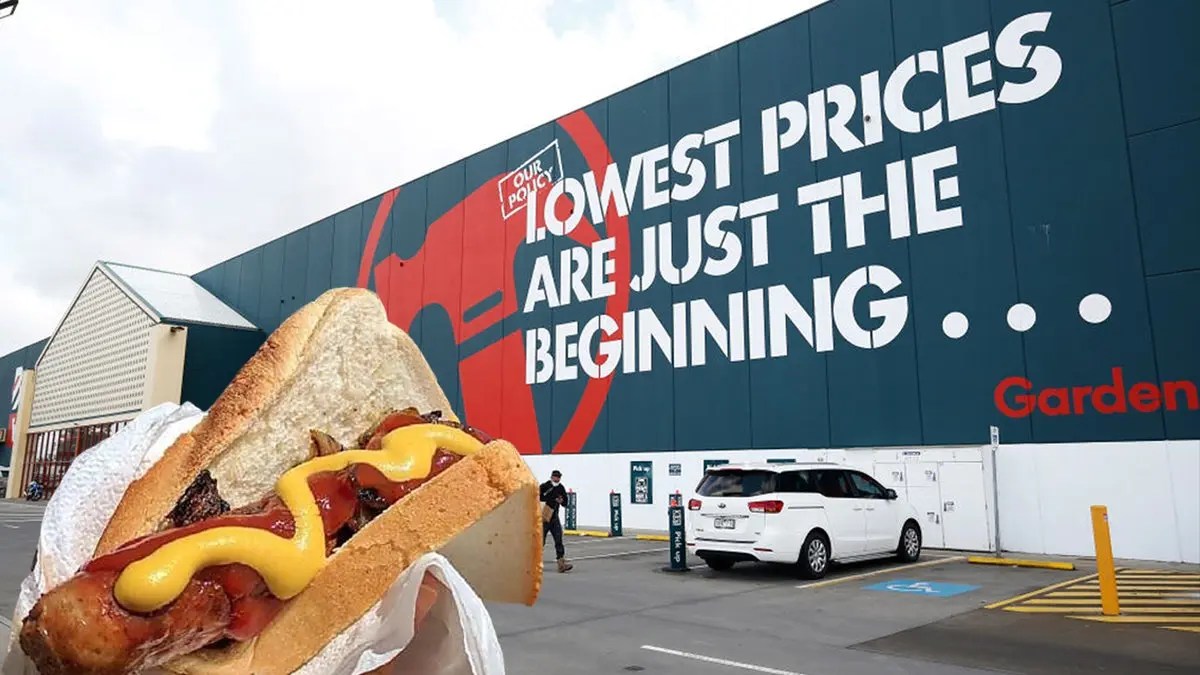
Perhaps most endearingly, Bunnings has made a cultural contribution to Australia by popularising the iconic “Bunnings snag”—a humble sausage sizzle that has become a beloved part of the national food culture.
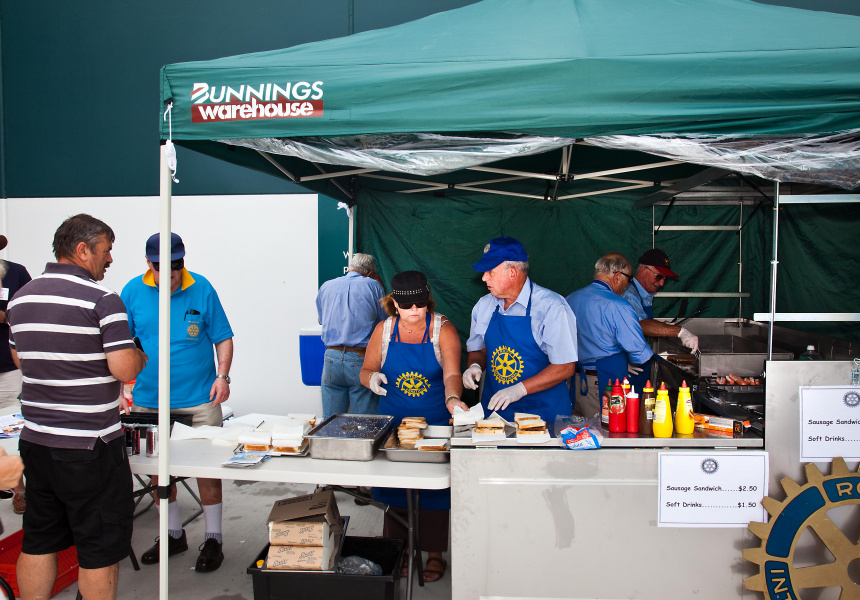
Bunnings sausage sizzles are a popular tradition across Australia, often featuring large crowds of people, especially on weekends. These events are a way for community groups to raise funds, and are an important part of the Bunnings experience for many customers.
Without wanting to appear as an apologist for Bunnings’ corporate practices, it’s fair to say the company is often targeted due to the tall poppy syndrome. As a large multinational, it operates its stores efficiently and serves a broad range of customers, from home handymen to professional tradespeople.
Bunnings has become a national icon in Australia and remains one of the few bricks-and-mortar retailers that almost everyone genuinely enjoys shopping at.
It’s interesting to note that the vast majority of shopfront retailers could benefit from taking a leaf out of Bunnings’ playbook. By adjusting their retail operations to align more closely with the practices of a successful operator like Bunnings, they might find greater success in keeping customers satisfied—and, just as importantly, encouraging them to return.
While this latest blog article may sound like an advertisement for Bunnings, that certainly isn’t the intention. However, it does make me acutely aware that there are very few other retail outlets that immediately come to mind which consistently go the extra mile for their customers the way Bunnings does.
It’s somewhat disappointing that there aren’t more comparable organisations I can point to as benchmarks.


 porsche91722