Read time 13 minutes.
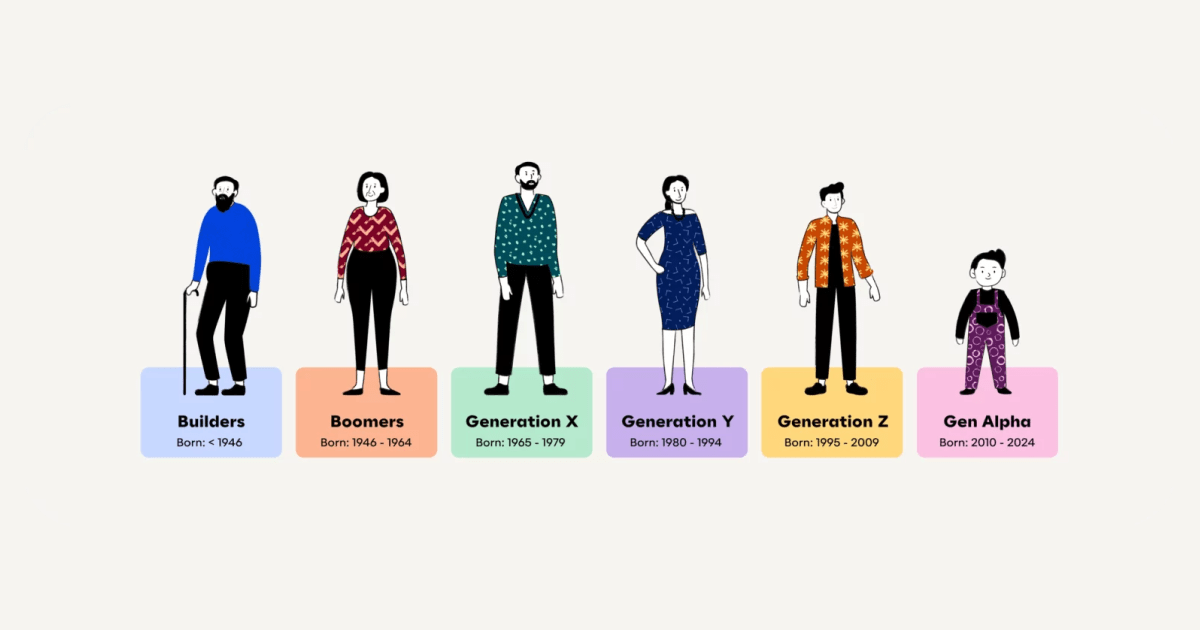
I recently had an interesting discussion in a group setting with several family members spanning different generations. The topics of the LGBTQIA+ community, marginalised groups, and our declining education standards were also brought up during the discussion.
I grew up in an era when marginalized groups weren’t recognized — the 1960s and ’70s, when sexuality was being more openly discussed, and social boundaries were just beginning to be tested.
The tone of the discussion made me reflect on how significantly generations differ in their thinking and attitudes toward various topics. While this isn’t a new observation for most people, it led me to consider why and how different generations view certain issues so differently. Aren’t we all shaped from the same basic human mould? Of course, generational differences in perspective are natural, shaped by distinct upbringings and the specific cultural and historical context each group experienced.
Still, at our core, we’re all human—perhaps just looking at the world through different generational lenses. But it raises the question: is one generation’s thinking more correct than another’s? Naturally, we older folks tend to believe we have it right. Meanwhile, younger generations often view the past with a degree of skepticism or even contempt, particularly regarding how issues like the environment, social care, and community responsibility were handled. History has taught us that many things could have been done better—and perhaps that’s exactly what each new generation is trying to do.
Growing up in suburban Australia during the 60s & 70s, our focus was simply on enjoying life. While we often hear about those times as a time of radical change in fashion, music, science, and technology, in suburban and regional Australia, most kids were just intent on having a good time through their teenage and young adult years.
But, back to the group topic. In that time the gay rights movement was gaining traction—which is undoubtedly a positive development. However, it seems this progress coincided with a broader trend: many people began to feel the need to align themselves with a marginalized group in order to gain visibility. I’m not suggesting that like-minded individuals shouldn’t come together to share their values, but there appears to be increasing emphasis on adopting labels and amplifying specific group issues to the wider world.
Perhaps I’m swimming against the tide here, but while celebrating human diversity is important, it’s equally vital to focus on what unites us. Although embracing our differences can enrich society, we must also work toward cohesion and shared purpose. Society should be inclusive, yes—but inclusivity should prioritize those facing genuine, substantial challenges.
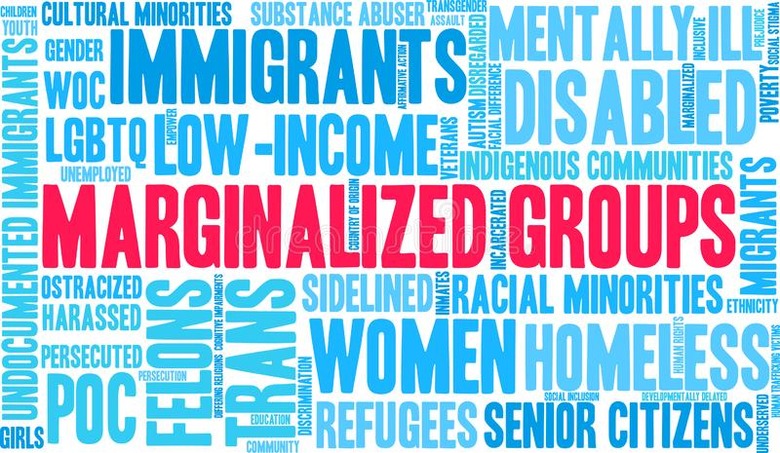
Ok, so here’s a quick list of marginalized groups currently in Australia –
Based on Race and Ethnicity:
- Indigenous Peoples: Includes Aboriginal and Torres Strait Islander peoples in Australia, and similar groups globally.
Minority Ethnic/Linguistic Groups: People from backgrounds different from the dominant culture or language. African Descent: Groups of African heritage facing systemic discrimination.
Based on Gender and Sexual Orientation:
- Women and Girls: Often face discrimination and limited access to resources and opportunities.
LGBTQI+ People: Lesbian, gay, bisexual, transgender, intersex, and queer individuals. Gender Non-Conforming Individuals: People whose gender identity or expression doesn’t align with traditional gender norms.
Based on Ability and Disability:
- People with Disabilities: Individuals with physical, intellectual, sensory, or mental health disabilities.
Based on Socioeconomic Status:
- People in Poverty: Those with low incomes and limited access to basic needs.
Single Parents: Often face challenges in balancing work and family responsibilities. Migrant and Refugee Communities: Individuals who have moved to a new country and may face discrimination and challenges in integrating into society.
- Other Marginalized Groups:
- Older Job Seekers: Individuals facing ageism and difficulty finding employment.
People in Rural and Remote Areas: Those living in geographically isolated areas with limited access to services and opportunities. People with Mental Health Conditions: Individuals experiencing mental health challenges and facing stigma and discrimination. Internally Displaced Persons: People forced to leave their homes due to conflict or other circumstances. Young People: Youth may experience marginalization due to their age and limited access to resources and opportunities. People in Prison: Individuals in the prison system are often marginalized due to the effects of incarceration. Veterans: Individuals who have served in the military and may face challenges in reintegrating into civilian life.
——————————–
Many individuals struggle daily with serious mental and physical health issues caused by circumstances beyond their control. These may include serving their country in war zones, trauma experienced in law enforcement, emergency response, or professions that regularly confront traumatic situations, such as domestic violence. Such individuals deserve our full attention and unwavering support.
There are also groups who suffer from various disabilities. These may include conditions present from birth, such as sight and hearing impairments or autism. Physical disabilities can include cerebral palsy, spinal cord injuries, multiple sclerosis, and muscular dystrophy.
Meanwhile, some less severe personal challenges might be more appropriately addressed through personal resilience and community-based assistance, rather than relying entirely on a government handouts or taxpayer-funded solutions. While it is understandable for people to seek help, we must ask: can government resources realistically meet every demand?
One of Australia’s most shameful failures is the inadequate treatment of our war veterans and armed service members. Tragically, it often appears that individuals with self-inflicted drug addictions receive better support than those who have served the nation. This is a sobering reflection of our national priorities and calls for urgent reassessment.
Our healthcare system is already under immense strain. To preserve its effectiveness, we need to distinguish between those who require urgent, critical care and those who may benefit more from personal development and community-based support. Encouraging resilience in manageable cases helps ensure that limited resources are available for those most in need.
———————–
But for us, as young adult, male Australians in our formative years — life was all about having mates, girlfriends, cars, motorbikes, parties, the live music scene, and freedom.

The contraceptive pill had only recently become available for mainstream use by women—and we certainly took full advantage of it. Life was great.
I have often joked that I went to a party at seventeen and didn’t come home until I was twenty-nine.
Being a Boomer meant living life to the full. These days, however, it seems that simply being a Boomer is enough to draw criticism from younger generations, who often view us as the root cause of today’s problems.
As the conversation deepened, I got the sense that our kids found it hard to believe what our generation used to get up to. To be clear, we never did anything illegal (well…… to be completely honest….maybe just a few things😀), but life was all about enjoying the moment.
While today’s youth certainly don’t miss out on much, I do believe that the mid to late 20th century was a freer and more relaxed time compared to now.
In a previous article, I reflected on how older generations are often accused of living in the past. https://porsche91722.com/2025/02/06/the-myth-about-the-glorious-50s-60s-70s-80s/ However, I believe that certain aspects of life—particularly personal freedom—were more prevalent in earlier decades than they are today. Much of this change is due to the absence of mobile phones and the constant surveillance that comes with social media.
Back then, we lived without the microscope of public scrutiny that modern technology now imposes. Sure, we sometimes engaged in questionable behaviour, but the rest of the world never found out about it—and we were free to learn, grow, and move on without the permanent digital footprint that people must contend with today.
These days, there seems to be a lot of pressure on young people to identify as part of a marginalized group. It’s almost as if there’s a desire to belong to a community that is fighting for special recognition or rights. What began as a push for gay rights has evolved into the LGBTQIA+ movement, with what seems like new letters from the alphabet being added frequently to include more identities.
It often feels as though criticizing the views of older generations has become a kind of sport—even when we’re asked to share our thoughts. This tendency can be disheartening, especially when the intent behind our input is constructive, respectful, and sincere. I understand that younger generations may sometimes interpret our words as negative or outdated, but that couldn’t be further from the truth. However, I suppose the way opinions are delivered—particularly how they are spoken—can play a significant role in how they are received.
——————
Conditions like autism — once clearly defined — now encompass a wide range of variations. It feels as though many people seek acknowledgment of being “on the spectrum” and wear it like a badge of honour.
ADHD is another one. So, what’s the story? Back in our day—and yes, I know even that term tends to raise the hackles of the current generation—we simply had some kids who were hyperactive & a bit slow learning. Some children just were! A few had trouble concentrating in school when they were younger. They were often the ones placed at the front of the class and labeled the “dunces.”
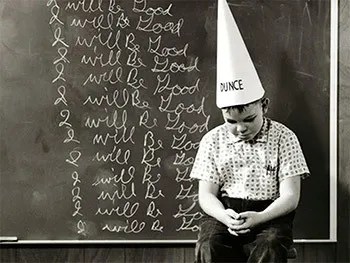
Interestingly, many of these hyperactive kids excelled in sports and went on to complete their education without any long-term issues. Nowadays, it seems they’re put on medication and excused for behavior that, in the past, would’ve been addressed more directly.
Now, I’m not suggesting we bring back corporal punishment, but it feels like there are no real consequences anymore for those kids who constantly disrupt the class. If anything, they’re rewarded for simply behaving, when good behavior should be the baseline expectation. It’s no surprise that the other kids start searching for diagnoses or reasons to stand out—just to receive the same kind of attention or rewards.
And don’t even get me started on participation trophies in sports. These days, kids are handed awards just for showing up. We wouldn’t want to hurt little Johnny’s feelings by not giving him a prize—even if he didn’t actually win anything, would we?
There seems to be a growing expectation in schools today that failure is no longer acceptable. Well, I hate to be the bearer of bad news, but failure—or loss—isn’t always a bad thing. Falling short in a subject or an event should be seen as a motivator to strive harder and improve.
I understand that we are talking about children, and they may not always have the internal drive to push themselves forward. However, there’s nothing quite like a bit of competition to spark motivation—whether in the young or the old.
From primary school through to tertiary education, there appears to be a growing trend toward dumbing down the system—where lower pass rates are increasingly deemed acceptable. But sooner or later, standards do matter. In fields like research, engineering, or surgery, competence is critical, and failure simply isn’t an option. That’s why learning to cope with disappointment and setbacks at a younger age is essential if we want to cultivate the very best minds for the most demanding careers.
After all, we don’t want underqualified individuals designing our major infrastructure. We certainly don’t want people lucking their way through university only to find themselves working in critical scientific or technical fields, where the most capable minds are essential for achieving the best results. We also don’t want individuals who flunked out of higher education stepping into positions of political leadership.
We want the best of the best occupying our top jobs.
Unfortunately, we are already witnessing the consequences of lowered standards. Take, for example, the case of the NSW rail department, which designed and ordered trains that didn’t fit the existing rail infrastructure—an error that should never have made it past the planning stage. Or consider the West Gate Bridge collapse disaster in Melbourne, and the Paradise Dam in Queensland, which will now require an estimated $4.4 billion to replace.
Even more concerning is the declining calibre of our political leadership, which appears to reflect a broader trend of diminishing expectations across many institutions.
I’ve always believed that making mistakes at a younger age is one of the most effective ways to learn. Mistakes don’t just show you what went wrong—they help you understand how to get it right. You grow through those experiences.
These days, school interventions are all the rage. Students aren’t held back to repeat a year anymore. Sure, there was a stigma attached to it in the past, but the truth is, nobody was harmed by repeating a grade. If anything, it often gave kids a chance to regroup and come back more determined to succeed the second time around.
There’s a growing trend of people wanting to carry a label or be part of a group with a perceived disadvantage. This has given rise to a booming medical and mental health industry, eager to diagnose and label individuals. Unfortunately, this often leads to widespread use of prescription drugs and antidepressants as quick fixes for deeper issues.
Now, to be clear, many individuals genuinely suffer from severe mental health issues and need proper psychiatric and medical support. But in my opinion, the explosion of psychiatric diagnoses and treatment today isn’t always in line with what people truly need.
Life presents challenges, and sometimes we have to face them head-on. Not everyone gets dealt a fair hand, but relying on drugs — whether prescription or otherwise — often doesn’t address the core problem. For friends and family, dealing with someone dependent on medication as a daily crutch can become incredibly difficult.
This may sound harsh, but sometimes people need to toughen up, assess their situation, and move forward. I know younger generations may bristle at this viewpoint, but our parents, grandparents, and ancestors faced wars, depressions, and serious financial struggles. If they had all sat around feeling sorry for themselves, we wouldn’t be here today.
Again, I want to emphasize that mental health is important, and there are many serious cases that genuinely deserve compassion and support. However, there has also been a notable rise in self-inflicted mental health issues linked to the use of harmful, illegal drugs. But it does raise the question: how many of these cases are drawing heavily on our healthcare system to overcome both their mental health struggles and substance dependencies?
As a society, we still care for these individuals, and rightly so. However, I can’t help but wonder how much more capacity our hospitals would have for urgent care and surgery if the system weren’t so heavily burdened by cases related to illicit drug use. This is especially worth considering when we account for the differing demands between surgical procedures, hospital bed availability, and the intensive needs associated with drug and alcohol dependency and psychiatric care.
There’s no simple solution to this issue, but taking personal responsibility and saying NO to harmful substances would be an important start. Self-inflicted health conditions—including those caused by drug, alcohol, and tobacco use—place enormous strain on an already overstretched healthcare system. It may sound harsh, but perhaps individuals who knowingly engage in harmful behaviours should receive lower priority on hospital waiting lists compared to those with unavoidable or non-preventable conditions.

You can only imagine the burden that would be lifted from our public health system if these habits were gradually eliminated over time. I wouldn’t want to be the person making decisions about who gets priority, but I know several healthcare professionals who share this perspective. Think about that, the next time you’re seated in a hospital emergency room—either in great pain yourself or accompanying a loved one—waiting anxiously for attention. Keep in mind that around 33% of emergency room presentations are drug & alcohol related. But rest assured, those same health care professionals currently treat everyone equally.
At the same time, our aging population is requiring more intensive care. No doubt, this growing demand will also be framed as yet another consequence of the Baby Boomer generation.
It wouldn’t be an easy problem to navigate through, however, something needs to be done to free the system up.
——————
Every generation faces change, and each tends to look back at the previous one believing their elders don’t truly understand the challenges they now face—whether in education, careers, relationships, or life in general. This cycle is nothing new; naturally, my own thoughts growing up followed the same pattern. But the reality is that as we age, we gain wisdom—or at least some of us do 😁. That wisdom isn’t rocket science; it’s simply life experience. Most of it is earned through our ability to learn from our mistakes.
The truth is that every generation has individuals who struggle to learn and apply logic. I see plenty of people from my own generation—the Baby Boomers—who, quite honestly, would be better off keeping their opinions to themselves rather than embarrassing themselves with outdated views and prejudices. I have no doubt that, according to some, even this reflection might fall into that category.
At the risk of copping some flak, kids these days (there I go again, using a phrase that tends to ruffle feathers 😄) experience the same joys and hardships of life that we did. Our parents instilled the importance of developing essential life skills by working through challenges as they arose. They lived by a philosophy that emphasized hard work and contentment—being satisfied with who you are and what you do. Learning to work hard and manage money wisely was essential. Simplicity and common sense shaped their thinking and their lives. They passed these values on to us from a young age, and I now realize they were right.
A significant portion of today’s youth needs a dose of reality—not a label.
And that’s perfectly fine—I think I can live with that.


 porsche91722