Read time 5 minutes
Over the years, I’ve observed the evolution of copyright laws across various fields. The legality of copying someone else’s work is a subject of much debate, with differing opinions on what constitutes infringement. Copying music, literature, or photography can be particularly contentious.
In photography, there was a time when individuals dedicated years to honing their skills before pursuing professional careers. Back then, capturing a truly professional-looking photograph required far more than just a basic box camera or an Instamatic. Professional photographers invested heavily in high-end cameras and development equipment, refining their craft over time. Many began as amateurs before advancing into portrait photography and, eventually, more challenging fields like newspaper & sports photography—where capturing the perfect shot meant seizing a fleeting moment that could never be recreated.


Photography was not just about skill; it also required an understanding of lighting conditions and the best locations to capture the perfect shot. Photographers often spent hours or even days waiting for the right moment—one that could turn into a significant payday. While luck played a role, it was experience that taught them where to be and when, ensuring they were always in the right place at the right time.


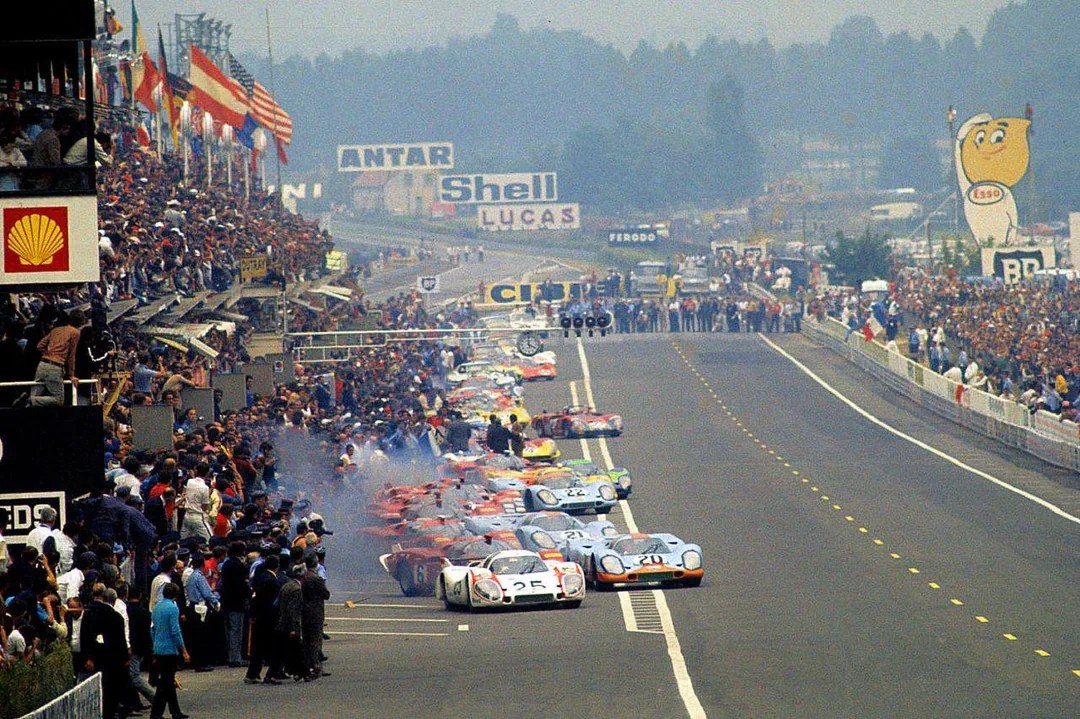
With time, these photographers became highly skilled and were able to make a living from their work. They had every right to claim ownership and recognition for their photographs, as these images were their livelihood.
Fast forward to the 2000s, and the landscape of photography changed dramatically. Cameras improved significantly, and high-quality, affordable models became available to the general public. Gone were the days of meticulous planning, timing, and waiting for ideal weather conditions to capture the best shot. Today, anyone who can press a button can take a decent photograph, and even if the image isn’t perfect, software like Photoshop can enhance it. Artificial intelligence has made it possible to transform a mediocre shot into something impressive. Suddenly, photography was no longer an exclusive craft—every man and his dog was out there taking thousands of good pictures.

I know this firsthand because I was one of them. I took many photos that I thought were exceptional. But here’s the reality: millions of people were doing the same thing, and each of us believed we were producing top-tier images. In truth, it wasn’t just about having a great camera; it was about the skill behind the lens.
That brings me to the so-called professionals today—those who consider themselves on par with legendary photographers like Rainer Schlegelmilch, one of the greatest motorsport photographers of all time, or in modern times, Jamey Price. I have news for these amateur snappers: they’re not even close. They wouldn’t even be qualified to carry these blokes bags.
The reality is that most mobile phones these days can take exceptional shots. Editing can be done instantaneously. In fact, most print media journalists have done away with a photographer in modern times. Stories, photos & video material can be uploaded to outlets instantly across the world.
So, what’s the deal with these self-proclaimed amateur photographers who believe their work is protected by copyright? Yes, copyright laws exist, but let’s be honest—do they really think an overloaded legal system will entertain a lawsuit over a crappy photo posted on Facebook or some other social media platform, that at best would give them a pittance & cost them a fortune in legal fees?

I stopped lugging my cameras and gear to race meetings long ago because I lost interest. These days, thousands of photos are taken at any given sporting event and uploaded online almost instantly. Professional photographers, who have access to prime shooting locations and truly understand their craft, consistently produce the best images.
I’ve had people asking for credit for their extremely poor photographs—blurry and lacking any quality. Honestly😀…………I’d be doing them a favor by not acknowledging or exposing their hopeless photography skills to the rest of the internet.
On the flip side, I understand that people, organizations, or websites often expect some form of acknowledgment when their photos are used in various stories—like mine! 😀 However, the idea that they demand credit for a photograph they didn’t even take seems absurd to me. At best, they’ve either managed to find the image or, if they’re an archive or museum, had it handed to them as part of a collection of someone else’s work.
It’s a ridiculous concept, and in today’s internet age, it’s simply not going to happen. So, they might as well accept it and move on.
And let’s face it—once something is on the internet, it’s not coming back.
In today’s world, where entitlement is often mistaken for talent, simply looking through a lens and pressing a button does not make someone exceptionally skilled. It merely means they know how to operate a camera. With the advanced technology available in affordable, high-quality cameras & phones, anyone can capture a decent memory of an event they attended.
To amateur photographers who believe their work is exclusive, take a moment to look around the next time you’re at an event. You’ll likely see a crowd of other photographers in the same location, capturing the same shot at the same time. If you think your work is uniquely special, it’s maybe time to rethink that notion. Photography is widely accessible—anyone can point a camera and take a half-decent picture.
Any sport photos I’ve taken and shared—I’m more than happy for people to copy and keep.


 porsche91722