
I recently decided to take on a volunteering position, driven by the thought that it would be fulfilling to give something back to the community. I had spent my entire working life doing the usual things: going to work, paying off a mortgage, raising a family, participating in my kids’ sports and school activities, and juggling all the responsibilities that come with those commitments. Time constraints during those years left little room for anything else.
When I initially considered volunteering, Covid-19 threw a spanner into the works. Lockdowns and restrictions stopped almost everyone, except essential workers, from taking part in their jobs, and that included potential volunteer opportunities.
With 2025 & the new year underway, however, I decided it was time to give it another shot. I made a few calls to organizations that might help me get started on this journey.
It’s worth noting that I’d been out of the workforce for a few years, so my understanding of workplace expectations was a bit rusty. I’ll be the first to admit that workplace dynamics have changed significantly during my time away, and I was about to encounter a few surprises.
I won’t delve into the specifics of the area I applied for, but it’s safe to say I underestimated the hoops one must jump through to secure a position—even one that is unpaid. Let me reiterate: my intention was not to get a paid job but to volunteer and simply do something that I felt would help people in some way.
The process was certainly an interesting exercise.
Even back in my working years, I had observed how Human Resources (HR) had begun to dominate the organizations I was part of, wielding immense control over operations. Now, don’t get me wrong—I don’t think HR’s role is entirely unjustified. Let’s face it: workplace issues like coercive control, sexual harassment, bullying, poor working conditions & pay rates have existed forever, and the role of the Unions & HR have been a necessary response to address those problems.
That said, I’ve also seen the power of HR misused. In my experience, HR representatives sometimes reversed the bullying dynamic, using their authority to unfairly target employees. Under the guise of addressing issues, I saw people “thrown under the bus” by HR teams who seemed more focused on wielding control than fostering fairness.
Coming back into a workplace setting, even at a voluntary level, I was surprised by the sheer amount of paperwork and bureaucracy involved. The organization I applied to, appeared to be in full “cover your arse” mode, with extensive document signing and policies aimed at limiting liability. I understand the need for due diligence—no one wants to risk hiring the wrong person—but the level of scrutiny was a shock, especially for an unpaid position.
To be clear, I recognize the importance of applying the same standards to both paid and unpaid roles. However, I couldn’t help but feel that the process was unnecessarily complicated and unwelcoming. Friends and relatives of mine have shared that, after years of working in volunteer jobs, they decided not to return because of the excessive bureaucracy now associated with such roles. These were individuals who had dedicated many years to unpaid volunteer positions, such as firefighting, only to face the prospect of spending days and traveling at their own expense to update their qualifications for these unpaid roles.
For many, it simply became too much. While they still wanted to give their time, they no longer felt welcome or appreciated.
Another thing I noticed was the diversity among the people working at this organization. It struck me that if you’re an “ordinary” person—say, a straight, white male or female who is plain, unremarkable, and blends into the background of Australian society—you might not have the same opportunities as others. These days, it feels as though you’re more likely to secure a position if you’re part of a diverse or minority group.
That said, since I was applying for a volunteer position, I had a better chance of getting in because they were desperate for help and willing to take almost anyone who showed up.
It’s great that, as a country, we in Australia are opening up more opportunities for our diverse population, but in some ways, it feels as though generational Australians are being pushed to the back of the line. I’ve heard similar stories from friends with Greek, Italian, or Eastern European backgrounds who feel they are experiencing this shift too.
Perhaps the boot is on the other foot now, and this gives us a glimpse of what these diverse groups might have felt in the past. Still, I wish that as a country, we could achieve a better balance of cultures, minority groups and backgrounds so that no one feels excluded. The current system of employing people feels almost contrived, as though it’s trying to appear correct rather than genuinely balanced.
Still, here’s a suggestion for organizations looking to attract volunteers: make it a little easier for people to step into an unpaid role. I understand the need for rigorous screening for paid jobs—you don’t want someone like Ivan Milat slipping through the cracks—but the level of bureaucracy for a volunteer position can feel excessive.
At one point, I nearly walked out the door due to the “third-degree” treatment I received, particularly regarding the endless signing of documents. The police check wasn’t an issue for me. In fact, I believe that part of the process could easily replace some of the other, more intensive aspects of the application procedure.
The entire interview process ended up requiring three visits over seven hours, during which I signed approximately 15 documents. By the end of it, I honestly felt that if I didn’t get the position, I wouldn’t be disappointed.
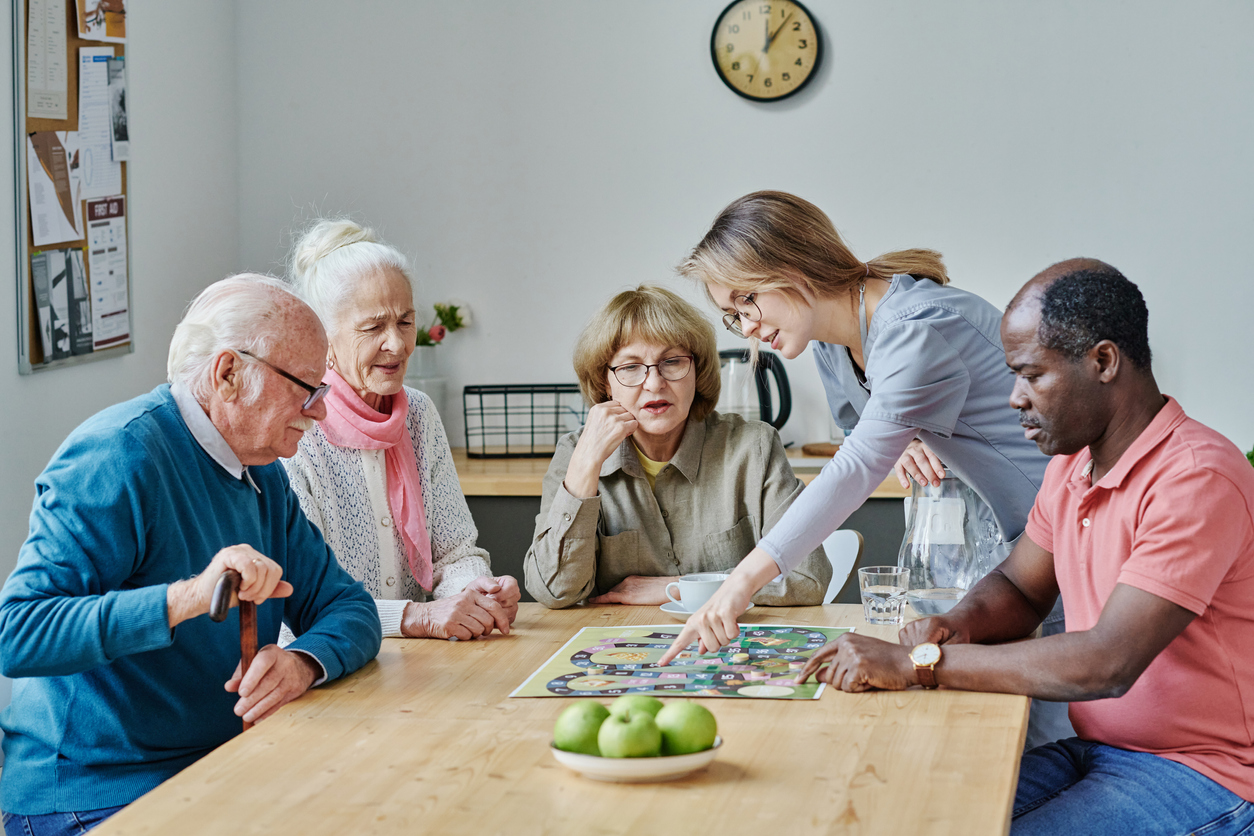
The role I was applying for was simply to act as a companion to someone in a group environment for one hour every fortnight.
After all was said & done, I signed everything and stuck with it. Despite the hurdles, I still wanted to contribute and make a difference in someone’s life, even if it meant being a small cog in the larger wheel. I’m looking forward to helping people, even if it is only in a small way.
Fast forward a month or so, and I can confidently say this endeavor is going great. The organization I volunteer for connected me with a wonderful and interesting man who is only six years older than me. Sadly, he is in the early stages of dementia.
One thing I believe helps is gaining a bit of knowledge about aged care before stepping into a facility. It’s a stage of life we will all reach eventually. Most of us have already had parents, grandparents, or friends go down this path, giving us insight into the challenges we may encounter.
But keep in mind, these challenges are nothing compared to what elderly individuals with dementia face. They are everyday people like us, who, through no fault of their own, have had this insidious disease take control to the point where they can no longer care for themselves properly.
This often means that if they are still living at home with a spouse or partner, that person may no longer be able to safely care for them. Some dementia sufferers wander off, increasing the risk of falls or accidents. In a family setting, the partner often becomes a full-time caregiver, which can be both exhausting and dangerous for everyone involved.
Dementia sufferers are often aware when their journey begins and try to hide it in the early stages. But as the condition worsens, life becomes increasingly difficult—not just for them, but for their caregivers as well. That’s when the guilt sets in. Families, especially those who have never dealt with dementia before, struggle immensely.
It is heartbreaking to witness firsthand a once-vibrant, much-loved family member slowly losing their sense of self.
For those who have never been involved with aged care facilities, the experience can be a little overwhelming at first.
But as I always say, this is about them—the people you are visiting. It’s not about you.
John spent his career as an engineering consultant. A highly intelligent man, he earned five university degrees over his lifetime, though he modestly downplays his academic achievements. He travelled the world in his career, working in Canada, Hong Kong, U.S. & U.K. He now resides in an aged care facility. Sadly, he began experiencing the effects of dementia only within the past year or so. When I started this volunteer journey, my goal was simple: to engage in conversation, ask people about their lives, and hopefully help them recall memories of their childhood, education, career, and family.
My own father suffered from and eventually passed away due to Alzheimer’s, so I am well aware of the difficult path this disease forces its sufferers to walk.
John is an incredibly interesting man who has lived and worked all over the world, contributing to a variety of industries and companies. He is also a talented musician and plays the guitar. We share a love for different types of music, and despite my inability to carry a tune, John has been practicing a new song each time I visit. Surprisingly, we’ve become quite the duet.
One of the most rewarding moments came when John told me how much he values my visits and how he feels he is in a much better place than before we started meeting. I know that my visits won’t drastically change the course of his illness, but I take comfort in the fact that he feels supported by someone outside his family.
It’s a sad reality that many friends and acquaintances stop visiting when dementia takes hold, but I’m grateful to be able to offer John companionship during this challenging time.
I touched on it earlier, but another heartbreaking aspect of dementia is the immense guilt that families experience. My dad passed away forty years ago, yet I still vividly remember the guilt and sadness my mum and our family felt when we had to place him in a specialist dementia care facility. It was an agonizing decision, but one we had no choice but to make.
On one of my earlier visits with John, I met his wife, and I could see that she was still grappling with the emotional pain of placing a loved one in a care home. No matter how much reassurance people receive, it often feels as if they are abandoning their lifelong partners—shunting them off to a home. But in reality, it’s about ensuring they receive the 24/7 care they desperately need.
I didn’t ask her any questions about when John’s dementia first took hold, but it was clear she was still struggling with feelings of guilt.
Amidst the joy and good vibes of being someone’s companion—someone they genuinely look forward to seeing—I also feel that I gain a lot from my regular visits with John.
I get to share in the happy moments of his life. He often reminisces about significant milestones, and in some small way, I sense that these memories bring him a bit of happiness when I visit. However, at its core, these visits are about making John’s life better.
I think we often go through life focused on personal achievements—career promotions, winning competitions, excelling in sports, and feeling proud of our accomplishments. However, aging has a way of putting things into perspective.
As I’ve gotten older, I’ve come to truly understand that giving back brings far greater fulfillment than simply being the beneficiary of something. It’s a deeply rewarding experience, and it gives me a profound sense of satisfaction.


 porsche91722