
4 minute read
This topic has been brewing in my mind for quite some time. I’ve touched on it in many of my past articles about my ancestors and how faith was a steadfast pillar in their lives.
So, where does one begin in the quest to understand what faith and religion are all about? I certainly don’t intend to dive into a lengthy historical account—that could take forever. There’s too many questions that remain unanswered.
One of the main questions that intrigues me most is this: why and how do people cling so fervently to faith? The Earth’s position in the universe is like a single grain of sand on an endless beach. Why would a mythical being, God, choose this insignificant speck to “set up shop”? Surely, if such a being exists, there must have been countless better options. And if this being does exist, He must be bitterly disappointed with how things have turned out. Why does belief sometimes take on an almost maniacal intensity, even when it seems, to some, to be one of the greatest illusions ever perpetuated?
It’s obvious by now that I’m a non-believer.
Perhaps the best place to start is with the question: why do believers feel the need to convert others to Christianity? Since time immemorial—or at least since religious evangelism became a major force—there’s been this persistent effort to bring others into the fold. It’s something that continues to this day. Who hasn’t had a knock at their door from Jehovah’s Witnesses, Mormons, or some other enthusiastic evangelists? Some find these visits annoying, with literature like The Watchtower often handed out. Personally, I just thank them politely, say I’m not interested, and move on.
How can people who don’t for one minute believe in Santa Claus, the Easter Bunny, or the Tooth Fairy hold such strong belief in the story of a virgin birth in a barn, the miracles Jesus supposedly performed, his death, resurrection, and the ongoing questionable narratives from the Bible and other holy books? Even historians and theologians from many faiths have, for centuries, openly stated that these events couldn’t possibly have taken place. They can’t even agree on Jesus’s actual birth date or year. Why, then, was December 25th chosen?
Most historians view the Bible and other holy books as texts compiled by “communities of scribes”. In fact, we have a name for such communities today: we call them journalists.
Forgive my skepticism, but how much trust do we place in journalistic integrity these days? It makes me wonder: why should these “communities of scribes” be considered more credible in piecing together a fantastical story about a man who performed miracles and rose from the dead than, say, a group of modern-day journalists reporting for the Murdoch media group or London’s Fleet Street press?
My father was an Irish Catholic, and my mother came from a strict German Methodist upbringing. That union was unusual for the Australia of the late 1940s, even as more open-minded beliefs were starting to emerge.
As a child, my parents sent us to Sunday school and church, but there was no heavy-handed indoctrination at home. If anything, my father was far from a staunch advocate of any faith. He grew up in a strong Irish Catholic family but was also divorced, which alienated him from both the church and parts of his family. From my research into our family history, I’ve learned that some of his relatives held almost cult-like religious beliefs.
On my mother’s side, the German Protestants were staunch Methodists. While not as intense as the Catholics, they were deeply religious. My mother attended her local Methodist church throughout her life.
Even as a child, I noticed differences between the two faiths. I didn’t fully understand them, but I was aware that they interpreted and practiced their beliefs differently. That early observation planted a seed of curiosity in me: how could two groups, worshipping the same God and embracing the story of Jesus, hold such animosity toward one another?
As I grew older and learned more about the distinctions between Catholicism and Protestantism, one thing continued to puzzle me—why? They share so much in common, so why the hostility over differences that often seem petty or ignorant? For me, it seemed to boil down to cultural and racial divides. Across history, Catholic-Protestant conflicts have sparked wars and perpetuated division, even though the core belief systems are remarkably similar.
Religious strife has caused untold suffering—wars, invasions, and countless lives lost. All because one group insists, “My God is better than yours.”
If there is indeed a God watching over us, I imagine them shaking their head in disbelief at the chaos humanity has wrought in their name.
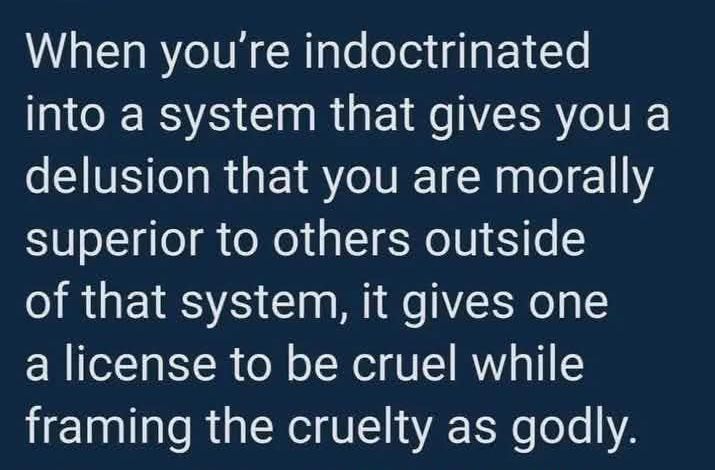
Many religions and faiths have been involved in wars throughout history, including Christianity, Islam, Judaism, Hinduism, Buddhism, and Sikhism. Historical events such as the Crusades, the Thirty Years’ War, the Protestant Reformation, and the persecution of Jews stand out as examples of conflicts driven or influenced by religious ideologies.
Add to this the dark legacy of abuse and corruption within religious institutions—not just the Catholic Church, although it often seems like the primary offender. From aligning with oppressive regimes like the Nazis during World War II to perpetuating harm within their communities, the Church has left a troubling legacy. The Church of England and other denominations have also had their fair share of complicity in societal wrongs.
And it’s not just Christianity—other religions have contributed to conflicts across the globe. Most wars, it seems, can trace their roots to religious differences that later escalate into territorial or political disputes. Religion, for all its promises of peace and salvation, has often been at the heart of humanity’s greatest tragedies.
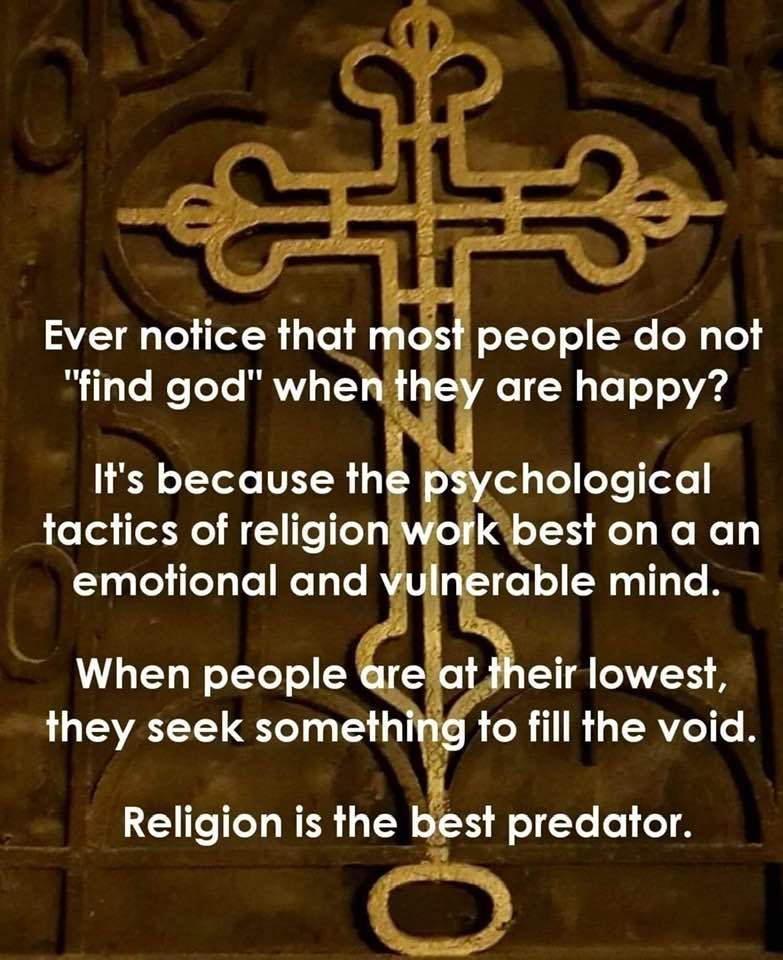
Given this, it’s no surprise that church attendance has been in steady decline. Which brings me back to my question: why do people continue to cling to these institutions, despite their long history of harm and corruption?
Religious organizations have raped, pillaged, and murdered throughout history. Yet their followers remain loyal, often turning a blind eye to these transgressions.
One particularly strange societal custom is the practice of swearing on the Bible when taking an oath—in court, in parliament, or elsewhere. It’s ironic, given how often these very institutions are populated by liars, criminals, and hypocrites. How does a book of mythology and fairy tales come to symbolize truth and integrity? That’s a mystery I’d genuinely like someone to explain to me one day.
Religion is undeniably a touchy subject—one that has the potential to provoke strong, often angry reactions. I suppose that’s stating the obvious. For instance, if I were to stand outside a Christian church, a Muslim mosque, a Hindu temple, a Sikh gurdwara, or a Jewish synagogue, and openly criticize their faiths or prophets, there’s a good chance I’d face serious backlash—possibly even violence. Yet, it seems perfectly acceptable for followers of these religions to tell me I’m wrong about my beliefs and attempt to convert me at every opportunity.
I’ve always struggled with the blatant hypocrisy of this dynamic. How can faiths and their supposed gods preach messages of peace and harmony while their followers are so eager to clash over differing interpretations of what are essentially fictional stories?
At the time of writing, we’re approaching Christmas—a season that’s supposed to emphasize the Christian message of “Peace on Earth and goodwill toward all men” (Luke 2:14).
“Glory to God in the highest, and on earth peace, goodwill toward men!”
So, how’s that working out for us in the grand scheme of current world politics?
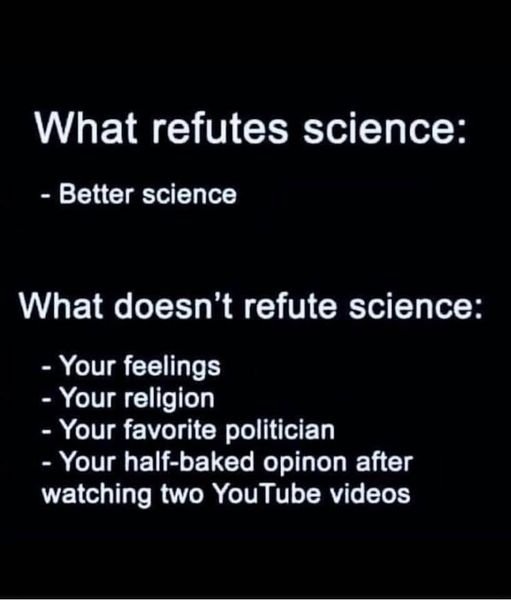
You may have noticed that I haven’t delved into the Science vs. Religion topic beyond the banner at the top of the article. There’s a reason for that. While I have limited knowledge of religion—gained from attending Sunday school and church, which might lend me some credibility😀—I certainly can’t claim to have any formal credentials in science. My sister is a science graduate, if that counts for anything 😂, but my formal understanding of science doesn’t extend far beyond what I learned in high school.
That said, I consider myself a good listener and, as I’ve grown older, a better learner. I’ve been able to grasp the basics of scientific facts, methodology, and experimentation, which are key to solving scientific riddles and unsolved problems. Even so, this isn’t the time or place to dive into the Science vs. Religion debate. It’s a subject I’ll save for another blog post in the future. Stay tuned for that one!
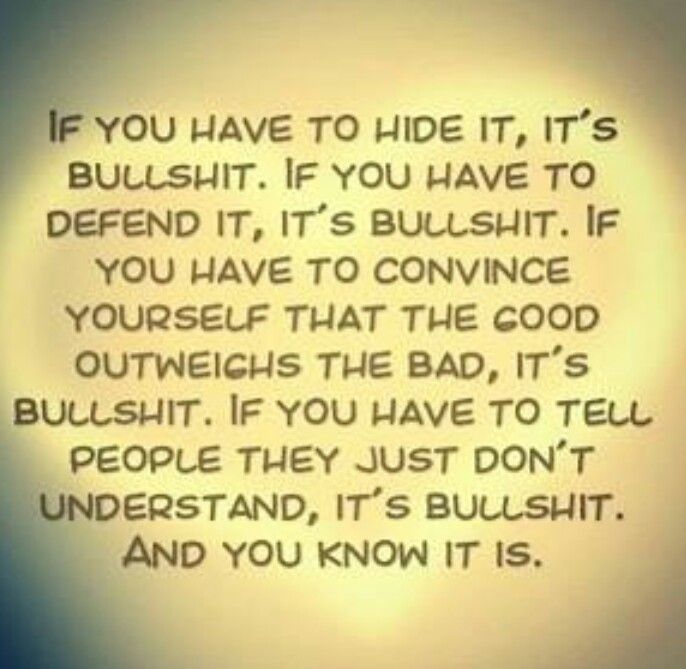
My wife, who is an incredibly smart person, once asked me some rhetorical questions that have stuck with me:
“Why do people rely on the crutch of religion throughout their lives—whether it’s for making decisions, justifying actions that hurt others, committing what they believe are minor crimes, or simply asking for guidance from their almighty god? Can’t they just be adults, think for themselves & do what is generally accepted as the right thing? And when things inevitably go wrong, why do they return to God and church to confess their failings, only to repeat the same cycle on this endless quest for answers?”
They are poignant questions, ones that cut to the heart of why so many seem to outsource accountability for their actions or the responsibility of critical thinking to their faith.
Me…… I would put it slightly differently…………….Grow the fuck up people, take responsibility for your actions & be accountable for them.
I recently found myself in a conversation with someone that I wish I had avoided. Once again, they reacted angrily when I questioned their belief system. I made it clear that I genuinely didn’t care about their beliefs, but my comments seemed to provoke an irrational response. It’s frustrating how people often lose all sense of reason when trying to justify their convictions.
Ultimately, I don’t care whether someone believes in Santa Claus, a so-called god, or anything else. My only issue is when people overreact to innocent questions. You can’t expect others to take your claims seriously if you don’t have any facts to support them. Believe in whatever you like—just don’t overwhelm me with your outlandish views or expect me to blindly agree with you.
To be completely fair and transparent—and to acknowledge the opposing side of the argument—many churches do valuable work. They foster community spirit, educate children, and engage in charitable efforts that no other institution, governmental or otherwise, is willing or able to take on. Churches, particularly the Catholic Church, provide support and guidance to the poor and less fortunate, who might otherwise be left behind. In this way, certain religious faiths step in to help where no one else is willing to do so.
Is it possible to separate the two aspects of religious institutions—the ones who genuinely help others in God’s name and those who engage in harmful, unchristian-like behavior?
I have often reflected on the faith of our ancestors, particularly the Catholics, and admired how it united the communities and provided strength during life’s challenges. In many ways, religion and faith helped them navigate difficult times. Without the support and guidance of their families and church communities, they may not have survived the hardships of the early pioneer days.
These questions don’t keep me awake at night. They simply remain unanswered.
As the great philosopher, Ricky Gervais once said – “Believing in something doesn’t make it true. Hoping that something is true doesn’t make it true. The existence of God is not subjective. He either exists or he doesn’t. It’s not a matter of opinion. You can have your own opinions. But you can’t have them as your own facts.“
Thank you & goodnight & may your God (whichever one he is) bless you all.😆


 porsche91722