
Reading time 12 minutes

At its core, this may seem like a simple question, but it elicits a variety of answers.
To be honest, I don’t believe the vast majority of Australians care much about most issues—at least, not until those issues start affecting them directly. It’s one of those things people stay largely ignorant of until it becomes personal. Think about topics like the housing crisis, environmental concerns, power costs, or immigration. Most people keep their distance from politics, and honestly, it’s not hard to see why. Politics is often perceived as dull, politicians as uninspiring, and Canberra itself as a bland, uninspiring place.
For the average Australian, political interest only sparks when the consequences hit home. For example, when our kids can’t afford to buy or rent a house, or when power bills skyrocket, suddenly we want answers. Similarly, changing weather patterns, with more frequent bushfires and floods, bring environmental issues to the forefront during our summers. Let’s not forget the classic fallback topics: immigration and youth crime. These are the “go-to” issues for opposition parties, trotted out during slow news weeks or to help an otherwise obscure politician grab some fleeting attention.
For most people, the daily political happenings in Canberra barely register. They may skim a headline or two, but unless something drastic, such as a nuclear event, occurs, they remain largely ignorant of the political maneuvering that unfolds each day.
–There is also a group, often comprised of males in the 25 to 50 age demographic, who adopt a “she’ll be right, mate” attitude, laughing off the erratic behavior of some of our more eccentric politicians. They may claim indifference to who runs the country or how it is governed, yet suddenly develop a partial understanding when a policy or decision directly affects them. Suddenly, “Tradie Bill,” “Barber Bob,” or “Landscaper Larry” becomes the self-proclaimed expert, analyzing policies and forming opinions to impress their like-minded mates.
These newfound pundits often campaign among each other for the latest local right-wing conspiracy theorist candidate. They fail to grasp the serious implications when such individuals secure a seat in federal parliament. These seemingly apathetic voters only recognize the importance of their vote when an incompetent politician unexpectedly wins office. When that happens, they often resort to the “I didn’t know” defense, laughing it off as if it absolves them of responsibility.
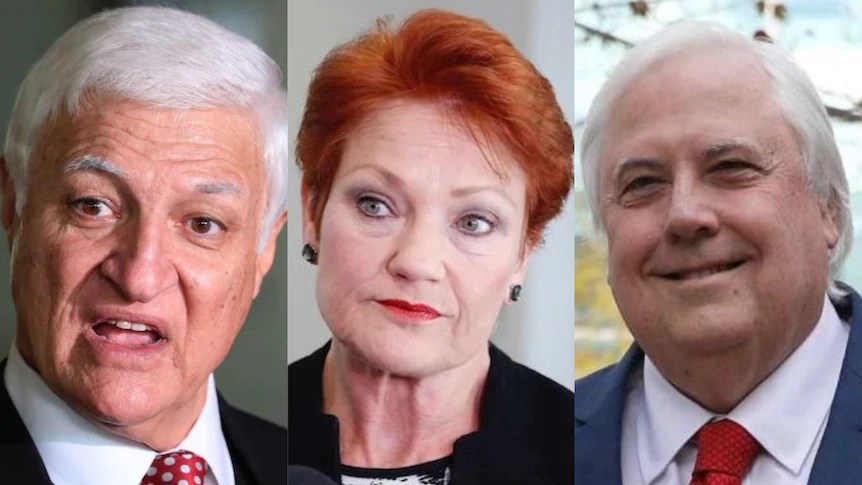

– Then there’s the far right group that meticulously tracks every political move, analyzing every nuance in a constant quest to stay ahead. These individuals often form opinions that stray far from reality & are generally fans of Sky News & Alan Jones. Every family or friend group seems to have at least one such person—the one who dominates conversations with a presumed superior grasp of politics, mistakenly believing they’re more informed than everyone else, while delivering lengthy diatribes on the state of the nation.
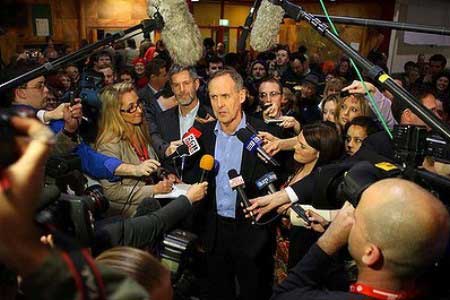
An overzealous media fuels this frenzy. Competing outlets race to dissect every gesture and every word, hoping to land the next big scoop. The Canberra press gallery resembles a cutthroat pack, each journalist striving to pose that elusive question that might provoke a reaction and secure a spot on the evening news. Their competitive antics make a state-of-origin game look like a casual Sunday picnic.
The vast majority of these journalists (and I use the term loosely) are employed by media organizations with definite political agendas. Toeing the line and adhering to the boss’s political directives are prerequisites for the job. No journalist hack will dare to report the news truthfully when their employer demands coverage skewed toward a regimented, ultra-conservative political stance.
I have often thought that the more we see of our politicians, the less we like them. To be fair, most media outlets primarily show edited clips from press conferences or highlight “gotcha” moments when a misstep or mistake is made. Even if the politician corrects the error, the media rarely shows the correction. Instead, they focus on the mistake, often exaggerating it to suit their editorial agendas. After all, the media frequently prioritize sensationalized stories over truthful reporting, regardless of their accuracy.
You may have guessed that I don’t have much faith in Australian media outlets—and you’d be right. These days, even the supposedly independent ABC has been drawn into the ratings game, now led by former employees of organizations like Murdoch, Fairfax, and Seven West Media. Once a truly independent institution, the ABC has succumbed to the same industry trends, prioritizing sensationalized stories that cater to outrage rather than delivering factual, in-depth journalism.
The standard of quality journalism at the ABC, commercial TV networks & major print media outlets has declined significantly. Many experienced journalists have left, replaced by fresh university graduates eager to please their editorial bosses. Most of these young journo’s also have mortgages and debts to pay, making job security their top priority. They operate under strict editorial guidelines rather than reporting the facts. Given this environment, it’s no surprise that sensationalizing politicians often generates better news coverage than producing balanced, fact-based reporting.
Most people, however, simply want a stable, sensible government—one that effectively manages the country, balances the books, and allocates taxpayer money wisely. Budget priorities should address the nation’s real needs. Yet, if you were to ask ten people where taxes should be spent, you would likely receive ten different answers. Everyone’s priorities differ.

- A person with a disability may want more funding for disability support.
- Those in low socioeconomic or regional areas might prioritize job creation, often in industries that are no longer viable.
- Residents in remote locations likely advocate for better communication infrastructure, improved healthcare, and strategies to curb population migration to cities.
- People in the larger cities & regional towns want better roads, cheaper public transport & access to health care & associated services.
- The unemployed often seek only one thing: a job.
- The elderly need a government committed to their care.
- Self-employed people seek support and tax breaks that promote business expansion.
- Indigenous groups living in remote outposts seek help to address rampant crime, alcohol & drug abuse, inadequate education, poor healthcare, and the absence of support networks that city dwellers take for granted.
For everyone, a robust education system is crucial—one that is equitable, accessible regardless of location or socioeconomic status, and provides opportunities from early childhood through higher education.
We also need a strong social justice framework to support those struggling with mental health or other hardships, providing clear pathways to recovery. Similarly, a fair criminal justice system is essential, with an uncorrupted police force and a rehabilitation-focused prison system that not only delivers punishment, but offers genuine chances for reform.
Are we expecting too much? Sure, these are the standards we expect in Australia, and while we don’t always get it right, we do have some of the best safety nets in the world, comparable to those of any other country.
Yet, government resources are finite. Tough choices must be made, and often, deserving groups face funding cuts. Meanwhile, “pork-barreling” persists, as politicians prioritize votes over fairness, funneling resources into key electorates.
Despite these challenges, Australia remains a desirable place to live. Most people can access education, aspire to own a home (though the housing market is strained), and raise families. Australians are generally fair-minded, enjoy a great climate, and come together during crises like floods and bushfires. Still, questions about where the money comes from—and who misses out—persist.
One significant concern is government waste on think tanks, committees, and endless “talk fests.” Perhaps the most troubling aspect of parliamentary operations is lobbying. Lobbyists are well-compensated by their clients to influence lawmakers and secure favorable legislation. Their outsized influence often turns the democratic process into a system where only a select few have the ear of parliamentary leaders.

It’s difficult to compare Australia to geographically smaller Northern Hemisphere nations that don’t face the same vast distances or harsh climate of our Australian outback.
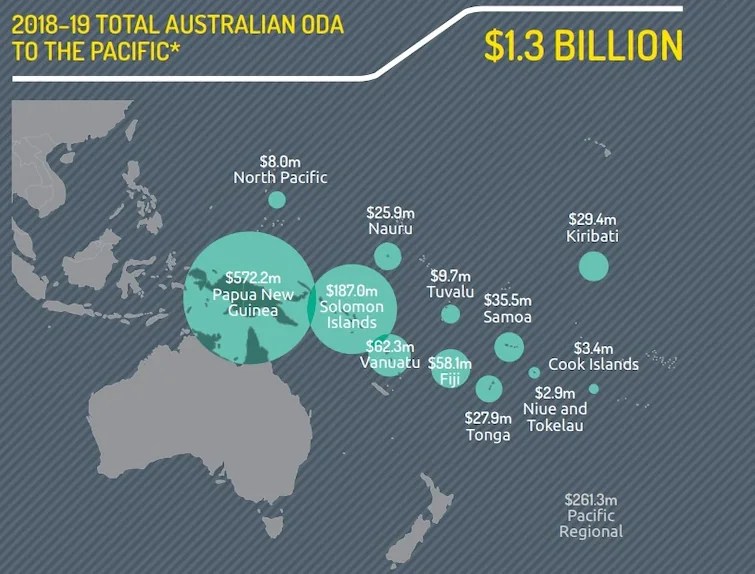
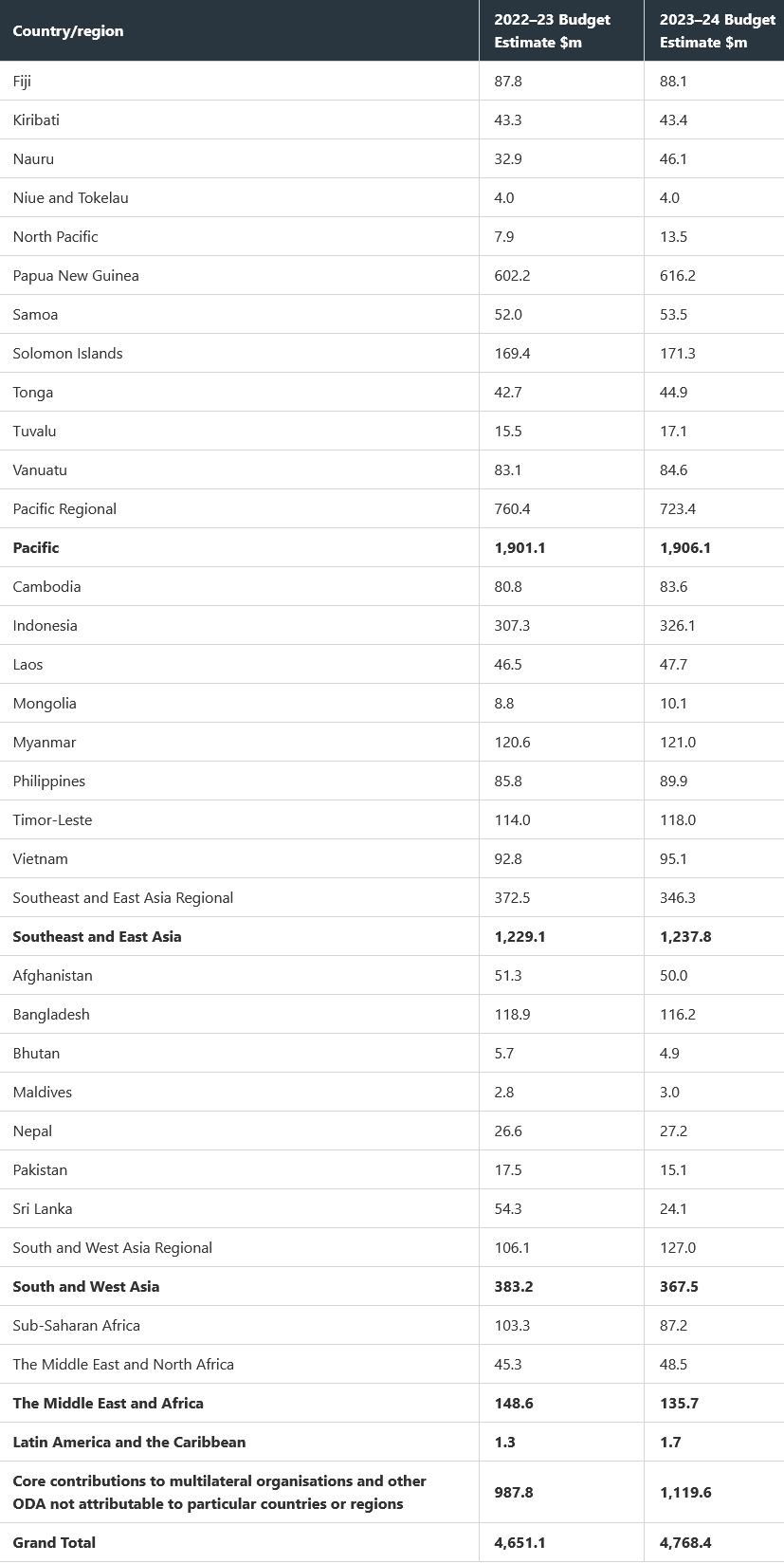
Then there’s the aid we provide to struggling countries, even while serious issues persist at home—such as homelessness, rampant domestic violence, substance abuse, the treatment of our Indigenous people, and war veterans left to cope with mental health challenges on their own.
But what defines a struggling country? While aid shouldn’t be treated as a quid pro quo, should we ensure more checks and balances on where our taxpayer money goes and what it achieves? Would those countries be as generous if the roles were reversed? I often wonder.
Still, Australians willingly help those in need—both at home and abroad.
I sometimes get the distinct impression that we are a nation of complainers, never satisfied with what our politicians do, keeping in mind that many people have predisposed party political views that they often carry for their entire lives. As to why people hold strong unchanging views or opinions on a party bewilders me, sure, some of the core values strike a chord with many voters, but the difference between the main two parties in Australia these days is negligible. I sometimes think that many voters are akin to sheep & will follow a political party for reasons even they themselves don’t fully understand. Many people still follow a party because their parents did. They often don’t understand or choose to understand why voting for someone else may be more benificial to themselves & the country.
I’ll give you an example: In the recent Queensland State Government elections, the incumbent Labor Government was convincingly thrown out. That’s okay—that’s democracy in action. But the reasoning behind it baffled me. Putting party politics aside, one side had a track record of being more generous, with policies already in place that benefited voters: affordable public transport fares, a fair and inclusive healthcare system, record infrastructure expenditure, free kindergarten for two days a week, free lunches for schoolchildren, and many other socially beneficial programs. All done with a balanced budget derived from higher taxing of our mega-wealthy mining companies. I have yet to see Gina Rinehart, Mike Henry or Jakob Stausholm handing around the begging bowl. Mining companies in Queensland & across the country are still making record profits, but are now paying their share of taxes & mining royalties into the state coffers.
The other side focused solely on solving the youth crime problem but offered no clear solutions when pressed. Instead, they repeated the same narrative over and over, seemingly relying on repetition to persuade the electorate, even without providing details. No prizes for guessing who won.
There is a long-held belief among political parties that voters grow tired of hearing the same, repetitive messages from incumbent leaders. Even when these leaders truthfully convey their party’s policies in response to journalists’ questions, those messages are often spun to fit the agenda of the news outlet. Regardless of how efficiently they have governed during their term, there is a prevailing theory that politicians have a use-by date & if the media want to get rid of you, they will.
What amazes me even more is that many voters seem unwilling to thoroughly research before casting their ballots. Candidates can wave these flashy but empty policy platforms in front of voters, appealing to the lowest common denominator, and still manage to sway them.
Politicians often project an air of infallibility when in opposition, but things become far more complicated once they take office. Their go-to excuse, almost miraculously, is often: “I wasn’t informed.”
It’s almost predictable what policies the major parties will campaign on before each election. Right-wing parties consistently focus on issues like law and order or immigration, often targeting Australia’s ultra-conservative, aging population.
Meanwhile, housing market concerns are often used to appeal to younger voters, despite the fact that the housing crisis is largely driven by global financial forces—factors far beyond the control of any Australian political party. Additionally, the influence of extremely powerful real estate and development lobby groups further complicates the issue.
Yet, these parties continue to push empty promises, ignoring the reality that they cannot deliver the solutions they claim to offer. Once in power, they rely on party spin doctors to craft narratives that are relentlessly promoted—without letting facts get in the way.
Setting up a spin team to deliver the newly appointed government’s stance on policy is nothing new. However, one must question why it is necessary if the legislation is solid and well-justified.
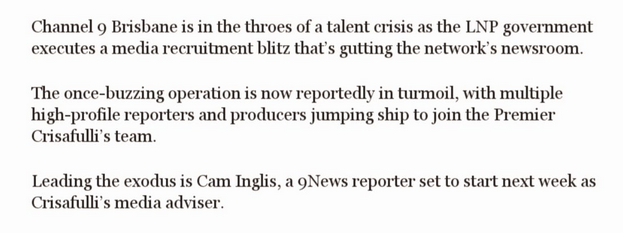
On the other hand, the left-wing parties in Australia aim to govern with fair policies that benefit everyone. However, they are frequently stifled by a right-leaning media that obstructs their efforts at every turn.
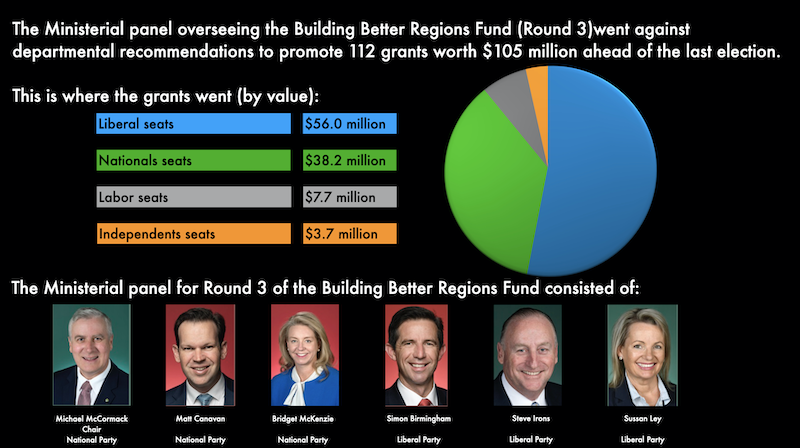
Politicians who have worked hard and achieved significant progress in their electorates are often ousted by newcomers making absurd, vote-winning promises. Conversely, complacent incumbents sometimes resort to making equally ridiculous promises during election season to secure votes. These promises—such as funding a new clubhouse for a sports club—frequently come at the expense of essential infrastructure projects that would benefit the broader community rather than just a select few.
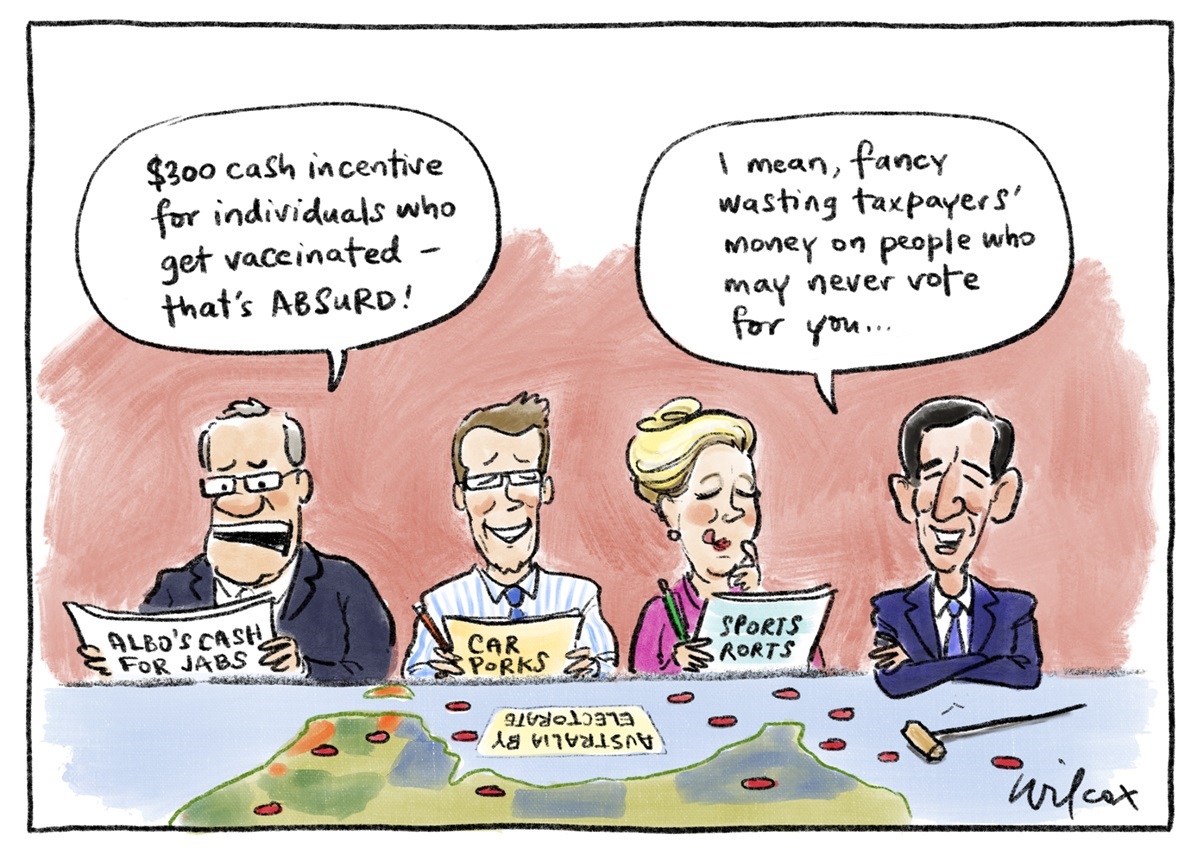
There’s an old political tactic, which relies on repeating a lie until people believe it. Sadly, this strategy still seems to work. Sometimes, I wonder if voters should be required to pass an intelligence test before being allowed to vote. Recent US election results suggest that a lack of critical thinking may be contributing to problematic outcomes.
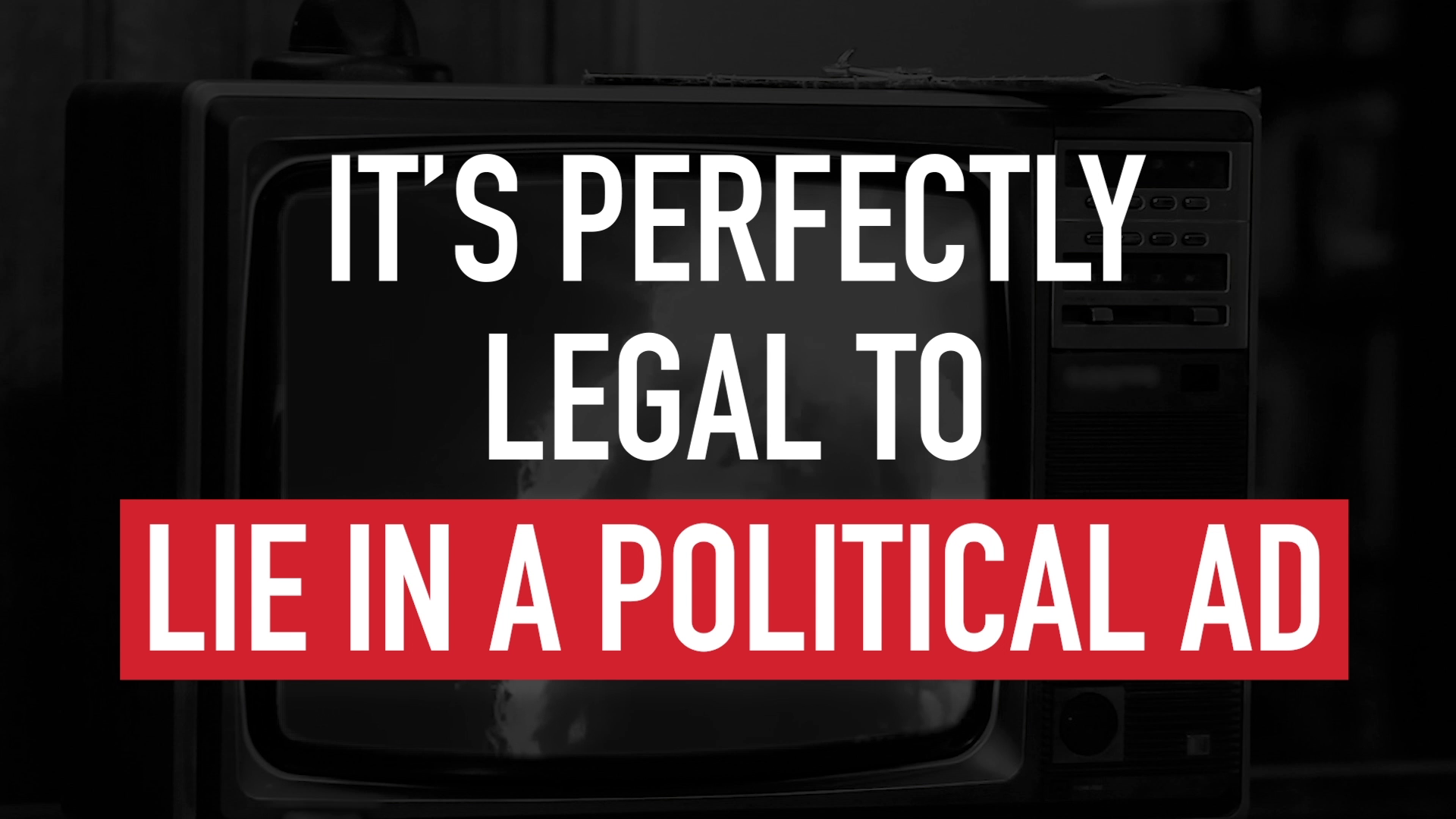
In Australia, our media does a poor job of holding lying politicians accountable and rarely presses them for definitive answers when they are caught in blatant falsehoods. Worse still, many media organizations contribute to the problem by promoting non-factual reporting. Fact-checking seems almost nonexistent.
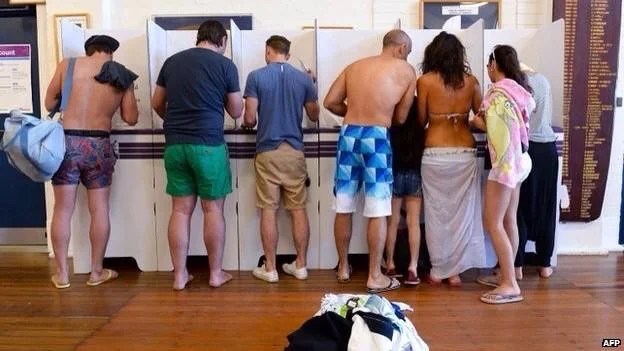
Ultimately, when election time comes, it boils down to the simple things for me, in what I want from my government: Which party and leader will best address the issues that matter? Is the leader a decent person, and can their party govern fairly for everyone—whether you’re a generational Australian or a newly arrived immigrant?
Am I a socially conscious person who believes in a fair go for every Australian, regardless of political affiliation, religion, class, or geographic location? Guilty as charged!
We only need to look at other countries to realize that, although our government and parliamentary system has flaws, we are far ahead of many others. Each day, we wake up knowing that, while it isn’t perfect, we are still miles ahead—and we retain the right to publicly disagree with how things are run. In many other so-called democracies, those rights are being eroded.
Should we simply accept that politicians can be corrupted and become mouthpieces for business groups, unions, or other organizations with agendas? No, absolutely not. However, to maintain a functioning government, we must acknowledge that compromise is sometimes unavoidable. When people govern together, they will rarely agree on everything. But does this justify the lengths to which individual politicians and parties go to cover up unscrupulous activities as a means to an end? Should we, as constituents, accept that a completely clean system free of dishonesty is unattainable? Is it naïve to expect a government free of corruption?
While representatives from both incumbent and opposition parties form the government of Australia, it is difficult to envision a system entirely free of misconduct. Unfortunately, we often have to settle for the next best thing: striving to minimize corruption as much as possible. While some may interpret this as capitulating to the forces of corruption and inefficient governance, I have come to believe that humans, by nature, are not capable of creating a corruption-free system. Therefore, I think we must accept the next best option: to try and keep the bastards in check.
We need an opposition willing to ask tough questions, and we must have a media capable of investigating beyond the usual spin to uncover the truth.
Politicians are human, and corruption can sometimes occur unintentionally when they are forced to negotiate policies they may not personally support but that serve a larger purpose. Occasionally, accepting less-than-ideal policies is necessary to achieve outcomes that benefit the majority. No group of people will ever agree on everything without conditions or compromises.
Ultimately, we wake up each day in a free country, without fear of bombs or bullets. Our imperfect group of politicians is far from ideal, but by any measure, I would choose them over the massively corrupt dictators governing some countries overseas. Sometimes, we must accept the good, the not-so-good, and even the downright terrible and hope we achieve a somewhat reasonable result.
Australia is a relatively small country population-wise, with only twenty-seven million people, yet it covers an enormous geographical area. The vast majority of the land is uninhabited, with most of the population concentrated along the coastal regions of the three eastern states: Queensland, New South Wales, and Victoria. Despite regional Australia being highly decentralized, many larger towns and cities still require significant infrastructure and services. So, where does the money come from to maintain this infrastructure for a population spread so widely across such a vast country?
Everyone wants access to quality health care, schools, roads, and transport. Yet, unsurprisingly, no one wants increased taxes. Political parties often claim Australia is heavily taxed, but in truth, it’s one of the lowest-taxing nations in the developed world. So, who actually foots the bill to keep the country running?
During every election cycle, we hear the same tired promises from all political parties—pledges of tax cuts and improved services. In reality, the country needs a balanced, pragmatic budget to function efficiently—setting aside government waste. Unfortunately, most political rhetoric revolves around appealing to the electorate and appeasing minority groups. But after all is said and done, the money has to come from somewhere, and inevitably, some people miss out. It all comes down to setting priorities.
The practice of “pork-barrelling”—allocating government funds to win votes in marginal electorates—is a harmful one. It undermines fair governance and contradicts post-election promises of equality and efficiency.
In conclusion, while our elections & compulsory voting systems ensure that everyone has the opportunity to have their say, it does not guarantee truth and honesty from our politicians. They are still free to lie and manipulate their way into power. As I mentioned, our system is far from perfect, but it is still miles ahead of places like the USA, where figures like Trump, Musk, and Vance now hold power—a truly frightening prospect.
When reflecting on recent history, it is worth examining Germany’s post-World War I era leading up to World War II and recognizing the similarities to what is currently unfolding in the United States.
The whole basis of Nazi propaganda was to repeat the same lies over & over. As Joseph Goebbels said “If you tell a lie big enough and keep repeating it, people will eventually come to believe it.”
After all is said and done, I sometimes wonder if people actually believe half of what the media reports and half of what circulates on social media. Yes, our country faces challenges, but I think those who constantly complain should consider moving to this so-called “perfect” place they imagine exists.
Despite its flaws, I’m grateful for what we have in Australia. If these critics truly believe there’s somewhere better, then perhaps they should go there. Sadly, many of these constant complainers are people who have grown up here yet have had little real-life exposure to the wider world.
Australia is a great country. In fact, it’s so good that people are willing to risk everything just to come here. While I don’t claim to be deeply knowledgeable about every nation, I have seen enough of other countries—their economies and their ways of life—to confidently say that Australia offers us something truly special.


 porsche91722