
Reading time 10 minutes
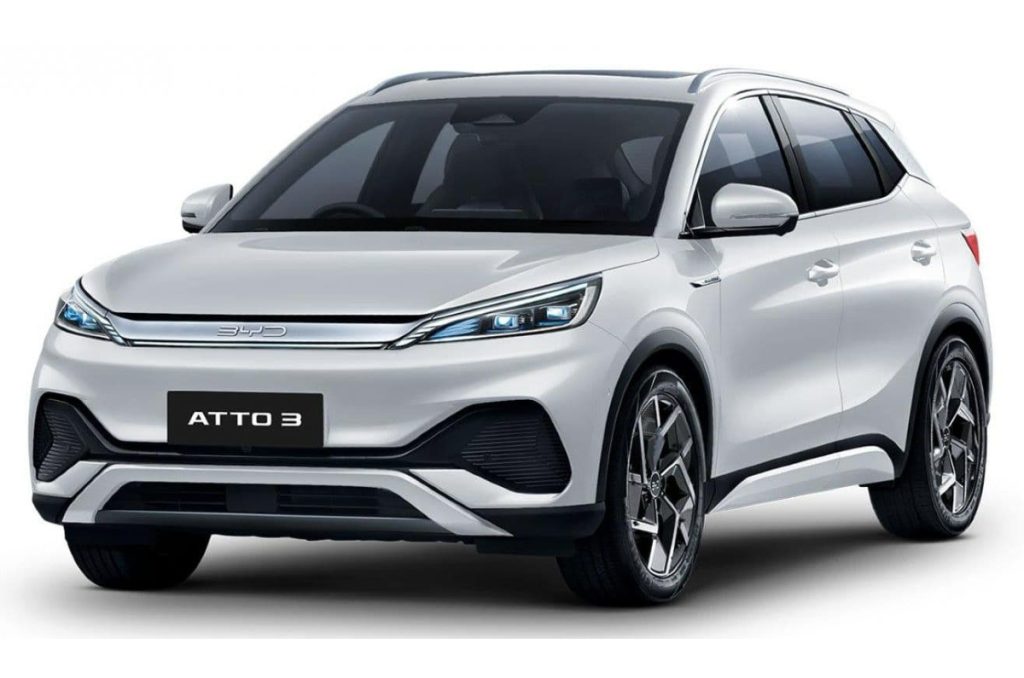
We recently took the plunge and purchased an electric vehicle (EV), specifically the BYD Atto 3. There’s currently much debate surrounding EVs, with many eager to share their opinions on the pros and cons of this emerging technology.
There are numerous misconceptions about the initial costs of purchasing an electric vehicle (EV). While it’s true that EVs generally cost more upfront than most internal combustion engine (ICE) cars, the long-term financial benefits can be significant. We are not wealthy and never have been, but investing in an EV made practical financial sense for us. It’s only the second brand-new car we’ve ever owned, yet it has allowed us to drastically reduce our vehicle operating costs. These savings more than offset the running costs of our previous ICE cars, one of which we still own. For instance, compared to the $150-plus we used to spend on weekly fuel expenses, the EV has proven far more economical, even with the slight increase in electricity usage.
EV enthusiasts are excited about the innovative features that often enhance the driving experience. These individuals are drawn to the cutting-edge technology and the overall novelty of EVs.
On the other hand, there’s the group that views cars as simple tools for getting from point A to point B—commuters who prioritize functionality and cost-effectiveness. Here in Brisbane, Queensland’s capital, the combination of capped $0.50 public transport network fares and the low operating costs of EVs complement each other perfectly, offering locals the best of both worlds. EV drivers who also use public transport enjoy exceptional commuting deals, including free parking at rail stations and the cheap fares on trains, buses, and CityCats (river ferries). This has led to significantly fewer vehicles on the road, resulting in much less pollution and reduced congestion.
Another notable group includes those who are fed up with skyrocketing fuel prices imposed by oil companies. Many people simply want a car that’s affordable to run, easy to maintain, and doesn’t require constant upkeep like regular oil changes and other expensive maintenance associated with internal combustion engine (ICE) vehicles.
Since before buying the new car, we’ve been keen to learn as much as possible about EVs. Prior to purchasing, we researched extensively about running costs, available charging locations for travel, and strategies for minimizing charging expenses at home.
While EVs aren’t entirely free from environmental concerns—such as the carbon footprint associated with battery production and manufacturing processes—they produce significantly fewer pollutants during operation. EVs also face the familiar criticism of electricity generation: much of it still originates from coal, which produces substantial pollutants and is often cited as negating the environmental benefits of electric vehicles.
However, with a growing portion of electricity now being generated from renewable sources, the reliance on coal is gradually decreasing. This shift is steadily transforming electricity production into a more sustainable process, reducing its environmental impact. Although EVs are not a perfect solution, they represent a meaningful step forward in reducing carbon emissions, which is critical for addressing climate change.
It is interesting to note that when we first became interested in buying an EV about two years ago, we noticed that many car dealer networks showed little enthusiasm for promoting even their own range of electric vehicles. At the time, post Covid, these EVs were available only in strictly limited quantities in Australia.
Since those early days of considering an EV, we’ve observed a significant shift. Dealers now demonstrate a much higher level of interest and knowledge about their EV offerings.
One thing that has bothered me for years about the Australian new vehicle industry is the attitude of dealers and manufacturers. They often seem more focused on selling the cars they want to sell rather than helping customers find the cars they actually want to buy. Initially, when we inquired about EVs, we were told in no uncertain terms that the dealers weren’t particularly interested in discussing them. Even though EVs were listed in their product range, they kept steering us back toward ICE vehicles.
More recently, when we were ready to place an order, I spoke with a young car salesman about this trend among the older sales staff. He pointed out that many of the older salespeople lacked knowledge about the new EV models. When offered training on these vehicles, many were simply uninterested, reflecting an old-school mentality of selling what they were accustomed to rather than embracing the shift toward EVs & Hybrids.
CHARGING YOUR EV
We’ve equipped our home with solar panels, and while we feed all the power we generate back into the grid, the feed-in tariff allows us to charge our EV at no cost. If you’re up for a challenge, you could spend an hour talking to a representative from any power supplier, though they might leave you feeling bewildered with their jargon and convoluted explanations.
When it comes to choosing a power provider, I strongly recommend reviewing the information on their websites to determine which one offers the best deal for your needs. Most providers advertise specific discounts or power arrangements, but in reality, there’s often little difference between them. What one provider offers in savings, another compensates for elsewhere—and vice versa.
The availability of multiple electricity providers has created an environment ripe for legal yet ethically questionable practices. Providers often seem to modify offers and arrangements at will, frequently shifting the goalposts to suit their interests. This has turned the electricity supply market into a competitive comparison game or a form of tacit collusion between providers. Given that electricity is an essential service, consumers are often left choosing the provider with the most persuasive pitch at the time.
We installed a 15-amp charger that adequately meets our needs. The setup included having a 15-amp power point installed by an electrician for $300. 15 amp power points have a slightly bigger earth point than a 10 amp & can safely support appliances that require more power without overloading the circuit. We also purchased a 15-amp portable charger for $400. Various charging systems are available, ranging from the basic 10-amp “granny” charger—which typically comes with the car and costs around $200 if purchased separately—to advanced three-phase fast chargers, which can exceed $2,000.
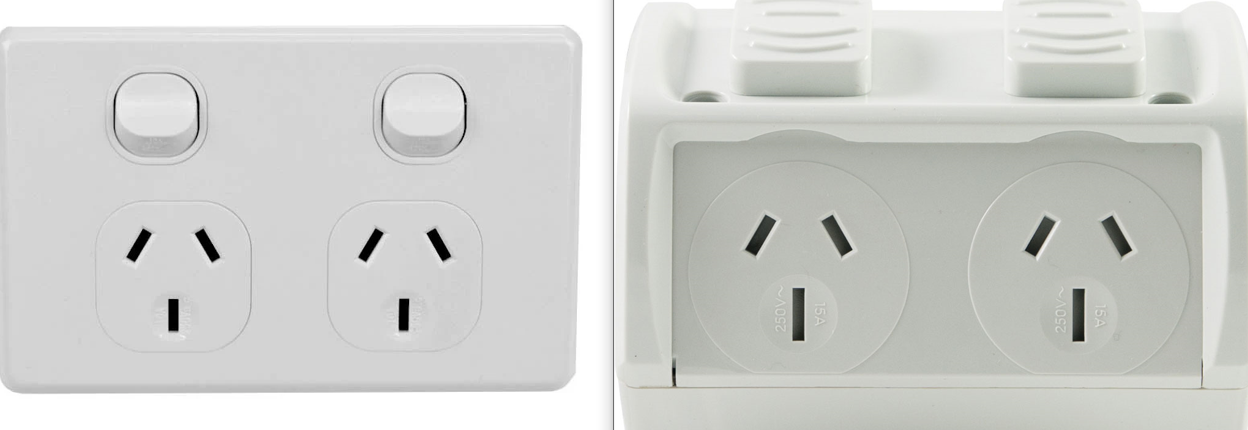
Our 15-amp system can charge the car from half to full capacity overnight. Fully charging the battery from 10% to 100% would cost approximately $16 in electricity without any solar power rebates. However, since we’ve had solar power with a favorable tariff rebate from the start, we currently pay nothing for electricity. In fact, we are well into credit.
I don’t mean to come across as arrogant or self-satisfied in saying this. We were simply fortunate to benefit from the solar rebate system when it was introduced. For us, this makes charging significantly more cost-effective compared to spending $120 per week on fuel for a similar distance range.
We initially chose to install a 15-amp power point to enable slightly faster vehicle charging. However, we’ve since found that the standard 10-amp “granny” charger supplied with the car would have been sufficient for our needs.
As a general guideline, charging for approximately eight hours provides around 80 km of range with the 10-amp charger, and roughly 160 km with the 15-amp charger.
For renters paying full electricity rates, EVs still offer a more economical operating option, especially if you can charge at or near your workplace. However, it’s crucial to conduct thorough research. If owning an EV and having reliable access to charging facilities doesn’t suit your circumstances, that’s perfectly fine—there’s always the option of returning to an internal combustion engine (ICE) vehicle.
Even using one of the most expensive and fastest public superchargers to fully charge your EV would cost about $30, reinforcing that home charging is the most economical and convenient option.
The reality is that most cars sit idle for 23 out of 24 hours in a day, so how and when you charge your EV typically depends on personal convenience—often overnight. In Queensland, where off-peak electricity isn’t available (to us), it’s convenient to plug in and charge at any time of the day.
There’s even a popular phrase emerging with the rise of EVs: “ABC—Always Be Charging.” This highlights the flexibility and convenience of keeping your EV ready to go whenever needed.

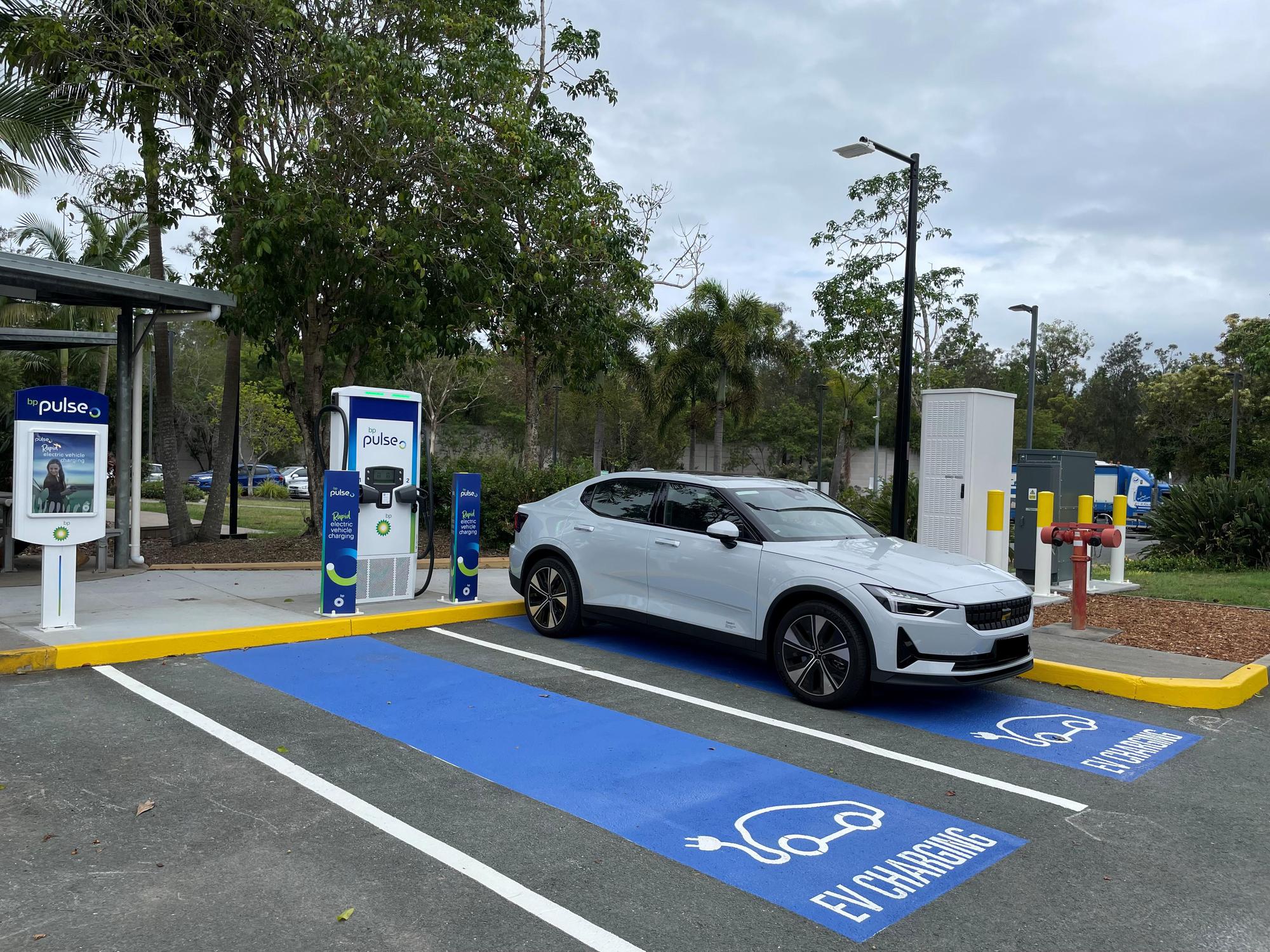
We have only used a public charger once since purchasing the car and found it to be a straightforward and easy experience. We primarily did this to familiarize ourselves with the process and to try out a fast charger. This took place at a BP Servo at Caboolture during a trip to the Sunshine Coast to visit a friend.
The entire process took just 20 minutes to fully charge the car from about half capacity. During this time, we went inside, had a coffee and a bite to eat, and received both an email and a text notification as soon as the car was fully charged. This allowed us to promptly remove the car from the charging bay and park in the regular car park.
As a tip, download as many charger apps as possible to avoid getting caught out. While you can set them up quickly on the go during a trip, being prepared in advance makes the process smoother.
THE VERDICT
As new EV owners, we’re still forming our opinions on the advantages and drawbacks of this transition. So far, the car has met our expectations. It’s a pleasure to drive—comfortable & efficient…………… & it’s quiet.
Unfortunately, Australia’s public charging infrastructure continues to lag behind EV uptake. Governments at all levels—local, state, and federal—still have work to do in improving the availability of public charging stations, particularly in rural and regional areas. However, progress is evident, with more stations being installed outside major cities and towns. While “charging anxiety” remains a valid concern for regional travel, the situation is steadily improving.

EDIT 3 Jan 2025 – We are taking a trip today to a location approximately 190 kilometers from home, where we own a small block of land near Killarney, Queensland. The journey takes us through one of the black spots in South East Queensland that still lacks public charging stations. For this reason, we are using our ICE (internal combustion engine) vehicle. So yes, range anxiety remains an issue for us.
As previously mentioned, electric vehicles (EVs) are not the ultimate solution for efficient transportation. However, they represent a highly viable and cost-efficient alternative to gas-guzzling vehicles with heavy carbon footprints. Undoubtedly, as technology continues to advance, cleaner, greener, and more cost-effective transportation options will emerge, offering consumers even greater choices in the future.
New technologies are developing at a remarkable pace. Hydrogen-powered cars, increased battery range EVs, and other innovations often render this year’s models nearly obsolete before they even leave the showroom floor. This rapid advancement benefits consumers by providing more options. The more choices available, the better it is for the market, and it’s refreshing to see the auto industry finally catching up.
American and European auto manufacturers were initially unprepared for the rise of EVs and other innovative car technologies, particularly as Chinese manufacturers surged ahead. In response, the U.S. and European governments have threatened high import tariffs to curb the influx of Chinese vehicles. A suggestion for U.S. and European car makers: instead of attempting to stifle competition, focus on improving your offerings. Produce vehicles that consumers actually want to buy rather than relying on outdated technologies that have dominated for decades.
Even the historically slow-moving oil companies are beginning to adapt. Many are investing in the development of fast chargers, which are becoming increasingly available at service stations—a welcome change for consumers and the broader industry.
Finally, as previously mentioned, do thorough research if you are considering purchasing an EV or hybrid vehicle. Like any specialized topic, there are experts available, particularly on social media, where dedicated groups can provide valuable insights. Most members of these groups are ordinary individuals who have gone through the same process and are happy to share helpful information. While social media platforms have their drawbacks, they can be a great resource for getting real-world answers to your questions, as opposed to the jargon and corporate language often used by car salesmen.
Edit/Update -15 Oct 2025
We’re now twelve months down the track since purchasing our BYD Atto 3, and so far, we’ve had nothing but praise for the vehicle. As someone who has always enjoyed the mechanical side of car ownership—particularly the servicing and maintenance aspect—I’ve noticed how little there is to do. Aside from a few minor checks, such as visually inspecting fluid levels (brake fluid, battery acid, and windscreen washer fluid), there’s almost no routine maintenance required. Even tyre pressures can be checked through the BYD app on your phone. Everything seems to be taken care of for you, which makes me wonder what the BYD service team actually does during scheduled servicing.
That said, we’re completely satisfied with the car. It’s an excellent vehicle to drive—smooth, easy to operate, and very intuitive.
Additionally, with more charging stations becoming available, the initial range anxiety that many EV owners have felt in the past is easing. There is, however, still a black spot along the Cunningham Highway west of Brisbane that hasn’t been resolved yet—but here’s hoping that will change soon.
Overall, we’re extremely happy with the Atto 3 and would wholeheartedly recommend it to anyone considering an electric vehicle.


 porsche91722