Reading time 20 minutes
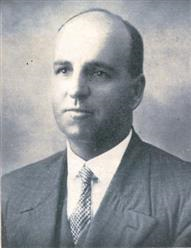
The fifth of ten children born to Johannes (John) and Louisa Rosina (Kubler) Muller, was my grandfather, Adolf Gustav Muller.
Within the family, his own generation referred to him by his initials – A.G. As his grandchildren, we affectionately called him Papa Muller. We, too, occasionally referred to him as A.G—but never to his face. We wouldn’t have dared! He was what the current generation might jokingly call a “tough old geezer.” And when I say tough, I don’t mean the rough-and-tumble, fighting kind. He was a man who knew how to assert his authority without violence—or in our case, as grandkids, without any form of corporal punishment.
He faced problems head-on, working through each one with a blend of thoughtful negotiation and his own unique brand of verbal reasoning. Whether it was dealing with an unruly grandchild or navigating a maze of bureaucracy to resolve a constituent’s issue with the hierarchy, he always found a way to get to the bottom of things—and get results.
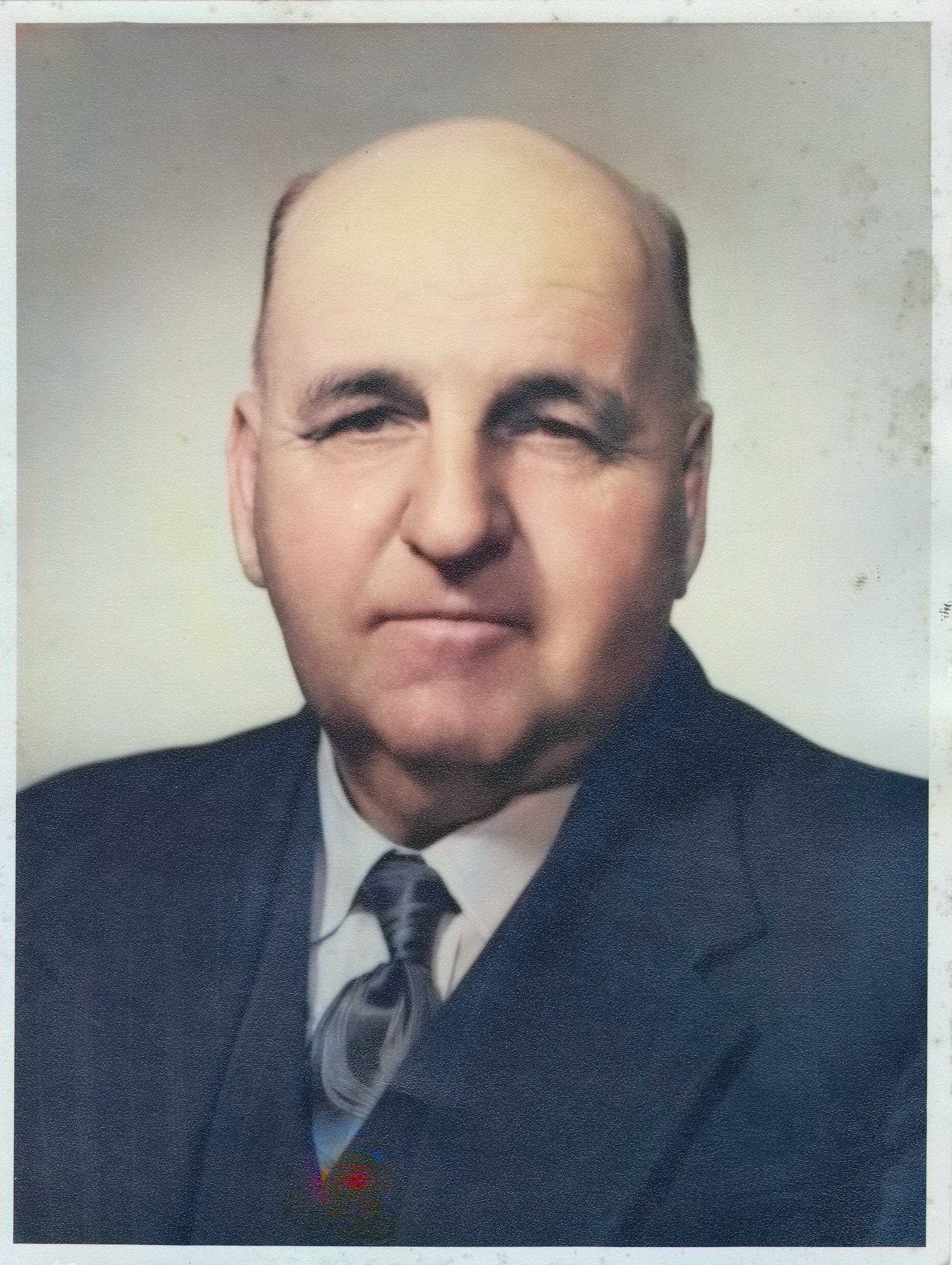
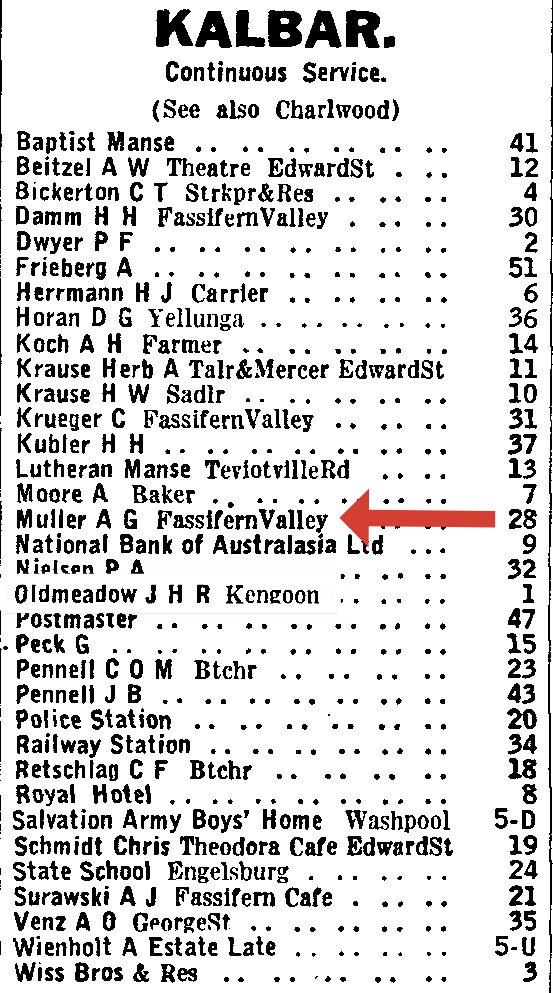
To his many friends, parliamentary colleagues, and acquaintances over the years, he was simply known as Alf Muller. He was born on May 1, 1889, in the Fassifern Valley and attended Kalbar and Templin State Schools. His father, Johannes (John) Muller, a dairy farmer, passed away at the relatively young age of 52 in 1905.
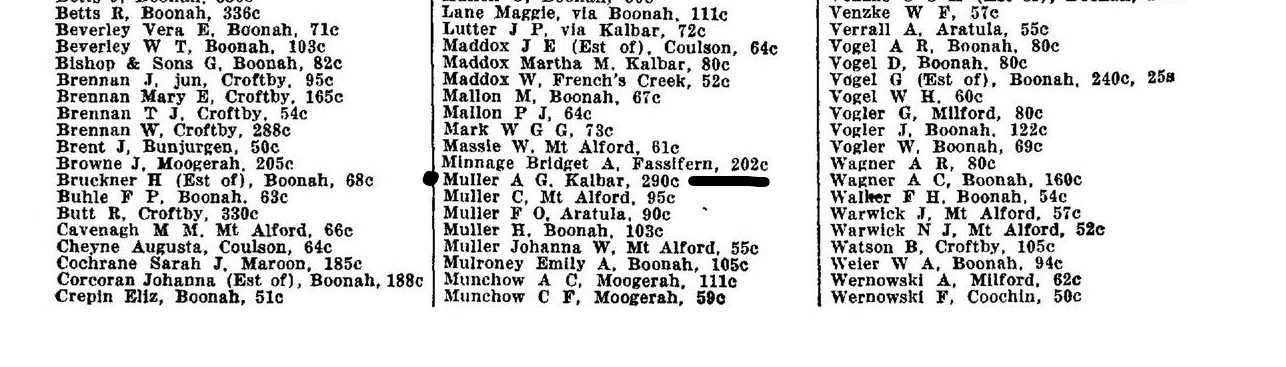
At just 16 years old, Alf faced the loss of his father and, alongside his siblings, took on the responsibility of maintaining the family farm. Over time, Alf followed in his father’s footsteps, becoming a dairy farmer and grazier in the Boonah district, where he lived for the rest of his life.
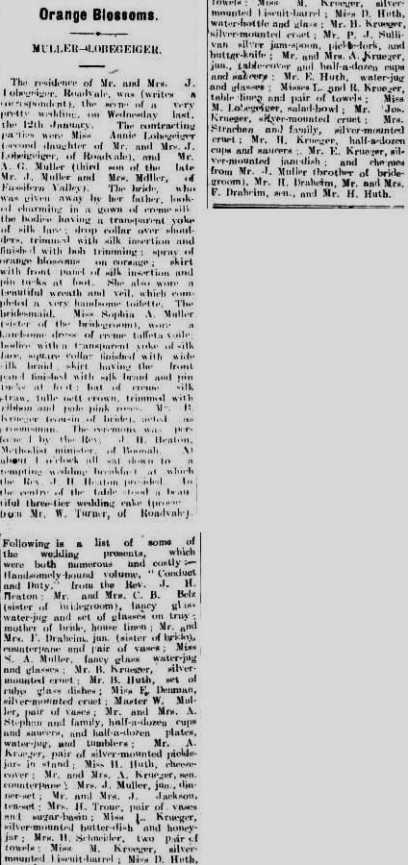
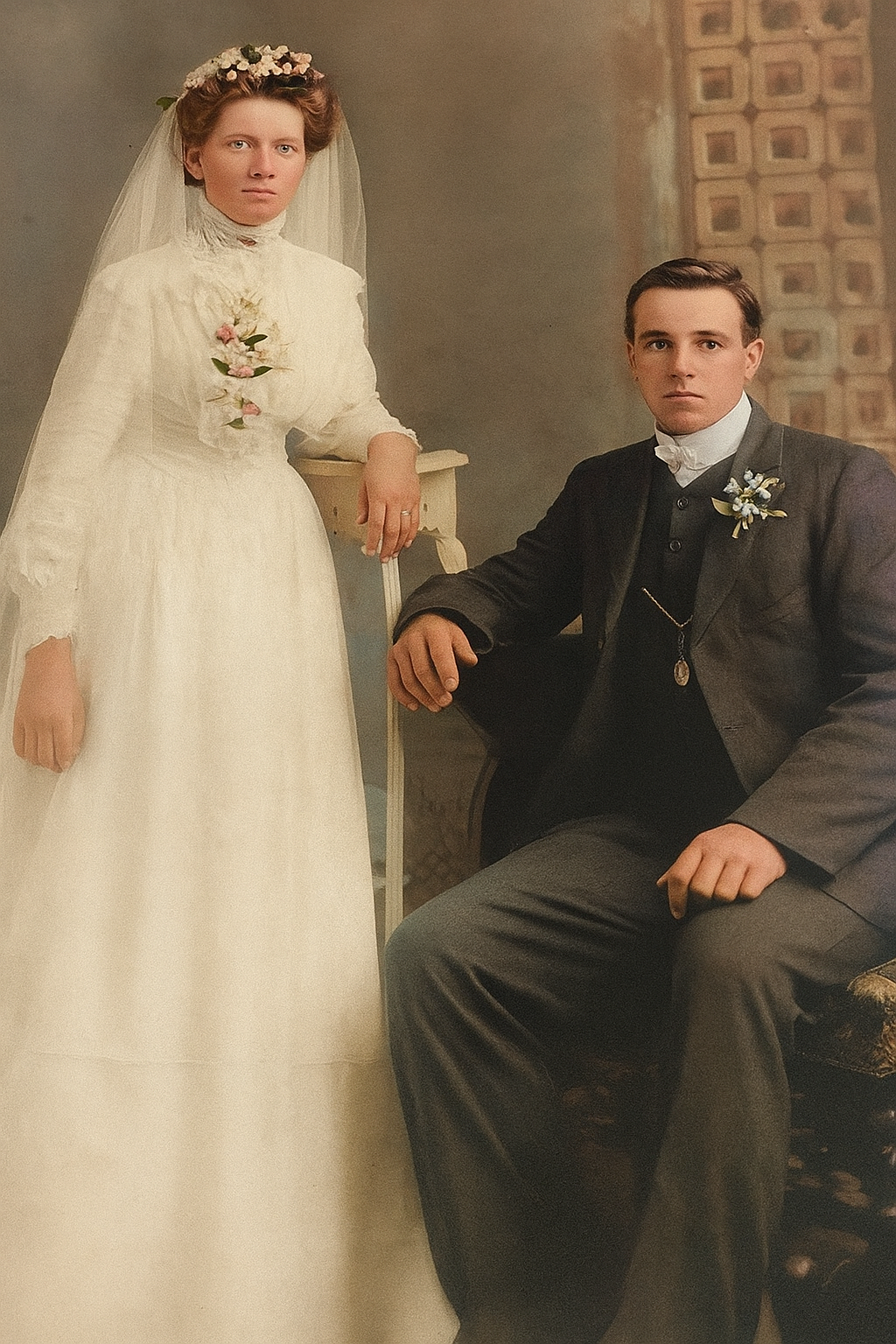
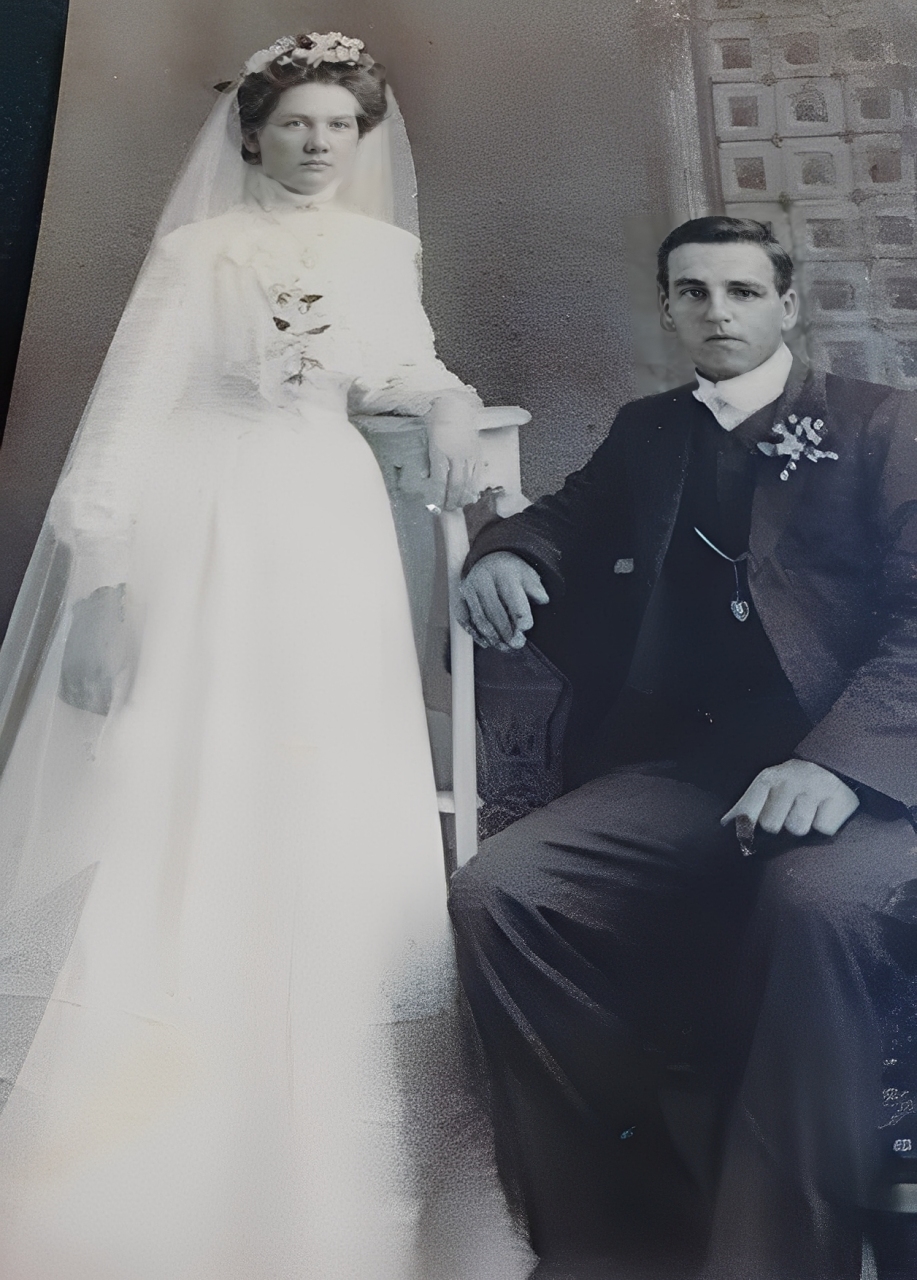
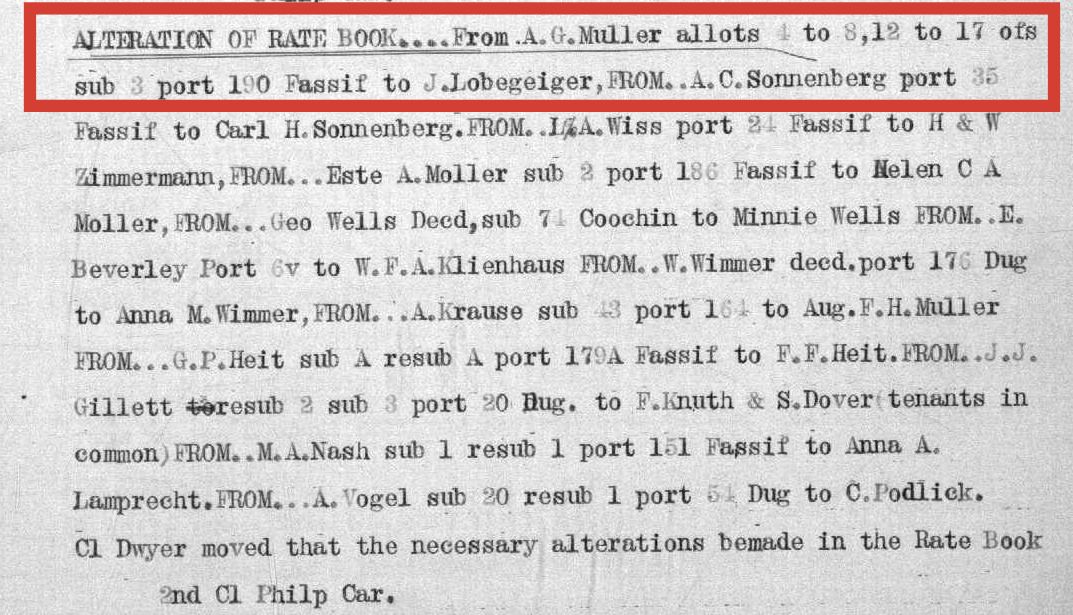
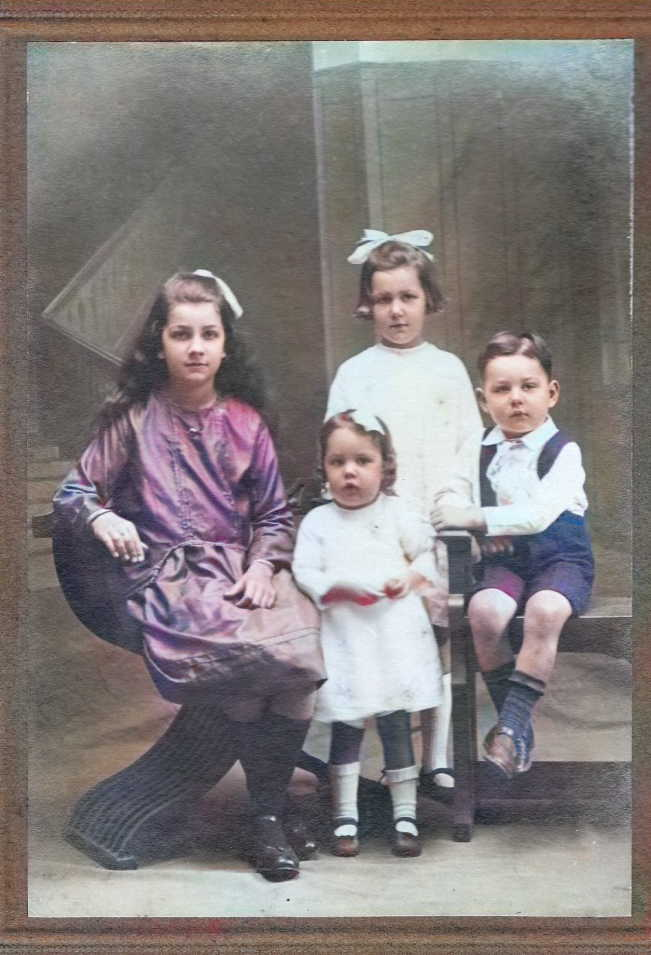
On the 12th of January 1910, 21 year old Alf Muller married Annie Lobegeiger (19), a local girl from Roadvale, whose parents John and Emilie Lobegeiger, were also one of the early farming families in the district. Alf and Annie had three daughters -Phyllis (1910), Vera (my Mum 1914), Mavis (1919) and a son Selwyn (1917). The family continued the tradition of Alf’s father Johannes (John) Muller & ran dairy & beef cattle on their grazing property in the Fassifern Valley.

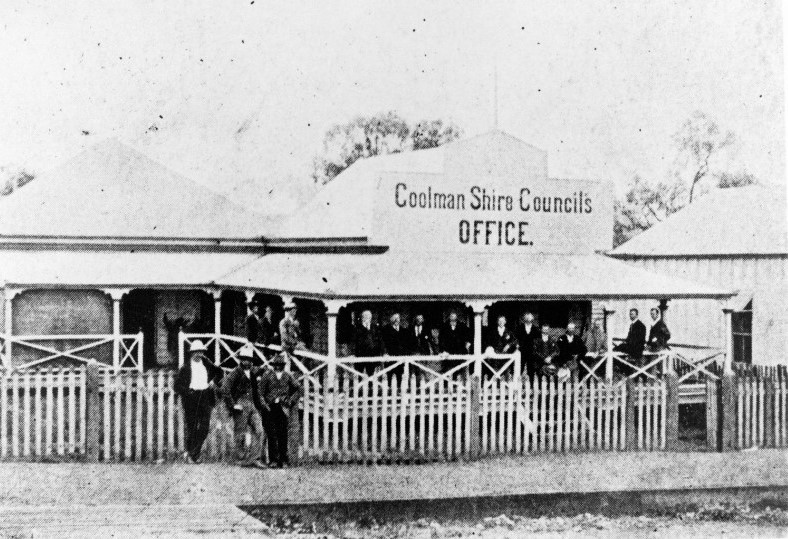
Alf’s father John Muller had decided on serving his community & becoming a local councillor, but sadly died shortly after winning a seat on the local Goolman Shire Council. Alf also had a sense of civic duty, which eventually led him into a life of serving his local community as its local member of state parliament. He also served on many farming regulatory authorities throughout Queensland over his lifetime.

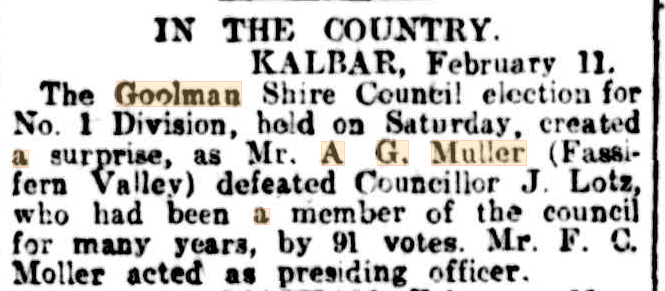
Following in his father’s footsteps, 29-year-old Alf became a councillor and later served as chairman on both the Goolman and Boonah Shire Councils before entering Queensland state politics.
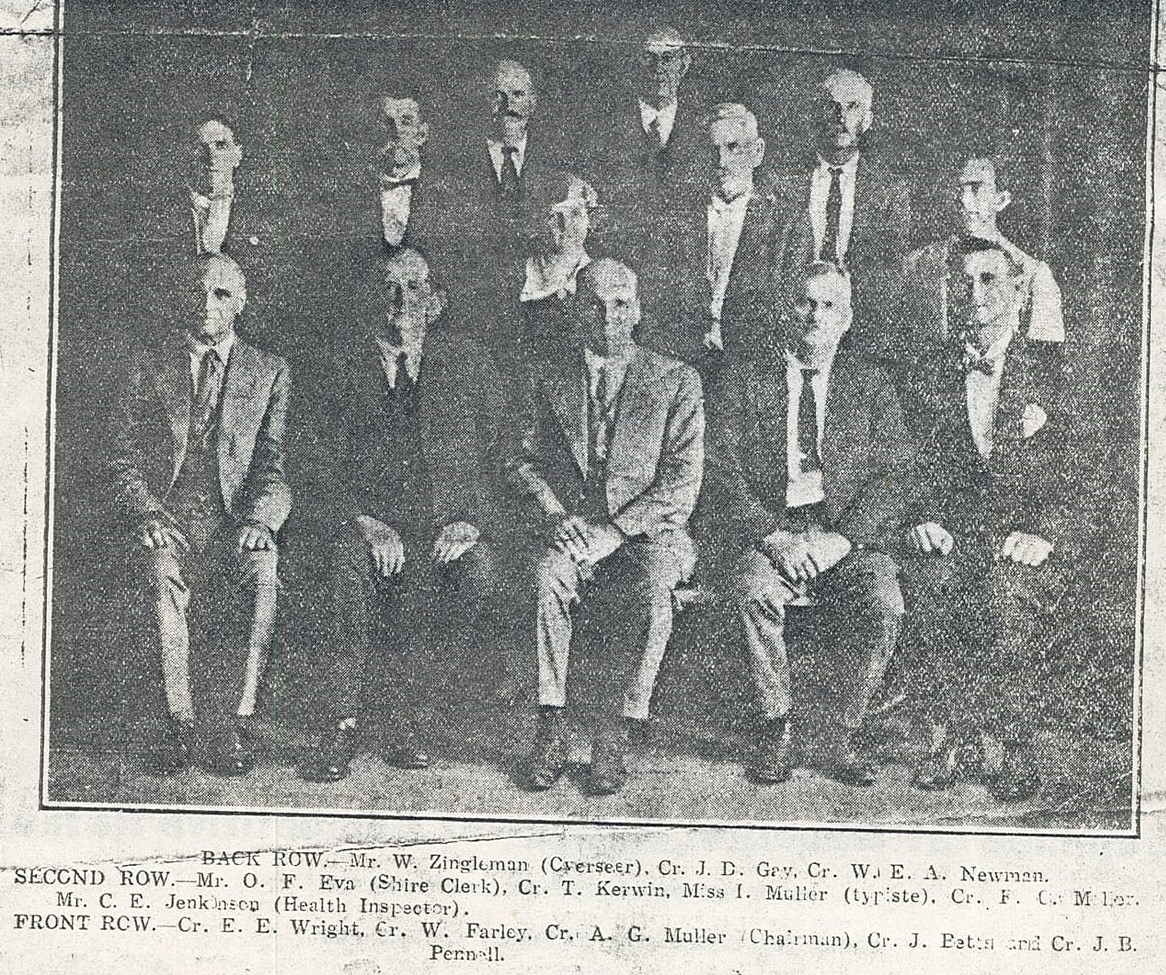

Alf was a very busy man, who wore a lot of different hats in his lifetime. He was a member of many agricultural boards including the State Butter Board, the Australian Dairy Producers’ Export Board 1933 to 1953, the Commonwealth Dairy Equalisation Committee, Member and Chairman of the State Butter Marketing Board, Chairman of Directors – Queensland Farmers Cooperative Association and Queensland Cooperative Dairy Companies Association; Director, Producers Cooperative Distributive Society; President, Queensland Branch, Clydesdale Horse Society; Patron: Fassifern Agricultural and Pastoral Society, Beenleigh Agricultural and Pastoral Society, Rosewood Show Society. In amongst all of that, he still found time to be a farmer in the Fassifern Valley.


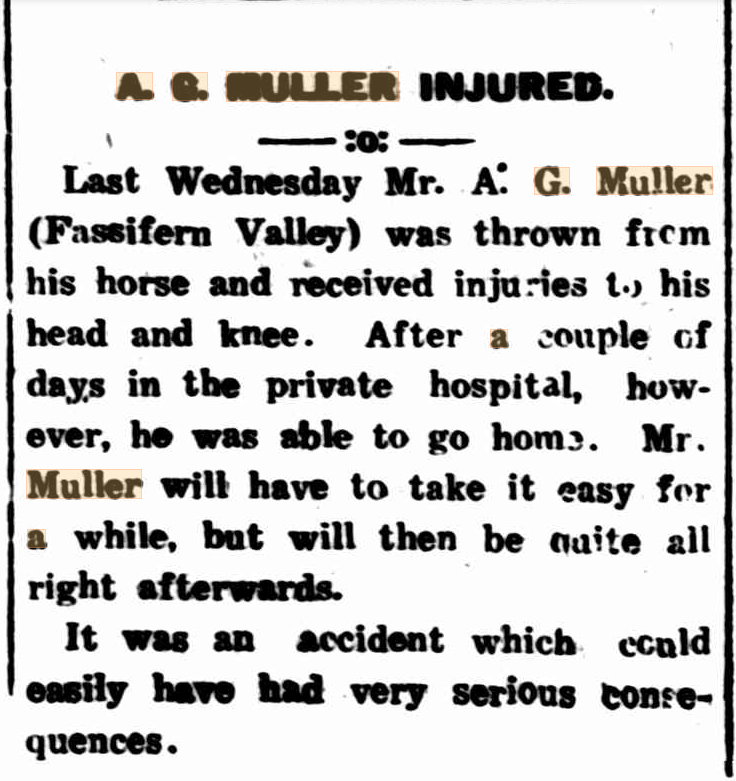
With Alf being a public figure, as the local state parliamentary member for Fassifern & also being a cabinet minister, he was often quoted on a wide variety of topics.

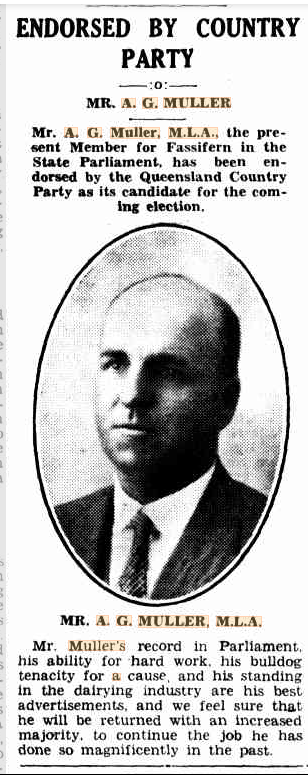
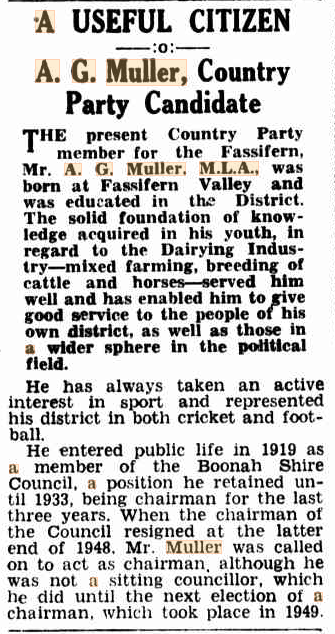
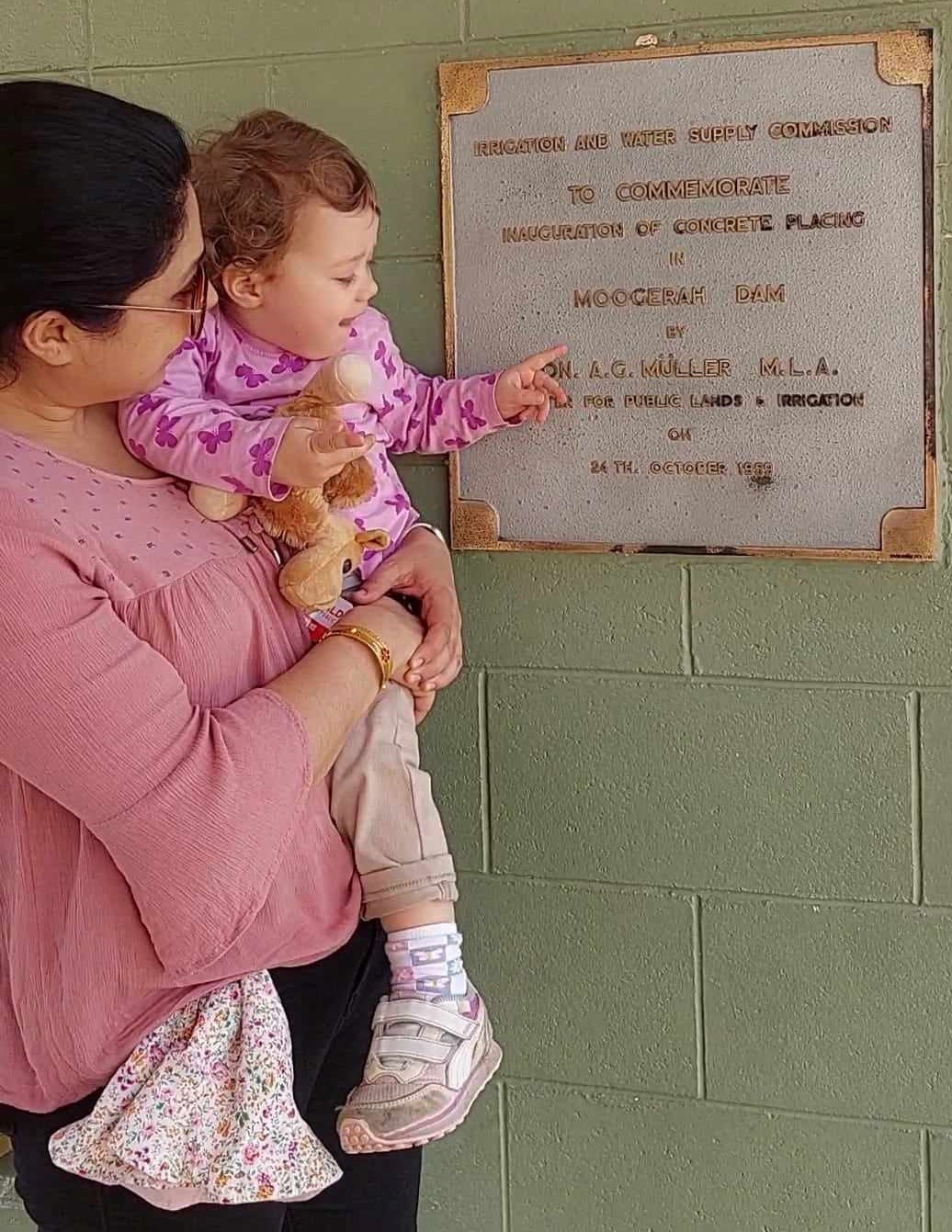
Alf Muller represented the electorate of Fassifern (now known as Scenic Rim) in the Queensland State Legislative Assembly from 1935 until 1969, when he was eighty years old. He served as Deputy Leader when the Country Party were in Opposition from 1949 to 1957 and as Minister for Public Lands and Irrigation from 1957 to 1960. A popular politician, Alf earned considerable respect from both sides of the political divide in Queensland during his time in office. He was widely known as a humble man whose main focus was to secure a better deal for his local district, where he served as their parliamentary representative for 34 years.
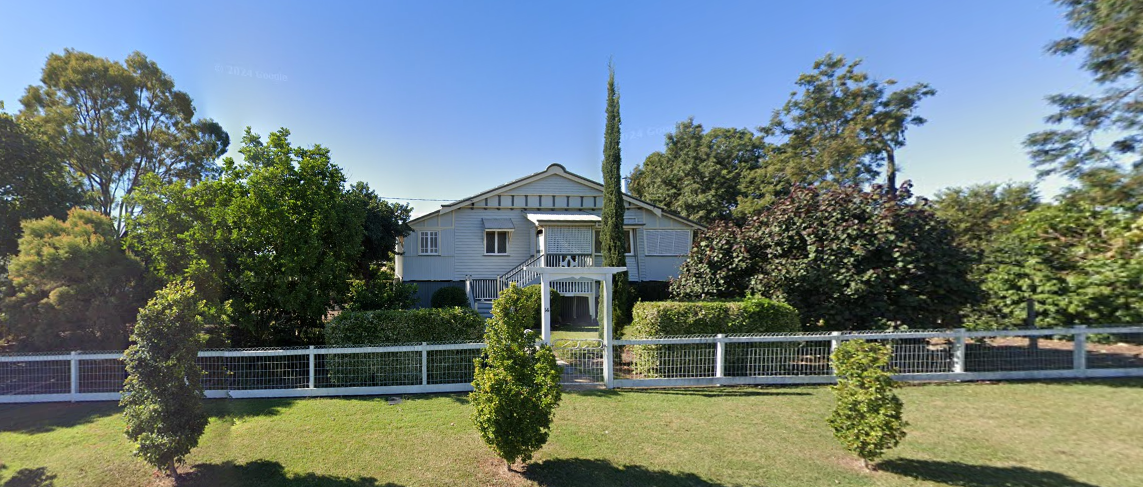
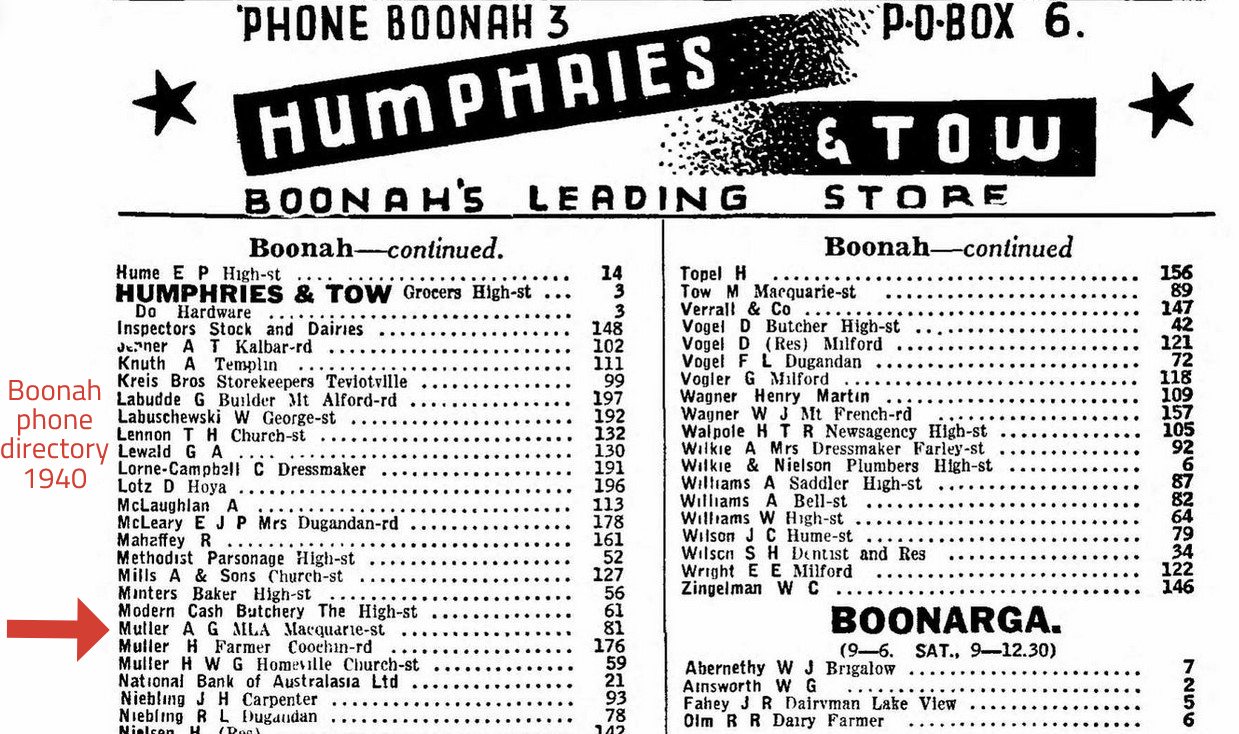
In 1935, after winning the Fassifern seat in the Queensland State Legislative Assembly, Alf decided to build a family home in Boonah. With his political career gaining momentum and his son Selwyn increasingly taking responsibility for managing the Fassifern Valley farm, Alf chose to relocate to Boonah. The following year, in 1936, a home was constructed for him at 14 Macquarie Street.
In a remarkable coincidence—and a reflection of how closely connected life in small country towns like Boonah can be—Alf engaged builder – Norm Vincent, the grandson of one of Boonah’s earliest tradesmen, Charlie Vincent, to build his family home on Macquarie Street. Unbeknownst to Alf at the time, Charlie Vincent had once mentored Ned Bermingham—Alf’s daughter Vera’s future father-in-law—during Ned’s apprenticeship in Boonah many years earlier.
Charlie Vincent played a pivotal role in shaping early Boonah, constructing many of the town’s original homes and buildings leading up to the 20th century. Decades later, his grandson Norm continued the legacy by building the Muller family home, which still stands proudly on Macquarie Street today.

Alf had a falling out with his own party, the Queensland Country Party, ostensibly over a taxation incident and his steadfast refusal to be pressured into supporting the government and its vested interests. He opposed their efforts to not protect the Crown Estate from private developers—many of whom were Country & Liberal Party donors with a financial stake in developing the land for personal gain.
His refusal to fall into line with members of his own party who held vested interests with the developers saw him sit as an independent for a number of years.
A quote from the Labor Party opposition leader in the Queensland Parliament at the time, Jack Duggan on Alf Muller – “He was game enough to stand up to people who were endeavouring to gain some advantage for themselves, particularly large land owners and party supporters. He does not have the sartorial elegance of the Liberals, he does not come in here dressed in suits made by the best tailors of the State, he does not have the vocal eloquence of the Treasurer and some of his other Liberal colleagues who occupy the Ministerial bench, but he was always a fearless and hard-hitting debater. Whatever else he may not have possessed, he certainly had the attributes of being a hard worker, having a sincerity of purpose and a high degree of common sense. We on this side differed with him very much on the Government’s handling of their land policy…but I know that the Liberal people who had access
to the entrepreneurs and real estate agencies, and the big graziers who threw their money at the Government, thought it would be better to deal with someone who had a less strong view on the cutting up of big estates.”
Duggan challenged the Liberal/Country Party government to ‘deny that they forced out their hardest and best-working Minister by using this tax matter.
As an illustration of Alf Muller’s depth of feeling against his colleagues, on the Hansard record, he told the Parliament: “To my constituents and to the people of Queensland in general, let me say that I can be of greater service as an Independent than by sticking to a party led by Mr Nicklin and Mr Morris. I do not want to say the whole thing, of course, has weakened my confidence in Mr Nicklin, as far as Mr Morris is concerned, I never had any.”
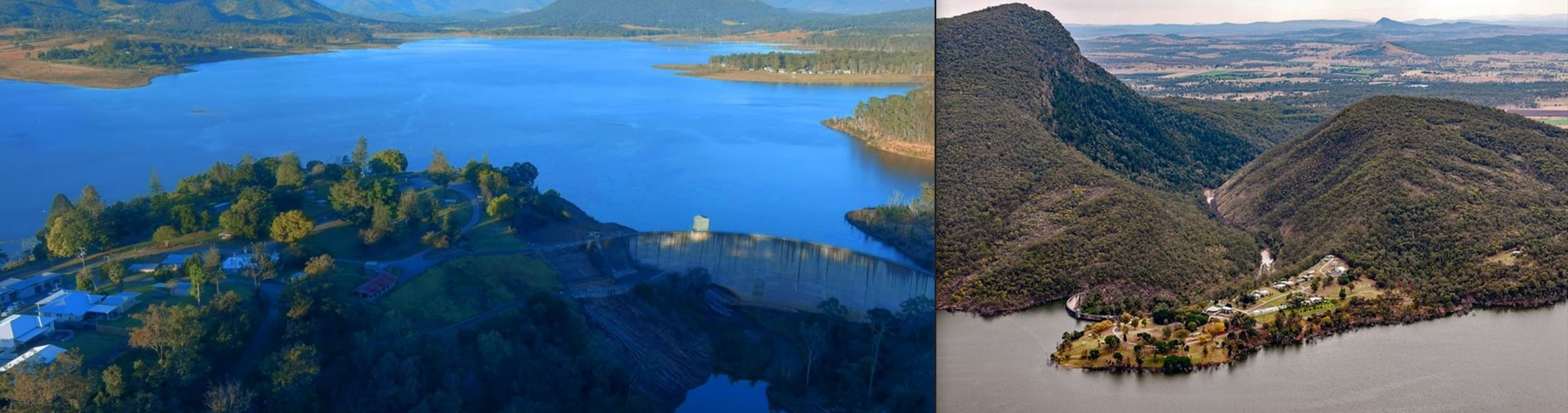
Although Fassifern was considered one of the safest Country Party seats in the state, Alf never took it for granted. He took as much satisfaction from helping constituents with individual problems as he did from securing approvals for major projects such as dams, schools, and infrastructure. When he fought for a particular cause, he was tenacious and determined, never willing to give up. When Alf retired as the member for Fassifern, his son Selwyn took over the seat and later became the Speaker of the Queensland State Legislative Assembly.
During Alf’s tenure in the Queensland State Parliament, the Country Party-led government was known for its ultra-conservative and extremely right-wing policies. This staunch conservatism persisted for another three decades. Many ideas that the South African government introduced during the oppressive Apartheid era were reportedly influenced by Queensland Government policies of the time, which, in turn, took directives from the Federal Government’s White Australia policy.
However, A.G. Muller was one of the few Country Party members with a strong sense of social justice. In the Queensland Country Party of the 1930s, progressives were a rare minority. For that pre-WWII era, he held commendable views on Indigenous welfare that were not shared by many of his peers. He made numerous speeches, recorded in Hansard, advocating for better living conditions and access to education for First Nations people. Unfortunately, Alf’s ideas often fell on deaf ears. On many occasions, he found himself swimming against the tide of his own party’s policies. While one could never suggest that Alf Muller sympathized with Labor Party values, he certainly upheld some admirable standards that occasionally aligned more with the opposition than with his own party. He adhered to a strict moral code throughout his life, always committed to his policy of giving everyone a fair go. In doing so, he often clashed with his own party on certain issues.

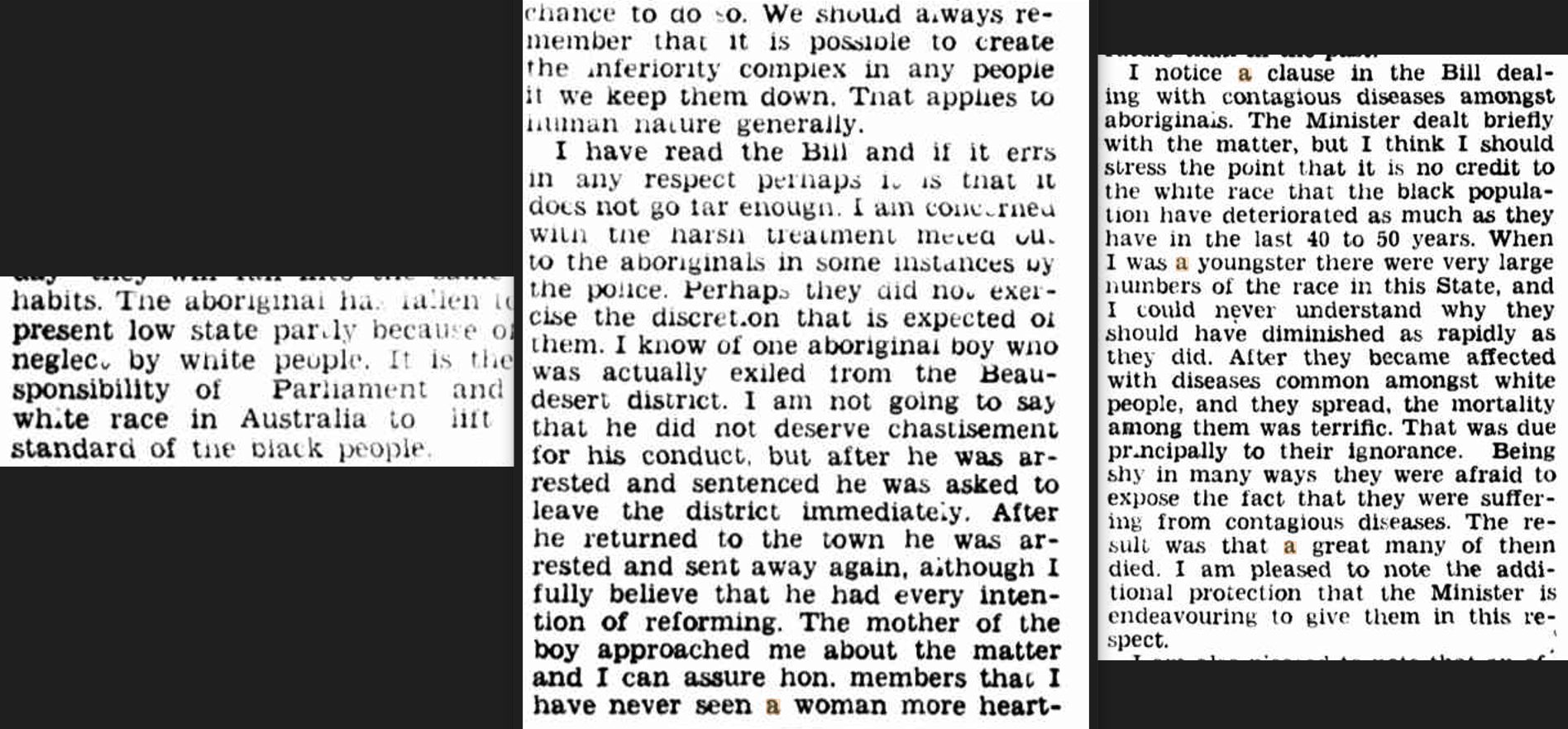
When reading these newspaper reports, it’s important to remember that the general tones, descriptions, and attitudes expressed by the community, politicians, and journalists regarding our First Nations people were very different from how we speak today. Even when there was good intent, the language often came across as racially intolerant in the newspaper reporting of the time. What we now consider bigoted racial descriptions in modern language, though harsh, were more commonplace. People were blunt and direct in their speech.
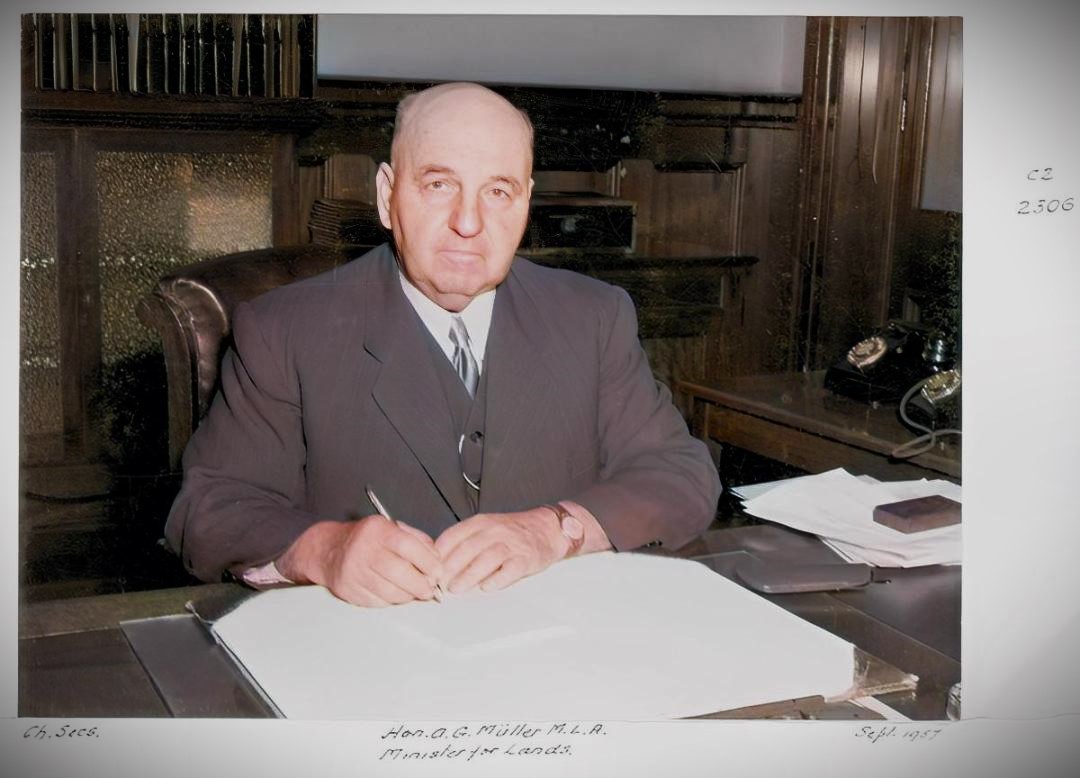
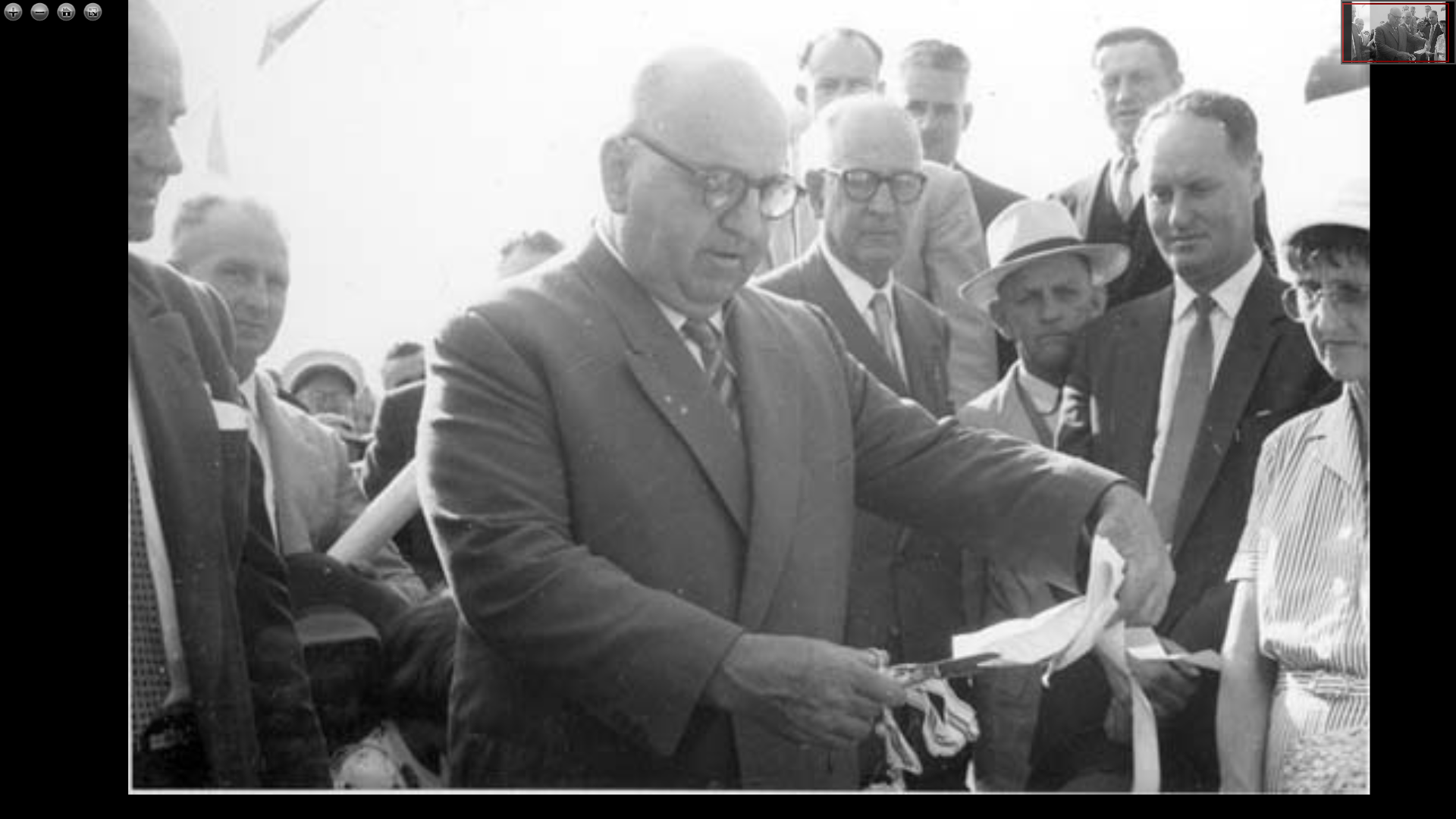
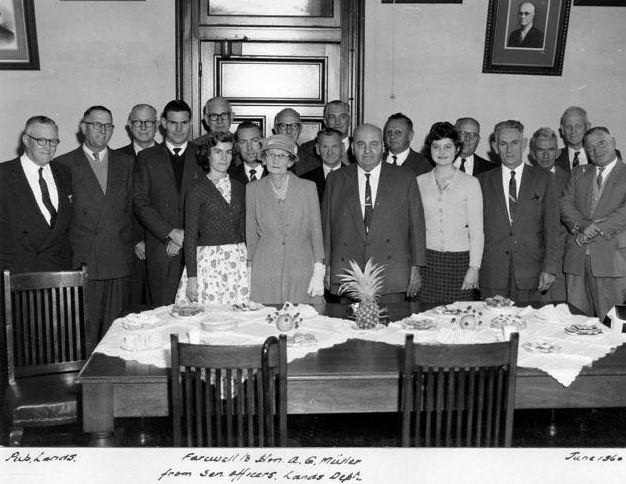
He started out as a member of the Country Party but in 1961 he resigned from the party due to differences he had with the rest of the Cabinet. It was stated at the time that these differences related to transactions A G Muller had with the Income Tax Department, which, in part is true. He sat as an Independant Country member until October 1965 when he rejoined the party.
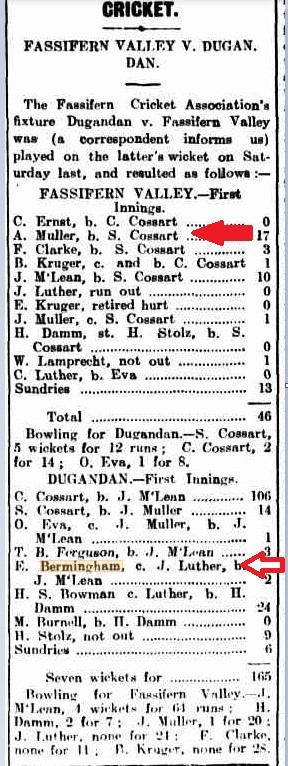
In his younger days, Alf Muller had also represented his district in both cricket & football. On February 28, 1911, Alf top-scored for Fassifern with 17 runs. Unfortunately, the Dugandan team put the cleaners through them that day. My other grandfather, Ned Bermingham, was a talented all-rounder who played for Dugandan. On that day, Alf could hardly have imagined that his future daughter, Vera—who would be born three years later in 1914—would eventually marry the son of one of the opposition team’s bowling attack, Ned Bermingham’s son, Jack Bermingham, in 1948.
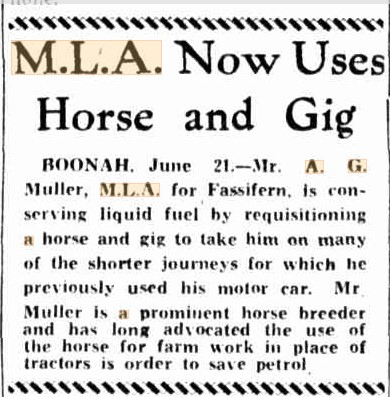
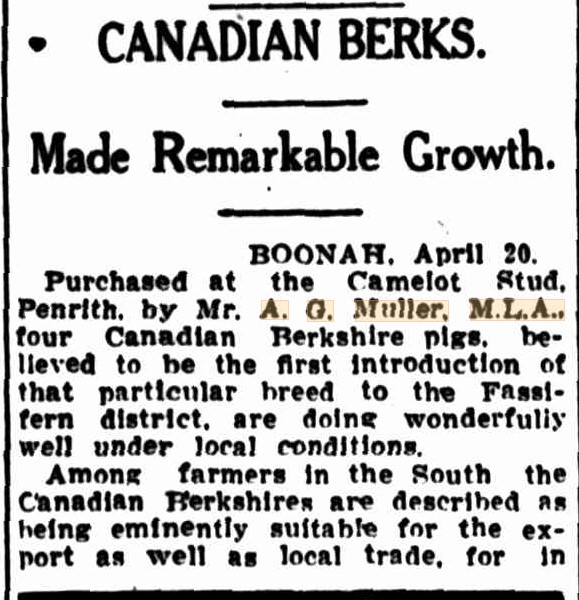
Alf founded Surradene Clydesdale Stud at his grazing property in the Fassifern Valley near Kalbar. The Fassifern district, where he lived, required a significant number of horses for land cultivation. Farmers specifically chose the Clydesdale breed due to its size and stamina, making it well-suited for the task.
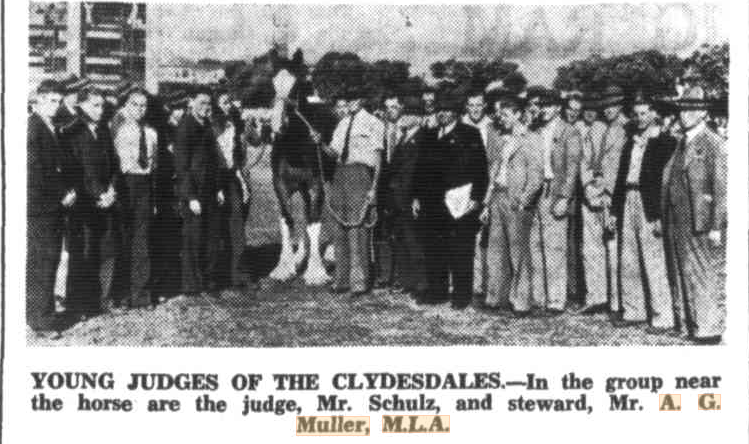
During this period, A.G. Muller owned several stallions and was actively breeding horses on his property. In 1931, he was elected Queensland Branch President and Federal Delegate of the Commonwealth Clydesdale Horse Society (CCHS)—positions he held for 17 years until the Queensland Branch was disbanded in 1948. To date, he remains the longest-serving president of the Queensland Branch.
Additionally, records indicate that from 1938 to 1948, Alf Muller served as a federal Clydesdale judge, officiating at the RNA Brisbane Show on four occasions.
I have touched on the topic of religion in several of my other blog articles about our family ancestors, particularly how the strong faith of the original settlers guided them through the difficult early years in the Fassifern Valley.
In my research, I noticed that different races and religions tended to remain within their own communities, often due to language barriers. Protestant Germans typically married other Germans, while Irish Catholics tended to marry within their own group. These unions were shaped not only by cultural familiarity but also by deeply held religious beliefs, which often took precedence over denominational differences.
Given this background, it must have been difficult for Alf and Annie when three of their children chose to marry outside the Methodist faith. Daughters Mavis and Vera, as well as son Selwyn, all married Irish Catholics. While I never witnessed any open racial or sectarian tension—and certainly none that I noticed as a child—the fact that three out of four of their children married outside their church likely caused some consternation.
That said, Alf and Annie were, in many ways, progressive for their time, so this may not have been an issue they couldn’t overcome. Still, as I have noted in other family blog articles, I do not recall any joint family gatherings with the Catholic relatives. It must be considered that the era was a different time & place for the local populations of the time.
Conservatism ruled, and many people didn’t want to appear radical, even if they privately considered themselves progressive. As a politician, Alf was always aware that you had to consider and respect the electors’ opinions, even when you believed they were wrong. You don’t keep anyone’s vote by constantly and openly contradicting them.
I remember him telling my dad on more than one occasion that the best thing you can do is listen to what people have to say. Even back then—indeed, likely since time immemorial—many politicians assumed their own views were unquestionably correct instead of listening to their constituents. Even when he disagreed with the racist attitudes or the occasional crackpot theories that some people held, he believed you still had to listen and take those points into consideration.
Throughout his life of serving his constituants in state parliament & having his voice heard on the many agricultural boards, Alf Muller always saw himself as just a humble farmer but in doing so, he was always at the forefront of trying new farming practices & trialling different stock breeds from all over the country & around the world. I have no idea how he fitted all of this into one lifetime.

_
Alf’s wife, my grandmother Annie, was a quiet and private person with little interest in the public life of a politician’s wife, yet she diligently performed her duties. She was content at home in Boonah, cooking, tending her garden, and participating in church and community activities. In fact, their daughter, my mother Vera, often stood in for Annie when Alf was fulfilling his role as a local politician, first as a councilor and later as a state government representative for Fassifern.
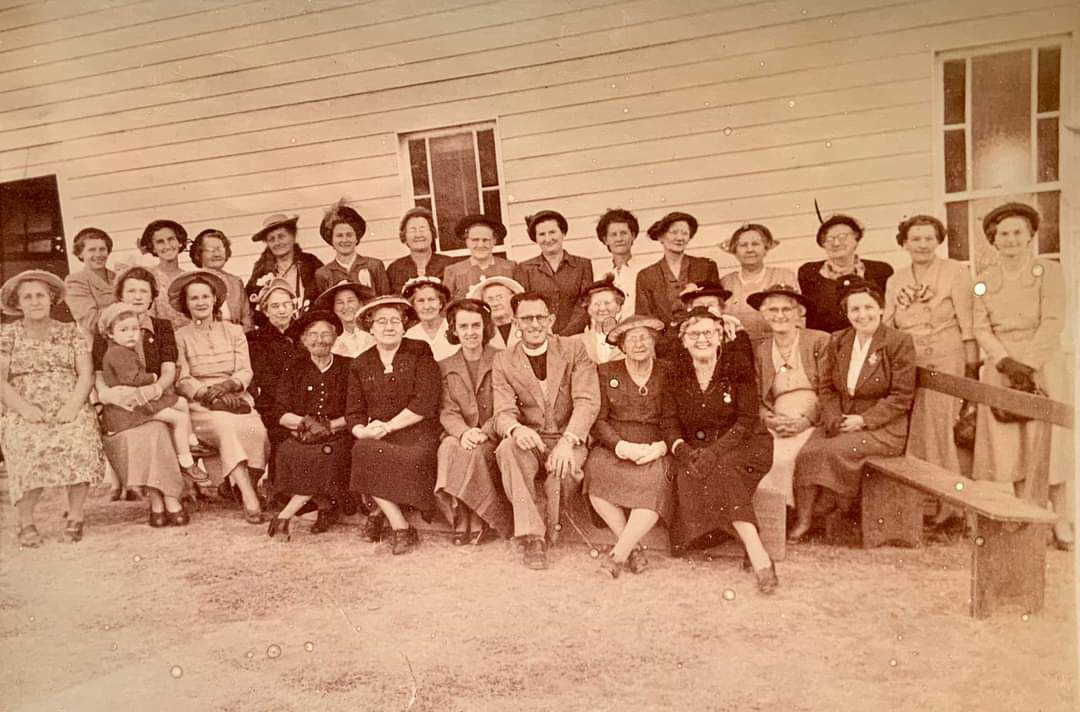
Did I mention cooking? Annie was a top-notch, quintessential bush cook! Whenever we visited, we were greeted by the aroma of a baked dinner on the wood stove or a fresh batch of scones or cakes laid out on the kitchen table as we walked up the back stairs.
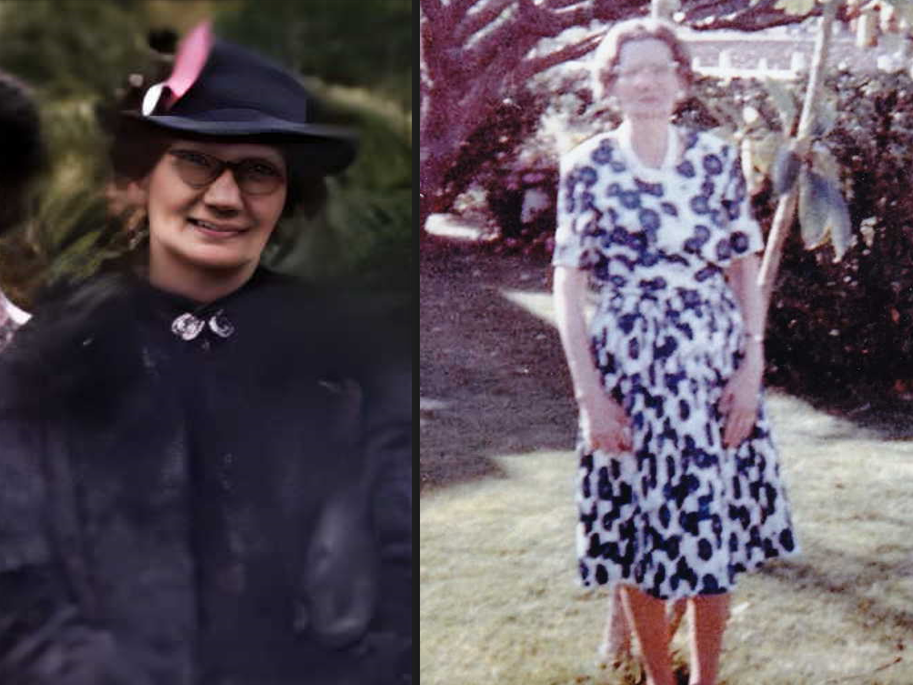
My memories of my grandparents—just plain Papa and Nana to the twelve grandkids—are of typical, hardworking country people. Even as he grew older, Alf enjoyed nothing more than returning to Boonah, meeting and chatting with the locals, or working on the farm, far removed from the rough and tumble of state politics. As a kid, it seemed to me that he knew just about everyone in Boonah and throughout the Fassifern Valley. I remember walking down Church Street and onto the main street, High Street, with him on Saturday mornings; it took forever to get anywhere, as he stopped to chat with nearly everyone we passed.
As his grandson visiting Boonah, even at a relatively young age, I often wondered why my grandfather always bought locally, especially when it came to cars, farm machinery, white goods, furniture, and other major purchases. I had noticed that prices in Boonah were generally higher, even though the town is only about two hours southwest of Brisbane.
When I asked him about it, Papa told me he always bought locally. He had grown up with the people in the town and around the valley—they weren’t just acquaintances; they were friends, and in many cases, family. And I remember thinking at the time, perhaps rather cynically for a ten-year-old, that they were also voters😀. However, as far as he was concerned, if he could get the same product in Boonah, he would never consider buying it elsewhere.
He believed in supporting the local economy. Just as he was a farmer, so were many of his friends and neighbors, and they all shared the same philosophy: support each other by keeping business within the community. “This is how it all works,” he would say.
We often travel to Boonah these days, either visiting or passing through on our way to the Southern Darling Downs, where my wife’s family is from. The town has changed over time, as expected, but it still retains the charming, old-style country feel it has always had. As kids, we enjoyed visiting regularly, knowing that life would slow down to a relaxed country pace.
Alf’s words of advice to his son Selwyn when he took over the State Parliamentary seat of Fassifern were – “Use your common sense. If you have anything worthwhile to say, have the courage to say it; if you wish to comment but are not aware of all the facts, remain silent”
Alf Muller died on the 1st of August 1970 at eighty one years old & was accorded a State Funeral upon his death. He was buried in the Kalbar Cemetery. My Grandmother Annie died five months later and is buried beside him at Kalbar.
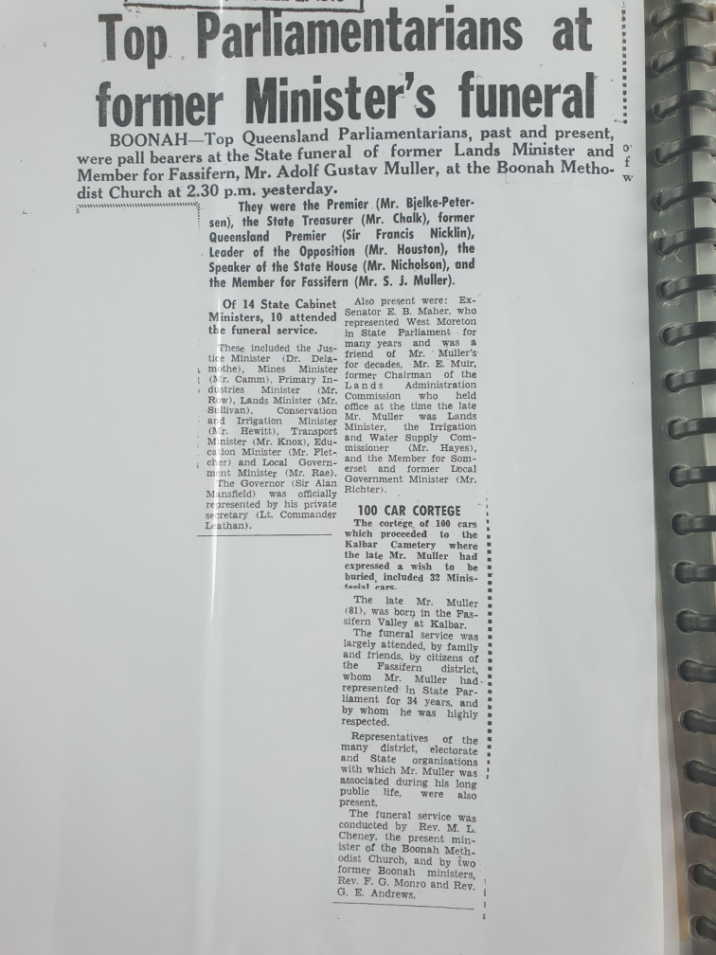
He was a great man and a wonderful husband, father, and grandfather. But he was also one of many who helped develop this part of our state into the thriving, successful farming community it is today.
There are still many descendants living around Boonah, the Fassifern Valley, and Southeast Queensland, as well as throughout Australia, continuing the family tradition that Alf Muller’s father, Johannes Muller, began when he arrived from Germany nearly 150 years ago, in 1879.
See link to Alf Mullers daughter, my Mum


 porsche91722