Reading time 20 minutes
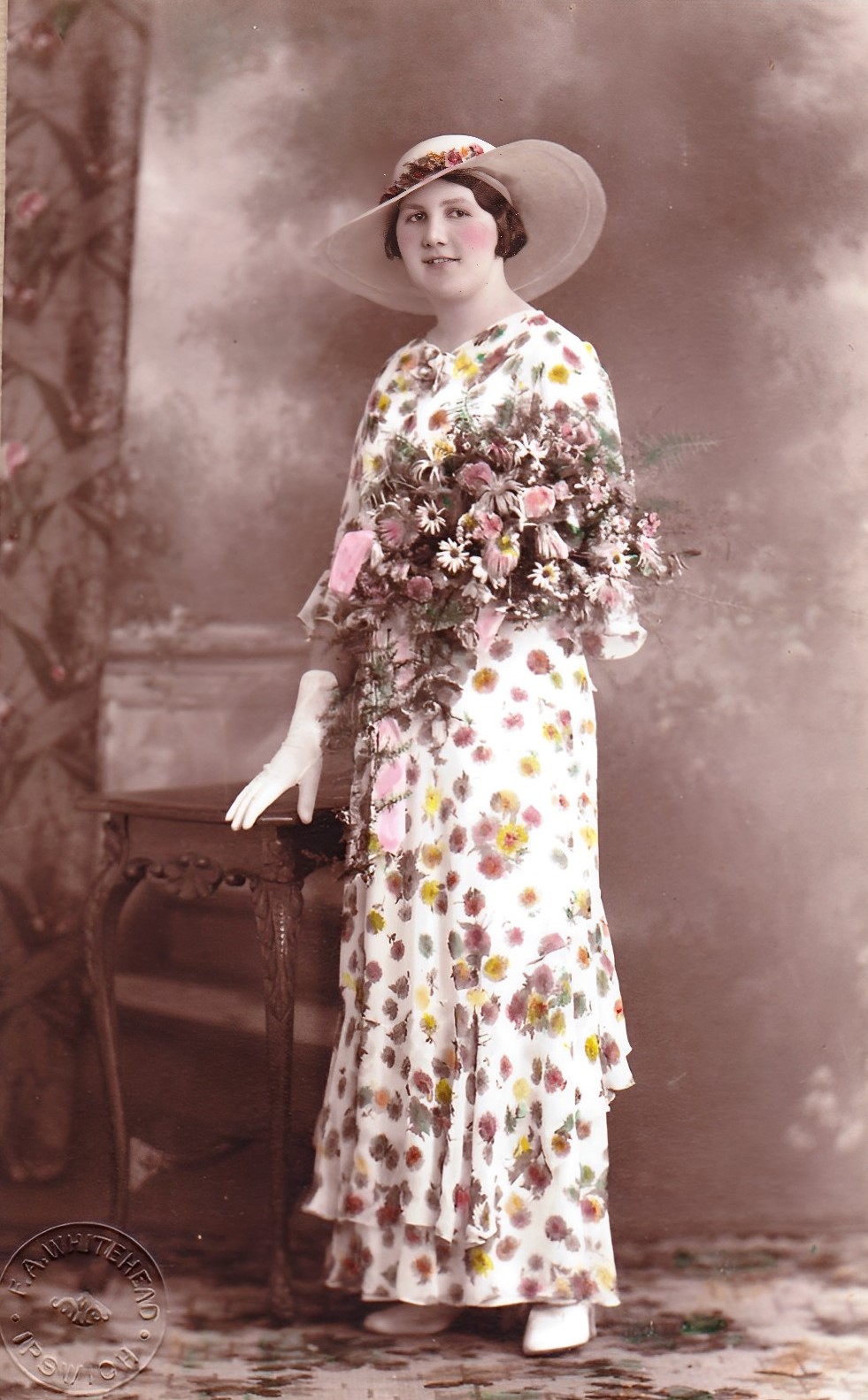
Vera Isabel Bermingham was my Mum. She was the second of four children to Adolf Gustav & Annie Emilie Muller (Lobegieger). Vera was born in Boonah on 24th March, 1914, just a few months before the start of World War One.
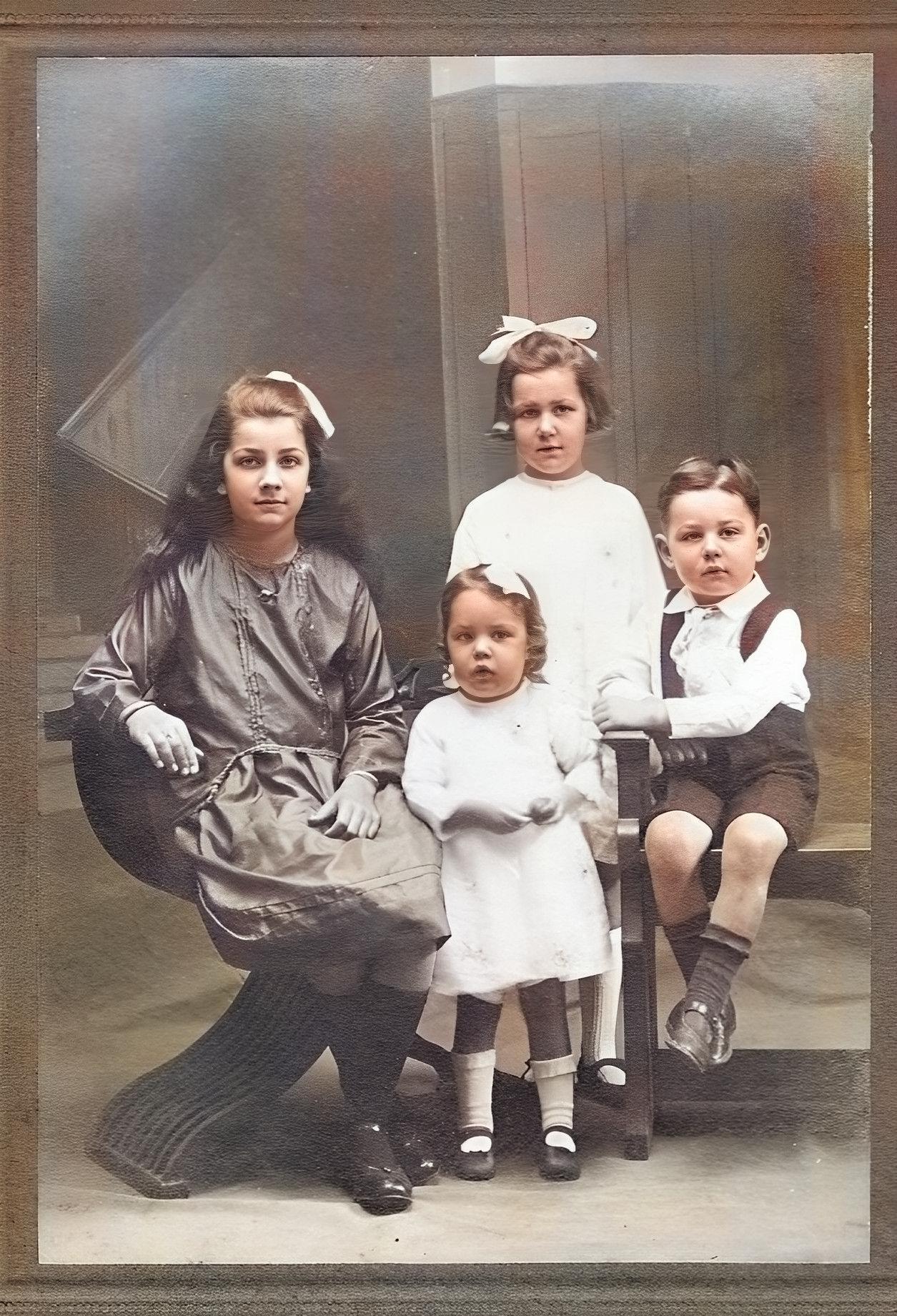
The Muller children – Phyllis, Vera, Selwyn & Mavis in front
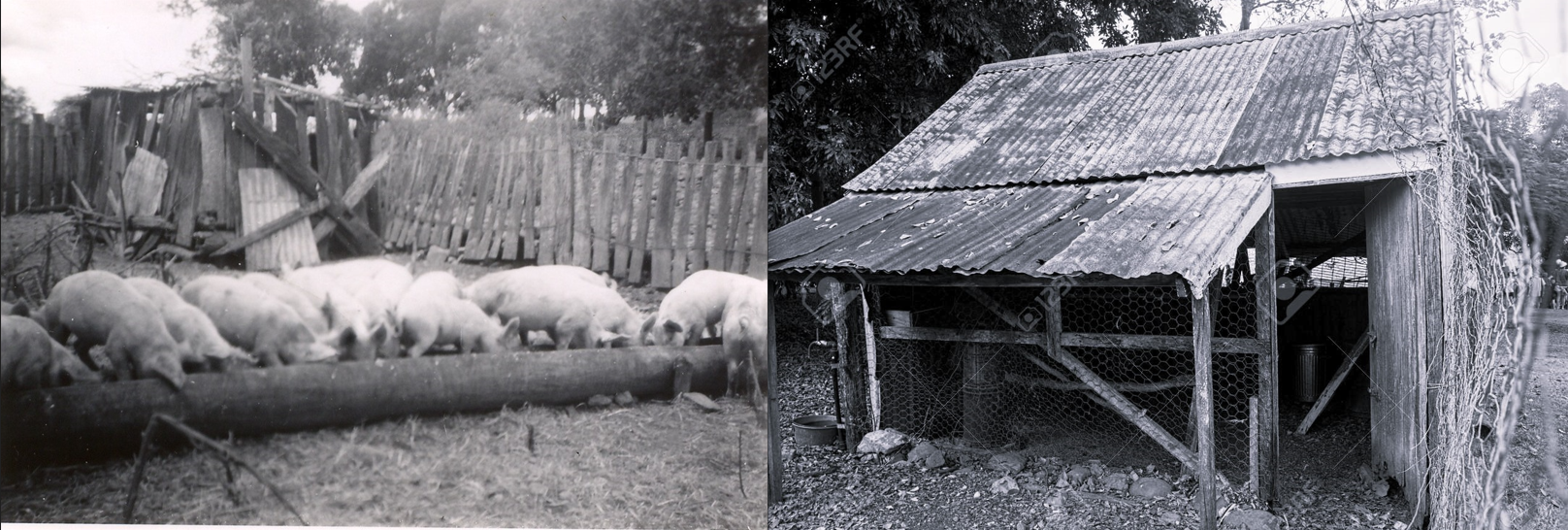
The rural countryside of the Fassifern Valley was then, as it is today – a rich and diverse farming and grazing district. Most of the Muller family had been farmers, ever since Johannes Muller had arrived in Australia from Germany in 1878. Alf and Annie’s farm ran beef and dairy cattle, had the customary pig & chook pens and grew market garden crops in the rich black soil country, now known as the Scenic Rim. The four Muller children, Phyllis, Vera, Selwyn, and Mavis enjoyed a typical bush childhood. They rode their horses to the nearby one-teacher school.
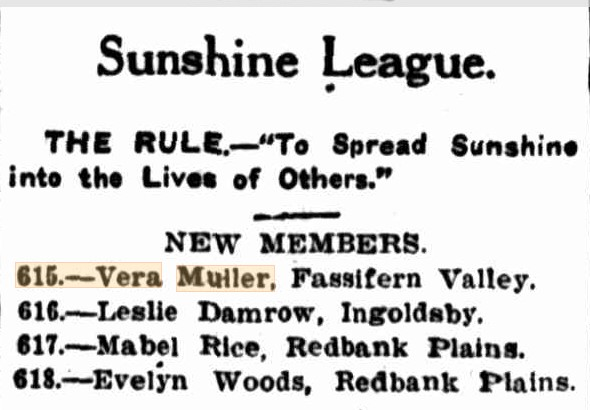
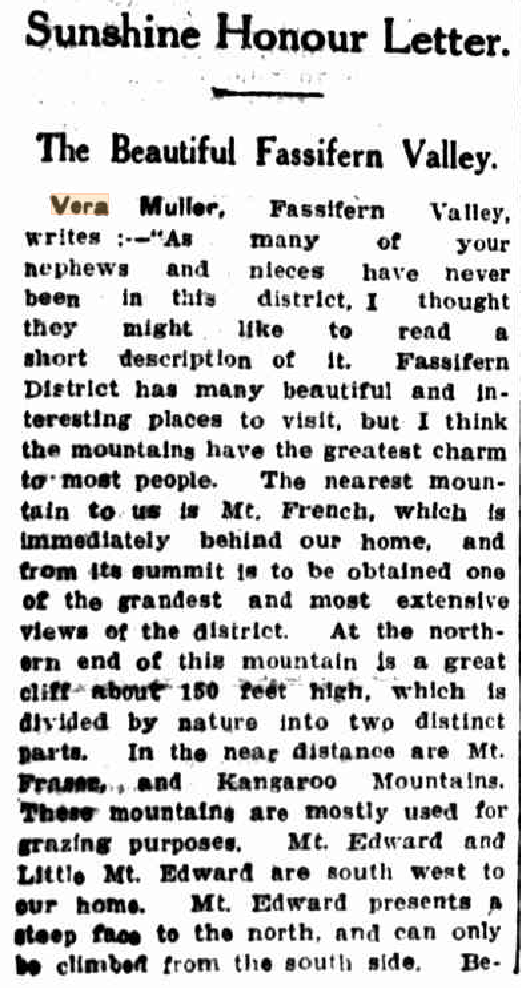

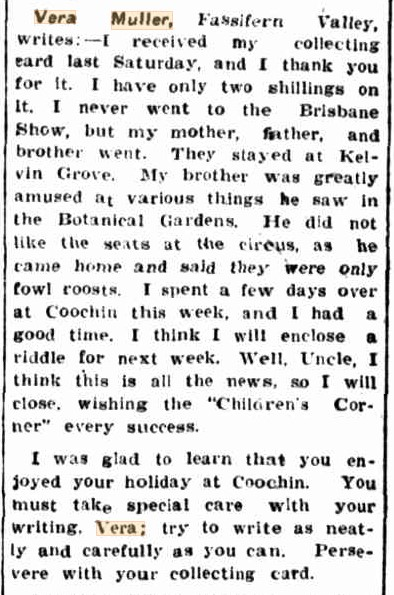
The 1920s were a vastly different world from today, especially in the conservative bush. Men worked the farms, ran the businesses, and had access to further education, while most girls and women were sent off to learn typing, shorthand, and what was quaintly referred to as “domestic science.” It was generally expected that a young woman was preparing herself for marriage and family. I should note that this wasn’t the case in all families, but it was for Vera’s. Her father, Alf Muller, was a tough yet fair old-school farmer with ultra-conservative values, shaped by a strict German Primitive Methodist Church upbringing.
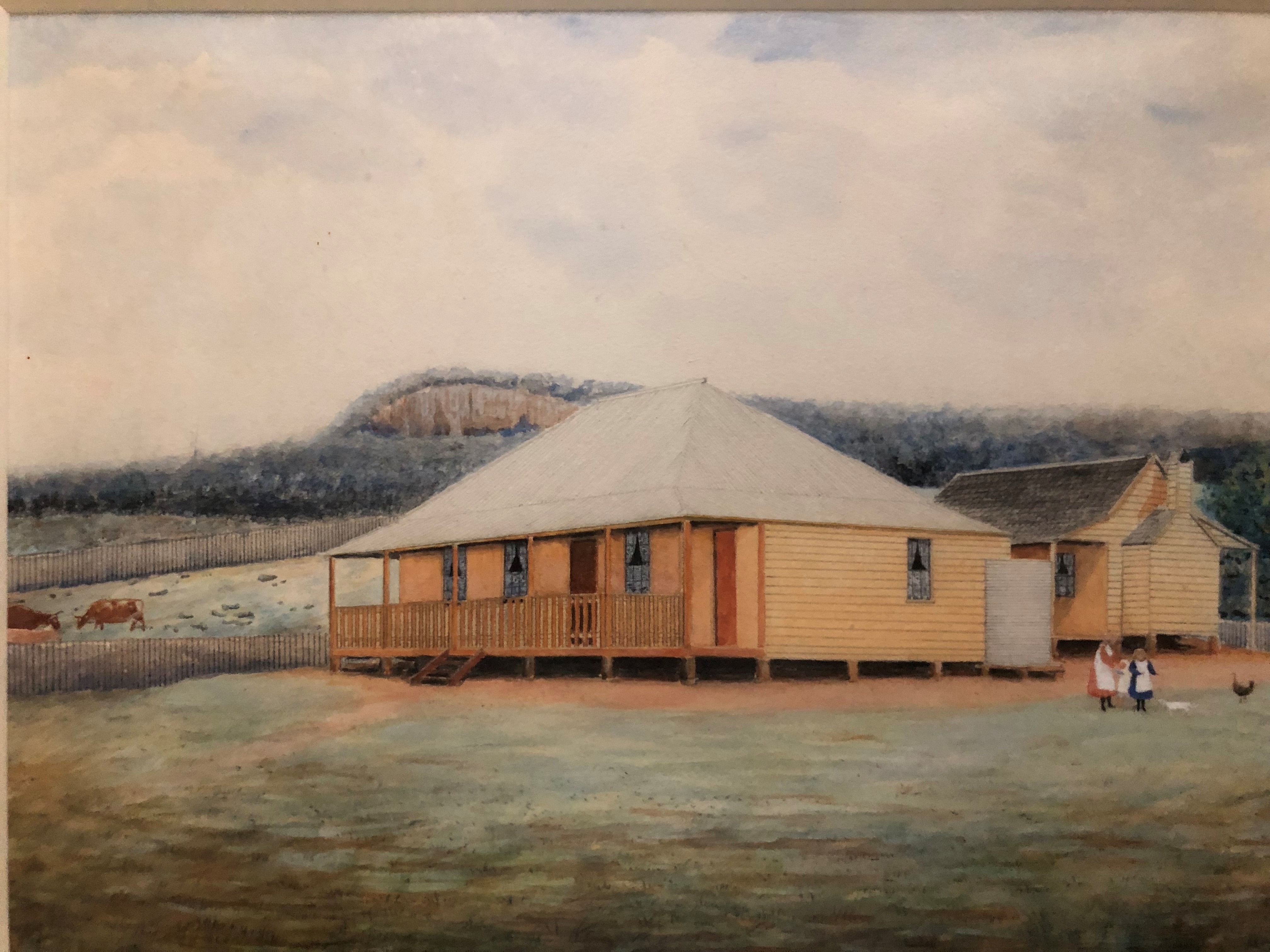
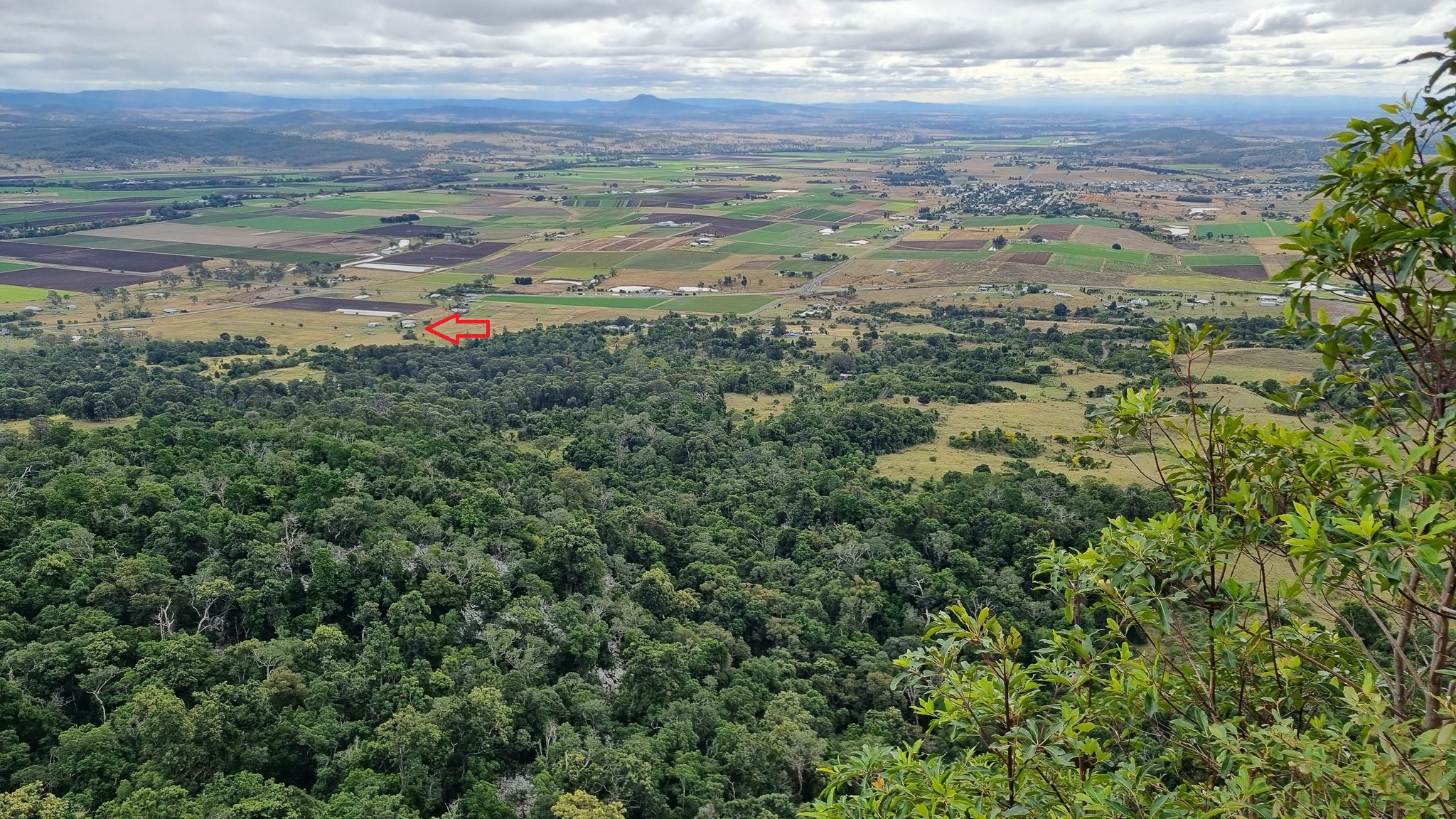
By her teenage years, Vera was developing a tough and forthright character. She yearned for further education and was eager to make her mark in whatever field she chose. However, despite her protests, her learning was limited to the Commercial High School in Ipswich. After completing her studies, Vera worked at Humphreys and Tow, the local department store in Boonah, from 1929 to 1937. Although she often clashed with her father over his restrictions on her further education, she loved her job and enjoyed life in and around Boonah. She played tennis, rode her horse, bushwalked, climbed local mountains, and went on picnics around the beautiful Fassifern Valley with her friends from various church and social groups. She often recounted stories of climbing Mt. French behind the family home, taking trips to Cunningham’s Gap, and exploring the district with her brother Selwyn, her sisters Phyllis and Mavis, and friends—riding horses, motorbikes, and traveling by car.
Vera’s mother, Annie, was a shy and private woman with a quiet disposition. Though she dutifully supported her husband as a local politician’s wife, she preferred spending time with her church, community, garden, and family.
As Vera’s father, A.G. Muller, pursued his political career, Annie often opted out of the endless meetings, official openings, and party functions. Vera frequently accompanied him instead, serving as his assistant. She was a young woman with a confident, outgoing personality, and she would later recall how her outspokenness often exasperated him.

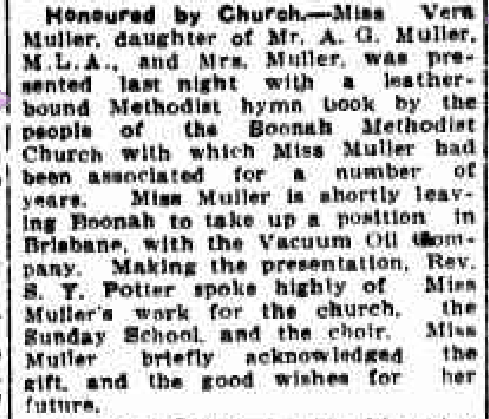
In early 1939, Vera cut her ties with Boonah and, against her father’s wishes, moved to Brisbane, where she took a secretarial position with the Vacuum Oil Company (now ExxonMobil). At 24, leaving Boonah for “the big smoke” was a significant step, and though it was only a few hours away, it marked the beginning of a new chapter.
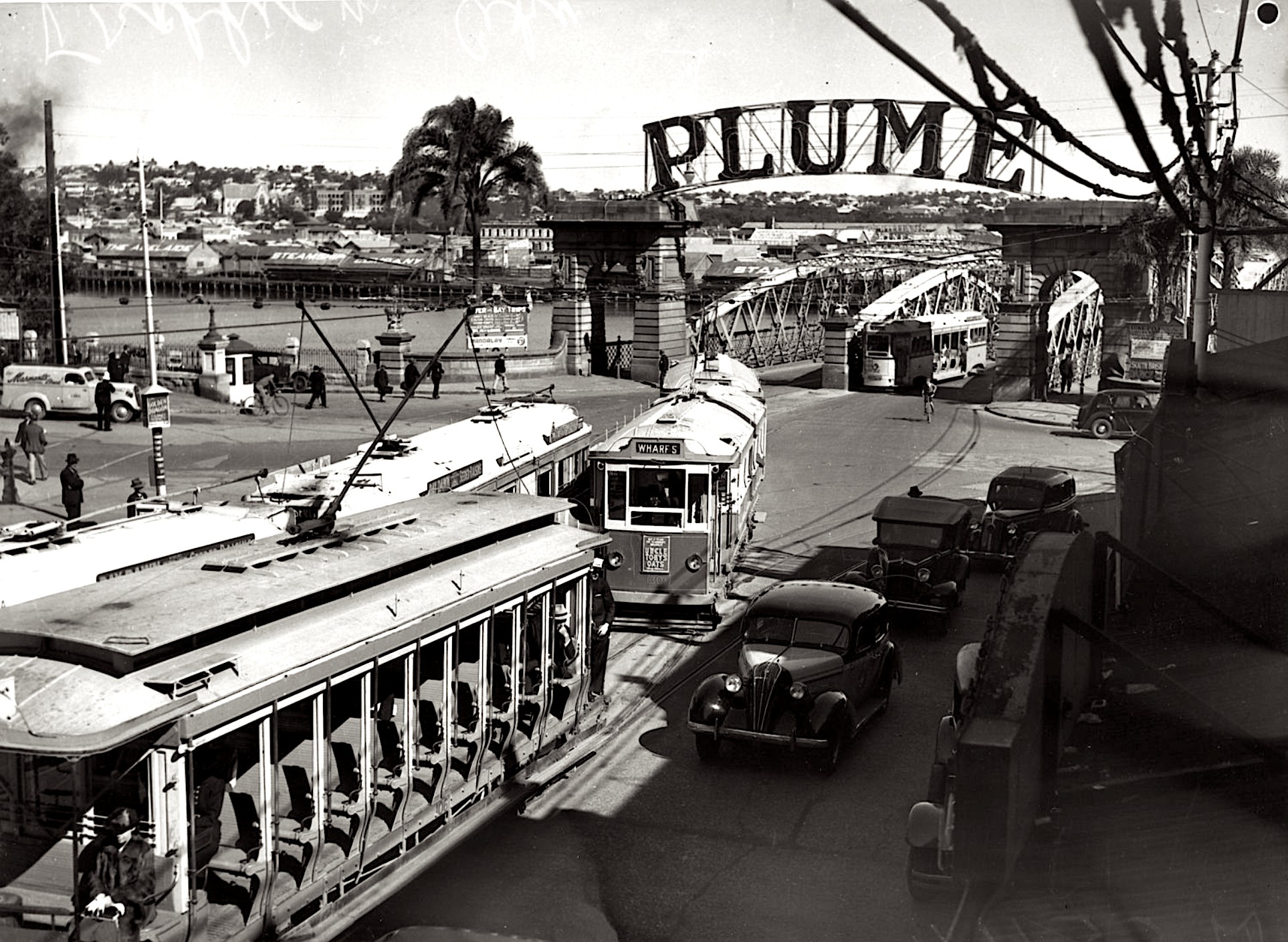

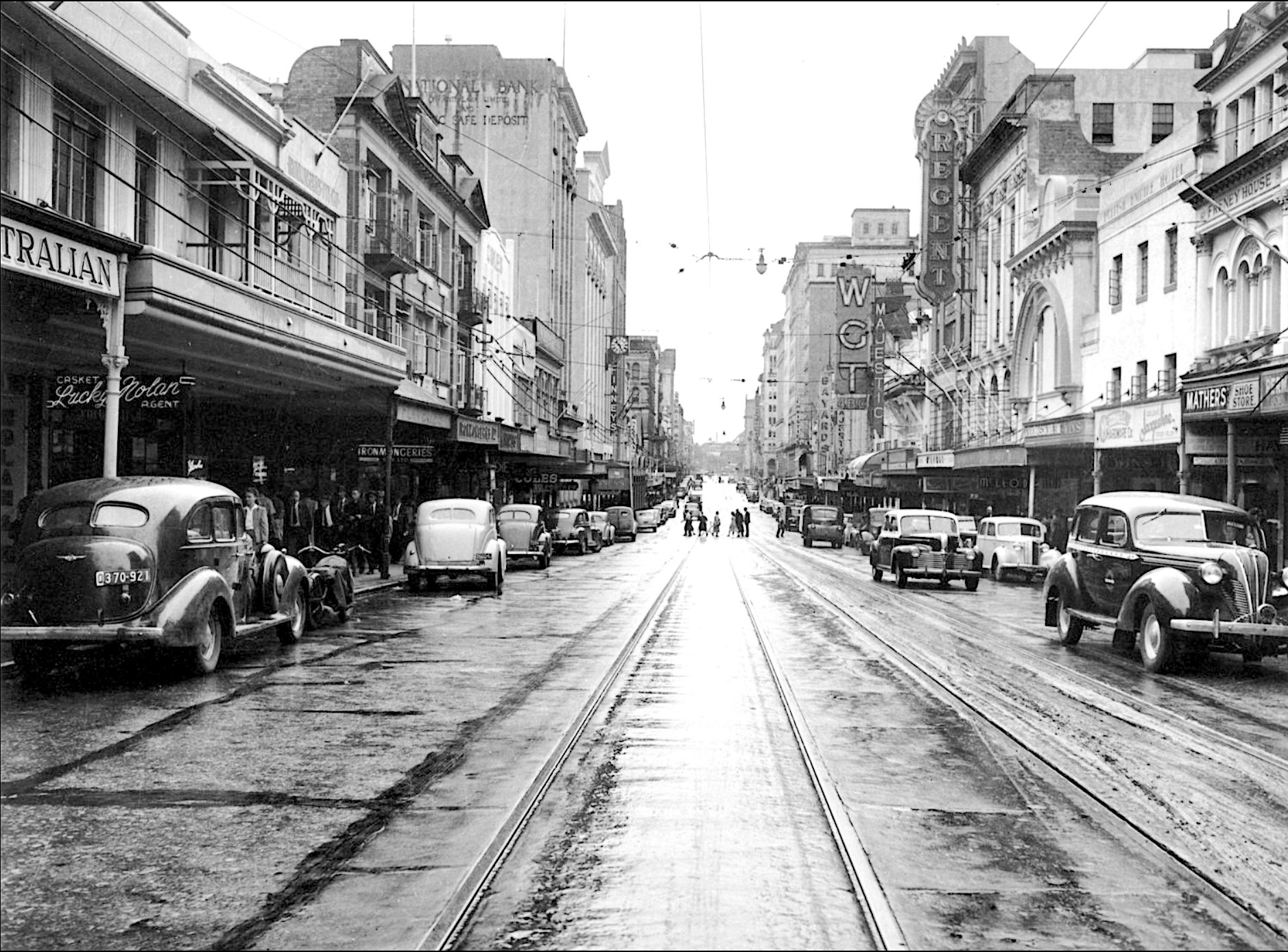
Vera embraced the social life in Brisbane with enthusiasm. Living and working in the bustling city was a stark contrast to the quiet, conservative town of Boonah. Her father was disappointed by her decision to leave, as he would have preferred she marry a local farmer and remain in the Fassifern Valley to raise a family. But he was to face more disappointments as Vera pursued her own path.

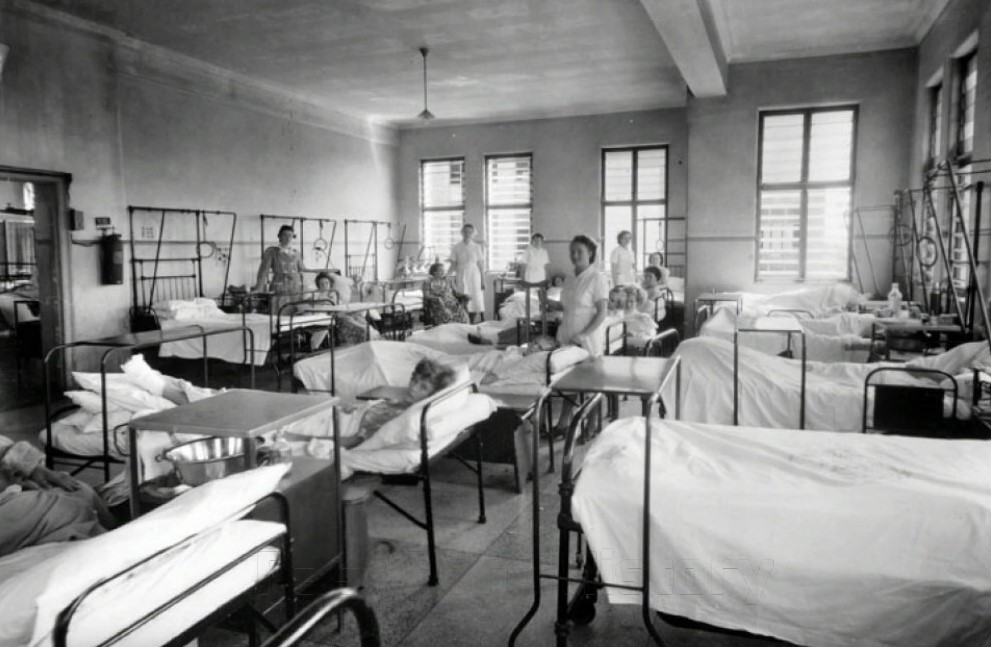
By 1939, World War II had begun. Defying her father’s wishes once again, 25-year-old Vera applied to join the women’s naval and air force units. She also applied for nursing training, as many fully trained doctors and nurses were being deployed to front-line medical units. Accepted into training at the Brisbane General Hospital, now known as the Royal Brisbane and Women’s Hospital, Vera pursued nursing with great passion. The war years provided a fast-track education in the skills modern nurses required, as Brisbane received a steady influx of severely injured and wounded troops returning from the Pacific theaters of war.
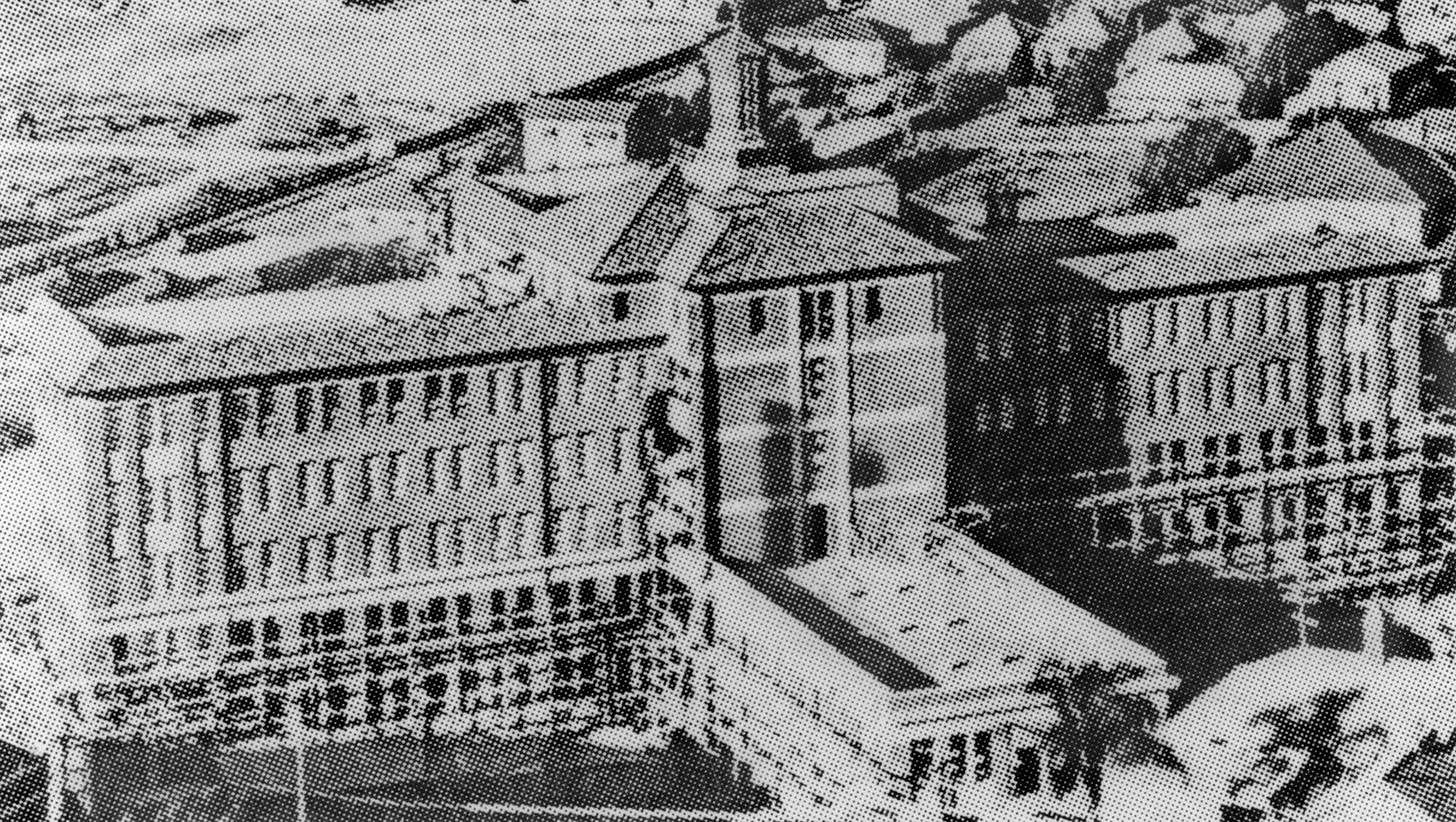
For a more detailed view and a great video on what nursing training was like in Vera’s day, visit The Museum of Nursing History. The video in this link is fascinating —it describes exactly what my mum experienced during her nursing training at Brisbane General Hospital during the war years. It’s incredible to think that she was one of the thousands of nurses who lived at the hospital and trained as a registered nurse (RN) at the Royal Brisbane during that time, 1939-1945. It’s also deeply gratifying to know that the heritage-listed Nurses’ Quarters have been restored to their former glory and are still being used to train and educate new generations of nurses.

Lectures for nurses at Brisbane General & Womens Hospital when Nurse Vera Muller was doing her training
Despite their rigorous schedules, the young wartime trainee nurses found plenty of ways to go out on the town and evade the 10 p.m. curfew at the Nurses’ Quarters. When they managed to get time off, they posted a lookout so they could sneak back in during the early hours. My mum often spoke about the Matron in charge of the Nurses’ Quarters and the various matrons at the hospitals where she served. They all had reputations as strict disciplinarians, and the Matron’s word was law—there were no ifs, buts, or maybes.

Nurses quarters at Royal Brisbane Hospital. The heritage listed building has been fully restored & is now part of a campus for the latest trainee nurses
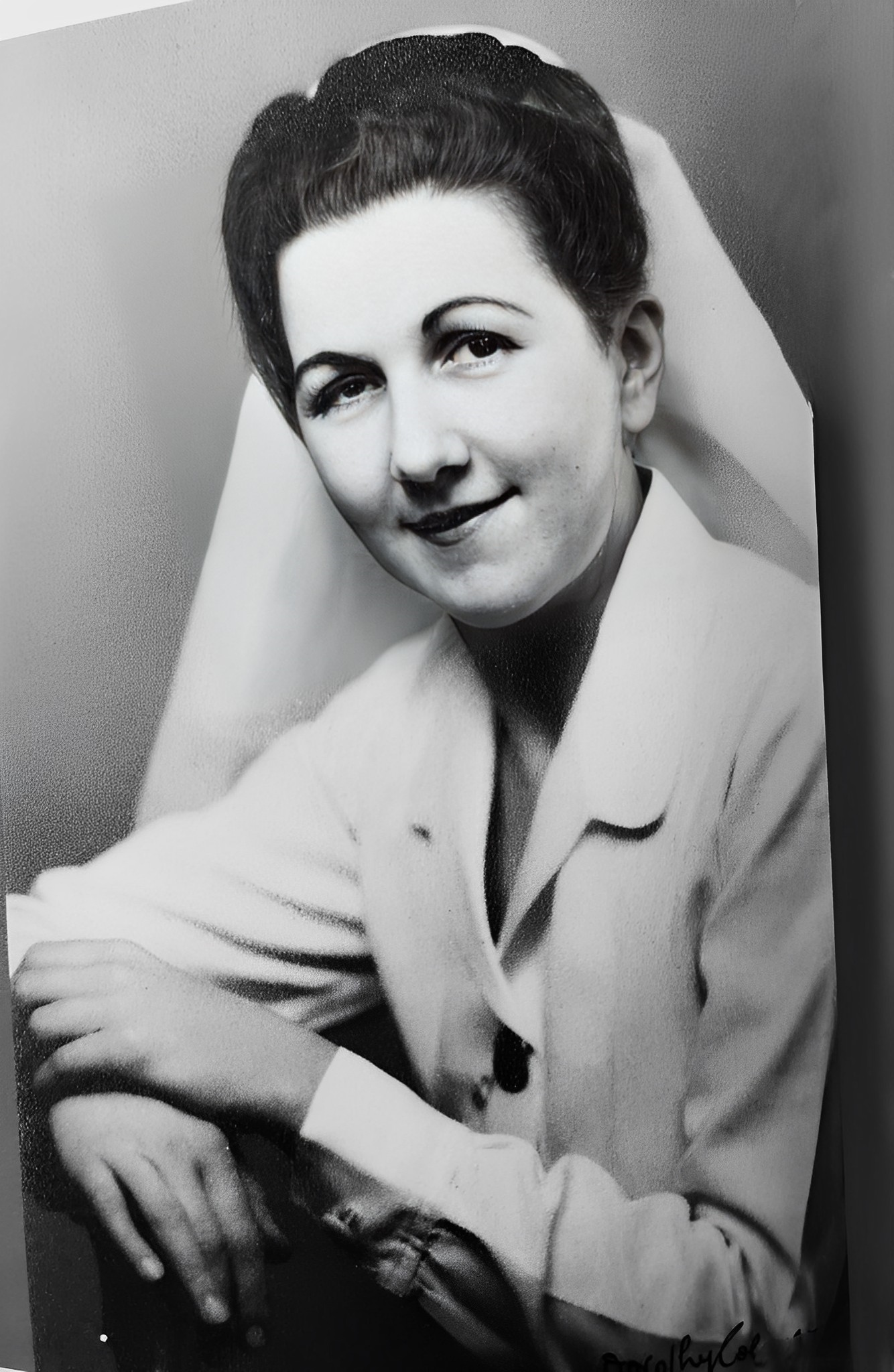
From her father A.G. Muller’s perspective, life wasn’t unfolding entirely according to his plans for all of his children. Most followed the path he envisioned—but not all. His second daughter, in particular, was becoming something of a thorn in his side.
In 1934, his eldest daughter, Phyllis, had married a local farmer’s son, James Alexander Yarrow of Roadvale, a World War I veteran. A.G. couldn’t have been happier: his daughter had married a returning war hero.
In 1940, his son, Selwyn, married Patricia Margaret O’Callaghan and took over the farm. With the start of World War II, Selwyn joined the army, serving with distinction in the Middle East and New Guinea campaigns. He returned after the war to resume running the farm, allowing his father to focus on his growing political career. What more could he ask for? A son who was a war hero, ready to continue the Muller family farming tradition.
By late 1941, his youngest daughter, Mavis, was engaged to Boonah solicitor James Patrick Finney, who ran a successful legal practice. Mavis and Jim had purchased a home on McQuarie Street, just 200 meters from her parents, where they planned to start a family.
However, by 1942, his second daughter, Vera, was a problem.
There is little doubt that, had A.G. Muller known what was happening in Vera’s life in Brisbane during the war, he would have been mortified. Despite the war, she was enjoying her life, working hard in a challenging career, and making new friends.
This was a time when Australian and American service men and women were passing through Brisbane on their way to the Pacific front. Most young adults weren’t sure if Australia would be invaded, with the Japanese coming within about 300 kilometers in New Guinea. There was a sense of urgency to live life to the fullest, as things could change quickly if the war took a turn for the worse. By 1942, with the Americans’ arrival, Commander General Douglas MacArthur had implemented the Brisbane Line—a plan to temporarily abandon Northern Australia if a Japanese invasion occurred.
Vera was an independent young woman, unwilling to follow the script her father had set for her. A.G. had likely been vocal and firm about his desire for his last daughter to marry a local farmer from the Fassifern Valley. But she was determined to carve her own path. While their differences didn’t harm their relationship, her choices clashed with A.G.’s deeply held values. Vera, however, would not budge.
During the war years, the dedicated nurses and doctors worked incredibly long hours for poor pay, enduring tough conditions. But she loved it, forming lifelong friendships along the way. Vera completed her nursing training and earned multiple promotions, eventually overseeing the nursing team at the elite Medical Research Ward at Brisbane General Hospital. Here, she handled the most challenging cases daily, which she described as the most interesting work of her life. She also earned her midwifery certificate and assisted in delivering many new Queenslanders into the world. Her true passion, though, was acute nursing, caring for the most seriously ill on their road to recovery.
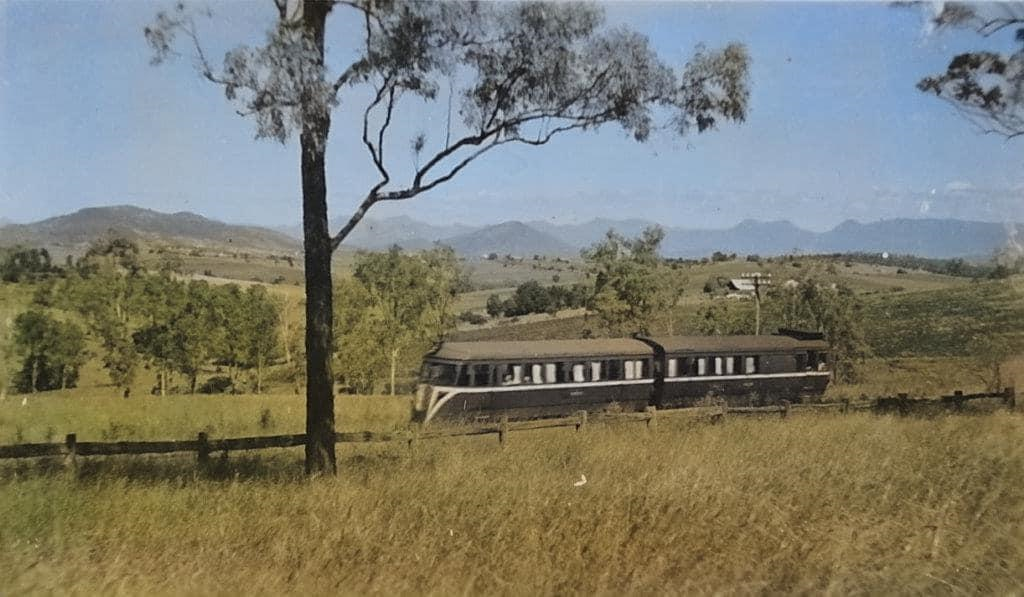
Vera’s life took another decisive turn in early 1948 on the Ipswich to Boonah railmotor. Today, that journey takes only half an hour by car, but back then, the trip stretched to nearly three hours, stopping at every small station to chat with locals and deliver mail and milk. It was the perfect setting for a lifelong partnership to begin between Nurse Vera Muller and PMG (now Telstra) Telephone Linesman John Francis (Jack) Bermingham. It’s fair to say they had plenty of time to get acquainted on that epic 1948 train trip home to Boonah, to see their respective families.
Vera came from a strict German Methodist family, while Jack was from a devout Irish Catholic background—a notable cultural mix in ultra-conservative Boonah in 1948. Jack was also a divorcee, which, at that time, placed him firmly on the fringes of the Catholic Church. He had a son, John Francis Leslie Bermingham, from his previous marriage. Although Jack may not have held strong religious beliefs, he was deeply hurt by his ex-communication from the church—and by the rejection he felt from certain family members. This offense ran so deep that, as far as I know, he never set foot in a Catholic church again.
Vera and Jack Bermingham were married at Brisbane’s Albert Street Methodist Church on February 9, 1949. They honeymooned briefly in Townsville, after which Jack returned to work, installing new automatic telephone exchanges across North Queensland.
The couple lived in Townsville, Bowen, Ayr, and various other towns in North Queensland, with Vera working in different hospitals throughout the region. However, after the fast-paced environment of the Royal Brisbane Hospital, where she had handled acute care during and after the war, she wasn’t particularly enthusiastic about the slower pace of regional hospitals.

The first of their three children, Robert, was born in Ayr, North Queensland. Jack was then transferred to the southwestern regions of Queensland, working in areas like Texas, St George, Wallangarra, Dirranbandi, and Goondiwindi. Vera and baby Robert stayed in Boonah, living in a rental house on Church Street. In 1951, Jennifer was born at the Ipswich Maternity Hospital, so Vera and her two young children were now based in Boonah, with both sides of the family nearby.
In 1953, the year before I (Geoffrey) was born, Vera put her foot down about Jack’s nomadic work life, and he retrained as a PMG draftsman. He now drew up the new plans for telecommunications systems, that he had previously been installing in country areas, but was now working in Brisbane’s CBD.
As an interesting observational side note when I was a child visiting Boonah, I never once saw the two families—the Mullers and the Berminghams—together, despite living only a few hundred meters apart on Macquarie Street. Whenever we visited Boonah, we saw one family or the other. I can’t definitively say what kept them apart—whether it was religion, social class, or ancestry—but even as a kid, I sensed a gap between them, one much wider than the physical distance between their homes. As I got older, I began to understand the cultural and religious divisions that shaped these relationships, dating back to when Queensland’s pioneer settlers arrived in the mid-1800s. Many senior Boonah residents still clung to outdated values and principles through the 1950s and 1960s. Both sets of grandparents held to their strong religious (Protestant versus Catholic) and cultural beliefs, reflecting the eras in which they had been raised. It’s possible that some differences felt too difficult to reconcile. Still, these didn’t stop Vera, who held strong Methodist beliefs from her German heritage, from marrying Jack, raised in a devout Irish Catholic family. Their union clearly didn’t sit well with either set of in-laws.
Queenslanders have long been the target of ridicule from those in the southern states, often described as being “ten years culturally behind” the rest of Australia. Although Boonah lies just a couple of hours southwest of Brisbane, in the 1950s & 60s it still reflected a cultural mindset more akin to the early 1900s. In fact, I believe most small provincial towns across Australia, but perhaps more so in Queensland, shared this characteristic. That likely makes sense, considering many of the towns’ civic leaders & senior citizens were born around the turn of the century.
You could sense Boonah’s conservative atmosphere the moment you arrived in town—and I say that with respect. I loved visiting as a child and still do. But during those years around the mid-20th century, Boonah stood as a bastion of conservative values and lifestyle.
Even today, some towns still seem to hold onto the same racial, religious, cultural, and environmental views—caught in a kind of time warp. That may sound derogatory, but it really depends on which side of those fences you stand. Far from being critical, we loved going there as kids to experience the relaxed country lifestyle and slower pace of life.
In many ways, Queenslanders continue to think and vote differently, live and work differently. Hell, we even operate on a different time zone in summer than the rest of the country.
Vera, coming from a traditional farming family, naturally held conservative political beliefs. However, she was a critical thinker who valued rational thought over rigid ideology. She didn’t always align with her father’s Country Party (later the National Party) views, nor with her husband Jack’s strong allegiance to the Liberal Party.
Consequently, Vera had a pragmatic, common-sense approach to life. She was a realist, and one of her favorite sayings was, “Just get on with it”—meaning that dwelling on problems is pointless; instead, make the best of what you have.
She maintained the strong religious values her parents instilled in her during her childhood in Boonah. Raised as a Methodist, Vera remained active in her local Methodist congregation and later the Uniting Church after moving to suburban Brisbane. As kids, we were christened, baptized, and attended Sunday School.

The family had bought a home in suburban southside Brisbane. Vera had wanted a more stable life, instead of the migratory lifestyle they’d had, since being married. Vera and Jack raised the three kids in the post-war baby boom period in Australia and we all attended local primary and high schools.
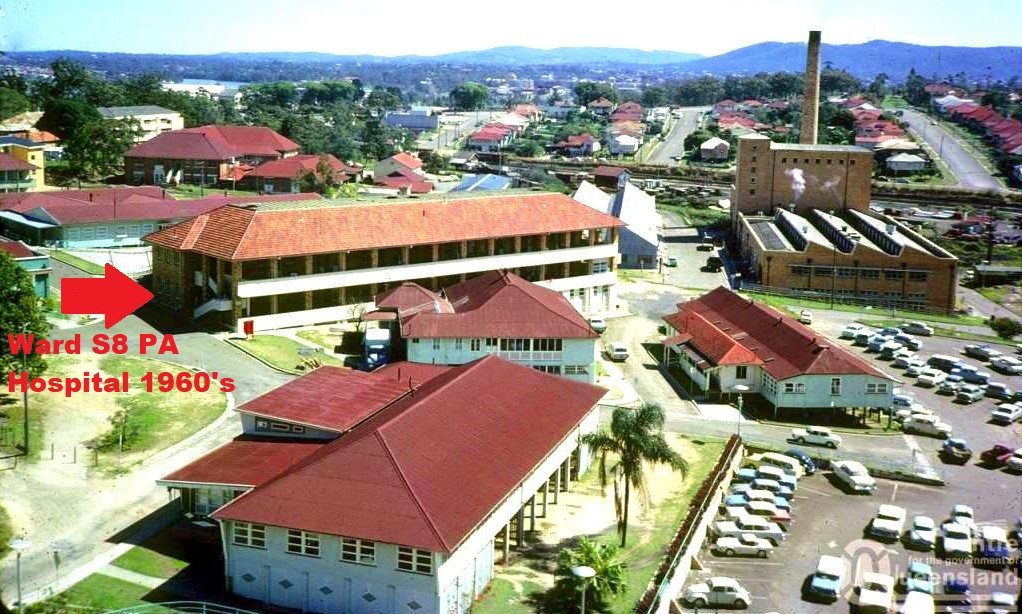
Vera was always going to be drawn back to her beloved nursing. Now with a more balanced lifestyle, she and Jack decided she could return to work, taking on daytime shifts at the Princess Alexandra Hospital in Acute Nursing Care and Rehab (today’s ICU). She also picked up night shifts at various hospitals around Brisbane—all while raising three young children. Besides, the extra income would be helpful, as they had started their family later in life. At the time of their marriage, Jack was 43 and Vera 35, so they were also late starters in the housing market and had only just begun paying off a mortgage.
Vera’s nursing career was long and filled with distinction. Over the years, she worked in emergency departments, hospital research wards, ICU, surgical, rehab, general care and recovery, maternity, and aged care. I believe her passion for nursing and healthcare would have kept her working until her last days if she hadn’t had a family. Nursing is a noble profession, driven by an instinct to care, and it requires unwavering dedication, compassion, and a commitment to patients’ well-being. Nurses are not only responsible for medical care but also play a critical role in offering emotional and mental support to patients and their families. Vera retired in 1978, at age 64, after 38 years of service. She spent the following years caring for Jack until he passed away in 1984, ultimately succumbing to Alzheimer’s disease.
After Jack’s death, Vera wasn’t one to sit idle. She traveled widely, visiting Hong Kong, China, across Australia and reconnecting with old friends. She remained active and embraced her role as a grandmother to an ever-growing family, eventually having thirteen grandchildren.

Geoff, Robert, John & Jen with Vera on her 90th birthday
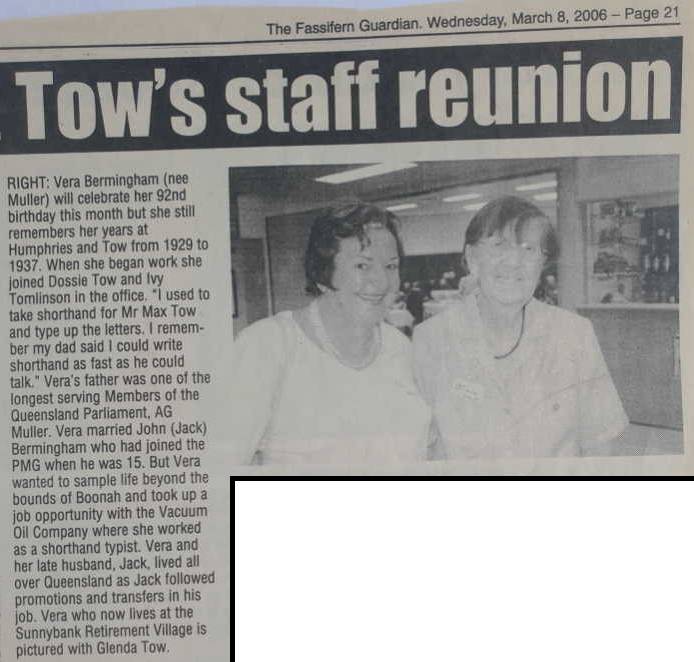
Vera Isabel Bermingham (née Muller) lived a long and fulfilling life, passing away on October 11, 2008, at the age of 94. She outlived all her siblings.
I have no idea whether guts & stubborn determination are genetic traits that get passed down to future generations. However, it is interesting to note that all of Vera’s female descendants – her daughter, the five grandaughters & the five great grandaughters, have all been the recipients of those characteristics.

I am Vera and Jack Bermingham’s son – A G (Geoff) Bermingham. My wife and I have three children – Andrew, Jarryd & Kathryn.
I think Vera would have been very proud to know that our son, her Grandson – Andrew Bermingham recently graduated as a Registered Nurse and is now following in her footsteps and working in the health care sector.
Andrew & Pankaj have blessed us with a beautiful grandaughter – Samara Isabel Bermingham – Vera Isabel Bermingham’s Great Grandaughter.


 porsche91722